Your skin deserves the best care without breaking the bank. A thoughtful diy skin care routine brings professional results right to your bathroom.
Natural ingredients work wonders when you understand your skin. The right combination addresses specific concerns while nourishing every layer.
This comprehensive guide reveals proven methods for creating effective treatments. You will discover simple recipes that transform your complexion in weeks.
From fighting acne to reversing aging signs, these natural solutions deliver real results. Each step builds upon the last for maximum effectiveness.
Ready to unlock radiant, healthy skin? Let us explore the complete approach to DIY skin care that actually works.
Understanding Your Skin Type for Better Results
Knowing your specific skin type creates the foundation for success. Different skin types respond uniquely to various ingredients and treatment methods.
Your skin reveals important clues about what it needs most. Observing how your face feels throughout the day guides product selection.
How to Identify Your Skin Type
The simple tissue test provides accurate results in minutes. Wash your face with a gentle cleanser and pat dry completely.
Wait thirty minutes without applying any products. Press a clean tissue against different areas of your face.
Oily skin leaves visible oil marks on the tissue. Dry skin shows no oil and feels tight or flaky.
Combination skin produces oil only in the T-zone. Normal skin shows minimal oil with comfortable texture.
Characteristics of Different Skin Types
Oily Skin Traits
Oily skin produces excess sebum throughout the day. This type often struggles with enlarged pores and shine.
- Shiny appearance within hours of cleansing
- Prone to acne breakouts and blackheads
- Enlarged visible pores especially on nose and cheeks
- Makeup slides off face easily during the day
Dry Skin Characteristics
Dry skin lacks adequate moisture and natural oils. This condition creates visible flaking and uncomfortable tightness.
- Tight feeling after washing face with water
- Visible flaking or rough texture patches
- Fine lines appear more pronounced than actual age
- Redness and irritation from many products
Combination Skin Features
Combination skin displays multiple characteristics simultaneously. The T-zone behaves differently from cheek areas.
- Oily forehead, nose, and chin areas
- Normal to dry cheeks and outer face
- Occasional breakouts in oily zones only
- Requires different products for different areas
Sensitive Skin Indicators
Sensitive skin reacts strongly to common ingredients. This type requires extra gentle care and attention.
- Frequent redness or visible irritation appears quickly
- Burning or stinging from standard products
- Reactions to weather changes and stress
- Rashes develop from new ingredients easily
Why Skin Type Matters for DIY Care
Each skin type requires specific ingredients for optimal results. Using wrong products worsens existing concerns instead of improving them.
Oily skin benefits from lightweight, astringent ingredients. Heavy oils and thick creams often cause more breakouts.
Dry skin needs rich, nourishing treatments. Light lotions provide insufficient moisture for this skin type.
Understanding your type prevents wasted time and frustration. The right match delivers visible improvements within days.
Discover Your Perfect Skincare Match
Get a personalized skin care routine designed specifically for your unique skin type. This comprehensive system analyzes your specific needs and creates custom solutions that deliver real results fast.
Essential Natural Ingredients for Your DIY Skin Care Routine
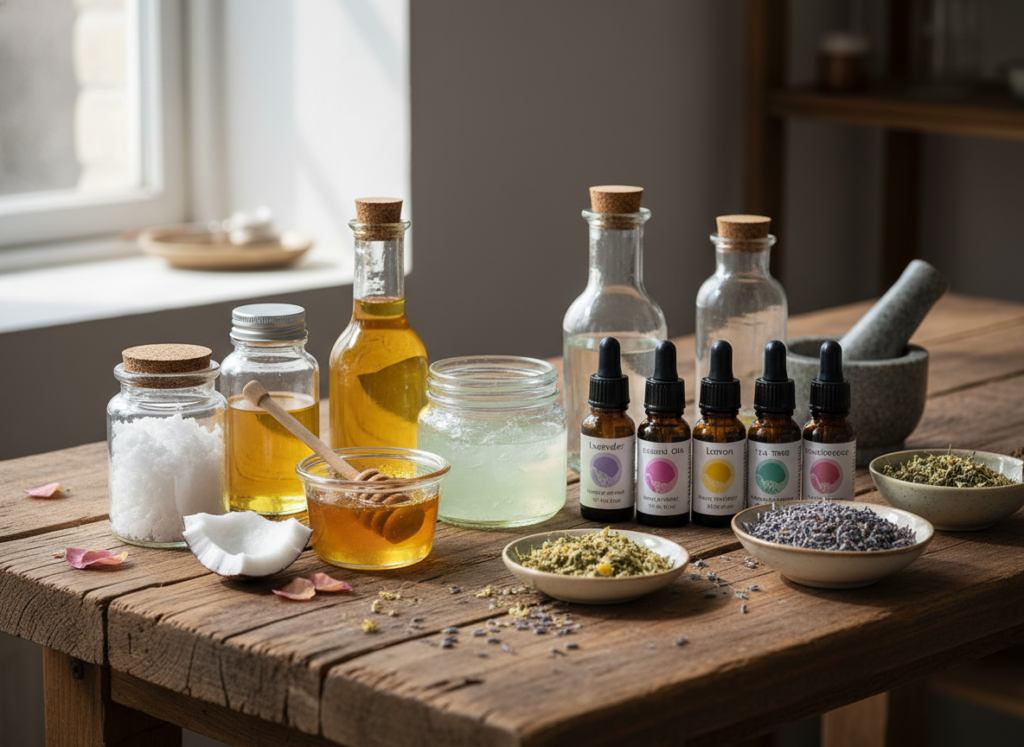
Natural ingredients provide powerful benefits without harsh chemicals. Your pantry likely contains several effective skin care components already.
These time-tested ingredients deliver professional results at home. Each offers unique properties that address specific skin concerns.
Carrier Oils for Every Skin Type
Carrier oils form the base of many effective treatments. These natural oils penetrate deeply to nourish skin cells.
Coconut oil works wonders for dry skin and gentle cleansing. This versatile oil removes makeup while providing deep moisture.
Jojoba oil closely mimics natural skin sebum. This makes it perfect for all skin types including oily and acne-prone.
Sweet almond oil offers lightweight hydration. Sensitive skin tolerates this gentle oil exceptionally well.
Argan oil contains high vitamin E levels. This powerful antioxidant fights aging signs and improves skin tone.
Active Treatment Ingredients
Honey provides natural antibacterial properties. Raw honey treats acne while moisturizing dry patches simultaneously.
Aloe vera gel soothes irritation and inflammation. This cooling ingredient accelerates healing of damaged skin.
Green tea delivers potent antioxidants. These compounds protect against environmental damage and aging.
Apple cider vinegar balances skin pH naturally. Diluted applications tone and clarify the complexion effectively.
Exfoliating Components
Sugar crystals gently remove dead skin cells. This natural exfoliant reveals fresh, glowing skin underneath.
Oatmeal soothes while it exfoliates gently. Ground oats work perfectly for sensitive skin types.
Coffee grounds stimulate circulation. This energizing scrub reduces puffiness and improves skin texture.
Baking soda offers deeper exfoliation. Use sparingly for occasional deep-cleansing treatments only.
Essential Oils for Specific Concerns
Tea tree essential oil fights acne effectively. This powerful antibacterial ingredient prevents future breakouts too.
Lavender oil calms irritated skin. The soothing properties reduce redness and promote healing.
Frankincense essential oil targets aging signs. This luxurious oil diminishes fine lines and wrinkles naturally.
Rosehip oil brightens dark spots. Regular application evens skin tone over time.
Always dilute essential oils properly. Mix only a few drops with carrier oils for safe application.
Building Your Morning DIY Skin Care Routine
Morning care prepares your skin for the day ahead. A consistent routine protects against environmental damage and maintains healthy appearance.
The right morning steps take only minutes. These simple practices create lasting improvements over time.
Step One: Gentle Morning Cleansing
Morning cleansing removes overnight oil buildup. Your skin accumulates sebum and dead skin cells during sleep.
Mix one tablespoon of honey with warm water. This gentle cleanser removes impurities without stripping natural oils.
Apply the mixture to damp face using circular motions. Massage for thirty seconds to stimulate circulation.
Rinse thoroughly with lukewarm water. Pat dry with a clean, soft towel.
Oily skin benefits from adding tea tree oil. Mix two drops into your honey cleanser for extra purification.
Step Two: Balancing Toner Application
Toner restores proper pH levels. This crucial step prepares skin for better product absorption.
Create a simple toner with equal parts water and apple cider vinegar. Add a few drops of lavender essential oil for sensitive skin.
Apply toner with a cotton pad. Sweep gently across face avoiding the eye area.
Green tea works beautifully as a soothing toner. Brew strong tea, cool completely, and apply the same way.
Allow the toner to dry naturally. This takes about one minute before the next step.
Step Three: Lightweight Morning Serum
Serums deliver concentrated active ingredients. Morning serums should address specific concerns while staying lightweight.
Mix two tablespoons of jojoba oil with vitamin E. Add three drops of frankincense oil for anti-aging benefits.
Apply three to five drops to fingertips. Press gently into skin rather than rubbing vigorously.
Focus on areas needing extra attention. Problem zones absorb serums most effectively.
Step Four: Protective Moisturizer
Morning moisture creates a protective barrier. This layer shields against environmental stressors throughout the day.
Combine one tablespoon of coconut oil with aloe vera gel. This combination hydrates without heaviness.
Apply to slightly damp skin for better absorption. Use upward strokes to promote firmness.
Wait five minutes before applying makeup. This allows complete absorption of all products.
Quick Morning Glow Recipe
This energizing morning treatment takes two minutes. Your skin will look refreshed and radiant all day.
- 1 tablespoon plain yogurt
- 1 teaspoon raw honey
- 2 drops lemon essential oil
- Mix and apply for instant brightness
Creating Your Evening DIY Skin Care Routine
Evening care focuses on repair and renewal. Night time provides the perfect opportunity for deeper treatments.
Your skin regenerates most actively during sleep. Supporting this natural process accelerates visible improvements.
Deep Cleansing for Night
Evening cleansing requires more thorough approach. You need to remove makeup, sunscreen, and daily pollutants completely.
The oil cleansing method works remarkably well. Mix equal parts coconut oil and jojoba oil in a small bottle.
Apply the oil blend to dry face. Massage gently for two full minutes to dissolve all impurities.
Add warm water to emulsify the oils. Continue massaging as the mixture turns milky white.
Rinse completely with warm water. Follow with a splash of cool water to close pores.
Weekly Exfoliation Treatment
Exfoliation removes the buildup of dead skin cells. This process reveals fresh, glowing skin underneath.
Perform this step two to three times weekly. Over-exfoliation damages the protective skin barrier.
Create a gentle scrub with brown sugar and honey. Add a few drops of jojoba oil for extra nourishment.
Apply to damp skin using circular motions. Focus on rough areas but avoid harsh scrubbing.
Rinse thoroughly after one minute of massage. Your skin should feel smooth but not irritated.
Targeted Treatment Masks
Face masks deliver intensive treatment benefits. These concentrated applications address specific skin concerns effectively.
Apply masks once or twice weekly for best results. Choose ingredients based on your current needs.
For acne-prone skin, mix bentonite clay with water. Add one drop of tea tree essential oil for enhanced antibacterial properties.
Dry skin benefits from an avocado honey mask. Mash half an avocado with one tablespoon of raw honey.
Apply masks to clean, dry skin. Leave on for fifteen to twenty minutes maximum.
Rich Night Moisturizer
Night cream should be richer than morning products. Your skin can handle heavier formulations during sleep.
Mix shea butter with rosehip oil for anti-aging benefits. Add vitamin E for extra antioxidant protection.
Apply generous amounts to face and neck. Use gentle upward strokes to encourage firmness.
Pay special attention to dry areas. Extra product on problem spots provides targeted care.
Natural Treatments for Acne in Your DIY Skin Care Routine
Acne affects people of all ages and skin types. Natural treatments address the root causes without harsh side effects.
Understanding acne formation helps prevent future breakouts. Proper treatment clears existing blemishes while protecting healthy skin.
Understanding Acne Causes
Acne develops when pores become clogged. Excess oil, dead skin cells, and bacteria create the perfect environment.
Hormonal fluctuations trigger increased oil production. Stress, diet, and genetics also play significant roles.
Inflammation worsens existing acne. Reducing inflammation speeds healing and prevents scarring.
Tea Tree Oil Spot Treatment
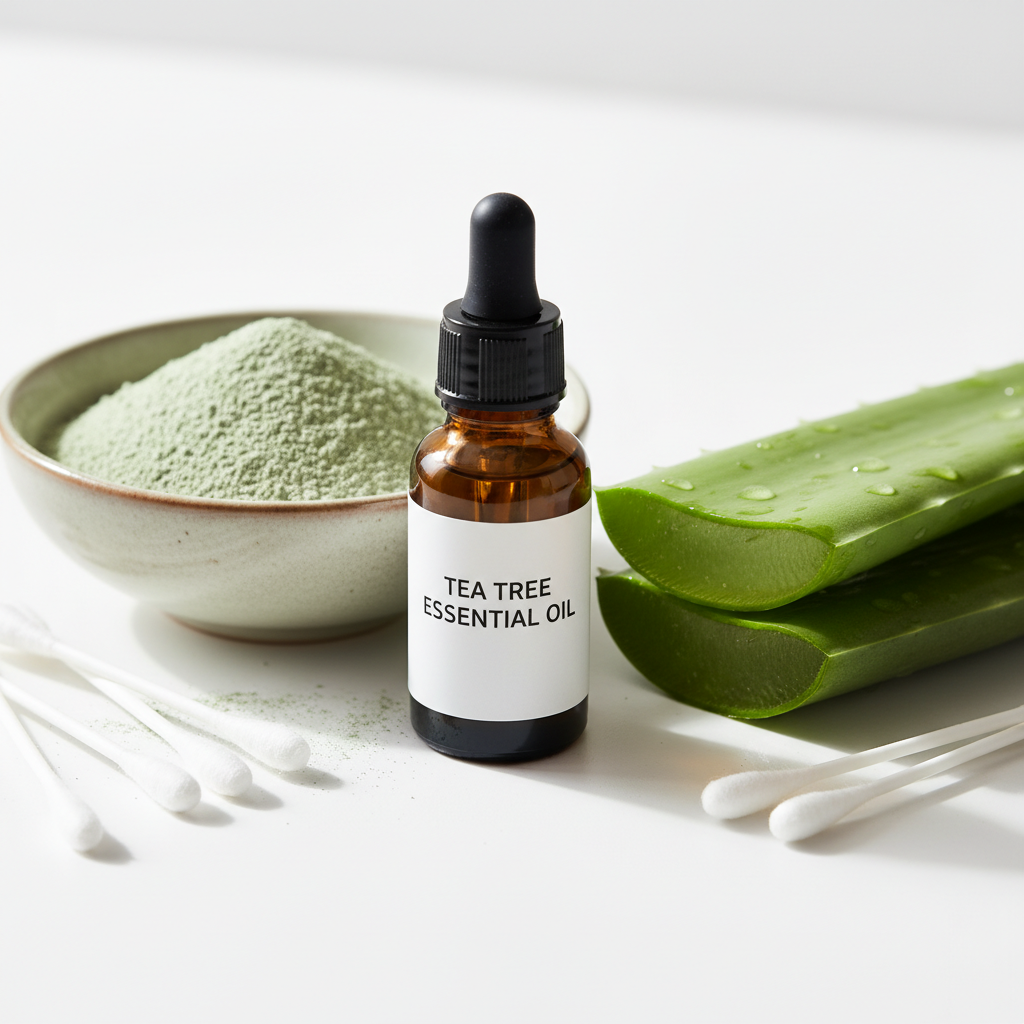
Tea tree essential oil kills acne-causing bacteria. This powerful natural antibiotic reduces inflammation quickly.
Never apply tea tree oil undiluted. Mix one drop with one teaspoon of jojoba oil as carrier.
Use a cotton swab for precise application. Dab directly onto blemishes without spreading to healthy skin.
Apply this treatment twice daily. Most spots shrink noticeably within two days.
Clay Mask for Deep Pore Cleansing
Bentonite clay draws out impurities from deep within pores. This natural ingredient absorbs excess oil without over-drying.
Mix two tablespoons of clay with enough water. Create a smooth paste that spreads easily.
Apply to clean, damp skin. Focus on areas prone to breakouts like the T-zone.
Leave the mask on until almost dry. Rinse before it becomes completely hard to prevent irritation.
Use this mask twice weekly for oily skin. Once weekly works better for combination skin types.
Honey and Cinnamon Acne Mask
Honey provides antibacterial properties. Cinnamon improves blood circulation to promote healing.
Mix two tablespoons of raw honey with one teaspoon of cinnamon. Blend thoroughly to create smooth consistency.
Apply to problem areas or entire face. Leave on for ten to fifteen minutes maximum.
Rinse with warm water. Pat skin dry gently without rubbing.
Apple Cider Vinegar Toner
Apple cider vinegar balances skin pH. This creates an environment where acne bacteria cannot thrive.
Always dilute apple cider vinegar before applying. Mix one part vinegar with three parts water.
Apply with cotton pad after cleansing. Avoid the delicate eye area completely.
Start using this toner every other day. Increase to daily use once skin adjusts.
Clear Your Acne Completely
Stop struggling with stubborn breakouts and scarring. This proven acne elimination system combines professional-strength treatments with natural ingredients. Thousands have achieved clear, confident skin in just weeks.
Anti-Aging Solutions for Your DIY Skin Care Routine
Aging skin requires specialized attention and care. Natural ingredients provide powerful anti-aging benefits without expensive procedures.
Prevention works better than correction. Starting anti-aging care early maintains youthful appearance longer.
Understanding Skin Aging Process
Collagen production decreases with age. This protein keeps skin firm and plump.
Sun exposure accelerates aging significantly. UV damage creates wrinkles, spots, and texture changes.
Free radicals attack healthy skin cells. Antioxidants neutralize these damaging molecules effectively.
Cell turnover slows as we age. Regular exfoliation encourages new cell production.
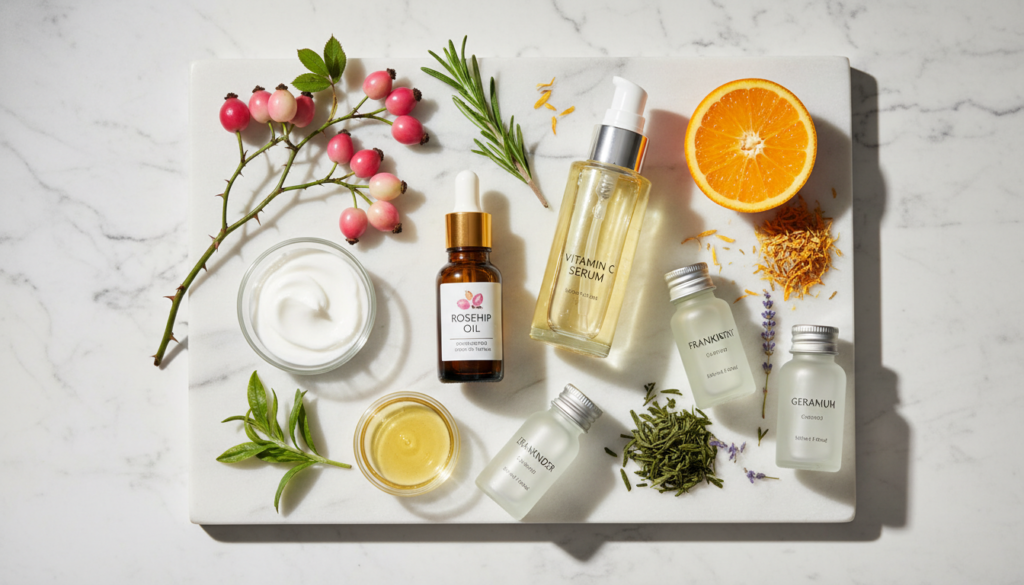
Vitamin C Serum for Brightness
Vitamin C stimulates collagen production naturally. This powerful antioxidant also fades dark spots and brightens overall tone.
Create fresh vitamin C serum weekly. Mix one teaspoon of vitamin C powder with one tablespoon of distilled water.
Add two tablespoons of vegetable glycerin. Store in dark glass bottle in refrigerator.
Apply three drops to clean face nightly. Use within one week for maximum potency.
Retinol Alternative Treatment
Rosehip oil provides natural vitamin A. This gentle alternative to retinol reduces fine lines without irritation.
Apply rosehip oil as your night serum. Use five to seven drops for full face coverage.
Press gently into skin focusing on wrinkle-prone areas. The delicate eye area benefits especially from this treatment.
Consistent use shows results within four weeks. Fine lines appear noticeably softer and less defined.
Collagen-Boosting Face Mask
Egg whites temporarily tighten skin appearance. This protein-rich treatment also nourishes deeply.
Whisk one egg white until frothy. Add one teaspoon of lemon juice for extra brightness.
Apply to clean face avoiding eyes. Leave on for fifteen minutes until completely dry.
Rinse with cool water. Your skin will feel immediately firmer and look more lifted.
Use this mask twice weekly for best results. The cumulative effects become more pronounced over time.
Eye Area Treatment
The skin around eyes shows aging first. This delicate area requires gentle but effective care.
Mix equal parts vitamin E oil and sweet almond oil. Add one drop of frankincense essential oil.
Apply tiny amounts to eye area. Use ring finger for gentlest pressure during application.
Pat lightly rather than rubbing. This prevents pulling delicate skin unnecessarily.
Apply this treatment every night. Dark circles and puffiness diminish within two weeks.
Natural Solutions for Dark Spots and Uneven Skin Tone
Hyperpigmentation creates uneven skin tone. Dark spots develop from sun damage, acne scars, or hormonal changes.
Natural ingredients fade discoloration gradually. Patience and consistency produce the best results.
Causes of Dark Spots
Melanin overproduction creates dark patches. Sun exposure triggers excess melanin production in specific areas.
Post-inflammatory hyperpigmentation follows acne. The healing process sometimes leaves dark marks behind.
Hormonal changes affect pigmentation. Pregnancy and certain medications can trigger melasma development.
Lemon and Honey Brightening Treatment
Lemon juice contains natural bleaching properties. Combined with honey, this treatment brightens without irritation.
Mix one tablespoon of fresh lemon juice with two tablespoons of honey. Apply to dark spots using cotton swab.
Leave on for twenty minutes maximum. Rinse thoroughly with lukewarm water.
Never use lemon treatments before sun exposure. Citrus increases photosensitivity temporarily.
Perform this treatment three times weekly. Visible fading appears within four to six weeks.
Turmeric Face Mask
Turmeric inhibits melanin production naturally. This golden spice also reduces inflammation and brightens overall complexion.
Mix one teaspoon of turmeric powder with yogurt. Add enough to create spreadable paste consistency.
Apply to entire face or specific dark areas. Leave on for fifteen minutes before rinsing.
Turmeric may temporarily stain skin yellow. The color fades within hours after washing.
Aloe Vera Gel Application
Aloe vera contains aloin compound. This natural ingredient lightens hyperpigmentation gradually.
Apply fresh aloe vera gel directly to spots. Leave on overnight for maximum effectiveness.
Use pure aloe straight from the plant. Commercial gels often contain fewer active compounds.
Daily application shows results within eight weeks. The gentle nature prevents irritation during extended use.
Maintaining Proper Hydration and Moisture Balance
Hydration differs from moisturization. Understanding both concepts creates healthier, more radiant skin.
Water content affects skin appearance dramatically. Proper hydration prevents many common skin concerns.
Hydration Versus Moisturization
Hydration refers to water content. Skin cells need adequate water to function properly.
Moisturization prevents water loss. Products create barriers that seal moisture inside skin.
Both elements work together. Optimal skin health requires addressing each aspect separately.
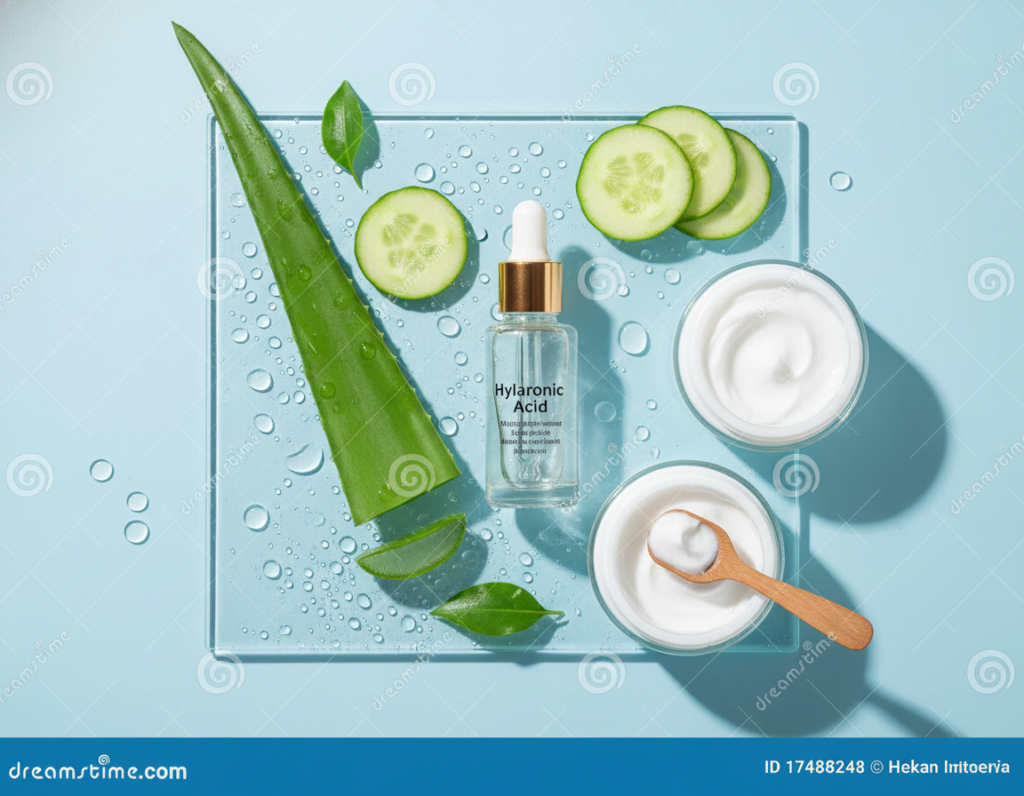
Hyaluronic Acid Serum
Hyaluronic acid holds one thousand times its weight in water. This powerful humectant draws moisture into skin cells.
Purchase pure hyaluronic acid powder. Mix one-quarter teaspoon with two tablespoons of distilled water.
Add one tablespoon of aloe vera gel. Store in refrigerator for up to two weeks.
Apply to damp skin before moisturizer. This serum works best when applied to wet face.
Cucumber and Aloe Hydrating Mask
Cucumber provides intense hydration. Aloe vera soothes while delivering water to thirsty cells.
Blend half a cucumber until completely smooth. Mix with three tablespoons of pure aloe vera gel.
Apply generously to clean face. Leave on for twenty minutes while relaxing.
Rinse with cool water. Your skin will feel plump and refreshed immediately.
Use this mask twice weekly. The effects become more pronounced with regular application.
Oil-Based Moisture Sealers
Facial oils lock in hydration effectively. Apply these after water-based products for maximum benefit.
Jojoba oil works for all skin types. This lightweight oil absorbs quickly without greasiness.
Argan oil suits mature skin beautifully. The rich texture provides extra nourishment for aging concerns.
Apply three to five drops to damp skin. Press gently into face rather than rubbing vigorously.
Internal Hydration for Skin Health
Drinking water improves skin appearance. Aim for eight glasses daily for optimal results.
Herbal teas provide additional benefits. Green tea offers antioxidants while hydrating simultaneously.
Reduce caffeine and alcohol consumption. These substances dehydrate skin from the inside out.
Eat water-rich foods daily. Cucumbers, watermelon, and celery support skin hydration naturally.
Natural Sun Protection in Your Skin Care Routine
Sun damage causes premature aging and health concerns. Protection should be part of every daily routine.
Natural options provide additional defense. These ingredients support but do not replace dedicated sunscreen.
Understanding UV Damage
UVA rays penetrate deeply into skin. These rays cause aging, wrinkles, and long-term damage.
UVB rays affect surface layers. Sunburn results from excessive UVB exposure.
Both ray types contribute to skin cancer risk. Daily protection remains essential regardless of weather.
Antioxidant-Rich Protective Serum
Antioxidants neutralize free radical damage. These compounds provide internal sun protection.
Mix one tablespoon of green tea extract with vitamin E oil. Add five drops of carrot seed essential oil.
Apply this serum before sun exposure. The protective compounds create additional defense layer.
Reapply every two hours outdoors. This serum complements but does not replace sunscreen.
After-Sun Soothing Treatment
Aloe vera heals sun-damaged skin quickly. This cooling gel reduces inflammation and prevents peeling.
Apply pure aloe gel liberally to exposed areas. Reapply every few hours for maximum relief.
Add lavender essential oil for enhanced healing. Mix three drops per tablespoon of aloe.
Keep aloe gel refrigerated. The cool temperature provides additional soothing benefits.
Foods That Protect From Within
Lycopene provides natural sun protection. Tomatoes, watermelon, and pink grapefruit contain this powerful compound.
Omega-3 fatty acids reduce sun sensitivity. Include fatty fish, walnuts, and flaxseeds regularly.
Vitamin C supports collagen protection. Citrus fruits and berries provide abundant amounts.
Green tea offers internal antioxidants. Drink two to three cups daily for skin benefits.
Special Care for Sensitive Skin Types
Sensitive skin reacts easily to many ingredients. Gentle, minimal routines work best for this skin type.
Identifying triggers prevents uncomfortable reactions. Careful ingredient selection makes all the difference.
Common Sensitive Skin Triggers
Fragrances cause frequent reactions. Even natural essential oils may irritate sensitive skin.
Harsh exfoliants damage protective barriers. Physical scrubs often prove too aggressive.
Extreme temperatures worsen sensitivity. Very hot or cold water triggers redness and irritation.
Certain natural ingredients cause problems. Citrus, cinnamon, and peppermint often irritate sensitive types.
Ultra-Gentle Oat Cleanser
Oats soothe while cleansing gently. This ingredient rarely causes reactions in sensitive skin.
Grind plain oatmeal into fine powder. Mix two tablespoons with enough water to form paste.
Apply to damp face using soft circular motions. Massage gently for thirty seconds only.
Rinse thoroughly with lukewarm water. Your skin will feel clean without any tightness.
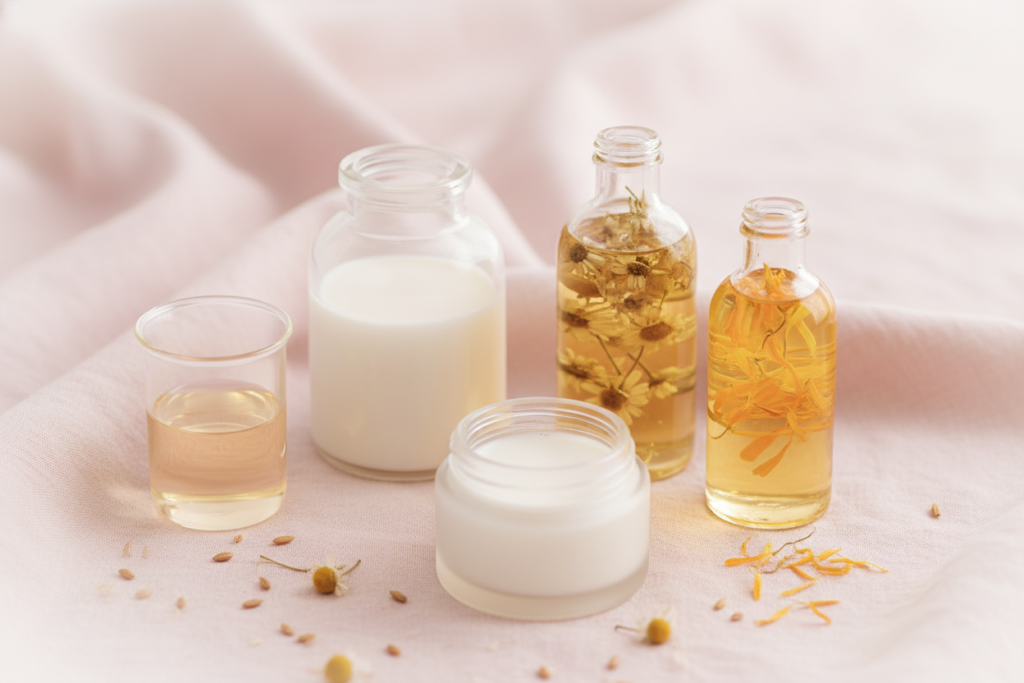
Calendula Calming Toner
Calendula reduces inflammation naturally. This gentle flower extract soothes reactive skin effectively.
Steep calendula flowers in hot water. Allow to cool completely before straining.
Apply with soft cotton pad. Use gentle patting motions instead of wiping.
Store in refrigerator for one week maximum. Fresh toner provides optimal benefits.
Simple Moisture Treatment
Sensitive skin needs moisture without complexity. Simple formulations prevent ingredient overload.
Mix equal parts aloe vera and jojoba oil. This basic combination hydrates without irritation.
Apply to slightly damp skin. Use minimal pressure during application.
Avoid rubbing or massaging vigorously. Gentle pressing works better for sensitive types.
Patch Test Everything
Always test new ingredients first. Apply small amount to inner wrist or behind ear.
Wait twenty-four hours before full application. Any redness or itching indicates sensitivity.
Start with single ingredients. Add new components one at a time only.
Simplify Your Routine
Use fewer products overall. Three steps work better than seven for sensitive skin.
Avoid layering multiple treatments. Each additional product increases reaction risk.
Stick with proven ingredients. Resist trying every new trend or recommendation.
Extending Your DIY Skin Care Routine to Body
Body skin deserves the same attention as facial skin. Natural treatments work wonderfully on larger surface areas.
Simple recipes provide full-body care affordably. Regular treatments maintain soft, smooth skin everywhere.
Exfoliating Body Scrubs
Body scrubs remove dead skin cells effectively. These treatments reveal soft, glowing skin underneath.
Mix one cup of brown sugar with half cup of coconut oil. Add ten drops of your favorite essential oil.
Apply to damp skin using circular motions. Focus on rough areas like elbows and knees.
Rinse thoroughly in shower. Your skin will feel incredibly smooth immediately.
Coffee grounds make excellent energizing scrubs. Mix used grounds with coconut oil for cellulite reduction.
Moisturizing Body Butter
Body butter provides intensive hydration. This rich treatment works perfectly for dry winter skin.
Whip equal parts shea butter and coconut oil. Use electric mixer until light and fluffy.
Add vitamin E oil for extra nourishment. Include essential oils for pleasant scent.
Apply to slightly damp skin after bathing. The moisture seals in water for maximum hydration.
Store in cool, dry place. Body butter melts easily in warm temperatures.
Soothing Bath Soaks
Bath soaks provide relaxation and skin benefits. These treatments soften skin while reducing stress.
Add two cups of Epsom salt to warm bath. Include one cup of baking soda for extra softening.
Drop in ten drops of lavender essential oil. Soak for twenty minutes to absorb full benefits.
Oatmeal baths soothe irritated skin. Grind oats finely and add one cup to bathwater.
Natural Deodorant Recipe
Commercial deodorants contain concerning ingredients. Natural alternatives work effectively without chemicals.
Mix equal parts coconut oil and baking soda. Add arrowroot powder for smoother texture.
Include tea tree oil for antibacterial properties. Store in small container at room temperature.
Apply small amount to clean underarms. This natural formula prevents odor all day.
Luxurious Foot Treatment
Soften rough feet with this intensive treatment. Soak feet in warm water with Epsom salt for ten minutes.
Scrub with pumice stone gently. Apply thick layer of shea butter before bed.
Wear cotton socks overnight. Wake to incredibly soft, smooth feet.
Adjusting Your Routine for Different Seasons

Skin needs change with weather conditions. Adapting your routine prevents seasonal skin problems.
Temperature and humidity affect skin dramatically. Smart adjustments maintain healthy appearance year-round.
Winter Skin Care Adjustments
Cold weather strips moisture from skin. Indoor heating worsens drying effects significantly.
Switch to cream-based cleansers. Gel cleansers prove too stripping during winter months.
Layer hydrating products generously. Apply hyaluronic serum before heavier moisturizers.
Use facial oils nightly. The protective barrier prevents moisture loss overnight.
Humidifiers add moisture to air. Running one in your bedroom improves skin hydration.
Summer Routine Modifications
Heat and humidity increase oil production. Lighter products work better during hot weather.
Switch to gel-based moisturizers. These provide hydration without heaviness.
Increase cleansing frequency if needed. Morning and night cleansing removes excess oil.
Apply antioxidant serums daily. These protect against increased sun exposure.
Mist face with rosewater throughout the day. This refreshes and hydrates simultaneously.
Spring and Fall Transitions
Transitional seasons require gradual adjustments. Sudden changes can shock skin unnecessarily.
Gradually introduce new products. Add one new item weekly rather than changing everything.
Monitor skin responses carefully. Adjust products based on current needs.
Exfoliate more frequently in spring. Remove winter dead skin buildup gently.
Prepare skin for coming season. Start adjustments two weeks before weather changes.
Lifestyle Factors That Impact Your Skin
External care provides only partial results. Internal health dramatically affects skin appearance.
Holistic approach produces best outcomes. Combining good products with healthy habits creates transformation.
Diet and Skin Health
Food choices show on your face. Nutrient-dense diet creates glowing, healthy skin.
Increase omega-3 fatty acid intake. These healthy fats reduce inflammation and improve texture.
Eat colorful fruits and vegetables daily. Antioxidants protect against aging and damage.
Reduce sugar consumption significantly. High sugar intake accelerates aging through glycation.
Stay hydrated with water. Eight glasses daily flush toxins and plump cells.
Sleep Quality Matters
Skin repairs itself during sleep. Inadequate rest shows immediately on your face.
Aim for seven to nine hours nightly. Consistent sleep schedule produces best results.
Sleep on silk pillowcases. These prevent creases and reduce friction damage.
Elevate head slightly while sleeping. This reduces morning puffiness around eyes.
Stress Management
Stress triggers skin problems. Cortisol increases oil production and inflammation.
Practice daily stress reduction. Meditation, yoga, or deep breathing helps significantly.
Exercise regularly for healthy glow. Physical activity increases circulation and oxygen delivery.
Maintain work-life balance. Chronic stress shows on skin regardless of products used.
Environmental Protection
Pollution damages skin daily. Antioxidants provide internal and external protection.
Cleanse thoroughly every evening. Remove environmental pollutants before bed always.
Use antioxidant-rich products. Green tea, vitamin C, and vitamin E fight free radicals.
Avoid smoking completely. Tobacco accelerates aging more than any other factor.
Limit alcohol consumption. Excessive drinking dehydrates and inflames skin tissue.
Monitoring Your Skin Care Progress
Tracking results keeps you motivated. Visible improvements may occur gradually over time.
Objective measurements reveal true changes. Sometimes progress happens too slowly to notice daily.
Taking Progress Photos
Photos document your journey accurately. Take pictures weekly in consistent lighting.
Use natural window light always. Flash photography distorts skin appearance.
Photograph from same angles. Consistency allows accurate comparison over time.
Take close-ups of problem areas. Track specific concerns separately from overall appearance.
Review photos monthly rather than daily. Weekly comparisons show minimal change usually.
Keeping a Skin Journal
Written records track multiple factors. Document products, diet, sleep, and stress levels.
Note any reactions or improvements. This information guides future adjustments.
Record weather and hormonal changes. These factors affect results significantly.
Track product introduction dates. Identify which ingredients produce best results.
Measuring Specific Improvements
Count active breakouts weekly. Declining numbers indicate successful acne treatment.
Assess texture with touch. Smoother feel indicates effective exfoliation and care.
Observe makeup application. Products apply more smoothly to healthy skin.
Notice compliments from others. External observations confirm visible improvements.
Important: Allow six to eight weeks for visible results. Skin cell turnover takes time. Consistency matters more than perfect execution. Missing occasional days will not derail progress completely.
Common DIY Skin Care Mistakes to Avoid
Well-intentioned efforts sometimes backfire. Learning from common errors saves time and frustration.
Prevention proves easier than correction. Avoiding these mistakes protects your skin investment.
Over-Exfoliating Skin
Excessive exfoliation damages protective barriers. This creates sensitivity, redness, and increased problems.
Limit exfoliation to two or three times weekly maximum. Daily scrubbing strips essential oils unnecessarily.
Use gentle products only. Harsh scrubs create micro-tears in skin surface.
Watch for warning signs. Persistent redness or stinging indicates over-exfoliation.
Using Too Many Products
Product overload overwhelms skin. More products do not equal better results.
Stick to essential steps only. Cleanser, toner, serum, and moisturizer suffice usually.
Introduce new products gradually. Add one item every two weeks minimum.
Simplify when problems arise. Remove products systematically to identify culprits.
Ignoring Patch Tests
Skipping patch tests risks severe reactions. Even natural ingredients cause problems sometimes.
Test every new ingredient first. Apply small amount to inner wrist.
Wait twenty-four hours minimum. Delayed reactions occur frequently with natural products.
Never test multiple ingredients simultaneously. This prevents identifying specific triggers.
Expecting Instant Results
Unrealistic expectations lead to disappointment. Skin improvements require consistent time investment.
Allow minimum four weeks for changes. Cell turnover cycles determine improvement timeline.
Continue effective routines long-term. Stopping successful treatments reverses progress.
Focus on gradual improvement. Small changes compound into dramatic results.
Storage Mistakes
Improper storage destroys product effectiveness. Light and heat degrade active ingredients rapidly.
- Store products in cool, dark places
- Refrigerate vitamin C serums always
- Use dark glass containers for oils
- Label everything with creation dates
Contamination Issues
Bacteria growth ruins homemade products. Contamination causes infections and reactions.
- Wash hands before making products
- Sterilize all containers thoroughly
- Use clean spatulas, never fingers
- Discard products after expiration dates
Master Professional-Level Skin Care at Home
Stop making costly mistakes that damage your skin. This comprehensive training system teaches you exactly how to create spa-quality treatments safely. Learn the professional techniques that guarantee beautiful results every time.
Troubleshooting Your DIY Skin Care Routine
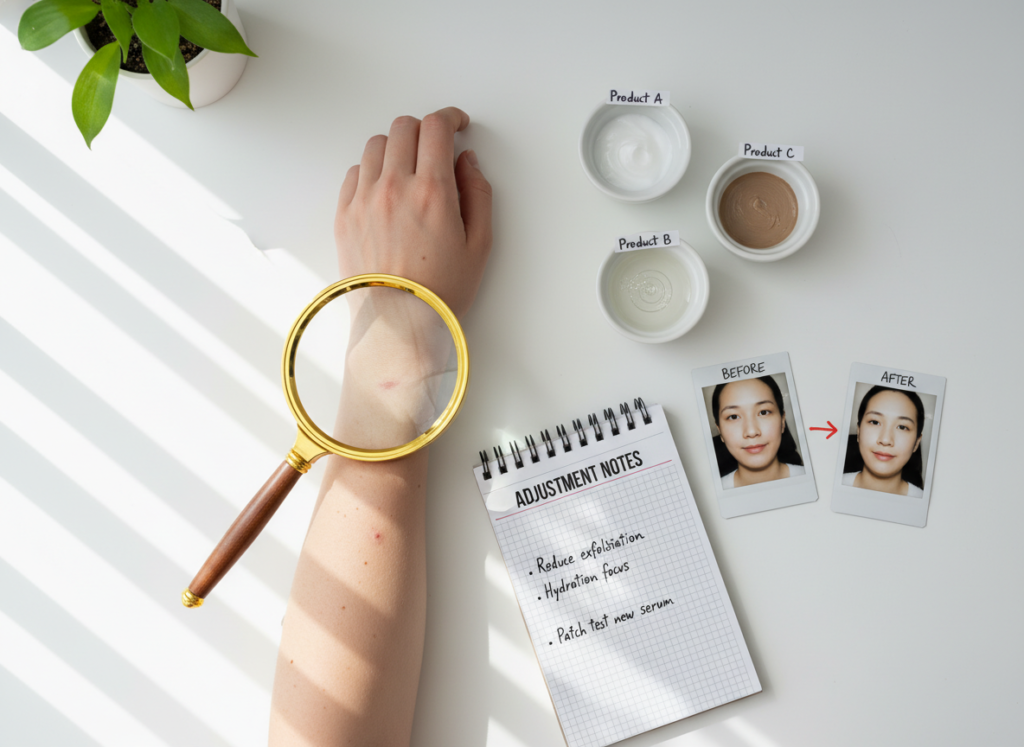
Problems occasionally arise despite best efforts. Knowing how to adjust prevents abandoning effective routines.
Most issues have simple solutions. Strategic modifications usually resolve concerns quickly.
When Products Cause Breakouts
New breakouts indicate ingredient reactions. Identify and eliminate problematic components immediately.
Stop all new products simultaneously. Return to basic routine that worked previously.
Reintroduce products one at a time. Wait two weeks between additions minimum.
Consider comedogenic ratings. Heavy oils clog pores in acne-prone skin.
Addressing Increased Sensitivity
Sudden sensitivity signals damaged skin barrier. Simplify routine and focus on repair.
Use only gentle cleanser and moisturizer. Eliminate all active ingredients temporarily.
Apply soothing ingredients exclusively. Aloe vera, oatmeal, and calendula calm irritation.
Avoid exfoliation completely. Resume only after sensitivity resolves fully.
Dealing With No Visible Results
Lack of progress has several possible causes. Evaluate routine systematically for issues.
Verify consistent application. Sporadic use produces minimal results always.
Check product freshness. Expired ingredients lose effectiveness over time.
Assess lifestyle factors. Diet, sleep, and stress impact results significantly.
Consider different ingredients. Your skin may respond better to alternative options.
Managing Unexpected Reactions
Severe reactions require immediate action. Stop using all products causing problems.
Rinse affected areas thoroughly. Use only cool water without any products.
Apply pure aloe vera gel. This soothes while promoting healing naturally.
Seek medical attention for severe reactions. Persistent swelling or pain requires professional evaluation.
Creating Effective Routines on Any Budget
Quality skin care need not cost fortune. Smart shopping and DIY approaches save money significantly.
Basic ingredients produce excellent results. Expensive does not always mean more effective.
Essential Starter Ingredients
Begin with versatile multipurpose items. These basics create numerous effective treatments.
Coconut oil serves multiple functions. Use for cleansing, moisturizing, and makeup removal.
Raw honey provides antibacterial benefits. This ingredient works in masks, cleansers, and spot treatments.
Baking soda offers gentle exfoliation. Add to cleansers occasionally for deeper cleaning.
Apple cider vinegar balances pH. Dilute for toning and clarifying treatments.
Shopping Smart for Ingredients
Buy ingredients in bulk quantities. Larger sizes reduce per-use costs dramatically.
Shop at health food stores. These often offer better prices than beauty retailers.
Look for multipurpose oils. Jojoba and sweet almond work for multiple applications.
Purchase essential oils carefully. Start with three versatile options only.
Repurposing Kitchen Items
Many effective ingredients live in your kitchen. Explore pantry before purchasing specialty items.
Yogurt makes excellent gentle cleanser. The lactic acid exfoliates while moisturizing.
Oatmeal soothes and exfoliates simultaneously. Grind regular oats for skincare use.
Avocado provides intensive moisture. Mash ripe fruit for nourishing masks.
Green tea offers powerful antioxidants. Brew strong tea for toning treatments.
Making Products Last Longer
Proper storage extends product life. This prevents waste and saves money.
Make small batches only. Fresh products work better than old ones.
Use pumps instead of jars. This prevents contamination and waste.
Store in refrigerator when possible. Cool temperatures preserve ingredients longer.
Label everything with dates. Use oldest products first always.
Advanced DIY Skin Care Techniques
Mastering basics opens doors to advanced methods. These techniques produce professional-level results at home.
Specialized approaches target specific concerns. Advanced methods require more knowledge and precision.
Layering Products Correctly
Product order impacts effectiveness significantly. Proper layering maximizes absorption and results.
Apply thinnest consistency first always. Water-based products go before oil-based ones.
Wait between product applications. Allow sixty seconds for absorption before next layer.
The correct order follows this pattern. Cleanser, toner, serum, eye cream, moisturizer, then oil.
Facial Massage Techniques
Massage improves circulation and lymphatic drainage. These techniques reduce puffiness and enhance glow.
Use upward strokes exclusively. Downward motions contribute to sagging over time.
Apply gentle pressure only. Excessive force damages delicate facial tissues.
Focus on lymph node areas. Massage toward ears and down neck.
Perform massage during moisturizer application. This maximizes product absorption simultaneously.
Creating Custom Blends
Personalized formulations address unique needs. Custom blends outperform one-size-fits-all products.
Start with base carrier oil. Choose based on your skin type needs.
Add active ingredients gradually. Begin with conservative amounts initially.
Test pH levels when necessary. Skin prefers slightly acidic formulations.
Document successful recipes. Record exact measurements for future batches.
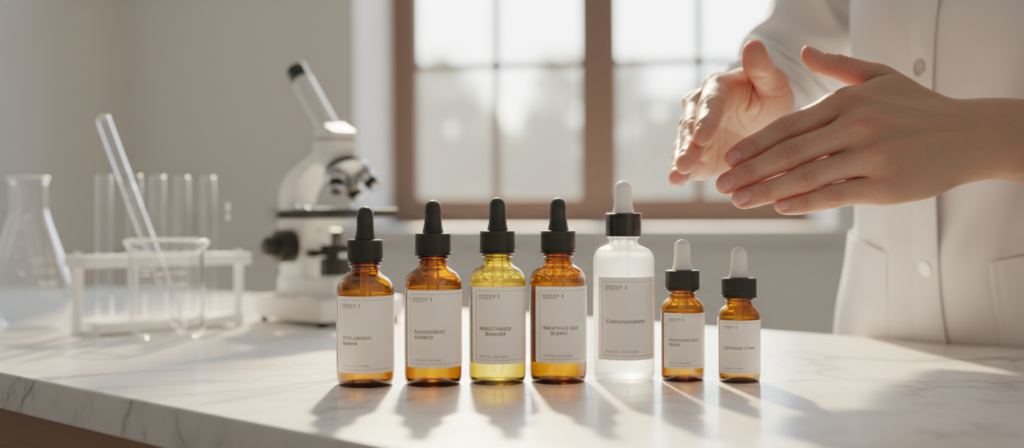
Incorporating Active Ingredients
Active ingredients provide targeted treatment. These powerful compounds require careful handling.
Start with low concentrations. Gradually increase strength as skin builds tolerance.
Research proper pH requirements. Some actives only work within specific ranges.
Avoid combining incompatible ingredients. Certain combinations neutralize effectiveness or cause irritation.
Store actives properly. Many degrade quickly in light and heat.
When to Choose Professional Treatments
DIY care handles most concerns effectively. Some situations benefit from professional intervention.
Knowing your limits prevents complications. Strategic professional treatments complement home care.
Concerns Requiring Professional Help
Severe acne needs dermatologist evaluation. Cystic acne responds better to prescription treatments.
Suspicious moles require medical examination. Never attempt removing these at home.
Severe reactions need professional treatment. Persistent swelling or infection requires medical care.
Deep wrinkles benefit from professional procedures. Some aging signs exceed DIY capabilities.
Complementing Professional Treatments
Home care enhances professional results. Proper maintenance extends treatment benefits.
Follow post-procedure instructions carefully. This ensures optimal healing and results.
Continue basic routine during treatment. Gentle cleansing and moisturizing support recovery.
Adjust home care as directed. Some ingredients interfere with professional treatments.
Cost-Benefit Analysis
Evaluate expenses realistically. Sometimes professional treatments prove more economical.
Consider time investment required. Complex DIY routines may not suit busy lifestyles.
Assess risk versus reward. Professional treatments offer guaranteed safety standards.
Factor in learning curve. Mastering techniques takes time and practice.
DIY Advantages
- Complete ingredient control and customization
- Significantly lower ongoing costs over time
- Convenient home application anytime needed
- Natural ingredients minimize chemical exposure
- Learning valuable self-care skills permanently
Professional Benefits
- Access to prescription-strength ingredients unavailable otherwise
- Expert diagnosis of complex skin conditions
- Advanced technology and equipment usage
- Guaranteed safety and sterile procedures
- Immediate professional guidance and adjustments
Sustainable and Eco-Friendly Skin Care Practices
Environmental consciousness enhances DIY benefits. Sustainable practices protect planet while beautifying skin.
Small changes create significant impact. Eco-friendly choices often improve product quality too.
Reducing Packaging Waste
DIY products eliminate excessive packaging. This dramatically reduces environmental footprint.
Reuse glass containers indefinitely. Sterilize thoroughly between batches for safety.
Buy ingredients in bulk quantities. Larger sizes mean less packaging per use.
Choose refillable containers when purchasing. Support brands offering refill programs.
Selecting Sustainable Ingredients
Choose organic ingredients when possible. These avoid harmful pesticides and chemicals.
Source locally produced items. This reduces transportation environmental impact.
Select fair-trade certified products. Ethical sourcing supports communities and environment.
Avoid ingredients from endangered sources. Research sustainability before purchasing.
Water Conservation Tips
Minimize water waste during routines. Small changes reduce consumption significantly.
Turn off faucet while cleansing. Use water only for rinsing steps.
Collect shower water while heating. Use for mixing masks and treatments.
Choose waterless products when appropriate. Many effective treatments require no water.
Natural Ingredient Sourcing
Grow skincare ingredients at home. Aloe vera, lavender, and calendula grow easily.
Harvest ingredients responsibly. Never over-harvest from natural areas.
Compost organic waste. Leftover ingredients enrich garden soil.
Support sustainable suppliers. Research company practices before purchasing.
Your Journey to Beautiful Skin Starts Today

Creating an effective diy skin care routine transforms your complexion naturally. The journey requires patience, consistency, and willingness to learn.
Start with basic steps that match your skin type. Cleanse gently, tone properly, treat specifically, and moisturize adequately.
Natural ingredients provide powerful benefits. Coconut oil, honey, aloe vera, and essential oils address countless concerns effectively.
Adjust your routine as seasons change. Your skin needs different care throughout the year.
Monitor progress through photos and journaling. Celebrate small improvements along the way.
Avoid common mistakes that damage skin. Over-exfoliating, using too many products, and expecting instant results sabotage success.
Remember that beautiful skin reflects overall health. Combine excellent external care with proper nutrition, adequate sleep, and stress management.
The time you invest pays dividends forever. These skills serve you throughout your entire life.
Start your transformation today with simple steps. Your future self will thank you for beginning this journey now.
Radiant, healthy skin awaits you. Take the first step toward your best complexion ever.