Hand sewing opens up a world of creativity without requiring expensive equipment. You can create beautiful, functional items with just needle, thread, and fabric scraps. This guide introduces you to simple sewing projects perfect for absolute beginners.
Whether you want to upcycle old clothing or transform leftover fabric into something special, hand sewing offers endless possibilities. The projects below require minimal supplies and no sewing machine.
Starting with hand sewing builds essential skills. You learn fabric handling, stitch techniques, and project planning at your own pace. These foundations prepare you for more advanced sewing adventures.
Ready to Master Hand Sewing?
Get step-by-step guidance with expert tutorials that take you from complete beginner to confident creator. Learn professional techniques used by experienced sewers.
Essential Hand Sewing Techniques Every Beginner Should Know
Before diving into projects, understanding basic stitches makes sewing easier and more enjoyable. These fundamental techniques appear in nearly every hand sewing project you will encounter.
Running Stitch
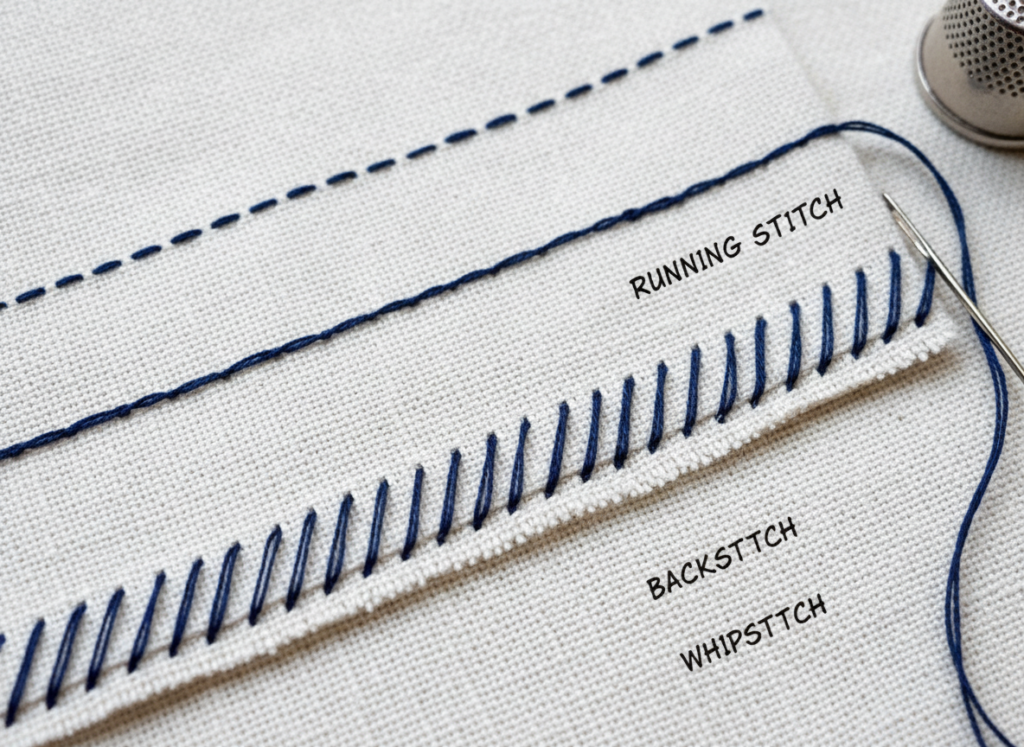
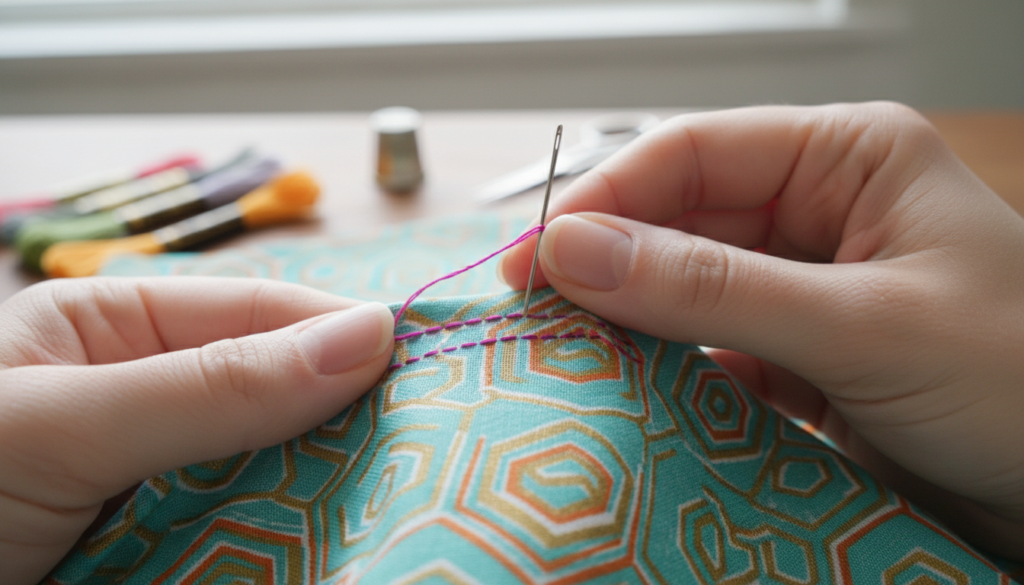
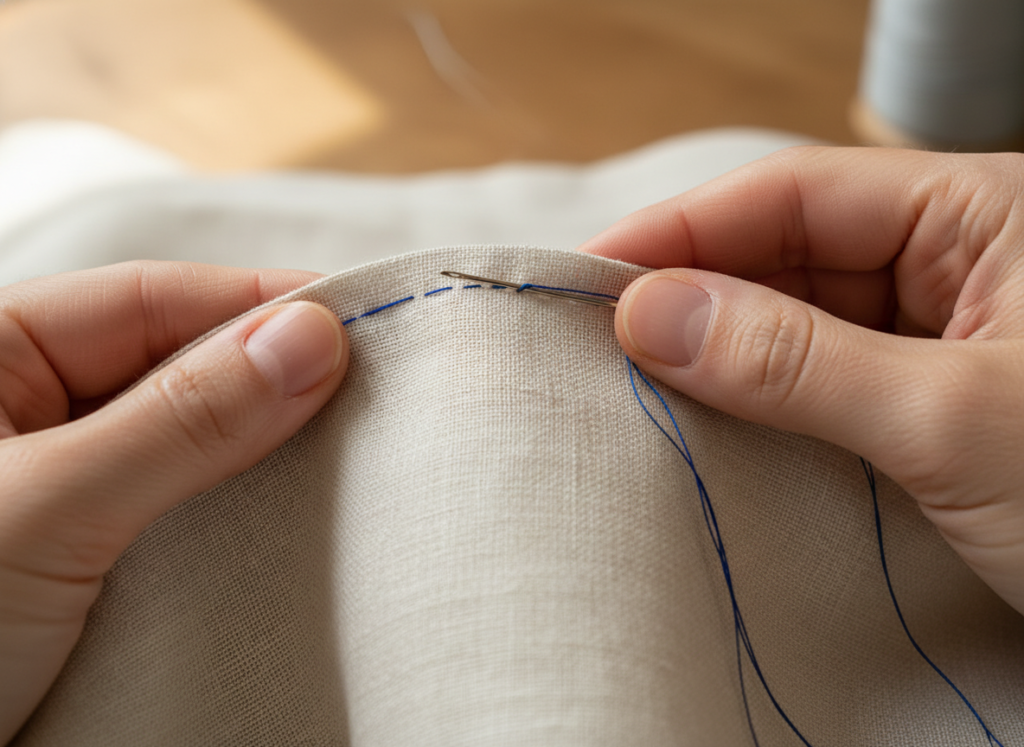
The running stitch is the simplest sewing stitch. You weave the needle in and out of fabric in a straight line. This stitch works perfectly for gathering fabric or creating basic seams.
Keep your stitches even in length for a professional appearance. Practice on fabric scraps before starting your first project. Consistency develops naturally with repetition and time.
Backstitch
The backstitch creates strong, durable seams. You sew backward after each forward stitch, creating a solid line. This technique holds up well for projects that need strength.
Use backstitch for bag seams, pillow closures, and clothing repairs. The stitch resembles machine sewing when done correctly. This makes it ideal for visible seams on finished pieces.
Whipstitch
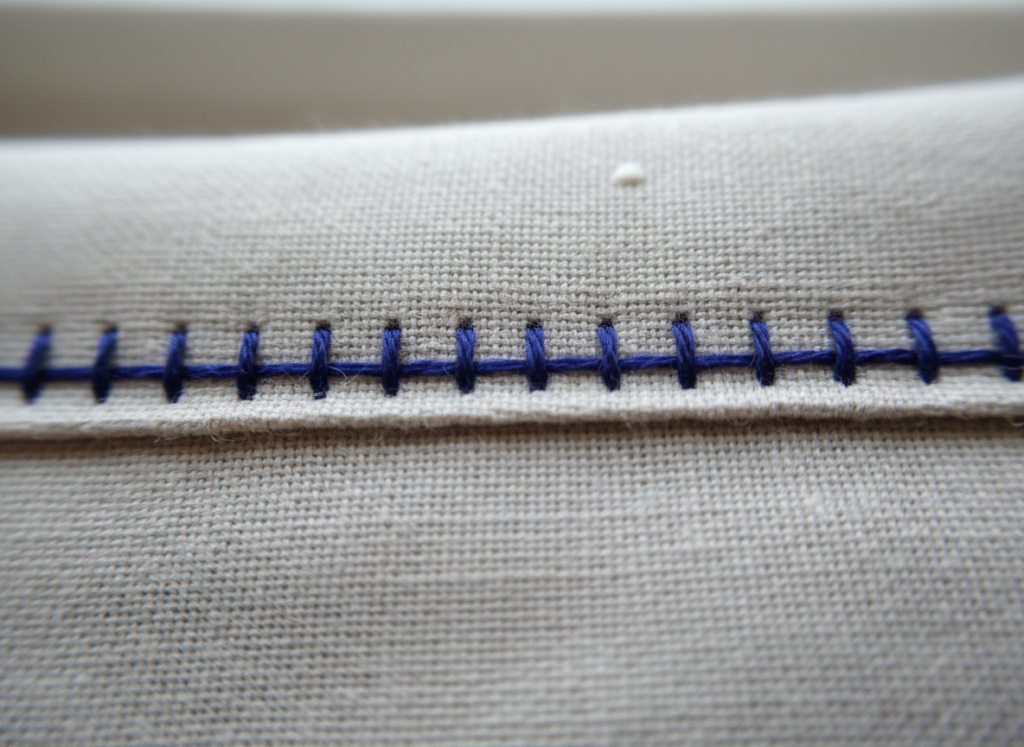
The whipstitch joins two fabric edges together. You sew over the edge repeatedly at an angle. This stitch works great for closing stuffed toys or attaching appliques.
Keep stitches close together for secure attachment. The diagonal pattern creates both function and decoration. Many sewers use whipstitch for finishing fabric edges too.
Slip Stitch
The slip stitch remains nearly invisible when done properly. You catch tiny pieces of fabric with each stitch. This technique perfectly finishes hems and closes openings after stuffing.
Take your time with slip stitching for best results. The stitch hides inside fabric folds, creating clean finishes. Professional-looking projects often rely on this invisible joining method.
Tools You Need
Sharp hand sewing needles in various sizes
Quality thread matching your fabric colors
Fabric scissors for clean cutting
Straight pins to hold pieces together
Measuring tape for accurate sizing
Fabric marking tools for pattern transfer
Helpful Supplies
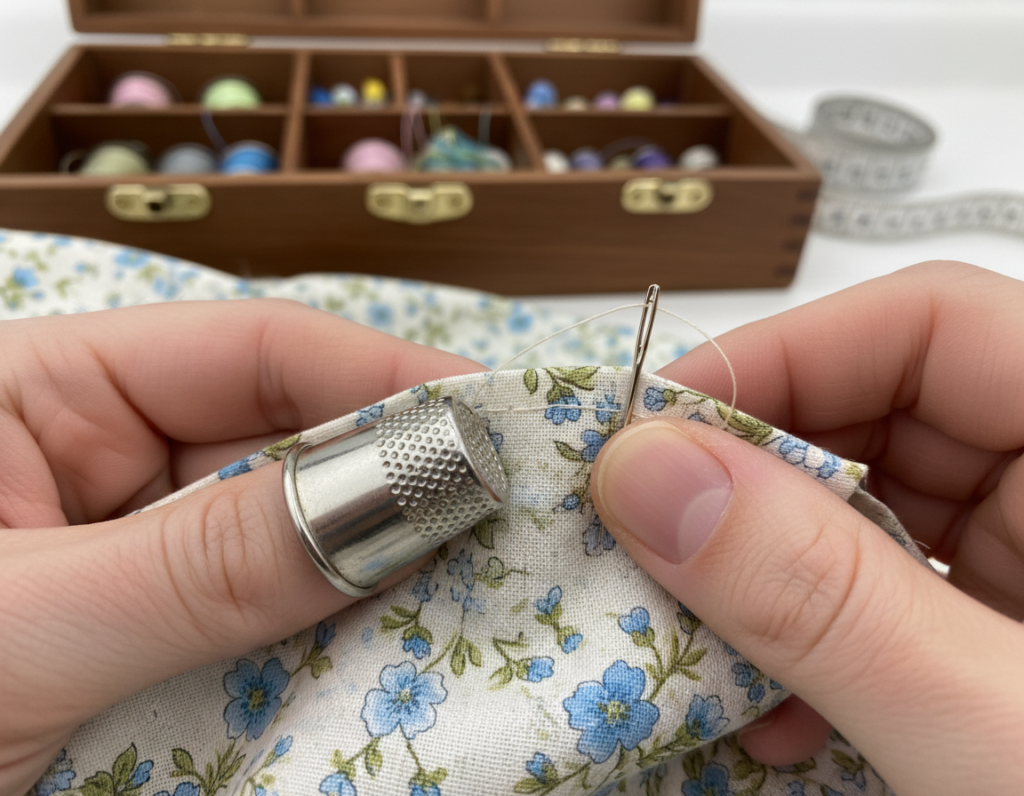
Thimble to protect your finger
Needle threader for easier threading
Seam ripper for fixing mistakes
Iron for pressing seams flat
Pincushion to keep needles safe
Good lighting for detailed work
Gathering basic supplies does not require significant investment. Many beginners already have scissors and fabric scraps at home. You can expand your collection gradually as skills develop.
Simple Hand Sewing Projects Using Fabric Scraps
Fabric scraps transform into useful items through hand sewing. These projects help you practice techniques while creating functional pieces. Start with smaller projects to build confidence before tackling larger items.
Fabric Bookmarks
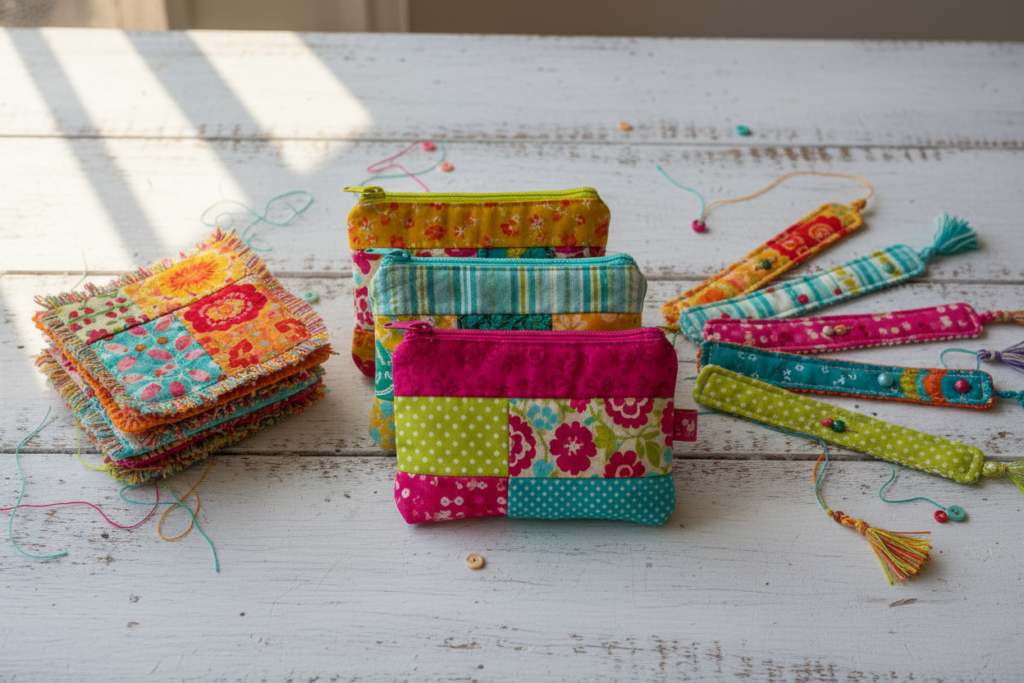
Bookmarks make perfect beginner sewing projects. Cut fabric into strips and sew edges together. Add ribbon or decorative elements for personalization.
Use fabric scraps left over from other projects. The small size means quick completion. You can make multiple bookmarks in one sitting using different fabrics and patterns.
These simple items make thoughtful gifts for book lovers. Experiment with different fabric combinations to create unique designs. The basic rectangle shape requires minimal cutting and simple straight stitching.
Fabric Coasters
Coasters protect surfaces while showcasing your sewing skills. Stack fabric pieces together and stitch around edges. Add batting between layers for extra absorption.
Square coasters work well for beginners due to simple construction. Round coasters require more careful edge work. Choose fabrics that coordinate with your home decor for practical use.
A set of four coasters uses minimal fabric but creates impact. Mix and match patterns for visual interest. The project teaches layering techniques useful for future sewing endeavors.
Simple Pouches
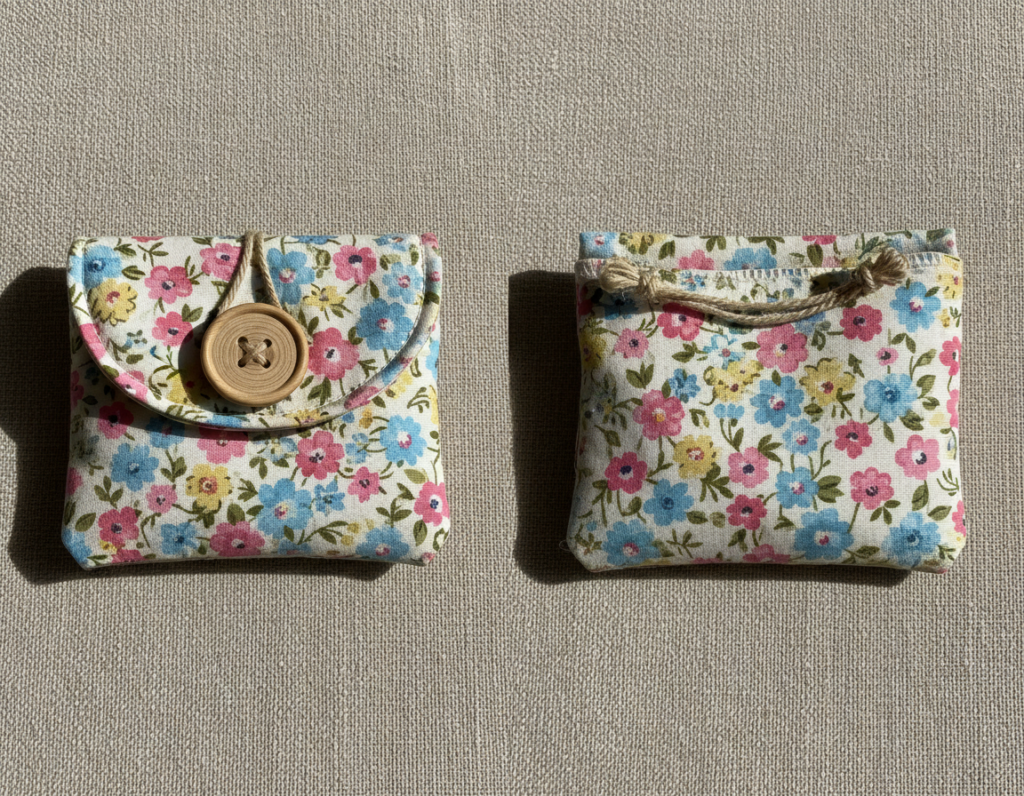
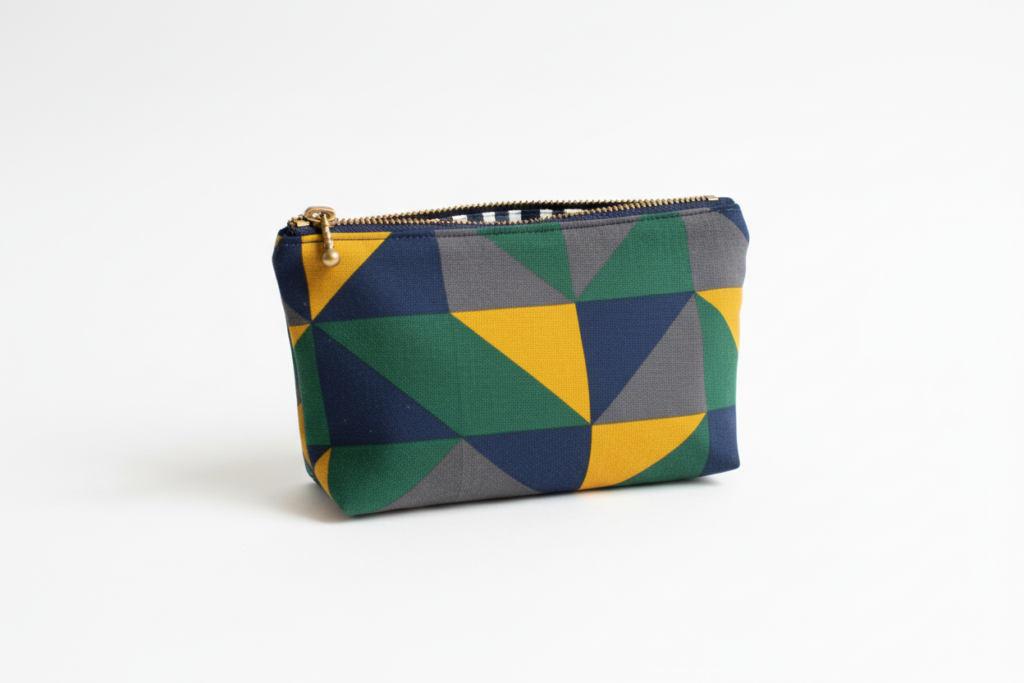
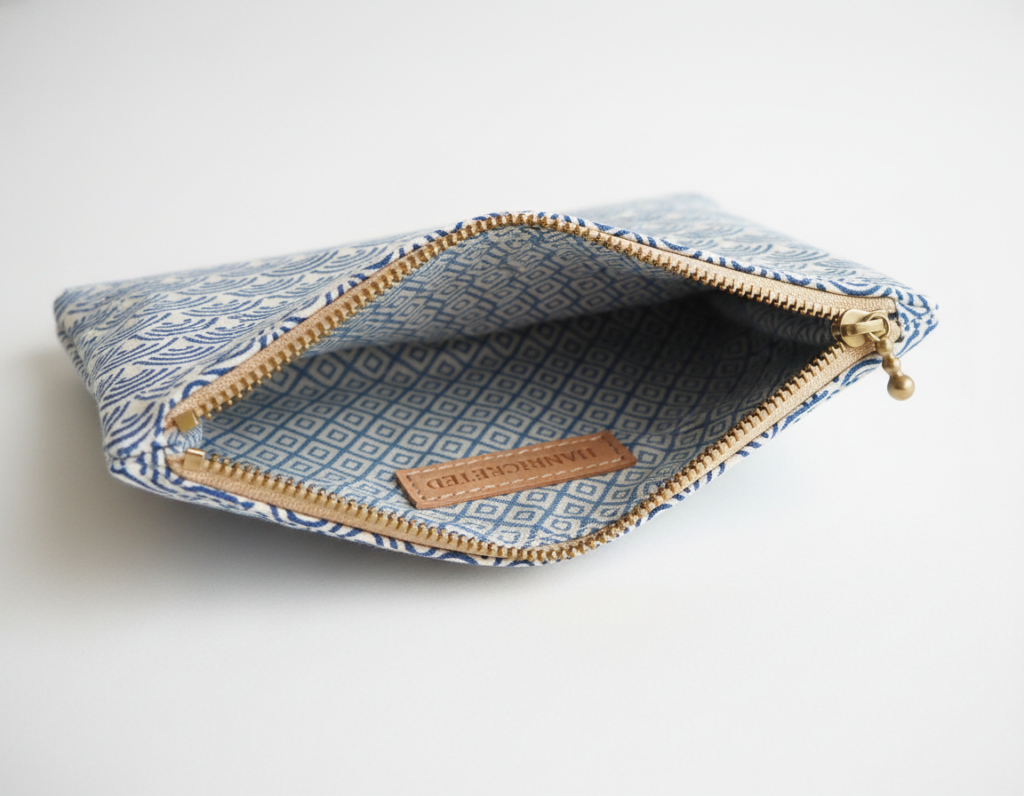
Small pouches organize everything from coins to cosmetics. Sew three sides of fabric rectangles together. Turn right-side out and add a button closure or ribbon tie.
Start with a basic envelope-style pouch before attempting zippered versions. The flat construction makes sewing easier for beginners. You learn important skills like turning corners and creating closures.
Vary pouch sizes based on intended use. Larger pouches hold craft supplies while smaller versions store jewelry. The versatile design adapts to any fabric scrap size you have available.
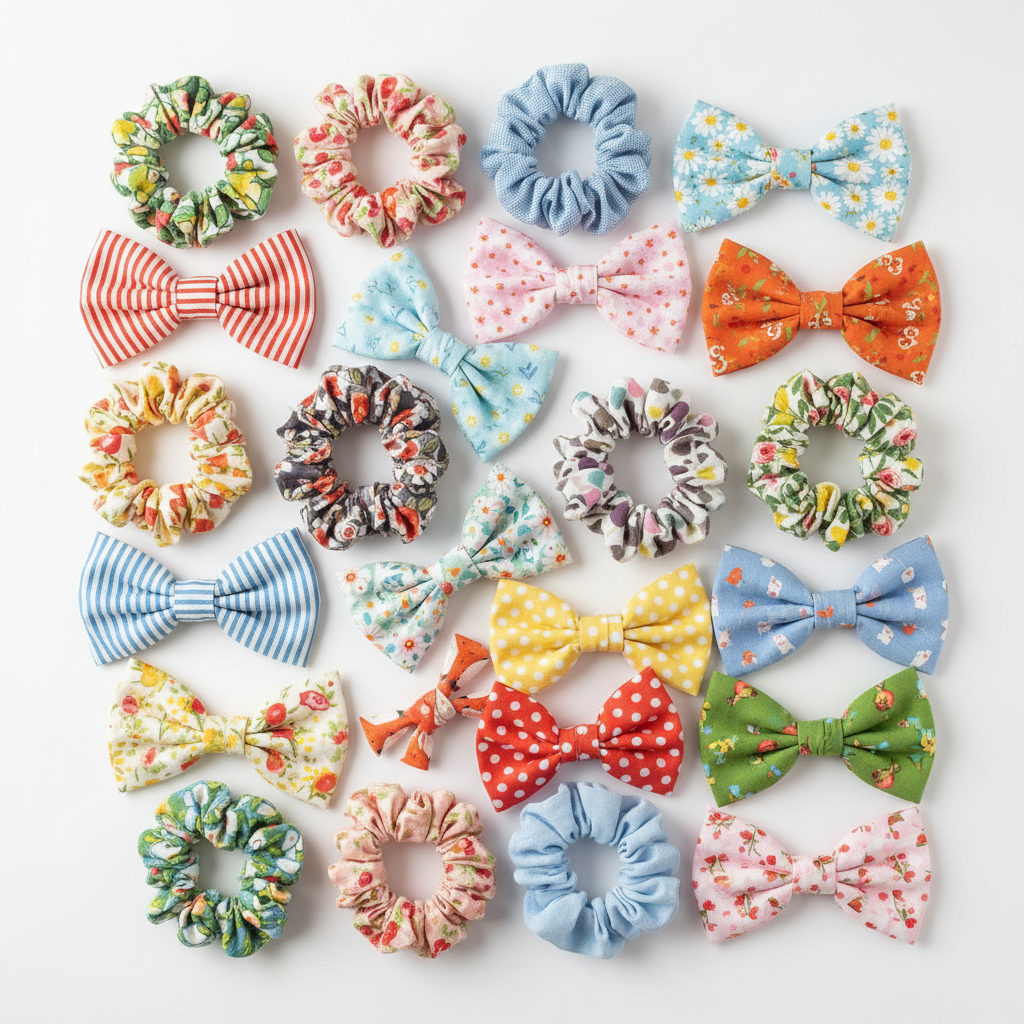
Transform fabric scraps into hair ties, bows, and headbands. These accessories require small amounts of fabric. The projects complete quickly while teaching gathering and folding techniques.
Scrunchies use fabric strips sewn into tubes. Thread elastic through and close ends together. The simple construction creates functional accessories kids and adults both enjoy.
Fabric bows attach to clips or headbands. Learn to create perfect loops and secure centers. These small projects make great gifts and allow experimentation with different fabric types and textures.
Lavender Sachets
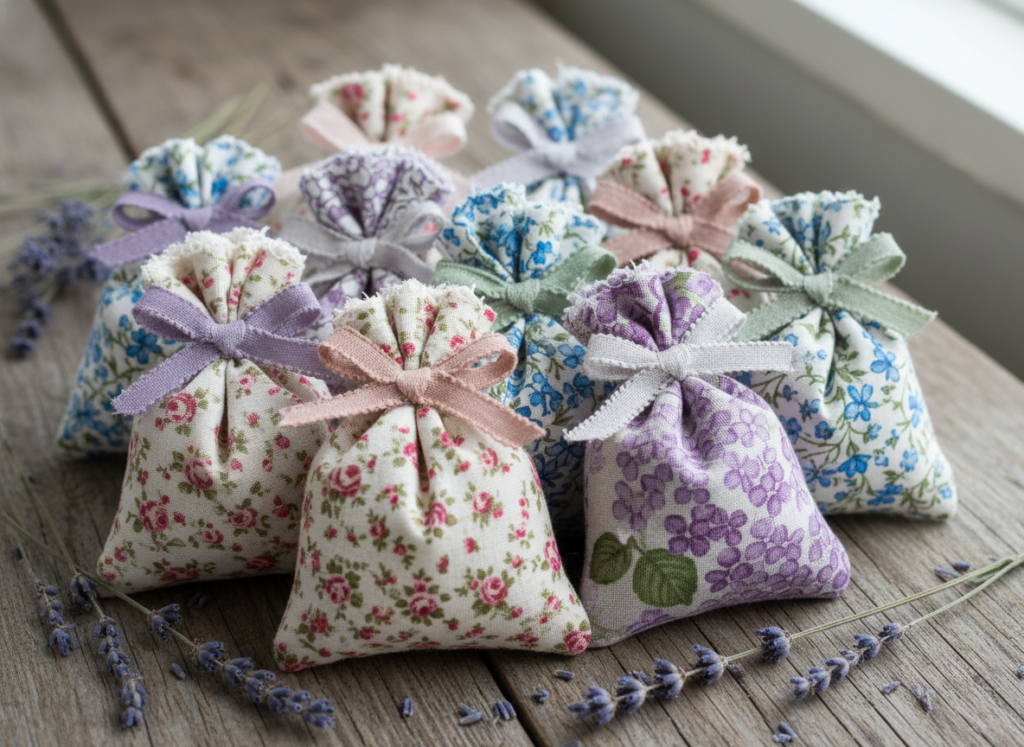
Sachets freshen drawers and closets naturally. Sew small fabric bags and fill with dried lavender. The simple square or rectangular shape suits beginner skills perfectly.
Use lightweight cotton fabrics that allow fragrance to escape. Decorative stitching adds visual appeal to these functional items. Hand-sewn sachets show more care than store-bought versions.
Fill sachets with other dried herbs like rosemary or mint. Experiment with different fabric patterns for varied aesthetics. The project teaches proper filling techniques and secure closure methods.
Easy Bag Patterns for Hand Sewing Practice
Bags combine multiple sewing techniques in one functional project. Start with simple tote bag designs before advancing to structured pieces. These projects use more fabric but provide practical items you will actually use.
Basic Tote Bag
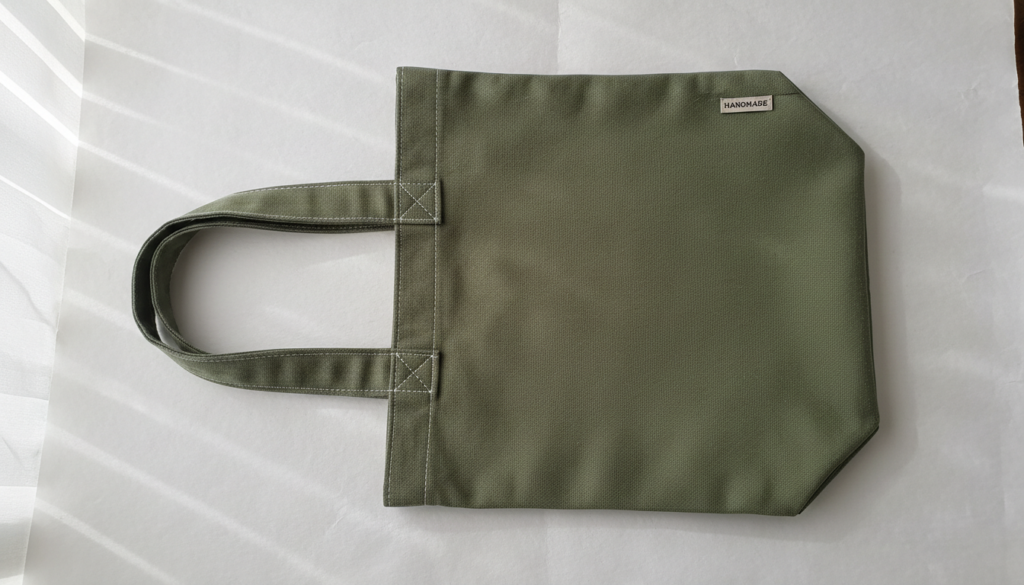
The tote bag pattern introduces larger-scale sewing. Cut two rectangles for front and back. Sew sides and bottom together, then attach handles.
Use sturdy cotton fabric for durability. The simple construction requires only straight seams. Reinforce handle attachment points with extra stitching for strength.
Personalize your tote bag with pockets or decorative elements. The large surface area allows creative embellishment. This versatile bag serves countless purposes from grocery shopping to beach trips.
Drawstring Bag
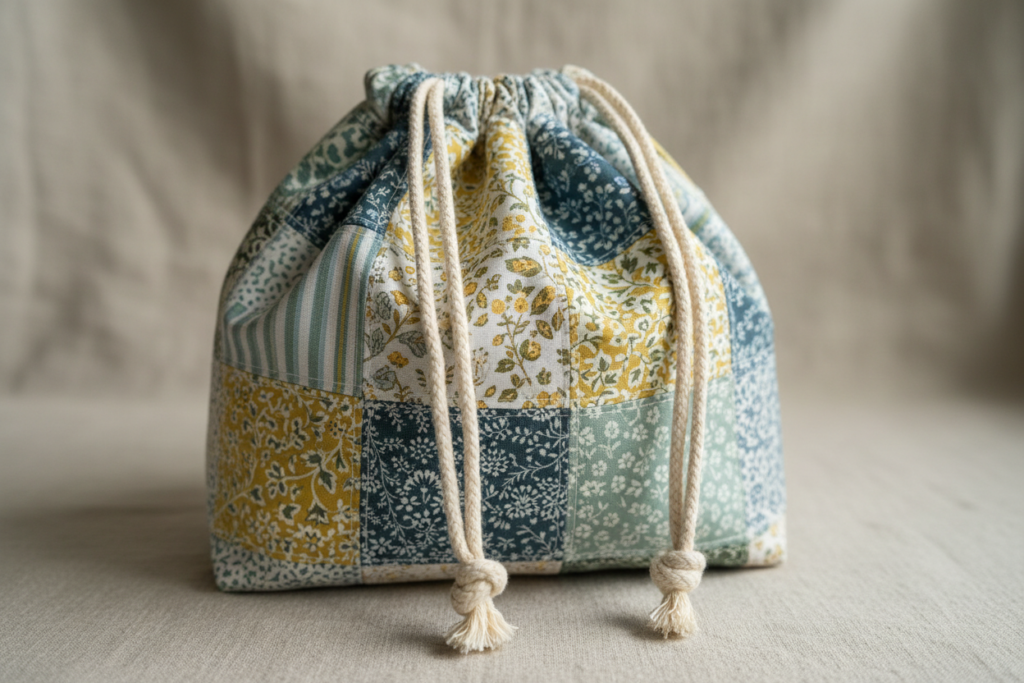
Drawstring bags work perfectly for gift packaging or storage. Create a fabric tube and add a casing at the top. Thread cord or ribbon through for closure.
The gathered top creates charming texture. Vary bag size based on intended contents. These bags make excellent alternatives to disposable gift wrap.
Zippered Pouch
Installing zippers by hand teaches precision sewing. Start with larger zippers before attempting smaller ones. Pin carefully to ensure even placement along edges.
Use clips instead of pins near zipper teeth. The structured shape holds items securely. Master this technique to create professional-looking bags and accessories.
Coin Purse
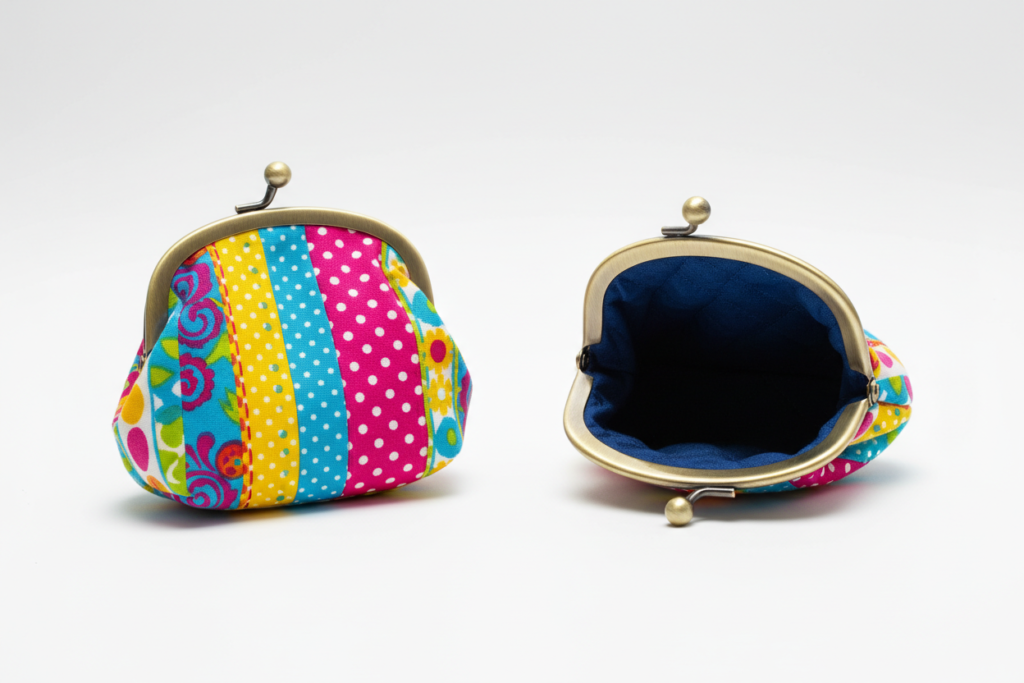
Small coin purses require careful attention to detail. The compact size means every stitch shows. Add metal snap closures or magnetic clasps for secure fastening.
Line purses with coordinating fabric for finished interiors. The double layer construction adds durability. These make perfect projects for using favorite fabric scraps.
Market Bag Pattern
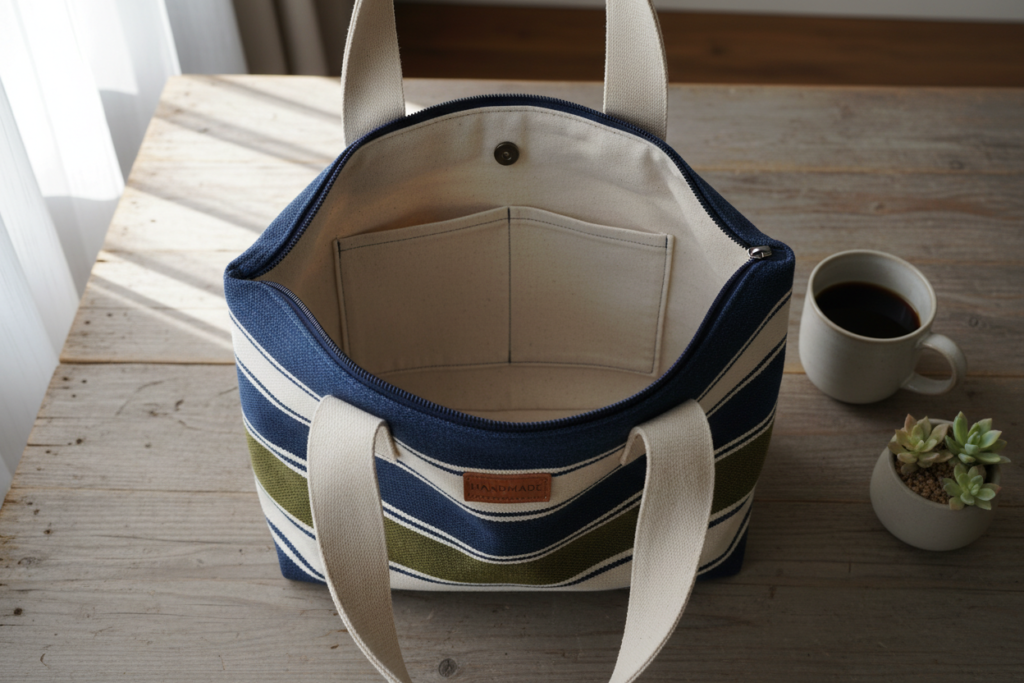
Market bags feature longer handles for shoulder carrying. The wider construction accommodates more items. Reinforce bottom seams and corners for heavy loads.
Add interior pockets to organize smaller items. The practical design serves multiple purposes beyond shopping. Choose washable fabrics for easy maintenance and long-term use.
Experiment with different handle lengths to find your preference. Some sewers prefer shorter handles while others like longer straps. The customizable nature makes each bag unique to the creator.
Hand Sewn Home Decor Items for Beginners
Hand sewing creates beautiful home accessories. These projects typically use more fabric than small accessories. The larger scale teaches layout planning and pattern matching skills.
Simple Throw Pillows
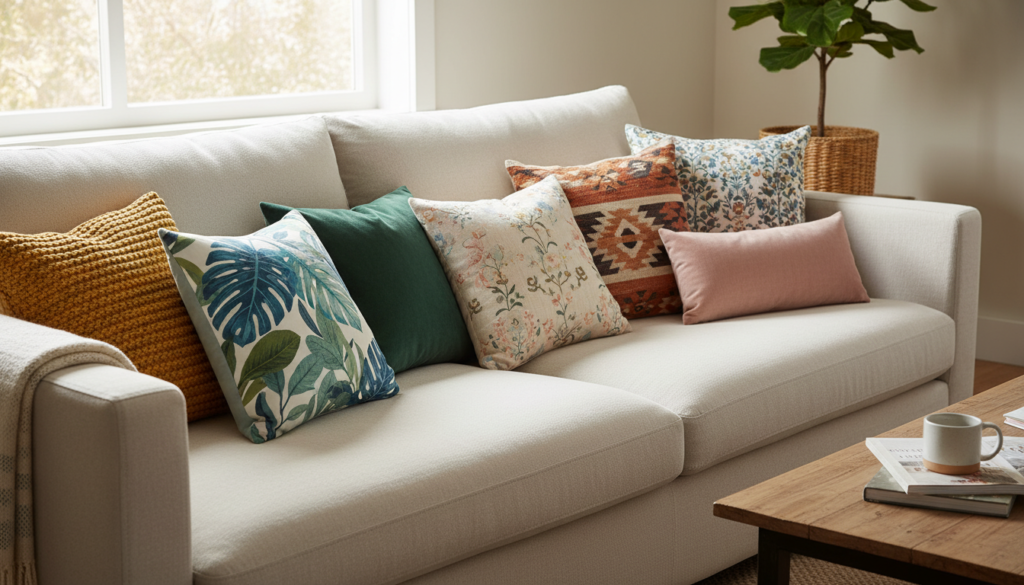
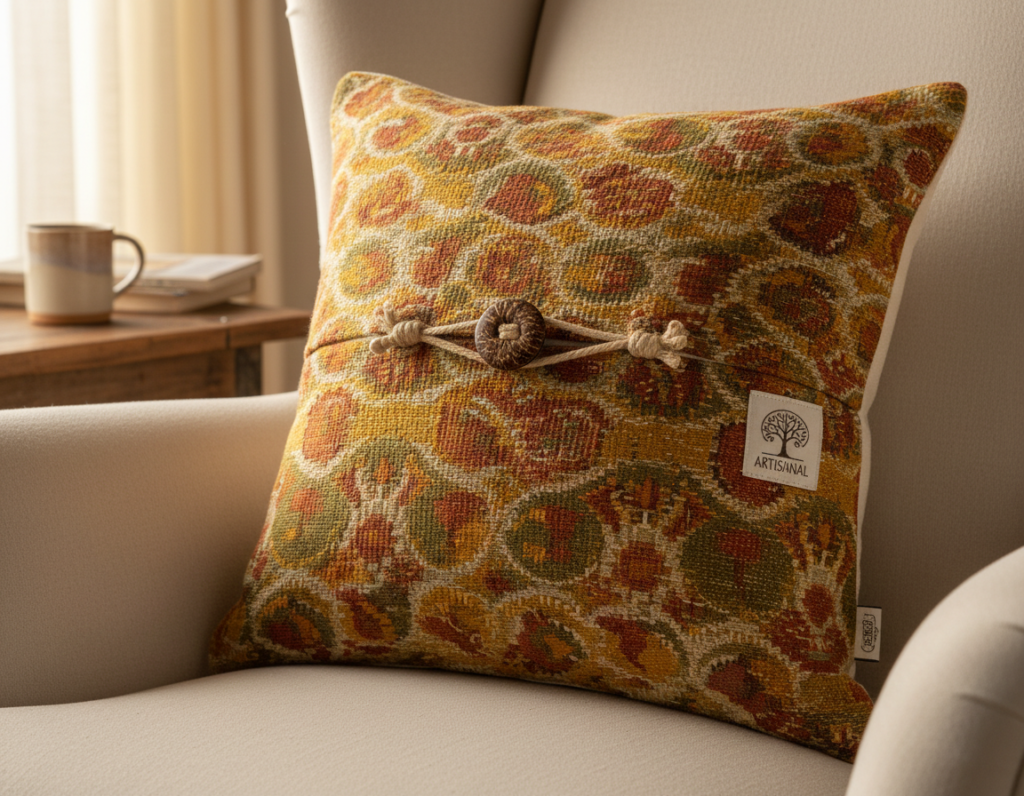
Throw pillows add color and comfort to any room. Sew two fabric squares together on three sides. Insert pillow form and close the fourth side with slip stitch.
Choose fabrics that complement existing decor. Mix patterns with solids for visual interest. The basic square shape requires minimal pattern cutting and simple construction.
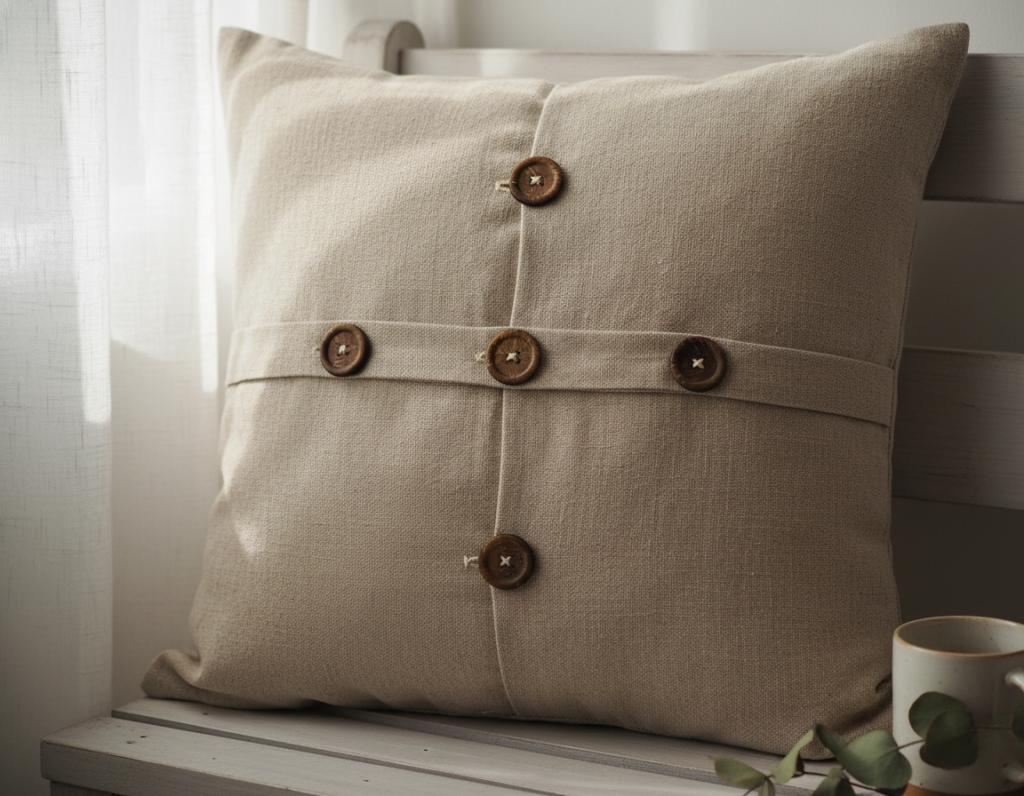
Add embellishments like buttons or embroidery for personalization. Envelope-back pillows allow cover removal for washing. This beginner project yields professional-looking results with careful sewing and pressing.
Table Runner
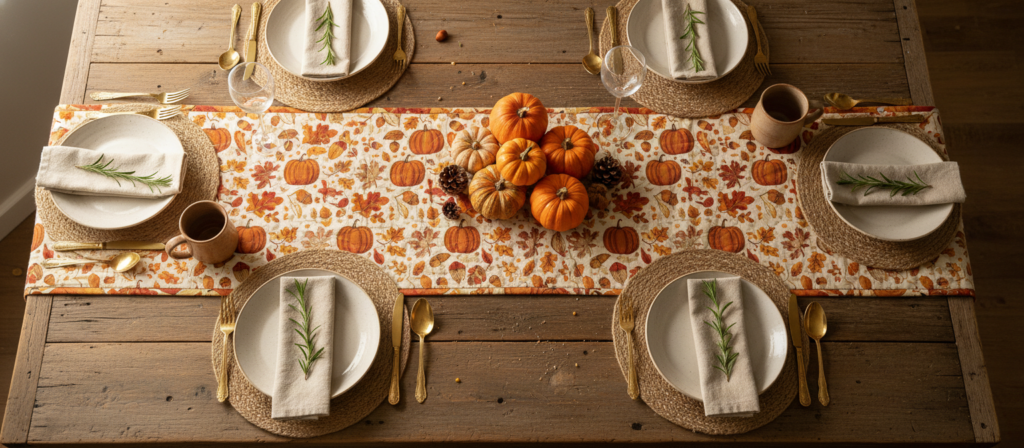
Table runners protect surfaces while displaying fabric beautifully. Cut a long rectangle and hem all edges. Add decorative stitching or applique for embellishment.
Use seasonal fabrics to change decor throughout the year. The long, narrow shape requires straight stitching skills. Mitered corners create professional-looking finishes worth learning.
Coordinate table runners with placemats and napkins. The matching set creates cohesive table styling. Hand-sewn pieces add personal touches to holiday gatherings and special occasions.
Curtain Tiebacks
Fabric tiebacks hold curtains open elegantly. Cut fabric strips and interface for structure. Sew edges and add rings or ribbon for attachment.
Match or contrast with existing curtain fabric. The small project uses fabric scraps efficiently. Simple tiebacks instantly upgrade window treatments without significant time investment.
Decorative Bunting
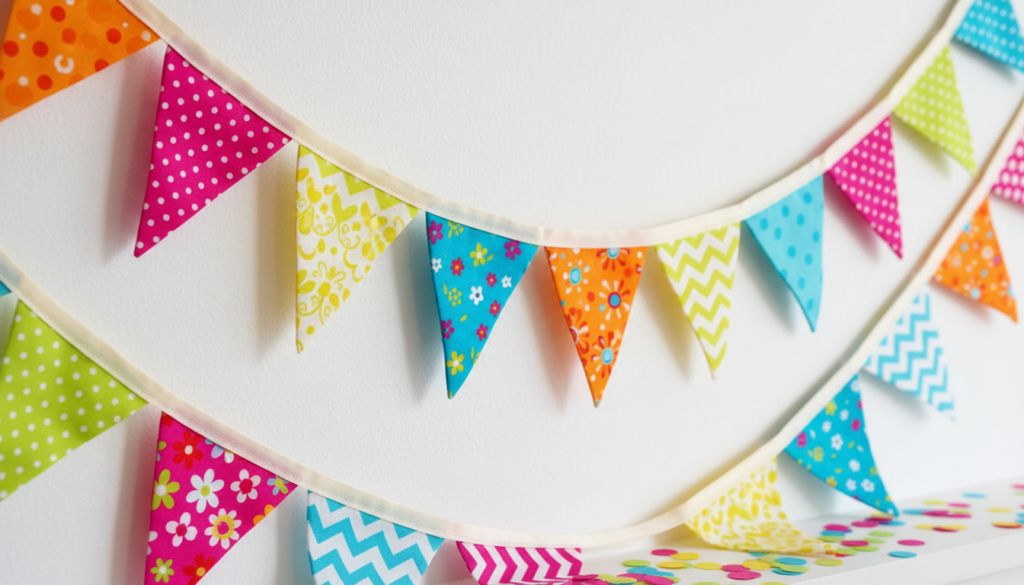
Bunting flags create festive atmosphere for parties or nurseries. Cut triangle shapes from various fabrics. Attach to ribbon or bias tape with simple stitching.
Mix prints and solids for dynamic visual effect. The repetitive construction makes the process meditative. Bunting adds charm to spaces without permanent installation requirements.
Create themed bunting for holidays or celebrations. Store carefully for reuse year after year. The handmade quality surpasses mass-produced party decorations significantly.
Beginner-Friendly Clothing and Wearable Projects
Hand sewing simple clothing items builds confidence for larger garments. Start with accessories before attempting full garments. These projects introduce fitting and construction techniques essential for dressmaking.
Simple Infinity Scarf
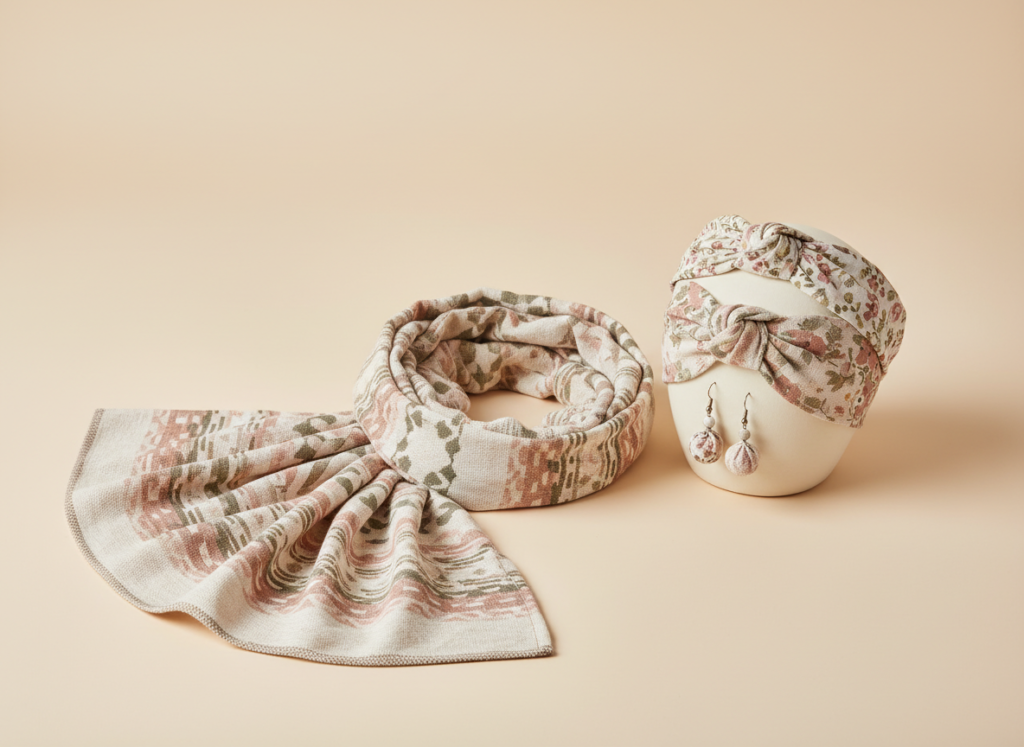
Infinity scarves require minimal sewing for maximum impact. Cut a long fabric rectangle and sew short ends together. The continuous loop drapes elegantly around the neck.
Use lightweight fabrics like cotton or jersey for comfortable wear. The simple construction suits absolute beginners perfectly. Experiment with different fabric lengths for varied draping effects.
Line scarves with coordinating fabric for reversible styling. The doubled fabric adds warmth without bulk. Hand-sewn scarves make thoughtful gifts that recipients actually wear and appreciate.
Fabric Headbands
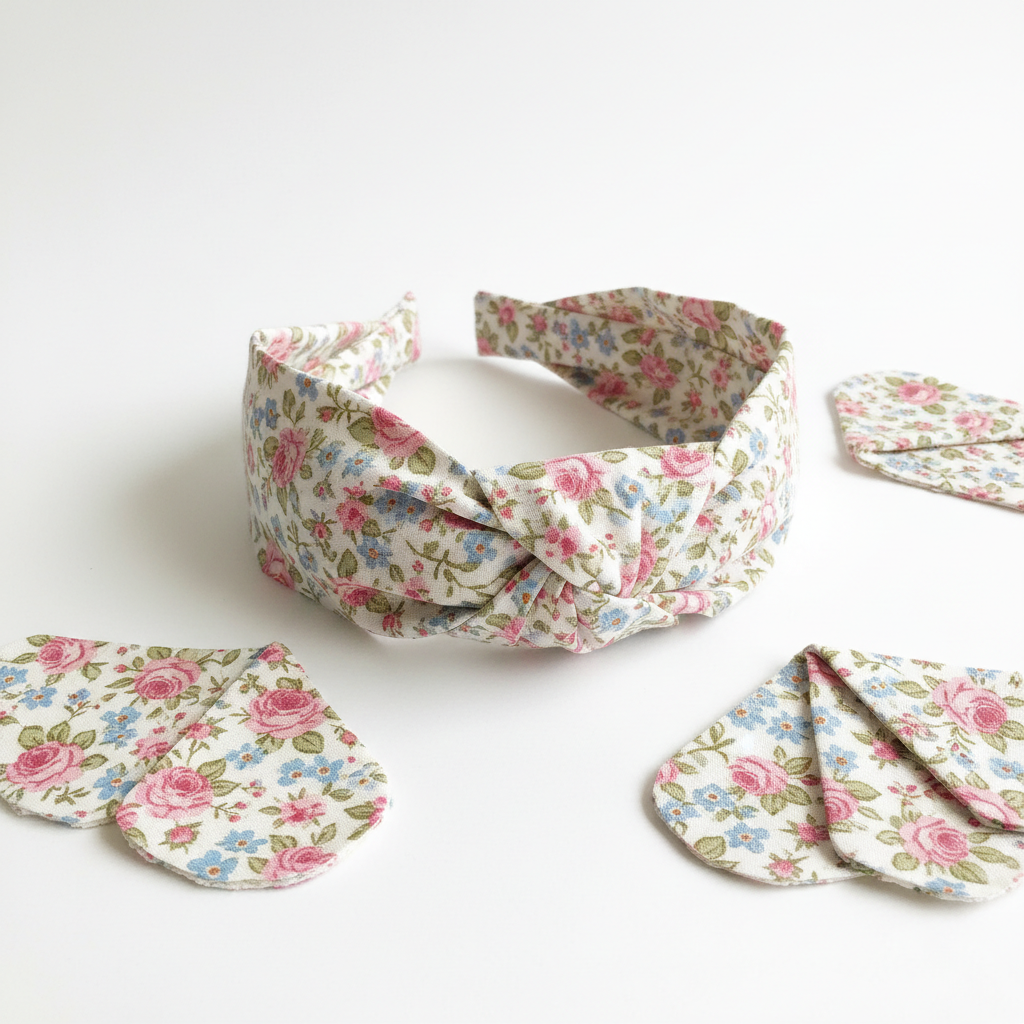
Headbands use small fabric amounts efficiently. Create tube-style or twisted varieties. Add elastic for comfortable all-day wear without headaches.
Wire-wrapped headbands hold shape for styling versatility. The customizable fit accommodates different head sizes. These quick projects allow experimentation with various fabric patterns and textures.
Simple Skirts
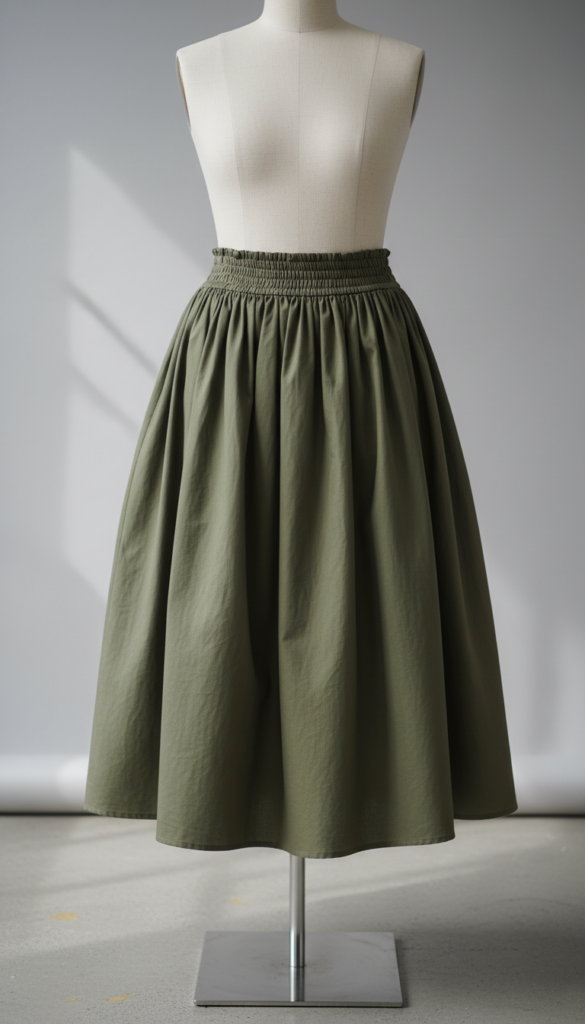
Gathered skirts introduce garment construction basics. Measure waist and desired length carefully. Sew fabric into tube, add elastic waistband, and hem bottom edge.
The elastic waist eliminates complex zipper installation. Choose flowing fabrics that gather nicely. This beginner garment teaches important skills like taking measurements and calculating fabric yardage.
Add pockets for functionality and practice. Vary length from mini to maxi based on preference. The basic pattern adapts easily to different sizes without complex alterations.
Take Your Sewing Skills to the Next Level
Learn professional garment construction techniques from expert instructors. Master pattern reading, proper fitting, and advanced finishing methods that create clothing you will proudly wear.
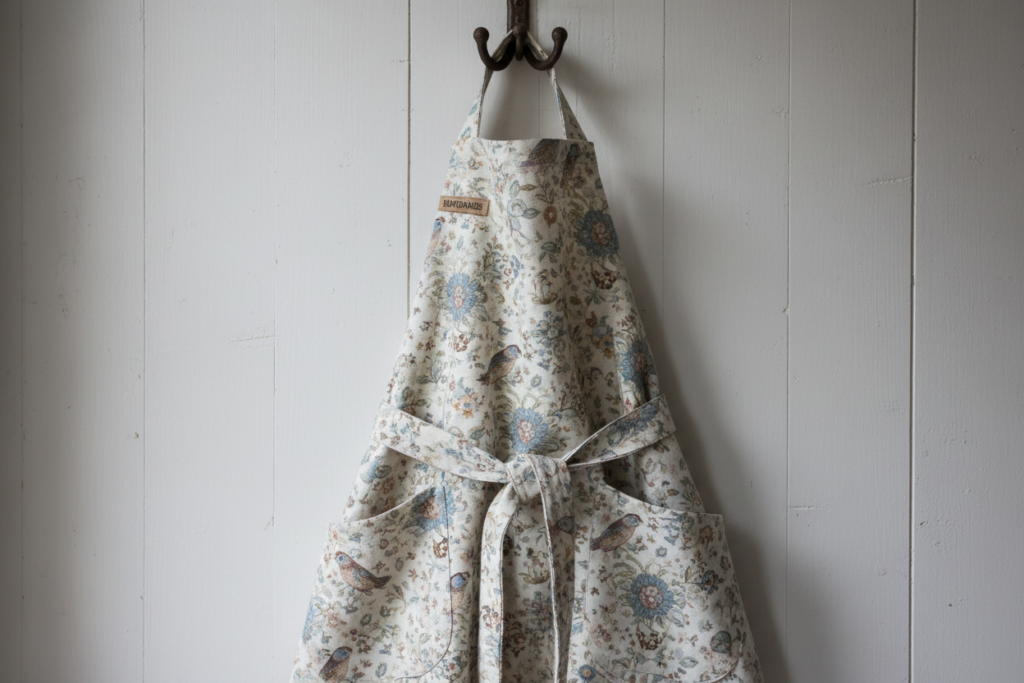
Aprons protect clothing during cooking or crafting. The simple shape requires basic pattern pieces. Attach waist ties and neck strap with sturdy stitching.
Add pockets for holding tools or recipe cards. Choose washable fabrics for practical everyday use. The beginner-friendly construction yields useful items for your kitchen or studio.
Fun Hand Sewing Projects Perfect for Kids
Introducing children to sewing develops fine motor skills and creativity. Choose projects appropriate for age and skill level. Supervision ensures safety while kids learn this valuable craft.
Felt Animals and Toys
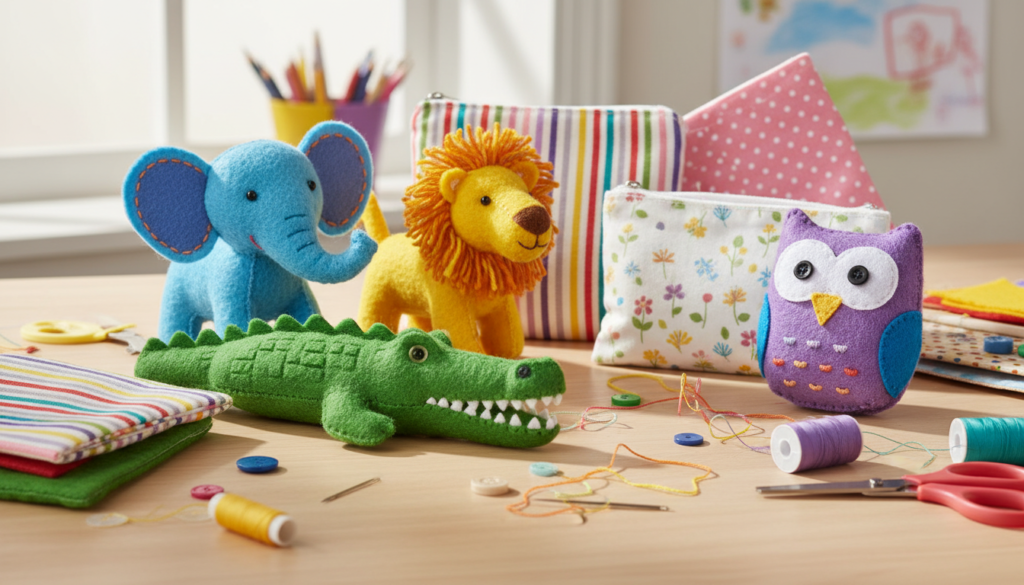
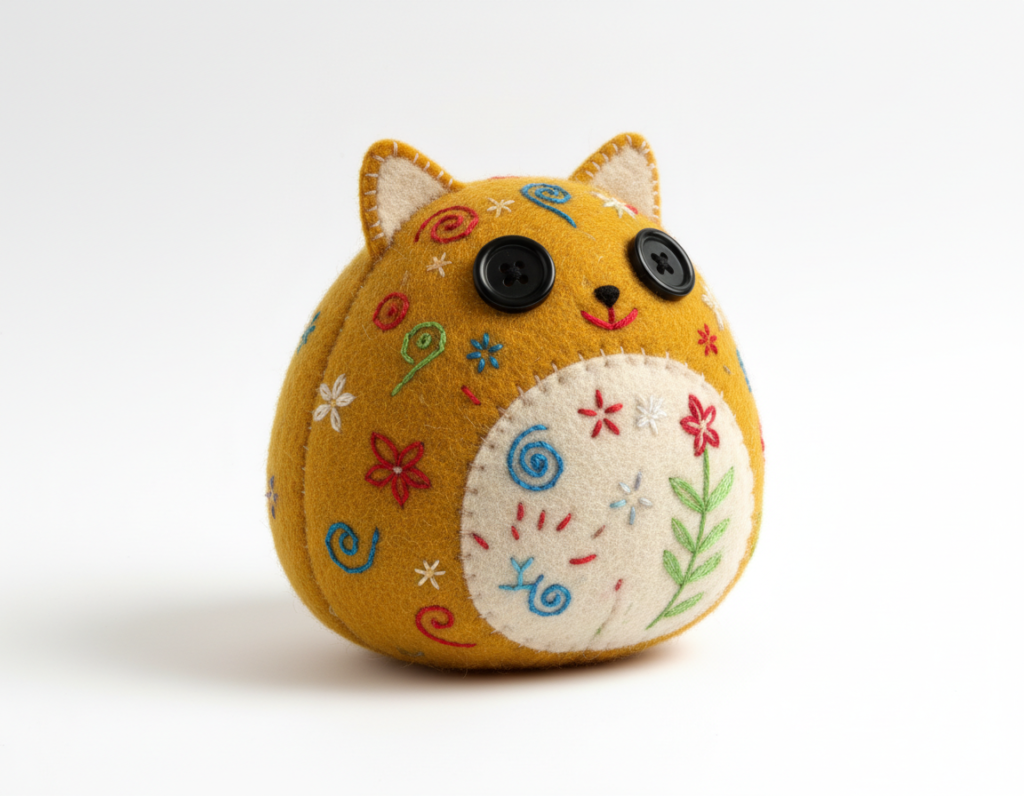
Felt cuts easily and does not fray, perfect for young sewers. Simple animal shapes use basic stitches kids can master. Stuffing creates three-dimensional toys children love.
Draw patterns directly on felt with washable markers. Large plastic needles work safely for smaller hands. The forgiving material allows mistakes without frustration or wasted fabric.
Create entire felt zoos or farm sets. The repetitive stitching builds muscle memory and confidence. Kids take pride in toys they made themselves through patient hand work.
Simple Drawstring Bags for Kids
Kids create personalized bags for treasures or toys. The simple construction teaches basic sewing steps. Decorate with fabric paint or iron-on patches before sewing.
Use sturdy cotton fabrics that withstand rough handling. The finished bags serve practical purposes kids appreciate. Success with simple projects motivates continued learning and skill development.
Bean Bags
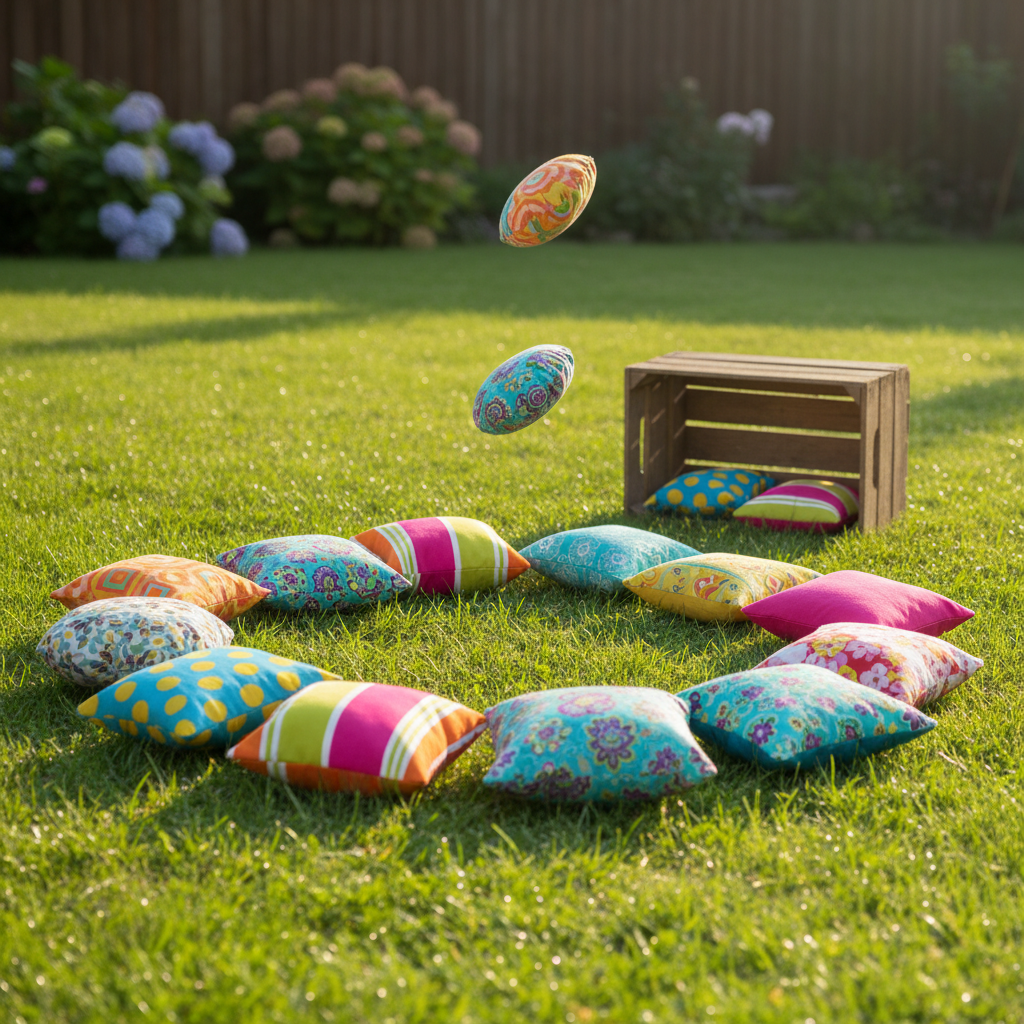
Sewing bean bags teaches filling techniques safely. Create small squares or rectangles. Fill partially with dried beans or rice before closing final seam.
Kids enjoy games with their handmade bean bags. The weighted toys help develop hand-eye coordination. Multiple bags in different colors make learning fun and engaging.
Pencil Cases
Children sew cases for school supplies. The rectangular shape uses straight seams. Add zipper closure for older kids or button closure for younger beginners.
Let kids choose favorite fabrics for personalization. The practical item gets used daily at school. Handmade cases spark conversations and inspire other children to try sewing.
Seasonal and Gift-Worthy Sewing Projects
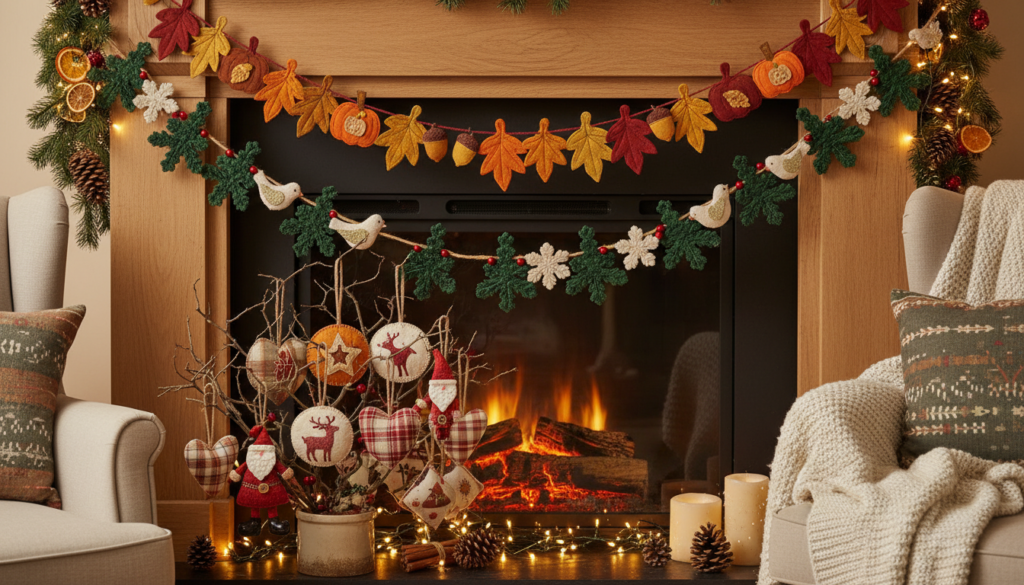
Hand-sewn gifts carry special meaning store-bought items cannot match. Create seasonal decorations and presents throughout the year. These projects use techniques learned in previous sections.
Fabric Ornaments
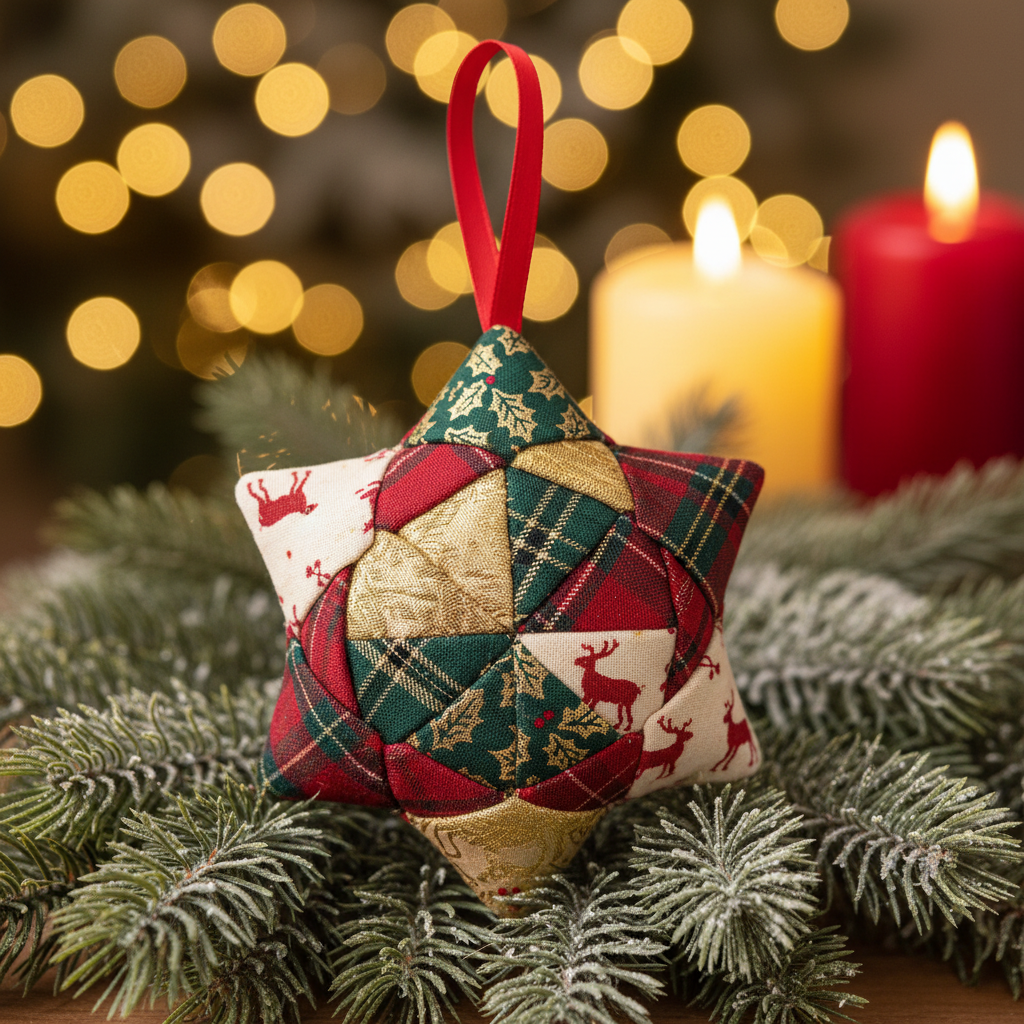
Ornaments personalize holiday trees beautifully. Cut simple shapes from fabric and felt. Sew edges together, add stuffing, and attach hanging ribbon.
Create themed sets in coordinating colors. The small size allows completion in short sewing sessions. Handmade ornaments become treasured family heirlooms passed through generations.
Embroider names or dates for personalization. Mix fabrics with different textures for visual interest. The festive projects bring joy during creation and display.
Fabric Gift Bags
Reusable gift bags replace wasteful wrapping paper. Sew various sizes for different present dimensions. The eco-friendly choice reduces holiday waste significantly.
Line bags with contrasting fabric for luxurious presentation. Add drawstring or ribbon closure for easy opening. Recipients appreciate the thoughtful, sustainable wrapping option.
Patchwork Blankets
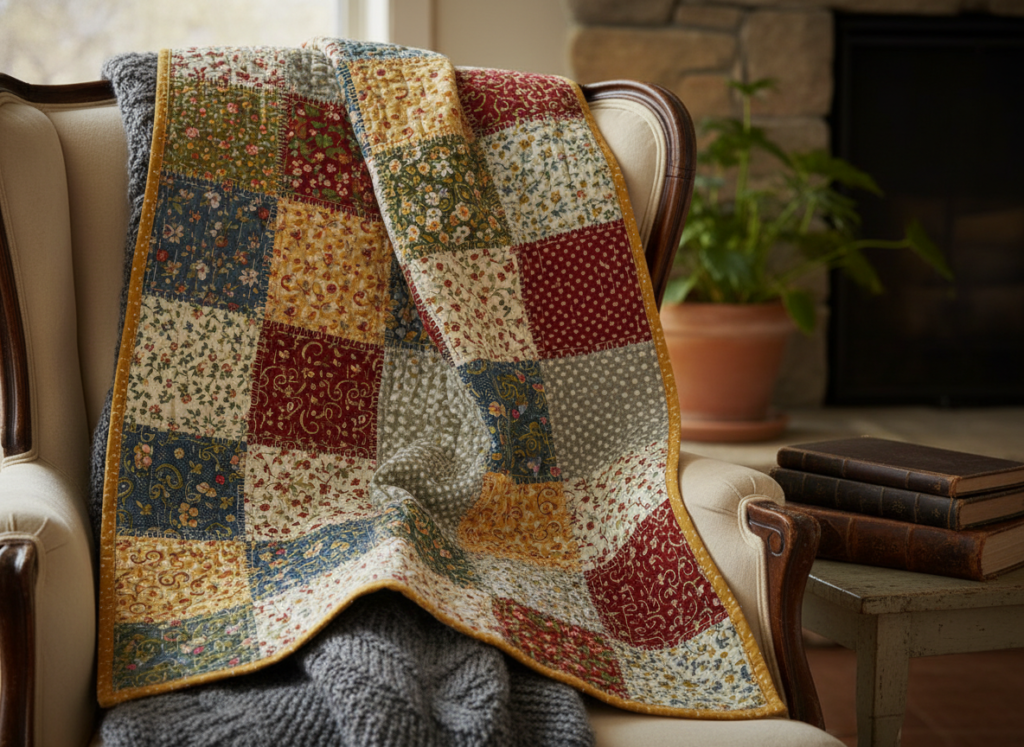
Patchwork uses fabric scraps to create cozy blankets. Cut uniform squares and sew together in rows. The repetitive process becomes meditative and relaxing over time.
Choose a simple grid layout for first quilting attempts. Add batting and backing for warmth. The finished quilt represents hours of careful work and makes cherished gifts.
Tie or quilt layers together with decorative stitching. Each piece tells a story through fabric choices. Baby blankets work well for beginning quilters due to manageable size.
Stuffed Heart Pillows
Heart-shaped pillows make perfect Valentine or anniversary gifts. Cut two heart shapes and sew edges. Leave opening for stuffing before final closure.
Add lace trim or embroidered messages for romance. The simple shape suits various fabric types. Recipients cherish handmade gifts more than store-bought alternatives.
Creative Upcycling Projects Using Old Clothing
Transform worn clothing into useful new items through creative sewing. Upcycling reduces waste while providing free fabric sources. These projects teach resourcefulness alongside sewing skills.
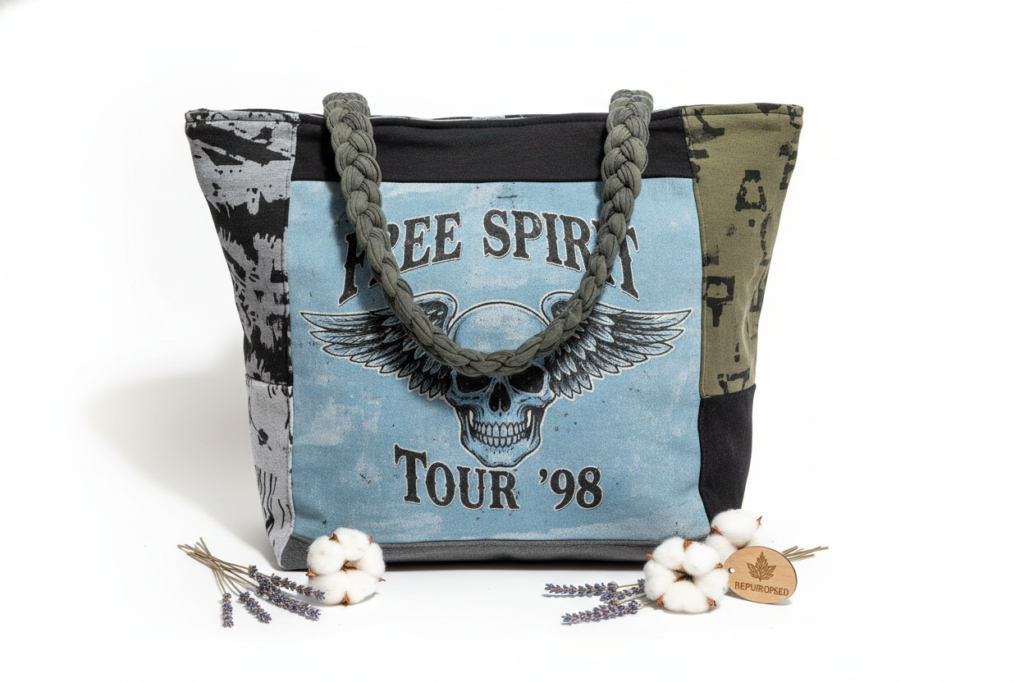
T-Shirt Tote Bags
Old t-shirts become shopping bags with minimal sewing. Cut off sleeves and neckline. Sew bottom hem closed and strengthen with double stitching.
The existing shirt construction provides built-in handles. No pattern required for this quick transformation. Stack multiple shirts for stronger, more durable bags.
Kids enjoy helping with this simple upcycling project. The finished bags reduce plastic bag usage. Decorate with fabric paint or patches for personalized designs.
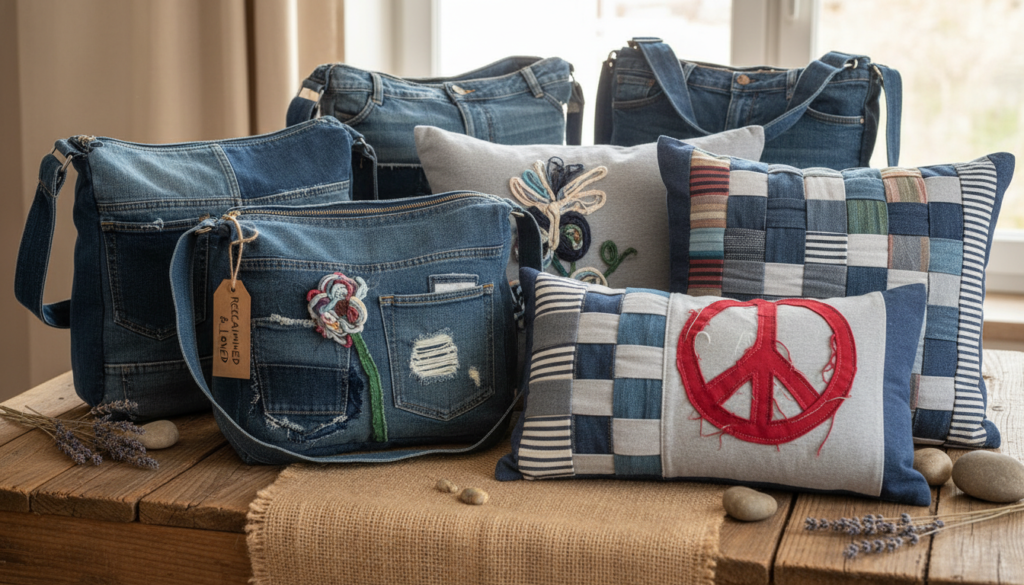
Denim Pocket Pouches
Salvage pockets from old jeans for unique pouches. The pre-made pocket becomes the front panel. Add fabric backing and zipper or button closure.
Denim pockets feature interesting details like rivets and stitching. The sturdy material withstands heavy use. Each pouch carries character from the original garment.
Fleece Blankets from Old Sweaters
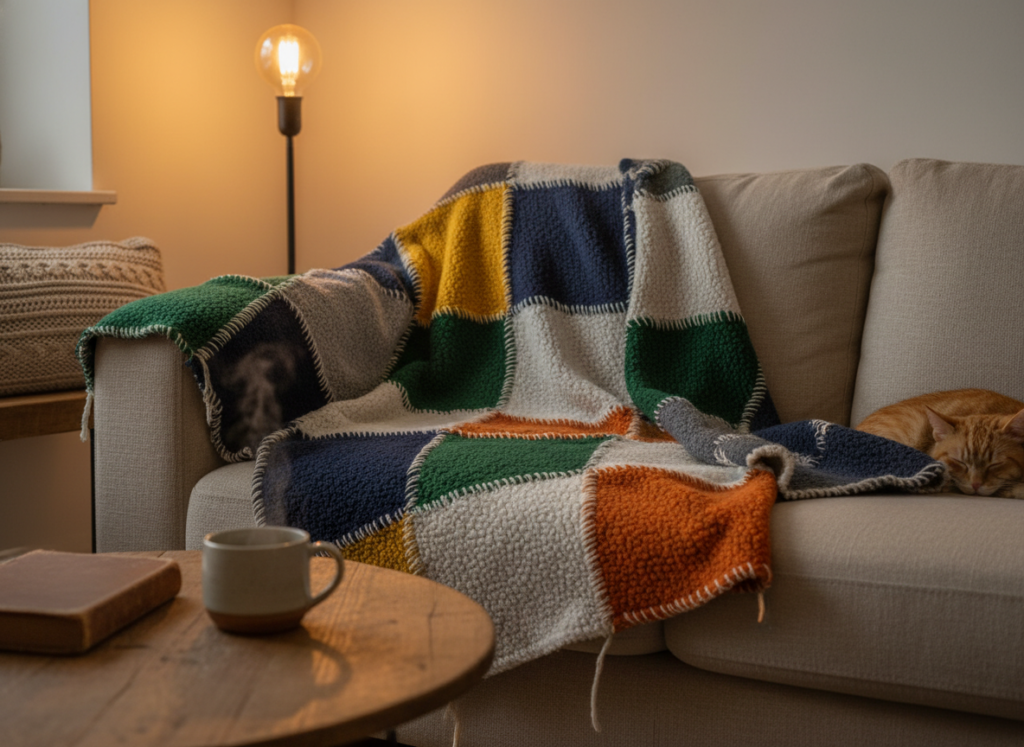
Combine outgrown fleece sweaters into cozy blankets. Cut into squares of uniform size. Sew pieces together in pleasing color arrangements.
The soft fleece requires no additional backing. Finish edges with blanket stitch or binding. Memory blankets preserve favorite clothing items in usable form.
This project works perfectly for children’s outgrown favorites. The sentimental value exceeds the practical warmth. Upcycled blankets tell stories while providing comfort.
Challenging Projects for Advancing Beginners
Once basic techniques feel comfortable, try more complex projects. These items require patience and careful attention. Success builds confidence for even more ambitious future sewing.
Lined Zipper Pouches
Adding lining creates professional interior finishes. The process requires careful alignment and turning. Install zipper before sewing lining to exterior pieces.
Press seams thoroughly for crisp results. The doubled fabric adds structure and durability. Lined pouches look polished enough for gift-giving or selling.
Gathered Shoulder Bag
Gathering fabric creates dimension and visual interest. Calculate fabric amounts carefully for proper fullness. Attach gathered panels to bag base and add sturdy straps.
The structured bottom supports contents while gathered sides add style. Interface key areas for shape retention. This intermediate project combines multiple techniques learned previously.
Button-Up Pillow Covers
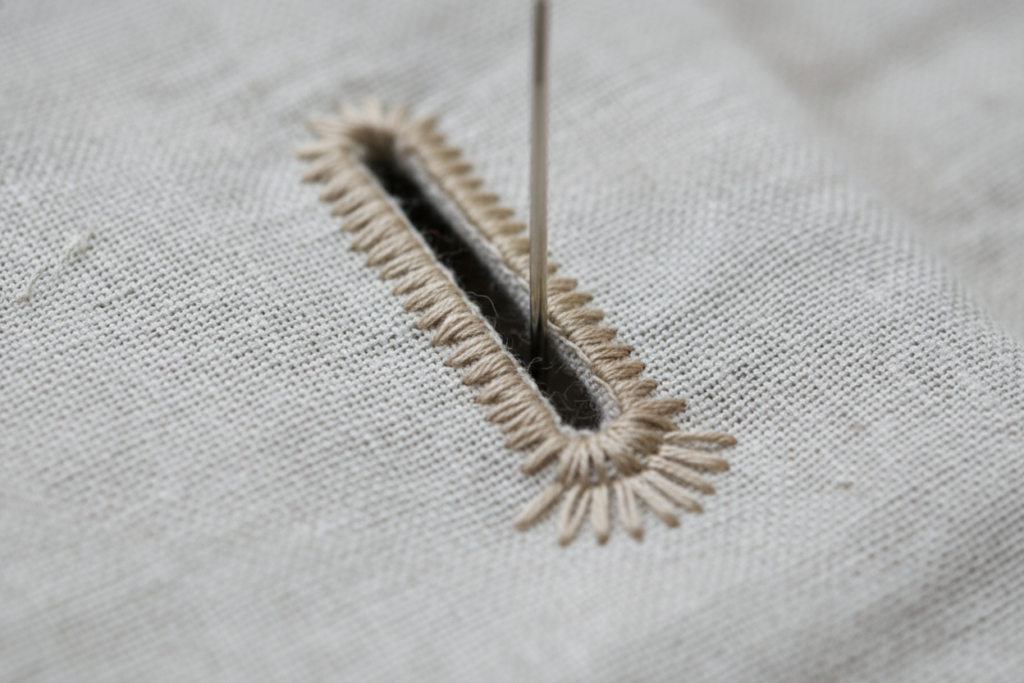
Envelope closures with buttonholes require precision sewing. Mark buttonhole placement accurately before cutting. Hand-sewn buttonholes take practice but create beautiful finishes.
Choose buttons that complement fabric colors. The removable covers allow washing without removing stuffing. Master this technique for various applications beyond pillows.
Transform Your Sewing from Hobby to Skill
Stop struggling with trial and error. Get comprehensive instruction that covers everything from basic stitches to advanced techniques. Join thousands of successful students who learned to sew with confidence.
Following proven practices improves results and makes sewing more enjoyable. These tips come from experienced sewers who learned through practice. Apply this wisdom to avoid common beginner frustrations.
Thread and Needle Selection
Match thread weight to fabric thickness. Heavy fabrics need stronger thread while delicate materials require finer options. Wrong thread creates puckering or breaks during use.
Use sharp needles for woven fabrics and ballpoint needles for knits. Change needles regularly as dull points damage fabric. Keep various sizes available for different project requirements.
Quality thread prevents frustrating tangles and breaks. Cheap thread actually costs more through wasted time. Invest in good supplies for better sewing experiences overall.
Seam Pressing Techniques
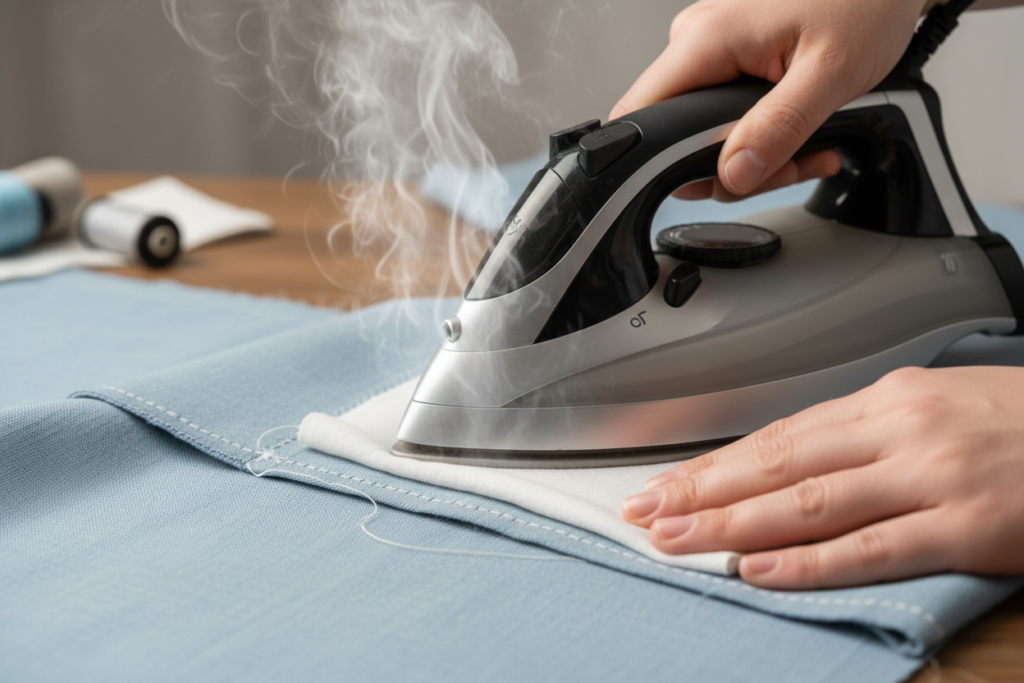
Press seams as you sew for professional results. Heat sets stitches and creates crisp edges. Never skip pressing even when hand sewing small projects.
Press seams open to reduce bulk in thicker fabrics. Press seams to one side in lighter materials. The iron becomes as important as needle and thread.
Use pressing cloth to protect delicate fabrics from heat damage. Steam helps set stubborn seams effectively. Proper pressing makes the difference between homemade and handmade appearance.
Accurate Measuring and Cutting
Measure twice and cut once saves fabric and frustration. Use quality measuring tools for precision. Mark cutting lines clearly before scissors touch fabric.
Cut on stable surfaces with sharp scissors. Dull blades create ragged edges that fray excessively. Rotary cutters work well for straight lines on multiple layers.
Add seam allowances consistently throughout projects. Standard five-eighths inch works for most sewing. Smaller allowances suit delicate work while wider ones provide adjustment room.
Maintaining Consistent Tension
Even tension prevents puckering and loose stitches. Pull thread firmly but not too tight. Practice develops the feel for proper tension naturally.
Loose stitches create gaps while overly tight ones pucker fabric. Check tension frequently while working. Rework sections that show obvious problems before proceeding further.
Working in Good Lighting
Adequate lighting reduces eye strain and improves accuracy. Natural daylight provides ideal conditions. Add task lighting for evening sewing sessions.
Position light source to avoid shadows on work area. Magnifying lamps help with detailed work. Good lighting makes sewing more enjoyable and less tiring overall.
Common Hand Sewing Problems and Solutions
Every sewer encounters challenges while learning. Understanding solutions prevents discouragement. Most problems have simple fixes once you identify the cause.
Why does my thread keep tangling?
Thread tangles usually indicate thread that is too long. Cut lengths no longer than eighteen inches for manageable stitching. Run thread through beeswax to reduce tangling further.
Thread twists naturally as you sew. Stop periodically and let needle hang to untwist thread. This simple pause prevents knots from forming during sewing.
How do I fix uneven stitches?
Mark stitch intervals lightly with fabric pen for consistency. Practice stitching on scrap fabric before starting projects. Muscle memory develops through repetition and focused practice.
Slow down and concentrate on even spacing. Speed comes naturally after accuracy becomes habit. Uneven stitches improve dramatically with patient practice over time.
What causes fabric puckering?
Puckering results from thread tension that is too tight. Loosen your pull slightly while maintaining stitch security. The fabric should lay flat without gathering or bunching.
Using wrong thread weight also causes puckering. Match thread to fabric type appropriately. Press puckered seams with steam to relax fabric somewhat.
How do I prevent finger soreness?
Use a thimble to protect your pushing finger. Metal or leather thimbles work equally well. The small tool prevents painful needle pricks during extended sewing.
Take regular breaks to rest hands and fingers. Sewing marathon sessions cause unnecessary fatigue. Short, frequent sewing periods prove more productive than lengthy ones.
Building Your Hand Sewing Skill Progression
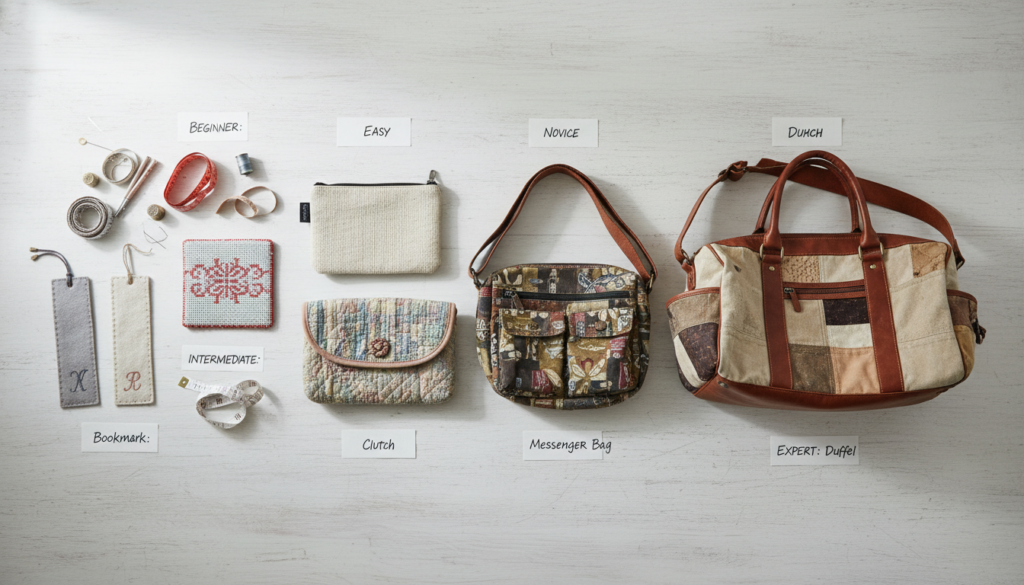
Skill development follows natural progression from simple to complex. Start with basic projects before attempting advanced techniques. Each completed project teaches lessons for the next challenge.
Start with Simple Shapes
Rectangles and squares require only straight stitching. Master these basic shapes first. The fundamental skills transfer to more complex patterns later.
Perfect your straight seams before attempting curves. Confidence with basics prevents frustration when learning new techniques. Every expert sewer started with simple straight lines too.
Progress to Curves and Circles
Curved seams demand more control and precision. Practice on scrap fabric before cutting project pieces. The technique feels awkward initially but improves rapidly with repetition.
Clip curves after sewing to reduce bulk. The small cuts allow fabric to spread smoothly. This finishing technique creates professional-looking curved edges.
Add Embellishments and Details
Once basic construction feels comfortable, add decorative elements. Embroidery, applique, and trim application personalize projects. These details transform simple items into special creations.
Start with basic embroidery stitches before attempting complex designs. The decorative skills complement construction techniques perfectly. Many sewers find embellishment work most enjoyable and creative.
Learn Specialized Techniques
Buttonholes, zipper installation, and gathers represent intermediate skills. Each technique opens new project possibilities. Focus on one specialty at a time for thorough learning.
Watch tutorials and read instructions carefully. Practice new techniques on samples before incorporating into projects. Patient learning prevents costly fabric mistakes and disappointment.
Accelerate Your Learning with Expert Instruction
Why spend months figuring it out alone when you can learn proven methods from professionals? Get instant access to comprehensive video tutorials, detailed patterns, and personal support from experienced instructors.
Organizing Your Hand Sewing Supplies and Workspace
Organized supplies make sewing more enjoyable and efficient. Create dedicated storage for tools and materials. The small investment in organization saves significant time during projects.
Thread Organization
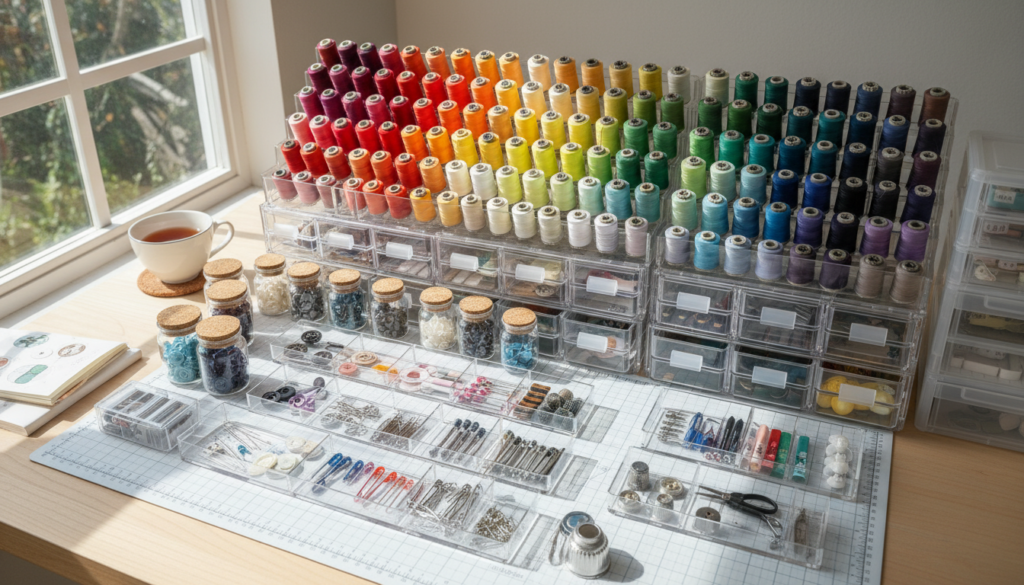
Sort thread by color for easy selection. Wall-mounted racks display thread beautifully while keeping it accessible. Clear boxes work well for drawer storage systems.
Wind loose thread onto cards or bobbins. Label unusual colors with fabric swatches for matching. Good organization prevents buying duplicate colors unnecessarily.
Fabric Scrap Storage
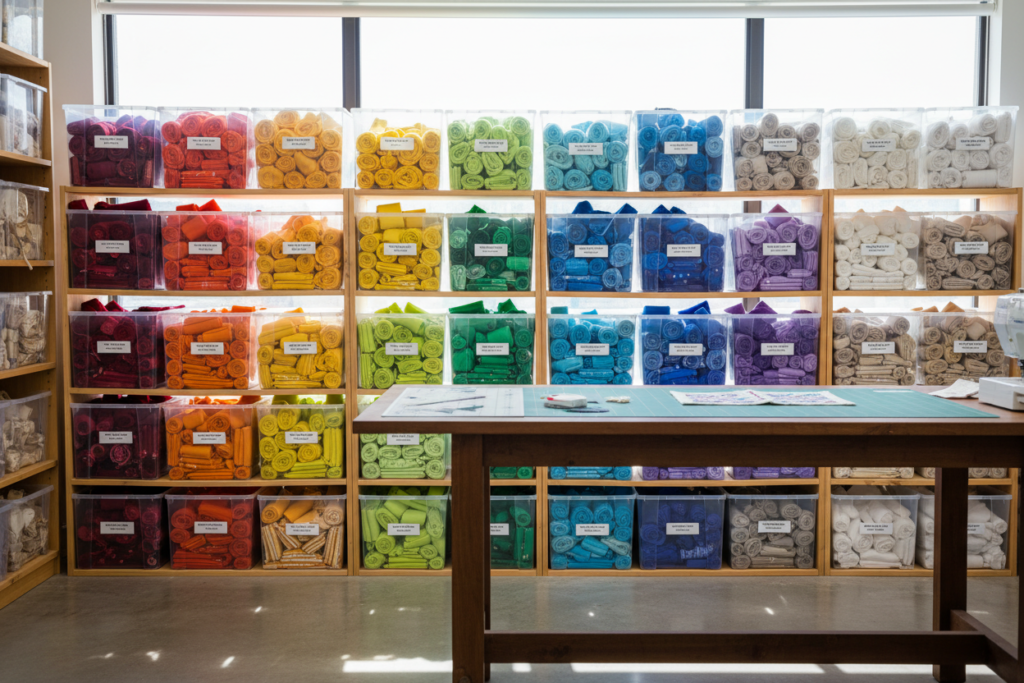
Sort scraps by color, size, or fabric type. Clear bins let you see contents without opening. Regular sorting prevents overwhelming accumulation over time.
Use scraps immediately in small projects to prevent endless hoarding. A dedicated scrap bin for each project keeps materials together. Donate excess fabric to schools or community groups periodically.
Tool Storage Solutions
Keep frequently used tools in portable caddy. Everything stays together for sewing anywhere. Magnetic strips hold scissors and metal tools securely on walls.
Designate specific homes for each tool type. Return items immediately after use. This simple habit saves time searching for misplaced supplies later.
Begin Your Hand Sewing Journey with Confidence
Hand sewing offers creative fulfillment without significant financial investment. The projects outlined here provide starting points for skill development. Each completed item builds confidence and technique for more ambitious future work.
Start with projects that excite you personally. Genuine interest motivates completion when challenges arise. The learning process itself provides as much value as finished items.
Gather basic supplies and choose your first project today. Hand sewing connects you to centuries of textile tradition. The skills you develop serve throughout life in practical and creative ways.
Remember that every expert began as a beginner. Mistakes teach valuable lessons when viewed as learning opportunities. Be patient with yourself as skills develop through practice and time.
Share your creations with others who appreciate handmade items. The sewing community offers support, inspiration, and encouragement. Connect with fellow sewers online and locally for ongoing motivation.
Ready to Create Projects You Will Be Proud Of?
Stop wondering if you are doing it right. Get professional guidance that answers every question and solves every problem. Transform from uncertain beginner to confident creator with proven step-by-step instruction.
Your hand sewing journey begins with a single stitch. The projects ahead offer endless creative possibilities. Pick up needle and thread today to discover the satisfaction of creating beautiful, functional items with your own hands.