Length goals can feel confusing when your hair seems to grow, then breaks before you see the difference. These Hair Growth Tips for Black Women focus on the habits that help textured hair stay strong, moisturized, and easier to manage. You will learn how to care for your scalp, reduce damage, protect your ends, and know when professional advice matters.
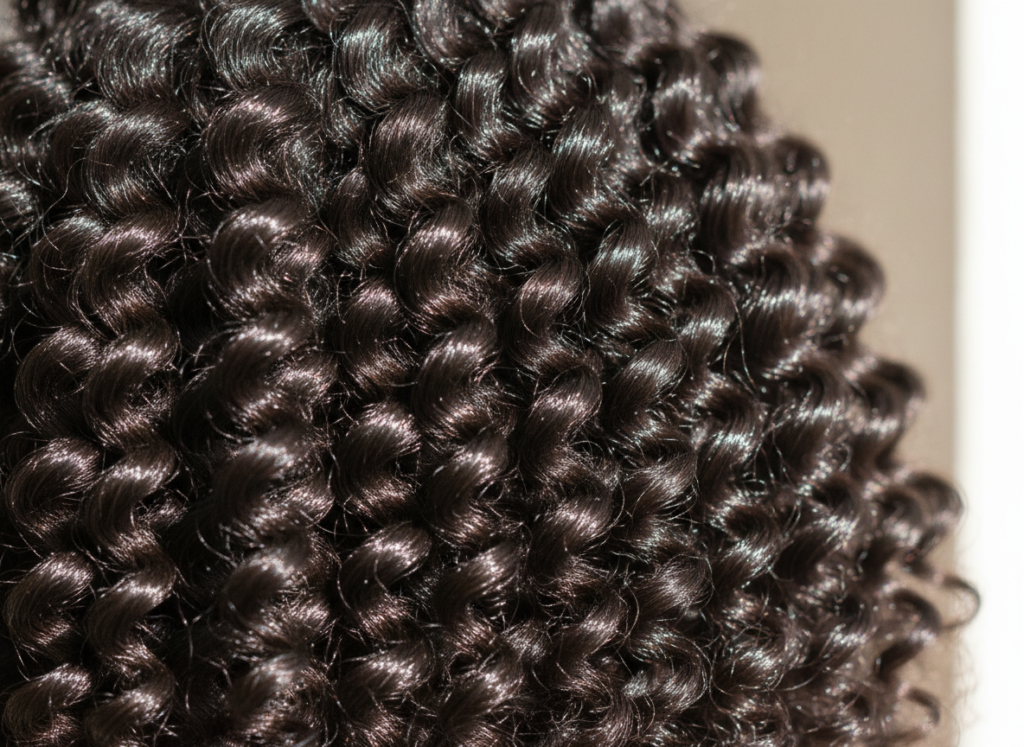
Black hair can grow at a steady rate while still appearing to grow slowly. Coily and tightly curled strands often lose visible length because of shrinkage. They can also become dry at the bends of the curl pattern. The goal is not to force fast growth. The goal is to support the scalp and protect the length you already have.
What Hair Growth Really Means for Natural Hair
Hair growth begins inside the follicle beneath the scalp. Once a strand leaves the follicle, it is no longer living tissue. It cannot repair itself in the same way skin can. This is why everyday care matters. Your routine should protect the shaft from friction, high heat, harsh handling, and repeated chemical damage.
Many people measure growth by checking length every week. That can create stress because shrinkage, wash-day stretching, and styling can change how long hair looks. A better plan is to take a photo every four to eight weeks. Use the same lighting, angle, and hairstyle.
New growth is not the only sign of progress. Less shedding, fewer knots, softer ends, easier detangling, and a calmer scalp can also show that your hair care is working. Give a routine time before changing every product. Frequent changes make it hard to know what helps.
Keep expectations realistic: no oil, butter, or supplement can promise a specific growth rate. Focus on scalp health, gentle care, and protecting the hair shaft.
Build a simple routine before buying more products
If you want help exploring routine-focused hair products, start with one option and review the ingredients before use.
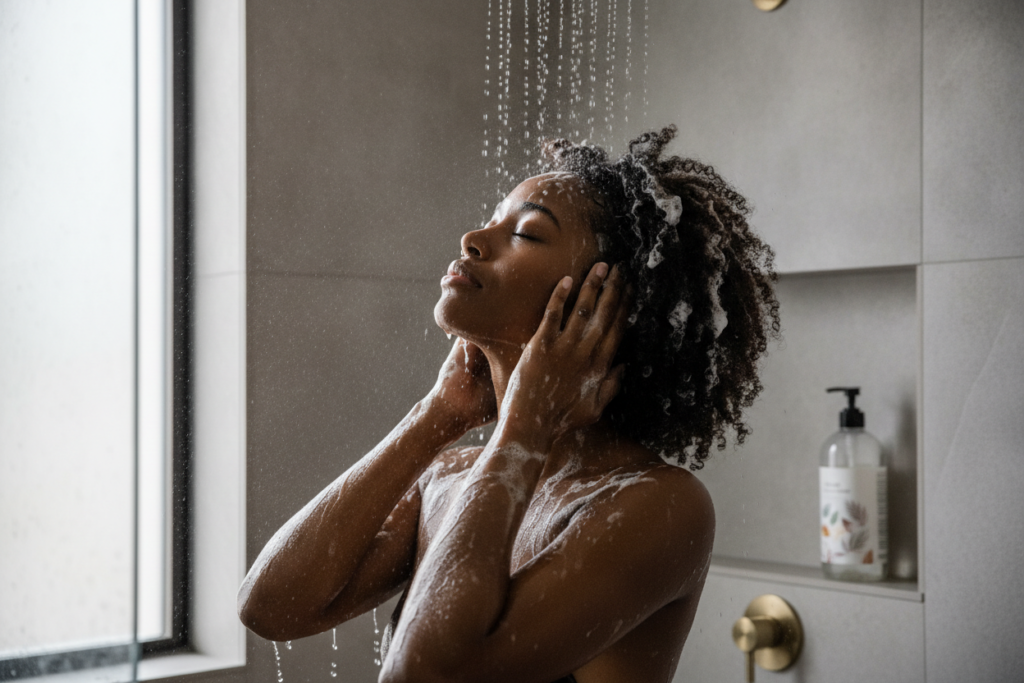
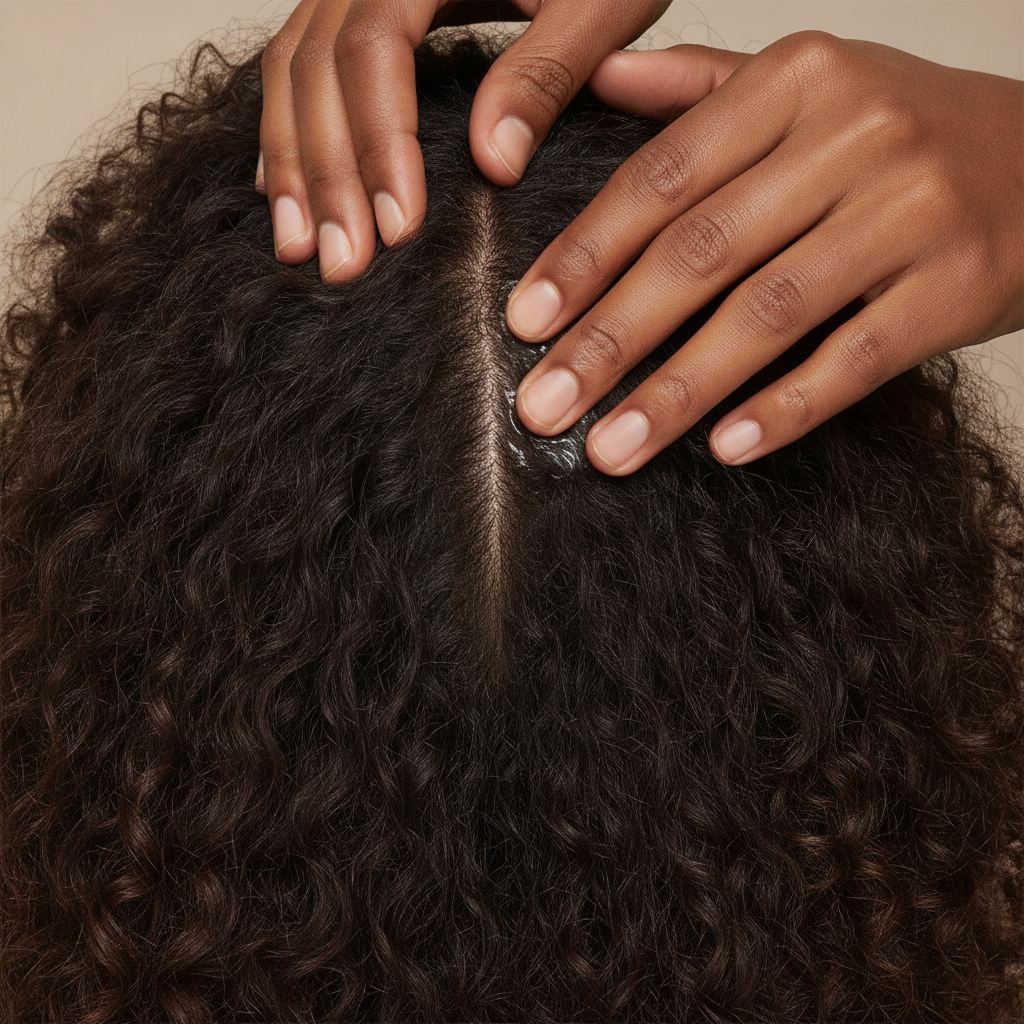
A clean, comfortable scalp creates a better base for hair care. Washing removes sweat, flakes, excess oil, and product buildup. The best wash schedule depends on your scalp, activity level, hairstyle, and product use. Some people need weekly washing. Others may need to wash more often after exercise or heavy styling.
Apply shampoo mainly to the scalp. Let the lather move through the hair as you rinse. Avoid piling the hair on top of your head, since that can create tangles. Use the pads of your fingers instead of your nails. Gentle pressure is enough to lift buildup.
If your scalp feels tight after washing, review the cleanser and water temperature. Very hot water may worsen dryness for some people. Lukewarm water is usually more comfortable. Follow with a conditioner that gives slip and helps reduce friction.
Do not scratch, pick, or cover persistent flakes with heavy oil. Itching, tenderness, sores, unusual odor, or sudden changes deserve attention. A dermatologist can check for conditions such as seborrheic dermatitis, psoriasis, eczema, or infection.
Part the hair gently so water reaches the scalp.
Use a cleanser that suits your scalp needs.
Rinse well to limit residue.
Wash after sweating heavily or swimming.
Stop any product that causes burning or swelling.
Use Moisture Retention to Help Prevent Breakage
Moisture does not make a strand grow from the follicle. It can make hair more flexible and easier to handle. Flexible strands may be less likely to snap during styling. This is especially important for tightly curled hair, which can lose water quickly and develop dry ends.
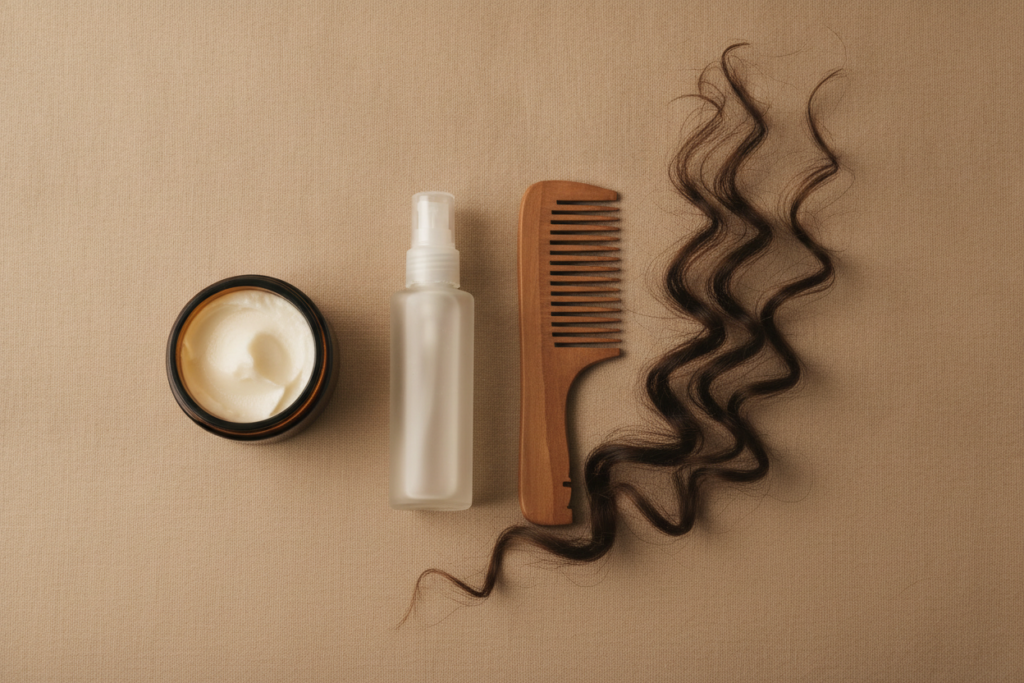
Try a water-based leave-in conditioner, cream, or spray. Water should often appear near the beginning of the ingredient list when moisture is the goal. Oils and butters can help reduce friction or seal in a soft feel, but they do not replace water-based moisture.
Shea butter is popular in natural hair care because it feels rich and can help coat the surface of dry hair. It may work well for thick strands or very dry ends. It may feel heavy on fine hair. Start with a small amount of shea butter and observe how your hair responds.
Oil can reduce friction and add shine, but more oil is not always better. Castor oil is thick and may feel useful on the ends, yet it cannot guarantee faster growth. Some oils can irritate sensitive skin. Patch test new products and keep oil away from eyes.
Try this basic moisture sequence after washing:
Apply water or a water-based leave-in product.
Add a cream if your hair needs more softness.
Use a small amount of oil or shea butter on the ends.
Style without pulling the roots or twisting too tightly.
Refresh dry areas with a light mist instead of adding layers of heavy product.
Porosity labels can offer clues, but they are not medical or scientific diagnoses. Your hair’s response to a product matters more than a label.
Detangle in a Way That Protects the Hair Shaft
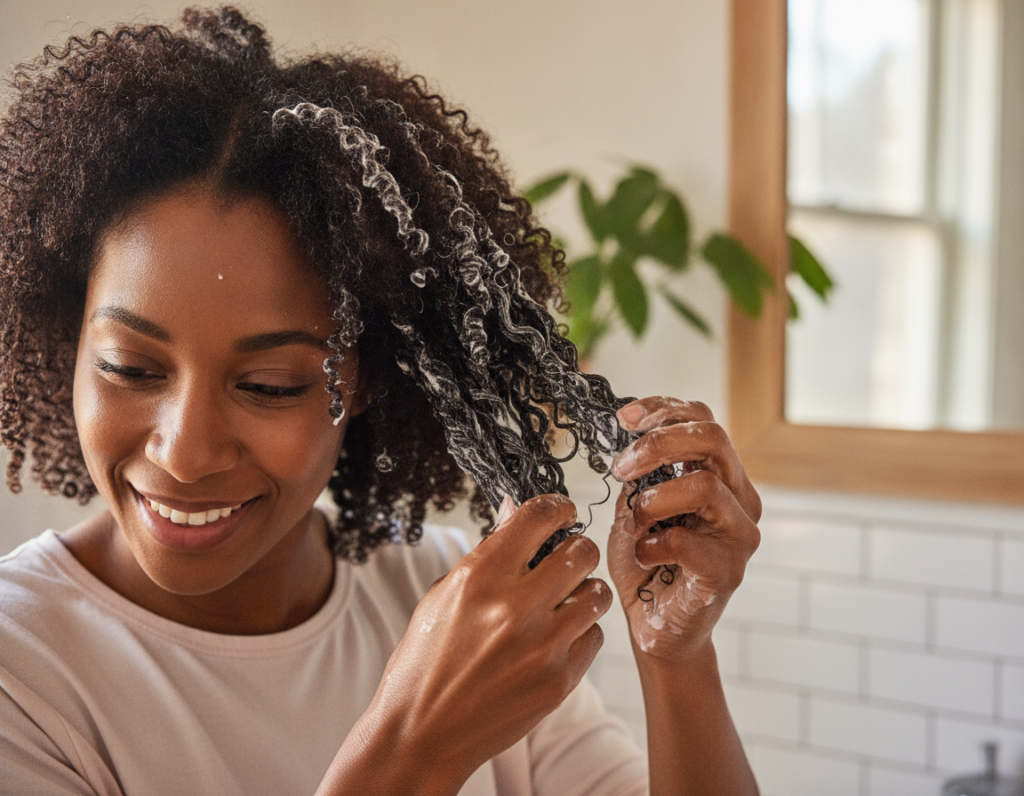
Detangling is one of the most important steps for reducing breakage. Dry, rushed detangling can pull at knots and place stress on the shaft. Work in sections and give yourself enough time. A calm process is often more effective than a strong product.
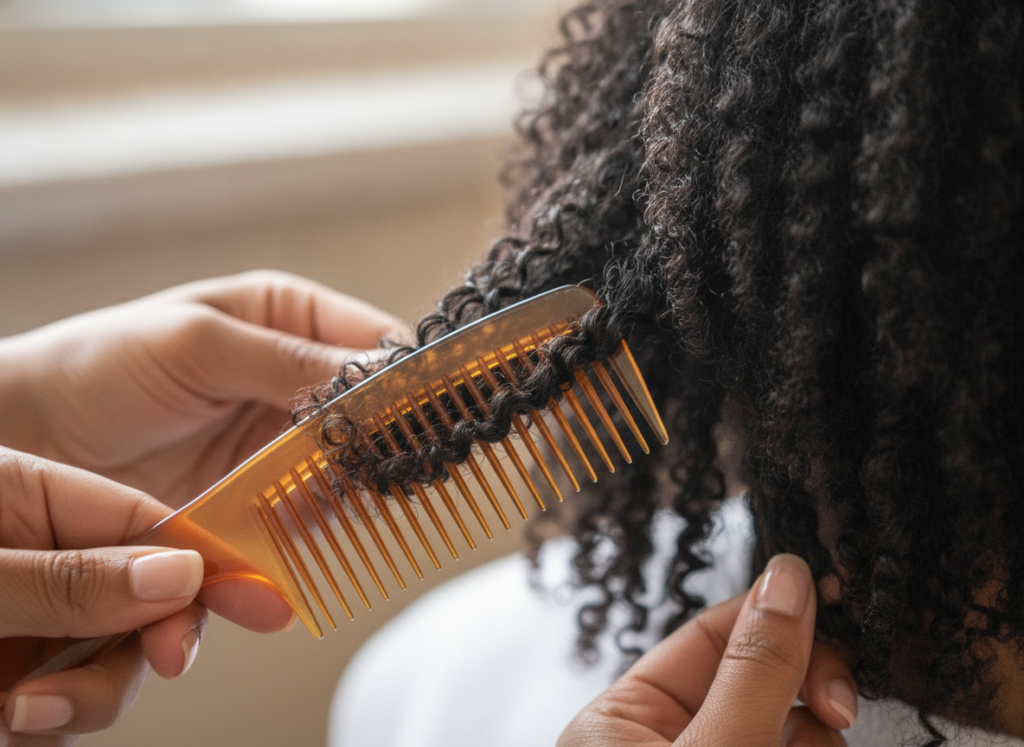
Use conditioner with slip or a suitable detangling product. Divide the hair with your fingers before using a comb. Finger detangling can help you feel large knots and separate them without forcing the comb through. Keep one hand near the root to reduce tension.
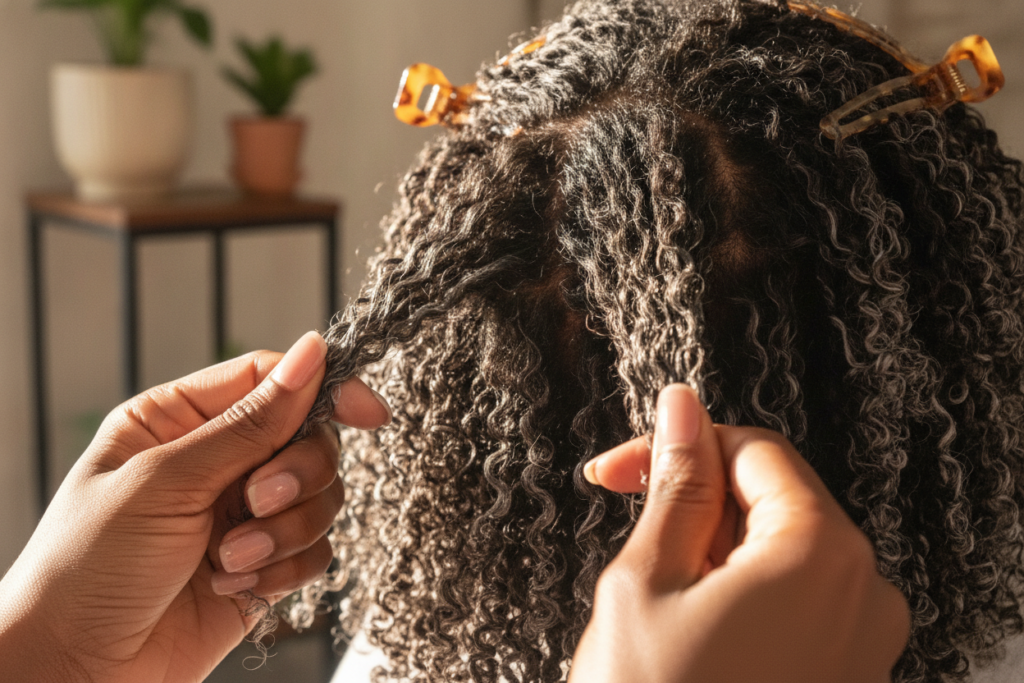
Separate hair into four to eight manageable sections.
Remove shed hair gently instead of ripping through it.
Start at the ends and work upward.
Use a wide-tooth comb or flexible detangling brush.
Pause when the hair becomes dry or resistant.
Breakage often appears as short pieces without a white bulb. Shedding is usually a full-length strand with a small bulb at one end. The difference is not always easy to see, and increased shedding can have many causes. Track changes rather than relying on one wash day.
Protect your ends after detangling. They are the oldest part of the hair and have faced the most weather, washing, and styling. A loose twist, braid, bun, or tuck can reduce daily friction. Make sure the style does not pull at the hairline.
Choose Protective Styling Without Creating New Damage
Protective styling can reduce manipulation and help you keep hair tucked away. It is not automatically protective. A style may cause damage if it is installed too tightly, worn too long, or placed on fragile edges. Comfort should be treated as a safety signal.
Good options may include loose twists, low-tension braids, flat twists, wigs with a smooth barrier, or a simple tucked style. The right choice depends on your density, hairline, lifestyle, and skill level. Do not compare your results with someone whose strands have a different thickness or curl pattern.
Tell a stylist when a style hurts. Pain, bumps, headaches, or a tight feeling are signs to loosen or remove it. Avoid repeated tension in the same area. Give your scalp time between installs and keep the hair clean while it is styled.
Night care can also protect the style. A satin or silk scarf, bonnet, or pillowcase may reduce friction compared with cotton. Keep the covering clean. If your hair is long, gather it loosely rather than compressing the roots.
Signs a style may be working
Your scalp feels comfortable.
Edges are not sore or thinning.
Ends stay covered without tangling.
You can cleanse the scalp when needed.
Signs to remove or change it
Pain, bumps, or headaches appear.
Edges feel tender or look sparse.
The style causes severe itching.
Hair is difficult to cleanse or moisturize.
Reduce Heat, Chemical Stress, and Everyday Damage
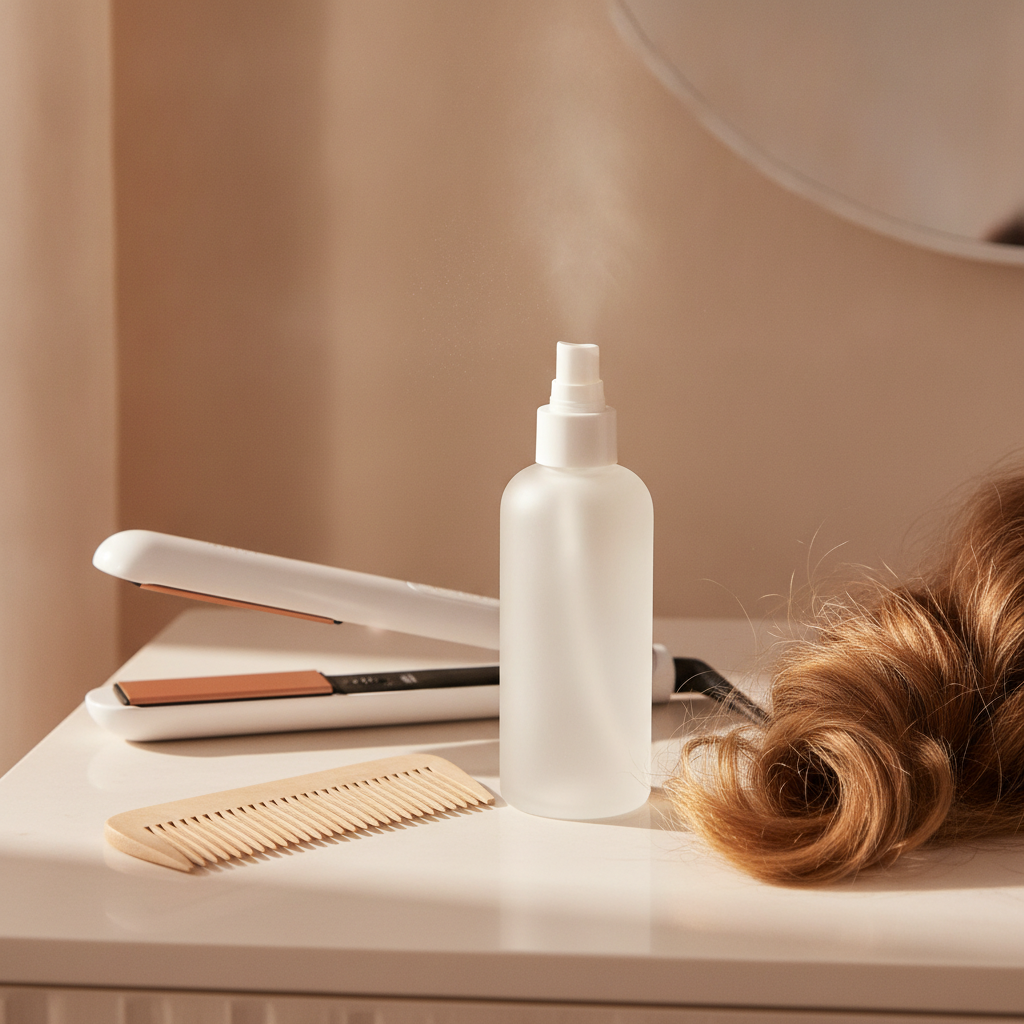
Heat can make styling easier, but repeated high temperatures may weaken the hair shaft. Blow-dryers, flat irons, curling irons, and hot combs can all contribute to dryness and breakage. Use the lowest setting that gives you the result you need.
Apply a heat protectant before hot styling. Keep the tool moving and avoid repeated passes over one section. Do not use a flat iron on damp hair unless the tool is specifically designed for wet-to-dry use. Let the hair dry fully before pressing or curling.
Chemical services can be part of a healthy hair journey when performed carefully. Relaxers, color, and texturizers change the structure of the hair. Follow professional timing advice and avoid overlapping chemical applications on previously processed length.
Watch for warning signs such as rough ends, sudden tangles, snapping, or a change in curl pattern. These signs may mean the hair needs less heat, more conditioning, a trim, or a longer break from chemical services. A trim does not make hair grow faster, but it can remove splits that continue traveling up the shaft.
Compare products with your hair goals in mind
Look for simple formulas that support moisture and manageability. Read directions, check ingredients, and introduce one new product at a time.
Hair needs adequate energy, protein, vitamins, and minerals to grow normally. Food is not a magic fix, but an unbalanced diet can affect the growth cycle. Build meals around protein sources, vegetables, fruits, whole grains, and healthy fats.
Drink water regularly, especially in hot weather or after exercise. Water alone will not repair damaged ends, yet hydration supports your general health. Sleep and stress management matter too. Long periods of stress may affect shedding for some people, so a calming routine can support more than your hair.
Be careful with supplements marketed for rapid hair growth. High doses can be harmful, and some supplements interact with medication or affect lab tests. A healthcare professional can help identify whether a deficiency is possible. Do not take iron, biotin, or other supplements without a clear reason and professional guidance.
Include a protein source in regular meals.
Eat a varied mix of colorful produce.
Drink water throughout the day.
Protect sleep when possible.
Ask for testing before starting high-dose supplements.
A Weekly Hair Care Plan You Can Actually Keep
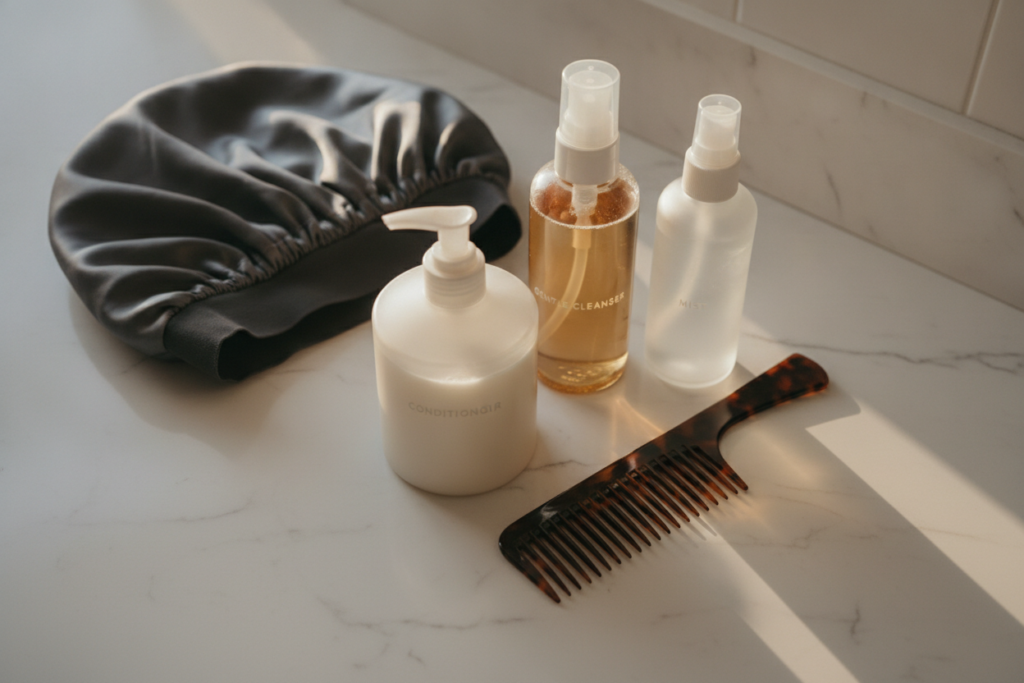
The best routine is one that fits your schedule, budget, and type hair. You do not need a shelf full of products. Start with a gentle cleanser, conditioner, a moisture product, and a tool that helps you detangle without force. Add styling products only when you understand what your hair needs.
Time
Routine focus
Helpful action
Wash day
Cleanse and condition
Detangle in sections with slip.
Midweek
Check moisture
Refresh dry areas lightly.
Nightly
Reduce friction
Use satin or silk protection.
Every month
Review progress
Check ends, scalp comfort, and breakage.
Before the next wash, look at how your hair feels. If it is coated, simplify the products. If it is dry, consider more water-based moisture and less heat. If it breaks during styling, slow down and change the technique before buying another product.
Keep notes for four weeks. Record wash days, styles, heat use, scalp symptoms, and noticeable breakage. This makes it easier to spot patterns. It also prevents you from judging a product after one use.
Choose your next routine step
If you are ready to explore another hair-care option, compare it with your current routine before adding it. Consistency matters more than collecting products.
General hair-care tips cannot diagnose a scalp or hair disorder. Schedule an appointment with a dermatologist or qualified healthcare professional if you notice sudden shedding, bald patches, scalp pain, sores, severe itching, scaling, or a widening part. Seek advice if your hairline keeps thinning or if breakage continues after you reduce tension and heat.
Bring a list of products, medications, supplements, recent illnesses, diet changes, and styling habits. Share when the problem began. Photos taken over time may help show changes. Early evaluation can be useful because different causes require different care.
For your own routine, begin with one change. Wash the scalp gently, condition the length, detangle with patience, and protect your ends. Reduce high heat and tight styling. Use oils, shea butter, and other products only when they make your hair easier to manage.
Hair growth is a process, not a race. Your texture, density, scalp, health history, and routine all shape the result. With steady care, you can create better conditions for healthy hair and keep more of the length you grow.
Medical note: This article provides general information, not medical advice. Product links may be affiliate links. Follow label directions and speak with a qualified professional about persistent symptoms, supplements, or sudden hair changes.
Begin your healthier hair journey today
Pick one gentle habit for this week, then track how your hair and scalp respond. A consistent routine is a practical first step.