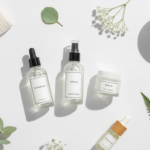
Every person dreams of having radiant, glowing skin that looks healthy and vibrant. Your skin is the largest organ of your body. It deserves proper care and attention. Achieving that coveted glow isn’t about expensive treatments alone. It’s about understanding what your skin needs and creating a routine that works.
The journey to glowing skin starts with knowledge. You need to know which habits support skin health. You also need to understand which practices damage your complexion. This guide provides actionable steps to transform your skin. These methods combine science-backed approaches with time-tested natural remedies.
Beautiful skin reflects your overall health and lifestyle choices. The glow you see on someone’s face comes from multiple factors working together. Proper hydration, balanced nutrition, quality sleep, and effective skincare all play crucial roles. When you address all these elements, your skin responds with that natural radiance you desire.
Ready to Transform Your Skin?
Discover the complete system that addresses all aspects of skin health. This comprehensive approach combines proven methods with cutting-edge solutions for lasting results.
Understanding Your Skin and What Creates That Natural Glow
Your skin consists of multiple layers that work together. The outermost layer, called the epidermis, is what people see. Below that lies the dermis, which contains collagen and elastin. These proteins keep your skin firm and elastic. Understanding this structure helps you choose the right care approach.
Skin cells regenerate constantly. New cells form at the bottom layer and gradually move upward. This process takes about 28 days in young adults. As you age, this turnover slows down. Dead skin cells can accumulate on the surface. This accumulation makes your complexion look dull and tired.
The Role of Moisture Barrier in Glowing Skin
Your skin has a protective barrier that locks in moisture. This barrier prevents water loss from within. It also shields against environmental damage from outside. When this barrier functions properly, your skin stays hydrated and plump. A compromised barrier leads to dryness, irritation, and dullness.
The moisture barrier contains natural oils and ceramides. These components work together to maintain skin health. External factors like harsh cleansers and environmental pollution can damage this protective layer. Restoring and maintaining your barrier is essential for achieving that healthy glow.
How Skin Tone and Complexion Develop
Your natural skin tone comes from melanin production. Even skin tone indicates healthy melanin distribution. Uneven tone occurs when melanin clusters in certain areas. Sun exposure, inflammation, and hormonal changes affect melanin production. These factors can create dark spots and discoloration.
Blood circulation also influences your complexion. Good circulation brings oxygen and nutrients to skin cells. This process gives your face a natural, rosy glow. Poor circulation makes skin look pale and lifeless. Improving blood flow through lifestyle changes enhances your natural radiance.
Building Your Morning Skincare Routine for Maximum Glow
Your morning skincare routine sets the foundation for the entire day. This routine should cleanse, protect, and enhance your skin. A well-designed morning regimen takes only minutes but delivers lasting results. Consistency matters more than the number of products you use.
Gentle Cleansing to Start Your Day
Morning cleansing removes oil and impurities that accumulated overnight. Your skin produces sebum while you sleep. This natural oil can mix with dead skin cells. A gentle cleanser removes these without stripping your skin. Choose a formula that matches your skin type for best results.
Avoid harsh soaps that disrupt your moisture barrier. Look for cleansers with a balanced pH level. These products clean effectively while maintaining skin health. Rinse with lukewarm water rather than hot water. Hot water can dry out your skin and cause redness.
Applying Antioxidant Serums
Antioxidants protect your skin from free radicals throughout the day. Free radicals come from pollution, UV rays, and other environmental stressors. These molecules damage skin cells and accelerate aging. Antioxidant serums neutralize free radicals before they cause harm.
Vitamin C is a powerful antioxidant for skin health. It brightens your complexion and evens out skin tone. Vitamin C also stimulates collagen production. This helps maintain skin firmness. Apply your antioxidant serum after cleansing and before moisturizer for optimal absorption.
Moisturizing and Sun Protection
A good moisturizer locks in hydration and strengthens your skin barrier. Choose a formula that suits your skin type. Dry skin needs richer moisturizers with more emollients. Oily skin benefits from lightweight, oil-free options. Combination skin may need different products for different face areas.
Sunscreen is the most important step in any morning routine. Sun damage causes premature aging, dark spots, and uneven tone. UV rays harm skin even on cloudy days. Apply broad-spectrum SPF 30 or higher every morning. Reapply throughout the day if you’ll be outdoors for extended periods.
Upgrade Your Morning Skincare Game
Get access to the complete morning skincare system designed by dermatologists. This proven routine delivers visible results in just weeks with targeted formulations for every step.
Essential Evening Skincare Steps for Overnight Renewal
Your evening routine focuses on repair and regeneration. Skin cells renew most actively while you sleep. This makes nighttime the perfect opportunity for intensive care. Your evening skincare should remove the day’s buildup and nourish your skin deeply.
Double Cleansing for Deep Purification
Double cleansing ensures complete removal of makeup, sunscreen, and impurities. The first cleanse uses an oil-based product to dissolve makeup and sunscreen. The second cleanse with a water-based cleanser removes remaining residue. This method cleans thoroughly without over-stripping your skin.
Oil cleansers work on the principle that like dissolves like. Oil-based products break down oil-based cosmetics and sebum. Follow with your regular cleanser to remove water-based dirt. This two-step process leaves your skin perfectly clean. Clean skin absorbs subsequent skincare products more effectively.
Nighttime Treatment Products
Night is when you can use more potent treatment products. Retinoids, for example, work best during sleep hours. These vitamin A derivatives boost cell turnover and collagen production. They can make skin sensitive to sun, so nighttime application is ideal. Start with lower concentrations if you’re new to retinoids.
Hydrating serums with hyaluronic acid work wonders overnight. This ingredient attracts and holds moisture in your skin. A single molecule of hyaluronic acid can hold up to 1,000 times its weight in water. Apply these serums to slightly damp skin for maximum hydration benefits.
Rich Night Moisturizers and Sleeping Masks
Night moisturizers are typically richer than day creams. They don’t need to work under makeup or sunscreen. This allows for more intensive formulations. Look for ingredients like ceramides, peptides, and nourishing oils. These components repair and strengthen your skin barrier overnight.
Sleeping masks provide an extra boost of hydration and nutrients. These products form a protective layer over your skincare routine. They prevent moisture loss while you sleep. Use sleeping masks two to three times per week for best results. Wake up to plumper, more radiant skin each time.
Transform Your Skin While You Sleep
Unlock the power of overnight renewal with this complete nighttime skincare system. Formulated with advanced ingredients that work in harmony with your skin’s natural repair cycle.
The Critical Role of Water and Hydration in Skin Health
Water is fundamental to achieving glowing skin. Your body consists of about 60% water. Your skin cells need adequate hydration to function properly. When you’re dehydrated, your skin shows it first. Dehydration leads to dullness, flakiness, and more pronounced fine lines.
Drinking enough water supports all skin functions. It helps flush toxins from your body. Proper hydration maintains skin elasticity and plumpness. Water also aids in delivering nutrients to skin cells. Aim for at least eight glasses of water daily. Increase this amount if you exercise or live in a hot climate.
Internal Hydration vs. External Moisturization
Internal hydration comes from the water you drink. This moisture reaches your skin from the inside out. External moisturization involves topical products that seal moisture into your skin. You need both approaches for optimal results. Neither can fully compensate for the lack of the other.
Your body prioritizes vital organs when distributing water. Skin often receives water last. This makes adequate water intake even more important. Without sufficient internal hydration, even the best moisturizers can’t fully hydrate your skin. Think of it as a two-pronged approach for maximum effectiveness.
Foods That Boost Skin Hydration
Certain foods have high water content and support skin hydration. Cucumbers contain about 95% water. Watermelon, celery, and tomatoes also rank high in water content. These foods provide hydration plus beneficial nutrients. They contain vitamins, minerals, and antioxidants that enhance skin health.
Omega-3 fatty acids help your skin retain moisture. Fatty fish like salmon and mackerel are excellent sources. Walnuts and flaxseeds provide plant-based omega-3s. These healthy fats strengthen your skin’s lipid barrier. A strong barrier prevents trans-epidermal water loss, keeping your skin hydrated longer.
Supercharge Your Skin Hydration
Discover advanced hydration solutions that work from within and without. This comprehensive system combines cutting-edge supplements with topical treatments for unprecedented moisture levels.
What you eat directly impacts your skin’s appearance. Your skin cells need specific nutrients to regenerate and maintain health. A balanced diet provides these essential building blocks. Processed foods and sugar can trigger inflammation that damages your complexion. Whole, nutrient-dense foods support glowing skin.
Vitamins Essential for Radiant Skin
Vitamin A supports skin cell production and repair. You can find it in sweet potatoes, carrots, and leafy greens. Vitamin C is crucial for collagen synthesis. Citrus fruits, berries, and bell peppers are excellent sources. Vitamin E protects against oxidative stress. Nuts, seeds, and avocados provide ample vitamin E.
B vitamins play multiple roles in skin health. Biotin helps your body metabolize fats and proteins. Niacin improves skin barrier function and reduces water loss. You can get B vitamins from whole grains, eggs, and legumes. A deficiency in these vitamins often shows up as skin problems.
Antioxidant-Rich Foods for Skin Protection
Antioxidants neutralize free radicals that damage skin cells. Berries rank among the best antioxidant sources. Blueberries, strawberries, and acai berries are particularly beneficial. Dark chocolate with high cocoa content provides powerful antioxidants. Green tea contains catechins that protect and soothe skin.
Colorful vegetables offer diverse antioxidants. Each color represents different protective compounds. Red tomatoes contain lycopene. Orange carrots provide beta-carotene. Purple eggplant offers anthocyanins. Eating a rainbow of vegetables ensures comprehensive antioxidant protection for your skin.
Protein and Healthy Fats for Skin Structure
Protein provides amino acids that build collagen and elastin. These structural proteins keep your skin firm and elastic. Lean meats, fish, eggs, and plant proteins supply these building blocks. Without adequate protein, your skin can’t repair and regenerate effectively.
Healthy fats are essential for skin barrier function. Avocados contain monounsaturated fats that moisturize from within. Olive oil provides oleic acid and antioxidants. Nuts and seeds offer vitamin E along with beneficial fats. These foods help your skin maintain its protective barrier and natural moisture.
Optimize Your Skin Nutrition
Get the complete beauty-from-within supplement system. Specially formulated with skin-loving vitamins, minerals, and antioxidants that fill nutritional gaps for radiant results.
Sleep and Lifestyle: The Foundation of Glowing Skin
Quality sleep is non-negotiable for healthy skin. During sleep, your body repairs damage from the day. Blood flow to your skin increases at night. This enhanced circulation delivers nutrients and oxygen to skin cells. Growth hormone production peaks during deep sleep. This hormone triggers cell regeneration and repair.
Adults need seven to nine hours of sleep nightly. Consistently getting less than this affects your skin visibly. Sleep deprivation leads to dark circles under your eyes. It also causes increased cortisol levels. Elevated cortisol breaks down collagen and triggers inflammation. Both factors damage your skin’s appearance and health.
How Sleep Affects Dark Circles and Skin Tone
Dark circles have multiple causes, but sleep plays a major role. Lack of sleep causes blood vessels under your eyes to dilate. This makes the dark color more visible through thin under-eye skin. Fluid can also accumulate when you don’t sleep enough. This creates puffiness that casts shadows, worsening the appearance of circles.
Poor sleep affects your overall skin tone and complexion. Your skin appears duller after sleepless nights. The natural glow diminishes because circulation decreases. Skin doesn’t receive optimal nutrients and oxygen. Recovery processes slow down. Over time, chronic sleep deprivation accelerates aging and dullness.
Stress Management for Better Skin
Chronic stress wreaks havoc on your skin. Stress hormones like cortisol increase oil production. This can lead to breakouts and clogged pores. Stress also impairs your skin barrier function. A weakened barrier allows moisture to escape and irritants to enter. Managing stress is essential for maintaining glowing skin.
Stress reduction techniques benefit both mind and skin. Regular exercise improves circulation and reduces stress hormones. Meditation and deep breathing calm your nervous system. These practices lower cortisol levels. Yoga combines physical movement with stress relief. Find stress management methods that work for your lifestyle and practice them consistently.
The Impact of Exercise on Skin Health
Regular exercise benefits your skin in multiple ways. Physical activity increases blood flow throughout your body. Enhanced circulation delivers oxygen and nutrients to skin cells. It also helps carry away waste products and free radicals. This process nourishes your skin from within and gives you a natural, healthy glow.
Exercise promotes the production of natural oils that keep skin moisturized. It also helps regulate hormones that affect skin health. Sweating during workouts helps clear out pores. Just remember to cleanse your face promptly after exercising. Leaving sweat on your skin can lead to breakouts and irritation.
Complete Lifestyle Transformation for Radiant Skin
Access the holistic skin health program that addresses sleep, stress, and lifestyle factors. This comprehensive approach creates lasting changes that show on your skin.
Nature provides powerful ingredients for skin health. Many natural remedies have been used for centuries. Modern science now confirms their effectiveness. These ingredients offer gentle yet potent benefits. They work with your skin’s natural processes rather than against them.
Honey: Nature’s Moisturizer and Healer
Honey is a natural humectant that draws moisture into your skin. It contains enzymes that gently exfoliate dead skin cells. Honey also has antibacterial properties that help prevent breakouts. Raw, unprocessed honey offers the most benefits. Apply it as a mask for 15-20 minutes before rinsing with warm water.
Manuka honey from New Zealand is particularly beneficial. It has higher antibacterial activity than regular honey. This makes it excellent for acne-prone skin. Honey also contains antioxidants that protect against free radical damage. Regular use can improve skin tone and texture while adding a natural glow.
Aloe Vera for Soothing and Hydration
Aloe vera soothes irritated skin and provides deep hydration. It contains vitamins, minerals, and amino acids that nourish skin cells. Aloe also has anti-inflammatory properties that reduce redness. The gel absorbs quickly without leaving a greasy residue. This makes it suitable for all skin types, including oily skin.
You can use aloe vera gel directly from the plant. Cut a leaf and squeeze out the clear gel inside. Apply this pure gel to your face and body. For added benefits, mix aloe with other natural ingredients. Combining it with honey creates a powerful hydrating mask. Aloe with vitamin E oil provides extra antioxidant protection.
Oils That Nourish and Protect
Certain plant oils offer remarkable benefits for your skin. Rosehip oil contains vitamin A and essential fatty acids. It helps reduce hyperpigmentation and promotes cell regeneration. Jojoba oil closely mimics your skin’s natural sebum. This makes it excellent for balancing oil production while moisturizing.
Argan oil provides vitamin E and antioxidants. It absorbs well and doesn’t clog pores. Coconut oil works wonderfully as a makeup remover and deep moisturizer. However, it may be too heavy for acne-prone skin. Choose oils based on your specific skin type and concerns for best results.
Exfoliating Ingredients for Brighter Skin
Regular exfoliation removes dead skin cells that cause dullness. Natural exfoliants provide gentle yet effective results. Sugar mixed with oil creates a simple scrub. The sugar crystals buff away dead cells while oil moisturizes. Use fine sugar for your face and coarser sugar for your body.
Oatmeal is another gentle exfoliant suitable for sensitive skin. It soothes while it exfoliates. Ground oatmeal mixed with yogurt makes an excellent face mask. The lactic acid in yogurt provides chemical exfoliation. Combined with oatmeal’s physical exfoliation, this creates smooth, glowing skin.
Green Tea and Turmeric for Inflammation
Green tea contains powerful antioxidants called catechins. These compounds reduce inflammation and protect against sun damage. You can use cooled green tea as a toner. Green tea bags also work as an eye treatment to reduce puffiness. The caffeine constricts blood vessels and decreases swelling.
Turmeric has been used in traditional skincare for thousands of years. Its active compound, curcumin, has anti-inflammatory properties. Turmeric can brighten your complexion and even out skin tone. Mix a small amount with honey or yogurt to create a mask. Use sparingly, as turmeric can temporarily stain skin yellow.
Master Natural Skincare Secrets
Get the complete natural skincare guide with proven formulas and techniques. This comprehensive resource teaches you how to create effective, safe natural treatments at home.
Many people unknowingly sabotage their skin goals through common errors. These mistakes can counteract even the best skincare products. Understanding what to avoid is as important as knowing what to do. Small changes in your habits can make significant differences in your skin’s appearance.
Over-Cleansing and Harsh Products
Washing your face too often strips natural oils from your skin. Your skin produces these oils to protect and moisturize itself. Over-cleansing triggers your skin to produce even more oil to compensate. This creates a vicious cycle. Twice daily cleansing is sufficient for most people unless you exercise midday.
Harsh cleansers containing sulfates damage your moisture barrier. They leave your skin feeling tight and dry. This tightness isn’t cleanliness—it’s damage. Choose gentle, pH-balanced cleansers that clean without stripping. Your skin should feel comfortable, not squeaky clean, after washing.
Skipping Sunscreen Daily
Sun protection is the single most important anti-aging step. UV damage causes premature aging, dark spots, and uneven tone. Many people only use sunscreen at the beach. However, UV rays penetrate clouds and windows. You need sun protection every single day, regardless of weather or season.
Make sunscreen the final step in your morning routine. Apply it generously to all exposed skin. Reapply every two hours if you’re outdoors. Consider using makeup with SPF for easy reapplication throughout the day. Remember that no amount of skincare can undo sun damage as effectively as prevention.
Not Removing Makeup Before Bed
Sleeping in makeup clogs your pores and prevents skin regeneration. Makeup traps dirt, oil, and pollutants against your skin all night. This environment breeds bacteria and causes breakouts. It also prevents your nighttime skincare products from penetrating effectively. Always remove makeup before applying your evening routine.
Keep makeup wipes by your bed for nights when you’re too tired for a full routine. Even a quick wipe is better than sleeping in full makeup. However, makeup wipes shouldn’t replace proper cleansing regularly. They don’t remove everything and can irritate skin with repeated use. Make double cleansing your nightly standard.
Using Too Many Products at Once
More products don’t necessarily mean better results. Using too many products can overwhelm your skin. Some ingredients don’t work well together. Others can cause irritation when combined. Your skin has limits on how much it can absorb at once. A streamlined routine often works better than a 10-step process.
Introduce new products one at a time. Wait at least a week before adding another new item. This helps you identify which products cause problems if irritation occurs. Focus on a few high-quality, effective products rather than many mediocre ones. Your skin and your wallet will both benefit from this approach.
Addressing Specific Skin Concerns for Enhanced Radiance
Different skin concerns require targeted approaches. Generic advice doesn’t always address specific issues. Understanding your particular challenges helps you choose effective solutions. Customizing your routine based on your needs produces the best results.
Treating Hyperpigmentation and Dark Spots
Hyperpigmentation occurs when melanin clusters in certain areas. Sun exposure is the primary cause of dark spots. Post-inflammatory hyperpigmentation follows acne or injury. Hormonal changes can also trigger excess melanin production. Treating dark spots requires patience and consistent care over several months.
Ingredients like vitamin C, niacinamide, and alpha arbutin fade dark spots. These work by inhibiting melanin production. Gentle exfoliation with AHAs helps remove pigmented skin cells. Always use sunscreen when treating hyperpigmentation. New sun damage will undo your progress and worsen existing spots.
Managing Dry Skin and Dullness
Dry skin lacks sufficient natural oils and water. This makes it look dull and feel rough. Environmental factors like cold weather and indoor heating worsen dryness. Dry skin needs both water and oil to regain its glow. Layer hydrating and moisturizing products for best results.
Start with hydrating serums containing hyaluronic acid or glycerin. These ingredients pull water into your skin. Follow with a moisturizer that contains ceramides and fatty acids. These ingredients seal in moisture and repair your barrier. For very dry skin, add a facial oil as the final step. This creates an extra protective layer.
Controlling Excess Oil and Breakouts
Oily skin produces excess sebum that can clog pores. However, stripping oil from your skin backfires. This triggers even more oil production as your skin tries to compensate. The key is balancing oil production while keeping pores clear. Choose products that regulate sebum without over-drying.
Niacinamide helps regulate oil production and minimize pore appearance. Salicylic acid penetrates pores to clear out excess oil and debris. Use these ingredients consistently but don’t overdo it. Even oily skin needs moisture. Choose lightweight, oil-free moisturizers that hydrate without adding greasiness.
Reducing Fine Lines and Signs of Aging
Fine lines appear as collagen and elastin production slow down. Sun damage accelerates this process significantly. Prevention through sun protection is easier than reversal. However, certain ingredients can improve the appearance of existing lines. Retinoids stand out as the gold standard for anti-aging.
Retinoids boost collagen production and increase cell turnover. This smooths fine lines and improves skin texture. Start with a low concentration to avoid irritation. Apply retinoids at night, as they make skin sun-sensitive. Combine retinoids with antioxidants and sun protection for comprehensive anti-aging care.
Adapting Your Routine to Seasonal Changes
Your skin’s needs change with the seasons. Temperature, humidity, and environmental factors vary throughout the year. Your skincare routine should adapt accordingly. What works in summer may not suffice in winter. Paying attention to seasonal changes keeps your skin healthy year-round.
Winter Skincare: Combat Dryness
Cold winter air holds less moisture. Indoor heating further dries the environment. These factors strip moisture from your skin rapidly. Winter often requires richer, more emollient products. Switch to cream-based cleansers instead of gel formulas. Use heavier moisturizers that create a protective barrier against harsh elements.
Add a humidifier to your bedroom during winter months. This helps maintain moisture in the air while you sleep. Your skin loses less water in a humid environment. Consider adding facial oils to your routine. Layer them over your moisturizer for extra protection against winter dryness.
Summer Skincare: Control Oil and Protect
Summer heat increases oil production and sweating. This can lead to clogged pores and breakouts. Switch to lighter, gel-based products during hot months. These absorb quickly and don’t feel heavy in humidity. Increase your cleansing frequency if you exercise or sweat heavily in summer.
Sun protection becomes even more critical in summer. Apply sunscreen more frequently when spending time outdoors. Consider using a mineral sunscreen that sits on top of skin. These formulas often feel less heavy in hot weather. Keep blotting papers handy to manage excess oil without disturbing your sunscreen.
Transitional Seasons: Find Balance
Spring and fall bring moderate temperatures but also fluctuations. Your skin may feel confused during these transitions. One day might be humid, the next quite dry. Keep both lighter and richer products on hand during transitional seasons. Use them as needed based on daily conditions and how your skin feels.
Spring allergies can affect your skin along with your sinuses. Pollen and environmental allergens may cause irritation. Use gentle, soothing products if your skin becomes reactive. Fall transitions from summer sun damage to winter dryness. Focus on repair and gradually increase moisture levels as temperatures drop.
Professional Treatments to Boost Your Glow
Professional treatments complement your at-home skincare routine. Dermatologists and aestheticians have access to stronger formulations. They also use specialized equipment not available for home use. While these treatments cost more, they can provide significant results. Consider professional care for stubborn concerns or to accelerate your progress.
Chemical Peels for Resurfacing
Chemical peels use acids to remove dead skin cells and stimulate renewal. Superficial peels address mild concerns with minimal downtime. Medium and deep peels provide more dramatic results but require recovery time. Peels improve tone, texture, and overall radiance. They also help fade dark spots and smooth fine lines.
Professional-strength peels penetrate deeper than over-the-counter products. This makes them more effective for significant concerns. However, they also carry higher risk if not performed correctly. Always choose a licensed professional for chemical peel treatments. Follow all aftercare instructions carefully to protect your newly revealed skin.
Microdermabrasion and Dermaplaning
Microdermabrasion uses fine crystals to exfoliate the skin’s surface. This treatment removes dead skin cells and stimulates collagen production. It’s effective for improving texture and reducing fine lines. Microdermabrasion requires no downtime. Most people resume normal activities immediately after treatment.
Dermaplaning uses a surgical blade to gently scrape away dead skin and fine hair. This creates an incredibly smooth surface and enhances product absorption. The treatment also makes makeup application flawless. Results last about three to four weeks. Both microdermabrasion and dermaplaning reveal brighter, more luminous skin instantly.
Laser and Light Treatments
Laser treatments target specific skin concerns with precision. Different wavelengths address different issues. Some lasers reduce pigmentation and sun damage. Others stimulate collagen for anti-aging benefits. IPL (Intense Pulsed Light) treats redness, broken capillaries, and uneven tone. These treatments typically require multiple sessions for optimal results.
Light-based treatments offer less downtime than ablative lasers. LED light therapy uses specific wavelengths to address various concerns. Red light stimulates collagen production. Blue light kills acne-causing bacteria. These gentler options work well for maintenance and mild concerns. Discuss your specific goals with a qualified provider to determine the best treatment.
Creating Sustainable Habits for Lasting Results
Glowing skin comes from consistent care over time. Quick fixes provide temporary results at best. Sustainable habits create lasting change. Building a routine you can maintain long-term is more valuable than intensive short-term efforts. Focus on creating systems that fit naturally into your lifestyle.
Consistency Over Perfection
Perfect adherence to a complicated routine is less effective than consistent adherence to a simple one. Choose a realistic number of steps you’ll actually complete daily. Missing one night won’t ruin your progress, but frequently skipping your routine will. Aim for 80% consistency rather than 100% perfection. This approach is sustainable long-term.
Keep your routine simple enough to follow when you’re tired. Have backup products for travel so you maintain your habits away from home. Make skincare a non-negotiable part of your day like brushing your teeth. Once it becomes habit, it requires less willpower to maintain.
Tracking Progress and Adjusting
Take photos of your skin in consistent lighting every few weeks. Progress happens gradually and you see your face daily. Photos help you notice improvements you might otherwise miss. They also help identify which changes actually make a difference. Date your photos and note what products or habits you’re using.
Pay attention to how your skin responds to different products. What works for someone else might not work for you. If a product causes irritation or breakouts, stop using it. Give new products at least four to six weeks before judging effectiveness. Skin cell turnover takes time, so patience is essential.
Investing Wisely in Skincare
You don’t need the most expensive products to achieve great results. However, extremely cheap products often contain inferior ingredients. Find the middle ground that fits your budget. Invest more in treatment products like serums and targeted solutions. You can save on basics like cleansers and moisturizers by choosing effective drugstore options.
Research ingredients rather than being swayed by marketing claims. Understand what your skin actually needs. A focused routine with the right ingredients outperforms a large collection of random products. Quality beats quantity in skincare. Choose products that address your specific concerns with proven ingredients.
Your Journey to Radiant, Glowing Skin Starts Now
Achieving glowing skin requires a comprehensive approach. No single product or trick delivers lasting radiance alone. Your skin reflects your overall health and lifestyle choices. By addressing multiple factors—skincare, hydration, nutrition, sleep, and stress management—you create the foundation for beautiful skin.
Start with the basics and build gradually. Choose a gentle cleanser, effective moisturizer, and daily sunscreen. These three products form the core of any good routine. Add targeted treatments based on your specific concerns. Remember that consistency matters more than having the perfect products.
Be patient with your skin. Significant changes take time to become visible. Skin cell turnover occurs over weeks, not days. Stick with your routine for at least eight to twelve weeks before evaluating results. Track your progress with photos to see improvements you might miss day-to-day.
Listen to your skin’s needs and adjust your approach accordingly. What works in one season might need modification in another. Your skin’s needs also change as you age. Stay flexible and willing to adapt your routine as necessary. The goal is healthy, radiant skin that makes you feel confident.
Remember that glowing skin isn’t about perfection. It’s about health, vitality, and taking care of yourself. The habits you build for your skin benefit your overall wellness too. Drinking more water, eating nutritious foods, getting adequate sleep, and managing stress improve your entire life, not just your complexion.
Take action today by implementing one or two changes from this guide. Small steps add up to significant results over time. Your future self will thank you for the care you invest in your skin now. Glowing skin is absolutely achievable with the right knowledge, tools, and commitment to consistent care.