Hair can seem to grow slowly when breakage, shedding, stress, or a changing hairline enters the picture. The good news is that simple habits can support a healthier scalp and help you protect the hair you already have.
This Pinterest-friendly guide covers scalp care, food, daily routines, styling, supplements, and when to speak with a qualified healthcare professional. Use the tips as a starting point, not as a promise of instant results.
Start with a simple hair-care plan
If you want to explore a hair-support product, review its ingredients, directions, and safety information before deciding. Look for realistic guidance rather than guaranteed results.
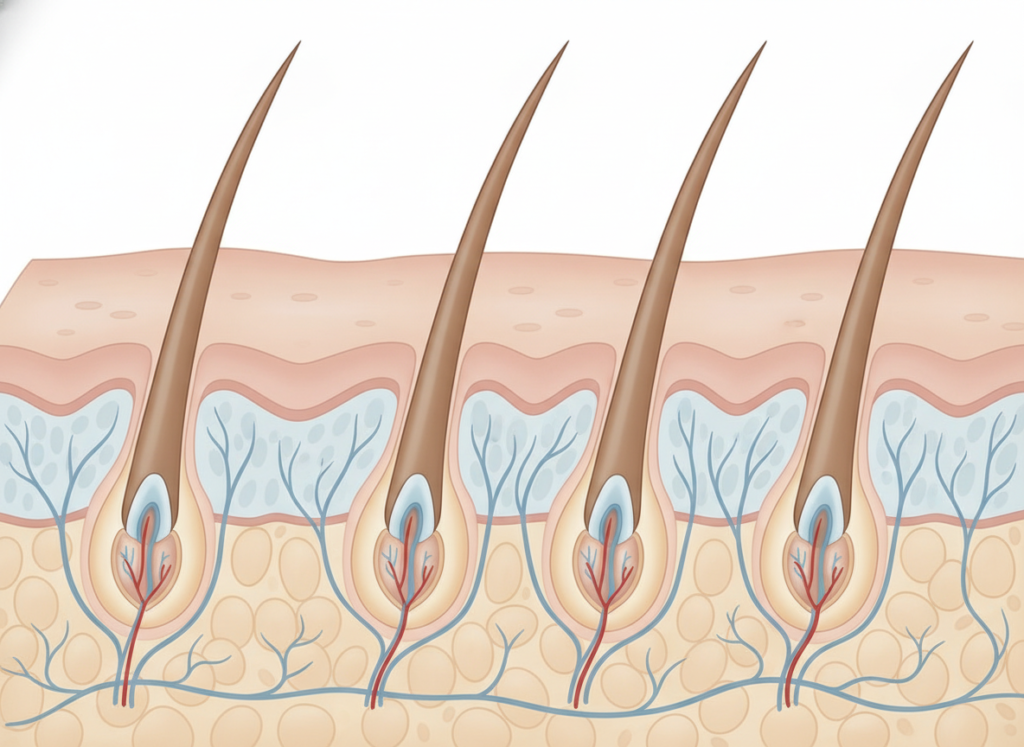
Each hair follicle moves through a cycle. During the growth phase, a strand becomes longer. It later enters a resting phase before shedding. The timing differs by person, so hair grows at different rates.
Scalp hair often grows about half an inch per month, although genetics, age, health, and hormones affect the rate. A product cannot safely change every factor. Your goal is to support the scalp, reduce avoidable damage, and identify hair loss early.
Growth is not the same as length
Some men believe their hair does not grow because the ends split or snap. In that case, the hair follicles may be producing new strands, but breakage hides the progress. Gentle care can help you keep more of each inch.
Useful distinction: Slow length gain often points to breakage. Receding areas, widening parts, or sudden shedding may indicate hair loss and deserve closer attention.
Build a Calm, Clean Scalp Routine
A healthy-looking scalp gives hair follicles a clean environment. Wash often enough to remove sweat, oil, and styling residue. The ideal schedule depends on your scalp type, activity level, and hair texture.
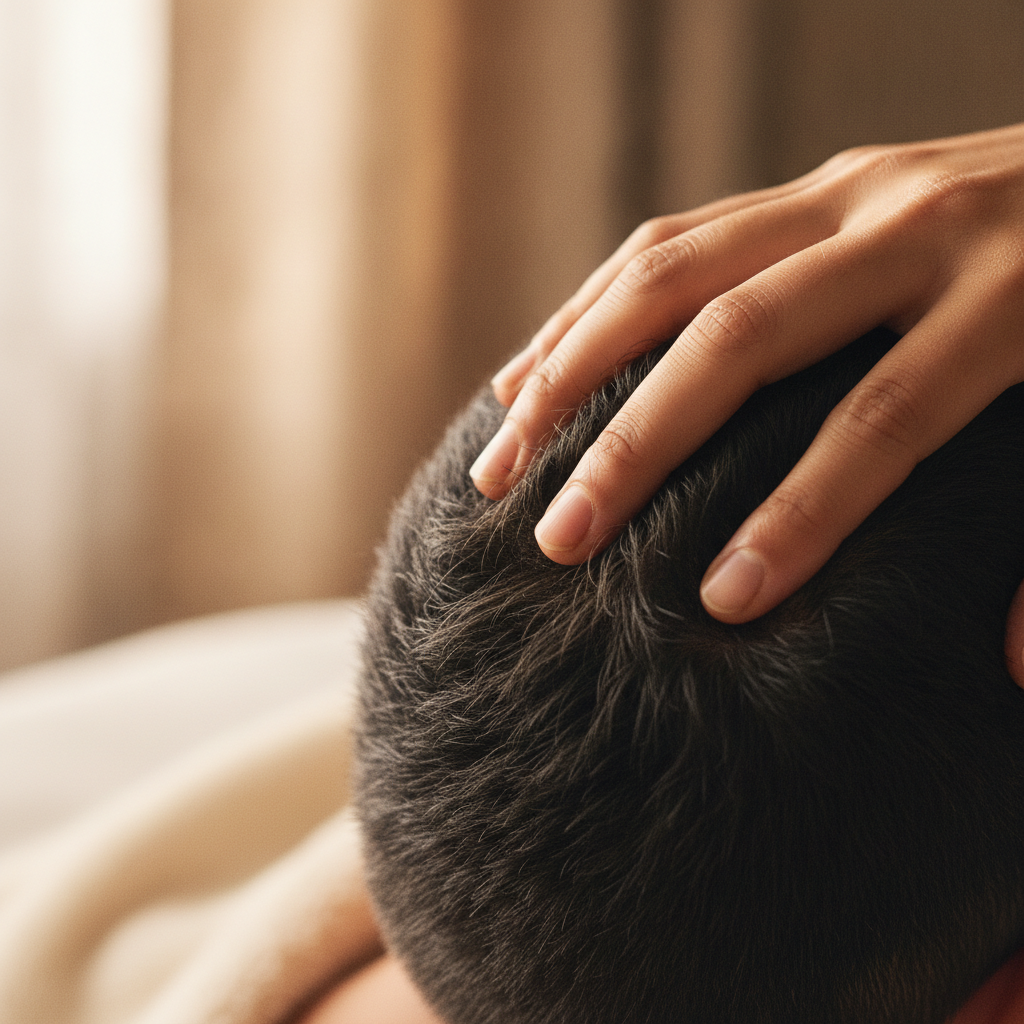
Use your fingertips, not your nails, to massage shampoo over the hair scalp. Rinse well and apply conditioner mainly to the lengths and ends if your roots become oily. Avoid very hot water if it leaves your scalp dry or irritated.
Adjust the routine to your scalp
For an oily scalp, wash after heavy sweating and choose a light conditioner.
For a dry scalp, use a gentle cleanser and avoid harsh scrubbing.
For flakes, ask a pharmacist or clinician about an appropriate dandruff product.
For itching, redness, sores, or pain, stop irritating products and seek medical advice.
Make scalp care easier to follow
A consistent routine is more useful than adding many products at once. Review an option that may fit your personal grooming routine, and check the label before use.
Support Healthy Hair Growth with Food and Lifestyle Habits
Hair is made from protein, so a balanced diet matters. Include foods such as eggs, fish, beans, yogurt, tofu, poultry, nuts, and seeds. Add colorful vegetables, fruit, whole grains, and healthy fats for a broad mix of nutrients.
Severe dieting can reduce the nutrients available to the body. Very low iron, zinc, vitamin D, or protein intake may contribute to hair loss in some people. Food is usually the best first step, while supplements should be considered carefully.
Daily habits worth keeping
Eat regular meals with a clear protein source.
Drink enough fluid for your activity and climate.
Protect sleep and use stress-management habits you can repeat.
Avoid smoking, which can affect overall health and circulation.
Exercise regularly, but wash sweat from the scalp when needed.
Stress can shift more hairs into a resting or shedding phase. Hair shedding may appear weeks or months after a major event, which makes the cause easy to miss. If shedding continues, ask a qualified professional for an assessment.
Use a Routine That Prevents Breakage
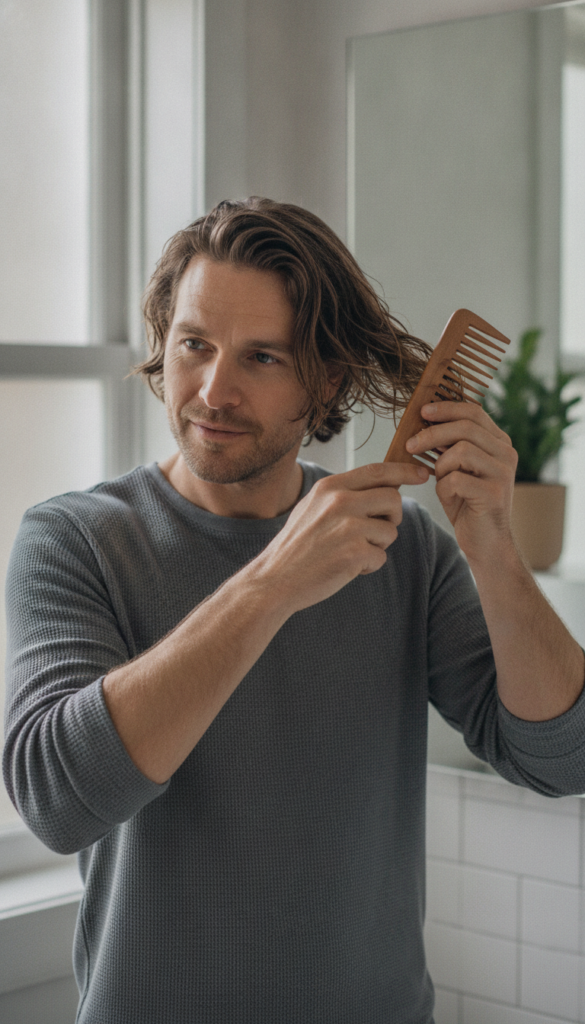
Hair care cannot change genetics, but it can reduce damage. Comb gently, especially when hair is wet. Start at the ends and work upward. Choose a wide-tooth comb if tangles are common.
Limit repeated high heat from dryers, straighteners, and curling tools. If you use heat, select a lower setting and keep the tool moving. Tight ponytails, braids, extensions, and frequent chemical treatments can also place stress on the hair follicle and shaft.
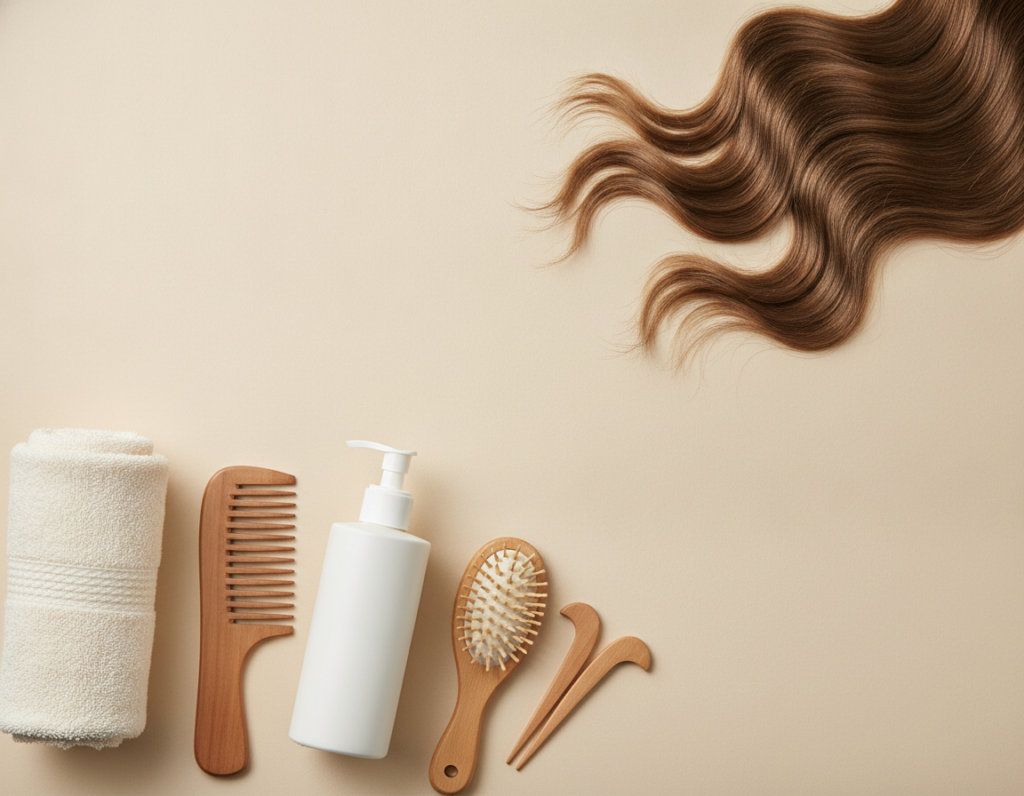
A low-damage wash day
Detangle before washing when possible.
Clean the scalp without rough rubbing.
Condition the lengths and rinse with lukewarm water.
Blot with a soft towel instead of twisting the hair.
Let the hair partly air-dry before using gentle heat.
Choose Hair Products and Supplements Carefully
Hair products can improve appearance, moisture, texture, and manageability. They do not all address hair loss. Read the intended use, ingredient list, directions, and warnings. Patch-test new topical products when the label recommends it.
Oils may reduce friction and make strands look smoother, but they are not a guaranteed way to make hair grow faster. Heavy oils can also irritate some scalps or worsen buildup. Stop using any product that causes burning, swelling, or a rash.
Questions to ask before buying
Is the claim about appearance, breakage, or actual hair growth?
Does the product clearly list its ingredients and directions?
Are the expected results described without a guarantee?
Could it interact with medications or an existing condition?
Can you use it consistently for several months?
Supplements deserve extra caution. More is not always better. High doses of some vitamins and minerals can cause harm or interfere with testing. Speak with a healthcare professional before taking supplements for hair loss, especially if you take medications or have a medical condition.
Compare an option before you commit
Use this link as a product-discovery step, not a promise of results. Review the ingredients, usage instructions, cost, and return information before making a decision.
Some hair loss is gradual and linked to family patterns. Other loss may follow illness, a medication change, rapid weight loss, or intense stress. A clinician can review your history, examine the scalp, and decide whether testing or treatment is appropriate.
Arrange an appointment if shedding is sudden, patchy, painful, scaly, or linked with sores. You should also seek advice when the hairline changes quickly, the scalp shows through more than before, or loss continues despite careful self-care.
Prepare for the appointment
Take photos in similar lighting over several weeks.
List recent illnesses, surgeries, diet changes, and major stress.
Bring a list of medications and supplements.
Note family history of thinning or baldness.
Write down when the shedding or pattern first appeared.
Some medications for pattern hair loss can help certain men, but they are not right for everyone. They may have side effects or require ongoing use. Discuss benefits, risks, and realistic results with a licensed healthcare professional instead of copying another person’s plan.
Get prompt care: Seek timely medical advice for sudden bald patches, scalp pain, marked inflammation, or hair loss with other new body symptoms.
Take the next step with a qualified professional
If your pattern is new, rapid, or worrying, a professional assessment is more useful than guessing. Use a consultation pathway that explains what information may be needed.
Start with a plan you can maintain. During week one, take baseline photos and note your wash schedule, products, diet pattern, and shedding. Do not change everything at once, because you will not know what helped or irritated your scalp.
During week two, focus on gentle washing, conditioner, lower heat, and less pulling. During week three, review your protein and vegetable intake. During week four, check whether itching, flakes, breakage, or shedding has changed.
Week one
Observe your starting point and remove obvious irritants.
Take reference photos.
Check product labels.
Record scalp symptoms.
Week two
Protect the shaft and keep the scalp comfortable.
Reduce pulling.
Use gentle detangling.
Limit high heat.
Weeks three and four
Build nutrition and review the pattern without rushing results.
Eat regular balanced meals.
Track shedding changes.
Book advice if concerns persist.
FAQ About Hair Growth Tips for Men
Can men grow hair faster naturally?
You may support normal hair growth by eating well, caring for the scalp, reducing breakage, sleeping well, and managing stress. No routine can guarantee a faster rate or reverse every cause of hair loss.
How long should I wait to judge a routine?
Give a gentle routine several weeks to improve comfort and breakage. Changes in density or shedding often need months to assess. Take photos in consistent lighting rather than checking every day.
Do oils make hair grow?
Oils can improve slip and reduce the dry feel of some strands. Evidence varies by oil and use. They should not replace diagnosis or proven treatment for persistent hair loss.
Should I take hair vitamins?
Only when a professional identifies a need or recommends a safe approach. Unneeded supplements may be ineffective, interact with medications, or provide too much of a nutrient.
Choose your next sensible step
For general grooming, start with consistency. For ongoing or sudden loss, choose professional advice. If you are considering a product, review its details and make an informed decision.
The most useful Hair Growth Tips for Men are usually repeatable: wash the scalp gently, protect the hair from damage, eat a balanced diet, manage stress, and track changes over time. Hair grows in cycles, so patience matters.
Products and supplements should be judged by their ingredients, directions, safety information, and realistic claims. When hair loss is sudden, patchy, painful, or persistent, a qualified healthcare professional can help you find the right next step.