Clear Skin Tips: Expert Guide to Flawless Complexion
Achieving clear, healthy skin feels like an impossible dream for many people. You wake up each morning hoping today will be different, yet blemishes and uneven tone persist despite your efforts. The journey to radiant skin doesn’t require expensive treatments or complicated routines. Instead, understanding how your skin works and implementing proven strategies can transform your complexion.
Your skin is the body’s largest organ. It constantly renews itself, shedding dead skin cells while creating new ones. This natural process requires proper support through lifestyle choices, skincare habits, and nutritional decisions. When you align your daily routine with your skin’s biological needs, clear skin becomes achievable.
The American Academy Dermatology emphasizes that consistent care delivers better results than sporadic intensive treatments. Simple changes in your morning and evening routines can create dramatic improvements over time. Let’s explore the most effective clear skin tips backed by dermatological research and real-world results.
Start Your Clear Skin Transformation Today
Discover the proven system that has helped thousands achieve the radiant complexion they’ve always wanted. This comprehensive approach addresses all aspects of skin health for lasting results.
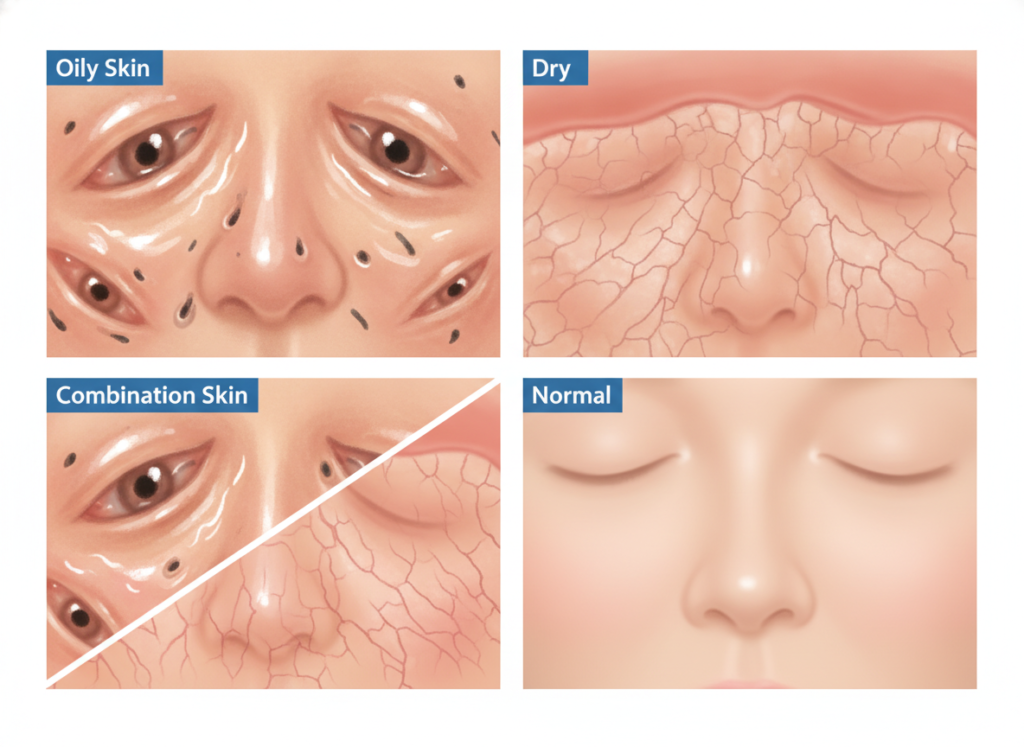
Your skin type determines which products and routines will work best for you. The main categories include oily skin, dry skin, combination skin, and normal skin. Each type has unique characteristics and requires specific care approaches.
Oily skin produces excess sebum, leading to enlarged pores and frequent breakouts. People with this skin type often experience shine throughout the day, particularly in the T-zone area. The American Academy Dermatology recommends lightweight, oil-free products that won’t clog pores or add additional oil to the surface.
Dry skin lacks sufficient natural oils and moisture. This condition causes flaking, tightness, and sometimes redness or irritation. Dry skin requires richer moisturizers and gentle cleansing products that don’t strip away essential oils.
Combination skin presents challenges in different facial zones. The forehead, nose, and chin may be oily while cheeks remain dry. This type needs balanced care products that address multiple concerns simultaneously.
Recognizing Your Skin’s Signals
Your skin communicates its needs through various signals. Breakouts often indicate hormonal changes, dietary factors, or product reactions. Redness might suggest inflammation, sensitivity, or sun damage. Understanding these signals helps you adjust your routine effectively.
The skin’s pH level plays a crucial role in maintaining health. A balanced pH around 5.5 supports the skin’s protective barrier. Many cleansers disrupt this balance, causing irritation and increased oil production as the skin tries to compensate.
Essential Morning Routine for Clear Skin
Your morning routine sets the foundation for healthy skin throughout the day. This ritual should cleanse away overnight oil production, protect skin from environmental damage, and prepare your complexion for the day ahead.
Gentle Cleansing to Start the Day
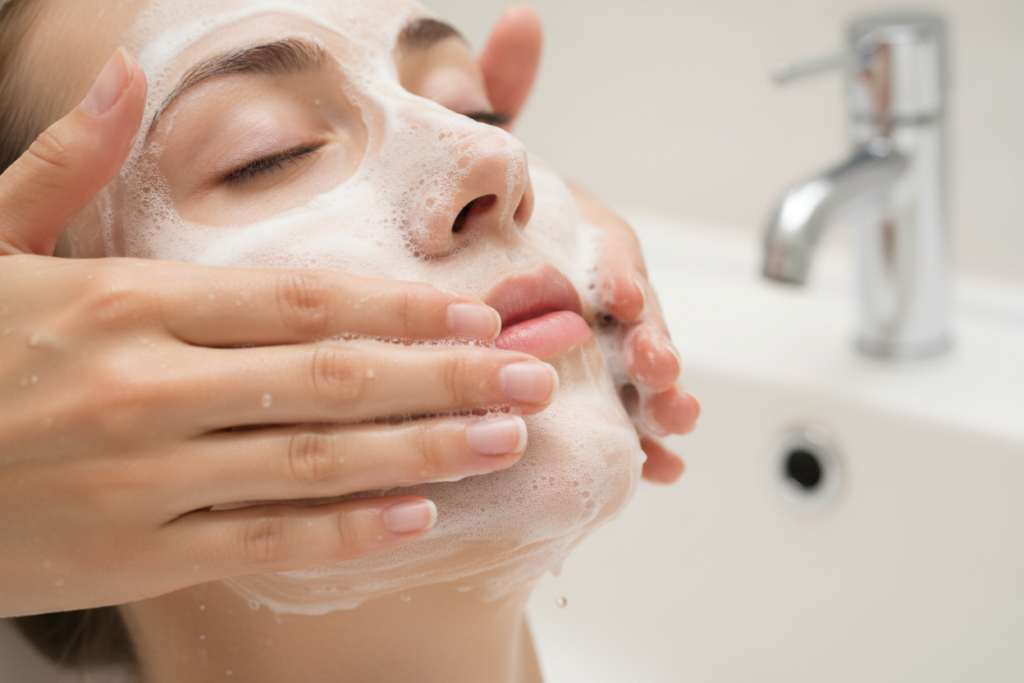
Morning cleansing removes oil, dead skin cells, and any overnight skincare products. Use lukewarm water rather than hot water, which can strip natural oils and cause irritation. A gentle cleanser formulated for your skin type works best.
For oily skin, consider cleansers containing salicylic acid. This ingredient penetrates pores to dissolve oil and prevent buildup. Those with dry or sensitive skin should choose cream-based cleansers that clean without causing tightness.
Pat your face dry with a clean towel rather than rubbing. Aggressive drying can damage the skin’s surface and promote redness. Leave skin slightly damp to help the next products absorb better.
Applying Treatment Products
After cleansing, apply any treatment products like serums or spot treatments. These concentrated formulas work best on clean, slightly damp skin. Vitamin C serums protect against environmental damage while brightening the complexion.
Products containing niacinamide help regulate oil production and reduce pore appearance. The American Academy Dermatology notes that this ingredient also strengthens the skin barrier and reduces inflammation.
Moisturizing and Sun Protection
Moisturizer locks in hydration and creates a protective barrier. Even oily skin needs moisture to stay balanced. Choose lightweight, non-comedogenic formulas that won’t clog pores or feel heavy.
Sun protection is non-negotiable for clear skin. UV rays damage skin cells, accelerate aging, and worsen existing skin concerns. Apply broad-spectrum sunscreen with at least SPF 30 every morning, regardless of weather conditions.
Many people skip sunscreen on cloudy days, but UV rays penetrate clouds easily. Making sunscreen a daily habit protects skin from cumulative damage that leads to age spots, wrinkles, and uneven tone.
What you eat directly impacts your skin’s appearance. Your diet provides the building blocks for new skin cells and influences inflammation levels throughout your body. Making strategic food choices can dramatically improve your complexion.
Foods That Promote Clear Skin
Omega-3 fatty acids reduce inflammation and support skin cell membranes. Find these beneficial fats in salmon, sardines, walnuts, and flaxseeds. Regular consumption helps maintain skin’s moisture barrier and reduces redness.
Antioxidant-rich foods protect skin cells from damage caused by free radicals. Berries, dark leafy greens, and colorful vegetables provide vitamins A, C, and E. These nutrients support collagen production and skin repair processes.
Probiotics from fermented foods like yogurt, kefir, and sauerkraut benefit skin health through the gut-skin connection. A balanced gut microbiome reduces systemic inflammation that can manifest as skin issues.
Zinc-containing foods support healing and reduce inflammation. Pumpkin seeds, chickpeas, and lean meats provide this essential mineral. The American Academy Dermatology recognizes zinc’s role in managing acne and supporting skin repair.
Foods to Limit for Better Skin
High-glycemic foods cause blood sugar spikes that trigger inflammation and increased oil production. White bread, sugary snacks, and processed foods can worsen breakouts. Choosing low-glycemic alternatives stabilizes blood sugar and reduces skin stress.
Dairy products may contribute to acne in some people due to hormones naturally present in milk. If you notice breakouts after consuming dairy, try eliminating it for several weeks to assess the impact on your skin.
Skin-Boosting Foods
Fatty fish rich in omega-3s
Colorful berries and vegetables
Nuts and seeds for healthy fats
Green tea with antioxidants
Fermented foods for gut health
Foods to Minimize
Refined sugars and sweets
White bread and pasta
Fried and greasy foods
Excessive dairy products
Processed snack foods
Hydration for Skin Health
Water supports every cellular function, including those in your skin. Proper hydration helps flush toxins, delivers nutrients to skin cells, and maintains elasticity. Aim for eight glasses daily, adjusting for activity levels and climate.
Herbal teas count toward your hydration goals while providing additional benefits. Green tea contains polyphenols that protect skin from sun damage. Chamomile tea reduces inflammation and promotes relaxation for better sleep.
Nutrition-Based Clear Skin Solution
Learn how strategic nutrition changes can transform your skin from within. This comprehensive guide reveals the exact foods and supplements that dermatologists recommend for lasting clear skin results.
Sleep provides essential recovery time for your entire body, including your skin. During deep sleep phases, your body increases blood flow to skin, repairs UV damage, and produces new collagen. Lack of sleep disrupts these processes and shows on your face.
How Sleep Affects Your Complexion
Poor sleep increases cortisol levels, triggering inflammation throughout your body. This stress hormone also stimulates oil production, leading to clogged pores and breakouts. Chronic sleep deprivation accelerates aging and reduces skin’s ability to retain moisture.
The American Academy Dermatology emphasizes that consistent sleep schedules support skin health better than irregular patterns. Your skin’s repair mechanisms work on a circadian rhythm that functions best with regular sleep-wake cycles.
During sleep, your skin loses more water than during waking hours. This nighttime water loss requires proper evening hydration and the use of appropriate nighttime care products that lock in moisture.
Optimizing Your Sleep Environment
Your pillowcase material affects your skin. Cotton absorbs moisture and can harbor bacteria. Silk or satin pillowcases create less friction, reducing the risk of sleep lines and irritation. Change pillowcases frequently to minimize bacteria transfer to your face.
Room temperature influences sleep quality and skin health. Cooler environments promote better sleep while preventing excessive sweating that can clog pores. Aim for temperatures between 60-67 degrees Fahrenheit.
Humidity levels in your bedroom impact skin moisture. Dry air pulls water from your skin’s surface, causing dehydration. Using a humidifier maintains optimal moisture levels, especially during winter months or in dry climates.
Evening Skincare for Overnight Repair
Your evening routine should remove the day’s buildup and support overnight repair. Double cleansing ensures complete removal of sunscreen, makeup, and environmental pollutants that accumulate throughout the day.
Start with an oil-based cleanser to dissolve makeup and sunscreen. Follow with a water-based cleanser to remove remaining impurities. This two-step process ensures thoroughly clean skin without harsh scrubbing.
Night creams tend to be richer than daytime moisturizers because they don’t need to work under makeup or sunscreen. Look for ingredients like retinol, peptides, or hyaluronic acid that support overnight skin renewal.
Retinol products work while you sleep to increase cell turnover and stimulate collagen production. Start with lower concentrations and gradually increase as your skin builds tolerance. Always use retinol at night since it increases sun sensitivity.
Overnight Skin Renewal System
Your skin’s repair processes work hardest while you sleep. This specialized nighttime treatment supports natural regeneration, helping you wake up to visibly clearer, more radiant skin each morning.
Protecting Your Skin from Sun Damage
Sun exposure is the leading cause of premature aging and uneven skin tone. UV radiation damages skin cells at the DNA level, causing immediate effects like sunburn and long-term consequences including dark spots and wrinkles. Proper sun protection forms the foundation of any clear skin strategy.
Understanding UV Radiation
Two types of UV rays affect your skin differently. UVA rays penetrate deeply, causing aging, wrinkles, and DNA damage. These rays remain constant throughout the year and pass through windows. UVB rays cause sunburn and play a key role in skin cancer development.
The American Academy Dermatology recommends broad-spectrum sunscreen that protects against both ray types. SPF numbers indicate protection level against UVB rays, but broad-spectrum coverage ensures complete defense.
Clouds block only about 20% of UV radiation. This means you need sun protection on overcast days, during winter, and even indoors near windows. UV rays also reflect off surfaces like water, sand, and snow, increasing exposure.
Proper Sunscreen Application
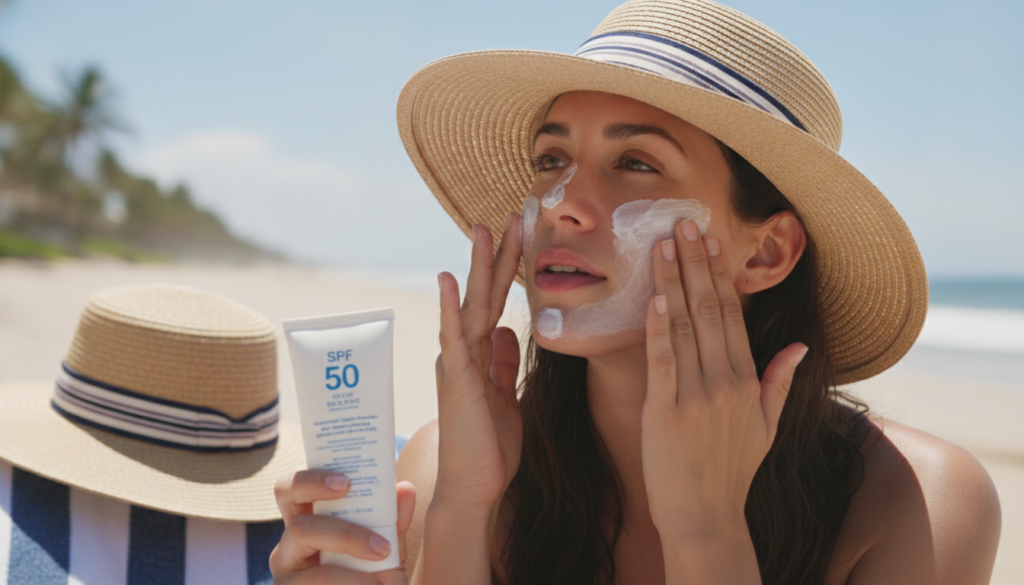
Most people apply only 25-50% of the recommended sunscreen amount. You need approximately one ounce (a shot glass full) to cover your entire body. For your face alone, use about half a teaspoon of product.
Apply sunscreen 15-30 minutes before sun exposure to allow proper absorption. Reapply every two hours when outdoors, or immediately after swimming or heavy sweating. Water-resistant formulas maintain protection for 40-80 minutes in water.
Mineral sunscreens containing zinc oxide or titanium dioxide sit on the skin surface and physically block rays. Chemical sunscreens absorb into skin and convert UV rays to heat. Both types work effectively when applied correctly.
Additional Protection Strategies
Sunscreen alone isn’t enough for comprehensive protection. Seek shade during peak sun hours between 10 AM and 4 PM when UV rays are strongest. Protective clothing, wide-brimmed hats, and UV-blocking sunglasses add extra defense layers.
Many makeup products and moisturizers contain SPF, but they shouldn’t replace dedicated sunscreen. People typically apply these products too thinly to achieve the stated SPF protection. Use a separate sunscreen layer for reliable coverage.
Sun Protection Benefits
Prevents premature aging and wrinkles
Reduces dark spots and uneven tone
Protects against skin cancer risk
Maintains even skin texture
Preserves skin’s elasticity and firmness
Sun Exposure Risks
Accelerates visible aging process
Creates stubborn dark spots
Damages skin cell DNA
Increases cancer risk significantly
Causes permanent texture changes
Complete Sun Protection Solution
Protect your skin from damaging UV rays while promoting a clear, even complexion. This comprehensive approach combines the latest sun protection research with proven ingredients that defend and repair your skin.
Proper cleansing removes the oil, dirt, makeup, and environmental pollutants that accumulate on your skin’s surface. This step prevents clogged pores and creates a clean canvas for other care products to work effectively. The right cleansing approach depends on your skin type and daily activities.
Choosing the Right Cleanser
Gel cleansers work well for oily skin because they remove excess oil without leaving residue. Look for formulas containing salicylic acid that penetrate pores to dissolve buildup and prevent breakouts.
Cream or milk cleansers suit dry and sensitive skin types. These gentle formulas clean without stripping natural oils that protect skin and maintain moisture balance. Avoid cleansers with harsh sulfates that create excessive foam but damage the skin barrier.
Micellar water offers a gentle option for all skin types. These products contain tiny oil molecules suspended in water that attract and lift away dirt and makeup. They work well for morning cleansing or as the first step in double cleansing.
The Power of Exfoliation
Dead skin cells accumulate on the surface, making your complexion look dull and rough. Exfoliation removes this layer, revealing fresh skin underneath and allowing better product absorption. Two main exfoliation types serve different purposes.
Physical exfoliants use small particles to manually scrub away dead cells. Choose products with smooth, round particles rather than harsh, jagged ones that can create micro-tears. Limit physical exfoliation to 1-2 times weekly to avoid irritation.
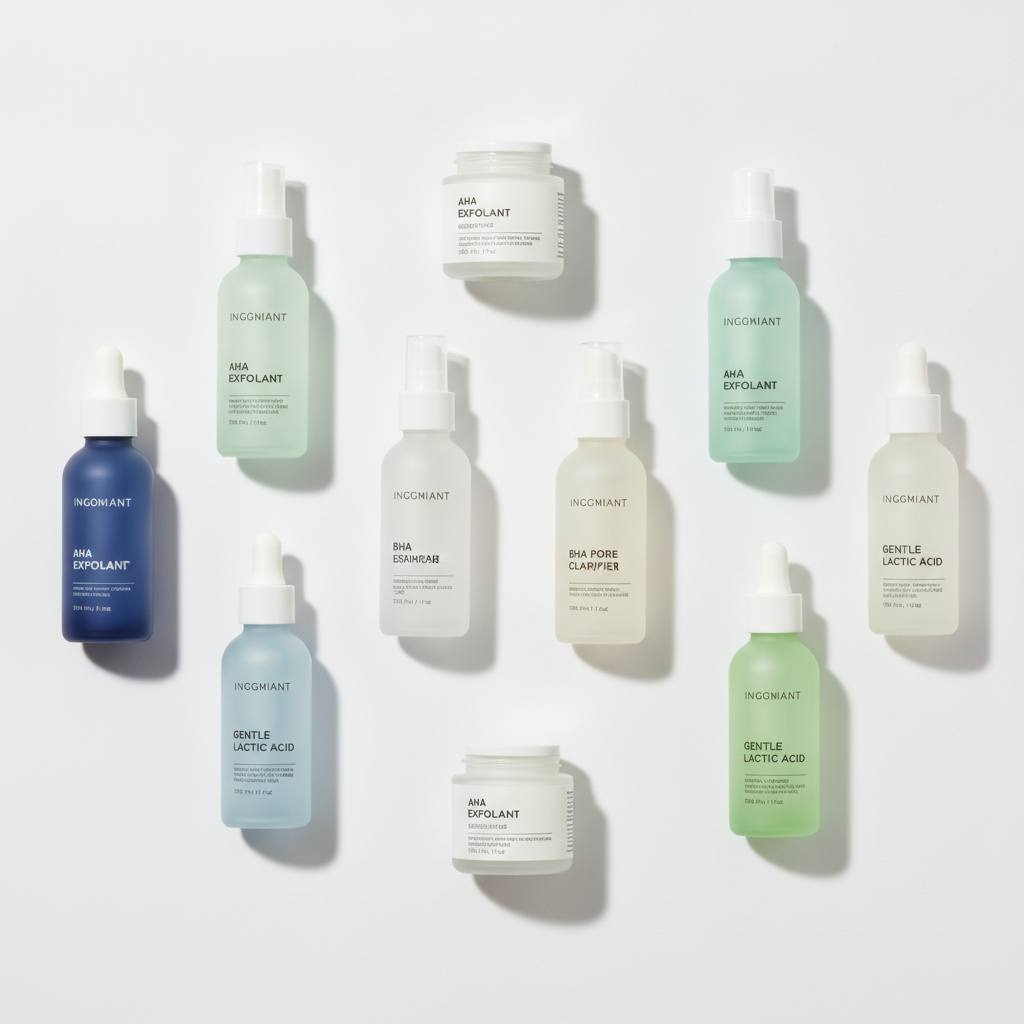
Chemical exfoliants dissolve the bonds between dead skin cells using acids. Alpha hydroxy acids like glycolic acid work on the skin’s surface to brighten and even tone. Beta hydroxy acids like salicylic acid penetrate pores to clear congestion from within.
The American Academy Dermatology notes that chemical exfoliation often delivers better results with less irritation than physical scrubbing. Start with lower concentrations and gradually increase as your skin builds tolerance.
Establishing an Exfoliation Routine
Over-exfoliation strips your skin’s protective barrier, causing redness, sensitivity, and increased breakouts. Most people benefit from exfoliating 2-3 times weekly, though this varies by skin type and product strength.
Oily skin often tolerates more frequent exfoliation, while sensitive skin may need only once-weekly treatment. Pay attention to how your skin responds and adjust accordingly. Redness, stinging, or increased dryness signal you’re exfoliating too often.
Apply exfoliating products to clean, dry skin in the evening. Follow with a gentle moisturizer to support the skin barrier. Always use sunscreen the next day since exfoliation can increase sun sensitivity.
Special Considerations for Problem Skin
Acne-prone skin benefits from salicylic acid, which clears pores and reduces bacteria. This ingredient also helps reduce inflammation and redness associated with active breakouts. Consistency matters more than concentration, so use moderate-strength products regularly.
Sensitive skin requires gentler approaches. Look for low-percentage acid formulas or enzyme-based exfoliants that work more mildly. Avoid combining multiple active ingredients that might cause irritation when used together.
Your daily habits and lifestyle choices create the environment where your skin either thrives or struggles. Beyond topical products, factors like stress levels, exercise routines, and environmental exposure significantly influence your complexion.
Managing Stress for Clearer Skin
Chronic stress triggers cortisol release, which increases oil production and inflammation. This hormonal response often manifests as breakouts, particularly along the jawline and chin. Stress also impairs skin barrier function, making your complexion more vulnerable to irritation.
Stress management techniques directly benefit your skin. Regular meditation, deep breathing exercises, or yoga reduce cortisol levels and promote better sleep. Even 10 minutes daily of stress-reduction practice can create noticeable improvements.
The mind-skin connection works both ways. Skin concerns create emotional stress, which worsens the condition in a challenging cycle. Breaking this pattern requires addressing both physical symptoms and emotional wellbeing.
Exercise Benefits for Your Complexion
Physical activity increases blood flow, delivering oxygen and nutrients to skin cells while carrying away waste products. This improved circulation gives your complexion a healthy glow that persists for hours after exercise.
Sweating during exercise helps flush toxins and clear pores, but leaving sweat on skin too long can cause breakouts. Cleanse your face promptly after workouts and shower to remove bacteria and oil that accumulate during physical activity.
Exercise also reduces stress hormones and promotes better sleep quality. These indirect benefits support skin health through multiple pathways. Aim for at least 30 minutes of moderate activity most days of the week.
Environmental Factors and Protection
Air pollution, cigarette smoke, and environmental toxins generate free radicals that damage skin cells. Urban environments expose skin to higher pollution levels that accelerate aging and cause inflammation.
Antioxidant-rich skincare products help neutralize free radical damage. Look for vitamins C and E, niacinamide, and green tea extract. These ingredients create a protective shield against environmental stressors.
Indoor air quality matters too. Heating and air conditioning systems dry out skin, requiring additional moisturization. Central heating during winter months particularly challenges skin’s ability to maintain proper hydration levels.
The Impact of Smoking and Alcohol
Smoking constricts blood vessels, reducing oxygen and nutrient delivery to skin cells. This habit accelerates aging, creates uneven tone, and impairs healing. The repetitive facial expressions from smoking also deepen wrinkles around the mouth.
Alcohol dehydrates your entire body, including your skin. It also dilates blood vessels, potentially worsening redness and rosacea. Limiting alcohol consumption and increasing water intake helps maintain skin’s moisture balance.
Hair and Skin Health Connection
Hair products often contain oils and silicones that transfer to your face, clogging pores along the hairline and forehead. Keep hair off your face when possible, and cleanse your face after applying hair styling products.
Dirty hair and pillowcases transfer bacteria and oil to your face during sleep. Wash your hair regularly and change pillowcases every few days to minimize this transfer. People with oily skin or acne particularly benefit from frequent pillowcase changes.
Addressing Common Skin Concerns
Even with excellent care routines, specific skin concerns require targeted approaches. Understanding the root causes of common issues helps you select effective treatments and set realistic expectations for improvement timelines.
Dealing with Acne and Breakouts
Acne develops when pores become clogged with oil and dead skin cells, creating an environment where bacteria thrive. Hormonal fluctuations, stress, and certain foods can trigger or worsen breakouts. The American Academy Dermatology recommends consistent treatment over spot-treating individual pimples.
Salicylic acid works inside pores to dissolve clogs before they become inflamed. Products containing 0.5-2% salicylic acid clear existing breakouts while preventing new ones. This ingredient also reduces the inflammation and redness that make acne more noticeable.
Benzoyl peroxide kills acne-causing bacteria and helps remove excess oil. Start with 2.5% concentration to minimize irritation while achieving results. Higher concentrations don’t necessarily work better and may cause unnecessary dryness.
Resist the urge to pick or squeeze pimples. This behavior pushes bacteria deeper, worsens inflammation, and increases scarring risk. Instead, apply targeted spot treatments and allow the blemish to heal naturally.
Reducing Hyperpigmentation and Dark Spots
Dark spots result from excess melanin production triggered by sun exposure, inflammation, or hormonal changes. These marks take time to fade, often requiring several months of consistent treatment. Prevention through sun protection remains crucial during treatment.
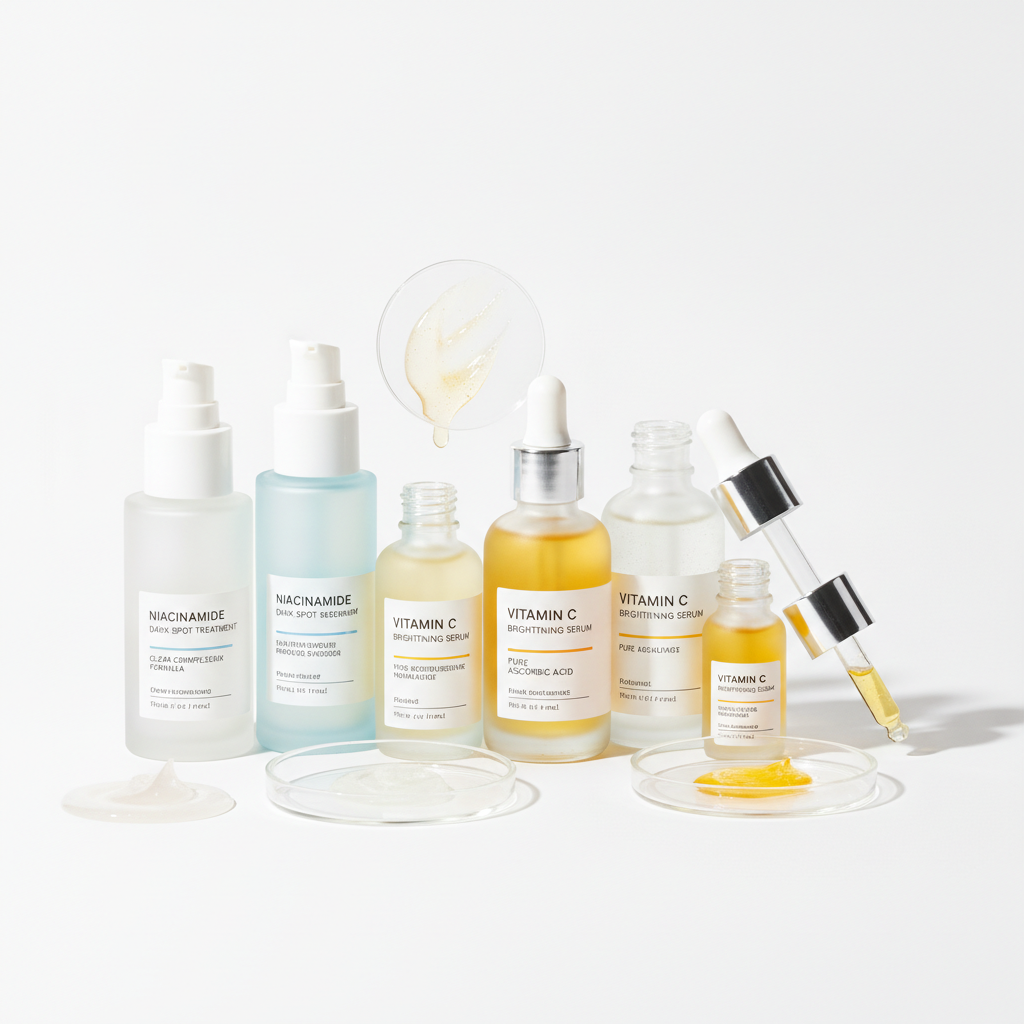
Vitamin C serums brighten existing dark spots while preventing new ones from forming. This antioxidant inhibits melanin production and protects against UV damage. Use vitamin C products in the morning under sunscreen for maximum benefit.
Niacinamide reduces hyperpigmentation by preventing melanin transfer to skin cells. This ingredient also strengthens the skin barrier and reduces inflammation. Products containing 5-10% niacinamide deliver visible results within 8-12 weeks.
Managing Redness and Sensitivity
Sensitive skin reacts to ingredients, temperature changes, or environmental factors with redness and irritation. This skin type requires gentle products free from common irritants like fragrance, alcohol, and harsh preservatives.
Centella asiatica and niacinamide calm inflammation and strengthen the skin barrier. These ingredients reduce redness while improving skin’s resilience over time. Look for products specifically formulated for sensitive or reactive skin.
Rosacea causes persistent redness, visible blood vessels, and sometimes small bumps. This chronic condition requires specialized care and often benefits from professional dermatological treatment. Avoid triggers like spicy foods, hot beverages, and extreme temperatures.
Improving Skin Texture and Tone
Uneven texture from enlarged pores, rough patches, or small bumps responds well to regular exfoliation. Chemical exfoliants containing AHAs or BHAs smooth the surface while promoting cell turnover for more even tone.
Retinol products accelerate cell renewal, improving both texture and tone over time. Start with low concentrations used 2-3 times weekly, gradually increasing frequency as your skin adapts. Always pair retinol use with diligent sun protection.
The skin’s natural renewal process slows with age, taking 40-60 days in mature skin compared to 28 days in younger skin. This slower turnover contributes to dullness and rough texture. Consistent exfoliation helps compensate for this natural slowdown.
Selecting the Right Products for Your Skin
The skincare market offers overwhelming choices, making product selection challenging. Understanding ingredient labels, concentration levels, and formulation types helps you choose effective products that work synergistically rather than against each other.
Reading and Understanding Ingredient Labels
Ingredients appear in descending order by concentration, with the highest amounts listed first. Active ingredients often appear in the first five items. Water typically tops the list in most water-based products, followed by key active components.
Care products work best when ingredients can penetrate effectively. Smaller molecules like hyaluronic acid absorb more readily than larger ones. Product texture also affects absorption, with lightweight serums penetrating deeper than thick creams.
Some ingredients work better together while others should be separated. Vitamin C and niacinamide can be used together despite old myths suggesting otherwise. However, strong acids and retinol might cause irritation when combined in the same routine.
Building a Compatible Routine
Layer products from thinnest to thickest consistency. Apply water-based serums before oil-based ones, and always finish with moisturizer to seal everything in. This layering strategy ensures each product absorbs properly without blocking others.
The American Academy Dermatology recommends introducing new products gradually, one at a time. Wait at least two weeks before adding another new item to identify which products cause reactions or deliver benefits.
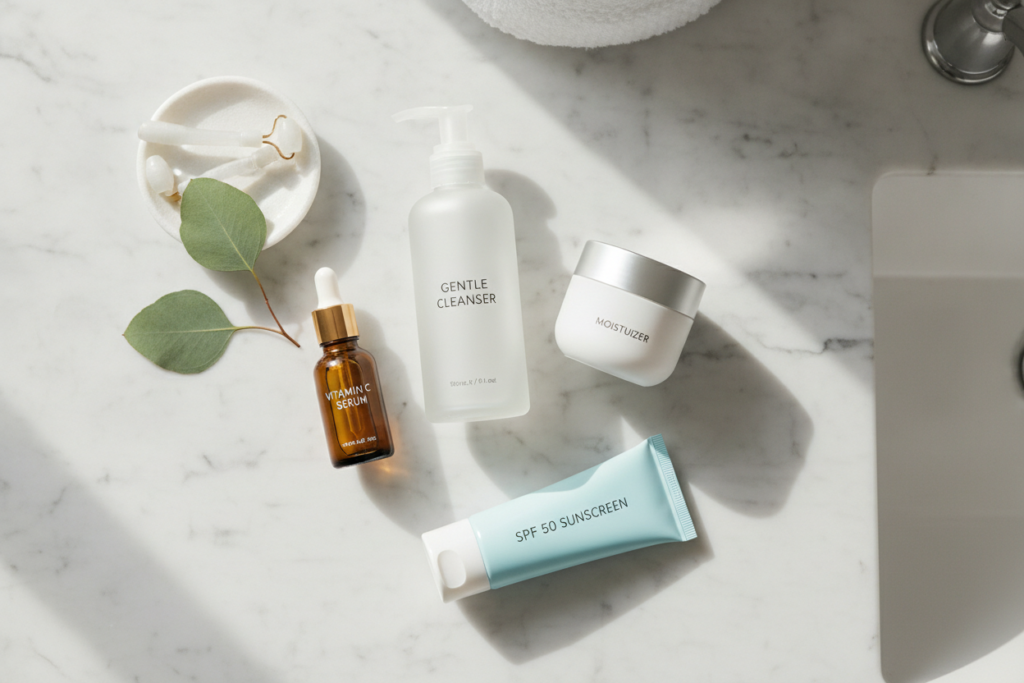
Simplicity often outperforms complexity in skincare. A basic routine of cleanser, treatment product, moisturizer, and sunscreen addresses most needs effectively. Adding too many products increases irritation risk without proportional benefits.
Morning Essentials
Gentle cleanser
Vitamin C serum
Lightweight moisturizer
Broad-spectrum sunscreen
Evening Essentials
Makeup remover or oil cleanser
Water-based cleanser
Treatment serum or retinol
Night cream or sleeping mask
Weekly Treatments
Exfoliating acid treatment
Clay or sheet mask
Deep hydration treatment
Targeted spot treatment
When to Upgrade Your Routine
Skin needs change with seasons, age, and life circumstances. Summer might require lighter moisturizers and more frequent sunscreen application. Winter demands richer creams to combat indoor heating’s drying effects.
Hormonal changes during pregnancy, menopause, or menstrual cycles alter skin behavior. Adjust your routine to accommodate these shifts, perhaps adding more calming ingredients during breakout-prone times.
If products that once worked well stop delivering results, your skin may have adapted or your needs may have changed. Periodically reassessing your routine ensures it continues serving your current skin condition.
Knowing When to Seek Professional Help
While consistent home care delivers impressive results, some situations require professional intervention. Recognizing when to consult a dermatologist prevents minor issues from becoming serious problems and ensures you receive appropriate treatment for complex concerns.
Signs You Should See a Dermatologist
Persistent acne that doesn’t respond to over-the-counter treatments may need prescription-strength solutions. Cystic acne, which appears as deep, painful bumps under the skin, particularly benefits from professional treatment to prevent scarring.
Sudden changes in skin appearance, including new growths, changing moles, or unexplained rashes, warrant immediate professional evaluation. The American Academy Dermatology recommends annual skin checks for everyone, with more frequent visits for those at higher cancer risk.
Severe redness, burning, or allergic reactions require professional assessment. These symptoms might indicate contact dermatitis, rosacea, or other conditions needing specific treatments beyond standard skincare routines.
Professional Treatment Options
Dermatologists offer prescription medications stronger than over-the-counter options. Topical retinoids, oral antibiotics, and hormonal treatments address stubborn acne from multiple angles. These medications require monitoring and professional guidance.
In-office procedures deliver results impossible to achieve at home. Chemical peels remove damaged surface layers, revealing fresh skin beneath. Laser treatments target specific concerns like hyperpigmentation, broken blood vessels, or deep wrinkles.
Microneedling stimulates collagen production by creating controlled micro-injuries. This procedure improves texture, reduces scarring, and enhances product absorption. Multiple sessions typically yield optimal results.
Combining Professional and Home Care
Professional treatments work best when supported by appropriate home care. Your dermatologist will recommend products that complement in-office procedures and maintain results between appointments.
Following post-treatment instructions carefully prevents complications and ensures optimal outcomes. Many procedures temporarily increase sun sensitivity, making diligent sunscreen use absolutely essential during recovery.
Maintaining Clear Skin Long-Term
Achieving clear skin represents just the beginning of your skincare journey. Maintaining results requires ongoing commitment to healthy habits and routine consistency. Long-term skin health depends less on dramatic interventions and more on daily practices sustained over time.
Consistency Over Intensity
Skin responds better to gentle, consistent care than sporadic intensive treatments. Using active ingredients regularly at moderate concentrations delivers better results than occasional high-strength applications that cause irritation.
Your skin’s natural renewal cycle takes approximately 28 days in younger individuals, extending to 40-60 days as you age. This means visible results from any new routine require patience. Evaluate product effectiveness after at least 6-8 weeks of consistent use.
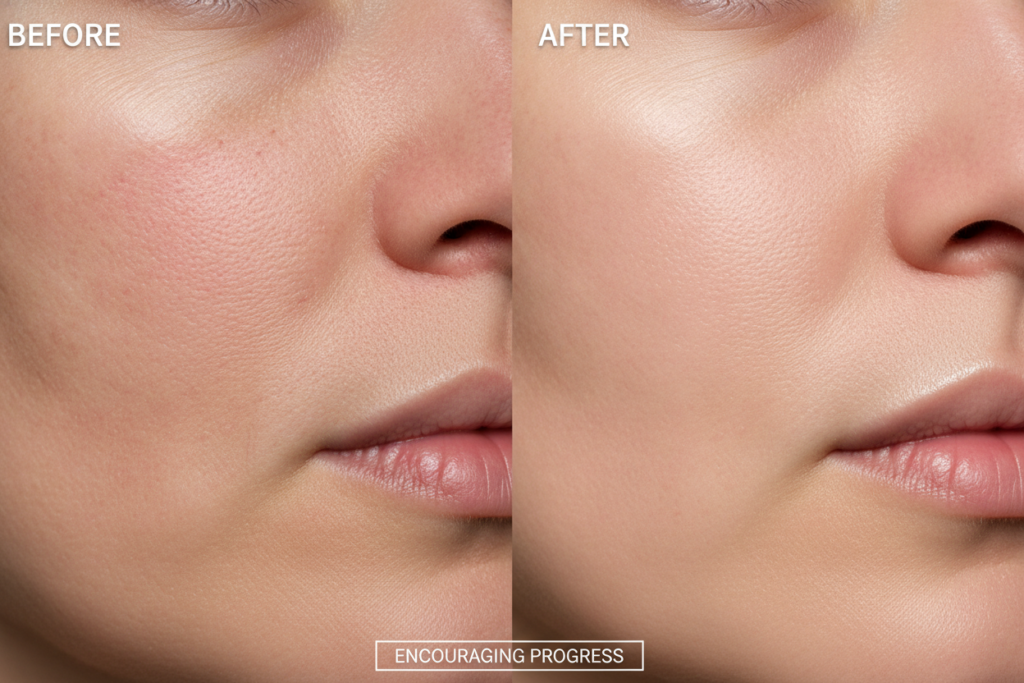
Tracking your progress through photos helps you notice gradual improvements that might not be obvious day-to-day. Take pictures in consistent lighting at regular intervals to document your skin’s transformation objectively.
Adapting to Life Changes
Major life transitions affect your skin in various ways. Pregnancy, menopause, medication changes, or relocating to different climates all necessitate routine adjustments. Stay attuned to your skin’s signals and modify your approach accordingly.
Seasonal changes require routine modifications. Summer heat and humidity might call for lighter formulations, while winter dryness demands richer moisturizers. Flexibility in your approach maintains effectiveness year-round.
Building Sustainable Habits
The most effective skincare routine is the one you’ll actually follow consistently. If a ten-step routine feels overwhelming, a simpler approach you maintain daily delivers better results than an elaborate system you abandon after two weeks.
Integrate skincare into existing habits for better adherence. Cleanse your face while showering, apply morning products while coffee brews, or use evening treatments during your bedtime routine. These connections make skincare automatic rather than optional.
Lifestyle factors including diet, sleep, stress management, and sun protection work synergistically with topical products. Neglecting these foundational elements limits even the best care products’ effectiveness.
Your Complete Clear Skin Transformation
Everything you’ve learned comes together in this comprehensive system designed for lasting results. Join thousands who have transformed their skin using this proven, science-backed approach that addresses all aspects of skin health.
Clear, healthy skin results from understanding your unique needs and implementing consistent, evidence-based practices. The tips shared throughout this guide represent proven strategies recommended by the American Academy Dermatology and supported by dermatological research.
Your skin journey is personal and unique. What works for others may need adjustment for your specific skin type, concerns, and lifestyle. Pay attention to how your skin responds and adjust your approach accordingly. Progress happens gradually, but consistency delivers remarkable long-term results.
Remember that clear skin extends beyond appearance. It reflects your overall health, self-care practices, and commitment to wellbeing. The habits you build for your skin benefit your entire body, creating positive changes that reach far beyond your complexion.
Start implementing these clear skin tips today, beginning with the basics and building from there. Small, consistent actions compound over time into transformation you’ll see in the mirror and feel in your confidence.