Starting your sewing journey feels exciting and overwhelming at the same time. You want to create beautiful things, but where do you begin? The right beginner sewing projects easy free pattern options make all the difference between frustration and falling in love with this creative hobby.
This comprehensive guide brings together the best sewing projects for beginners. Each project uses simple techniques and free sewing patterns that build your confidence one stitch at a time.
You don’t need expensive equipment or years of experience. Just a basic sewing machine, some fabric, and the willingness to learn will get you started on this creative path.
Ready to Master Sewing Quickly?
Stop struggling with confusing tutorials. Get access to step-by-step sewing guidance designed specifically for beginners who want to create beautiful projects from day one.
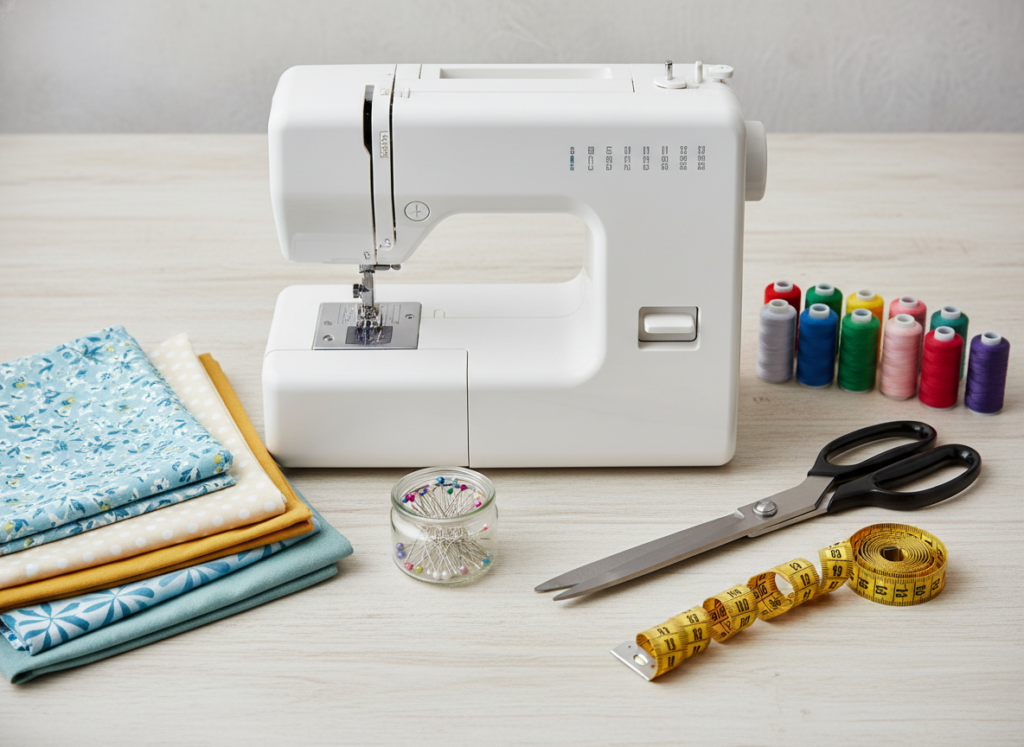
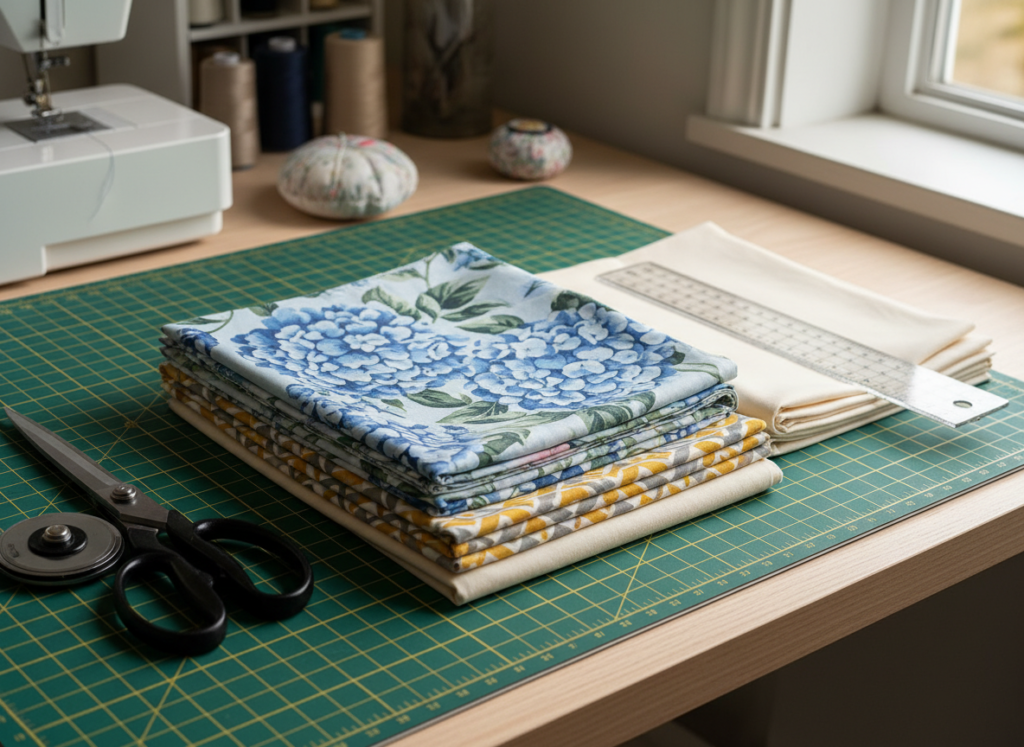
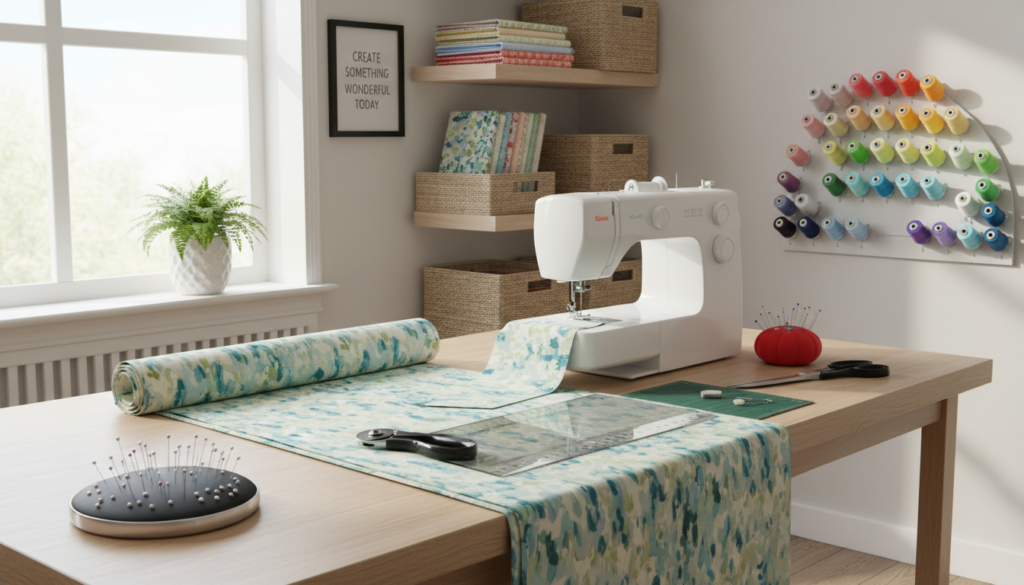
Before diving into projects, you need basic sewing supplies. The good news is that beginner sewing doesn’t require a huge investment.
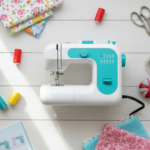
A basic sewing machine works perfectly for learning. You don’t need fancy features or expensive models to create beautiful things.
Must-Have Tools and Materials
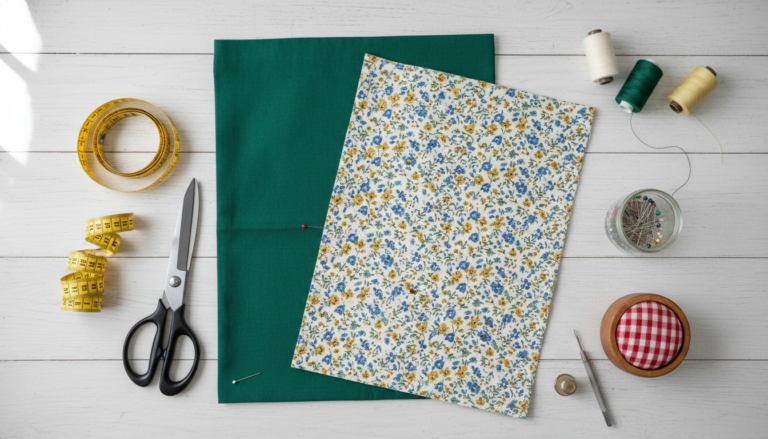
Basic Equipment
Sewing machine with straight stitch capability
Sharp fabric scissors dedicated only to fabric
Measuring tape and clear ruler
Pins and pin cushion for holding fabric
Seam ripper for fixing mistakes
Iron and ironing board for pressing seams
Starter Fabrics
Cotton quilting fabric for easy handling
Medium-weight cotton for bags and accessories
Fabric scraps for practice and small projects
Coordinating thread in basic colors
Interfacing for structure in bags
Elastic for waistbands and closures
Quality tools make learning easier and more enjoyable. Invest in good scissors and keep them sharp. Your sewing machine doesn’t need to be expensive, but it should sew straight lines consistently.
Simple Bag Sewing Projects for Beginners
Bags make perfect first sewing projects because they use straight lines and basic techniques. You’ll practice essential skills while creating something useful every single time.
Easy Tote Bag Pattern
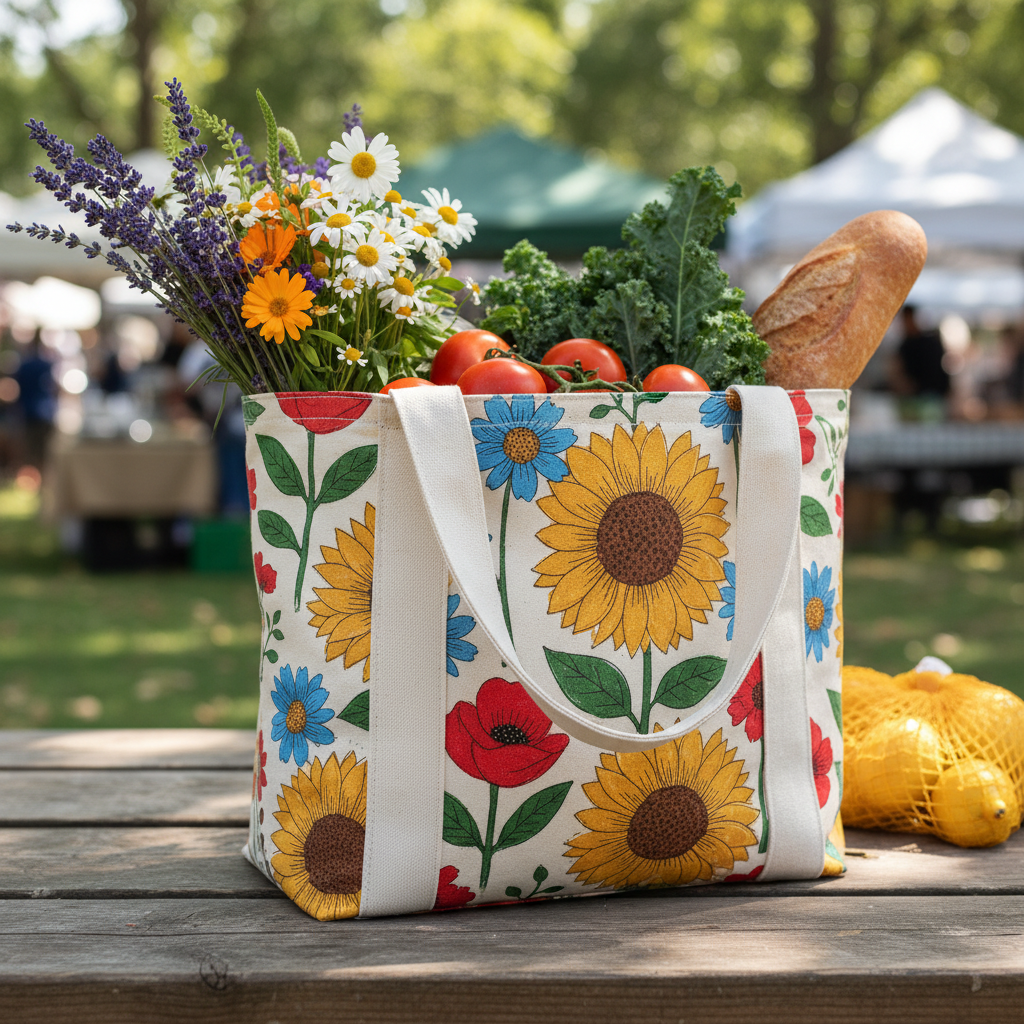
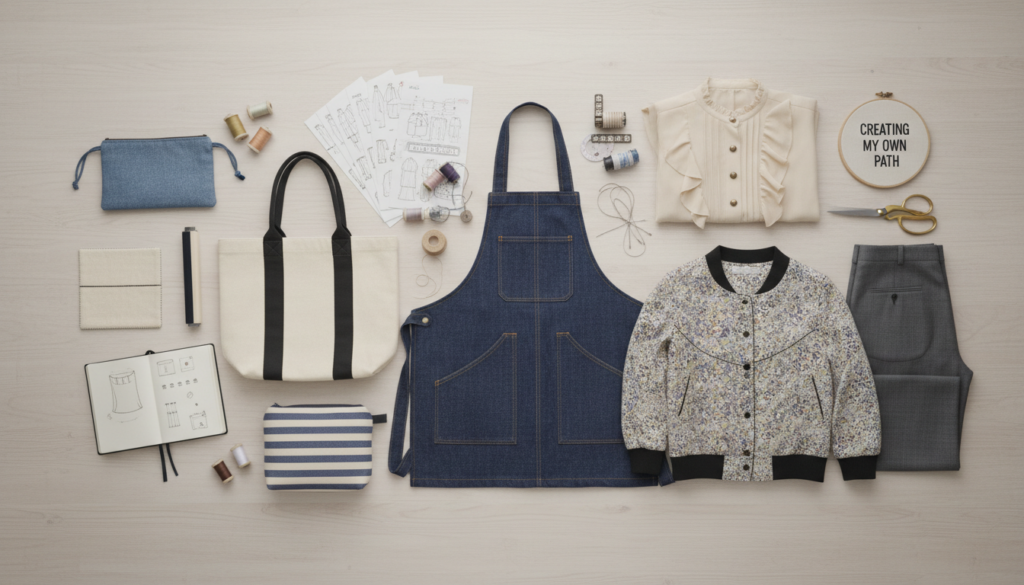
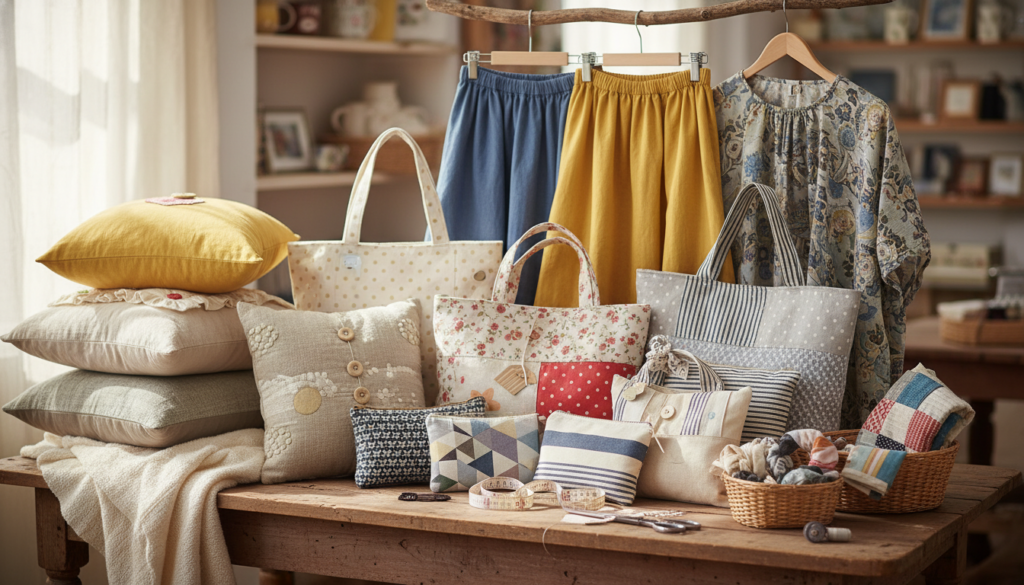
The classic tote bag represents the perfect beginner sewing project. This pattern requires only straight lines and basic sewing skills. You’ll create a practical bag that you can use for shopping, beach trips, or everyday errands.
Most tote bag patterns need just one yard of fabric. Choose medium-weight cotton or canvas for structure and durability. The entire project takes about two hours from cutting to completion.
Cut two rectangles for the bag body
Cut two strips for comfortable handles
Sew side seams with straight stitches
Attach handles securely at the top
Finish edges with a simple hem
Drawstring Bag Tutorial
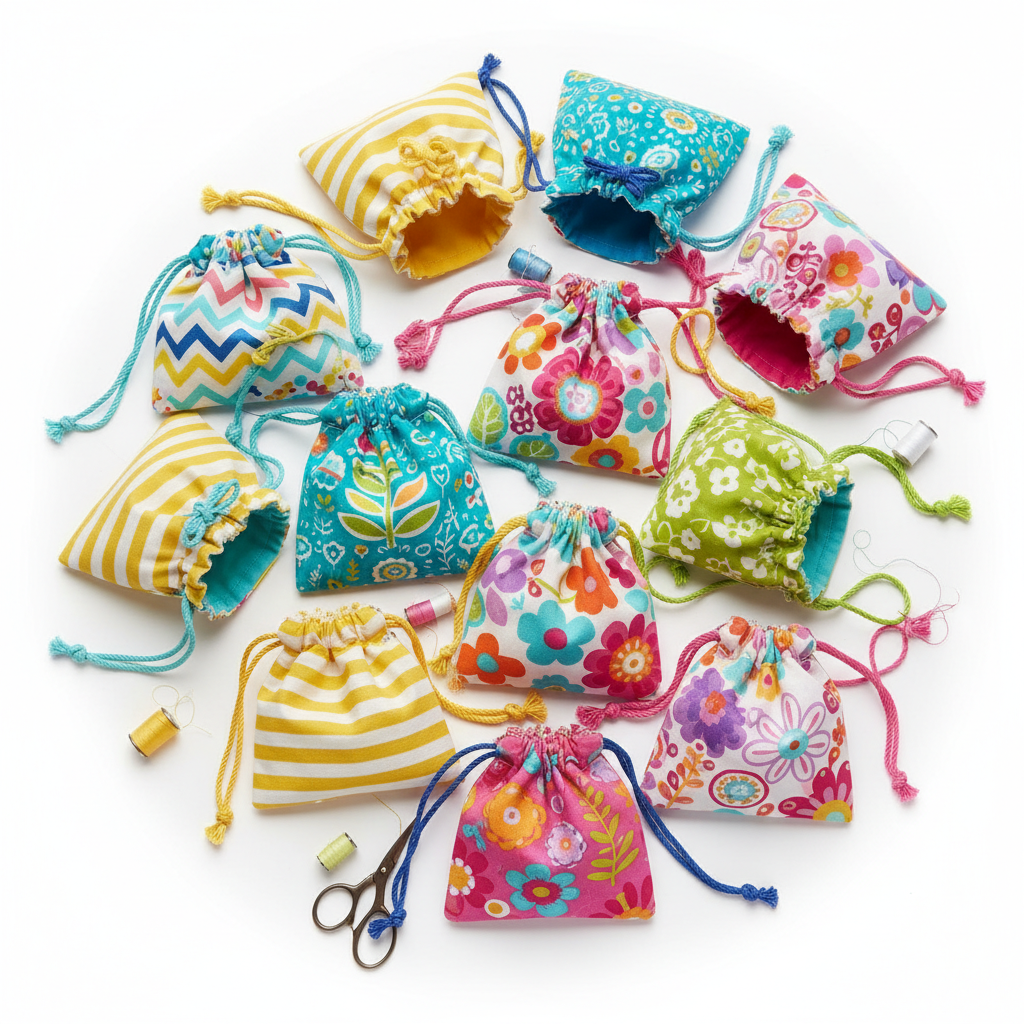
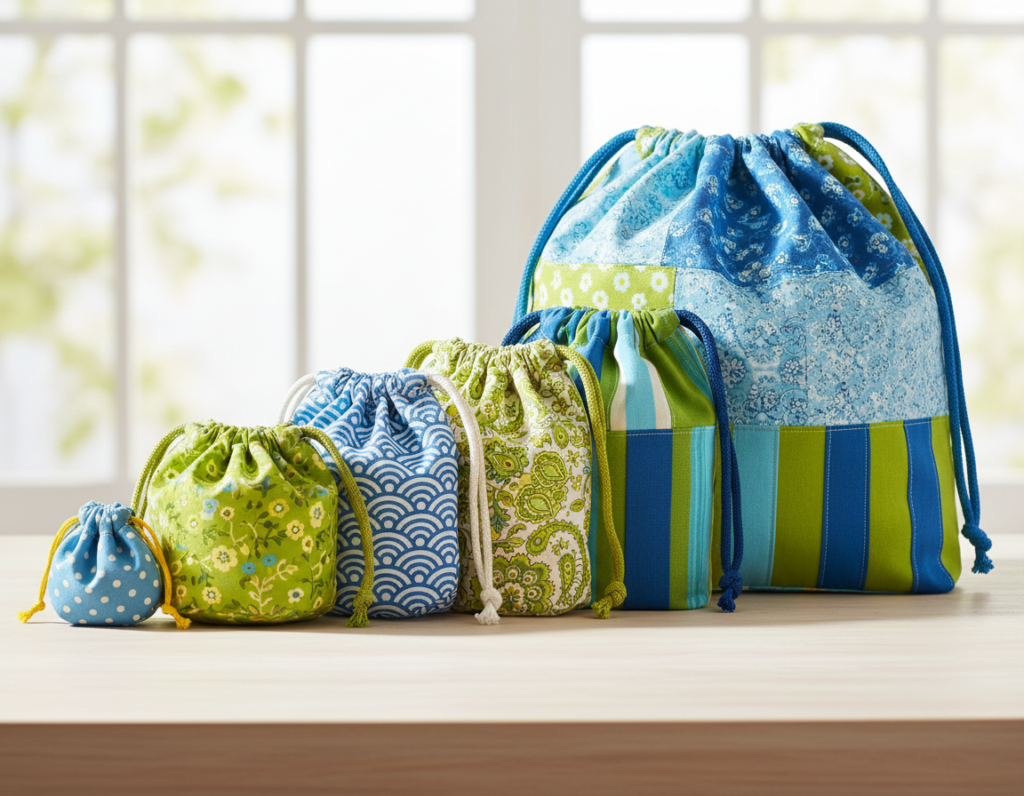
A drawstring bag offers a great way to practice channels and casings. This small project works perfectly for storing toys, organizing travel items, or creating gift bags.
The bag uses a simple rectangular pattern with a folded channel at the top. Threading the drawstring through the casing creates the closure. This technique appears in many sewing projects, making it valuable to master early.
Fabric scraps work wonderfully for these small bags. You can make several bags in one afternoon, experimenting with different fabrics and sizes.
Zippered Pouch Project
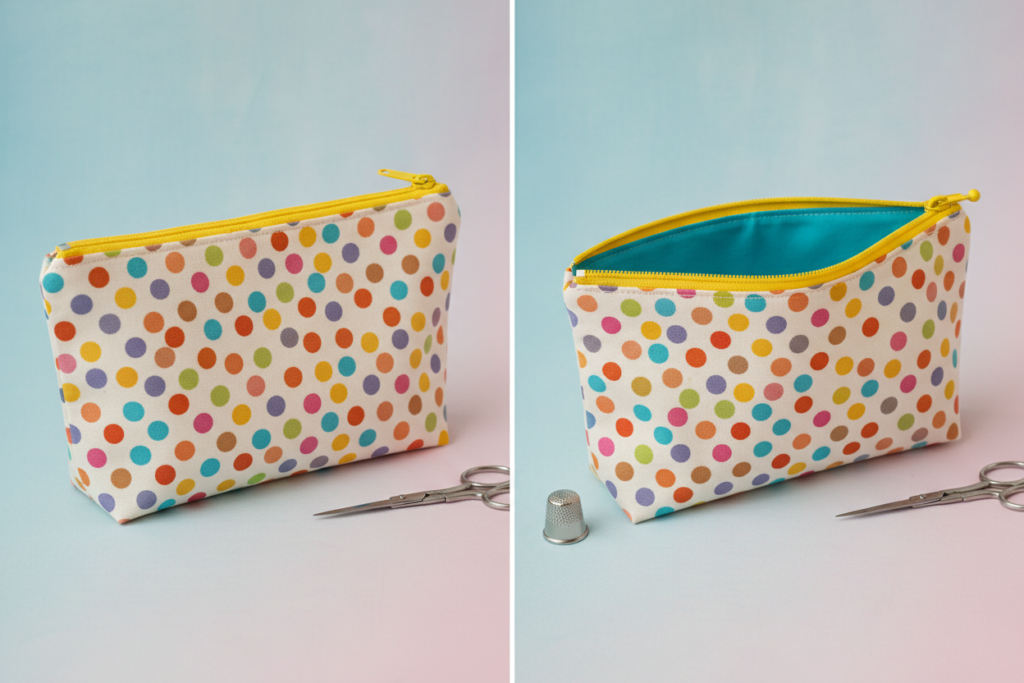
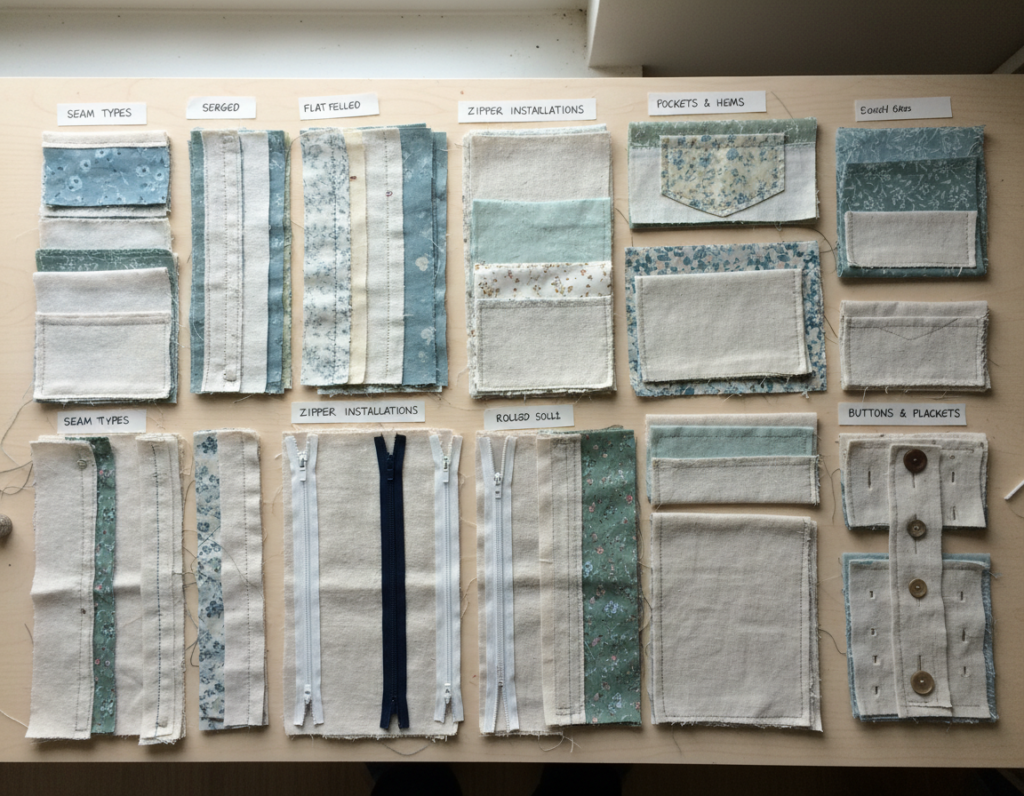
Installing a zipper might seem intimidating, but it becomes easy with the right approach. A simple zippered pouch teaches this valuable skill using a forgiving format.
This pouch pattern uses a flat zipper installation method that’s much easier than other techniques. You’ll create a useful bag for makeup, pencils, or small accessories while mastering zipper installation.
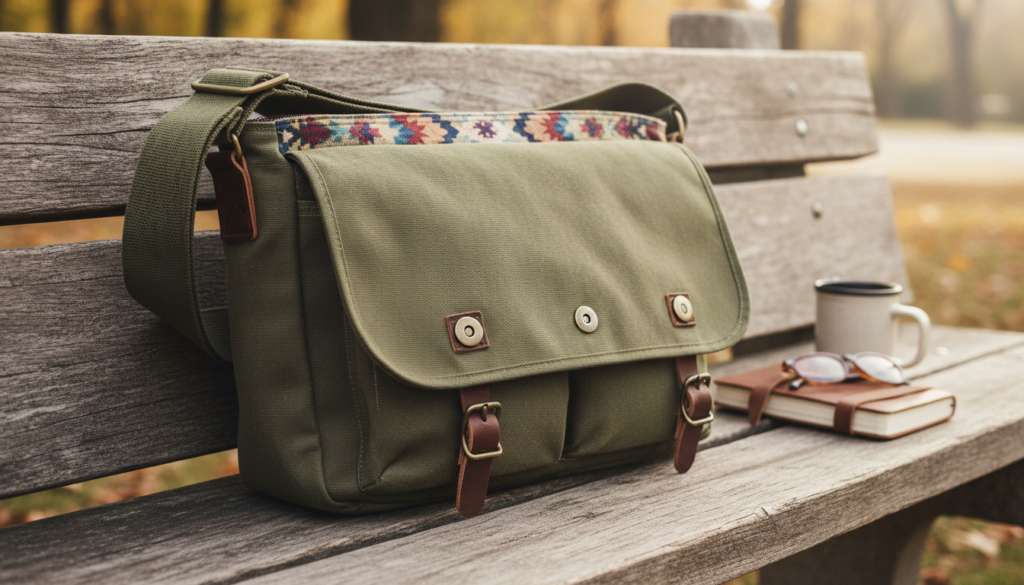
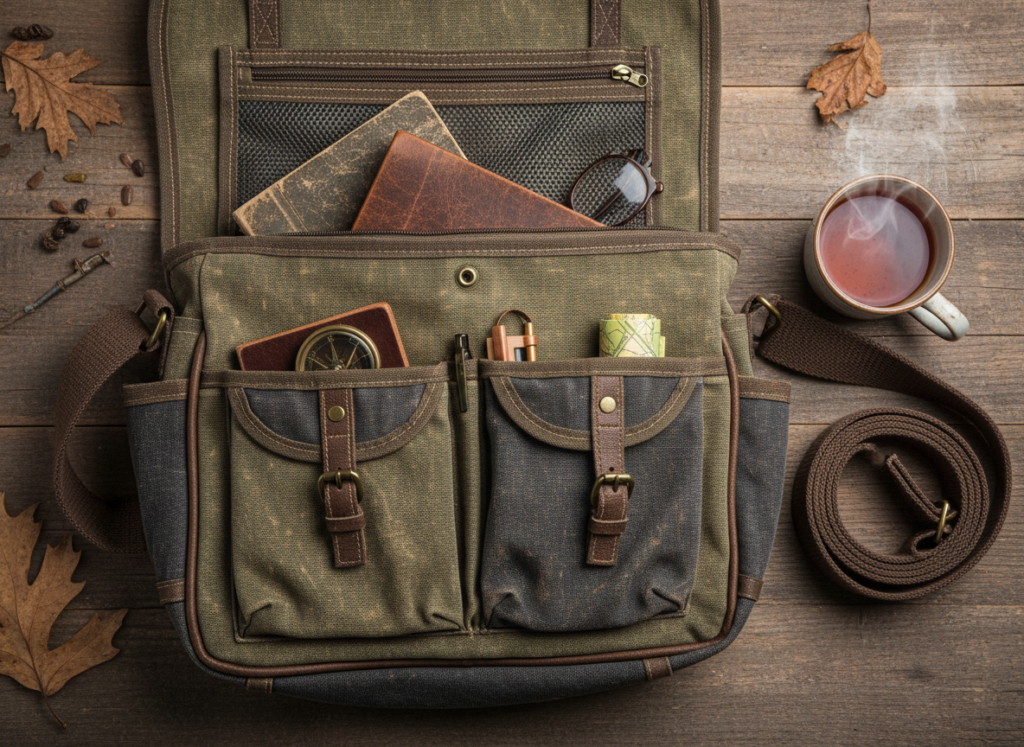
Once you master basic bag construction, try a messenger bag for your next challenge. This project combines skills you’ve learned while introducing a flap closure and adjustable strap.
The messenger bag uses interfacing to create structure and stability. You’ll practice installing hardware like magnetic snaps or buttons. The adjustable strap introduces slider hardware that expands your sewing repertoire.
This bag makes a great gift and offers endless customization options. Add pockets for organization or decorative elements to make it uniquely yours.
Quick Home Decor Sewing Projects
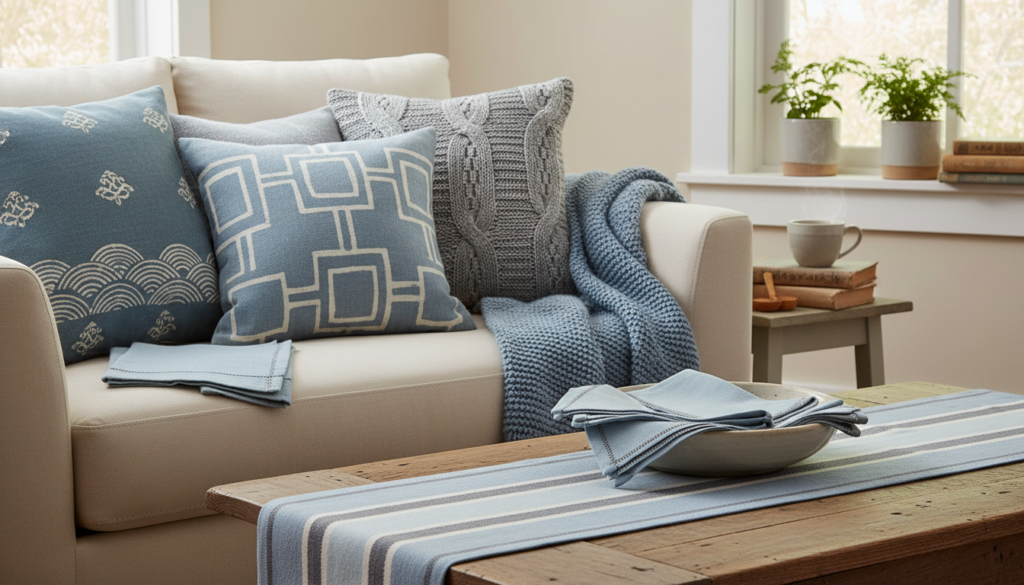
Home decor projects let you beautify your space while practicing sewing skills. These projects often use straight lines and simple construction, making them perfect for beginners.
Simple Pillow Covers
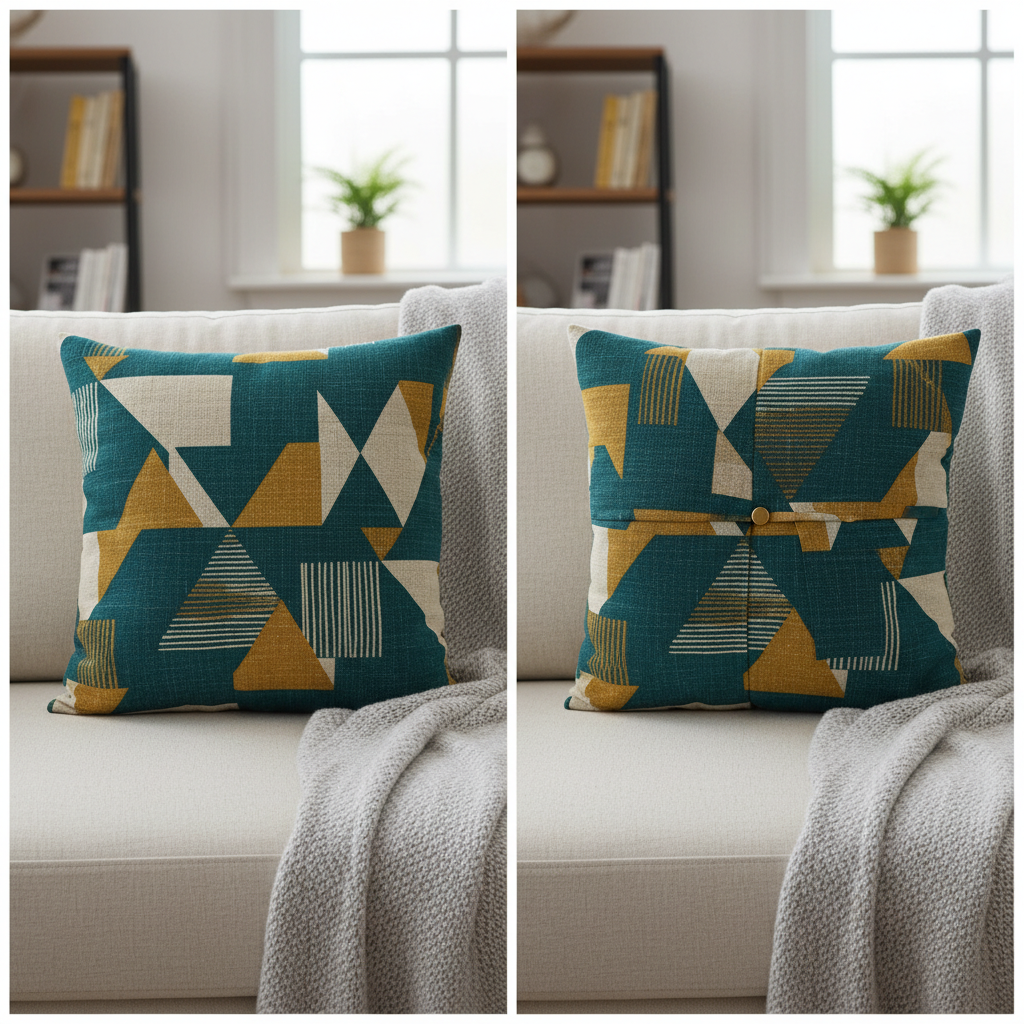
Pillow covers represent one of the easiest beginner sewing projects. You sew four straight seams to create something that transforms your living space instantly.
An envelope-style pillow cover requires no zipper or buttons. The overlapping back panels create the opening for inserting the pillow form. This clever design teaches professional finishing techniques without complicated closures.
Choose fabric that coordinates with your room
Cut squares slightly larger than your pillow form
Create overlapping back panels for easy removal
Sew around all four sides with neat corners
Turn right side out and insert pillow form
Table Runner Pattern
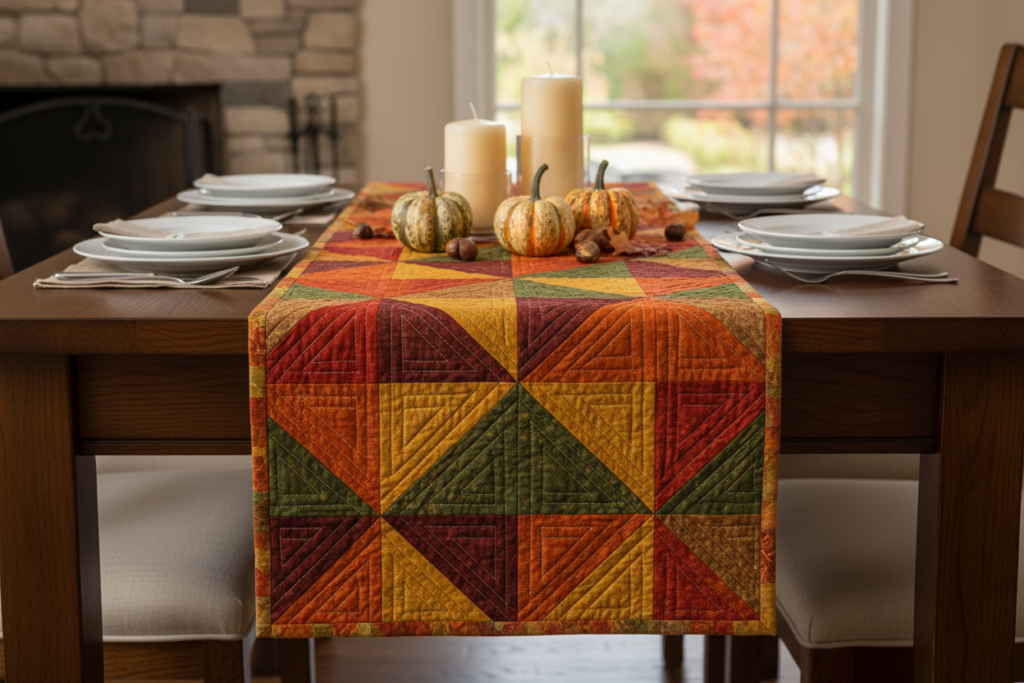
A table runner teaches you to work with longer fabric pieces while maintaining straight seams. This project also introduces mitered corners, a technique that creates professional-looking results.
You can make a table runner as simple or complex as you want. Start with a basic rectangle and hem, then add decorative stitching or patchwork as you gain confidence.
This project also makes a wonderful gift. Create seasonal runners for holidays or special occasions using themed fabrics.
Cloth Napkins Set
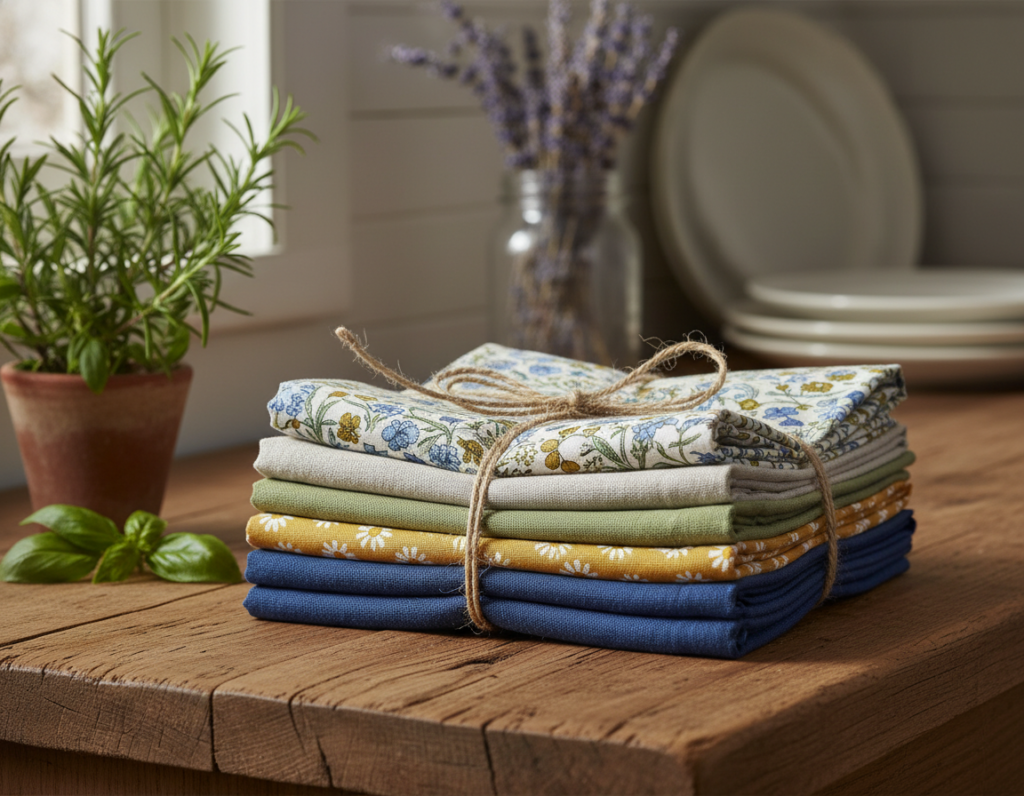
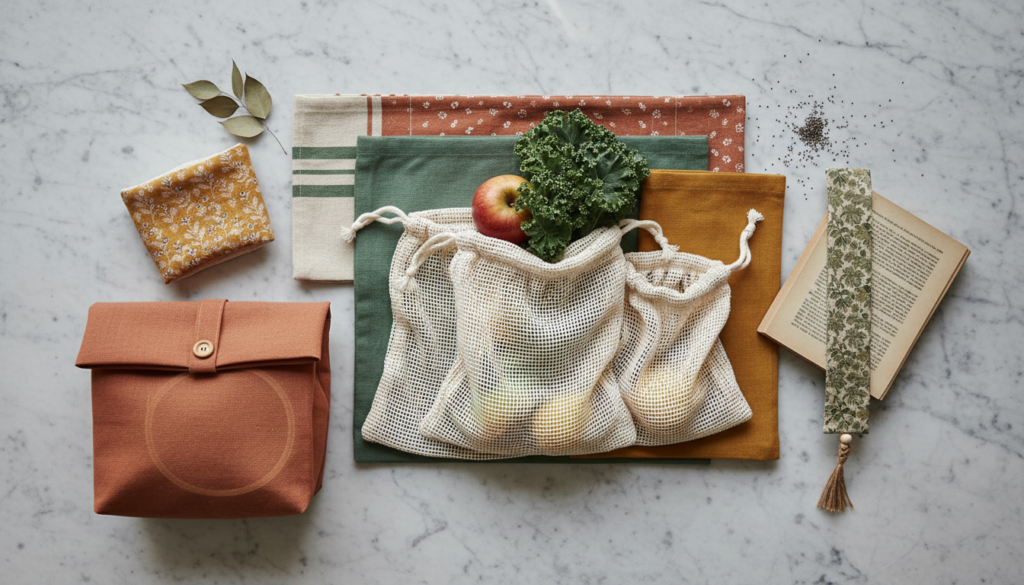
Cloth napkins offer an eco-friendly alternative to paper while giving you excellent hemming practice. Each napkin uses the same technique repeated on all four sides, building muscle memory for neat finishing.
Sewing a set of napkins in one afternoon gives you multiple finished items from minimal fabric. Mix and match fabrics for a charming, collected look that adds personality to your table.
Beginner Clothing and Accessories Projects
Creating wearable items feels incredibly rewarding. These beginner-friendly clothing projects use simple patterns and forgiving construction methods.
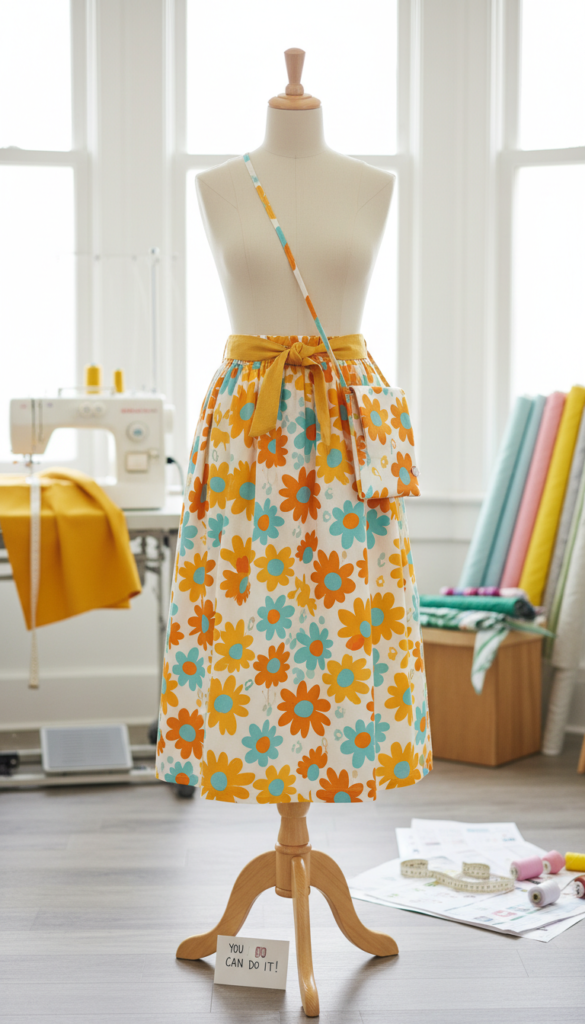
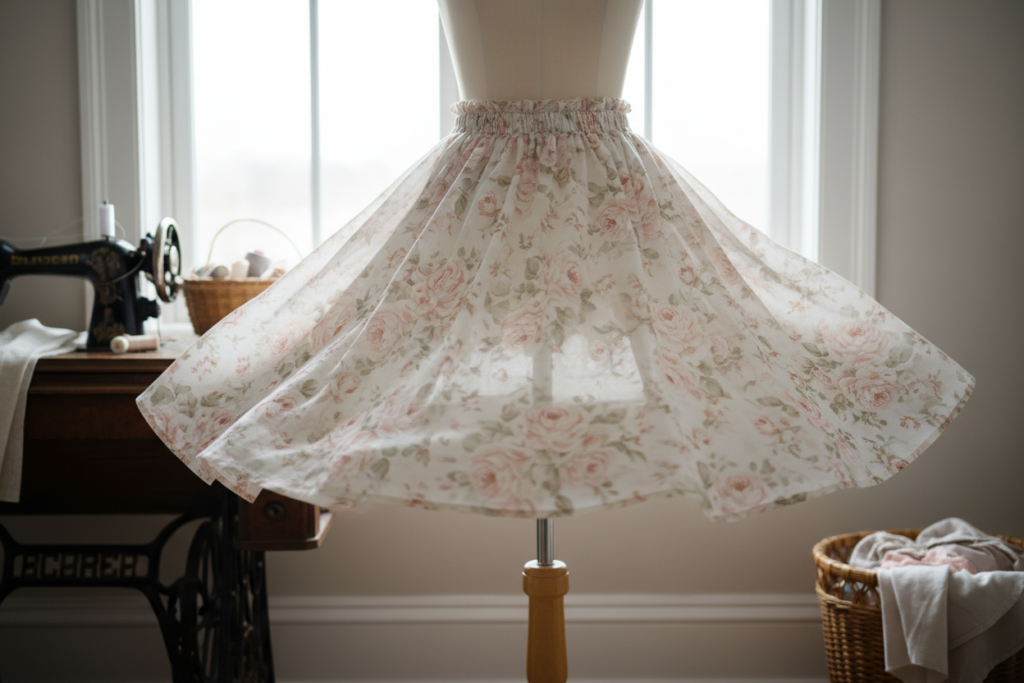
Easy Elastic Waist Skirt
An elastic waist skirt eliminates complicated zippers and waistbands while creating a wearable garment. This project teaches you to sew curves and create a casing for elastic.
Choose lightweight cotton or rayon for easy handling and comfortable wearing. The gathered skirt silhouette forgives small mistakes and adjusts to different sizes easily.
Measure your waist and desired length accurately
Cut fabric rectangle with gathering allowance
Sew side seam to create tube shape
Create casing at waist for elastic insertion
Thread elastic through and secure ends
Hem bottom edge for clean finish
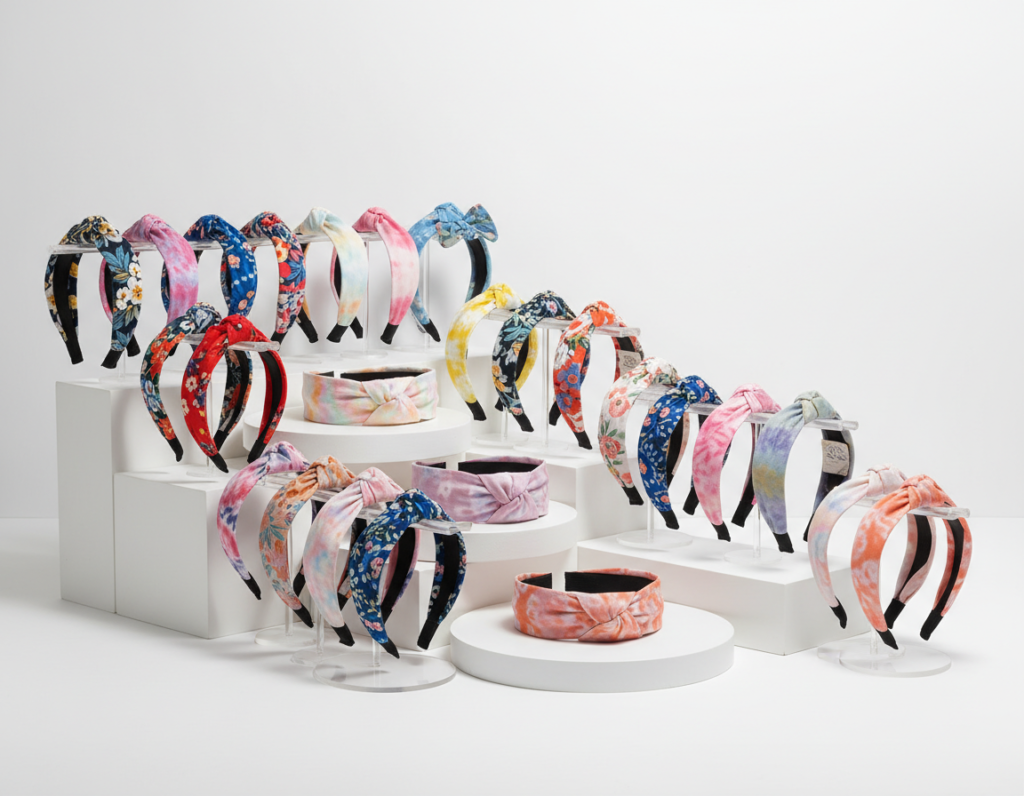
Simple Scrap Fabric Headband
Fabric headbands use up small fabric scraps while creating cute accessories. This quick project takes less than thirty minutes and requires minimal fabric.
You can make reversible headbands by choosing two coordinating fabrics. The simple construction involves sewing a long tube, turning it right side out, and adding elastic at the ends.
Take Your Sewing Skills to the Next Level
These free patterns are just the beginning. Discover hundreds of professional sewing patterns and techniques that will transform you from nervous beginner to confident creator in weeks, not years.
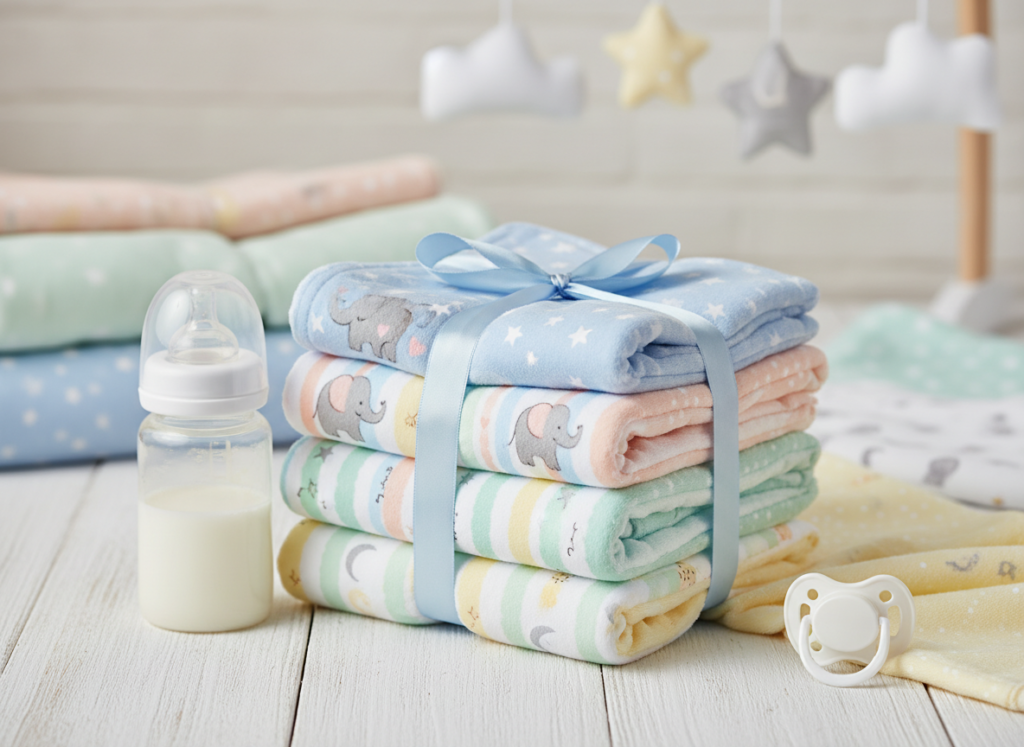
Baby items make excellent beginner sewing projects because they’re small, use minimal fabric, and make wonderful gifts. Burp cloths, simple bibs, and receiving blankets all use basic sewing techniques.
These projects work perfectly for using up fabric scraps. You can create coordinating sets from leftover fabric from other projects, making your sewing more economical and sustainable.
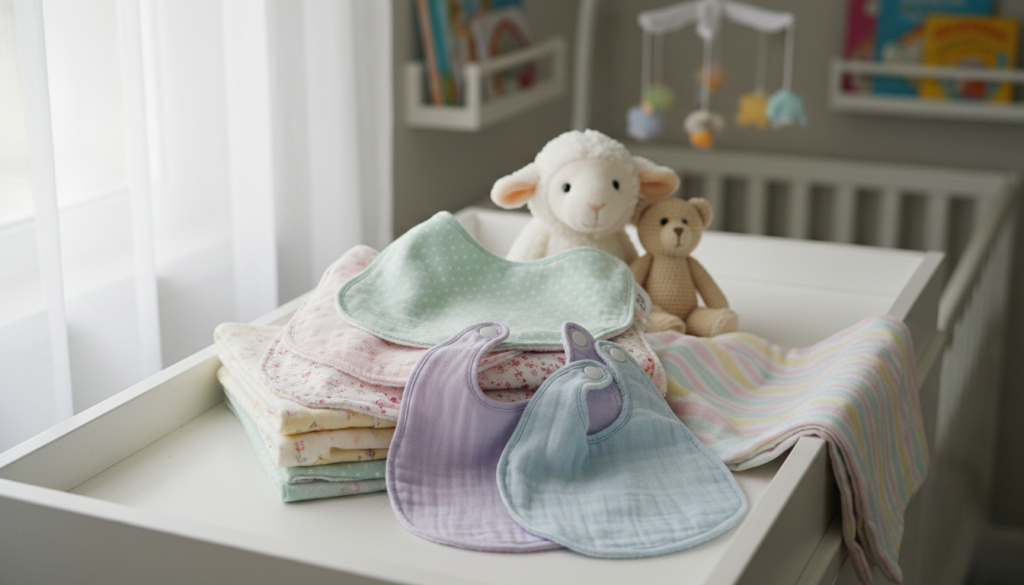
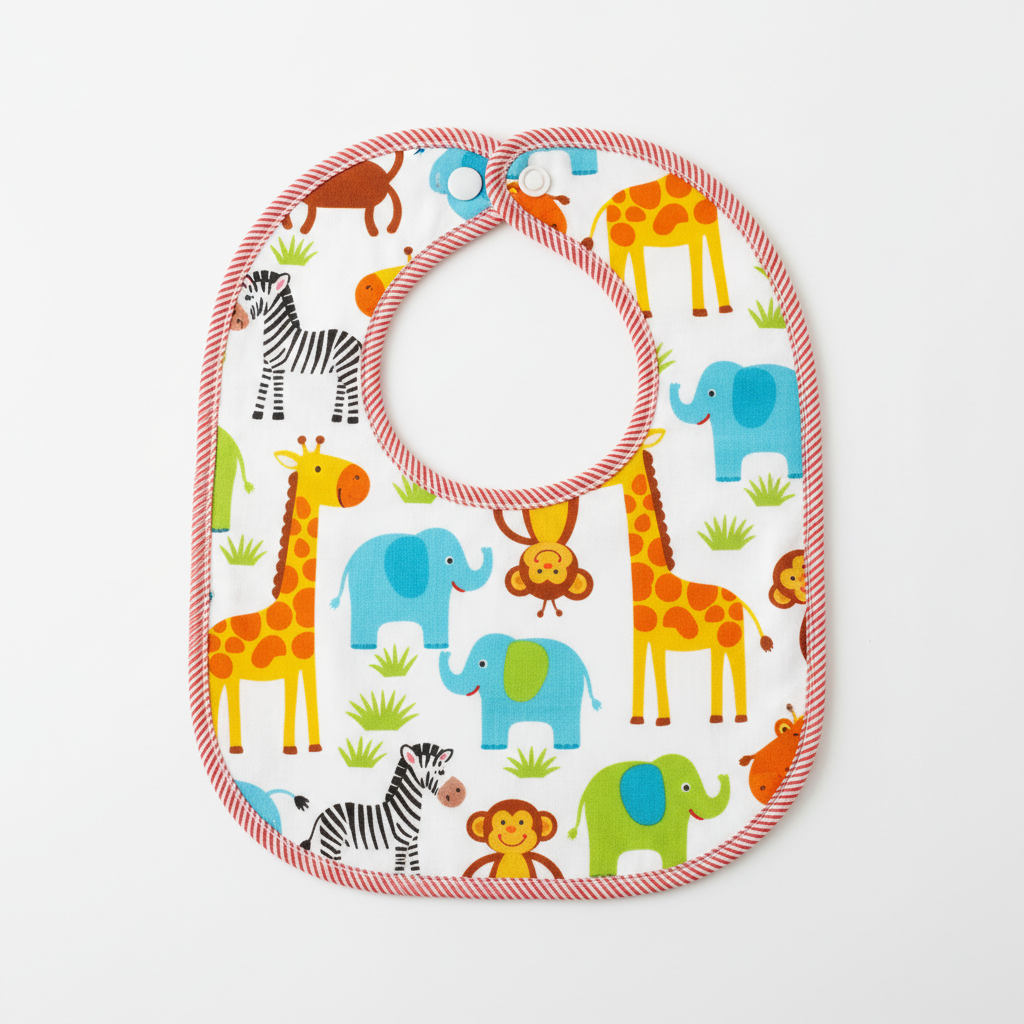
Simple Baby Bib Pattern
A basic baby bib teaches you to sew curves and apply binding. This small project builds skills without requiring much time or fabric investment.
Use absorbent cotton fabrics for the bib front and backing. Add a layer of terrycloth or fleece between the layers for extra absorbency. Snap closures or velcro make the bib adjustable and easy to fasten.
Burp Cloth Set
Burp cloths might be the easiest baby gift you can sew. These rectangular pieces simply layer absorbent fabric between two cotton prints, then stitch around the edges.
Make several burp cloths from one yard of fabric. New parents always need extras, making a set of four to six burp cloths a thoughtful and practical gift.
Practical Everyday Sewing Projects
The most satisfying sewing projects are ones you use daily. These practical items combine function with the joy of creating something handmade.
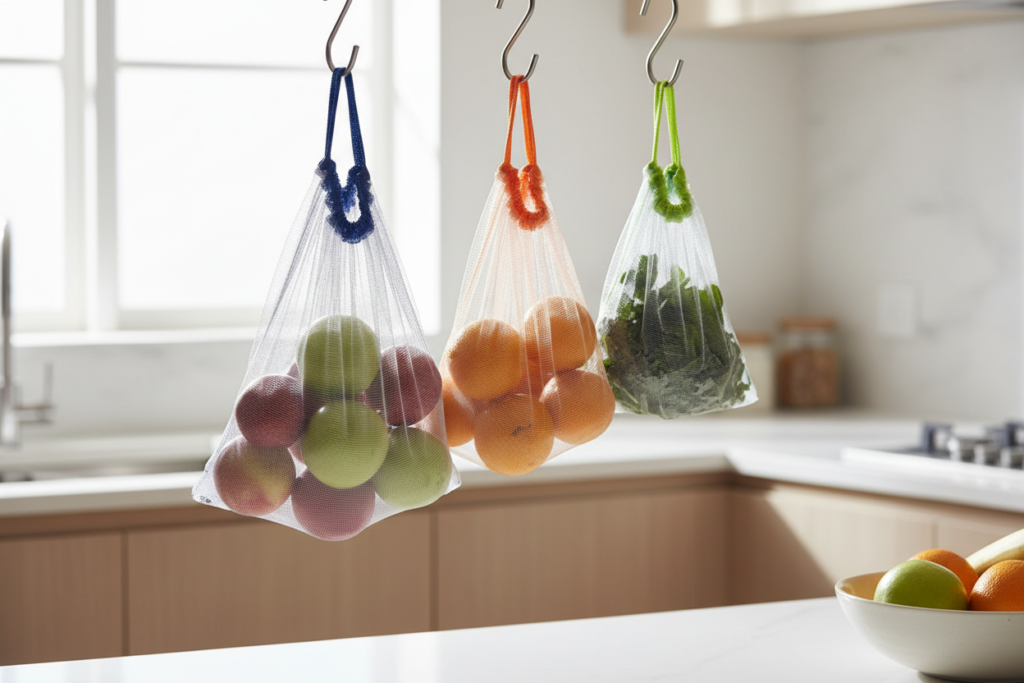
Reusable Produce Bags
Replace plastic produce bags with washable fabric versions. This eco-friendly sewing project uses lightweight fabric and a simple drawstring closure.
Mesh fabric or lightweight cotton lawn works perfectly for these bags. You can see the contents while keeping produce fresh. Make bags in different sizes for various fruits and vegetables.
Choose breathable fabric like mesh or cotton
Sew simple rectangular bags in various sizes
Add drawstring closure at top opening
Create tare weight tags for grocery checkout
Make multiple bags for different produce types
Coffee Cup Sleeve
A fabric coffee cup sleeve makes a quick gift and practices quilting basics. This small project layers fabric with batting, creating an insulated sleeve that protects your hands from hot drinks.
Customize sleeves with decorative stitching or applique. Add a button and elastic loop closure or use velcro for adjustability.
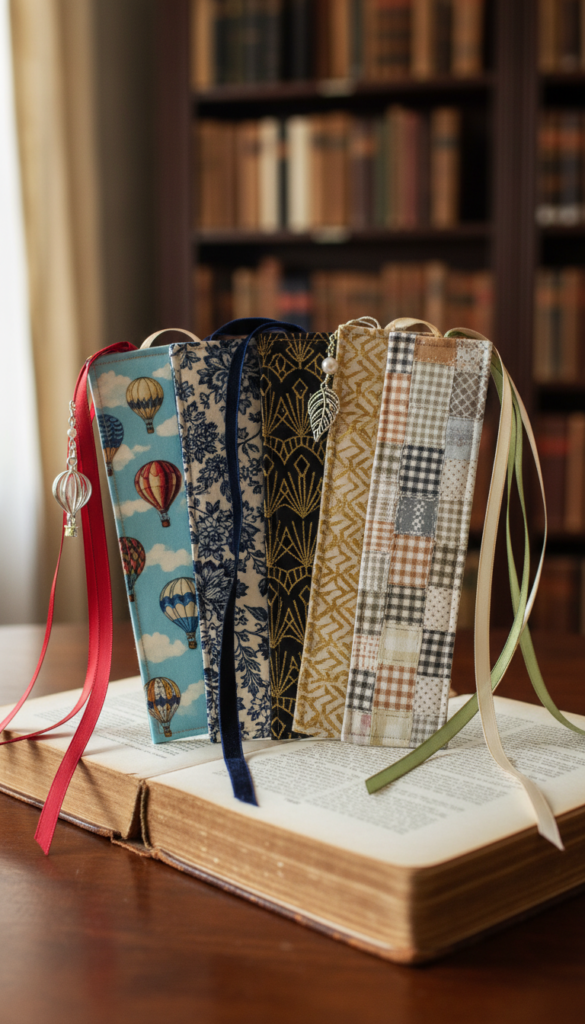
Fabric Bookmark
Fabric bookmarks use tiny fabric scraps while creating thoughtful gifts. This scrap project takes just minutes and helps you practice neat topstitching and straight seams.
Layer fabric with interfacing for body, then add a ribbon tail for marking pages. Decorative stitching or embroidery personalizes each bookmark.
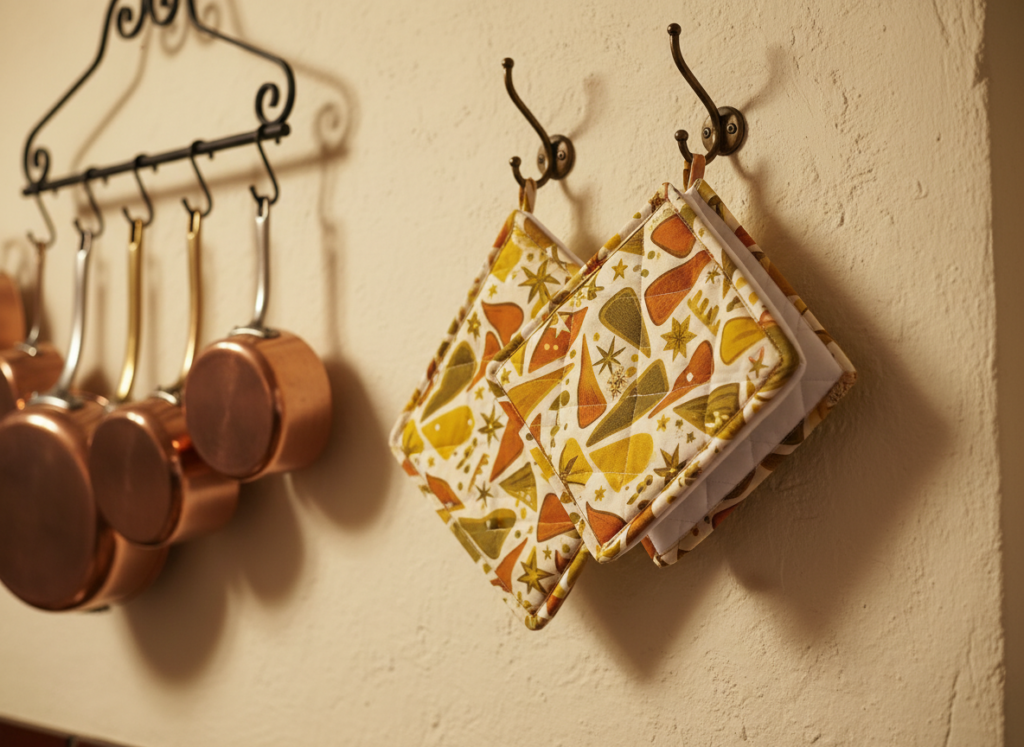
Oven Mitt and Pot Holder Set
Kitchen textiles combine practicality with sewing skill building. An oven mitt teaches you to work with curves and thick layers while creating something you’ll use constantly.
Use cotton fabric with heat-resistant batting like Insul-Bright. This specialized batting protects your hands from heat while remaining thin enough to sew through easily.
A matching pot holder coordinates with your oven mitt and offers a simpler project that uses the same techniques. Create sets as gifts or for your own kitchen.
Essential Sewing Skills Every Beginner Should Master
Building solid foundational skills makes every sewing project easier and more enjoyable. Focus on mastering these techniques through your beginner sewing projects.
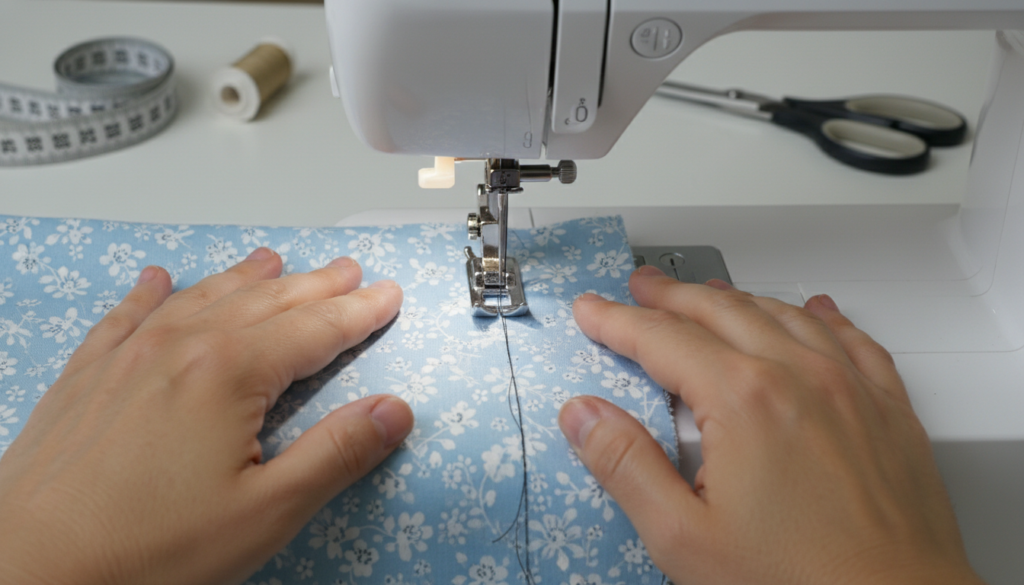
Straight Line Sewing Mastery
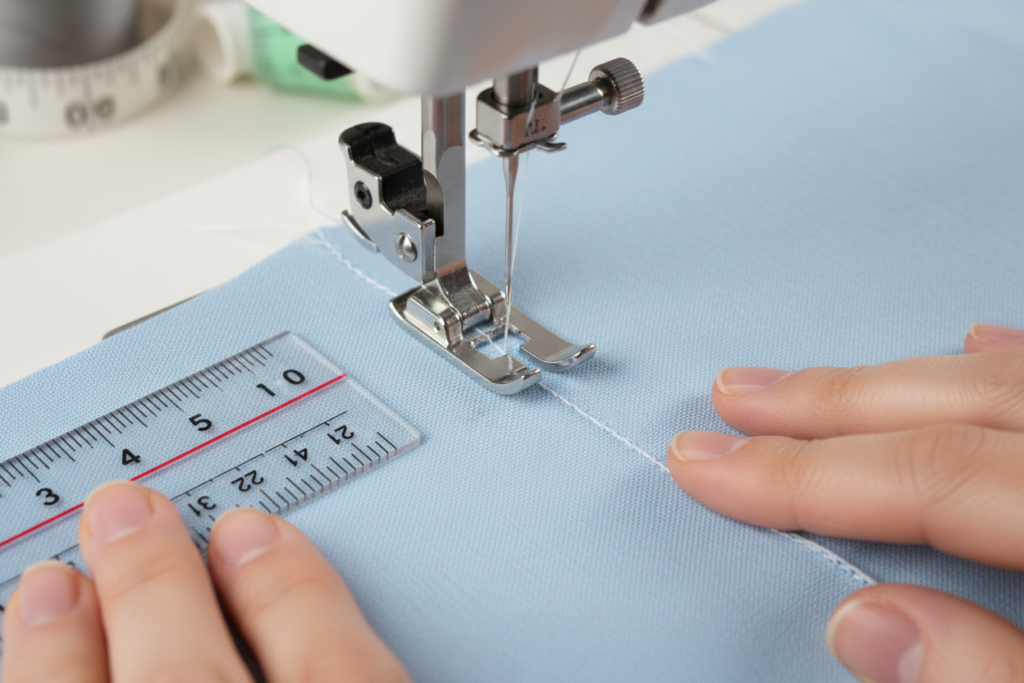
Straight lines form the foundation of most sewing projects. Practice maintaining consistent seam allowances by following the markings on your sewing machine throat plate.
Start with scrap fabric to build confidence. Sew straight lines without thread, focusing on guiding the fabric smoothly. This practice helps develop muscle memory before working on actual projects.
Use throat plate markings as seam guides
Maintain consistent fabric feeding speed
Guide fabric gently without pulling or pushing
Practice quarter-inch and half-inch seam allowances
Press seams flat before adding another seam
Clean Corner Construction
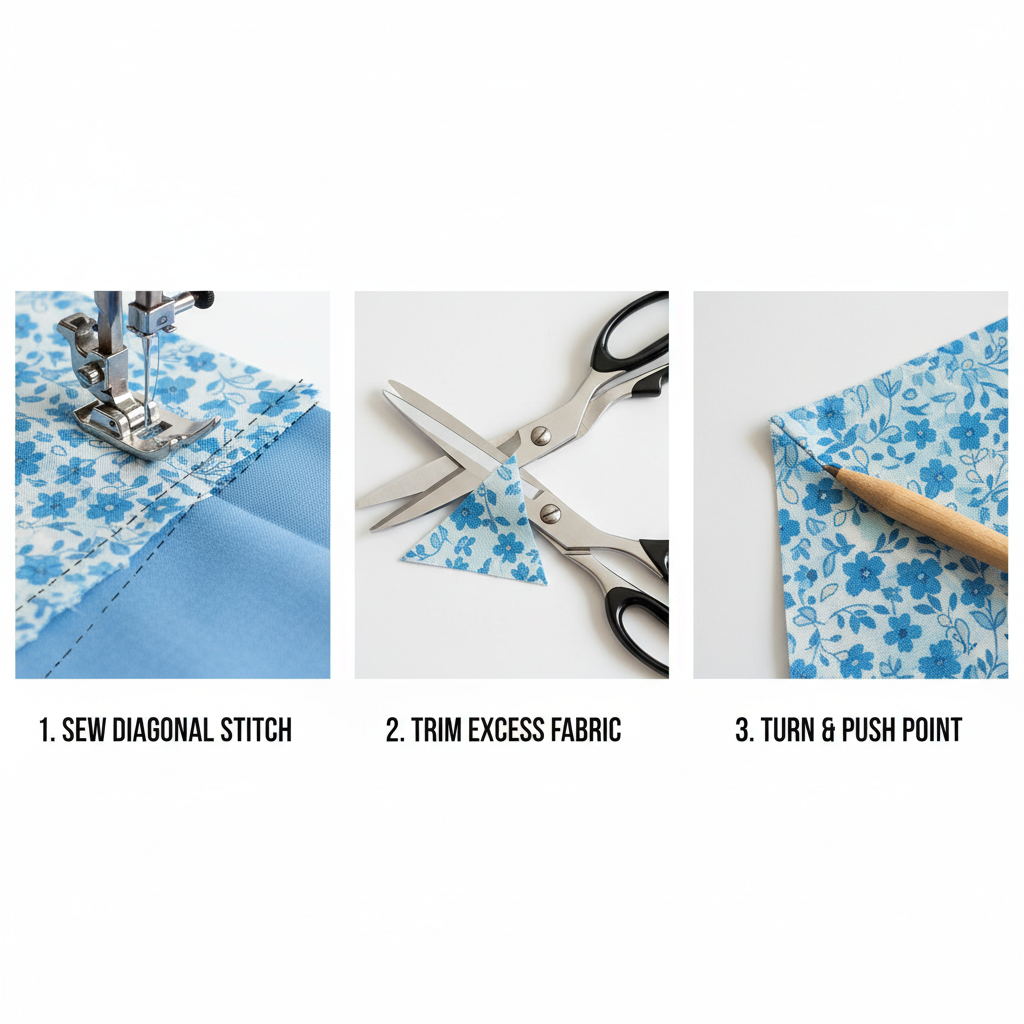
Neat corners elevate your finished projects from homemade to handmade. The trick involves stopping with the needle down, lifting the presser foot, and pivoting the fabric precisely at the corner point.
Trim corners before turning projects right side out. This simple step eliminates bulk and creates crisp points that look professional.
Proper Pressing Techniques
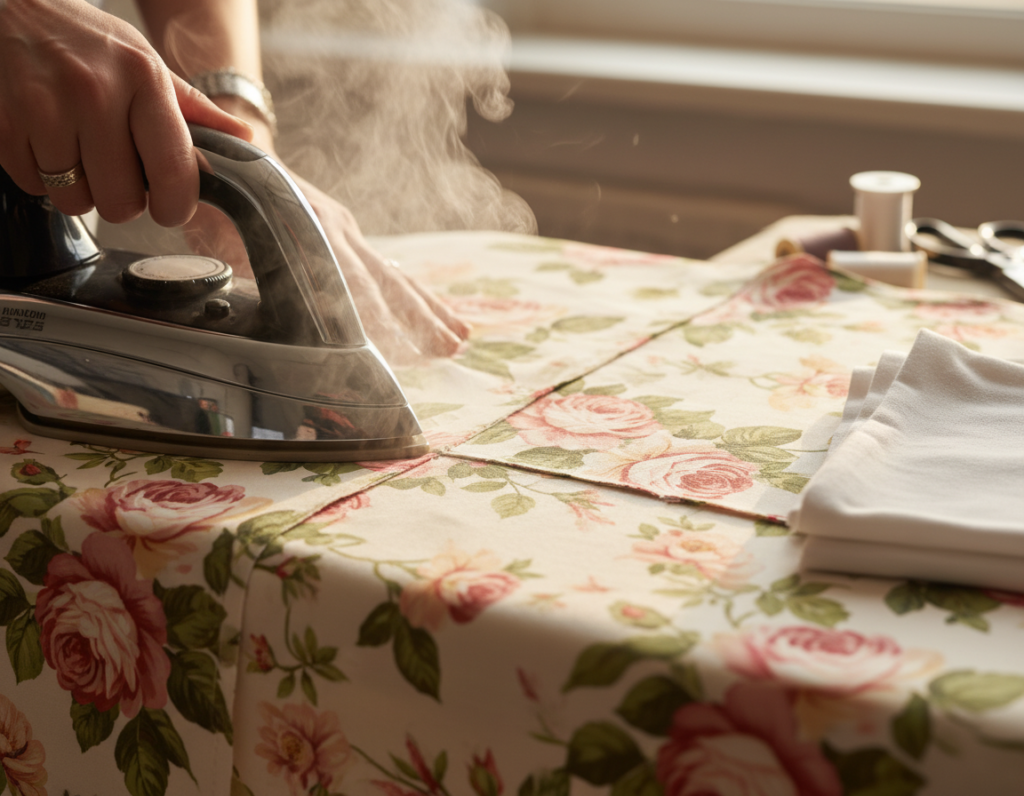
Your iron is just as important as your sewing machine. Pressing seams as you sew creates professional results and makes subsequent steps easier.
Press seams open or to one side depending on the project requirements. Use steam for natural fibers like cotton. Press from the wrong side first, then check the right side for puckers.
Learning to sew opens up a world of creativity and practical skills. Each project you complete builds confidence and teaches new techniques. The comprehensive sewing resource available through this guide expands on these fundamentals with detailed video tutorials and professional patterns.
Reading and Following Patterns
Free sewing patterns provide the roadmap for your projects. Learning to read pattern instructions saves time and prevents mistakes.
Start with simple patterns that have minimal pieces and straightforward instructions. As you gain experience, you’ll understand pattern terminology and symbols more easily.
Read entire pattern instructions before beginning
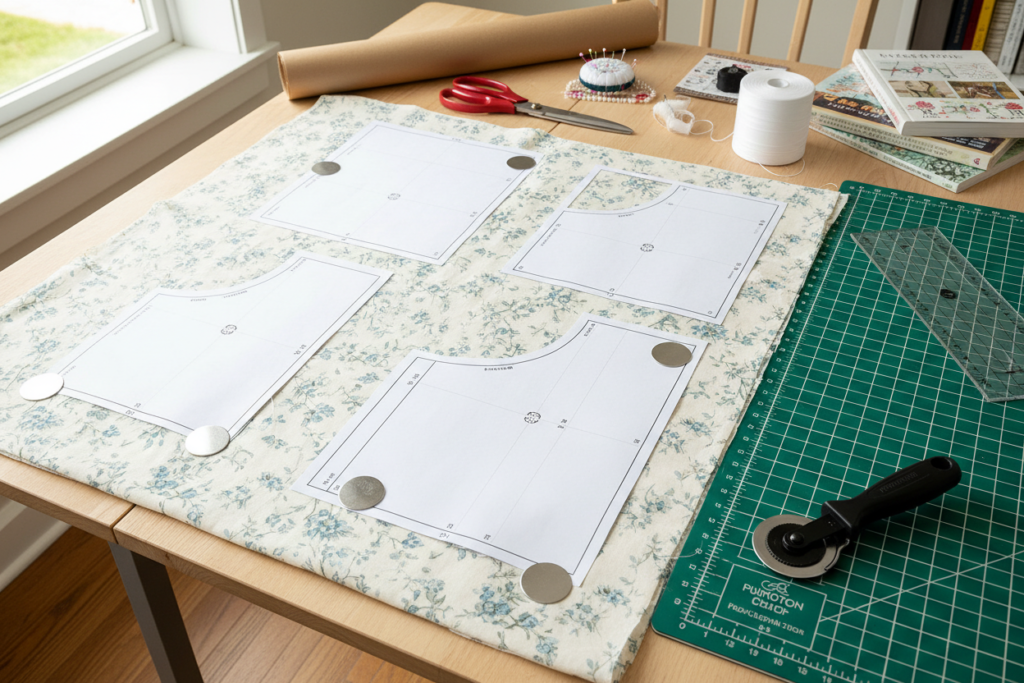
Cut pattern pieces carefully and accurately
Transfer all markings to fabric pieces
Follow construction order as written
Take your time with each step
Common Beginner Mistakes and How to Avoid Them
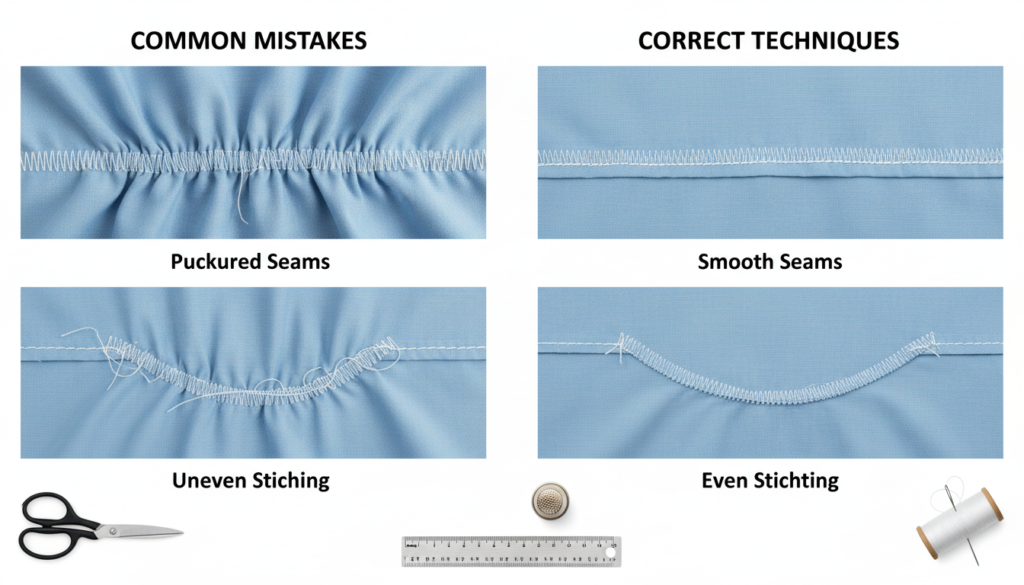
Every sewer makes mistakes while learning. Understanding common pitfalls helps you avoid frustration and create better projects from the start.
Skipping the Fabric Preparation
Prewashing fabric prevents shrinkage disasters after you complete your project. Cotton fabrics especially need washing and drying before cutting.
Press fabric smooth before cutting pattern pieces. Wrinkled fabric leads to inaccurate cuts and wasted materials.
Using Dull Needles and Blades
Sharp tools make sewing easier and produce better results. Change your sewing machine needle after every eight hours of sewing time or when starting a new project.
Keep fabric scissors sharp and use them only for fabric. Paper and other materials dull scissors quickly, making fabric cutting difficult and inaccurate.
Rushing Through Projects
Sewing requires patience and attention to detail. Taking your time with each step produces better results than rushing through to finish quickly.
Read instructions completely before beginning each step. Understanding what comes next helps you prepare properly and avoid mistakes.
Stop Making Costly Beginner Mistakes
Learn professional techniques from the start with expert guidance designed for beginners. Avoid wasted fabric, frustration, and hours of unpicking seams with step-by-step instruction that shows you the right way the first time.
Consistent seam allowances ensure project pieces fit together correctly. Most patterns use quarter-inch or half-inch seam allowances.
Mark seam allowances on your sewing machine with washi tape if the throat plate markings aren’t clear. This visual guide helps maintain consistency throughout your project.
Not Testing Stitch Settings
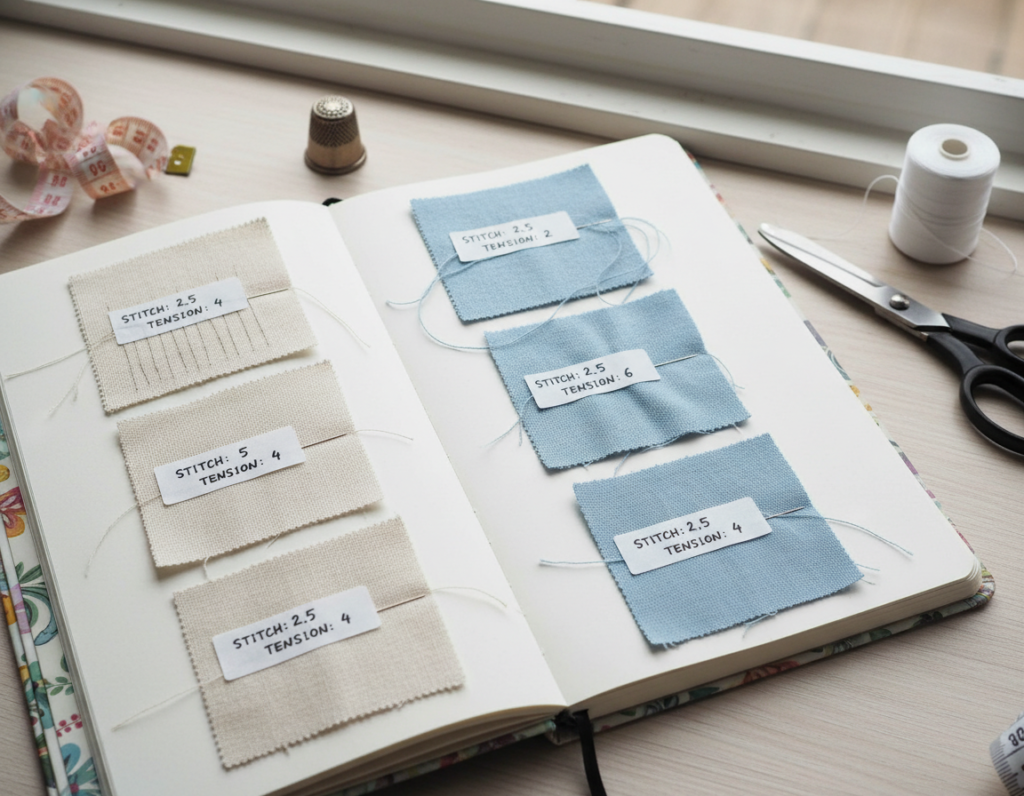
Always test stitch length and tension on fabric scraps before sewing your actual project. Different fabrics require different settings for optimal results.
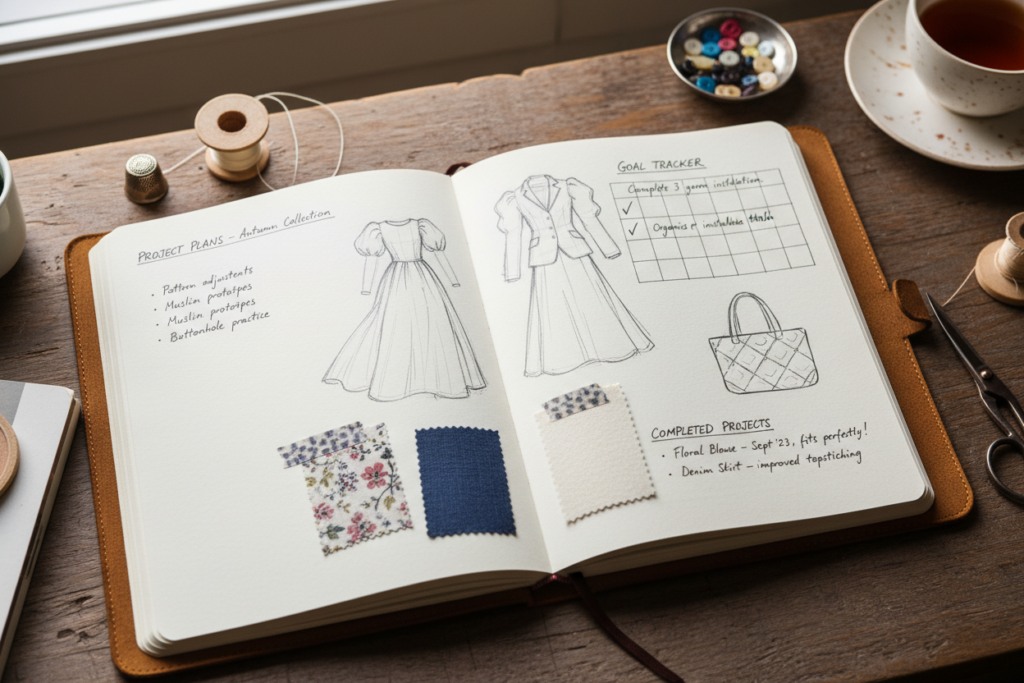
Keep a notebook with successful machine settings for various fabric types. This reference saves time on future projects using similar materials.
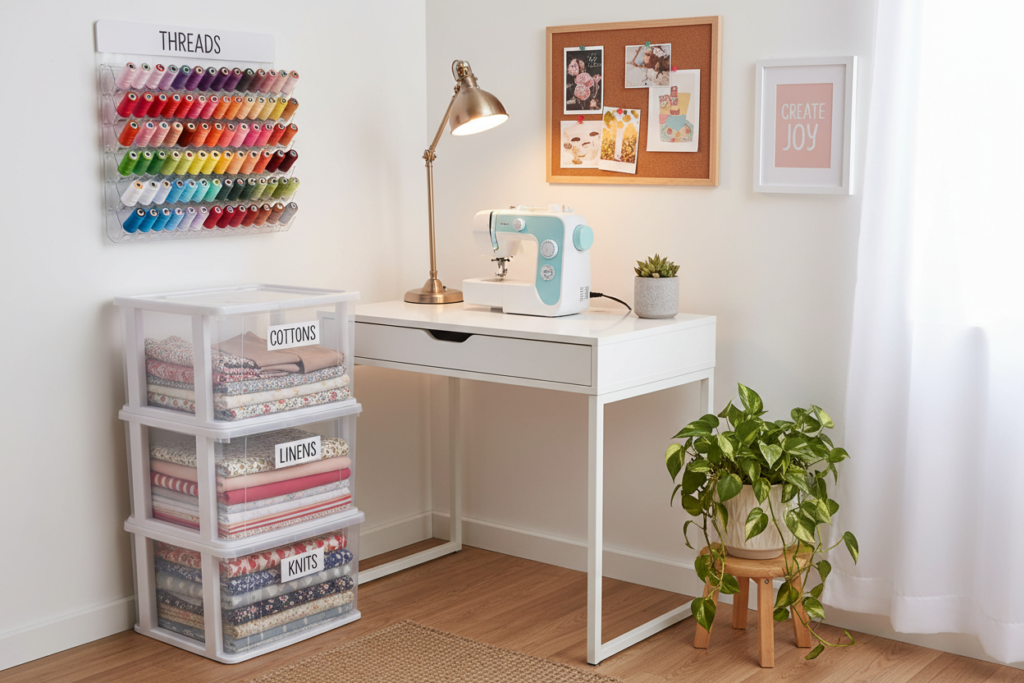
Creating an Inspiring Sewing Space
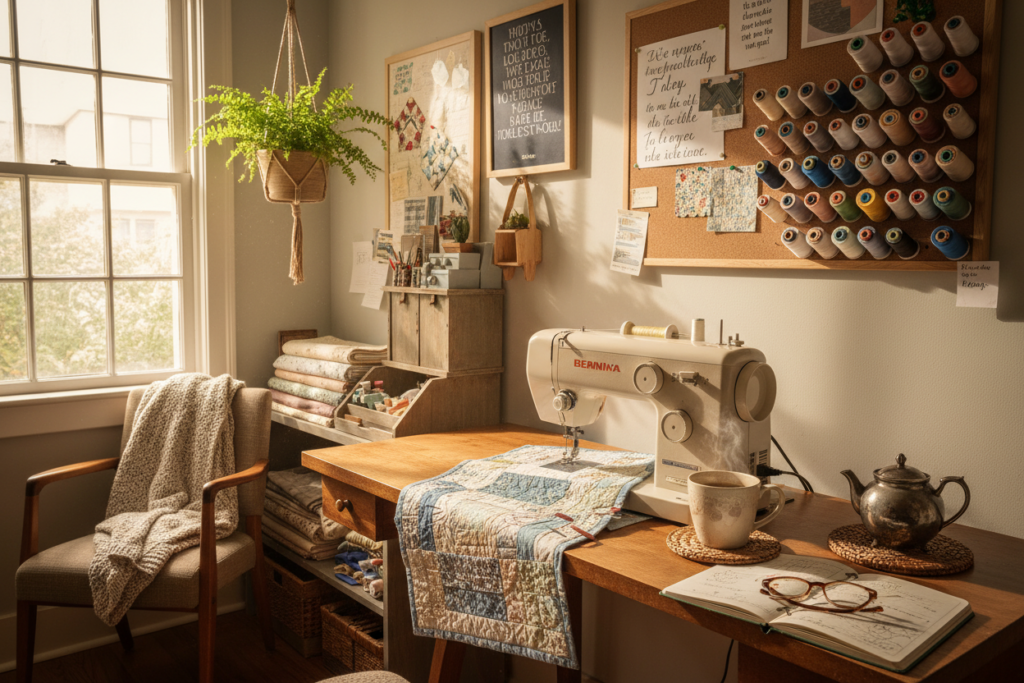
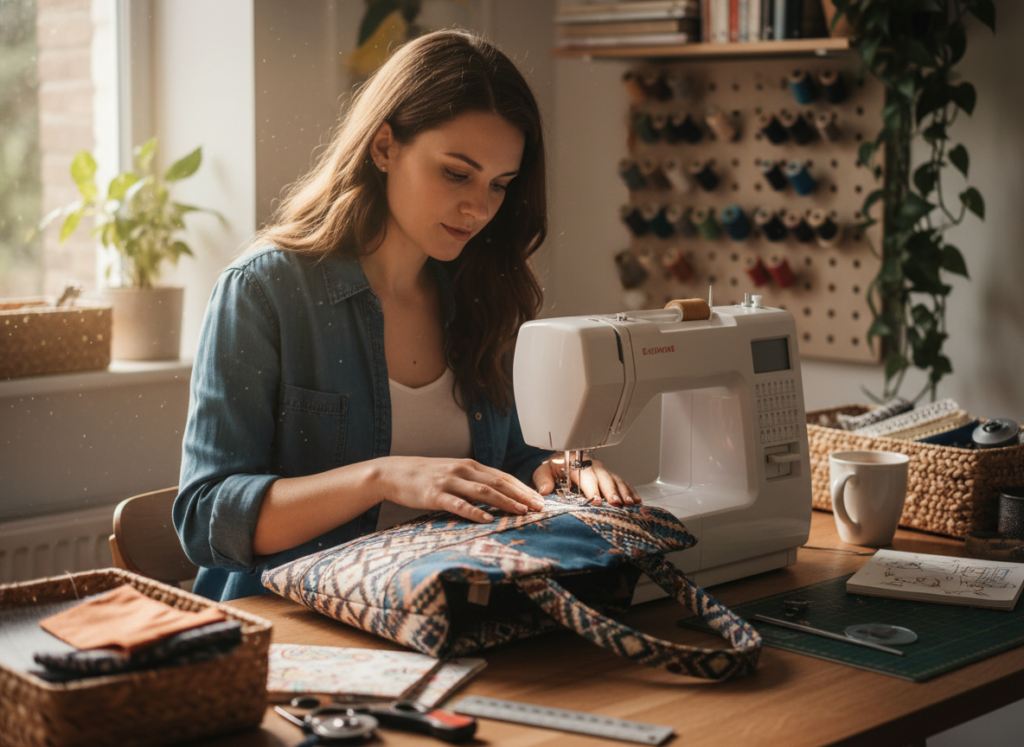
Your sewing environment affects your enjoyment and productivity. Even a small space can function beautifully with smart organization.
Storage Solutions That Work
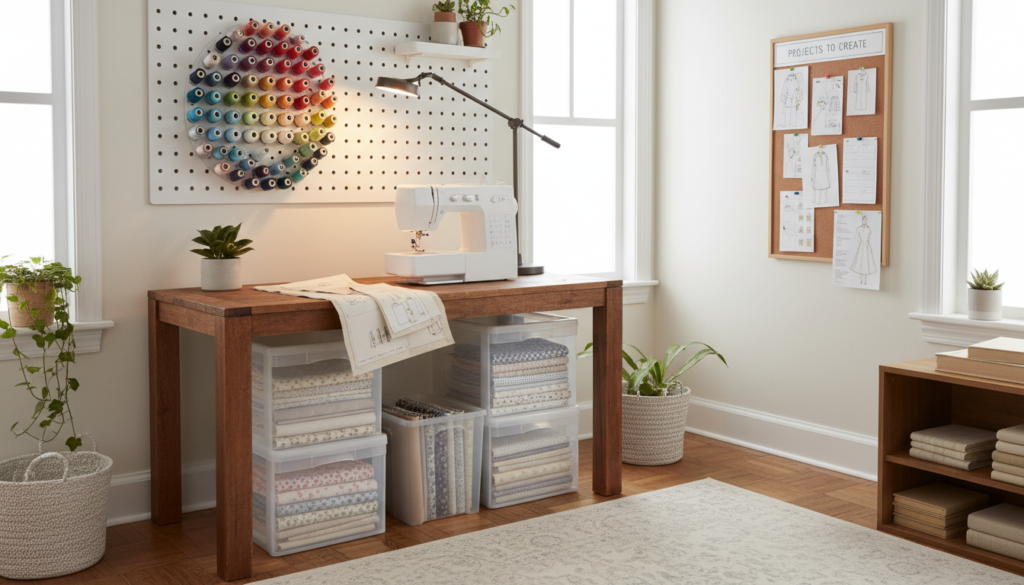
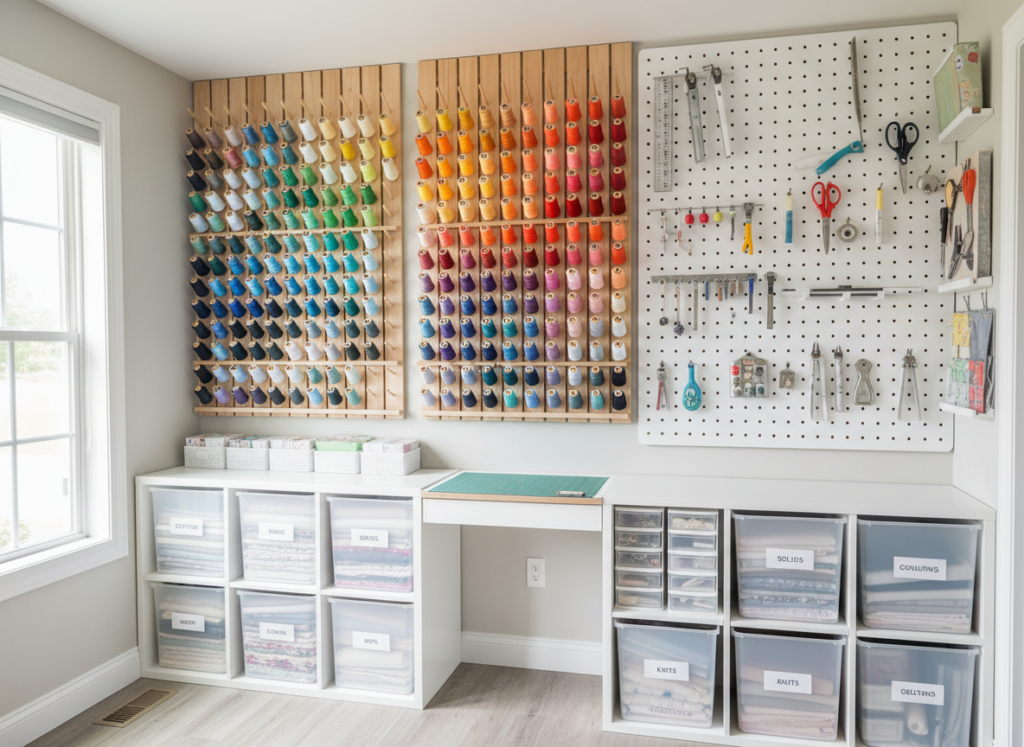
Keeping supplies organized makes sewing more enjoyable. Clear storage containers let you see fabric and notion inventory at a glance.
Vertical storage maximizes small spaces. Wall-mounted thread racks, pegboards for tools, and stacking bins for fabric keep everything accessible while saving floor space.
Store fabric by color or project type
Keep frequently used tools within arm’s reach
Label bins and containers clearly
Use drawer dividers for small notions
Maintain a scrap fabric bin for small projects
Good Lighting Makes Everything Easier
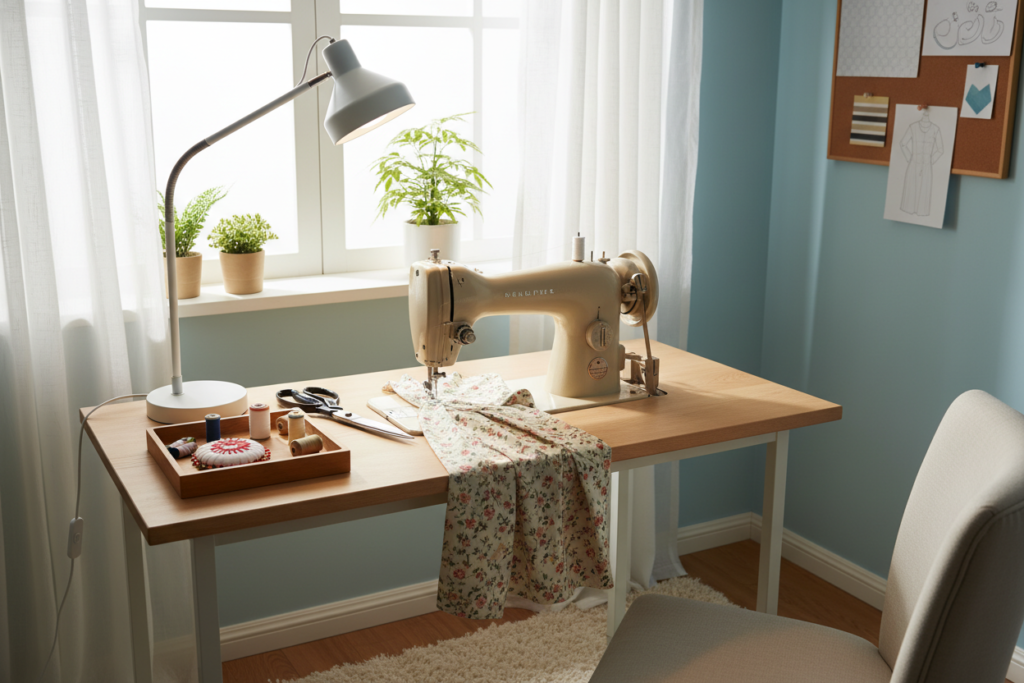
Proper lighting reduces eye strain and helps you see details clearly. Natural light works wonderfully during the day, but you need good task lighting for evening sewing sessions.
Position your sewing machine near a window if possible. Add a desk lamp or clip-on light that illuminates your work area directly.
Inspiration and Reference Materials
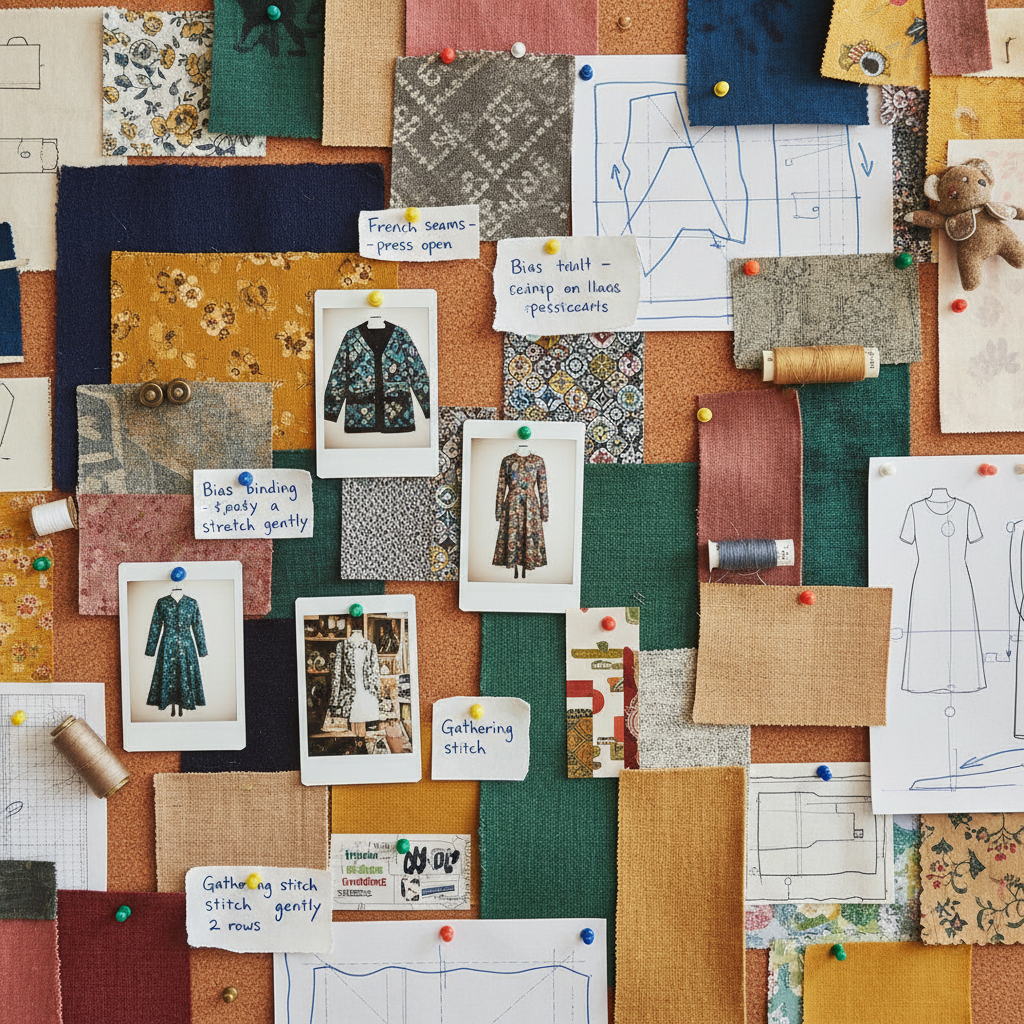
Keep inspiring images, favorite patterns, and technique references where you can see them. A bulletin board or Pinterest-inspired mood board keeps creative ideas flowing.
File completed projects in a photo album or digital folder. Looking back at your progress motivates continued learning and celebrates your growing skills.
Building Your Sewing Confidence and Skills
Confidence grows with each completed project. Start simple and gradually challenge yourself with new techniques and more complex patterns.
The Power of Practice Projects
Not every project needs to be perfect or permanent. Practice projects let you experiment with new techniques without pressure.
Make test versions using cheap fabric or thrift store sheets. This practice builds skills without fear of wasting expensive materials. Once you master the technique, recreate the project with your special fabric.
Learning from the Sewing Community
Connect with other sewers through online communities, local sewing groups, or social media. The sewing community offers incredible support, inspiration, and troubleshooting help.
Share your projects and ask questions without hesitation. Every experienced sewer started exactly where you are now. The community celebrates beginners and encourages growth.
Join online sewing forums and Facebook groups
Follow sewing blogs and YouTube channels
Attend local sewing classes or meetups
Share your work on Instagram or Pinterest
Ask questions when you’re stuck on a technique
Setting Realistic Sewing Goals
Create a sewing project list that includes both quick wins and challenging goals. Completing simple projects builds momentum while working toward bigger accomplishments keeps you motivated.
Dedicate regular time to sewing, even if it’s just thirty minutes a few times per week. Consistent practice develops skills faster than occasional marathon sewing sessions.
When to Push Your Boundaries
You’ll know you’re ready for new challenges when current projects feel comfortable and predictable. Slight nervousness about a new technique indicates perfect timing for growth.
Choose projects that introduce one new skill at a time. Building gradually prevents overwhelm while steadily expanding your capabilities. A structured learning path helps you progress logically from basic to advanced techniques.
Celebrating Your Progress
Document each finished project with photos. Over time, you’ll see dramatic improvement in your skills and the quality of your work.
Wear or use your handmade items proudly. When people compliment them and you say “I made it,” you’ll feel the incredible satisfaction that comes from creating something beautiful and functional with your own hands.
Start Your Sewing Journey Today
Beginning your sewing journey transforms how you interact with clothing, home decor, and handmade gifts. These beginner sewing projects easy free pattern ideas give you the foundation to create beautiful, functional items while building valuable skills.
Start with one simple project that excites you. Gather your supplies, follow the pattern carefully, and enjoy the creative process. Don’t worry about perfection on your first attempts.
Each project teaches new skills and builds your confidence. The tote bag you sew today prepares you for the messenger bag next month. The pillow cover leads to quilts and garments down the road.
Remember that every expert sewer started as a beginner. The difference between wishing you could sew and actually sewing is simply taking that first step. Choose your first beginner sewing project today and discover the satisfaction of creating something with your own hands.
Transform Your Sewing Skills Forever
You’ve learned the basics here, but imagine having access to hundreds of professional patterns, video tutorials, and expert guidance whenever you need it. Stop piecing together free information and get everything you need to become a confident, skilled sewer in one comprehensive resource.
Your creative journey awaits. Those fabric scraps in your closet can become beautiful bags. That old sheet can transform into pillow covers. With basic sewing skills and free patterns, you’ll create items that reflect your personal style while saving money and reducing waste.
The sewing community welcomes you with open arms. Share your projects, ask questions, and celebrate every finished item. Most importantly, enjoy the peaceful, meditative quality of creating something by hand in our fast-paced digital world.