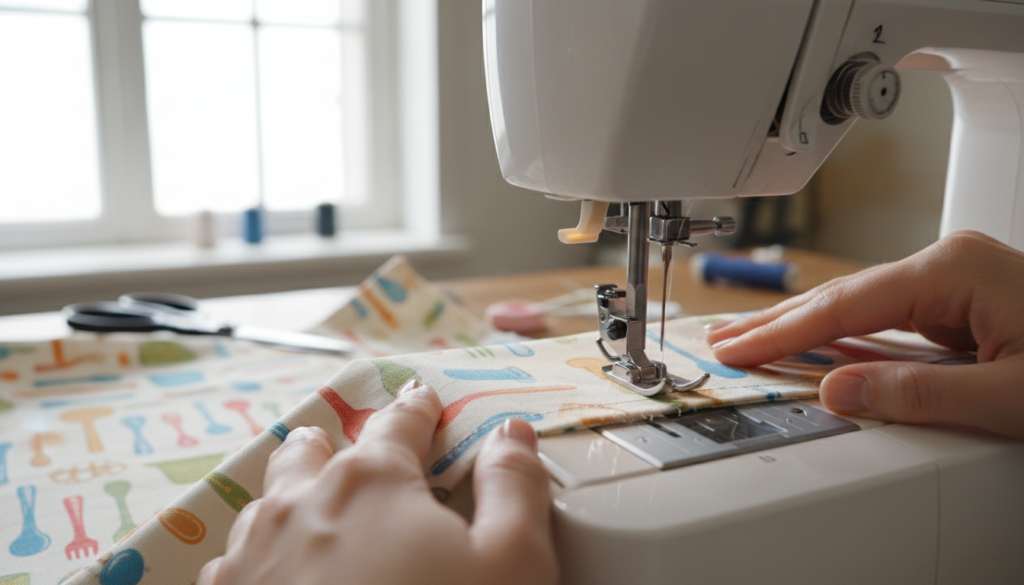
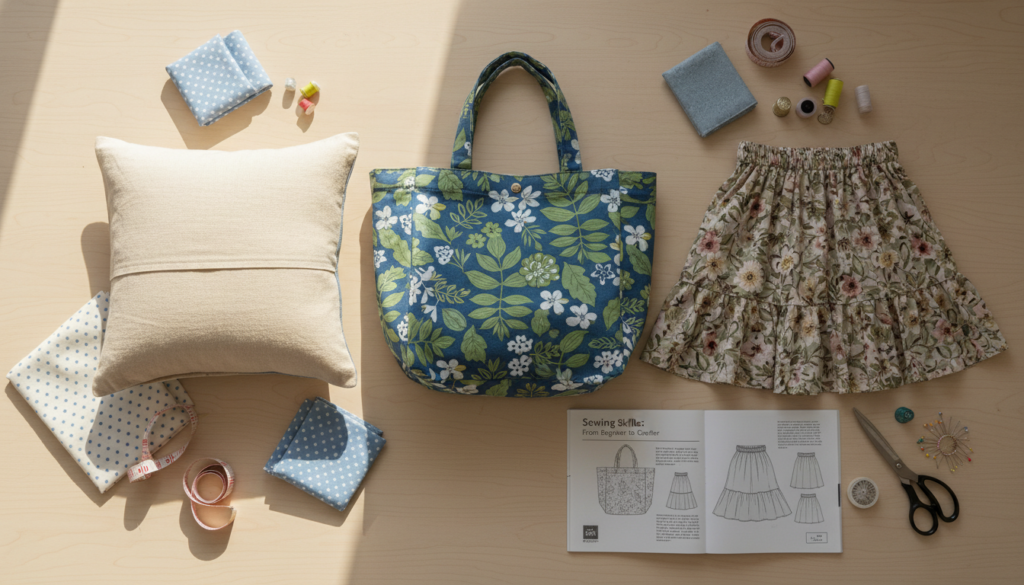
Starting your sewing adventure doesn’t have to be scary. You can create beautiful things right from the start. These fun sewing projects for beginners will build your confidence one stitch at a time.
Whether you just got your first sewing machine or you’re dusting off an old one, this guide shows you exactly where to begin. Each project uses basic skills and simple materials. You’ll make items you can actually use or give as gifts.
The best part about beginner sewing projects is seeing quick results. You don’t need years of practice to make something amazing. With the right guidance and simple patterns, you can finish your first project in an afternoon.
Why These Sewing Projects Are Perfect for Beginners
Learning to sew opens up a whole new world. You can fix clothes, create custom gifts, and express your creativity. But where should you actually start?
These beginner sewing projects focus on straight lines and basic techniques. You won’t tackle complicated patterns or tricky fabrics. Instead, you’ll master fundamental skills that every sewing project uses.
Build Confidence Fast
Quick wins matter when you’re learning something new. These projects take just a few hours.
See results in one sitting
Practice basic stitches repeatedly
Learn from small mistakes easily
Feel proud of handmade items
Use Simple Materials
You don’t need fancy supplies to get started. Basic fabrics work perfectly for practice.
Cotton fabric is forgiving
Straight pins hold pieces together
Basic thread in neutral colors
Scissors made for fabric
Master Core Skills
Every project teaches you something useful. These skills build on each other naturally.
Sewing straight seams accurately
Cutting fabric on the grain
Reading simple patterns
Finishing edges properly
Create Useful Things
Practice projects should serve a purpose. Make items you’ll actually use every day.
Bags for groceries or gifts
Home decor pieces
Accessories you can wear
Thoughtful handmade gifts
Ready to Master Sewing Faster?
Get access to detailed video tutorials and professional patterns that guide you through every step. Learn techniques that make beginner sewing projects easier and more enjoyable.
Essential Supplies Every New Sewing Enthusiast Needs
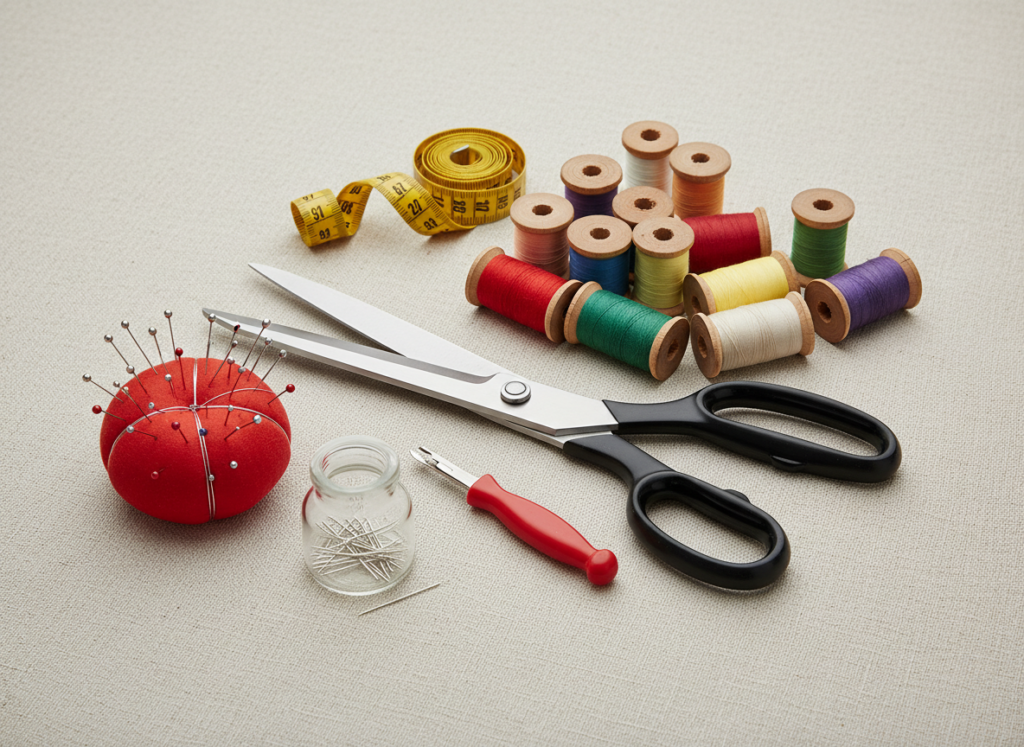
You don’t need a room full of supplies to start sewing. A few basic tools will handle most beginner sewing projects. Focus on quality over quantity when building your sewing kit.
Your First Sewing Machine
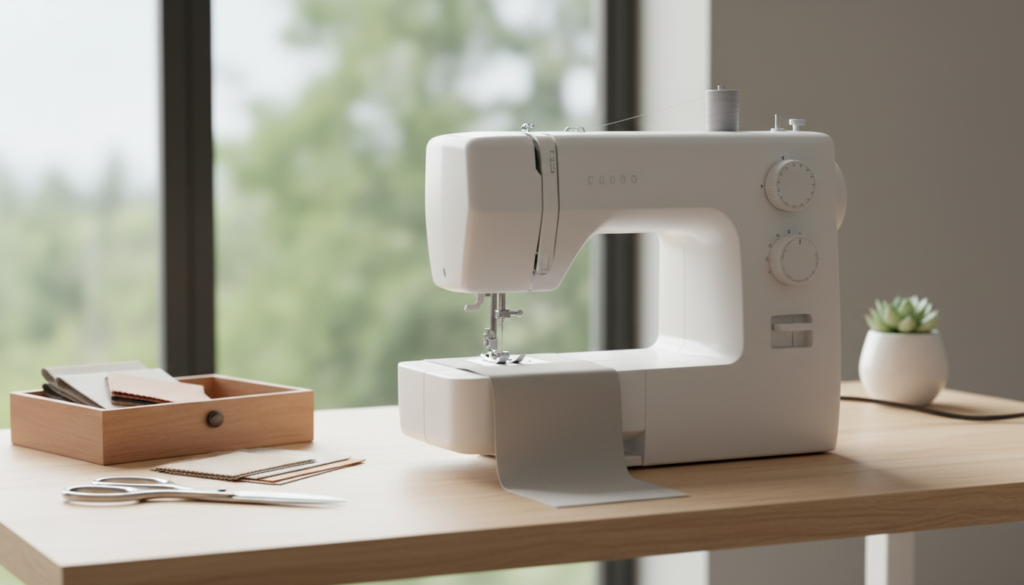
A basic sewing machine handles all beginner projects. You don’t need fancy features yet. Look for a machine that sews straight lines well and offers a few basic stitches.
Most new sewers do great with entry-level machines. These machines cost less but still produce quality stitches. Make sure your machine can sew through multiple fabric layers.
Fabric Selection Made Simple
Cotton fabric is your best friend as a beginner. It doesn’t shift around like slippery fabrics. It presses well and holds its shape nicely.
Start with quilting cotton or medium-weight cotton. These fabrics forgive mistakes and sew predictably. Buy fabric scraps to practice before cutting into expensive yardage.
Quilting cotton for most projects
Muslin for practice runs
Cotton twill for bags
Flannel for soft items
Linen for decorative pieces
Tools That Make Sewing Easier
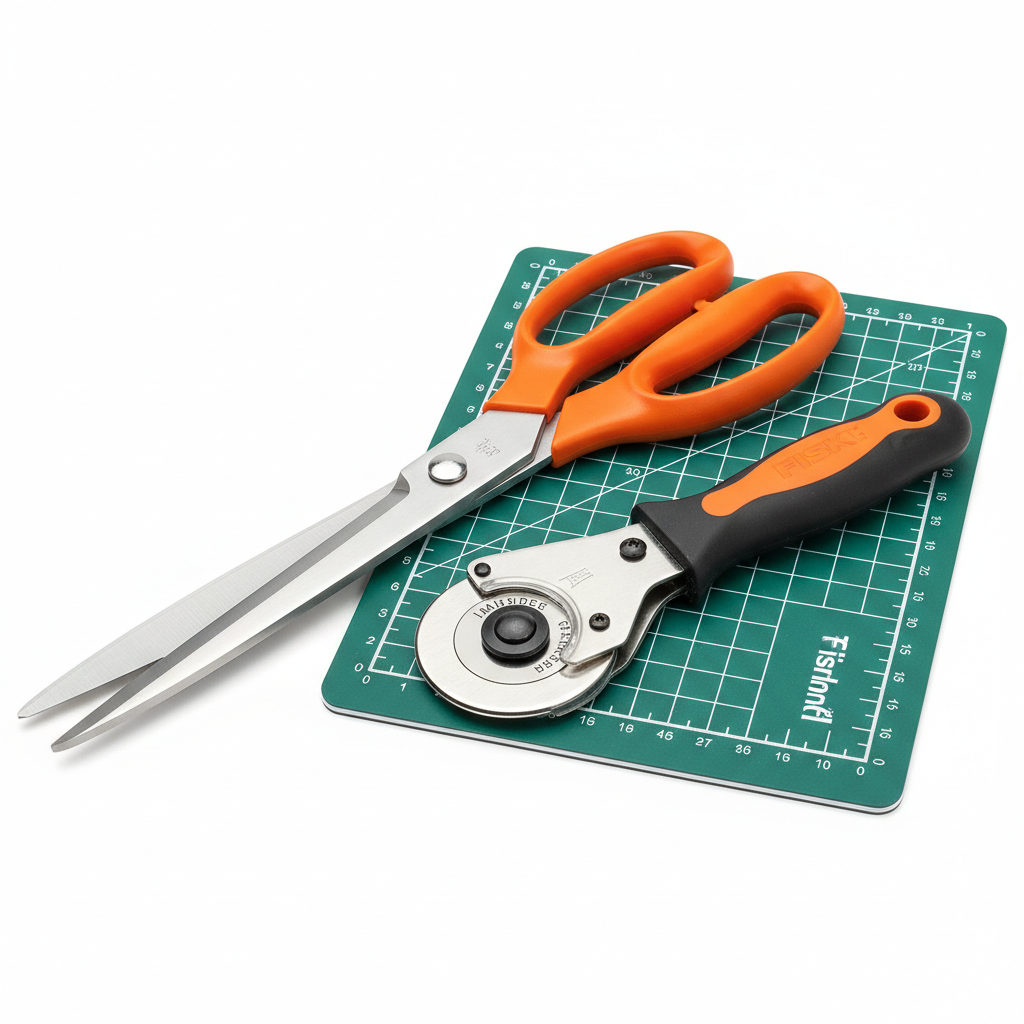
Sharp scissors make clean cuts. Dull scissors create ragged edges that don’t sew well. Invest in proper fabric shears and never use them on paper.
A seam ripper becomes your best friend. Everyone makes mistakes, even experienced sewers. This little tool removes stitches quickly without damaging fabric.
Cutting Tools
8-inch fabric scissors
Small detail scissors
Rotary cutter for straight cuts
Self-healing cutting mat
Measuring Tools
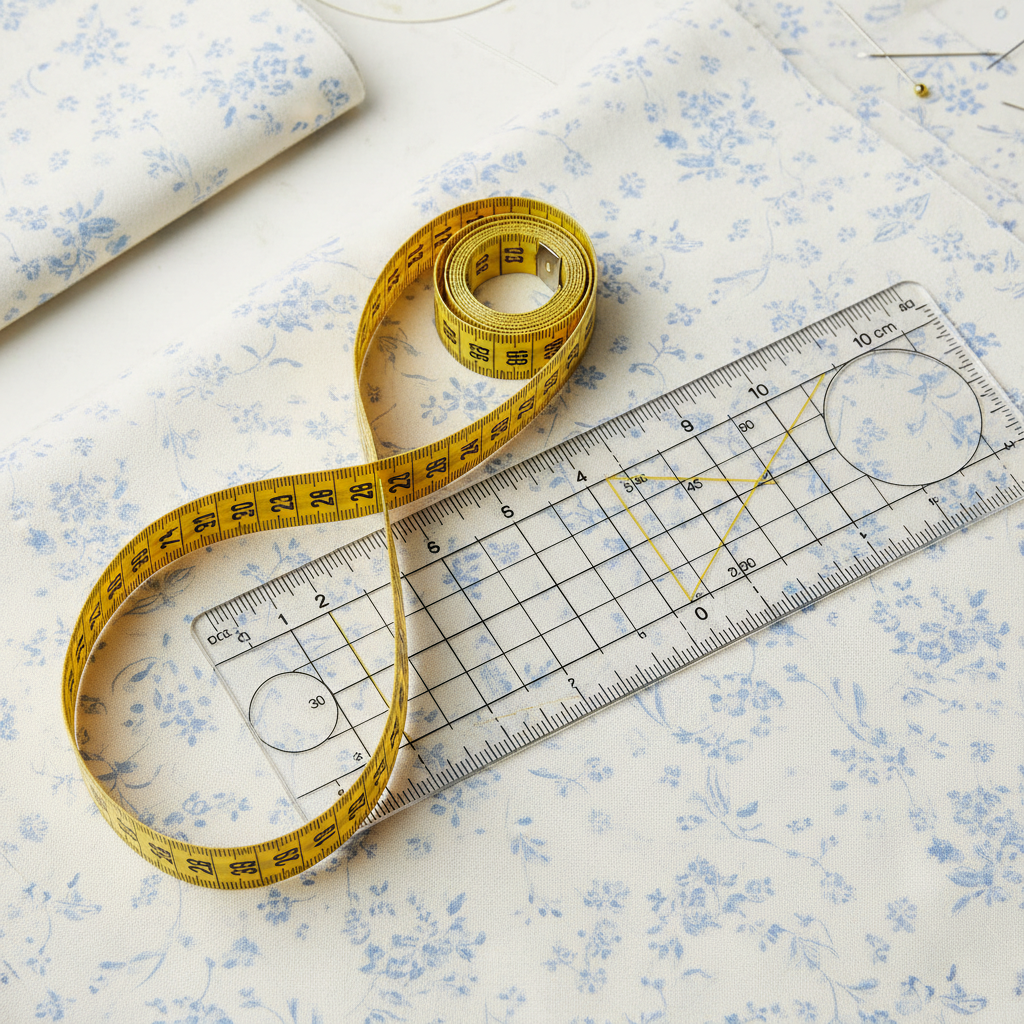
Flexible measuring tape
Clear quilting ruler
Fabric marking pens
Tailor’s chalk
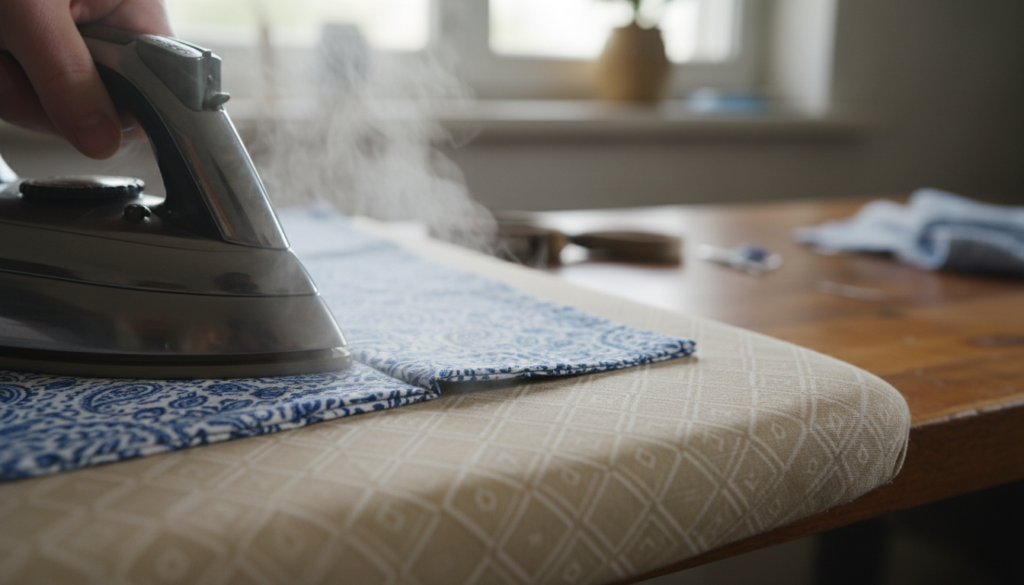
Pressing Equipment
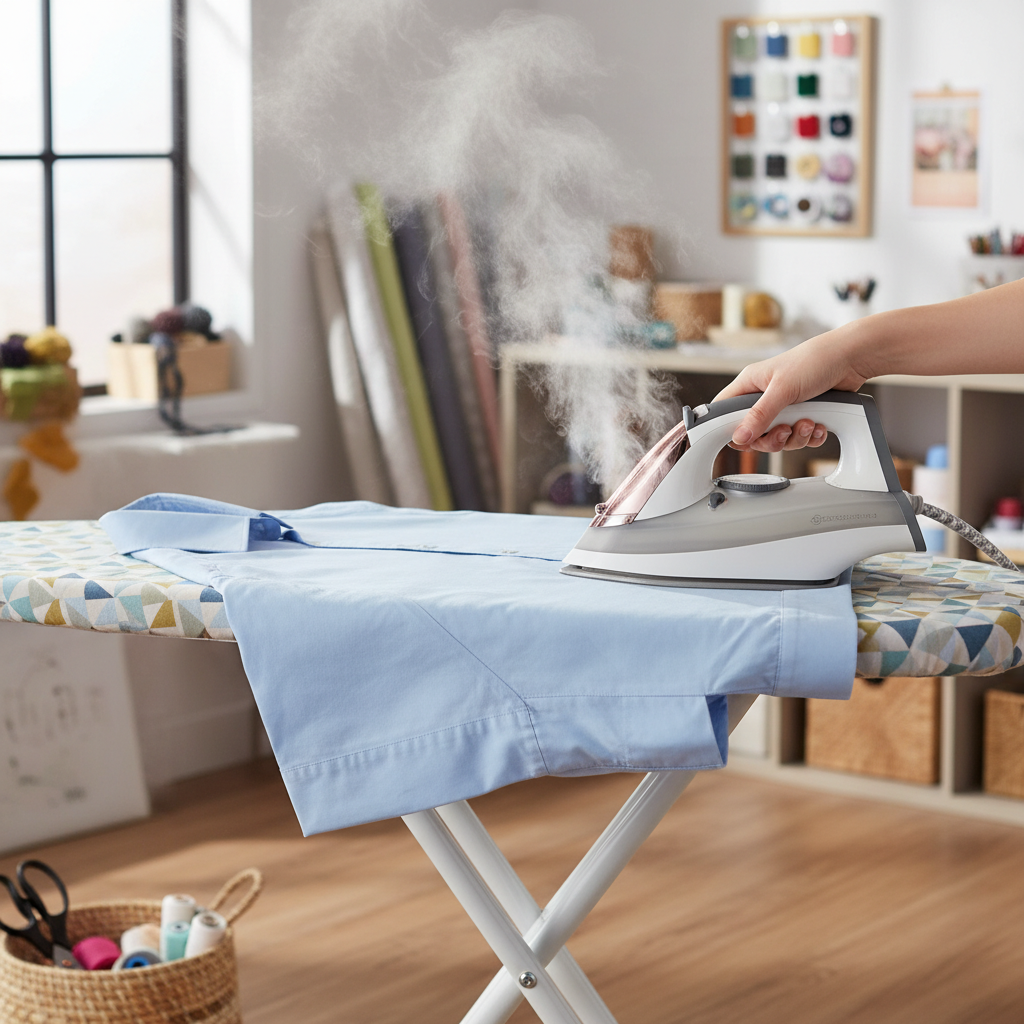
Steam iron
Ironing board
Press cloth
Sleeve board for small areas
Simple Drawstring Bag: Your First Easy Sewing Project
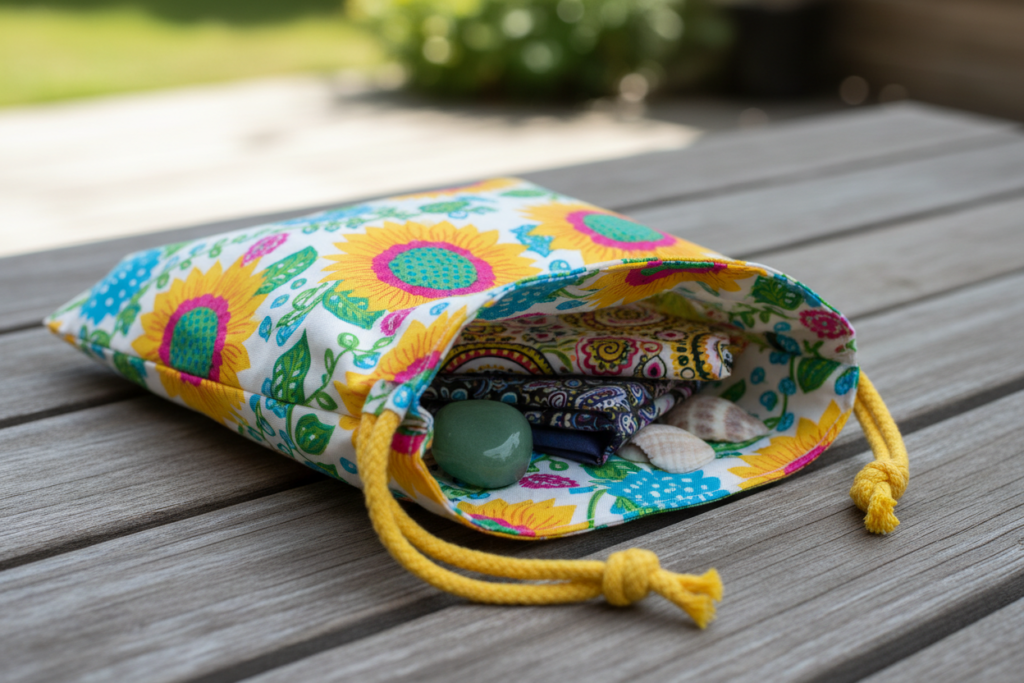
A drawstring bag makes the perfect first sewing project. You practice straight lines while creating something actually useful. This bag works great for storing toys, holding laundry, or wrapping gifts.
The whole project uses basic straight stitches. You’ll sew two pieces of fabric together and create a channel for the drawstring. Most beginners finish this project in under an hour.
What You Need for Your Drawstring Bag
Two fabric rectangles (12 x 15 inches each)
Matching thread
One yard of cotton cord or ribbon
Safety pin for threading
Basic sewing supplies
Step-by-Step Instructions
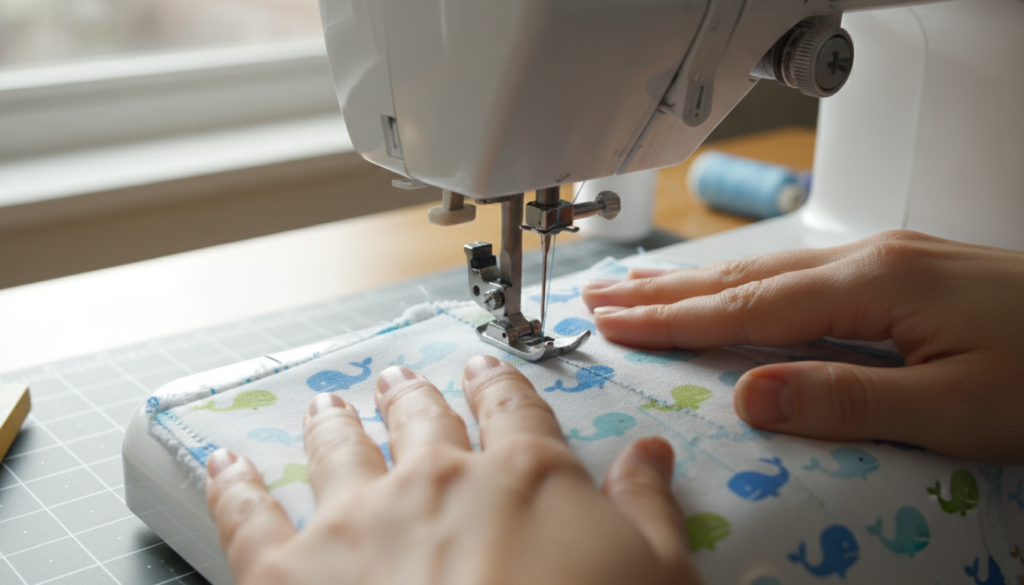
Place your fabric pieces right sides together. Pin along the sides and bottom, leaving the top open. Sew with a half-inch seam allowance down both sides and across the bottom.
Fold the top edge down two inches and press it flat. Sew around the entire top, one and a half inches from the folded edge. This creates your drawstring channel.
Make a small opening in the side seam within your channel. Thread your cord through using a safety pin. Tie the ends together and you’re done.
Pro Tip: Use contrasting thread for practice. You can see your stitches clearly and spot any wobbles. Once you feel confident, switch to matching thread for invisible seams.
Ways to Use Your Drawstring Bag
These bags serve so many purposes. Make several in different sizes and fabrics. They stack nicely and keep things organized.
Cozy Baby Blanket: A Heartwarming Beginner Project
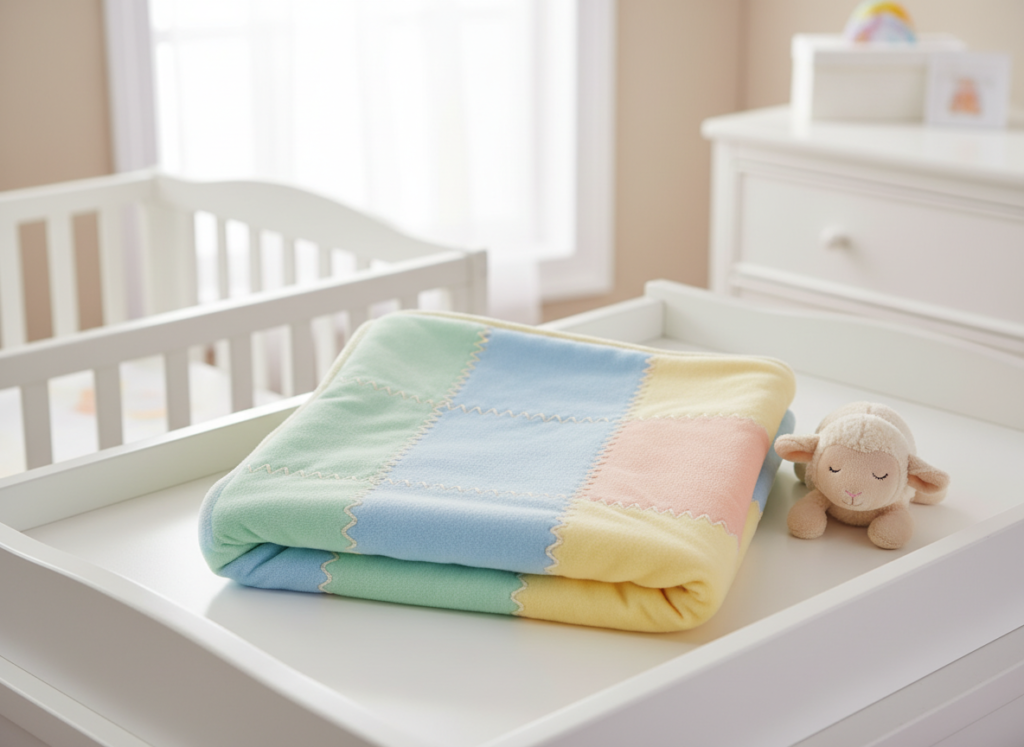
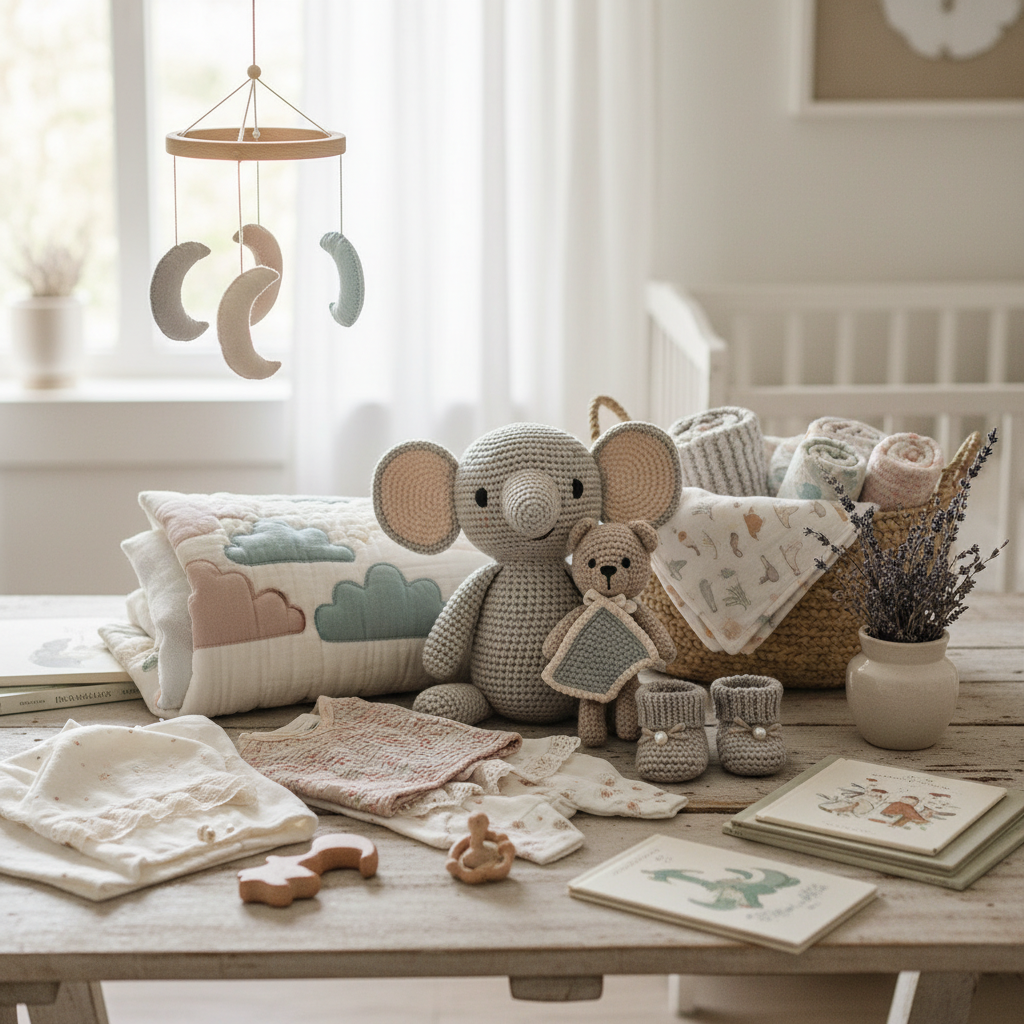
Baby blankets make wonderful beginner sewing projects. They’re small enough to manage but large enough to practice your skills. Plus, they make great gifts that new parents actually appreciate.
This project teaches you how to sew straight seams and turn corners. You’ll learn to work with soft fabrics that feel gentle against baby’s skin. Most people finish a baby blanket in an afternoon.
Choosing the Right Fabric
Flannel works beautifully for baby blankets. It’s soft, warm, and washes well. Cotton is another great choice because it breathes and stays comfortable.
Pick two coordinating fabrics for a reversible blanket. You can use patterns on one side and solids on the other. This gives parents options depending on their nursery decor.
Cotton flannel in baby-friendly prints
Minky fabric for extra softness
Double gauze for lightweight blankets
Quilting cotton for warmer months
Creating Your Baby Blanket
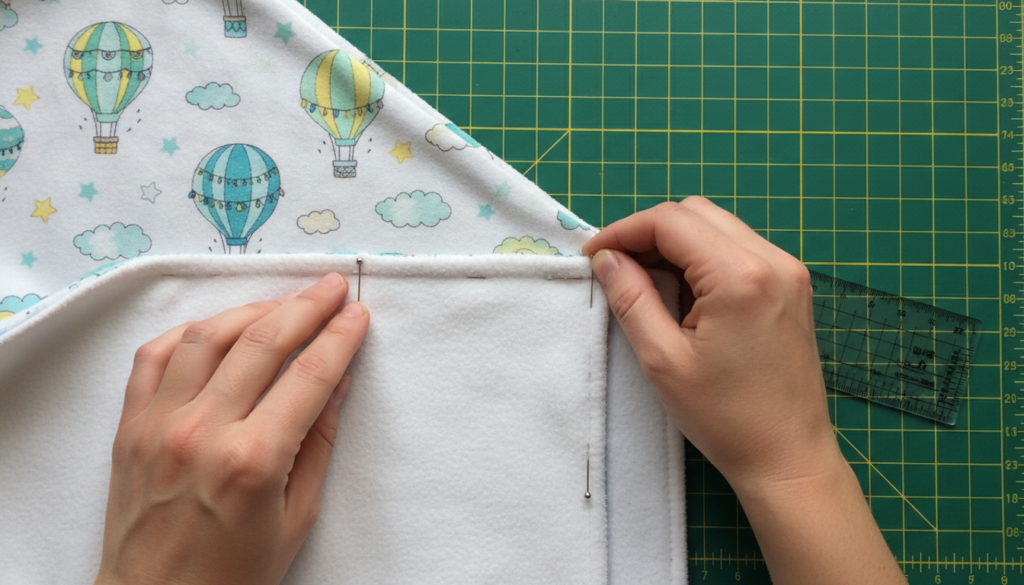
Cut two squares of fabric, each 36 inches. Place them right sides together and pin around all edges. Sew around the entire blanket with a half-inch seam allowance.
Leave a six-inch opening on one side for turning. This opening lets you flip the blanket right-side out after sewing.
Trim the corners at a diagonal, being careful not to cut your stitches. Turn the blanket right-side out through the opening. Push the corners out gently with a chopstick or similar tool.
Press the blanket flat, tucking in the opening edges. Topstitch around the entire blanket, a quarter-inch from the edge. This stitching closes the opening and gives a finished look.
Adding Personal Touches
Make your baby blanket special with simple additions. These details don’t require advanced skills but add personality.
Decorative Stitching
Add decorative topstitching in a contrasting thread color. Sew additional rows of stitching parallel to your edge stitching.
Double rows of topstitching
Zigzag stitching in corners
Decorative machine stitches
Special Embellishments
Simple additions make blankets more interesting without overwhelming beginners.
Ribbon tags along edges
Embroidered baby name
Appliqued shapes
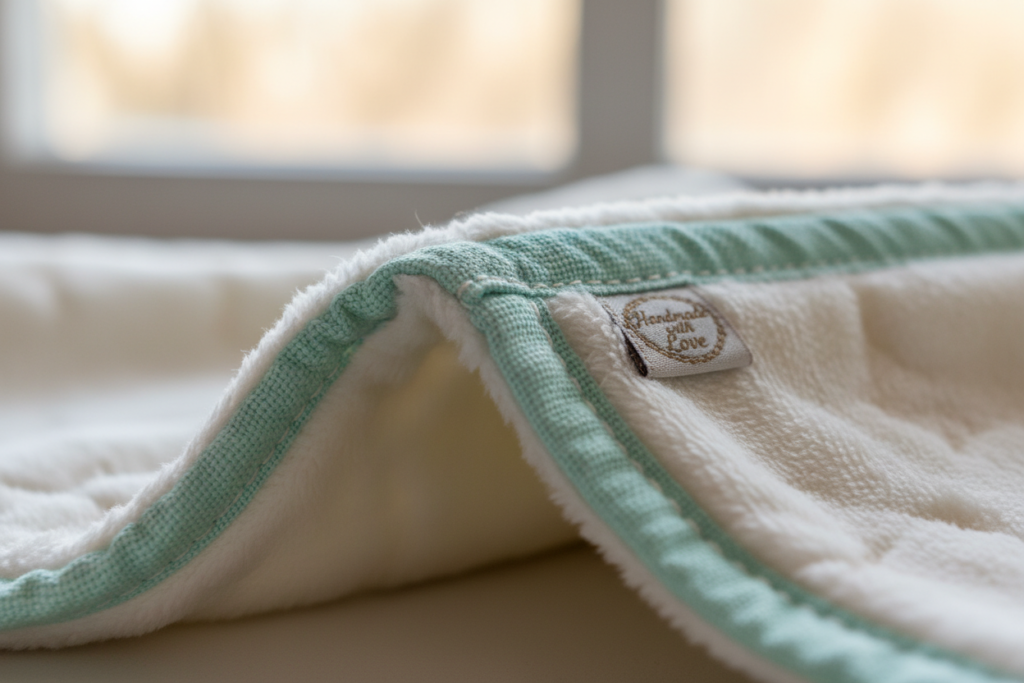
Fabric labels with date
Practical Burp Cloths: Quick and Useful Baby Items
Burp cloths represent one of the easiest beginner sewing projects. They use small amounts of fabric and simple straight stitches. You can make a whole bunch in just one sitting.
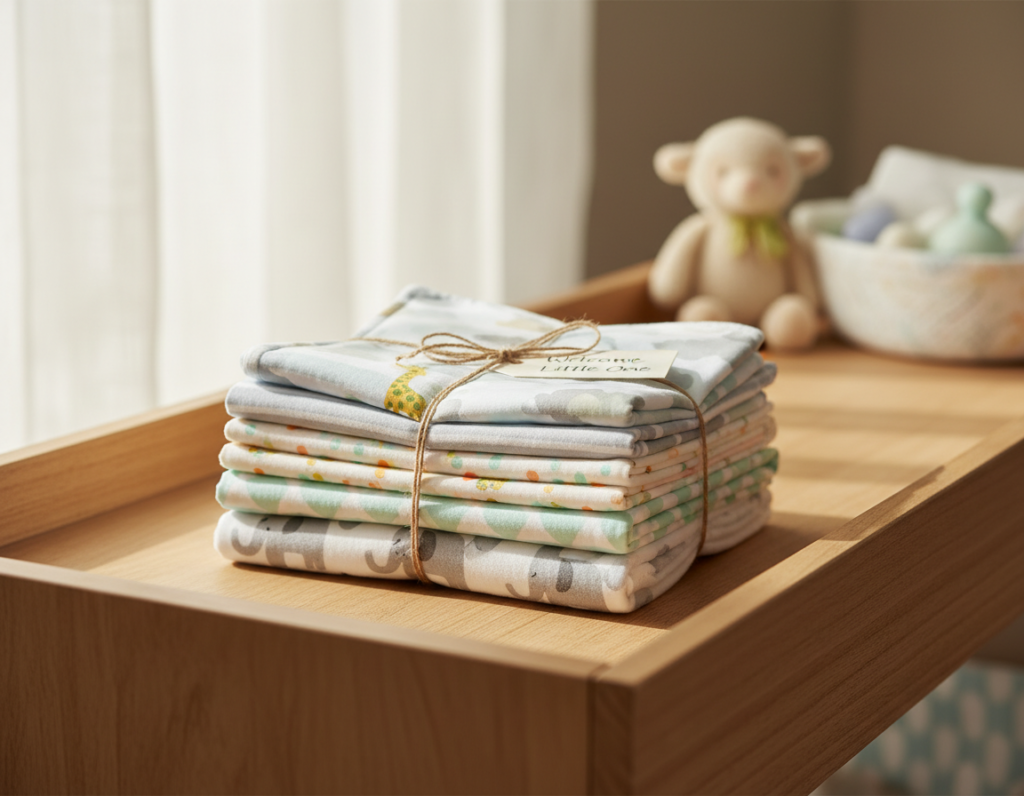
New parents need lots of burp cloths. They’re always washing them and running out. A handmade set makes a thoughtful gift that gets used every single day.
Materials for Burp Cloths
Absorbent fabric works best for burp cloths. Cotton flannel absorbs well and feels soft. Terry cloth adds extra absorbency for messy babies.
Cotton flannel (main fabric)
Terry cloth or cotton (backing)
Coordinating thread
Scissors and pins
Making Burp Cloths Step by Step
Cut rectangles measuring 10 by 20 inches from your fabric. You need two layers for each burp cloth. Place them right sides together and pin all around.
Sew around the edges with a quarter-inch seam allowance. Leave a three-inch opening on one short side. This opening lets you turn the burp cloth right-side out.
Clip the corners diagonally and turn the cloth through the opening. Press it flat and topstitch around the entire edge. This closes the opening and adds durability.
Creative Variations
Once you make basic burp cloths, try different shapes and styles. These variations keep things interesting while you practice.
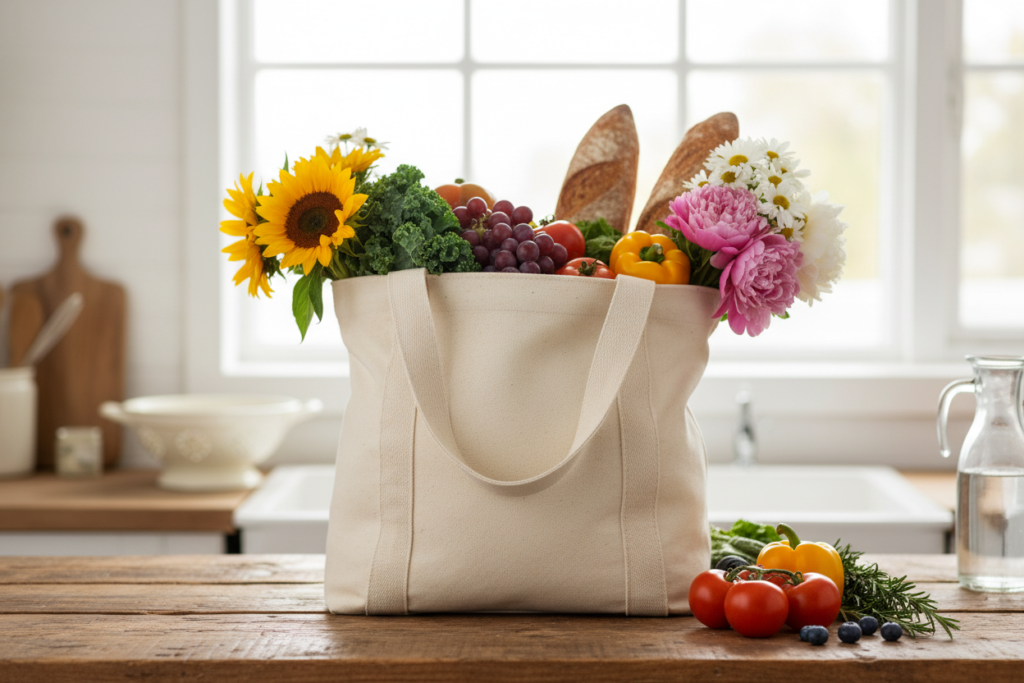
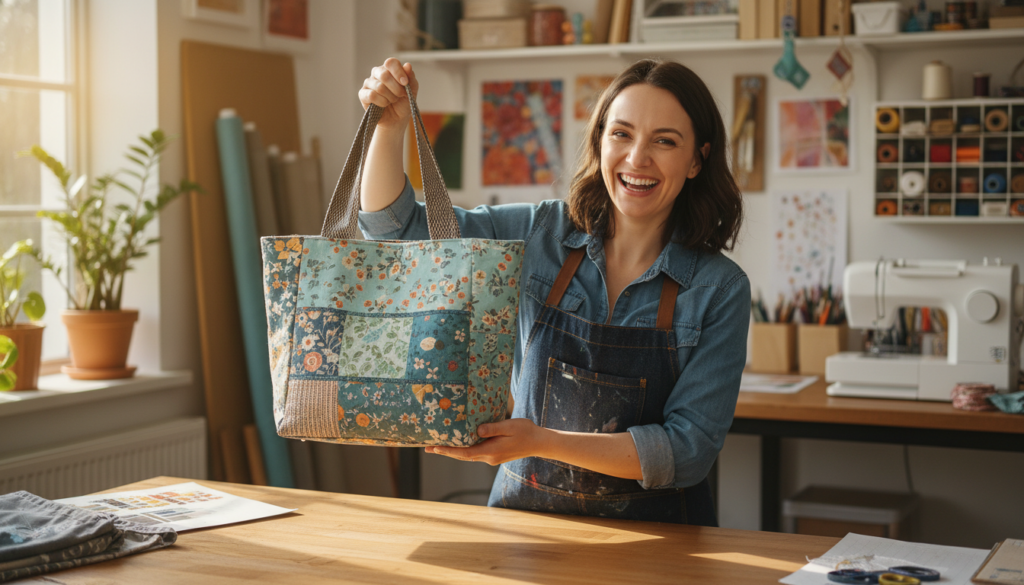
A simple tote bag teaches essential sewing skills. You practice straight lines and learn to attach handles. The finished bag serves countless purposes around your home.
This beginner sewing project requires just basic rectangles. No complicated pattern pieces or confusing instructions. Just measure, cut, and sew straight seams.
Selecting Bag Fabric
Choose sturdy fabric that holds its shape. Canvas works perfectly for bags that carry weight. Denim offers strength and comes in fun colors beyond basic blue.
Medium-weight cotton also works well for lighter-duty bags. You can use quilting cotton if you plan to carry books or groceries occasionally.
Canvas for heavy-duty bags
Denim for stylish totes
Home decor fabric for structure
Quilting cotton for light use
Tote Bag Construction
Cut one large rectangle measuring 15 by 30 inches. This becomes your bag body. Cut two strips measuring 3 by 20 inches for handles.
Fold your large rectangle in half with right sides together. The fold becomes your bag bottom. Sew up both side seams with half-inch seam allowance.
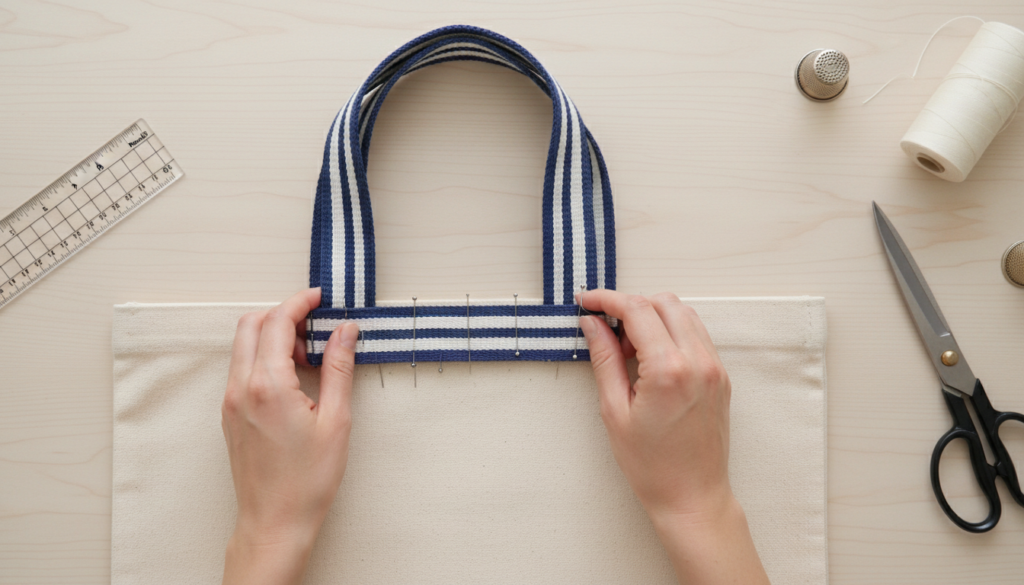
For handles, fold each strip lengthwise with right sides together. Sew along the long edge, then turn right-side out. Press flat with seam centered on one side.
Pin handles to the bag opening, spacing them evenly. Sew across the top of the bag, catching the handles in your stitching. Reinforce handle attachment with extra stitching for strength.
Finishing Your Tote
Turn down the top edge of your bag one inch and press. Sew around the top to create a clean finished edge. This also secures your handles permanently.
Beginner Tip: Make your first bag from inexpensive fabric. You’ll learn the process without worrying about mistakes. Then make a second bag from your favorite fabric.
Ideas for Using Tote Bags
Once you know how to make basic totes, you’ll want several. Different sizes work for various purposes around your house.
Grocery shopping bags
Library book carriers
Beach or pool totes
Craft project bags
Gym or yoga bags
Reusable gift bags
Simple Pillowcase: Master Your Seam Finishing
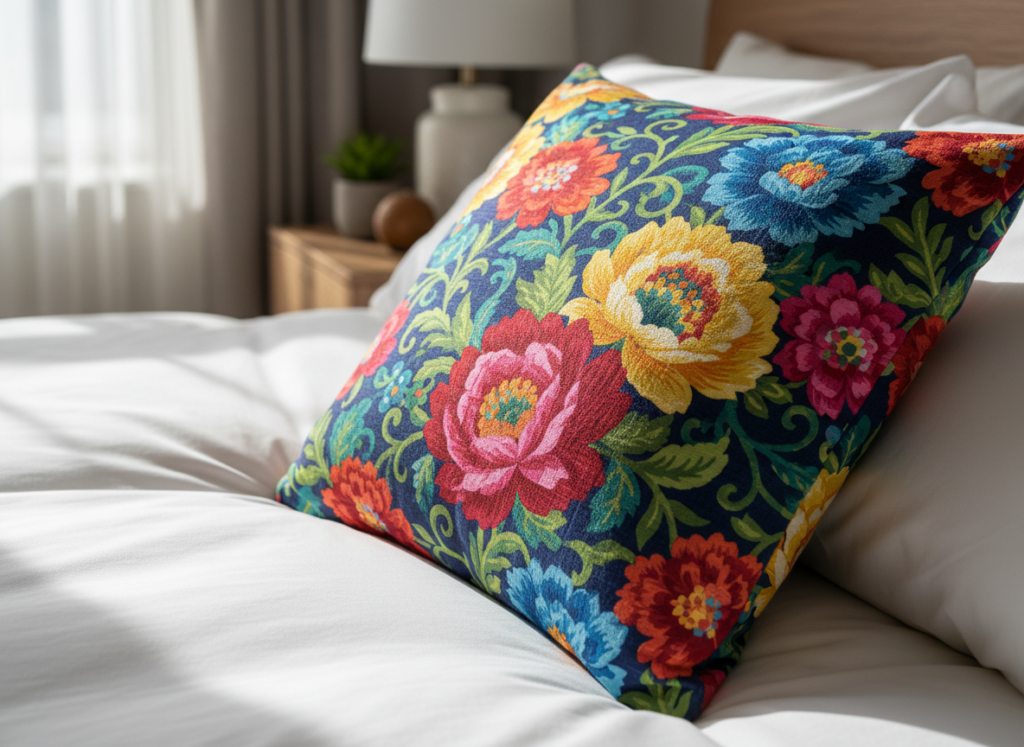
Pillowcases make excellent beginner sewing projects. They teach you to sew long straight seams and finish edges neatly. Plus, everyone needs extra pillowcases for guest rooms or seasonal changes.
The traditional pillowcase method creates a clean finished opening without exposed seams. You’ll feel proud using pillowcases you made yourself.
Fabric Selection for Pillowcases
Choose soft, breathable fabric for comfortable pillowcases. Cotton works best because it washes well and feels cool against skin. Look for fabric at least 42 inches wide.
You need about one yard of fabric per standard pillowcase. Buy extra for practice or to make matching sets.
Cotton sheeting for softness
Quilting cotton in fun prints
Flannel for winter
Linen for luxury feel
Creating Your Pillowcase
Cut a rectangle measuring 27 by 42 inches from your main fabric. Cut a contrasting cuff piece measuring 9 by 42 inches. This cuff adds interest at the open end.
Fold the cuff piece in half lengthwise with wrong sides together. Press this fold crisp. Pin the raw edges of your cuff to one short end of your main fabric piece.
Fold the entire piece in half with right sides together. The cuff fold should align perfectly. Sew down the long side and across the bottom opposite the cuff.
Turn your pillowcase right-side out through the cuff opening. Press it flat and you’re finished. The cuff creates a professional-looking band at the opening.
Decorating Your Pillowcase
Plain pillowcases work fine, but adding details makes them special. Try these simple embellishments that don’t require advanced skills.
Contrast Cuffs
Use different fabrics for the cuff and body. Mix patterns with solids or coordinate complementary prints.
Simple Trim
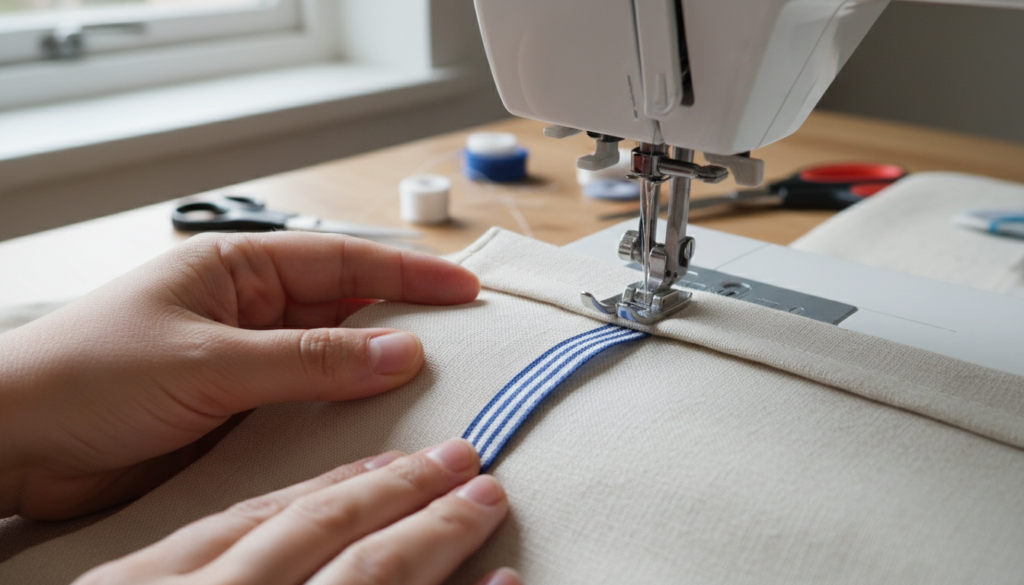
Add rickrack or ribbon along the cuff seam. Sew it in place when attaching the cuff for easy application.
Monograms
Embroider initials on the cuff before construction. This personal touch makes great gifts.
Take Your Sewing Skills Further
Ready to tackle more advanced home decor projects? Access professional sewing tutorials that teach you techniques for curtains, duvet covers, and decorative pillows with step-by-step video guidance.
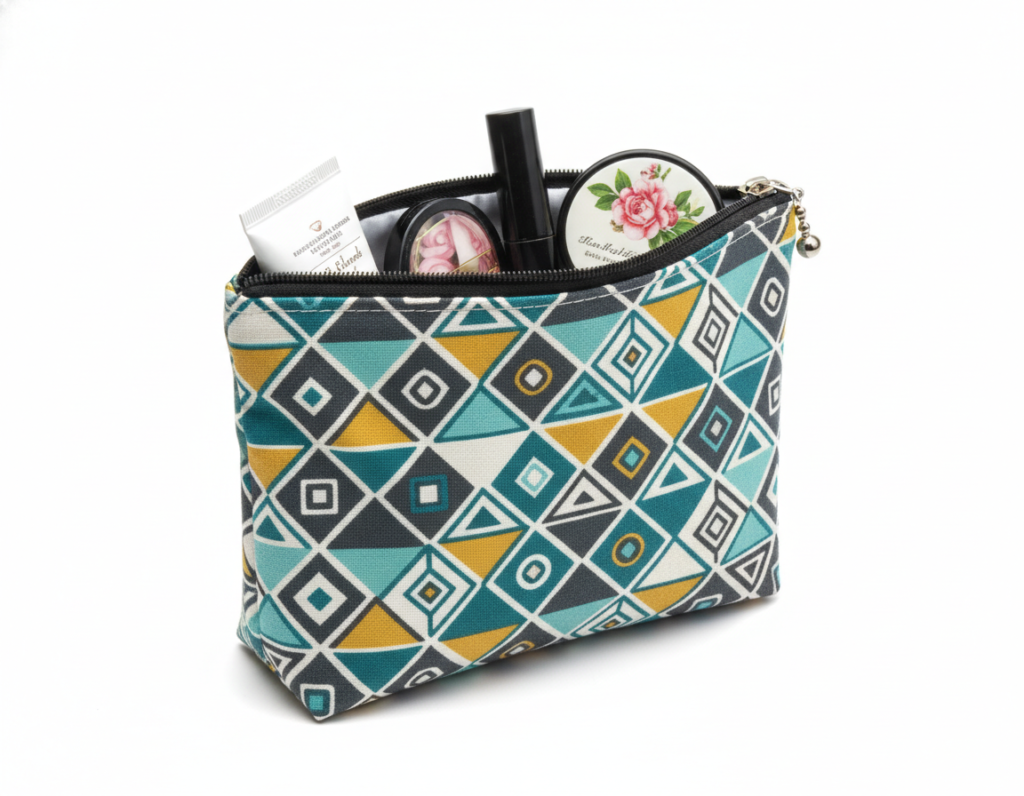
Installing a zipper sounds scary for beginners. But a simple zippered pouch teaches this skill gently. You’ll use the zipper in many future sewing projects once you conquer your fear.
Start with a basic rectangular pouch. The flat construction makes zipper installation much easier than curved bags or garments.
Supplies for Zippered Pouches
You need just a few materials for this great project. Choose a zipper slightly longer than your pouch width. You’ll trim excess after sewing.
Two fabric rectangles (8 x 10 inches)
One 9-inch zipper
Zipper foot for machine
Matching thread
Basic sewing tools
Installing Your First Zipper
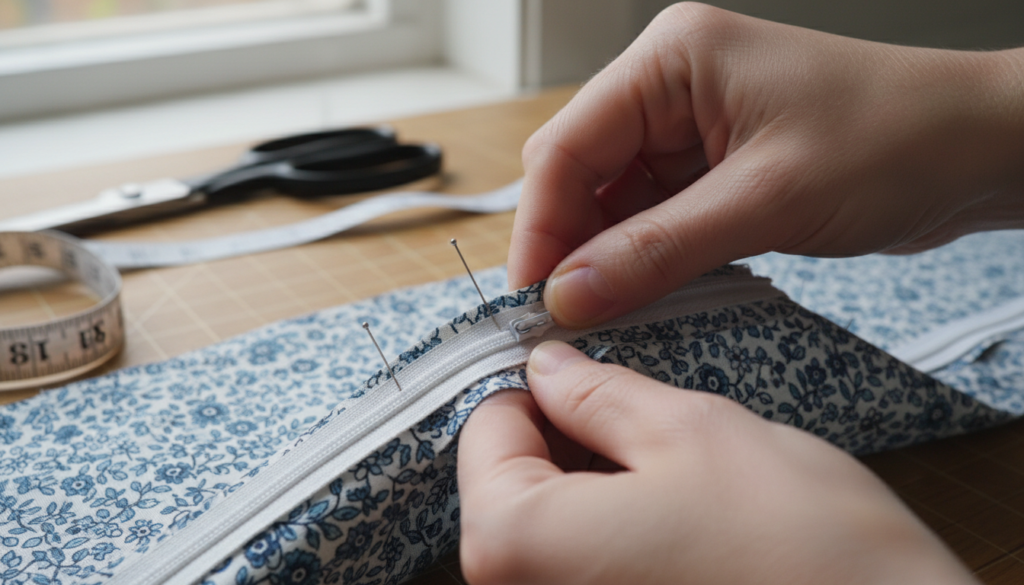
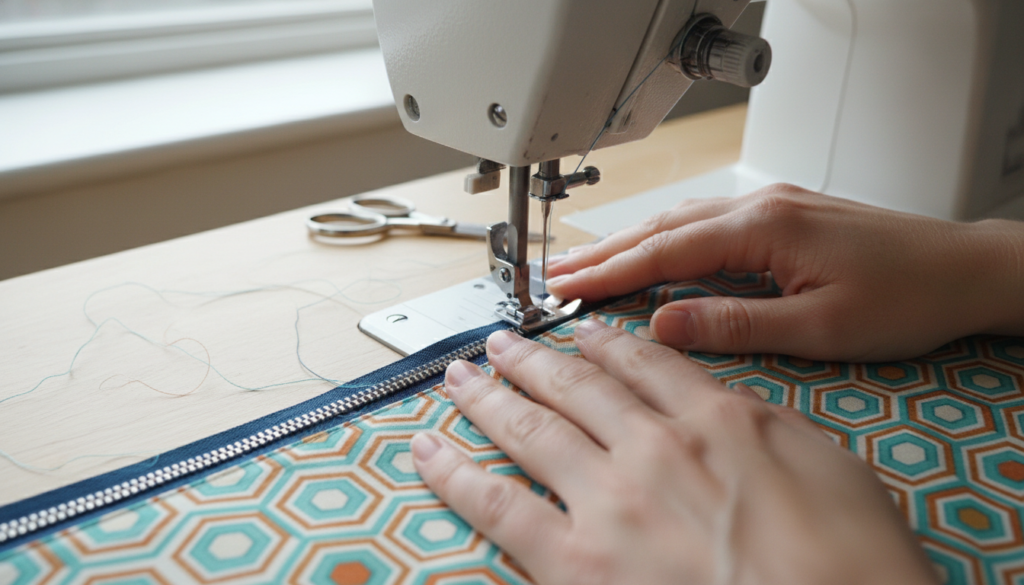
Place your zipper face-down on the right side of one fabric piece. Align the zipper tape edge with the fabric edge. Pin in place carefully.
Attach your zipper foot to the machine. Sew close to the zipper teeth, keeping your stitching straight. The zipper foot lets you sew right next to the teeth without hitting them.
Place your second fabric piece on top, right side down. Pin through all layers along the zipper edge. Flip the whole sandwich over and sew the other side of the zipper tape.
Open the zipper halfway (important step). Pin the remaining three sides with right sides together. Sew around these sides, leaving the zippered edge open.
Turn your pouch right-side out through the open zipper. Press it flat and admire your first zippered project.
Ways to Use Small Pouches
These little bags organize everything. Make several in different sizes and patterns. They stack nicely in drawers and bags.
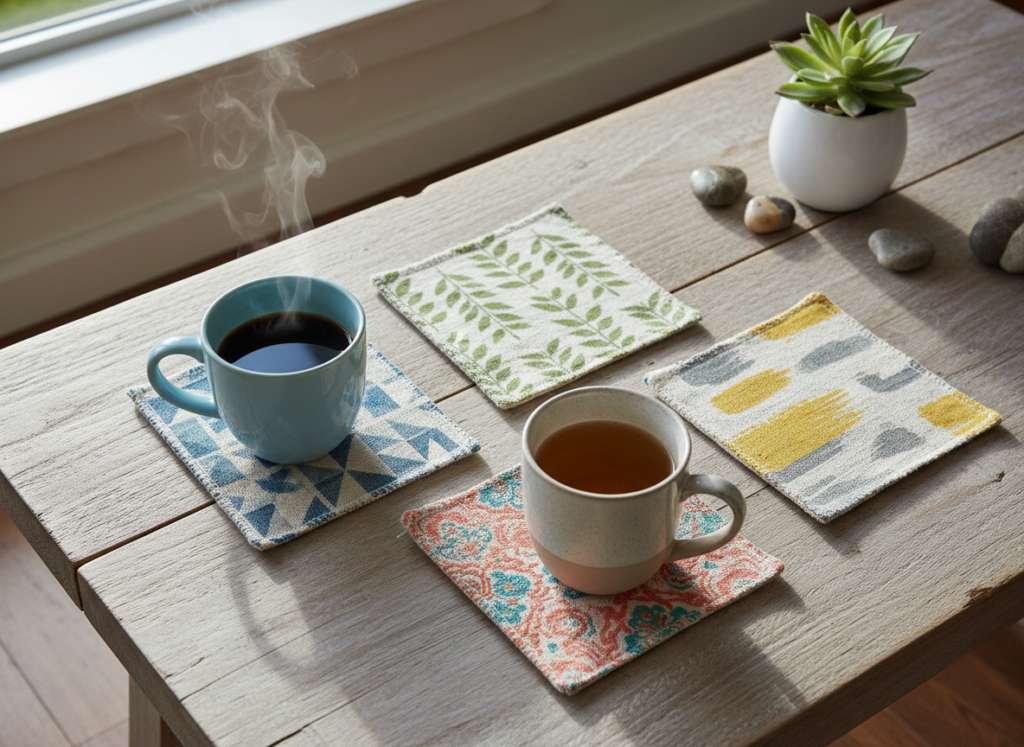
Fabric coasters use up small scraps while teaching precise sewing. These quick projects take just minutes each. You can practice your skills without investing much time or fabric.
Make coasters as gifts or keep them for yourself. They protect furniture while adding color to your room. A bunch of coasters makes a thoughtful housewarming gift.
Choosing Coaster Materials
Cotton fabric works perfectly for coasters. Add a layer of batting inside for extra absorbency. This padding protects tables from moisture better than fabric alone.
Look through your fabric scraps for coordinating pieces. Coasters give new life to leftover fabric from other projects.
Making Quilted Coasters
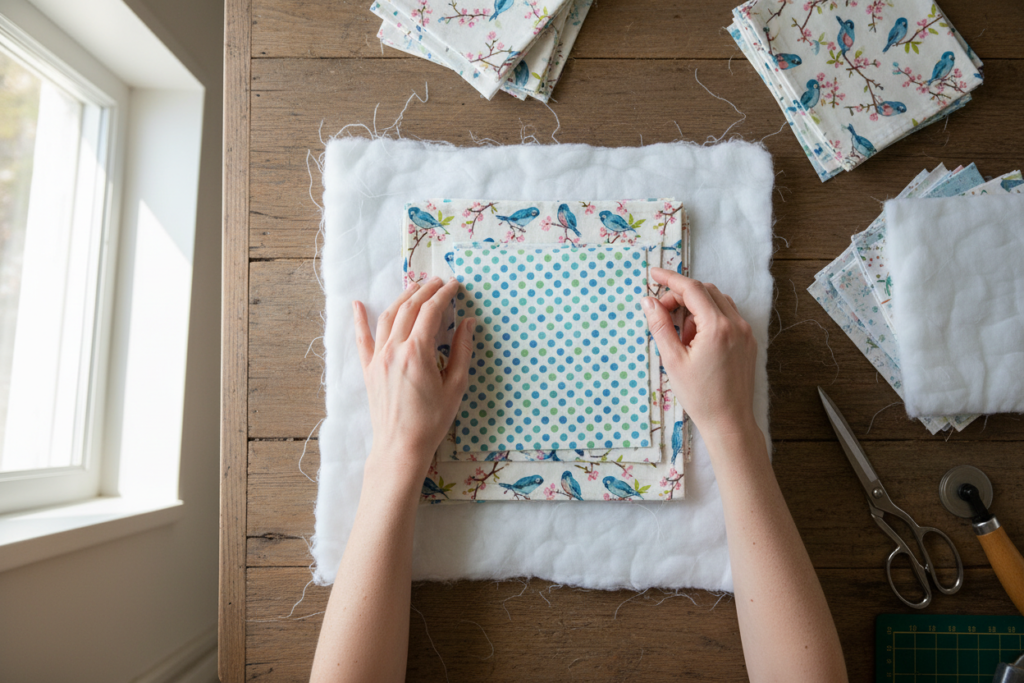
Cut two fabric squares (5 x 5 inches) and one batting square for each coaster. Layer them with batting in the middle and fabric pieces on both sides.
Pin all three layers together. Quilt them by sewing diagonal lines from corner to corner. Add more quilting lines if desired for extra texture.
Trim the edges even if needed. Bind the edges with bias tape or simply zigzag stitch around the outside. Both methods create clean finished edges.
Creative Coaster Ideas
Basic square coasters work great, but variations add interest. Try these different shapes and styles as you gain confidence.
Round coasters using a template
Hexagon shapes for modern look
Patchwork squares for practice
Seasonal fabrics for holidays
Monogrammed for gifts
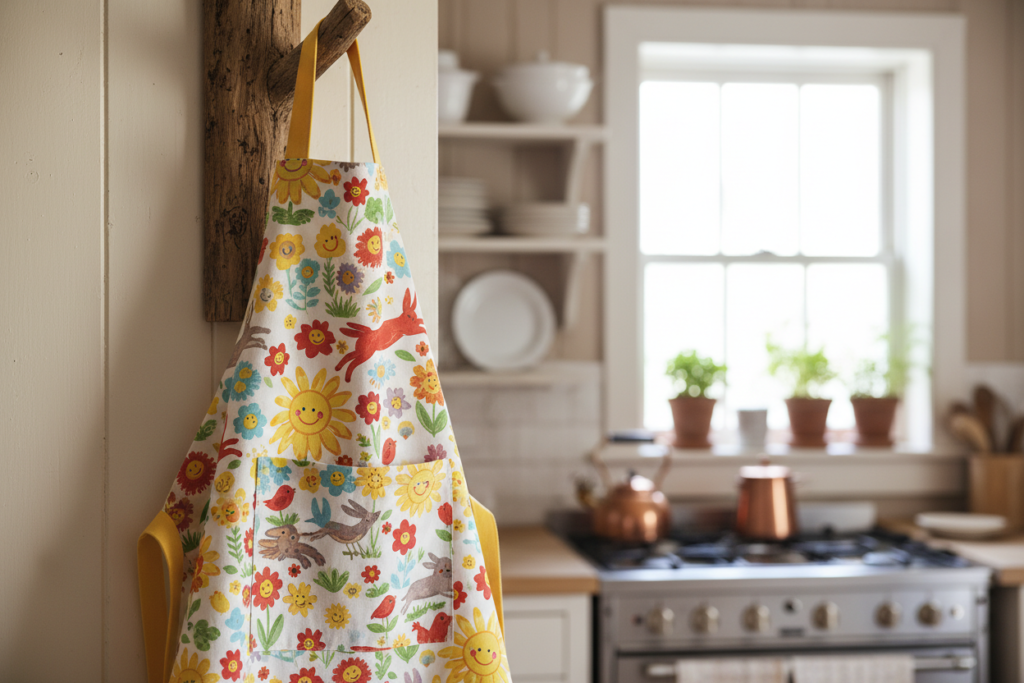
Simple Apron: Your First Wearable Project
An apron makes a great first wearable sewing project. The basic style uses mainly straight lines and simple ties. You don’t need perfect fitting or complicated closures.
This beginner sewing project teaches you to work with larger pieces of fabric. You’ll practice hemming and attaching ties or straps.
Apron Fabric Selection
Pick washable fabric that handles kitchen messes. Cotton prints work beautifully and come in endless patterns. Canvas or denim provides extra durability for messy cooks.
You need about one yard of fabric for a standard apron. Buy a bit extra for practice or to make matching potholders.
Constructing a Basic Apron
Cut your main apron piece in a rectangle measuring 20 by 28 inches. Round the bottom corners slightly for a softer look. This step is optional but adds polish.
Hem all four edges by folding under a quarter inch, then another quarter inch. Press each fold before sewing. Stitch close to the inner fold to secure the hem.
Cut four long strips for ties, each measuring 3 by 30 inches. Fold each strip in half lengthwise with right sides together. Sew the long edge and one short end.
Turn ties right-side out using a safety pin or turning tool. Press them flat. Attach two ties to the top corners of your apron and two at the waist level.
Adding Useful Features
A basic apron works fine, but pockets make it more functional. Simple patch pockets require only basic sewing skills.
Large front pocket for tools
Divided pockets for organization
Towel loop on the side
Adjustable neck strap
Contrasting pocket fabric
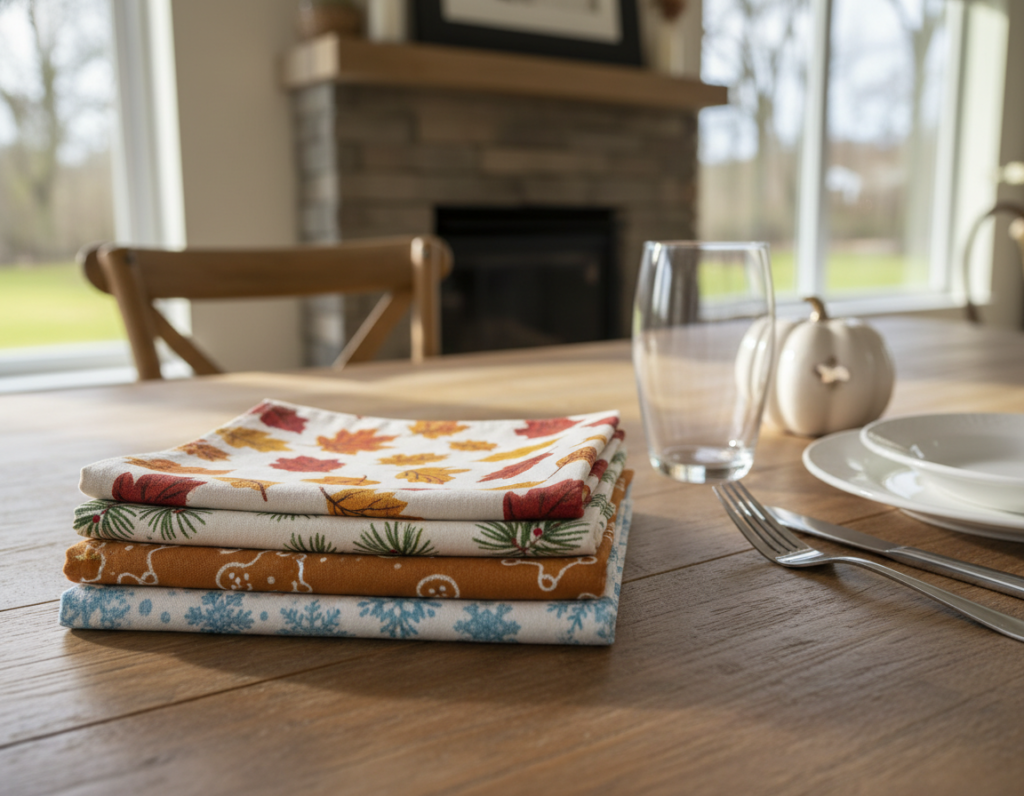
Cloth Napkins: Eco-Friendly Dining Essentials
Cloth napkins combine beginner-friendly sewing with environmental benefits. These reusable napkins reduce waste while beautifying your table. Make a whole set in one afternoon.
This sewing project teaches precise measuring and mitered corners. You’ll use these skills in many future projects. The finished napkins make wonderful gifts for any occasion.
Selecting Napkin Fabric
Choose absorbent, washable fabrics for cloth napkins. Cotton works perfectly and comes in beautiful colors. Linen adds elegance for special occasions.
Buy one yard of fabric to make four generous napkins. Look for fabric sales to stock up on holiday prints.
Making Cloth Napkins
Cut squares measuring 18 by 18 inches for dinner napkins. Smaller 12-inch squares work for lunch napkins or kids’ sizes.
Press under all four edges half an inch. Then fold under another half inch to hide raw edges. Pin corners carefully where folds meet.
Sew around all four sides close to the inner fold. Take your time at corners to keep stitching neat. Press finished napkins for crisp, professional results.
Creative Napkin Ideas
Basic square napkins work everywhere, but special touches make them unique. These additions require just a few extra minutes.
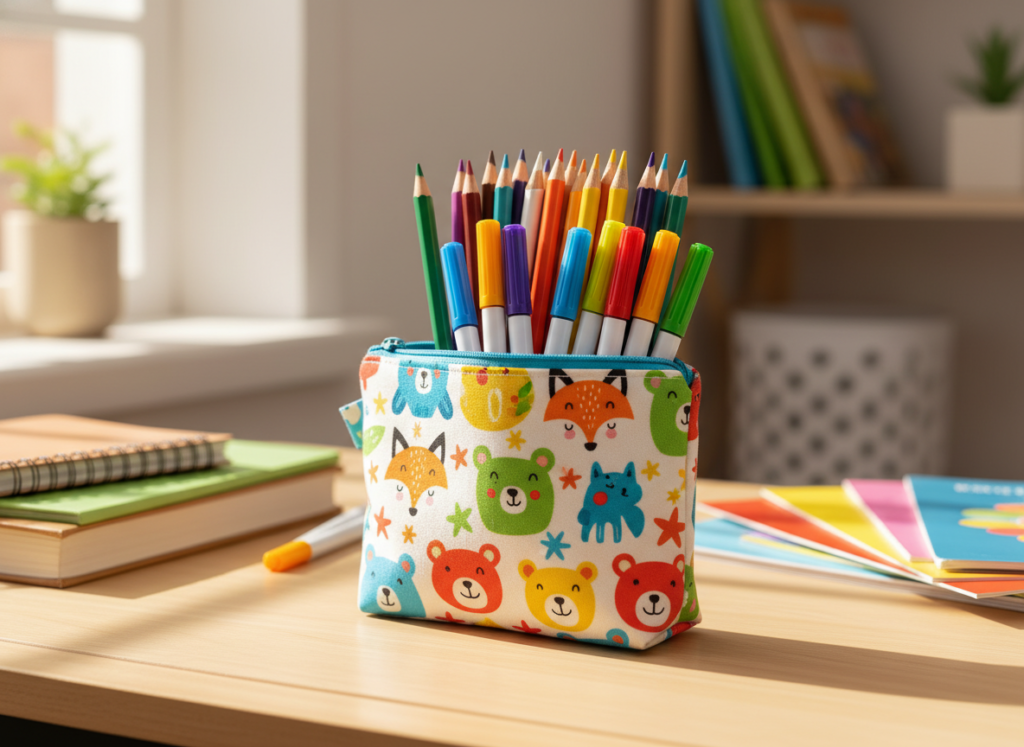
A pencil case makes learning fun for kids. This beginner sewing project creates something useful for school. Children love choosing their own fabric patterns for custom pencils cases.
The simple rectangular design works up quickly. You can make several cases in different sizes for various purposes.
Materials for Pencil Cases
Choose fun, colorful fabric that appeals to kids. Medium-weight cotton holds its shape well in backpacks. Add interfacing for extra structure if desired.
Two fabric rectangles (9 x 5 inches)
One 8-inch zipper
Lightweight interfacing (optional)
Coordinating thread
Sewing the Pencil Case
Install the zipper following the same method as the zippered pouch. Sew one fabric piece to each side of the zipper tape first.
Open the zipper halfway before sewing side seams. Pin the remaining three sides and sew with quarter-inch seams. Turn right-side out through the zipper opening.
Push corners out gently with a chopstick. Press the case flat for neat finished edges.
Variations for Different Uses
The basic case pattern adapts to many purposes. Change the size to hold different items.
Larger cases for art supplies
Slim cases for pens only
Lined cases for protection
Clear vinyl windows to see contents
Personalized with names
Reversible Headband: Quick Fashion Accessory
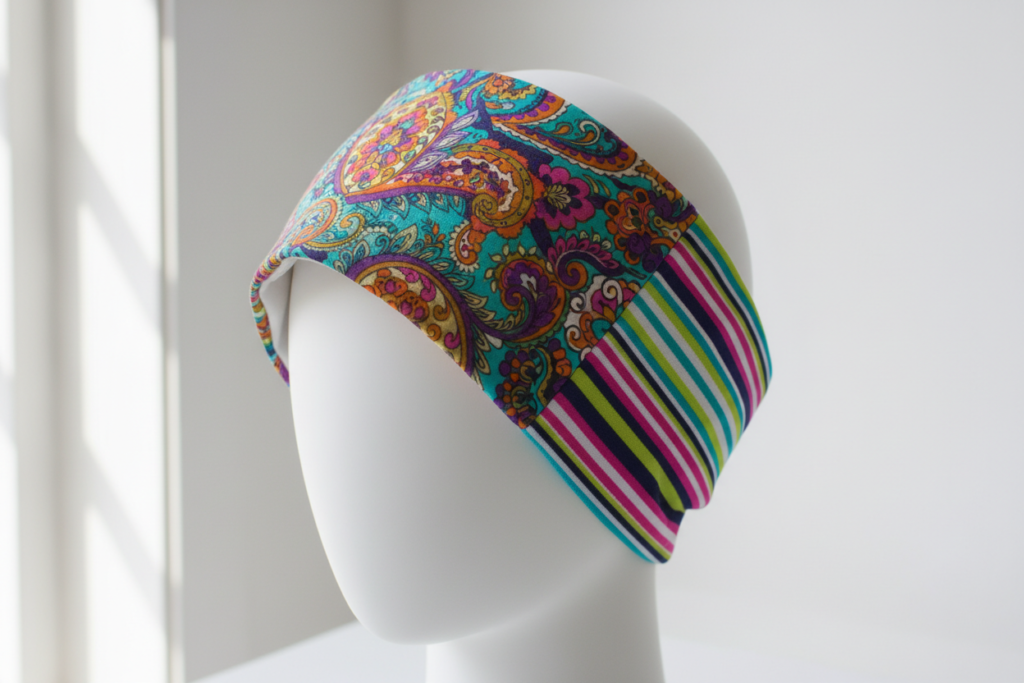
Headbands make perfect beginner sewing projects for practicing curves. These accessories use small fabric scraps and come together in minutes. A reversible design gives you two looks in one.
This project introduces sewing gentle curves and turning narrow tubes. You’ll develop skills that transfer to many other sewing projects.
Headband Construction
Cut two fabric strips measuring 3 by 20 inches. Use coordinating fabrics for a reversible effect. Place them right sides together and pin along both long edges.
Sew both long edges with quarter-inch seams. Leave short ends open for turning. Turn the tube right-side out using a safety pin or loop turner.
Press the headband flat with one fabric showing on each side. Try it on to determine comfortable length, then sew the short ends together.
Style Options
Basic headbands work great, but variations add style. Try these modifications once you master the basic version.
Twisted headbands for texture
Knotted top for detail
Elastic back for better fit
Wire insert for shaping
Wider bands for dramatic look
Shopping Tips for Beginner Sewers
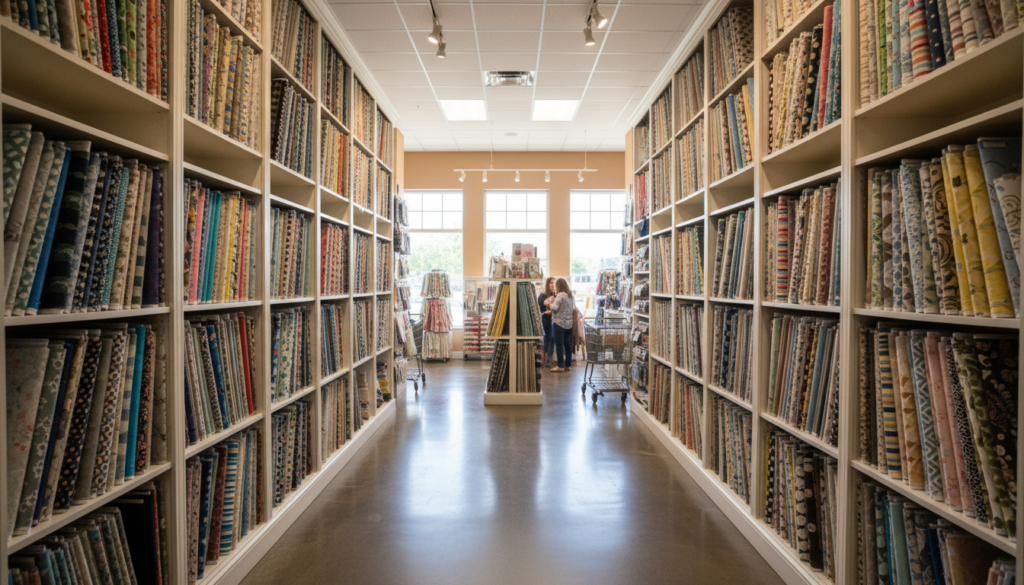
Buying sewing supplies overwhelms new sewers. Stores stock thousands of products. You don’t need everything to start making fun sewing projects for beginners.
Finding Quality Fabric
Buy fabric in person when possible. You can feel the weight and see true colors. Online shopping works fine once you know what you like.
Start with quilting cotton for most projects. This fabric forgives mistakes and sews predictably. Wait to buy expensive fabrics until you develop your skills.
Check fabric stores for remnant bins
Buy fat quarters for small projects
Watch for seasonal sales
Join store reward programs
Shop estate sales for vintage fabrics
Building Your Sewing Kit Gradually
Don’t buy everything at once. Get basics first, then add tools as you need them. Your sewing style determines which tools matter most.
Start With Essentials
These items handle 90% of beginner projects. Buy quality versions that last.
Basic sewing machine
Fabric scissors
Measuring tape
Pins and cushion
Seam ripper
Thread in basic colors
Add Later
Purchase these tools when specific projects require them.
Specialty presser feet
Rotary cutter and mat
Specialty scissors
Pattern weights
Pressing ham
Point turner
Understanding Fabric Sales
Fabric stores run frequent sales. Learn the patterns to save money on supplies. Most stores offer weekly deals on different departments.
Sign up for store emails to catch flash sales. Many stores give coupons for joining their mailing lists. Stack sales with coupons when possible.
Troubleshooting Common Beginner Sewing Problems
Every beginner faces similar challenges. Knowing how to fix common problems saves frustration. Most issues have simple solutions once you identify the cause.
Thread Tension Issues
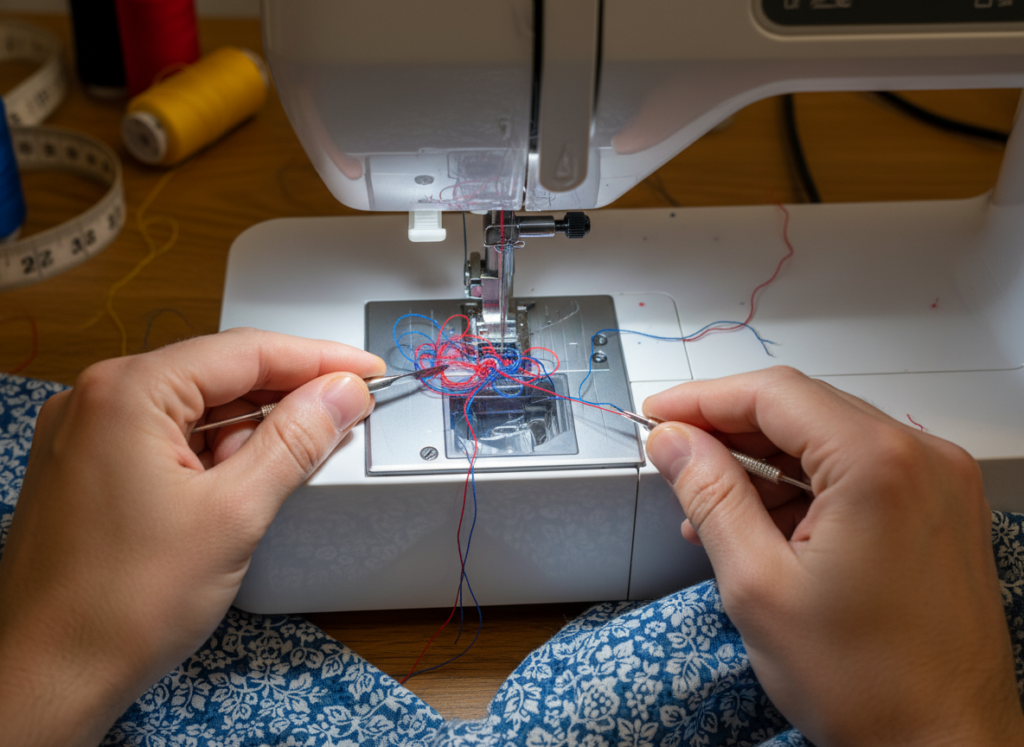
Loops on top or bottom indicate tension problems. Check your threading first before adjusting tension dials. Most tension issues come from improper threading.
Rethread your machine completely
Check bobbin insertion direction
Clean lint from tension discs
Try different thread brands
Use same weight thread top and bottom
Skipped Stitches
Skipped stitches frustrate beginners. Several causes create this problem. Work through solutions systematically to find your issue.
Quick Fix: Change your needle first. Dull or damaged needles cause most skipped stitches. Use the correct needle type for your fabric weight.
Fabric Puckering
Puckered seams look unprofessional. This happens when fabric gathers along the stitching line. Several factors cause puckering in beginner projects.
Confidence comes from practice and small successes. Start with easy sewing projects and gradually increase difficulty. Don’t jump to complicated patterns before mastering basics.
Setting Realistic Expectations
Your first projects won’t look perfect. That’s completely normal and expected. Every experienced sewer started exactly where you are now.
Focus on learning rather than perfection. Each project teaches new skills. Mistakes provide the best learning opportunities.
Finish projects even if they’re imperfect
Save early projects to see progress
Celebrate small victories
Learn from each mistake
Practice skills on scrap fabric
Tracking Your Progress
Keep a sewing journal or photo collection. Document finished projects and lessons learned. You’ll amaze yourself looking back at your progress.
Note which techniques came easily and which need more practice. This helps you choose appropriate projects for your current skill level.
When to Challenge Yourself
Move to harder projects when current ones feel easy. You should feel slightly challenged but not overwhelmed. Gradual progression builds solid skills.
Signs You’re Ready
Current projects feel routine
You anticipate next steps
Seams look consistently neat
You understand pattern instructions
Take It Slow When
Projects still feel challenging
Instructions confuse you
Results disappoint you often
You feel frustrated frequently
Accelerate Your Sewing Journey
Stop struggling with unclear instructions and confusing patterns. Get access to comprehensive video tutorials designed specifically for beginners. Learn professional techniques that make every project easier and more enjoyable.
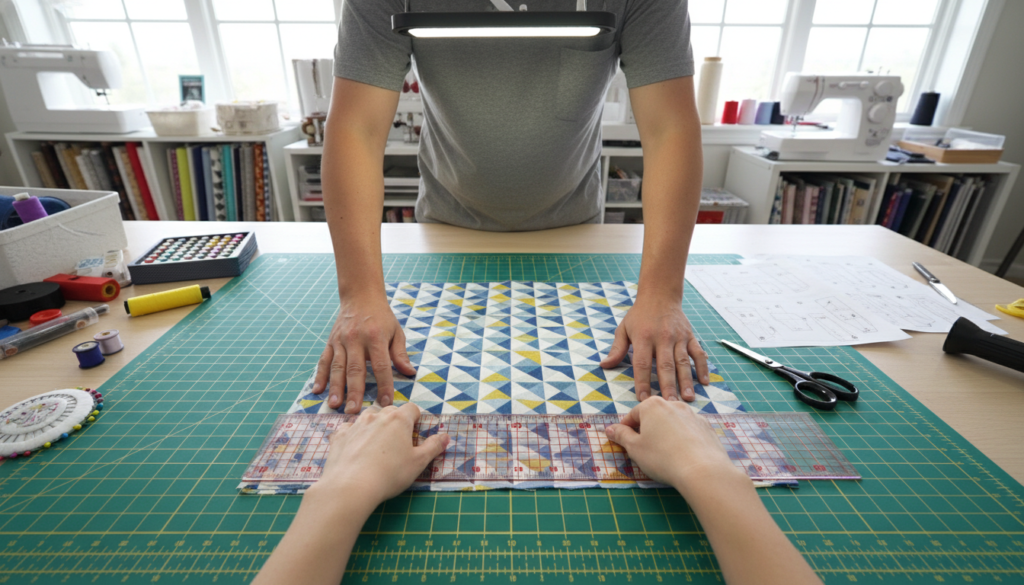
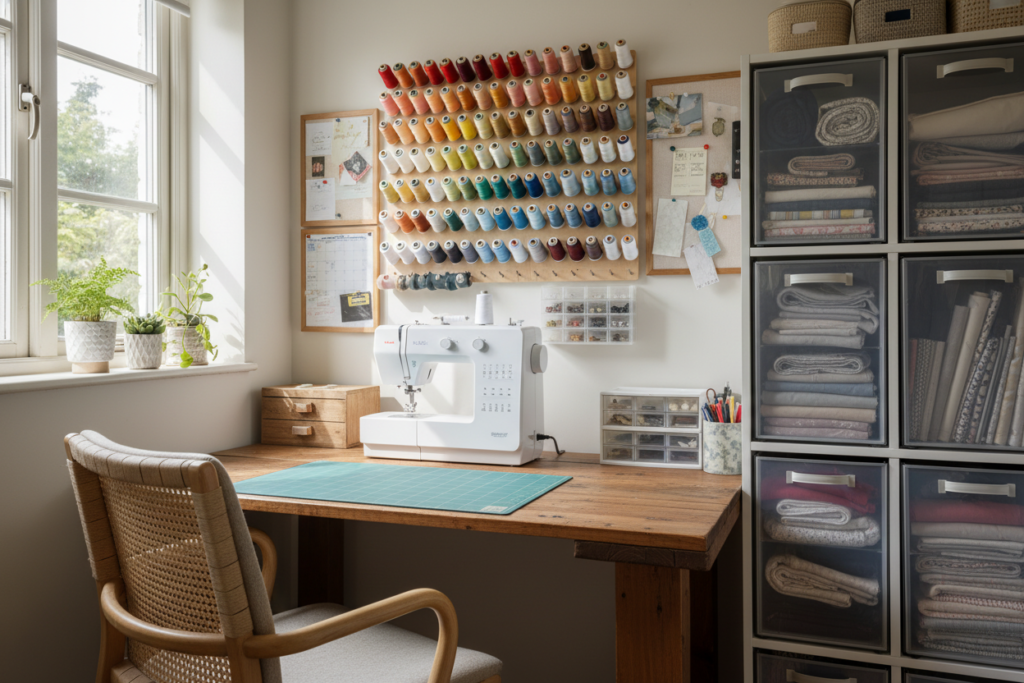
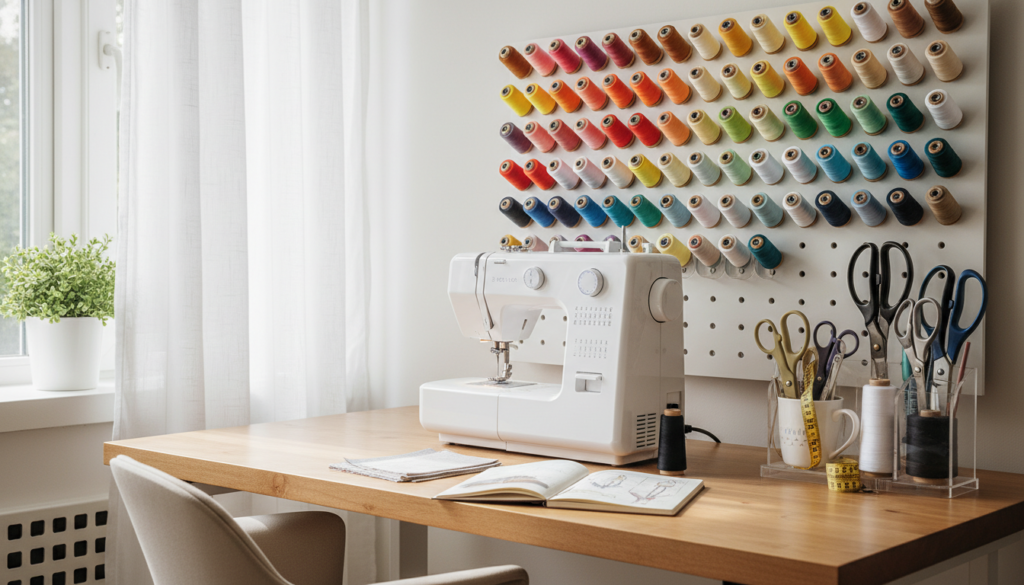
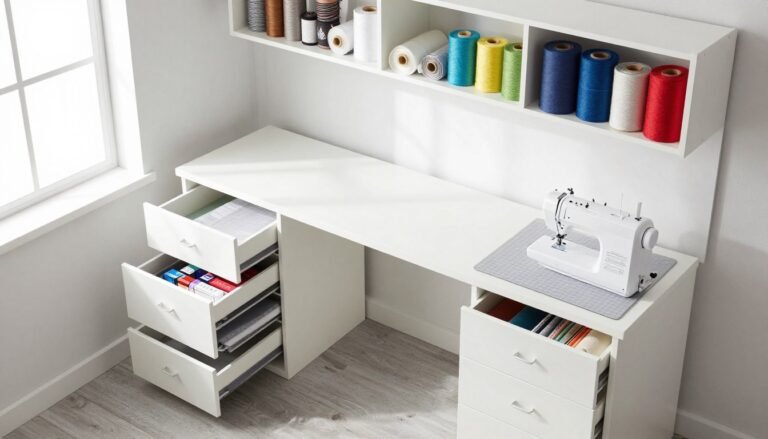
A well-organized sewing area makes projects more enjoyable. You don’t need a dedicated room. Even a small corner works if you organize it thoughtfully.
Essential Storage Solutions
Store supplies where you can easily find them. Clear containers let you see contents without opening everything. Label containers for quick identification.
Thread racks on walls save space
Drawer organizers separate notions
Rolling carts move easily
Hanging organizers use vertical space
Magazine holders store fabric scraps
Setting Up Your Work Area
Position your machine near good lighting. Natural light works best for seeing true fabric colors. Add task lighting for evening sewing sessions.
Keep frequently used tools within arm’s reach. This saves time and keeps you focused on sewing. Store occasionally-used items farther away.
Maintaining Your Space
Clean up after each session. Put tools back in designated spots. This keeps your space ready for your next project.
Oil your machine regularly and change needles often. Clean lint from your machine after every few projects. Proper maintenance prevents frustrating breakdowns.
Joining the Sewing Community
Connecting with other sewers accelerates your learning. The sewing community welcomes beginners with encouragement and helpful advice. You’ll find support both online and locally.
Online Sewing Resources
Countless websites offer free sewing tutorials and patterns. Video platforms show techniques in action. Social media groups provide instant help when you’re stuck.
YouTube channels for video lessons
Pinterest for project inspiration
Facebook groups for questions
Instagram for following makers
Blogs for detailed tutorials
Local Sewing Groups
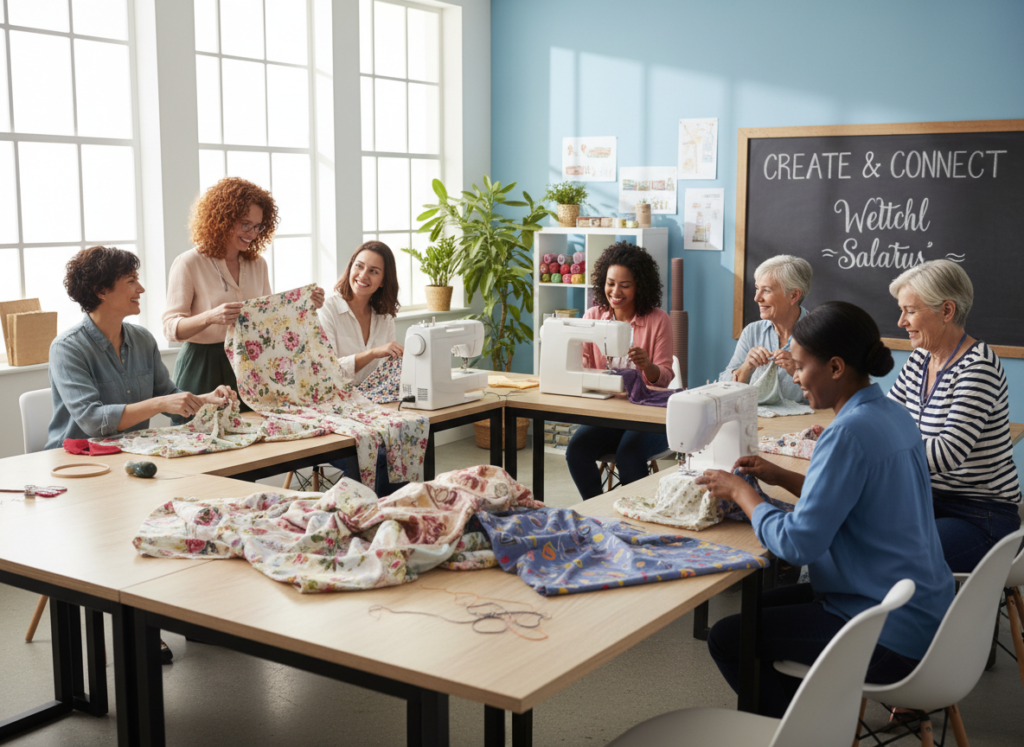
Many communities have sewing groups or guilds. These groups meet regularly to sew together and share skills. Check libraries, fabric stores, and community centers for meetings.
Taking a class provides structured learning. Instructors answer questions immediately and correct mistakes before they become habits. Most fabric stores offer beginner classes regularly.
Benefits of Community
Sewing friends understand your excitement over finished projects. They celebrate your successes and help troubleshoot problems. The shared passion creates lasting friendships.
Get answers to specific questions
Discover new techniques
Find accountability partners
Share supplies and tools
Participate in sewing swaps
Attend sewing retreats
Choosing Your Next Sewing Projects
After completing these beginner projects, you’re ready for new challenges. Choose projects that interest you personally. Passion keeps you motivated through learning curves.
Skill Progression Path
Move from simple to complex projects gradually. Each new project should introduce one or two new techniques. This builds skills without overwhelming you.
Beginner Projects
Straight seams only
Square or rectangular shapes
No closures or simple ties
Basic hems
Single layer construction
Intermediate Projects
Gentle curves
Zipper insertion
Button holes
Lined items
Following patterns
Advanced Projects
Fitted garments
Multiple pattern pieces
Specialty fabrics
Complex closures
Professional finishes
Project Ideas by Interest
Focus on projects that match your interests. You’ll stay motivated and use finished items regularly.
These fun sewing projects for beginners give you a solid foundation. You’ve learned about essential supplies, basic techniques, and project selection. Now it’s time to start creating.
Remember that every expert sewer started exactly where you are now. They made wobbly seams and learned from mistakes. Your skills will improve with each project you complete.
Don’t wait for perfect conditions to begin. Start with one simple project using supplies you have available. The best way to learn sewing is by actually sewing.
Choose a project that excites you from this list. Gather your materials and set aside time to create. You’ll feel proud wearing, using, or gifting something you made with your own hands.
Your Sewing Success Starts Here
Don’t let confusion or frustration slow your progress. Get instant access to professional sewing courses designed specifically for beginners. Watch over-the-shoulder demonstrations, download printable patterns, and join a supportive community of fellow sewers. Transform from nervous beginner to confident creator with expert guidance every step of the way.