Starting your sewing journey feels exciting and a little scary at the same time. You want to create something useful and beautiful. A tote bag makes the perfect beginner project because it teaches you essential skills without overwhelming complexity.
This tutorial walks you through every step of making your first tote bag. You’ll learn basic techniques that form the foundation for all future sewing projects. The best part? You can complete this project in just a few hours.
By the end, you’ll have a functional bag and newfound confidence in your sewing abilities. Let’s gather your materials and start creating something amazing together.
Ready to Start Your Sewing Journey?
Get access to complete beginner sewing patterns, video tutorials, and expert guidance that make learning easy and fun. Everything you need to succeed in one place.
Essential Materials for Your Beginner Tote Bag Project
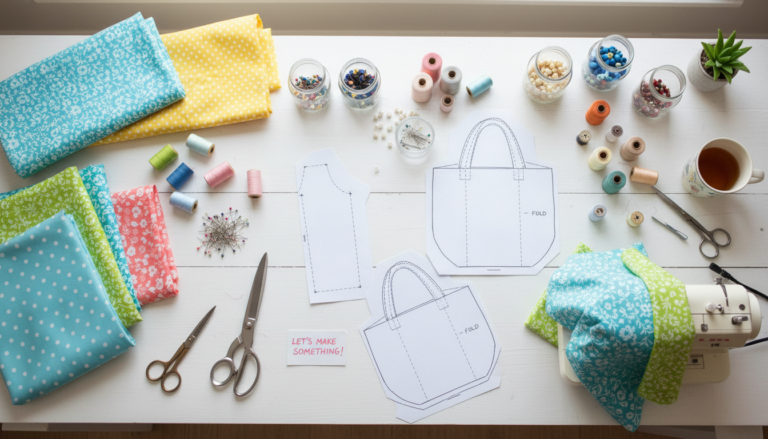
Choosing the right materials makes your first sewing project easier and more enjoyable. Quality supplies don’t need to be expensive. Focus on fabrics that forgive small mistakes and work well for beginners.
Fabric Selection Guide
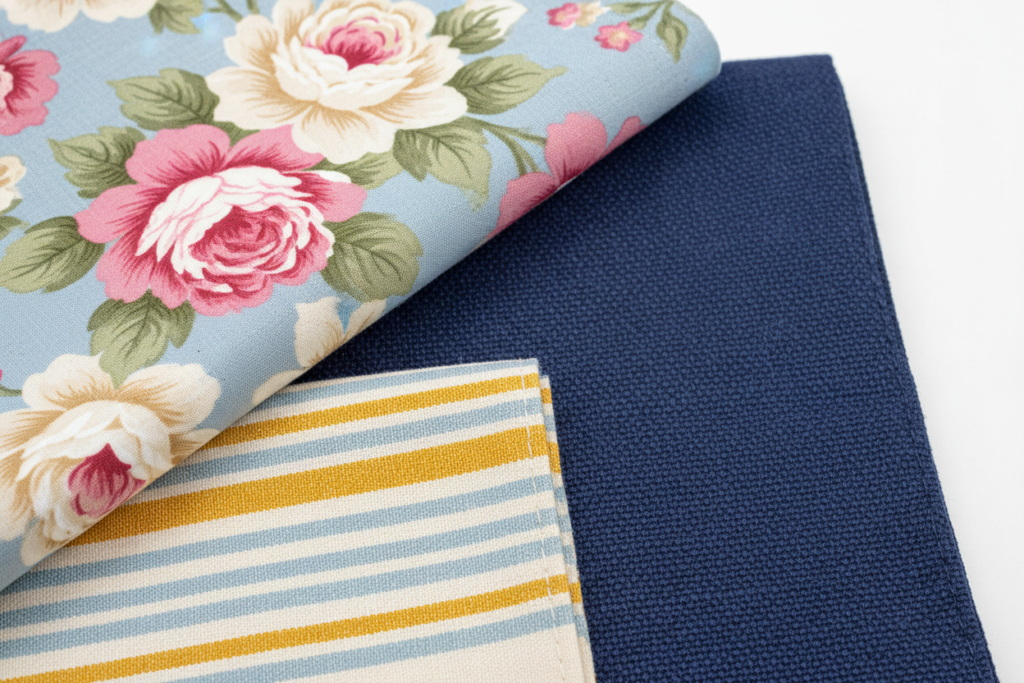
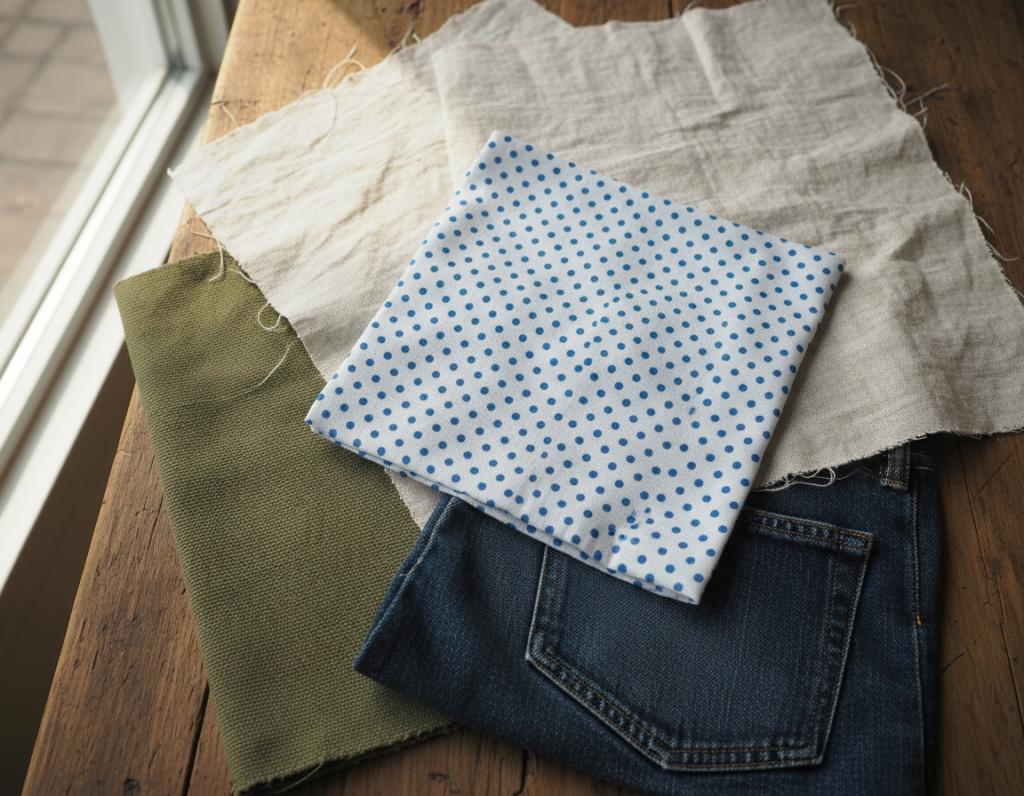
Cotton fabric works best for your first tote bag. It handles easily and doesn’t slip or stretch while you sew. Canvas offers extra durability if you want a sturdier bag.
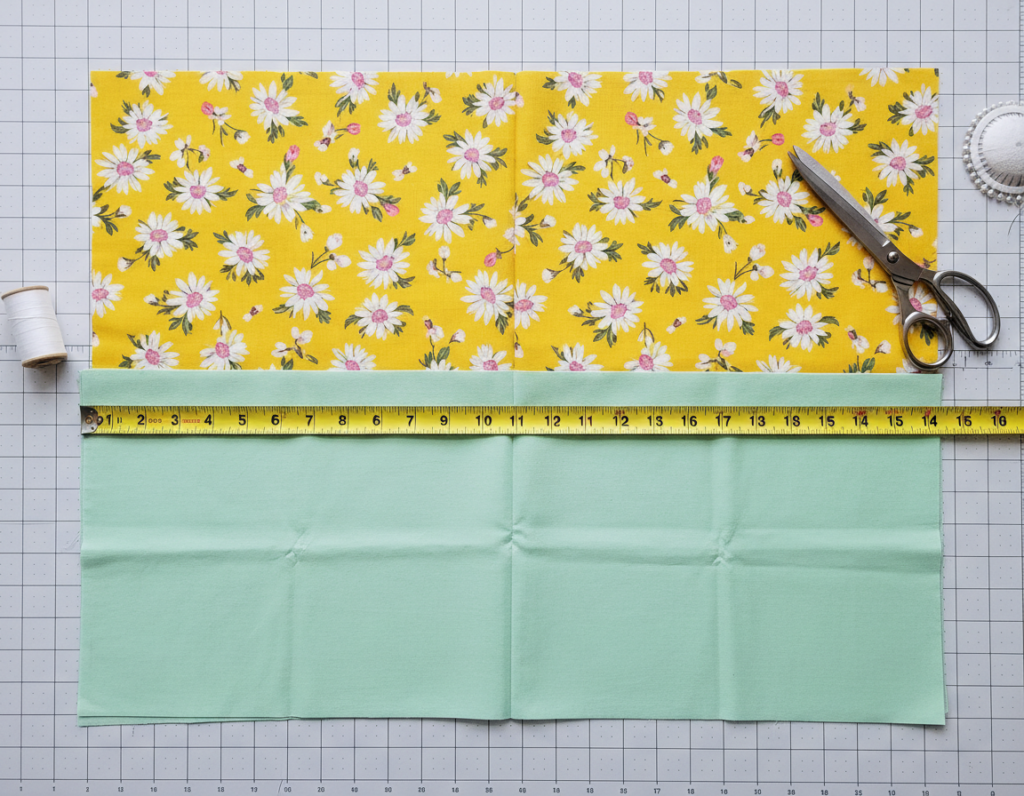
You need two pieces of fabric measuring 15 inches by 36 inches each. This creates a finished bag that measures approximately 14 inches wide by 15 inches tall. The outer fabric shows on the outside while the lining fabric creates a polished interior.
100% cotton quilting fabric for easy handling
Medium-weight canvas for durability
Pre-washed fabric to prevent shrinking later
Complementary colors for outer and lining fabrics
Additional Supplies and Tools
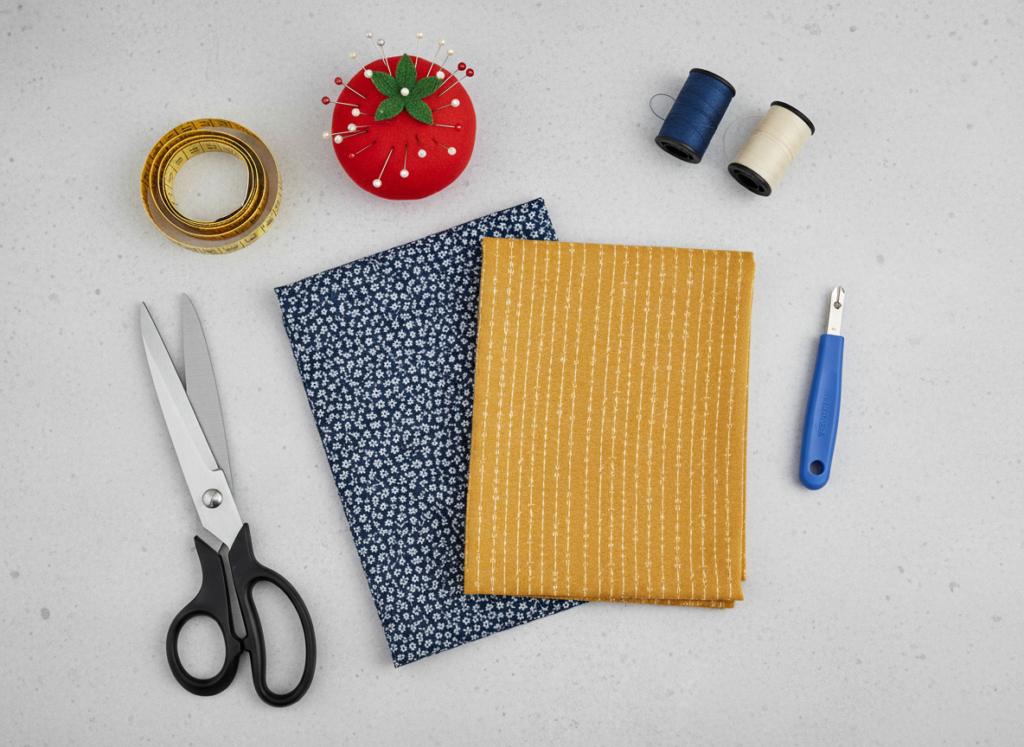
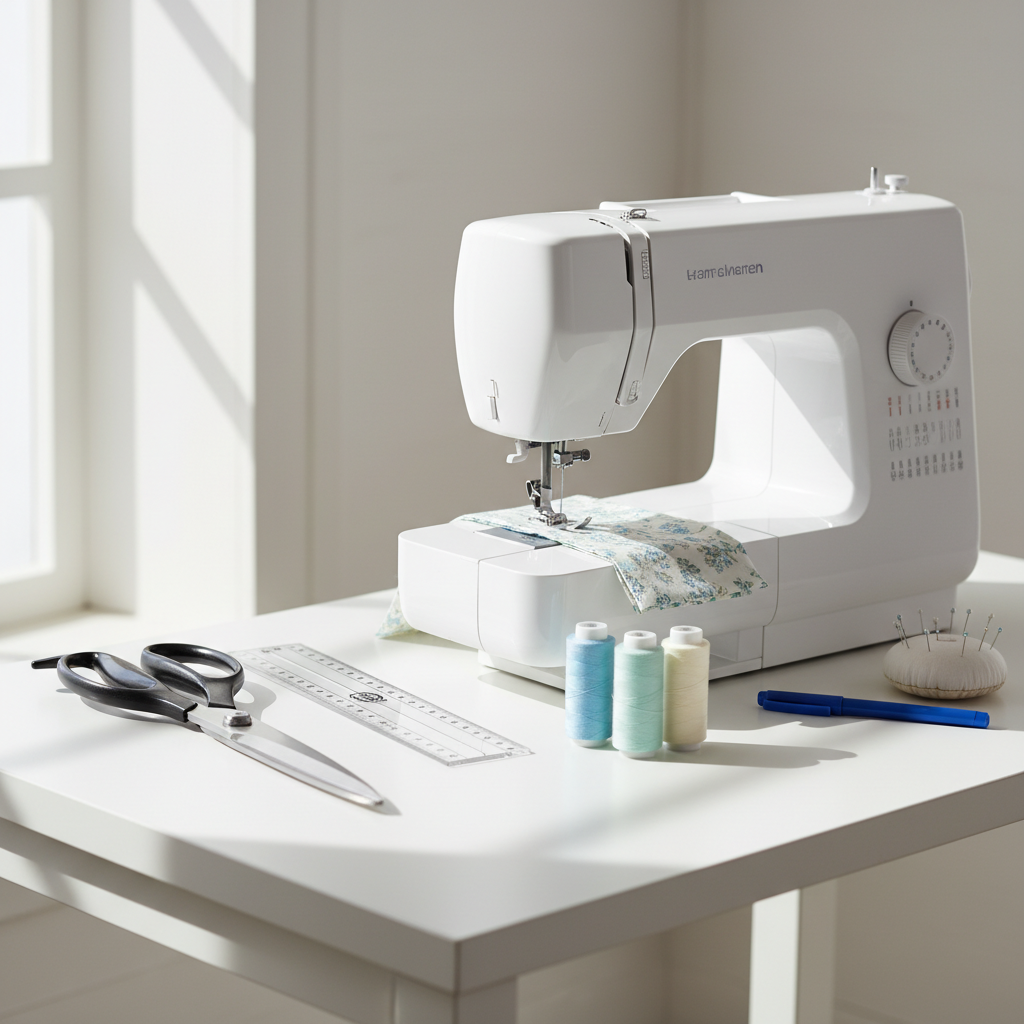
Basic sewing tools make the construction process smooth and accurate. A standard sewing machine handles this project perfectly. You don’t need any fancy features or attachments.
Sewing machine with straight stitch capability
Sharp fabric scissors for clean cuts
Straight pins to hold fabric in place
Thread matching your fabric colors
Measuring tape or clear quilting ruler
Iron and ironing board for pressing seams
Fabric marking pen or tailor’s chalk
Skip the Supply Hunt
Get a complete beginner’s sewing kit with all the tools and materials you need. Plus step-by-step video lessons that show you exactly what to do.
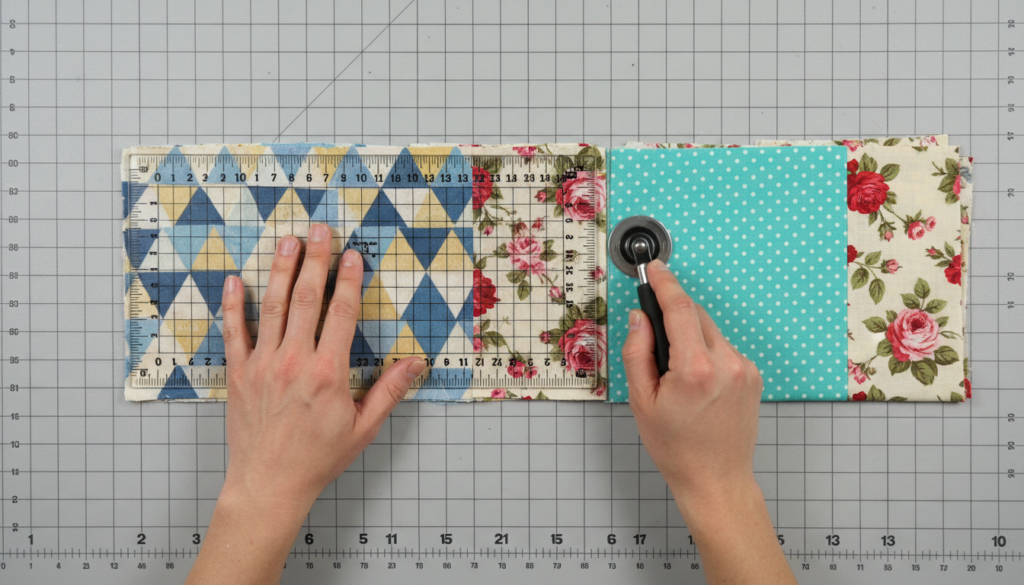
Accurate cutting sets you up for success. Take your time during this step. Clean, straight edges make sewing much easier later.
Press your fabric before cutting to remove wrinkles and creases. Place your fabric on a flat surface with the right side facing down. The right side shows the pattern or finished surface you want visible on the outside.
Cutting Your Main Pieces
Measure and cut two rectangles from your outer fabric. Each piece measures 15 inches wide by 18 inches tall. These form the main body of your tote bag.
Cut two identical pieces from your lining fabric using the same measurements. Double-check your measurements before cutting. This ensures all pieces match perfectly when you start sewing.
Creating Strap Pieces
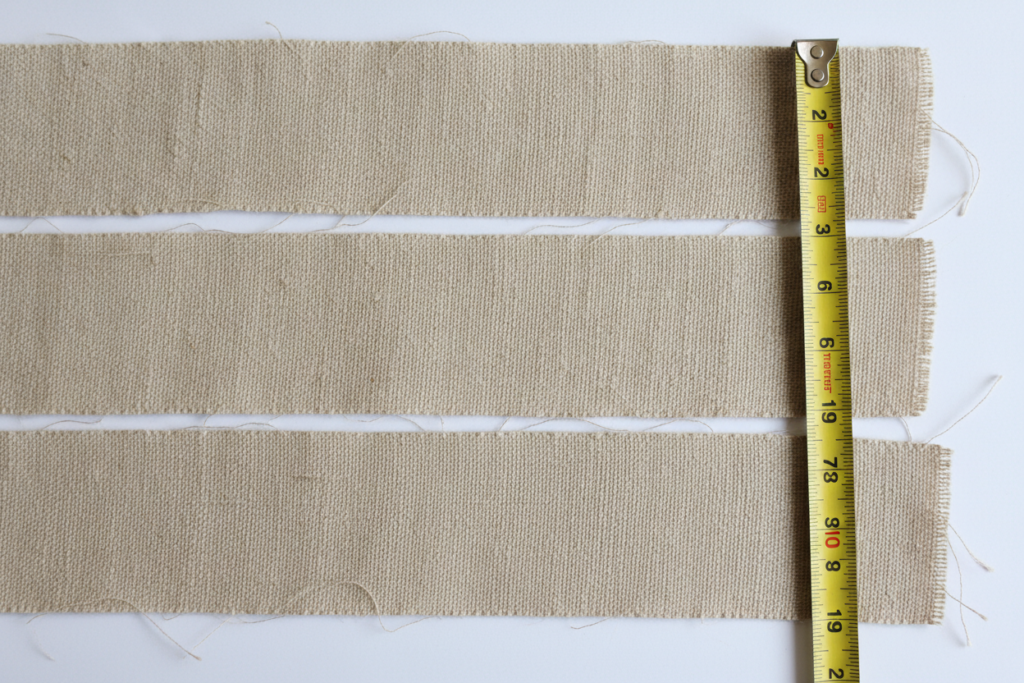
Cut two strips measuring 4 inches wide by 24 inches long from your outer fabric. These become your bag straps. Longer straps allow the bag to sit comfortably on your shoulder.
You can adjust strap length based on your preference. Just remember to cut both straps exactly the same length for a balanced finished bag.
Constructing Sturdy Tote Bag Straps
Strong straps ensure your tote bag lasts for years. This folding method creates straps that can handle heavy loads. The process seems tricky at first but becomes simple with practice.
Folding and Pressing Technique
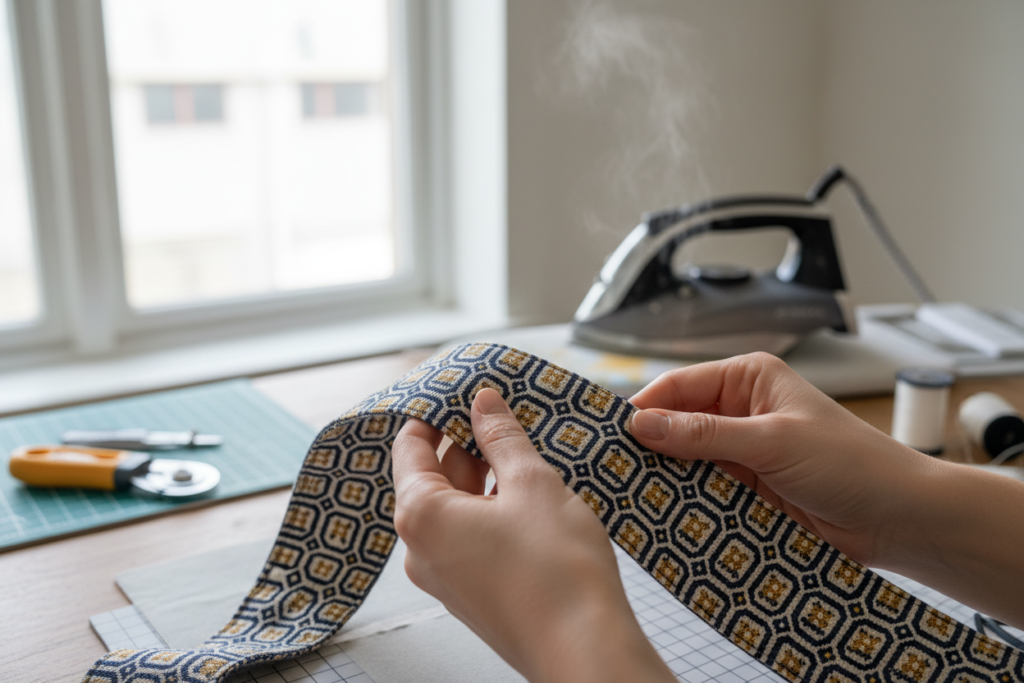
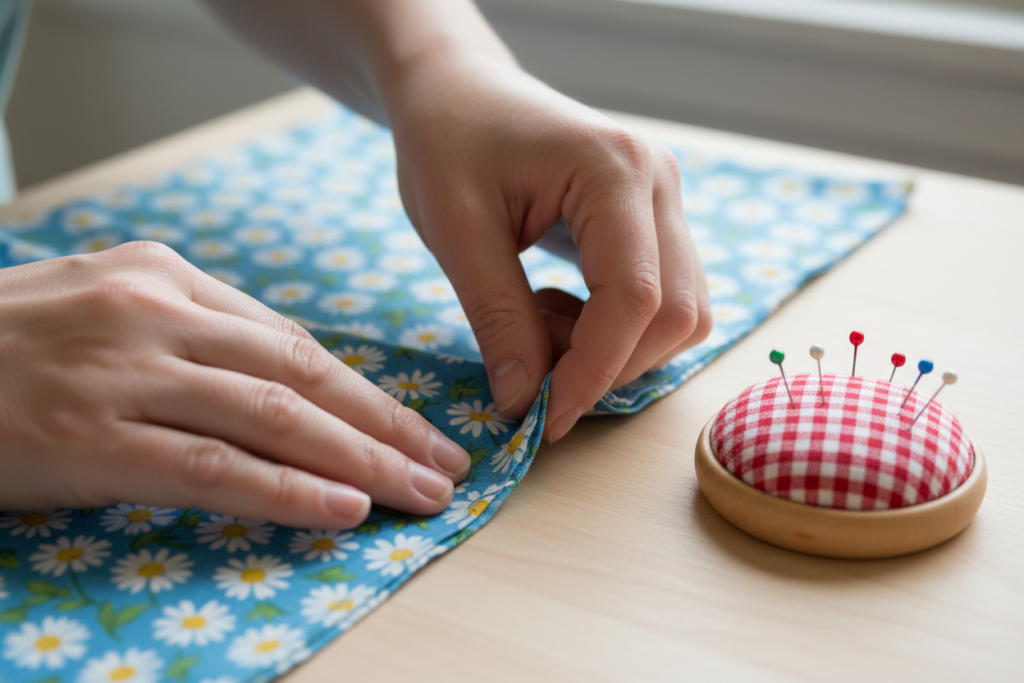
Take one strap piece and fold it in half lengthwise with wrong sides together. Press this fold with your iron to create a center crease. Open the fabric back up flat.
Fold each long edge toward the center crease you just made. Each edge should meet at the center line. Press these folds firmly with your iron to set them in place.
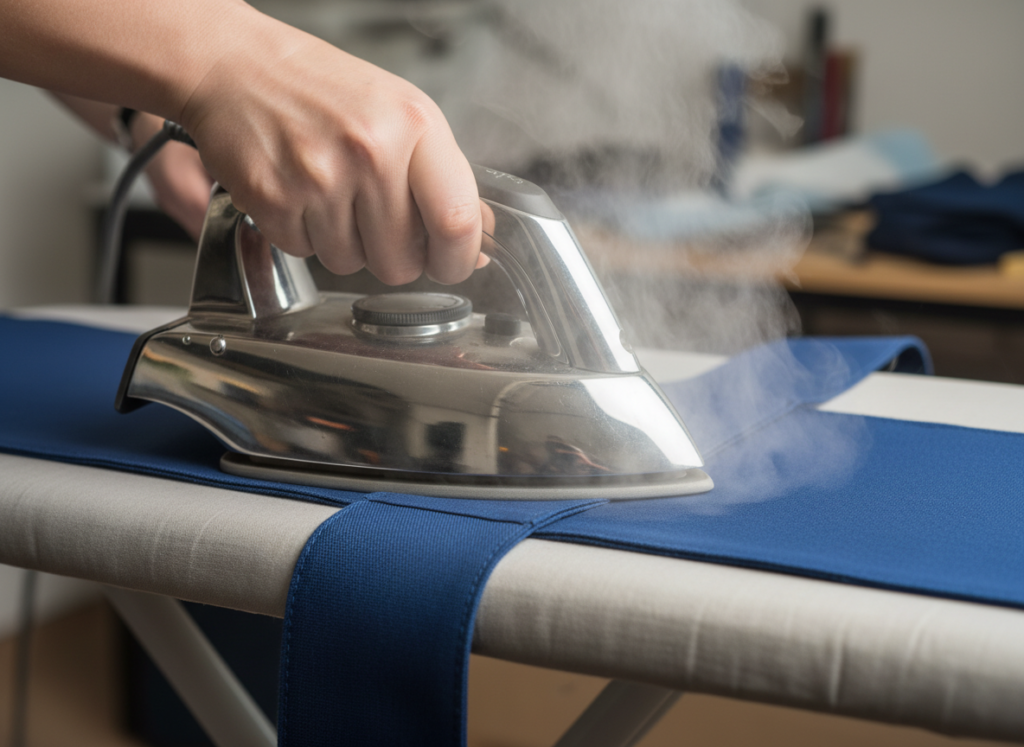
Fold the strap in half again along the original center crease. This encases the raw fabric edges inside the strap. Press one final time to create crisp edges.
Pin along the open edge to hold everything in place while you sew. The folded strap should now measure approximately 1 inch wide.
Sewing Your Straps
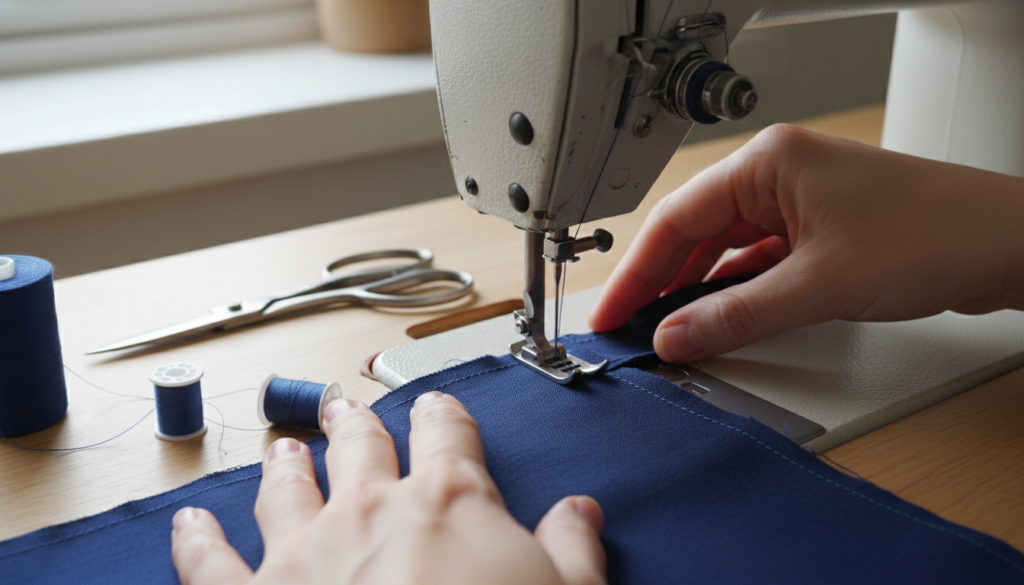
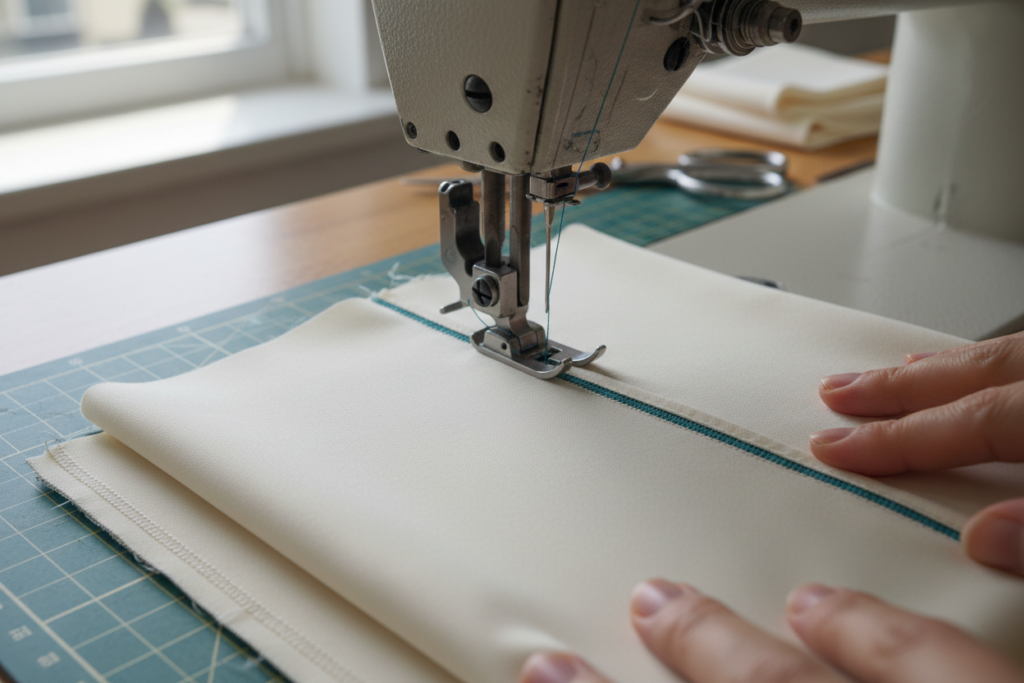
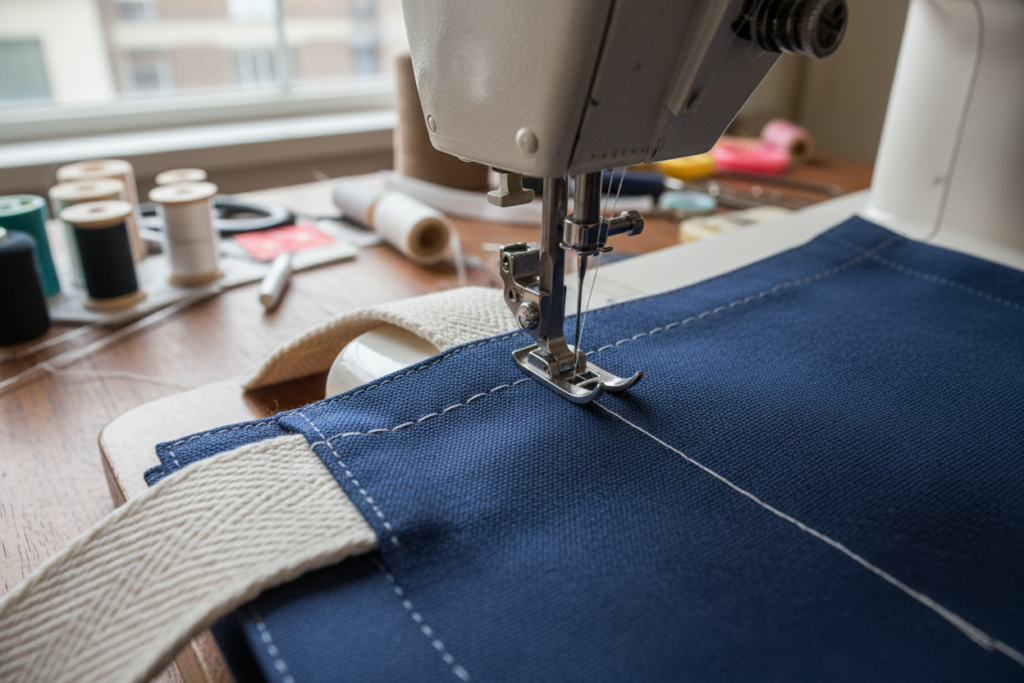
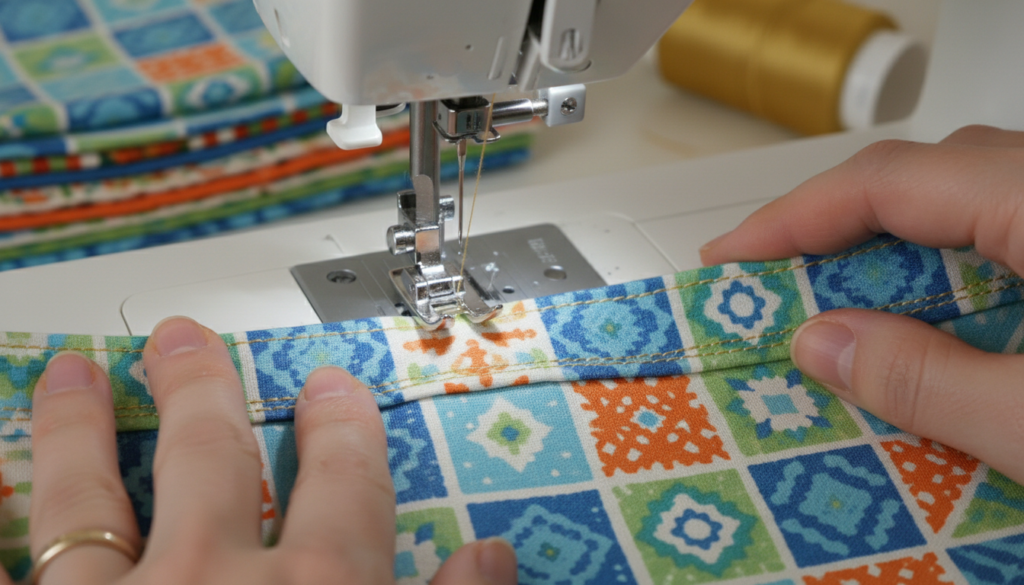
Set your sewing machine to a straight stitch with a 1/4 inch seam allowance. Sew along both long edges of the strap. This secures all the folded layers and creates a professional finish.
Backstitch at the beginning and end of each seam to lock your stitches. This prevents the stitching from unraveling over time. Repeat this entire process for your second strap.
Master Essential Sewing Techniques
Learn professional sewing methods through detailed video demonstrations. Get instant access to techniques that make every project look polished and professional.
Assembling the main body brings your tote bag to life. You’ll see your project transform from flat pieces into a three-dimensional bag. Take your time and follow each step carefully.
Preparing Outer Fabric Pieces
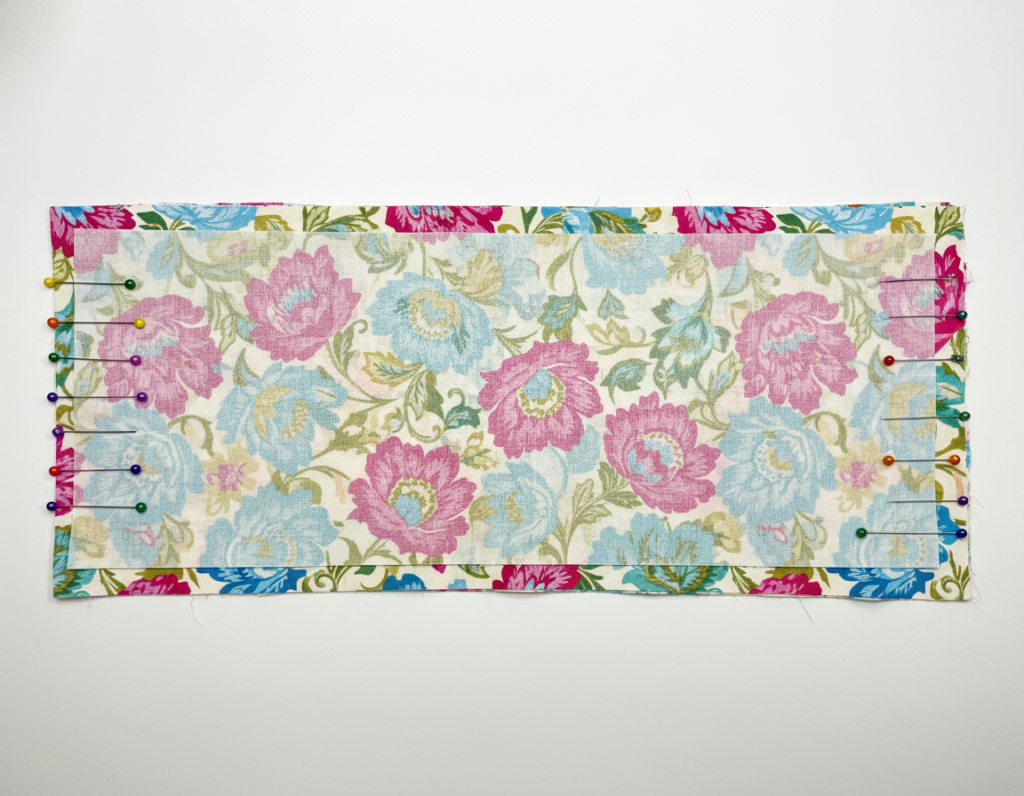
Place your two outer fabric pieces right sides together. This means the pretty side of each fabric faces inward toward each other. The wrong sides should be facing outward where you can see them.
Align all edges carefully so they match exactly. Pin along the bottom edge and both side edges. Leave the top edge open and unpinned.
Sewing Around Sides and Bottom
Set your machine for a 1/2 inch seam allowance. Start at one top corner and sew down the side. When you reach the bottom corner, stop with your needle down in the fabric.
Lift your presser foot and pivot the fabric 90 degrees. Lower the presser foot and continue sewing across the bottom. Pivot again at the next corner and sew up the remaining side.
Backstitch at the beginning and end to secure your seams. This creates a U-shaped seam that joins the sides and bottom while leaving the top open.
Creating Box Corners
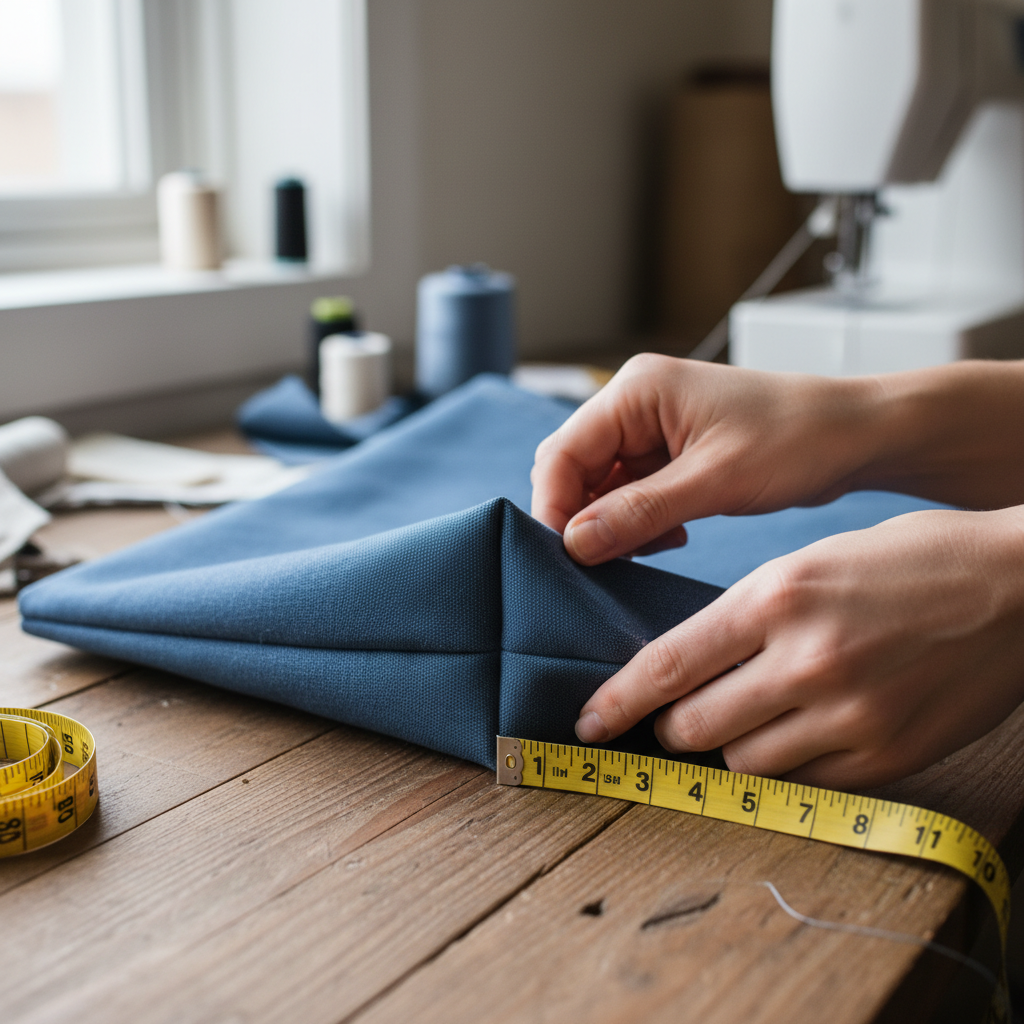
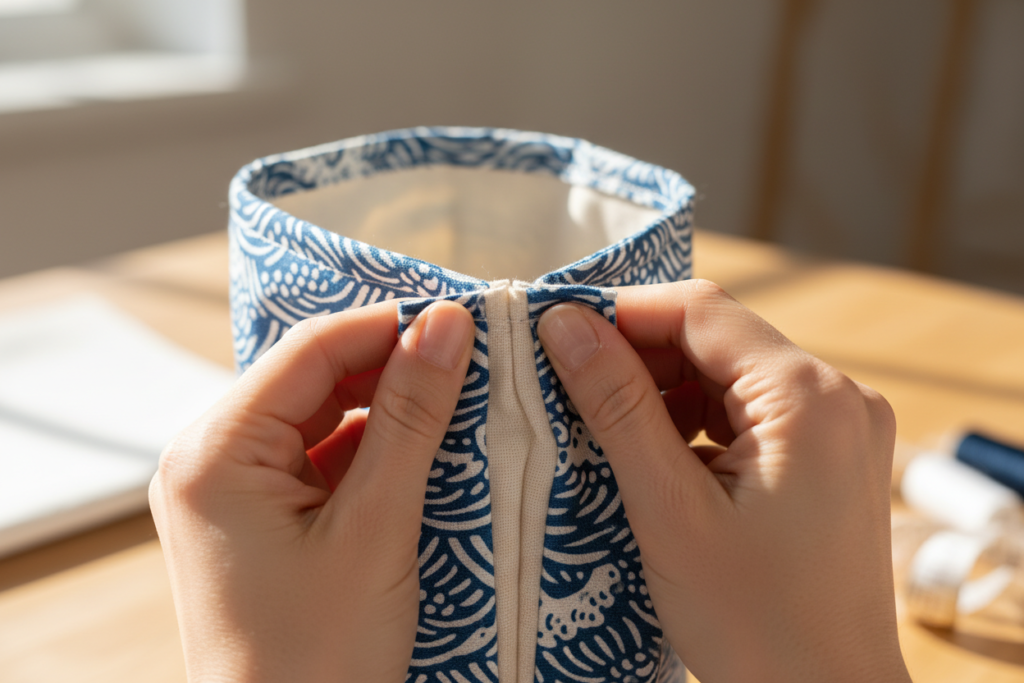
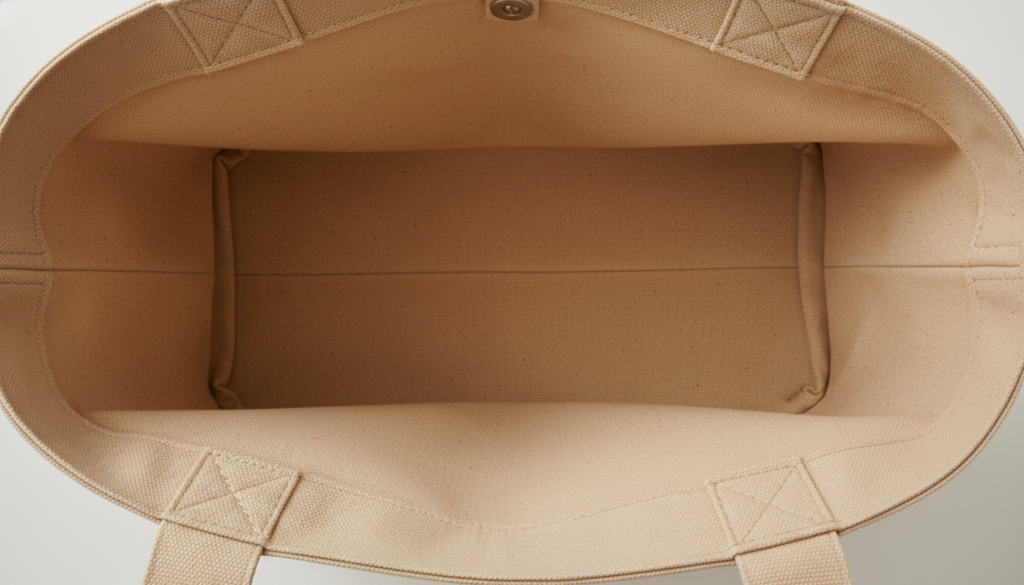
Box corners add depth to your bag so it stands up on its own. Open up one bottom corner of your sewn outer bag. Pull the side seam and bottom seam apart so they align on top of each other.
This creates a triangle shape at the corner. Measure 2 inches from the point of the triangle and draw a line perpendicular to the seam. Sew along this line and trim the excess fabric 1/4 inch from your stitching.
Repeat this process on the other bottom corner. Your bag now has a flat bottom with depth.
Assembling the Lining
Follow the exact same steps with your lining fabric pieces. Sew the sides and bottom with right sides together using a 1/2 inch seam allowance. Create box corners the same way you did for the outer bag.
The only difference is you’ll leave a 4-inch opening along the bottom seam of the lining. This opening allows you to turn the bag right side out later. Mark this opening with pins before you start sewing.
Attaching Straps to Your Tote Bag
Proper strap placement ensures your bag hangs comfortably and carries weight evenly. Measure carefully during this step for the best results.
Positioning Straps Correctly
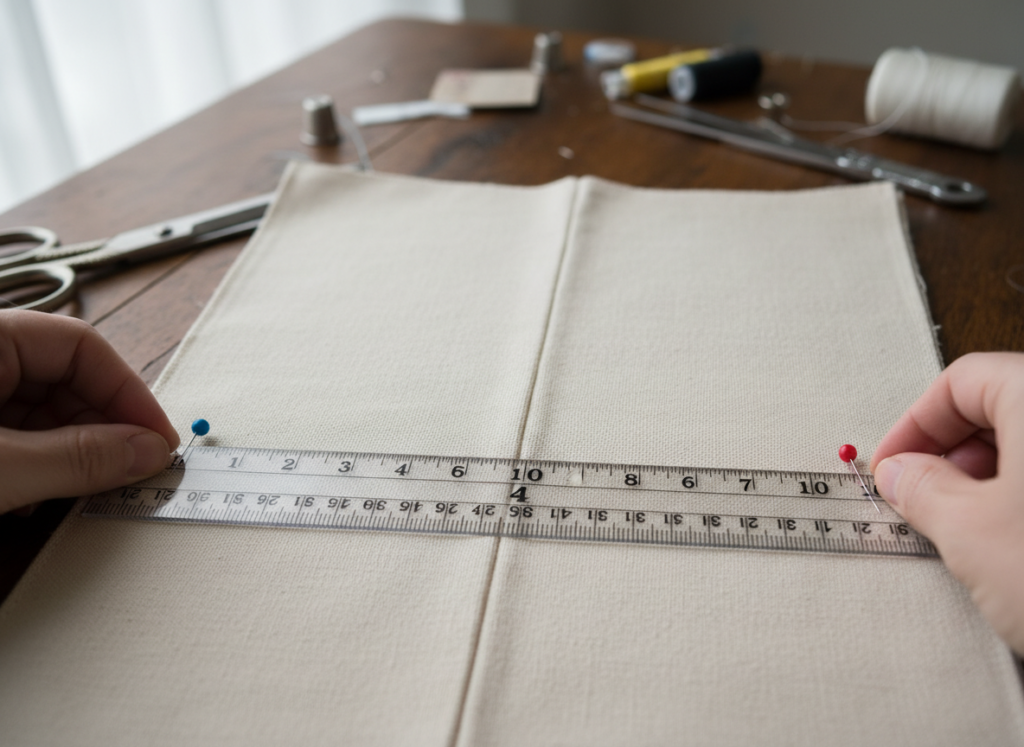
Turn your outer bag right side out temporarily to see the pretty fabric. Find the center of the front panel by folding it in half. Mark this center point lightly with a fabric pen.
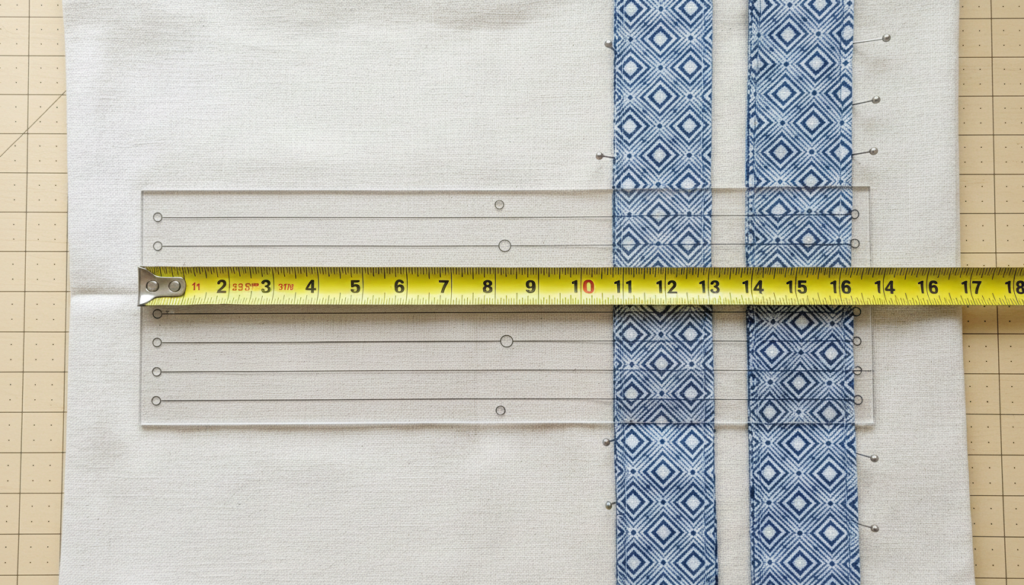
Measure 4 inches to the left of center and mark this spot on the top edge. Measure 4 inches to the right of center and mark that spot too. These marks show where your straps attach.
Place one end of a strap at each mark with the strap facing down into the bag. The raw edges of the strap should align with the raw edge at the top of the bag. Pin securely in place.
Securing Strap Ends
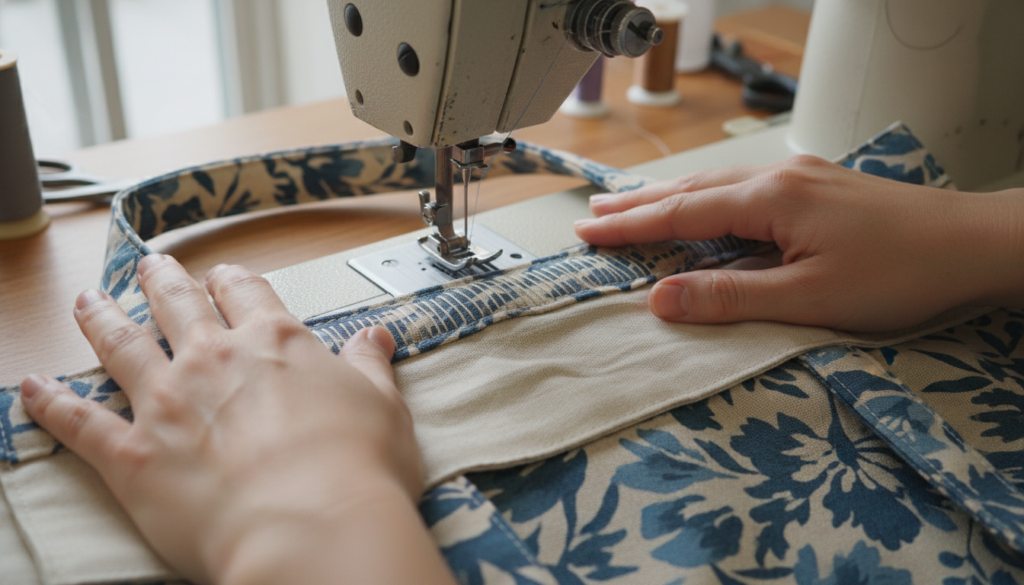
Sew across each strap end with a 1/4 inch seam. This basting stitch holds the straps in place while you complete the final steps. Repeat the entire process on the back panel of your bag with the second strap.
Make sure both straps face the same direction and aren’t twisted. The straps should loop upward naturally when the bag is right side out.
Combining Outer Bag and Lining
This step brings your tote bag together into its final form. The process seems complicated but breaks down into simple movements. Work slowly and check your alignment frequently.
Preparing Both Pieces
Turn your outer bag right side out with straps tucked inside and facing downward. Leave your lining bag inside out. Slip the outer bag inside the lining bag.
Match the top raw edges all around the opening. Align the side seams of the outer bag with the side seams of the lining. Pin all around the top edge to hold everything in place.
Sewing the Top Edge
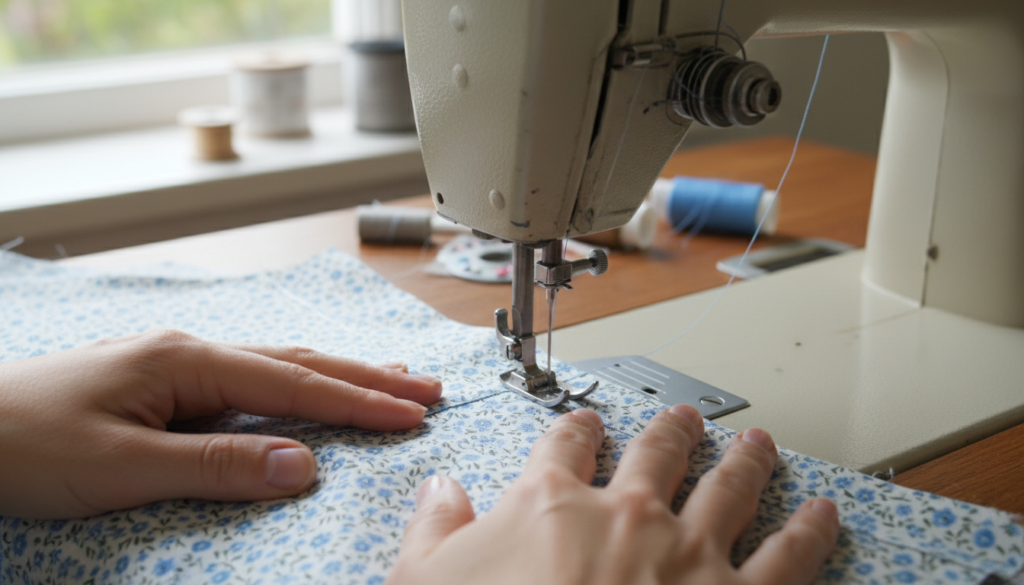
Sew all the way around the top edge using a 1/2 inch seam allowance. The fabric feels thick here because you’re sewing through four layers plus the strap ends. Take your time and keep the seam straight.
This seam encloses the raw edges at the top of your bag and permanently attaches the lining to the outer bag. Make sure to backstitch at the start and finish.
Take Your Skills to the Next Level
Now that you’ve mastered the basics, explore advanced sewing projects and techniques. Access hundreds of patterns and tutorials designed specifically for growing your skills.
You’re almost finished with your first sewing project. These final steps transform your inside-out bag into a polished, usable tote.
Turning and Pressing
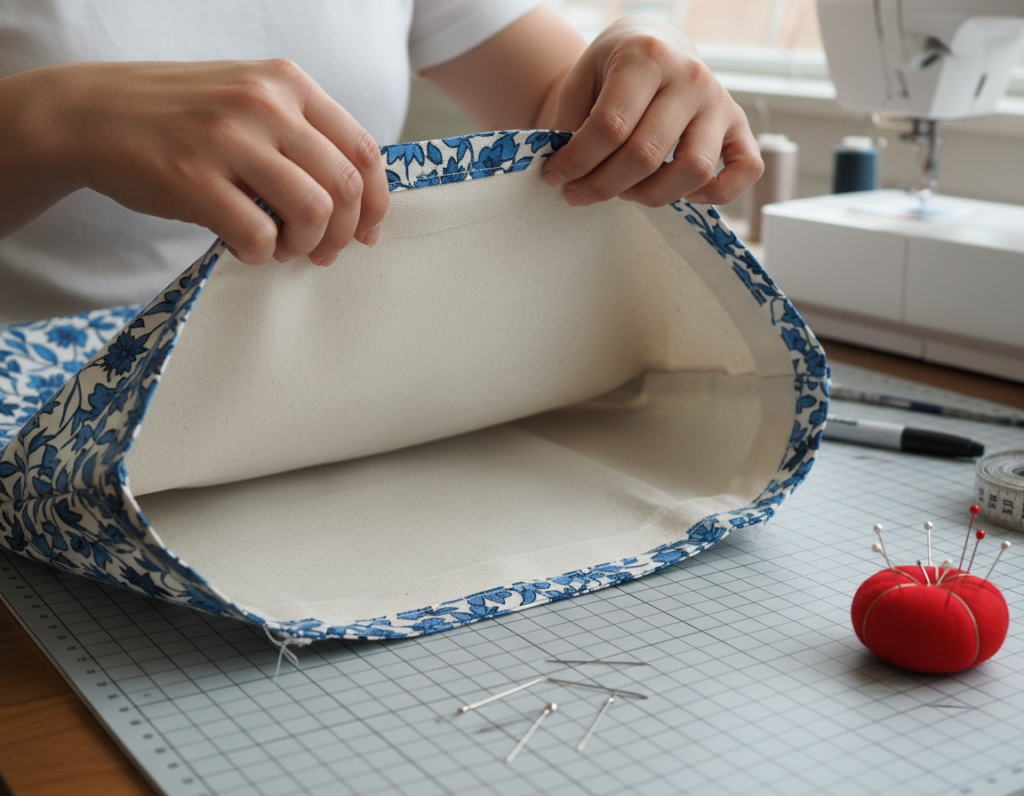
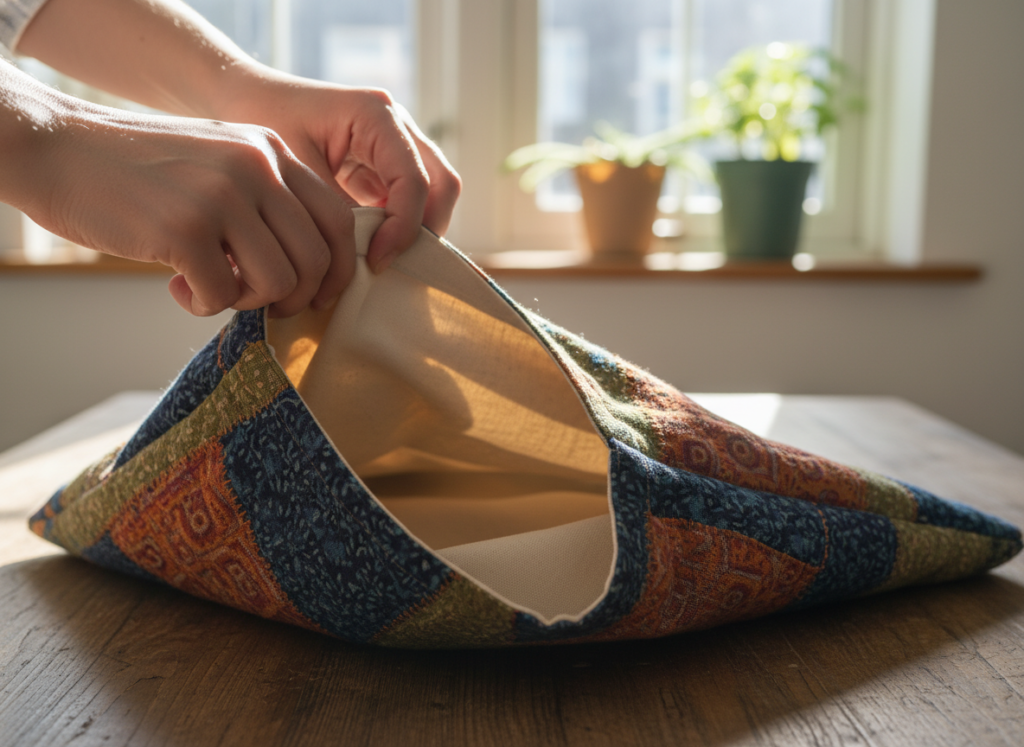
Reach through the opening you left in the lining bottom. Grab the outer bag and pull it through this opening. The entire bag turns right side out with the pretty fabric now showing on the outside.
Push the lining down inside the outer bag. Use your fingers to push out the corners fully so they’re nice and crisp. Press around the top edge of the bag with your iron to create a professional finish.
Closing the Lining Opening
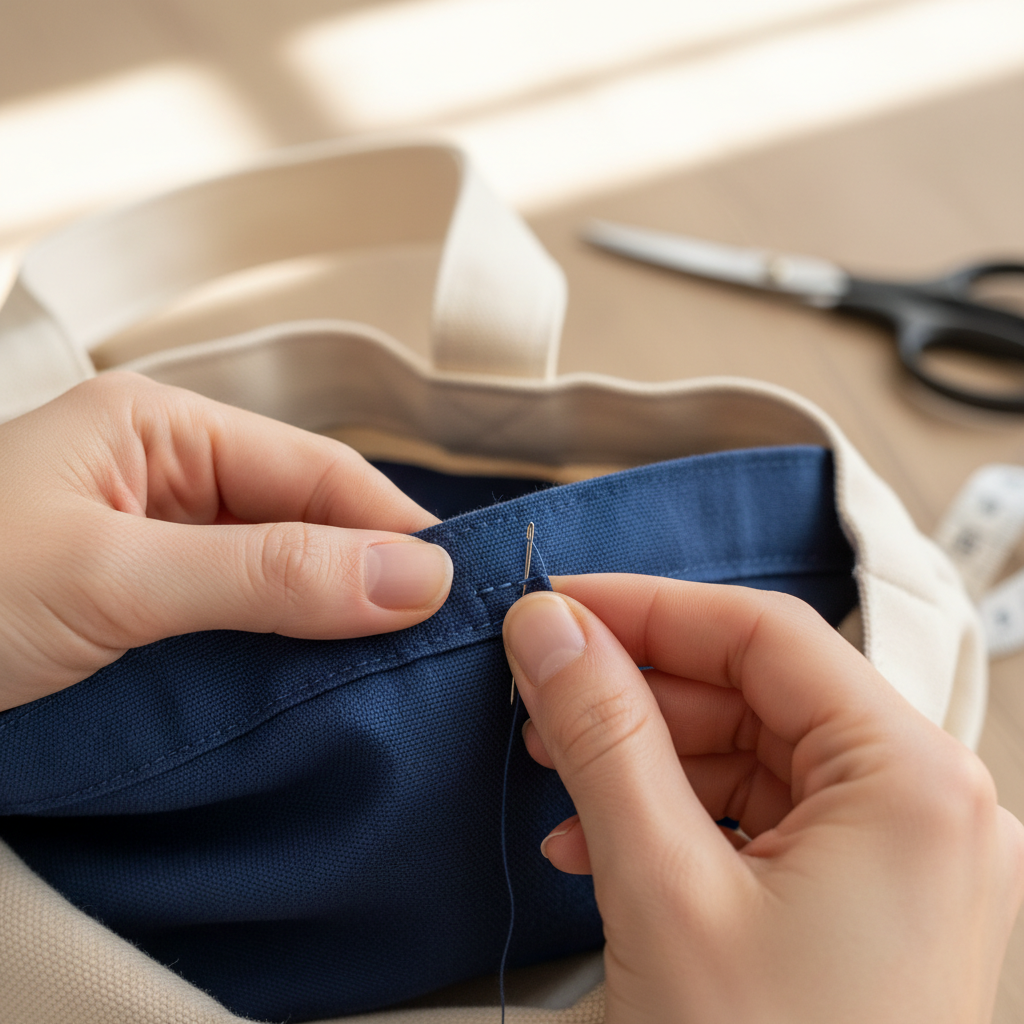
Hand-stitch the opening in the lining closed using small stitches. You can also machine-stitch close to the edge if you prefer. This opening served its purpose and now gets sewn shut permanently.
Adding Top Stitching
For a polished look, sew around the top edge of your bag about 1/4 inch from the edge. This top stitching keeps the lining tucked neatly inside and adds durability.
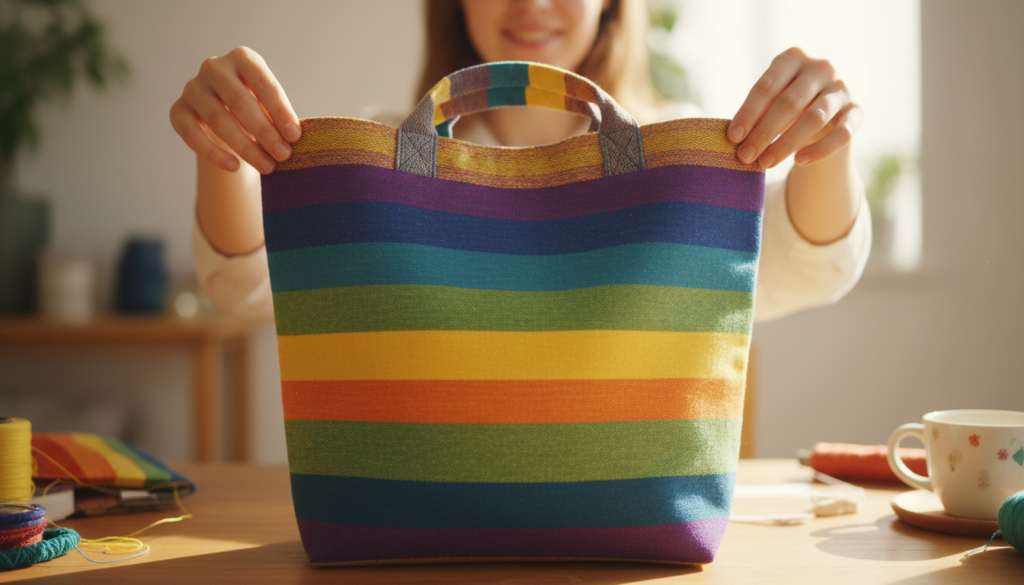
Take your time around the thick areas where the straps attach. Your finished bag now has a clean, professional appearance that looks store-bought.
Tips for Success and Creative Variations
Now that you understand the basic construction, you can customize your tote bags in countless ways. Small changes create completely different looks and functions.
Fabric Selection Tips
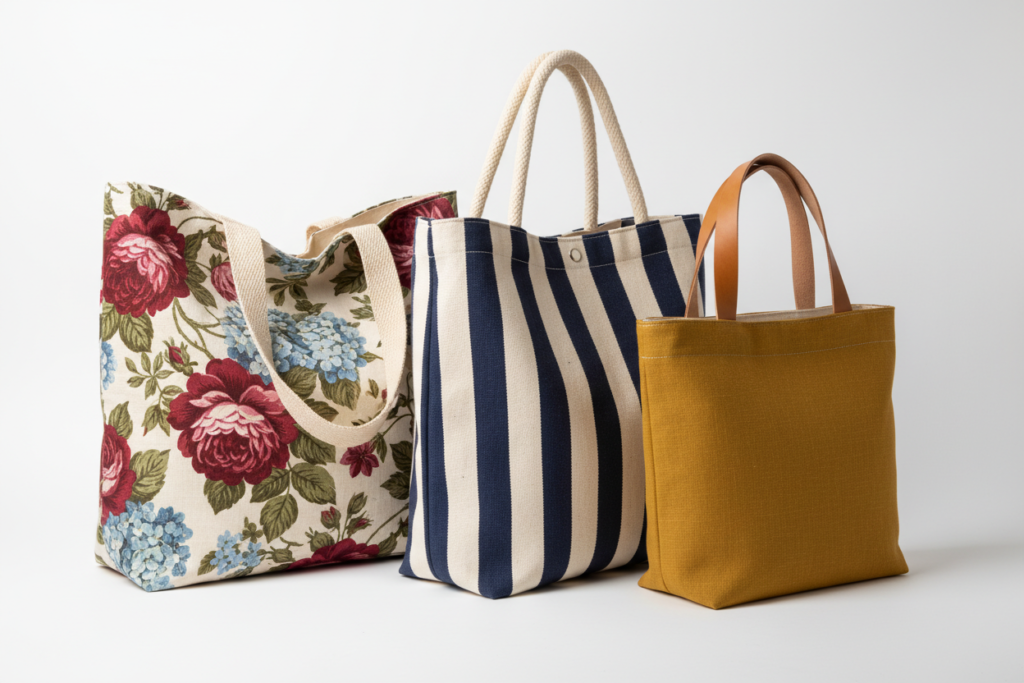
Cotton quilting fabric works beautifully for lightweight everyday bags. Canvas creates heavy-duty bags perfect for groceries or beach trips. Home décor fabric adds structure and interesting patterns.
Always pre-wash your fabric before cutting. This prevents shrinking after you complete your bag. Press out wrinkles before measuring and cutting for the most accurate results.
Size Customization Options
Make a smaller bag by cutting fabric 12 inches wide by 14 inches tall
Create an oversized beach bag with pieces 18 inches wide by 20 inches tall
Adjust strap length from 20 inches for hand-carrying to 30 inches for shoulder bags
Change box corner depth from 2 inches to 3 inches for more interior space
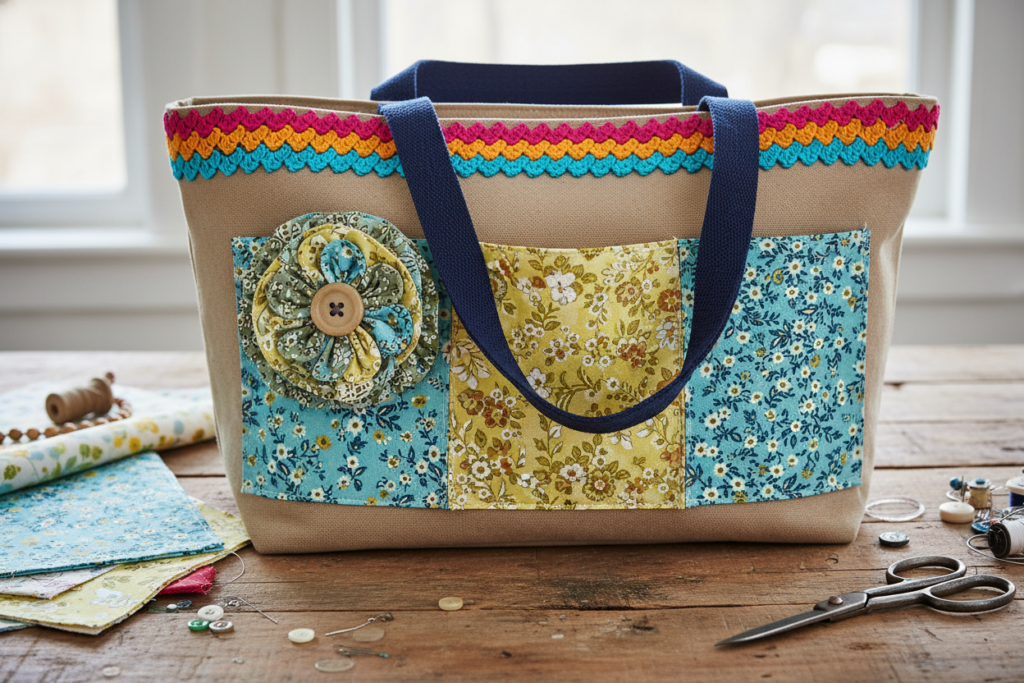
Adding Personal Touches
Add exterior pockets before sewing the sides together. Attach them to the outer fabric pieces while everything is still flat. Pockets need to be sewn on with right sides together and then flipped up before you assemble the bag.
Consider adding an interior pocket to the lining fabric for keys or phone. Sew a rectangle of fabric to one lining piece before assembling the lining bag.
Common Beginner Mistakes to Avoid
Forgetting to backstitch at seam ends leads to unraveling threads
Rushing through cutting creates uneven pieces that don’t align properly
Skipping the pressing steps results in less professional-looking seams
Not checking strap placement before sewing causes unbalanced bags
Pulling fabric through the machine instead of guiding creates wavy seams
Press each seam immediately after sewing it. This one step makes the biggest difference in how professional your finished project looks. Heat sets the stitches and creates crisp, flat seams.
Caring for Your Handmade Tote Bag
Proper care extends the life of your handmade creation. Cotton and canvas tote bags are remarkably durable with the right maintenance.
Washing Instructions
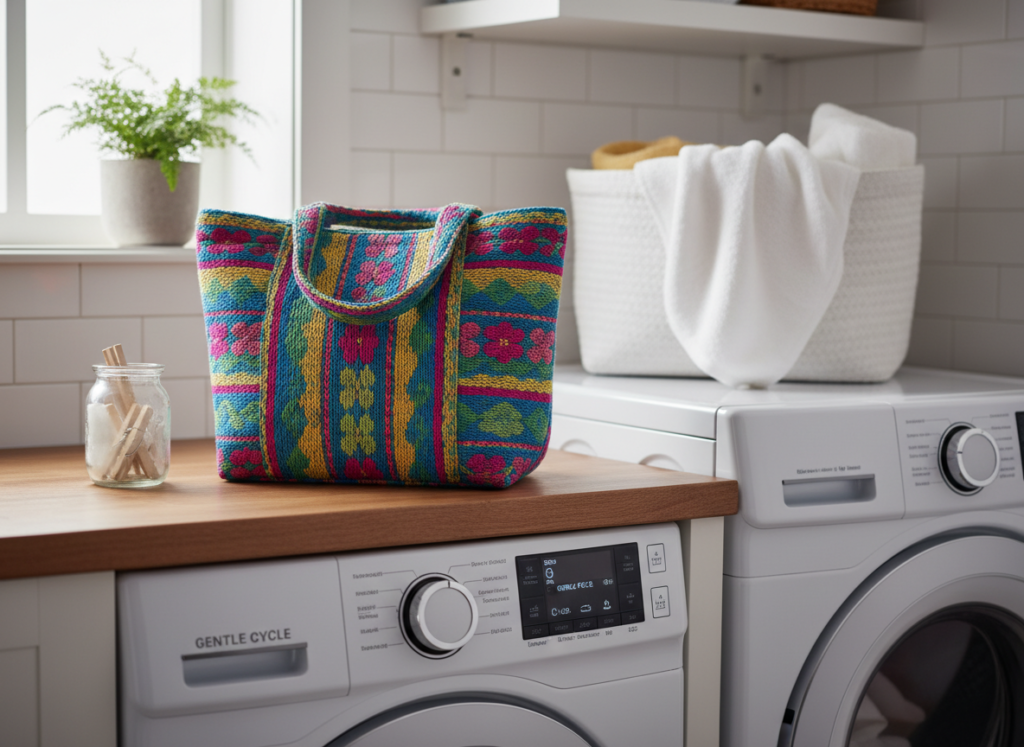
Machine wash your tote bag in cold water on a gentle cycle. Use mild detergent and avoid bleach which can fade colors and weaken fibers over time.
Turn the bag inside out before washing to protect the outer fabric. This prevents excessive fading and reduces wear on any decorative elements you might add later.
Drying and Storage
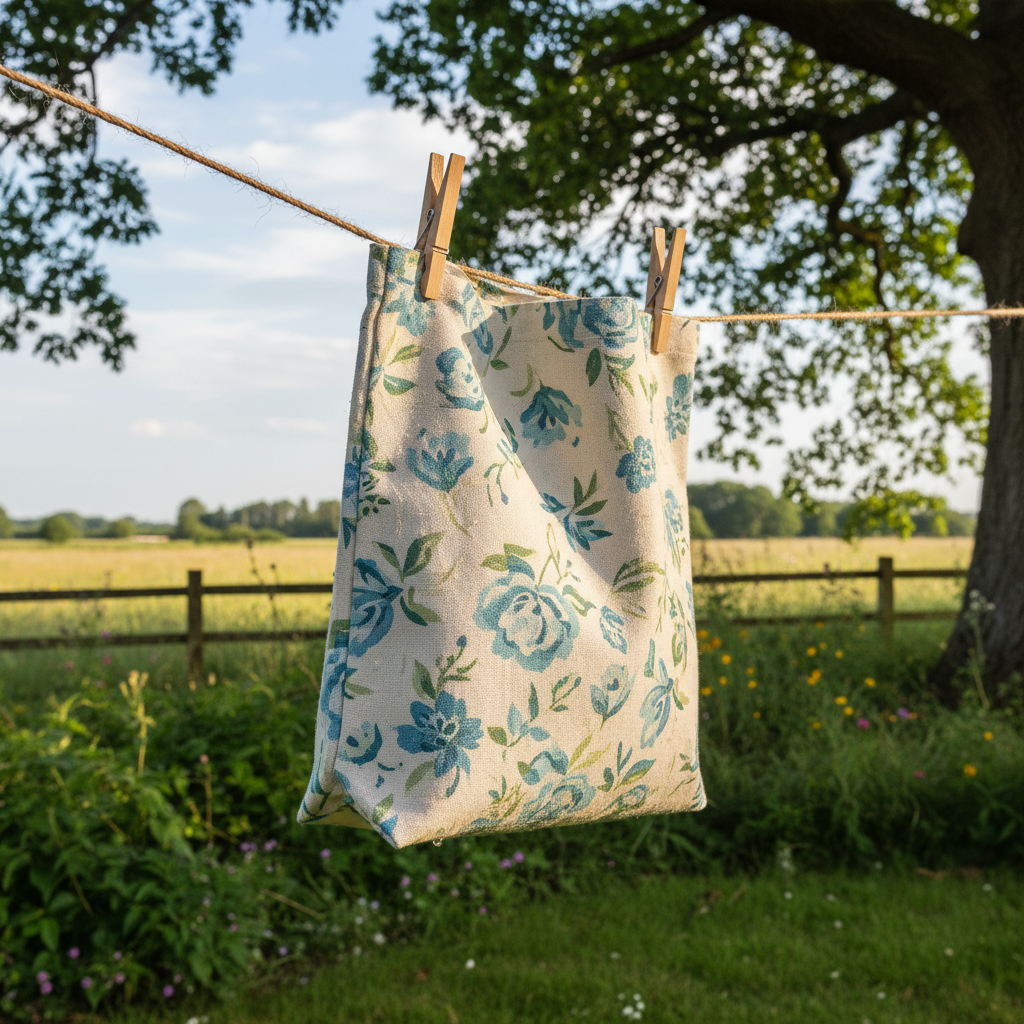
Air drying works best for handmade bags. Hang your bag over a shower rod or clothesline to dry naturally. This prevents shrinking and maintains the bag’s shape.
If you must use a dryer, choose low heat and remove the bag while slightly damp. Press with an iron while damp to smooth out wrinkles and restore crispness.
Store tote bags folded in a drawer or hanging on hooks. Avoid cramming them into tight spaces which creates permanent creases.
Your Next Sewing Projects to Try
Completing your first tote bag opens doors to countless other sewing projects. You now understand fundamental techniques that apply to many different items.
Projects Using Similar Skills
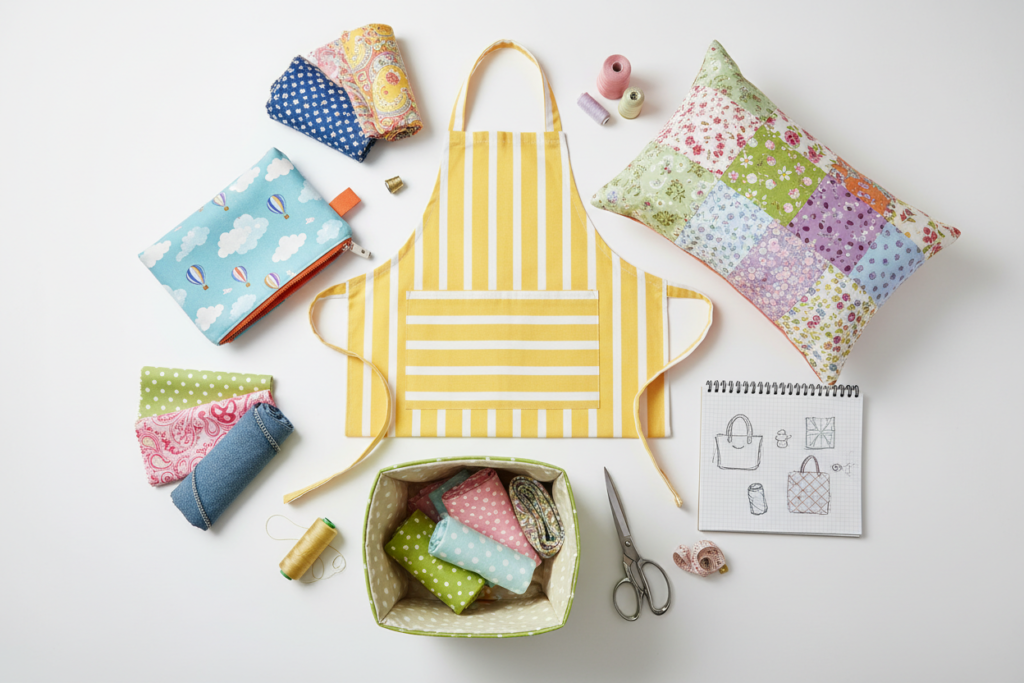
Zippered pouches teach you how to install zippers while building on bag construction basics
Drawstring backpacks combine bag making with channel creation for drawstrings
Simple aprons use the same straight seams and strap attachment methods
Pillowcases introduce envelope closures while reinforcing seam techniques
Fabric baskets expand on box corners to create fully structured containers
Each project teaches new skills while building on what you already know. Progress naturally from simple to more complex designs as your confidence grows.
Continue Your Sewing Journey with Confidence
Access a complete library of beginner to advanced sewing patterns and tutorials. Get the guidance and resources you need to keep creating beautiful handmade items.
You’ve completed your first sewing project from start to finish. That tote bag represents more than just a useful item. It shows you can learn new skills and create beautiful, functional things with your own hands.
Every seam you sewed built your confidence and competence. Those skills never go away. They form the foundation for every future project you tackle.
The wonderful thing about sewing is that you improve with every project. Your next tote bag will go faster and look even better. You’ll spot ways to work more efficiently and add your own creative touches.
Start using your new bag right away. Fill it with groceries, books, or craft supplies. Each time you use it, you’ll remember that you made it yourself. That feeling of accomplishment never gets old.
Keep practicing and exploring new techniques. The sewing community is welcoming and full of people excited to share knowledge and inspiration. Your creative journey is just beginning.