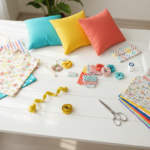
Starting your sewing adventure can feel overwhelming. You might wonder where to begin or what projects match your skill level. The good news is that beginner sewing doesn’t have to be complicated or expensive. With just a few basic supplies and the right guidance, you can create beautiful, functional items that bring joy to your life.
This comprehensive guide walks you through easy sewing projects for beginners that build your confidence step by step. Each project teaches essential skills while creating something you’ll actually use. Whether you want to make gifts, home decor, or practical accessories, these beginner sewing projects set you up for success.
Jumping into complex sewing patterns before mastering basics often leads to frustration. Easy beginner sewing projects help you develop fundamental skills without feeling overwhelmed. These projects teach you how to use your sewing machine, understand fabric behavior, and build muscle memory for essential techniques.
Starting simple gives you quick wins. Completing a project in one afternoon boosts your confidence and motivates you to tackle the next challenge. Each finished item proves you can create beautiful things with your own hands.
Beginner sewing projects also help you avoid costly mistakes. Learning on small, inexpensive projects means errors won’t waste much fabric or time. You’ll discover which fabrics work best for different items and which techniques suit your style.
Build Core Skills
Simple sewing projects teach essential techniques you’ll use forever.
Straight seam sewing
Fabric cutting accuracy
Understanding seam allowances
Basic finishing techniques
Gain Confidence
Quick completion times create momentum and excitement.
Finish projects in hours not days
See immediate results
Develop problem-solving abilities
Reduce fear of mistakes
Save Money
Practice on affordable materials before investing in expensive fabrics.
Use fabric scraps effectively
Minimize material waste
Learn cost-effective techniques
Create gifts instead of buying
Express Creativity
Easy projects still offer unlimited personalization options.
Choose your favorite colors
Combine different patterns
Add unique embellishments
Make items match your style
Ready to Master Sewing Techniques Faster?
Get access to step-by-step video tutorials and professional patterns designed specifically for beginners. Learn the proven methods that turn newcomers into confident sewers.
You don’t need a room full of equipment to start sewing. A few quality basics get you through most beginner sewing projects. Focus on tools that make sewing easier and more enjoyable rather than collecting everything at once.
Your Basic Sewing Toolkit
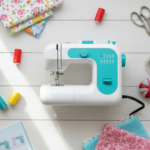
A reliable sewing machine forms the foundation of your toolkit. You don’t need fancy features for beginner projects. Look for a machine that sews straight stitches and zigzag stitches smoothly. Make sure you understand the threading process and how to adjust tension.
Sharp fabric scissors make cutting accurate. Invest in one good pair dedicated only to fabric. Using them on paper or other materials dulls the blades quickly. Keep them sharp and your cutting will stay precise.
Must-Have Tools
Sewing machine with basic stitches
Fabric scissors (8-inch shears)
Seam ripper for fixing mistakes
Straight pins and pincushion
Measuring tape
Hand sewing needles
Thread in basic colors
Iron and ironing board
Choosing Beginner-Friendly Fabrics
Cotton fabric works best for learning. It handles easily, doesn’t slip around, and forgives minor mistakes. Start with quilting cotton or medium-weight cotton for most projects. These fabrics press well and hold their shape.
Avoid slippery fabrics like satin or stretchy knits when starting. These materials require special handling techniques that frustrate beginners. Save them for after you’ve built basic skills with easier fabrics.
Buy fabric in small amounts for practice. Quarter-yard cuts or fat quarters give you enough material to try techniques without major investment. As your skills grow, you’ll know exactly what fabrics work for your favorite projects.
Quick and Easy Bags and Pouches to Start Your Sewing Projects
Bags and pouches make perfect first sewing projects. They teach fundamental skills while creating useful items you’ll reach for daily. Most bag projects use simple straight seams and basic construction techniques that build your confidence quickly.
Simple Drawstring Bag
A drawstring bag is one of the easiest sewing projects to complete. You only need two fabric pieces and some cord. This project teaches you how to sew straight seams and create a casing for the drawstring. The whole project takes less than an hour.
These bags work great for storing toys, organizing craft supplies, or giving as gift bags. Make them in any size you need. Small versions hold jewelry while larger ones carry gym clothes or library books.
Use cotton fabric for your first drawstring bag. Pick a fun print that makes you happy. You’ll gain experience with measuring, cutting, and sewing basic seams. This simple sewing project proves you can create something functional and attractive.
Zippered Pouch Projects
Adding a zipper sounds scary but it’s easier than you think. A basic zippered pouch teaches you this valuable skill on a small, manageable project. Once you learn to install zippers, countless new sewing projects open up.
Start with a simple flat pouch. These work perfectly for storing makeup, pencils, or small electronics. The flat design eliminates complicated shaping. You focus entirely on learning zipper installation without other distractions.
Choose a sturdy zipper slightly longer than your pouch opening. Metal or nylon zippers both work well. Pin the zipper carefully before sewing. Take your time and the result looks professional.
Easy Tote Bag Creation
A basic tote bag combines multiple skills in one practical project. You’ll practice measuring larger pieces, sewing straight seams, and attaching handles. The rectangular shape keeps construction simple while teaching important techniques.
Tote bags make excellent beginner sewing projects because mistakes don’t ruin them. Uneven seams or slightly crooked handles still create a perfectly functional bag. You learn without pressure for perfection.
Make your first tote bag with medium-weight cotton or canvas. These fabrics hold their shape and support items without additional interfacing. Cut two rectangles for the bag body and two strips for handles. Sewing them together follows a straightforward process.
Market Tote
Create a sturdy grocery bag using canvas or duck cloth. Add extra stitching on handles for strength. This practical bag replaces plastic bags and shows off your growing sewing skills every shopping trip.
Beach Bag
Make a larger version with waterproof lining. The bigger size challenges your accuracy with longer seams. Add an interior pocket for keys and phone. Perfect for summer adventures.
Book Tote
Size your bag to hold books comfortably. Reinforce the bottom with extra fabric layers. This project teaches you about structural sewing and weight distribution in bag design.
Messenger Bag for Beginners
A simple messenger bag expands your skills beyond basic totes. This project introduces flaps, adjustable straps, and multiple fabric pieces working together. The crossbody style makes a practical everyday bag.
Start with a simplified messenger bag pattern. Focus on getting the basic shape right before adding complicated features. Even a simple version looks impressive and holds all your daily essentials.
Choose durable fabric for messenger bags. Canvas, denim, or heavyweight cotton work excellently. These materials support the bag’s structure and withstand regular use. Your finished messenger bag becomes a proud showcase of your developing sewing skills.
Home decor projects let you practice sewing skills while beautifying your space. These projects often use larger fabric pieces that help you gain confidence with your sewing machine. The results transform your rooms with personalized touches.
Pillow Covers and Cushions
Pillow covers rank among the easiest home decor sewing projects. The simple envelope-back design requires no zippers or buttons. You create a professional-looking cover in under an hour.
Measure your pillow insert and add seam allowances. Cut two fabric pieces for the front and back. Sewing them together creates a removable cover you can wash anytime. This project teaches accurate measuring and neat corner sewing.
Experiment with different fabrics and patterns. Mix prints with solids for visual interest. Make seasonal covers to change your decor throughout the year. Each pillow cover you sew improves your skills.
Try adding simple embellishments once you master basic covers. Fabric trim, buttons, or applique details personalize your pillows. These small additions teach new techniques while keeping projects manageable.
Table Runners and Placemats
Table linens make great beginner sewing projects. Straight seams and simple hemming create polished results. These items dress up your dining space for everyday meals or special occasions.
A basic table runner requires two fabric pieces sewn right sides together, then turned and pressed. The process teaches you about clean finishing and accurate topstitching. Choose fabrics that complement your dining room colors.
Placemats follow similar construction. Make a set of four or six to complete your table setting. Quilted placemats add another skill layer as you learn to work with batting and backing fabric together.
Simple Curtains and Valances
Basic curtain panels teach you to work with large fabric pieces. Rod pocket curtains require only straight seams and hems. This easy make transforms any room while building your confidence with bigger projects.
Measure your window carefully before cutting fabric. Add extra length for the rod pocket and bottom hem. Sewing long straight seams on curtains improves your ability to maintain even stitching over distance.
Window valances offer another simple option. These shorter treatments cover only the top portion of windows. Less fabric makes them quicker to complete than full-length curtains. Try different styles like gathered or flat panels.
Fabric Storage Baskets
Fabric baskets organize your home while teaching shape and structure in sewing. These boxes use interfacing or stabilizer to help fabric hold its shape. The technique applies to many future projects.
Start with a simple rectangular basket. Cut fabric and interfacing pieces, then sew them together following a basic pattern. The basket corners require special folding and sewing that demonstrates how flat fabric becomes three-dimensional.
Make baskets in various sizes for different storage needs. Small versions hold bathroom supplies or desk items. Larger baskets organize toys, magazines, or craft materials. Each one you create strengthens your understanding of construction techniques.
Transform Your Home with Professional Sewing Skills
Access comprehensive video tutorials showing exactly how to create beautiful home decor items. Learn the insider techniques that make your projects look store-bought.
Practical Accessories That Make Perfect Beginner Sewing Projects
Small accessories teach important skills without requiring much fabric or time. These quick projects make thoughtful handmade gifts. You’ll use techniques that apply to countless other sewing projects as your skills advance.
Headbands and Hair Accessories
Fabric headbands make one of the easiest sewing projects for beginners. You need only a strip of fabric and elastic. The simple construction takes about 30 minutes from cutting to wearing.
This project teaches you to work with elastic and create neat seams on small items. Try different widths and fabric combinations. Headbands use scraps left from other projects, making them a great way to practice without waste.
Scrunchies follow similar construction. These popular hair accessories require even less fabric. Make several in coordinating colors. They’re perfect for using up small fabric pieces while building your skills.
Pencil Cases and Tool Pouches
A basic pencil case expands on the zippered pouch skills you learned earlier. Box corners add dimension while teaching a new technique. These practical cases organize supplies in your purse, desk, or craft area.
Start with a simple rectangular design. As you gain confidence, add dividers or elastic loops to hold specific items. Tool pouches for makeup brushes or art supplies use the same basic pattern with customized interiors.
Make sure to reinforce stress points where zippers attach. This attention to detail creates long-lasting items. Each case you sew improves your zipper installation technique and understanding of structural sewing.
Phone and Tablet Cases
Protective cases for electronics make practical beginner sewing projects. Measure your device carefully to ensure a proper fit. Add padding with batting or fleece for extra protection.
Simple slip-style cases teach you to sew with multiple fabric layers. The padding requires careful handling to keep everything aligned. Your finished case protects your device while showing off your handmade style.
Add a flap closure or zipper for extra security. These additions challenge you to combine techniques from different projects. Personalize cases with applique, embroidery, or decorative stitching.
Pot Holders and Oven Mitts
Kitchen items combine function with beginner-friendly construction. Pot holders teach you to work with heat-resistant batting and bind edges neatly. The small size makes them quick to complete.
Layer cotton fabric with insulated batting designed for hot pads. Quilting the layers together before finishing edges creates an attractive pattern while securing all pieces. This technique applies to many quilting projects.
Oven mitts require shaped patterns and careful sewing around curves. Start with pot holders to master the layering and quilting. Then progress to mitts once you’re comfortable with the process.
Simple Aprons for Kitchen and Craft
A basic apron introduces garment construction concepts on a forgiving project. The ties attach easily and pockets add functional details. You’ll wear your handmade apron with pride while cooking or crafting.
Choose a simple style without complicated closures for your first apron. Focus on neat seams and even hemming. Add pockets for holding tools or utensils. This project builds skills you’ll use when you’re ready to sew clothing.
Kids’ Art Apron
Make a smaller version for children. Bright, washable fabrics handle messy art projects. This easy sewing project makes a thoughtful gift that encourages creativity while protecting clothes during playtime.
Gardening Apron
Add multiple pockets sized for garden tools and seed packets. Canvas or denim works well for outdoor use. Learn to position and attach various pocket styles on one project.
Craft Apron
Design pockets specifically for your hobby supplies. Sewing, painting, or woodworking each need different pocket configurations. Customize the pattern to match how you work.
Adorable Baby and Kids Sewing Projects for Beginners
Baby items make rewarding beginner sewing projects. The small sizes work up quickly and require minimal fabric. Creating something for a baby brings special joy, whether for your own child or as a gift.
Baby Bibs
Bibs teach you to work with curves and apply binding. The small scale makes mistakes less costly while you learn these techniques. Every baby needs multiple bibs, so you can practice the same pattern repeatedly.
Start with a simple curved bib shape. Use two fabric layers with optional batting between for absorbency. Binding the edges creates a professional finish. Choose washable cotton fabrics that soften with each wash.
Try different closure methods. Velcro works quickly, while snaps create a cleaner look. Ties give an adjustable option. Each closure type teaches valuable skills for future projects.
Burp Cloths and Changing Pad Covers
Burp cloths rank among the easiest baby sewing projects. Simply layer cotton fabric over an absorbent cloth diaper and topstitch around the edges. Decorative stitching or applique adds personal touches.
Make several matching sets as gifts. New parents always appreciate extras. The quick construction means you can complete a dozen burp cloths in an afternoon.
Changing pad covers use similar techniques on a larger scale. Elastic edges keep the cover secure. This project teaches you to work with elastic casings, preparing you for other baby items.
Simple Baby Blankets
A basic receiving blanket requires only sewing two fabric pieces together and turning them right side out. This simple technique creates a reversible blanket perfect for swaddling or tummy time.
Choose soft, baby-safe fabrics. Flannel, cotton, or minky all work beautifully. The larger size compared to other baby projects helps you practice maintaining straight seams over longer distances.
Add decorative topstitching around the edges once you’ve turned the blanket. This finishing touch looks polished while securing the layers. Consider hand-tied corners or machine quilting for additional texture.
Stuffed Toys and Softies
Simple stuffed animals introduce three-dimensional sewing. Start with basic shapes like balls or cubes before attempting detailed animal patterns. These toys make cherished gifts and teach important shaping skills.
Use felt for your first soft toys. It doesn’t fray, making construction easier. Focus on neat stitching and even stuffing distribution. Hand sewing works well for small toys and teaches precision.
Make sure all embellishments are securely attached for baby safety. Embroidered features work better than buttons or beads for items intended for young children. Test seams by pulling firmly before giving toys to babies.
Kids’ Backpacks and Lunch Bags
Simple drawstring backpacks teach bag construction on a kid-friendly scale. Children love bags featuring their favorite colors or characters. Line the bag with waterproof fabric for lunch bag use.
These projects combine multiple skills you’ve learned. You’ll attach straps, install closures, and work with different fabric types. The result delights kids while proving your advancing abilities.
Insulated lunch bags require working with specialized materials. The techniques transfer to other projects needing structure or temperature control. Make coordinating backpack and lunch bag sets.
Create Professional Baby Items with Confidence
Master the techniques for making beautiful, safe baby items. Get patterns specifically designed for beginners with detailed video instructions showing every step.
Seasonal decorations and handmade gifts give you specific deadlines that motivate completion. These sewing projects let you celebrate holidays and special occasions with personal touches. Each season brings new creative opportunities.
Holiday Ornaments and Decorations
Fabric ornaments make delightful beginner sewing projects. Small sizes mean quick completion. Hand sewing works perfectly for these decorative items, giving you a break from machine work while building different skills.
Try different shapes and techniques. Quilted stars, stuffed hearts, or simple fabric balls all add handmade charm to holiday decor. Use scraps from other projects to make each ornament unique.
Create themed sets for different holidays. Spring flowers, autumn leaves, or winter snowflakes brighten your home throughout the year. These small projects perfect your hand-stitching and embellishment techniques.
Gift Bags and Wrapping
Reusable fabric gift bags eliminate paper waste while showing off your sewing skills. These bags work for any occasion. Recipients appreciate the thoughtful presentation and can reuse the bags themselves.
Make various sizes for different gift types. Small bags hold jewelry or gift cards. Larger versions work for clothing or books. The simple construction makes them perfect for using up fabric stash.
Add ribbons, tags, or decorative elements to personalize each bag. This easy sewing project becomes even more special with small details that show extra care.
Lavender Sachets and Drawer Fresheners
Scented sachets combine sewing with aromatherapy. Fill small fabric pouches with dried lavender, herbs, or scented rice. These make wonderful gifts and teach you to create finished items from start to completion.
Simple square or rectangular sachets require only basic seams. Leave a small opening for filling, then hand-stitch it closed. The compact size makes them ideal for practicing neat hand-sewing.
Experiment with different fabrics and closures. Sheer organza shows the filling inside. Cotton works for everyday drawer fresheners. Try different shapes like hearts or circles to expand your skills.
Coasters and Mug Rugs
Coasters teach mini quilting techniques. Layer fabric with batting and quilt them together in simple patterns. Bind the edges for a finished look. These practical items protect furniture while showcasing your work.
Mug rugs are slightly larger than coasters. They hold a cup plus a small snack. The extra size gives more room for creative quilting designs. Make sets as hostess gifts or holiday presents.
These small projects use minimal fabric but teach techniques applicable to larger quilts. Practice different quilting patterns without the time commitment of full-size projects.
Book Covers and Bookmarks
Fabric book covers protect paperbacks while adding personality. Measure your book carefully and add seam allowances. The pocket-style cover slips on and off easily.
Make covers for journals, planners, or favorite paperbacks. Add closure straps or pockets for holding pens and bookmarks. This project combines several techniques in one functional item.
Fabric bookmarks make quick gifts for readers. Stiffen them with interfacing so they hold their shape. Add ribbons, tassels, or beading for decorative touches. Each one takes less than 30 minutes.
Every project you complete builds on previous skills. Understanding this progression helps you choose projects that challenge without overwhelming. Strategic project selection accelerates your learning curve.
Start with Quick Wins
Your first projects should give you success quickly. Drawstring bags, simple pouches, and pillow covers all finish in under two hours. These quick wins build confidence and momentum.
Completing several simple projects teaches more than struggling with one complex item. You develop muscle memory through repetition. Your machine becomes familiar. Fabric handling feels natural.
Don’t rush to advanced projects. Each beginner-level item adds to your foundation. Master straight seams before attempting curves. Perfect basic zippers before tackling invisible ones.
Learn One New Technique Per Project
Choose projects that introduce one new skill at a time. This focused approach prevents overwhelm. You build comprehensive abilities gradually while maintaining enjoyment.
After mastering straight seams on flat projects, add curved seams with a pillow. Once comfortable with curves, try installing a zipper. Each new technique expands what you can create.
Master straight seams with drawstring bags
Learn curves through pillow covers
Practice zippers on simple pouches
Add binding with baby bibs
Try gathered fabric with elastic waistbands
Explore topstitching on tote bags
Don’t Fear Mistakes
Every sewist makes mistakes. Seam rippers exist for a reason. Ripping out incorrect seams teaches as much as sewing perfect ones. You learn what doesn’t work and why.
Start each project knowing you might need to fix something. This mindset removes pressure. Mistakes become learning opportunities rather than failures. Your skills improve through problem-solving.
Keep your first projects even if they’re imperfect. Looking back at early work shows your progress. Those wobbly seams prove how far you’ve come.
Join Sewing Communities
Connect with other beginners and experienced sewists. Online groups offer support, advice, and inspiration. Sharing your projects receives encouragement that motivates continued learning.
Ask questions when you’re stuck. Experienced sewists remember being beginners. They happily share tips that solve problems. Community knowledge accelerates your learning beyond what solitary practice provides.
Share your finished projects. Celebrate completions with people who understand the achievement. Their positive feedback boosts confidence for tackling the next challenge.
Accelerate Your Sewing Journey with Expert Guidance
Stop struggling alone. Get access to comprehensive courses that teach you professional techniques step-by-step. Join thousands of beginners who transformed into confident sewists.
Understanding common problems helps you fix them quickly. Most beginner issues have simple solutions. Learning to troubleshoot keeps frustration from derailing your sewing journey.
Thread Tension Problems
Incorrect tension creates loops on fabric surfaces or breaks thread. Check your machine threading first. Most tension issues come from improper threading rather than actual tension settings.
Rethread your machine completely, following your manual exactly. Make sure thread sits properly in all guides and the tension disks. Check that your bobbin is inserted correctly and wound evenly.
If rethreading doesn’t help, adjust tension slightly. Make small changes and test on scrap fabric. Most machines have a numbered dial. Stay near the middle settings for normal sewing.
Quick Tension Fix
Before adjusting settings, try this: Raise presser foot, remove thread completely, rethread with presser foot up, lower presser foot, test on scrap. This fixes 80% of tension issues.
Uneven or Wavy Seams
Wavy seams usually result from pulling fabric through the machine. Let the feed dogs move fabric at their own pace. Guide gently without pushing or pulling.
Press seams immediately after sewing. Heat and steam relax threads and fibers into position. Many wavy seams straighten significantly with proper pressing.
Practice maintaining consistent seam allowances. Use your presser foot edge as a guide. Some machines have marked throat plates showing common seam widths. Consistent width creates professional results.
Skipped Stitches
Skipped stitches frustrate beginners but have identifiable causes. A dull or bent needle ranks as the most common culprit. Change needles regularly, especially when switching fabric types.
Match needle size to fabric weight. Thin needles work for lightweight fabrics. Heavier fabrics need larger needles. Using the wrong size damages fabric or causes skipped stitches.
Make sure you’re using the correct needle type. Ballpoint needles work for knits. Sharp needles suit woven fabrics. Universal needles handle most beginner projects adequately.
Fabric Puckering
Puckered seams make fabric gather along stitching lines. This happens when stitches are too tight for the fabric. Try lengthening your stitch length slightly.
Lightweight fabrics pucker easily. Use a shorter stitch length than for heavy fabrics, but not too short. Test on scraps to find the sweet spot for each fabric type.
Stabilize thin fabrics with tissue paper underneath while sewing. Tear away the paper after completing seams. This prevents the fabric from being pushed down into the machine.
Stitch Length Guide
Lightweight fabrics: 2.0-2.5mm Medium weight: 2.5-3.0mm Heavy fabrics: 3.0-4.0mm
Test first on scraps of your actual project fabric.
When to Ask for Help
Some problems require expert diagnosis. If you’ve tried basic troubleshooting without success, seek help. Local sewing shops often provide free basic assistance.
Don’t let one problem stop your progress entirely. Work on different projects or practice other skills while waiting for help. Maintaining momentum matters more than fixing every issue immediately.
Expanding Beyond Basic Beginner Sewing Projects
Once you’ve completed several beginner sewing projects, you’re ready for new challenges. Recognizing this transition point keeps you engaged and growing. Intermediate projects build on your foundation while introducing exciting possibilities.
Signs You’re Ready to Progress
You know you’re ready for intermediate projects when basic techniques feel automatic. Threading your machine happens without consulting the manual. Straight seams come easily. Zippers no longer intimidate you.
You complete beginner projects without referring to instructions constantly
Your seams look consistently neat
You understand how to fix common problems
You’re eager to try new techniques
Simple projects no longer challenge you
You can visualize project construction before cutting fabric
Intermediate Project Ideas
Intermediate sewing projects add complexity gradually. Try garments with simple shapes like elastic-waist skirts or kimono-style tops. These introduce clothing construction without complicated fitting.
Structured bags with multiple pockets and compartments challenge your organizational skills. Each element requires careful planning and precise execution. The complexity teaches project management alongside sewing techniques.
Quilting opens entirely new creative avenues. Start with small wall hangings or table toppers. Piecing blocks together teaches accuracy and patience. The results become family heirlooms.
Continuing Education Resources
Invest in your sewing education as skills grow. Online courses provide structured learning paths. Video tutorials show techniques in action. Books offer reference information you’ll use for years.
Local classes connect you with instructors who provide personalized guidance. In-person learning lets you see techniques up close and ask immediate questions. The social aspect motivates continued practice.
Follow sewing blogs and social media accounts for daily inspiration. Seeing others’ projects sparks ideas for your next creation. The variety exposes you to techniques and styles you might not discover alone.
Take Your Skills to the Next Level
Ready to move beyond basics? Access advanced courses that teach garment construction, quilting techniques, and professional finishing methods. Transform from beginner to accomplished sewist.
Turning sewing from occasional activity into regular practice requires intention. Creating sustainable habits ensures this creative outlet enriches your life long-term. Small adjustments make sewing fit naturally into your routine.
Create a Dedicated Sewing Space
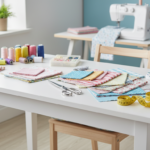
Even a small dedicated area makes sewing more accessible. You don’t need an entire room. A corner with a table for your machine and storage for supplies works perfectly.
Keep your machine set up and ready. Having to retrieve and set up equipment every time creates barriers to starting. An always-ready workspace invites spontaneous creative sessions.
Organize supplies so everything has a place. Clear containers let you see fabric at a glance. Thread racks keep colors visible and accessible. Good organization saves time and reduces frustration.
Make your space inspiring. Display finished projects. Pin inspiring images nearby. Surround yourself with colors and textures that make you happy to be there.
Build a Fabric Stash Wisely
A fabric stash enables spontaneous creativity. Buy fabric when you find pieces you love, even without specific projects planned. Having materials on hand removes barriers to starting new projects.
Store fabric properly to prevent damage. Keep it away from direct sunlight which fades colors. Avoid damp areas that encourage mildew. Folded storage in containers protects against dust and pests.
Organize by color, type, or project category. Whatever system makes sense to you works best. Being able to find the perfect fabric quickly keeps creative momentum flowing.
Schedule Regular Sewing Time
Treat sewing time like any important appointment. Block time in your calendar specifically for creative work. Regular practice maintains and builds skills more effectively than sporadic marathons.
Even 30 minutes several times weekly keeps momentum. Short sessions prevent overwhelm while maintaining connection to your creative practice. Small regular investments compound into significant skill development.
Use sewing time as stress relief. The focus required provides meditation-like benefits. Creating with your hands offers satisfaction digital activities can’t match. Protect this time as essential self-care.
Set Achievable Goals
Goal-setting provides direction and motivation. Choose specific, measurable objectives. “Complete one project monthly” works better than vague intentions to “sew more.”
Short-term Goals
Finish current project by weekend
Learn one new technique this month
Complete three gifts before holidays
Make curtains for bedroom
Use up fabric scraps in small projects
Long-term Goals
Sew complete wardrobe basics this year
Create heirloom quilt for family member
Master garment fitting and alterations
Develop signature project style
Teach sewing to interested friend
Celebrate achieving goals. Recognize your progress and accomplishments. Share finished projects with supportive people who appreciate your work. This positive reinforcement fuels continued growth.
You now have a roadmap for beginning your sewing adventure. These easy sewing projects for beginners provide the foundation for a lifetime of creativity. Each project you complete builds skills, confidence, and joy.
Remember that every expert sewist started exactly where you are now. They faced the same uncertainties and made the same mistakes. What set them apart was continuing despite challenges. Your persistence matters more than natural talent.
Start with projects that excite you. Choose fabrics in colors you love. Create items you’ll actually use. This personal connection makes learning feel less like work and more like play.
Don’t wait for the perfect time or ideal conditions. Begin with what you have right now. That simple first project starts your journey. The second project comes easier. By the tenth, you’ll wonder why you ever hesitated.
Sewing offers countless benefits beyond the items you create. It provides stress relief, creative expression, and practical skills. The confidence gained transfers to other life areas. You prove to yourself that you can learn new things.
Join the community of makers who find joy in creating with their hands. Share your projects. Ask questions. Support other beginners. The connections you make enrich the experience beyond the physical items you sew.
Your sewing journey is uniquely yours. Progress at your own pace. Try techniques that interest you. Skip those that don’t. There’s no wrong way to enjoy this creative practice.
The projects you’ve learned about today represent just the beginning. As skills develop, more complex and exciting possibilities open. But everything starts with that first simple project.
Start Creating Beautiful Projects Today
Stop wondering if you can sew and start proving that you can. Get instant access to comprehensive beginner courses with step-by-step videos, downloadable patterns, and expert support. Join thousands who transformed from complete beginners into confident, creative sewists.
Pick one project from this guide. Gather your materials. Set aside an afternoon. Take that first step. Your creative journey awaits, and it starts with a single stitch.