Your closet holds hidden potential. Those jeans with the broken zipper, that dress that no longer fits quite right, or the plain t-shirt begging for personality can all find new life. Sewing easy DIY clothing hacks turn frustration into creativity.
You don’t need years of experience. These simple techniques work for beginners who’ve never touched a needle.
The best part? Most hacks take under thirty minutes. Your wardrobe transformation starts with just one small change.
Hems come undone at the worst moments. You’re rushing out the door when you notice the frayed edge dragging on the ground.
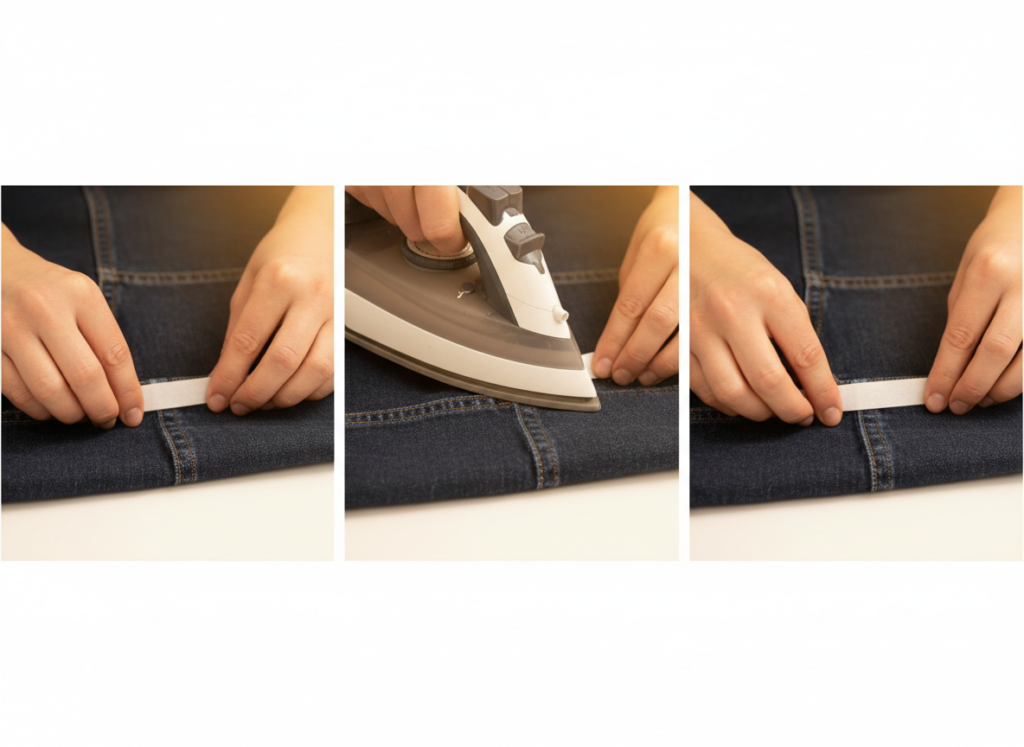
Fabric tape offers instant salvation. This adhesive strip bonds fabric layers without a single stitch. Iron it in place and you’re done in five minutes.
The No-Sew Hem Method
Place the fabric tape between folded fabric edges. The adhesive side touches both layers. Heat activates the bond when you press your iron over the fold.
Hold the iron steady for ten seconds per section. Don’t slide it back and forth. Steady pressure creates the strongest hold.
This technique works perfectly on:
Jeans and casual pants that need quick length adjustments
Curtains and home decor projects requiring clean edges
Children’s clothing that grows out of style before it wears out
Emergency repairs when you need results immediately
Hand-Stitched Hems for Lasting Results
Some fabrics deserve traditional methods. Delicate materials and formal wear benefit from hand stitching that fabric tape can’t match.
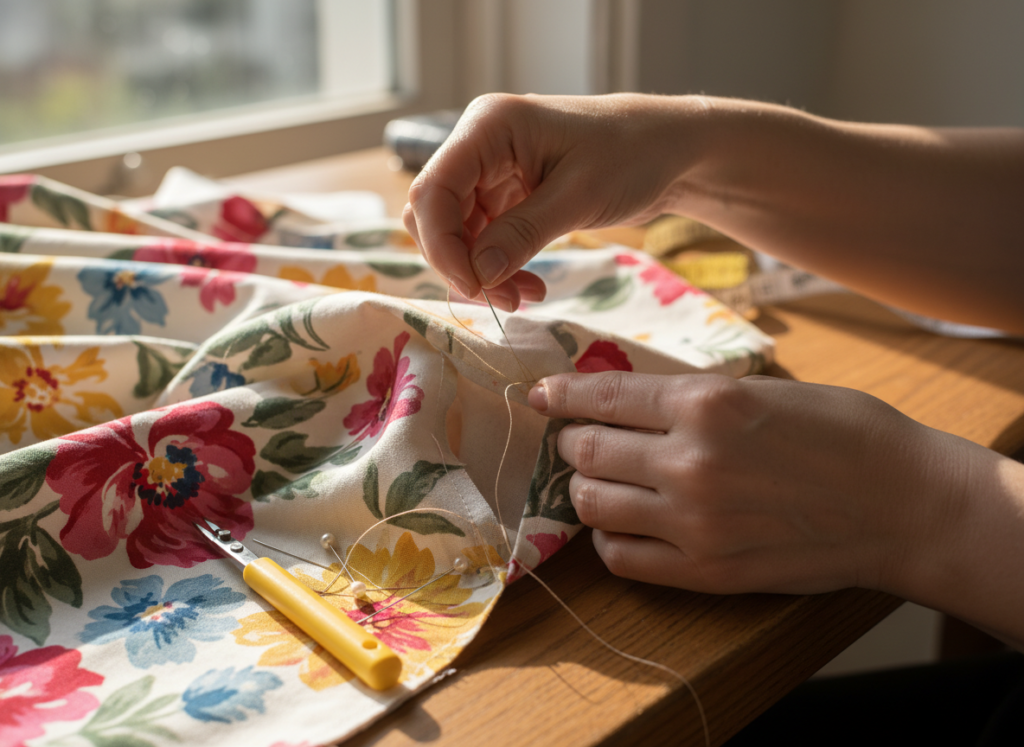
The blind hem stitch remains invisible from the outside. Your needle catches just two or three threads from the outer fabric. This creates strength without showing your work.
Thread color matters more than you think. Match your thread to the fabric exactly. Even slight differences become obvious in natural light.
Fix Broken Zippers Without Professional Help
Broken zippers kill otherwise perfect garments. The slider pulls off, teeth separate, or the whole mechanism jams halfway up.
You don’t need to replace the entire zipper. These tips bring dead zippers back to life in your own home.
Slider Replacement Technique
Most zipper problems stem from worn sliders. The metal or plastic piece loses its grip on the teeth over time.
Purchase replacement sliders at any craft store. They cost less than two dollars and come in various sizes. Match your slider number to the one you’re replacing.
Remove the old slider by cutting off the top stop. Slide the new piece onto the teeth from the top. Sew a new stop using several stitches in the same spot.
Separated Teeth Solutions
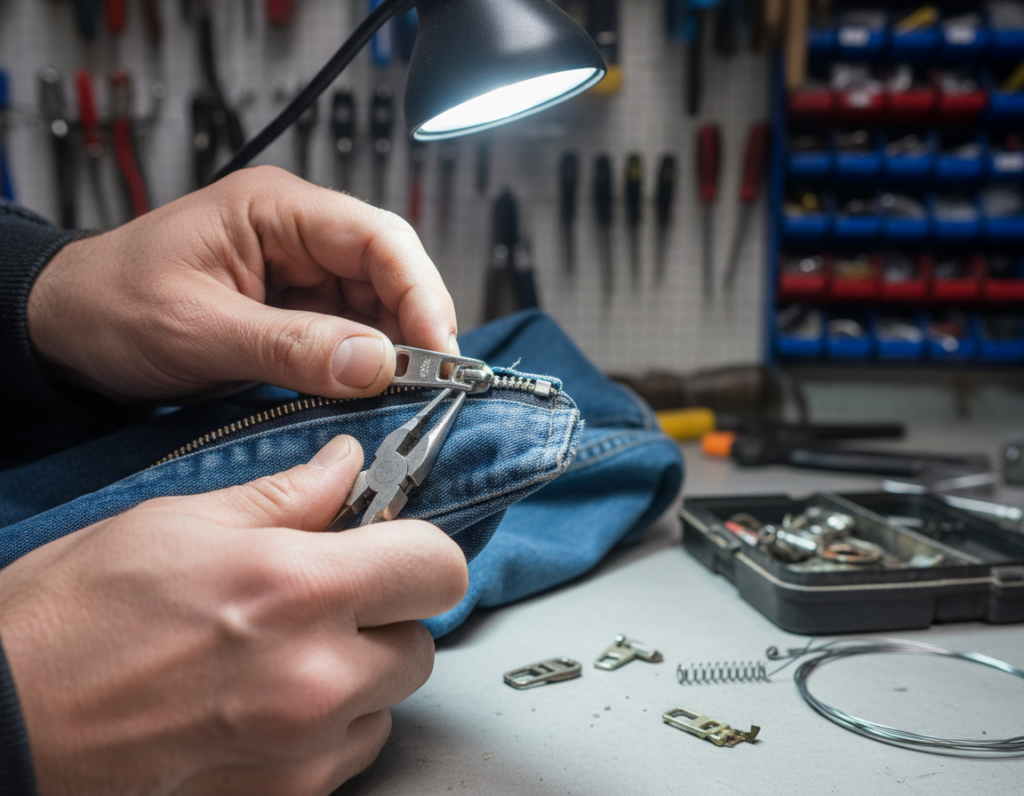
Zipper teeth pull apart below the slider. This frustrating problem seems impossible to fix, but pliers solve it instantly.
Squeeze the slider gently with pliers. Apply pressure to both sides equally. The slider tightens its grip on the teeth and glides smoothly again.
Test the zipper after each gentle squeeze. Too much pressure cracks the slider. Three or four careful squeezes usually do the trick.
Master Every Clothing Repair
These basic fixes represent just the beginning. Professional techniques transform you from nervous beginner into confident creator. Detailed video tutorials show you exactly how experts handle every challenge.
Elastic Waistband Tricks for Perfect Fit
Waistbands stretch out or shrink over time. Your favorite pants become unwearable when the elastic loses its grip or pulls too tight.
Adjusting elastic saves money and extends clothing life. The process takes twenty minutes and requires minimal supplies.
Replacing Worn Elastic
Find the small opening in the waistband seam. Some garments have this built in. Others require you to open a small section of the seam.
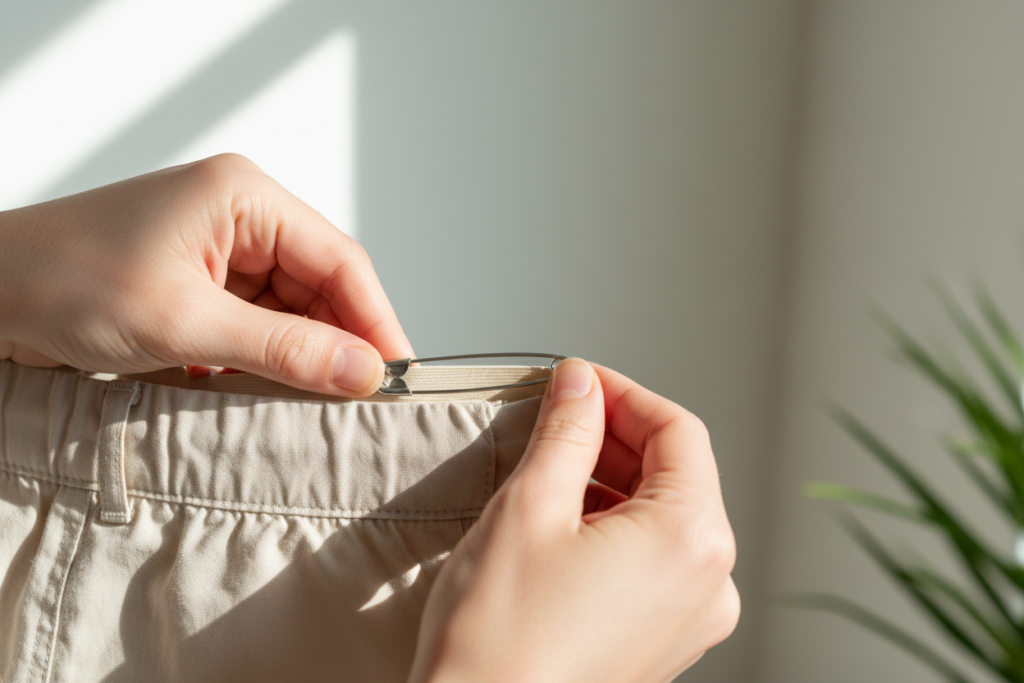
Attach a safety pin to new elastic. Thread it through the waistband casing by pushing and gathering fabric over the elastic.
Keep the other end pinned outside the opening. This prevents the elastic from disappearing completely into the casing. Many beginners learn this lesson the hard way.
Pull both ends out once the elastic makes a complete loop. Try on the garment and adjust the elastic length for comfort. Sew the ends together securely and close any opened seams.
Quick Tightening Method
Sometimes you just need a temporary fix. This hack works when you need results in under five minutes.
Twist the elastic inside the waistband. This shortens the circumference without cutting or sewing anything. Secure the twist with a few quick stitches through all layers.
The method isn’t permanent, but it buys time until you can make proper repairs. It also helps you test different tightness levels before committing to a permanent adjustment.
Creative Button Solutions and Alternatives
Lost buttons happen to everyone. You’re getting dressed and notice the gap where a button should be. The worst part? You can’t find a matching replacement.
These alternatives solve button problems permanently. Some options even improve on the original design.
Snap Fasteners for Quick Changes
Sew-on snaps replace buttons on garments you wear frequently. They snap closed with one hand, making them perfect for children’s clothing and everyday wear.
Each snap has two parts. The ball side attaches to the overlap fabric. The socket side goes on the underlap. Position them carefully so they align when the garment closes.
Mark both positions before sewing anything. Close the garment and push a pin through both layers where you want the snap. This ensures perfect alignment every time.
Decorative Alternatives That Make Statements
Missing buttons create opportunities for creative expression. Mix and match interesting buttons down the front of a plain cardigan. Each one tells a different story.
Vintage buttons add character to modern pieces. Thrift stores sell jars of old buttons for just a few dollars. You’ll find unique designs that nobody else has.
Ribbon ties replace buttons on flowing garments. Thread ribbon through buttonholes and tie bows for an entirely different look. This works beautifully on blouses and light jackets.
Magnetic closures work perfectly for people with arthritis or limited hand mobility
Hook and eye fasteners provide invisible closures on formal wear
Decorative pins serve double duty as both fastener and jewelry
Velcro strips offer the easiest solution for children’s clothing
Adjust Sleeve Length Without Complex Alterations
Sleeves that are too long or too short ruin an otherwise perfect shirt. Professional tailoring costs more than the garment itself in many cases.
You can fix sleeve length at home. These methods range from temporary to permanent, depending on your needs.
The Roll and Tack Method
Rolling sleeves looks casual and sloppy when done wrong. The right technique creates crisp, professional results that stay in place all day.
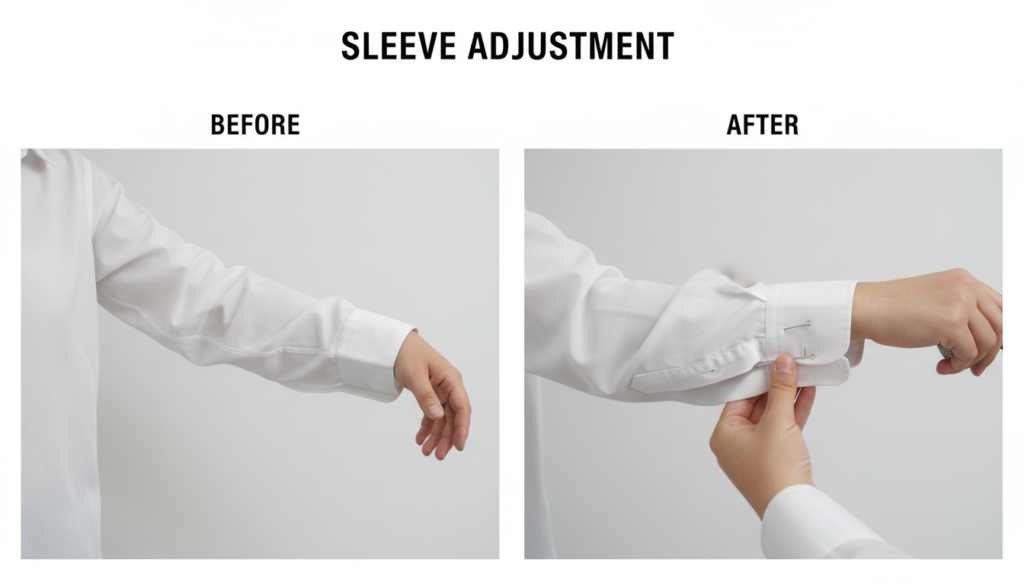
Start with the cuff buttoned. Fold the bottom edge up to create your desired length. Make this first fold match the cuff width exactly.
Roll the sleeve up one more time, bringing the cuff to the outside. Tack the roll in place with a few hidden stitches on the inside seam. These stitches keep everything secure without showing.
This method works for both permanent and temporary adjustments. Remove the tacking stitches when you want full-length sleeves again.
Permanent Shortening Technique
Cutting and hemming sleeves requires more skill but delivers professional results. Measure carefully before making any cuts. Add one inch to your desired length for the hem allowance.
Remove the existing cuff first. Cut the sleeve to your new length plus hem allowance. Reattach the cuff to the shortened sleeve, matching the original seam placement.
This process works best on simple barrel cuffs. French cuffs and detailed cuff designs require more advanced skills to reattach properly.
Transform Every Piece in Your Closet
Simple hacks get you started, but comprehensive training takes your skills to the next level. Imagine confidently tackling any clothing challenge, from basic repairs to custom creations. Step-by-step guidance shows you professional secrets that took experts years to learn.
Women’s clothing lacks adequate pockets. This design flaw forces you to carry a purse everywhere. Adding pockets solves this annoying problem.
Hidden pockets blend seamlessly into existing seams. Nobody knows they’re there until you use them.
Seam Pocket Installation
Side seams offer the perfect location for hidden pockets. The existing seam opening makes installation straightforward even for beginners.
Cut two pocket pieces from lightweight fabric. Shape them like rounded rectangles, approximately five inches wide and six inches deep. These dimensions fit most side seams comfortably.
Open the side seam where you want the pocket opening. Pin one pocket piece to each seam allowance, right sides together. Sew around the pocket edges, leaving the top opening free.
Close the side seam above and below the pocket opening. Reinforce these stress points with extra stitches. Your pocket will withstand daily use without pulling apart.
Patch Pocket Customization
Patch pockets sit on the outside of garments. They add both function and style to plain pieces.
Create pockets from contrasting fabric for visual interest. Denim pockets on a cotton dress create a casual, playful look. Silk pockets on a wool skirt add unexpected elegance.
Position pockets where your hands naturally rest. Stand in front of a mirror and let your arms hang naturally. Your fingertips show you the perfect pocket placement.
Top-stitch patch pockets using decorative thread. This detail turns a functional addition into a design element that looks intentional rather than added as an afterthought.
Simple Neckline Changes for Dramatic Results
The wrong neckline makes even expensive clothes look unflattering. Your face shape and body proportions determine which necklines work best for you.
Changing a neckline seems scary. You’re cutting into perfectly good fabric. But the transformation proves worth the risk when done correctly.
Crew Neck to V-Neck Conversion
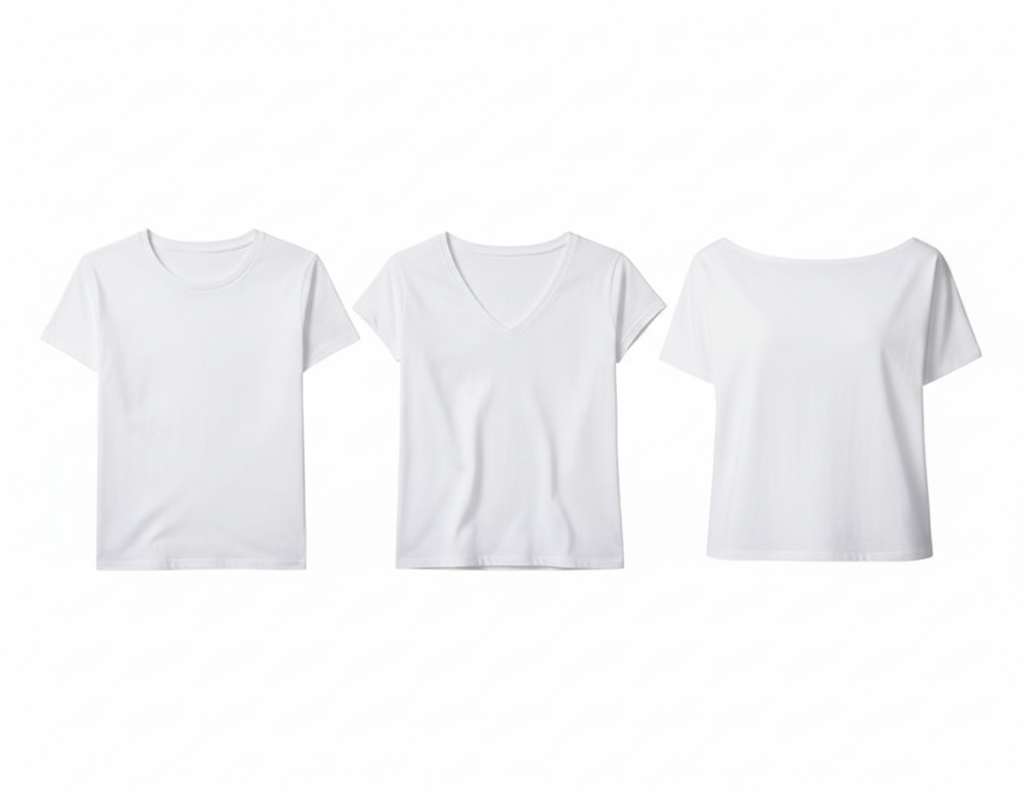
V-necks elongate your neck and create a more flattering silhouette for most people. Converting a crew neck requires careful measuring and steady cutting.
Mark the center front of your shirt. Measure down from the original neckline to create your V depth. Most comfortable V-necks drop three to four inches below the crew neck.
Draw a V-shape using chalk or disappearing fabric marker. Cut slowly along your marked line. Remove the excess fabric in one smooth motion.
Finish the raw edge with bias tape or a narrow hem. Bias tape offers the cleanest finish and prevents stretching. Choose a color that matches or complements your shirt.
Adding Neckline Details
Plain necklines become interesting with simple additions. Lace trim transforms a basic tee into something special. Ribbon woven through the neckline adds color and texture.
Beaded necklines catch light beautifully. Hand-sew beads or sequins around the neckline edge. This works especially well on solid-colored tops that need personality.
Create a keyhole opening at the back neckline. Cut a small vertical slit and bind the edges. Add a button loop and small button for closure. This tiny detail changes the entire garment’s character.
Boat necklines work perfectly for narrow shoulders and long necks
Square necklines complement round faces and add structured elegance
Scoop necklines suit most body types and remain timelessly flattering
Off-shoulder styles create romantic, feminine looks for special occasions
Intentional Distressing for Trendy Vintage Looks
New denim looks stiff and formal. Vintage pieces with character cost a fortune at boutiques. Creating your own distressed look costs nothing and takes less than an hour.
Controlled distressing requires the right tools and techniques. Random cutting creates messy results. Strategic distressing looks intentional and stylish.
Sandpaper Fading Method
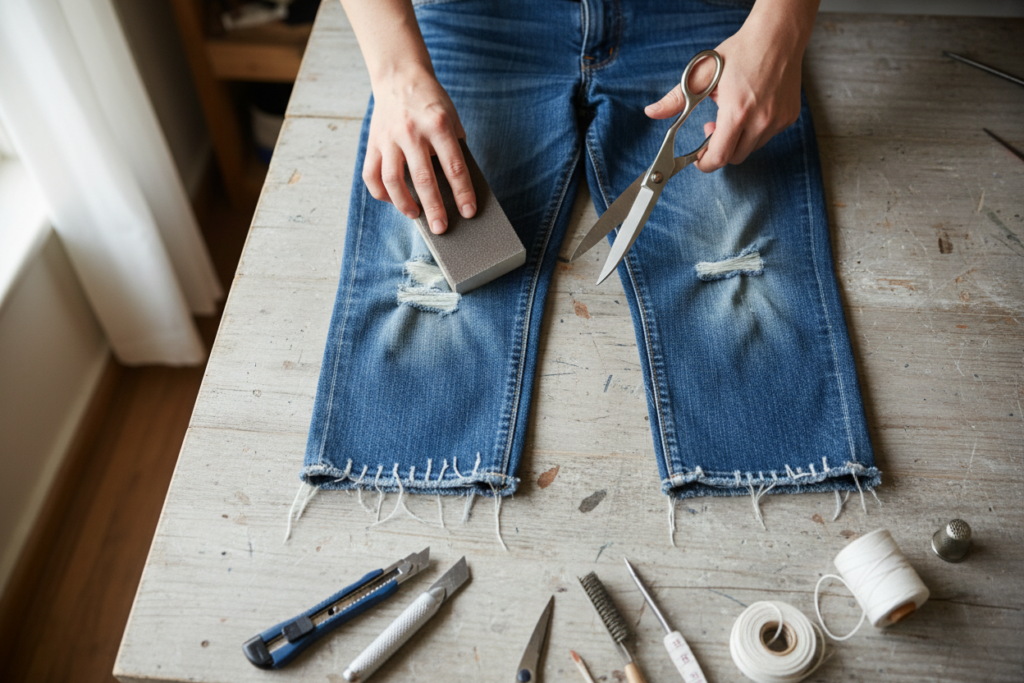
Sandpaper creates authentic-looking wear patterns. Focus on areas that naturally fade with time – thighs, knees, and back pockets.
Rub medium-grit sandpaper in circular motions. Apply light pressure at first. You can always distress more, but you can’t undo excessive damage.
The fabric lightens as you work. Stop when you achieve the desired fade level. Wash the garment to remove loose threads and soften the distressed areas.
Strategic Hole Placement
Holes and tears add edge to basic denim. Place them thoughtfully for the best effect.
Mark your desired hole locations with chalk. Cut small horizontal slits where you want holes to appear. Pull out some horizontal threads while leaving vertical threads intact.
This creates the frayed look without complete fabric failure. The remaining vertical threads prevent holes from growing too large during wear and washing.
Wash distressed items inside out in cold water. This preserves your careful work and prevents excessive fraying.
Quick Embellishments That Elevate Basic Pieces
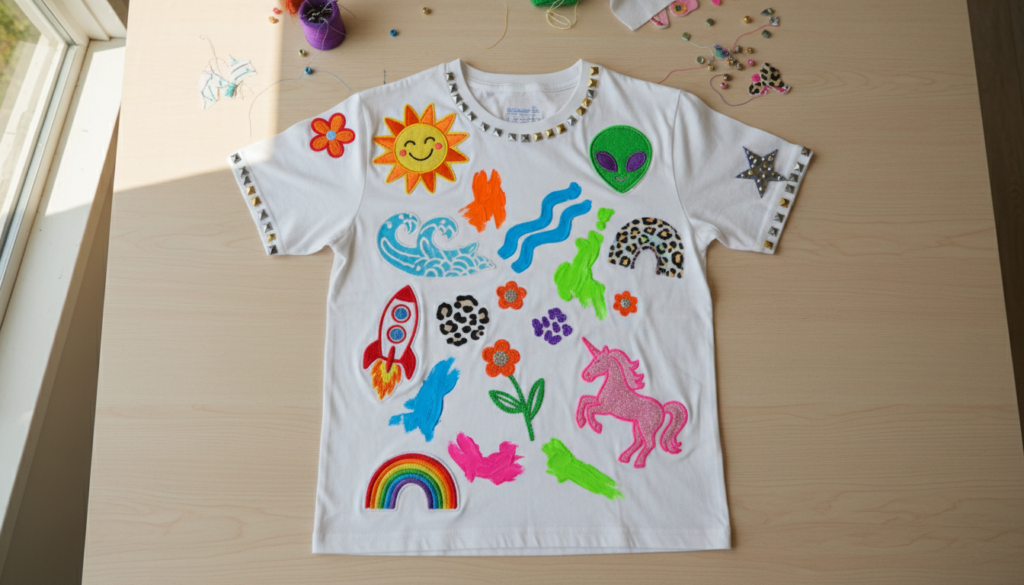
Plain clothing forms the perfect canvas for creative expression. A basic white tee becomes uniquely yours with the right embellishments.
These additions require minimal sewing skills. Most techniques use fabric glue, iron-on backing, or simple hand stitches.
Iron-On Patches and Appliques
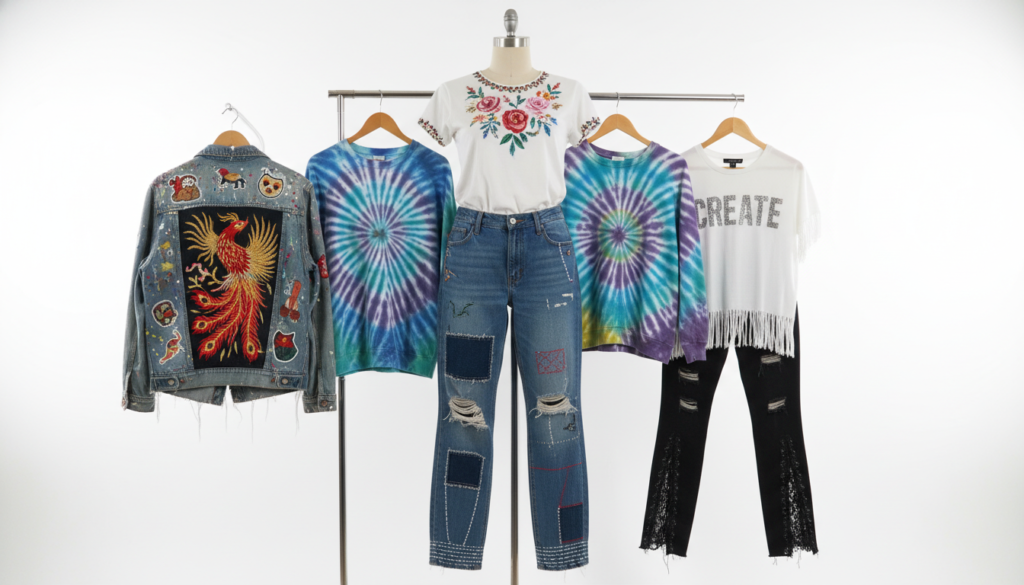
Patches cover stains, repair small holes, and add personality simultaneously. Modern iron-on technology creates permanent bonds that survive repeated washing.
Position your patch where you want it. Cover it with a thin cloth to protect both the patch and your iron. Press firmly for thirty seconds. Let it cool completely before handling.
Layer multiple patches for maximum impact. Create scenes or tell stories through your patch combinations. This technique works especially well on denim jackets and backpacks.
Fabric Paint Personalization
Fabric paint opens endless possibilities. Stencils create crisp designs even if you can’t draw freehand. Paint pens offer precision for detailed work.
Wash and dry your garment before painting. This removes sizing and ensures the paint bonds properly. Place cardboard inside shirts to prevent paint bleeding through to the back.
Let paint dry for twenty-four hours before heat-setting. Iron the painted area through a pressing cloth. This makes your design permanent and washable.
Metallic fabric paints catch light beautifully. Gold and silver accents transform evening wear. Even simple dots and lines create sophisticated patterns.
Basic Embellishment Supplies
Fabric glue for quick applications
Iron-on adhesive sheets
Assorted patches and appliques
Fabric paint in multiple colors
Stencils for consistent designs
Advanced Decoration Tools
Beading needles and thread
Sequins and rhinestones
Embroidery floss and hoops
Fabric markers and pens
Decorative ribbons and trims
Make Clothes Fit Better Without Complete Reconstruction
Weight fluctuations and fit issues plague everyone. Clothes that fit perfectly last month now gap or pull in all the wrong places.
Minor adjustments make dramatic differences. You don’t need to be a tailor to improve fit significantly.
Taking In Side Seams
Side seams offer the easiest alteration point. Taking in one or two inches transforms a baggy garment into a flattering fit.
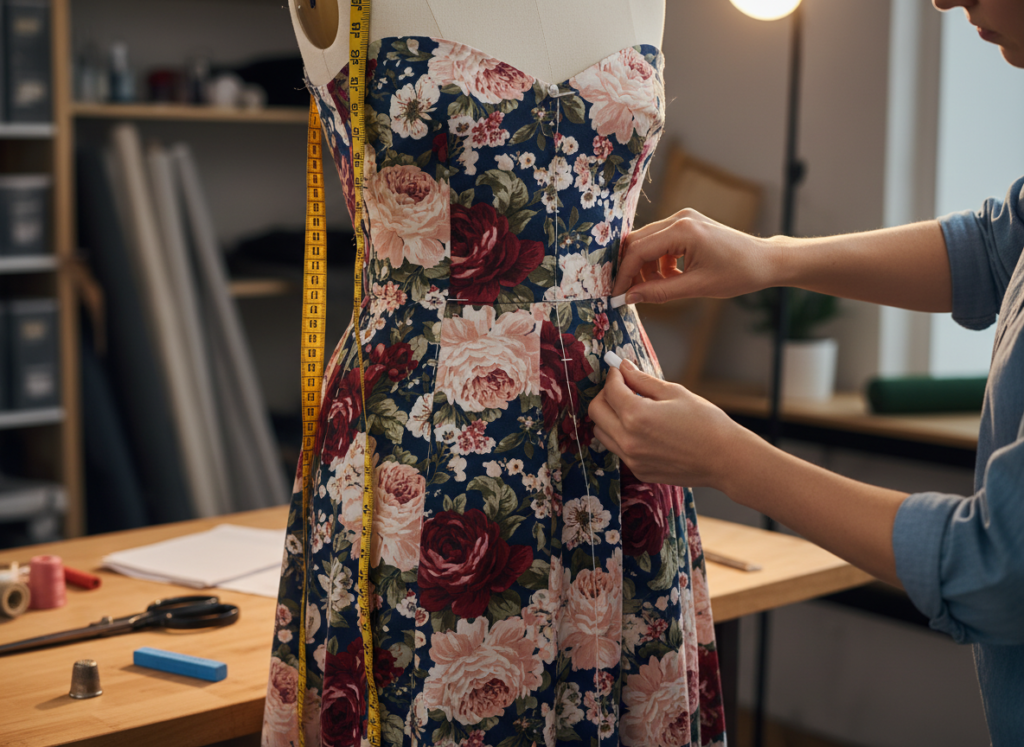
Turn the garment inside out and put it on. Pin the excess fabric along the side seams until the fit improves. Check that both sides match by measuring from the center seam to each pin.
Remove the garment carefully, keeping pins in place. Sew new seams following your pin lines. Try on the garment before cutting away excess fabric. This safety step prevents irreversible mistakes.
Dart Additions for Shape
Darts create shape where none exists. They’re especially useful for adding waist definition to boxy tops and dresses.
Mark two points on the wrong side of the fabric. The wider end sits at the side seam. The narrow end points toward your bust or the fullest part of your body.
Fold the fabric right sides together along your marked line. Sew from the wide end to the point, tapering gradually. The fold becomes the dart that shapes your garment.
Press darts toward the center of the garment. This creates the most flattering silhouette and prevents odd bumps or bulges.
Prevention Tips That Extend Clothing Life
An ounce of prevention beats hours of repair work. Simple habits protect your clothes from damage before it happens.
These strategies work for everyone, regardless of sewing skill level. They’re life lessons that save money and frustration.
Proper Storage Methods
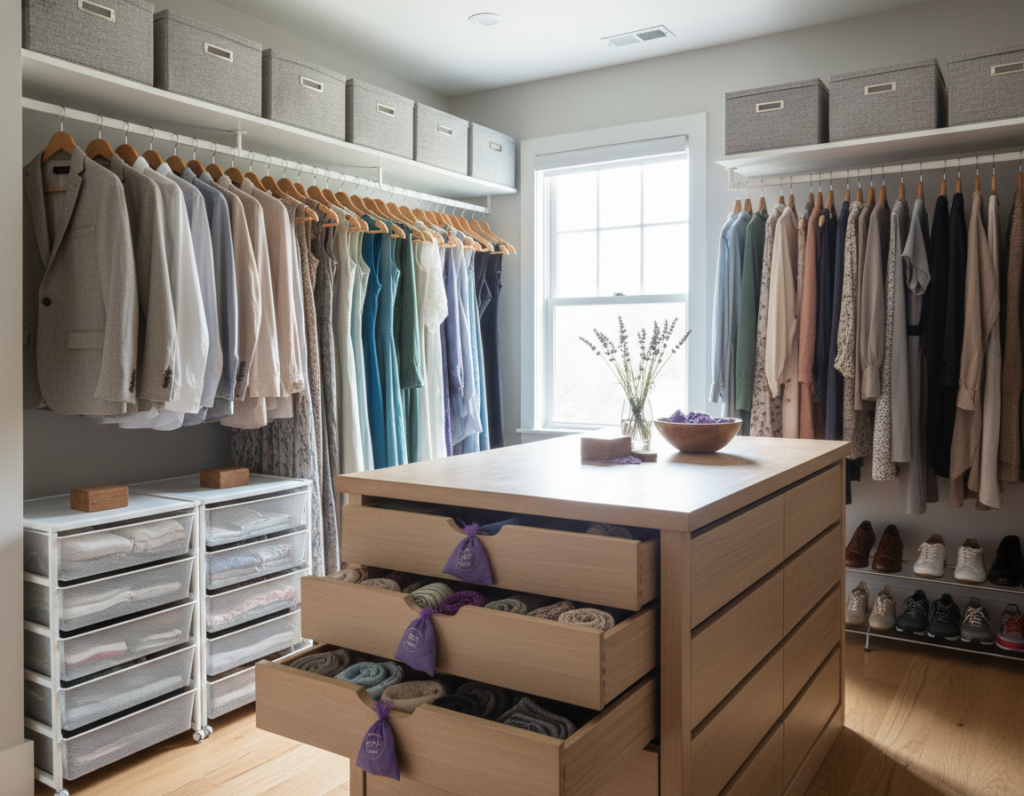
How you store clothes determines how long they last. Hangers should match garment weight. Heavy coats need sturdy wooden hangers. Delicate tops do better on padded or velvet hangers that prevent slipping.
Fold knits instead of hanging them. Hanging stretches necklines and shoulders over time. Shelf storage or drawer organization keeps knits in perfect shape.
Cedar blocks and lavender sachets repel moths naturally. These insects eat holes in natural fibers without you noticing until the damage is severe. Prevention costs pennies compared to replacing destroyed garments.
Washing and Drying Best Practices
Most clothing damage happens during laundering. Zippers scratch other items when left open. Turn garments inside out before washing to protect outer surfaces.
Mesh laundry bags protect delicates from agitation damage. Bras, underwear, and anything with straps or lace belong in these protective bags.
Air drying extends clothing life significantly. Heat breaks down elastic and fades colors faster than any other factor. Hang or lay flat items that you want to keep looking new.
Button all buttons before washing to maintain buttonhole shape
Treat stains immediately before they set permanently
Read care labels and follow their instructions exactly
Rotate your wardrobe to prevent wear concentration on favorite pieces
Invest in quality hangers that support garment construction properly
Build Skills That Last a Lifetime
These hacks scratch the surface of what you can accomplish. Comprehensive sewing knowledge empowers you to handle any challenge confidently. Imagine never needing expensive alterations again. Picture yourself creating custom pieces that fit perfectly and express your unique style. Professional instruction makes this future possible starting today.
Your Journey to Wardrobe Transformation Starts Now
Every hack you’ve learned today builds your confidence. That first hem repair felt scary. Now you understand how simple fixes create major improvements.
Your wardrobe contains more potential than you realized. Items you planned to donate can find new purpose. Pieces that never fit quite right now have solutions.
Small changes accumulate into significant transformations. The money saved on alterations and replacements adds up quickly. More importantly, you gain independence and creative control over your personal style.
These tips represent just the beginning of your sewing journey. Each successful project teaches new skills and builds momentum for bigger challenges.
Start with one simple hack today. Pick the technique that solves your most pressing clothing problem. Success builds confidence for tackling the next project and the one after that.