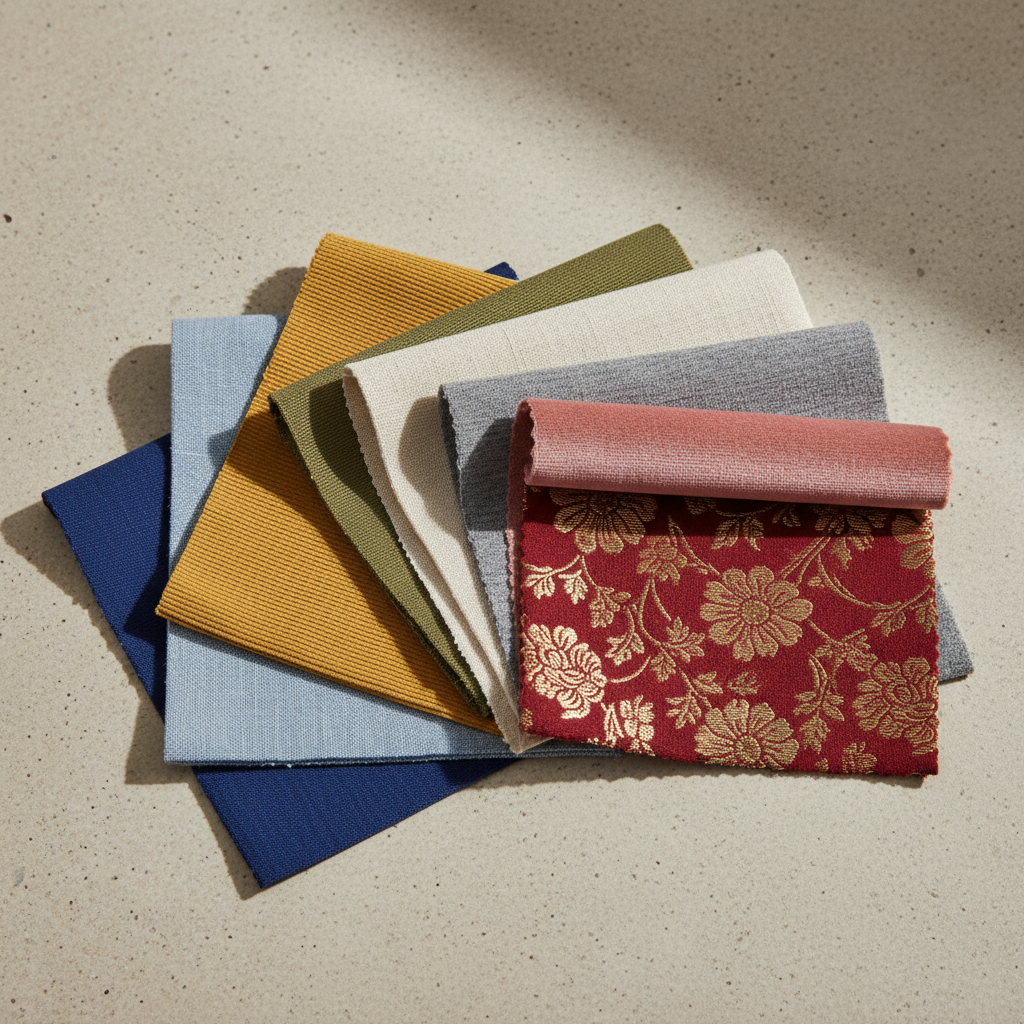
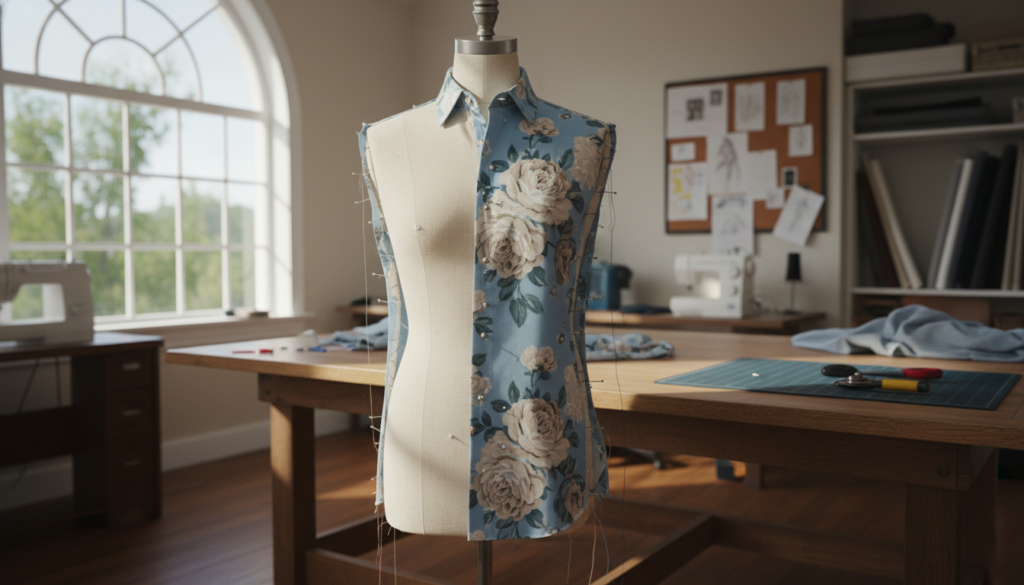
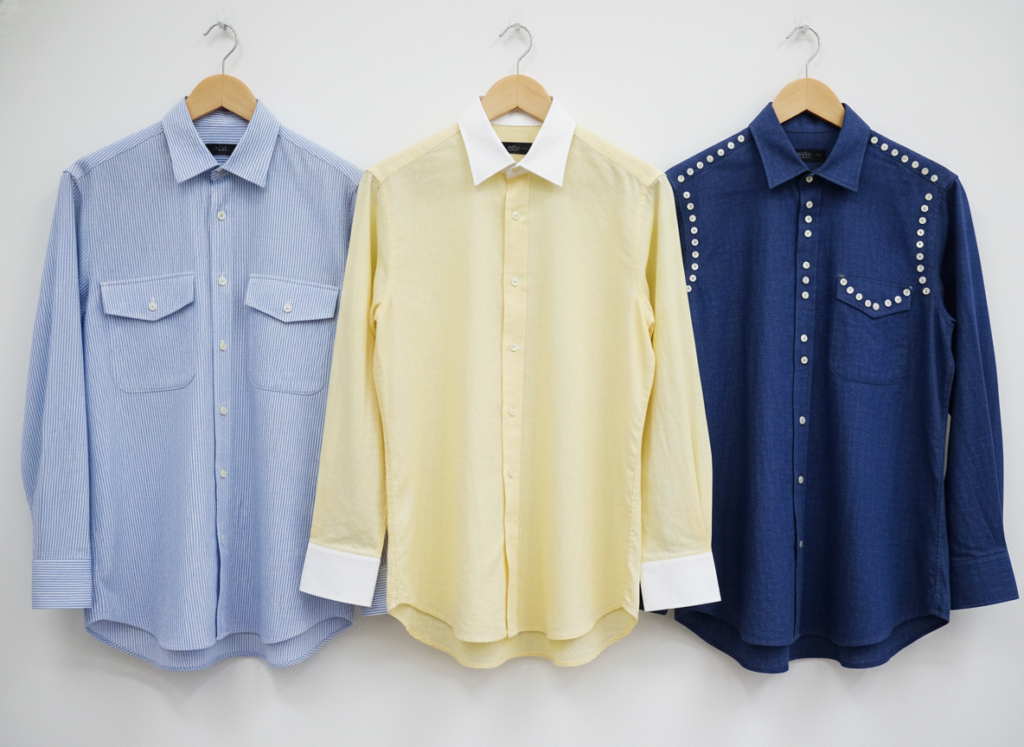
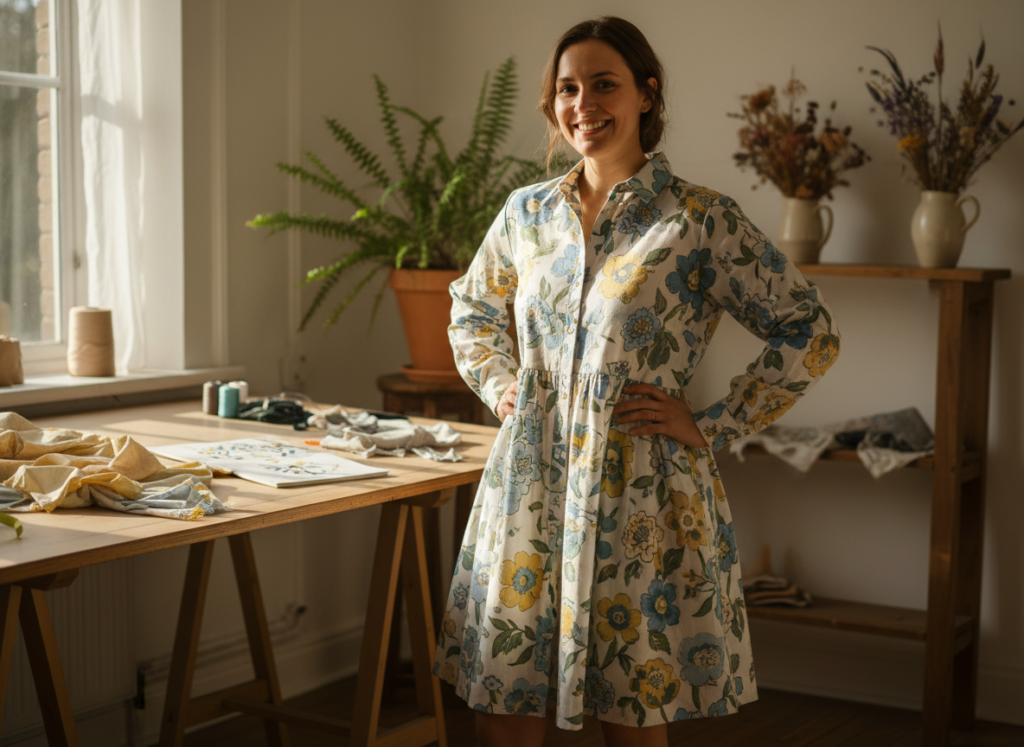
Creating your own dress shirt opens endless possibilities for custom fashion. This tutorial shows you exactly how to transform basic fabric into a beautiful, wearable shirt dress.
You’ll discover simple techniques that make sewing easy DIY dress shirt for women projects achievable. No advanced skills required.
Ready to Master Professional Sewing Techniques?
Access comprehensive video tutorials and advanced patterns that take your skills to the next level.
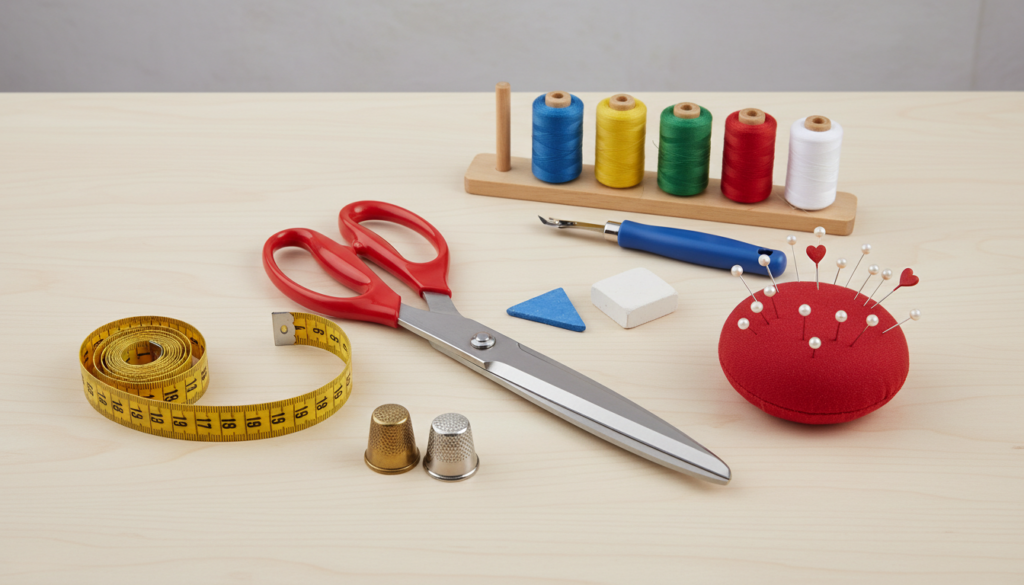
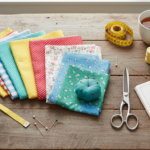
Gathering the right tools before starting makes sewing easy DIY dress shirt for women projects flow smoothly. Quality basics outperform cheap alternatives every time.
Cutting Tools
Fabric scissors (sharp, dedicated to fabric only)
Rotary cutter with mat (optional but helpful)
Pattern weights or pins
Measuring Tools
Measuring tape (flexible, at least 60 inches)
Clear ruler (18-inch quilting ruler works great)
Tailor’s chalk or fabric marker
Sewing Essentials
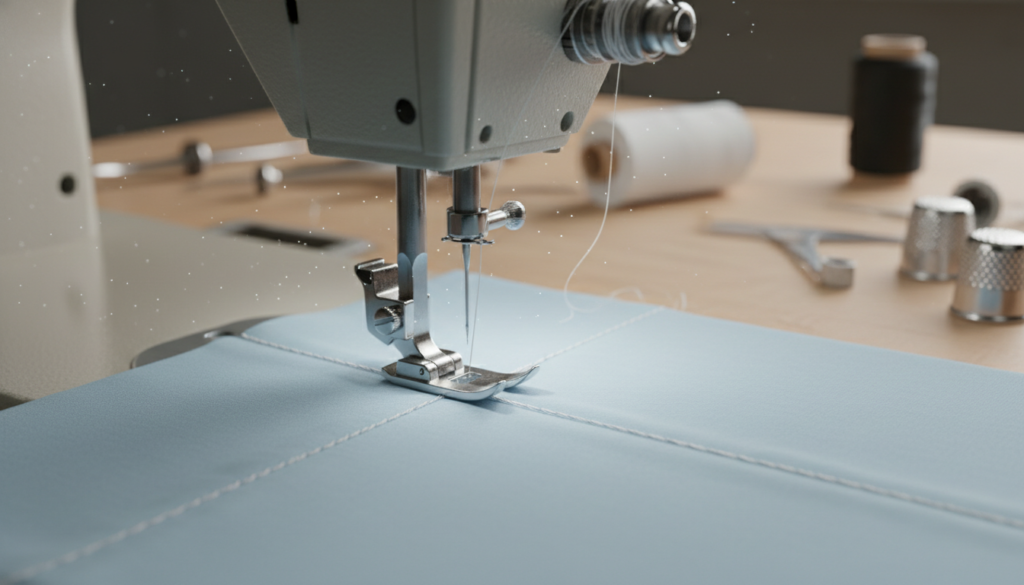
Sewing machine in good working order
Universal needles (size 80/12 or 90/14)
Thread matching your fabric color
Seam ripper (mistakes happen!)
Invest in quality pins with glass heads. They won’t melt if you accidentally iron over them during construction.
Your sewing machine needs a straight stitch and zigzag capability. These basic stitches handle the entire project from start to finish.
Taking Accurate Measurements
Precise measurements create shirts that fit beautifully. Take measurements over the kind of undergarments you’ll wear with the finished shirt.
Key Measurements Needed
Bust: Measure around the fullest part, keeping tape parallel to floor
Waist: Find your natural waist (usually narrowest point) and measure comfortably
Hips: Measure around the fullest part of your hips and bottom
Shoulder width: Measure from shoulder point to shoulder point across back
Desired length: Measure from shoulder down to where you want the hem
Add ease to your measurements. Ease means extra room for movement and comfort. Generally, add 2 to 4 inches to bust and hip measurements.
Write down all measurements clearly. Keep this reference handy throughout your sewing project to verify sizing at each step.
Transform Your Sewing Skills Today
Get access to professional measurement guides, fitting techniques, and designer patterns that guarantee perfect results every time.
Pattern creation forms the foundation of your dress shirt. You can draft a simple pattern using your measurements or modify an existing t-shirt.
Basic Pattern Components
Every dress shirt needs these essential pieces. Understanding each component helps you visualize the construction process.
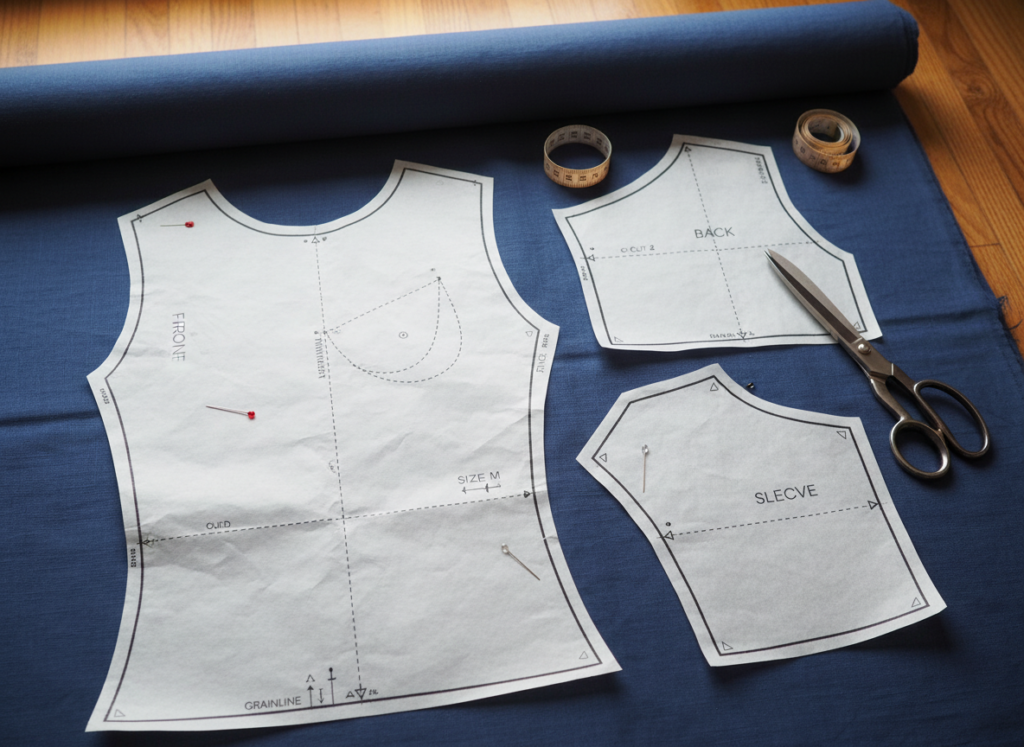
Front shirt panel (cut 2, one for each side)
Back shirt panel (cut 1 on fold or 2 separate pieces)
Skirt front (cut 2 or 1 on fold)
Skirt back (cut 2 or 1 on fold)
Sleeves (optional, cut 2)
Position pattern pieces on fabric following the grain line marked on each piece. The center front center back pieces align with the fabric fold for symmetry.
Cutting Techniques
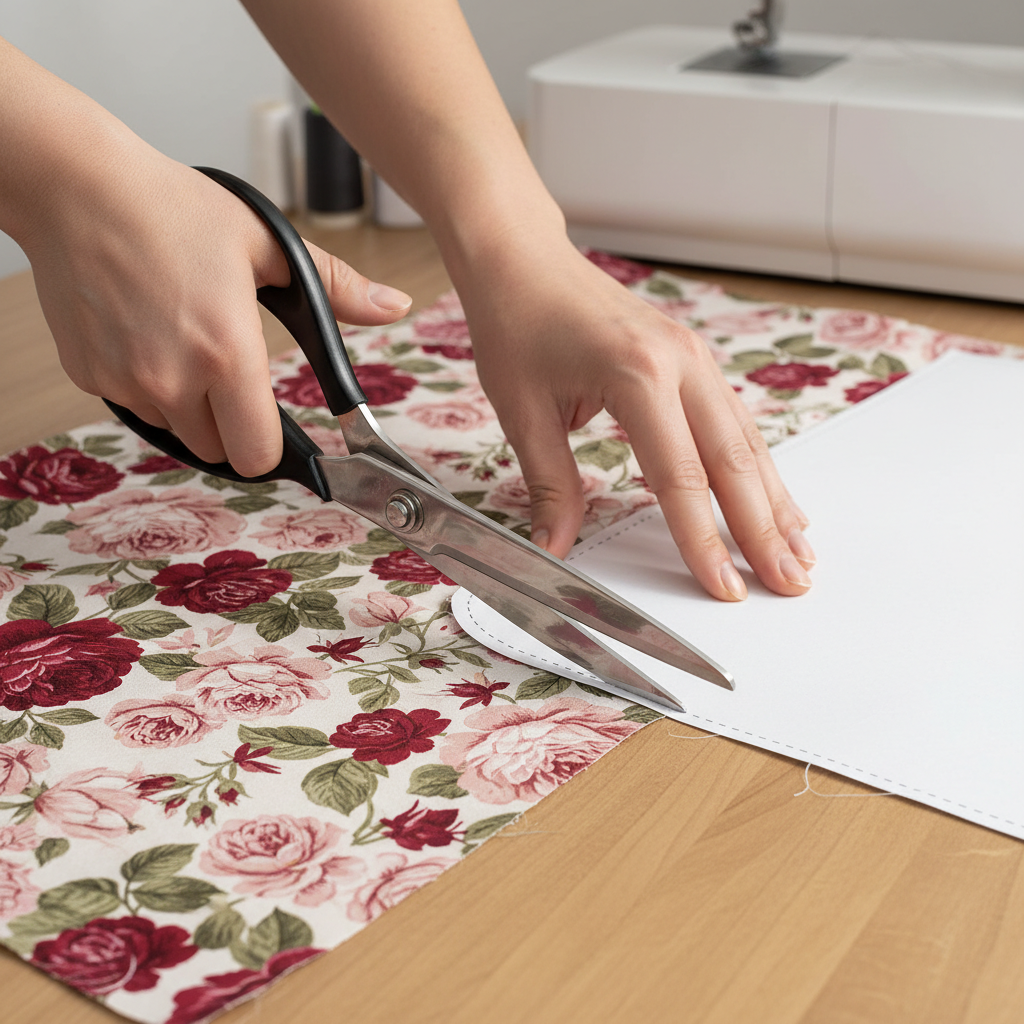
Pin pattern pieces securely to fabric using enough pins to prevent shifting. Place pins perpendicular to cutting lines for easier removal.
Cut carefully around pattern edges using sharp fabric scissors. Long, smooth strokes create cleaner edges than short choppy cuts.
Mark all notches, dots, and alignment points onto fabric using tailor’s chalk. These markings guide assembly and ensure proper fit.
Transfer seam allowance markings to fabric edges. Standard seam allowance measures 1/2 inch unless your pattern specifies otherwise.
Label each cut piece with chalk or removable tape. This prevents confusion during assembly, especially with similar-looking pieces.
Sewing the Shirt Top Portion
Construction begins with the upper shirt section. This part requires attention to seam alignment and edge finishing for professional results.
Assembling Shoulder Seams
Place front and back shirt pieces right sides together. Align shoulder edges carefully, matching any notches or markings.
Pin along shoulder seam line from neck edge to armhole. Use plenty of pins spaced about 2 inches apart for secure alignment.
Sew shoulder seams using a 1/2 inch seam allowance
Backstitch at beginning and end of each seam for security
Press seams open with iron for flat, professional finish
Optional: Finish seam edges with zigzag stitch to prevent fraying
Helpful Hint: Press as you sew. Setting seams with an iron between steps creates crisp, professional-looking results that distinguish homemade from handmade.
Side Seam Construction
With right sides together, pin shirt front to back shirt along side edges. Start at bottom edge of shirt and pin up to armhole.
Sew side seams with the same 1/2 inch seam allowance. Maintain consistent seam width for even fit on both sides of the shirt.
Press side seams toward the back of the shirt. This creates a smoother front appearance when worn.
The skirt section transforms your shirt into a dress. This part allows for creative length choices and style variations.
Preparing Skirt Panels
Cut skirt front and back skirt pieces according to desired length. Knee-length measures approximately 24 to 26 inches from waist.
Hem the bottom edge before attaching to shirt. Fold edge up 1/4 inch, press, then fold again 1/2 inch and stitch along inner fold.
Gathering the Skirt
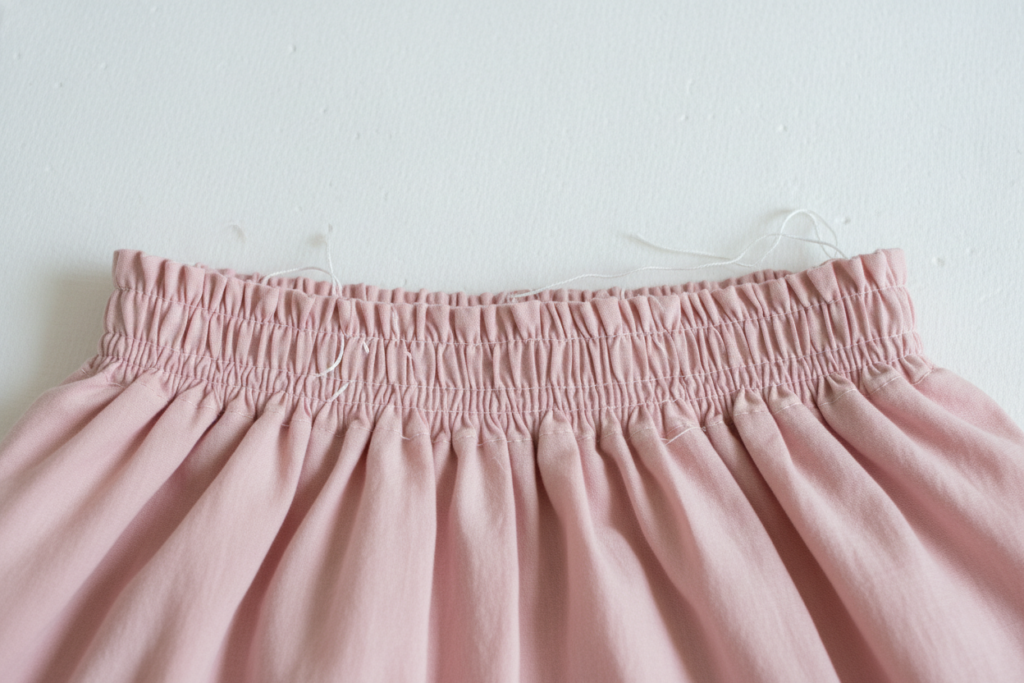
Gathering creates fullness that flatters most body types. Sew two parallel lines of long basting stitches along the top edge of each skirt piece.
Position basting lines at 1/4 inch and 3/8 inch from the edge. Leave long thread tails at both ends without backstitching.
Gently pull bobbin threads from both ends simultaneously. Gather fabric evenly to match shirt bottom width.
Alternative: Pleated Skirt
Pleats offer a more tailored look. Mark pleat positions with chalk at regular intervals across skirt top.
Fold fabric at marked lines to create pleats. Pin pleats in place, ensuring all pleats face the same direction.
Baste across pleat tops to secure before attaching to shirt portion.
Attaching Skirt to Shirt
Pin gathered or pleated skirt to bottom edge of shirt with right sides facing. Match center front and center back points first.
Distribute gathers or pleats evenly across shirt width. Pin generously to prevent shifting during sewing.
Sew skirt to shirt using 1/2 inch seam allowance
Stitch slowly over thick gathered areas
Remove gathering threads after seam completion
Press seam allowance upward toward shirt
Topstitch along seam from right side if desired. This adds a professional detail and secures seam allowance flat.
Finishing Edges and Adding Details
Edge finishing elevates your dress shirt from homemade to handcrafted. These details make the difference in wearability and longevity.
Neckline Finishing Options
The neckline requires special attention because it frames your face. Several finishing methods work beautifully for dress shirts.
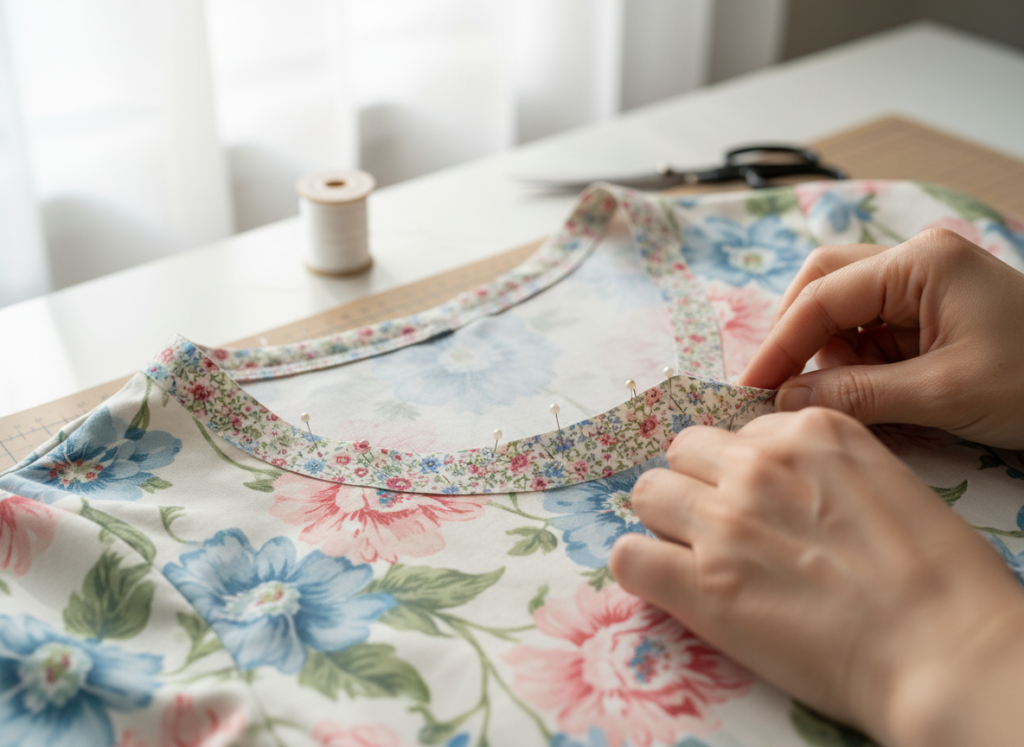
Bias Binding
Cut bias strips 2 inches wide from matching or contrasting fabric. Sew strips to neckline edge, fold over, and stitch down.
This method works perfectly for curved necklines and adds a pop of color.
Faced Neckline
Cut facing pieces matching neckline shape. Attach facing to neckline, turn to inside, and press flat.
Creates clean, professional finish ideal for V-necks or scooped styles.
Simple Turn Under
Fold neckline edge under 1/4 inch twice and stitch close to inner fold.
Best for stable knit fabrics or straight necklines without much curve.
Armhole and Sleeve Finishing
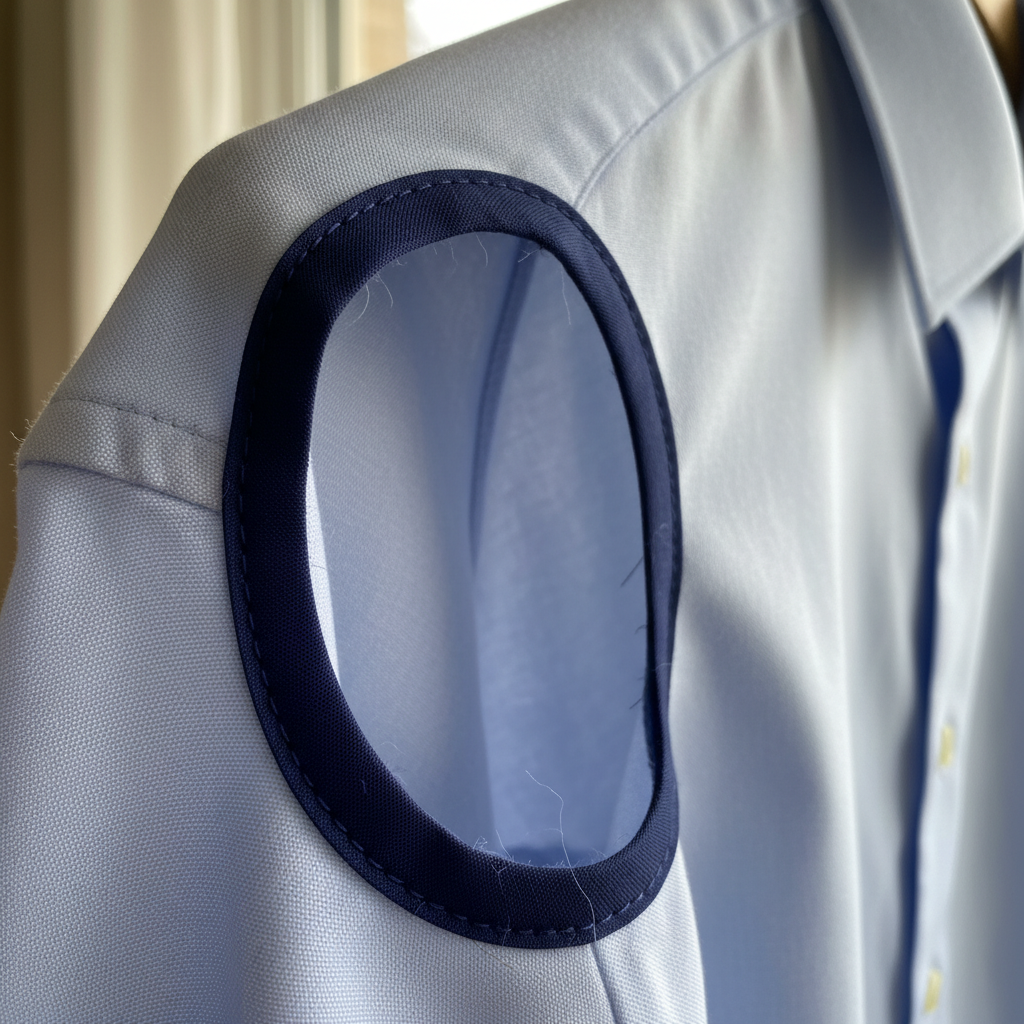
Sleeveless dress shirts need armhole finishing. Bias binding works excellently here, providing comfort and preventing stretching.
For sleeved versions, set sleeves into armholes after completing shoulder and side seams. Pin sleeve into armhole, matching notches and shoulder point.
Sew around armhole with sleeve side up, easing any fullness smoothly. Clip seam allowance curves and press toward sleeve.
Achieve Designer-Quality Finishes Every Time
Learn professional finishing techniques, couture sewing methods, and insider tricks that make your creations look store-bought.
Even experienced sewers encounter issues during construction. Knowing solutions keeps projects moving forward smoothly.
Thread Tension Issues
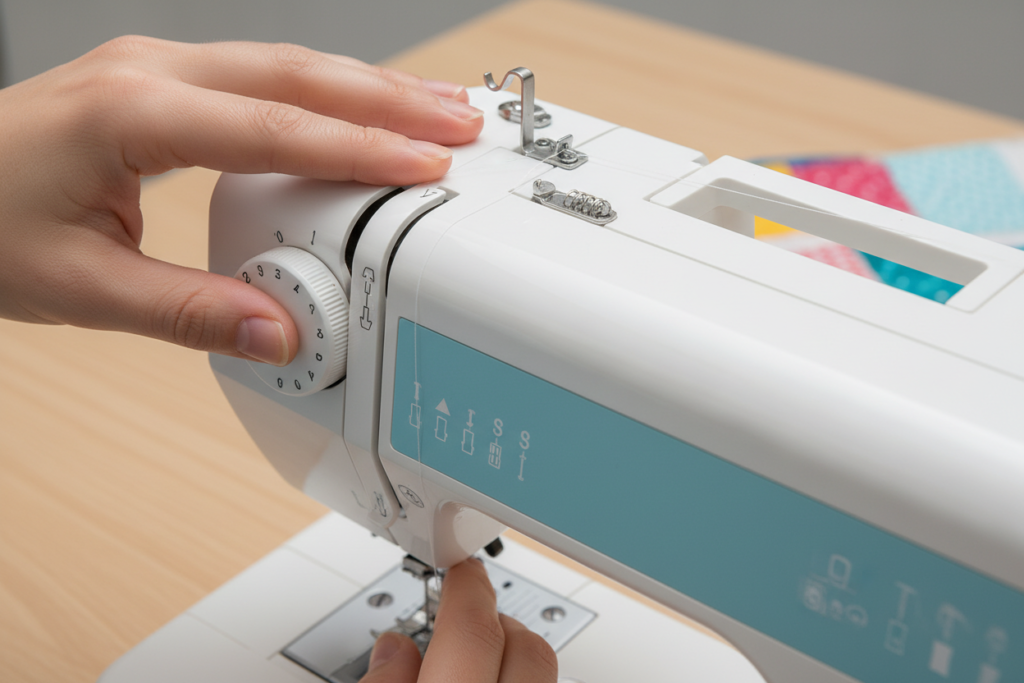
Uneven stitches usually indicate tension problems. Check both top and bobbin thread tension settings on your machine.
Rethread machine completely, ensuring thread follows all guides correctly. This solves most tension issues immediately.
Puckered Seams
Puckering happens when fabric feeds unevenly through machine. Use proper pressure foot pressure for fabric weight.
Hold fabric taut but not stretched while sewing. Let feed dogs move fabric naturally without forcing or pulling.
Skipped Stitches
Change needle frequently. Dull or bent needles cause skipped stitches and snag delicate fabrics.
Ensure correct needle type for fabric. Universal needles work for most cottons, but specialty fabrics need specific needle types.
Important: Never sew over pins. Remove pins as you approach them to prevent needle damage and maintain stitch quality. Broken needles pose safety hazards.
Uneven Hems
Mark hem line accurately using ruler and chalk before folding. Press fold line firmly before stitching for crisp, even results.
Use hem gauge or cardboard template to ensure consistent fold depth around entire bottom edge of garment.
Caring for Your Handmade Dress Shirt
Proper care extends the life of your creation. Handmade garments deserve special attention to preserve their beauty.
Washing Instructions
Wash dress shirts in cool water on gentle cycle. Hot water shrinks natural fibers and fades colors over time.
Turn shirts inside out before washing to protect outer surface from abrasion. Fasten any buttons or snaps to prevent snagging.
Use mild detergent without harsh chemicals or bleach
Avoid overloading washing machine to prevent excessive wrinkling
Remove from washer promptly to minimize creasing
Air dry when possible to maintain fabric integrity
Ironing and Pressing
Iron cotton dress shirts while slightly damp for easiest wrinkle removal. Use cotton setting on iron with steam.
Press seams flat from wrong side first, then finish with light pressing from right side. This prevents seam impressions on fabric surface.
Storage Tips
Hang dress shirts on padded hangers to maintain shoulder shape. Avoid wire hangers that create unsightly shoulder bumps.
Store in breathable garment bags for long-term storage. This protects from dust while allowing air circulation.
Minor Repairs
Fix loose seams immediately before they worsen. Restitch small sections by hand or machine using matching thread.
Replace missing buttons promptly. Keep spare buttons attached inside garment for easy replacement when needed.
Start Creating Your Custom Wardrobe Today
You now have complete knowledge for sewing easy DIY dress shirt for women projects. These skills open possibilities for entire wardrobe creation.
Start with simple fabrics and basic designs. Build confidence through practice before tackling complex patterns or delicate materials.
Each shirt you complete teaches new techniques and improves your skills. Soon you’ll design and sew dress shirts confidently without patterns or guidance.
The satisfaction of wearing something you created yourself surpasses any store-bought garment. Your handmade dress shirts reflect personal style perfectly.
Take Your Sewing to the Next Level
Stop struggling with unclear tutorials and inconsistent results. Get instant access to professional sewing courses, hundreds of tested patterns, and video demonstrations that guarantee success.