Hair Growth Tips Faster Natural: 15 Simple Ways to Support Healthier Hair
Want to help your hair grow faster without harsh habits or impossible promises? The best plan starts with the scalp, protects the hair shaft, and supports your health from the inside out. These practical tips can help you build a steady routine while setting realistic expectations about growth and hair loss.
Start With a Simple Routine
If you want a convenient way to explore hair health products, review the ingredients, directions, and safety information before deciding.
Hair growth happens in cycles. The active phase, resting phase, and shedding phase differ from person to person. A routine may improve scalp comfort or reduce breakage before you notice more visible length.
Many people need several months to judge a routine. Take photos in the same light once a month. Do not compare wet hair, styled hair, and freshly washed hair as if they were the same.
Key point: Supporting hair growth is different from making hair grow instantly. Consistency matters more than a dramatic promise.
Know What May Cause Hair Loss or Hair Thinning
Hair loss can follow stress, illness, rapid weight change, hormonal shifts, genetics, tight hairstyles, scalp inflammation, or medication changes. Breakage can look like hair loss even when the follicles remain active.
Sudden shedding, bald patches, scalp pain, scaling, or fast hair thinning deserve medical attention. A clinician can look for a cause before you spend money on oils, supplements, or treatments.
Keep the Scalp Clean Without Overwashing
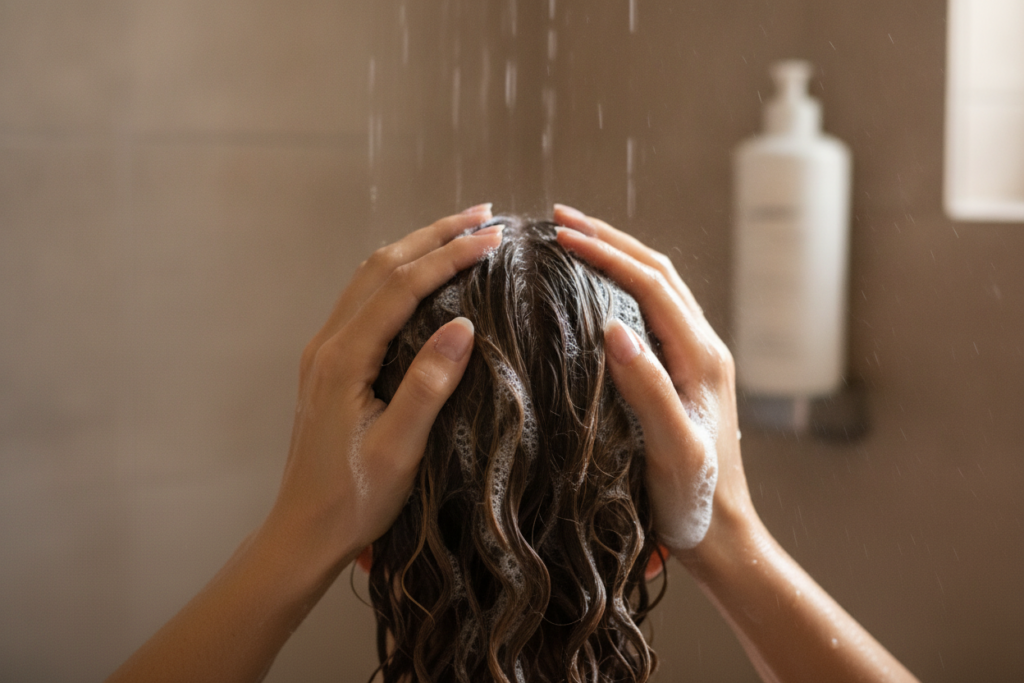
A clean scalp gives hair follicles a better environment. Wash based on oil, sweat, styling products, and your hair type. A person with an oily scalp may need more frequent washing than someone with dry curls.
Use lukewarm water and place shampoo on the scalp rather than scrubbing the full hair length. Rinse well. Product residue can make the scalp feel itchy or heavy, but harsh washing may increase dryness.
Use Scalp Massage to Support Blood Flow
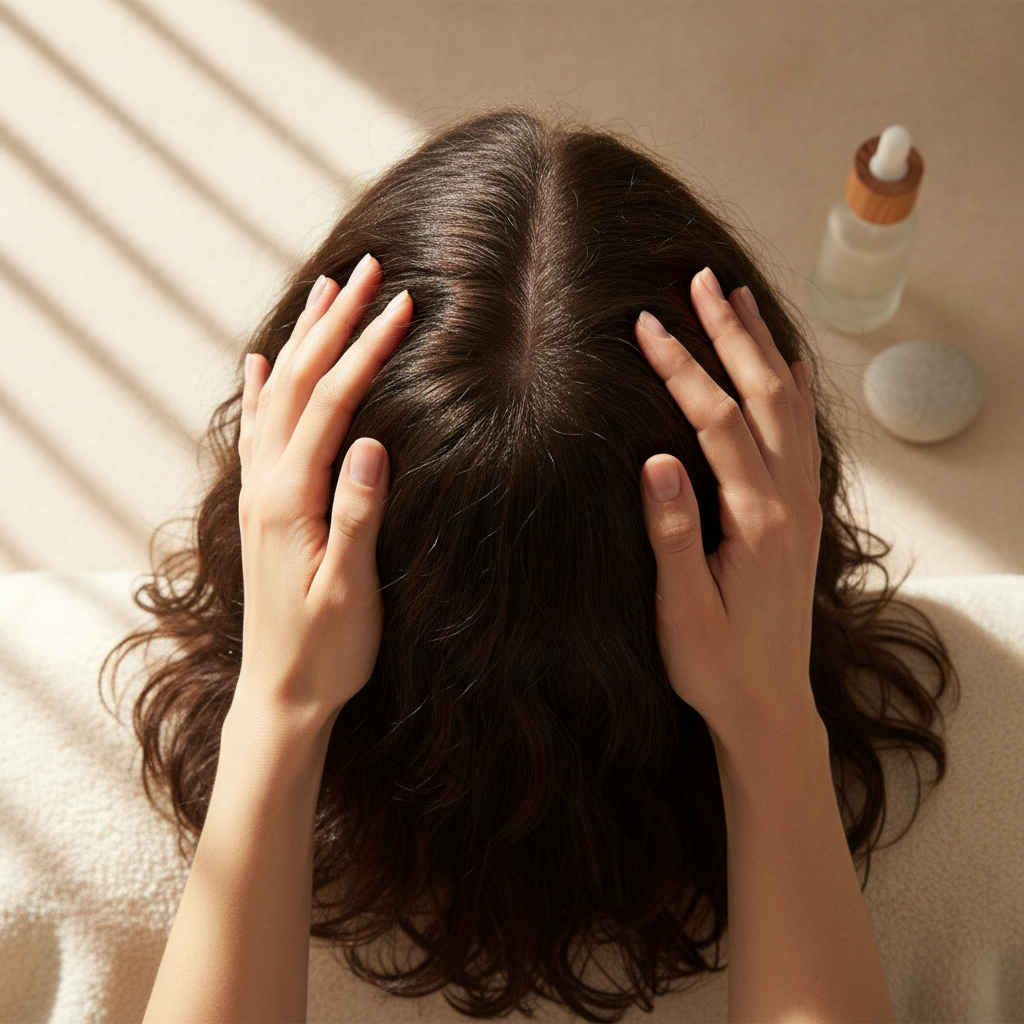
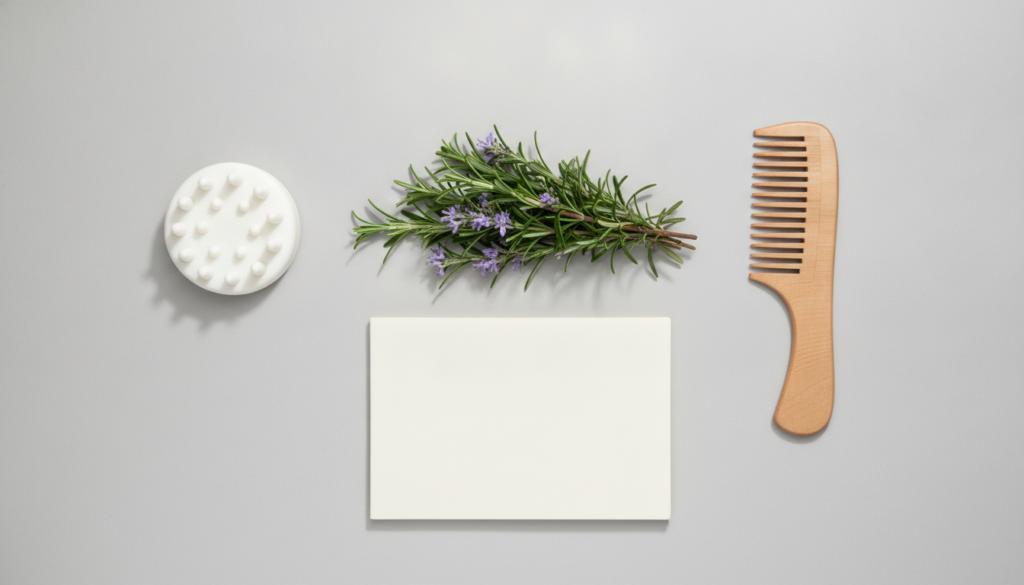
Scalp massage is a low-cost habit that may help you relax and increase local blood flow. Use the pads of your fingers, not your nails. Move in small circles for a few minutes before washing.
Massage should feel comfortable. Stop if you notice pain, redness, swelling, or increased irritation. More pressure does not mean better results, and vigorous rubbing can damage fragile hair.
A practical schedule is three to five minutes on wash days. If you use oil, apply only a small amount and patch test first.
Understand Rosemary Oil Before You Use It
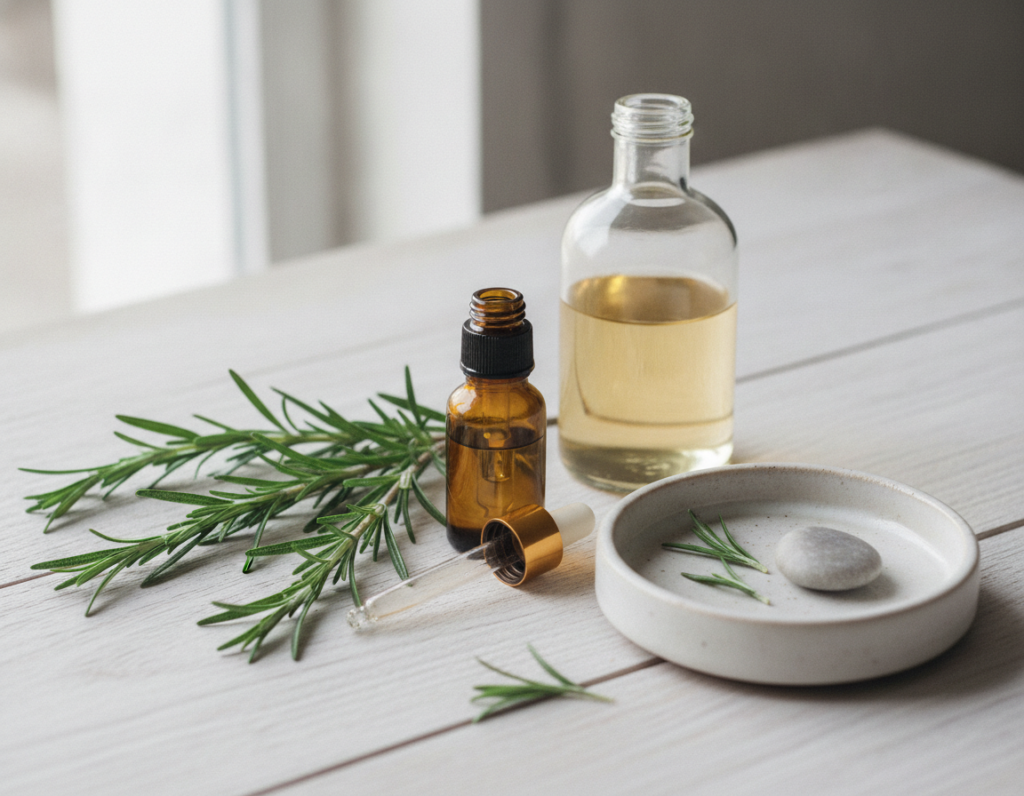
Rosemary oil is popular in natural hair routines. Some research has explored rosemary preparations for hair loss, but evidence is limited and does not prove that every rosemary oil product will work for every person.
Never apply undiluted rosemary oil directly to the scalp. Essential oils can cause irritation or allergic reactions. Follow the product directions, dilute correctly when required, and perform a small patch test.
Compare a Scalp-Care Option
Prefer a ready-made option instead of mixing oils at home? Review the formula and directions before adding any product to your routine.
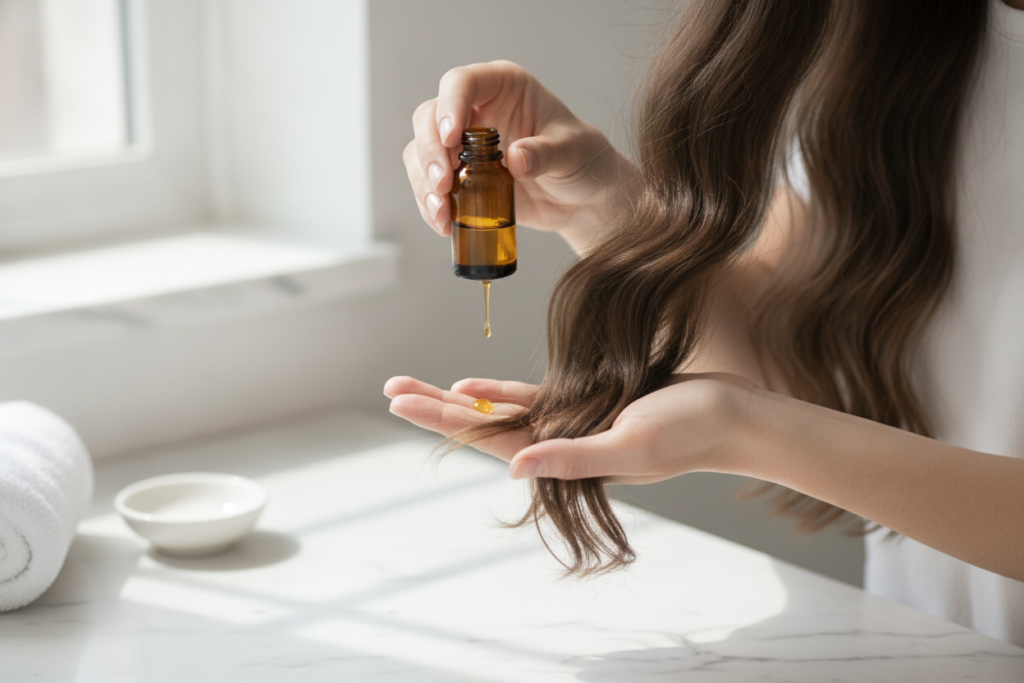
Castor oil can coat the hair and reduce the feeling of dryness. It may make strands look fuller because it is thick, but that does not prove it can increase hair density or create new hair.
Use a small amount on the hair lengths or mix it with a lighter carrier oil. Keep it away from the eyes. Wash it out if the scalp feels sore, itchy, or congested.
Eat Enough Protein and Key Nutrients
Hair is made largely from a protein called keratin. Eating enough protein supports normal body functions, including hair health. Include foods such as eggs, fish, beans, yogurt, tofu, poultry, nuts, and seeds.
Iron, zinc, vitamin D, vitamin B12, and other nutrients may matter when a person has a deficiency. A supplement is not automatically helpful. High doses can cause harm or interfere with treatment.
Think Critically About Hair Growth Supplements
Supplements can sound appealing because they promise faster growth. Research supports correcting a real deficiency, but taking extra vitamins without a need may not help hair loss.
Biotin is a common example. A deficiency is uncommon in many adults, and high doses may affect some lab test results. Ask a healthcare professional before taking supplements, especially during pregnancy or while using medication.
Do not use supplements as a replacement for diagnosis. Persistent hair loss may have a cause that requires targeted treatment.
Reduce Breakage With Gentle Hair Care
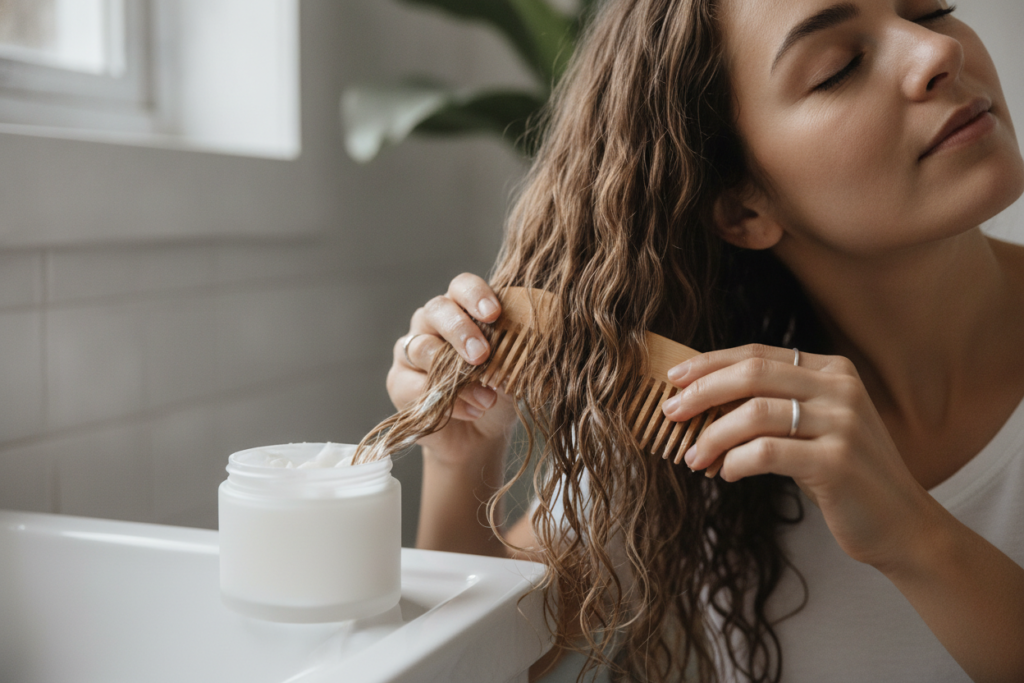
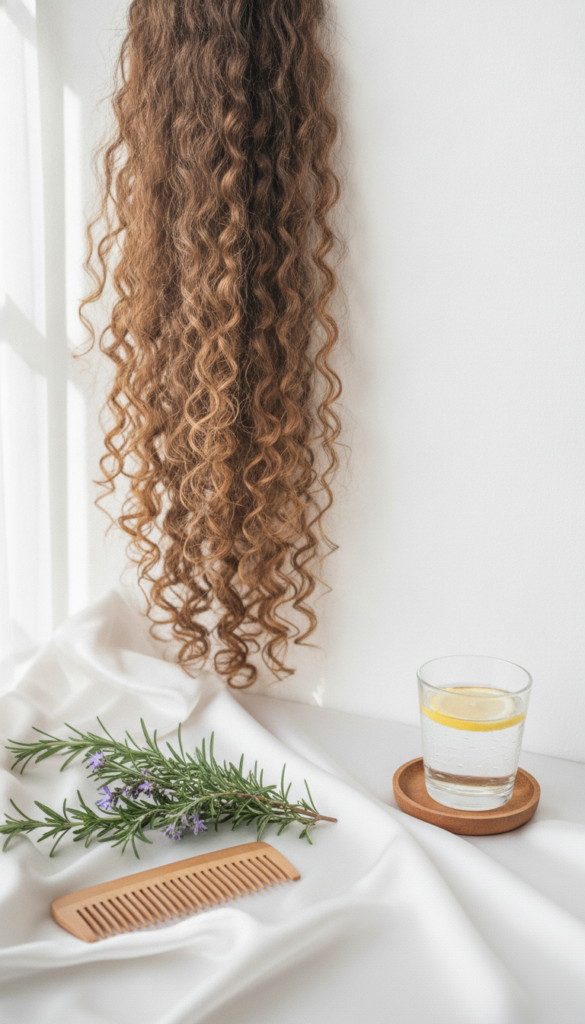
Breakage prevents you from keeping the length your hair grows. Detangle slowly from the ends upward. Use a wide-tooth comb and add conditioner when hair is difficult to manage.
Avoid pulling through knots. Blot wet hair with a soft towel instead of twisting it tightly. Handle the hair shaft gently because wet strands are more fragile.
Limit Heat and Chemical Stress
Frequent high heat can weaken the hair shaft. Let hair partly air-dry before using a dryer, choose a lower setting, and keep the tool moving. Heat protection can reduce damage, but it cannot make unlimited heat safe.
Space out bleaching, relaxing, perming, and repeated color services. If the scalp burns during a chemical service, rinse and seek advice. Healthy-looking hair depends on the condition of the strand as well as the follicles.
Choose Low-Tension Styles for Your Hair Type
Tight braids, extensions, ponytails, and buns can place ongoing tension on follicles. Change styles often and avoid painful pulling. A style that causes soreness is too tight.
Sleep with a loose style when practical. Satin or silk fabric may reduce friction for some people, but it will not treat the cause of hair loss. Choose habits that suit your type hair and daily routine.
Support Sleep and Manage Ongoing Stress
Stress can affect the hair cycle and may contribute to shedding in some people. Sleep, regular meals, movement, and time outdoors support overall health. These habits are not instant treatments, but they can make a routine easier to maintain.
Choose one small change first. A short walk, regular bedtime, or five-minute breathing practice is more useful than a plan you cannot repeat.
Choose Hair Products by Scalp and Strand Needs
Product choice should match your scalp and hair type. A dry scalp may need a gentle cleanser and a light conditioner. An oily scalp may need better residue control. Fragile, curly, or chemically treated hair may need more slip and less friction.
Read the ingredient list and directions. Avoid adding several new oils or treatments at once. If irritation starts, stop the newest product so you can identify the likely cause.
For a Dry Scalp
Choose gentle cleansing, light moisture, and fragrance awareness.
Use lukewarm water.
Avoid aggressive scratching.
Patch test new oils.
For Oily Roots
Focus products near the lengths and wash the scalp as needed.
Rinse styling products well.
Do not overload the roots with oil.
Watch for itching or scaling.
For Fragile Lengths
Reduce friction, tension, and repeated heat.
Condition before detangling.
Protect ends from rubbing.
Trim damaged ends when needed.
Know When Minoxidil or Medical Treatment May Help
Natural care can reduce breakage and improve comfort, but it may not address every form of hair loss. Minoxidil is an evidence-based treatment for some types of hair loss, yet it is not right for everyone.
Ask a clinician or pharmacist about possible side effects, directions, interactions, and how long results may take. Stop and seek advice if you have concerning symptoms. Do not combine several treatments without guidance.
A diagnosis is especially important when hair loss is sudden, patchy, painful, scaly, or linked with other health changes.
Build a 30-Day Hair Growth Routine
A routine should be simple enough to repeat. Track washing, scalp symptoms, styling tension, heat use, sleep, and major diet changes. Avoid changing every product at once.
Wash the scalp according to oil and buildup.
Massage gently for a few minutes if it feels comfortable.
Condition the lengths and detangle from the ends.
Limit tight styles and high heat.
Eat regular meals with enough protein.
Take one monthly photo in consistent lighting.
Make Your Routine Easier to Follow
Explore another optional hair-care resource, then compare its ingredients and directions with your needs. Consistency and scalp comfort come first.
One common mistake is using too many products at once. Another is applying undiluted essential oil. Some people also mistake reduced breakage for faster follicle growth or expect visible results after a few days.
Do not scratch an irritated scalp, pull out shed hairs, or use supplements at high doses without advice. Avoid claims that rely only on testimonials. A personal story can be interesting, but it is not the same as strong research.
Compare Natural Oils, Massage, and Proven Treatments
Different options serve different purposes. Oils can improve feel and reduce dryness. Massage may support relaxation and local blood flow. Gentle care helps prevent breakage. Medical treatments may target specific causes of hair loss.
You cannot safely force instant growth. You can support hair health, reduce breakage, and address habits that may interfere with length retention. Results depend on genetics, health, age, hair type, and the cause of hair loss.
Does scalp massage help hair growth?
Gentle scalp massage may feel relaxing and may increase local blood flow. It should not hurt or replace care for sudden shedding, scalp disease, or significant hair thinning.
Is rosemary oil safe for everyone?
No. Rosemary oil may irritate some skin. Never use essential oil undiluted, follow directions, patch test, and stop if burning, redness, or itching develops.
Does castor oil create new hair?
Castor oil can coat strands and make them feel conditioned. There is not enough proof to say it reliably creates new hair or increases hair density.
When should I see a clinician?
Seek advice for sudden or patchy hair loss, scalp pain, scaling, inflammation, or rapid hair thinning. A professional can help identify the cause and discuss suitable treatments.
Save These Natural Hair-Growth Tips for Later
Turn this guide into a repeatable plan: care for the scalp, protect the hair shaft, eat balanced meals, limit tension, and track changes over time. Save the routine to Pinterest so you can return to it on your next wash day.
Build Steady Hair Health Habits
The most useful natural approach is steady rather than extreme. Keep the scalp clean, massage gently, eat enough protein, protect fragile strands, reduce tension, and question claims that promise instant hair growth.
If hair loss continues or changes quickly, get professional advice. A clear diagnosis can save time, reduce unnecessary products, and point you toward treatment that fits the cause.
Take the Next Gentle Step
You can review an optional hair-care product, compare its claims with your needs, and choose only what fits your routine. This link may be compensated.