Hair Growth Tips Faster at Home: A Safe, Realistic Guide
Want longer, fuller-looking hair without leaving home? The right routine can help protect your strands, support a healthy scalp, and reduce breakage. It cannot make hair grow overnight, but small daily choices may help you keep more of the growth you already produce.
This guide covers scalp care, food, oils, gentle styling, stress, and professional warning signs. Use the steps that fit your hair type, and give your routine time to work.
What Hair Growth Can Change at Home
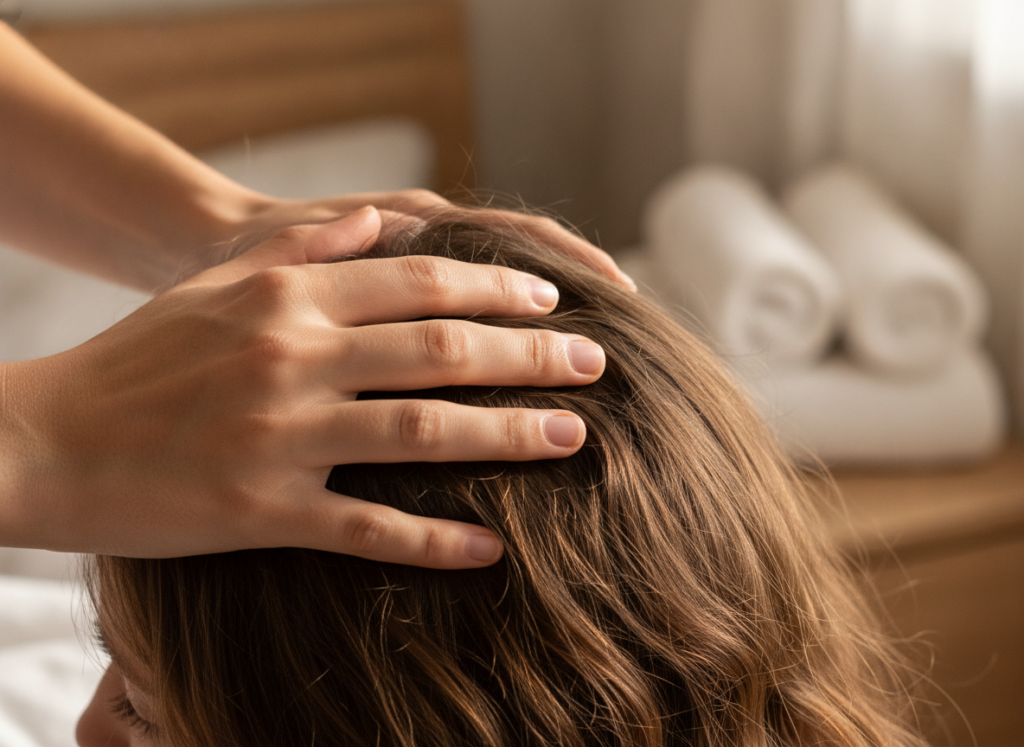
Hair grows from small structures called hair follicles. The visible strand is not living tissue, so a mask cannot repair it in the same way skin heals. Home care works best by supporting the scalp and limiting damage along the hair shaft.
Many people confuse growth with length retention. Your follicles may produce hair at a normal rate, while split ends and breakage prevent length from becoming visible. A useful goal is to promote hair growth while keeping new length protected.
Track shedding, breakage, and scalp comfort separately.
Take monthly photos in similar lighting.
Change one major product at a time.
Stop any option that causes burning, swelling, or a rash.
Start with a careful product review
If you want to explore an at-home option, read the ingredient details and directions before deciding. This is a commercial link, and results are not guaranteed.
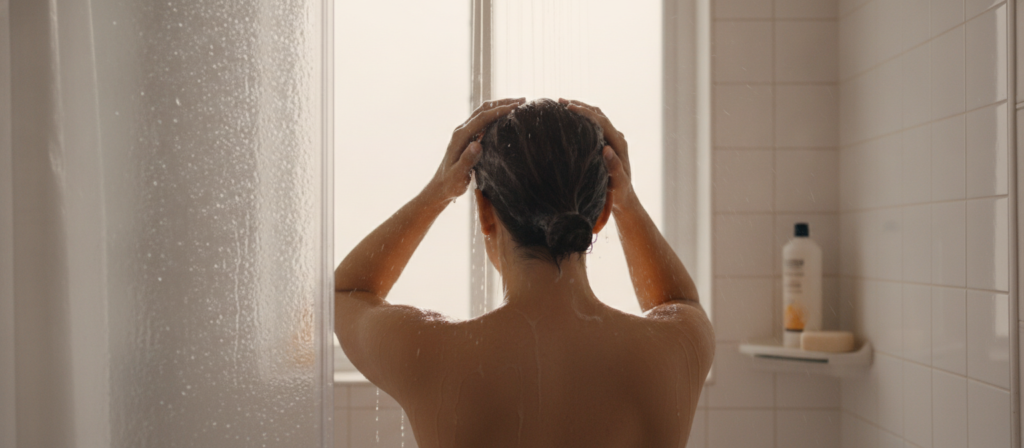
A clean, comfortable scalp gives hair follicles a better environment. You do not need harsh scrubs or daily treatments. Start with gentle washing that matches oil levels, sweat, styling products, and scalp condition.
Use fingertips rather than fingernails while washing.
Rinse shampoo fully from the scalp and skin.
Wash after heavy sweating when needed.
Use lukewarm water instead of very hot water.
Flaking, itching, tenderness, or greasy scale may point to a scalp condition. Scratching can damage skin and increase irritation. If symptoms continue, ask a healthcare professional which treatment fits your scalp.
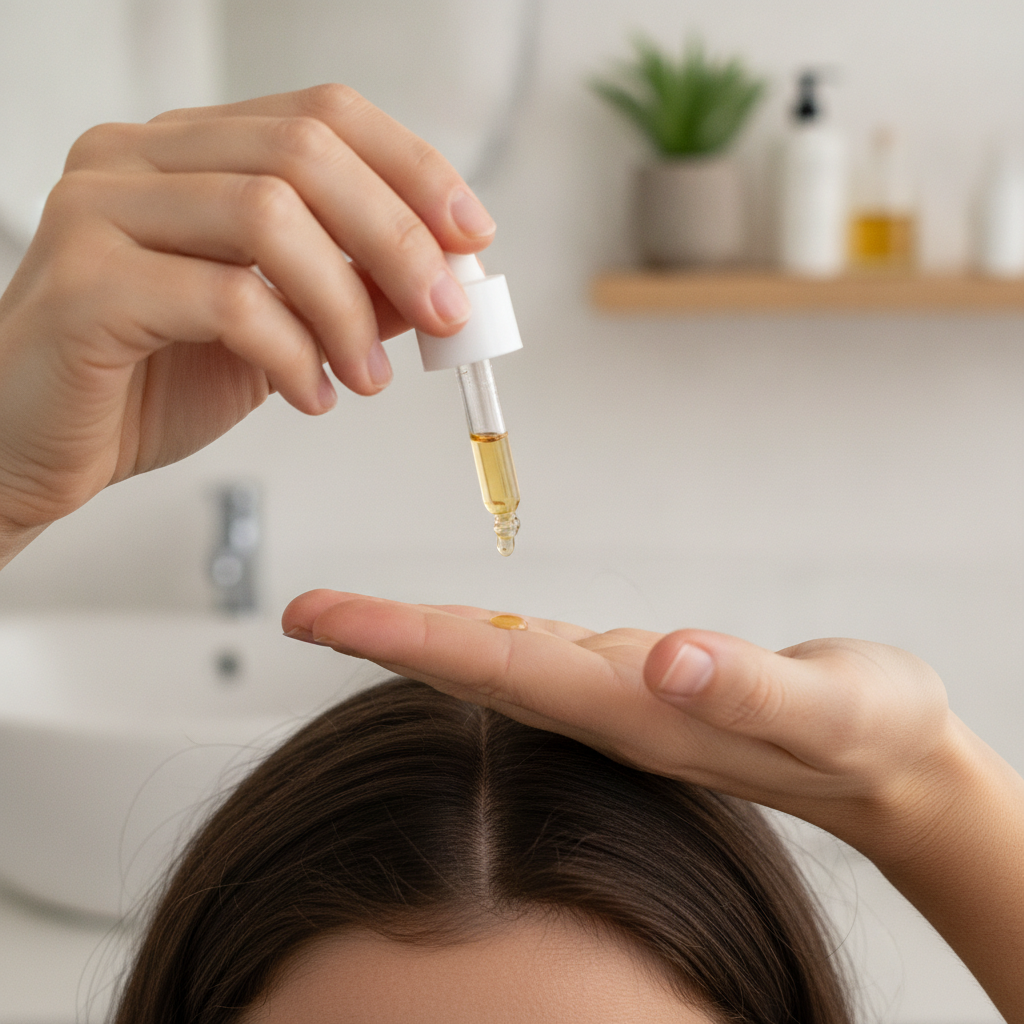
Essential oils can irritate skin when used directly. Always follow the label, dilute only as directed, and patch test a small area first. Children, pregnant people, and people with sensitive skin should ask an expert before using concentrated oils.
Wash and Condition Without Breakage
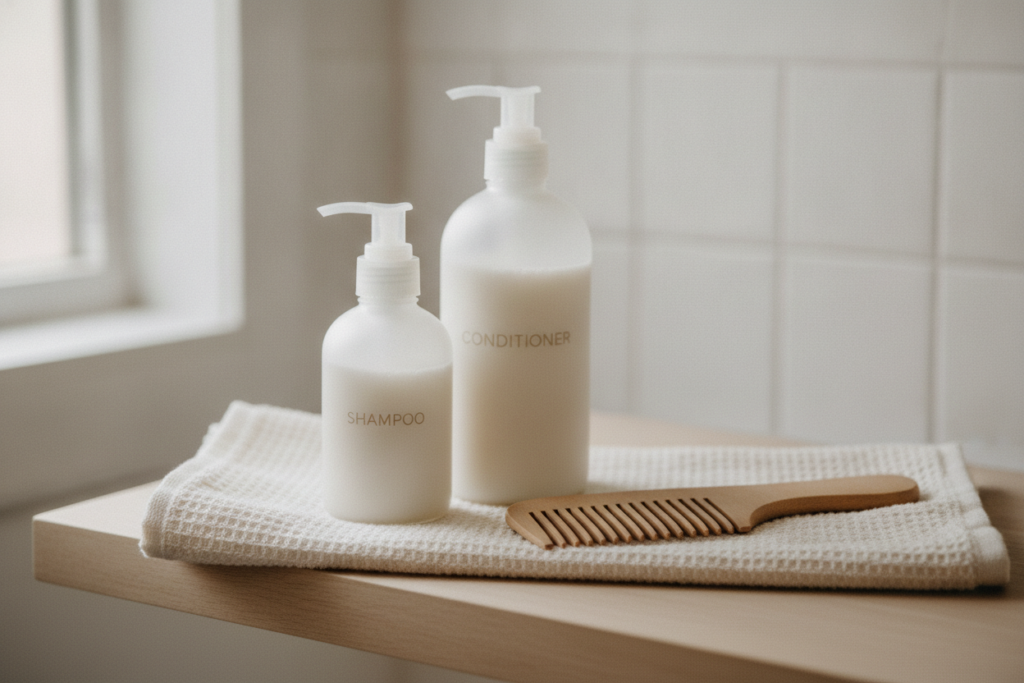
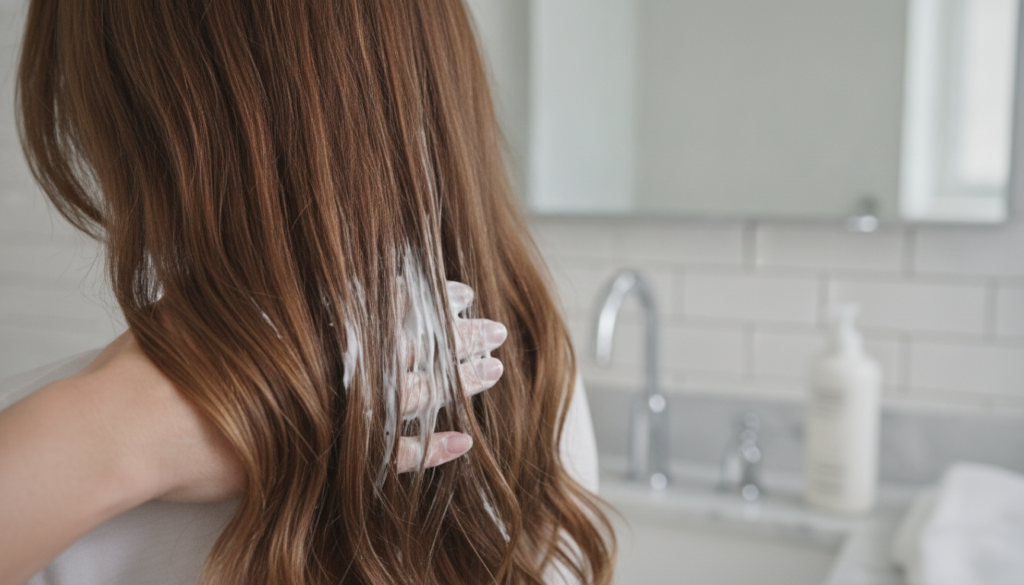
Shampoo mainly cleans the scalp. Conditioner helps reduce friction on the lengths. Applying both in the right places may help hair stay flexible and less likely to snap.
Choose a cleanser that leaves the scalp clean but not painfully tight.
Apply conditioner from mid-length to ends if roots become oily.
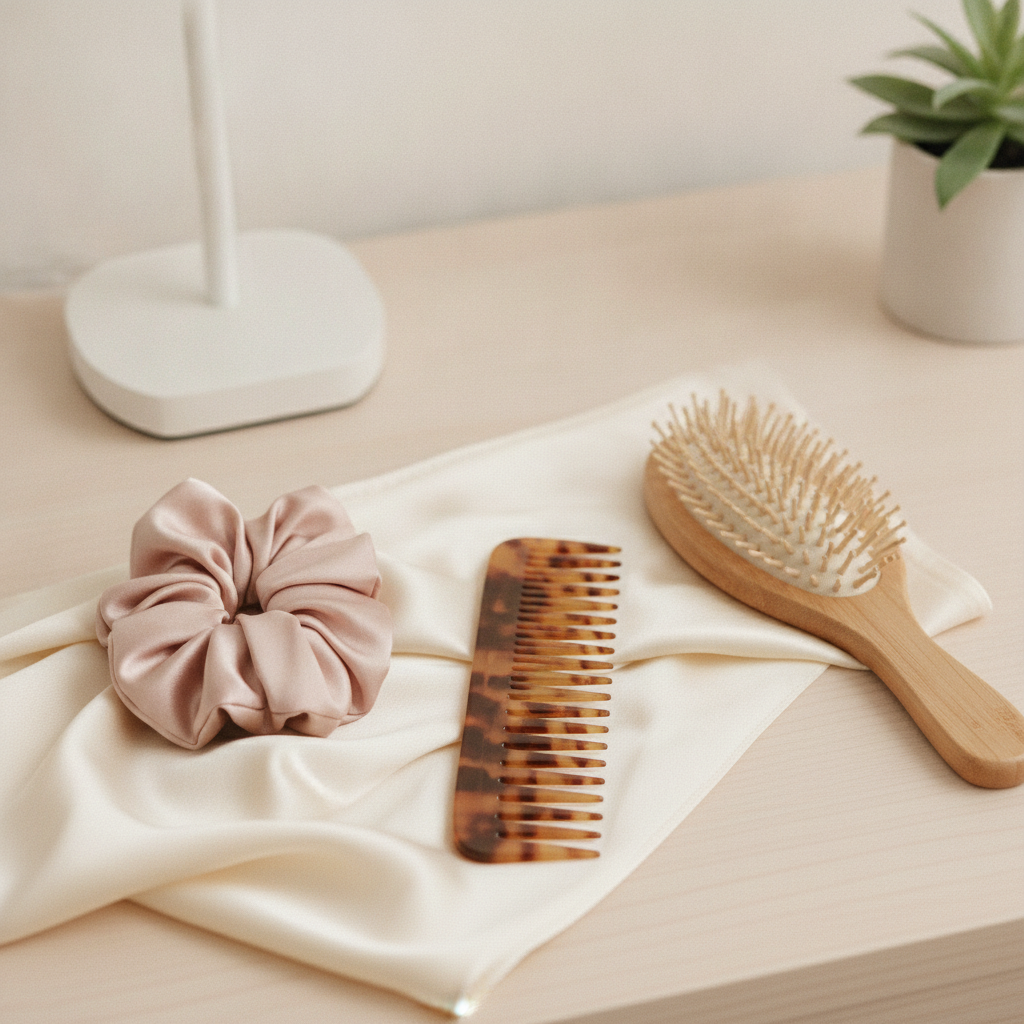
Detangle with a wide-tooth comb, starting at the ends.
Blot water with a soft towel instead of rubbing.
Curly, coily, bleached, and dry hair may need extra slip and moisture. Fine hair may need lighter products. No single routine works for every person, and more products do not always make hair grow faster.
Watch for changes after a new product. A persistent rash, pain, or sudden shedding is a reason to stop experimenting and seek healthcare advice.
Use Oils and Home Treatments With Care
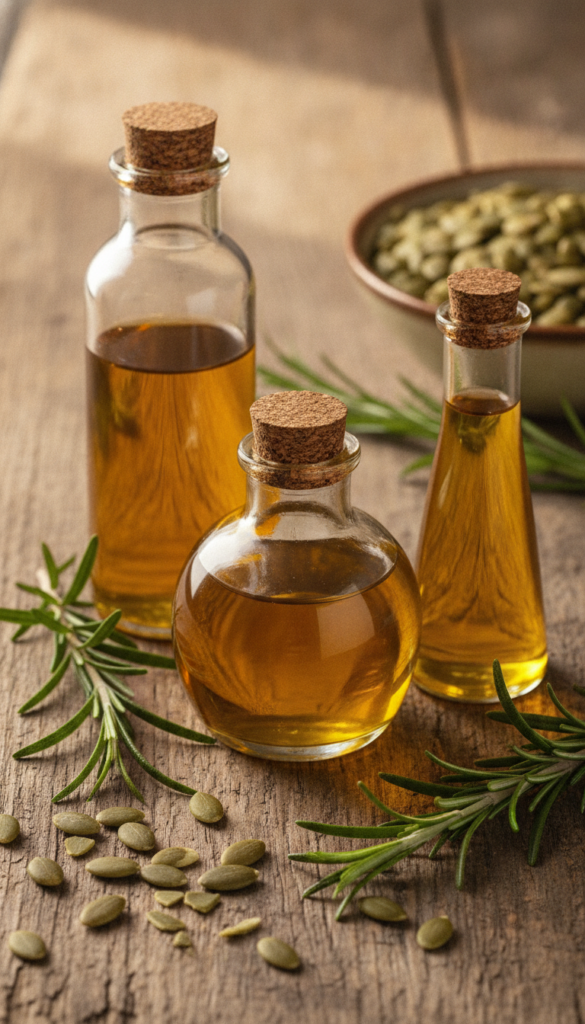
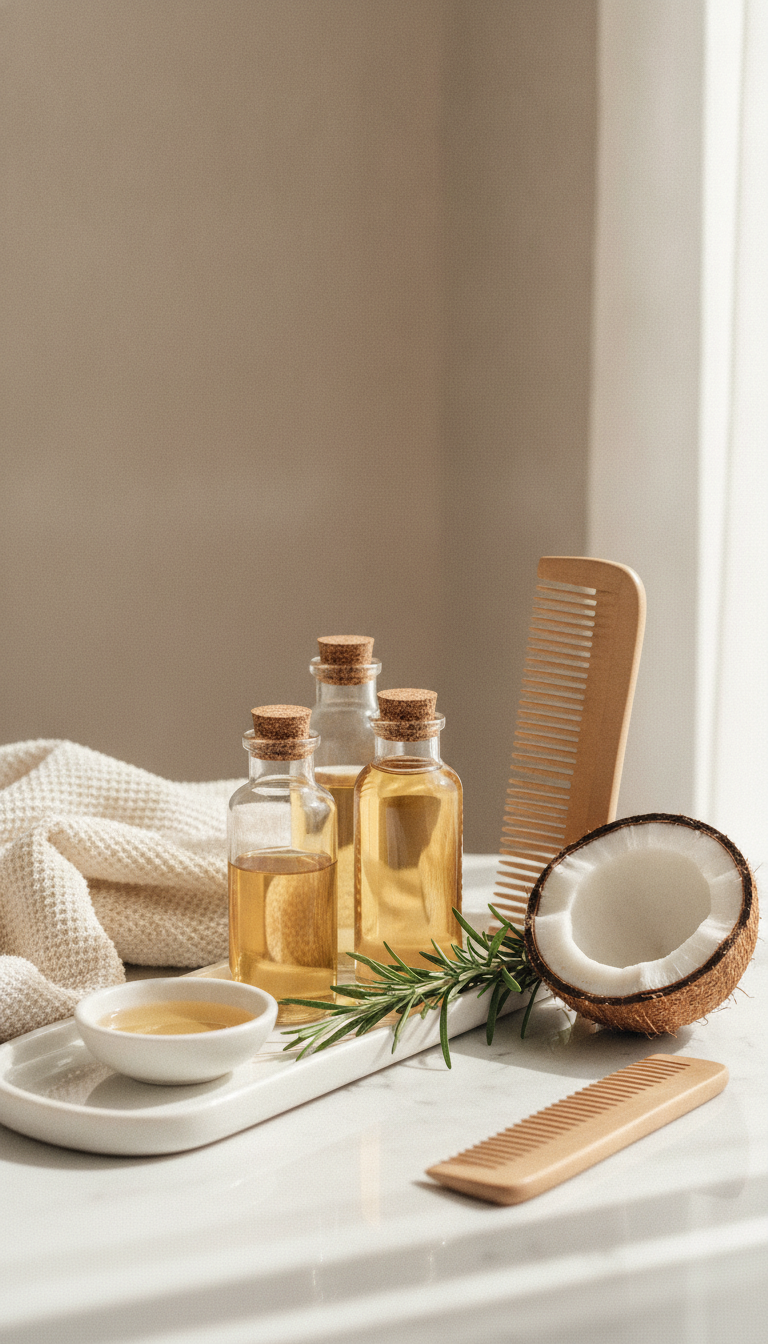
Oil can reduce friction and make strands feel softer. It does not automatically reach the hair follicle or reverse every cause of hair loss. Rosemary oil and pumpkin seed oil are popular, but research is limited and product quality varies.
Never treat an oil as a proven cure for alopecia. Dilute essential oil as directed, avoid the eyes, and wash it out if your scalp becomes itchy or red. A patch test may help identify irritation, but it cannot guarantee safety.
Many homemade masks contain food ingredients that can irritate skin or create buildup. Avoid lemon juice, undiluted vinegar, harsh scrubs, and very hot oil. These choices may damage the scalp barrier instead of helping hair growth.
Compare an at-home oil option
Review the ingredients, directions, and safety information before purchase. Use only as directed, and remember that a commercial product may help with care but cannot promise faster growth.
Hair needs building materials. Protein, iron, zinc, vitamin D, and other nutrients support the body, skin, and hair follicles. A varied diet may help hair grow when it supplies enough energy and nutrients.
Include protein such as eggs, fish, tofu, beans, or poultry.
Add colorful vegetables and fruit for antioxidant-rich foods.
Choose nuts, seeds, and fish for healthy fatty acids.
Drink enough water for your personal needs.
Very low-calorie diets, restrictive eating, and rapid weight loss may trigger shedding. Fatty acids from foods such as fish, walnuts, and seeds may also support overall skin health. They are not a guaranteed treatment for hair loss.
If you follow a vegan diet, have heavy periods, digestive conditions, or a history of deficiency, ask a healthcare professional whether testing is appropriate.
Think Carefully About Supplements and Products
Supplements are not automatically safe because they are sold as natural. Biotin is often marketed for hair, yet extra biotin may not help if you are not deficient. It can also interfere with some lab tests.
Check serving size and total daily intake.
Tell your healthcare team about every supplement.
Avoid stacking several hair formulas.
Be cautious of guarantees and dramatic testimonials.
Products can improve the look and feel of hair while you work on the underlying cause. Look for clear directions, complete ingredient information, and a return policy. If you have alopecia, sudden thinning, or a medical condition, a dermatologist is a better first step than a supplement stack.
Review a product before you buy
Use this link to inspect the offer and decide whether it fits your routine. It is a commercial link; do not use any product as a substitute for professional care.
Breakage can make it seem as though hair will not grow. Repeated heat, bleaching, relaxing, tight brushing, and rough towel drying weaken the strand. Reducing damage helps preserve length.
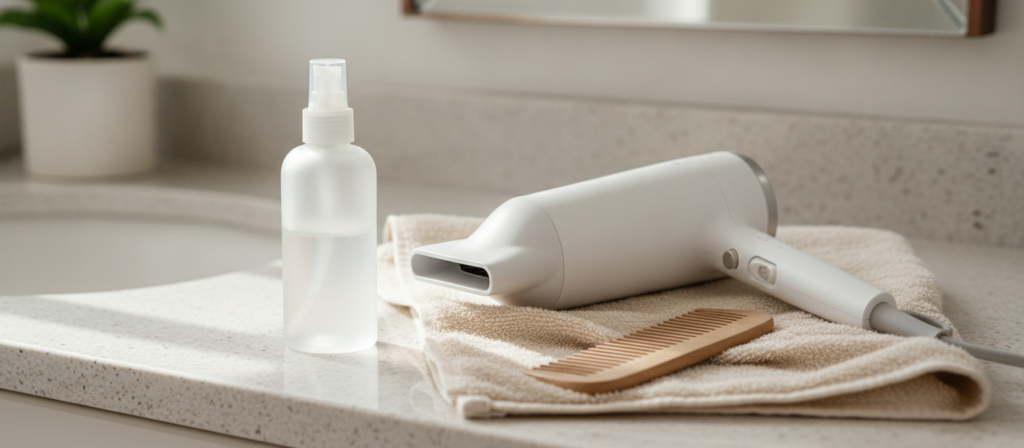
Use the lowest effective heat setting.
Keep the dryer moving rather than holding heat in one spot.
Apply heat protection according to the label.
Allow hair to partly air-dry before styling.
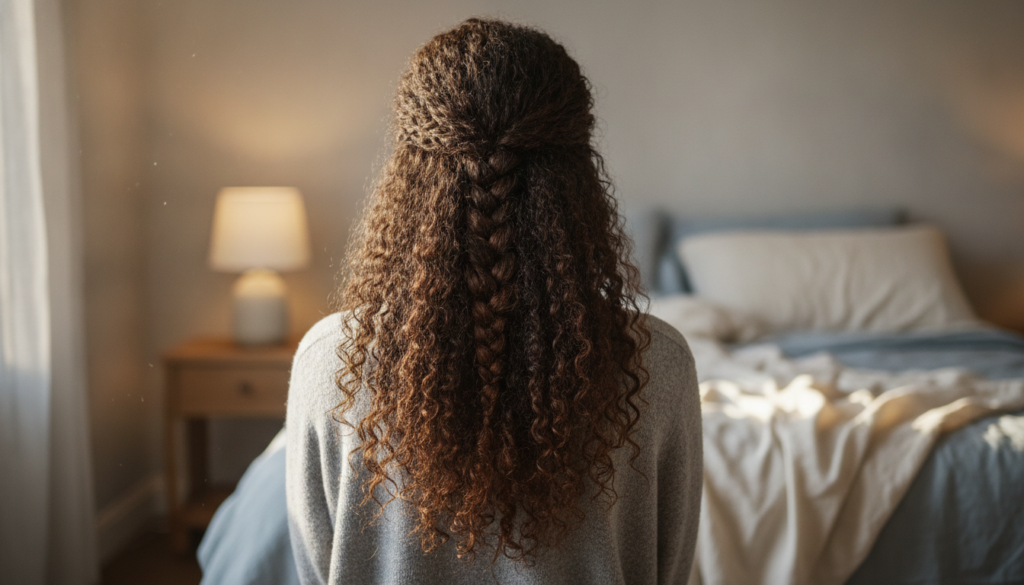
Choose loose styles that do not cause pain or scalp tenderness. Long-term traction may contribute to hair loss. Change the position of ponytails and braids, and remove accessories gently.
Protect Hair During Sleep and Daily Life
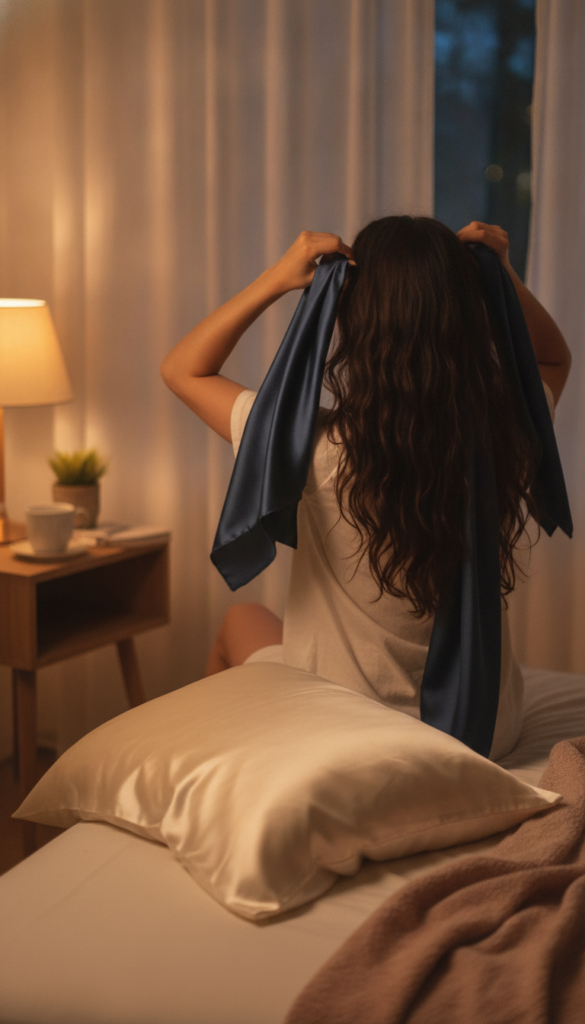
Nighttime friction may increase tangling and breakage, especially for dry, curly, or fragile hair. A satin or silk pillowcase may reduce friction for some people. A loose bonnet or braid is another option if it feels comfortable.
Do not sleep with wet hair if it tangles easily.
Use a soft scrunchie instead of a tight elastic.
Detangle from the ends upward.
Keep combs and brushes clean.
Sun, chlorine, salt water, and dry air may also affect hair condition. Rinse after swimming, cover hair in strong sun, and condition lengths when they feel rough. These steps may help hair remain strong while follicles follow their normal cycle.
Support Sleep, Stress Control, and General Health
Stress does not explain every type of shedding, but major physical or emotional stress may affect the hair cycle. Illness, surgery, childbirth, rapid weight change, and poor sleep can also matter.
You cannot remove all stress. Try a repeatable plan: regular meals, gentle movement, a consistent sleep schedule, and a few minutes of slow breathing. These choices support whole-body health and may also help hair care feel manageable.
Track major changes in health, medication, diet, and stress before shedding begins. This record can help a dermatologist identify possible triggers. It can also prevent you from changing too many treatments at once.
Know When to See a Dermatologist
Home care is not enough for every type of hair loss. A dermatologist can examine the scalp, review your history, and decide whether tests or treatments may help. Early evaluation may matter for some conditions.
See a professional for sudden or rapidly worsening shedding.
Ask for care if you see smooth bald patches.
Report pain, sores, pus, heavy scale, or intense itching.
Discuss hair loss with a healthcare professional after a new medicine.
Hair loss can have many causes, including genetics, hormonal changes, thyroid conditions, nutritional deficiency, scalp inflammation, and types of alopecia. A product may be an option for cosmetic care, but it may not address the cause.
Do not delay care because an advertisement says a treatment can make hair grow faster. Reliable advice should explain limits, risks, and when expert evaluation is needed.
A Practical 30-Day Hair Growth Plan
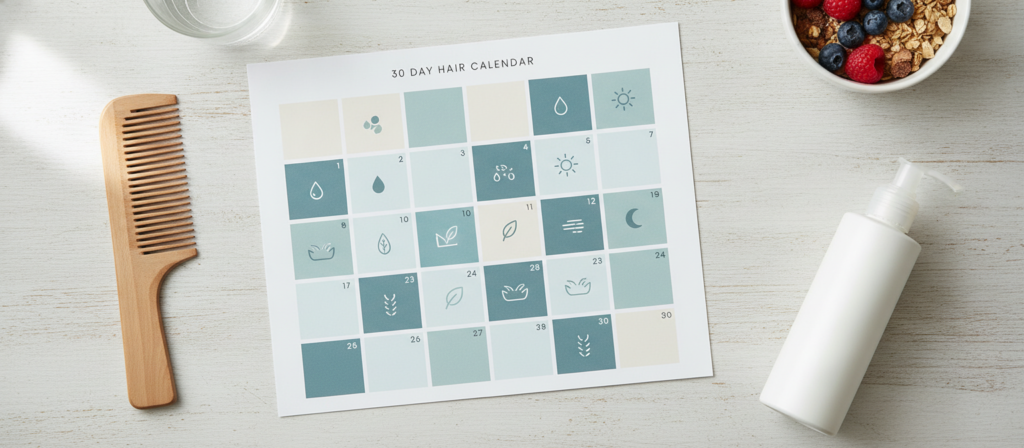
A short plan can turn good advice into a habit. The purpose is not to force the hair grow faster. It is to create conditions that may help hair stay healthy and reduce avoidable damage.
Week two: use gentle washing, conditioning, careful detangling, and less heat.
Week three: add balanced protein-rich meals and a consistent sleep routine.
Week four: review comfort, breakage, and photos before changing the plan.
If the plan causes irritation, stop and reassess. If shedding is increasing, book a professional appointment rather than adding more oil, supplements, or treatments. Results may take several months, and some causes require medical care.
Choose your next step carefully
You can review this commercial hair-care option after checking the label and considering whether it fits your needs. No linked product is presented as medically proven or guaranteed.
No. Hair growth follows a biological cycle, and visible change usually takes time. A week is better used to reduce heat, improve scalp care, and prevent breakage.
Does rosemary oil help hair growth?
Rosemary oil may be useful for some people, but research is limited. It can irritate skin when used incorrectly. Dilute it as directed and ask an expert if you have a scalp condition.
Will biotin help hair grow?
Biotin may help when a true deficiency exists. Extra biotin is not a universal treatment and can affect lab test results. Discuss supplements with a healthcare professional.
What helps hair grow after breakage?
Gentle handling, conditioner, lower heat, loose styles, and balanced nutrition may help hair retain length. Split ends cannot be permanently repaired, so trimming damaged ends may also be useful.
When should I stop home treatments?
Stop when you notice burning, swelling, rash, pain, sores, or worsening shedding. Contact a dermatologist for sudden loss, bald patches, or persistent scalp symptoms.
Final Takeaway for Healthier Hair
The most useful Hair Growth Tips Faster at Home are steady and realistic: care for the scalp, eat enough protein and nutrients, reduce heat and pulling, protect fragile strands, and manage stress where possible. These actions may help hair remain strong, but they cannot overcome every medical or genetic cause.
Be careful with oil, biotin, supplements, and dramatic treatments. Give a routine time, watch for irritation, and speak with a dermatologist when shedding is sudden, severe, or linked with scalp symptoms. If you choose to review a product, read its claims and ingredients first.
Explore a hair-care option responsibly
This commercial link is provided for readers who want to review another at-home option. Check the details, follow the directions, and seek professional care for medical hair loss.