Clear Skin Tips at Home: Natural Remedies That Work
Achieving clear, radiant skin does not require expensive treatments or complicated procedures. Many people struggle with blemishes, uneven skin tone, and dull appearance. The good news is that effective solutions exist right in your home.
Your skin is the largest organ of your body. It deserves attention and care. Natural remedies and simple routines can transform your complexion without breaking the bank.
This comprehensive guide shares practical tips you can implement today. You will learn about cleansing techniques, natural ingredients, and lifestyle habits that promote healthy skin. Each section provides actionable advice backed by skincare principles.
Whether you have oily, dry, sensitive skin, or combination skin types, these Clear Skin Tips at Home will help you create a routine that works. For those seeking a complete transformation system, proven clear skin programs offer step-by-step guidance designed by skincare experts.
The journey to clear skin starts with understanding your skin type and needs. Let us explore the most effective home remedies and practices that deliver real results.
Understanding Your Skin Type and Needs
Knowing your skin type forms the foundation of any successful skincare routine. Different skin types require different approaches to achieve clarity and health.
Identifying Your Skin Type
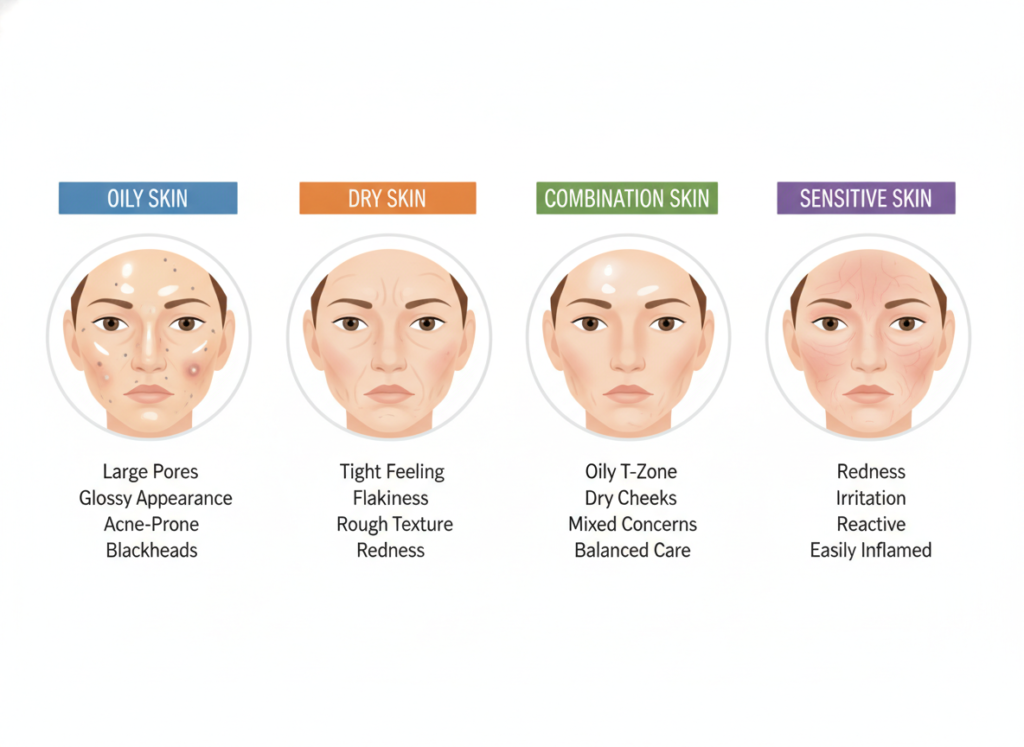
Oily skin produces excess sebum throughout the day. This skin type often appears shiny, especially in the T-zone. People with oily skin may experience enlarged pores and are more prone to blemishes and pimples.
Dry skin feels tight and may show flaking or rough patches. This type lacks adequate moisture and oil production. Fine lines may appear more prominent on dry skin.
Combination skin features both oily and dry areas. The T-zone tends to be oily while cheeks remain dry. This is one of the most common skin types among people.
Sensitive skin reacts easily to products and environmental factors. Redness, itching, and irritation occur frequently. People with sensitive skin must choose gentle ingredients carefully.
How Skin Type Affects Your Routine
Each skin type requires specific care strategies. Oily skin benefits from lightweight, oil-free products that control excess sebum. Dry skin needs rich moisturizers that lock in hydration.
Combination skin requires a balanced approach. You may need different products for different areas of your face. Sensitive skin demands fragrance-free, hypoallergenic formulas.
Understanding your skin type helps you select appropriate ingredients and treatments. This knowledge prevents wasted money on unsuitable products. It also reduces the risk of irritation and damage to your skin.
Oily Skin Characteristics
Recognize the signs of excess oil production and adjust your routine accordingly.
Shiny appearance throughout the day
Enlarged visible pores
Prone to acne and blemishes
Makeup slides off easily
Dry Skin Characteristics
Identify dryness indicators to provide proper nourishment and hydration.
Tight feeling after cleansing
Flaky or rough texture
More visible fine lines
Dull or lackluster appearance
Combination Skin Characteristics
Balance different needs across various facial zones for optimal results.
Oily T-zone (forehead, nose, chin)
Dry or normal cheeks
Varying pore sizes in different areas
Mixed concerns requiring targeted care
Sensitive Skin Characteristics
Protect reactive skin with gentle approaches and careful product selection.
Frequent redness or flushing
Burning or stinging sensations
Reactions to common ingredients
Easily irritated by environment
Establishing an Effective Daily Cleansing Routine
Proper cleansing removes dirt, oil, and bacteria that accumulate on your skin. This essential step prevents clogged pores and creates a clean canvas for other skincare products.
Morning Cleansing Best Practices
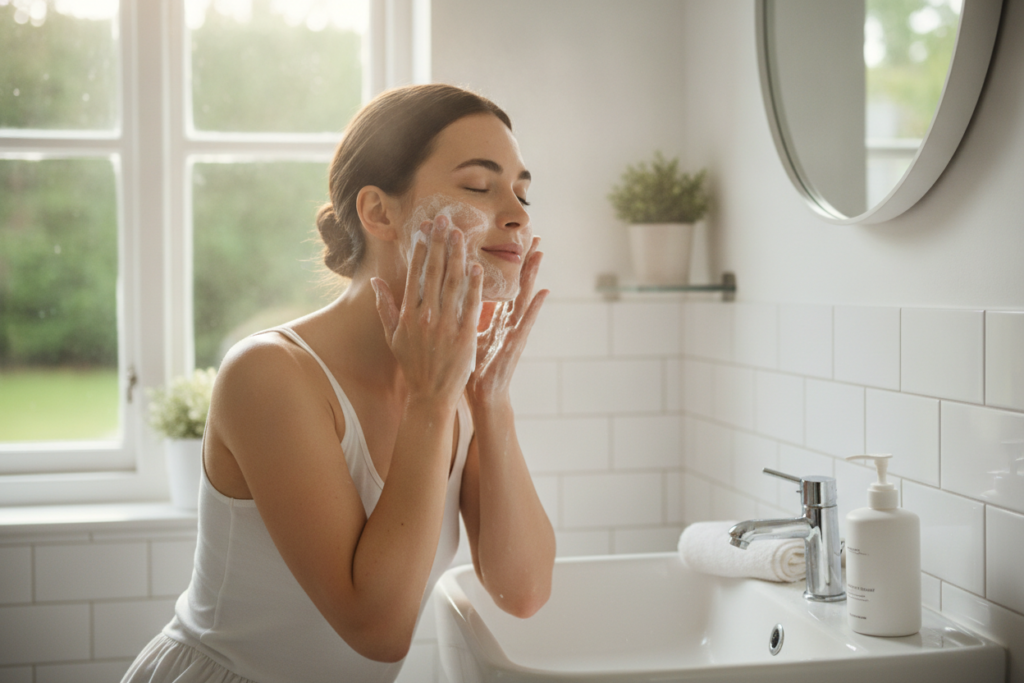
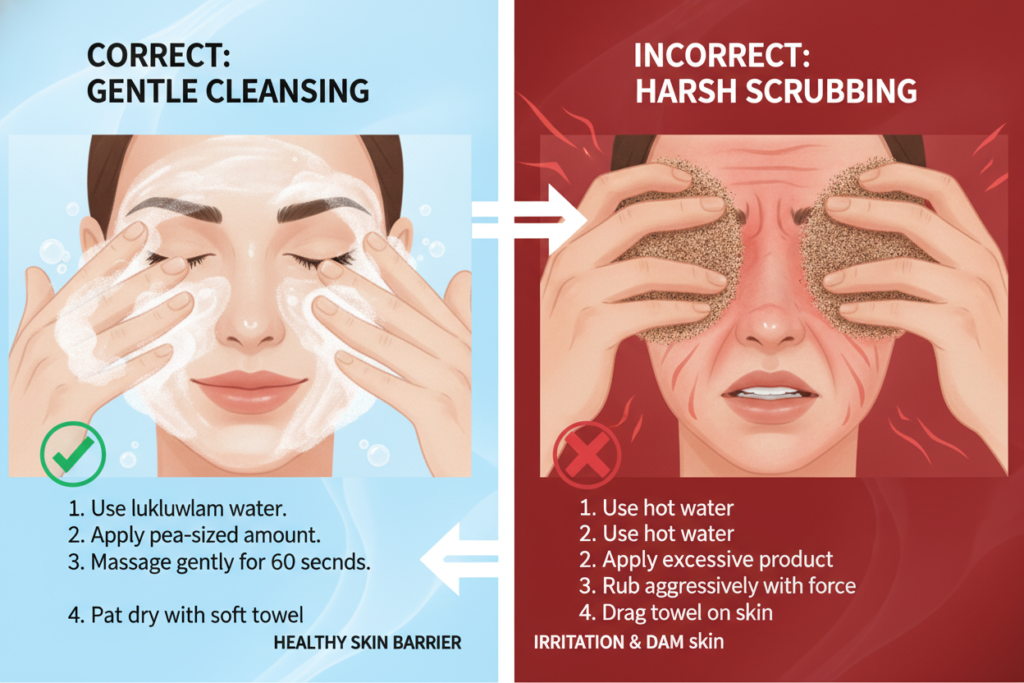
Start each day with a gentle cleanser suited to your skin type. Use lukewarm water rather than hot water. Hot water can damage skin and strip natural oils.
Apply cleanser with clean hands or a soft cloth. Massage gently in circular motions for thirty to sixty seconds. This technique helps remove dead skin cells without causing irritation.
Rinse thoroughly with lukewarm water. Pat your face dry with a clean towel. Never rub harshly as this can damage skin tissue.
Night Cleansing Protocol
Evening cleansing is crucial for removing makeup, sunscreen, and pollutants from the day. Consider double cleansing if you wear makeup or sunscreen.
First, use an oil-based cleanser to dissolve makeup and oil-based products. Follow with a water-based cleanser to remove remaining impurities and water-based residue.
This two-step process ensures thorough cleaning without stripping your skin. Your skin cells can regenerate more effectively when free from debris.
Choosing the Right Cleanser
Gel cleansers work well for oily skin and combination skin types. They help control excess oil production without over-drying.
Cream or milk cleansers suit dry skin best. These formulas provide gentle cleansing while maintaining moisture levels.
Foaming cleansers offer deep cleaning for those prone to blemishes. However, people with sensitive skin should choose fragrance-free options to avoid reactions.
Cleanse twice daily without exception
Use lukewarm water to protect skin barrier
Replace towels and washcloths regularly to prevent bacteria buildup
Avoid harsh scrubbing that can irritate skin
Clean makeup brushes weekly to reduce bacteria transfer
Ready for Professional-Grade Results?
Transform your skin with a complete step-by-step clear skin system designed by dermatology experts. Get personalized routines, proven formulas, and ongoing support.
Hydration works from both inside and outside your body. Drinking adequate water supports skin health at the cellular level. External moisturization protects the skin barrier and maintains suppleness.
Internal Hydration for Clear Skin
Water helps flush toxins from your system. It delivers nutrients to skin cells and maintains elasticity. Experts recommend drinking eight glasses of water throughout the day.
Proper hydration improves skin tone and texture. It reduces the appearance of fine lines and helps maintain plumpness. Dehydrated skin looks dull and emphasizes imperfections.
Set reminders to drink water regularly. Carry a reusable water bottle to track your intake. Herbal teas and water-rich foods also contribute to your daily hydration needs.
External Moisturization Techniques
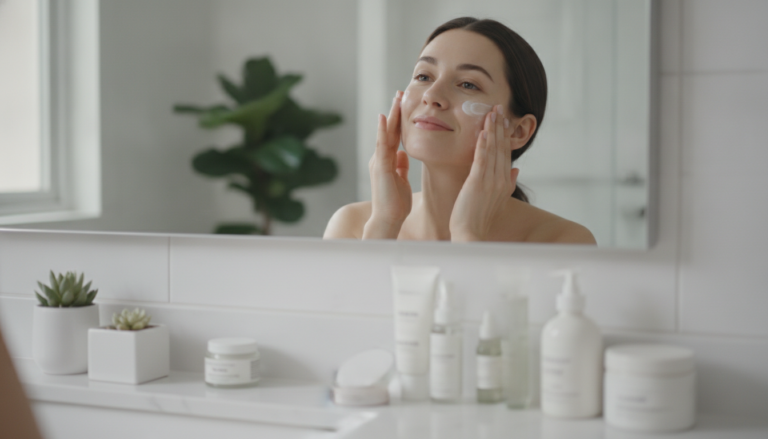
Moisturizer should be applied while your skin is still slightly damp. This locks in moisture more effectively. Use products appropriate for your skin type.
Oily skin benefits from lightweight, gel-based moisturizers. Dry skin requires richer creams with ingredients like hyaluronic acid. Combination skin may need different products for different facial zones.
Apply moisturizer morning and night as part of your routine. Do not skip this step even if you have oily skin. Depriving oily skin of moisture can trigger increased oil production.
Key Hydrating Ingredients
Hyaluronic acid attracts and holds water in skin cells. This powerful ingredient can hold up to one thousand times its weight in water. It plumps skin and reduces the appearance of fine lines.
Glycerin draws moisture from the air into your skin. It creates a protective barrier that prevents water loss throughout the day.
Ceramides strengthen the skin barrier. They prevent moisture from escaping and protect against environmental damage. Look for products containing these beneficial ingredients.
Hydration Tip: Layer your skincare products from thinnest to thickest consistency. Apply water-based serums first, followed by oils and creams. This ensures maximum absorption and effectiveness.
Unlock Advanced Hydration Strategies
Access a complete hydration and skincare system with customized product recommendations and expert techniques for your specific skin type.
Sun damage is one of the primary causes of premature aging and skin issues. Harmful ultraviolet rays penetrate skin and damage cells. Protection from the sun is non-negotiable for maintaining clear, youthful skin.
Understanding UV Damage
The sun emits two types of harmful rays that reach your skin. UVA rays penetrate deeply and cause premature aging. UVB rays affect the surface and cause sunburn.
Both types contribute to skin damage, blemishes, and increased cancer risk. Even on cloudy days, up to eighty percent of UV rays reach your skin. Indoor exposure through windows also contributes to cumulative damage.
Consistent sun protection prevents hyperpigmentation and uneven skin tone. It maintains skin elasticity and prevents the breakdown of collagen and elastin.
Choosing and Applying Sunscreen
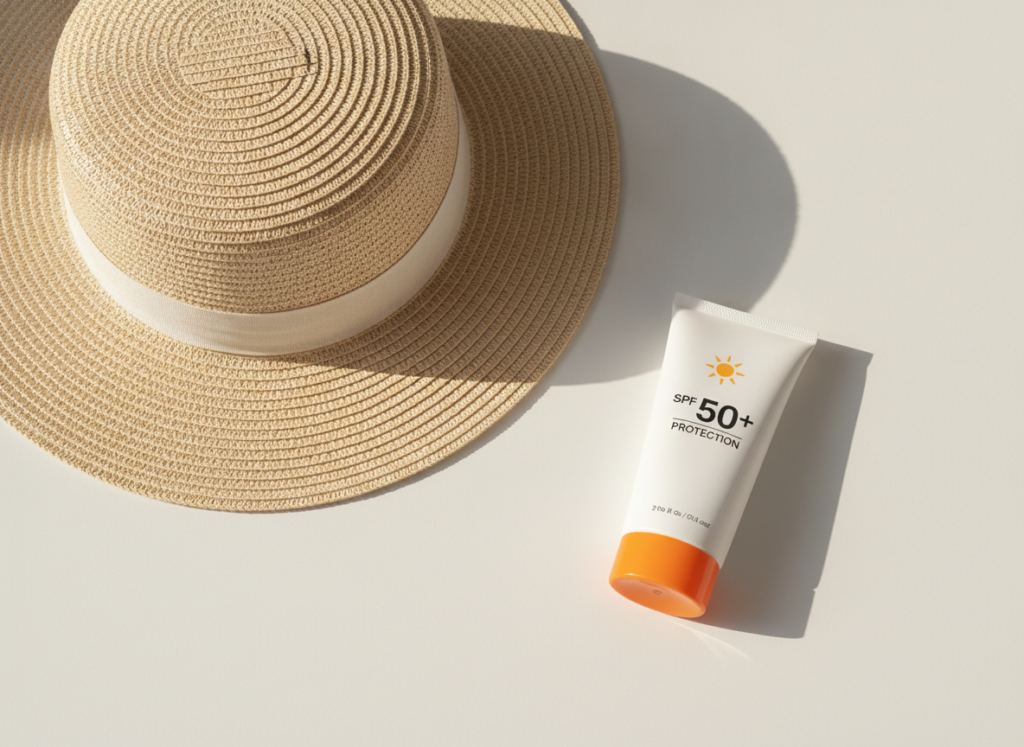
Select a broad-spectrum sunscreen that protects against both UVA and UVB rays. The American Academy of Dermatology recommends SPF 30 or higher for daily use.
Apply sunscreen every morning as the final step in your skincare routine. Use approximately one ounce for your entire face and exposed skin. Most people apply too little product to achieve the stated protection.
Reapply every two hours when outdoors. Reapplication is crucial after swimming or sweating. Many people forget this step and reduce their protection significantly.
Additional Sun Protection Strategies
Seek shade during peak sun hours between ten in the morning and four in the afternoon. Wear protective clothing including wide-brimmed hats and long sleeves when possible.
Sunglasses protect the delicate skin around your eyes. Choose styles that block ninety-nine to one hundred percent of UV rays.
Remember that sun protection is a year-round commitment. Winter sun reflecting off snow can be particularly damaging. Maintain your protection habits throughout all seasons.
Apply sunscreen daily regardless of weather conditions
Choose broad-spectrum protection with SPF 30 or higher
Reapply every two hours during sun exposure
Wear protective accessories like hats and sunglasses
Avoid tanning beds which emit concentrated UV rays
Powerful Natural Remedies for Clear Skin
Nature provides numerous ingredients that promote skin health. These natural remedies have been used for centuries across different cultures. Many contain powerful properties that address common skin concerns.
Aloe Vera for Soothing and Healing
Aloe vera contains vitamins, minerals, and antioxidants that benefit skin. It soothes inflammation and promotes healing of blemishes. This plant-based ingredient works well for all skin types.
Extract fresh gel from an aloe vera leaf. Apply directly to clean skin and leave for fifteen to twenty minutes. Rinse with lukewarm water. Use this treatment three to four times weekly.
Aloe vera also provides lightweight hydration without clogging pores. It helps reduce redness and calm irritated skin. Many commercial products include aloe vera as a key ingredient.
Honey as a Natural Antibacterial
Raw honey possesses antibacterial and anti-inflammatory properties. It helps fight bacteria that cause pimples and acne. Honey also acts as a humectant, drawing moisture into skin.
Apply a thin layer of raw honey to damp face. Leave for ten to fifteen minutes before rinsing. This simple mask can be used two to three times per week.
Manuka honey offers particularly strong antibacterial benefits. Though more expensive, it provides enhanced results for problematic skin.
Tea Tree Oil for Blemish Control
Tea tree oil is a potent natural antiseptic. It reduces inflammation and kills acne-causing bacteria. This essential oil works effectively for spot treatments on blemishes.
Always dilute tea tree oil before applying to skin. Mix one part tea tree oil with nine parts carrier oil like jojoba or coconut. Apply with a cotton swab directly to blemishes.
People with sensitive skin should perform a patch test first. While effective, tea tree oil can cause irritation in some individuals.
Green Tea for Antioxidant Protection
Green tea contains powerful antioxidants called polyphenols. These compounds protect against environmental damage and reduce inflammation. Green tea also helps control oil production.
Brew green tea and allow it to cool completely. Use as a facial toner by applying with a cotton pad. Alternatively, place used green tea bags on closed eyes to reduce puffiness.
You can also drink green tea for internal benefits. The antioxidants work from within to support overall skin health.
Safety Note: Always perform patch tests when trying new natural ingredients. Some natural substances can cause allergic reactions. Discontinue use if you experience redness, itching, or increased irritation.
Discover Advanced Natural Clear Skin Secrets
Learn professional formulations and proven natural remedy protocols that deliver faster, more dramatic results than basic DIY treatments.
What you eat directly affects your skin appearance and health. Certain nutrients support skin cell regeneration and repair. A balanced diet provides the building blocks for clear, glowing skin.
Foods That Promote Clear Skin
Fatty fish like salmon and mackerel contain omega-3 fatty acids. These healthy fats reduce inflammation and keep skin supple. They also help maintain the skin barrier that locks in moisture.
Colorful fruits and vegetables provide antioxidants that fight free radical damage. Berries, tomatoes, and leafy greens are particularly beneficial. Aim for a rainbow of colors on your plate throughout the day.
Nuts and seeds supply vitamin E and healthy oils. Walnuts, almonds, and sunflower seeds support skin health. These foods also provide zinc, which aids in wound healing and reduces inflammation.
Foods to Limit or Avoid
High-glycemic foods cause rapid blood sugar spikes. These include white bread, sugary snacks, and processed foods. Such spikes can trigger inflammation and increase oil production in some people.
Dairy products may aggravate skin issues for certain individuals. The relationship between dairy and acne remains debated. Consider limiting dairy for four to six weeks to observe any changes.
Excessive alcohol dehydrates skin and dilates blood vessels. It also depletes essential nutrients needed for healthy skin. Moderate your alcohol consumption to protect your skin health.
Key Nutrients for Skin Health
Vitamin C supports collagen production and brightens skin tone. Citrus fruits, bell peppers, and strawberries are excellent sources. This antioxidant also protects against sun damage.
Vitamin A promotes cell turnover and unclogs pores. Find it in sweet potatoes, carrots, and dark leafy greens. This nutrient helps prevent buildup that leads to blemishes.
Zinc supports wound healing and regulates oil production. Pumpkin seeds, chickpeas, and lean meats provide this important mineral. Adequate zinc intake may help reduce breakouts.
Skin-Boosting Foods
Fatty fish rich in omega-3s
Colorful berries and vegetables
Nuts and seeds with vitamin E
Avocados for healthy fats
Green tea with antioxidants
Dark chocolate (70%+ cacao)
Foods to Minimize
High-sugar processed snacks
White bread and refined carbs
Excessive dairy products
Fried and greasy fast foods
Alcohol and sugary drinks
Foods with artificial additives
Get Your Personalized Clear Skin Nutrition Plan
Discover the inside-out approach to clear skin with customized meal plans, supplement recommendations, and nutritional strategies proven to transform skin health.
Daily habits significantly impact skin health beyond topical treatments. Sleep quality, stress levels, and exercise all influence your complexion. Small lifestyle adjustments create noticeable improvements.
Quality Sleep for Skin Regeneration
Your skin repairs and regenerates during sleep. Growth hormones peak at night, supporting cell renewal. Inadequate sleep disrupts this process and shows on your face.
Aim for seven to nine hours of quality sleep each night. Establish a consistent sleep schedule by going to bed at the same time. Your skin benefits from this regular rhythm.
Sleep on clean pillowcases to prevent bacteria transfer to your face. Change pillowcases at least twice weekly. Silk or satin pillowcases cause less friction and may reduce wrinkles.
Stress Management for Clear Skin
Chronic stress triggers hormonal changes that affect skin. Cortisol increases oil production and inflammation. This often results in breakouts and other skin issues.
Practice stress-reduction techniques daily. Deep breathing exercises, meditation, or yoga help calm your nervous system. Even five to ten minutes per day makes a difference.
Regular physical activity reduces stress hormones. It also increases blood flow that nourishes skin cells. Find activities you enjoy to maintain consistency.
Exercise Benefits for Skin Health
Physical activity improves circulation throughout your body. Enhanced blood flow delivers oxygen and nutrients to skin cells. It also helps remove waste products more efficiently.
Exercise promotes healthy sweating that clears pores. However, always cleanse your face promptly after workouts. Leaving sweat on skin can lead to clogged pores and blemishes.
Regular movement also reduces stress and improves sleep quality. These indirect benefits further support clear, healthy skin. Aim for at least thirty minutes of moderate activity most days.
Avoiding Skin-Damaging Habits
Touching your face transfers bacteria from your hands to your skin. This habit can introduce new blemishes and irritation. Keep your hands away from your face throughout the day.
Smoking severely damages skin by constricting blood vessels. It reduces oxygen delivery and accelerates aging. Quitting smoking provides dramatic skin improvements within months.
Picking at blemishes causes scarring and spreads bacteria. Resist the urge to squeeze or pick. Instead, apply targeted treatments and allow natural healing.
Establish a consistent sleep schedule for optimal skin repair
Practice daily stress-reduction techniques like meditation or deep breathing
Exercise regularly to improve circulation and reduce stress hormones
Avoid touching your face unnecessarily throughout the day
Change pillowcases twice weekly to prevent bacteria buildup
Cleanse face immediately after exercise to remove sweat and oils
Transform Your Skin with Complete Lifestyle Strategies
Get proven lifestyle protocols, sleep optimization techniques, and stress management systems designed specifically for clear skin transformation.
Regular exfoliation removes dead skin cells that dull your complexion. This process reveals fresh, radiant skin underneath. However, proper technique prevents irritation and damage.
Physical Exfoliation Methods
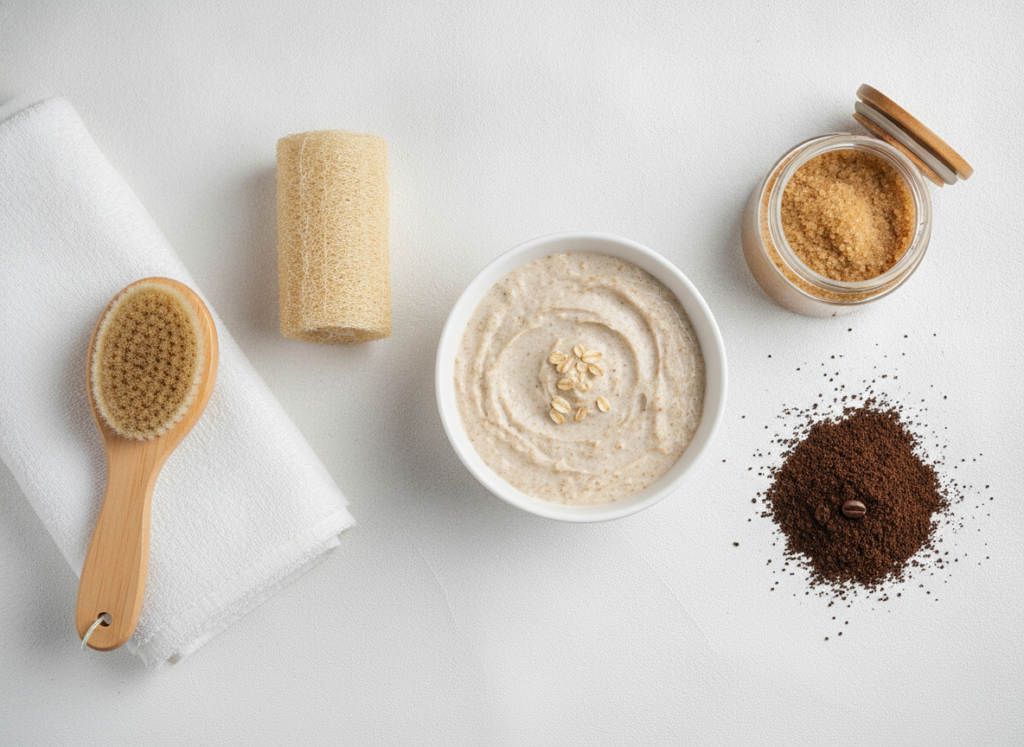
Physical exfoliation uses gentle scrubs or tools to slough off dead cells. Choose products with fine, round particles rather than harsh, jagged ones. Avoid over-exfoliating which can damage skin.
Use gentle circular motions when applying scrubs. Focus on areas prone to congestion like the nose and forehead. Limit physical exfoliation to one to two times per week for most skin types.
Sensitive skin may tolerate exfoliation only once weekly. Oily skin types might benefit from twice-weekly treatments. Listen to your skin and adjust frequency accordingly.
Chemical Exfoliation Options
Chemical exfoliants use acids to dissolve dead skin cells. Alpha hydroxy acids like glycolic acid work on the surface. Beta hydroxy acids like salicylic acid penetrate into pores.
Start with lower concentrations to assess your tolerance. Apply chemical exfoliants to clean, dry skin. Follow product instructions carefully regarding frequency and application time.
Many people find chemical exfoliation gentler than physical scrubs. These products can address multiple concerns including fine lines, uneven tone, and clogged pores.
At-Home Treatment Options
Face masks provide targeted treatments for specific concerns. Clay masks absorb excess oil and draw out impurities. They work particularly well for oily and combination skin types.
Sheet masks deliver concentrated serums to hydrate and nourish. These single-use treatments offer convenience and minimal mess. Use them one to three times weekly based on your needs.
DIY masks using natural ingredients can be effective. Oatmeal soothes irritation while gently exfoliating. Mashed banana provides moisture and vitamins for dry skin.
When to Seek Professional Treatments
Persistent skin issues may require professional intervention. Dermatologists can prescribe stronger treatments for stubborn concerns. They also diagnose underlying conditions affecting your skin.
Professional facials provide deep cleansing and extractions. Estheticians use specialized tools and products not available for home use. Schedule these treatments every four to six weeks for maintenance.
Chemical peels and laser treatments offer more intensive results. These procedures require qualified professionals and proper aftercare. Consult with skincare experts to determine appropriate options.
Exfoliation Warning: Never exfoliate immediately before sun exposure. Freshly exfoliated skin is more vulnerable to UV damage. Always apply sunscreen and consider exfoliating at night instead.
Selecting the Right Skincare Products
The skincare market offers countless products with various claims. Understanding ingredients and formulations helps you make informed choices. Quality matters more than quantity when building your routine.
Essential Products for Every Routine
A basic routine requires just four essential products. Start with a gentle cleanser appropriate for your skin type. This foundation prevents buildup and prepares skin for other products.
A good moisturizer maintains hydration regardless of skin type. Even oily skin needs moisture to function properly. Choose formulations that match your specific needs.
Sunscreen protects against damage that undermines all other efforts. Make this non-negotiable step part of your morning routine. Look for formulas that work well under makeup if needed.
A targeted treatment addresses your specific concerns. This might be a vitamin C serum for brightness or retinol for anti-aging. Add one treatment at a time to monitor results.
Understanding Key Ingredients
Vitamin C brightens skin tone and protects against environmental damage. This antioxidant fades dark spots and boosts collagen production. Use it in the morning before sunscreen for maximum protection.
Retinoids accelerate cell turnover and unclog pores. They address multiple concerns from acne to aging. Start with low concentrations and use only at night to prevent irritation.
Niacinamide reduces inflammation and regulates oil production. This versatile ingredient suits most skin types and addresses various concerns. It also strengthens the skin barrier.
Salicylic acid penetrates pores to clear congestion. This beta hydroxy acid works well for acne-prone and oily skin. Use products containing this ingredient to prevent and treat blemishes.
Building Your Routine Gradually
Introduce new products one at a time. Wait two to four weeks before adding another new item. This approach helps identify what works and what causes problems.
Start with the basics before adding advanced treatments. Master cleansing, moisturizing, and sun protection first. Add serums and treatments once your foundation is solid.
More products do not equal better results. A simple, consistent routine outperforms an elaborate, sporadic one. Focus on quality ingredients and regular application.
Product Type
Primary Function
When to Use
Best For
Cleanser
Remove dirt, oil, makeup
Morning and night
All skin types
Toner
Balance pH, prep skin
After cleansing
All skin types
Serum
Targeted treatment
Before moisturizer
Specific concerns
Moisturizer
Hydrate and protect
Morning and night
All skin types
Sunscreen
UV protection
Every morning
All skin types
Eye Cream
Target delicate eye area
Morning and/or night
Fine lines, dark circles
Common Skincare Mistakes to Avoid
Even well-intentioned skincare habits can backfire. Recognizing and correcting mistakes accelerates your progress toward clear skin. Awareness prevents setbacks and protects your investment.
Over-Cleansing and Harsh Products
Washing your face too frequently strips natural oils. This triggers increased oil production as skin tries to compensate. Stick to cleansing twice daily unless you have specific needs.
Harsh cleansers containing sulfates can damage the skin barrier. Choose gentle formulas that clean without stripping. Your skin should feel clean but not tight after cleansing.
Hot water feels soothing but damages skin. Use lukewarm water instead to preserve the protective barrier. Finish with a cool rinse to close pores and invigorate skin.
Inconsistent Application and Routine
Skincare requires consistency to deliver results. Sporadic application yields poor outcomes. Establish a routine you can maintain daily regardless of circumstances.
Skipping sunscreen even one day allows cumulative damage. UV exposure is the primary cause of premature aging. Make sun protection automatic and non-negotiable.
Expecting overnight results leads to product-hopping. Most treatments require four to twelve weeks to show effects. Patience and consistency produce the best outcomes.
Using Too Many Products
Layering excessive products overwhelms skin. More is not better when it comes to skincare. A streamlined routine with quality products outperforms complicated regimens.
Combining certain active ingredients can cause irritation. Retinoids and acids used together may be too harsh. Research compatibility before mixing treatments.
Your skin barrier can only absorb so much product. Excess just sits on the surface without penetrating. Use appropriate amounts as directed by product instructions.
Ignoring Your Skin’s Feedback
Persistent redness or irritation signals a problem. Do not push through discomfort hoping it will improve. Stop using products that cause negative reactions.
Purging differs from genuine breakouts when starting certain ingredients. Purging typically resolves within four to six weeks. True breakouts from unsuitable products continue indefinitely.
Your skin type and needs may change over time. Reassess your routine periodically and adjust as needed. What worked last year may not be ideal now.
Effective Skincare Habits
Consistent twice-daily cleansing with gentle products
Daily sunscreen application without exceptions
Gradual introduction of new products
Patience with treatment timelines
Adjusting routine based on skin feedback
Using appropriate product amounts
Habits That Damage Skin
Over-cleansing or using harsh products
Skipping sunscreen regularly
Adding multiple new products simultaneously
Expecting instant results and switching products frequently
Ignoring signs of irritation or damage
Applying excessive amounts of products
Your Complete Clear Skin Transformation Journey
Achieving and maintaining clear skin requires commitment and the right approach. You now have comprehensive knowledge of effective home-based strategies. The question becomes how to implement everything consistently.
Creating Your Personalized Plan
Start by identifying your primary skin concerns and type. This determines which tips and treatments to prioritize. Not every suggestion applies to every person equally.
Build your basic routine first with cleanser, moisturizer, and sunscreen. Master these fundamentals before adding advanced treatments. Consistency with basics delivers more results than sporadic use of many products.
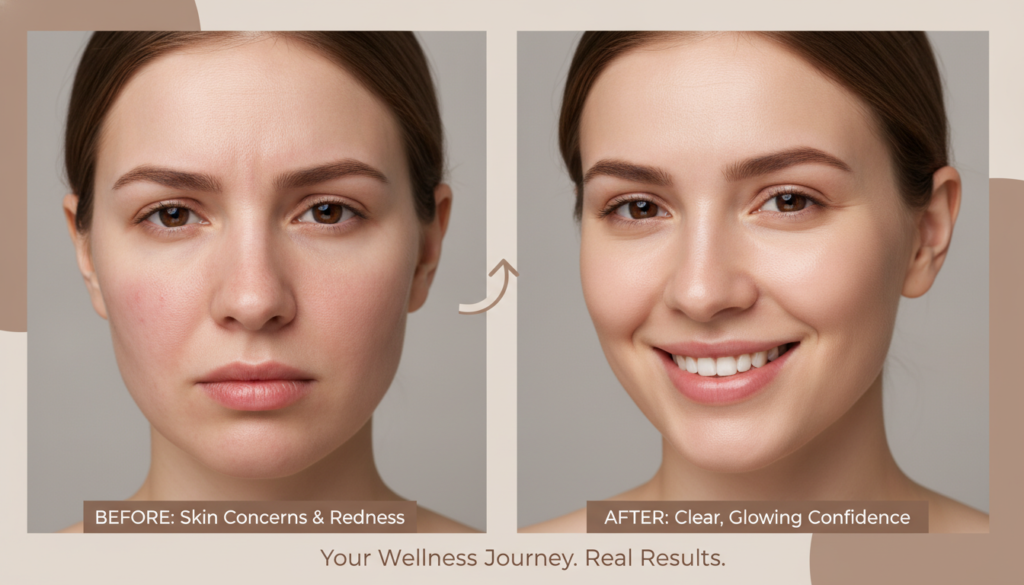
Track your progress with weekly photos in consistent lighting. Skin changes gradually and memory is unreliable. Visual documentation helps you see improvements and identify what works.
Setting Realistic Expectations
Clear skin develops over weeks and months, not days. Initial improvements appear within two to four weeks. Significant transformation typically requires three to six months of consistent effort.
Some concerns like acne scars require longer timelines or professional intervention. Understand which issues respond to home care and which need expert treatment. This prevents frustration and wasted effort.
Your genetics, age, and overall health influence results. Focus on being your best rather than comparing to others. Healthy, clear skin looks different on each individual.
Maintaining Your Results
Once you achieve clear skin, maintenance becomes essential. Continue your successful routine rather than abandoning it. Many people make this mistake and experience setbacks.
Adjust your approach with seasonal changes and life circumstances. Your skin needs may shift with weather, stress, or hormonal changes. Stay flexible while maintaining core healthy habits.
Regular professional check-ins provide valuable guidance. Annual dermatology visits catch potential issues early. Estheticians can recommend adjustments to optimize your routine.
Start Your Complete Clear Skin Journey Today
Get instant access to a comprehensive clear skin transformation system with personalized routines, expert guidance, proven formulas, and ongoing support. Stop guessing and start seeing real results with a proven step-by-step program designed by skincare professionals.
Success Tip: Combine the practical tips from this guide with a structured program for maximum results. While individual tips help, comprehensive systems provide the framework, accountability, and expert guidance that accelerate your transformation journey.
Conclusion: Your Path to Clear, Radiant Skin
Clear skin at home is achievable with the right knowledge and consistent application. This comprehensive guide has provided you with proven strategies across multiple categories. From proper cleansing techniques to nutrition, sun protection to stress management, each element contributes to your overall skin health.
Remember that your skin type influences which approaches work best. Oily skin, dry skin, sensitive skin, and combination skin each require tailored care. Listen to your skin and adjust your routine based on its unique needs and responses.
Natural remedies offer powerful benefits without harsh chemicals. Ingredients like aloe vera, honey, and green tea have stood the test of time. Combine these natural approaches with scientifically-backed practices for optimal results.
Consistency trumps perfection every time. A simple routine performed daily outperforms an elaborate regimen used sporadically. Start with the basics and build gradually as you establish sustainable habits.
Your journey to clear skin extends beyond topical treatments. Water intake, nutrition, sleep quality, and stress management all play crucial roles. Address skin health holistically for the most dramatic and lasting improvements.
The tips shared throughout this article provide a solid foundation. However, many people benefit from structured guidance that removes guesswork and provides accountability. Professional programs offer personalized protocols, expert support, and proven systems that accelerate results.
Take action today with the knowledge you have gained. Choose one or two strategies to implement immediately. Build momentum through small, consistent steps rather than overwhelming yourself with everything at once.
Your clear skin transformation is within reach. Commit to the process, be patient with progress, and celebrate improvements along the way. The confidence and radiance that come with healthy, clear skin are worth every effort you invest.