How to Get Clear Smooth Skin: Complete Guide & Tips
Achieving clear smooth skin is not just about genetics. It is a journey that combines the right skincare routine, lifestyle choices, and understanding your unique skin type.
Your complexion tells a story. Every day, your skin faces environmental stressors, impurities, and natural aging processes. The good news is that with the right approach, you can transform your skin texture and achieve the radiant appearance you have always wanted.
This comprehensive guide will walk you through proven methods to get clear skin. You will discover essential steps, active ingredients that work, and practical tips that deliver real results. Whether you struggle with dry skin, sensitive skin, or simply want to improve your overall complexion, this article provides the roadmap you need.
Understanding Your Skin and Its Needs
Your skin is your body’s largest organ. It protects you from external factors while constantly renewing itself. Understanding how your skin works is the first step toward achieving clear smooth skin.
The skin consists of multiple layers that perform different functions. The outermost layer, your skin barrier, protects against impurities and helps retain moisture. When this barrier is compromised, you may experience dryness, irritation, or breakouts.
Different skin types require different approaches. Some people naturally produce more oil, while others struggle with dry skin. Recognizing your skin type helps you choose the right products and create an effective skincare routine.
Identifying Your Unique Skin Type
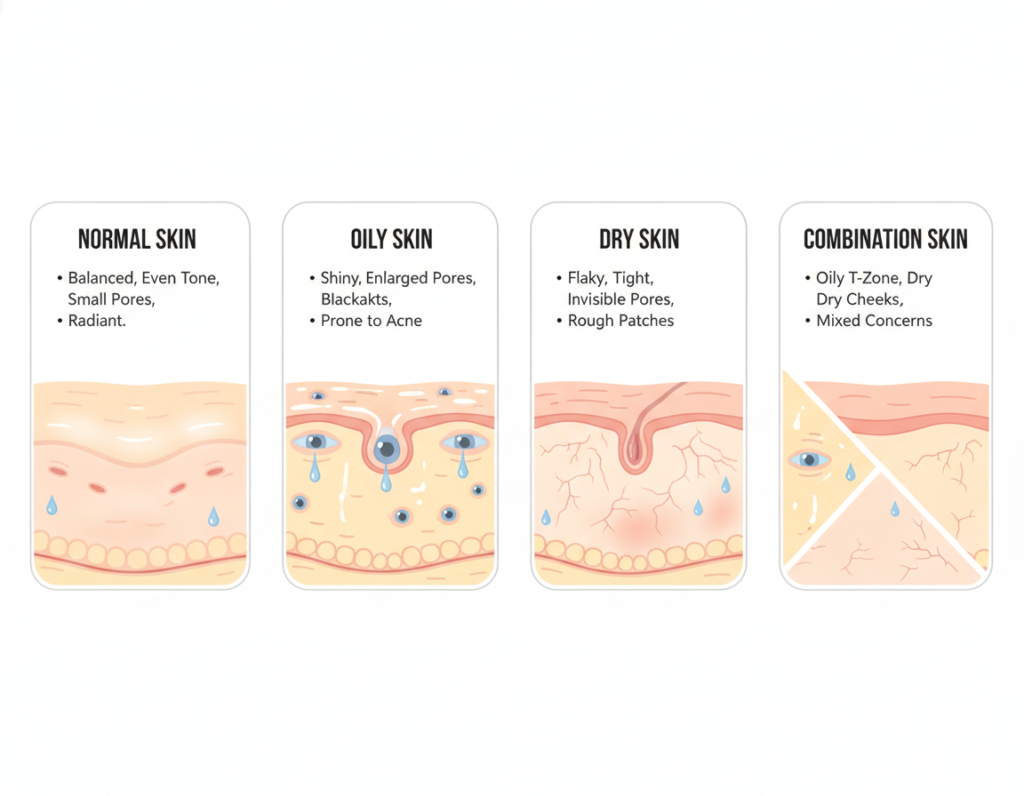
Normal skin maintains balanced oil production and rarely experiences sensitivity. This skin type appears smooth with minimal visible pores and even complexion.
Oily skin produces excess sebum, particularly in the face area. This often leads to enlarged pores and a shiny appearance, especially by mid-day.
Dry skin lacks sufficient natural oils and moisture. It may feel tight, appear flaky, and show fine lines more prominently.
Combination skin displays characteristics of multiple types. The face may be oily in some areas while dry in others, requiring targeted care.
Sensitive skin reacts easily to products, environmental factors, or stress. It may become red, itchy, or inflamed without careful product selection.
How Your Skin Renews Itself
Skin renewal happens through a continuous process called cell turnover. New skin cells form at the deeper layers and gradually move to the surface.
This renewal process takes approximately 28 days in young adults. As you age, this process slows down, which can affect your skin texture and appearance.
Dead skin cells accumulate on the surface if not properly removed. This buildup can clog pores, create dull appearance, and prevent other skincare products from working effectively.
Supporting this natural renewal through proper cleansing and exfoliation helps maintain clear skin. The right routine removes impurities while allowing active ingredients to penetrate effectively.
The Essential Cleansing Foundation for Clear Skin
Cleansing forms the cornerstone of every effective skincare routine. Without proper cleansing, even the best products cannot deliver their full benefits to your skin.
Your face collects dirt, oil, makeup, and environmental pollutants throughout the day. These impurities sit on your skin surface, mixing with natural oils and dead cells. If not removed, they clog pores and prevent skin renewal.
The right cleansing technique goes beyond simply washing your face. It requires the correct product for your skin type, proper application method, and consistency in your routine.
Double Cleansing Method
Double cleansing has become a gold standard in skincare routines. This method uses two different cleansers in sequence to thoroughly remove all impurities.
The first cleanse uses an oil-based cleanser. This step helps remove makeup, sunscreen, and excess oils that water-based products cannot fully eliminate. Oil-based cleansers work on the principle that like dissolves like.
The second cleanse uses a water-based cleanser. This cleanser removes any remaining impurities and prepares your skin to absorb the products you will apply next in your routine.
For those who do not wear makeup daily, a single thorough cleanse may suffice. However, if you use sun protection or heavy products, double cleansing ensures complete removal of everything on your skin surface.
Choosing the Right Cleanser
Gel cleansers work well for oily and combination skin types. They help remove excess oil without stripping the skin barrier. Many gel formulas contain salicylic acid, which penetrates pores to clear impurities.
Cream cleansers benefit dry skin and sensitive skin types. These formulas contain hydrating ingredients that cleanse while maintaining moisture levels. They feel gentle and do not leave skin feeling tight.
Foaming cleansers create a satisfying lather but can be drying for some skin types. If you have dry skin, use foaming products sparingly or choose cream-based alternatives.
Micellar water offers a gentle option for all skin types. It lifts impurities through tiny oil molecules suspended in soft water. This product works especially well for sensitive skin or as the first step in double cleansing.
Proper Cleansing Technique
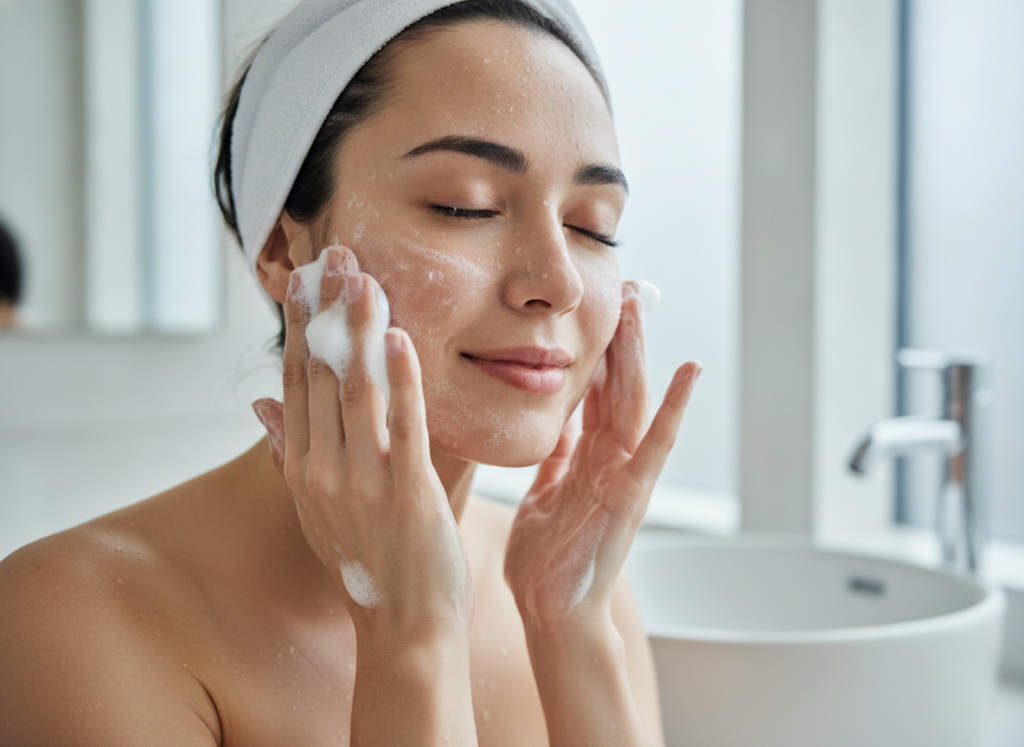
Start with lukewarm water. Hot water strips natural oils from your skin, while cold water does not effectively remove impurities. Lukewarm water opens pores without causing irritation.
Apply your cleanser to damp skin using gentle circular motions. Spend at least 60 seconds massaging the product into your face. This duration allows the cleanser to break down impurities effectively.
Pay special attention to areas where oil and dirt accumulate. The nose, chin, and forehead typically need extra cleansing. However, avoid harsh scrubbing, which can damage your skin barrier.
Rinse thoroughly with lukewarm water. Make sure no cleanser residue remains, as leftover product can clog pores and prevent the next steps in your routine from working properly.
Pat your face dry with a clean towel. Rubbing can irritate skin and cause unnecessary friction. A gentle patting motion removes excess water while being kind to your complexion.
Ready to Transform Your Cleansing Routine?
Discover the cleansing system that removes impurities while nourishing your skin. Get the foundation you need for a truly clear complexion.
Your morning skincare routine prepares your complexion for the day ahead. This routine focuses on protection, hydration, and creating a smooth base for makeup if you wear it.
Each morning, your skin needs specific care to counteract environmental stressors. Pollution, UV rays, and indoor heating all challenge your skin throughout the day.
Morning Cleansing Approach
Morning cleansing removes oils that accumulated overnight. Your skin produces natural oils while you sleep, which mix with products applied the night before.
Some people with dry skin prefer to skip morning cleansing or use only water. This approach can work if your skin feels comfortable and clean. However, most skin types benefit from a gentle morning cleanse.
A lightweight cleanser works best in the morning. You do not need the same intensive cleansing as evening since you have not worn makeup or faced environmental pollutants overnight.
Toning and Balancing
Toners restore your skin’s natural pH level after cleansing. Water can disrupt this balance, and toner helps bring it back to optimal levels.
Modern toners do more than balance pH. They deliver active ingredients, provide light hydration, and prepare skin to absorb subsequent products more effectively.
Apply toner to a cotton pad or your clean hands. Pat it gently onto your face and neck. This step takes only seconds but significantly improves how well your other products work.
Serums for Targeted Treatment
Serums contain concentrated active ingredients that address specific skin concerns. These lightweight formulas penetrate deeply to deliver powerful benefits.
Vitamin C serums brighten complexion and provide antioxidant protection. They help fade dark spots and create a more even skin tone. Apply vitamin C in the morning for maximum sun-damage protection.
Hyaluronic acid serums attract and hold moisture in your skin. This ingredient can hold up to 1000 times its weight in water, making it exceptional for hydration. It works for all skin types, including oily skin.
Niacinamide serums reduce inflammation and regulate oil production. This versatile ingredient helps minimize pores, even out skin texture, and strengthen the skin barrier.
Moisturizing for Protection
Moisturizer locks in the benefits of previous steps while providing its own hydration. Even oily skin needs moisture, though the formula should be lightweight.
Look for moisturizers with ingredients that suit your skin type. Hyaluronic acid, glycerin, and ceramides provide hydration without heaviness. These ingredients support your skin barrier throughout the day.
Apply moisturizer while your skin is still slightly damp from previous steps. This technique helps seal in moisture more effectively.
Sun Protection: The Non-Negotiable Step
Sun protection is the single most important step in your morning routine. UV damage causes premature aging, dark spots, and compromises skin texture.
Choose a broad-spectrum sunscreen with at least SPF 30. This protection shields against both UVA and UVB rays, which damage skin in different ways.
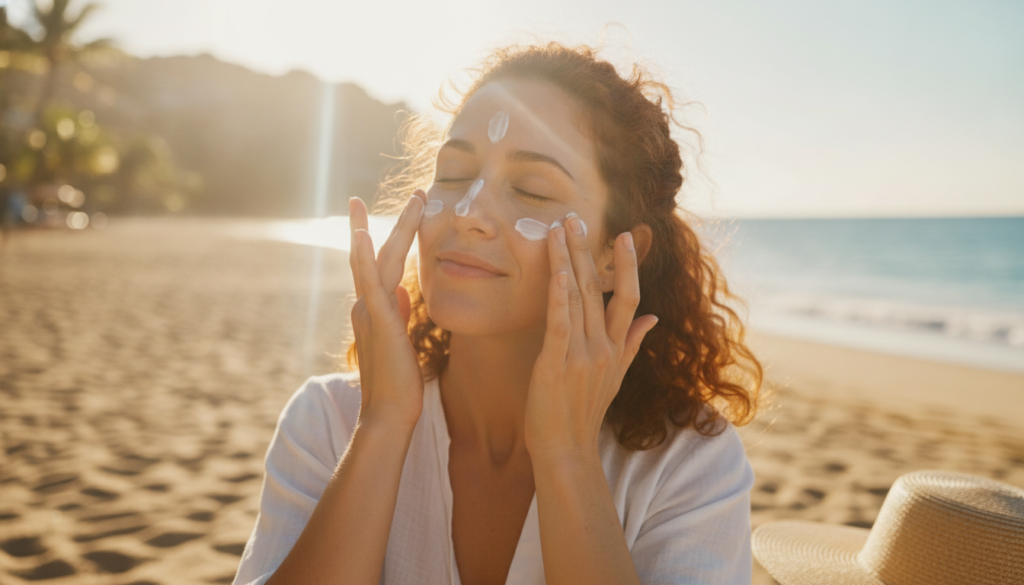
Apply sunscreen as the final step in your morning skincare routine. Use enough product to cover your entire face and neck. Most people apply far less than needed for full protection.
Reapply sun protection throughout the day, especially if you spend time outdoors. Many facial mists and powder formulas make reapplication easy over makeup.
Your Morning Routine Checklist
Gentle cleanse to remove overnight oils
Toner to balance and prep skin
Serum with active ingredients for your concerns
Moisturizer to hydrate and protect
Broad-spectrum sunscreen for UV protection
This five-step routine takes less than 10 minutes but provides comprehensive care that protects and enhances your complexion all day.
Evening Routine: Overnight Skin Renewal
Your evening skincare routine focuses on repair and renewal. Night time is when your skin works hardest to heal itself and regenerate cells.
During sleep, your skin increases blood flow and builds new collagen. This natural renewal process repairs damage from the day and strengthens your skin barrier.
Supporting these processes with the right products maximizes overnight skin improvement. Your evening routine should be more intensive than your morning steps.
Thorough Evening Cleansing
Evening cleansing must remove makeup, sunscreen, and all impurities accumulated during the day. This step is non-negotiable for clear skin.
If you wore makeup or sunscreen, start with an oil-based cleanser or micellar water. These products effectively remove makeup without harsh rubbing that can damage skin.
Follow with your regular water-based cleanser. This second cleanse ensures no residue remains. Your skin should feel clean but not tight or stripped.
Take your time with evening cleansing. Rushing through this step means impurities stay on your skin, clogging pores and preventing renewal.
Chemical Exfoliation for Smooth Texture
Chemical exfoliants use acids to dissolve dead skin cells on the surface. Unlike physical scrubs, they work gently without creating micro-tears in your skin.
AHA acids like glycolic acid and lactic acid work on the skin surface. They brighten complexion, smooth texture, and help fade dark spots. These acids suit dry skin and those concerned with aging.
BHA acids like salicylic acid penetrate into pores. They work exceptionally well for oily skin and those prone to breakouts. Salicylic acid clears impurities from within pores.
Use chemical exfoliants two to three times per week, not daily. Over-exfoliation damages your skin barrier and causes irritation. Start with once per week and gradually increase frequency.
Treatment Products and Targeted Solutions
Evening is the ideal time for treatment products with active ingredients. Your skin absorbs these products better at night without sun exposure concerns.
Retinol promotes cell turnover and collagen production. This powerhouse ingredient improves skin texture, reduces fine lines, and helps clear pores. Always use retinol at night, as it breaks down in sunlight.
Start with a low concentration of retinol if you have not used it before. Your skin needs time to adjust. Gradually increase strength as your skin builds tolerance.
Peptide serums support collagen production and skin repair. These ingredients work gently, making them suitable for sensitive skin that cannot tolerate retinol.
Rich Nighttime Moisturization
Night creams typically contain richer formulas than day moisturizers. They provide intensive hydration and often include repair ingredients that work during sleep.
Look for night creams with ceramides, peptides, or antioxidants. These ingredients support the skin barrier and enhance overnight renewal.
You can use a slightly heavier moisturizer at night than you would during the day. The extra richness gets absorbed while you sleep without leaving daytime shine.
Eye Area Care
The eye area has thinner skin that shows signs of aging first. This delicate area needs specialized care.
Eye creams address concerns like dark circles, puffiness, and fine lines. They use gentle formulas designed for the sensitive eye area.
Apply eye cream using your ring finger, which applies the least pressure. Pat gently around the orbital bone, never pulling or tugging the skin.
Unlock Your Skin’s Overnight Renewal Power
Transform your complexion while you sleep with targeted nighttime solutions. Wake up to visibly smoother, clearer skin every morning.
Understanding active ingredients empowers you to choose products that deliver real results. Not all skincare products are created equal, and ingredients make the difference.
Active ingredients are scientifically proven to change your skin at a cellular level. They address specific concerns rather than simply sitting on the surface.
Hyaluronic Acid for Deep Hydration
Hyaluronic acid is a moisture magnet that occurs naturally in your skin. As you age, your natural levels decrease, leading to dryness and fine lines.
This ingredient can hold up to 1000 times its weight in water. When applied topically, it draws moisture from the environment into your skin, providing plumping hydration.
Hyaluronic acid works for all skin types. Oily skin benefits from its lightweight hydration, while dry skin loves its intensive moisture boost. It never feels heavy or greasy.
Apply hyaluronic acid to damp skin for best results. This allows it to pull moisture from the water on your face into deeper layers. Follow with moisturizer to seal everything in.
Niacinamide for Multiple Benefits
Niacinamide, also called vitamin B3, is a multitasking ingredient. It addresses multiple skin concerns simultaneously, making it valuable for most skincare routines.
This ingredient strengthens your skin barrier, which helps reduce water loss and improves resilience. A strong barrier protects against environmental stressors and sensitivity.
Niacinamide regulates oil production, making it excellent for oily and combination skin types. It minimizes the appearance of pores by keeping them clear of excess oils.
It also reduces inflammation and redness. This makes niacinamide suitable for sensitive skin and those dealing with breakouts or irritation.
You can use niacinamide both morning and evening. It plays well with other ingredients, rarely causing conflicts in your skincare routine.
Vitamin C for Brightening
Vitamin C is a powerful antioxidant that brightens complexion and evens skin tone. It fades dark spots and protects against environmental damage.
This ingredient boosts collagen production, which improves skin texture and firmness. Over time, vitamin C helps reduce the appearance of fine lines.
Use vitamin C in the morning for maximum protection against UV damage and pollution. It works synergistically with sunscreen to provide comprehensive defense.
Choose stable forms of vitamin C like L-ascorbic acid or magnesium ascorbyl phosphate. Some formulas oxidize quickly, losing effectiveness. Look for products in dark or opaque bottles.
Retinoids for Cell Turnover
Retinoids, derived from vitamin A, are considered the gold standard for anti-aging and skin texture improvement. They speed up cell turnover and boost collagen production.
These ingredients address multiple concerns including fine lines, uneven texture, and clogged pores. Retinoids essentially tell your skin cells to behave like younger cells.
Start slowly with retinoids, as they can cause initial irritation. Use once or twice per week initially, then gradually increase frequency as your skin adjusts.
Always use retinoids at night, never during the day. They break down in sunlight and increase sun sensitivity. Pair retinoid use with diligent sun protection during the day.
Salicylic Acid for Clear Pores
Salicylic acid is a beta hydroxy acid that penetrates oil. This unique ability makes it exceptional for clearing clogged pores and preventing breakouts.
Unlike other exfoliants that work on the surface, salicylic acid goes deep into pores. It dissolves the impurities and dead cells that cause congestion.
This ingredient works best for oily and acne-prone skin types. It regulates oil production while keeping pores clear. Those with dry skin should use it sparingly.
Salicylic acid comes in cleansers, toners, and spot treatments. Start with lower concentrations around two percent. You can use it morning or evening, but not at the same time as retinoids.
Combining Ingredients Safely
Not all ingredients work well together. Some combinations cause irritation or reduce effectiveness. Understanding which ingredients complement each other helps you build a more effective routine.
Retinoids and vitamin C can be used in the same routine but at different times. Use vitamin C in the morning and retinoids at night for best results without irritation.
Niacinamide pairs beautifully with almost everything. You can layer it with hyaluronic acid, vitamin C, or use it alongside retinoids without concerns.
Avoid using multiple exfoliating acids at the same time. Combining AHAs, BHAs, and retinoids in one routine can damage your skin barrier. Space them out throughout the week.
Get Professional-Grade Ingredients at Home
You do not need expensive spa treatments to access powerful active ingredients. The right products deliver professional results from your own bathroom.
Clinical-strength formulas are now available for home use. These products contain the same effective concentrations dermatologists recommend, formulated for safe daily application.
Hydration and Sun Protection: Your Skin’s Best Friends
Hydration and sun protection are the two pillars of healthy skin. These fundamental practices prevent damage and support all other skincare efforts.
Without adequate moisture and UV protection, even the best products cannot deliver optimal results. These basics create the foundation for clear smooth skin.
Internal Hydration Through Water Intake
Your skin reflects your overall hydration status. When your body lacks water, your skin shows it through dullness, tightness, and emphasized fine lines.
Drinking adequate water supports skin function from within. It helps deliver nutrients to skin cells and flush out toxins that can affect your complexion.
Aim for eight glasses of water per day as a baseline. Your needs may vary based on activity level, climate, and individual factors. Pay attention to how your skin responds.
Water alone cannot completely hydrate your skin. You also need to prevent moisture loss through topical products. Internal and external hydration work together.
External Hydration Through Skincare
Topical hydration products create a barrier that prevents water loss from your skin. This barrier function is critical for maintaining skin health and appearance.
Humectants like hyaluronic acid and glycerin draw water into your skin. They work best when followed by occlusives that seal in the moisture.
Occlusives like ceramides and natural oils create a protective seal on your skin surface. They prevent transepidermal water loss, keeping hydration locked in.
Layer your hydration products correctly. Apply lightweight humectants first, then seal with richer moisturizers. This layering technique maximizes hydration benefits.
Understanding Sun Damage
UV radiation causes more skin damage than any other external factor. It breaks down collagen, creates dark spots, and accelerates visible aging.
UVA rays penetrate deeply into skin, causing long-term damage to collagen and elastin. These rays cause aging and can penetrate through windows and clouds.
UVB rays affect the skin surface, causing sunburn and playing a key role in developing skin cancer. These rays vary in intensity by season and time of day.
Both types of UV rays damage your skin and compromise your efforts to achieve clear smooth skin. Protection against both is essential.
Proper Sun Protection Application
Sunscreen must be applied generously and frequently for effective protection. Most people apply far less than the amount tested in lab studies.
Use about one quarter teaspoon of sunscreen for your face and neck. This ensures adequate coverage. If you apply less, you get proportionally less protection.
Apply sunscreen as the last step in your morning skincare routine. Wait for previous products to absorb before applying, then let the sunscreen settle before makeup.
Reapply every two hours when spending time outdoors. Indoor workers should reapply at least once during the day, especially near windows.
Remember areas people often miss. The ears, neck, and backs of hands show aging signs because they receive sun exposure but rarely get adequate protection.
Choosing the Right Sunscreen
Mineral sunscreens use zinc oxide or titanium dioxide to physically block UV rays. They work immediately upon application and suit sensitive skin well.
Chemical sunscreens absorb UV rays and convert them to heat. They often feel lighter on skin and leave no white cast. These work well for daily wear under makeup.
Look for broad-spectrum protection, which shields against both UVA and UVB rays. SPF 30 is the minimum recommended, though higher SPF offers increased protection.
Consider your skin type when choosing sunscreen. Oily skin benefits from lightweight, oil-free formulas. Dry skin does better with moisturizing sunscreen formulas.
Protect and Perfect Your Complexion
Shield your skin from damage while delivering intensive hydration. Discover comprehensive protection that keeps your complexion clear and healthy every single day.
One size does not fit all in skincare. Your unique skin type determines which products and techniques work best for you.
Understanding your specific needs allows you to customize every aspect of your routine. This personalization makes the difference between mediocre results and true skin transformation.
Skincare Routine for Oily Skin
Oily skin produces excess sebum, leading to shine and potential breakouts. However, oily skin has advantages including slower visible aging and better moisture retention.
Focus on oil control without stripping your skin. Over-cleansing triggers even more oil production as your skin tries to compensate. Use gentle cleansers twice daily.
Choose lightweight, water-based moisturizers. Your skin still needs hydration, but heavy creams will feel uncomfortable and may clog pores. Look for gel or fluid textures.
Incorporate salicylic acid into your routine to keep pores clear. This ingredient penetrates oil and prevents the buildup that leads to breakouts. Use it in cleansers or as a treatment.
Use oil-free sunscreen formulas. Many modern sunscreens designed for oily skin provide a matte finish and even help control shine throughout the day.
Skincare Routine for Dry Skin
Dry skin lacks sufficient natural oils and often feels tight or looks flaky. This skin type needs extra attention to maintain comfort and appearance.
Use cream-based cleansers that do not strip natural oils. Avoid foaming cleansers, which can be too harsh. Consider cleansing only once per day if your skin feels very dry.
Layer hydrating products to build moisture. Start with a hydrating toner, add a hyaluronic acid serum, then seal everything with a rich moisturizer. This layering technique maximizes hydration.
Incorporate facial oils into your evening routine. Natural oils like squalane or marula oil provide nourishment and help repair the skin barrier overnight.
Limit exfoliation to once per week. Over-exfoliating dry skin causes more irritation and flaking. When you do exfoliate, choose gentle lactic acid over harsher options.
Skincare Routine for Combination Skin
Combination skin displays multiple characteristics, typically oily in the T-zone and dry on the cheeks. This requires a balanced approach.
Use a gentle gel or cream cleanser that works for both areas. Avoid products specifically designed for very oily or very dry skin, as they will be wrong for at least part of your face.
Consider multi-masking, where you apply different masks to different areas. Use a clay mask on oily zones and a hydrating mask on dry areas.
Choose lightweight moisturizers that provide hydration without heaviness. You can apply extra product to drier areas while using less on oilier zones.
Blotting papers help manage midday shine in the T-zone without disturbing your skincare or makeup. Keep them handy for quick touch-ups.
Skincare Routine for Sensitive Skin
Sensitive skin reacts easily to products, environmental factors, or stress. It may become red, itchy, or irritated without careful management.
Choose fragrance-free products specifically labeled for sensitive skin. Fragrances are a common irritation trigger, even natural essential oils.
Introduce new products one at a time, waiting at least a week between additions. This approach helps you identify any product that causes reaction.
Focus on gentle, soothing ingredients like centella asiatica, oat extract, and ceramides. These ingredients calm irritation while supporting the skin barrier.
Use mineral sunscreen rather than chemical formulas. Zinc oxide and titanium dioxide tend to cause fewer reactions than chemical UV filters.
Keep your routine simple. Sensitive skin often does better with fewer products rather than elaborate multi-step routines that increase irritation risk.
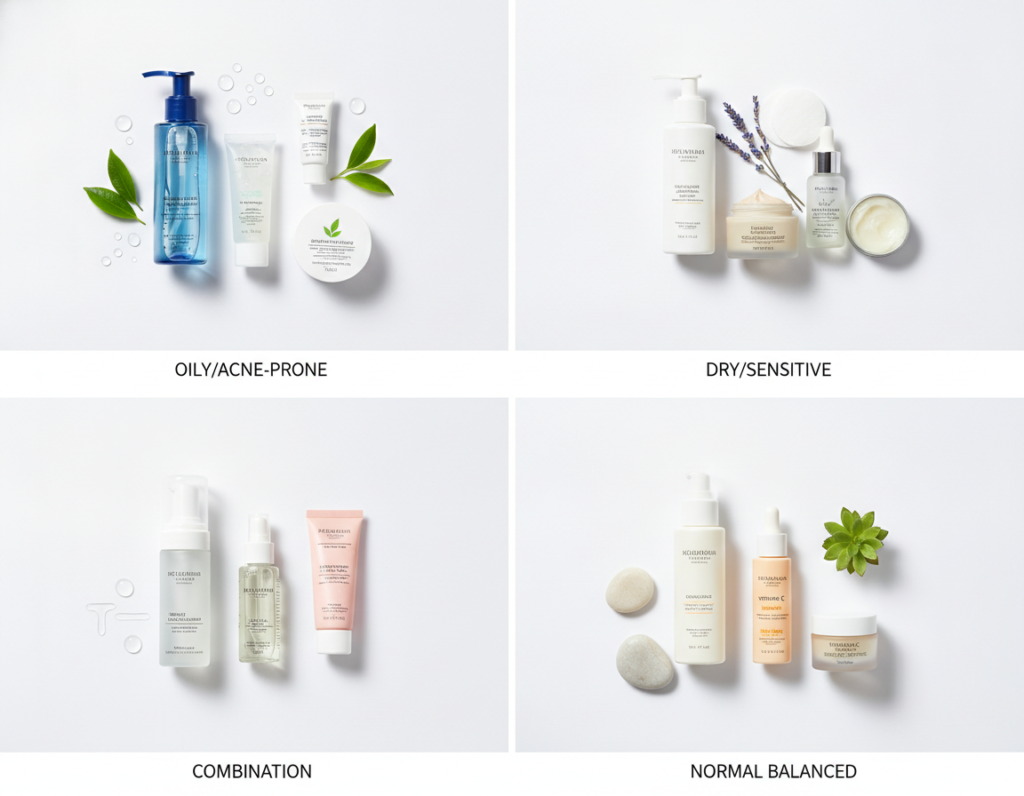
For Oily Skin
Balance oil production while maintaining essential hydration for a clear, shine-free complexion.
Gel or foaming cleanser twice daily
Salicylic acid treatment
Lightweight, oil-free moisturizer
Mattifying sunscreen
For Dry Skin
Build intensive hydration and strengthen your protective barrier against moisture loss.
Cream cleanser once or twice daily
Hydrating toner and serum
Rich, nourishing moisturizer
Facial oil for extra nourishment
For Combination Skin
Address different needs across your face with balanced, adaptable products.
Gentle, pH-balanced cleanser
Lightweight hydrating products
Multi-masking techniques
Zone-specific application
For Sensitive Skin
Minimize irritation while gently supporting your skin’s natural protective functions.
Fragrance-free, minimal products
Soothing, calming ingredients
Mineral sun protection
Simplified routine approach
Finding products specifically formulated for your skin type eliminates guesswork. Targeted solutions address your unique concerns more effectively than general-purpose products.
Your skincare routine is only part of the equation for clear smooth skin. Daily lifestyle choices significantly impact your complexion.
What you eat, how you sleep, and how you manage stress all show up on your face. Supporting your skin from within amplifies external skincare efforts.
Nutrition for Healthy Skin
Your diet directly affects skin health. Nutrients provide the building blocks your skin needs for repair, protection, and renewal.
Antioxidants from colorful fruits and vegetables protect against free radical damage. Berries, leafy greens, and bright vegetables should fill your plate daily.
Omega-3 fatty acids from fish, walnuts, and flaxseed reduce inflammation. These healthy fats support your skin barrier and help maintain smooth texture.
Protein provides amino acids necessary for collagen production. Include lean meats, fish, legumes, or plant-based proteins with each meal.
Limit processed foods, excess sugar, and dairy if you notice they trigger breakouts. These foods can increase inflammation and affect oil production.
Sleep Quality and Skin Renewal
Sleep is when your skin does its most intensive repair work. During deep sleep, growth hormones peak, triggering cell renewal and repair.
Aim for seven to nine hours of quality sleep each night. Consistent sleep schedules support your skin’s natural circadian rhythm.
Your sleeping position affects your skin over time. Sleeping on your back prevents sleep lines and allows better product absorption. If you sleep on your side, consider a silk pillowcase to reduce friction.
Create a bedtime routine that supports skin health. Remove makeup thoroughly, complete your evening skincare routine, and keep your bedroom cool and dark for optimal sleep.
Stress Management for Clear Skin
Stress triggers inflammatory responses throughout your body, including in your skin. Chronic stress can worsen breakouts, sensitivity, and premature aging.
Cortisol, the stress hormone, increases oil production and breaks down collagen. This combination leads to both breakouts and accelerated aging signs.
Practice stress-reduction techniques daily. Meditation, deep breathing, yoga, or simply taking short breaks throughout the day all help manage stress levels.
Regular exercise reduces stress while improving circulation. Better blood flow delivers more oxygen and nutrients to your skin cells.
Environmental Protection Beyond Sunscreen
Pollution, smoke, and environmental toxins damage skin in ways that accelerate aging and compromise clarity. These factors create free radicals that break down collagen.
Antioxidant serums provide defense against environmental damage. Vitamin C, vitamin E, and ferulic acid neutralize free radicals before they cause harm.
Cleanse thoroughly every evening to remove pollutants that settled on your skin during the day. This prevents these particles from causing overnight damage.
Consider an air purifier in your bedroom if you live in a high-pollution area. Cleaner air while you sleep reduces exposure during renewal hours.
Exercise and Skin Health
Regular physical activity improves circulation, which brings more oxygen and nutrients to your skin. This enhanced blood flow gives you a natural, healthy glow.
Exercise also helps regulate hormones that affect skin, including those that control oil production. Regular workouts can help balance oily skin.
Sweat during exercise helps flush toxins from pores. However, cleanse soon after working out to prevent sweat and bacteria from clogging pores.
Always remove makeup before exercising. Makeup mixed with sweat creates a perfect environment for clogged pores and breakouts.
Advanced Tips and Professional Treatments
Once you have mastered the basics, advanced techniques and treatments can take your skin to the next level. These approaches address stubborn concerns and accelerate results.
Weekly Deep Treatment Masks
Face masks provide intensive treatment once or twice per week. Different mask types address specific concerns more intensively than daily products.
Clay masks draw out impurities and excess oil from pores. They work exceptionally well for oily and combination skin, leaving complexion refined and matte.
Sheet masks deliver concentrated serums directly to skin. The mask itself prevents evaporation, allowing ingredients to penetrate more deeply. Use these for intensive hydration or brightening.
Overnight masks work while you sleep, providing extended contact time with powerful ingredients. These rich treatments wake you up to visibly improved skin texture.
Facial Massage and Lymphatic Drainage
Facial massage improves circulation and promotes lymphatic drainage. This reduces puffiness, enhances product absorption, and gives skin a lifted appearance.
Use gentle upward motions when applying products. This technique naturally incorporates massage into your daily routine without adding time.
Tools like jade rollers or gua sha stones enhance massage benefits. These tools reduce puffiness, improve product absorption, and provide a relaxing ritual.
Spend five minutes several times per week on dedicated facial massage. The improved circulation brings a natural glow while supporting skin health.
Professional Treatments to Consider
Chemical peels performed by professionals use higher-strength acids than home products. They remove multiple layers of dead cells, revealing smoother, clearer skin beneath.
Microneedling creates controlled micro-injuries that trigger collagen production. This treatment improves skin texture, reduces scars, and enhances product absorption.
Laser treatments target specific concerns like dark spots, redness, or uneven texture. Different laser types address different issues with precision.
Professional facials provide deep cleansing and extraction that you cannot safely do at home. Regular facials complement your home routine for optimal results.
Supplement Support for Skin Health
Certain supplements support skin health from within. While food should be your primary nutrient source, supplements can fill gaps.
Collagen peptides may support skin hydration and elasticity. Studies suggest daily supplementation can improve skin texture over time.
Omega-3 supplements reduce inflammation if you do not eat enough fatty fish. These support the skin barrier and help control inflammatory skin conditions.
Vitamin D supports skin cell growth and repair. Many people have insufficient levels, especially in winter months or if they have limited sun exposure.
Always consult a healthcare provider before starting supplements. They can assess your individual needs and ensure supplements do not interact with medications.
Tracking Progress and Adjusting Your Routine
Take photos of your bare skin in consistent lighting every week. Side-by-side comparisons reveal progress that day-to-day observation might miss.
Keep notes about products you use and any changes you notice. This helps identify what works and what does not for your unique skin.
Be patient with new products and routines. Most skincare products need at least four weeks to show results, as this aligns with skin renewal cycles.
Adjust your routine seasonally. Your skin needs different support in dry winter months versus humid summer. Stay flexible and responsive to changing needs.
Transform Your Skin Starting Now
You have learned the essential steps, ingredients, and strategies for clear smooth skin. Now it is time to put this knowledge into action with proven solutions designed for visible results.
Achieving clear smooth skin is a journey, not a destination. The steps you take today create the foundation for the radiant complexion you desire.
Consistency matters more than perfection. A simple routine performed daily delivers better results than an elaborate routine you follow sporadically. Start with the basics and build from there.
Remember that every skin type is unique. What works for someone else may not work for you. Pay attention to how your skin responds and adjust accordingly.
Give your routine time to work. Skin renewal takes approximately 28 days, so expect to wait at least a month before judging results. Some active ingredients take even longer to show their full benefits.
Protect your skin barrier above all else. A healthy barrier prevents water loss, keeps irritants out, and allows your skin to function optimally. Gentle care always wins over aggressive approaches.
The effort you invest in your skincare routine pays dividends throughout your life. Clear, smooth skin boosts confidence and reflects overall health. You deserve to feel great in your skin.
Start implementing these strategies today. Begin with proper cleansing and sun protection, then gradually add other elements. Each small step brings you closer to the clear smooth skin you envision.
Your skin has remarkable ability to heal and renew itself when given proper support. With the right routine, active ingredients, and lifestyle choices, you can achieve the clear, radiant complexion that makes you feel confident and beautiful every single day.