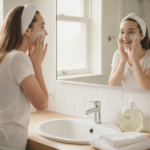
Affordable Skin Care Routine for Acne: Budget-Friendly Tips
Dealing with acne-prone skin doesn’t mean you need to spend hundreds of dollars on expensive treatments. You can achieve clear, healthy skin with an affordable skin care routine for acne that delivers real results. The key is understanding which ingredients work and how to use them effectively.
Many people think effective acne treatments must cost a fortune. That’s simply not true. Budget-friendly products with proven ingredients can transform your skin without emptying your wallet.
This guide breaks down everything you need to know about building a skincare routine for acne-prone skin that actually works while staying within your budget.
Understanding Acne-Prone Skin and What Causes Breakouts
Acne develops when your pores become clogged with oil, dead skin cells, dirt, and bacteria. Your skin naturally produces oil to keep skin moisturized and protected. However, when too much oil combines with dead skin cells, it creates the perfect environment for acne bacteria to thrive.
Several factors contribute to acne breakouts. Hormonal changes can trigger excess oil production. Stress affects your skin barrier and increases inflammation. Using the wrong products can make breakouts worse instead of better.
Understanding these causes helps you choose the right treatments. You need products that address oil control, bacteria, and keep skin healthy without harsh ingredients that damage your skin barrier.
Types of Acne You Might Experience
Acne appears in different forms. Blackheads and whiteheads are non-inflammatory acne that occurs when pores get clogged. Blackheads remain open at the surface, while whiteheads are closed under the skin.
Inflammatory acne includes papules, pustules, and cysts. These types involve bacteria and cause redness, swelling, and discomfort. They require more intensive treatment to prevent scarring.
Knowing your acne type helps you select appropriate treatments. Some products work better for specific types of breakouts.
Essential Ingredients for an Affordable Skin Care Routine for Acne
Salicylic Acid: Your Best Friend for Clear Pores
Salicylic acid is one of the most effective ingredients for treating acne. This beta hydroxy acid penetrates deep into pores to dissolve oil and dead skin cells. It helps prevent breakouts before they start.
Products containing salicylic acid come in various forms. Cleansers, toners, and spot treatments all work effectively. The key is consistency in your routine.
Start with lower concentrations around 0.5% to 2%. Your skin needs time to adjust. Using too much too soon can cause irritation and dryness.
Benzoyl Peroxide for Bacteria Control
Benzoyl peroxide kills acne bacteria that cause inflammation and breakouts. It works differently than salicylic acid, making them great partners in your routine acne-prone skin treatment plan.
This ingredient comes in concentrations from 2.5% to 10%. Lower percentages work just as well with less irritation. Apply benzoyl peroxide to affected areas rather than your entire face.
Be patient with treatments. Results typically appear after 4 to 6 weeks of consistent use. Don’t give up if you don’t see immediate changes.
Ready to Start Your Clear Skin Journey?
Discover a complete affordable acne treatment system that combines proven ingredients like salicylic acid and benzoyl peroxide. This budget-friendly solution targets breakouts at their source while keeping your skin barrier healthy and balanced.
Niacinamide for Skin Barrier Support
Niacinamide, also known as vitamin B3, helps control oil production and reduces inflammation. It strengthens your skin barrier, which is crucial for managing acne-prone skin.
This ingredient works well with other acne treatments. It can reduce irritation from stronger active ingredients. Niacinamide also helps fade post-acne marks and improves overall skin texture.
Look for products with 2% to 5% niacinamide. This range provides benefits without causing sensitivity. You can use it both morning and night in your routine.
Your Morning Skincare Routine Acne-Prone Skin Needs
Step 1: Gentle Cleansing to Remove Overnight Oil
The first step in any skincare routine starts with cleansing. While you sleep, your skin produces oil and sheds dead skin cells. A gentle cleanser removes this buildup without stripping your skin.
Choose a cleanser formulated for acne-prone skin. Look for ingredients like salicylic acid or glycolic acid. Avoid harsh soaps that disrupt your skin barrier.
Wash your face with lukewarm water. Hot water can increase oil production and irritate skin. Pat your face dry with a clean towel rather than rubbing.
Step 2: Apply Your Acne Treatment
After cleansing, apply your primary acne treatment. This is when you use products containing salicylic acid, benzoyl peroxide, or other active ingredients. Your clean skin absorbs these treatments more effectively.
Focus on areas prone to breakouts. Don’t forget your jawline and hairline where acne often hides. Allow the treatment to absorb for a minute before moving to the next step.
Consistency matters more than quantity. A thin layer applied daily beats thick applications used sporadically. Make this step a non-negotiable part of your day.
Transform Your Morning Routine
Get access to a proven morning skincare routine designed specifically for acne-prone skin. Learn professional techniques that deliver visible results in weeks, not months. This affordable system fits any budget while providing professional-grade ingredients.
Many people with oily skin skip moisturizer. This is a mistake. When you strip moisture from your skin, it overcompensates by producing more oil. A good moisturizer keeps your skin balanced.
Choose oil-free, non-comedogenic moisturizers. These won’t clog your pores or trigger new breakouts. Look for lightweight formulas that absorb quickly.
Apply moisturizer while your skin is still slightly damp. This helps lock in hydration. Your skin barrier needs this moisture to function properly and protect against bacteria and environmental damage.
Step 4: Never Skip Sunscreen (SPF Protection)
SPF protection is non-negotiable, especially when using acne treatments. Many acne ingredients make your skin more sensitive to sun damage. Sunscreen prevents this damage and helps prevent dark spots from healing breakouts.
Choose a broad-spectrum SPF 30 or higher. Look for oil-free formulas labeled for acne-prone skin. Mineral sunscreens with zinc oxide work well if chemical sunscreens irritate your skin.
Apply sunscreen every morning, even on cloudy days. UV rays penetrate clouds and windows. Reapply every two hours if you’re outdoors. This protects your skin and prevents post-acne marks from darkening.
Evening Routine for Maximum Acne Treatment Results
Step 1: Remove Makeup and Sunscreen Thoroughly
Your evening routine begins with thorough cleansing. Throughout the day, makeup, sunscreen, dirt, and oil accumulate on your skin. This buildup can clog pores and cause breakouts if not removed properly.
Consider double cleansing if you wear makeup or heavy sunscreen. Start with an oil-based cleanser to dissolve makeup and SPF. Follow with your regular water-based cleanser to remove any remaining residue.
Take your time with this step. Rushing through cleansing leaves behind pore-clogging debris. Spend at least 60 seconds massaging cleanser into your skin to ensure everything is removed.
Step 2: Apply Targeted Spot Treatments
Night is the ideal time for intensive acne treatments. Your skin repairs itself while you sleep. Applying treatment products at night maximizes their effectiveness.
Use spot treatments on active breakouts. These concentrated products deliver higher doses of active ingredients directly where needed. Apply them before your moisturizer so they can penetrate effectively.
Don’t pick at your skin before applying treatments. This damages your skin barrier and can lead to scarring. Let the products do the work for you overnight.
Supercharge Your Evening Acne Routine
Night is when your skin does the heavy lifting of repair and renewal. This comprehensive evening treatment system works with your skin’s natural rhythm to target stubborn breakouts while you sleep. Wake up to visibly clearer skin without expensive dermatologist visits.
Step 3: Use a Treatment Serum for Deep Results
After spot treatments, apply a treatment serum to your entire face. Serums contain concentrated active ingredients that penetrate deeper than moisturizers. This is your opportunity to address acne across your whole face, not just visible breakouts.
Choose serums with ingredients like niacinamide, retinol, or additional acid treatments. These work overnight to prevent future breakouts and improve skin texture.
Wait a few minutes between applying different products. This gives each product time to absorb properly. Layering products too quickly reduces their effectiveness.
Step 4: Lock Everything in with Night Moisturizer
Finish your routine with a moisturizer suitable for nighttime use. Night moisturizers can be slightly richer than day formulas since you don’t need to worry about makeup application or oil control during sleep.
Even acne-prone skin needs moisture overnight. Your skin loses water while you sleep. A good night cream prevents this moisture loss while supporting your skin barrier.
Don’t skip this step even if your skin feels oily. Proper hydration actually helps regulate oil production over time. Your skin will balance itself when it’s properly cared for.
Weekly Treatments to Boost Your Routine Acne-Prone Skin Progress
Clay Masks for Deep Pore Cleansing
Adding weekly treatments enhances your daily routine. Clay masks draw out impurities, excess oil, and debris from deep within pores. They provide a deeper clean than regular cleansing.
Use a clay mask once or twice weekly. Look for ingredients like kaolin or bentonite clay. These natural clays absorb oil without over-drying your skin.
Apply the mask to clean skin and leave it on for 10 to 15 minutes. Don’t let clay masks dry completely. This can dehydrate your skin. Rinse thoroughly and follow with your regular moisturizer.
Chemical Exfoliation for Smooth Skin Texture
Chemical exfoliants remove dead skin cells that clog pores and cause dullness. Unlike physical scrubs that can irritate acne-prone skin, chemical exfoliants work gently.
AHAs like glycolic acid work on the skin surface. BHAs like salicylic acid penetrate into pores. For acne-prone skin, salicylic acid treatments work best.
Start with once-weekly exfoliation. As your skin adjusts, you can increase to two or three times weekly. Watch for signs of irritation and adjust accordingly. Over-exfoliating damages your skin barrier and makes acne worse.
Important Reminder About Consistency
Results from any skincare routine take time. You need at least 4 to 6 weeks of consistent use before seeing significant improvement. Keep skin care products in visible places so you remember to use them. Set reminders on your phone if needed. Consistency delivers results, not expensive products.
Lifestyle Factors That Impact Your Skin Care Journey
Diet and Hydration for Healthy Skin
What you eat affects your skin. High-glycemic foods can trigger breakouts in some people. Dairy products may also contribute to acne for certain individuals.
Focus on whole foods rich in antioxidants. Fruits, vegetables, lean proteins, and healthy fats support skin health. Omega-3 fatty acids found in fish help reduce inflammation.
Drink plenty of water throughout the day. Proper hydration helps your skin maintain its moisture barrier. It also helps flush toxins that can contribute to breakouts. Aim for at least 8 glasses of water daily.
Sleep and Stress Management
Quality sleep is essential for skin repair. During deep sleep, your skin produces new collagen and repairs damage. Lack of sleep increases stress hormones that trigger breakouts.
Aim for 7 to 9 hours of quality sleep each night. Change your pillowcases regularly to prevent bacteria buildup. Consider silk or satin pillowcases that are gentler on skin.
Manage stress through exercise, meditation, or hobbies you enjoy. Chronic stress wreaks havoc on your skin by increasing inflammation and oil production. Find healthy ways to cope with daily stressors.
Complete System for Clear Skin Success
Your skin deserves a comprehensive approach that addresses all factors contributing to acne. This complete program combines effective products with lifestyle guidance and professional support. Finally achieve the clear skin you’ve been working toward with a system designed for real results.
Dirty makeup brushes, sponges, and facial tools harbor bacteria that cause breakouts. Clean these tools regularly to prevent transferring bacteria to your skin.
Wash makeup brushes weekly with gentle soap or brush cleanser. Replace sponges every few weeks. Clean any facial tools after each use following manufacturer instructions.
Don’t forget about items that touch your face regularly. Clean your phone screen daily. Wash reusable face masks frequently. These small habits make a big difference in preventing breakouts.
Common Mistakes to Avoid in Your Acne Routine
Using Too Many Products at Once
One of the biggest mistakes is using too many active ingredients simultaneously. This overwhelms your skin and can cause irritation, redness, and increased breakouts.
Start with a basic routine and add products slowly. Give each new product at least two weeks before adding another. This helps you identify what works and what doesn’t.
More products don’t equal better results. A simple, consistent routine with the right ingredients outperforms an overcomplicated routine every time. Focus on quality over quantity.
Picking and Touching Your Face
Touching your face transfers dirt, oil, and bacteria from your hands to your skin. Picking at breakouts damages your skin barrier and can lead to scarring and more inflammation.
Keep your hands away from your face throughout the day. If you must touch your face, wash your hands first. Breaking this habit significantly reduces breakouts over time.
If you have a stubborn spot that won’t heal, see a professional. Dermatologists can safely extract stubborn blemishes without causing damage. Don’t attempt this at home.
Expecting Overnight Results
Impatience leads many people to abandon effective routines too soon. Acne treatments need time to work. Your skin cycle is about 28 days, so you need at least one full cycle to see real results.
Track your progress with photos rather than daily mirror checks. Week-to-week changes are subtle, but month-to-month progress is remarkable. Give your routine time to work.
Sometimes your skin gets worse before it gets better. This is called purging and happens when active ingredients bring underlying congestion to the surface. Push through this phase and you’ll see improvements.
Smart Budget Tips for Affordable Skin Care Routine for Acne
Focus on Active Ingredients, Not Brand Names
Expensive doesn’t always mean better. What matters are the active ingredients and their concentrations. A drugstore product with 2% salicylic acid works the same as a luxury version with the same concentration.
Read ingredient labels carefully. The first few ingredients make up most of the product. Look for proven acne-fighting ingredients in those top positions.
Many affordable brands offer excellent formulations. The Ordinary, CeraVe, and Neutrogena provide quality products at budget-friendly prices. Don’t assume you need luxury brands for results.
Maximum Value for Your Investment
Why buy products individually when you can get a complete system designed to work together? This value bundle includes everything you need for morning and night routines, plus specialized treatments. Save money while getting professional-grade results from products formulated to complement each other perfectly.
Multi-Purpose Products Save Money
Look for products that serve multiple purposes. A cleanser with salicylic acid provides both cleansing and treatment. A moisturizer with SPF eliminates the need for two separate products.
Some serums combine multiple beneficial ingredients. Niacinamide serums often include hyaluronic acid for hydration. This gives you multiple benefits in one affordable product.
Sample sizes are perfect for testing products before committing to full sizes. Many brands offer trial kits that let you test several products for less than buying one full-size product.
When to Splurge and When to Save
Save money on cleansers since they’re rinsed off quickly. Splurge on leave-on treatments like serums and spot treatments that stay on your skin longer.
Invest in a good sunscreen. This product protects against skin cancer and prevents acne scars from darkening. It’s worth spending a bit more for one you’ll actually use daily.
Generic versions of popular products often work just as well. Compare ingredient lists and concentrations. You’ll often find nearly identical formulations at a fraction of the cost.
Tracking Your Progress and Adjusting Your Routine
Document Your Skin Journey
Take photos of your skin in consistent lighting every week. Use the same angle and lighting each time. These photos reveal progress you might not notice day-to-day.
Keep a simple journal of what products you use and any changes you make. Note any new breakouts and what might have triggered them. This information helps you identify patterns.
Track how your skin feels, not just how it looks. Reduced oiliness, less irritation, and improved texture are all signs of progress even if visible breakouts haven’t completely cleared yet.
When to Adjust Your Skincare Routine
Give new products at least 6 to 8 weeks before deciding if they work. Some improvement should be visible by 4 weeks, but full results take longer.
If a product causes severe irritation, redness, or burning, stop using it immediately. Mild tingling with active ingredients is normal, but pain is not.
Adjust your routine as seasons change. You might need lighter products in summer and more moisturizing options in winter. Your skin’s needs evolve, and your routine should too.
Signs Your Routine Is Working
Fewer new breakouts appearing is the first sign of success. Your existing acne might take weeks to clear, but preventing new spots shows your routine is effective.
Reduced inflammation means your skin barrier is healing. Less redness and swelling indicate your products are working without irritating your skin.
Improved skin texture shows your treatments are working. Smoother skin with smaller-looking pores means cell turnover is happening and congestion is clearing.
When to Seek Professional Help
Signs You Need a Dermatologist
Severe acne with large, painful cysts requires professional treatment. Over-the-counter products may not be strong enough for this level of acne. Dermatologists can prescribe stronger medications.
Acne that doesn’t improve after 8 to 12 weeks of consistent treatment needs professional evaluation. Something else might be causing your breakouts that requires different treatment.
Scarring from acne is another reason to see a specialist. Dermatologists offer treatments like chemical peels, microneedling, and laser therapy that can improve acne scars.
What to Expect from Professional Treatment
Dermatologists can prescribe topical retinoids stronger than over-the-counter options. These prescription treatments are highly effective for stubborn acne.
Oral medications like antibiotics or hormonal treatments may be necessary for severe cases. These require monitoring by a healthcare professional but can provide dramatic improvement.
Professional treatments complement your home routine. Continue your basic affordable skin care routine for acne while following your dermatologist’s additional recommendations for best results.
Professional-Grade Results at Home
Not ready for expensive dermatologist visits? This advanced system brings professional-strength treatments to your home routine. Formulated with clinical-grade ingredients, it delivers results comparable to professional treatments at a fraction of the cost. Take control of your skin health today.
Once your skin clears, don’t abandon your routine. Acne-prone skin requires ongoing maintenance. Stopping treatment often leads to breakouts returning within weeks.
You might be able to reduce frequency of some treatments. For example, you could use your active ingredients every other day instead of daily once your skin is clear.
Keep your routine simple enough to maintain long-term. Complicated routines are hard to sustain. A simple, effective routine you’ll actually follow beats a perfect routine you’ll abandon.
Preventing Future Breakouts
Continue using non-comedogenic products even after your skin clears. Switching back to pore-clogging products will restart the acne cycle.
Maintain healthy habits like regular cleansing, adequate sleep, and stress management. These factors affect your skin just as much as products do.
Address any breakouts immediately when they appear. Spot treatment at the first sign of a pimple prevents it from becoming worse. Quick action keeps your skin clear with minimal effort.
Adapting as Your Skin Changes
Your skin changes with age, seasons, and life circumstances. What works now might need adjustment later. Pay attention to how your skin responds and adapt accordingly.
Hormonal changes affect your skin throughout life. Pregnancy, menopause, and hormonal conditions can all impact acne. Your routine may need modification during these times.
Stay informed about new ingredients and research. Skincare science advances constantly. New, more effective treatments become available regularly. Being open to trying new approaches helps you maintain your best skin.
Your Journey to Clear Skin Starts Today
Creating an affordable skin care routine for acne doesn’t require expensive products or complicated steps. Success comes from understanding what your skin needs and consistently providing it.
The most effective routine includes gentle cleansing, targeted treatments with proven ingredients like salicylic acid and benzoyl peroxide, proper hydration with moisturizers, and daily SPF protection. These fundamentals address acne at its source while keeping your skin healthy.
Remember that results take time. Give your routine at least 6 to 8 weeks before expecting significant changes. Track your progress with photos and notes. Stay consistent even when you don’t see immediate improvement.
Budget-friendly products work just as well as expensive alternatives when they contain the right active ingredients. Focus on what’s in the bottle, not what’s on the label. Your skin doesn’t know the difference between drugstore and designer when the ingredients are the same.
Support your skincare routine with healthy lifestyle habits. Adequate sleep, stress management, proper hydration, and a balanced diet all contribute to clearer skin. No product can overcome poor lifestyle choices.
Don’t give up if your first routine doesn’t work perfectly. Adjustments are normal as you learn what your unique skin responds to best. Pay attention to how your skin feels and looks, then adjust accordingly.
Take the Final Step Toward Clear Skin
You’ve learned what it takes to clear acne-prone skin. Now it’s time to put that knowledge into action with a proven system that combines everything you need. This complete program includes step-by-step guidance, professional-grade products, and ongoing support to ensure your success. Don’t let another day pass feeling self-conscious about your skin.
Clear skin is achievable for everyone, regardless of budget. With the right information, quality affordable products, and commitment to consistency, you can transform your acne-prone skin. Your journey to confidence and clear skin starts with the first step you take today.