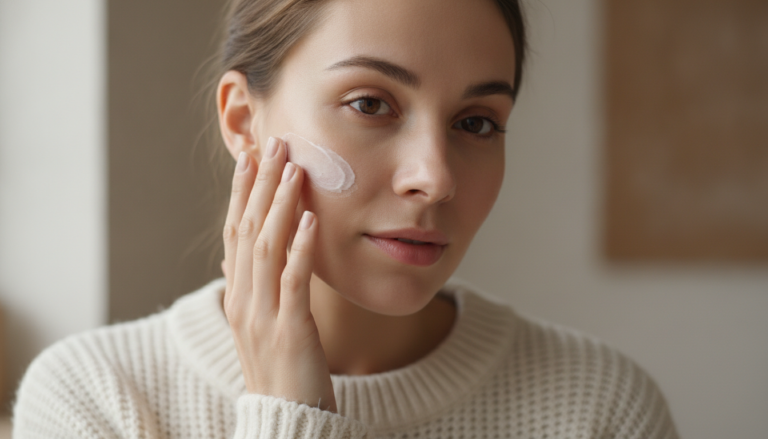
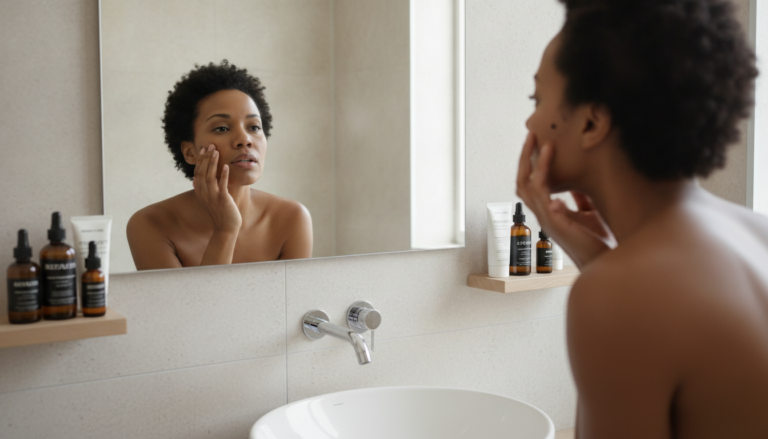
Taking care of your skin during your teenage years sets the foundation for a lifetime of healthy habits. Your skin goes through significant changes during adolescence, and establishing a proper routine now can help you manage common concerns like acne, oily skin, and breakouts.
The good news is that an effective skin care routine for teens doesn’t need to be complicated or expensive. With just a few essential steps and the right products, you can achieve clear, healthy skin and build confidence along the way.

This guide will walk you through everything you need to know about creating your perfect routine. From morning cleansing to night care, we’ll cover the essential steps that work for teen skin.
Ready to Transform Your Teen Skin?
Discover a complete skincare system designed specifically for teenage skin concerns. Get dermatologist-recommended solutions that actually work.
Understanding Teen Skin Changes
During adolescence, your body produces more hormones that trigger increased oil production in your skin. This natural process can lead to clogged pores, breakouts, and changes in your skin tone.

The sebaceous glands in your skin become more active during puberty. These glands produce oils that help protect your skin, but too much oil can mix with dirt and dead skin cells to block your pores.
Understanding these changes helps you choose the right products for your needs. Not everyone experiences the same skin issues during their teen years, so it’s important to identify your specific concerns.
Common Teen Skin Concerns
Acne affects most teenagers at some point. Pimples, blackheads, and whiteheads appear when pores become clogged with excess oil and bacteria.

Oily skin is another common issue that many teens face. When your skin produces too much oil, your face may look shiny throughout the day, especially in the T-zone area.
- Increased oil production leading to shine and clogged pores
- Acne breakouts appearing on face, chest, or back areas
- Blackheads and whiteheads forming around the nose and chin
- Sensitive skin reacting to new products or environmental changes
- Uneven skin tone or texture from previous breakouts
- Dryness in some areas even with overall oily skin
Why Teen Skin Needs Special Care
Teen skin differs from adult skin in several important ways. Your skin is still developing and may be more reactive to harsh ingredients found in some products.
Using products designed for mature skin can sometimes make teen skin problems worse. Heavy creams and aggressive treatments may irritate young skin or cause additional breakouts.

A gentle approach works best for most teens. Your skin has natural healing abilities that work better when you support them with the right care routine.
Dermatologists recommend starting with basic steps before adding more products. This approach helps you identify what works for your skin without overwhelming it.
Morning Routine Essentials
Your morning skin care routine for teens sets the stage for the entire day. These steps protect your skin from environmental damage while keeping it clean and fresh.

Starting your day with proper care takes only a few minutes but makes a significant difference. The morning routine focuses on cleansing away overnight oil buildup and protecting your skin for the day ahead.
Step One: Gentle Morning Cleansing
Washing your face each morning removes oil, dirt, and any product residue from the night before. A gentle cleanser designed for your skin type works best for this essential step.
Use lukewarm water when cleansing your face. Hot water can strip away natural oils and cause dryness, while cold water may not effectively remove oil buildup.

Apply your cleanser to damp skin using gentle circular motions. Avoid scrubbing harshly, as this can irritate your skin and trigger more oil production.
Rinse thoroughly to ensure no cleanser remains on your skin. Leftover product can clog pores and lead to breakouts throughout the day.
Perfect Your Morning Routine
Get a complete morning skincare system that works with your teen skin, not against it. Gentle formulas that deliver real results.
Step Two: Balancing Your Skin Tone
After cleansing, your skin needs to be balanced and prepared for the next steps. Some teens benefit from using a toner to help minimize the appearance of pores.

A good toner removes any remaining traces of dirt while helping to restore your skin’s natural pH balance. Look for alcohol-free formulas that won’t dry out your skin.
Apply toner by gently patting it onto your face with clean hands or a cotton pad. This step takes only seconds but helps prepare your skin for moisture.
Step Three: Morning Moisturizing
Every skin type needs moisture, even oily skin. Using a face moisturizer helps maintain your skin’s hydration levels without making it greasy.
Choose a lightweight, oil-free moisturizer for morning use. These formulas provide hydration without leaving a heavy feeling on your skin.

Hyaluronic acid is an excellent ingredient for teen skin. This naturally occurring substance helps your skin retain moisture throughout the day without adding extra oil.
Apply moisturizer while your skin is still slightly damp from cleansing. This helps lock in moisture and keeps your skin comfortable all day.
Step Four: Sun Protection
Sunscreen is the most important step in your morning routine. Protecting your skin from UV damage prevents premature aging and reduces the risk of skin damage.

Choose a sunscreen with SPF 30 or higher for daily use. Look for formulas labeled as non-comedogenic, which means they won’t clog your pores.
Apply sunscreen as the final step in your morning routine. Use enough product to cover your entire face and neck, and don’t forget areas like your ears.
- Use sunscreen SPF 30 or higher every single day, even when cloudy
- Apply sunscreen 15 minutes before going outside for best protection
- Reapply every two hours when spending extended time outdoors
- Choose oil-free sunscreen formulas to avoid clogging pores
- Look for broad-spectrum protection against UVA and UVB rays
- Consider tinted sunscreens that even out your skin tone
The Art of Proper Cleansing
Cleansing forms the foundation of any effective skin care routine. For teens, choosing the right cleanser and using proper technique can make the difference between clear skin and ongoing breakouts.

Your skin produces oil naturally, but daily activities add dirt, bacteria, and environmental pollutants to this mix. Proper cleansing removes these impurities without stripping away the moisture your skin needs.
Choosing Your Gentle Cleanser
A gentle cleanser works effectively without causing irritation or dryness. Look for products specifically formulated for teen skin or labeled as suitable for young complexions.
Avoid cleansers with harsh ingredients like strong fragrances, alcohol, or rough exfoliating beads. These can damage your skin’s protective barrier and cause inflammation.

Gel cleansers work well for oily skin types. They remove excess oil without leaving your face feeling tight or uncomfortable after washing.
Cream cleansers offer a gentler option for teens with sensitive skin or combination skin. These formulas clean effectively while providing some moisture.
Find Your Perfect Cleanser Match
Stop guessing which cleanser is right for your teen skin. Get access to gentle, effective cleansing solutions that dermatologists trust.
Proper Cleansing Technique
How you wash your face matters just as much as what you use. Following the right technique ensures effective cleansing without causing damage.

Start by wetting your face with lukewarm water. This opens your pores slightly and helps the cleanser work more effectively.
Dispense a small amount of cleanser into your palm. A dime-sized amount is usually sufficient for your entire face.
- Wet your face thoroughly with lukewarm water to prepare skin
- Apply cleanser to your fingertips and begin with your forehead
- Use gentle circular motions to massage the product into skin
- Work your way down to your nose, cheeks, and chin
- Don’t forget your jawline and the area around your hairline
- Rinse thoroughly with lukewarm water until all cleanser is gone
- Pat your face dry with a clean, soft towel
How Often Should You Cleanse?
Most teens should wash their face twice daily, once in the morning and once before bed. This schedule removes oil buildup and keeps pores clear.

Some teens with very dry or sensitive skin may only need to use cleanser at night. In the morning, these skin types can simply rinse with water.
After exercising or sweating heavily, wash your face as soon as possible. Sweat mixed with oil and dirt can clog pores and lead to breakouts if left on your skin.
Common Cleansing Mistakes to Avoid
Over-cleansing is one of the most common mistakes teens make. Washing your face too many times per day can strip away natural oils and trigger even more oil production.

Using hot water can damage your skin’s protective barrier. Stick to lukewarm water for both cleansing and rinsing to protect your skin.
Scrubbing too hard or using rough washcloths can cause micro-tears in your skin. Always use gentle pressure and soft materials when cleansing.
Skipping the neck area is another common oversight. Your neck needs the same care as your face, so extend your cleansing routine down to your collarbone.
Effective Acne Treatment for Teens
Acne represents one of the most frustrating aspects of teen life. Understanding how to treat and prevent breakouts can significantly improve both your skin and your confidence.

Acne occurs when dead skin cells, oil, and bacteria clog your pores. This creates an environment where bacteria can multiply, leading to inflammation and visible blemishes.
Understanding Acne Types
Different types of acne require different approaches. Knowing what kind of breakouts you experience helps you choose the right treatment products.
Blackheads appear as small dark spots on your skin. These form when pores become clogged but remain open at the surface, allowing the trapped material to oxidize and darken.

Whiteheads are similar to blackheads but remain closed at the surface. This creates small white or flesh-colored bumps on your skin.
Papules and pustules are inflamed acne lesions that appear red and may contain pus. These types of breakouts can be more painful and take longer to heal.
Key Acne-Fighting Ingredients
Salicylic acid is one of the most effective ingredients for treating teen acne. This beta hydroxy acid penetrates into pores to dissolve the buildup of dead skin cells and oil.

Products containing salicylic acid come in various strengths. For teen skin, concentrations between 0.5% and 2% work effectively without causing excessive dryness.
Benzoyl peroxide offers another powerful acne-fighting option. This ingredient kills the bacteria that contribute to breakouts and helps reduce inflammation.
Clear Acne Fast with Proven Solutions
Stop struggling with breakouts. Access dermatologist-approved acne treatments that work specifically for teenage skin concerns.
Spot Treatment Strategies
When a pimple appears, quick action can help it heal faster. Spot treatments target individual blemishes with concentrated active ingredients.

Apply spot treatment only to the affected area, not your entire face. Using too much product or applying it to clear skin can cause unnecessary irritation.
Leave spot treatments on overnight for best results. The extended contact time allows the active ingredients to work more effectively.
- Apply spot treatment after cleansing but before moisturizing for maximum effectiveness
- Use a clean cotton swab to apply product and prevent spreading bacteria
- Avoid touching or picking at treated blemishes during healing
- Be patient as most spot treatments need 24-48 hours to show results
- Don’t apply multiple spot treatments at once to avoid irritation
- Follow up with a non-comedogenic moisturizer to prevent dryness
Preventing Future Breakouts
Prevention is often easier than treatment when it comes to acne. Consistent daily habits can significantly reduce the frequency of breakouts.

Keep your hands away from your face throughout the day. Your hands carry bacteria and oil that can transfer to your skin and cause breakouts.
Change your pillowcase at least twice per week. Pillowcases accumulate oil, dirt, and bacteria from your hair and skin, which can lead to breakouts.
Avoid touching your acne or trying to pop pimples. This can introduce more bacteria, cause scarring, and make inflammation worse.
When to See a Dermatologist
Some acne requires professional care beyond over-the-counter products. A dermatologist can provide prescription treatments and personalized guidance.

Seek dermatologist care if your acne doesn’t improve after three months of consistent home treatment. Persistent acne may need stronger prescription medications.
Painful, deep acne cysts require professional treatment to prevent scarring. These severe breakouts can cause lasting damage if not properly managed.
If acne significantly affects your emotional well-being, don’t hesitate to seek professional help. Your mental health matters just as much as your skin health.
Why Moisturizing Matters for Teen Skin
Many teens skip moisturizer, believing their oily skin doesn’t need extra hydration. This misconception can actually make skin problems worse.

Your skin needs moisture regardless of type. When skin lacks proper hydration, it may actually produce more oil to compensate, creating a cycle of oiliness and breakouts.
Understanding Skin Hydration
Hydration refers to the water content in your skin cells. Well-hydrated skin looks plump, smooth, and healthy, while dehydrated skin appears dull and may show more visible pores.
Moisture helps maintain your skin’s protective barrier. This barrier keeps harmful bacteria out while locking beneficial moisture in.

Even oily skin can be dehydrated. These two conditions are different: oily skin has excess oil production, while dehydrated skin lacks water content.
Choosing the Right Moisturizer
The right moisturizer for your skin type makes all the difference. Teens with oily skin should look for lightweight, gel-based formulas that provide hydration without adding greasiness.

Hyaluronic acid is an ideal ingredient for teen moisturizers. This powerful humectant can hold up to 1000 times its weight in water, providing deep hydration without a heavy feel.
Look for oil-free or non-comedogenic labels on moisturizers. These formulations won’t clog your pores or contribute to breakouts.
Hydrate Your Skin the Right Way
Discover moisturizers specifically formulated for teen skin that provide perfect hydration without the greasy feeling. Get glowing, balanced skin.
Day Versus Night Moisturizers
Your skin has different needs during the day versus at night. Understanding these differences helps you choose appropriate products for each time.

Day moisturizers typically include SPF protection and lighter textures. These formulas sit well under makeup and don’t interfere with your daily activities.
Night moisturizers can be slightly richer, as your skin repairs itself during sleep. These products focus on hydration and may include ingredients that support overnight skin renewal.
Application Techniques for Maximum Benefit
Applying moisturizer correctly ensures you get the full benefits of the product. Technique matters almost as much as product choice.

Apply moisturizer to slightly damp skin immediately after cleansing. This timing helps trap moisture in your skin for better hydration.
Use upward, outward motions when applying face moisturizer. This technique helps prevent pulling or stretching your skin unnecessarily.
- Dispense a pea-sized amount of moisturizer into your palm
- Dot the product on your forehead, cheeks, nose, and chin
- Gently spread the moisturizer using upward motions on your face
- Don’t forget to extend the product down to your neck area
- Use light patting motions to help the product absorb fully
- Allow the moisturizer to sink in before applying other products
- Wait at least two minutes before applying sunscreen or makeup
Signs Your Moisturizer Isn’t Working
Not every moisturizer works for every person. Recognizing when a product isn’t right for you prevents wasted time and frustration.

If your skin feels tight or dry shortly after applying moisturizer, the formula isn’t providing enough hydration. You may need a more intensive product.
Increased breakouts after starting a new moisturizer suggest the product is too heavy for your skin. Switch to a lighter, oil-free option.
Redness, burning, or itching indicates irritation from ingredients in the moisturizer. Discontinue use and choose a gentler formula designed for sensitive skin.
Sun Protection: Your Skin’s Best Friend
Sunscreen represents the single most important product in any skin care routine. Protecting your skin from UV damage prevents both immediate and long-term skin problems.

UV rays damage your skin even on cloudy days. These rays penetrate through clouds and windows, making daily sun protection essential regardless of weather or season.
Why Teens Need Sunscreen Daily
Sun damage accumulates over time, starting in childhood and adolescence. The protection you provide your skin now affects how it looks decades later.

Even short periods of sun exposure add up. The 10 minutes walking to school, sitting by a window, or running errands all contribute to cumulative sun damage.
Teen skin, while more resilient than mature skin, is still vulnerable to UV damage. Building sunscreen habits now creates lifelong protection.
Understanding SPF Numbers
SPF stands for Sun Protection Factor and indicates how long sunscreen protects your skin compared to wearing no sunscreen at all.

Dermatologists recommend using sunscreen SPF 30 or higher for adequate daily protection. Higher SPF numbers offer incrementally more protection but must still be reapplied regularly.
SPF 30 blocks approximately 97% of UVB rays, while SPF 50 blocks about 98%. No sunscreen blocks 100% of UV rays, making reapplication and other sun protection measures important.
Protect Your Skin from Sun Damage
Get access to teen-friendly sunscreens that provide powerful protection without the greasy feel or white cast. Protect your skin’s future today.
Choosing Sunscreen for Your Skin Type
Different sunscreen formulations work better for different skin types. Finding the right texture encourages consistent daily use.

Teens with oily skin benefit from gel-based or mattifying sunscreens. These formulas provide protection without adding shine or greasiness.
Sensitive skin requires mineral sunscreens containing zinc oxide or titanium dioxide. These physical blockers sit on top of skin rather than being absorbed, reducing irritation risk.
Combination skin can use lightweight lotions that balance moisture and protection. Look for products labeled as suitable for all skin types.
- Choose broad-spectrum sunscreen protecting against both UVA and UVB rays
- Select water-resistant formulas if you swim or sweat heavily during activities
- Opt for fragrance-free options to minimize irritation risk
- Look for non-comedogenic labels ensuring the product won’t clog pores
- Consider tinted sunscreens that even out skin tone while protecting
- Find formulas that work well under makeup if you wear cosmetics
Proper Sunscreen Application
Even the best sunscreen only works when applied correctly. Most people don’t use enough product to achieve the stated SPF protection.

Use approximately a nickel-sized amount of sunscreen for your face. This ensures adequate coverage across your entire face and neck area.
Apply sunscreen as the last step in your morning skin care routine. Put it on after your moisturizer has fully absorbed but before applying any makeup.
Don’t forget commonly missed areas like your ears, hairline, and the sides of your neck. These spots often show early signs of sun damage.
Reapplication Guidelines
Sunscreen wears off throughout the day from sweating, oil production, and natural breakdown. Regular reapplication maintains protection.

Reapply sunscreen every two hours when spending extended time outdoors. This frequency ensures continuous protection as the product wears away.
If you swim or sweat heavily, reapply sunscreen immediately after drying off. Even water-resistant formulas lose effectiveness after water exposure.
For daily indoor activities with minimal sun exposure, one morning application typically suffices. However, reapply if you go outside during the day.
Evening Skin Care Routine
Your nighttime routine is just as important as your morning care. While you sleep, your skin enters repair mode, making evening the perfect time for intensive care.

Night care focuses on removing the day’s buildup of oil, dirt, and environmental pollutants. This cleansing allows your skin to breathe and repair itself overnight.
Double Cleansing for Evening
Evening cleansing requires more thorough work than morning cleansing. Your skin accumulates more throughout an active day.

If you wear sunscreen or makeup, consider double cleansing. This method uses an oil-based cleanser first, followed by your regular water-based cleanser.
The first cleanse removes sunscreen, makeup, and oil-based debris. The second cleanse addresses water-based impurities and ensures your skin is completely clean.
Targeted Night Treatments
Night time offers the opportunity to use stronger treatment products. Your skin tolerates more active ingredients when you’re not going into sun or applying makeup.

If you use acne treatments containing salicylic acid or benzoyl peroxide, apply them after cleansing but before moisturizing. These products work best when applied to clean, dry skin.
Allow treatment products to dry completely before applying moisturizer. This prevents diluting the active ingredients and ensures maximum effectiveness.
Night Moisturizing
Your skin loses more water at night through a process called transepidermal water loss. A good night moisturizer helps prevent this moisture loss.

Night moisturizers can be slightly richer than day formulas. Without the need for makeup or sun exposure concerns, these products focus purely on hydration and repair.
Look for night moisturizers with ingredients that support skin renewal. Options like niacinamide help reduce inflammation and support your skin’s natural repair processes.
Transform Your Skin While You Sleep
Discover complete nighttime skincare systems that work with your skin’s natural repair cycle. Wake up to clearer, healthier skin every morning.
The Importance of Sleep for Skin
Your skin care routine works better when paired with adequate sleep. During deep sleep, your skin increases cell renewal and repairs damage from the day.

Aim for 8-10 hours of sleep each night. This recommendation from sleep experts gives your body enough time for full skin repair and renewal.
Poor sleep affects your skin in visible ways. Lack of sleep can increase inflammation, trigger breakouts, and make existing skin problems worse.
Sleep on a clean pillowcase and consider using silk or satin pillowcases. These smooth materials create less friction than cotton, which can help prevent wrinkles and won’t absorb your skin care products.
Addressing Specific Teen Skin Concerns
Every teenager experiences unique skin challenges. Understanding how to address specific concerns helps you customize your routine for best results.

Managing Oily Skin Throughout the Day
Excessive oil production affects many teens, making skin look shiny and feeling greasy. This condition often worsens in warm weather or stressful situations.

Oil production happens naturally and serves important protective functions. However, excess oil can mix with dead skin cells and bacteria, leading to clogged pores and breakouts.
Blotting papers offer a quick solution for managing shine throughout the day. These thin sheets absorb excess oil without disturbing your skin care or makeup.
Avoid washing your face multiple times during the day to control oil. Overwashing strips natural oils and can trigger your skin to produce even more oil in response.
- Use oil-free and non-comedogenic products to avoid adding more oil
- Choose gel-based cleansers that remove excess oil effectively
- Apply lightweight, water-based moisturizers that won’t increase shine
- Consider clay masks once or twice weekly to absorb excess oils
- Avoid touching your face, as this transfers oil from your hands
- Use mattifying primers or powders if you wear makeup
Dealing with Dry Patches
Some teens experience dry, flaky patches even if their overall skin type is oily. This combination requires a balanced approach to care.

Dryness can result from harsh products, weather changes, or dehydration. Identifying the cause helps you address the issue more effectively.
Treat dry patches with targeted care. Apply a richer moisturizer only to dry areas while using your regular lightweight products elsewhere.
Consider adding a hydrating serum with hyaluronic acid to your routine. These products provide extra moisture without making oily areas greasier.
Sensitive Skin Solutions
Sensitive skin reacts easily to products, weather, or stress. This skin type requires gentle care and careful product selection.

Avoid products with fragrances, dyes, or harsh preservatives. These ingredients commonly trigger reactions in sensitive skin.
Introduce new products one at a time, waiting at least a week between additions. This approach helps you identify any products that cause irritation.
Choose products specifically labeled for sensitive skin. These formulations undergo testing to minimize the risk of adverse reactions.
Minimizing Pore Appearance
Large or visible pores are a common concern for teens with oily skin. While you cannot change your pore size permanently, certain practices make them less noticeable.

Keeping your pores clean prevents them from stretching and becoming more visible. Regular cleansing with salicylic acid helps clear out debris that makes pores look larger.
Never try to manually extract blackheads or squeeze your pores. This can damage your skin and make pores appear even larger over time.
Use a primer before makeup application if pores concern you. Pore-minimizing primers create a smooth surface that makes pores less visible.
Reducing Inflammation and Redness
Inflammation shows up as redness, warmth, or swelling on your skin. This response often accompanies acne or irritation from harsh products.

Reduce inflammation by choosing gentle products and avoiding aggressive scrubbing. Treat your skin kindly, especially when dealing with active breakouts.
Consider products with calming ingredients like niacinamide or green tea extract. These components help reduce redness and support your skin’s healing process.
Apply a cool compress to inflamed areas for immediate relief. The cold temperature helps constrict blood vessels and reduce visible redness temporarily.
Lifestyle Factors Affecting Teen Skin
Your skin reflects your overall health and daily habits. Understanding how lifestyle choices impact your complexion helps you make better decisions for your skin.

Diet and Skin Health Connection
What you eat affects how your skin looks and feels. Certain foods can trigger breakouts or inflammation, while others support clear, healthy skin.

Dairy products and high-glycemic foods may worsen acne for some teens. If you notice breakouts after consuming certain foods, consider reducing your intake.
Increase your consumption of foods rich in omega-3 fatty acids, vitamins A, C, and E. These nutrients support skin health from the inside out.
Stay hydrated by drinking plenty of water throughout the day. Proper hydration helps maintain skin moisture and supports the elimination of toxins.
Exercise Benefits for Skin
Regular physical activity improves blood circulation, delivering more oxygen and nutrients to your skin cells. This increased blood flow gives your skin a healthy glow.

Exercise helps reduce stress hormones that can trigger breakouts. Physical activity provides a healthy outlet for stress while benefiting your skin.
Always cleanse your face immediately after working out. Sweat mixed with oil and bacteria can clog pores if left on your skin too long.
Avoid wearing makeup during exercise. Cosmetics can mix with sweat and clog your pores, increasing the risk of breakouts.
Stress Management for Better Skin
Stress triggers the release of cortisol and other hormones that increase oil production and inflammation. Managing stress helps keep your skin clearer.

Find healthy ways to manage academic and social pressures. Activities like meditation, yoga, or simply spending time with friends can reduce stress levels.
Maintain regular sleep schedules even during busy times. Consistent sleep patterns help regulate hormones that affect your skin.
Don’t pick at your skin when stressed. This common habit can cause scarring and spread bacteria, making breakouts worse.
Environmental Protection
Environmental factors like pollution, weather changes, and indoor heating affect your skin daily. Understanding these impacts helps you protect your complexion.

Cleanse your face thoroughly when you come home from being outside. Pollution particles stick to your skin and can cause inflammation and premature aging.
Use a humidifier in your bedroom during dry seasons. This adds moisture to the air, preventing your skin from becoming dehydrated overnight.
Adjust your routine seasonally as needed. Your skin may need richer moisturizers in winter and lighter formulas in summer.
Smart Product Selection for Teen Skin
Choosing the right skin care products can feel overwhelming with countless options available. Learning to read labels and understand ingredients helps you make informed decisions.

Reading Product Labels Effectively
Ingredient lists on skin care products appear in order of concentration, with the highest amounts listed first. Understanding this helps you evaluate product effectiveness.

Look for key ingredients near the beginning of the list to ensure meaningful concentrations. Active ingredients buried at the end may not provide significant benefits.
Learn to recognize common irritants if you have sensitive skin. Ingredients like fragrance, alcohol, and certain preservatives often cause reactions.
Essential Ingredients to Look For
Certain ingredients have proven benefits for teen skin. Recognizing these components helps you choose effective products for your concerns.

Salicylic acid remains one of the best ingredients for acne-prone teen skin. This beta hydroxy acid penetrates pores to clear out oil and dead skin cells.
Niacinamide offers multiple benefits including reducing inflammation, controlling oil production, and improving skin tone. This versatile ingredient works well for most skin types.
Hyaluronic acid provides hydration without adding weight or greasiness. This ingredient works excellently for all skin types, including oily skin.
- Salicylic acid for clearing pores and preventing acne breakouts
- Hyaluronic acid for lightweight, non-greasy hydration and moisture retention
- Niacinamide for reducing inflammation and controlling excess oil production
- Ceramides for strengthening skin barrier and preventing moisture loss
- Zinc oxide for safe, effective sun protection suitable for sensitive skin
- Glycerin for attracting and holding moisture in skin cells
Ingredients to Avoid
Some ingredients can irritate teen skin or cause unwanted effects. Knowing what to avoid helps prevent adverse reactions.

Strong fragrances add no benefit to skin care products and often cause irritation. Choose fragrance-free options when possible, especially if you have sensitive skin.
Alcohol-based products can dry out your skin excessively. While some alcohols are safe, denatured alcohol and SD alcohol can cause irritation.
Avoid products with long lists of ingredients you cannot pronounce or recognize. Simpler formulations often work better and cause fewer reactions.
Budget-Friendly Product Choices
Effective skin care doesn’t require expensive products. Many affordable options contain the same beneficial ingredients as luxury brands.

Focus on products with simple, proven ingredients rather than fancy packaging or marketing claims. The ingredient list matters more than the price tag.
Start with a basic routine before adding extra products. A simple cleanser, moisturizer, and sunscreen combination often works better than a complicated multi-step routine.
Look for multi-purpose products when building your routine. A cleanser with salicylic acid provides both cleansing and acne treatment in one step.
Common Teen Skincare Mistakes to Avoid
Many teens unknowingly make mistakes that worsen their skin concerns. Learning what not to do is just as important as knowing the right steps.

Over-Cleansing and Over-Exfoliating
More isn’t always better when it comes to cleansing. Washing your face too frequently strips away protective oils and damages your skin barrier.

Stick to cleansing twice daily unless your dermatologist recommends otherwise. Your skin needs its natural oils to function properly and stay healthy.
Exfoliation should happen only 2-3 times per week maximum. Daily exfoliation damages your skin and causes increased sensitivity and inflammation.
Using Too Many Products at Once
Adding multiple new products to your routine simultaneously makes it impossible to identify what works or what causes problems.

Introduce new products one at a time, waiting at least one week between additions. This approach helps you track results and identify any irritating ingredients.
Keep your routine simple, especially when starting out. Three to four products typically suffice for an effective basic routine.
Picking and Squeezing Blemishes
Touching, picking, or squeezing pimples represents one of the worst things you can do for your skin. This habit introduces bacteria, causes scarring, and spreads infection.

Keep your hands away from your face throughout the day. Your hands carry bacteria and oil that transfer to your skin when you touch your face.
If you must address a blemish, use a spot treatment instead. These products target pimples effectively without the damage caused by picking.
Skipping Sunscreen
Many teens skip sunscreen, believing they don’t need it or that it will make their skin oilier. This mistake leads to both immediate and long-term damage.

Sun damage accumulates silently during teen years. The effects may not show immediately but will appear as premature aging, dark spots, and increased risk of skin problems later.
Modern sunscreens come in lightweight, non-greasy formulas perfect for teen skin. Find one you like and wear it daily without exception.
Expecting Overnight Results
Skin care requires patience and consistency. Most products need 4-6 weeks of regular use before showing noticeable results.

Don’t switch products too quickly. Give each new addition to your routine adequate time to work before deciding it’s ineffective.
Take photos to track your progress objectively. Sometimes improvements happen gradually and are hard to notice without comparison.
Building Your Personalized Routine
Creating a skin care routine for teens that works requires understanding your specific needs and choosing products accordingly. A personalized approach yields better results than following generic recommendations.

Identifying Your Skin Type
Understanding your skin type forms the foundation for product selection. Most teens fall into one of four categories: oily, dry, combination, or sensitive skin.

Test your skin type by washing your face and waiting one hour without applying products. Observe how your skin feels and looks.
Oily skin appears shiny, especially in the T-zone, and feels slick to the touch. Dry skin feels tight and may show flaky patches. Combination skin shows both oily and dry areas.
Starting with Basic Steps
Begin with a minimal routine consisting of three essential steps: cleanse, moisturize, and protect. Master these basics before adding treatment products.

This simple approach prevents overwhelming your skin while establishing consistent habits. You can always add more products later as needed.
Use your basic routine consistently for at least two weeks before evaluating results. Consistency matters more than using numerous products.
When to Add Treatment Products
Once your basic routine feels comfortable, consider adding targeted treatments for specific concerns like acne or excess oil production.

Add only one treatment product at a time. This allows you to assess its effectiveness and ensures any reactions can be traced to a specific product.
Start with lower concentrations of active ingredients and increase gradually if needed. This approach minimizes irritation while building tolerance.
Adjusting Your Routine Over Time
Your skin changes with seasons, stress levels, and hormonal fluctuations. Successful skin care means adapting your routine to these changes.

Pay attention to how your skin responds to your routine. Increased breakouts, dryness, or irritation signal a need for adjustment.
Keep notes about what works and what doesn’t. This record helps you identify patterns and make informed decisions about product changes.
Don’t be afraid to simplify if your routine becomes too complex. Sometimes less is more when it comes to effective skin care.
Skincare for Special Situations
Certain circumstances require modifications to your regular routine. Understanding how to adapt your care ensures your skin stays healthy in all situations.

Before and After Sports
Athletic activities create unique skin care challenges through increased sweating and equipment contact with your face.

Cleanse your face before exercise if you wear makeup or sunscreen. This prevents these products from mixing with sweat and clogging your pores.
Wash your face immediately after working out. Allowing sweat to dry on your skin creates an ideal environment for bacteria growth and breakouts.
Keep cleansing wipes in your gym bag for quick cleansing if you cannot wash your face right away. Choose gentle, non-irritating formulas designed for sensitive skin.
Travel and On-the-Go Care
Maintaining your routine while traveling requires planning and portable products. Changes in water, climate, and schedule can affect your skin.

Pack travel-sized versions of your essential products to maintain consistency while away from home. Most brands offer smaller sizes perfect for travel.
Increase hydration during air travel, as cabin pressure dries out your skin. Apply moisturizer more frequently and drink plenty of water.
Makeup and Skincare
If you wear makeup, proper skincare becomes even more important. Makeup works better on healthy, well-maintained skin.

Always complete your full skin care routine before applying makeup. Allow each step to absorb fully before adding the next product or cosmetics.
Choose non-comedogenic makeup products that won’t clog your pores. Read labels carefully and opt for formulas designed for acne-prone skin if needed.
Remove all makeup thoroughly every night without exception. Sleeping in makeup clogs pores and prevents your skin from properly repairing itself overnight.
Managing Hormonal Breakouts
Many teen girls experience breakouts related to their menstrual cycle. These hormonal acne flares typically appear in predictable patterns.

Track your breakouts to identify patterns related to your cycle. This awareness helps you adjust your routine preventively during vulnerable times.
Increase use of spot treatments or acne-fighting ingredients during the week before your period starts. This proactive approach can minimize hormonal breakouts.
Maintain consistency with your basic routine regardless of cycle timing. Don’t skip steps or drastically change products, as this can worsen problems.
Teen Skincare Myths and Facts
Misinformation about skin care spreads easily among teens. Understanding what’s true and what’s false helps you make better decisions for your skin.

Myth: Toothpaste Treats Acne
This popular home remedy actually irritates skin and can make breakouts worse. Toothpaste contains ingredients designed for teeth, not delicate facial skin.

Fact: Proper acne treatments containing salicylic acid or benzoyl peroxide work much better and won’t damage your skin. Stick to products specifically designed for acne treatment.
Myth: Expensive Products Work Better
Price doesn’t determine effectiveness in skin care. Many affordable products contain the same active ingredients as luxury brands.
Fact: Ingredient quality and concentration matter more than price. A drugstore product with 2% salicylic acid works just as well as an expensive version with the same concentration.

Myth: Oily Skin Doesn’t Need Moisturizer
This misconception leads many teens with oily skin to skip moisturizer, which actually worsens oil production.
Fact: All skin types need moisture. When oily skin becomes dehydrated, it compensates by producing even more oil. Using the right lightweight moisturizer helps balance oil production.

Myth: Natural Products Are Always Better
The term natural doesn’t automatically mean safe or effective. Some natural ingredients can irritate skin or cause allergic reactions.
Fact: Effectiveness and safety matter more than whether ingredients are natural or synthetic. Many scientifically developed ingredients work better than natural alternatives.
Myth: Tanning Clears Acne
Sun exposure may temporarily dry out pimples and mask redness, but it causes long-term damage without solving acne problems.

Fact: UV radiation damages skin and can worsen acne by causing inflammation and triggering more oil production. Proper acne treatment and sun protection provide better results.
When to Seek Professional Help
Sometimes home care isn’t enough to manage skin concerns. Knowing when to consult a dermatologist ensures you get appropriate treatment before problems worsen.

Signs You Need a Dermatologist
Severe or cystic acne that doesn’t improve with over-the-counter treatments needs professional evaluation. These deep, painful breakouts can cause permanent scarring without proper treatment.

Persistent skin problems that last more than three months despite consistent care warrant professional attention. A dermatologist can identify underlying issues you might miss.
Sudden changes in your skin, including new moles, rapid increase in breakouts, or unusual rashes, should be evaluated by a professional promptly.
- Painful cystic acne that doesn’t respond to over-the-counter treatments
- Acne that leaves dark marks or scars on your skin
- Severe reactions or allergies to skincare products
- Persistent redness, irritation, or inflammation lasting weeks
- Skin conditions affecting your confidence or emotional well-being
- Questions about moles, spots, or other skin changes
What to Expect at Your First Visit
Your first dermatologist appointment involves discussing your concerns, medical history, and current skin care routine. The doctor examines your skin and may ask about family history of skin conditions.

Be honest about your routine and any products you’ve tried. This information helps your dermatologist make accurate recommendations and avoid prescribing treatments you’ve already used.
Ask questions about anything you don’t understand. A good dermatologist explains treatment options clearly and helps you make informed decisions about your care.
Prescription Treatment Options
Dermatologists can prescribe stronger treatments than over-the-counter options. These may include topical medications, oral antibiotics, or other specialized therapies.

Topical retinoids help unclog pores and prevent new breakouts from forming. These prescription-strength products work more powerfully than over-the-counter alternatives.
Oral antibiotics may be prescribed for moderate to severe acne. These medications work from inside your body to reduce bacteria and inflammation.
Follow your dermatologist’s instructions exactly and be patient with prescription treatments. Most require several weeks or months to show full results.
Your Journey to Healthy Teen Skin
Establishing a solid skin care routine for teens sets the foundation for a lifetime of healthy skin. The habits you build now will serve you well into adulthood.

Remember that consistency matters more than perfection. Following your routine most days yields better results than using the most expensive products occasionally.
Your skin is unique, and what works for your friends might not work for you. Pay attention to how your skin responds and adjust your routine accordingly.
Be patient with your skin. Real improvement takes time, and most products need several weeks of consistent use before showing noticeable results.

Don’t let setbacks discourage you. Occasional breakouts happen to everyone, and they don’t mean your routine isn’t working. Stay consistent and focus on overall improvement.
Take care of your overall health through good nutrition, adequate sleep, and stress management. These factors support your skin care efforts from the inside out.
Your skin care journey is personal and ongoing. Embrace the process of learning what works for you and enjoy taking care of yourself.

Celebrate your progress, no matter how small. Clear skin builds confidence and helps you feel your best as you navigate your teen years.
Keep learning about skin care as new research and products emerge. Stay informed but don’t feel pressured to try every new trend that appears.
Most importantly, remember that everyone experiences skin challenges during their teen years. You’re not alone in this journey, and with the right approach, you can achieve the healthy skin you deserve.