Getting clear skin doesn’t have to feel like an impossible dream. Your skin tells a story about your health, habits, and care routine. Whether you struggle with acne, deal with breakouts, or simply want to keep skin looking its best, these clear skin tips will transform your approach to skincare.
Many people waste time and money on products that don’t work. They jump from one trend to another without understanding what their skin truly needs. This guide cuts through the confusion with proven methods backed by dermatologists and skin care experts.
Clear skin starts with knowledge. Understanding your skin type, choosing the right products, and building consistent habits make all the difference. Let’s explore the essential clear skin tips that deliver real results.
Ready to Transform Your Skin?
Discover the proven system thousands have used to achieve clear, radiant skin naturally. Start your transformation today.
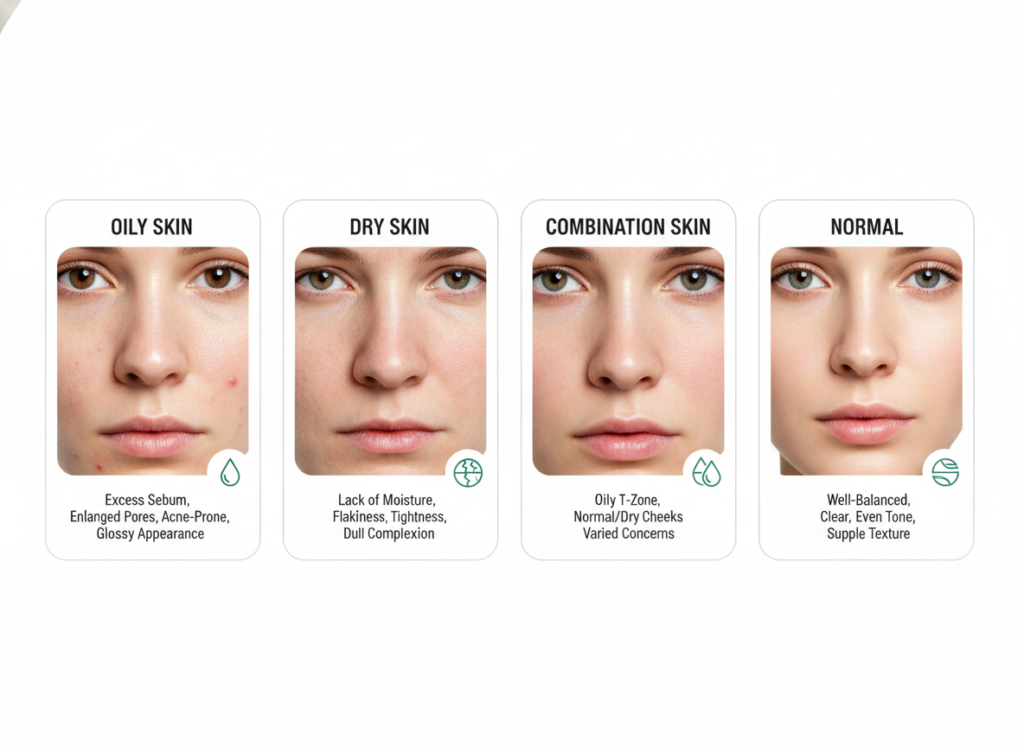
Knowing your skin type forms the foundation of any effective skincare routine. Your skin type determines which products work best and which ingredients to avoid. Most people fall into one of four categories: oily skin, dry skin, combination, or sensitive.
Oily skin produces excess oil throughout the day. You might notice shine on your face, especially in the T-zone. People with oily skin often battle enlarged pores and frequent breakouts. However, this skin type also ages more slowly due to natural moisture.
Dry skin feels tight and may appear flaky. It lacks sufficient moisture and oil production. This type requires extra hydration and gentle care. Without proper moisture, dry skin can develop fine lines earlier.
Combination skin features both oily and dry areas. The T-zone tends toward oiliness while cheeks remain dry. This skin condition requires balanced care that addresses different needs in different zones.
Sensitive skin reacts easily to products, weather, and stress. Redness, irritation, and discomfort mark this type. Choosing gentle, fragrance-free products becomes essential for keeping skin calm and clear.
Daily Cleansing Routine Essentials
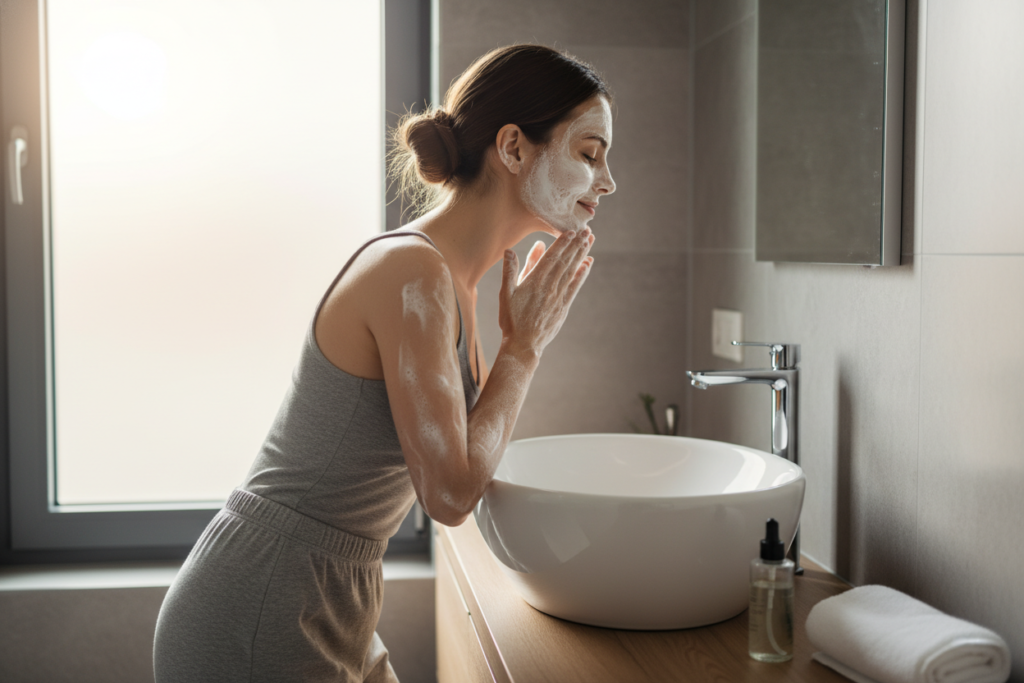
Your cleansing routine removes dirt, oil, and bacteria that clog pores and cause breakouts. Proper cleansing forms the cornerstone of clear skin. However, many people make critical mistakes that damage their skin barrier.
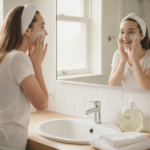
Wash your face twice each day without exception. Morning cleansing removes oil and dead skin cells that accumulate overnight. Evening cleansing eliminates makeup, sunscreen, pollution, and daily buildup. Skipping either session allows bacteria and debris to clog pores.
Choose a cleanser matched to your skin type. Gel cleansers work well for oily skin and help control excess oil. Cream cleansers suit dry skin better by providing gentle cleansing without stripping moisture. Foam cleansers offer a middle ground for combination skin.
Water temperature matters more than you think. Use lukewarm water for cleansing. Hot water strips away natural oils and damages the skin barrier. Cold water fails to remove oil effectively. Lukewarm water cleanses thoroughly while protecting skin health.
Pat your face dry with a clean towel instead of rubbing. Rubbing irritates skin and spreads bacteria. Use a fresh, soft towel each time to prevent reintroducing bacteria to your clean face. This simple habit prevents many skin problems.
Upgrade Your Cleansing Routine
Learn the professional techniques that dermatologists use for deep cleansing and clearer skin. Get instant access to expert methods.
Acne affects millions of people and causes significant frustration. Understanding how acne forms helps you prevent breakouts before they start. Dead skin cells and oil combine to clog pores, creating an environment where bacteria thrive.
Exfoliation removes dead skin cells that clog pores and cause acne. Use chemical exfoliants like salicylic acid or glycolic acid two to three times per week. These ingredients dissolve the bonds between dead cells, allowing them to shed naturally. Physical scrubs can damage skin and worsen acne.
Keep your hands away from your face throughout the day. Your hands carry bacteria, oil, and dirt that transfer to your skin. Touching your face repeatedly introduces these contaminants to pores. This habit ranks among the most common causes of preventable breakouts.
Change your pillowcase every three days minimum. Pillowcases collect oil, bacteria, dead skin cells, and hair products. Sleeping on dirty fabric presses these contaminants into your pores for hours. This simple change dramatically reduces acne for many people.
Manage stress levels to prevent stress-related breakouts. Stress triggers hormones that increase oil production and inflammation. Practice stress reduction techniques like deep breathing, exercise, or meditation. Your skin reflects your internal health and stress levels.
Sun exposure causes more skin damage than any other environmental factor. UV rays penetrate deep into skin, causing premature aging, dark spots, and increasing skin cancer risk. Daily sun protection ranks as the single most important clear skin tip.
Apply sunscreen every single day regardless of weather. Clouds block only 20% of UV rays. UVA rays penetrate through windows, affecting your skin even indoors. Make sunscreen application as automatic as brushing your teeth.
Choose a broad-spectrum sunscreen with SPF 30 or higher. Broad-spectrum formulas protect against both UVA and UVA rays. UVB rays cause sunburn while UVA rays cause aging and deep skin damage. Both contribute to skin cancer development.
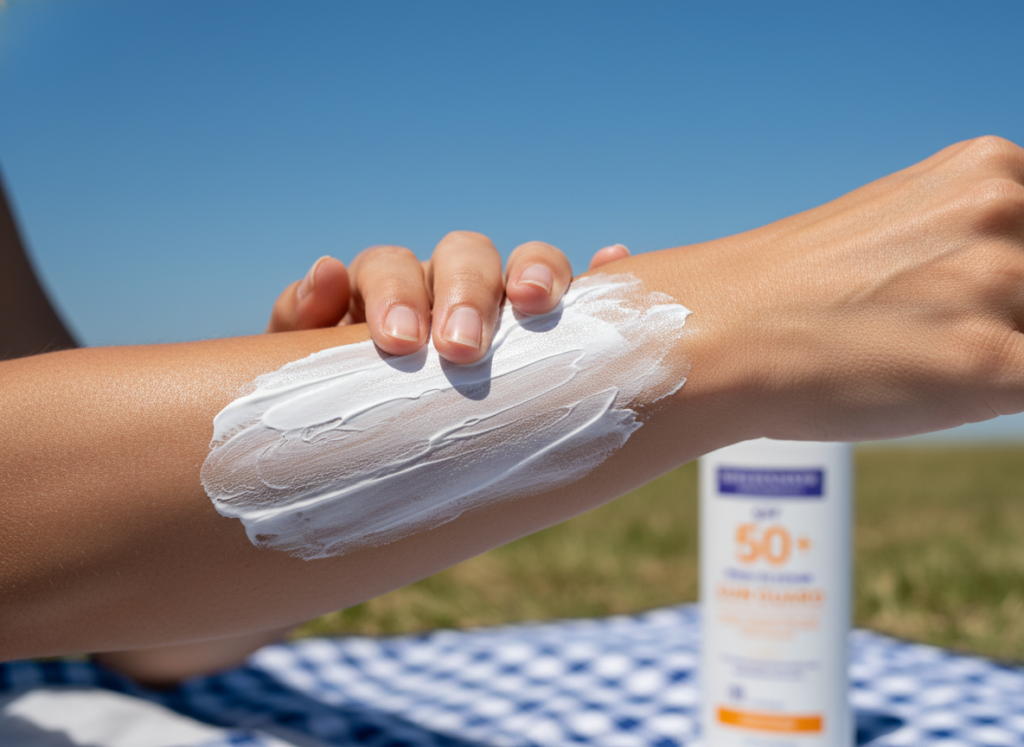
Apply sunscreen 15 minutes before sun exposure. Use one ounce (a shot glass full) to cover your entire body. Most people apply only 25-50% of the needed amount. Inadequate application reduces protection significantly.
Reapply sunscreen every two hours when outdoors. Water, sweat, and time all reduce sunscreen effectiveness. Even water-resistant formulas require reapplication after swimming or heavy sweating. Set reminders on your phone to maintain consistent protection.
Skincare Products That Actually Work
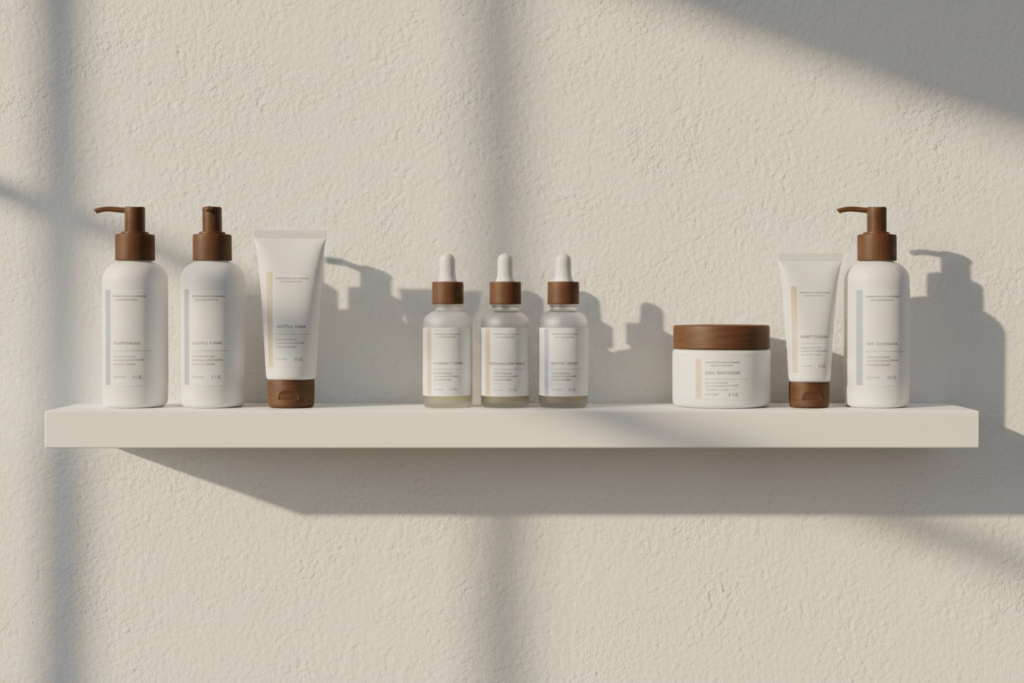
The skincare market overwhelms consumers with countless products making bold promises. Understanding which ingredients deliver real results helps you build an effective routine without wasting money. Focus on proven active ingredients backed by scientific research.
Retinoids transform skin by increasing cell turnover and collagen production. These vitamin A derivatives reduce acne, fade dark spots, and minimize fine lines. Start with a low concentration and gradually increase as your skin builds tolerance. Use retinoids only at night.
Vitamin C serums brighten skin and protect against environmental damage. This powerful antioxidant fades dark spots, evens skin tone, and boosts collagen production. Apply vitamin C serum in the morning before sunscreen for enhanced protection against free radicals.
Hyaluronic acid draws moisture into skin, providing intense hydration without heaviness. This ingredient works for all skin types, including oily skin. It holds up to 1000 times its weight in water, plumping skin and reducing the appearance of fine lines.
Niacinamide strengthens the skin barrier, controls oil production, and reduces inflammation. This versatile B vitamin works well for most skin types and addresses multiple concerns. It minimizes pores, fades dark spots, and calms redness.
Morning Routine
Gentle cleanser
Vitamin C serum
Moisturizer
Broad-spectrum sunscreen
Evening Routine
Oil cleanser (if wearing makeup)
Water-based cleanser
Treatment (retinoid or acid)
Night moisturizer
Weekly Treatments
Exfoliating mask (1-2x)
Hydrating sheet mask
Clay mask for oily areas
Spot treatments as needed
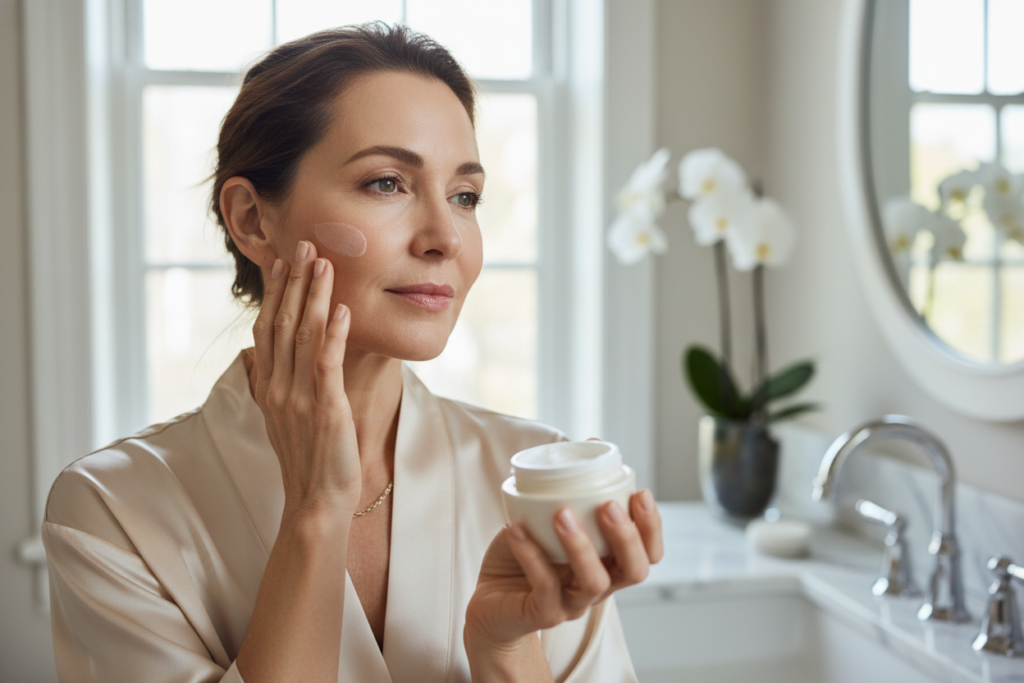
Build Your Perfect Skincare Routine
Get personalized product recommendations and a custom routine designed for your specific skin concerns and goals.
What you put inside your body affects your skin just as much as what you apply topically. Nutrition and hydration work from the inside out to support skin health, prevent breakouts, and maintain a clear complexion.
Drink adequate water throughout each day to maintain skin hydration. Water flushes toxins from your body and keeps skin cells plump and healthy. Aim for eight glasses daily, more if you exercise or live in a hot climate. Dehydration shows in your skin quickly.
Eat foods rich in omega-3 fatty acids to reduce inflammation. Fatty fish like salmon, sardines, and mackerel provide these essential fats. Plant sources include walnuts, flaxseeds, and chia seeds. Omega-3s support the skin barrier and calm inflammatory acne.
Include antioxidant-rich foods in your diet daily. Berries, dark leafy greens, and colorful vegetables protect skin from free radical damage. These compounds neutralize oxidative stress that accelerates aging and damages skin cells.
Limit sugar and refined carbohydrates that spike insulin levels. High insulin triggers increased oil production and inflammation. This hormonal cascade promotes acne formation. Choose complex carbohydrates and pair them with protein to stabilize blood sugar.
Skin-Boosting Nutrients
Vitamin A supports cell turnover
Vitamin C builds collagen
Vitamin E protects from damage
Zinc reduces inflammation
Selenium protects skin cells
Daily Hydration Tips
Start morning with water
Carry reusable water bottle
Set hourly hydration reminders
Eat water-rich fruits
Limit dehydrating caffeine
Managing Breakouts and Dark Spots
Even with perfect skincare habits, occasional breakouts happen. Knowing how to handle acne properly prevents scarring and speeds healing. Dark spots and hyperpigmentation require specific treatments to fade effectively.
Never pick, pop, or squeeze pimples no matter how tempting. Manipulating acne pushes bacteria deeper into skin, increases inflammation, and causes scarring. Picking also spreads bacteria to surrounding areas, creating new breakouts.
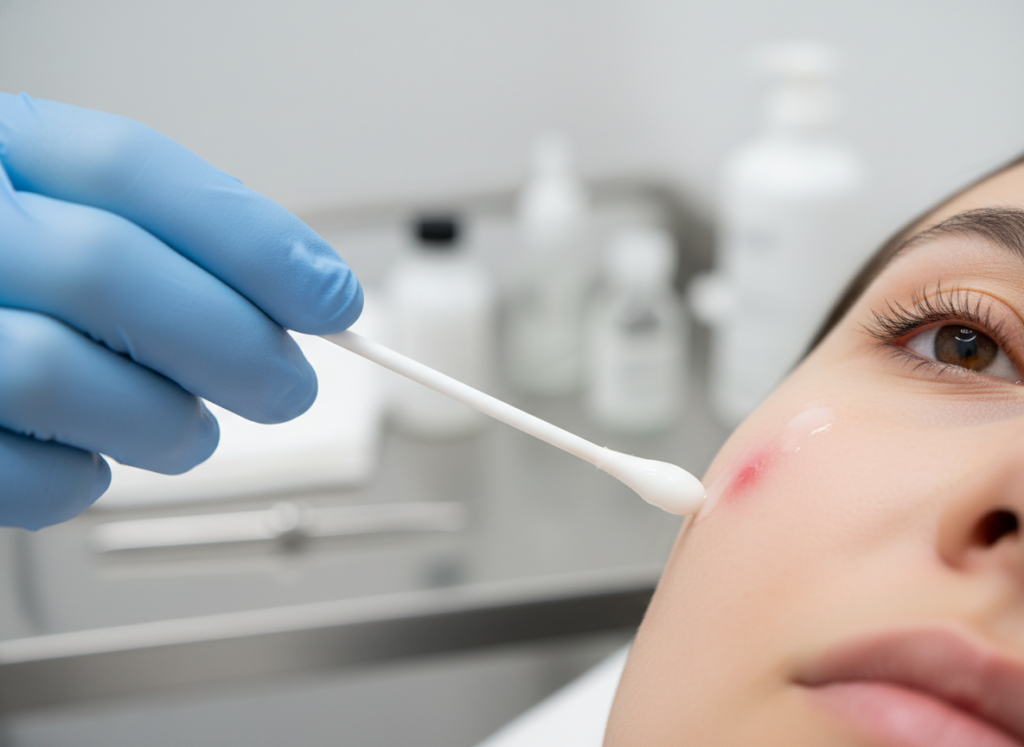
Apply spot treatments containing benzoyl peroxide or salicylic acid directly to blemishes. These ingredients kill acne-causing bacteria and help unclog pores. Use them as soon as you notice a developing pimple for best results.
Ice inflammation immediately when you feel a deep, painful pimple forming. Wrap ice in a clean cloth and apply for 10 minutes. The cold reduces inflammation and can prevent the pimple from fully developing.
Treat dark spots with ingredients that inhibit melanin production. Vitamin C, niacinamide, alpha arbutin, and kojic acid all fade hyperpigmentation gradually. Consistency matters more than intensity with these treatments. Results appear after several weeks of daily use.
Preventing signs of aging starts years before wrinkles appear. The habits you build now determine how your skin looks in decades. Protection and prevention prove far more effective than trying to reverse damage later.
Sun protection remains the most powerful anti-aging strategy. UV exposure causes up to 80% of visible facial aging. Wrinkles, age spots, and loss of elasticity result primarily from sun damage. Daily sunscreen use prevents most premature aging.
Start using retinoids in your twenties or thirties for long-term benefits. These compounds boost collagen production and increase cell turnover. Regular retinoid use prevents fine lines from forming and maintains skin firmness.
Get adequate sleep each night to allow skin repair processes. During deep sleep, your body produces growth hormones that repair daily damage. Skin cells regenerate faster at night. Consistent poor sleep accelerates visible aging.
Avoid smoking and limit alcohol consumption to protect skin health. Smoking restricts blood flow to skin and damages collagen. Alcohol dehydrates skin and causes inflammation. Both habits age skin prematurely and worsen existing skin conditions.
Critical Anti-Aging Timeline
In your 20s: Focus on sun protection and prevention. Build healthy skincare habits. Start using antioxidants like vitamin C.
In your 30s: Add retinoids to your routine. Increase hydration. Address early signs of aging promptly.
In your 40s and beyond: Intensify treatments. Consider professional procedures. Maintain religious sun protection and skincare consistency.
Lifestyle Habits That Support Clear Skin
Your daily habits and lifestyle choices impact skin health significantly. Small changes in routine create cumulative benefits over time. These non-product factors often make the difference between problematic skin and clear, healthy skin.
Exercise regularly to improve circulation and reduce stress. Physical activity increases blood flow, delivering oxygen and nutrients to skin cells. Sweating also helps purge toxins and clear out pores. Just remember to wash your face promptly after working out.
Clean your phone screen daily with disinfecting wipes. Your phone harbors bacteria that transfers to your face during calls. This bacterial transfer causes breakouts along the jawline and cheek area where the phone touches skin.
Wash makeup brushes weekly to prevent bacteria buildup. Dirty brushes apply bacteria, oil, and old makeup to your face. This contamination clogs pores and causes infections. Clean brushes also apply makeup more smoothly.
Manage stress through regular relaxation practices. Chronic stress elevates cortisol, which increases oil production and inflammation. This hormonal response triggers breakouts and worsens existing skin conditions. Find stress management techniques that work for your lifestyle.
Sleep on silk or satin pillowcases to reduce friction and bacteria transfer
Keep hair products away from your face to prevent pore-clogging ingredients
Remove makeup completely before bed every single night without exception
Avoid touching your face with unwashed hands throughout the day
Change your bath towel every three uses minimum for hygiene
Shower within 30 minutes after exercising to prevent sweat-related breakouts
Complete Clear Skin System
Access the comprehensive program that addresses every aspect of clear skin – from products to lifestyle habits to advanced techniques.
Some skin conditions require professional medical treatment. Knowing when to seek help from a dermatologist saves time, prevents scarring, and addresses serious concerns properly. Don’t let pride or cost prevent you from getting necessary care.
Persistent acne that doesn’t improve with over-the-counter treatments needs professional evaluation. Prescription medications like tretinoin, antibiotics, or isotretinoin may be necessary. Severe acne can cause permanent scarring without proper treatment.
Sudden changes in existing moles or new unusual spots require immediate examination. These changes could indicate skin cancer. Early detection dramatically improves outcomes. Schedule annual skin checks if you have risk factors like fair skin or sun damage history.
Severe reactions to products or persistent irritation merit professional assessment. You might have allergic contact dermatitis or another skin condition requiring specific treatment. A dermatologist can perform patch testing to identify allergens.
Cystic acne causes deep, painful lumps under the skin. This severe acne type requires prescription treatment. Home remedies and over-the-counter products cannot effectively treat cystic acne. Early intervention prevents permanent scarring.
American Academy of Dermatology Recommendations
The American Academy of Dermatology recommends seeing a board-certified dermatologist for:
Acne that causes pain, deep lumps, or emotional distress
Any skin condition that doesn’t improve with proper care
Changes in moles or new growths that concern you
Annual full-body skin cancer screening if you have risk factors
Severe eczema, psoriasis, or other chronic conditions
Your Clear Skin Journey Starts Today
Achieving clear skin requires patience, consistency, and the right information. These clear skin tips provide a solid foundation for transforming your complexion. Remember that real results take time to appear.
Start by implementing one or two changes at a time. Overwhelming yourself leads to frustration and inconsistency. Build habits gradually for lasting success. Track your progress with photos to see improvements over time.
Listen to your skin and adjust your routine as needed. What works for others might not work for you. Pay attention to how your skin responds to products and treatments. Adapt your approach based on results.
Celebrate small victories along your clear skin journey. Notice when breakouts heal faster or when your skin texture improves. These incremental improvements add up to significant transformation over months.
Stay committed even when progress seems slow. Skin care requires consistent effort over weeks and months. The investment in your skin health pays dividends throughout your entire life.
Transform Your Skin Starting Right Now
Get instant access to the complete clear skin transformation system. Join thousands who have already achieved the radiant, clear skin they’ve always wanted. Your journey to confident, beautiful skin starts with one click.
Clear skin enhances confidence and reflects overall health. The habits you build now benefit you for decades to come. Take control of your skin health today and enjoy the lasting results of proper care. Your clearer, healthier skin awaits.