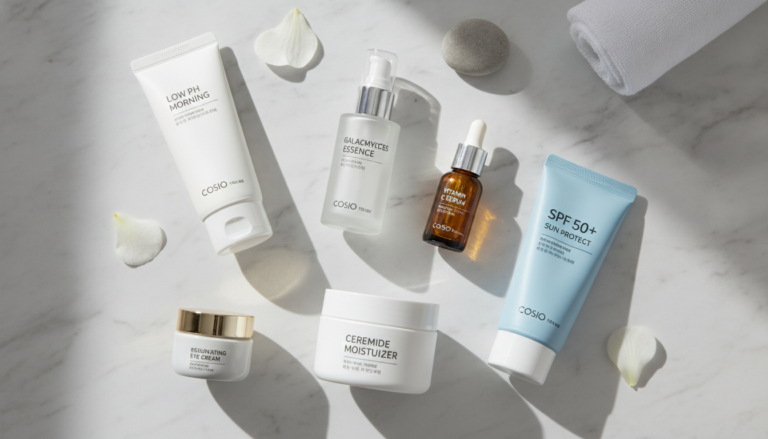
Dealing with oily skin can feel like a constant battle. The shine appears hours after washing your face. Makeup slides off by midday. Breakouts seem to pop up without warning.
But here’s the truth: oily skin isn’t your enemy. With the right oily skin care routine, you can transform excess oil production into your secret weapon for youthful, healthy skin.
This guide reveals everything you need to know about creating an effective routine oily skin actually responds to. You’ll discover which steps matter most, which ingredients work best, and how to avoid the mistakes that make oil production worse.
Understanding Oily Skin: Why Your Face Gets Shiny
Your skin produces oil through tiny glands called sebaceous glands. These glands create sebum, a natural substance that protects and moisturizes your face. When these glands work overtime, you get that familiar oily shine.
Several factors trigger excess oil production. Genetics play a major role. Hormones can spike sebum production during certain times. Even weather affects how much oil your skin creates. Hot, humid conditions often make skin produce more oil.
The key insight: oily skin types need moisture, not drying treatments. When you strip away too much oil, your skin compensates by producing even more. This creates a frustrating cycle that many people face.
Transform Your Oily Skin in 30 Days
Discover the complete system that balances oil production, clears breakouts, and gives you the confident, shine-free skin you deserve. This proven routine works with your skin, not against it.
Your morning routine sets the foundation for oil control throughout the day. Each step serves a specific purpose in managing sebum while keeping skin healthy and protected.
Step 1: Gentle Cleansing
Start your oily skin care routine with a cleanser designed for your skin type. Look for gel or foaming cleansers that remove excess oil without stripping your face. These formulas cleanse deeply while respecting your skin’s natural barrier.
Salicylic acid cleansers work exceptionally well for routine oily skin management. This ingredient penetrates pores to prevent buildup. It helps keep pores clear without causing irritation when used at the right concentration.
Step 2: Balancing Toner
A toner removes any remaining impurities while balancing your skin’s pH. For oily skin, choose alcohol-free formulas that won’t trigger more oil production. Ingredients like niacinamide help regulate sebum over time.
Apply toner with clean hands or a cotton pad. This step prepares your skin to absorb the treatments and moisturizers that follow. Many people skip this, but it makes a noticeable difference in oil control.
Step 3: Targeted Treatments
Morning treatments address specific concerns like breakouts or large pores. Salicylic acid serums work during the day to prevent acne. Niacinamide serums reduce oil production gradually with consistent use.
Apply treatments to clean, toned skin. Use a small amount and let it absorb completely before moving to the next step. Layering products correctly ensures each ingredient works effectively.
Step 4: Lightweight Moisturizer
Every skin type needs moisture, including oily skin. Oil-free, gel-based moisturizers provide hydration without adding grease. Hyaluronic acid draws moisture into skin without heaviness.
This step prevents your skin from overcompensating with excess oil. When skin feels dry, it produces more sebum. A good moisturizer breaks this cycle and helps maintain balance throughout the day.
Step 5: Sunscreen Protection
Sunscreen is non-negotiable in any routine oily skin follows. Choose mineral or chemical sunscreens formulated for oily or acne-prone skin. These products protect without clogging pores or adding shine.
Look for labels that say “oil-free” or “non-comedogenic.” Modern sunscreens for oily skin absorb quickly and work well under makeup. Apply every morning, even when it’s cloudy outside.
Master Your Morning Routine
Get the exact morning skincare protocol that stops shine before it starts. This step-by-step system works perfectly under makeup and keeps you fresh all day long.
Your night routine focuses on deep cleansing and repair. While you sleep, skin regenerates and treatments work most effectively. This makes your evening oily skin care routine crucial for long-term results.
Step 1: Makeup Removal and Double Cleansing
Start by removing all makeup, sunscreen, and daytime buildup. Use a cleansing oil or micellar water first. This might sound counterintuitive for oily skin, but cleansing oils actually break down oil-based products effectively.
Follow with your regular cleanser for a proper double cleanse. This two-step process ensures your face is completely clean. Clean skin absorbs night treatments better and prevents clogged pores that lead to breakouts.
Step 2: Exfoliation (2-3 Times Weekly)
Exfoliation removes dead skin cells that can clog pores. For oily skin, chemical exfoliants work better than physical scrubs. Salicylic acid and glycolic acid penetrate deeper to keep pores clear.
Use exfoliating treatments at night, not every evening. Two to three times per week prevents over-exfoliation. Over-exfoliating can actually increase oil production and cause irritation.
Step 3: Toner Application
Evening toner removes any remaining traces of dirt and balances skin pH after cleansing. You can use the same toner as morning or switch to a more active formula at night. Toners with niacinamide continue working on oil control while you sleep.
Step 4: Night Treatments
Night is when you use your most powerful treatments. Retinol helps regulate oil production and speeds cell turnover. This ingredient works best at night because sunlight deactivates it.
For acne-prone skin, spot treatments with salicylic acid or benzoyl peroxide target active breakouts. Apply these directly to problem areas after your toner dries completely.
Step 5: Night Moisturizer or Sleeping Mask
Even though your skin is oily, it needs moisture at night. Choose gel-cream formulas that provide hydration without heaviness. Some nights, you might use a lightweight sleeping mask for extra hydration.
Night moisturizers help repair your skin’s barrier while you sleep. A healthy barrier actually helps regulate oil production over time. This step completes your evening routine oily skin responds to best.
Complete Day & Night System
Stop guessing which products to use and when. This comprehensive system gives you the exact morning and evening routines that transform oily skin into balanced, healthy skin.
Natural Oil Control Solutions
Discover the plant-based ingredients that naturally balance sebum production without harsh chemicals. These gentle solutions work with your skin’s biology for lasting results.
Expert Skincare Guidance
Get personalized advice for your specific oily skin concerns. This expert-led program addresses your unique challenges and creates a customized path to clear skin.
Best Ingredients for Oily Skin
Understanding ingredients helps you choose products that actually work. These scientifically-proven ingredients target the specific needs of oily and acne-prone skin. Building your routine around these components delivers real results.
Salicylic Acid: The Pore-Clearing Hero
Salicylic acid is a beta-hydroxy acid that penetrates oil to unclog pores. Unlike other exfoliants that work on the surface, salicylic acid digs deeper. This makes it perfect for preventing blackheads and reducing breakouts.
Look for cleansers with 0.5% to 2% salicylic acid for daily use. Spot treatments can contain higher concentrations for active acne. This ingredient is essential in any oily skin care routine focused on clear pores.
Niacinamide: The Oil Production Regulator
Niacinamide, also called vitamin B3, directly reduces sebum production. Studies show it can decrease oil output by up to 40% with consistent use. This ingredient also minimizes pore appearance and reduces inflammation.
Use niacinamide serums or moisturizers with 2% to 5% concentration. This ingredient works well with most other skincare products. Many people see visible improvement in oil control within four to eight weeks.
Hyaluronic Acid: Lightweight Hydration
Hyaluronic acid provides moisture without adding oil. This ingredient holds up to 1,000 times its weight in water. It plumps skin and prevents the dehydration that triggers excess oil production.
Even oily skin can be dehydrated. Hyaluronic acid solves this by delivering pure hydration in a lightweight form. Look for this ingredient in serums and gel moisturizers for best results.
Retinol: The Cell Turnover Accelerator
Retinol speeds up cell turnover and regulates oil gland activity. This vitamin A derivative also prevents clogged pores and improves skin texture. Regular use leads to smaller-looking pores and fewer breakouts.
Start with a low concentration retinol and use it at night only. Your skin needs time to adjust to this powerful ingredient. Retinol is one of the most effective treatments for routine oily skin concerns.
Clay Minerals: Natural Oil Absorbers
Clay ingredients like kaolin and bentonite absorb excess oil from skin’s surface. These minerals draw out impurities without stripping moisture. Clay masks work perfectly as weekly treatments for oily skin.
Use clay masks once or twice per week for maintenance. Apply to clean skin and rinse before the mask completely dries. This prevents over-drying while still getting oil-absorbing benefits.
Tea Tree Oil: Natural Antibacterial Agent
Tea tree oil fights the bacteria that cause acne while controlling oil. This natural ingredient has antimicrobial properties that keep skin clear. Use diluted tea tree oil in spot treatments or cleansers.
Never apply pure tea tree oil directly to skin. Look for products with 2% to 5% tea tree oil concentration. This provides benefits without irritation that pure oil can cause.
Common Mistakes to Avoid with Oily Skin
Many people accidentally make their oily skin worse through common mistakes. Avoiding these pitfalls helps your oily skin care routine work more effectively. Small changes in your approach create significant improvements.
Over-Cleansing and Harsh Products
Washing your face too often strips natural oils. Your skin responds by producing even more oil to compensate. Cleanse twice daily maximum, unless you exercise during the day.
Harsh cleansers with high pH levels damage your skin barrier. This leads to increased oil production and sensitivity. Choose gentle, pH-balanced cleansers that clean without stripping.
Skipping Moisturizer
The biggest myth about oily skin is that it doesn’t need moisture. Every skin type requires hydration. When you skip moisturizer, your skin produces more oil to prevent dehydration.
Use oil-free, lightweight moisturizers formulated for oily skin. Gel-based products provide necessary hydration without heaviness. This single change often reduces oil production dramatically.
Using Too Many Actives at Once
Combining too many active ingredients causes irritation. Salicylic acid, retinol, and acids shouldn’t all be used together daily. Irritated skin produces more oil and becomes more prone to breakouts.
Introduce one active ingredient at a time. Give your skin two to four weeks to adjust before adding another. This approach prevents irritation while building an effective routine oily skin tolerates well.
Not Removing Makeup Properly
Sleeping in makeup clogs pores overnight. This leads to breakouts and increased oil production. Always remove every trace of makeup before bed, even when you’re tired.
Use a proper makeup remover before cleansing. The double cleanse method ensures complete removal. Clean skin regenerates better overnight and produces less excess oil over time.
Over-Exfoliating
Too much exfoliation damages your skin barrier. This triggers inflammation and increased sebum production. Limit chemical exfoliants to two or three times per week maximum.
Physical scrubs can be too abrasive for daily use. Chemical exfoliants like salicylic acid work more effectively for oily skin. Listen to your skin and reduce frequency if you notice irritation.
Stop Making These Costly Mistakes
Get the complete mistake-free roadmap that eliminates guesswork from your skincare routine. This proven system shows you exactly what works and what wastes your money, so you see results faster.
Product Recommendations for Your Oily Skin Care Routine
Choosing the right products makes or breaks your routine oily skin follows. These categories represent the essential products you need. Focus on quality formulations designed specifically for oily and combination skin types.
Cleansers That Remove Oil Without Stripping
The foundation of any oily skin care routine starts with the right cleanser. Gel and foaming cleansers work best for removing excess oil and impurities. Look for ingredients like salicylic acid that penetrate pores while cleansing.
Your cleanser should leave your face feeling clean but not tight. That tight feeling means you’ve stripped too much oil. Choose cleansers with balanced pH levels between 4.5 and 5.5 for best results.
Toners for Balance and Preparation
A good toner removes residue while preparing skin for treatments. For oily skin, skip alcohol-based toners that cause dryness. Instead, choose hydrating toners with niacinamide or witch hazel that balance without stripping.
Toners help regulate sebum production when used consistently. They also maximize absorption of the serums and treatments you apply next. This step significantly improves overall routine effectiveness.
Serums That Target Specific Concerns
Serums deliver concentrated active ingredients directly to your skin. For oily skin, niacinamide serums reduce oil production over time. Salicylic acid serums keep pores clear and prevent breakouts.
Hyaluronic acid serums provide lightweight hydration that doesn’t feel heavy. You can layer multiple serums, but apply them from thinnest to thickest consistency. This ensures proper absorption of each product.
Moisturizers That Hydrate Without Grease
Oil-free moisturizers keep skin hydrated without adding shine. Gel-cream formulas absorb quickly and feel comfortable throughout the day. Look for non-comedogenic labels that guarantee products won’t clog pores.
Ingredients like hyaluronic acid and glycerin provide moisture without oil. Some moisturizers include mattifying agents that control shine for hours. These products complete your daytime routine oily skin needs.
Sunscreens That Don’t Cause Breakouts
Sunscreen protects against sun damage without making skin greasy. Mineral sunscreens with zinc oxide or titanium dioxide work well for acne-prone skin. Chemical sunscreens formulated specifically for oily skin also provide excellent protection.
Choose sunscreens labeled “non-comedogenic” and “oil-free.” Modern formulas absorb quickly and work beautifully under makeup. Never skip this crucial step in your morning routine, regardless of weather.
Treatment Masks for Weekly Care
Clay masks absorb excess oil and draw out impurities from pores. Use these treatments once or twice weekly for maintenance. Charcoal masks also work well for deep cleansing oily and combination skin.
Apply masks to clean, dry skin and follow package directions for timing. Rinse before the mask completely dries to prevent over-drying. Follow with your regular toner and moisturizer to restore balance.
Spot Treatments for Breakouts
Keep spot treatments on hand for occasional breakouts. Products with benzoyl peroxide or salicylic acid target acne directly. Apply these only to problem areas, not your entire face.
Use spot treatments at night for best results. During the day, they can interfere with makeup. Consistent use of preventive treatments reduces the need for spot treatments over time.
Lifestyle Factors That Affect Oil Production
Your skincare products work better when supported by healthy habits. External factors significantly influence sebum production. Making these lifestyle adjustments enhances your oily skin care routine results dramatically.
Diet and Hydration Impact
High-glycemic foods and dairy can increase oil production. Foods that spike blood sugar affect hormone levels, which control sebum glands. Reducing processed carbs and sugar often leads to noticeable skin improvements.
Drinking adequate water helps regulate oil production. Dehydration triggers your skin to produce more oil as a protective response. Aim for eight glasses daily to keep skin properly hydrated from within.
Sleep and Stress Management
Poor sleep increases cortisol, which triggers more oil production. Your skin regenerates and balances itself during quality sleep. Aim for seven to nine hours nightly for optimal skin health.
Chronic stress affects hormone levels that control oil glands. High cortisol leads to increased sebum production and more breakouts. Managing stress through exercise, meditation, or hobbies improves skin significantly.
Exercise and Skin Care
Regular exercise improves circulation and helps regulate hormones. However, sweat can clog pores if not addressed quickly. Cleanse your face promptly after workouts to prevent breakouts.
Keep cleansing wipes in your gym bag for post-workout cleansing. If you can’t wash your face immediately, at least remove sweat and oil buildup. This prevents bacteria from clogging pores while they’re open from exercise.
Environmental Considerations
Humidity and heat increase oil production noticeably. If you live in a humid climate, you might need extra oil-control products. Blotting papers throughout the day help manage shine without disturbing makeup.
Air conditioning and heating can dehydrate skin, paradoxically increasing oil. Use a humidifier in dry environments to maintain skin balance. This simple addition makes a surprising difference in oil production.
Makeup Application Tips for Oily Skin
The right makeup techniques keep your face looking fresh all day. Your oily skin care routine should work seamlessly with your makeup routine. These strategies prevent that dreaded midday shine and makeup breakdown.
Primer Selection and Application
Mattifying primers create a smooth base that controls oil. Look for silicone-based or pore-minimizing primers. Apply primer after your moisturizer and sunscreen fully absorb.
Focus primer on your T-zone where oil appears first. You can skip primer on drier areas like cheeks. This targeted approach prevents makeup from sliding off while avoiding unnecessary product buildup.
Foundation for Long-Lasting Coverage
Oil-free, long-wear foundations formulated for oily skin last longer. Matte finish foundations control shine better than dewy formulas. Apply foundation with a damp sponge for better staying power.
Set your foundation with translucent powder immediately after application. Pay special attention to areas that get oily fastest. This creates a barrier that extends makeup wear significantly.
Powder and Setting Strategies
Keep blotting papers and pressed powder with you for touch-ups. Blot excess oil before applying powder to prevent cake. This method refreshes makeup without adding layers that look heavy.
Setting sprays designed for oily skin lock makeup in place. These products create a protective film over makeup. Apply in an X and T pattern across your face for even coverage.
Nighttime Makeup Removal
Always remove makeup completely before starting your evening routine oily skin requires. Use an oil-based remover or micellar water first. Follow with your regular cleanser for the double cleanse method.
Removing makeup thoroughly prevents clogged pores overnight. This simple habit significantly reduces breakouts and allows your night treatments to work properly. Never skip this crucial step, regardless of how tired you feel.
Adjusting Your Routine for Different Seasons
Your skin’s needs change with seasons and weather. Summer heat increases oil production while winter can cause unexpected dryness. Adapting your oily skin care routine seasonally maintains balance year-round.
Summer: Maximum Oil Control
Hot weather and humidity make oil production peak. Switch to lighter formulas and add extra mattifying products. Use blotting papers throughout the day to manage shine.
Increase your use of clay masks to twice weekly during summer. Your skin produces more oil in heat, so these masks help manage excess sebum. Remember that sun protection becomes even more critical during summer months.
Winter: Balancing Oil and Moisture
Cold air and indoor heating can dehydrate even oily skin. You might need slightly richer moisturizers during winter. However, stick with oil-free formulas to prevent breakouts.
Reduce how often you exfoliate during very cold months. Winter air can make skin more sensitive. Focus on gentle cleansing and adequate hydration to maintain your skin barrier.
Spring and Fall: Transition Periods
Seasonal transitions require gradual routine adjustments. Don’t switch all your products at once. Replace one product at a time to see how your skin responds.
Pay attention to your skin’s signals during these months. Some days might feel oilier while others feel drier. Having both lightweight and slightly richer options lets you adapt daily based on your skin’s needs.
Troubleshooting Common Oily Skin Issues
Even with a solid routine, you might face occasional challenges. Understanding how to address specific issues helps you maintain clear, balanced skin. These solutions target the most common problems people with oily skin face.
Dealing with Stubborn Breakouts
Persistent acne requires targeted treatment beyond your basic routine oily skin follows. Consider adding a retinol treatment to speed cell turnover. Spot treat active breakouts with benzoyl peroxide or salicylic acid.
If over-the-counter products aren’t working after three months, consult a dermatologist. Prescription treatments like tretinoin or spironolactone might be necessary. Professional guidance ensures you address underlying causes effectively.
Managing Large Pores
While you can’t actually shrink pores permanently, you can minimize their appearance. Regular exfoliation with salicylic acid keeps pores clear. This makes them appear smaller visually.
Niacinamide also helps reduce pore appearance over time. This ingredient regulates oil production, which prevents pores from stretching. Consistent use of these ingredients in your oily skin care routine creates visible improvements.
Controlling Midday Shine
If oil breakthrough happens before lunch, adjust your morning routine. Use a mattifying primer under makeup. Apply setting powder more generously in problem areas.
Keep oil-absorbing sheets in your bag for quick touch-ups. These remove excess oil without disturbing makeup. Reapply powder after blotting for a fresh appearance that lasts until evening.
Addressing Dehydrated Oily Skin
Oily skin can still be dehydrated, creating a confusing situation. Your skin produces excess oil but feels tight and looks dull. Add a hydrating serum with hyaluronic acid to your routine.
Make sure you’re using a proper moisturizer twice daily. Dehydration triggers more oil production as skin tries to protect itself. Adequate hydration actually reduces oil over time.
Your Clear Skin Transformation Starts Today
You’ve learned the science, strategies, and steps. Now it’s time to put them into action with a proven system that thousands have used to transform their oily skin. Stop experimenting and start seeing real results.
Managing oily skin successfully comes down to consistency and patience. The routine oily skin responds to best balances oil control with adequate hydration. Remember that results take time, typically four to eight weeks of consistent use.
Start with the basics: gentle cleansing, proper hydration, and sun protection. Add active ingredients gradually to avoid irritation. Listen to your skin and adjust products as needed based on its response.
Your oily skin care routine should feel sustainable, not overwhelming. Choose products you’ll actually use every day. The best routine is one you stick with long-term, not the most complicated or expensive option.
Keep in mind that oily skin has advantages too. People with oily skin often age more slowly and develop fewer fine lines. Your skin’s natural oil provides built-in protection and moisture.
With the right approach, you can transform excess oil from a frustration into an asset. Your skin will look healthier, clearer, and more balanced. The effort you invest in your routine pays dividends in confidence and skin health.
Stay consistent with your routine, give products adequate time to work, and don’t chase every new trend. Focus on the proven ingredients and methods outlined in this guide. Your clearest, most balanced skin is within reach.