Dealing with breakouts and skin problems during your teenage years can feel overwhelming. You look in the mirror and wonder why your skin won’t cooperate, no matter what you try. The good news is that achieving clear skin as a teen is absolutely possible when you understand what your skin needs.
Your teenage skin goes through significant changes due to hormones. These changes trigger oil production and can lead to clogged pores and acne. But with the right approach, you can manage these changes effectively.
This guide breaks down everything you need to know about skincare for teens. You’ll discover practical tips that actually work, understand which products help your skin type, and learn habits that prevent future breakouts.
Ready to Transform Your Skin?
Thousands of teens have discovered a proven system that targets acne at its source. This comprehensive program shows you exactly what works for teenage skin.
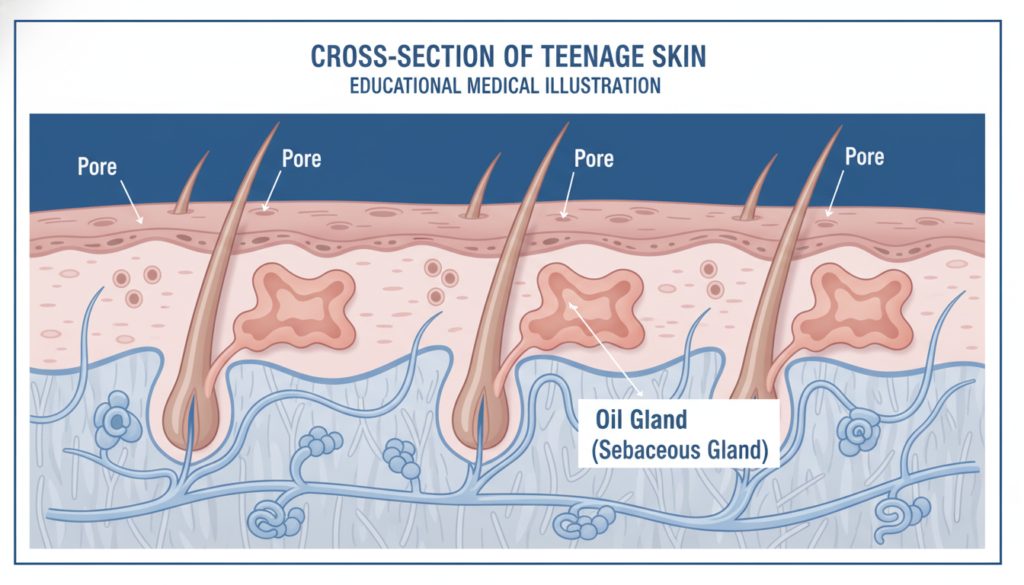
Your skin during the teen years behaves differently than adult skin. Hormonal changes cause your oil glands to work overtime. This extra oil, called sebum, can mix with dead skin cells and bacteria.
When this mixture clogs your pores, you get pimples. The process happens to almost every teenager. Understanding this helps you make better choices for your skin care routine.
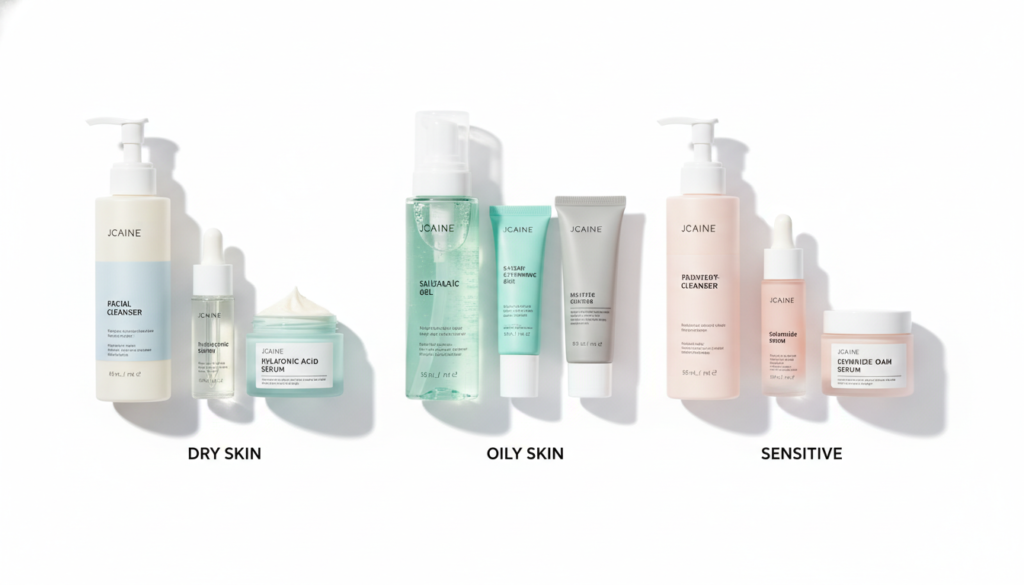
Different teens have different skin types. Some have oily skin all over their face. Others might have dry skin with occasional breakouts. Many teens experience combination skin, where some areas are oily while others stay dry.
Common Skin Concerns for Teens
Acne and Breakouts
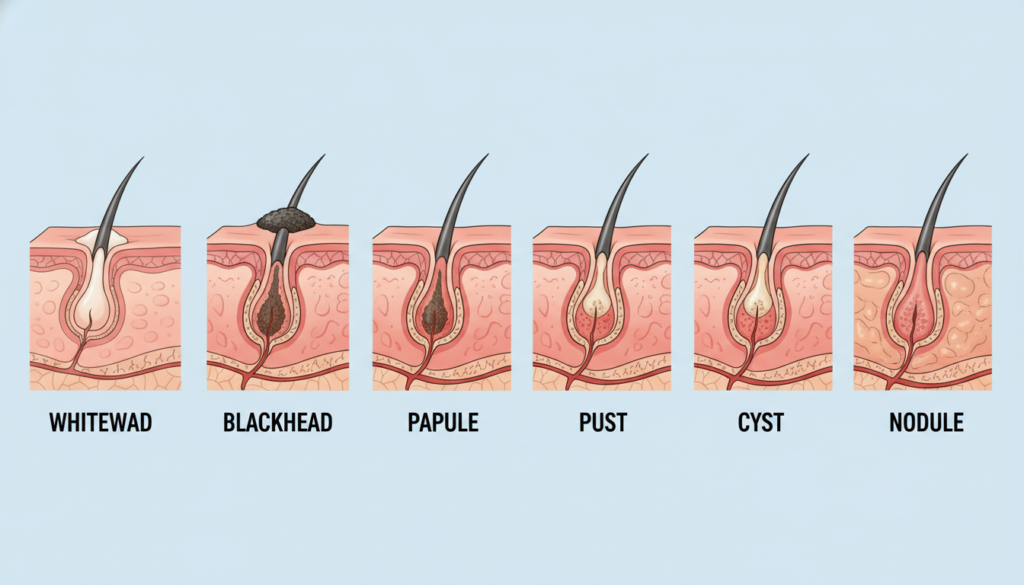
Acne appears when pores become blocked with oil and dead skin. This creates an environment where bacteria thrive.
Whiteheads form under the skin surface
Blackheads appear as dark spots on skin
Pimples develop as red, inflamed bumps
Cystic acne creates deep, painful lumps
Excess Oil Production
Hormones trigger your glands to produce more sebum than needed. This makes skin look shiny and feel greasy.
T-zone gets especially oily throughout day
Makeup slides off more easily
Pores appear larger and more visible
Blotting papers fill up quickly with oil
Sensitive Skin
Some teens experience irritation easily. Their skin reacts strongly to new products or environmental factors.
Redness appears after using certain products
Skin feels tight or uncomfortable
Burning sensation with some ingredients
Reactions happen more frequently than adults
Uneven Texture
Breakouts often leave behind marks and rough patches. The skin surface feels bumpy instead of smooth.
Dark spots remain after pimples heal
Skin feels rough to the touch
Enlarged pores create texture issues
Scarring develops from severe acne
Building Your Essential Skincare Routine
A consistent routine makes the biggest difference for teen skin. You don’t need dozens of products. A simple, effective routine works better than complicated systems.
The key is following your routine every single day. Skipping even one night can set back your progress. Your skin needs time to adjust and respond to the care you give it.
Morning Skincare Steps
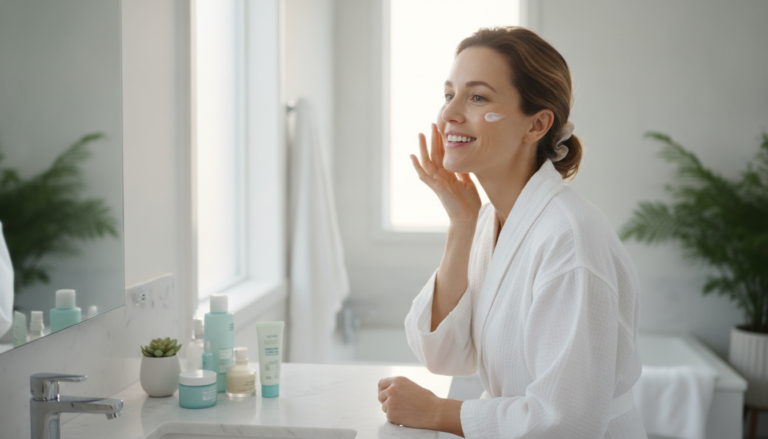
Starting your day with clean skin sets you up for success. Morning care protects your face from environmental damage throughout the day.
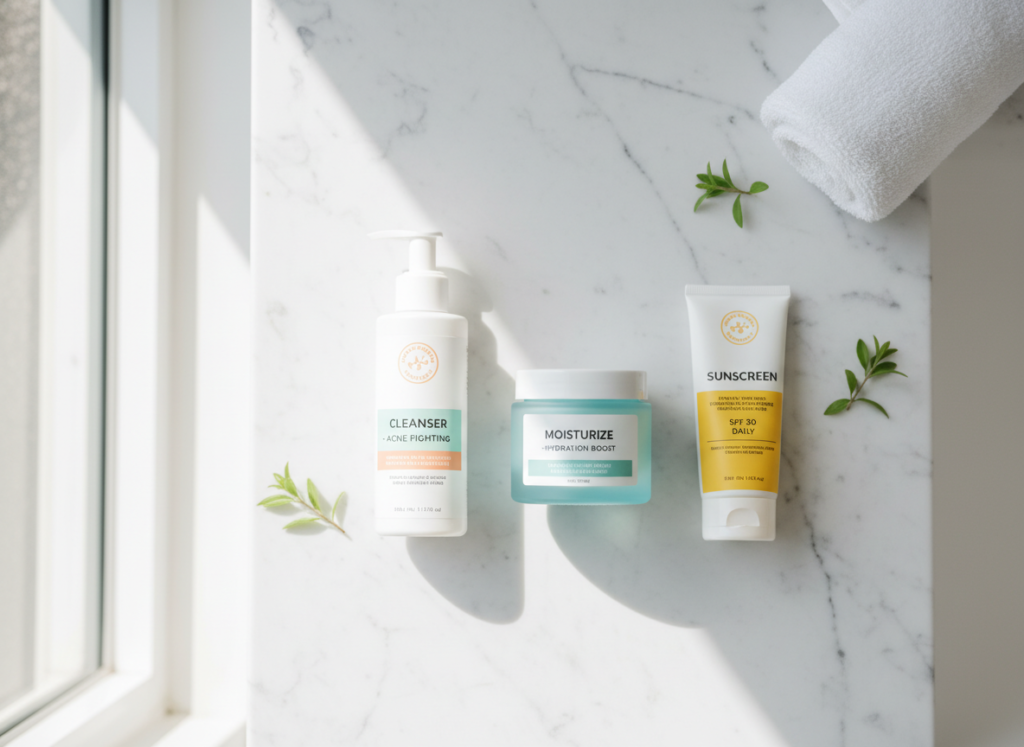
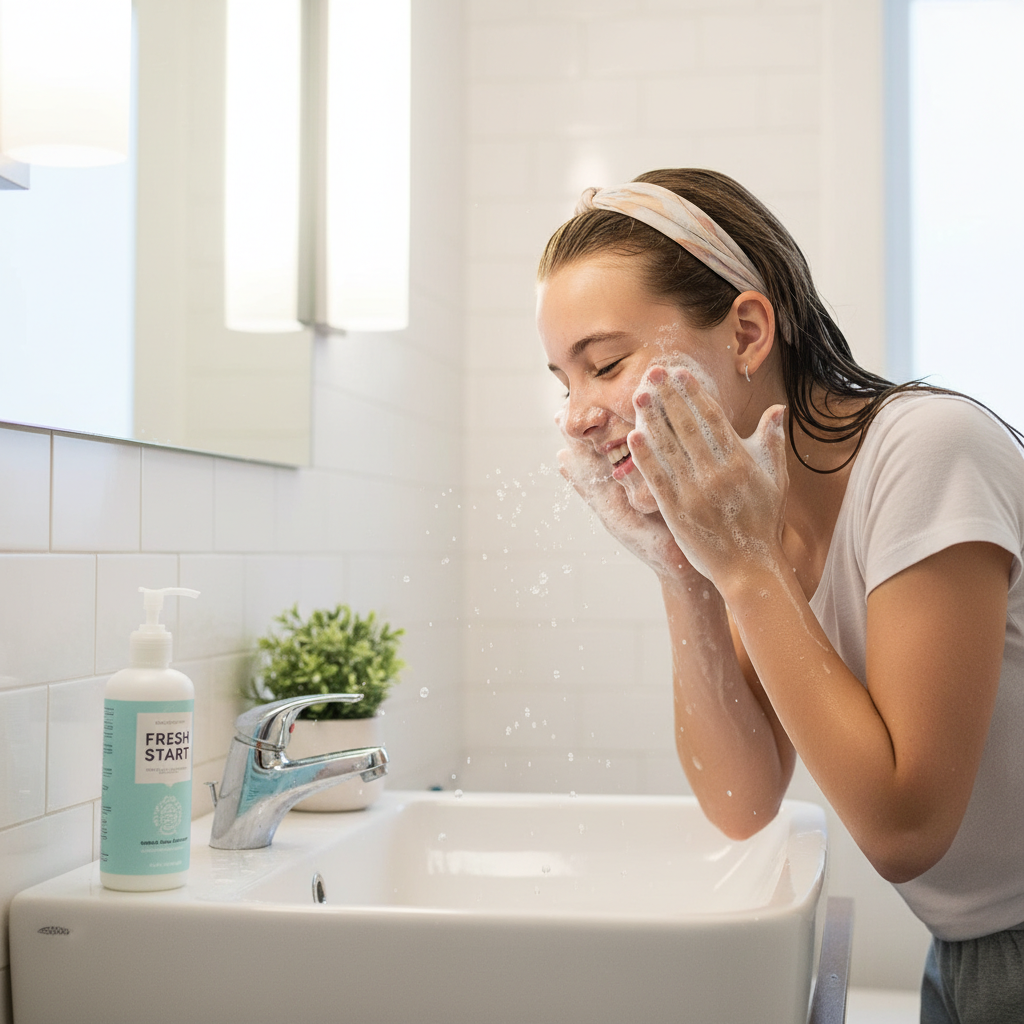
Begin by washing your face with a gentle cleanser. Choose one designed for your skin type. Oily skin needs a gel-based cleanser, while dry skin does better with cream cleansers.
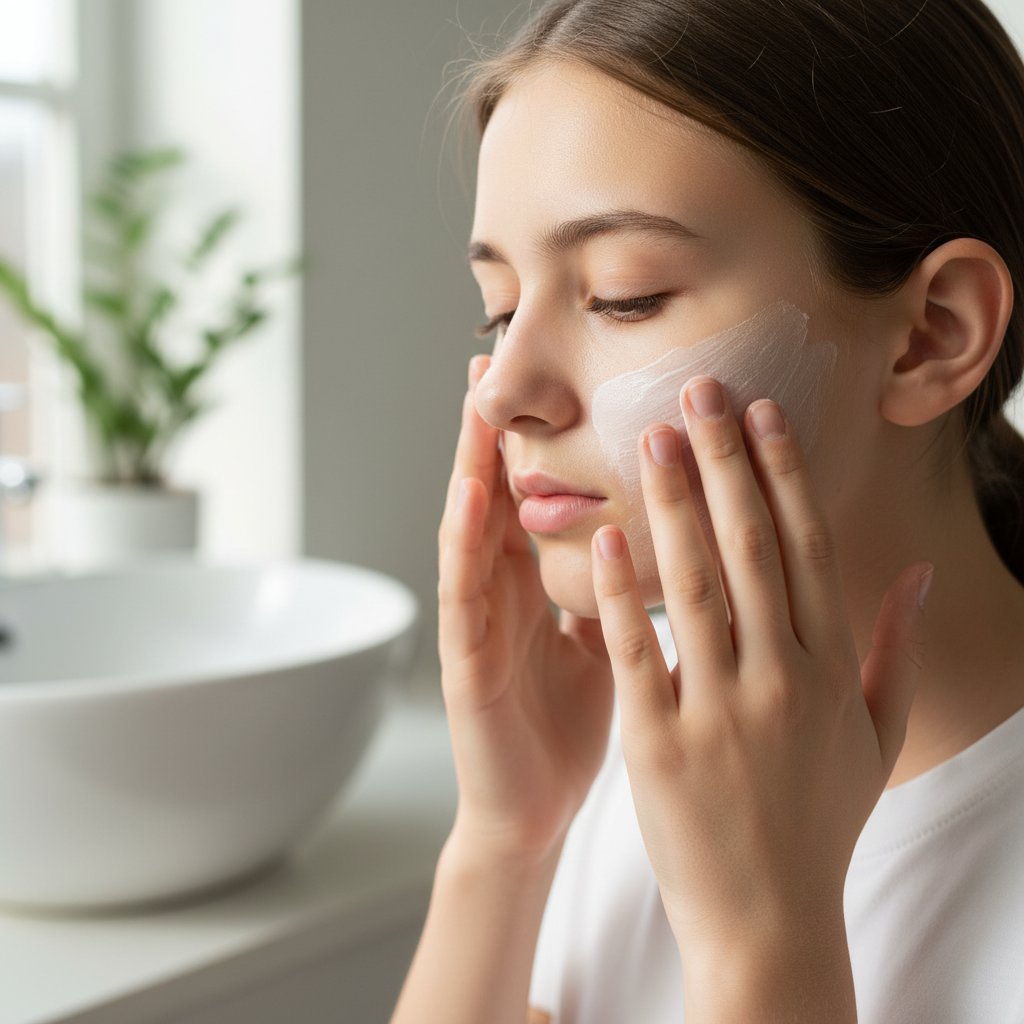
After cleansing, apply moisturizer even if you have oily skin. Skipping moisture actually makes oil production worse. Your skin compensates for dryness by creating more oil.
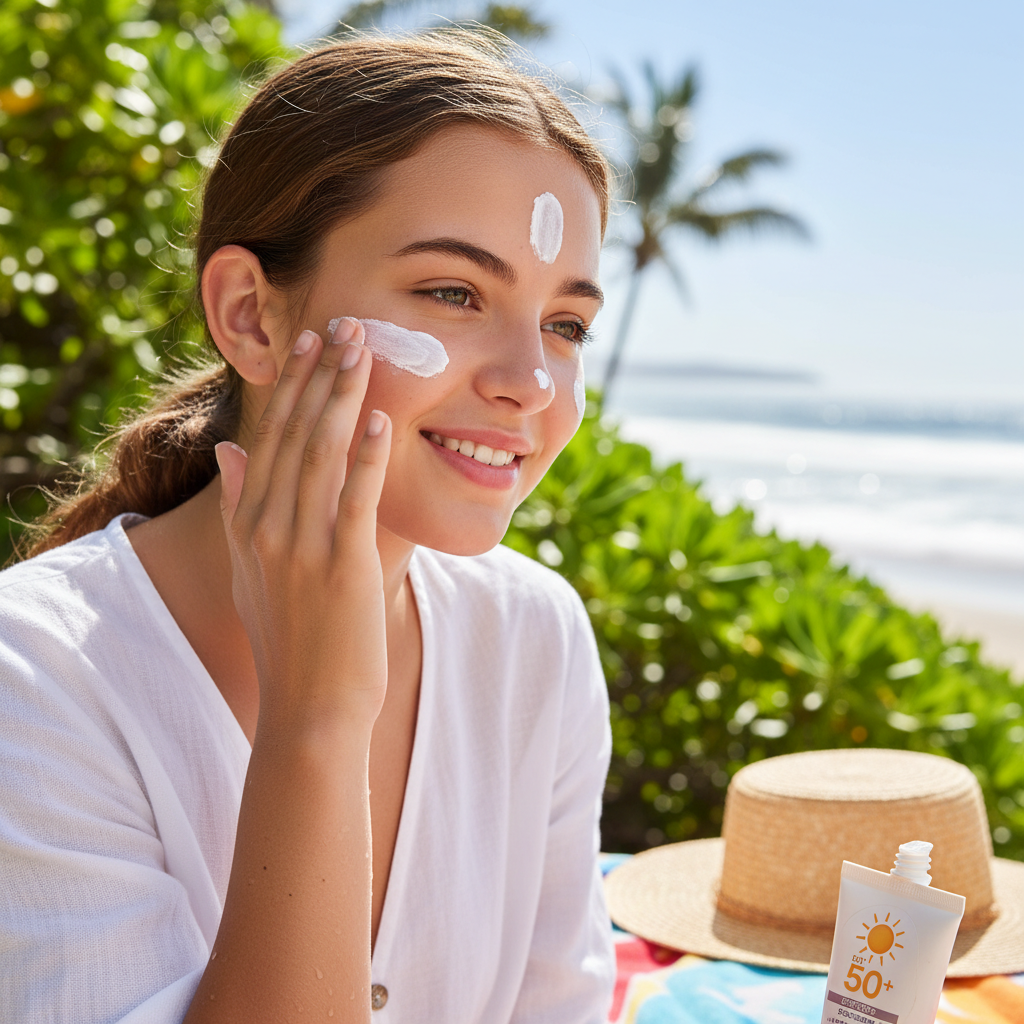
Sunscreen is non-negotiable. UV damage happens even on cloudy days. Look for SPF 30 or higher in a formula that won’t clog pores. Many moisturizers include SPF for convenience.
Step 1: Cleanse
Use a gentle cleanser suited to your skin type. Wash for 60 seconds to remove oil, dirt, and bacteria effectively.
Step 2: Moisturize
Apply a lightweight moisturizer to keep skin balanced. This prevents your skin from overproducing oil throughout the day.
Step 3: Protect
Finish with broad-spectrum sunscreen. Choose SPF 30 or higher to protect against sun damage and prevent acne scars from darkening.
Evening Skincare Steps
Nighttime care allows your skin to repair and renew. Your face works hard to heal while you sleep.
Always remove makeup before bed. Sleeping with makeup clogs pores and leads to breakouts. Use a makeup remover or cleansing oil first if you wear makeup.
Cleanse your face thoroughly to remove the day’s buildup. Evening cleansing can be slightly more intensive than morning washing.
Apply any acne treatments after cleansing but before moisturizer. Products with benzoyl peroxide or salicylic acid work best on clean skin. Wait a few minutes before adding moisturizer.
Night moisturizer can be slightly richer than your morning product. Your skin doesn’t need to worry about makeup or sunscreen on top.
Get Expert Skincare Guidance
Learn the exact routine that dermatologists recommend for teenage acne. This step-by-step program eliminates guesswork and delivers real results.
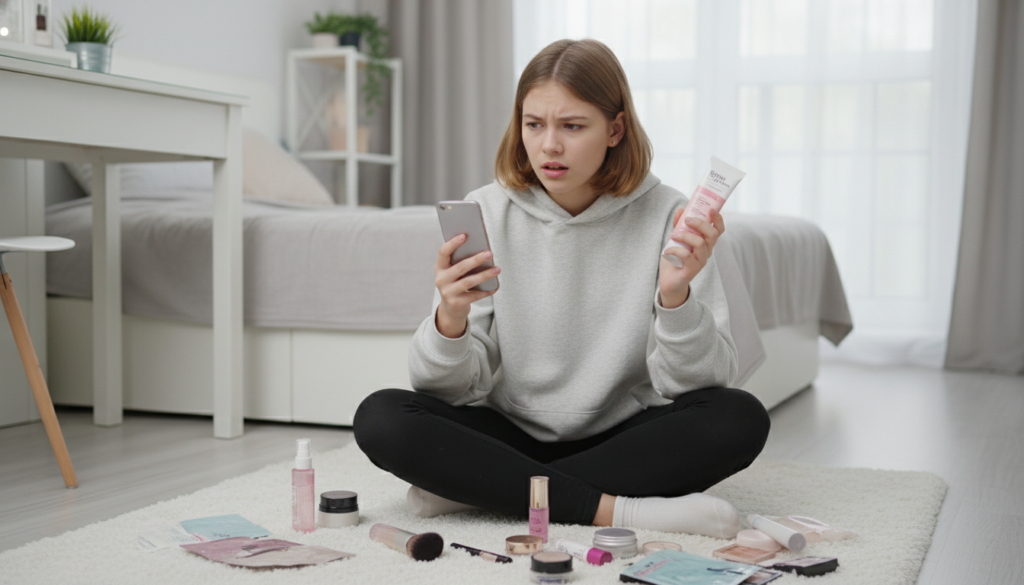
Walking down the skincare aisle feels overwhelming. Hundreds of products promise clear skin, but not all deliver results for teens.
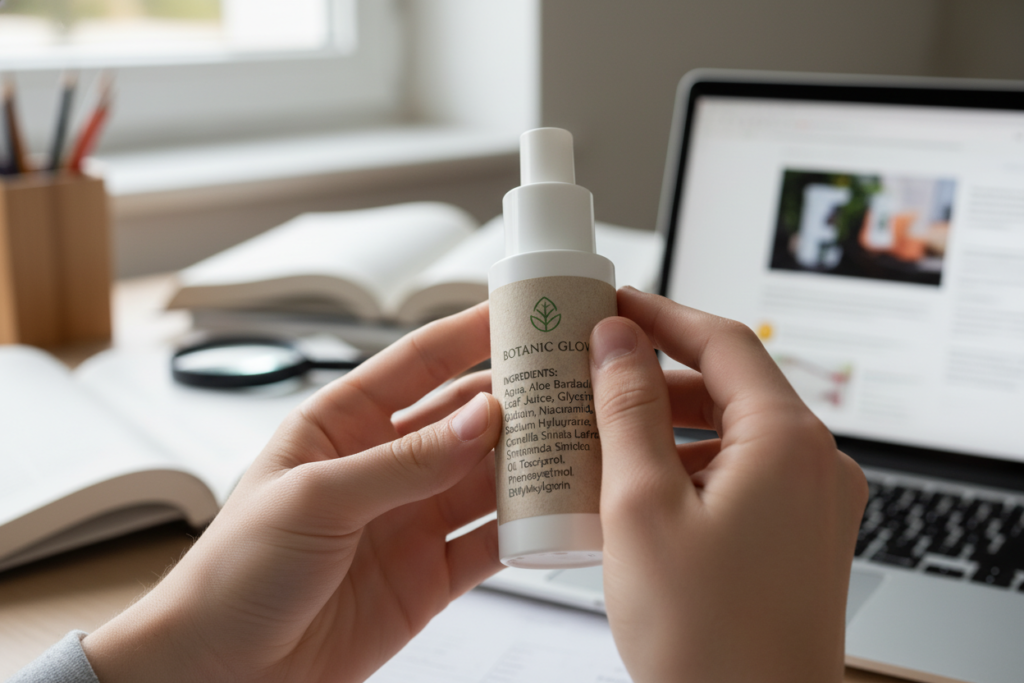
Your product choices should match your specific skin type. What works for your friend might not work for you. Learning to read ingredients helps you make smarter purchases.
Key Ingredients That Help Acne
Certain ingredients have proven track records for treating acne. Understanding these helps you choose effective products.
Salicylic acid penetrates pores and dissolves the buildup inside. This ingredient works especially well for blackheads and whiteheads. Look for concentrations between 0.5% and 2% for daily use.
Benzoyl peroxide kills acne-causing bacteria on contact. It also helps unclog pores. Start with 2.5% concentration to minimize irritation. You can increase strength if needed.
Niacinamide reduces inflammation and helps control oil production. This gentle ingredient suits sensitive skin well. It also helps fade dark spots left by old breakouts.
Ingredients to Look For
Salicylic acid for deep pore cleaning
Benzoyl peroxide to fight bacteria
Niacinamide for oil control and redness
Hyaluronic acid for hydration without oil
Retinoids for cell turnover and prevention
Tea tree oil as natural antibacterial
Ingredients to Avoid
Heavy oils that clog pores easily
Alcohol that strips and dries skin
Harsh scrubs that damage skin barrier
Comedogenic ingredients that cause acne
Strong fragrances that irritate skin
Pore-clogging silicones in excess
Product Categories You Need
Building your skincare collection requires understanding what each product type does. You need the basics before adding special treatments.
A cleanser removes dirt, oil, and makeup from your skin. Choose based on your skin type. Foam cleansers work well for oily skin, while cream cleansers suit dry skin better.
Moisturizer keeps your skin hydrated and balanced. Even acne-prone skin needs moisture. Look for oil-free, non-comedogenic formulas that won’t clog pores.
Sunscreen protects against UV damage and prevents acne scars from darkening. Choose a formula labeled “for face” to avoid heavy body sunscreen ingredients.
Acne treatment products contain active ingredients like benzoyl peroxide or salicylic acid. Use these as spot treatments or all-over, depending on your acne severity.
Daily Habits That Promote Clear Skin
Your skincare products only tell part of the story. What you do every day affects your skin just as much as the products you apply.
Small changes in your daily routine create big improvements over time. These habits support your skin from the inside out.
Hydration and Nutrition
Water helps flush toxins from your body and keeps skin cells functioning properly. Aim for eight glasses of water per day. Your skin shows dehydration through dullness and more visible pores.
What you eat affects your skin’s health. Foods high in sugar and dairy can trigger breakouts in some teens. Meanwhile, foods rich in omega-3 fatty acids and antioxidants support clear skin.
Fruits and vegetables provide vitamins that your skin needs. Vitamin C helps with healing and collagen production. Vitamin A supports cell turnover and prevents clogged pores.
Skin-Friendly Foods
Berries packed with antioxidants
Fatty fish rich in omega-3s
Nuts and seeds for vitamin E
Leafy greens for multiple vitamins
Sweet potatoes for beta-carotene
Green tea for anti-inflammatory benefits
Foods That May Trigger Breakouts
High-sugar snacks and desserts
Dairy products like milk and cheese
Fried and greasy fast food
Refined carbohydrates and white bread
Processed foods with additives
Excessive caffeine and energy drinks
Sleep and Stress Management
Your skin repairs itself during sleep. Getting 8-10 hours each night gives your body time to heal and regenerate skin cells. Lack of sleep increases stress hormones that trigger breakouts.
Stress directly impacts your skin. It increases inflammation and oil production. Finding healthy ways to manage stress helps keep your skin clear.
Exercise reduces stress and improves circulation. Better blood flow delivers more oxygen and nutrients to your skin. Just remember to wash your face after sweating to prevent clogged pores.
Tackle Acne From Every Angle
This comprehensive acne solution addresses diet, habits, and skincare together. Get the complete system that hundreds of teens trust for lasting clear skin.
Your hands touch countless surfaces throughout the day. Touching your face transfers bacteria, dirt, and oil directly to your pores. This habit causes more breakouts than many teens realize.
Your phone screen harbors bacteria and oils from constant contact with your hands and face. Clean your phone daily with sanitizing wipes. This simple step prevents transferring bacteria during calls.
Change your pillowcase at least twice per week. Dead skin cells, oil, and bacteria accumulate on fabric. Sleeping on dirty pillowcases pushes this buildup back into your pores.
Treating Different Types of Acne
Not all acne looks or behaves the same way. Different types require different treatment approaches for best results.
Identifying your acne type helps you choose the most effective treatments. Some treatments work better for certain acne types than others.
Non-Inflammatory Acne
Blackheads and whiteheads fall into this category. These form when pores get clogged but don’t become inflamed or infected.
Blackheads appear as dark spots because the clogged pore stays open. The material inside oxidizes and turns dark. Whiteheads stay closed under the skin and appear as small white bumps.
Salicylic acid works particularly well for non-inflammatory acne. It dissolves the bonds between dead skin cells, allowing them to shed more easily. This prevents pores from becoming clogged in the first place.
Regular exfoliation helps, but gentle methods work best. Harsh scrubbing irritates skin and makes acne worse. Chemical exfoliants like AHAs or BHAs provide better results than physical scrubs.
Inflammatory Acne
Papules, pustules, and cysts represent inflammatory acne. These develop when bacteria infect clogged pores, causing redness, swelling, and pain.
Papules appear as small red bumps without visible pus. Pustules look similar but have a white or yellow center filled with pus. Both types respond well to benzoyl peroxide treatments.
Cystic acne creates large, painful bumps deep under the skin. This severe type often leaves scars and requires professional treatment. A dermatologist can provide prescription medications and procedures.
Never pick or pop inflammatory acne. This pushes bacteria deeper into the skin and increases scarring risk. Instead, use spot treatments and let pimples heal naturally.
Mild Acne Treatment
Occasional breakouts respond well to over-the-counter products. Use salicylic acid cleansers and benzoyl peroxide spot treatments consistently.
Wash face twice daily with medicated cleanser
Apply spot treatment to active pimples
Use non-comedogenic moisturizer always
Be patient for 6-8 weeks of results
Moderate Acne Treatment
Multiple breakouts across your face need stronger intervention. Combine treatments and consider professional guidance for faster results.
Layer treatments carefully to avoid irritation
Consider retinoid products for prevention
Visit dermatologist for prescription options
Track which products help most
Severe Acne Treatment
Widespread or cystic acne requires professional medical treatment. Don’t wait to see a dermatologist who can provide prescription solutions.
Schedule dermatologist appointment immediately
Ask about prescription retinoids or antibiotics
Discuss isotretinoin for severe cases
Follow medical advice precisely
Makeup Tips for Acne-Prone Skin
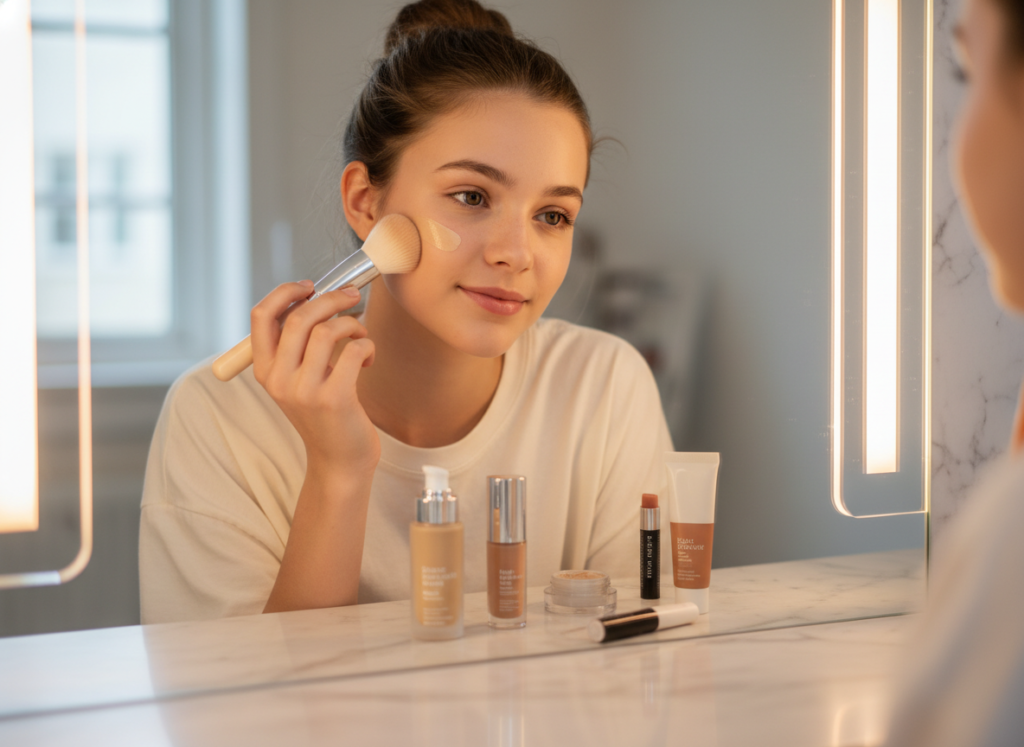
Wearing makeup while dealing with acne requires extra care. The wrong products make breakouts worse, while the right ones can actually help your skin.
You don’t need to avoid makeup completely. Smart choices allow you to cover blemishes without causing new ones.
Choosing Acne-Safe Makeup
Look for products labeled non-comedogenic. This means they won’t clog your pores. Mineral makeup often works well for acne-prone skin because it allows skin to breathe.
Avoid heavy, oil-based foundations. These trap oil and bacteria against your skin. Instead, choose lightweight, water-based formulas or powder foundations.
Some makeup contains acne-fighting ingredients like salicylic acid. These products provide coverage while treating breakouts simultaneously. They work double duty for clearer skin.
Replace makeup products regularly. Old makeup harbors bacteria that causes new breakouts. Replace mascara every three months, foundation every 6-12 months, and powder products yearly.
Proper Application and Removal
Clean your makeup brushes and sponges weekly. Dirty tools spread bacteria across your face with each use. Wash brushes with gentle soap and let them air dry completely.
Apply makeup with clean hands or freshly washed tools. Starting with a clean canvas prevents introducing new bacteria to your skin.
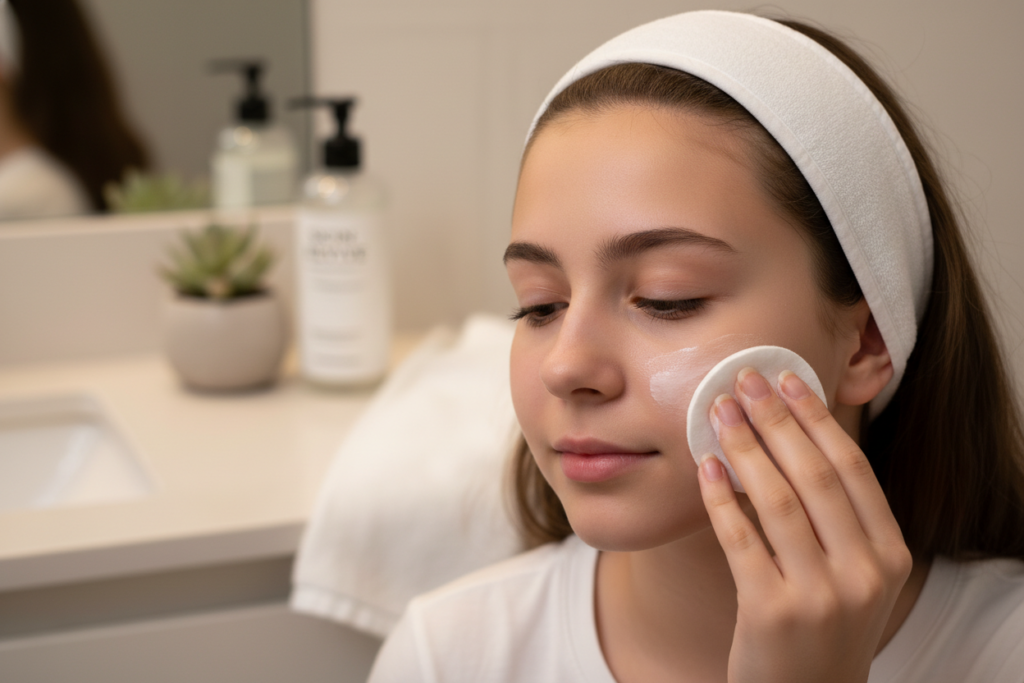
Always remove makeup before bed. Leaving makeup on overnight clogs pores and undoes all your skincare efforts. Use a proper makeup remover followed by your regular cleanser.
Double cleansing ensures complete makeup removal. First, use an oil-based cleanser or micellar water to break down makeup. Then, wash with your regular cleanser to remove any residue.
When to See a Dermatologist
Sometimes over-the-counter products aren’t enough. Recognizing when you need professional help prevents scarring and speeds up your journey to clear skin.
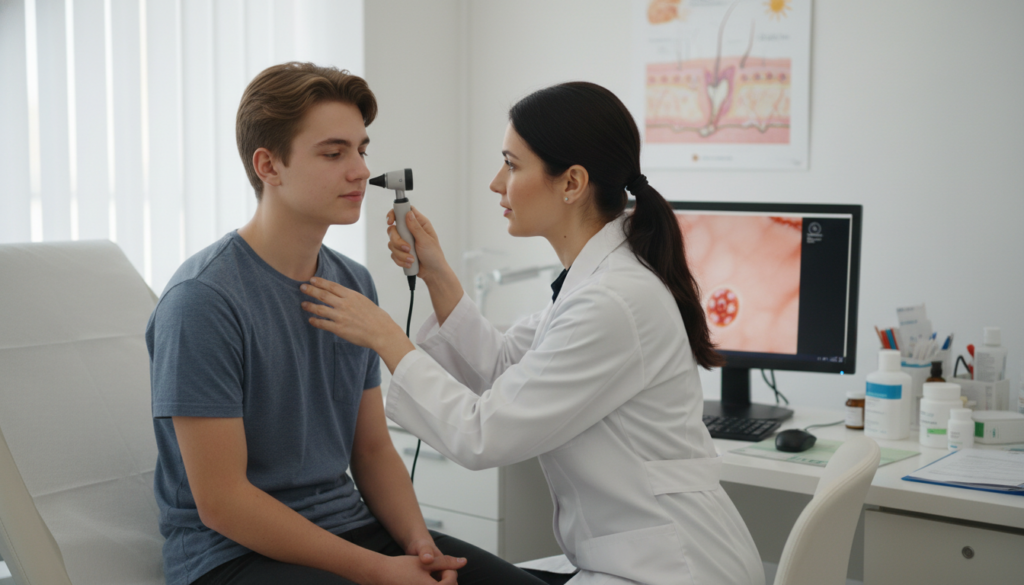
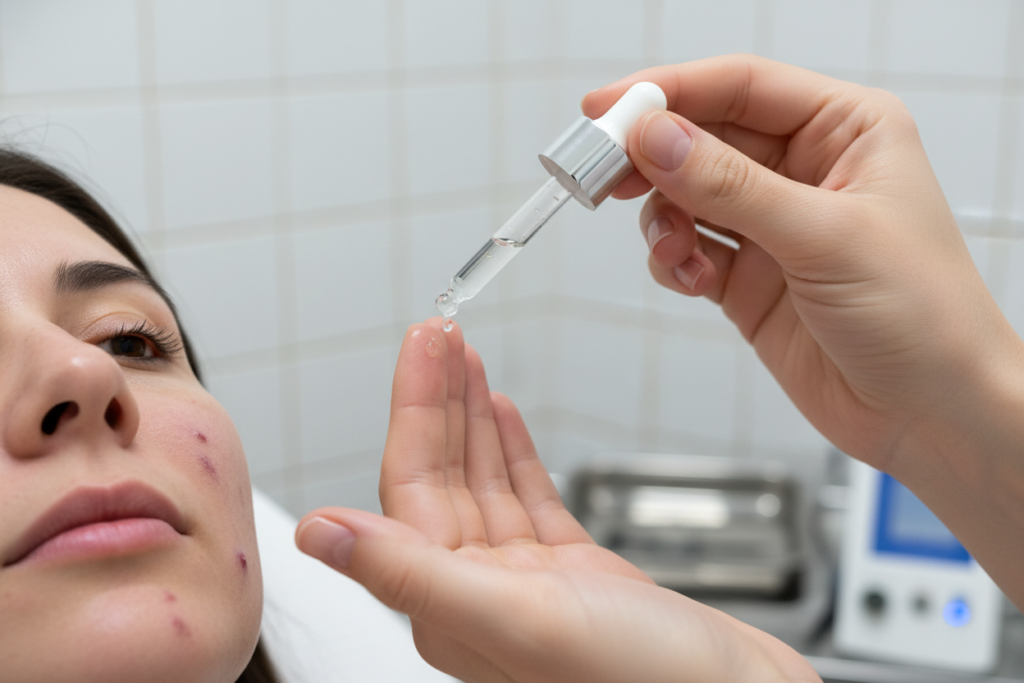
A dermatologist specializes in skin health. They can diagnose your specific acne type and prescribe stronger treatments that aren’t available in stores.
Signs You Need Professional Help
Severe acne that covers large areas of your face needs medical attention. Widespread breakouts or deep cystic acne won’t respond well to drugstore products alone.
If your acne causes emotional distress or affects your confidence significantly, don’t wait to seek help. Mental health matters just as much as physical health.
Over-the-counter products that don’t work after 12 weeks of consistent use signal the need for stronger treatments. A dermatologist can provide prescription options.
Acne scarring develops when inflammation goes deep into the skin. Early professional treatment prevents permanent scarring and can help fade existing marks.
Painful, deep cysts that don’t respond to home treatment
Acne spreading to your body beyond your face
Dark spots or scars from previous breakouts
Sudden severe acne that appears quickly
Skin irritation or allergic reactions to products
Persistent acne despite following all recommendations
What to Expect at Your Appointment
Your dermatologist will examine your skin closely and ask about your current routine. Be honest about what you’ve tried and how long you’ve used each product.
They may prescribe topical retinoids, antibiotics, or other medications. Prescription treatments work faster and more effectively than over-the-counter options for moderate to severe acne.
Follow your dermatologist’s instructions exactly. Prescription medications require patience and consistency. Results take time, but professional treatments deliver superior outcomes.
Don’t feel embarrassed about acne. Dermatologists treat thousands of teens with the same concerns. They understand what you’re going through and want to help.
Professional-Grade Acne System
Access the same strategies dermatologists recommend to their patients. This proven system combines professional insights with easy-to-follow steps for lasting results.
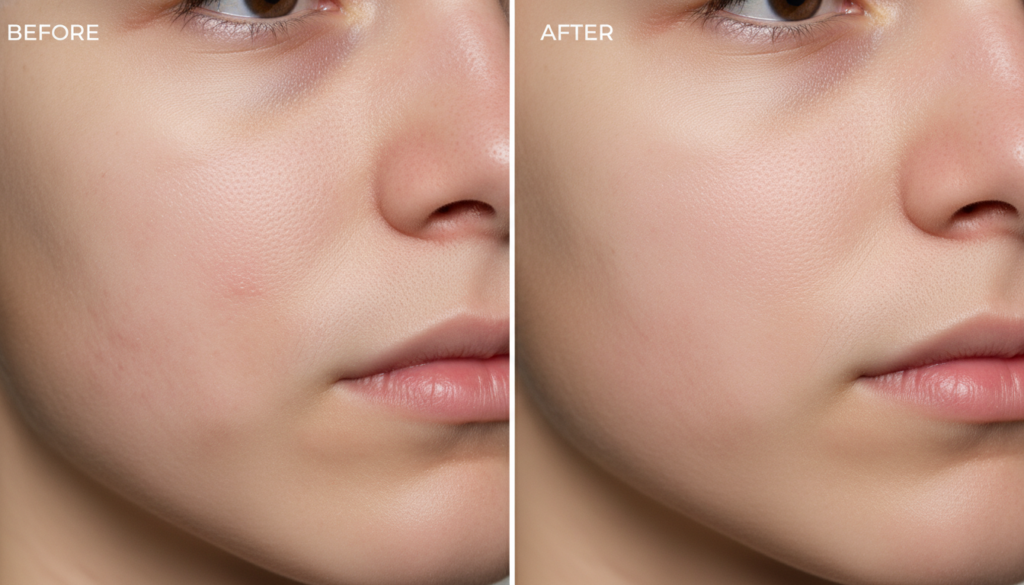
Acne scars develop when inflammation damages the deeper layers of skin. Prevention works better than treatment, but several options exist for fading existing scars.
Two main types of scarring occur from acne. Dark spots, called post-inflammatory hyperpigmentation, fade over time. Textured scars that create indentations or raised areas require more intensive treatment.
Preventing New Scars
The most important prevention step is avoiding picking at your skin. Squeezing pimples pushes infection deeper and increases inflammation. This significantly raises your scarring risk.
Treating acne early prevents it from getting severe enough to cause scars. The worse your breakouts get, the more likely they’ll leave permanent marks.
Sunscreen prevents dark spots from acne from becoming darker and more permanent. UV exposure makes hyperpigmentation worse and slows the fading process.
Using products with anti-inflammatory ingredients reduces the inflammation that leads to scarring. Niacinamide, green tea extract, and centella asiatica all calm irritated skin.
Fading Existing Scars
Dark spots from old acne respond well to ingredients like vitamin C, niacinamide, and alpha arbutin. These brighten skin and fade hyperpigmentation over several months.
Retinoids speed up cell turnover, helping new skin replace scarred tissue. They work for both dark spots and some textured scars, though results take time.
Chemical peels performed by professionals remove damaged outer skin layers. This reveals fresher skin underneath and improves both discoloration and texture.
For deep textured scars, procedures like microneedling or laser treatment offer the best results. These require multiple sessions but can significantly improve appearance.
Common Skincare Myths Debunked
Misinformation about skincare spreads quickly online. Understanding what actually works helps you avoid wasting time and money on ineffective treatments.
Many popular beliefs about acne have no scientific backing. Following these myths can actually make your skin worse.
Debunking Popular Skincare Myths
Myth: Acne means your face is dirty
Acne results from hormones, genetics, and bacteria, not dirt. Washing too much actually irritates skin and makes breakouts worse. Twice daily cleansing is enough for most teens.
Myth: Tanning clears up acne
Sun exposure may temporarily dry out pimples, but UV damage causes long-term skin cancer risk and makes acne scars darker. Tanning thickens skin, which can worsen clogged pores later.
Myth: Popping pimples makes them heal faster
Squeezing pushes bacteria deeper into skin and increases inflammation. This extends healing time and raises your risk of permanent scarring. Always let pimples heal naturally.
Myth: Oily skin doesn’t need moisturizer
Skipping moisturizer actually makes skin produce more oil to compensate for dryness. All skin types need hydration. Choose oil-free, non-comedogenic moisturizers for acne-prone skin.
Myth: Toothpaste works as spot treatment
Toothpaste contains ingredients that irritate skin and cause burns or redness. Use actual acne spot treatments with benzoyl peroxide or salicylic acid instead.
Myth: Expensive products work better
Price doesn’t determine effectiveness. Many affordable drugstore products contain the same active ingredients as luxury brands. Focus on ingredients rather than price tags.
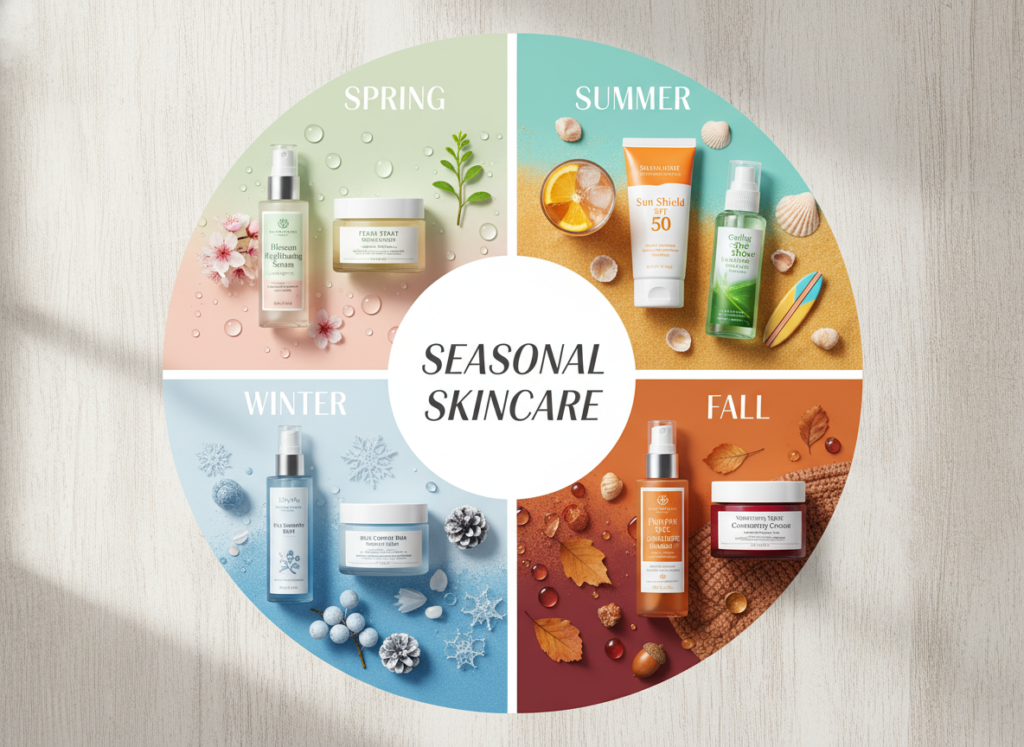
Adjusting Your Routine With the Seasons
Your skin’s needs change throughout the year. Weather conditions affect how your skin behaves and what it requires to stay healthy.
Adapting your routine to seasonal changes prevents new problems while maintaining progress you’ve made.
Summer Skincare Adjustments
Hot weather increases oil production and sweating. You may need to wash your face an extra time during the day if you exercise outdoors or spend time in heat.
Switch to lighter, gel-based moisturizers in summer. Heavy creams can feel uncomfortable and may clog pores more easily in humid weather.
Sunscreen becomes even more critical. Reapply every two hours when spending extended time outdoors. Choose water-resistant formulas if you’ll be swimming or sweating heavily.
Keep oil-blotting papers handy to absorb excess shine without disturbing your skincare products. This helps control oil throughout the day without over-washing.
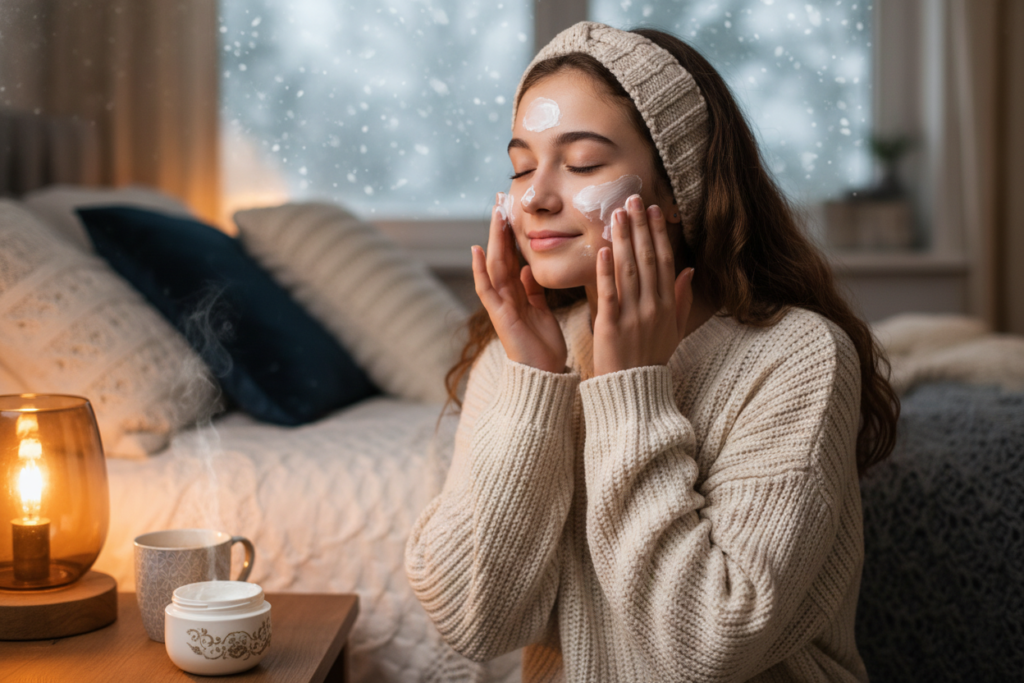
Winter Skincare Adjustments
Cold air and indoor heating dry out skin significantly. Even oily skin types may need richer moisturizers during winter months.
Consider adding a hydrating serum under your moisturizer. Hyaluronic acid attracts moisture to your skin and helps combat winter dryness.
Don’t skip sunscreen just because it’s cold. Snow reflects UV rays, increasing your exposure. Winter sun can damage skin and darken acne scars.
Use a humidifier in your bedroom. This adds moisture to dry indoor air and prevents your skin from becoming dehydrated overnight.
Natural Remedies and Ingredients
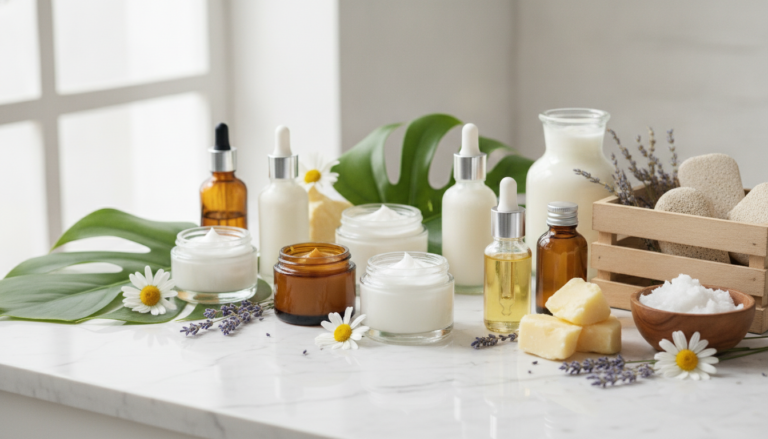
Some natural ingredients offer genuine benefits for acne-prone skin. While not as powerful as medical treatments, they can support your skincare routine safely.
Natural doesn’t automatically mean safe or effective. Some natural ingredients can irritate skin or cause allergic reactions. Always patch test new ingredients first.
Beneficial Natural Ingredients
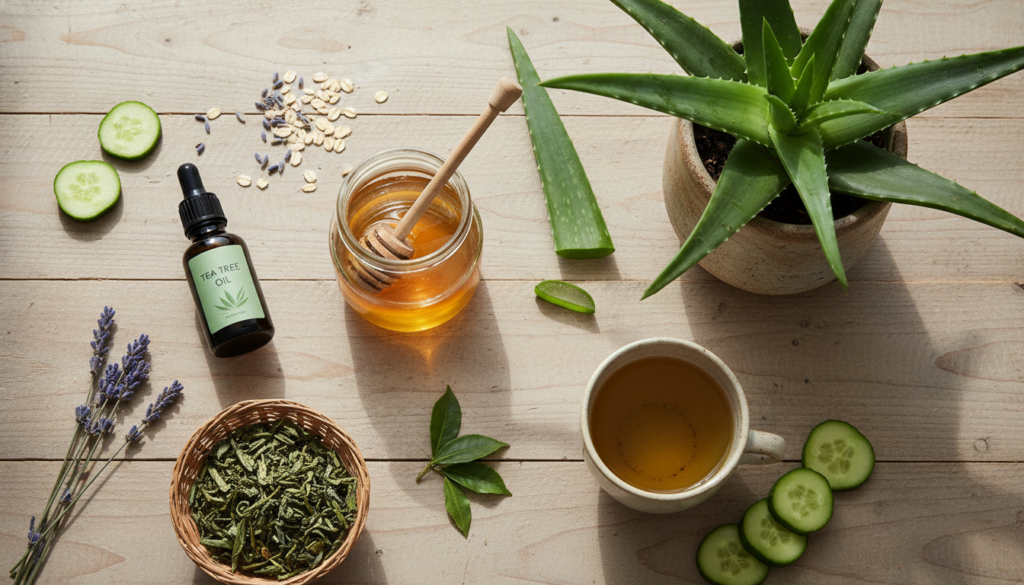
Tea tree oil has antibacterial properties that fight acne-causing bacteria. Use it diluted, never at full strength, as concentrated tea tree oil burns skin. Mix one drop with a carrier oil for spot treatment.
Honey contains natural antibacterial compounds and helps heal skin. Raw honey works as a gentle face mask. Leave it on for 10 minutes before rinsing with warm water.
Aloe vera soothes irritated skin and reduces redness. The gel inside aloe leaves calms inflammation from active breakouts. It also provides lightweight moisture without clogging pores.
Green tea contains antioxidants that reduce inflammation. You can apply cooled green tea to skin with a cotton pad or look for products with green tea extract.
Witch hazel acts as natural astringent to tighten pores
Jojoba oil mimics skin’s natural sebum without clogging
Apple cider vinegar balances pH when properly diluted
Turmeric reduces inflammation and brightens skin tone
Chamomile calms irritation and sensitive skin
Rosehip oil fades scars and provides vitamin A
Natural Ingredients to Avoid
Lemon juice seems popular online but actually damages your skin. It’s too acidic and causes photosensitivity, making your skin burn easily in the sun.
Baking soda disrupts your skin’s pH balance. Despite many DIY recipes recommending it, baking soda causes irritation and compromises your skin barrier.
Essential oils at full strength are too harsh for facial skin. If you want to use them, always dilute properly with a carrier oil. Even then, some can cause reactions.
Sugar scrubs tear at skin with sharp edges. The damage may not be visible immediately, but harsh physical exfoliation causes long-term problems.
Building Confidence While Dealing With Acne
Acne affects more than just your skin. It impacts how you feel about yourself and can hurt your confidence during already challenging teen years.
Remember that almost every teenager deals with skin issues. You’re not alone, even though it might feel that way sometimes.
Maintaining Perspective
Your acne seems much more noticeable to you than to others. People focus less on your skin than you think. They notice your smile, your personality, and how you treat them.
Acne is temporary. With consistent care and the right treatment, your skin will improve. Many adults with perfect skin now struggled with severe acne as teens.
Your worth isn’t determined by your skin condition. Acne doesn’t define who you are or what you can achieve. Don’t let breakouts stop you from participating in activities you enjoy.
Social media creates unrealistic expectations. Photos are filtered and edited extensively. Even people who post flawless selfies deal with skin problems in real life.
Coping Strategies
Talk to someone you trust about how acne affects you emotionally. Parents, school counselors, or close friends can provide support and perspective.
Focus on things you can control. Following your skincare routine, making healthy choices, and seeking professional help when needed give you power over the situation.
Join online communities of other teens dealing with acne. Sharing experiences helps you feel less isolated. You can exchange tips and support each other’s progress.
Celebrate small improvements. Notice when a product works or when your skin looks clearer. Acknowledging progress keeps you motivated to continue your routine.
Your Clear Skin Journey Starts Now
Getting clear skin as a teen requires patience, consistency, and the right information. You now have a comprehensive understanding of how to care for your skin effectively.
Start with the basics: gentle cleansing twice per day, appropriate moisturizer, and daily sunscreen. Add acne treatments gradually to avoid irritation. Give each new product at least six weeks before deciding if it works.
Remember that improvement takes time. Your skin didn’t develop problems overnight, and it won’t clear up instantly either. Stick with your routine even when progress feels slow.
Pay attention to how your skin responds to different products and habits. Everyone’s skin is unique. What works for your friends might not work for you, and that’s completely normal.
Don’t hesitate to seek professional help if over-the-counter products aren’t enough. Dermatologists have treatments and expertise that can transform stubborn acne faster than home care alone.
Your journey to clear skin teaches valuable lessons about self-care and discipline. The habits you build now benefit your skin for the rest of your life.
Transform Your Skin Starting Today
Join thousands of teens who have achieved the clear, healthy skin they deserve. This complete system gives you everything you need to succeed.
Clear skin is absolutely achievable. With the right knowledge, consistent care, and patience, you can overcome acne and feel confident in your skin again. Start today, stay consistent, and watch your skin transform.