Struggling with persistent breakouts can feel overwhelming. You wake up hoping for improvement, only to find new blemishes staring back at you in the mirror. The frustration builds as you wonder which products actually work and which will make things worse.
Creating an effective acne prone skin care routine doesn’t require dozens of expensive products. It requires understanding your skin’s unique needs and following a consistent, science-backed approach. This comprehensive guide reveals the exact steps dermatologists recommend for managing acne-prone skin successfully.
Whether you deal with occasional breakouts or persistent acne, the right skincare routine can transform your skin’s health. Let’s explore the proven strategies that bring lasting results.
Understanding Your Acne-Prone Skin: The Foundation for Success
Acne develops when oil glands produce excess sebum that combines with dead skin cells. This mixture clogs pores and creates the perfect environment for bacteria growth. Understanding this process helps you choose the right products.
Several factors trigger acne breakouts. Hormonal fluctuations increase oil production. Stress elevates cortisol levels that worsen inflammation. Diet choices impact skin health from within. Genetics play a significant role in determining your skin’s behavior.
Oily skin doesn’t always mean acne-prone skin. Many people with dry skin also experience breakouts. The key lies in identifying your specific skin type and addressing its particular needs through targeted treatment.
Ready to Transform Your Skin?
Discover the complete system that has helped thousands achieve clear, healthy skin. Get personalized guidance based on your unique skin concerns and start seeing results in weeks.
Salicylic acid stands as the gold standard for acne treatment. This beta hydroxy acid penetrates deep into pores to dissolve the buildup that causes breakouts. It works by exfoliating dead skin cells and reducing inflammation simultaneously.
Benzoyl peroxide kills acne-causing bacteria effectively. It comes in various strengths from 2.5% to 10%. Starting with lower concentrations helps your skin build tolerance while minimizing irritation.
Niacinamide regulates oil production and reduces inflammation. This vitamin B3 derivative strengthens your skin barrier while fading post-acne marks. It works well with other acne treatments without causing irritation.
Oil-Soluble Acids
Salicylic acid penetrates sebum-filled pores better than water-based treatments. It dissolves the sticky plugs that trap bacteria inside follicles. Regular use prevents new breakouts from forming.
Penetrates deep into clogged pores effectively
Reduces inflammation and redness quickly
Prevents future breakouts consistently
Suitable for sensitive skin in low concentrations
Antibacterial Agents
Benzoyl peroxide creates an oxygen-rich environment where acne bacteria cannot survive. It also helps remove excess oil and dead skin cells. The treatment serum works best when applied consistently.
Eliminates acne-causing bacteria effectively
Reduces existing inflammation rapidly
Prevents resistance development unlike antibiotics
Available in various strength formulations
Retinoids accelerate cell turnover and prevent dead skin cells from clogging pores. They also boost collagen production and fade acne scars over time. Dermatologist-recommended retinoids deliver the most dramatic results.
Alpha hydroxy acids like glycolic acid work on the skin surface. They remove the layer of dead skin cells that contribute to clogged pores and dull texture. These ingredients also improve overall skin tone and clarity.
Morning Skincare Routine for Acne-Prone Skin
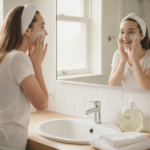
Start your day with a gentle cleanser that removes overnight oil buildup without stripping your skin. Look for formulas containing salicylic acid or glycolic acid for added acne-fighting benefits. Massage the gel cleanser onto damp skin for 60 seconds.
Pat your face dry with a clean towel. Avoid rubbing, which can irritate existing breakouts and spread bacteria. Keep skin slightly damp for the next step to enhance product absorption.
Step 1: Gentle Morning Cleansing
Use lukewarm water to wet your face completely. Cold water doesn’t open pores, and hot water can cause irritation. Apply a dime-sized amount of gentle cleanser to your fingertips.
Massage in circular motions focusing on areas prone to breakouts. Pay extra attention to your T-zone where oil and dirt accumulate overnight. Rinse thoroughly ensuring no residue remains.
Step 2: Clarifying Toner Application
Apply a clarifying toner with a cotton pad or your clean hands. Look for alcohol-free formulations that contain salicylic acid or witch hazel. These ingredients remove any remaining impurities while preparing skin for treatment products.
Toner balances your skin’s pH levels after cleansing. It also helps minimize the appearance of pores and controls excess oil throughout the day. Let the toner absorb completely before moving forward.
Step 3: Treatment Serum Application
Apply your treatment serum while skin remains slightly damp. This step delivers concentrated active ingredients directly to problem areas. Use products containing niacinamide or salicylic acid for best results against acne.
Dot the serum across your forehead, cheeks, nose, and chin. Gently press into skin rather than rubbing. This technique helps active ingredients penetrate deeper without causing irritation.
Step 4: Lightweight Moisturizer
Even oily skin needs hydration. Choose an oil-free gel moisturizer that won’t clog pores. Ingredients like hyaluronic acid provide moisture without adding heaviness or greasiness to your skin.
Apply moisturizer to your entire face and neck. This step locks in previous treatments and creates a protective barrier. Well-hydrated skin actually produces less excess oil over time.
Step 5: SPF Protection
Sunscreen represents the most crucial step in your morning routine. UV damage worsens acne scars and causes hyperpigmentation. Choose a broad-spectrum SPF 30 or higher formulated for acne-prone skin.
Look for non-comedogenic mineral sunscreens containing zinc oxide or titanium dioxide. These physical blockers sit on top of skin rather than absorbing into pores. Apply generously 15 minutes before sun exposure.
Many acne treatments increase sun sensitivity. Salicylic acid and retinoids make skin more vulnerable to UV damage. Daily SPF protection prevents new dark spots from forming.
Get Your Personalized Acne Solution
Stop guessing which products work for your skin. Access the complete morning and evening routine system designed by dermatologists specifically for acne-prone skin. See visible improvements in your skin’s clarity and texture.
Evening Skincare Routine for Maximum Acne Treatment
Your evening routine focuses on deep cleansing and intensive treatment. Skin repairs itself overnight, making this the ideal time for powerful active ingredients. Follow these steps consistently for optimal results.
Step 1: Makeup Removal and Oil Cleansing
Remove makeup and sunscreen first with micellar water or cleansing oil. These products break down stubborn impurities that regular cleansers miss. Soak a cotton pad and gently wipe across your entire face.
Oil cleansing might seem counterintuitive for acne-prone skin. However, oil dissolves oil-based impurities more effectively than water-based products. Choose non-comedogenic oils like jojoba or grapeseed.
Step 2: Deep Cleansing Face Wash
Follow oil cleansing with your regular cleanser. This double cleansing method ensures all dirt, oil, and bacteria get removed. Use a foaming gel cleanser with salicylic acid for enhanced pore-clearing action.
Spend extra time cleansing areas prone to breakouts. Massage gently but thoroughly around your nose, chin, and jawline. These zones accumulate the most oil and dead skin cells throughout the day.
Step 3: Exfoliation (2-3 Times Weekly)
Exfoliate two to three times per week using chemical exfoliants. Salicylic acid works best for acne-prone skin because it penetrates oily pores. Avoid physical scrubs that can irritate and spread bacteria.
Apply the exfoliating treatment to clean, dry skin. Leave it on for the recommended time before continuing your routine. Consistent exfoliation prevents dead skin cells from accumulating and clogging pores.
Step 4: Targeted Acne Treatment
Apply spot treatments directly to active breakouts. Benzoyl peroxide or sulfur-based products work quickly to reduce inflammation. Use a clean cotton swab to apply treatment precisely where needed.
For overall acne prevention, apply a treatment serum across your entire face. Products containing retinoids or adapalene prevent new breakouts while treating existing ones. Start slowly to build tolerance.
Step 5: Night Moisturizer or Sleeping Mask
Seal in treatments with a nourishing night moisturizer. Look for ingredients like ceramides and peptides that support skin repair. Slightly richer formulas work well at night since you won’t wear makeup over them.
Consider using a sleeping mask once or twice weekly for extra hydration. These intensive treatments help skin recover from acne treatments that can cause dryness. Wake up to plumper, more resilient skin.
Unlock Your Skin’s Potential Tonight
Transform your evening routine with professional-grade treatments that work while you sleep. Get access to the complete night treatment system that addresses acne at its source for lasting clear skin results.
Product Recommendations by Category for Acne-Prone Skin
Best Cleansers for Acne-Prone Skin
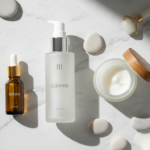
Choose cleansers formulated specifically for acne-prone skin. Gel-based formulas containing salicylic acid dissolve oil and unclog pores effectively. Foam cleansers work well for oily skin types.
Avoid cleansers with harsh sulfates that strip natural oils. Your skin will overproduce oil to compensate for excessive dryness. Look for gentle surfactants that clean without disrupting your skin barrier.
Gel cleansers with 2% salicylic acid for deep pore cleansing
Foaming cleansers that remove excess oil without over-drying
Cream cleansers for combination acne-prone skin types
Oil cleansers for removing makeup before main cleansing
Effective Toners and Clarifying Solutions
Toners prep your skin for better product absorption. Choose alcohol-free formulas that won’t cause irritation. Ingredients like witch hazel naturally control oil while minimizing pores.
Exfoliating toners with glycolic or salicylic acid provide daily gentle exfoliation. These products remove dead skin cells that contribute to clogged pores. Use them consistently for smoother skin texture.
Powerful Treatment Serums
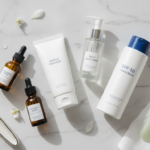
Treatment serums deliver concentrated active ingredients. Niacinamide serums reduce inflammation and control oil production. Vitamin C serums fade post-acne dark spots while protecting against environmental damage.
Retinol serums accelerate cell turnover and prevent clogged pores. Start with lower concentrations and gradually increase as your skin builds tolerance. These products deliver dramatic improvements over time.
Niacinamide serums for oil control and pore minimizing
Salicylic acid serums for ongoing breakout prevention
Retinol serums for cell turnover and texture improvement
Vitamin C serums for brightening and scar fading
Moisturizers That Won’t Clog Pores
Non-comedogenic moisturizers hydrate without causing breakouts. Gel-based formulas absorb quickly and feel lightweight. Look for oil-free options if you have very oily skin.
Ingredients like hyaluronic acid attract moisture without adding oil. Ceramides strengthen your skin barrier and prevent moisture loss. Well-moisturized skin heals faster and produces less reactive oil.
Sunscreens for Acne-Prone Skin
Mineral sunscreens with zinc oxide work best for acne-prone skin. They sit on the skin surface rather than absorbing into pores. Look for mattifying formulas that control shine throughout the day.
Some chemical sunscreens can trigger breakouts in sensitive individuals. Test new sunscreen products on a small area first. Consistent SPF use prevents acne scars from darkening.
Complete Acne System
Get everything you need in one comprehensive system. This dermatologist-designed routine includes cleanser, treatment, moisturizer, and SPF formulated to work together synergistically for maximum acne-fighting results.
Natural Treatment Options
Prefer natural ingredients? Discover plant-based treatments that deliver powerful results without harsh chemicals. Tea tree oil, green tea extract, and natural salicylic acid from willow bark fight acne gently yet effectively.
Clinical Strength Treatments
For stubborn acne that hasn’t responded to over-the-counter treatments, clinical-strength formulations deliver professional results at home. Access prescription-level ingredients without expensive dermatologist visits.
Lifestyle Factors That Impact Your Acne-Prone Skin
Your skincare routine acne-prone skin requires extends beyond products. Diet significantly impacts skin health. Foods high in sugar and dairy can trigger inflammation and worsen breakouts in susceptible individuals.
Stress elevates cortisol levels that increase oil production. Practice stress management techniques like meditation, yoga, or deep breathing. Better stress control leads to fewer stress-induced breakouts.
Sleep quality directly affects skin regeneration. Aim for seven to nine hours nightly. Your skin repairs and renews itself during deep sleep stages. Consistent sleep schedules support clearer skin.
Diet and Nutrition for Clear Skin
Increase foods rich in omega-3 fatty acids. Salmon, walnuts, and flaxseeds reduce inflammation throughout your body. Antioxidant-rich foods protect skin from free radical damage.
Stay hydrated by drinking plenty of water daily. Proper hydration helps flush toxins and keeps skin plump. Dehydrated skin produces more oil to compensate for moisture loss.
Limit high-glycemic foods that spike blood sugar. These foods trigger insulin release that stimulates oil glands. Choose complex carbohydrates that provide steady energy without inflammatory spikes.
Omega-3 rich fish reduce inflammation and support skin barrier
Probiotic foods balance gut bacteria linked to skin health
Antioxidant-rich berries protect against oxidative stress
Green tea compounds reduce sebum production naturally
Exercise and Skin Health
Regular exercise improves circulation and delivers oxygen to skin cells. Increased blood flow helps remove waste products that contribute to breakouts. Exercise also reduces stress hormones.
Always cleanse immediately after working out. Sweat mixed with bacteria and oil creates ideal conditions for breakouts. Keep cleansing wipes in your gym bag for quick post-workout cleansing.
Avoid touching your face during workouts. Gym equipment harbors bacteria that transfers to your skin. Bring your own towel and wipe down equipment before use.
Sleep and Skin Regeneration
Quality sleep allows your body to repair damaged skin cells. Growth hormones peak during deep sleep stages. These hormones accelerate healing and reduce inflammation.
Change pillowcases frequently to prevent bacteria buildup. Oil and dead skin cells accumulate on fabric. Silk or satin pillowcases cause less friction than cotton.
Holistic Approach to Clear Skin
Address acne from the inside out with a comprehensive program that combines topical treatments with lifestyle modifications. Learn the diet changes, stress management techniques, and daily habits that support naturally clear skin.
Over-cleansing strips your skin’s natural protective barrier. Washing more than twice daily triggers increased oil production. Your skin works overtime trying to replace lost moisture.
Using too many active ingredients simultaneously causes irritation. Introduce new products one at a time. Wait two weeks between additions to identify what works.
Picking and Touching Your Face
Picking at breakouts pushes bacteria deeper into skin. This behavior increases inflammation and leads to scarring. Keep hands away from your face throughout the day.
Breaking the picking habit requires conscious effort. Wear pimple patches to create a physical barrier. Keep hands busy with stress balls or fidget tools.
Skipping Moisturizer
Many people with oily skin skip moisturizer completely. This mistake triggers rebound oil production. Even acne-prone skin needs proper hydration to function optimally.
Choose lightweight, oil-free gel moisturizers. These formulas provide hydration without heaviness. Well-moisturized skin actually produces less excess oil over time.
Using Dirty Makeup Tools
Makeup brushes and sponges harbor bacteria. These tools transfer germs directly onto your skin with each application. Clean brushes weekly with gentle cleanser or brush cleaner.
Replace makeup sponges every few weeks. Porous materials trap bacteria even after washing. Invest in quality tools that withstand regular cleaning.
Not Removing Makeup Properly
Sleeping in makeup clogs pores overnight. Your skin needs to breathe and regenerate during sleep. Always complete a thorough double cleansing routine before bed.
Use micellar water or cleansing oil first. Follow with your regular gel cleanser. This two-step process ensures complete removal of all makeup and impurities.
Effective Acne Routine Habits
Gentle cleansing twice daily with appropriate products
Consistent use of targeted acne treatments
Daily SPF protection without fail
Regular product rotation to prevent tolerance
Patience allowing treatments time to work
Professional guidance when needed
Habits That Worsen Acne
Over-washing and excessive exfoliation
Picking, squeezing, or touching breakouts
Using too many active ingredients at once
Skipping sunscreen due to fear of breakouts
Frequently changing products before seeing results
Using dirty makeup tools and pillowcases
Treating Different Types of Acne Effectively
Acne manifests in several forms. Each type requires specific treatment approaches. Understanding your acne type helps you choose the most effective products.
Comedonal Acne: Blackheads and Whiteheads
Blackheads form when pores stay open and oxidize. Whiteheads develop when pores close completely. Both result from clogged pores filled with oil and dead skin cells.
Salicylic acid works best for comedonal acne. This ingredient dissolves the plugs blocking your pores. Regular use prevents new blackheads and whiteheads from forming.
Clay masks draw out impurities from clogged pores. Use them once or twice weekly for deep cleansing. Avoid picking at comedones, which can lead to inflammation.
Inflammatory Acne: Papules and Pustules
Papules appear as red, raised bumps without a visible center. Pustules contain visible pus at their center. Both indicate bacterial infection and inflammation.
Benzoyl peroxide kills the bacteria causing inflammation. Start with 2.5% concentration to minimize irritation. Apply directly to affected areas after cleansing.
Anti-inflammatory ingredients like niacinamide reduce redness and swelling. Azelaic acid also combats bacteria while calming inflammation. Avoid harsh scrubbing that worsens irritation.
Severe Acne: Nodules and Cysts
Nodular acne develops deep under the skin surface. Cystic acne forms painful, pus-filled lumps. Both types often require professional dermatologist intervention.
Over-the-counter treatments may not penetrate deep enough. Prescription medications like oral antibiotics or isotretinoin might be necessary. Never attempt to pop or squeeze cystic acne.
Ice can reduce swelling and pain from deep breakouts. Apply wrapped ice for 5-10 minute intervals. Cortisone shots from dermatologists quickly shrink large cysts.
Comedonal acne responds best to salicylic acid treatments
Cystic acne often requires professional cortisone injections
Adjusting Your Routine for Seasonal Changes
Your skin’s needs change with seasons. Summer heat increases oil production and sweating. Winter cold causes dryness that triggers compensatory oil production.
Summer Skincare Adjustments
Hot weather and humidity increase sebum production. Switch to lighter gel formulas during summer months. Cleanse more frequently if you sweat heavily.
Sunscreen becomes even more critical. Reapply every two hours during outdoor activities. Look for water-resistant formulas if swimming or exercising outdoors.
Blotting papers control midday shine without disturbing your routine. Keep them handy for quick oil absorption. Avoid adding more products that can clog sweaty pores.
Winter Skincare Modifications
Cold air and indoor heating strip moisture from skin. Your skin may feel tight despite being acne-prone. Add a hydrating serum beneath your moisturizer.
Consider slightly richer moisturizers without heavy oils. Ingredients like squalane provide hydration without clogging pores. Continue using acne treatments but add extra moisture.
Don’t skip SPF despite cloudy weather. UV rays penetrate clouds and reflect off snow. Maintain consistent sun protection year-round.
When to Consult a Dermatologist
Over-the-counter treatments work for mild to moderate acne. Severe or persistent acne requires professional evaluation. Don’t wait until scarring becomes permanent.
See a dermatologist if your acne doesn’t improve after three months. Professional treatments include prescription retinoids, oral medications, and in-office procedures. Early intervention prevents long-term scarring.
Signs You Need Professional Help
Painful cystic breakouts indicate deep inflammation. These lesions often leave permanent scars without proper treatment. Dermatologists can provide cortisone injections for immediate relief.
Widespread breakouts covering large areas need stronger intervention. Oral antibiotics or hormonal treatments may be necessary. Your dermatologist can determine the underlying cause.
Acne that doesn’t respond to OTC treatments after 12 weeks
Deep, painful cysts that leave scars
Sudden severe acne outbreak without clear cause
Emotional distress significantly impacting quality of life
Dermatologists offer advanced treatments unavailable over the counter. Chemical peels, laser therapy, and extraction procedures clear stubborn acne. Professional guidance ensures you choose the most effective treatment path.
Building a Consistent Skincare Routine Acne-Prone Skin Needs
Consistency determines success more than any single product. Commit to your routine for at least 12 weeks before expecting dramatic results. Skin cell turnover takes time.
Set reminders on your phone for morning and evening routines. Keep products visible on your bathroom counter. Make skincare an automatic habit rather than a conscious decision.
Starting Your Routine
Begin with basic steps before adding treatments. Use gentle cleanser, moisturizer, and SPF for one week. This establishes your baseline and identifies any sensitivities.
Introduce one active ingredient at a time. Wait two weeks before adding another treatment. This approach helps identify which products deliver results.
Start with lower concentrations of active ingredients. Your skin needs time to build tolerance. Gradually increase strength as your skin adapts.
Tracking Your Progress
Take weekly photos in consistent lighting. Front, side, and three-quarter angles document changes over time. You’ll notice improvements that daily mirror checks might miss.
Keep a skincare journal noting products used and any reactions. Record lifestyle factors like diet, stress, and sleep. Patterns emerge revealing your personal triggers.
Celebrate small victories along the way. Fewer new breakouts count as progress. Faster healing times indicate your routine is working.
Important Reminder: Give each routine change at least 6-8 weeks to show results. Acne improvements happen gradually as your skin cell turnover cycle completes. Patience and consistency bring the lasting results you’re seeking.
Frequently Asked Questions About Acne-Prone Skin Care
How long does it take to see results from an acne prone skin care routine?
Most people notice initial improvements within 4-6 weeks. Complete clearing typically takes 12-16 weeks. Your skin needs time to complete its natural cell turnover cycle. Stick with your routine consistently even if you don’t see immediate changes. Some products like retinoids may cause initial purging before improvement begins.
Can I use salicylic acid and benzoyl peroxide together?
Yes, but introduce them carefully to avoid irritation. Use salicylic acid in the morning and benzoyl peroxide at night. This separation prevents excessive dryness. Start with lower concentrations of each ingredient. Increase strength gradually as your skin builds tolerance. Always use moisturizer and SPF when combining active ingredients.
Should I moisturize if I have oily acne-prone skin?
Absolutely yes. Skipping moisturizer causes your skin to produce more oil to compensate. Choose lightweight, oil-free gel moisturizers formulated for acne-prone skin. Look for non-comedogenic labels indicating the product won’t clog pores. Proper hydration actually helps reduce excess oil production over time.
What’s the difference between acne-prone and oily skin?
Oily skin produces excess sebum but doesn’t necessarily develop acne. Acne-prone skin has a tendency toward clogged pores and breakouts regardless of oil levels. You can have dry skin that’s acne-prone. The key difference lies in how your pores react to various triggers including bacteria, hormones, and inflammation.
How often should I exfoliate acne-prone skin?
Exfoliate 2-3 times weekly with chemical exfoliants containing salicylic or glycolic acid. Avoid daily exfoliation which strips your skin barrier and worsens breakouts. Physical scrubs can irritate existing acne and spread bacteria. Chemical exfoliants work more gently while penetrating deeper into pores. Always follow exfoliation with moisturizer.
Does diet really affect acne?
Research shows diet impacts acne for many people. High-glycemic foods and dairy products trigger breakouts in susceptible individuals. Foods rich in omega-3 fatty acids and antioxidants support clearer skin. Keep a food diary to identify your personal triggers. However, diet alone won’t cure acne without proper topical treatment.
Can makeup cause acne breakouts?
Heavy, pore-clogging makeup can contribute to breakouts. Choose non-comedogenic, oil-free formulas designed for acne-prone skin. Always remove makeup completely before bed using double cleansing. Clean makeup brushes weekly to prevent bacterial transfer. Mineral makeup often works well for acne-prone skin because it allows skin to breathe.
Why does my acne get worse before it gets better?
This “purging” phase occurs when active ingredients accelerate cell turnover. Products like retinoids bring underlying congestion to the surface faster. Purging typically lasts 4-6 weeks before skin clears. If breakouts continue beyond 8 weeks or worsen significantly, the product may not suit your skin. Consult a dermatologist if concerned.
Your Journey to Clear Skin Starts Today
Building an effective acne prone skin care routine requires patience and consistency. The strategies outlined in this guide provide a science-backed foundation for clearer skin. Remember that results take time as your skin adapts to new treatments.
Start with the basics before adding multiple active ingredients. Listen to your skin and adjust products as needed. What works for others may not work for you, so pay attention to your unique responses.
Track your progress through photos and journaling. Celebrate small improvements along the way. Clearer skin represents a journey rather than a destination.
Don’t hesitate to seek professional help if needed. Dermatologists offer advanced treatments that accelerate your progress. Early intervention prevents permanent scarring and improves outcomes.
Your skin’s needs will evolve over time. Stay flexible and willing to adjust your routine seasonally and as your skin improves. Consistency with quality products delivers the lasting results you deserve.
Remember that everyone’s skin journey differs. Avoid comparing your progress to others. Focus on your own improvement and trust the process. Clear, healthy skin is achievable with dedication and the right approach.
Take Control of Your Skin Today
Stop letting acne control your confidence. Get instant access to the complete system that combines proven treatments, expert guidance, and ongoing support. Join thousands who have transformed their skin and reclaimed their confidence.
Your clear skin journey begins with a single step. Take that step today. Commit to your routine and trust that consistent effort brings visible results. You deserve to feel confident in your skin.