Creating handmade gifts for children brings joy to both the maker and receiver. Small sewing projects offer the perfect way to craft cute gift ideas for kids without spending weeks on complicated patterns. Whether you’re a beginner sewing enthusiast or someone looking for quick easy projects, these adorable DIY gifts will delight any child.
The beauty of simple sewing projects lies in their accessibility. You don’t need years of experience to make something special. With basic supplies and easy-to-follow sewing patterns, you can create memorable gifts that kids will treasure for years.
Why Handmade Sewing Gifts Matter for Kids
Handmade gifts carry a special meaning that store-bought items simply can’t match. When you create something by hand, you’re giving more than just an object. You’re sharing time, care, and creativity.
Children appreciate the uniqueness of handmade items. Each stitch tells a story. Every fabric choice reflects thoughtfulness. These gifts often become cherished keepsakes that kids hold onto well into adulthood.
Beginner sewing projects also teach valuable skills. When kids see adults creating with fabric, they learn about patience, creativity, and the satisfaction of making things by hand. This inspiration can spark their own interest in crafting.
Essential Supplies for Beginner Sewing Projects
Starting your sewing journey doesn’t require a massive investment. A few basic supplies will set you up for success with most small projects.
Basic Sewing Tools You’ll Need
Sewing machine or hand sewing needles for smaller projects
Quality fabric scissors that cut cleanly through material
Straight pins and a pincushion for holding fabric pieces
Measuring tape and ruler for accurate sizing
Seam ripper for fixing mistakes without frustration
Thread in various colors to match your fabric
Iron and ironing board for professional-looking seams
Choosing Fabric for Kids’ Projects
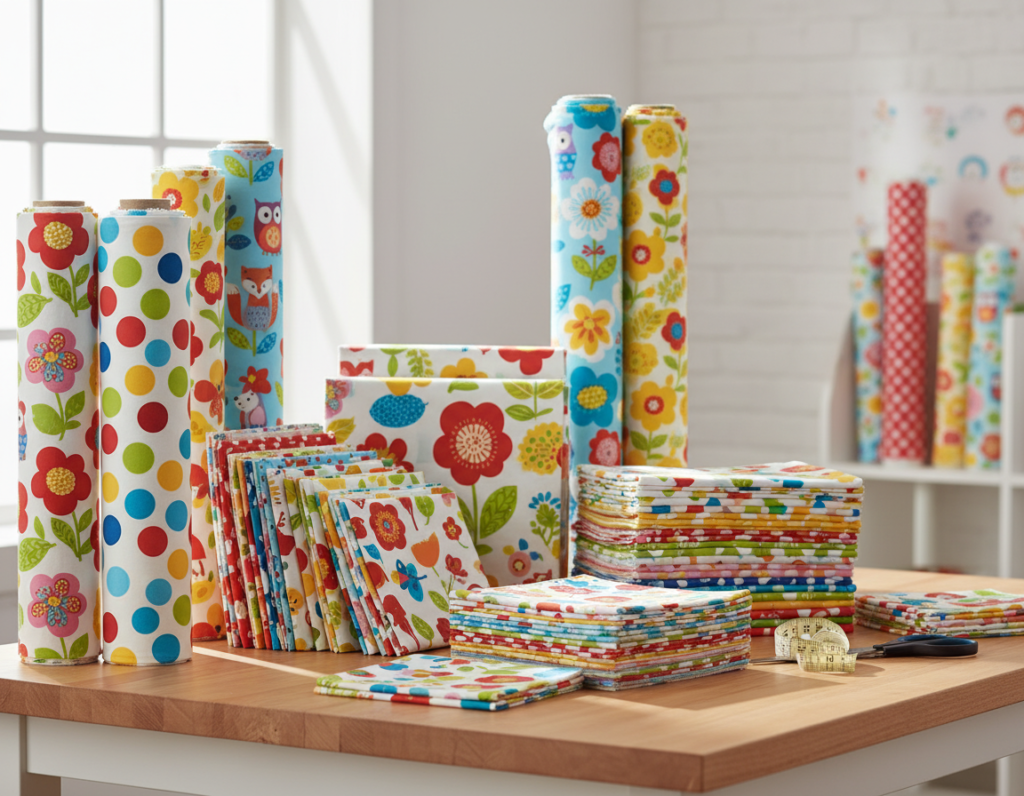
Cotton fabric works wonderfully for most beginner sewing projects. It’s forgiving, easy to work with, and comes in endless patterns that appeal to children. Flannel offers softness for cozy items. Felt requires no hemming and works great for hand sewing.
When selecting fabric for kids, consider washability. Children’s items get dirty. Choose fabrics that can withstand regular washing without fading or falling apart.
Adorable Bean Bags for Active Play
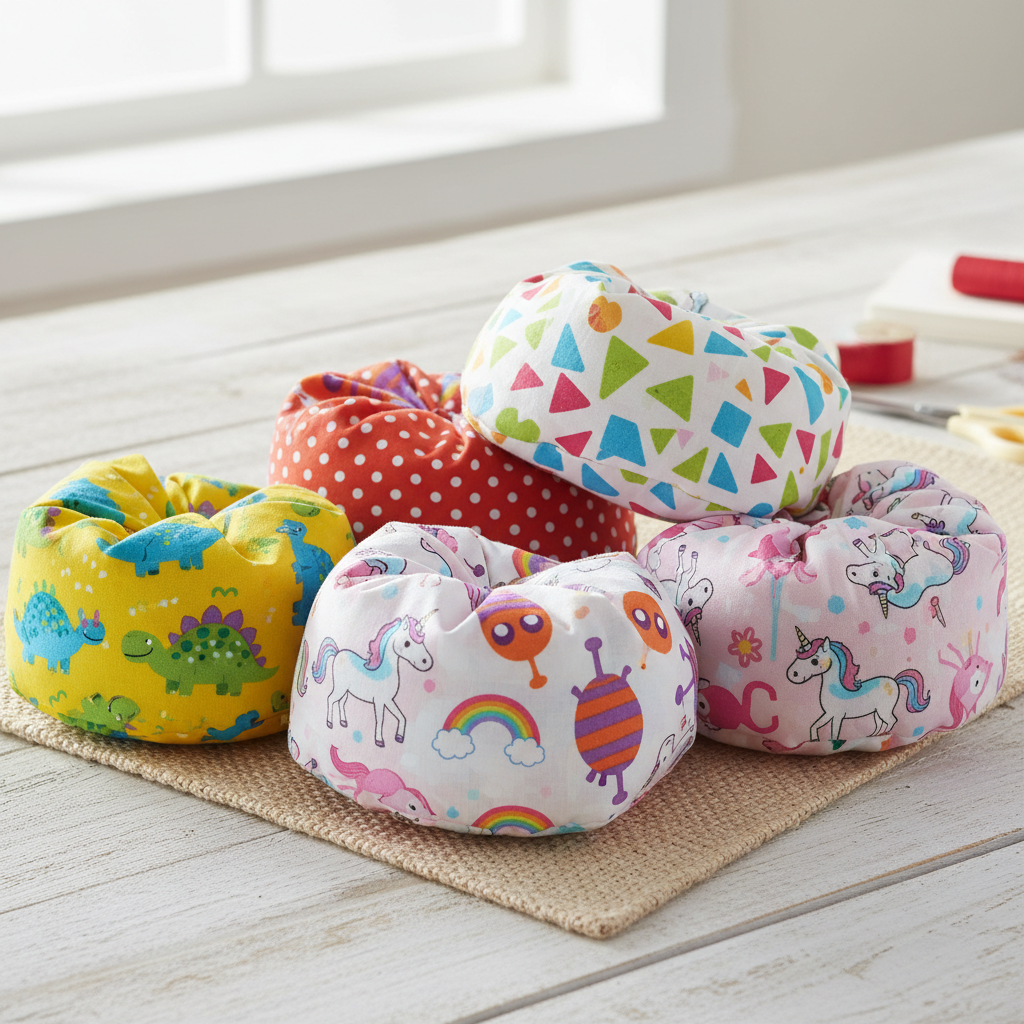
Bean bags make fantastic gifts for active kids. These small sewing projects require minimal fabric and fill quickly. Children use them for games, tossing practice, or even as stress relievers.
Creating bean bags takes less than an hour once you have your supplies ready. Cut two squares of fabric about five inches each. Place them with right sides together and sew around three and a half sides. Turn right side out, fill with dried beans or poly pellets, and hand stitch the opening closed.
You can personalize bean bags with different shapes. Try making animal shapes, letters, or numbers. Kids learning to count or spell will enjoy playing with educational bean bags.
Simple Drawstring Bags for Storage
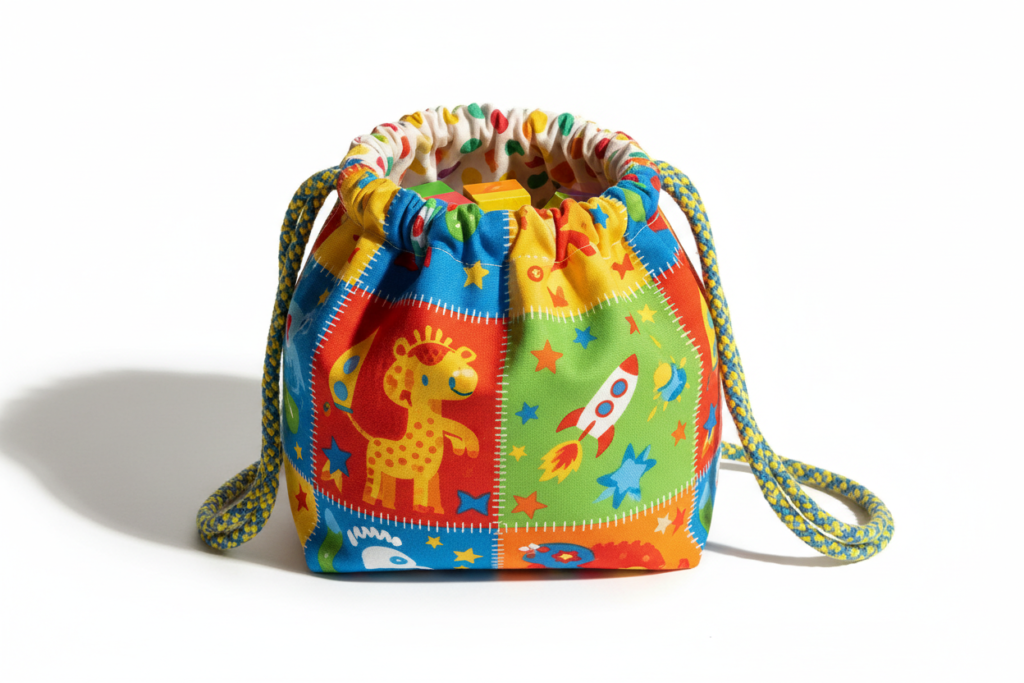
Every child needs storage solutions. A drawstring bag offers practical charm. These bags work for toys, treasures, snacks, or small games.
The basic drawstring bag pattern couldn’t be simpler. Cut a rectangle of fabric, fold it in half, and sew the sides. Create a casing at the top by folding over the fabric and stitching. Thread cord or ribbon through the casing, and you’re done.
Drawstring bags adapt to any size. Make small ones for tiny trinkets or larger versions for stuffed animals. Add pockets on the outside for extra functionality.
Ready to Start Your Sewing Journey?
Access hundreds of beginner-friendly sewing patterns designed specifically for gift-making. Get step-by-step instructions, sizing guides, and video tutorials that make every project easy to complete. Perfect for creating those special handmade gifts kids will love.
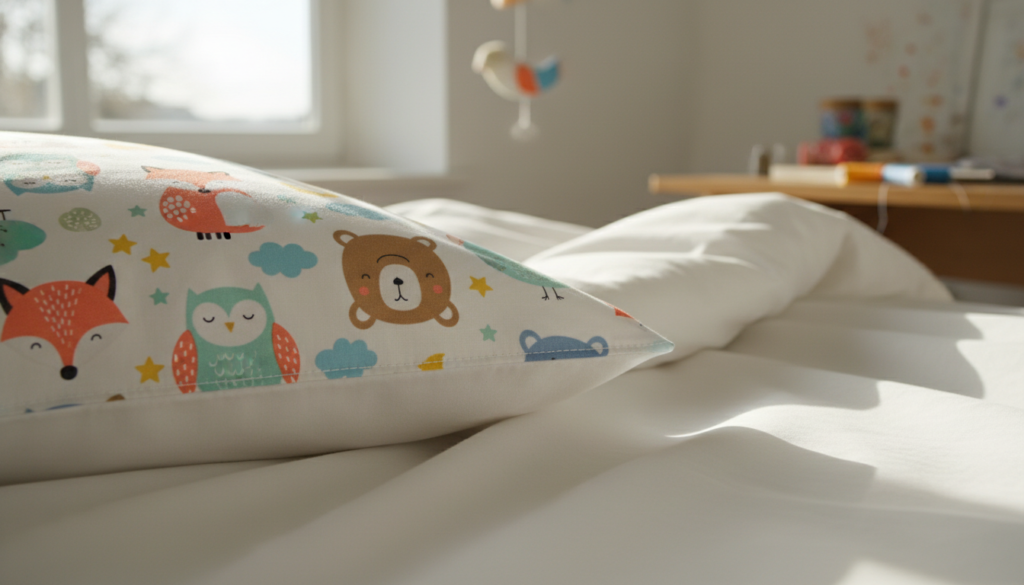
A pillowcase makes a great gift for kids of all ages. This beginner sewing project requires basic straight seams. The result is something practical that brings comfort.
Standard pillowcases measure about twenty by thirty inches when finished. Cut fabric accordingly, adding seam allowances. Sew the long sides and one short side, hem the opening, and you have a finished pillowcase.
Children love pillowcases featuring their favorite colors or characters. Consider adding a personalized touch by embroidering their name or applying fabric patches before sewing the seams.
Quick Fabric Bookmarks for Young Readers
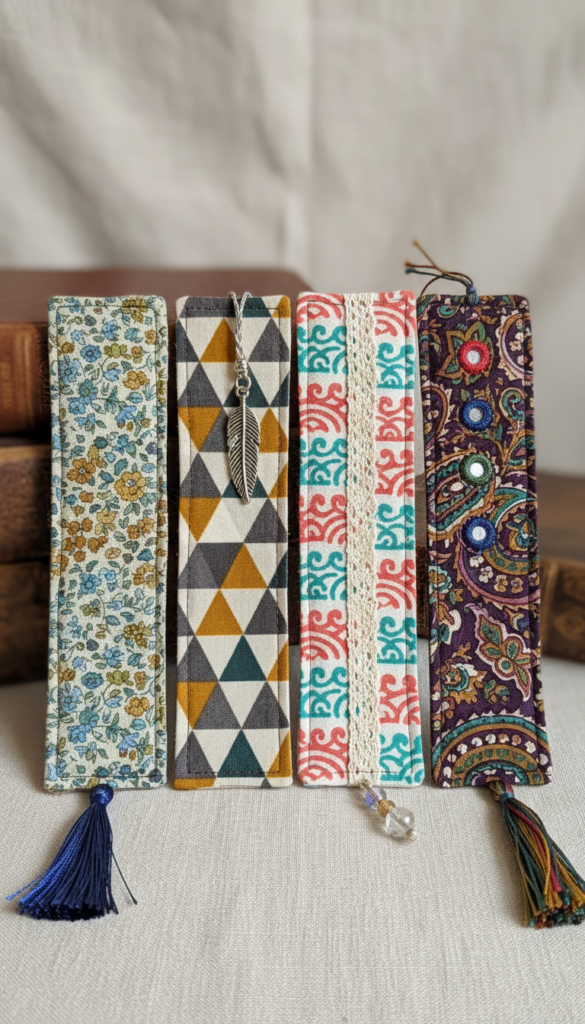
Fabric bookmarks encourage reading while providing an excellent introduction to hand sewing. These tiny projects work perfectly for practicing basic stitches.
Cut two strips of fabric about two inches wide and seven inches long. Place them right sides together and sew around the edges, leaving a small opening. Turn right side out, press flat, and stitch the opening closed. Add ribbons, buttons, or embroidery for decoration.
Young readers appreciate having special bookmarks for their favorite stories. Make several at once as they’re wonderful for classroom gifts or party favors.
Practical Chapstick Holder for Lip Care
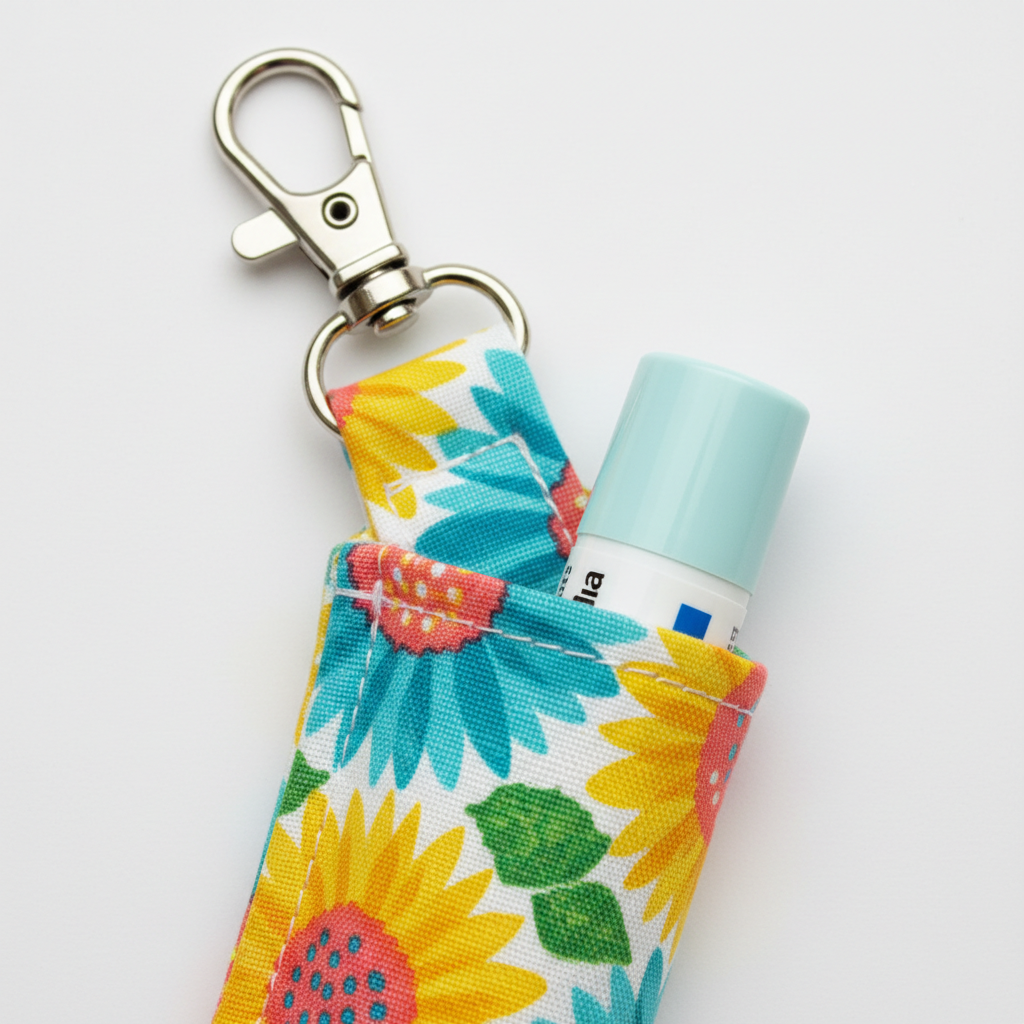
A chapstick holder keeps lip balm accessible and prevents it from getting lost in bags or pockets. This small sewing project makes a thoughtful gift for older kids and teens.
The chapstick holder pattern uses a small rectangle of fabric with a snap or Velcro closure. Cut fabric about three by five inches. Add interfacing for structure. Fold, sew the sides, add your closure, and attach a keychain clip.
These holders work up quickly. You can make several in an afternoon. They’re perfect for using fabric scraps from larger projects.
Fun Headband Designs for Hair Styling
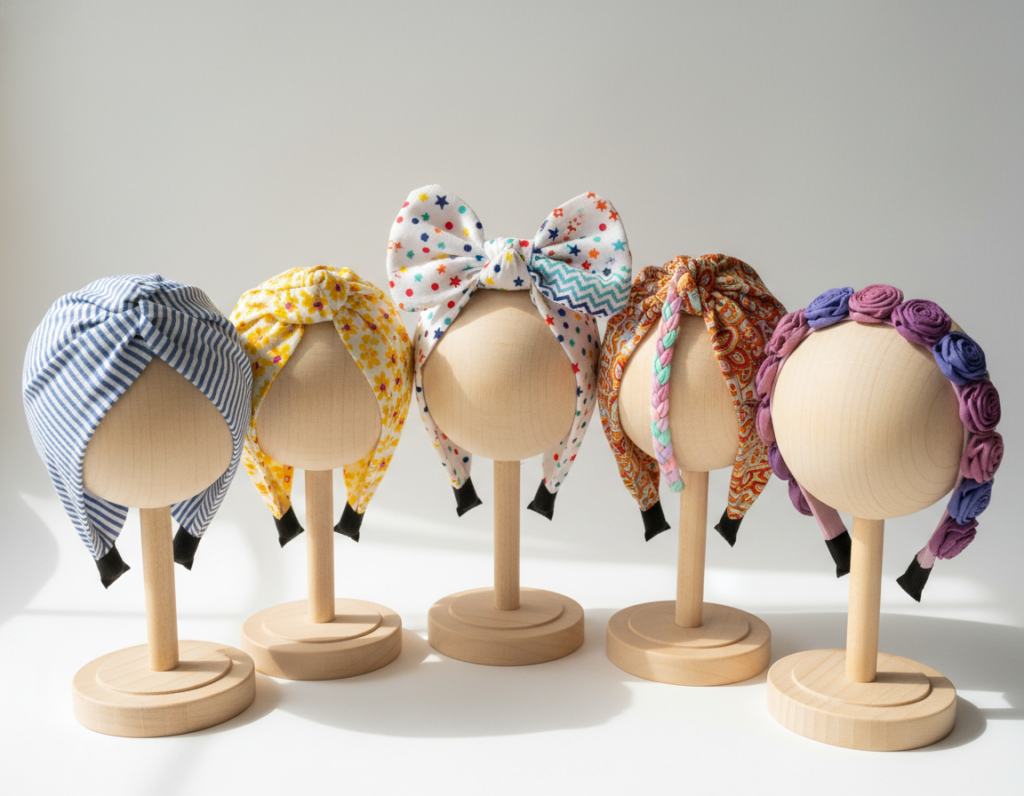
Fabric headbands offer endless style possibilities. These beginner sewing projects work for any hair length. Kids love having accessories that match their outfits.
Create a basic headband by cutting a long strip of fabric and elastic. Sew the fabric into a tube, insert elastic cut to head size, and close the ends. For no-sew options, braid fabric strips or twist them around a plastic headband base.
Experiment with different widths and fabrics. Thin headbands work for subtle style. Wide versions make bold statements. Add bows, flowers, or other embellishments for extra flair.
Looking for more creative headband variations? You’ll find dozens of easy sewing patterns with sizing guides for different age groups and style preferences.
Soft Tissue Holders for On-the-Go
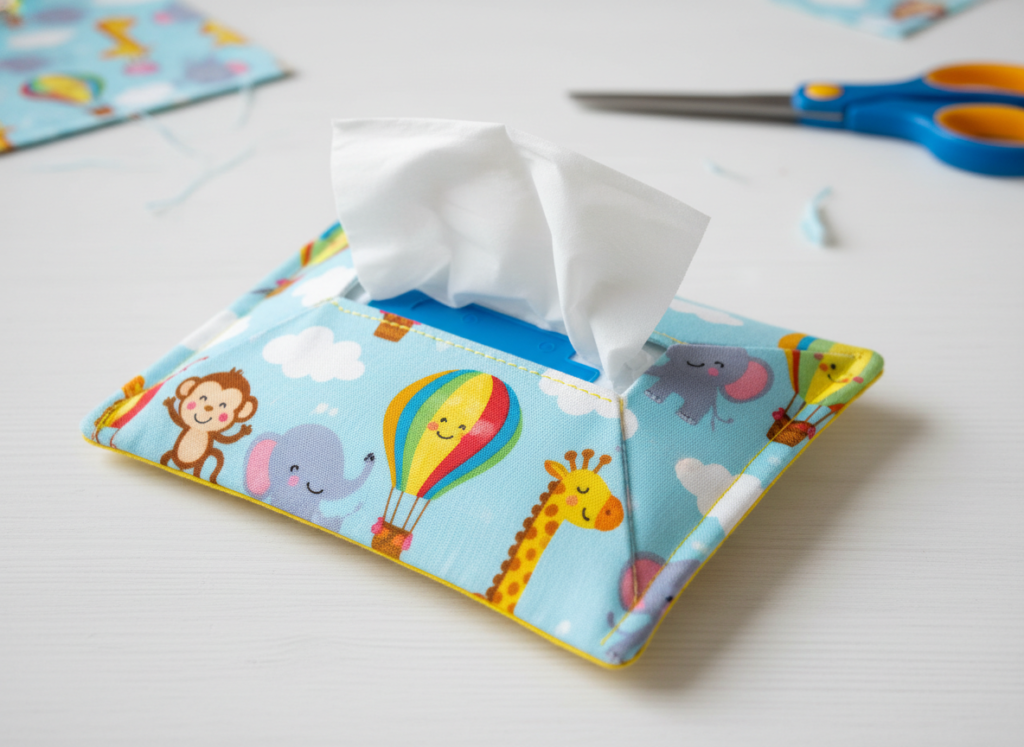
Tissue holders transform ordinary travel tissue packs into cute accessories. These quick easy projects take about fifteen minutes from start to finish.
Measure a standard tissue pack and cut fabric slightly larger. Fold the fabric with pockets at each end to hold the tissue pack. Sew the top and bottom seams. Slide in a tissue pack, and you’re done.
These make wonderful additions to backpacks or purses. Kids appreciate having tissues readily available in a holder that reflects their personality.
Zipper Pouch Basics for Organization
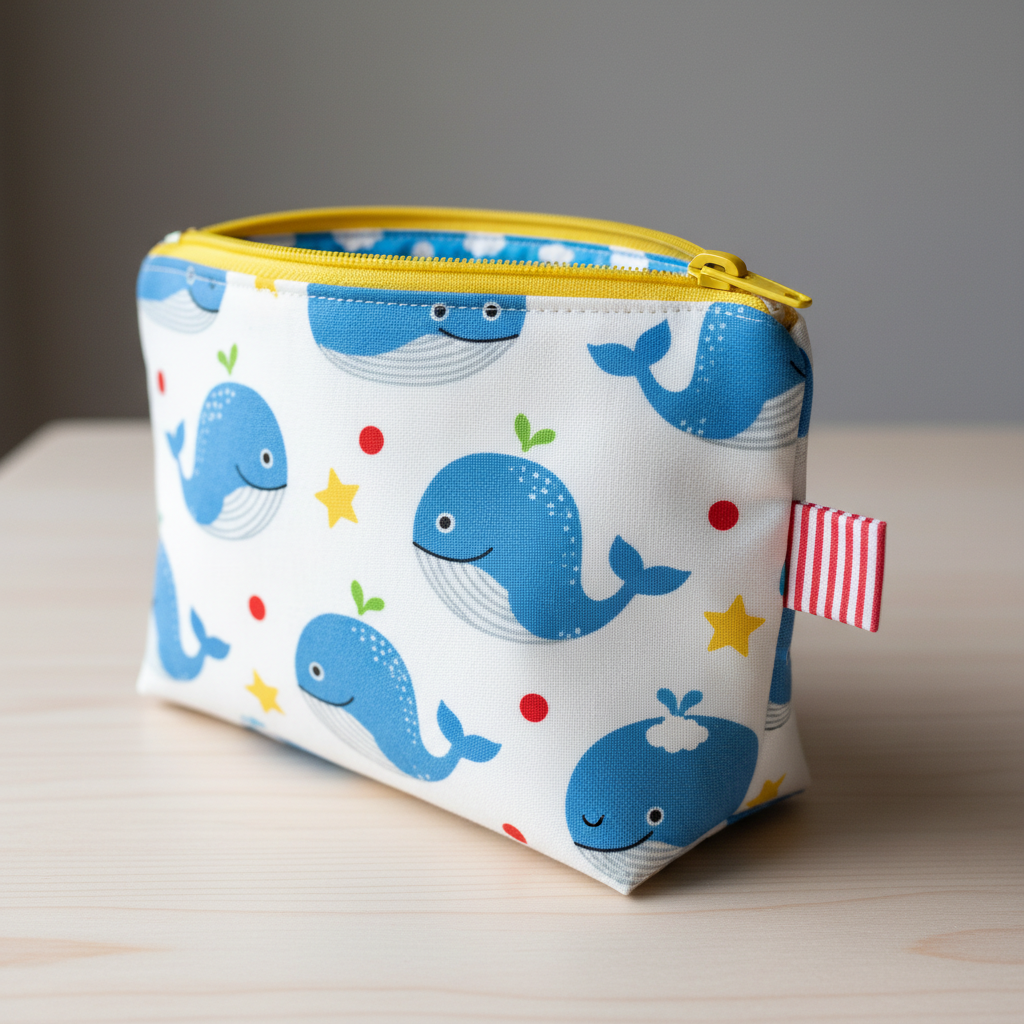
A zipper pouch challenges beginners slightly more than other projects, but the results are worth the effort. These pouches store everything from art supplies to small toys.
Installing a zipper seems intimidating at first. Start with a simple rectangular pouch. Position your zipper face down on the right side of one fabric piece. Sew close to the zipper teeth. Repeat on the other side. Then sew the sides with the zipper partially open so you can turn the pouch right side out.
Zipper pouches work in countless sizes. Small versions hold coins or earbuds. Larger ones organize school supplies. Line them with waterproof fabric for wet items.
Tips for Zipper Success
Use a zipper foot on your sewing machine for easier installation. This specialized foot allows you to sew very close to the zipper teeth.
Choose nylon coil zippers for beginner projects. They’re more forgiving than metal zippers and easier to sew.
Always open your zipper partway before sewing the sides. This allows you to turn the pouch right side out without struggling.
Fleece Blanket Edges for Warmth
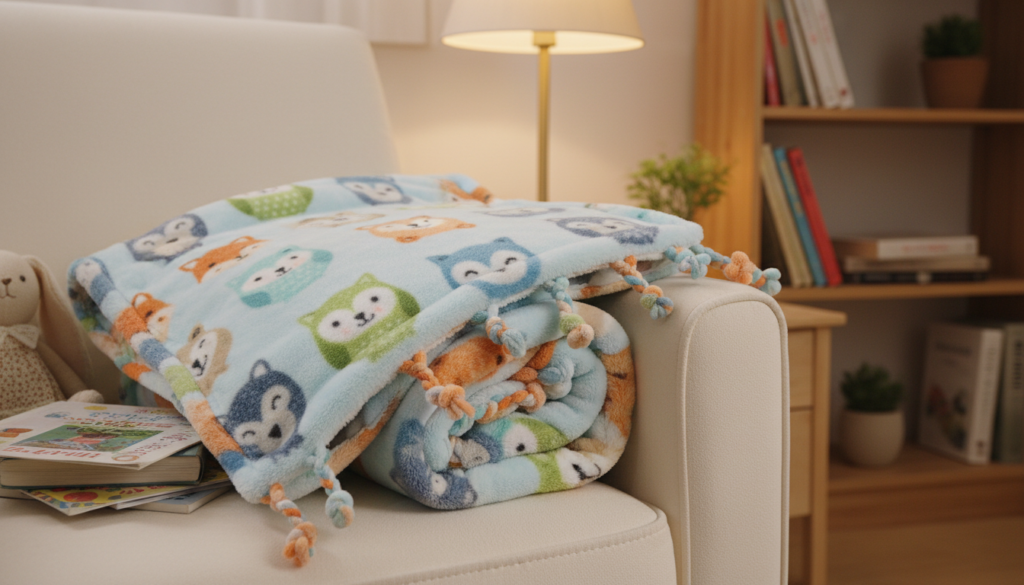
Fleece blankets require no hemming, making them perfect beginner projects. The no-fray edges mean you can create a cozy gift with minimal sewing.
For a simple fleece blanket, cut two layers of fleece to your desired size. Cut fringe around all edges through both layers. Tie the fringe pieces together in double knots. This creates a decorative edge while securing the layers.
For sewn edges, use a blanket stitch by hand or a decorative stitch on your machine. Fleece is forgiving and hides uneven stitches well.
Cute Stuffed Animal Basics
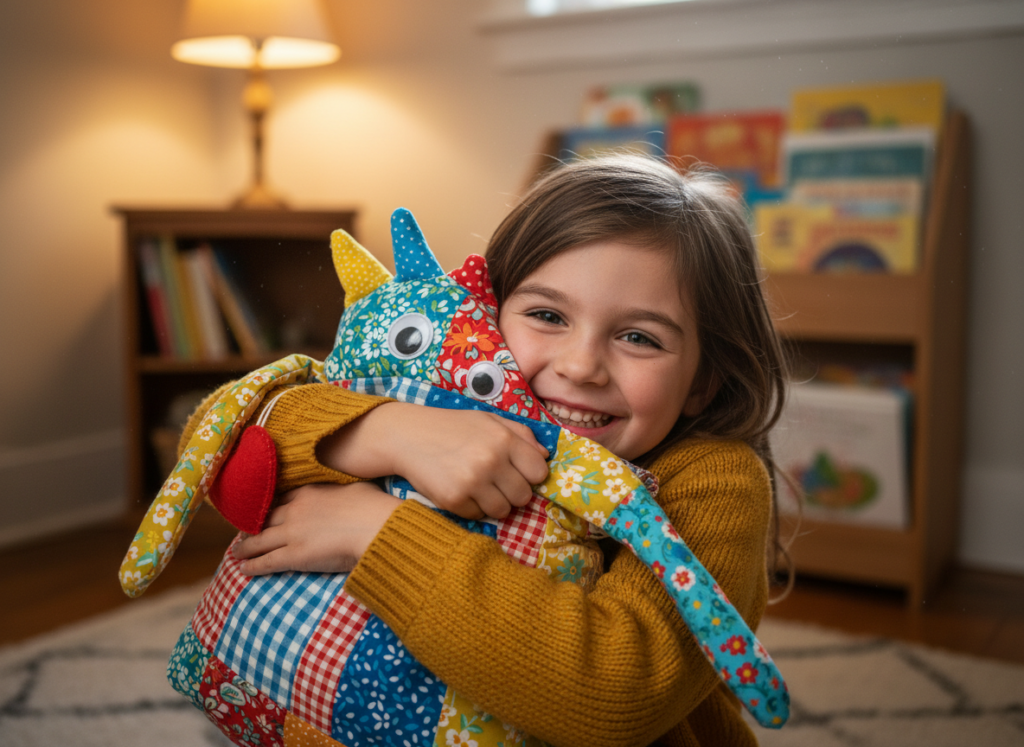
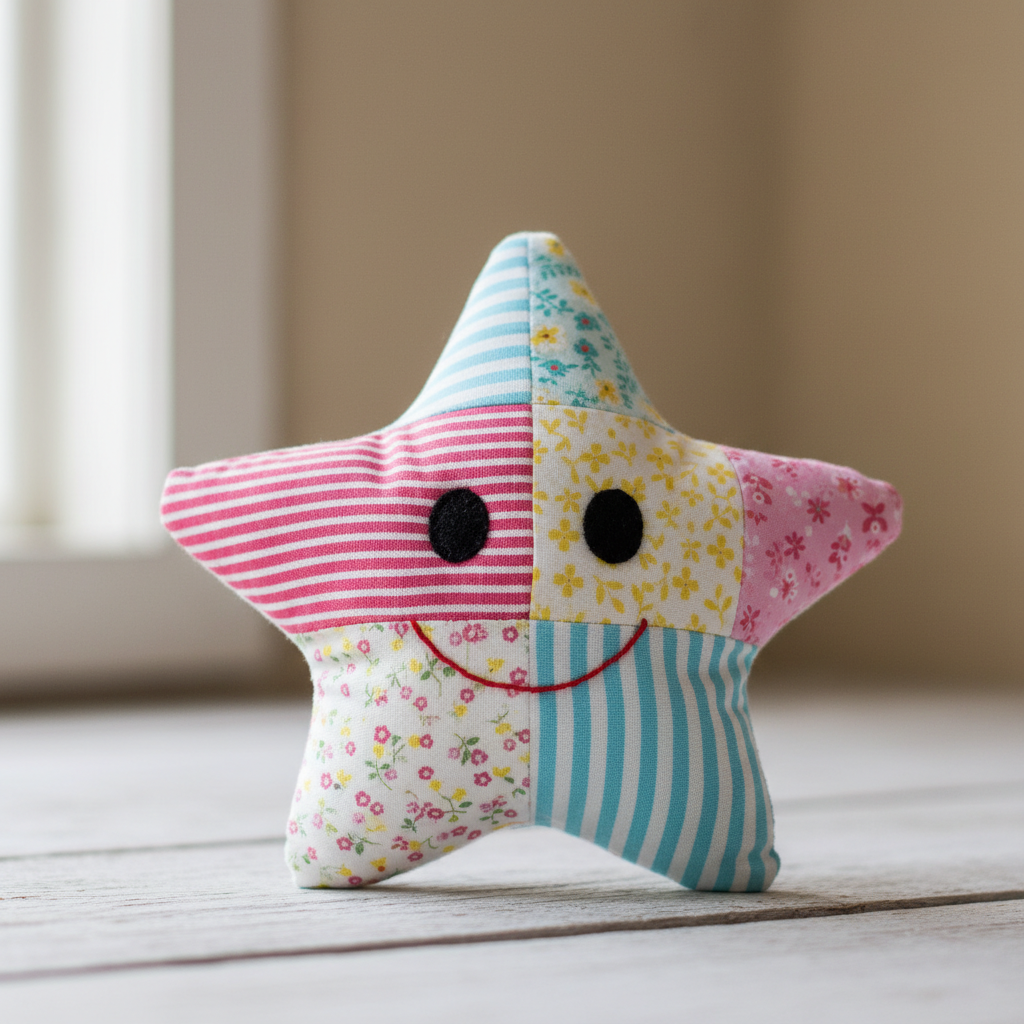
Simple stuffed animals delight young children. Start with basic shapes like hearts, stars, or circles before attempting complex creatures.
Cut two identical shapes from fabric. Place them right sides together and sew around the edge, leaving an opening for turning and stuffing. Clip curves, turn right side out, stuff with polyester fiberfill, and hand stitch the opening closed.
Add personality with embroidered faces, button eyes, or felt details. Even basic shapes become beloved toys when made with soft fabric and care.
Start Your Stuffed Animal Collection
Creating handmade stuffed animals becomes easier when you have reliable patterns and guidance. Access professional designs that take you from basic shapes to more complex creatures as your skills grow.
Reversible Apron Fun for Little Helpers
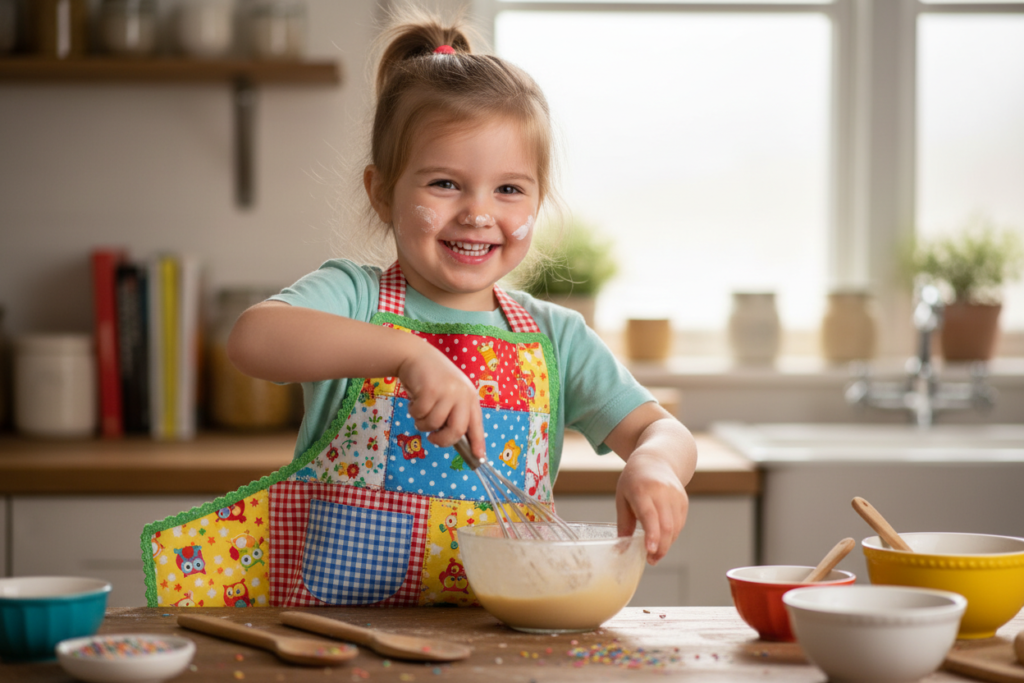
Kids love helping in the kitchen or with crafts. A child-sized apron protects clothes while making them feel like grown-up helpers.
A basic apron pattern uses a rectangular body piece with straps. Measure from the child’s chest to knees for length. Add neck and waist ties. Reversible aprons double the fun by using different fabrics on each side.
To make a reversible apron, cut two identical pieces. Place them right sides together and sew around all edges, leaving an opening. Turn right side out, press, topstitch the opening, and add your ties.
Felt Food Creations for Pretend Play
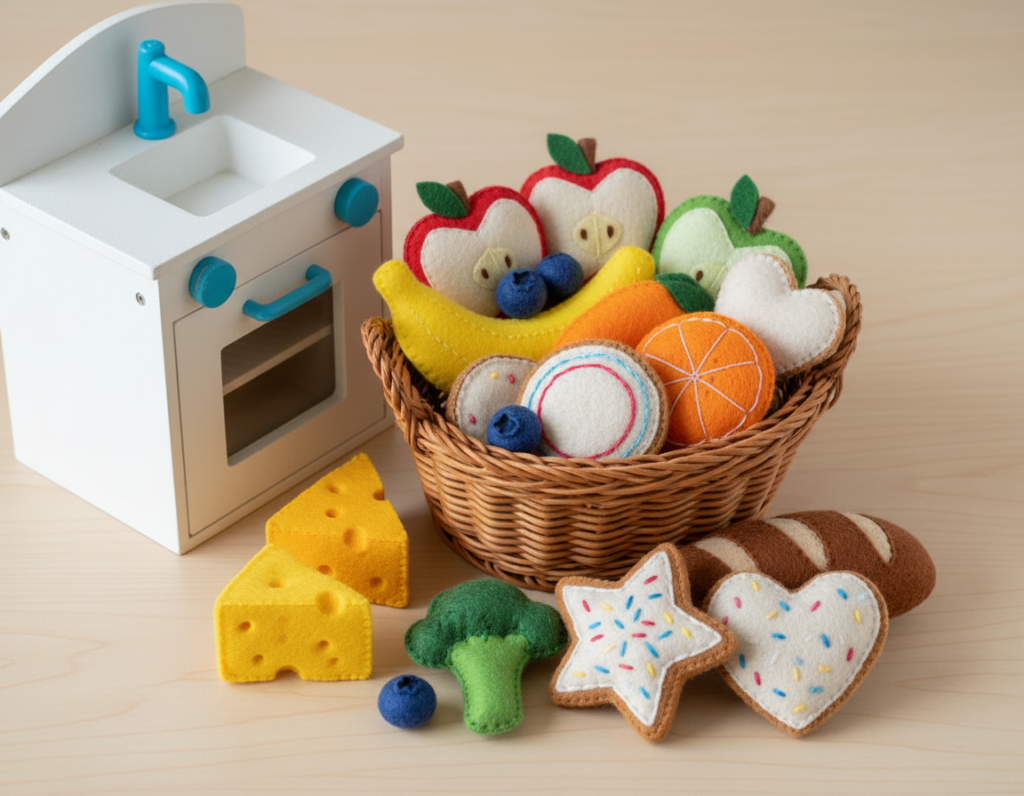
Felt food pieces inspire imaginative play. These hand sewing projects require no machine and work perfectly for using small felt scraps.
Create simple shapes like cookies, fruits, or sandwiches. Cut two identical felt pieces for each food item. Blanket stitch around the edges by hand, leaving an opening for stuffing. Add a bit of fiberfill and finish stitching.
Detail work brings felt food to life. Add seeds to strawberries with French knots. Create lettuce with crinkled green felt. Use brown felt with white stitching for cookies with chips.
Pocket Organizers for Bedside Storage
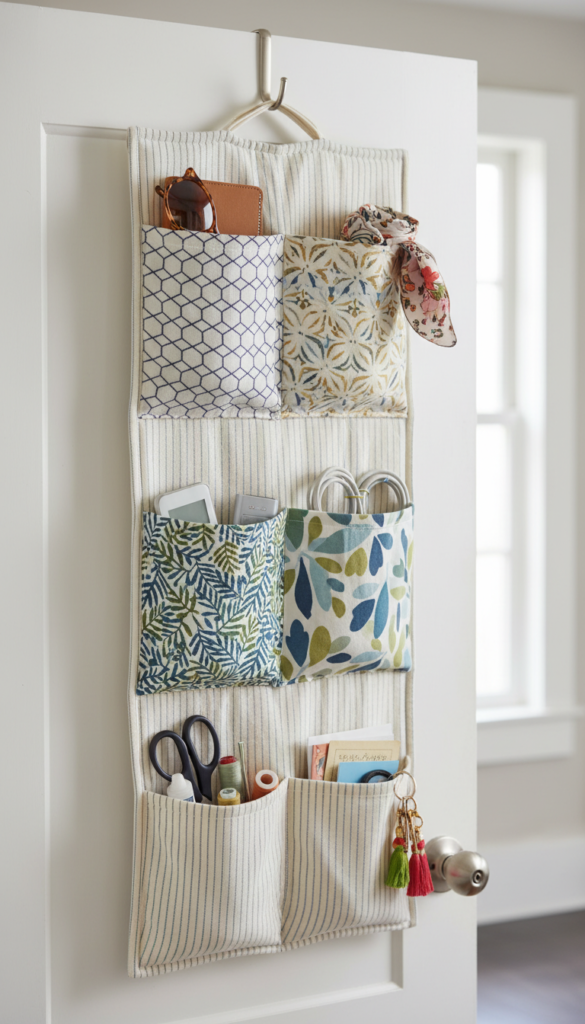
Hanging pocket organizers keep small items accessible. These practical gifts work beside beds, on doors, or near desks.
Cut a large fabric rectangle for the base. Add pockets by sewing smaller rectangles at intervals. Hem all edges. Add a dowel rod pocket at the top for hanging, or use ribbon loops.
Customize pocket sizes based on what kids need to store. Small pockets hold hair ties or small toys. Larger pockets fit books or tablets.
Simple Tote Bags for Everyday Use
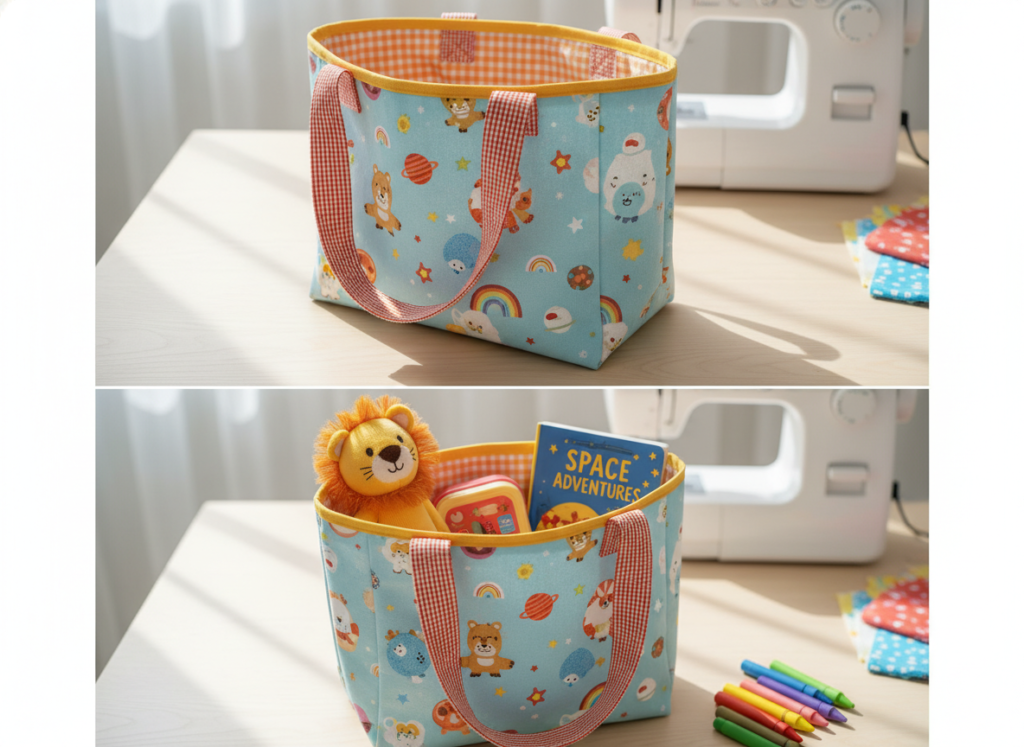
A small tote bag serves countless purposes. Kids use them for library books, sleepovers, or carrying toys to friends’ houses.
Basic tote construction involves sewing two rectangles together on three sides, then adding handles. For durability, use cotton canvas or heavy cotton fabric. Reinforce handle attachment points with extra stitching.
Personalize totes with pockets, appliques, or the child’s name. Lined totes look more professional and add strength.
Master Essential Sewing Techniques
From installing zippers to creating professional finishes, proper technique makes all the difference. Get access to comprehensive video tutorials and PDF guides that show you exactly how to complete each step. Build confidence with clear instructions designed for beginners.
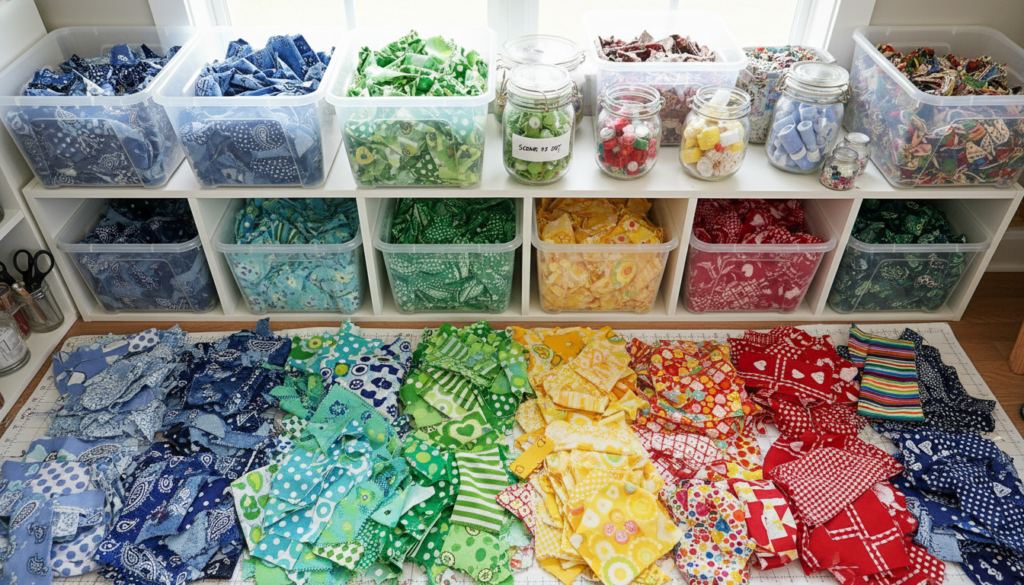
Small sewing projects help you use every bit of fabric. Scraps become treasures rather than waste.
Scrap Project Ideas
Patchwork coasters using tiny fabric squares
Fabric-covered buttons for decoration or closures
Small sachets filled with lavender or potpourri
Applique shapes for embellishing larger projects
Fabric beads for jewelry making
Miniature stuffed animals or finger puppets
Bookmarks with ribbon attachments
Organizing scraps by color or size makes finding the right piece easier. Clear containers or labeled bags keep your scraps accessible for spontaneous creativity.
Hand Sewing Techniques for Small Projects
Not every project requires a sewing machine. Hand sewing offers portability and precision for detail work.
Essential Hand Stitches
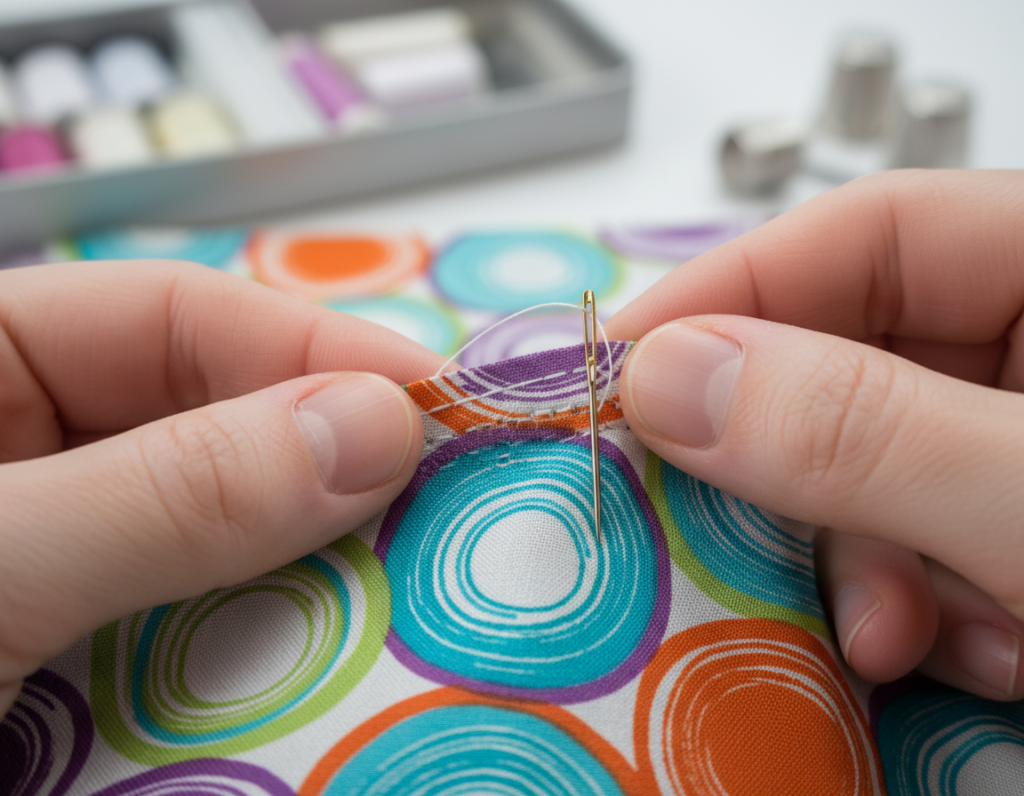
The running stitch creates simple seams. Bring your needle up through the fabric, then down again, creating even stitches in a line.
Backstitch provides stronger seams. After each forward stitch, bring the needle back to the end of the previous stitch before moving forward again.
Blanket stitch finishes edges beautifully. It works especially well for felt projects and creates a decorative border.
Whip stitch joins two fabric pieces at their edges. This works perfectly for closing stuffed items after turning and filling.
Teaching Kids to Sew Safely
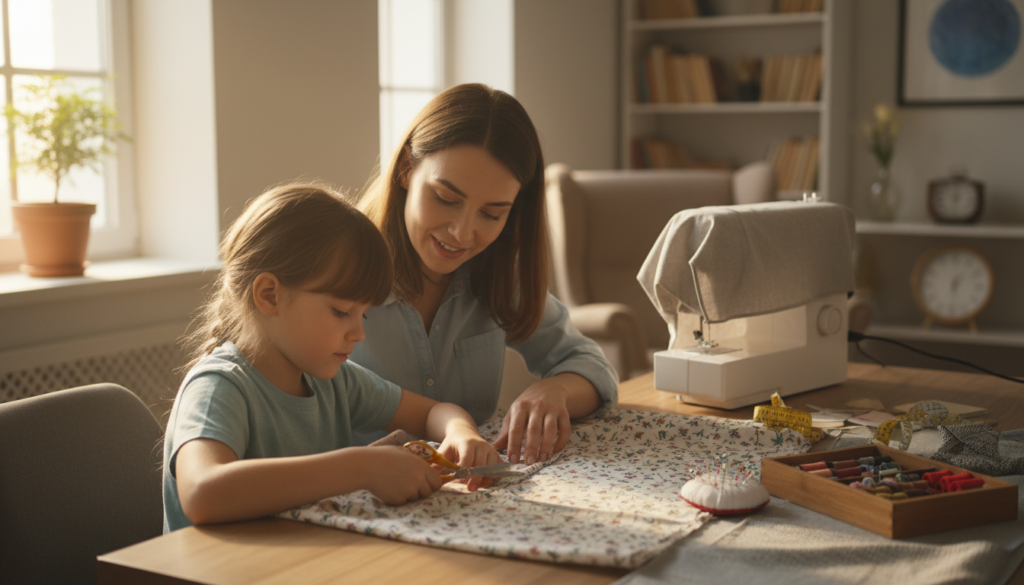
Involving children in sewing creates bonding time and teaches valuable skills. Start with age-appropriate projects and supervision.
Age-Appropriate Sewing Activities
Young children ages four to six can practice lacing cards or sewing on burlap with plastic needles. These activities develop hand-eye coordination.
Kids ages seven to nine can learn basic hand stitches on felt or simple fabric projects. Supervise closely when using needles.
Children ten and older can begin learning machine sewing with proper instruction. Start with straight seams on scrap fabric before attempting projects.
Safety Guidelines
Always supervise children when using needles or scissors
Teach proper handling and storage of sharp tools
Use finger guards or thimbles to prevent needle pricks
Keep the iron and hot surfaces away from children
Demonstrate each technique before letting kids try
Create a designated sewing space with good lighting
Adding Special Finishing Touches
Small details transform good projects into great gifts. Finishing touches show the extra care you put into creating something special.
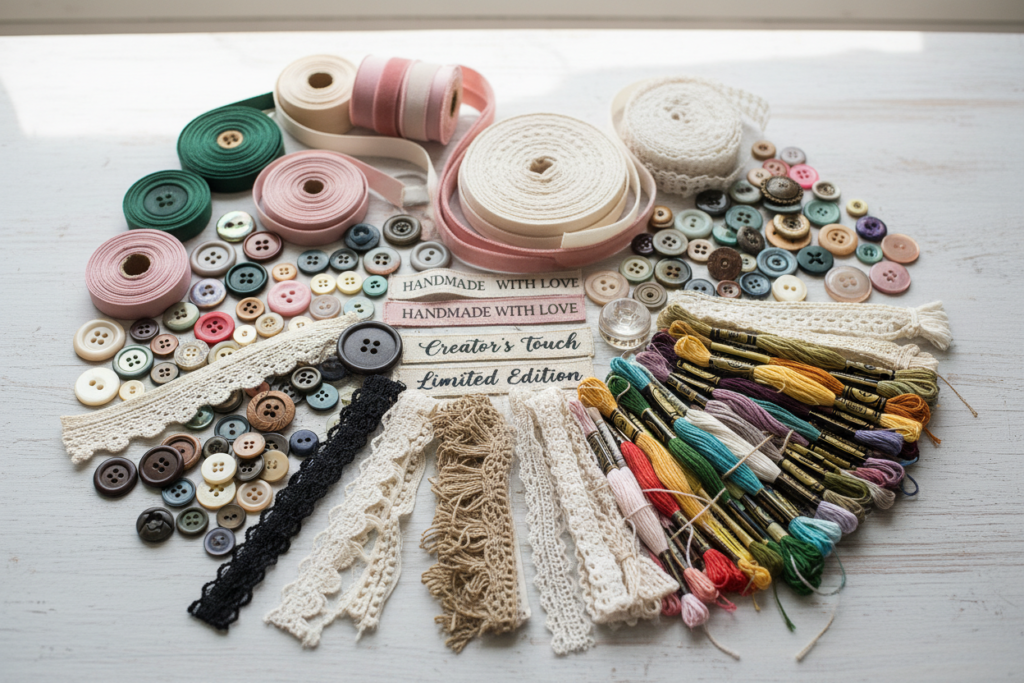
Embroidery adds personalization. Stitch names, initials, or simple designs onto your projects. Even basic stitches create meaningful customization.
Buttons serve both function and decoration. Choose fun shapes or colors that coordinate with your fabric. Sew them securely so they withstand enthusiastic play.
Ribbons, rickrack, and trim provide texture and visual interest. These embellishments help beginners create professional-looking results.
Labels make gifts feel complete. Create fabric labels with the recipient’s name or add tags with care instructions.
Caring for Handmade Items
Proper care ensures handmade gifts last for years. Share care instructions with gift recipients so items stay beautiful.
Most cotton projects wash safely in cold water on gentle cycle. Air drying prevents shrinkage and maintains shape. Avoid high heat that can damage fabrics or cause colors to fade.
Hand washing works best for delicate items with embellishments. Use mild detergent and cool water. Press gently to remove excess water rather than wringing.
Store fabric items in breathable containers. Avoid plastic bags that can trap moisture and cause mildew. Cedar blocks help repel insects naturally.
Planning Your Sewing Project Success
Successful projects start with good planning. Taking time to prepare prevents frustration and wasted materials.
Before You Start Sewing
Read through the entire pattern or instructions before cutting fabric
Gather all materials and tools so everything is within reach
Pre-wash fabric to prevent shrinkage in finished items
Cut carefully using sharp scissors and accurate measurements
Mark fabric pieces clearly so you know which goes where
Test your machine settings on scrap fabric first
Set up proper lighting and comfortable seating
Allow extra time for your first attempt at any new technique. Rushing leads to mistakes. Enjoying the process creates better results than focusing only on the finished product.
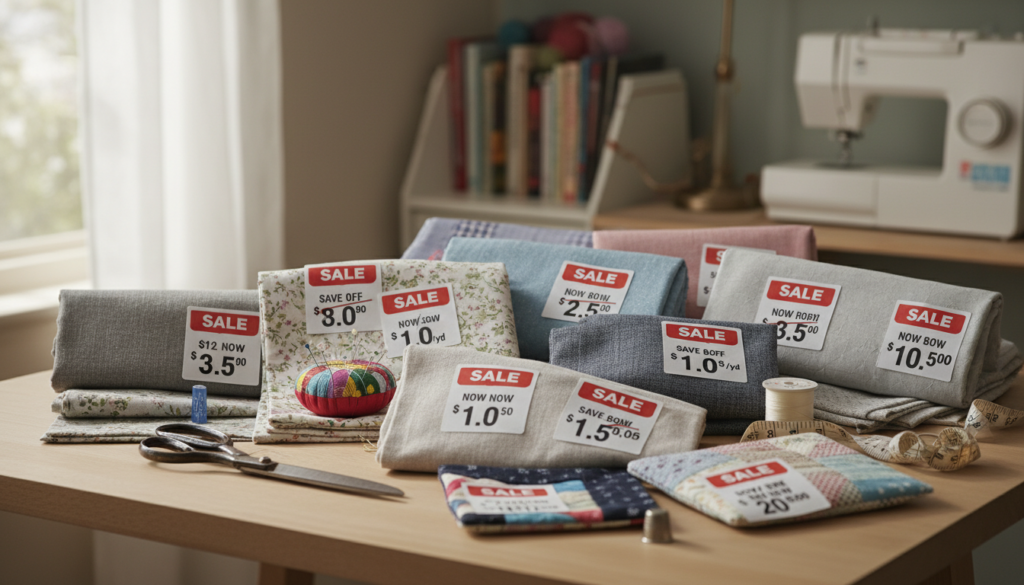
Buy fabric during sales or use coupons at craft stores. Many stores offer regular discounts that significantly reduce costs. Sign up for email lists to receive exclusive deals.
Thrift stores and garage sales often have fabric, patterns, and supplies at fraction of retail prices. You can find vintage patterns and unique fabrics unavailable in current stores.
Repurpose clothing and linens for fabric. Old jeans become sturdy bags. Worn shirts provide fabric for smaller projects. This approach combines sustainability with savings.
Join online sewing communities for free patterns and advice. Many experienced sewers share patterns and tips generously. You’ll find support and inspiration without spending money.
Presenting Your Handmade Creations
Thoughtful presentation enhances any handmade gift. How you package your creation shows additional care and consideration.
Simple fabric wrapping eliminates paper waste while adding charm. Wrap your gift in coordinating fabric tied with ribbon. The recipient can reuse the wrapping fabric for their own projects.
Clear cellophane bags work well for smaller items. Tie them with colorful ribbon and attach a handmade tag. This displays your work beautifully while protecting it.
Create gift tags from cardstock or fabric scraps. Include the item name and basic care instructions. Personal notes make gifts even more special.
Photo cards showing you working on the project add sentimental value. Kids especially appreciate seeing the creation process behind their gift.
Start Creating Today
Small sewing projects open doors to creativity and meaningful gift-giving. Each item you create carries your personal touch and care. Whether you’re making a simple drawstring bag or attempting your first zipper pouch, every project builds your skills and confidence.
The gifts you sew for kids become cherished possessions. Children recognize the time and thought invested in handmade items. These creations often outlast mass-produced toys and remain treasured into adulthood.
Begin with projects matching your current skill level. As you complete each one, you’ll naturally develop techniques for more complex creations. The sewing journey brings satisfaction through both the process and the results.
Transform Your Sewing Skills Today
Stop struggling with unclear instructions and missing steps. Get instant access to professionally designed patterns, video tutorials, and a supportive community of fellow sewers. Everything you need to create amazing handmade gifts for the kids in your life, all in one place.
Gather your supplies, choose your first project, and experience the joy of creating something by hand. Your journey into sewing small projects starts now.