Starting your sewing journey can feel overwhelming. You stand in front of a sewing machine, fabric in hand, wondering where to begin. The good news? Small sewing projects offer the perfect starting point for beginners. These quick, manageable projects build confidence without demanding advanced skills or expensive materials.
This Website contains affiliate links. That means I may earn a small commission if you purchase through my links, at no extra cost to you.
This guide brings you dozens of free sewing patterns designed specifically for beginners. Each project takes less than one hour to complete. You’ll learn essential techniques while creating useful items for your home, wardrobe, and loved ones. Whether you’ve never touched a sewing machine or completed a few basic projects, these patterns will expand your skills one stitch at a time.
The best part? You probably already have most materials at home. Scrap fabric from old clothes works perfectly for many of these projects. This approach saves money while reducing waste. Let’s transform your fabric scraps into beautiful, functional items.
Getting Started: Essential Supplies for Beginner Sewing
Before diving into projects, you need basic supplies. Don’t worry about buying everything at once. Start with essentials and build your collection over time.
Must-Have Tools
Your sewing machine serves as the foundation. A basic model works perfectly for beginners. You don’t need fancy features or expensive attachments. Look for machines with straight stitch and zigzag options.
Sharp fabric scissors make cutting easier. Never use these scissors on paper. Paper dulls blades quickly. Keep one pair dedicated to fabric only.
Measuring tape helps ensure accuracy. A clear ruler also comes in handy. Pins and needles in various sizes round out your basic toolkit.
Fabric Choices
Cotton fabric works best for beginners. It’s easy to sew and forgiving with mistakes. Start with quilting cotton for most projects.
Avoid slippery materials like satin or stretchy knits initially. These fabrics require more experience. Stick with stable, woven cotton until you build confidence.
Save old clothes for practice fabric. Old bed sheets work great for testing patterns. This way you learn without wasting money on new fabric.
Want to Master Essential Sewing Techniques?
Discover comprehensive video tutorials and step-by-step guidance that take you from complete beginner to confident creator. Learn proper techniques, avoid common mistakes, and access hundreds of exclusive patterns.
These beginner sewing projects require minimal time and materials. Each one teaches fundamental skills. Start with whichever project excites you most.
Simple Fabric Coasters
Coasters make a great first project. They’re small, quick, and practical. You’ll practice cutting straight lines and sewing basic seams.
Cut two fabric squares, each measuring five inches. Place them right sides together. Sew around the edges, leaving a small opening. Turn right side out through the opening. Press flat and topstitch around the edge.
This project introduces you to basic sewing steps. You’ll learn about seam allowances and turning corners. Make several coasters to practice consistency.
Easy Drawstring Bag
A drawstring bag serves countless purposes. Use it for storing toys, organizing craft supplies, or holding gifts. This easy sewing project teaches you how to create a casing for drawstrings.
Cut a rectangle of fabric measuring ten by fourteen inches. Fold it in half with right sides together. Sew along both long edges. Create a casing at the top by folding down the fabric and stitching. Thread cord or ribbon through the casing.
You’ll practice straight seams and creating channels for closures. This skill applies to many future projects including bags and waistbands.
Fabric Bookmarks
Bookmarks take just fifteen minutes to complete. They make perfect gifts and use tiny fabric scraps. This quick project builds your confidence quickly.
Cut fabric strips measuring two by six inches. Add interfacing for stability if desired. Fold the strip in half lengthwise, right sides together. Sew along the long edge and one short end. Turn right side out and press flat.
Add ribbon or trim for decoration. These small projects help you master the turning technique. You’ll use this skill constantly in sewing.
Beginner-Friendly Tote Bag Patterns
Tote bags rank among the most popular sewing projects. They’re practical, customizable, and surprisingly simple. Start with basic designs and work toward more complex versions.
Simple Lined Tote Bag
A basic tote bag teaches multiple skills at once. You’ll learn about lining, handles, and construction order. This versatile bag works for groceries, books, or beach trips.
Cut two exterior fabric pieces and two lining pieces, each measuring fourteen by sixteen inches. Cut four handle strips measuring three by twenty inches. Sew handles to exterior pieces first. Then sew exterior and lining separately, leaving opening in lining.
This great project introduces bag construction basics. You’ll understand how pieces fit together. The skills transfer to countless other bag patterns.
Market Tote with Pockets
Adding pockets increases functionality. This tote bag keeps your phone, keys, and wallet organized. The pocket construction teaches precision and planning.
Follow the basic tote instructions. Before assembling the exterior, add pocket pieces to the outer fabric. Fold pocket fabric edges under and topstitch in place. This creates clean, professional-looking pockets.
Pockets teach you about fabric placement and reinforcement. You’ll want to make sure your stitching is secure at stress points. This attention to detail improves all your future projects.
Beach Tote Variation
Make your tote bag larger for beach days. Use waterproof fabric for the lining. Add a zippered pocket to keep valuables safe from sand and water.
Library Tote Design
Reinforce the bottom with extra stitching for heavy books. Add a button closure to keep contents secure. This makes a great gift for book lovers in your life.
Grocery Tote Set
Create multiple bags in different sizes. Use durable canvas or denim for longevity. These eco-friendly bags replace plastic while showcasing your skills.
Zipper Pouch and Case Patterns
Zipper pouches terrify many beginners. They seem complicated. Actually, installing zippers becomes easy with practice. These projects break down the process into simple steps.
Basic Zipper Pouch
Start with a simple flat zipper pouch. This design minimizes complexity while teaching zipper installation. You’ll use this skill constantly in future sewing projects.
Cut two exterior pieces and two lining pieces, each measuring six by eight inches. Choose a seven-inch zipper. Pin the zipper face-down on one exterior piece. Sew along the edge using a zipper foot.
Flip the fabric right side up and topstitch close to the zipper. Repeat on the other side. Then sew the pouch sides together. This creates a professional-looking case for makeup, pencils, or small items.
Pencil Case with Flat Bottom
Adding a flat bottom creates more storage space. This pencil case holds all your writing supplies. The construction technique applies to many other projects including makeup bags and travel cases.
Follow the basic zipper pouch instructions. Before turning right side out, pinch the bottom corners. Sew across each corner perpendicular to the seam. This creates the flat base that helps the pouch stand upright.
Experiment with different corner measurements. Wider corners create a broader base. This simple modification dramatically increases storage capacity.
Eyeglass Case Pattern
Protect your glasses with a custom case. Add padding for extra protection. This great project uses small amounts of fabric and makes thoughtful gifts.
Cut fabric slightly larger than your glasses. Add a layer of batting between the exterior and lining for cushioning. Install the zipper across the top edge. Sew the sides closed, rounding the corners for a softer look.
The padding technique works for protecting cameras, phones, or tablets too. You can adapt this pattern to fit various electronic devices.
Easy Home Decor Sewing Patterns
Transform your living space with handmade items. These home decor projects add personality while building your sewing skills. Each one makes your house feel more like home.
Simple Pillow Covers
Pillow covers offer an easy way to refresh your decor. Change them seasonally or whenever you want a new look. This beginner sewing project requires only straight seams.
Measure your pillow insert. Add one inch to each dimension for seam allowance. Cut two fabric squares to these measurements. Place right sides together and sew around three sides. Turn right side out and insert the pillow.
For removable covers, add an envelope closure or zipper on one side. This allows easy washing. Try mixing different fabrics and patterns for visual interest.
Table Runner with Mitered Corners
A table runner adds elegance to dining spaces. Mitered corners create a professional finish. This technique seems advanced but breaks down into manageable steps.
Cut your main fabric to desired length and width. Cut border strips for all four sides. Sew borders to each edge, creating forty-five degree angles at corners. This creates crisp, tailored corners that look store-bought.
Practice on scrap fabric first. Mitered corners require precision but reward you with beautiful results. Use this skill for placemats, quilts, and other bordered projects.
Curtain Panels
Basic curtain panels update any room. You control fabric choice, length, and fullness. This easy sewing project transforms windows while teaching you about hems and large-scale sewing.
Measure your window and decide on curtain length. Add extra fabric for hems and header. Hem the sides first by folding fabric twice and stitching. Create a rod pocket at the top by folding and sewing a channel.
The bottom hem needs extra weight for proper draping. Fold up several inches and stitch in place. Press well for crisp, professional-looking curtains.
Ready to Create Stunning Home Decor?
Access professional techniques and advanced patterns that transform your space. Learn how to work with different fabrics, master precise measurements, and create heirloom-quality pieces your family will treasure for years.
Sewing for little ones brings special joy. Baby items require small amounts of fabric and time. Kids appreciate handmade gifts that show you care.
Baby Burp Cloths
Burp cloths make practical baby gifts. They’re quick to sew and highly appreciated by new parents. This project uses cotton fabric layered with absorbent terry cloth.
Cut cotton fabric and terry cloth in matching rectangles, about ten by twenty inches. Layer them with wrong sides together. Sew around the edges, turning corners carefully. Add decorative topstitching if desired.
Make several burp cloths in coordinating fabrics. They also make great gifts when bundled together. Parents always need extras for laundry days.
Simple Baby Blanket
A baby blanket becomes a treasured keepsake. This easy make requires basic straight stitching. Choose soft, washable fabrics suitable for delicate baby skin.
Cut two fabric squares, each thirty-six inches. Place right sides together and sew around edges, leaving an opening for turning. Clip corners and turn right side out. Press flat and topstitch around the entire edge.
Consider adding a personalized label with the baby’s name and birth date. This transforms a simple project into a family heirloom.
Kids’ Apron
Little helpers love their own aprons. This pattern adapts easily to different sizes. Kids can help choose fabric, making the project more meaningful.
Cut a main apron piece in a simple rectangular shape with rounded bottom corners. Add pocket pieces to the front. Create straps from matching fabric or ribbon. Attach straps at the top and sides for easy on and off.
Let kids decorate their aprons with fabric paint or iron-on patches. This personalizes the item while building their excitement about helping in the kitchen.
Toy Storage Basket
Fabric baskets organize toys while adding color to kids’ rooms. They’re sturdier than you might think. This great project teaches working with interfacing and creating structure.
Cut fabric circles for the base and rectangles for sides. Add heavy interfacing or batting for stability. Sew the side piece into a tube, then attach the base. Fold the top edge down and topstitch for a clean finish.
Make baskets in various sizes for different toy types. Add handles for easy carrying. These baskets make wonderful gifts for new parents or kids’ birthdays.
Messenger Bag and Crossbody Patterns
Messenger bags offer style and function. These patterns seem complex but break down into manageable sections. You’ll learn about bag hardware, adjustable straps, and structured construction.
Basic Messenger Bag
A simple messenger bag holds books, laptops, or daily essentials. This pattern introduces you to flap closures and long straps. The skills apply to countless other bag styles.
Cut main body pieces, flap piece, and strap. Add interfacing to the flap for structure. Sew the body into a bag shape, then attach the flap to the back. Create a long strap with adjustable hardware.
Add pockets to the interior for organization. Magnetic snaps or buttons secure the flap. This messenger bag works for students, commuters, or anyone needing hands-free carrying.
Crossbody Bag Pattern
Crossbody bags keep essentials close while leaving hands free. This smaller version teaches similar techniques as the messenger bag. The compact size means less fabric and quicker completion time.
Use the same construction method as the messenger bag but in smaller dimensions. Add a zipper to the top for security. Create an adjustable strap that fits comfortably across the body.
This versatile bag works for travel, concerts, or daily errands. Make several in different fabrics to match various outfits. They also make excellent gifts.
Want to Master Bag-Making Techniques?
Discover professional bag construction methods including hardware installation, reinforced straps, structured bases, and lining techniques. Create bags that rival designer quality at a fraction of the cost.
Summer brings opportunities for specific seasonal projects. These items enhance warm-weather activities. They’re also great for using up bright, cheerful fabrics.
Beach Bag
A sturdy beach bag hauls towels, sunscreen, and summer essentials. Use water-resistant fabric or add a waterproof lining. This practical project serves you all summer long.
Create an extra-large tote following basic tote bag instructions. Reinforce the straps with multiple rows of stitching. Add interior pockets for phones and keys. Consider a zipper closure to keep sand out of valuables.
The large size accommodates wet swimsuits and sandy toys. Make sure your stitching is strong to handle heavy loads. This bag becomes a summer staple you’ll use for years.
Picnic Blanket
A washable picnic blanket enhances outdoor dining. Add a waterproof backing to keep you dry on damp grass. This easy sewing project creates lasting summer memories.
Cut decorative top fabric and waterproof backing in large rectangles. Layer them with wrong sides together. Bind the edges with coordinating binding tape or fabric strips. Add handles for easy carrying.
Choose durable, washable fabrics that withstand outdoor use. The waterproof backing protects from moisture while the top stays soft and comfortable. This makes a great gift for outdoor enthusiasts.
Sun Hat for Kids
Protect little ones from summer sun with handmade hats. This pattern uses cotton fabric with a wide brim. Kids love choosing their own fabrics.
Cut circular brim pieces and crown sections according to head measurements. Add interfacing to the brim for stability. Sew crown sections together, then attach to brim. Add chin ties to keep the hat secure on windy days.
This pattern adapts easily for different ages. Make matching hats for siblings or friends. The wide brim provides excellent sun protection during outdoor play.
Quick Gift Sewing Projects
Handmade gifts carry special meaning. These quick projects work perfectly for birthdays, holidays, or just because. Each one shows you care enough to create something special.
Fabric Gift Bags
Reusable gift bags eliminate wrapping paper waste. They’re quick to make and become part of the gift. This eco-friendly option suits any occasion.
Follow the drawstring bag instructions in a size appropriate for your gift. Choose festive fabrics for holidays or elegant prints for special occasions. Add ribbon or trim for extra decoration.
Recipients appreciate receiving a gift bag they can reuse. This doubles your gift while promoting sustainability. Make several in various sizes to keep on hand.
Lavender Sachets
Sachets scent drawers and closets naturally. These tiny projects use fabric scraps and dried lavender. They make wonderful gifts for anyone who appreciates fresh-smelling linens.
Cut small fabric rectangles or squares. Sew three sides together, leaving one open. Fill with dried lavender, then sew the opening closed. Add ribbon loops for hanging or decorative buttons.
Try different herbs like rosemary or mint for variety. These sachets also work well as car air fresheners. Bundle several together for a thoughtful gift set.
Coffee Cozy
A fabric coffee cozy protects hands from hot cups. This quick project makes great gifts for coffee lovers. It uses minimal fabric and takes less than thirty minutes.
Cut fabric and insulating batting in rectangles sized to fit around a coffee cup. Layer them and sew into a tube. Add velcro or a button closure. This reusable cozy replaces disposable sleeves while adding personality.
Make cozies in favorite colors or team logos. They fit standard coffee shop cups perfectly. Recipients will think of you every morning with their coffee.
Fabric Keychains
Create personalized keychains using fabric scraps and key hardware. Add initials or fun shapes. These small gifts work perfectly for party favors or stocking stuffers.
Fabric Headbands
Sew stylish headbands using jersey or cotton fabrics. Add elastic for comfort. These accessories make thoughtful gifts for friends who love fashion and handmade items.
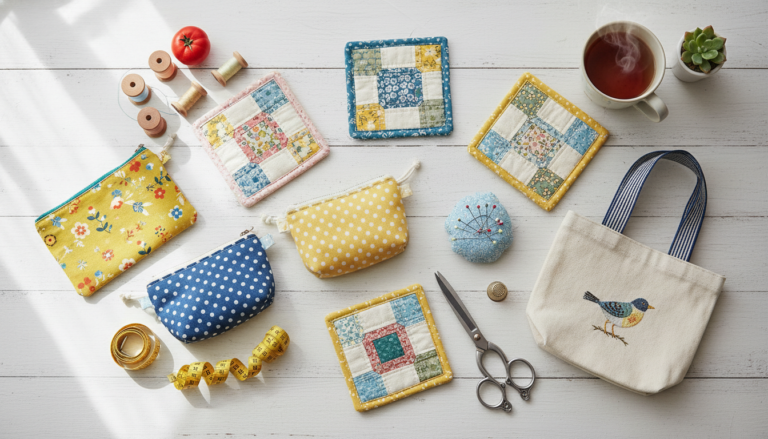
Quilted Potholders
Make practical potholders with quilted layers for heat protection. Use cotton fabric and heat-resistant batting. Perfect gifts for anyone who enjoys cooking or baking.
Creative Scrap Fabric Projects
Don’t throw away fabric scraps. Small pieces create beautiful projects. These ideas help you use every bit of fabric while building skills.
Fabric Scrunchies
Scrunchies came back in style and they’re easy to make. This project uses long, narrow fabric strips. You’ll practice working with tubes and elastic.
Cut fabric strips about four inches wide and twenty inches long. Sew into a tube, right sides together. Thread elastic through the tube using a safety pin. Sew elastic ends together and close the tube opening.
This fun project takes less than fifteen minutes. Make several at once in coordinating fabrics. They make perfect gifts for teens and anyone with long hair.
Patchwork Coasters
Combine tiny scraps into colorful coasters. This introduces basic patchwork techniques. You’ll learn about piecing fabric together precisely.
Cut scrap fabric into small squares or strips. Arrange them in pleasing patterns and sew together. Add backing fabric and batting. Quilt through all layers and bind the edges.
These coasters use the tiniest scraps. The piecing practice prepares you for quilting projects. Make sets in different color schemes for gifts or seasonal decor.
Fabric Scrap Garland
Create cheerful garlands from fabric strips. This no-sew option works great for kids’ rooms or party decorations. It’s also a fun project to make with children.
Cut fabric strips in various widths and lengths. Tie them onto string or ribbon, spacing evenly. No sewing required. This project uses up the smallest scraps while creating fun decorations.
Try different color themes for holidays or seasons. The garland adds personality to any space. It also makes a great photo backdrop for parties.
Sewing Projects for Organization
Handmade organizers solve storage problems creatively. These projects keep your home tidy while showcasing your skills. Each one can be customized to fit your specific needs.
Wall Hanging Organizer
A wall organizer holds mail, keys, and daily essentials. This great project combines multiple pockets in one piece. It teaches precision and planning.
Cut a main backing piece in desired size. Create various pocket sizes and arrange them on the backing. Topstitch pockets in place, reinforcing stress points. Add a rod pocket at the top for hanging.
Customize pocket sizes for specific items like phones, glasses, or pens. This organizer works great near entryways or in home offices. Make sure your stitching is secure since pockets will hold weight.
Drawer Dividers
Fabric dividers organize drawers neatly. They’re custom-sized to fit your drawers perfectly. This project uses interfacing or cardboard for structure.
Measure your drawer and plan divider placement. Cut fabric-covered cardboard pieces to size. Create fabric sleeves for the dividers. Arrange them in your drawer to create customized compartments.
These dividers work perfectly for organizing socks, underwear, or office supplies. Choose wipeable fabrics for easy cleaning. They transform messy drawers into organized spaces.
Hanging Jewelry Organizer
Keep jewelry tangle-free with a hanging organizer. This pattern includes pockets and loops for different jewelry types. It saves drawer space while protecting delicate pieces.
Create a long fabric panel with multiple pocket rows. Add loops or ribbons for hanging necklaces. Clear vinyl pockets let you see contents easily. Hang from a closet rod or door hook.
This organizer protects jewelry while keeping pieces visible and accessible. It also makes packing for trips easier. Everything stays organized in one convenient location.
Transform Your Space with Professional Organization Solutions
Learn advanced organization techniques and access hundreds of customizable patterns. Create storage solutions tailored to your exact needs while mastering techniques used by professional organizers and interior designers.
Understanding basic techniques improves every project. These skills form the foundation of quality sewing. Master them and your projects will look professional.
Reading Patterns
Free sewing patterns come in various formats. Some use written instructions while others include diagrams. Learning to read patterns opens countless project possibilities.
Start by reading the entire pattern before cutting fabric. This prevents mistakes and helps you understand the construction sequence. Pay attention to seam allowances and cutting instructions.
Pattern symbols indicate different techniques. Dotted lines show fold lines. Arrows indicate grain direction. Taking time to understand these symbols makes following patterns much easier.
Proper Pressing
Pressing differs from ironing. You lift and place the iron rather than sliding it. This prevents fabric distortion and creates crisp, professional results.
Press seams open or to one side as patterns direct. Use appropriate heat settings for your fabric. Steam helps set creases and remove wrinkles. Good pressing makes your finished projects look polished.
Press at each construction stage rather than waiting until the end. This makes sewing easier and results look better. Invest in a good iron and pressing surface.
Finishing Seams
Raw edges fray over time and through washing. Finishing seams prevents this while adding durability. Several methods work for different projects and fabrics.
Zigzag stitching works for most cotton fabrics. Sew along the raw edge to prevent fraying. Pinking shears create a zigzag edge that resists fraying. Sergers provide professional-looking finished edges.
Choose finishing methods based on fabric type and project use. Items washed frequently need more secure seam finishing. Inside seams benefit from clean finishing even if they’re not visible.
Seam Allowance Accuracy
Consistent seam allowances ensure pieces fit together correctly. Most patterns use half-inch or five-eighths inch allowances. Use your machine’s seam guides or mark fabric edges with tape.
Practice sewing straight lines at consistent distances. This fundamental skill impacts every project. Accurate seams mean finished items fit properly and look professional.
Troubleshooting Common Problems
Thread bunching underneath usually means incorrect threading or tension. Rethread both top and bobbin, checking tension settings. Skipped stitches often indicate a dull or bent needle.
Change needles regularly and use appropriate sizes for your fabric. Clean lint from the bobbin area frequently. Most sewing problems have simple solutions once you understand common causes.
Working with Different Fabric Types
Each fabric type behaves differently. Understanding fabric characteristics helps you choose appropriate materials and techniques. This knowledge prevents frustration and improves results.
Cotton Fabrics
Cotton remains the best choice for beginner sewing. It’s stable, easy to sew, and widely available. Quilting cotton works perfectly for most small projects.
Prewash cotton before cutting to prevent shrinkage. Press out wrinkles before measuring and cutting. Cotton holds creases well, making it ideal for precise sewing.
Different cotton weights suit different projects. Lightweight cotton works for clothing and small items. Heavy cotton duck or canvas creates sturdy bags. Match fabric weight to project requirements.
Working with Knits
Knit fabrics stretch, which creates special challenges. Wait until you’re comfortable with woven fabrics before trying knits. When ready, start with stable knits rather than very stretchy ones.
Use ballpoint needles designed for knits. These slip between fibers rather than piercing them. Stretch stitches or narrow zigzag stitches allow seams to stretch with the fabric.
Don’t pull fabric while sewing knits. Let the machine feed it naturally. A walking foot helps feed layers evenly. Practice on scraps before starting actual projects.
Special Fabrics
Certain fabrics require special handling. Vinyl doesn’t need pins, which leave permanent holes. Use clips instead. Minky and fleece need longer stitch lengths to prevent bulk.
Slippery fabrics like satin benefit from tissue paper layered while sewing. Tear away the paper afterward. Heavy fabrics like upholstery weight need larger needles and stronger thread.
Research specific fabrics before purchasing. Understanding their quirks prevents wasted materials. Start with recommended beginner-friendly fabrics until you build confidence.
Building Your Sewing Skills Progressively
Skill development happens gradually. Start with simple projects and slowly increase complexity. This approach builds confidence while preventing frustration.
Beginner Timeline
Your first projects should focus on straight seams. Master basic construction before adding zippers or buttons. This foundation supports all future learning.
Spend time with your sewing machine. Learn how it threads, adjusts tension, and changes stitches. Understanding your machine prevents many common problems.
Don’t rush to advanced projects. Each skill builds on previous ones. Taking time at each level creates a solid foundation for continued growth.
Intermediate Projects
Once comfortable with basic construction, try projects with zippers or buttonholes. Add gathering or pleating techniques. These skills expand what you can create.
Garment sewing introduces fitting and body measurements. Start with loose-fitting items before trying fitted clothing. Each garment teaches valuable lessons about construction and fit.
Challenge yourself with new techniques one at a time. Don’t combine multiple new skills in a single project. This targeted practice builds competence steadily.
Finding Inspiration
Pinterest offers endless project ideas. Save patterns that appeal to you. Create boards organizing projects by type or difficulty level.
Follow sewing bloggers and social media accounts. Seeing others’ projects sparks creativity. Don’t compare your beginning to someone else’s middle. Everyone starts somewhere.
Join online sewing communities for support and advice. These groups answer questions and share tips. The encouragement helps you persist through challenges.
Accelerate Your Sewing Journey
Stop struggling with confusing instructions and scattered information. Access a structured learning path that takes you from beginner basics to advanced techniques. Join thousands of sewers who’ve transformed their skills with professional guidance and comprehensive patterns.
Efficient sewing means more completed projects. These tips streamline your process without sacrificing quality. Small changes make big differences in productivity.
Batch Processing
Cut multiple projects at once when using the same pattern. This saves setup time. Press all pieces before assembly. Batching similar tasks increases efficiency significantly.
Thread multiple bobbins at once. Keep them wound and ready. This prevents mid-project stops for bobbin winding. Stock up on commonly used thread colors.
Set up assembly-line style when making multiples. Complete the same step on all pieces before moving to the next step. This rhythm increases speed and consistency.
Workspace Organization
A well-organized space reduces time spent searching for supplies. Keep frequently used tools within arm’s reach. This minimizes disruptions to your workflow.
Store projects in labeled bags or boxes. This keeps pieces together and prevents lost parts. Clear storage lets you see contents at a glance.
Maintain your machine regularly. Clean lint, change needles often, and oil according to manufacturer instructions. A well-maintained machine runs smoothly and prevents delays.
Quick Reference Resources
Create a notebook with favorite techniques and measurements. Include seam allowances, conversion charts, and tips. This personal reference saves time looking up common information.
Keep pattern pieces in labeled envelopes. Note any modifications you made. This makes repeating successful projects faster and easier.
Photograph completed projects before giving them away. These pictures remind you what worked well. They also inspire future projects and document your progress.
Avoiding Common Beginner Mistakes
Everyone makes mistakes while learning to sew. Understanding common pitfalls helps you avoid them. Learn from others’ experiences rather than repeating every mistake yourself.
Measurement Errors
Measure twice, cut once. This old saying prevents wasted fabric. Use a clear ruler for accuracy. Mark measurements clearly before cutting.
Remember seam allowances when calculating fabric needs. Many beginners forget to add them. This results in pieces that are too small when sewn together.
Double-check pattern placement on fabric grain. Cutting off-grain affects how finished items hang and wear. Take time to align pieces correctly before cutting.
Skipping Steps
Don’t skip pressing between steps. This seems time-consuming but creates better results. Pressed seams lie flatter and look more professional.
Pinning feels tedious but prevents shifting. Pieces stay aligned during sewing when properly pinned. This especially matters with slippery or stretchy fabrics.
Read entire pattern instructions before starting. Understanding the complete process prevents confusion midway through. Some steps must happen in specific order.
Using Wrong Supplies
Match needle size to fabric weight. Heavy fabric needs larger needles. Delicate fabric requires fine needles. Using wrong needles causes skipped stitches or fabric damage.
Thread weight matters too. All-purpose thread works for most projects. Heavy-duty thread suits thick fabrics and outdoor items. Match thread to fabric for best results.
Cheap tools frustrate beginners. Invest in quality scissors and a reliable measuring tape. These basics last for years and improve every project.
Seasonal Sewing Project Ideas
Different seasons inspire different projects. Plan ahead to create items when you need them. Seasonal sewing keeps your skills fresh year-round.
Fall and Winter Projects
Cooler weather calls for cozy items. Fleece blankets provide warmth and practice with bulky fabrics. Hot pads and oven mitts make thoughtful holiday gifts.
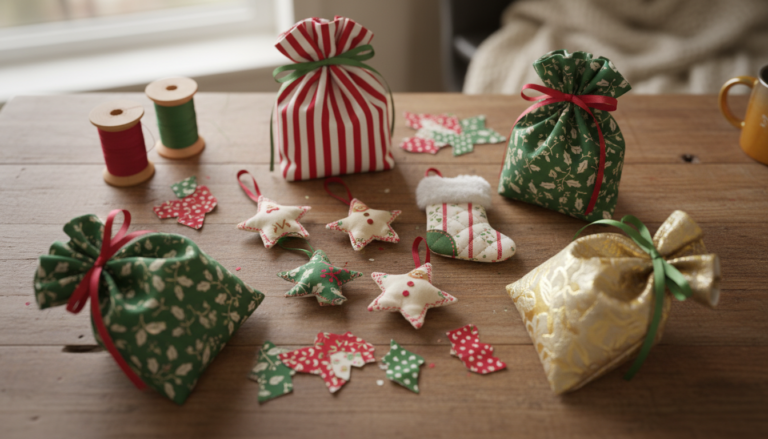
Holiday decorations add festive touches to your home. Fabric ornaments, table runners, and stockings become family traditions. These projects use small amounts of seasonal fabrics.
Sew gift bags and tags in holiday fabrics. These reusable items reduce waste while looking beautiful. Recipients appreciate the extra thoughtfulness of handmade wrapping.
Spring and Summer Ideas
Warmer weather means outdoor activities. Sew picnic supplies, beach gear, and garden accessories. Bright fabrics match the cheerful season.
Create lightweight scarves and summer accessories. These quick projects use minimal fabric. They’re perfect for trying new techniques without major time investment.
Garden tool organizers and plant caddies combine function with creativity. Use weather-resistant fabrics for items used outdoors. These practical projects solve real problems while building skills.
Sustainable and Eco-Friendly Sewing Practices
Sewing naturally reduces waste by creating reusable items. Small choices make your hobby even more environmentally friendly. These practices benefit both your budget and the planet.
Upcycling Old Clothes
Transform outgrown or damaged clothing into new items. Old jeans become sturdy tote bags. Worn shirts provide fabric for quilts or small projects.
This approach saves money on fabric while reducing landfill waste. Kids’ outgrown clothes offer especially good fabric. The existing seams and details add character to new creations.
Cut away damaged areas and use good sections. Even small pieces work for patchwork or embellishments. Nothing needs to go to waste.
Scrap Management
Organize scraps by size and color. Small pieces work for patchwork, applique, or stuffing. Medium scraps become coasters, sachets, or bookmarks.
Thread scraps work as stuffing for pincushions or small toys. Even tiny pieces have uses. This mindset reduces waste significantly over time.
Share scraps with other sewers or donate to schools. Teachers appreciate fabric for art projects. This builds community while preventing waste.
Choosing Sustainable Materials
Natural fiber fabrics like cotton, linen, and wool biodegrade eventually. They’re renewable and often more pleasant to sew. Support organic fabric producers when possible.
Buy quality fabric that lasts rather than cheap materials. Well-made items serve longer and need less frequent replacement. This reduces overall consumption.
Consider secondhand fabric sources. Thrift stores often sell fabric, sheets, and tablecloths cheaply. Online marketplace groups connect sewers swapping materials.
Create Sustainable, Beautiful Projects
Learn how to maximize every piece of fabric, transform old items into treasures, and create heirloom-quality projects that last for generations. Access eco-friendly patterns and techniques that reduce waste while expanding your creative possibilities.
Confidence grows with every completed project. Don’t let mistakes discourage you. Every experienced sewer started exactly where you are now.
Celebrating Small Wins
Acknowledge every milestone. Your first straight seam deserves celebration. So does your first completed project, no matter how simple.
Keep early projects as reminders of progress. Looking back shows how far you’ve come. This perspective helps during frustrating moments.
Share accomplishments with supportive friends or online communities. Positive feedback encourages continued learning. Others’ enthusiasm fuels your motivation.
Learning from Mistakes
Mistakes teach valuable lessons. Seam rippers exist because everyone makes errors. Don’t fear using yours. Fixing mistakes develops problem-solving skills.
Analyze what went wrong and why. Understanding prevents repeating the same mistake. This reflection accelerates learning more than perfect execution ever could.
Sometimes mistakes create happy accidents. That unplanned detail might look better than your original plan. Stay flexible and creative in problem-solving.
Setting Realistic Goals
Start small and build gradually. Don’t expect to sew a ball gown immediately. Each project should stretch your skills slightly without overwhelming you.
Dedicate regular time to sewing, even just thirty minutes weekly. Consistency matters more than marathon sessions. Regular practice embeds skills more effectively.
Don’t compare your pace to others. Everyone learns differently. Focus on your own progress and enjoyment. Sewing should bring joy, not stress.
Continuing Your Sewing Education
Learning never stops in sewing. New techniques and projects constantly emerge. Staying curious keeps the hobby fresh and exciting.
Online Resources
Video tutorials demonstrate techniques clearly. Watch experts explain tricky steps. Pause and replay as needed while working through new skills.
Sewing blogs offer written instructions with photographs. These references help when you need quick answers. Bookmark favorites for easy access.
Free sewing patterns abound online. Download and try different designers’ styles. This exposes you to various instruction formats and techniques.
Taking Classes
Local fabric stores often offer classes. These provide hands-on instruction and immediate feedback. You’ll meet other sewers and build community.
Online courses let you learn at your own pace. Many offer lifetime access to materials. This flexibility suits busy schedules perfectly.
Choose classes slightly above your current skill level. This challenges you appropriately while building on existing knowledge. The structure helps maintain motivation.
Joining Sewing Groups
Sewing circles provide support and accountability. Members share tips, troubleshoot problems, and inspire creativity. These connections enrich your sewing journey.
Online forums connect you with sewers worldwide. Ask questions anytime and receive multiple perspectives. The collective knowledge helps solve virtually any problem.
Consider starting your own group if none exist locally. Even a few sewing friends create valuable support. Regular meetups maintain momentum and motivation.
Your Small Sewing Projects Journey Begins Now
You now have dozens of small sewing projects free patterns for beginners at your fingertips. Each pattern builds specific skills while creating useful items. Start with projects that excite you most.
Remember that every expert was once a beginner. Your first stitches might wobble. Your first project might have imperfections. These moments mark the beginning of your creative journey, not failures.
Gather your basic supplies and choose your first project. Set aside time this week to begin. The satisfaction of creating something with your own hands awaits.
Sewing connects you to generations of makers. Each stitch carries forward ancient traditions while creating something uniquely yours. These small projects open doors to endless creative possibilities.
As your skills grow, so will your confidence. Projects that seem difficult now will become second nature. You’ll develop your own style and preferences. The key is simply to start.
Ready to Master Sewing Once and For All?
Transform from uncertain beginner to confident creator with comprehensive training that covers everything from basic stitches to advanced techniques. Join a thriving community of sewers who’ve turned their passion into a lifelong skill. Get instant access to hundreds of patterns, video tutorials, and expert guidance that takes the guesswork out of learning.
Your sewing adventure starts with a single stitch. Pick up that fabric. Thread your machine. Create something beautiful today. The world of small sewing projects free patterns for beginners welcomes you with endless opportunities for creativity, learning, and joy.