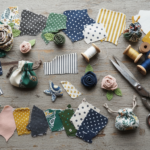
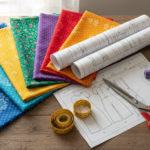
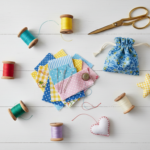
Your sewing room probably holds a treasure trove of fabric scraps waiting to become profitable projects. These small pieces of fabric that often get tossed aside can actually turn into a steady income stream. Many successful crafters have built thriving businesses by transforming leftover fabrics into items that customers love to buy.
The beauty of scrap fabric projects lies in their low material costs and quick creation time. You can make items that sell well without investing in expensive yardage. This guide shows you exactly which projects bring in money and how to price them for profit.
Whether you have cotton scraps from quilting or leftover pieces from garment sewing, there are buyers waiting for what you can create. Let’s explore the most profitable small sewing projects that transform your fabric scraps into cash.
Why Fabric Scrap Projects Make Perfect Items to Sell
Selling items made from fabric scraps offers unique advantages for your sewing business. The low material costs mean higher profit margins on each piece you create. You already own the fabric, so your investment is mainly time and thread.
Small projects also have faster turnaround times than large sewing projects. You can complete several items in one afternoon. This quick production lets you test different products to see what customers want most.
Benefits of Scrap Fabric Projects
- Minimal material investment required
- Quick production time for faster sales
- Easy to ship small items to customers
- Perfect for testing market demand
- Environmentally friendly business model
Market Advantages
- Unique one-of-a-kind items appeal to buyers
- Lower price points attract more customers
- Sustainable products are trending
- Easy to create product variety
- Great for seasonal and gift markets
Customers appreciate handmade items that show creativity and craftsmanship. Scrap fabric pieces often become the most charming products because each one is truly unique. This uniqueness commands better prices than mass-produced alternatives.
Ready to Turn Your Fabric Scraps Into Serious Income?
Discover proven patterns, pricing strategies, and selling techniques that successful sewists use to build profitable businesses from their fabric stash.
Top-Selling Small Sewing Projects Using Fabric Scraps
Certain scrap fabric projects consistently sell better than others. Understanding which items customers actively search for helps you focus your sewing time on profitable products. These projects have proven track records in online marketplaces and craft fairs.
Fabric Scrunchies and Hair Accessories
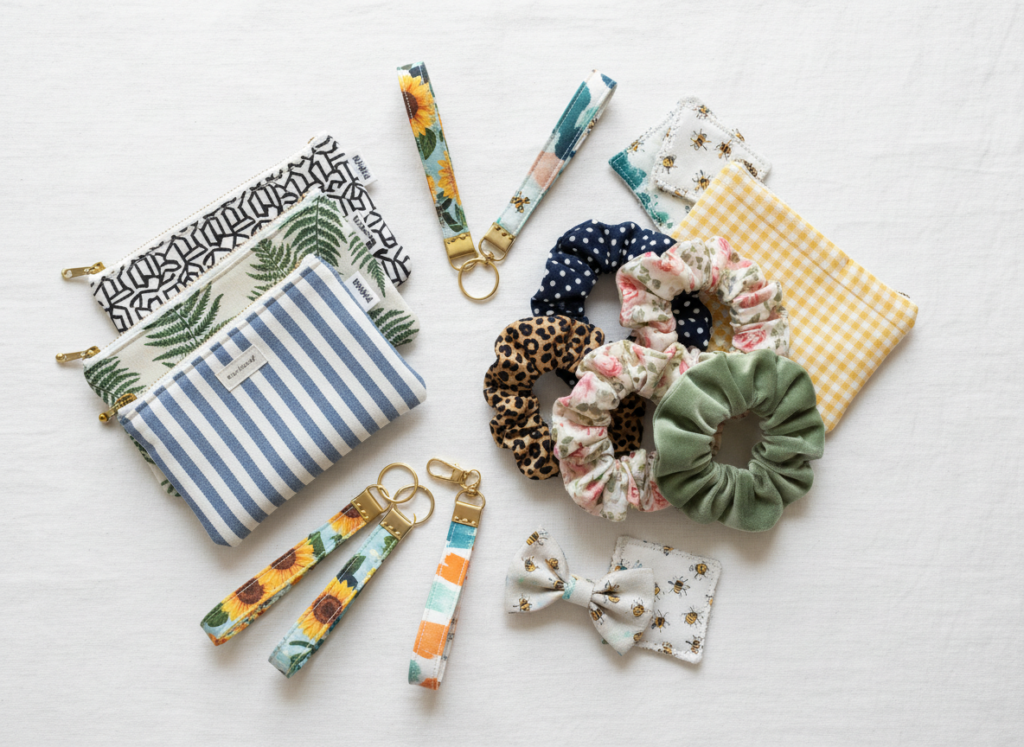
Hair scrunchies remain one of the easiest and most profitable scrap fabric projects. Each scrunchie requires just a small strip of fabric and elastic. You can make a dozen scrunchies in less than an hour once you establish your workflow.
Customers buy scrunchies in sets, which increases your average order value. They make great gifts and impulse purchases. The low price point encourages customers to buy multiple colors and patterns at once.
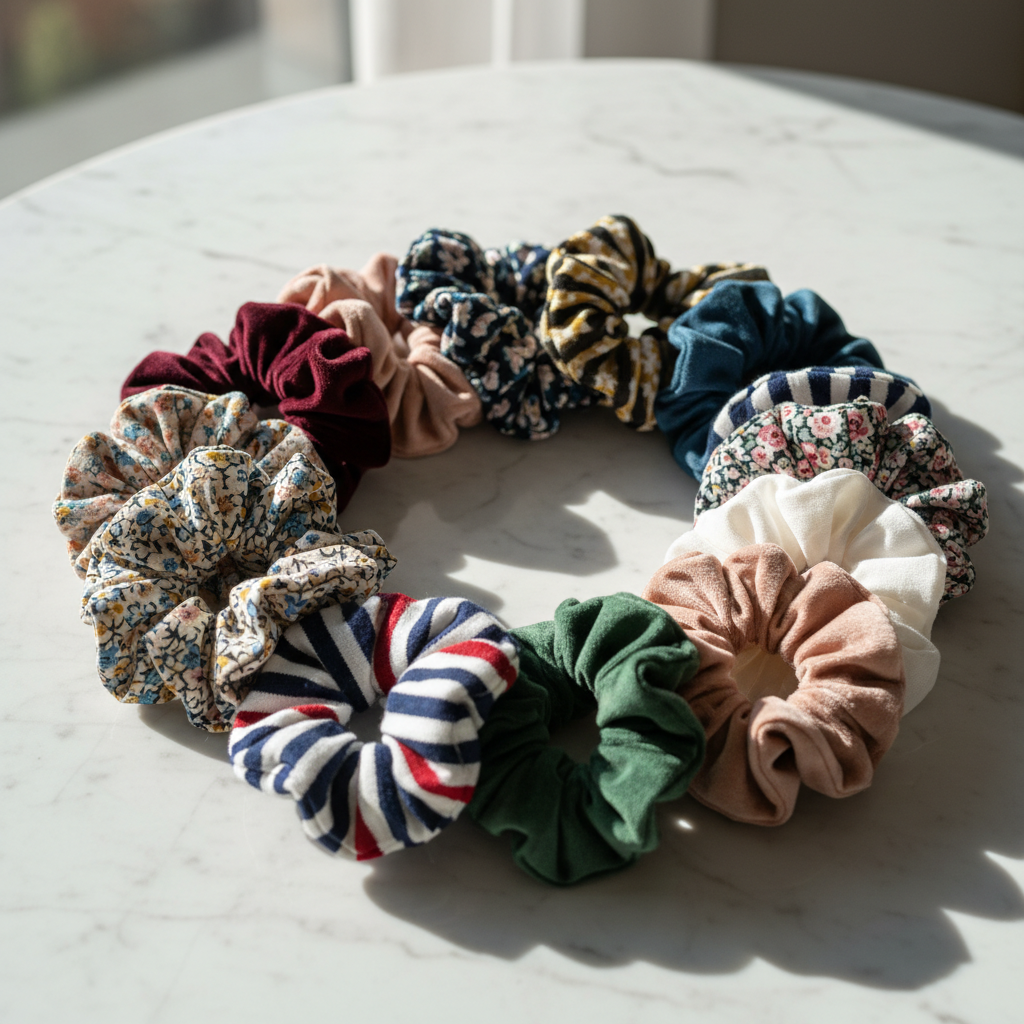
Beyond basic scrunchies, you can create bow scrunchies, oversized styles, and seasonal designs. Each variation appeals to different customer preferences. Set up a video tutorial showing your scrunchies in action to boost sales even more.
Zippered Pouches and Small Bags
Small zippered pouches solve everyday organization problems for customers. People use these bags for cosmetics, toiletries, pencils, and countless other items. A simple rectangular pouch with a zipper closure sells consistently well.
You can make pouches in various sizes from your scrap fabrics. Coin purses use the smallest pieces, while makeup bags need slightly larger scraps. The key is creating a useful size that addresses a specific storage need.
Makeup Bags
These popular items sell year-round as gifts and personal accessories. Customers appreciate wipeable linings and sturdy zippers.
- Use water-resistant fabric for linings
- Include interior pockets for organization
- Offer personalization options
Pencil Pouches
Back-to-school season drives strong sales. Parents and students look for unique designs that stand out.
- Create themed collections
- Size for standard pencil length
- Use durable fabrics that withstand daily use
Coin Purses
Perfect for using tiny fabric scraps. These small accessories make excellent add-on purchases.
- Keep production costs very low
- Great for impulse buys
- Easy to ship in regular envelopes
Reusable Shopping Bag Accessories
Environmental awareness drives demand for reusable products. Small fabric bags that replace plastic packaging sell particularly well. Produce bags, snack bags, and sandwich wraps appeal to eco-conscious customers.
These projects often use lightweight cotton scraps. A simple drawstring bag for produce requires minimal fabric and sewing time. You can also create reusable snack bags with food-safe linings.
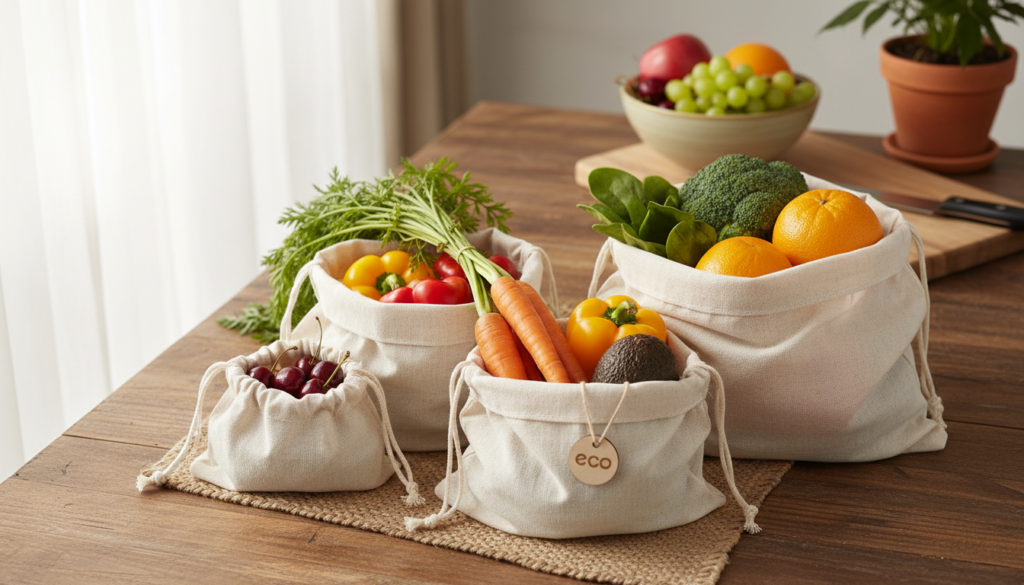
Market these items as sets to increase your sales value. A set of three different-sized produce bags sells better than individual pieces. Include care instructions and highlight the environmental benefits in your product descriptions.
Baby Items and Accessories
Baby products made from soft fabric scraps always find eager buyers. New parents and gift-givers constantly search for unique handmade baby items. Burp cloths, bibs, and small blankets work perfectly with scrap fabrics.
Burp cloths are especially profitable because they use small pieces of fabric layered with absorbent material. Parents need multiple burp cloths, so they buy them in sets. This creates higher order values for your business.
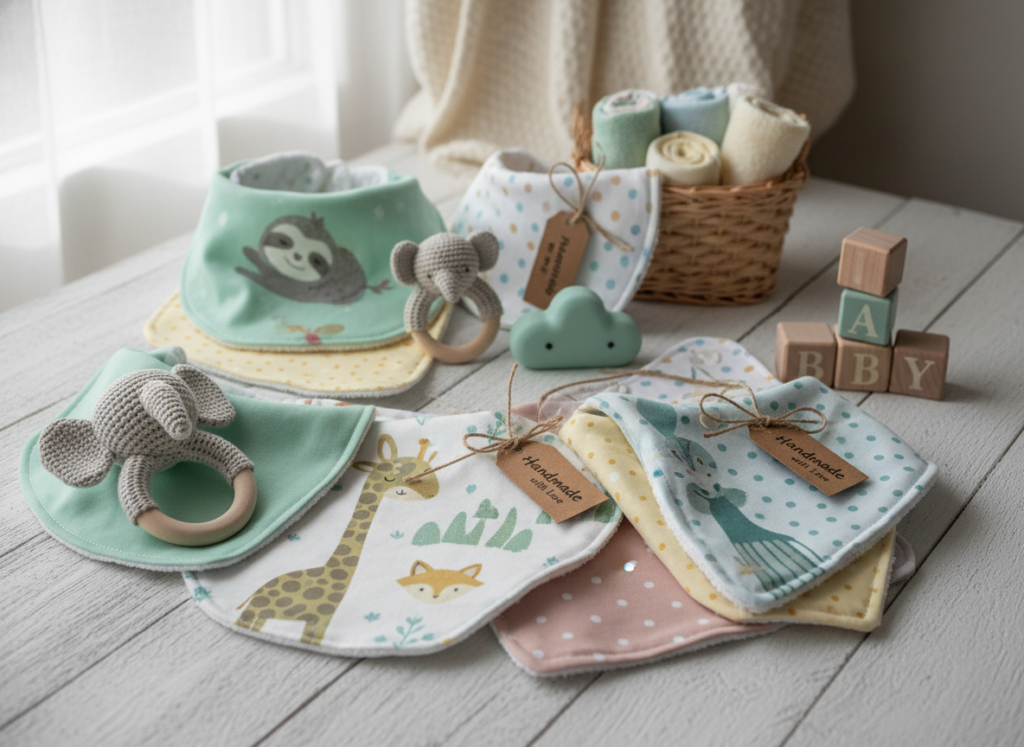
Baby bibs also sell consistently throughout the year. You can create reversible bibs that give customers two looks in one item. Add snap closures or velcro for easy on and off functionality.
Quick-to-Make Fabric Scrap Projects for Fast Profits
Time equals money in any sewing business. Projects you can complete quickly allow you to build inventory faster. These items take minimal time to create but still command good prices from customers.
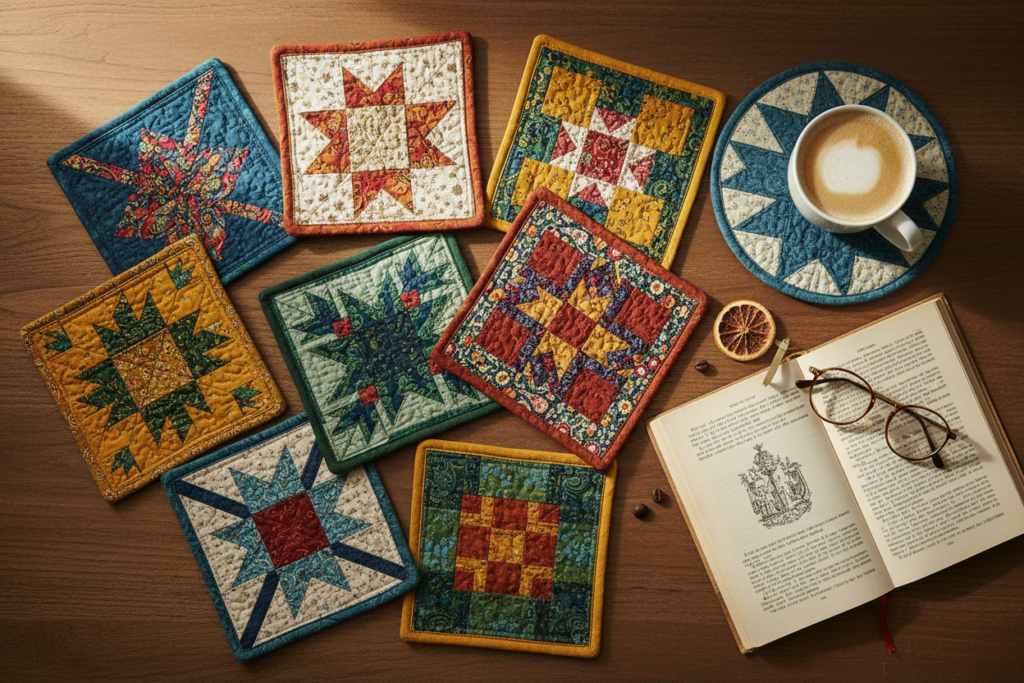
Fabric Coasters and Mug Rugs
Coasters represent the perfect quick-sewing project. Each coaster uses just small fabric scraps and a piece of batting. You can make a set of four coasters in under an hour.
Mug rugs are slightly larger than coasters and appeal to tea and coffee lovers. These items hold both a mug and a small snack. Customers use them at their desks, in home offices, and as thoughtful gifts.
Quilted coasters sell for premium prices despite using minimal materials. The quilting adds perceived value and durability. Create seasonal designs to encourage repeat purchases throughout the year.
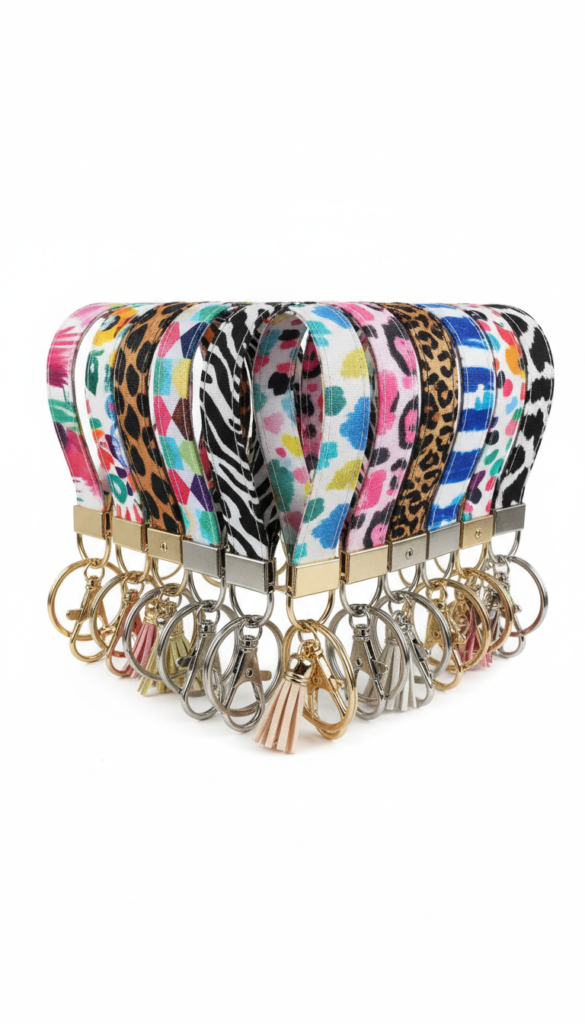
Keychain Holders and Wristlets
Fabric keychains use the smallest scraps in your collection. These tiny projects take just minutes to create. Attach a key ring and clasp, and you have a finished product ready to sell.
Wristlet keychains are particularly popular because they free up hands while shopping or walking. You can add a small card pocket to increase functionality and price. These make excellent add-on items at checkout.
Why Keychains Sell Well
These small accessories offer several advantages for your sewing business. They ship easily in regular envelopes, keeping your costs low. Customers often buy multiple keychains as gifts for friends and family.
You can personalize keychains with names or initials using embroidery or fabric markers. Personalization increases the perceived value significantly. Many customers will pay extra for customized items.
Create themed collections that appeal to specific interests. Sports team colors, holiday themes, and popular color combinations all find dedicated buyers. Track which designs sell fastest to inform future production.
Napkins and Kitchen Towels
Cloth napkins made from quality fabric scraps appeal to eco-friendly shoppers. A set of four napkins uses coordinating fabrics from your stash. These items require straight sewing and simple hem techniques.
Kitchen towels with hanging loops sell well at farmer’s markets and craft fairs. You can embellish plain towels with fabric strips or create fully handmade versions. Add decorative stitching or appliqué to increase appeal.
Market these items as sustainable alternatives to paper products. Highlight the quality of your fabric choices and construction methods. Sets of matching napkins command higher prices than individual pieces.
Seasonal Sewing Projects That Sell Fast
Timing your product releases with seasons and holidays boosts sales significantly. Customers actively search for seasonal items during specific times of the year. Planning your sewing projects around these peak demand periods increases your profits.
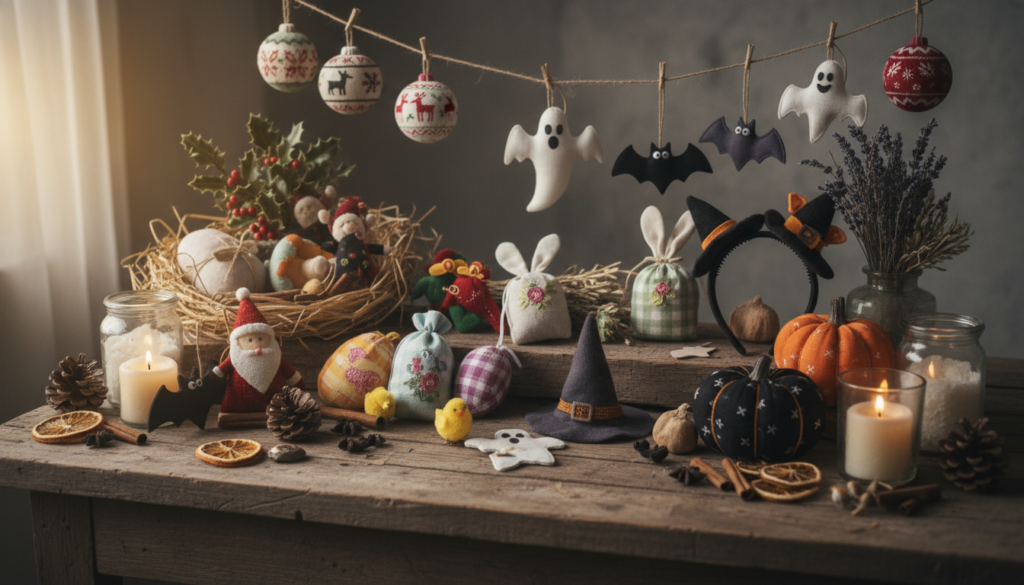
Holiday Ornaments and Decorations
Fabric ornaments sell exceptionally well during the holiday season. Small ornaments use tiny scraps and take minutes to create. You can make Christmas trees, stars, hearts, and other festive shapes.
Start creating holiday inventory in summer to have stock ready by fall. Many customers shop early for unique handmade decorations. Offer ornament sets at discounted prices to encourage larger purchases.
Easter decorations like fabric eggs and bunnies also find eager buyers. Spring fabrics in pastel colors work perfectly for these projects. Include a ribbon loop for easy hanging on Easter trees or wreaths.
Gifts and Party Favors
Small gift bags sewn from scrap fabrics eliminate the need for wrapping paper. These reusable bags appeal to environmentally conscious gift-givers. You can size them for jewelry, candles, soaps, and other small gifts.
Party favor bags work well for weddings, baby showers, and birthday celebrations. Event planners and party hosts order these items in bulk. Offer quantity discounts to encourage larger orders from these customers.
Wedding Favors
Couples seek unique favors that guests will actually use. Small sachets filled with lavender or rice bags for their wedding ceremony sell well.
Baby Shower Gifts
Handmade baby items always impress at showers. Create gift sets that combine burp cloths, bibs, and small toys for higher value sales.
Birthday Parties
Parents love unique party supplies. Fabric bunting, treat bags, and reusable decorations offer sustainable alternatives to disposable items.
Pet Accessories Made from Fabric Scraps
Pet owners spend generously on accessories for their animals. The pet product market continues growing year after year. Simple fabric items for dogs and cats can become steady sellers in your product line.
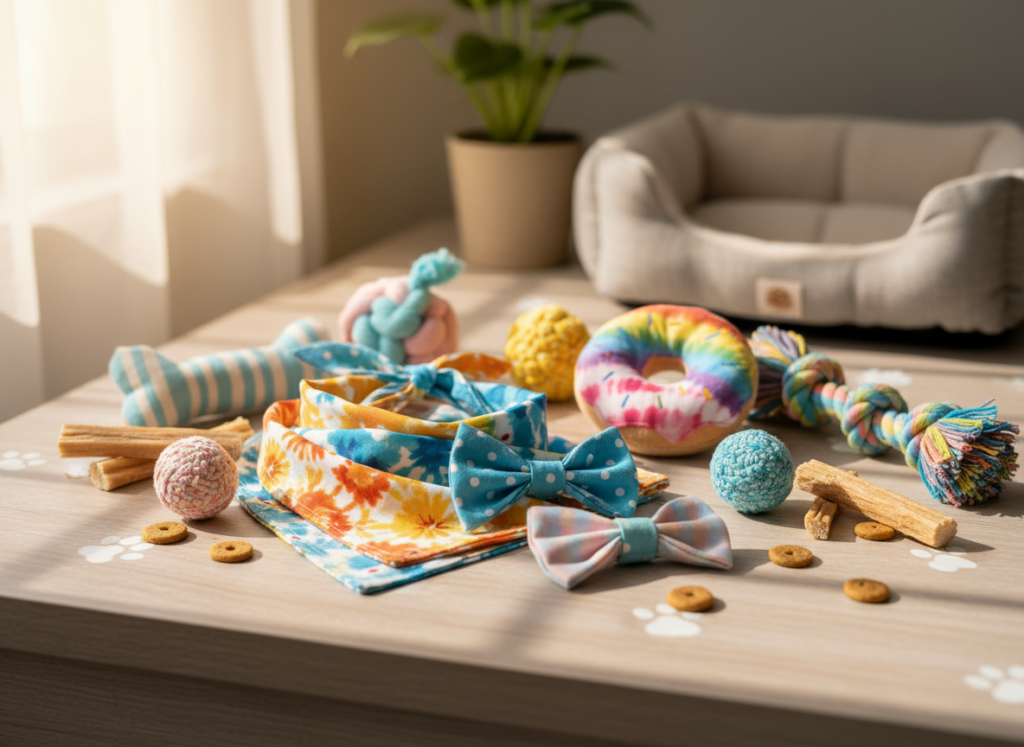
Dog Bandanas and Accessories
Dog bandanas are simple to sew and require minimal fabric. Each bandana uses a triangle of fabric with ties or snaps. Pet owners buy multiple bandanas to coordinate with different seasons and holidays.
You can create reversible bandanas that offer two looks in one product. This increases the perceived value without significantly increasing your material costs or time. Offer bandanas in different sizes for various dog breeds.
Dog collar accessories like bow ties and flowers also sell well. These small items attach to existing collars. They use tiny fabric scraps and appeal to pet owners who love dressing up their dogs.
Cat Toys and Accessories
Catnip toys made from scrap fabrics provide entertainment for cats and income for you. Simple pillow-style toys filled with catnip take just minutes to create. Cat owners regularly buy new toys to keep their pets engaged.
You can make kick toys, small mice, and fish shapes that cats love. Add crinkly material or bells inside to make the toys more appealing. Package toys in sets of three for better sales value.
Cat collar accessories follow the same concept as dog items. Small bows and decorative pieces attach to collars. These accessories use the smallest fabric scraps in your collection.
Home Decor Items Using Small Fabric Pieces
Home decor products consistently rank among top-selling handmade items. People constantly refresh their living spaces with new accessories. Small fabric items that add color and personality to rooms find ready buyers.

Pillow Covers and Cushions
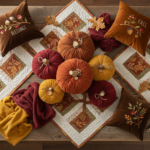
Small decorative pillow covers let customers update their decor affordably. A simple envelope-style cover requires just fabric and basic sewing skills. You can create covers in trending colors and patterns.
Patchwork pillow covers use up various scrap fabrics beautifully. Each cover becomes a unique piece of art. Customers appreciate the one-of-a-kind nature of patchwork items and often pay premium prices.
Seasonal pillow covers sell particularly well because customers rotate them throughout the year. Create spring florals, summer brights, autumn leaves, and winter holiday designs. This encourages customers to buy multiple covers.
Table Runners and Placemats
Quilted table runners showcase your sewing skills and use coordinating fabric scraps. These items add color to dining tables and sideboards. Customers buy them for everyday use and special occasions.
Placemats in sets of four or six create higher-value sales. You can make reversible placemats that offer two different looks. Include coordinating napkins to create a complete table setting package.
Holiday-themed table linens sell especially well before major holidays. Start production early to build inventory. Market these items as ways to create festive table settings without expensive purchases.
How to Price Your Scrap Fabric Projects for Profit
Pricing handmade items correctly determines your business success. Price too low and you work for pennies. Price too high and customers pass by your products. Finding the right balance takes research and calculation.
Calculate Your Costs
Start by tracking all expenses for each project. Even though you use scrap fabrics, assign a small material cost. Include thread, interfacing, zippers, and other supplies.
Factor in your time at a fair hourly rate. Time yourself making each project to get accurate numbers. Include packaging and shipping supplies in your calculations too.
Add overhead costs like electricity, equipment wear, and marketplace fees. These hidden expenses affect your actual profit. Many sewists forget to include them and underestimate their true costs.
Research Market Prices
Look at similar items on Etsy, Amazon Handmade, and at craft fairs. Note the price ranges for products like yours. This research shows what customers expect to pay.
Consider your unique selling points when pricing. Handmade quality, eco-friendly materials, and customization options justify higher prices. Don’t compete solely on being the cheapest option.
Test different price points to find your sweet spot. Start slightly higher than you think and adjust based on sales data. It’s easier to lower prices than raise them later.
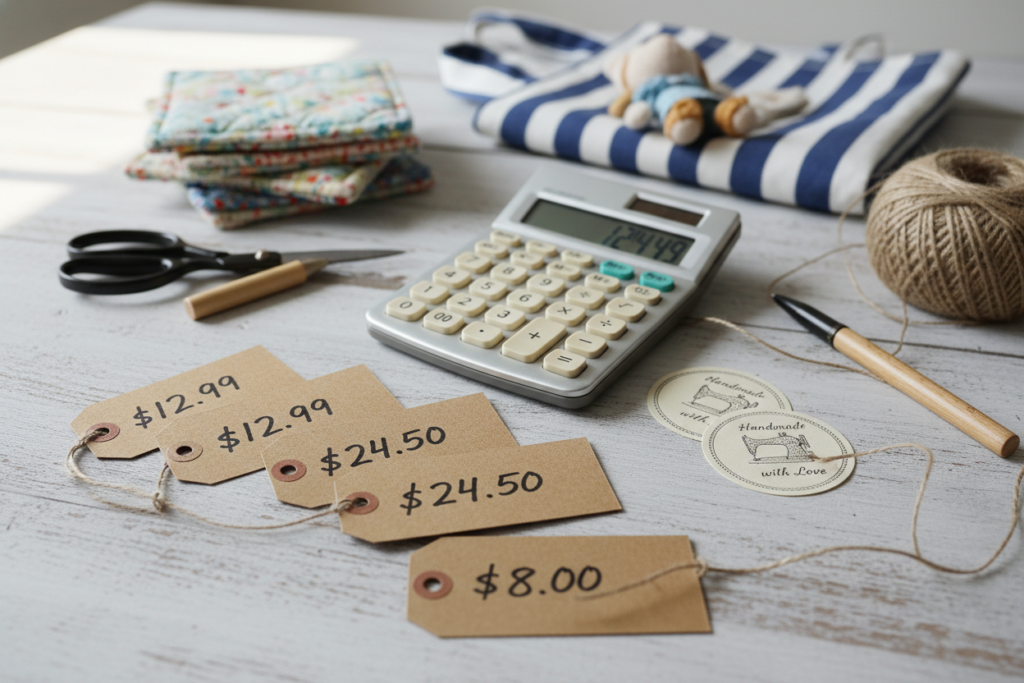
Pricing Formula for Handmade Items
A simple pricing formula helps ensure profitability. Multiply your material costs by three to cover materials and profit margin. Then add your labor costs based on time spent.
For wholesale pricing, you need to cut retail prices in half while maintaining profit. This means your retail prices must be high enough to support wholesale opportunities. Plan for growth by pricing appropriately from the start.
Master Profitable Pricing Strategies
Learn the exact formulas successful sewists use to price their products for maximum profit while staying competitive in the marketplace.
Bundle Pricing Strategies
Bundles encourage customers to buy more items at once. Offer sets of coordinating products at a slight discount compared to individual prices. This increases your average order value significantly.
Create themed bundles for gifts and special occasions. A baby gift set might include bibs, burp cloths, and a small toy. Wedding favor bundles could offer bags and sachets together.
Limited edition bundles create urgency and exclusivity. Announce that only a certain number are available. This marketing tactic works particularly well on social media platforms like Instagram and Pinterest.
Best Places to Sell Your Small Sewing Projects
Choosing the right sales channels impacts your success dramatically. Different platforms attract different customer types. Understanding where your target buyers shop helps you focus your marketing efforts effectively.

Online Marketplaces
Etsy remains the leading platform for handmade items. The site attracts customers specifically looking for unique handcrafted products. Your small fabric projects fit perfectly in this marketplace.
Amazon Handmade offers access to millions of Prime customers. This platform requires approval but provides huge potential audience reach. The professional appearance and shipping logistics make selling easier.
Your own website gives you complete control over branding and pricing. While it requires more setup work, you avoid marketplace fees. Use Shopify or WooCommerce to create a professional online store.
Social Media Selling
Instagram Shopping lets you tag products directly in posts and stories. This visual platform works perfectly for showcasing colorful fabric creations. Build a following by posting consistently and using relevant hashtags.
Facebook Marketplace reaches local customers without shipping hassles. You can also join buy-sell-trade groups in your area. Facebook Shops integrate with your business page for easy purchasing.
Pinterest drives significant traffic to product listings. Create beautiful pins showcasing your items in use. Link pins directly to your shop or product pages for easy customer purchases.
Craft Fairs
In-person events let customers touch and examine your products. Face-to-face interactions build customer relationships and loyalty.
- Choose events carefully based on vendor fees
- Create attractive booth displays
- Bring business cards for future sales
- Offer show specials to encourage purchases
Consignment Shops
Local boutiques often accept handmade items on consignment. This expands your reach without upfront costs.
- Negotiate fair commission rates
- Provide professional product tags
- Restock regularly to maintain presence
- Track which items sell best
Farmer’s Markets
Weekly markets provide consistent selling opportunities. Regular customers return to buy more of your products.
- Arrive early to set up displays
- Bring change and payment systems
- Create seasonal product rotations
- Collect email addresses for updates
Marketing Your Fabric Scrap Projects Successfully
Creating beautiful products is only half the battle. You need effective marketing to get your items in front of potential customers. Smart marketing strategies turn browsers into buyers and one-time customers into repeat purchasers.
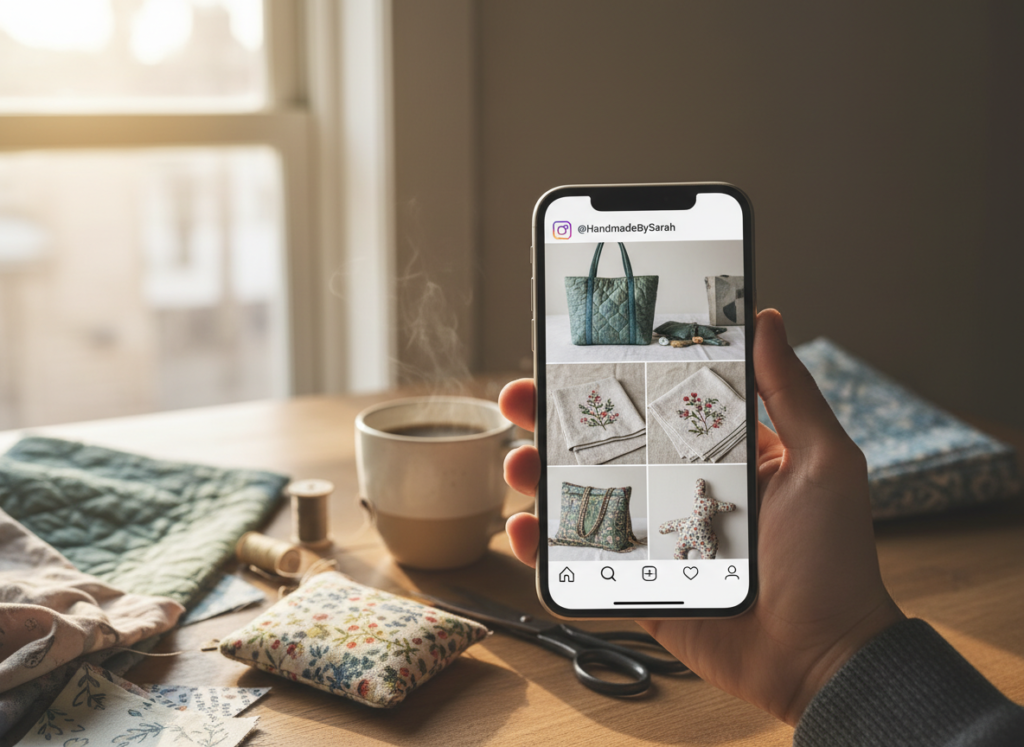
Photography That Sells
High-quality photos make the difference between scrolling past and clicking to buy. Use natural lighting whenever possible for the truest colors. Take photos from multiple angles to show details and construction.
Lifestyle photos showing items in use help customers visualize owning them. Show a scrunchie in someone’s hair or a pouch holding makeup. These contextual images increase conversion rates significantly.
Maintain consistent photo styling across your product line. Use similar backgrounds and lighting for a cohesive brand look. This professionalism builds trust with potential customers browsing your shop.
Writing Product Descriptions
Detailed descriptions answer customer questions before they ask. Include measurements, materials used, and care instructions. Specify what comes with the purchase to set clear expectations.
Tell the story behind your products to create emotional connections. Mention the sustainable aspect of using scrap fabrics. Explain your quality construction methods and attention to detail.
Use keywords that customers search for when looking for items like yours. Research popular search terms on Etsy and Google. Natural keyword inclusion improves your search visibility across platforms.
Social Media Strategy
Post regularly to stay visible in followers’ feeds. Share behind-the-scenes content showing your sewing process. Video tutorials and time-lapse videos of projects being made engage audiences effectively.
Engage with your community by responding to comments and messages promptly. Ask questions to encourage interaction. Share user-generated content when customers post photos of their purchases.
Use platform-specific features like Instagram Reels and Pinterest Idea Pins. These formats receive preferential treatment in algorithms. Short video content showing quick project ideas attracts new followers.
Build a Thriving Sewing Business
Access proven marketing templates, social media strategies, and customer attraction methods used by successful fabric artists to grow profitable businesses.
Streamlining Production for Maximum Efficiency
Working smarter rather than harder increases your profits per hour. Efficient production methods let you create more items in less time. Organization and planning transform hobby sewing into a sustainable business.
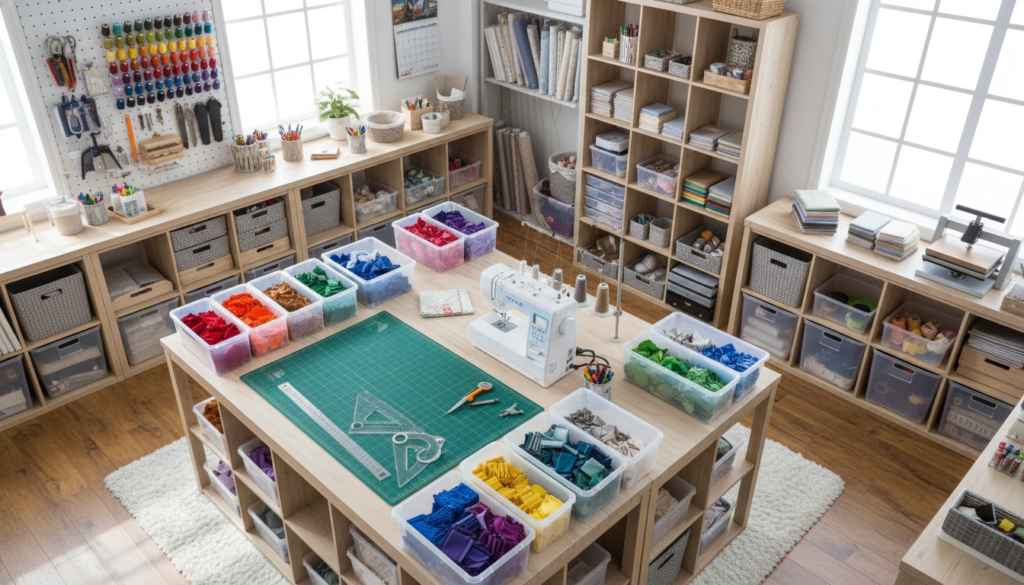
Batch Production Methods
Make multiple items at once using assembly line techniques. Cut all pieces for ten scrunchies before moving to sewing. This reduces setup time and increases your hourly output significantly.
Group similar tasks together for better workflow. Spend one session cutting multiple projects. Use another session for sewing all cut pieces. This focused approach prevents constant task switching.
Track your production time to identify bottlenecks. Note which steps take longest and look for ways to speed them up. Small improvements in efficiency compound over time into significant time savings.
Organizing Your Fabric Scraps
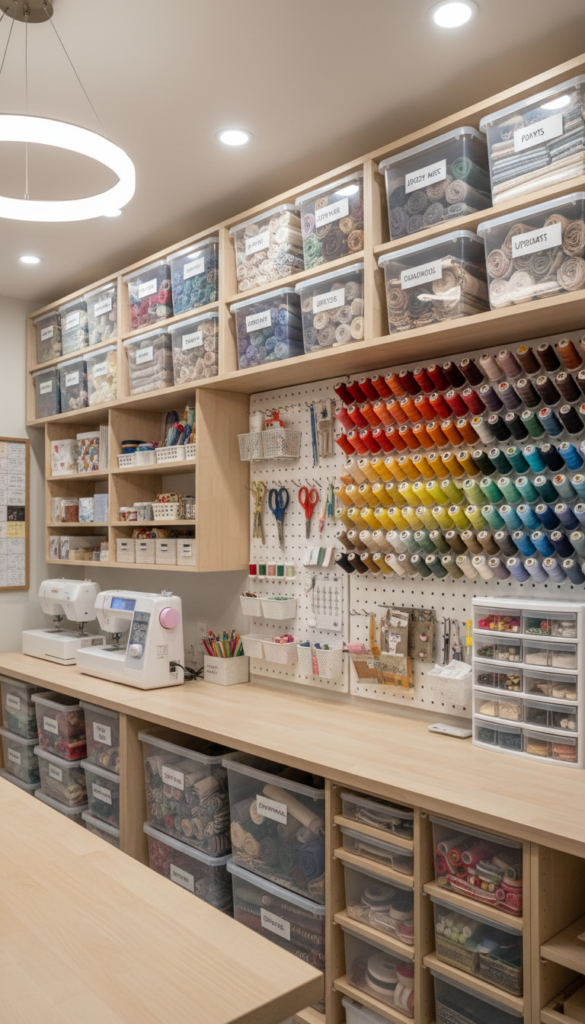
Sort scraps by color, size, or fabric type for easy access. Clear containers let you see what you have at a glance. Label containers to speed up finding the right pieces for each project.
Keep frequently used scraps within arm’s reach of your sewing space. Store seasonal fabrics separately until needed. This organization system prevents wasting time searching for materials.
Create a scrap minimum size rule for what you keep. Pieces smaller than certain dimensions may not be worth storing. This prevents accumulating unusable tiny scraps that clutter your space.
Setting Up Systems
Create templates for frequently made items to ensure consistency. Cardboard or plastic templates speed up cutting and maintain uniform sizing across products. Customers notice and appreciate consistent quality.
Develop a checklist for quality control before listing items. Check for loose threads, proper pressing, and secure closures. This systematic approach prevents shipping flawed products.
Establish packaging routines to streamline order fulfillment. Keep shipping supplies stocked and organized. Create branded packaging that makes unboxing special for customers.
Sourcing Quality Fabrics and Supplies
Quality materials produce better finished products that command higher prices. While scrap fabrics form your main material source, supplementing with purchased fabrics expands your options. Smart sourcing keeps costs down while maintaining quality standards.
Building Your Scrap Collection
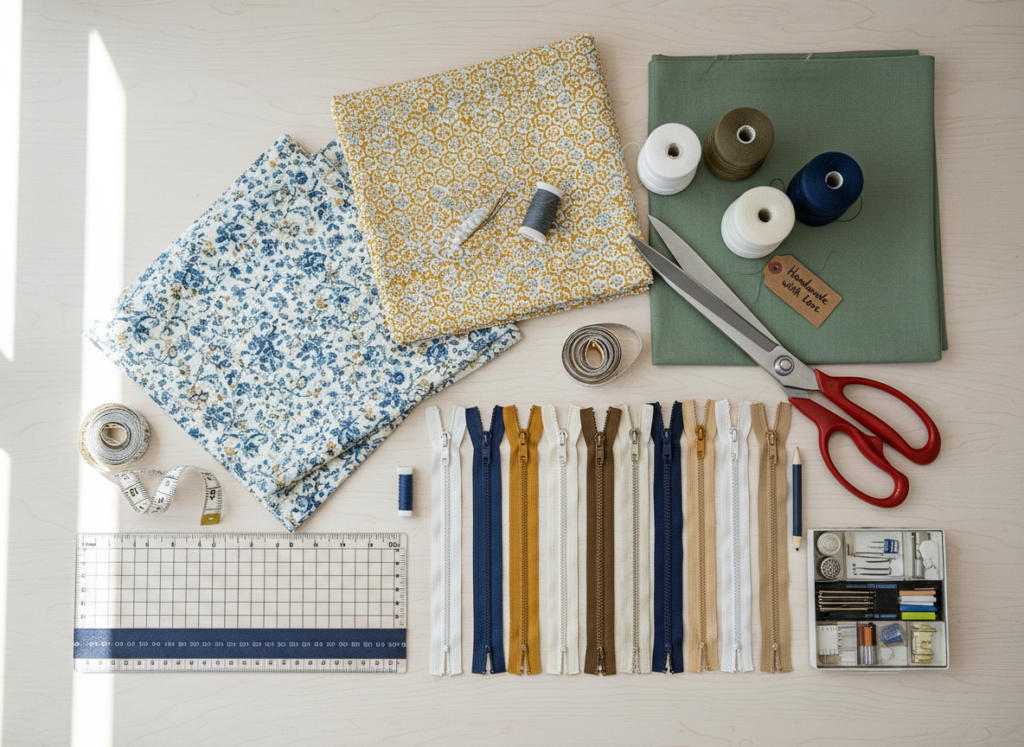
Save every usable piece from your sewing projects. Even small strips can become part of patchwork items. Organize scraps immediately rather than letting them pile up in corners.
Ask fellow sewists for their unwanted scraps. Join local sewing groups where members often exchange materials. Estate sales and garage sales sometimes include fabric stashes at bargain prices.
Purchase remnants from fabric stores at reduced prices. These end-of-bolt pieces work perfectly for small projects. Watch for clearance sales to stock up on coordinating fabrics.
Essential Supplies for Production
Invest in quality thread that won’t break during sewing. Cheap thread creates problems and slows production. Buy neutral colors in bulk to reduce costs per project.
Stock various zipper lengths and colors for pouch projects. Buying zippers by the yard and adding pulls yourself saves money. Keep snap tape and elastic in multiple widths on hand.
Quality scissors and rotary cutters speed up fabric cutting. Sharp blades make clean cuts that improve finished product appearance. Replace blades regularly to maintain cutting efficiency.
Providing Excellent Customer Service
Happy customers become repeat buyers and recommend your products to friends. Excellent service sets you apart from competitors selling similar items. Small gestures create loyal customers who support your business long-term.
Communication Best Practices
Respond to customer inquiries within twenty-four hours. Quick responses show professionalism and build trust. Answer questions thoroughly and offer additional product information proactively.
Send order confirmations and shipping notifications promptly. Keep customers updated throughout the fulfillment process. Transparency about processing times prevents confusion and complaints.
Thank customers after purchases with personalized messages. Include care instructions and usage tips with shipped items. These small touches create memorable experiences that encourage reviews and referrals.
Handling Issues Professionally
Address problems quickly and fairly when they arise. Offer replacements or refunds for defective items without argument. Your reputation depends on how you handle difficulties more than perfect transactions.
Learn from negative feedback to improve your products and processes. View complaints as opportunities to enhance your business. Implement changes that prevent similar issues from recurring.
Request reviews from satisfied customers to build social proof. Happy customers often forget to leave feedback unless asked. Positive reviews increase conversion rates significantly for future shoppers.
Growing Your Scrap Fabric Business
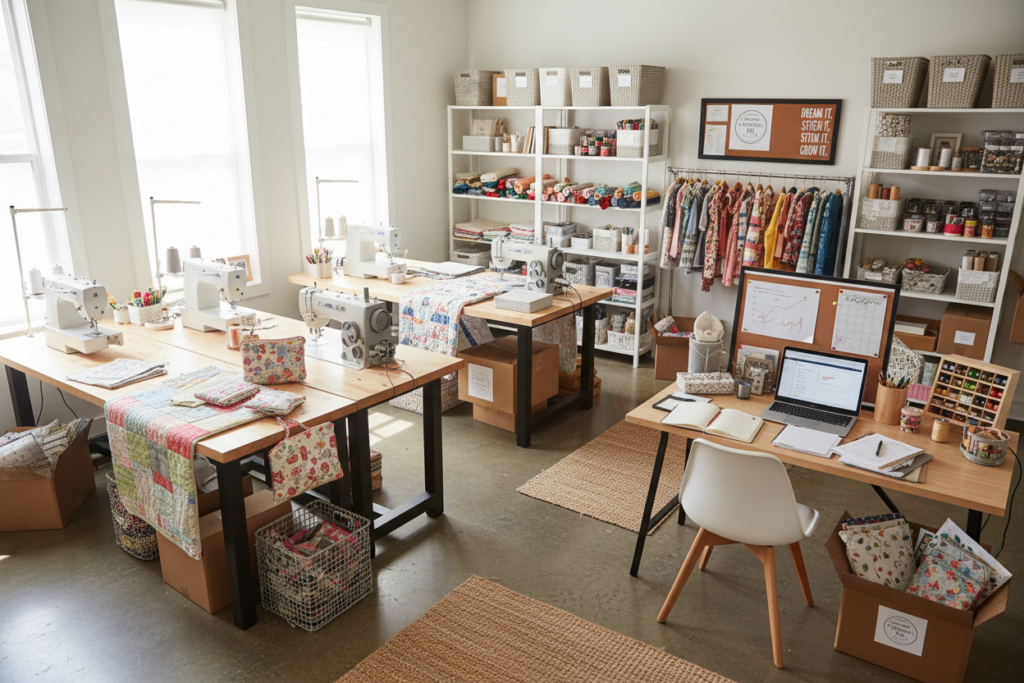
As your business grows, you’ll need strategies for scaling production without sacrificing quality. Sustainable growth requires planning and smart decision-making. These approaches help you expand while maintaining the handmade charm customers love.
Expanding Your Product Line
Add new products gradually based on customer requests and market research. Test small batches before committing to full production. Track which new items sell well to guide future expansion decisions.
Create product variations rather than entirely new items. Different sizes, colors, or patterns of successful products require less learning curve. This approach grows your catalog while using familiar techniques.
Consider custom orders for premium pricing opportunities. Personalization and made-to-order items command higher prices. Balance custom work with ready-made inventory for steady income.
Building a Brand
Develop consistent branding across all platforms and products. Your logo, colors, and packaging should be instantly recognizable. Strong branding builds trust and customer loyalty over time.
Tell your story to connect emotionally with customers. Share why you started sewing and what drives your creativity. Authentic stories resonate with buyers and differentiate you from competitors.
Create a brand voice that reflects your personality and values. Use this consistent tone in all communications. Customers connect with authentic voices rather than generic corporate messaging.
Take Your Sewing Business to the Next Level
Ready to transform your fabric scraps into a thriving business? Learn the insider strategies that successful sewists use to build sustainable income streams from their craft. Get access to proven patterns, marketing templates, pricing formulas, and business systems designed specifically for fabric artists.
Discover how to streamline production, attract ideal customers, and create products people actually want to buy. Stop guessing and start implementing strategies that work.
Legal and Business Considerations
Running a legitimate business requires attention to legal details. Understanding basic business requirements protects you and builds customer confidence. These fundamentals set your business up for long-term success.
Business Registration
Check local requirements for home-based businesses in your area. Some cities require business licenses even for small craft businesses. Register your business name if you plan to operate under anything besides your personal name.
Consider whether you need an LLC or can operate as a sole proprietor. Each structure has different tax implications and liability protection. Consult with an accountant to determine the best choice for your situation.
Obtain any necessary permits for selling at craft fairs and markets. Requirements vary by location and event. Plan ahead to ensure you have proper documentation before show dates.
Taxes and Record Keeping
Track all income and expenses from day one of your business. Use accounting software or detailed spreadsheets to maintain records. Organized records make tax time much less stressful and ensure proper deductions.
Set aside money for taxes from each sale throughout the year. Self-employment taxes catch many new business owners by surprise. Planning for this expense prevents financial difficulties at tax time.
Keep receipts for all business purchases including supplies and equipment. These expenses reduce your taxable income. Digital receipt storage apps simplify organization and prevent lost documentation.
Start Turning Your Fabric Scraps Into Profit Today
Your fabric scrap collection holds real income potential waiting to be unlocked. The projects outlined in this guide have proven track records of selling successfully. Start with one or two items that match your skills and available materials.
Remember that every successful sewing business started with a single sale. Focus on creating quality products and providing excellent customer service. Build your business gradually while learning what works best for your situation.
The combination of low material costs and high customer demand makes scrap fabric projects ideal for new businesses. Use the strategies covered here to price profitably, market effectively, and grow sustainably. Your sewing skills can create meaningful income when paired with smart business practices.
Ready to Build Your Profitable Sewing Business?
Get instant access to the complete resource library with patterns, business templates, marketing strategies, and step-by-step guides that take you from hobbyist to profitable business owner.
Take action today by choosing your first project and creating a small batch. List those items for sale and learn from the experience. Each project you complete builds your skills and business knowledge.
The world needs more handmade items created with care and creativity. Your fabric scraps can bring joy to customers while generating income for you. Start your journey from scraps to sales with confidence and purpose.