Does water sit on your hair instead of sinking in? Do creams leave your strands coated, yet your hair still feels dry? You may have low porosity hair. The right routine can help water, moisture, and styling products work with your cuticles instead of sitting on the surface.
This guide explains how to identify your porosity, choose useful ingredients, prevent buildup, and create a wash day routine that feels simple. You will also learn how to compare hair products before you buy.
Start with a lighter product match
Explore options designed for moisture without a coated or greasy finish.
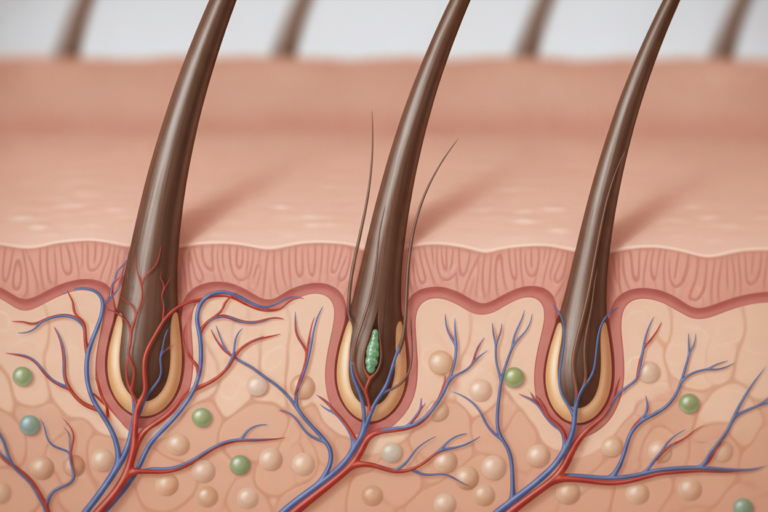
Porosity describes how easily water and products move into the hair shaft. Low porosity hair usually has cuticles that lie flat and close together. This smooth surface can help strands hold moisture once it enters.
The challenge is absorption. Water may bead on the surface. Conditioner may take longer to spread. A rich product can remain outside the cuticles and create buildup.
Low porosity does not automatically mean damaged hair. It is a hair characteristic, not a problem to fix. Your hair may also have mixed porosity. For example, the ends may absorb products faster than the roots because of heat, color, or wear.
How to Identify Low Porosity Hair
A few everyday signs can help you understand your porosity. Do not rely on one test alone. Watch how your hair responds across several wash days.
Water sits on the surface before the hair becomes fully wet.
Shampoo takes time to spread through dense or dry sections.
Conditioner seems to sit on the strands instead of disappearing.
Hair feels coated after several styling days.
It takes a long time for thick hair to dry.
Heavy creams and oil make the hair look flat or limp.
The popular float test is not always reliable. Product residue, strand thickness, and trapped air can change the result. A better clue is repeated behavior. If water and lightweight moisture work slowly, you may have low porosity hair.
Best Ingredients for Low Porosity Hair
Low porosity hair often responds well to formulas that are light, water-based, and easy to rinse. Look for ingredients that add slip and moisture without leaving a thick surface film.
Humectants
Glycerin, aloe, and honey can help attract water. They work best when applied to damp hair and followed with a light conditioner or cream.
Glycerin
Aloe vera
Honey
Light conditioners
Behentrimonium methosulfate and slippery plant extracts can make detangling easier. They help soften hair without a waxy feel.
Light fatty alcohols
Aloe
Marshmallow root
Balanced proteins
Hydrolyzed rice, oat, or wheat protein may support weak strands. Use small amounts because too much protein can make hair feel stiff.
Rice protein
Oat protein
Hydrolyzed wheat protein
Compare formulas before choosing
Use an ingredient-focused product guide to narrow down lighter choices for your routine.
A gentle shampoo should clean the scalp without leaving the lengths rough. Apply shampoo mainly to the scalp. Let the lather move down the hair as you rinse.
A clarifying shampoo can help when buildup makes hair feel dull, sticky, or unusually flat. Use it occasionally, not automatically every wash. The right schedule depends on styling products, scalp oil, and how quickly residue returns.
After clarifying, follow with a moisturizing conditioner. Clean hair may feel more open to moisture, but it still needs softness and slip.
Find a Light Conditioner That Rinses Clean
Conditioner is one of the most useful hair products for low porosity hair. Choose a formula that spreads easily and rinses without a heavy film. Apply it from the mid-lengths to the ends.
Use warm water to help the conditioner spread. You do not need very hot water. Leave it on for two to three minutes, then rinse well. If your hair feels coated after drying, use less product next time.
Fine strands may need a small amount. Dense strands may need more. Your hair’s response matters more than a fixed measurement.
Use Leave-In Conditioner on Damp Hair
A leave-in conditioner can help seal in the water already present in the strands. Apply it to damp hair, not nearly dry hair. Damp hair gives the product a better chance to spread.
Start with a small amount. Rub it between your palms, then smooth it over sections. If the hair feels heavy, dilute the leave-in with water in your hands before applying it.
For low porosity hair, a spray or milk texture may work better than a thick butter. Look for a product that adds slip without making the hair feel covered.
Which Oils Work Best?
Oil does not add water to the hair. It helps slow moisture loss and can improve shine. Use a few drops on damp hair or on the ends after styling.
Jojoba oil is a popular light choice. Argan oil and grapeseed oil may also suit people who want a soft finish without a greasy coating. Test one oil at a time.
Many people with low porosity hair should avoid heavy oils at first. Coconut oil, castor oil, and thick blends may make some strands feel stiff or waxy. This is not universal. The amount and formula matter.
Want a lighter finish?
Browse hair oil and moisture options that can fit a simple low buildup routine.
Low porosity hair can benefit from lightweight mousse, foam, gel, or spray products. Choose based on your style goal. Mousse can add volume. Gel can support definition. A spray can refresh curls with less residue.
Apply styling products in small sections on damp hair. Too much product can sit on the surface and create buildup. If a gel leaves a cast, let the hair dry fully before gently scrunching it.
Use a heat protectant whenever you use a diffuser, blow dryer, or hot tool. Heat damage can change the feel of the cuticles and make the ends more fragile.
A Simple Weekly Hair Care Routine
A consistent routine is often more useful than a crowded shelf. Adjust the steps to your scalp and lifestyle.
Clean the scalp with a gentle shampoo.
Use a clarifying shampoo when buildup is noticeable.
Apply conditioner from the middle to the ends.
Rinse with warm water after two to three minutes.
Apply leave-in conditioner to damp hair.
Add a small amount of styling product.
Use a few drops of hair oil only if the ends need it.
Dry with low heat or allow the hair to air dry.
Wash frequency can range from once a week to several times per week. Scalp oil, workouts, weather, and styling habits all matter. There is no single schedule for every hair type.
Build your routine with less guesswork
Review curated product options and choose only the steps your hair actually needs.
Before shampooing, separate thick hair into two three sections. This helps water reach the scalp and prevents you from using too much product. Saturate each section fully before cleansing.
Use your fingertips to massage the scalp. Avoid rough scrubbing along the lengths. When applying conditioner, smooth it down the strands and detangle from the ends upward.
Rinse longer than you think you need. Residue can remain near the roots and make hair feel flat. Blot gently with a towel instead of rubbing the cuticles.
Common Causes of Buildup
Buildup happens when residue stays on the hair surface. It can come from products, oil, hard water, or using more formula than the hair can absorb.
Heavy butters and thick creams used too often.
Layering leave-in, cream, gel, and oil every day.
Silicones that are not removed by your usual shampoo.
Dry shampoo, edge control, and wax near the roots.
Minerals from hard water.
Not rinsing conditioner fully.
When hair feels coated, reduce the number of layers. Use a clarifying shampoo occasionally, then return to a lighter routine. Apple cider vinegar rinses are sometimes used, but they can irritate the scalp or dry the hair. Always dilute them and stop if discomfort occurs.
How to Balance Protein and Moisture
Protein can temporarily help hair feel stronger and more supported. It may be useful when strands are limp, weak, or damaged from color and heat. Look for hydrolyzed protein in a conditioner or treatment.
Too much protein may make hair feel rough, dry, or stiff. If that happens, pause protein products and focus on moisture for a few washes. Do not add protein simply because a label says it is strengthening.
Low porosity hair often needs balance. Pay attention to how the hair feels after drying, not only how it feels while the product is on.
Use Heat Carefully
Gentle heat can help conditioner spread and may support absorption. A warm towel or hooded dryer on low heat for a short period can make a treatment feel more effective.
High heat can damage the cuticles and dry the ends. Use a heat protectant before blow-drying or diffusing. Keep the tool moving, choose a moderate setting, and avoid repeated passes.
If your hair feels brittle after heat styling, take a break for a week or two. Focus on moisture, gentle detangling, and protective styles that do not pull at the roots.
How to Shop for Low Porosity Hair Products
Read the first several ingredients instead of trusting a product’s marketing claim. Look for a texture that matches your density and styling goals.
Good signs
Water appears near the beginning of the ingredient list.
The formula spreads easily on damp hair.
The product rinses clean without a waxy film.
The package offers clear use instructions.
Use carefully
Very thick butters and dense oils.
Many layers used in one styling session.
Strong protein products used every wash.
Fragrance or essential oils that irritate your scalp.
Buy one new product at a time. Use it for two three wash days before adding another. This makes it easier to learn what works and limits wasted money.
Make product shopping easier
Explore a focused selection before adding another heavy formula to your shelf.
The Allure result appears built for editorial discovery. Its audience is B2C and mostly warm: readers already want product recommendations but still need trust and explanation. The effective action is usually exploring a recommended product. The native tone works because the CTA follows expert context rather than opening with a hard sale.
The Smytten result uses a checklist promise. Checklist content supports cold readers who want a fast answer. Product actions fit naturally after each care need. A clear button or linked recommendation can move the reader from learning to browsing without demanding contact information.
The HairPretty result appears more solution-focused. Its audience likely searches with stronger buying intent and wants a practical list. Product links, category sections, and short explanations help readers compare options quickly.
CTA type
Product discovery and purchase links are the strongest match for this B2C keyword. A form would add friction unless it offers a useful guide.
CTA placement
Place one early, then repeat after ingredient advice, routine steps, and buying guidance. Each CTA should answer a different need.
CTA tone
Use calm, helpful language. “Explore lightweight options” is better aligned than a loud urgency claim.
Frequently Asked Questions About Low Porosity Hair
Is low porosity hair always dry?
No. Low porosity hair may hold moisture well after absorption. It can feel dry when water and conditioner remain on the surface instead of entering the strands.
How often should I use a clarifying shampoo?
Use clarifying shampoo when buildup is noticeable, not on a strict calendar. Some people need it every few weeks, while others need it less often.
Can I use oil on low porosity hair?
Yes. Use a small amount of a lighter oil, such as jojoba, on damp hair or the ends. Avoid heavy oils if they make your hair feel coated.
Does heat help moisture absorption?
Mild heat may help conditioner spread, but high heat can cause damage. Always use a heat protectant and keep the temperature moderate.
The Best Routine Is Light, Consistent, and Personal
The best Hair Products for Low Porosity Hair are not always the richest ones. Start with water, a gentle shampoo, a light conditioner, and a small amount of leave-in conditioner. Add oil, protein, or styling products only when your hair shows a clear need.
Watch how your hair feels over a week. If strands are soft and defined, keep the routine steady. If hair feels coated, simplify and consider a clarifying shampoo. If ends feel rough, add moisture before adding more oil.
Porosity is a useful guide, not a strict rule. Your density, texture, damage level, climate, and styling habits all shape what works. Choose products slowly, use less at first, and let your own results guide the next step.
Ready to refine your routine?
Start with lightweight product ideas that support moisture, comfort, and easier styling.