Skin Care Essentials: Your Complete Guide to Healthy Skin
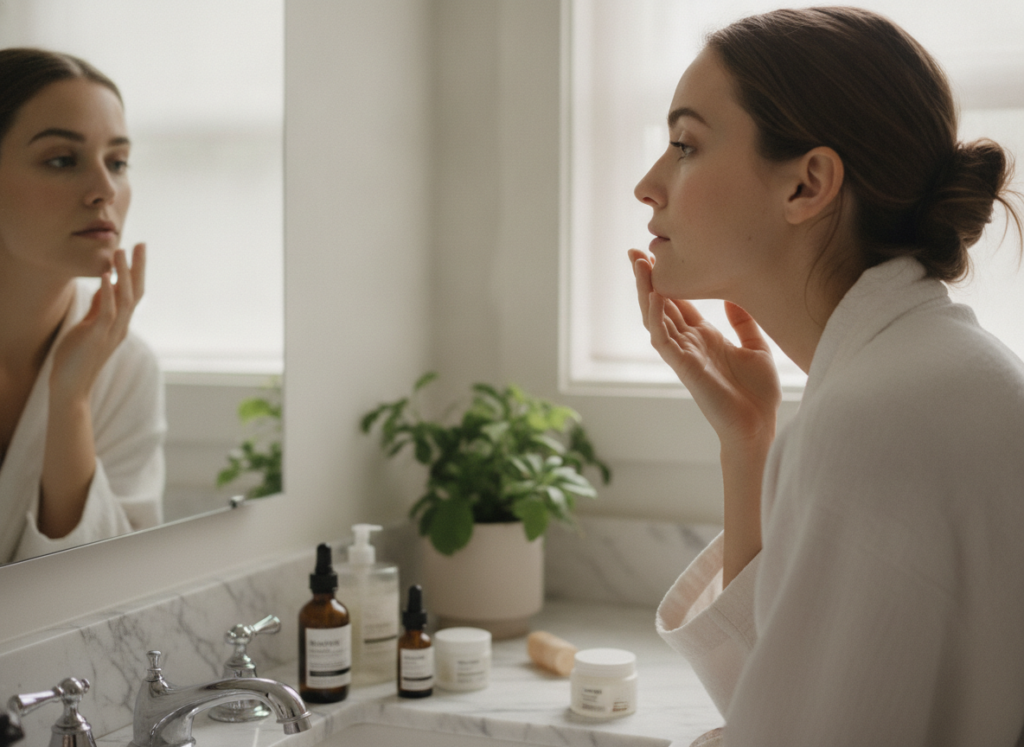
Healthy skin starts with understanding the basics. Your face deserves proper care every single day. The beauty industry offers thousands of products, but you only need a few key items to build an effective routine.
Many people struggle with skin conditions and wonder where to begin. This guide breaks down everything you need to know about skin care essentials. You will learn which products work best for different skin types and how to create a simple daily routine that delivers real results.
Transform your skin care approach today. The right basics make all the difference between frustration and glowing results.
Start Your Skin Care Journey Today
Discover the complete system that simplifies your routine and delivers professional results at home.
Your skin type determines which products work best for you. Different types require specific care routines. Understanding your skin helps you avoid wasting money on wrong products.
Most skin falls into one of four main categories. Oily skin produces excess oil throughout the day. Dry skin feels tight and shows flaky patches. Combination skin has both oily and dry areas. Sensitive skin reacts easily to new products and ingredients.
How to Identify Your Skin Type
The morning test reveals your true skin type. Wash your face before bed with a gentle cleanser. Do not apply any products overnight. Check your skin first thing in the morning.
Oily skin looks shiny all over, especially on the forehead and nose
Dry skin feels tight and shows visible dry patches or flaking
Combination skin has shine in the T-zone with dry cheeks
Sensitive skin shows redness or feels irritated easily
Normal skin appears balanced without excess oil or dryness
Environmental factors affect your skin condition too. Weather changes impact how your skin behaves. Cold winter air makes skin drier. Hot summer months increase oil production. Your routine should adapt to these seasonal shifts.
Common Skin Conditions That Need Attention
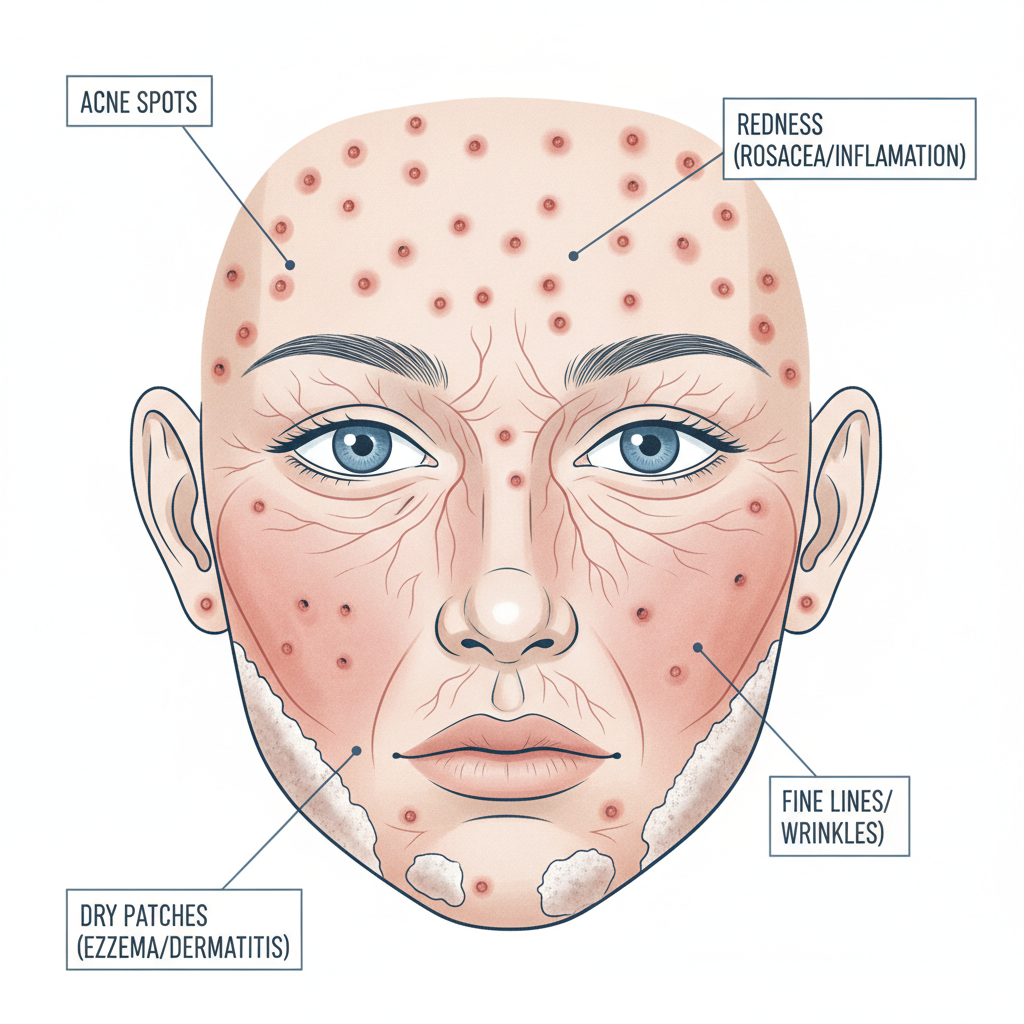
Many people face specific skin challenges beyond basic type. Acne affects teenagers and adults alike. This condition causes spots and breakouts that damage confidence. Wrinkles develop as skin ages and loses elasticity over time.
Hyperpigmentation creates dark spots on the face. Sun exposure and aging trigger these marks. Rosacea causes persistent redness across the cheeks and nose. Each condition needs targeted treatment within your basic routine.
Signs of Healthy Skin
Even tone without dark spots
Smooth texture to touch
Natural glow from within
Minimal visible pores
Quick healing from minor damage
Warning Signs to Watch
Persistent acne breakouts
Excessive dryness or oiliness
New dark spots appearing
Increased sensitivity to products
Deep wrinkles forming quickly
The Core Products Every Routine Needs
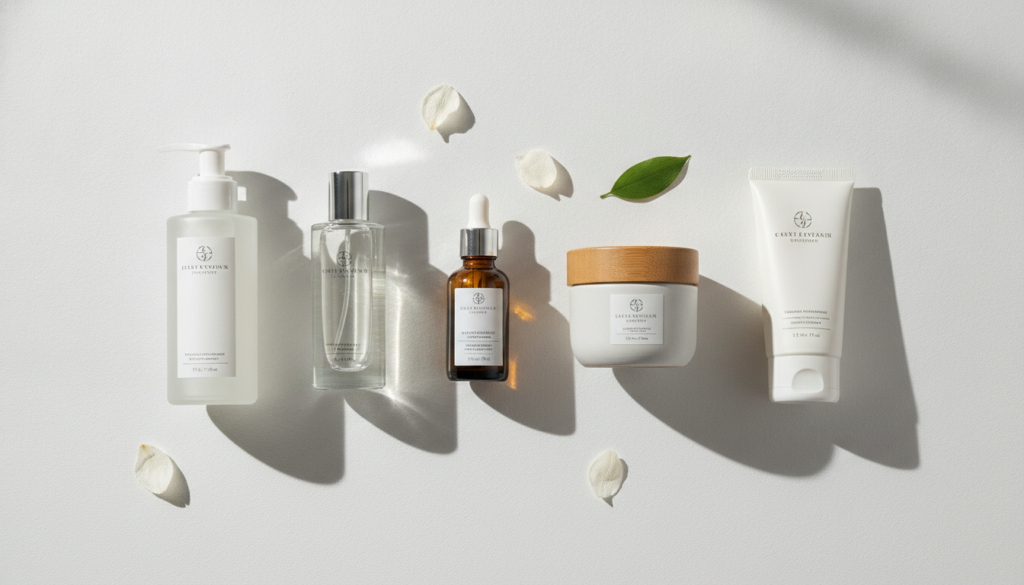
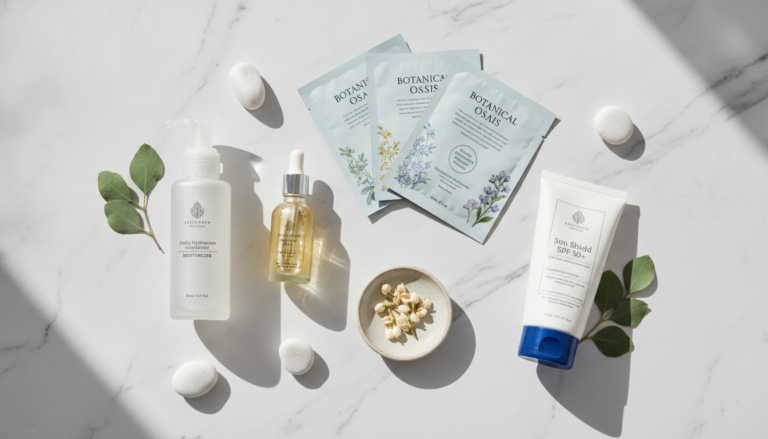
Building an effective skin care routine requires only a few key products. These basics form the foundation of healthy skin. Quality matters more than quantity when selecting your essentials.
Cleansers: The First Step
Cleansing removes dirt, oil, and makeup from your face. This step prepares skin to absorb other care products. Morning and evening cleansing keeps pores clear and prevents breakouts.
Choose a cleanser that matches your skin type. Gel cleansers work well for oily skin. Cream formulas suit dry conditions better. Foaming options balance combination skin effectively. Always use lukewarm water to wash your face.
Moisturizers: Hydration Matters
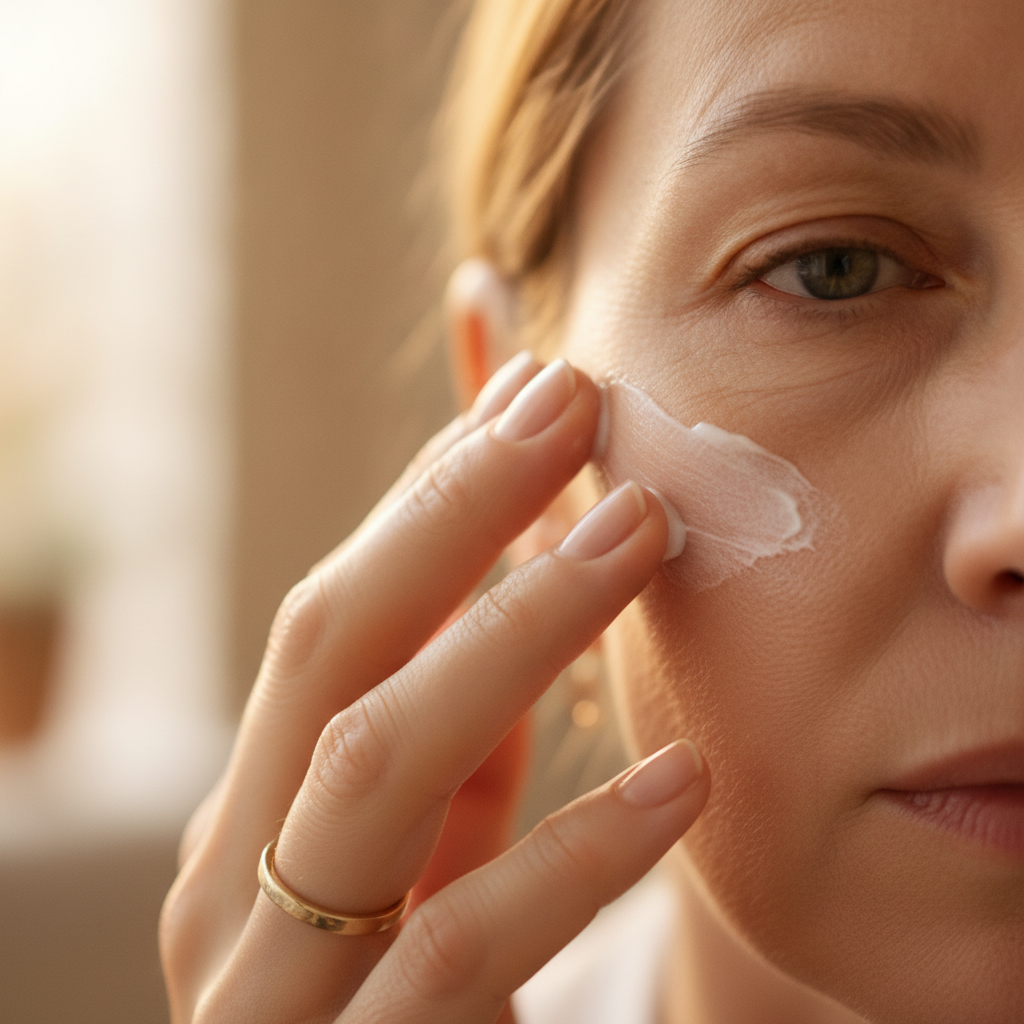
Every skin type needs moisture to stay healthy. Moisturizer creates a protective barrier on your face. This barrier locks in water and keeps skin soft throughout the day.
Lightweight lotions benefit oily skin without adding excess oil. Rich creams provide intensive care for dry conditions. Gel moisturizers offer a middle ground for combination types. Apply moisturizer twice daily for best results.
Discover Your Perfect Morning Routine
Get access to dermatologist-approved products that work together seamlessly for glowing daytime skin.
Sun damage ages skin faster than anything else. UV rays cause wrinkles, dark spots, and serious health concerns. Daily sunscreen protects your face from these harmful effects.
SPF 30 or higher provides adequate protection for daily use. Physical sunscreens contain zinc oxide or titanium dioxide. Chemical formulas absorb into skin and work differently. Reapply every two hours when spending time outdoors.
Serums and Treatments
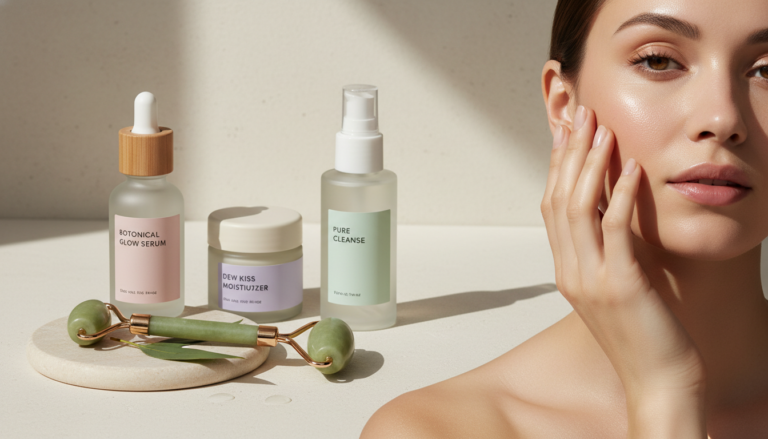
Targeted treatments address specific skin concerns effectively. Serums contain concentrated active ingredients that penetrate deeply. These products work between cleansing and moisturizing steps.
Vitamin C serums brighten skin and fade dark spots over time. Hyaluronic acid attracts moisture for plump, hydrated skin. Retinol treatments reduce fine lines and improve texture. Start with one treatment and add more gradually.
Building Your Perfect Daily Routine
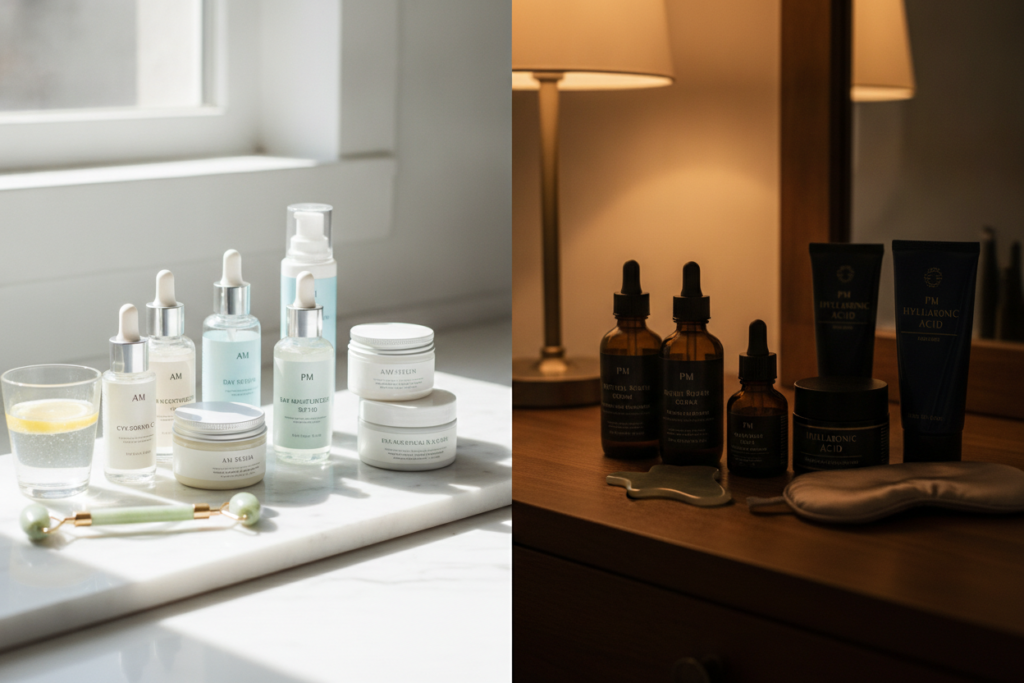
Consistency delivers results in skin care. Your morning routine prepares skin for the day ahead. Evening care focuses on repair and renewal overnight. Both routines follow a similar structure with slight variations.
Your Morning Skin Care Routine
Morning care protects your skin from daily environmental stress. Start with a gentle cleanser to remove overnight oil buildup. This fresh canvas allows products to work more effectively.
Cleanse with lukewarm water and your chosen face wash
Apply toner to balance skin pH and prep for treatments
Use your morning serum for targeted benefits like brightening
Moisturize to lock in hydration and create a protective barrier
Finish with broad-spectrum sunscreen before makeup or going outside
This routine takes only five to ten minutes each morning. The time investment pays off with healthier, more radiant skin. Your face will thank you for this consistent care.
Evening Skin Care Steps
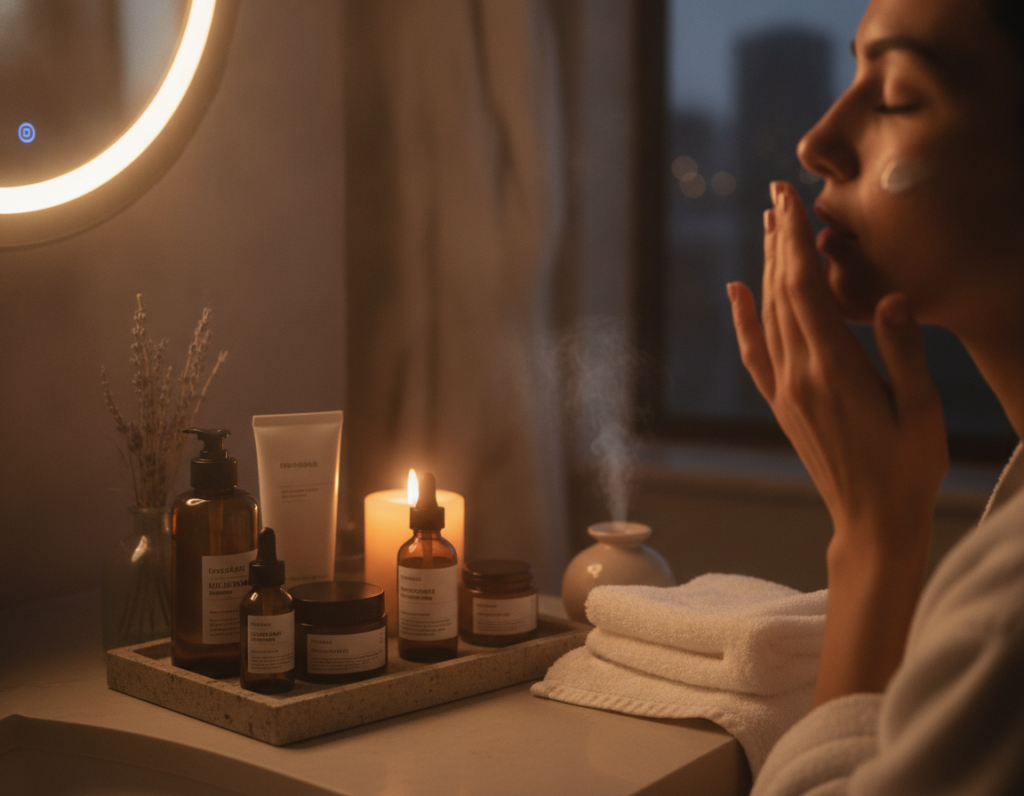
Night time allows your skin to focus on repair work. Evening routines remove the day’s buildup and provide intensive treatment. Your skin renews itself most actively during sleep hours.
Remove makeup completely with an oil-based cleanser or micellar water
Double cleanse with your regular face wash for thorough cleaning
Apply treatment products like retinol or targeted serums
Use a richer moisturizer or night cream for deep hydration
Add eye cream to address fine lines and dark circles
Skip sunscreen at night since UV protection is not needed. Focus instead on treatments that might cause sun sensitivity. Retinol and certain acids work best during nighttime hours.
Transform Your Skin While You Sleep
Unlock the power of nighttime renewal with products designed for maximum overnight results.
Supplement your daily routine with weekly intensive treatments. Face masks provide concentrated care for specific concerns. Exfoliation removes dead skin cells that dull your complexion.
Clay masks draw out impurities from oily and acne-prone skin. Sheet masks deliver hydration and nutrients efficiently. Chemical exfoliants like AHAs smooth texture better than physical scrubs. Use these treatments once or twice weekly for enhanced results.
Tackling Specific Skin Concerns
Different skin conditions need specialized approaches within your basic routine. Understanding how to address these concerns helps you choose the right treatments. Targeted solutions work alongside your daily essentials.
Fighting Acne and Breakouts
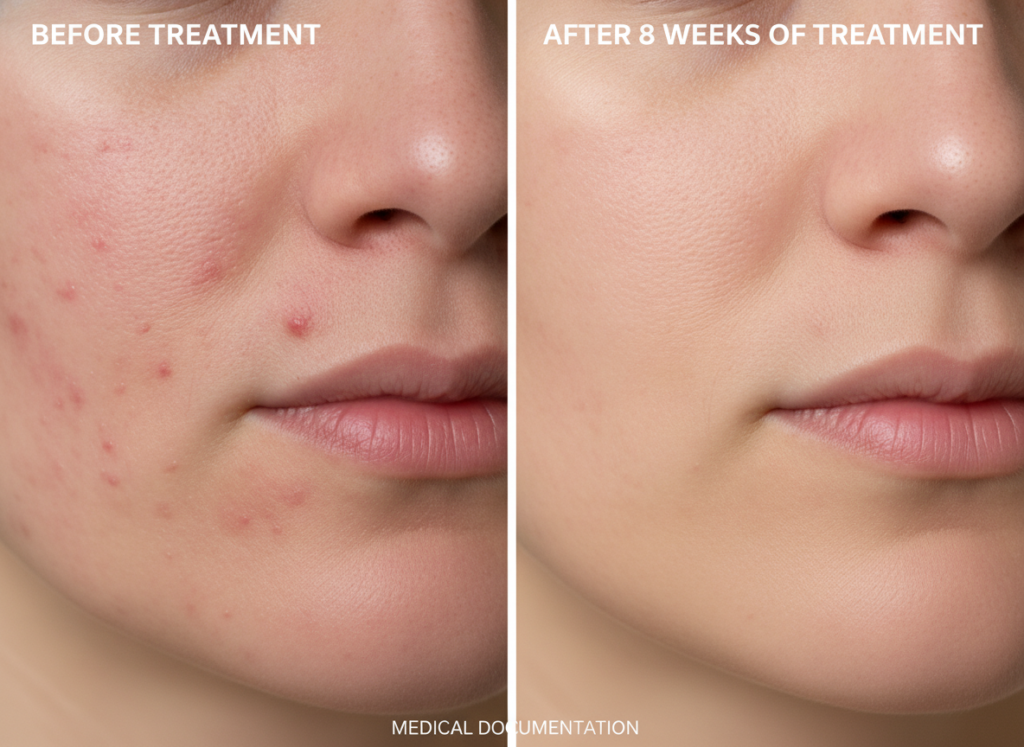
Acne develops when pores become clogged with oil and dead skin cells. This condition affects confidence and requires consistent treatment. The right products clear existing spots and prevent new breakouts.
Salicylic acid penetrates pores to dissolve blockages effectively. Benzoyl peroxide kills acne-causing bacteria on contact. Niacinamide reduces inflammation and regulates oil production. Use these ingredients in your cleanser, treatment, or spot treatment products.
Avoid touching your face throughout the day to prevent bacterial spread
Change pillowcases frequently to reduce bacteria exposure overnight
Never pick or squeeze spots as this causes scarring
Use oil-free products labeled non-comedogenic to prevent clogging
Consider professional help for severe or persistent acne conditions
Clear Skin Is Within Reach
Access proven acne-fighting treatments that target breakouts at their source for lasting results.
Time affects everyone’s skin eventually. Fine lines and wrinkles become more visible with age. Prevention works better than trying to reverse damage later.
Retinol remains the gold standard for anti-aging care. This vitamin A derivative increases cell turnover and boosts collagen production. Start with a low concentration and build tolerance gradually over weeks.
Peptides signal skin to produce more collagen naturally. Antioxidants like vitamin C protect against free radical damage. Consistent sunscreen use prevents up to ninety percent of visible aging signs.
Managing Sensitive Skin
Sensitive skin reacts to many ingredients and environmental triggers. Redness, itching, and burning indicate irritation. A simplified routine with gentle products works best for this condition.
Fragrance-free formulas reduce reaction risk significantly. Mineral sunscreens cause less irritation than chemical versions. Centella asiatica and aloe vera soothe reactive skin effectively. Introduce new products one at a time with patch testing first.
Shopping Smart for Skin Care Products
The beauty industry overwhelms shoppers with countless options. Smart shopping saves money and delivers better results. Learn to identify quality products that match your specific needs.
Reading Labels and Ingredients
Ingredient lists reveal what a product actually contains. Active ingredients appear first in higher concentrations. Understanding these lists helps you make informed choices about what touches your skin.
Look for proven active ingredients backed by research. Hyaluronic acid, retinol, niacinamide, and vitamin C all have scientific support. Avoid long lists of unrecognizable chemicals if you have sensitive skin.
Budget-Friendly Skin Care Tips
Effective skin care does not require expensive luxury brands. Many affordable options contain the same active ingredients as high-end products. Focus your budget on a few key quality items rather than many mediocre ones.
Where to Invest
Quality sunscreen for daily protection
Targeted treatments with active ingredients
Gentle cleanser suited to your type
Professional advice from a dermatologist
Where to Save
Basic moisturizers with simple formulas
Drugstore alternatives to luxury brands
Large sizes of products you use daily
Generic versions of popular ingredients
Quality Care Without Breaking the Bank
Discover affordable yet effective products that deliver professional results for every budget.
Your daily habits impact skin health as much as products do. What you eat, drink, and how you sleep all show on your face. Small lifestyle changes create noticeable improvements in skin condition.
Nutrition and Hydration for Healthy Skin
Water keeps skin plump and helps flush out toxins. Aim for eight glasses daily for optimal hydration. Your skin cells need adequate water to function properly and maintain elasticity.
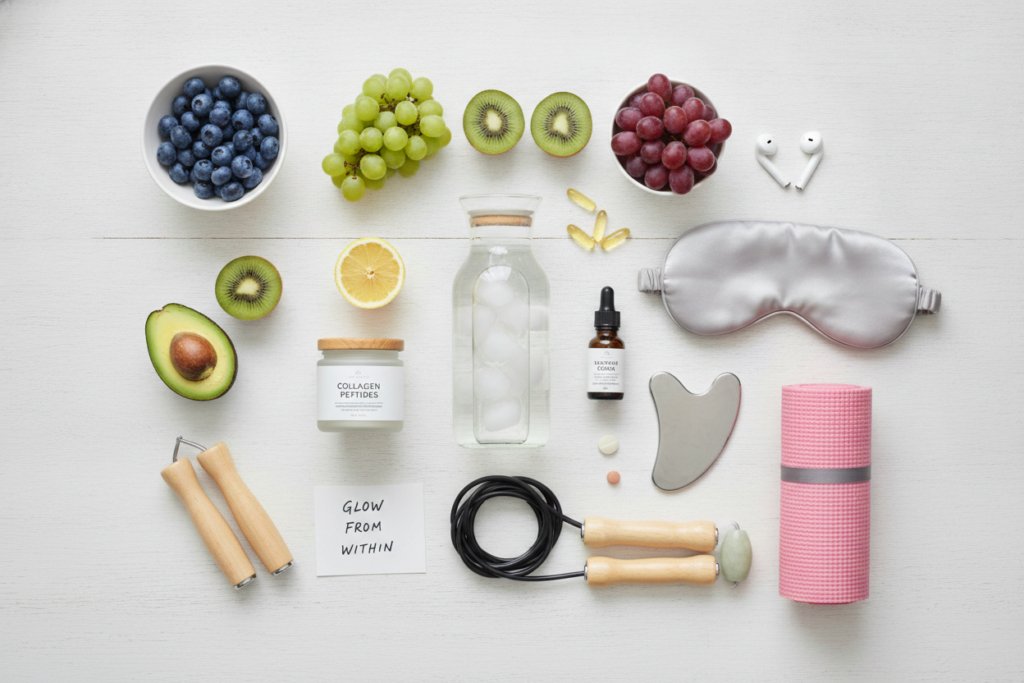
Foods rich in omega fatty acids support skin barrier health. Antioxidant-rich fruits and vegetables protect against damage. Limit sugar and processed foods that trigger inflammation and breakouts. Your diet directly affects how your skin looks and behaves.
Sleep and Stress Management
Quality sleep allows your skin to repair damage from the day. Stress hormones trigger inflammation and worsen many skin conditions. Seven to nine hours of sleep each night supports healthy skin renewal.
Stress shows on your face through breakouts, dullness, and premature aging. Practice stress reduction through exercise, meditation, or hobbies you enjoy. Your mental health and skin health connect more closely than most people realize.
Hair and Skin Connection
Hair products often affect skin along your hairline and forehead. Heavy styling products can clog pores and cause breakouts. Keep hair clean and away from your face when possible.
Scalp health influences face skin since the scalp is simply an extension of facial skin. Dandruff and scalp conditions can spread to the forehead. Address scalp issues as part of your overall skin care approach.
When to Seek Professional Help
Home care routines work well for most people. Sometimes skin conditions require expert evaluation and treatment. Knowing when to see a dermatologist prevents worsening problems.
Signs You Need a Dermatologist
Persistent acne that does not respond to over-the-counter treatments needs professional care. Sudden changes in moles or new growths require immediate evaluation. Severe reactions to products or unexplained rashes deserve expert attention.
Acne that leaves scars or does not improve after three months
Rashes or irritation that persist despite changing products
Suspicious moles that change in size, color, or shape
Extremely dry or flaky skin that moisturizers cannot fix
Chronic redness or visible blood vessels on the face
Professional Treatments Worth Considering
Dermatologists offer treatments beyond what home care can achieve. Chemical peels accelerate cell turnover for smoother texture. Laser treatments target specific concerns like sun spots or broken capillaries.
Professional-grade products contain higher concentrations of active ingredients. Prescription retinoids work faster and stronger than over-the-counter versions. Discuss your concerns and goals with a qualified dermatologist to create a personalized treatment plan.
Creating Lasting Skin Care Habits
Consistency matters more than perfection in skin care. Building habits takes time and patience. Start small and add complexity as routines become automatic.
Starting Your Journey
Begin with just cleanser, moisturizer, and sunscreen if you are new to skin care. Master these basics before adding treatments and serums. This foundation prevents overwhelm and builds confidence.
Set reminders on your phone until routines become habits. Keep products visible on your bathroom counter as visual cues. Track progress with photos taken in consistent lighting every few weeks.
Tips for Staying Consistent
Make skin care convenient by keeping travel sizes for trips. Place products where you will see them morning and evening. Link your routine to existing habits like brushing teeth for better adherence.
Allow products time to work before switching to new ones. Most ingredients need six to twelve weeks to show results. Patient consistency beats constantly trying new products every few weeks.
Complete Your Skin Care Transformation
Get the comprehensive system that combines education, quality products, and ongoing support for lasting results.
Healthy skin comes from consistent care with the right products for your type. The basics never change: cleanse, moisturize, protect from the sun. Everything else builds on this foundation.
Start your routine today with just a few essential products. Add treatments gradually as you learn what your skin needs. Remember that time and consistency deliver better results than expensive products used sporadically.
Your skin reflects how you care for yourself overall. Combine quality products with healthy lifestyle choices for the best results. The journey to better skin starts with a single step taken today.
Begin Your Skin Care Success Story Today
Everything you need to achieve the healthy, radiant skin you deserve is just one click away.