Your hair makes a powerful first impression. It frames your face and reflects your overall health. When your hair looks amazing, you feel confident stepping into any room.
The right hair care routine can completely change your appearance. Small daily habits create dramatic results over time. You don’t need expensive treatments to see real transformation.
This guide shares proven Hair Glow Up Tips that work for all hair types. You’ll discover simple ways to boost shine, volume, and strength. These easy methods fit into even the busiest day.
Understanding Your Hair Foundation for Better Results

Every great hair transformation starts with knowing your hair type. Your hair texture determines which products and techniques work best. This knowledge saves you time and money on the wrong approaches.
Hair falls into four main categories. Straight hair lies flat and can look greasy faster. Wavy hair has a gentle S-pattern and needs light products.
Curly hair forms defined spirals and requires extra moisture. Coily hair has tight curls and needs rich hydration. Each type responds differently to treatments.
Fine Hair Characteristics
Fine hair has a smaller diameter and can look limp. It responds well to volumizing products and light styling.
- Gets oily quickly at roots
- Lacks natural volume
- Shows heat damage easily
- Needs lightweight products
Thick Hair Characteristics
Thick hair has more density and holds styles longer. It needs extra moisture and stronger products.
- Takes longer to dry
- Holds style well
- Resists heat styling
- Requires rich treatments
Dry Hair Indicators
Dry hair lacks moisture and appears dull. It breaks easily and feels rough to touch.
- Frizzes in humidity
- Splits at ends
- Tangles frequently
- Lacks shine
Oily Hair Indicators
Oily hair produces excess sebum from the scalp. It looks greasy within a day of washing.
- Roots get greasy fast
- Lacks body and volume
- Attracts dirt quickly
- Needs frequent washing

Hair porosity affects how your hair absorbs products. Low porosity hair has tightly closed cuticles. Medium porosity hair balances moisture well.
High porosity hair has open cuticles and loses moisture quickly. You can test porosity by placing a clean hair strand in water. If it sinks fast, you have high porosity.
Ready to Transform Your Hair Health?
Discover the proven system that thousands of women use to achieve salon-quality hair at home. This complete method addresses your specific hair type and gives you results you can see in weeks.
Hydration: The Foundation for Gorgeous Hair

Water transforms your hair from the inside out. Your body needs proper hydration to deliver nutrients to hair follicles. Dehydrated hair looks dull and breaks easily.
Drinking eight glasses of water daily makes a visible difference. Your hair becomes more elastic and resilient. The effects show up within one week of consistent water intake.
Internal hydration beats any external treatment. Your scalp produces healthier oils with adequate water. These natural oils protect your hair better than any product can.
External Hydration Techniques That Work

Deep conditioning once a week replenishes moisture. Apply conditioner from mid-length to ends only. Leave it on for at least five minutes before rinsing.
A leave-in conditioner provides all-day hydration. Spray it on damp hair and style as usual. This extra layer protects against environmental damage.
- Use lukewarm water for washing to prevent moisture loss
- Apply a hair mask weekly for intense hydration
- Mist hair with water between washes to refresh
- Sleep with a humidifier to add moisture to the air
- Rinse with cool water to seal the cuticle

Oil Treatments for Deep Moisture
Natural oils penetrate the hair shaft better than synthetic products. Coconut oil works great for thick hair types. Argan oil suits fine hair that needs light moisture.
Apply oil to dry hair before shampooing. Leave it on for at least 30 minutes or overnight. This pre-wash treatment protects hair from harsh cleansers.
Jojoba oil closely matches your scalp’s natural sebum. It balances oil production over time. A few drops go a long way with this concentrated treatment.
Pro Tip: Apply oil treatments to the ends first, then work upward. Your ends are the oldest part of your hair and need the most moisture. This technique prevents greasy roots while hydrating where it matters most.
Nutrition: Building Blocks for Hair Growth

Your hair reflects what you eat every day. Protein forms the structure of each hair strand. Without enough protein, your hair becomes weak and thin.
Biotin supports keratin production in your body. You’ll find biotin in eggs, nuts, and sweet potatoes. This vitamin strengthens hair and reduces breakage significantly.
Iron carries oxygen to your hair follicles. Low iron levels cause hair to shed excessively. Leafy greens and lean meats boost your iron naturally.
Essential Vitamins for Hair Health

Vitamin A helps your scalp produce sebum naturally. This oil keeps your hair moisturized from the root. Sweet potatoes and carrots are excellent sources.
Vitamin E improves blood circulation to your scalp. Better circulation means more nutrients reach hair follicles. Almonds and sunflower seeds provide plenty of vitamin E.
Omega-3 fatty acids reduce inflammation on your scalp. They also add shine and prevent dryness. Fatty fish like salmon offer the best omega-3 benefits.
- Vitamin C aids collagen production for stronger hair
- Zinc prevents hair loss and supports growth cycles
- B vitamins create red blood cells for healthy follicles
- Vitamin D activates hair growth receptors

Foods That Boost Hair Growth
Spinach packs iron, folate, and vitamins A and C. These nutrients work together to promote growth. One cup of spinach daily makes a real difference.
Greek yogurt contains protein and vitamin B5. These support blood flow to your scalp. The probiotics also improve nutrient absorption in your body.
Avocados deliver healthy fats and vitamin E. Your body needs these fats to absorb other nutrients. Half an avocado each day supports overall health beautifully.
Sample Hair-Healthy Day of Eating

Breakfast: Scrambled eggs with spinach and whole grain toast
Lunch: Grilled salmon over mixed greens with avocado
Snack: Greek yogurt with berries and almonds
Dinner: Chicken breast with sweet potato and broccoli
Proper Cleansing Routine for a Healthy Scalp

Your scalp health determines your hair quality. A clean scalp allows follicles to function properly. Buildup blocks growth and creates problems over time.
Most people wash their hair too often. Frequent washing strips natural oils that protect your hair. Two to three times per week works for most hair types.
Focus shampoo on your scalp, not your lengths. Massage gently with your fingertips for one minute. This stimulates circulation and removes buildup effectively.
Choosing the Right Shampoo

Sulfate-free shampoos clean without stripping moisture. They’re gentler on color-treated hair too. The extra cost pays off in healthier hair over time.
Clarifying shampoo removes product buildup once per week. Use it sparingly because it’s stronger than regular shampoo. Follow with a deep conditioner every time.
Your hair type determines which formula works best. Dry hair needs moisturizing shampoos with oils. Oily hair benefits from lightweight, balancing formulas.
- Check ingredient lists for harsh sulfates and avoid them
- Match shampoo to your specific hair concerns
- Rotate between two different shampoos for best results
- Use less product than you think you need
- Rinse thoroughly to prevent residue buildup
The Perfect Conditioning Technique

Never apply conditioner to your roots. This area produces natural oils and doesn’t need extra moisture. Start at ear level and work down to your ends.
Comb conditioner through with a wide-tooth comb. This distributes product evenly and detangles gently. Leave it on for at least three minutes minimum.
Cold water seals your hair cuticle after conditioning. This step locks in moisture and adds incredible shine. The temperature difference makes a visible impact.
Weekly Deep Clean: Mix one tablespoon of baking soda with your regular shampoo once per week. This natural clarifier removes stubborn buildup without harsh chemicals. Your scalp will feel refreshed and your hair will respond better to products.

Heat Styling Protection Strategies

Heat styling damages your hair structure permanently. High temperatures break protein bonds in each strand. Protection products form a barrier against this damage.
Always apply heat protectant to damp hair before styling. These products contain silicones that shield your hair. One application prevents weeks of damage repair.
Lower heat settings work just as well as maximum temperatures. Most hair styles perfectly at 350 degrees Fahrenheit. Your patience protects your hair’s long-term health.
Smart Tool Selection and Use

Ceramic tools distribute heat more evenly than metal. This prevents hot spots that burn your hair. The investment pays for itself in reduced damage.
Tourmaline technology emits negative ions during styling. These ions seal your cuticle and reduce frizz. Your results last longer with less damage.
Replace your tools every two years minimum. Old tools lose temperature control and damage hair. Modern technology protects better than older models.

Blow Drying Tips
- Keep dryer moving constantly
- Use cool shot to finish
- Point nozzle downward always
- Dry 80% before styling

Flat Iron Guidelines
- Use only on dry hair
- Take small sections
- Glide smoothly without stops
- Don’t exceed 380 degrees

Curling Iron Basics
- Hold for 8-10 seconds only
- Curl away from face
- Let curls cool completely
- Spray before not after
Heat-Free Styling Alternatives

Air drying preserves your hair’s natural texture. Apply styling products to damp hair and let it dry. This method works especially well for wavy and curly types.
Overnight braids create beautiful waves without heat. Braid damp hair before bed and sleep on it. You wake up with effortless style that lasts all day.
Foam rollers give you volume without damage. Roll sections of damp hair and sleep comfortably. The results rival any hot tool styling.
Protect and Restore Your Hair
Stop heat damage before it ruins your hair. This proven approach repairs existing damage while protecting against future harm. See stronger, shinier hair in just weeks.
Nighttime Hair Care Routine

Your nighttime routine determines your morning hair condition. Friction from cotton pillowcases creates frizz and breakage. Small changes at bedtime make huge differences.
A silk pillowcase reduces friction by 43% compared to cotton. Your hair glides smoothly as you move during sleep. This simple switch prevents tangles and preserves your style.
Satin works almost as well as silk at a lower price. Both materials keep your hair hydrated through the night. The investment pays off in healthier hair quickly.
Protective Nighttime Styles

A loose braid prevents tangling without pulling. Secure it with a silk scrunchie at the bottom. This style works for medium to long hair lengths.
The pineapple method protects curls perfectly overnight. Gather your hair at the top of your head loosely. Use a silk scrunchie to hold without creasing.
Wrapping your hair in a silk scarf adds extra protection. This technique works especially well for textured hair. Your curls stay defined and moisturized until morning.
- Never sleep with wet hair to prevent breakage
- Apply a small amount of oil to ends before bed
- Use a silk or satin bonnet for extra protection
- Avoid tight elastics that create creases
- Keep hair away from face to prevent oils transfer

Morning Hair Revival Techniques
Refresh your hair with a light water mist in the morning. Add a tiny bit of leave-in conditioner if needed. This revives your style without full restyling.
Flip your head upside down and shake at the roots. This adds instant volume without any products. The technique takes five seconds and makes a big difference.
Use dry shampoo only at the roots for second-day volume. Spray from six inches away and massage in well. Too much product creates buildup quickly.
Avoid These Nighttime Mistakes: Don’t sleep with your hair in a tight ponytail or bun. The tension creates permanent damage at the point of pull. Also skip heavy oils at night as they transfer to your face and cause breakouts.
Scalp Massage for Circulation and Growth

Scalp massage increases blood flow to hair follicles. Better circulation delivers more nutrients for growth. Five minutes daily produces visible results within weeks.
Use your fingertips in small circular motions. Start at your hairline and work toward the crown. Apply medium pressure without scratching your scalp.
This relaxing routine reduces stress that contributes to hair loss. The massage also distributes natural oils down your hair shaft. Your scalp stays healthier and your hair gets natural conditioning.
Massage Oil Combinations

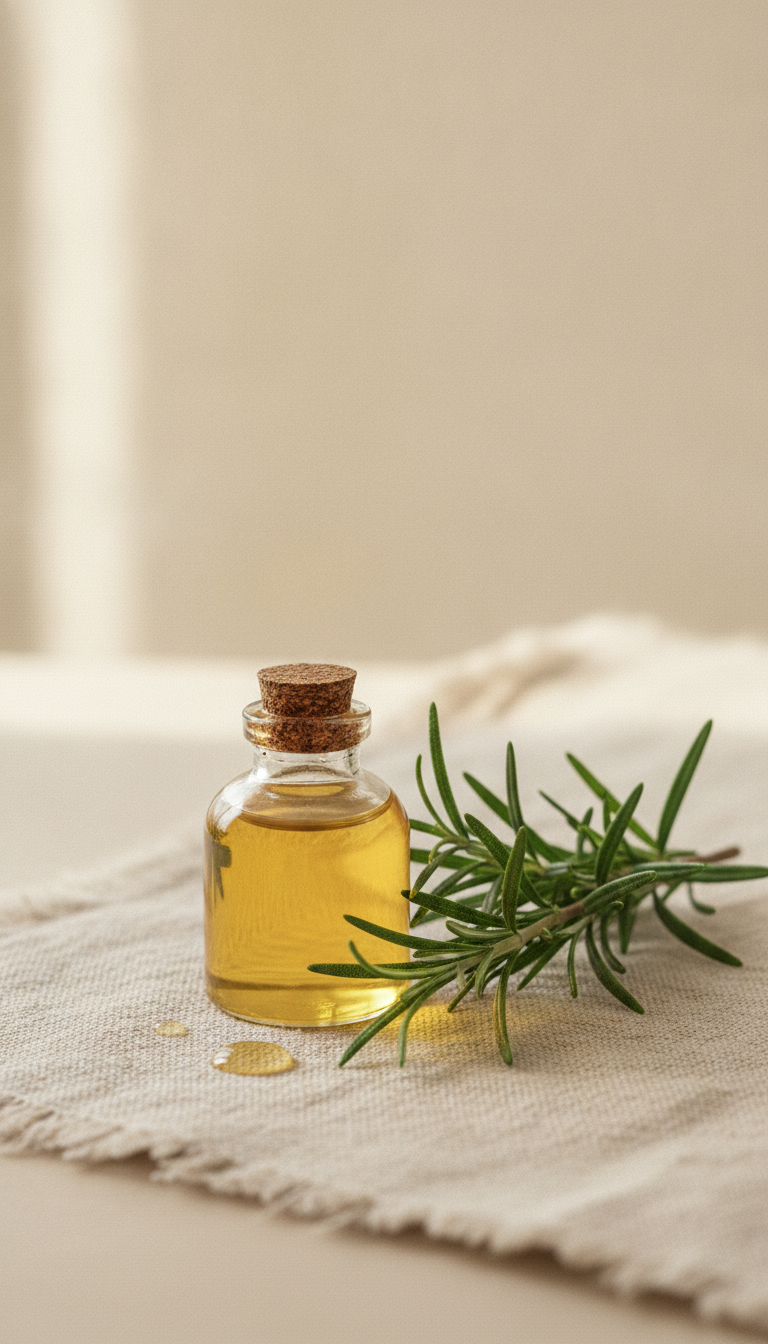
Rosemary oil stimulates circulation and promotes growth. Mix three drops with a tablespoon of carrier oil. Massage into your scalp before shampooing for best results.
Peppermint oil creates a tingling sensation that improves blood flow. Use it diluted to avoid irritation. The cooling effect feels refreshing and works effectively.
Coconut oil serves as an excellent massage base. It penetrates the scalp and provides antimicrobial benefits. Warm it slightly for easier application and absorption.
Simple Massage Routine
- Apply oil mixture to fingertips
- Start at temples using circular motions
- Move to hairline and work backward
- Cover entire scalp systematically
- Massage for five minutes minimum
- Leave oil on for 30 minutes
- Shampoo as normal

Scalp Health Indicators

A healthy scalp looks slightly pink and feels comfortable. You shouldn’t see flaking or excessive redness. Any irritation signals that you need to adjust your routine.
Check your scalp weekly for changes in condition. Increased flaking might mean you need more moisture. Oiliness indicates you should clarify more often.
Your scalp produces sebum that travels down hair strands. Regular massage helps this natural process work better. This free conditioning method beats any store-bought product.
Styling Techniques for Maximum Volume

Volume makes your hair look thicker and healthier instantly. The right techniques create lift without teasing or damage. Your hair can look fuller from the very first try.
Blow drying upside down builds natural volume at roots. This simple position change makes a dramatic difference. The technique takes the same time as regular drying.
Root lifting sprays add temporary body that lasts all day. Apply to damp roots before drying. These products contain polymers that support each strand.
Strategic Product Placement

Mousse works best on damp hair from roots to mid-length. Use a golf-ball sized amount for medium length hair. Distribute evenly with your fingers before styling.
Dry shampoo absorbs oils that weigh hair down. Spray at roots only and wait two minutes. Massage in thoroughly for maximum volume boost.
Texturizing spray adds grip and separation between strands. This creates the illusion of more hair. Apply to dry hair as a finishing touch.
Fine Hair Volume Tips
- Use lightweight products only
- Avoid heavy oils at roots
- Dry with head flipped over
- Tease gently at crown only
- Finish with light hairspray
Thick Hair Body Tips
- Layer cut adds movement
- Blow dry in sections
- Use round brush technique
- Apply products sparingly
- Focus on root area
Flat Hair Quick Fixes
- Clip roots while drying
- Change your part daily
- Use volumizing shampoo
- Sleep on silk pillowcase
- Refresh with dry shampoo
Blow Drying for Maximum Lift

Section your hair into four parts for even drying. Start at the back and work forward systematically. This organization prevents missing spots and creates consistent results.
Use a round brush to lift hair at the roots. Roll the brush under and direct heat from above. Hold for a few seconds to set the volume.
The cool shot button sets your style in place. Blast each section with cold air after heat styling. This step doubles how long your volume lasts.
Achieve Salon-Quality Results at Home

Transform your styling routine with professional techniques you can master quickly. This comprehensive system shows you exactly how to create volume, shine, and style that lasts. No expensive salon visits needed.
Deep Treatment and Hair Mask Benefits

Weekly treatments repair damage that daily products can’t fix. These concentrated formulas penetrate deeper into your hair shaft. The results accumulate with consistent use over time.
Hair masks contain higher concentrations of beneficial ingredients. They work like intensive therapy for stressed hair. One treatment per week transforms hair texture noticeably.
The best time for masks is after clarifying your hair. Clean hair absorbs treatments more effectively. This combination maximizes your results from both products.
DIY Hair Mask Recipes

An avocado and honey mask deeply moisturizes dry hair. Mash one ripe avocado with two tablespoons of honey. Apply to damp hair and leave for 20 minutes.
Egg and olive oil mask strengthens weak, brittle strands. Mix two eggs with three tablespoons of oil. This protein treatment rebuilds damaged hair structure.
Banana and coconut oil mask adds shine and softness. Blend one ripe banana with two tablespoons of coconut oil. The potassium in bananas strengthens each strand.
Moisture-Boosting Mask
- 2 tablespoons coconut oil
- 1 tablespoon honey
- 1 ripe avocado
- Apply for 30 minutes
- Use weekly for dry hair

Protein Repair Mask
- 2 eggs (whole)
- 3 tablespoons olive oil
- 1 tablespoon apple cider vinegar
- Apply for 20 minutes
- Use bi-weekly for damage

Store-Bought Treatment Selection

Look for masks with keratin for strength and repair. This protein fills in gaps in damaged hair. Results show after just two or three applications.
Argan oil masks provide intense moisture without heaviness. They work well for all hair types. The lightweight formula won’t weigh down fine hair.
Protein treatments should be used sparingly on healthy hair. Too much protein makes hair stiff and brittle. Balance protein with moisture treatments for best results.
Treatment Schedule: Week 1 – Moisturizing mask, Week 2 – Protein treatment, Week 3 – Moisturizing mask, Week 4 – Clarifying treatment. This rotation keeps your hair balanced and healthy without overloading any one type of treatment.
Special Care for Color-Treated Hair

Color processing opens your hair cuticle permanently. This makes colored hair more porous and fragile. Extra care keeps your color vibrant and your hair healthy.
Sulfate-free products are essential for color longevity. Regular shampoos strip color with every wash. The switch extends your color life by weeks.
Cool water rinses prevent color fading significantly. Hot water opens the cuticle and releases color molecules. This simple change preserves your investment longer.
Color-Safe Product Selection

Purple shampoo neutralizes brassy tones in blonde hair. Use it once per week maximum. Too frequent use can tint your hair purple.
Color-depositing conditioners refresh your shade between salon visits. These products add pigment while conditioning. They extend time between expensive color appointments.
UV protection sprays prevent sun damage to color. Sun exposure fades color faster than anything else. Apply before going outside just like sunscreen.
- Wait 48 hours after coloring before washing
- Use color-safe heat protectant always
- Limit heat styling on colored hair
- Deep condition weekly without fail
- Avoid chlorine and salt water when possible
Preventing Color Fade

Wash your hair less frequently to preserve color longer. Dry shampoo extends time between washes effectively. Each wash removes some color molecules inevitably.
Apply a leave-in treatment before swimming or sun exposure. This creates a protective barrier against harsh elements. Your color stays vibrant through summer activities.
Schedule glossing treatments every six weeks at minimum. These refresh your color without full processing. The shine boost makes your hair look freshly colored.
Color Care Tip: Apply conditioner before swimming in chlorinated pools. The conditioner fills your hair shaft so chlorine can’t penetrate. Rinse immediately after swimming and apply fresh conditioner. This method prevents that awful green tint on blonde hair.
Seasonal Hair Care Adjustments

Your hair needs different care as seasons change. Weather conditions affect moisture levels and texture. Adjusting your routine prevents seasonal damage effectively.
Winter air is extremely drying for your hair. Indoor heating removes moisture from the environment. Your hair requires richer products during cold months.
Summer sun and chlorine create unique challenges. UV rays fade color and damage protein structure. Extra protection becomes essential during warm months.
Winter Hair Protection

Use a humidifier in your bedroom during winter. Dry air pulls moisture from your hair overnight. This simple device prevents winter brittleness completely.
Switch to heavier oils and creams in cold weather. Your hair needs more moisture to combat dryness. These richer products don’t feel heavy in winter.
Wear a silk scarf under winter hats. Wool and cotton create terrible friction and static. This barrier protects your hair from harsh materials.
Winter Hair Challenges
- Static electricity from dry air
- Breakage from brittleness
- Frizz from indoor heating
- Scalp dryness and flaking
- Hat hair and friction damage
Winter Solutions
- Apply anti-static spray daily
- Deep condition twice weekly
- Use leave-in treatments always
- Moisturize scalp with oil
- Line hats with silk fabric
Summer Hair Defense

UV protection products are non-negotiable in summer. The sun damages hair just like it damages skin. Apply protection spray before outdoor activities always.
Rinse your hair with clean water before swimming. Saturated hair absorbs less chlorine or salt water. This pre-soak method prevents significant damage.
Weekly clarifying treatments remove summer buildup. Sunscreen, saltwater, and chlorine accumulate on hair. One clarifying wash restores your hair to normal.
Access Professional-Grade Hair Solutions

Get salon-quality results year-round with expert-designed hair care systems. These professional formulas work with your hair type and adjust for seasonal changes. Transform your hair care routine completely.
Addressing Common Hair Problems

Every hair type faces specific challenges regularly. Identifying your main concern helps you find targeted solutions. Most problems have simple fixes once you know the cause.
Frizz results from moisture imbalance in your hair. Dry hair seeks moisture from humid air. This creates that fluffy, undefined texture you want to avoid.
Split ends happen when protective cuticle wears away. The hair shaft splits into two or more pieces. Only cutting removes them but you can prevent new ones.
Solving Frizz and Flyaways

Smoothing serums seal your cuticle against humidity. Apply a small amount to damp hair daily. The silicones create a protective barrier that lasts.
Microfiber towels reduce friction when drying hair. Regular towels rough up your cuticle causing frizz. This simple switch makes an immediate difference.
Never brush curly or wavy hair when dry. This separates your natural curl pattern creating frizz. Use a wide-tooth comb on wet hair only.
Effective Frizz Solutions
- Smoothing serums and oils
- Microfiber towel drying
- Silk pillowcases at night
- Leave-in conditioners daily
- Cold water final rinse
- Air drying when possible
Frizz-Causing Mistakes
- Rough towel drying
- Brushing dry curly hair
- Over-washing your hair
- Using too much product
- Touching hair constantly
- Skipping heat protectant
Managing Hair Loss and Thinning

Some hair shedding is completely normal every day. You lose 50 to 100 hairs daily naturally. Excessive shedding indicates an underlying problem needing attention.
Stress triggers temporary hair loss in many people. The shedding starts three months after a stressful event. It resolves once stress levels decrease again.
Nutritional deficiencies cause thinning over time. Iron, biotin, and protein shortages all affect growth. Blood tests identify specific deficiencies to address.
- Gentle handling prevents unnecessary breakage
- Scalp massage improves circulation for growth
- Biotin supplements support keratin production
- Avoid tight hairstyles that pull follicles
- See a dermatologist for sudden changes
Repairing Damaged Hair

Severely damaged hair needs protein and moisture balance. Too much of either causes different problems. Alternate between protein and moisturizing treatments weekly.
Trim split ends every six to eight weeks minimum. Damaged ends continue splitting up the hair shaft. Regular trims prevent this domino effect completely.
Reduce heat styling frequency while repairing damage. Your hair needs a break to recover. Embrace heat-free styles during the healing process.
Damage Red Flags: If your hair feels gummy when wet or stretches excessively, you have severe protein loss. If it feels brittle and snaps easily, you lack moisture. Adjust your treatment approach based on these texture tests for effective repair.
Lifestyle Factors That Transform Hair Health

Your daily habits affect your hair more than any product. Sleep quality, stress levels, and exercise all show in your hair. Small lifestyle changes create major improvements quickly.
Sleep deprivation disrupts your hair growth cycle. Your body repairs itself during deep sleep. Consistent 7-8 hours nightly supports healthy growth.
Regular exercise improves circulation throughout your body. Better blood flow means more nutrients reach follicles. Your hair grows faster and stronger with consistent activity.
Stress Management for Hair Health

Chronic stress pushes hair follicles into resting phase. This leads to excessive shedding three months later. Managing stress prevents this delayed hair loss.
Meditation reduces cortisol levels that affect hair growth. Just ten minutes daily makes a measurable difference. Your overall health improves along with your hair.
Regular physical activity burns stress hormones naturally. Exercise also improves sleep quality significantly. Both benefits directly support healthier hair growth.
Hair-Healthy Habits
- Sleep 7-8 hours nightly
- Exercise 30 minutes daily
- Practice stress reduction
- Stay hydrated always
- Eat balanced meals
- Limit alcohol consumption
- Avoid smoking completely

The Exercise-Hair Connection

Cardio exercise increases blood flow to your scalp. This delivers oxygen and nutrients efficiently. Your hair follicles function better with improved circulation.
Sweat naturally cleanses your scalp during workouts. It removes buildup and unclogs follicles. Just rinse your hair with water after sweating.
Post-workout nutrition timing affects your whole body. Protein within 30 minutes supports repair everywhere. Your hair benefits from this recovery nutrition too.
Your Hair Transformation Journey Starts Today

You now have all the Hair Glow Up Tips you need for real transformation. Each technique works on its own, but combining them multiplies results. Start with the easiest changes first and build from there.
Consistency matters more than perfection in hair care. Even small daily efforts accumulate into dramatic changes. Your hair responds to regular care over time.
Remember that hair health reflects your overall well-being. Taking care of your body naturally improves your hair. These tips create a foundation for lasting beauty.

Track your progress with monthly photos to stay motivated. Changes happen gradually and you see yourself daily. Photos reveal improvements you might otherwise miss.
Don’t expect overnight miracles from any single product. Real transformation takes consistent effort over weeks. The results last when you maintain your routine.
Your hair is unique and may respond differently than others. Experiment to find what works best for you. Pay attention to how your hair feels and looks.

The journey to better hair also improves your overall confidence. When your hair looks great, you feel ready for anything. This positive energy affects every part of your day.
Share your favorite tips with friends who ask about your transformation. Your success story inspires others to care for their hair better. Beautiful hair creates ripple effects everywhere.
Start your glow up journey today with just one new habit. Choose the tip that excites you most and commit to it. Your future self will thank you for starting now.