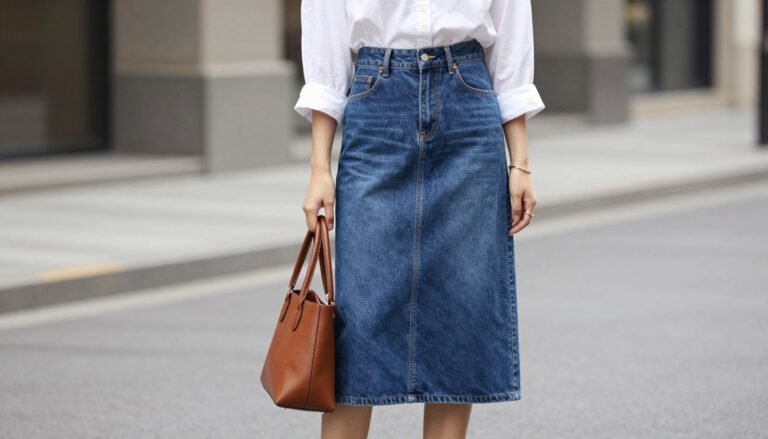
Making your own pants opens up a world of creative possibilities. You can choose fabrics that match your style perfectly.
This Website contains affiliate links. That means I may earn a small commission if you purchase through my links, at no extra cost to you.
The process might seem challenging at first. But with the right guidance, anyone can master this rewarding skill.
This comprehensive guide breaks down every step of sewing easy DIY pants. You’ll learn techniques that professional seamstresses use daily.
Ready to Create Perfect-Fitting Pants?
Get instant access to professional patterns and video tutorials that make pants sewing simple and enjoyable. Join thousands of sewers who’ve transformed their skills!
Essential Materials and Tools You’ll Need

Gathering the right materials before starting your project saves time. Quality tools make the entire process smoother and more enjoyable.
Your fabric choice determines how your pants will look and feel. Cotton, denim, and linen work well for beginners.
Fabric Requirements and Selection

Most pant patterns require two to three yards of fabric. This amount depends on your size and the pattern design.
Choose medium-weight fabrics for your first project. They’re easier to handle than heavy or lightweight materials.
Pre-wash your fabric before cutting any pieces. This step prevents shrinkage issues after you complete your pants.
- Cotton twill for comfortable everyday pants
- Denim for sturdy, classic jean styles
- Linen for breathable summer pants
- Ponte knit for stretchy, forgiving fits
- Canvas for workwear-style pants
- Chambray for lightweight casual options
Necessary Sewing Tools

A reliable sewing machine is your most important tool. Make sure it can handle medium-weight fabrics smoothly.
Sharp fabric scissors make clean cuts through your material. Never use them for cutting paper or other items.
- Sewing machine with straight and zigzag stitch capabilities
- Fabric scissors or rotary cutter for precise cutting
- Measuring tape for accurate body measurements
- Pins and pin cushion to hold pieces together
- Seam ripper for fixing mistakes easily
- Iron and ironing board for pressing seams
- Tailor’s chalk or fabric marker for markings
- Thread matching your fabric color
Understanding and Choosing the Right Pattern

Patterns serve as your roadmap throughout the sewing process. They guide every cut and stitch you make.
Beginner-friendly patterns include fewer pieces and simpler construction methods. Look for designs labeled as easy or beginner level.
Reading Pattern Markings

Pattern pieces contain important symbols and lines. Each marking tells you something specific about construction.
Grain lines indicate how to align pieces with your fabric’s weave. Placing patterns correctly ensures your pants hang properly.
Notches are small triangular marks on pattern edges. They help you match corresponding pieces accurately during assembly.
Common Pattern Symbols
- Straight arrows showing grain line direction
- Dots indicating matching points between pieces
- Notches marking where seams align
- Dashed lines showing fold lines
- Solid lines indicating cutting lines
Pattern Information
- Size charts with body measurements
- Fabric yardage requirements
- Suggested fabric types
- Difficulty level indicators
- Finished garment measurements
Taking Accurate Body Measurements

Precise measurements ensure your finished pants fit correctly. Take measurements over lightweight clothing for accuracy.
Ask someone to help you measure for the most accurate results. Standing naturally gives better measurements than posing.
- Measure your waist at the narrowest part of your torso
- Measure your hips at the fullest point around your body
- Measure your inseam from crotch to desired pant length
- Record your thigh circumference at the fullest part
- Note your rise measurement from waist to crotch
Skip the Guesswork with Expert Patterns
Professional patterns include multiple sizes and detailed measurement guides. Get patterns designed for perfect fit every time!
Preparing Your Fabric for Cutting

Proper fabric preparation prevents problems later in your project. This step ensures accurate cutting and professional results.
Pre-washing your fabric removes any shrinkage before construction. It also eliminates chemicals that might irritate your skin.
Washing and Pressing
Wash your fabric using the same method you’ll use for the finished pants. Hot water typically causes more shrinkage than cold water.
Dry your fabric completely before working with it. Tumble drying often causes additional shrinkage.
Press your fabric smooth with an iron after washing. Wrinkles can cause inaccurate measurements and cutting errors.

Laying Out Pattern Pieces
Fold your fabric with right sides together for most patterns. This method allows you to cut mirror-image pieces simultaneously.
Align pattern pieces according to the grain line arrows. The straight grain runs parallel to the selvage edge.
Pin pattern pieces securely to your fabric before cutting. Place pins inside the cutting line to avoid shifting.

- Ensure fabric is completely smooth without wrinkles
- Match pattern grain lines with fabric grain
- Pin all pattern pieces before cutting any
- Check that all necessary pieces are laid out
- Verify you have the correct pattern size
- Leave space between pieces for seam allowances
Cutting Your Fabric Pieces Accurately

Accurate cutting is crucial for pieces that fit together properly. Take your time during this step for best results.
Sharp scissors or a rotary cutter produce clean edges. Dull blades create ragged cuts that are harder to sew.
Cutting Techniques
Cut with long, smooth strokes rather than short choppy ones. This technique creates smoother, more accurate edges.
Keep your fabric flat on the table while cutting. Lifting fabric causes distortion and inaccurate cuts.
Cut notches outward from the seam allowance edge. This method preserves the seam allowance width.

Marking Important Points
Transfer all pattern markings to your fabric pieces. These marks guide assembly and ensure proper alignment.
Use tailor’s chalk or fabric markers for temporary markings. Test markers on fabric scraps first to ensure they wash out.

- Cut out all pattern pieces following the cutting lines exactly
- Mark notches, dots, and other symbols with chalk or markers
- Label each piece if your pattern includes many components
- Keep pieces organized by grouping related items together
- Transfer any construction notes from pattern to fabric
Left and Right Pieces
Most pant patterns include separate left and right pieces. Pay attention to which side each piece represents.
Front and back pieces look similar but have important differences. Check pattern markings to identify each piece correctly.
Matching Pairs
You’ll cut two of most pieces to create matching pant legs. Ensure both pieces face the correct direction.
Pocket pieces often need to be cut with specific orientation. Follow pattern instructions for directional prints.
Adding Pockets to Your Pants

Pockets add both function and style to your pants. Several pocket types work well for DIY projects.
In-seam pockets hide completely within the side seam. They’re the easiest style for beginners to master.
Creating In-Seam Pockets

Pin pocket pieces to the front pant pieces with right sides together. Align the curved edges carefully for smooth pockets.
Sew along the curved pocket edge using a standard seam allowance. Backstitch at the beginning and end for strength.
Press the seam allowance towards the pocket piece after sewing. This step creates a neat pocket opening.

- Attach pocket pieces to both front pant pieces
- Press seam allowances toward the pocket bags
- Pin pocket bags together along the outer curved edge
- Sew pocket bags together with a narrow seam
- Press pocket towards the front of the pants
- Baste pocket tops to waist edge to secure them
Patch Pocket Construction

Patch pockets sit on top of your fabric rather than inside seams. They offer a casual, visible design element.
Fold the top edge of the pocket piece and press it flat. This creates a finished edge at the pocket opening.
Turn under the remaining edges and press them carefully. Use a template to ensure both pockets match perfectly.

Master Professional Pocket Techniques
Learn advanced pocket styles including welt pockets, flap pockets, and invisible zipper pockets with detailed video demonstrations!
Sewing the Pant Legs Together

Assembling the legs creates the basic pant shape. This step transforms flat pieces into three-dimensional garments.
Start by sewing the inseam on each pant leg separately. This approach makes the process more manageable.
Sewing Inner Leg Seams
Place the front and back pieces of one leg with right sides together. Align the inner leg edges from ankle to crotch.
Pin along the entire inseam length with pins perpendicular to the edge. Place pins every two to three inches.
Sew the seam using your machine’s standard seam allowance. Guide the fabric smoothly without pulling or stretching.

- Pin front and back pieces with right sides together along inseam
- Sew from ankle to crotch with consistent seam allowance
- Press seam allowance towards the back piece
- Repeat the process for the second leg
- Check that both legs are identical in length and width
Joining Outer Side Seams

The outer side seams run from the waist to the ankle on each leg. These seams often contain pockets if you added them.
Match the top and bottom edges carefully before pinning. Align any pockets or notches precisely.
Sew each side seam in one continuous line. Maintain consistent seam allowance throughout the entire length.

Press the seam allowance open after sewing side seams. This creates a flat, professional appearance.
Check that pockets hang correctly and aren’t caught in seams. Open the pocket and verify it functions smoothly.
Constructing the Crotch Seam

The crotch seam connects both pant legs into one garment. This curved seam requires careful attention for proper fit.
Turn one pant leg right side out completely. Keep the other leg inside out as sewn.
Aligning and Pinning the Crotch
Slide the right-side-out leg inside the other leg. The right sides of both legs should face each other.
Match the inseams where they meet at the crotch point. This alignment is critical for proper pant construction.
Pin the entire curved crotch seam from front waist to back waist. Use plenty of pins to maintain the curve.

Sewing the Curved Crotch Seam
Sew the crotch seam slowly and carefully following the curve. The seam runs from front to back through the crotch point.
Make sure all layers feed evenly through your machine. Keep the seam allowance consistent around the entire curve.
Reinforce the crotch seam by sewing a second line of stitching. Place this second row within the seam allowance area.

- Match inseams precisely at the crotch point
- Pin the entire curved seam before sewing
- Sew slowly to maintain smooth curve
- Add reinforcement stitching in high-stress areas
- Clip curves carefully without cutting stitches
- Press seam allowance towards back or to one side
Finishing the Crotch Seam

Trim the seam allowance slightly in the curved area if needed. This reduces bulk in the crotch area.
Press the seam allowance towards the back of the pants. Use a pressing ham for curved seams when possible.
Turn your pants right side out to check the fit. The crotch seam should curve smoothly without puckering.
Perfect Your Crotch Seam Every Time
Watch detailed close-up videos showing professional techniques for sewing curved seams perfectly. Eliminate fitting issues before they start!
Creating and Attaching the Waistband

The waistband provides structure and finish to your pants. A well-constructed waistband ensures comfortable wear.
Most waistbands include interfacing for stability and shape. This additional layer prevents stretching and sagging.
Preparing the Waistband Piece
Cut your waistband piece according to pattern specifications. The length should match your waist measurement plus seam allowances.
Apply fusible interfacing to the wrong side of the waistband fabric. Follow the manufacturer’s instructions for proper heat and timing.

Fold the waistband in half lengthwise with wrong sides together. Press the fold to create a center crease.
Attaching Waistband to Pants

Pin one long edge of the waistband to the waist edge of your pants. Place right sides together and match all markings.
Distribute the waistband evenly around the waist opening. Match the center back and front points precisely.
Sew the waistband to the pants using your standard seam allowance. Stitch all the way around the waist opening.

- Press the seam allowance towards the waistband after sewing
- Fold the waistband up to its finished position
- Turn under the raw edge of the waistband inside
- Pin the folded edge to cover the previous stitching line
- Topstitch the waistband from the right side close to the edge
- Add a second row of topstitching if desired for strength
Creating Buttonhole and Closure

Mark the buttonhole placement on your waistband according to your pattern. Center it on the overlap area.
Use your machine’s buttonhole feature to create a reinforced opening. Test the buttonhole on fabric scraps first.
Sew a button on the opposite end of the waistband. Position it to align with your buttonhole when overlapped.

Hemming Your Pants to Perfect Length

The hem provides a finished edge at the bottom of each pant leg. Proper hem length affects both appearance and function.
Try on your pants to determine the ideal finished length. Wear the shoes you’ll typically pair with these pants.
Marking the Hem Length
Stand naturally and have someone mark the desired length with pins. Mark both legs to ensure they match.
Add the hem allowance amount to your desired finished length. Most patterns include specific hem allowance measurements.
Cut off excess fabric below the hem allowance line. Use sharp scissors for clean, even cuts.

Sewing a Basic Hem

Fold the hem allowance to the wrong side of the pants. Press the fold with your iron to create a sharp crease.
Turn under the raw edge by about half an inch and press again. This creates a double-fold hem that hides raw edges.
Pin the hem in place all around each pant leg. Keep the hem even and smooth without pulling fabric.

- Press the hem fold to create a sharp crease
- Fold and press the raw edge under for a clean finish
- Pin the hem securely all around the leg opening
- Sew the hem using a straight stitch or blind hem stitch
- Press the completed hem from both sides for professional appearance
- Repeat the entire process for the second leg
Alternative Hemming Techniques

Blind hem stitches create nearly invisible hems from the right side. This technique works well for dress pants and formal styles.
Topstitched hems show visible stitching from the outside. They work perfectly for casual pants and jeans.
Hand-sewn hems offer the most invisible finish but take more time. Use this method for delicate fabrics or special garments.

Master Multiple Hemming Techniques
Learn blind hems, rolled hems, faced hems, and more with comprehensive video guides. Choose the perfect hem style for every project!
Making Fitting Adjustments

Most sewn garments require some fitting adjustments. Understanding common issues helps you create better-fitting pants.
Try on your pants before completing final steps like hemming. This allows you to make necessary changes early.
Common Fitting Issues
Waist Adjustments
A too-tight waist creates pulling and discomfort. Let out side seams slightly or add elastic for flexibility.
A loose waist causes pants to slide down. Take in the side seams or add darts at the back waist.
Uneven waist height indicates adjustment needs. Check that your waistband is level all around.
Length and Crotch Fit
Baggy knees suggest excess fabric in the leg. Take in the inseam or outer seam slightly.
Tight crotch causes discomfort when sitting. Add extra length to the rise measurement.
Loose crotch creates sagging fabric. Reduce the rise measurement or take in the inseam.

Adjusting During Construction
Baste seams first if you’re unsure about fit. Basting uses long, temporary stitches that remove easily.
Try on basted pants and mark any needed changes. Use pins or chalk to indicate where adjustments should go.
Make adjustments before sewing permanent seams. This approach saves time and fabric.

- Always make a test garment in cheap fabric first
- Take photographs of fitting issues to analyze them
- Make one adjustment at a time to track changes
- Keep notes about alterations for future projects
- Consider professional fitting if major changes are needed
- Remember that small adjustments make big differences
Adding Professional Finishing Touches

Finishing details elevate homemade pants to professional quality. These touches show craftsmanship and attention to detail.
Topstitching adds visual interest and reinforces seams. It creates the classic look seen in ready-to-wear pants.
Topstitching Techniques

Use a slightly longer stitch length for visible topstitching. This creates a professional, intentional appearance.
Choose thread color that matches your fabric or provides intentional contrast. Topstitching thread is thicker than regular thread.
Practice topstitching on fabric scraps before working on your pants. Consistent stitch placement requires practice.
- Topstitch side seams for a jeans-style finish
- Add double rows of topstitching on waistband
- Topstitch pocket edges for reinforcement
- Use topstitching to secure hem from outside
- Keep stitching lines parallel and evenly spaced
- Backstitch at beginning and end of each line
Pressing for Professional Results

Press your completed pants thoroughly from both inside and out. Proper pressing makes the difference between homemade and handmade.
Create sharp front creases down each leg if your style requires them. Use a pressing cloth to protect fabric from iron shine.
Steam helps set seams and remove any puckering. Hold the iron slightly above the fabric and apply steam.

Final Quality Checks
Inspect all seams to ensure they’re secure and properly finished. Check that no threads are loose or hanging.
Verify that all buttons, hooks, or closures function correctly. Test zippers or buttonholes multiple times.
Try on your finished pants one final time. Check the fit while standing, sitting, and moving naturally.

- Trim all loose threads from seams and surface
- Check that all seams are secure and backstitched
- Verify that buttonholes are properly cut and finished
- Ensure pockets are securely attached and functional
- Confirm that hem is even on both legs
- Give pants a final press before wearing
Create Designer-Quality Pants Every Time
Get access to professional finishing techniques, pressing guides, and quality control checklists. Transform your sewing from good to exceptional!
Troubleshooting Common Sewing Problems

Even experienced sewers encounter challenges during construction. Knowing how to fix common issues saves projects from failure.
Most problems have simple solutions when caught early. Regular quality checks throughout your project prevent major mistakes.
Seam and Stitch Issues
Puckered Seams
Tension problems cause puckered seams that won’t press flat. Adjust your machine’s upper and lower thread tension.
Pulling fabric while sewing also creates puckers. Let the machine feed fabric naturally without forcing it.
Skipped Stitches
A dull or bent needle causes skipped stitches in seams. Replace your needle after every eight hours of sewing.
Wrong needle size for your fabric creates similar problems. Use heavier needles for thick fabrics and fine needles for delicate materials.

Fitting and Construction Challenges

Mistakes happen to everyone during sewing. A seam ripper is your best friend for correcting errors.
Remove stitches carefully to avoid damaging fabric. Work slowly and cut only a few threads at a time.
- Use a seam ripper to remove incorrect stitching carefully
- Press seams open if they won’t lie flat after sewing
- Clip curves to help seam allowances spread smoothly
- Stay-stitch curved edges before assembly to prevent stretching
- Baste complicated seams before permanent stitching
- Test stitch length and tension on fabric scraps first
Fabric Handling Problems

Stretchy fabrics require special handling to prevent distortion. Use a walking foot attachment when sewing knits.
Slippery fabrics shift during cutting and sewing. Pin more frequently or use pattern weights to hold pieces in place.
Thick fabrics may not feed smoothly through your machine. Adjust presser foot pressure or use a walking foot for even feeding.

Caring for Your Handmade Pants

Proper care extends the life of your handmade garments. Treat your sewn pants with the same care as store-bought clothing.
Always check your fabric’s care requirements before washing. Different materials need different treatment methods.
Washing and Drying
Turn pants inside out before washing to protect outer surfaces. This prevents fading and reduces wear on visible areas.
Use cold water for most fabrics to prevent shrinkage. Hot water can cause colors to bleed and fibers to shrink.
Air-dry pants when possible to maintain their shape and size. Tumble drying can cause additional shrinkage and wear.

- Wash similar colors together to prevent dye transfer
- Use mild detergent to protect fabric fibers
- Avoid overloading washing machine for thorough cleaning
- Remove pants promptly after washing to prevent wrinkles
- Hang or lay flat to dry depending on fabric type
- Store pants folded or on hangers to prevent creasing
Maintaining Shape and Fit

Press pants after each wash to maintain their professional appearance. Set your iron to the appropriate temperature for your fabric.
Repair small issues immediately to prevent them from becoming larger problems. Fix loose buttons or small seam splits right away.
Rotate wearing your handmade pants to extend their lifespan. Allowing garments to rest between wears maintains their shape better.
Popular Style Variations to Try

Once you master basic pant construction, endless style possibilities open up. Small pattern changes create completely different looks.
Experimenting with different styles helps you develop versatile sewing skills. Each variation teaches new techniques.
Wide Leg and Palazzo Styles

Wide-leg pants offer comfort and dramatic style. They work beautifully in lightweight, flowing fabrics.
Modify a basic pattern by widening the leg pieces from knee to hem. Add several inches on both sides for genuine palazzo width.
These styles require more fabric than fitted pants. Calculate yardage carefully before purchasing materials.
Cropped and Capri Lengths

Cropped pants end anywhere from mid-calf to just above the ankle. They create a fresh, modern silhouette.
Shorten your pattern pieces to achieve the desired length. Remember to adjust hem allowances accordingly.
Cropped styles work well in warmer weather and show off interesting shoes. They’re perfect for casual and dressy occasions.
Tapered and Jogger Styles

Tapered pants narrow gradually from hip to ankle. This creates a sleek, contemporary appearance.
Jogger-style pants add elastic or cuffs at the ankles. These casual styles work perfectly for relaxed, comfortable wear.
Adjust leg width by removing fabric along the inseam and outer seam. Maintain the same crotch and hip measurements.
Casual Styles
- Drawstring waist pants for ultimate comfort
- Cargo pants with multiple pockets
- Elastic-waist pants for easy wear
- Harem pants with dropped crotch
Dressy Styles
- Straight-leg trousers for professional wear
- High-waisted vintage-inspired pants
- Pleated front dress pants
- Cigarette pants with slim silhouette
Explore 50+ Pants Pattern Variations
Access a complete library of pants patterns including every popular style from classic trousers to trendy joggers. New patterns added monthly!
Advanced Techniques for Experienced Sewers

Advanced techniques elevate your sewing to professional levels. These methods require practice but produce stunning results.
Master basic construction before attempting complex techniques. Build your skills gradually for best success.
Fly Front Zipper Installation

Fly front zippers create the classic front closure seen in jeans and trousers. This technique requires precision and patience.
The process involves creating a shield, installing the zipper, and topstitching the fly. Each step must be accurate for proper function.
Practice on scrap fabric before installing a fly zipper in your project. The technique becomes easier with repetition.
Welt Pockets

Welt pockets add elegance to dress pants and formal styles. They sit flush with the fabric surface without bulk.
This technique involves creating precise openings and binding them with welts. Accuracy is critical for professional results.
Double welt pockets have two visible lips of fabric. Single welt pockets show only one finished edge.
Professional Waist Finishes

Curtain waistbands use petersham ribbon as facing material. This creates a clean, professional interior finish.
Contoured waistbands follow the natural curve of your waist. They provide superior fit and comfort compared to straight waistbands.
- Install lapped zippers for invisible closures
- Create mock fly fronts for decorative details
- Add belt loops with professional bar tacks
- Install hook and bar closures on waistbands
- Construct bound buttonholes for formal pants
- Apply piping details to seams and pockets
Sustainable and Eco-Friendly Sewing Practices

Sewing your own clothes is inherently sustainable. You control material choices and reduce consumption of fast fashion.
Making thoughtful choices about materials and methods increases your positive environmental impact. Small changes add up significantly.
Choosing Sustainable Fabrics
Natural fibers like organic cotton, linen, and hemp offer eco-friendly options. These materials decompose naturally unlike synthetic fabrics.
Look for fabrics certified by organizations like GOTS or OEKO-TEX. These certifications ensure sustainable production practices.
Consider upcycling existing garments or fabric from thrift stores. This gives new life to materials that might otherwise go to waste.

Minimizing Waste

Plan your pattern layout carefully to minimize fabric waste. Efficient cutting saves both money and materials.
Save fabric scraps for small projects like pockets, patches, or accessories. Even tiny pieces have potential uses.
Use digital patterns when possible to eliminate paper waste. Many companies now offer downloadable PDF patterns.
- Buy only the fabric amount you need for each project
- Choose quality fabrics that last longer
- Repair worn garments instead of discarding them
- Donate fabric scraps to schools or community centers
- Use thread and notion leftovers before buying new
- Compost natural fiber scraps when possible
Join the Sustainable Sewing Movement
Get eco-friendly patterns designed for minimal waste, plus guides for choosing sustainable materials. Sew consciously while creating beautiful clothes!
Continuing Your Sewing Education

Sewing is a lifelong learning journey. Each project teaches new skills and builds confidence.
Investing in your education produces better results and more enjoyable sewing experiences. Quality instruction accelerates your progress.
Learning Resources
Online courses offer structured learning from experienced instructors. Video demonstrations make complex techniques easier to understand.
Sewing books provide detailed references you can consult repeatedly. Build a library of resources covering different techniques and garment types.
Join online sewing communities to connect with other sewers. Sharing experiences and asking questions enhances your learning.

Practice Projects

Make practice garments in inexpensive muslin before using good fabric. This allows you to perfect techniques without wasting money.
Challenge yourself with progressively difficult projects. Moving slightly beyond your comfort zone builds skills effectively.
Keep a sewing journal documenting your projects and lessons learned. This reference helps you avoid repeating mistakes.
- Take advantage of free online tutorials and videos
- Invest in comprehensive courses for structured learning
- Practice new techniques on scrap fabric first
- Join local sewing groups or classes for in-person support
- Follow experienced sewers on social media for inspiration
- Set specific skill goals for each new project
Your Journey to Perfect DIY Pants

Creating your own pants brings incredible satisfaction and practical benefits. You gain perfectly fitting garments made exactly to your preferences.
The skills you develop through sewing easy DIY pants transfer to countless other projects. Each garment you complete builds confidence and expertise.
Start with simple patterns and progress to more complex designs. Your sewing journey is unique and rewarding at every stage.

Remember that every expert sewer started as a beginner. Mistakes are learning opportunities that make you better.
The investment in quality patterns, instruction, and materials pays dividends in garments you’ll love wearing. Choose resources that support your growth and success.
Transform Your Sewing Skills Forever
Get instant access to comprehensive patterns, video tutorials, and expert guidance that take you from beginner to confident pants maker. Join thousands of successful sewers today!
Your handmade wardrobe awaits. Take the first step today toward creating pants that fit perfectly and express your personal style.
Related Posts: