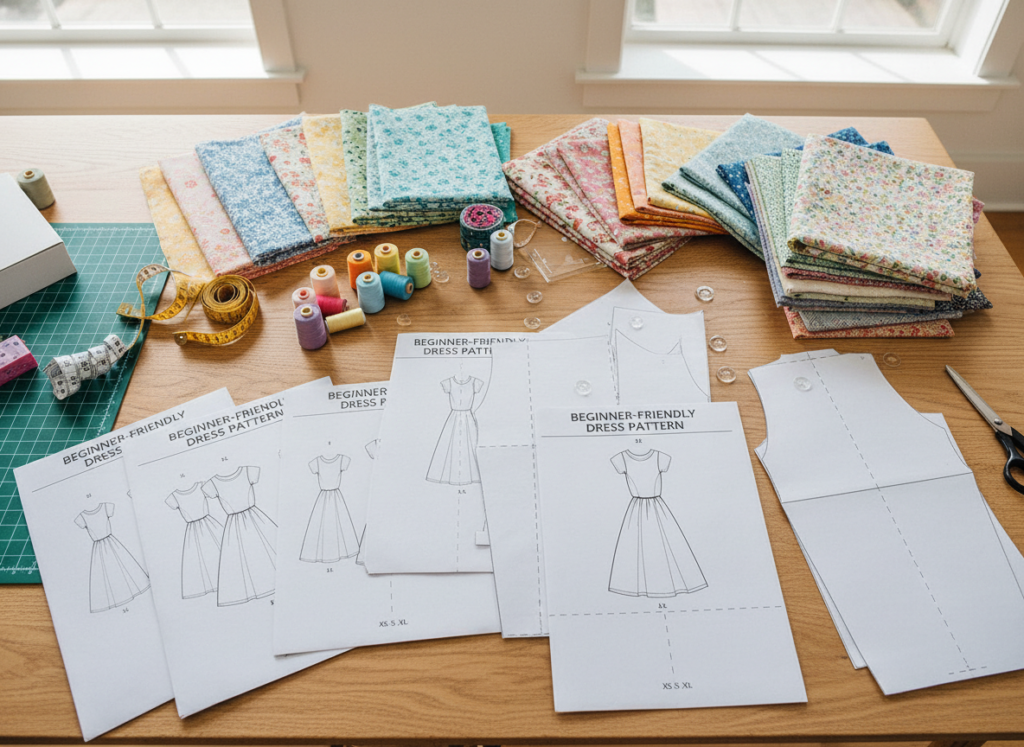
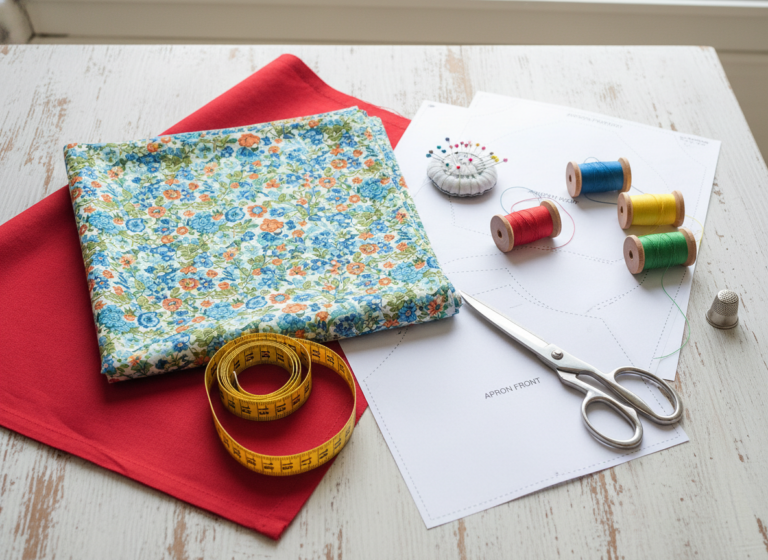
Creating your own dresses doesn’t require expensive patterns or years of experience. Free dress patterns offer an accessible way to start your sewing journey today.
This guide shares beginner-friendly resources and techniques. You’ll learn to sew beautiful dresses using simple pattern pieces and basic skills.
Whether you’re making your first summer dress or expanding your handmade wardrobe, these free sewing patterns help you succeed. Let’s explore easy DIY dress projects that build confidence and skills.
Ready to Start Your Sewing Journey?
Access a complete collection of beginner-friendly dress patterns with step-by-step video tutorials designed specifically for new sewers.
Zippers intimidate many beginning sewers unnecessarily. Following careful tutorial instructions yields great results.
Practice on scrap fabric first. This rehearsal builds confidence before working on your actual project.
Invisible zippers create the cleanest look. They require a special presser foot but install quite easily.
Creating Professional Hems
The hem completes your dress beautifully. Measure carefully to ensure even length all around.
Press hem allowances before stitching. This step creates crisp, professional-looking results.
Blind hem stitches become invisible from the outside. Many machines include this helpful stitch option.
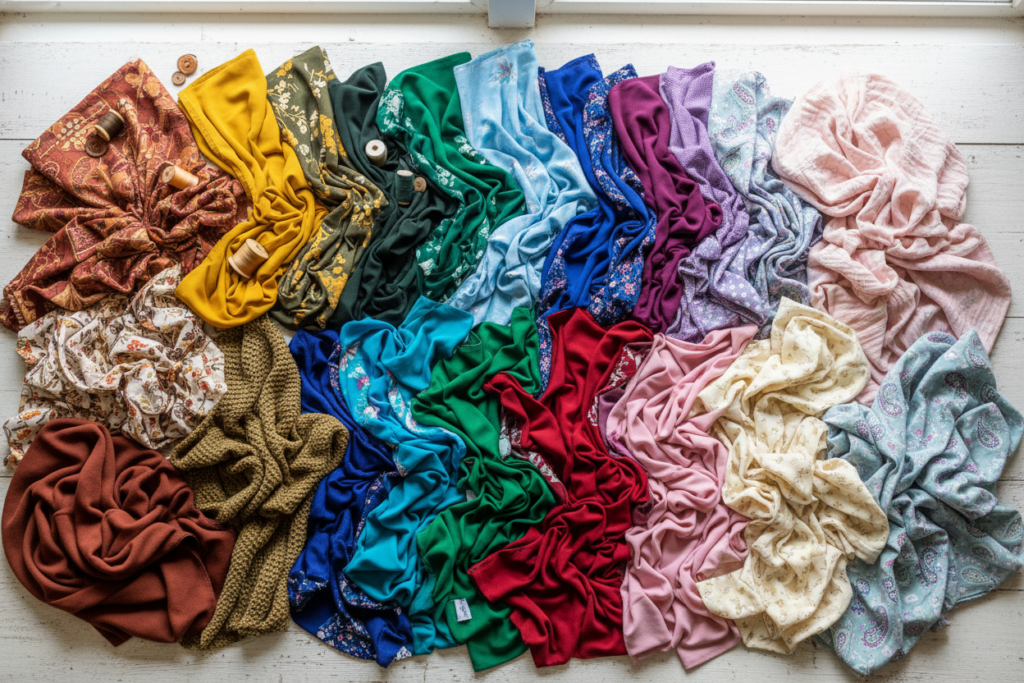
Working Successfully with Knit Fabrics
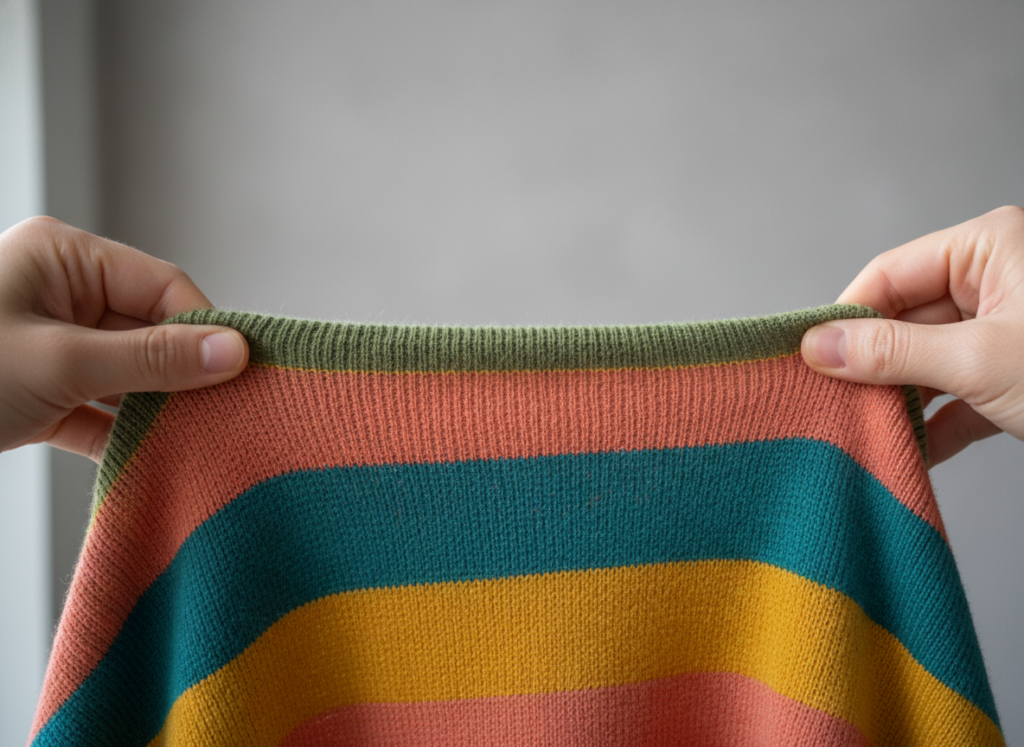
Knit fabric behaves differently than woven materials. Understanding these differences prevents frustration during sewing.
Knits stretch in one or both directions. The stretch direction affects how you position pattern pieces.
Selecting Needles for Knit Fabric
Ballpoint needles prevent fabric damage when sewing knits. Regular needles can create runs or holes.
Stretch needles work even better for very stretchy fabrics. These specialized needles prevent skipped stitches.
Change needles regularly for best results. Dull needles damage fabric and create poor stitch quality.
Stitch Settings for Knit Fabrics
Straight stitches can break when knit fabric stretches. Narrow zigzag stitches provide necessary flexibility.
Many machines include stretch stitches specifically. These built-in options work wonderfully for knit projects.
Test stitches on fabric scraps before sewing. Adjust tension and length for smooth, even stitches.
Knit Fabric Advantages
Comfortable, stretchy wear
Forgiving fit for beginners
No zipper often needed
Edges don’t fray
Drapes beautifully on body
Knit Fabric Challenges
Can stretch during cutting
Requires special needles
Difficult to press crisp edges
Some machines struggle with knits
Can be slippery to handle
Making Pattern Adjustments for Perfect Fit
Few people match standard pattern measurements exactly. Learning simple adjustments ensures better-fitting dresses.
Lengthening or Shortening Patterns
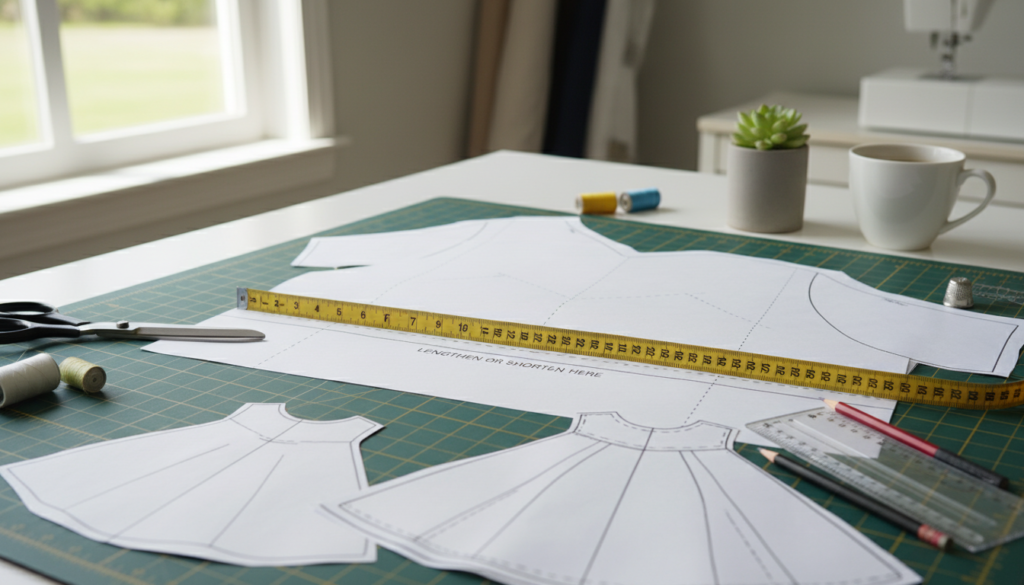
Most patterns include adjustment lines for length changes. Cut along these lines to add or remove length.
Measure yourself carefully before adjusting patterns. Compare your measurements to the pattern size chart.
Make small adjustments rather than large changes. Test fit as you sew to verify adjustments work.
Adjusting for Bust Size
Full bust adjustments add room across the chest. This common alteration improves fit dramatically.
Many free tutorials demonstrate this adjustment clearly. Follow step-by-step instructions for accurate results.
Make a muslin test garment first. This practice version reveals needed adjustments before cutting good fabric.
Waist and Hip Modifications
Taking in or letting out side seams adjusts waist and hip fit. Mark changes on your pattern pieces permanently.
Blend adjustment lines smoothly into original pattern lines. Abrupt changes create weird fitting issues.
Keep detailed notes about successful adjustments. Apply these same changes to future dress projects.
Where to Find Quality Free Dress Patterns
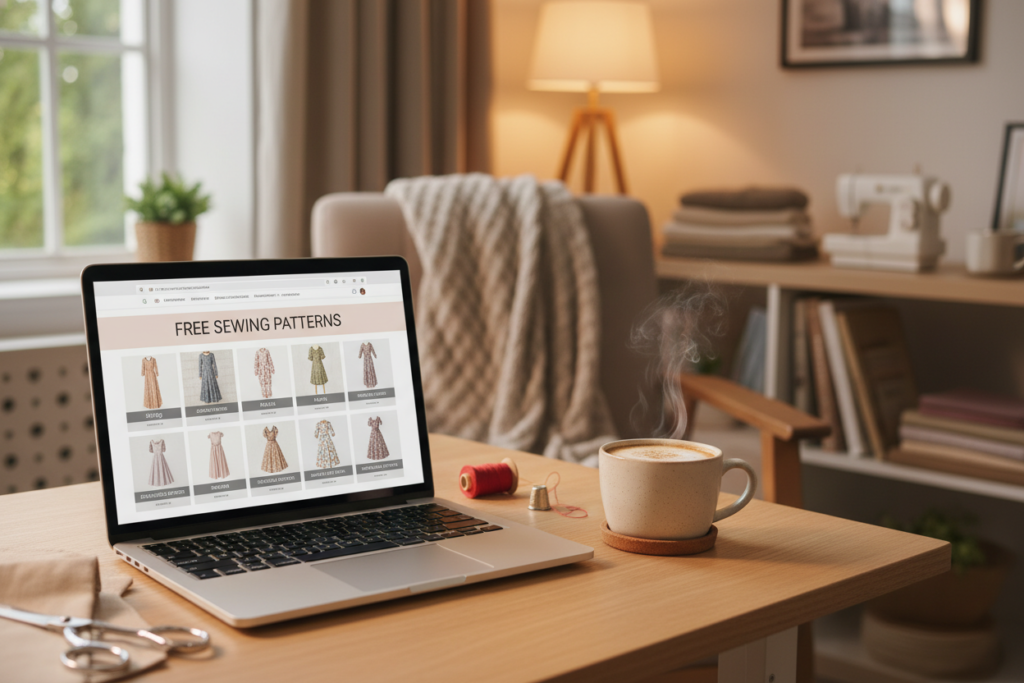
Numerous websites offer free dress patterns for download. Quality varies significantly between different sources.
Trusted Pattern Sources
Established sewing blogs provide tested, reliable patterns. These designers often include detailed photo tutorials too.
Peppermint Magazine releases seasonal free patterns regularly. Their designs feature modern styling and clear instructions.
Pattern companies occasionally offer promotional free patterns. Sign up for newsletters to receive these special offers.
Understanding Pattern Formats
PDF patterns print on standard home printers. You’ll assemble multiple pages to create full-size pieces.
Some patterns come in layered sizes. Print only your size to save paper and simplify cutting.
Projector patterns work with digital projectors. This paperless method appeals to frequent sewers.
Downloadable PDF Patterns
Print at home on regular paper. Tape pages together following guide marks. Most economical option for trying new styles.
Video Tutorial Patterns
Follow along with step-by-step video instruction. Perfect for visual learners who need extra guidance through construction.
Blog Pattern Collections
Discover curated pattern collections organized by skill level. Read real sewer reviews and see finished project photos.
Essential Tools for Dress Sewing Projects
Quality tools make sewing easier and more enjoyable. You don’t need everything immediately, but certain items prove essential.
Cutting Tools
Invest in good fabric scissors early. Reserve these exclusively for fabric to maintain sharpness.
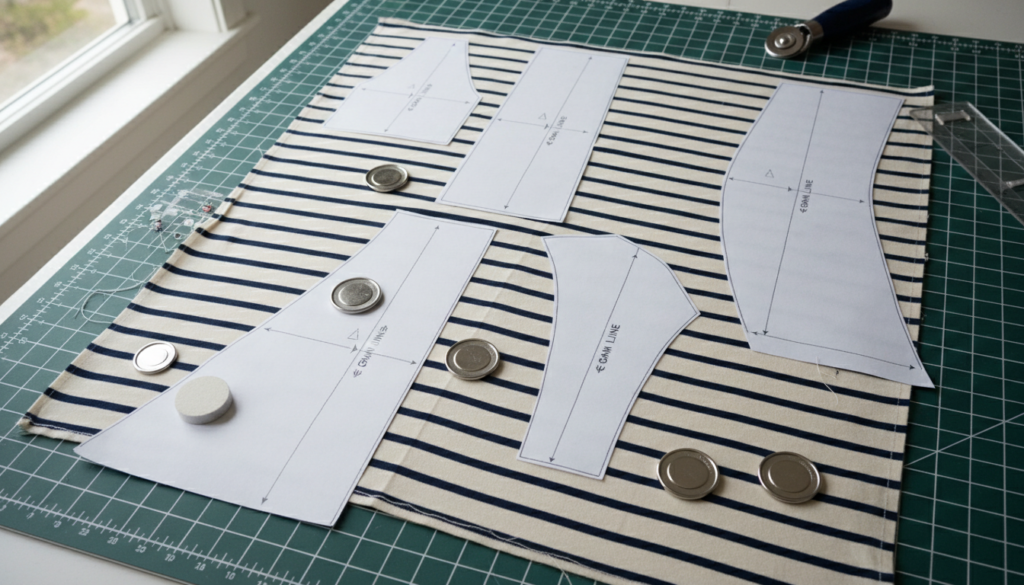
Rotary cutters speed up cutting significantly. Use them with self-healing mats and clear rulers.
Keep paper scissors separate for cutting patterns. This separation preserves your fabric scissors.
Marking Tools
Fabric marking pens disappear with water or air. Test on fabric scraps to ensure complete removal.
Tailor’s chalk works on most fabrics safely. Brush away marks easily after construction.
Tracing wheels transfer pattern markings accurately. Use with dressmaker’s carbon for permanent marks.
Pressing Equipment
A good iron proves absolutely essential. Press seams as you sew for professional results.
Pressing cloths protect delicate fabrics. Use them when working with heat-sensitive materials.
Tailor’s hams help press curved seams. These specialized tools create professional shaping.
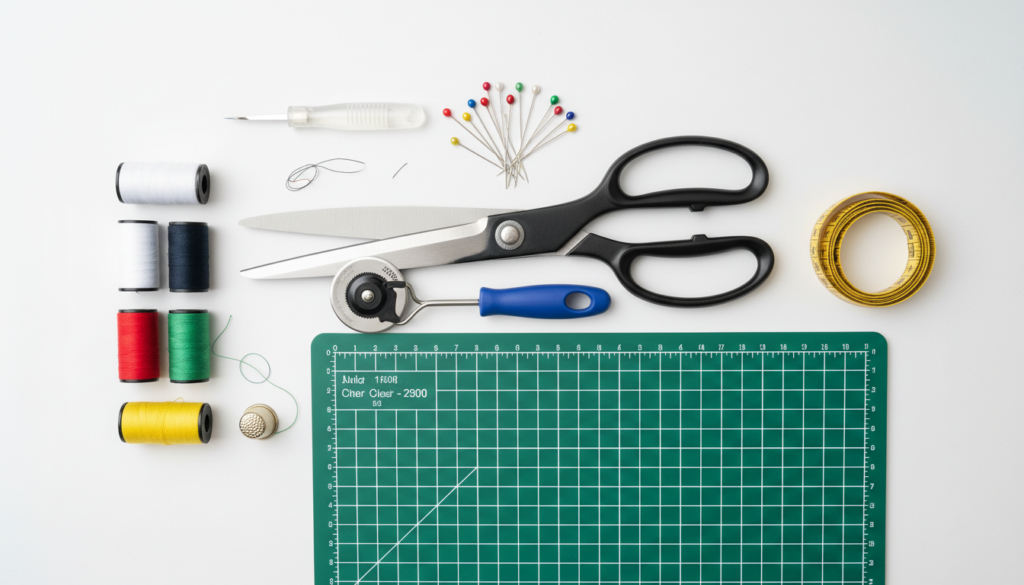
Quality fabric scissors for accurate cutting
Rotary cutter and mat for speed
Measuring tape for body and fabric measurements
Clear quilting ruler for straight cuts
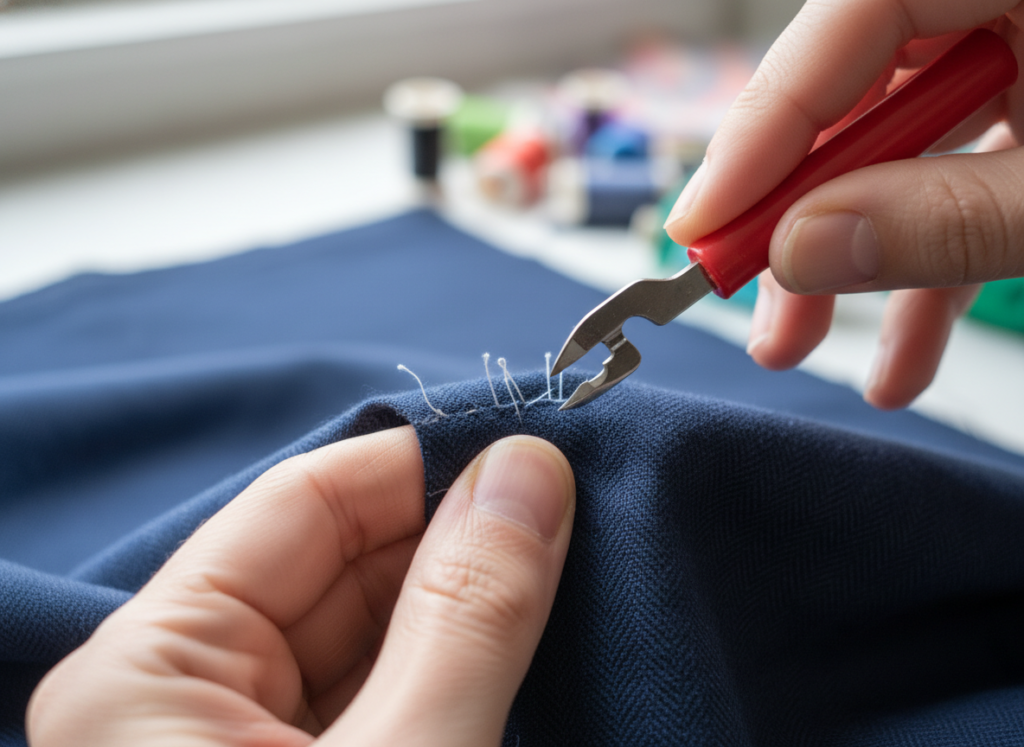
Seam ripper for fixing mistakes
Fabric marking tools that disappear
Pattern weights to hold pieces steady
Good lighting for your workspace
Avoiding Common Beginner Sewing Mistakes
Everyone makes mistakes while learning to sew. Recognizing common errors helps you avoid frustration.
Pre-Washing Fabric
Always wash fabric before cutting your dress. Shrinkage after construction ruins finished garments completely.
Dry fabric the same way you’ll wash the finished item. This step prevents future surprises.
Press fabric smooth after washing. Wrinkles affect accurate measuring and cutting.
Reading Instructions Completely
Read through entire instructions before starting. Understanding the construction sequence prevents mistakes.
Many beginners skip ahead impatiently. This approach often leads to construction errors.
Gather all supplies before beginning. Stopping to find tools interrupts your workflow unnecessarily.
Quick Tip for Success
Take your time with each step. Rushing leads to mistakes that require time-consuming fixes. Slow, careful sewing produces better results faster overall.
Testing Stitch Settings
Always test stitches on fabric scraps first. This practice reveals tension or length problems.
Adjust settings until stitches look balanced. Poor stitch quality shows immediately on finished projects.
Keep scrap fabric from every project. Use these pieces for testing throughout construction.
Quick Summer Dress Projects for Warm Weather
Summer dress patterns often feature simpler construction. Lightweight fabrics and minimal details speed up sewing time.
Bind armholes with bias tape for clean finishing. This technique works beautifully on tank-style dresses.
Try different neckline shapes easily. V-necks, scoops, and squares all work well.
Elastic Waist Convenience
Elastic waistbands eliminate complicated closures. Thread elastic through a casing for adjustable fit.
This construction style works perfectly for gathered skirts. The elastic accommodates various body sizes comfortably.
Choose the right elastic width for your project. Wider elastic provides better support and comfort.
Pockets Make Everything Better
Adding pockets increases dress functionality greatly. In-seam pockets hide completely when not in use.
Patch pockets attach to dress exteriors visibly. These details add visual interest and utility.
Position pockets at comfortable heights. Test placement before permanently attaching them.
Step-by-Step: Complete Your First Dress Project
Following a systematic approach ensures successful project completion. This tutorial walks through basic dress construction.
Project Preparation
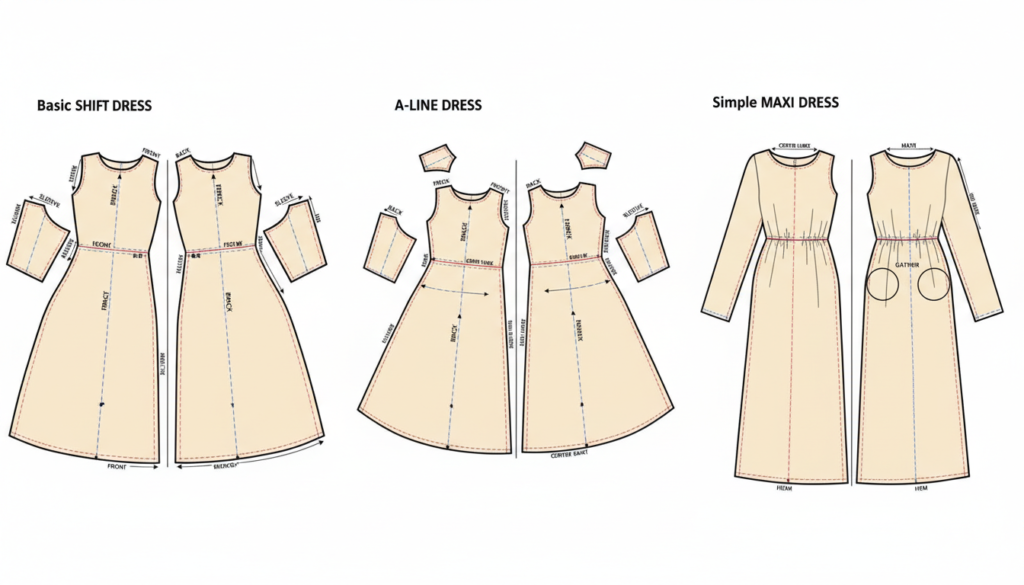
Choose a simple pattern for your first project. Shift or A-line styles work wonderfully for beginners.
Select forgiving fabric that matches pattern recommendations. Cotton or stable knit fabrics work best initially.
Pre-wash and press your fabric thoroughly. Gather all tools before beginning construction.
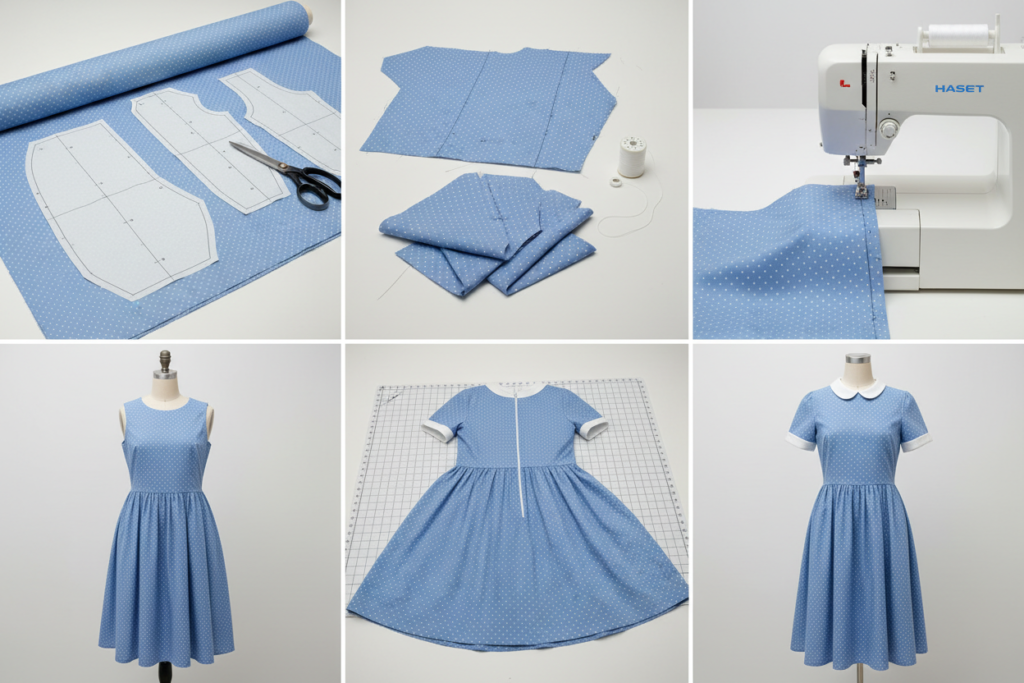
Print and assemble your chosen free dress pattern
Take accurate body measurements for sizing
Cut pattern pieces carefully following grain lines
Transfer all pattern markings to fabric pieces
Stay-stitch curved edges to prevent stretching
Sew shoulder seams and press them open
Attach sleeves if pattern includes them
Sew side seams in one continuous line
Finish neckline with facing or bias binding
Hem dress to desired length carefully
Finishing Touches
Press your completed dress thoroughly. Good pressing makes homemade dresses look professional.
Clip loose threads and check seam security. Reinforce any weak spots before wearing.
Try on your finished dress proudly. You’ve accomplished something wonderful today.
Take Your Skills to the Next Level
You’ve learned the basics – now explore advanced techniques with comprehensive video courses. Get instant access to hundreds of patterns plus expert instruction that takes you from beginner to confident dressmaker.
Why does my fabric keep bunching under the presser foot?
This happens when presser foot pressure is too high or when using the wrong needle. Try reducing pressure slightly and ensure you’re using the correct needle type for your fabric. Walking feet help tremendously with difficult fabrics.
How do I fix a wavy hem on my dress?
Wavy hems result from stretching fabric while sewing or cutting off-grain. Let the dress hang for 24 hours, then re-mark and trim the hem. Use a walking foot and don’t pull fabric while stitching.
My zipper looks bumpy and uneven – what went wrong?
Bumpy zippers usually mean the fabric wasn’t properly stabilized or the zipper foot wasn’t used. Practice on scraps first, use interfacing on zipper areas, and sew slowly with a zipper foot attachment.
Start Your Dress Sewing Journey with Confidence
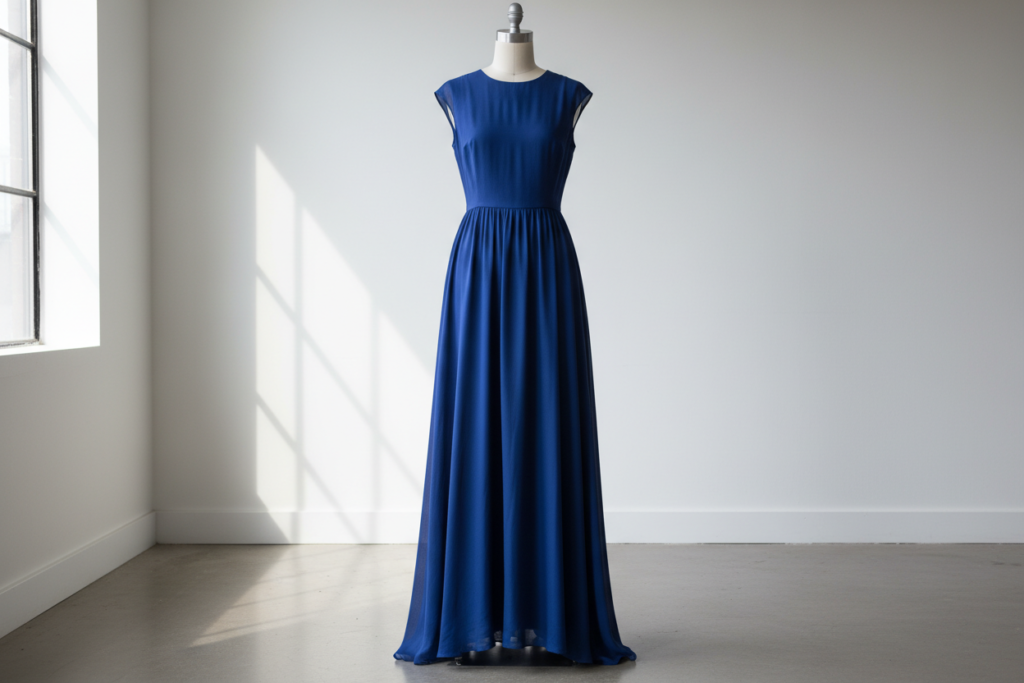
Creating beautiful dresses at home becomes achievable with the right resources. Free dress patterns remove financial barriers to learning this rewarding skill.
Start with simple projects that build your confidence. Master basic techniques before attempting complex constructions.
Remember that every experienced sewer started as a beginner. Your skills will improve with each project you complete.
The sewing community offers tremendous support and encouragement. Share your projects and ask questions freely in online groups.
Your handmade wardrobe awaits creation. Pick a pattern today and start sewing your first dress.