A good Hair Growth Challenge is not a race to gain inches overnight. It is a simple plan for better scalp care, less breakage, and stronger habits. Follow the steps below to make your routine easier, track your progress, and give your hair a fair chance to thrive.
What Is a Hair Growth Challenge?
A hair growth challenge is a set period devoted to healthy habits. Most plans last 30 days, although some continue for three months. The goal is not to force natural hair growth. The goal is to protect the length you already have while supporting a clean, comfortable scalp.
Hair grows in cycles. New length may be difficult to see during one week or even one month. Shrinkage, trimming, styling, and breakage can hide progress. For that reason, a useful challenge measures more than length. It also looks at moisture, shedding, scalp comfort, and how easy your hair is to manage.
Set a fair expectation: focus on healthier habits first. Visible length can take time, and results vary by genetics, health, age, and routine.
Set Goals You Can Actually Follow
Start with one main goal. You may want less breakage, more moisture, a calmer scalp, or a consistent wash day. A clear goal helps you choose the right products and prevents you from changing everything at once.
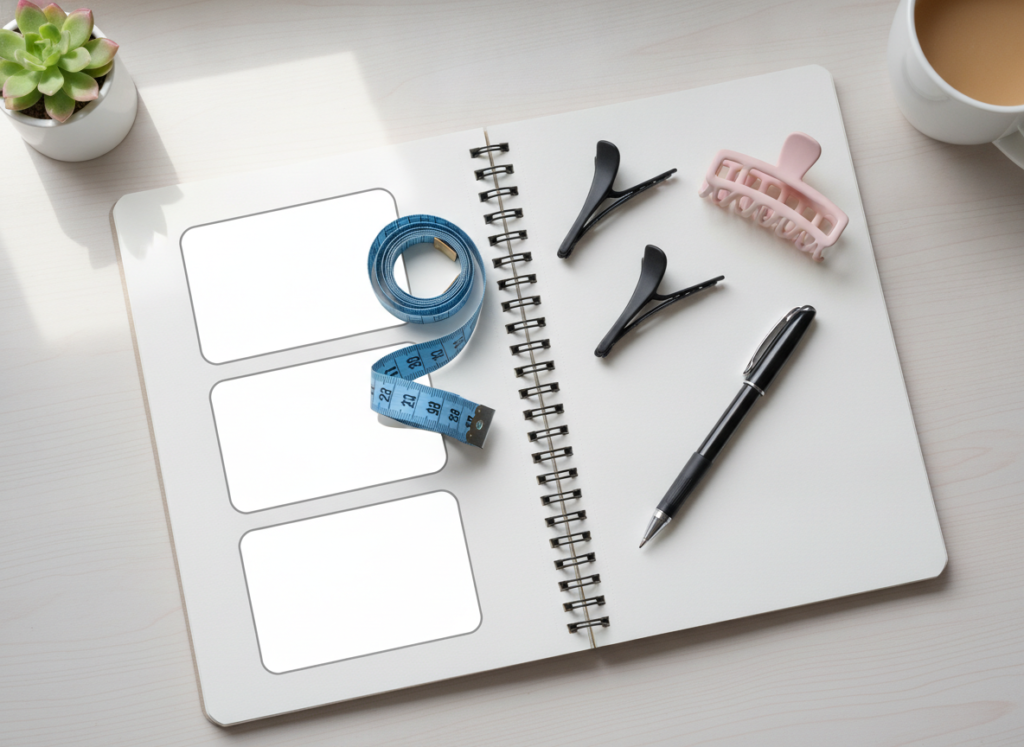
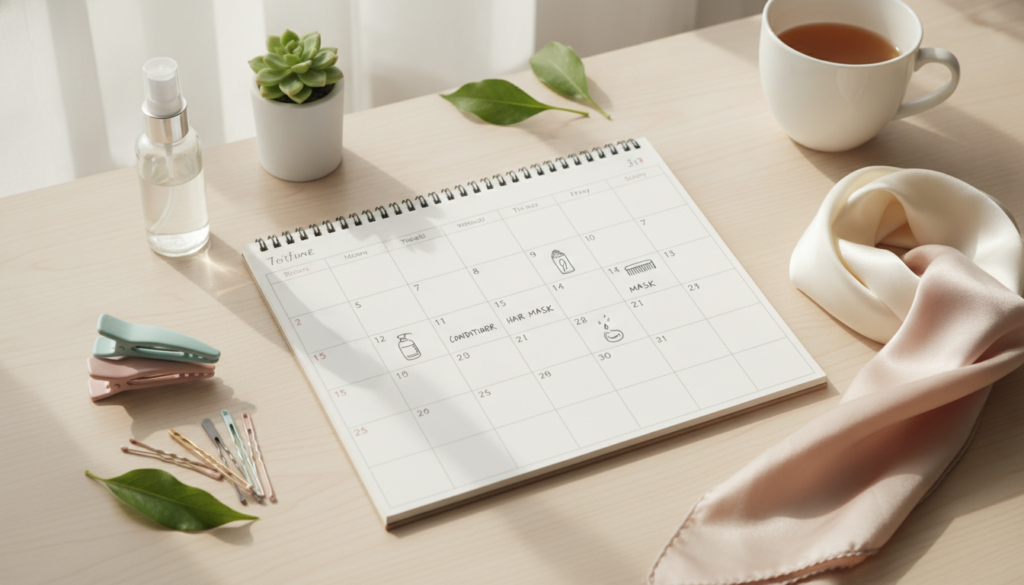
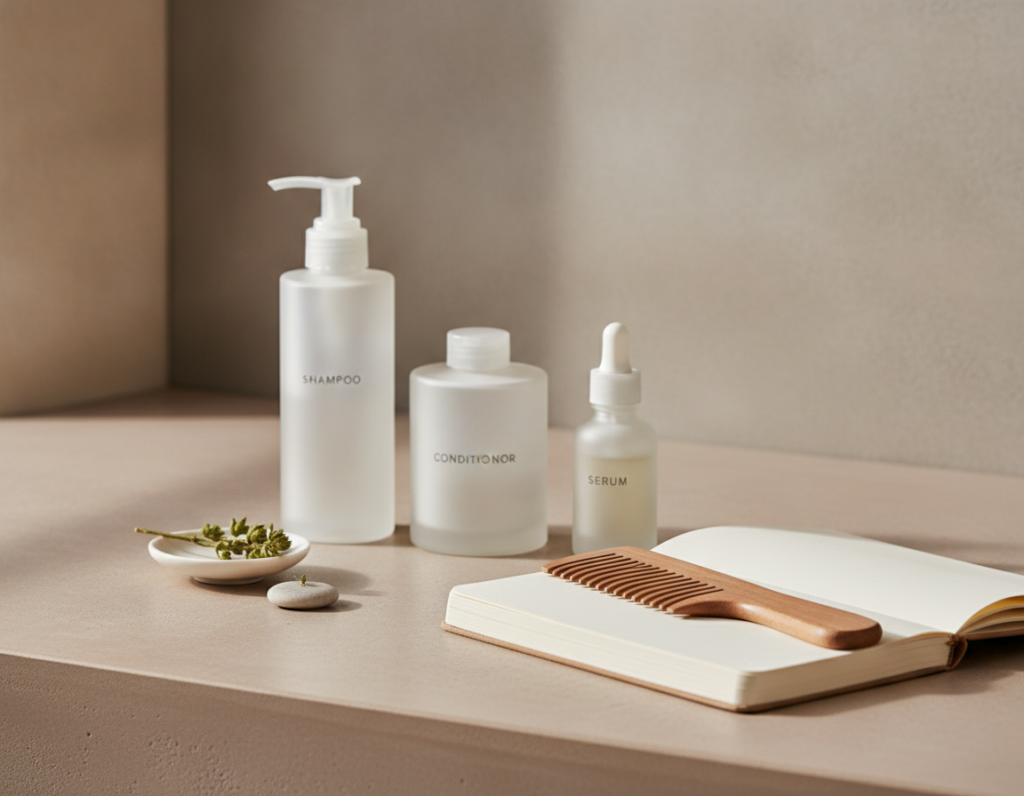
Write your goal on a page or in your phone. Add one way to measure it. For example, take photos on day one, day 15, and day 30. You can also note how often you oil, deep condition, detangle, or use heat.
Choose a 30-day time frame.
Pick two or three key habits.
Use the same lighting for progress photos.
Review your routine at the end of each week.
Make Your Starting Routine Easier
If you want a simple place to begin, explore a hair-care option that fits a consistent routine. Choose products based on your scalp and hair needs, not hype.
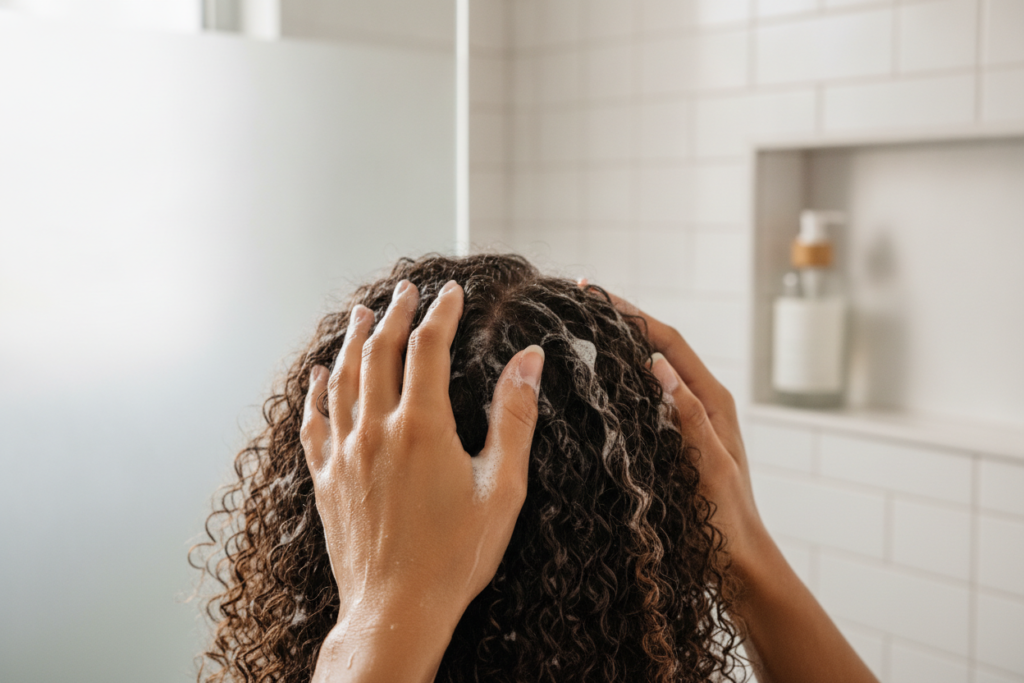
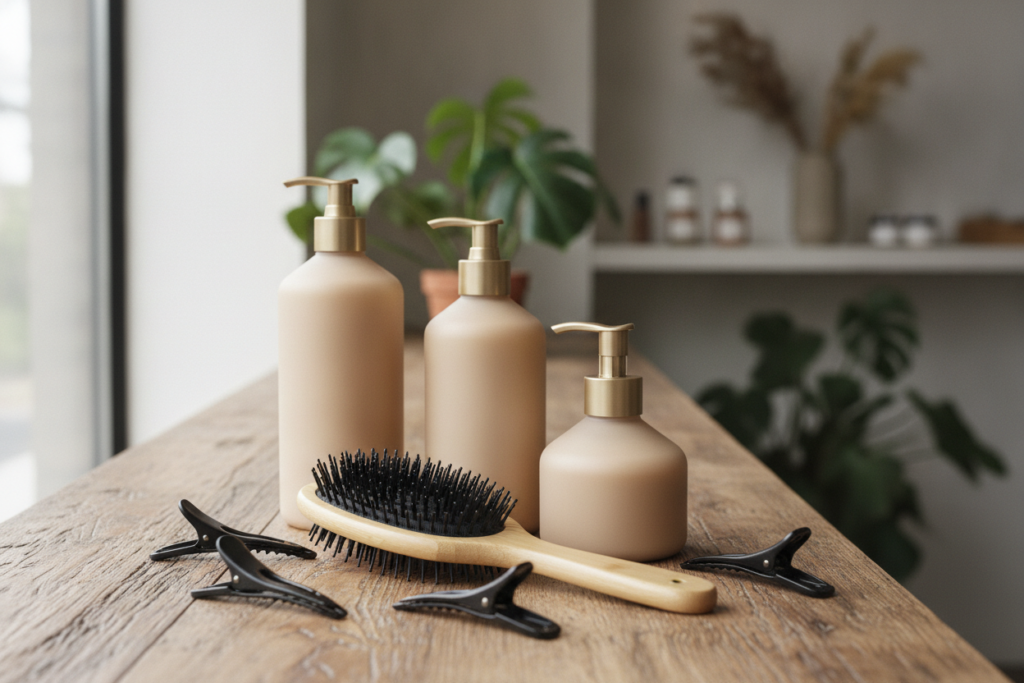
The first week is about learning what your hair needs. Begin with a gentle wash. Clean the scalp well, but avoid harsh scrubbing with your nails. Use your fingertips and rinse fully.
Follow with conditioner on the lengths and ends. If your hair feels dry, add a deep condition session. Leave the treatment on for the time shown on the label. More time does not always mean better results.
Notice how your scalp feels after washing. Tightness, burning, heavy flakes, or ongoing itching may need professional advice. Do not cover a painful scalp with more oil or fragrance.
Build a Hair Care Routine That Fits Your Life
A strong hair care routine should be simple enough to repeat. Washing, conditioning, moisturizing, and careful styling are often more useful than a long list of treatments. Your routine may change with your texture, activity level, weather, and scalp condition.
Wash, condition, and moisturize
Use a cleanser that leaves the scalp fresh without making the hair feel rough. Apply conditioner where the hair needs softness. For natural hair, work in small sections and detangle from the ends upward.
Try the LCO method when it suits you
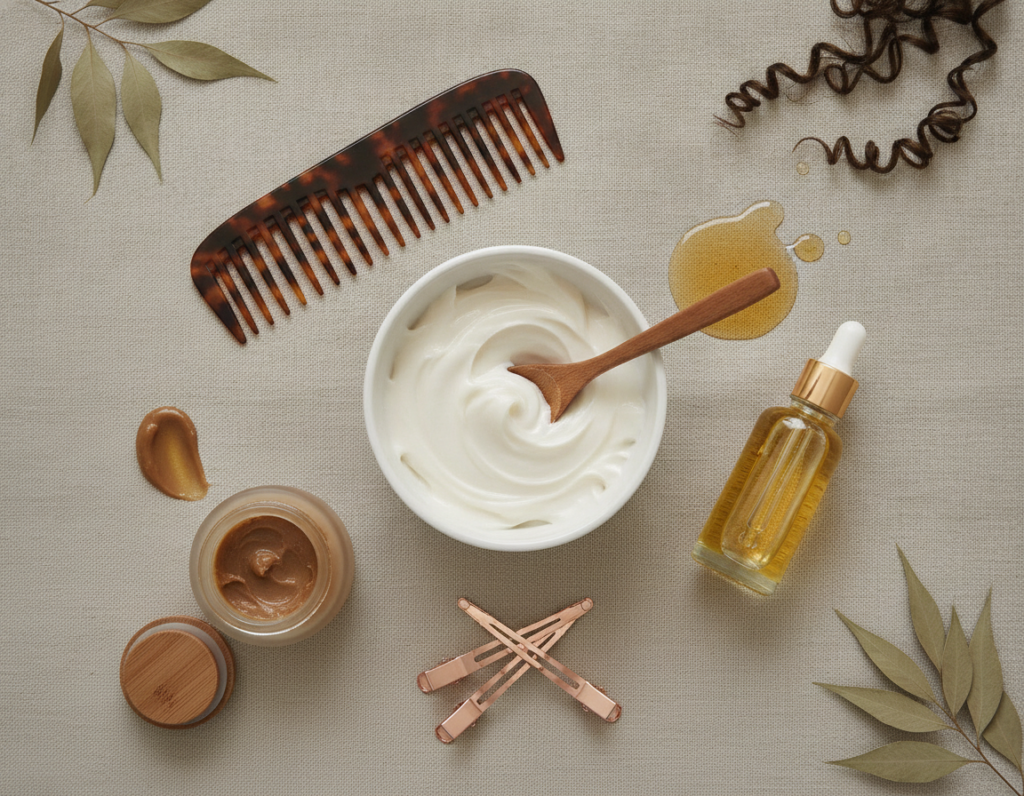
The LCO method uses liquid or leave-in conditioner, cream, and oil. It can help some people hold moisture. Others may prefer LOC or a light leave-in alone. Test one method for a week before deciding.
Protect the ends
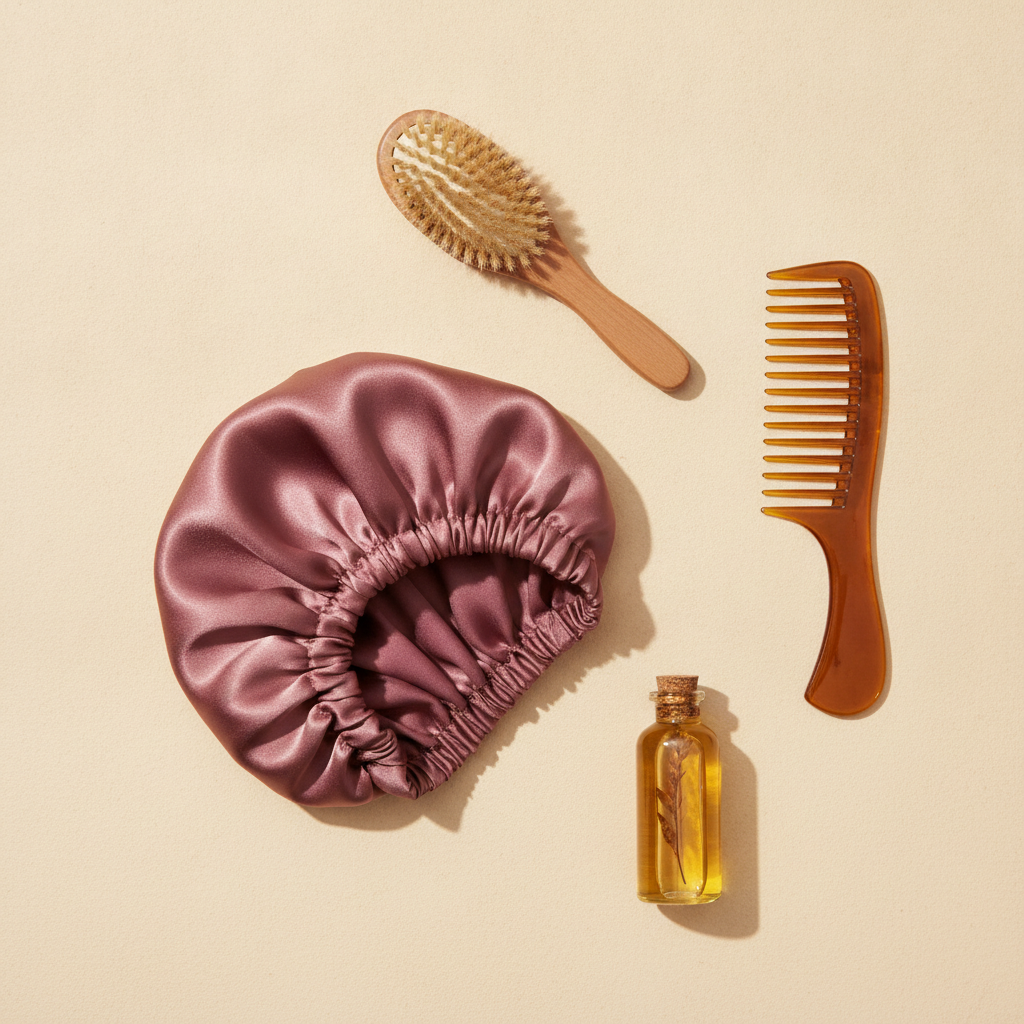
Loose twists, braids, buns, or a satin covering can reduce friction. Avoid styles that pull at the edges. A style that causes pain is too tight, even if it looks neat.
Find Products for a Consistent Routine
A focused product set can make wash day and moisture care easier. Review an option that supports your routine without adding unnecessary steps.
Small choices matter throughout the challenge. Handle wet hair gently, use a wide-tooth comb when needed, and start detangling at the ends. Pulling through knots from the roots can cause avoidable breakage.
Limit direct heat during the 30 days. When you use heat, apply a suitable protectant and keep the temperature moderate. Let hair dry before sleeping if it remains damp for long periods.
Oil can support softness and reduce friction, but it does not guarantee faster growth. Use a small amount on the hair or scalp only if your skin tolerates it. Stop if you notice bumps, irritation, or extra buildup.
Sleep with a satin bonnet or use a satin pillowcase.
Keep nails smooth before scalp massage or detangling.
Do not keep a protective style past its comfortable limit.
Clean combs, brushes, and styling tools often.
Scalp Care Comes Before More Products
A healthy-looking scalp is an important part of the journey. Use gentle cleansing to remove sweat, oil, and product residue. Heavy buildup can make the scalp feel uncomfortable and may make styling harder.
Scalp massage can be a relaxing part of your routine. Use light pressure for a few minutes. Avoid aggressive scratching, especially when the skin feels tender.
Do not mix several scalp treatments at once. If you have severe flaking, sores, sudden shedding, or persistent irritation, speak with a dermatologist. A challenge should support health, not delay care.
Track symptoms separately: write down itching, flakes, tenderness, and shedding. This gives you useful information if the condition does not improve.
Track Progress Without Obsessing Over Length
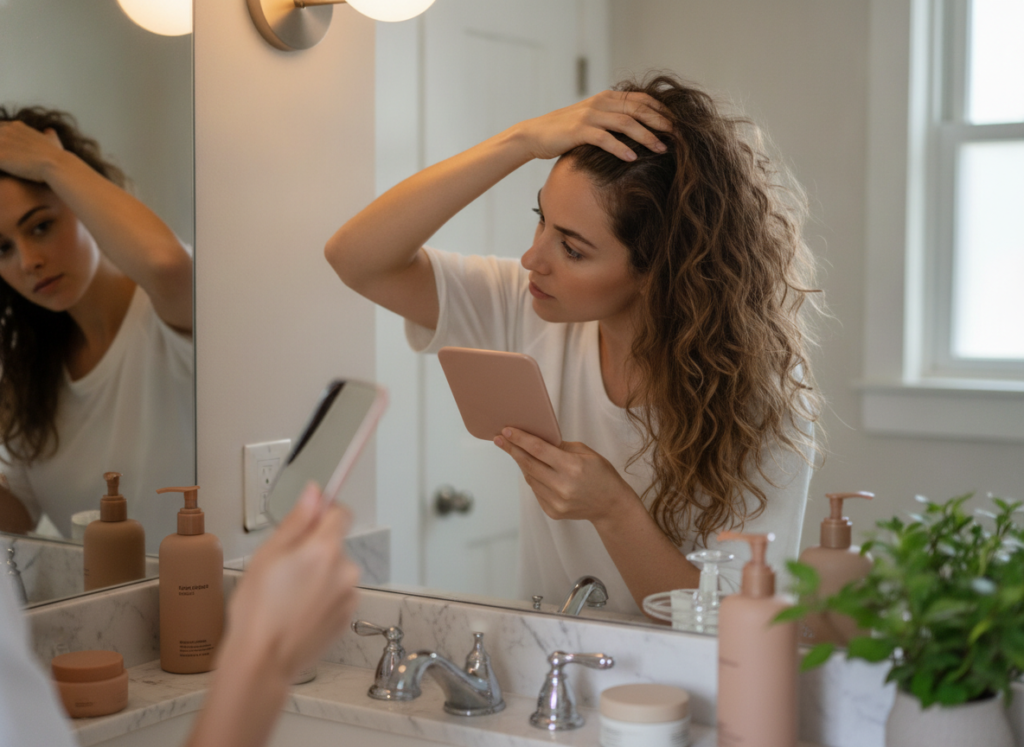
Take baseline photos before starting. Use the same angle, background, hairstyle, and lighting each time. Do not stretch or manipulate the hair in one photo but not another.
At the end of each week, record your wash days, moisture level, scalp comfort, breakage, and styling time. You may see better softness or fewer knots before you see length.
Time
What to Check
Helpful Question
Day 1
Starting photos and scalp condition
What is my main goal?
Week 1
Moisture and wash-day comfort
Which step feels difficult?
Week 2
Breakage and detangling
Can I reduce tension?
Day 30
Photos, habits, and scalp response
What should I keep?
How to Stay Consistent for 30 Days
Consistency does not mean perfection. If you miss one day, continue at the next opportunity. One missed routine does not erase your progress.
Link your hair care to an existing habit. For example, massage the scalp after brushing your teeth, or prepare your wash-day products on the same evening each week. Keep only the tools you use often within easy reach.
Use a short routine for busy days. A leave-in conditioner, gentle detangling, and a protective style may be enough. Save deep condition treatments for a time when you can focus.
When time is limited
Choose one moisture step.
Use a low-tension style.
Skip complicated treatments.
When motivation drops
Review your starting photos.
Ask a friend to join the challenge.
Celebrate comfort and less breakage.
Choose Hair Care Products With Care
Products should solve a clear problem. A cleanser supports scalp care. A conditioner supports softness. A leave-in can help with moisture and detangling. An oil may reduce friction for some hair types.
Read the label and add one new product at a time. This makes it easier to notice what works. Avoid buying several strong treatments because a social post promises dramatic growth.
For natural hair, moisture and gentle handling often matter more than a crowded shelf. Fine hair may need lighter products. Dense or dry hair may tolerate richer creams. Your routine should match your hair, not someone else’s result.
Moisture focus
Choose a conditioner or treatment that leaves hair soft without heavy buildup.
Scalp focus
Look for a gentle routine that helps you cleanse regularly and monitor comfort.
What Results Can You Expect?
During one month, you may notice easier detangling, improved moisture, less snapping, or a calmer scalp. These are useful results. They can help you protect length over time.
Natural hair growth is gradual. Some people see changes in fullness or length after several months, while others need more time. Hair challenge photos should be compared under similar conditions. Wet hair and stretched hair can look very different.
Be careful with claims that promise dramatic results in a few days. No product can replace sleep, balanced nutrition, gentle handling, or medical advice when a health issue affects hair.
Healthy signs
Less breakage during care
Better moisture retention
More comfortable scalp
Warning signs
Sudden heavy shedding
Pain, sores, or burning
New thin patches
Hair Growth Challenge FAQ
Can a challenge make hair grow faster?
A challenge cannot change your natural growth cycle. It can improve habits that reduce breakage and help you keep more length.
How often should I oil my scalp?
There is no single schedule. Use oil only when it suits your scalp and hair. Stop if it causes irritation or buildup.
Is deep condition needed every week?
Some hair benefits from weekly deep condition care, while other hair needs it less often. Start with the product directions and watch how your hair responds.
When should I see a professional?
Seek medical advice for sudden shedding, painful scalp symptoms, sores, persistent itching, or visible thin patches.
Finish Your Challenge With a Better Routine
The best Hair Growth Challenge leaves you with habits you can keep. Compare your photos, review your scalp notes, and identify the steps that helped most. Keep the useful parts and remove anything that made care stressful.
Start small, protect your hair, and give growth time. If you want support choosing a routine, use the option below as a next step. A realistic plan, steady care, and patience give your hair the best chance to look and feel healthier.
Continue Your Hair Care Journey
Explore a product option that may fit your next month of care. Keep your routine focused, track your response, and choose consistency over quick promises.