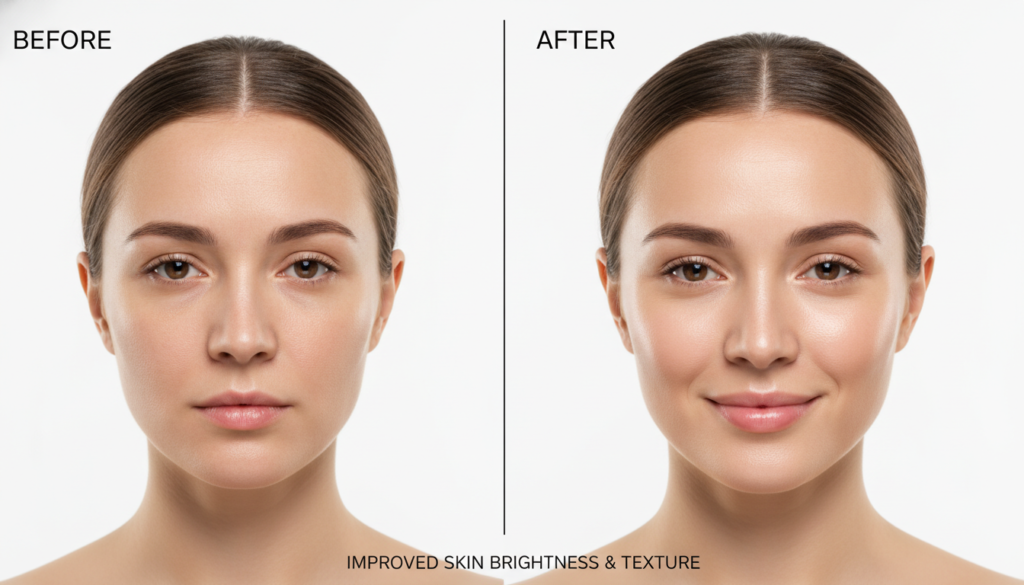
Your journey to luminous, radiant skin starts with the right face mask. Whether you struggle with dull skin, uneven tone, or simply want that enviable glow, face masks offer transformative results that can revolutionize your skincare routine.
Face masks have become essential tools in modern skincare. They deliver concentrated ingredients directly to your skin, providing targeted treatment that regular cleansers and moisturizers cannot match.
The beauty industry has evolved tremendously. Today, you have access to countless face mask options, from simple DIY recipes you can create at home to advanced professional treatments.
Ready to Transform Your Skin?
Discover professional-grade face mask solutions that deliver visible results in just days.
Face masks work by creating a barrier over your skin. This barrier allows active ingredients to penetrate deeply into your pores. The mask prevents evaporation, ensuring maximum absorption of beneficial nutrients.
Your skin naturally sheds dead skin cells every day. However, sometimes these cells accumulate on the surface. This buildup creates a dull appearance and prevents your skin from reflecting light properly.
Immediate Benefits
Deep hydration that plumps skin instantly
Removal of dead skin cells for smoother texture
Temporary tightening effect for firmer appearance
Enhanced absorption of other skincare products
Visible brightness after just one application
Long-Term Results
Improved skin tone and texture over time
Reduced appearance of fine lines and wrinkles
Better moisture retention in skin barrier
Minimized pore appearance with consistent use
Enhanced natural radiance and glow
Face masks deliver concentrated doses of active ingredients. These ingredients include antioxidants, vitamins, minerals, and hydrating compounds. When applied correctly, they can address specific skin concerns effectively.
Different Types of Face Mask for Glowing Skin
Understanding the various face mask types helps you choose the right treatment for your skin needs. Each mask type offers unique benefits and works through different mechanisms.
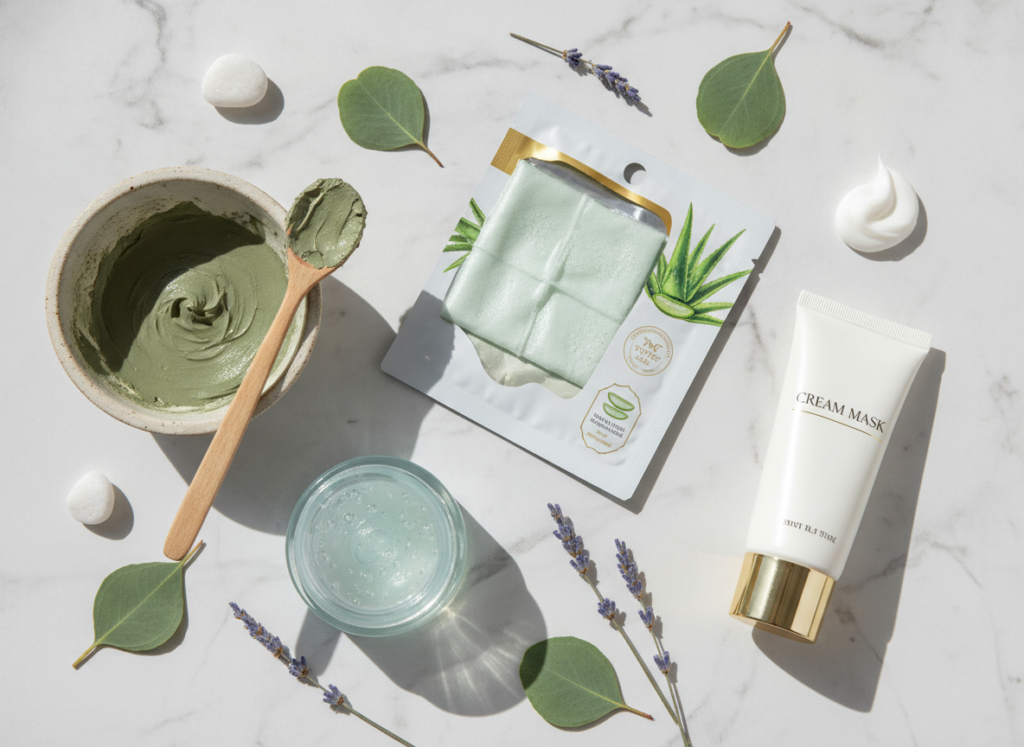
Clay and Mud Masks
Clay masks absorb excess oil and draw out impurities from your pores. They contain natural minerals that nourish skin while providing deep cleansing. These masks work exceptionally well for acne-prone and oily skin types.
The drying effect of clay masks helps remove dead skin cells. This removal reveals the fresh, glowing skin underneath. However, avoid overuse as clay can be drying.
Cream and Gel Masks
Cream masks focus primarily on hydration and moisture retention. They contain emollient ingredients that soften and smooth your skin. These masks suit dry and sensitive skin types particularly well.
Gel masks provide cooling hydration without heavy oils. They absorb quickly and leave no greasy residue. The lightweight texture makes them perfect for summer months or humid climates.
Sheet Masks
Sheet masks are pre-soaked fabric masks that conform to your face shape. They prevent serum evaporation, ensuring maximum ingredient absorption. The convenience factor makes them popular for busy lifestyles.
Most sheet masks contain hydrating serums rich in antioxidants. They provide instant brightness and plumpness. The cooling sensation also soothes irritated or stressed skin.
Discover Professional-Grade Treatments
Experience salon-quality results at home with clinically-tested face mask formulas designed for maximum effectiveness.
Peel-off masks dry to form a flexible film on your skin. When removed, they take dead skin cells and surface impurities with them. This physical exfoliation reveals smoother, brighter skin immediately.
These masks often contain charcoal or other purifying ingredients. They work well for removing blackheads and unclogging pores. The peeling action provides satisfying visible results.
Powerful Ingredients in Face Masks for Radiance
The effectiveness of any face mask depends largely on its ingredients. Understanding these key components helps you select the most beneficial mask for your skin goals.
Vitamin C
This powerful antioxidant brightens skin and fades dark spots. It stimulates collagen production and protects against environmental damage.
Vitamin C neutralizes free radicals that cause premature aging. Regular use results in visibly more luminous skin.
Hyaluronic Acid
This hydrating powerhouse holds up to 1000 times its weight in water. It plumps skin and reduces the appearance of fine lines.
Hyaluronic acid draws moisture from the environment into your skin. This creates a dewy, glowing appearance instantly.
Niacinamide
Also known as vitamin B3, this ingredient improves skin texture significantly. It minimizes pores and evens out skin tone.
Niacinamide strengthens your skin barrier and reduces inflammation. It works well for all skin types.
Natural Antioxidants
Antioxidants protect your skin from oxidative stress and environmental damage. They combat the effects of pollution, UV exposure, and other stressors. These protective properties prevent premature aging.
Common antioxidant ingredients include green tea, vitamin E, and resveratrol. They work synergistically to enhance your skin’s natural defense mechanisms. The result is healthier, more resilient skin.
Alpha Hydroxy Acids (AHAs)
AHAs gently exfoliate the skin surface by dissolving dead skin cells. This chemical exfoliation is more even than physical scrubbing. The process reveals fresh, glowing skin underneath.
Glycolic acid and lactic acid are the most common AHAs in face masks. They improve skin texture and reduce the appearance of fine lines. AHAs also enhance the absorption of other skincare ingredients.
DIY Face Mask Recipes for Glowing Skin at Home
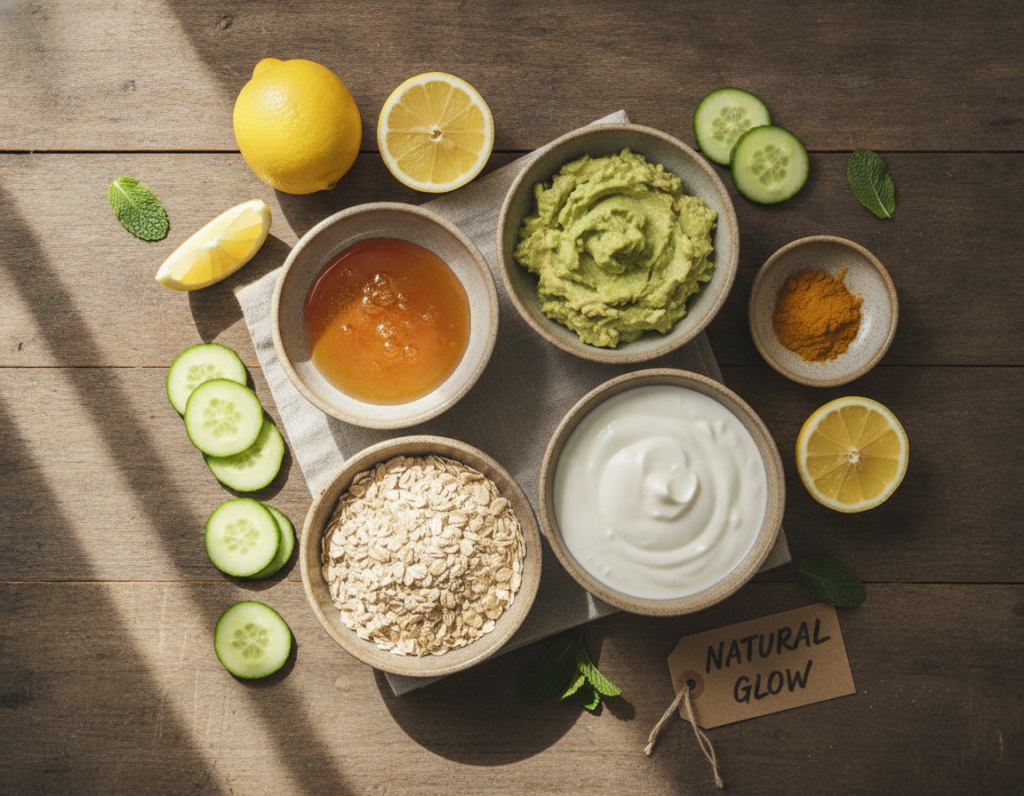
Creating your own DIY face mask allows you to control ingredients and customize treatments. These homemade face mask recipes use simple kitchen ingredients that deliver impressive results.
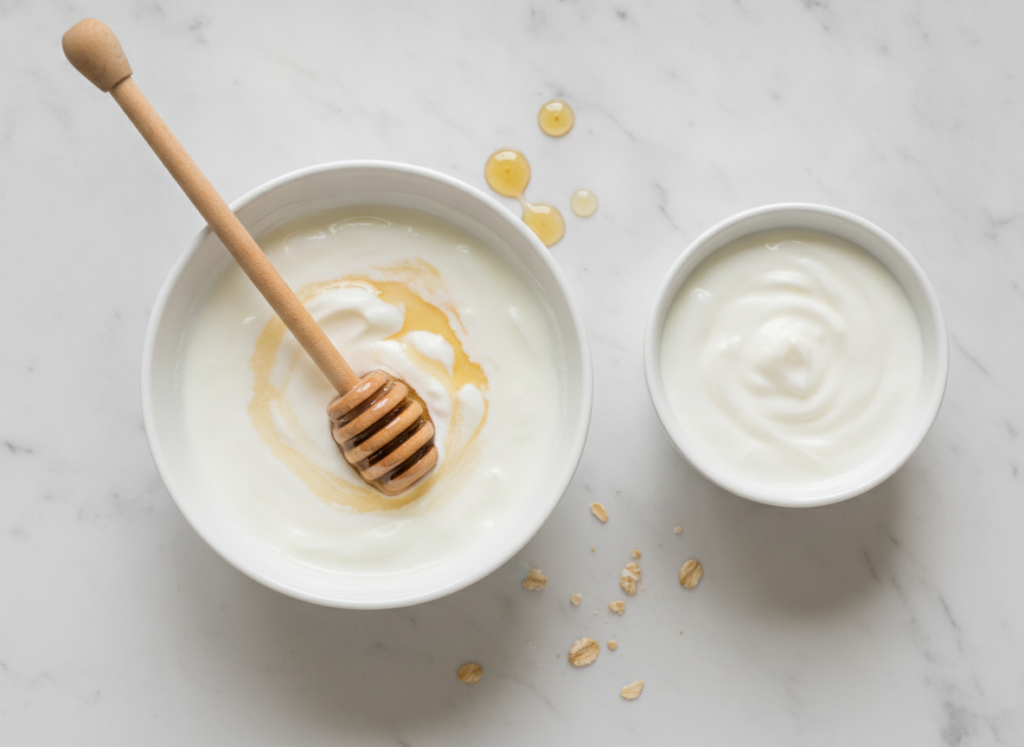
Honey and Yogurt Glow Mask
This honey face mask combines two powerful natural ingredients. Honey possesses antibacterial properties that fight acne-causing bacteria. It also acts as a humectant, drawing moisture into your skin.
Yogurt contains lactic acid, a gentle AHA that exfoliates dead skin cells. The probiotics in yogurt support your skin’s natural microbiome. Together, these ingredients create a brightening and smoothing effect.
Recipe Instructions
Mix two tablespoons of plain yogurt with one tablespoon of raw honey
Stir until the mixture reaches a smooth, consistent texture
Apply the mask evenly to your clean face and neck
Leave the mask on for fifteen minutes
Rinse with lukewarm water using gentle circular motions
Pat your skin dry and follow with your regular moisturizer
Use this yogurt face mask twice weekly for optimal results. Your skin will feel softer and look noticeably brighter after each application.
Turmeric and Honey Brightening Mask
Turmeric has been used in skincare for centuries across various cultures. Its active compound, curcumin, provides powerful anti-inflammatory properties. Turmeric also inhibits melanin production, helping to fade dark spots.
When combined with honey, turmeric creates a potent brightening treatment. This DIY face mask addresses hyperpigmentation and uneven skin tone effectively. The antioxidant properties protect against environmental damage.
Ingredients Needed
Half teaspoon of turmeric powder
One tablespoon of raw honey
One teaspoon of plain yogurt (optional for extra smoothness)
Few drops of lemon juice for additional brightening
Application Tips
Apply a thin, even layer to avoid staining
Keep the mask away from your eyebrow area
Leave on for only ten minutes initially
Test on a small skin patch first
Rinse thoroughly with lukewarm water
Note that turmeric may temporarily tint your skin yellow. This fading occurs within hours. To minimize staining, add more honey to dilute the turmeric concentration.
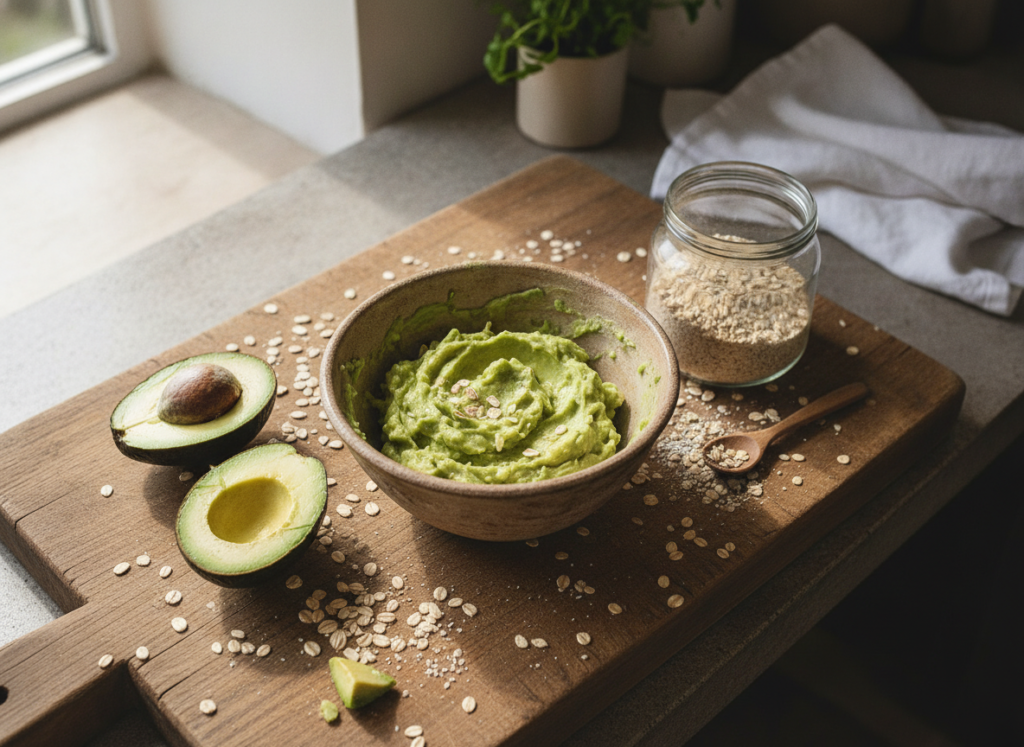
Avocado and Oats Hydrating Mask
Avocado contains healthy fats that deeply nourish and moisturize your skin. These natural oils replenish your skin’s lipid barrier. The fruit also provides vitamins E and C, both essential antioxidants.
Oats offer gentle exfoliation while soothing irritated skin. They contain anti-inflammatory compounds called avenanthramides. This combination creates a hydrating mask perfect for dry or sensitive skin.
Preparation Method
Mash half of a ripe avocado until smooth and creamy
Grind two tablespoons of oats into a fine powder
Combine the avocado and ground oats thoroughly
Add one teaspoon of honey for extra moisture and antibacterial properties
Mix until you achieve a spreadable paste consistency
Apply this homemade face mask generously to your face. Leave it on for twenty minutes to allow deep penetration. Your skin will feel incredibly soft and appear more radiant.
Cucumber and Aloe Vera Cooling Mask
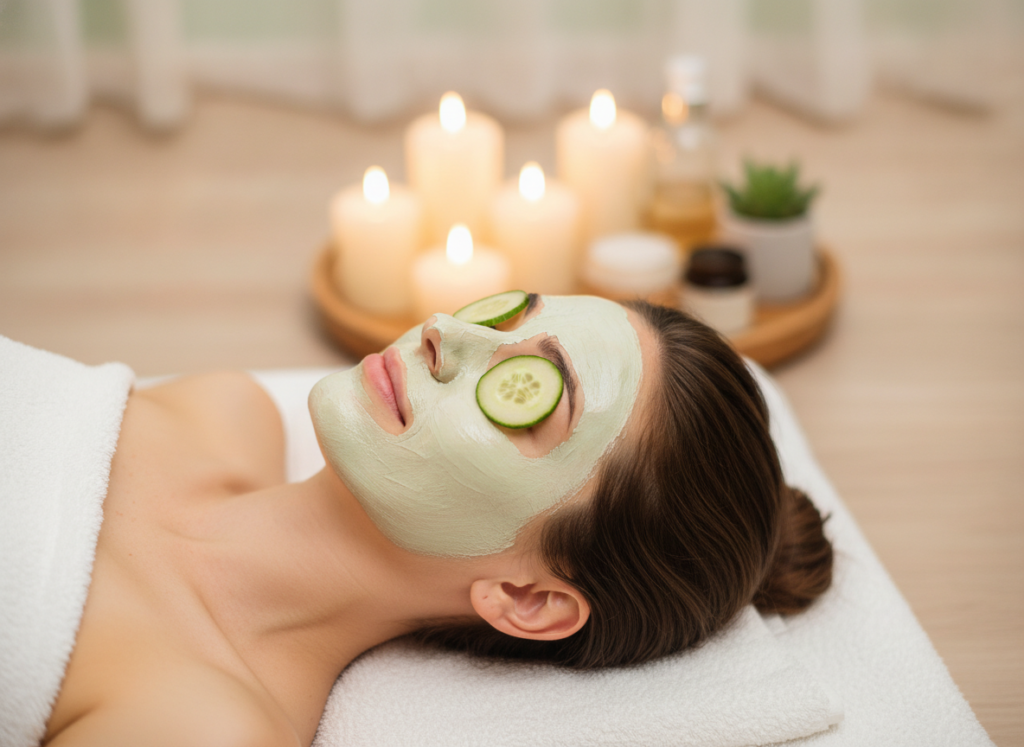
Cucumber provides intense hydration while calming inflammation and redness. It contains vitamin K and caffeic acid, which reduce skin puffiness. The high water content makes this ingredient incredibly refreshing.
Aloe vera gel soothes irritated skin and accelerates healing. It contains over 75 active compounds, including vitamins and minerals. This cucumber face mask combination works wonderfully for sensitive or sunburned skin.
Blend half a cucumber until completely smooth
Strain the mixture to remove any pulp chunks
Mix the cucumber juice with two tablespoons of fresh aloe vera gel
Add one teaspoon of honey if desired for additional benefits
Apply the mixture generously to your face and neck
Leave the mask on for fifteen to twenty minutes
Rinse with cool water for a refreshing finish
This cooling mask works exceptionally well during hot summer months. It provides instant relief to stressed, overheated skin. Use it whenever your skin needs quick refreshment.
Lemon and Honey Brightening Treatment
Lemon juice contains natural citric acid, which brightens and lightens dark spots. The vitamin C content provides powerful antioxidant protection. However, lemon can be irritating, so always dilute it properly.
When mixed with honey, lemon becomes gentler on your skin. The honey balances the acidity while adding moisture. This DIY face mask helps achieve an even skin tone over time.
Important Safety Note
Always dilute lemon juice and never apply it undiluted to your face. Avoid sun exposure after using lemon on your skin, as it increases photosensitivity. Perform a patch test before full application.
Mix the juice from half a lemon with two tablespoons of honey. Apply the mixture carefully to your face, avoiding the eye area. Leave the mask on for only ten minutes initially. Rinse thoroughly with lukewarm water and apply sunscreen afterward.
Professional Face Mask Solutions for Maximum Results
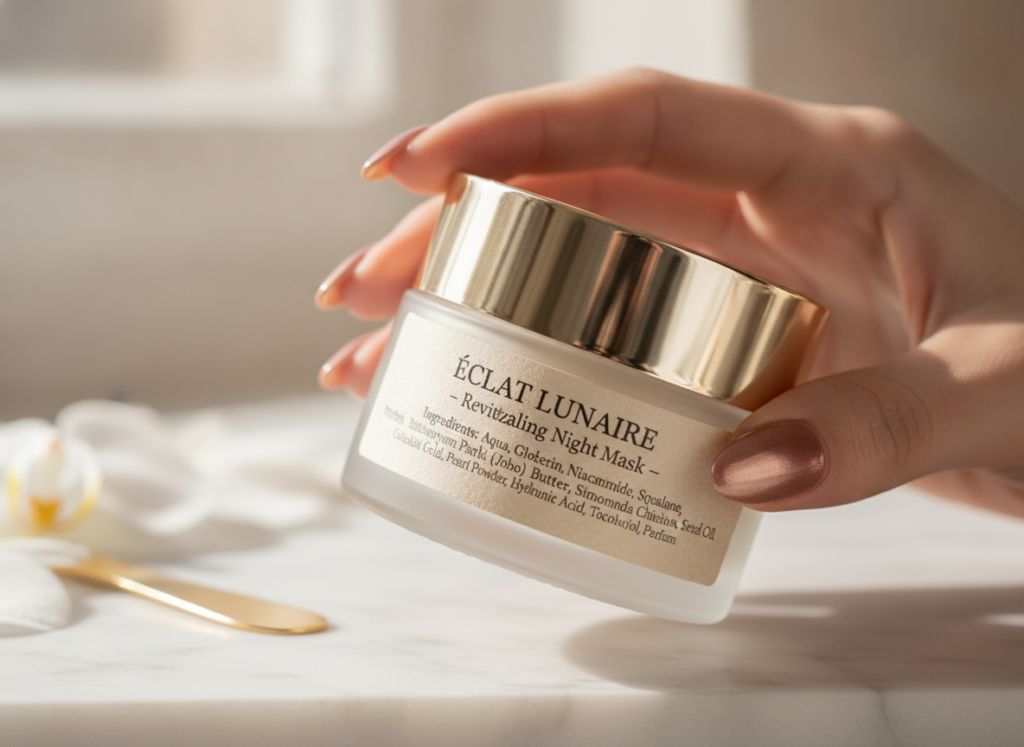
While DIY face masks offer great benefits, professional-grade products deliver more concentrated and advanced formulas. These treatments undergo rigorous testing and contain clinically-proven ingredients at optimal concentrations.
Professional face mask products combine multiple active ingredients synergistically. This combination approach addresses various skin concerns simultaneously. The results often appear faster and last longer than homemade alternatives.
Benefits of Professional Formulations
Clinically tested ingredients at proven effective concentrations
Advanced delivery systems that enhance ingredient penetration
Stable formulations that maintain ingredient potency
Quality control ensuring consistency and safety
Comprehensive testing for various skin types
Sophisticated combinations of complementary ingredients
Extended shelf life without losing effectiveness
Hygienic packaging that prevents contamination
Detailed usage instructions for optimal results
Backed by dermatological research and studies
Professional skincare products undergo extensive research and development. Scientists formulate these masks to target specific skin concerns precisely. The investment in quality ingredients and technology justifies their higher price point.
Transform Your Skin Today
Access dermatologist-recommended face mask treatments that deliver visible improvements in texture, tone, and radiance within days.
Selecting the appropriate professional face mask depends on your specific skin type and concerns. Understanding your skin’s needs helps you make informed decisions. Consider factors like sensitivity, oiliness, and primary concerns.
For Dry Skin
Look for masks rich in hyaluronic acid and ceramides. These ingredients restore moisture and strengthen your skin barrier.
Cream-based formulations work best for dry skin types. They provide lasting hydration without causing irritation.
For Oily Skin
Choose clay-based masks with salicylic acid or niacinamide. These ingredients control excess oil production effectively.
Gel formulations absorb quickly without adding heaviness. They help minimize pores and reduce shine.
For Combination Skin
Select balanced formulas that hydrate without over-moisturizing. Multi-masking allows targeted treatment of different zones.
Hybrid masks address multiple concerns simultaneously. They balance oil production while maintaining hydration.
How to Apply Face Masks for Best Results
Proper application technique maximizes the effectiveness of any face mask. Following the correct steps ensures you receive the full benefits of the treatment. Small details make significant differences in outcomes.
Preparation Steps
Clean skin absorbs mask ingredients more effectively than dirty skin. Remove all makeup, dirt, and excess oil before application. This preparation allows active ingredients to penetrate deeply.
Cleanse your face thoroughly with a gentle cleanser suited to your skin type
Pat your skin dry with a clean, soft towel using gentle pressing motions
Consider using a gentle exfoliant to remove dead skin cells beforehand
Apply a toner to balance your skin’s pH and prepare it for the mask
Ensure your face is slightly damp for better product absorption
Application Technique
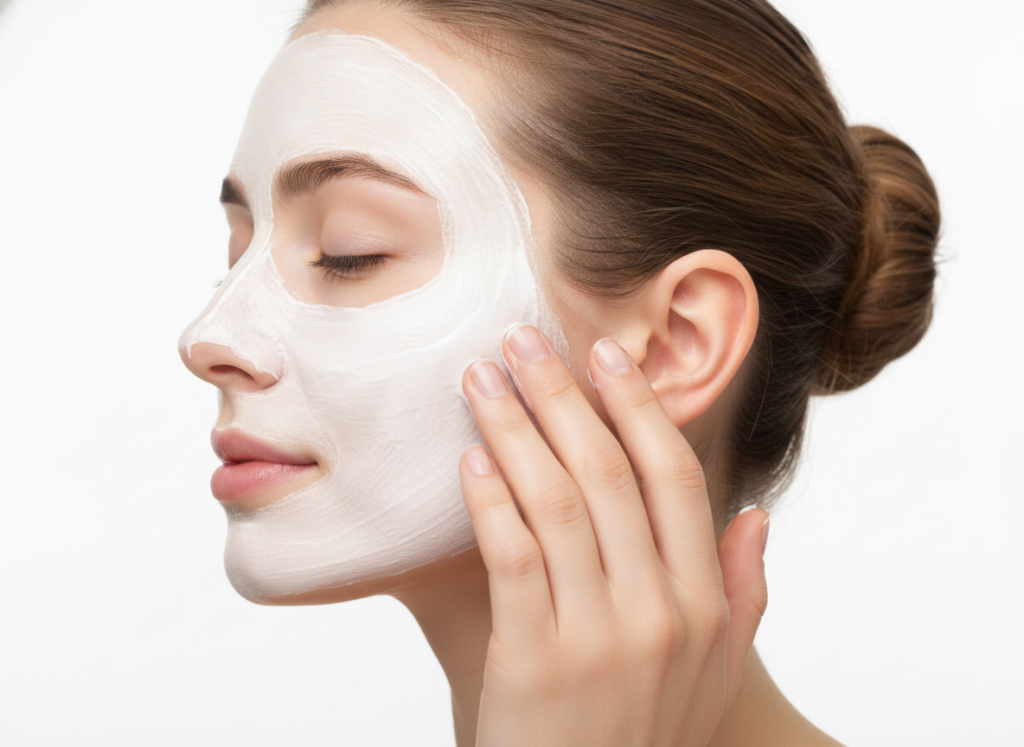
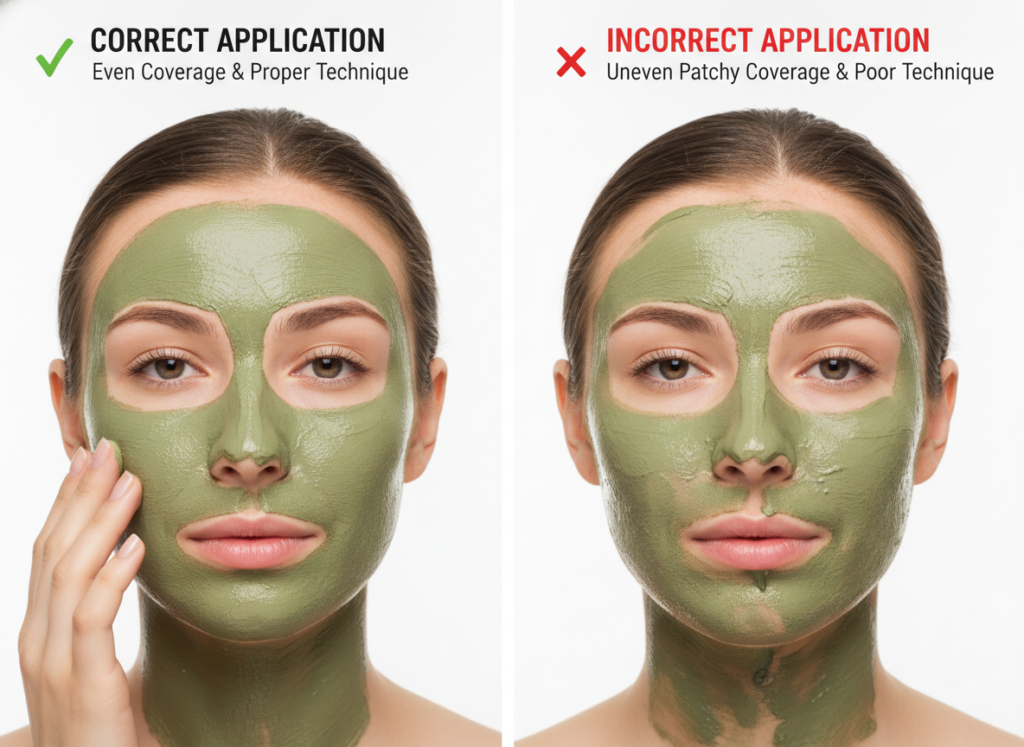
Apply your chosen mask evenly across your face and neck. Use clean fingers or a brush designated specifically for skincare. Avoid the delicate eye area unless the product specifically states it’s safe.
Start from the center of your face and work outward. This technique ensures even distribution and prevents waste. Apply the mask in upward strokes to promote circulation.
Areas to Focus On
Forehead, using gentle upward strokes
Cheeks, moving from nose toward ears
Chin and jawline in upward motions
Nose area, including sides
Neck, using upward strokes
Areas to Avoid
Immediate eye area and eyelids
Inner corners of eyes
Lips unless specified as safe
Any open wounds or active breakouts
Irritated or sunburned skin
Timing and Removal
Follow the recommended time specified on your mask packaging. Leaving masks on too long can cause irritation or excessive drying. Setting a timer prevents accidental over-application.
Most face masks work optimally between ten to twenty minutes. Clay masks should never dry completely on your skin. Sheet masks can stay on slightly longer for maximum serum absorption.
Proper Removal Process
Rinse with lukewarm water using gentle circular motions
Use a soft, damp washcloth if needed for stubborn masks
Remove all traces of the mask completely from your face
Pat your skin dry rather than rubbing vigorously
Follow immediately with toner to restore pH balance
Apply your regular serum while skin is still slightly damp
Finish with moisturizer to lock in the treatment benefits
Never use hot water to remove face masks. Hot water strips natural oils and can cause irritation. Cool or lukewarm water works best for maintaining skin health.
Enhance Your Results
Complement your masking routine with professional-grade serums and treatments for accelerated transformation.
Consistency delivers better results than sporadic intensive treatments. Establishing a regular face mask routine maintains your skin’s health and radiance. The frequency depends on your skin type and the mask type.
Recommended Frequency Guidelines
Most skin types benefit from masking two to three times weekly. This frequency allows adequate time for skin recovery between treatments. Over-masking can strip your skin’s natural protective barrier.
Skin Type
Mask Type
Recommended Frequency
Best Time
Oily
Clay or purifying masks
2-3 times per week
Evening after cleansing
Dry
Hydrating cream masks
3-4 times per week
Night before bed
Combination
Multi-masking approach
2-3 times per week
Any time convenient
Sensitive
Gentle, soothing masks
1-2 times per week
When skin feels calm
Acne-prone
Clarifying masks with salicylic acid
2 times per week
Evening after cleansing
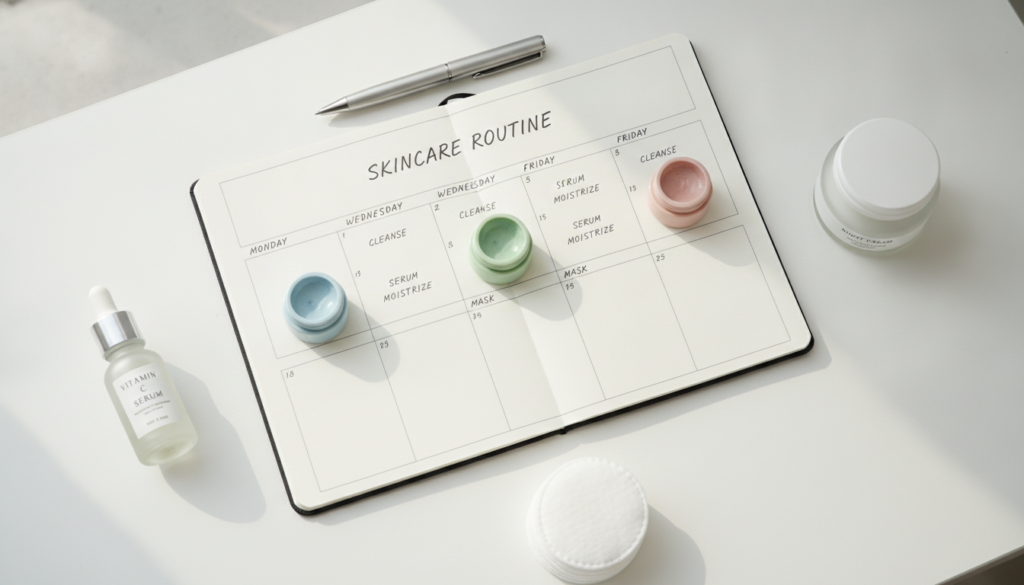
Creating a Balanced Skincare Schedule
Integrate face masks strategically into your existing skincare routine. Consider your other active treatments when planning mask applications. Avoid combining too many active ingredients on the same day.
Weekly Schedule Example
Monday: Cleanse and moisturize only
Tuesday: Apply hydrating face mask in evening
Wednesday: Regular routine with serums
Thursday: Use exfoliating or brightening mask
Friday: Regular routine preparation for weekend
Saturday: Relaxing treatment mask session
Sunday: Gentle maintenance routine
Multi-Masking Strategy
Multi-masking involves applying different masks to different facial zones. This technique addresses varied skin concerns simultaneously.
Apply clay mask to oily T-zone area
Use hydrating mask on dry cheek areas
Apply brightening mask to areas with pigmentation
Use soothing mask on any irritated zones
Listen to your skin’s responses and adjust frequency accordingly. If you notice irritation or excessive dryness, reduce masking frequency. Your skin provides valuable feedback about what works best.
Common Face Mask Mistakes to Avoid
Even with the best face mask products, improper use can diminish results. Understanding common mistakes helps you maximize benefits and avoid potential problems. Small changes in technique yield significant improvements.
Do These Things
Always patch test new masks before full application
Apply masks to clean, properly prepared skin
Follow recommended application times precisely
Store masks properly according to instructions
Use products before their expiration dates
Apply appropriate amounts for even coverage
Remove masks gently with lukewarm water
Follow with proper moisturization afterward
Avoid These Mistakes
Never leave masks on longer than recommended
Don’t apply masks to dirty or makeup-covered skin
Avoid using expired or separated products
Don’t share masks with others due to hygiene
Never apply masks to broken or irritated skin
Avoid harsh scrubbing during mask removal
Don’t skip moisturizer after masking
Never use masks daily unless specifically formulated for it
Ingredient Interaction Awareness
Certain skincare ingredients should not be combined on the same day. Mixing incompatible actives can cause irritation or reduce effectiveness. Understanding these interactions protects your skin.
Caution: Ingredient Combinations
Avoid using masks with strong acids immediately after retinol application. Don’t combine multiple exfoliating treatments on the same day. Always space out intensive treatments to prevent over-exfoliation.
If using prescription skincare treatments, consult your dermatologist before adding masks. Some medical-grade products require special consideration. Professional guidance ensures safe, effective combinations.
Get Expert-Formulated Solutions
Access professionally designed face mask systems with balanced formulations that work synergistically with your existing routine.
Small enhancements to your masking routine can significantly boost effectiveness. These professional tips help you extract maximum benefits from every treatment. Implementing these strategies elevates your results noticeably.
Pre-Treatment Enhancement
Gentle exfoliation before masking removes dead skin cells that block ingredient penetration. This preparation allows active ingredients to reach deeper skin layers. Use a mild physical or chemical exfoliant suited to your skin type.
Facial steaming opens your pores and softens skin before mask application. The warmth increases blood circulation, enhancing nutrient delivery. Steam for three to five minutes maximum to avoid over-softening skin.
Boost Absorption
Apply masks to slightly damp skin for better spreading
Use gentle facial massage during application to stimulate circulation
Keep the room warm to encourage pore opening
Layer a warm towel over sheet masks for enhanced penetration
Enhance Relaxation
Create a calm environment with soft lighting
Play relaxing music during your masking session
Lie down rather than sitting during treatment
Practice deep breathing to reduce stress hormones
Post-Treatment Care
The minutes immediately following mask removal are crucial for locking in benefits. Your skin is most receptive to additional products during this window. Strategic layering maximizes the treatment’s impact.
Apply a hydrating toner while skin remains slightly damp after rinsing
Pat in a targeted serum that addresses your primary skin concerns
Layer a lightweight essence for additional hydration if needed
Apply eye cream gently around the orbital area
Seal everything with an appropriate moisturizer for your skin type
Use facial oil as a final step for extra dry skin conditions
Apply sunscreen if masking during daytime hours
Drinking water after masking supports hydration from within. Your skin reflects your overall hydration status. Aim for at least eight glasses of water daily for optimal skin health.
Adjusting Your Face Mask Routine by Season
Your skin’s needs change with seasonal variations in temperature and humidity. Adapting your face mask selection ensures year-round radiance. Environmental factors significantly impact skin behavior and requirements.
Winter Skincare Masking
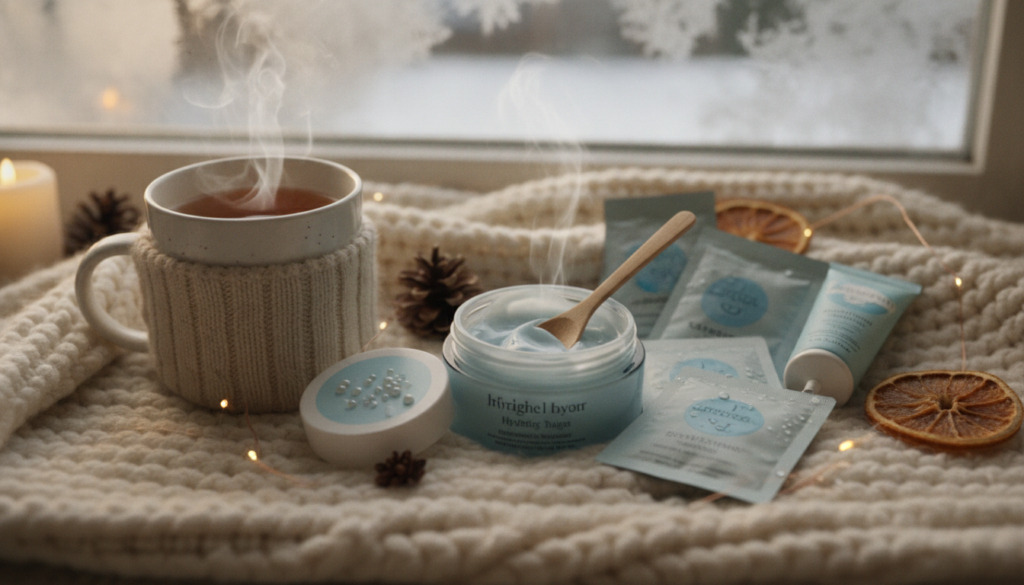
Cold weather and indoor heating create particularly challenging conditions for skin. These factors strip moisture from your skin’s surface rapidly. Winter demands intensified hydration strategies.
Focus on rich, creamy masks that replenish moisture and strengthen your skin barrier. Ingredients like shea butter, ceramides, and squalane provide superior winter protection. Increase masking frequency to combat dryness effectively.
Summer Skincare Masking
Hot, humid weather increases oil production and can clog pores. Summer masks should focus on balancing, purifying, and protecting. Lightweight gel formulations work best during warmer months.
Clay masks help control excess oil without over-drying. Antioxidant-rich masks protect against UV damage and environmental stressors. Cooling ingredients like cucumber and aloe provide welcome relief.
Spring Transition
Spring brings renewal and increased environmental allergens. Focus on gentle detoxifying masks that remove winter buildup.
Incorporate brightening ingredients to combat winter dullness. Balance hydration as your skin adjusts to changing humidity.
Summer Protection
Emphasize antioxidant masks that combat free radical damage. Use oil-controlling formulas to manage increased sebum production.
Apply soothing masks after sun exposure to calm inflammation. Maintain lighter textures for comfortable wear.
Fall Preparation
Transition gradually to richer formulations as air becomes drier. Begin repairing summer sun damage with targeted treatments.
Introduce gentle exfoliating masks to remove summer buildup. Prepare your skin for harsher winter conditions ahead.
Your Journey to Glowing Skin Starts Now
Achieving radiant, glowing skin through face masks requires knowledge, consistency, and quality products. You now understand the science behind effective masking and how to implement these treatments properly.
Whether you choose DIY face masks made from simple kitchen ingredients or invest in professional-grade products, the key lies in regular application and proper technique. Your skin responds to the care and attention you provide.
Remember that skincare is a personal journey. What works for others may need adjustment for your unique skin type and concerns. Pay attention to how your skin responds and adjust your routine accordingly.
Consistency matters more than perfection. Even applying a simple homemade face mask twice weekly delivers noticeable improvements over time. The cumulative effect of regular care creates lasting transformation.
Begin Your Transformation Today
Take the first step toward radiant, glowing skin with professionally formulated face mask treatments designed to deliver visible results quickly and safely.
Your skin deserves the best care possible. Investing in quality face mask treatments pays dividends in confidence and appearance. The glow you seek is within reach through dedicated, informed skincare practices.
Start today with one simple face mask application. Notice how your skin feels afterward. Observe the subtle improvements that accumulate with each treatment. Your journey to luminous, radiant skin begins with this single decision.