Want longer-looking hair without falling for dramatic promises? The most useful Hair Growth Tips Faster focus on the scalp, nutrition, gentle care, and fewer habits that cause breakage.
Hair usually grows slowly. Your goal is to support normal growth while keeping each strand strong enough to retain length.
Start with a simple hair-care routine
Explore an optional routine guide before adding several new products at once. Compare ingredients, directions, and suitability for your hair type.
Hair grows from follicles beneath the scalp. The visible strand is made of keratin and cannot repair itself once damaged. That is why growth and length retention are different goals.
Many people think their hair is not growing because the ends split or snap. New growth may be happening at the scalp while the ends lose length. Less breakage can make hair appear to grow faster.
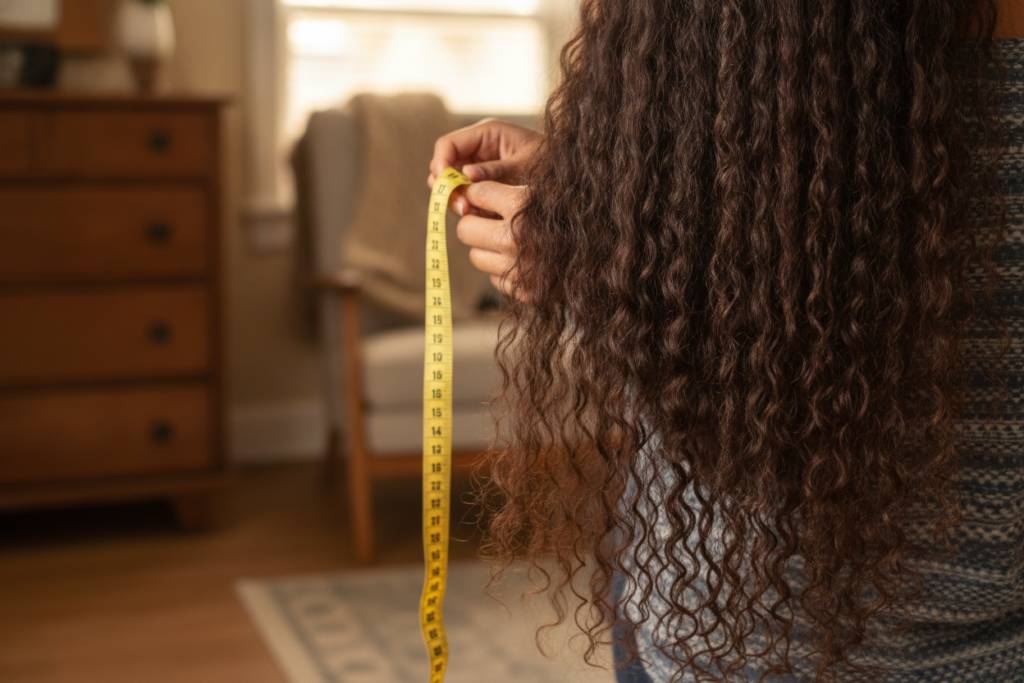
Set a realistic length goal
Take one photo in the same lighting each month.
Measure from the same point instead of checking every day.
Track shedding, breakage, scalp comfort, and texture.
Give a new routine time before judging the result.
Hair Growth Tips Faster should avoid guarantees
Genes, age, hormones, health, medication, and hair type affect results. A product may support hair care, but no ordinary routine can promise the same outcome for everyone.
Improve Scalp Care and Support Blood Flow
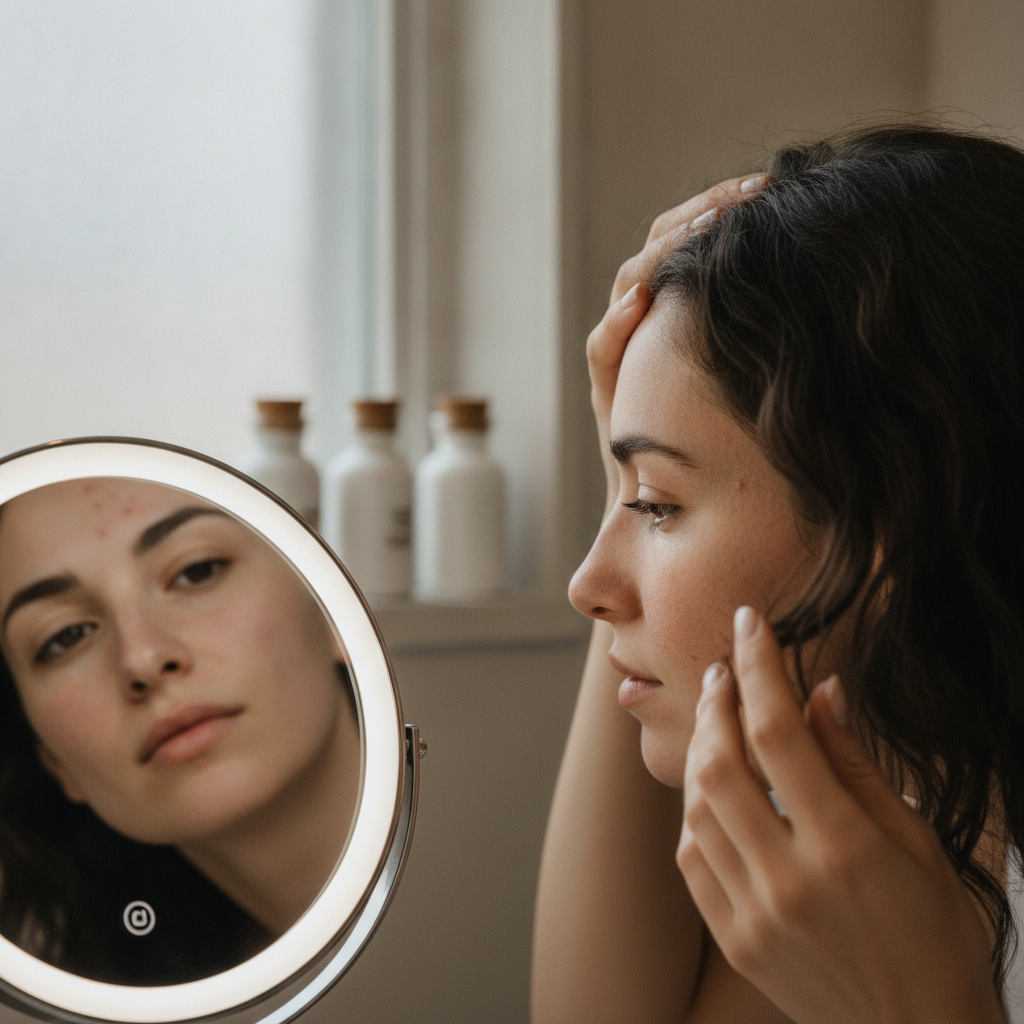
A clean, comfortable scalp gives hair follicles a better environment. Scalp care does not need to be harsh. Gentle, consistent habits are usually easier to maintain.
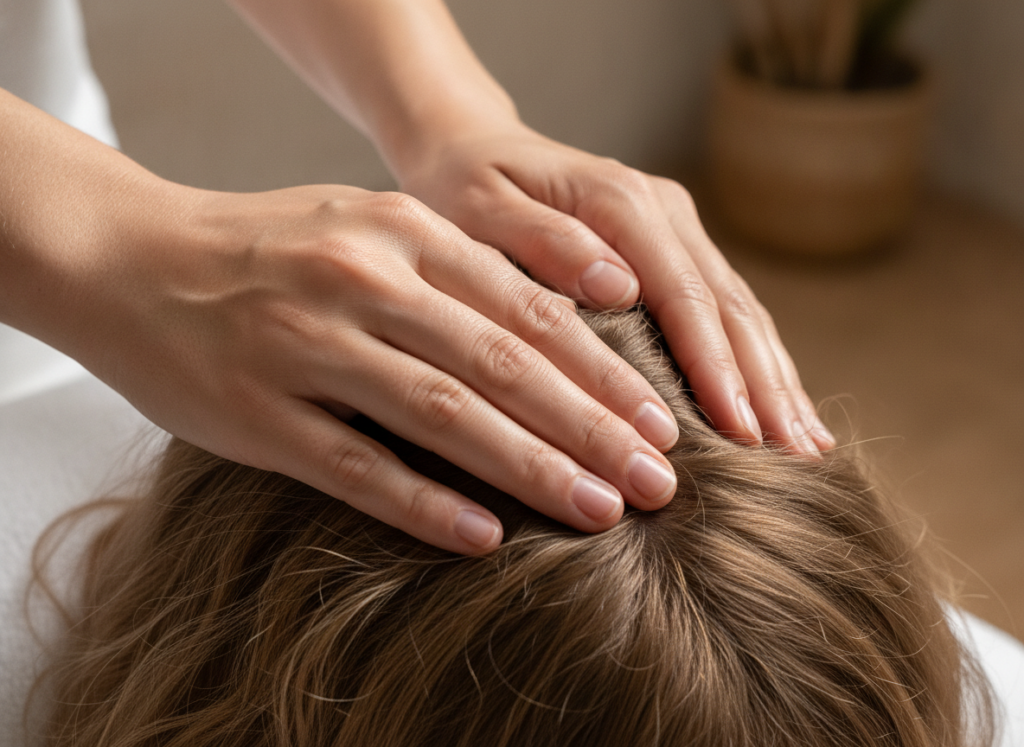
Use a gentle scalp massage
Massage with the pads of your fingers for a few minutes while shampooing or before washing. Use light pressure. Do not scratch, pull, or use sharp tools.
Massage may feel relaxing and can support temporary blood flow near the skin. It should never cause pain, redness, or lasting irritation.
Wash according to your scalp
Wash oily scalps more often if needed.
Use a mild shampoo on the scalp rather than scrubbing the ends.
Rinse well so product does not collect near the follicles.
Use conditioner mainly through the lengths and ends.
Make scalp care easier to follow
Review a simple product option and check the label for ingredients that fit your scalp needs. Stop using any product that causes burning or a rash.
Hair cells grow quickly, so the body needs enough energy and nutrients. A restrictive diet can affect hair health, especially when it lacks protein, iron, zinc, or other vitamins.
Build balanced meals
Add protein such as eggs, fish, tofu, beans, yogurt, or poultry.
Include leafy greens, fruit, whole grains, and colorful vegetables.
Choose healthy fats from nuts, seeds, olive oil, and avocado.
Drink enough water for your normal activity and climate.
Iron deficiency can contribute to shedding in some people. Do not take iron simply because hair is shedding. Ask a qualified healthcare professional about testing first.
Be careful with supplements
Biotin, zinc, iron, and other supplements are not automatically helpful. High doses can cause side effects or interfere with laboratory tests. Food and professional guidance should come first.
Review your supplement choices
Use this option as a starting point for ingredient research, not as a promise of faster results. Discuss supplements with a clinician if you have health concerns.
Breakage is one of the biggest barriers to visible length. Hair becomes weaker when it is wet, over-processed, tightly pulled, or exposed to repeated heat.
Reduce daily damage
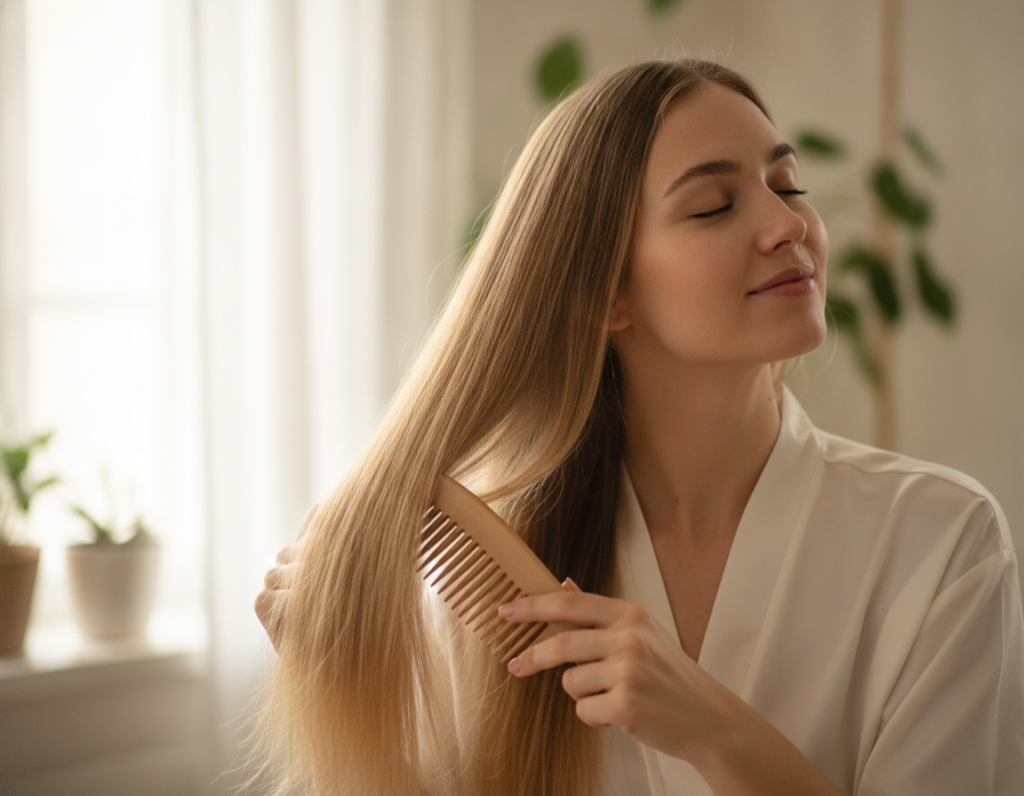
Detangle from the ends and move upward slowly.
Use a wide-tooth comb on wet hair.
Blot with a soft towel instead of rubbing.
Keep ponytails loose and change their position.
Use heat protection before a blow dryer or iron.
Limit heat and chemical stress
Frequent heat can dry the cuticle and make strands snap. Use the lowest effective setting and avoid passing an iron over the same section repeatedly.
Color, bleach, relaxing treatments, and frequent chemical services can add damage. Space services out and ask a professional how to protect your hair type.
Helpful habits
Condition the lengths.
Trim visibly split ends.
Use silk or satin at night.
Common damage triggers
Tight styles every day.
High heat without protection.
Rough brushing and towel drying.
Use Night Care, Silk, and Protective Styling
Friction from cotton bedding can create tangles and dryness. A silk or satin pillowcase, bonnet, or scarf may help reduce friction for some hair types.
These tools do not change the activity of hair follicles. Their value is practical: fewer tangles may mean less brushing, breakage, and damage.
Make protective styles comfortable
Keep braids, buns, and extensions loose enough to avoid scalp pain.
Do not ignore headaches, soreness, bumps, or thinning around the edges.
Give the scalp regular breaks from tension.
Keep hair moisturized without coating the scalp with heavy oil.
Create a lower-friction night routine
Explore a hair-care option that may fit a gentle nighttime routine. Choose comfort and easy use over complicated styling steps.
Stress does not always cause hair loss, but major physical or emotional stress can affect the normal hair cycle. Sleep, regular meals, and movement support the body as a whole.
Build a routine you can repeat
Keep a regular sleep schedule when possible.
Eat enough food instead of using extreme restriction.
Move your body in a way you enjoy.
Use breathing, journaling, or support to manage stress.
Avoid smoking and limit habits that affect overall health.
Check your hair type and routine
Curly, coily, straight, fine, thick, oily, and dry hair need different care. A routine that works for one hair type may create buildup or dryness for another.
Mistakes That Can Slow Visible Hair Growth
More products do not always mean more growth. A crowded routine can irritate the scalp, increase buildup, and make it hard to identify what caused a reaction.
Expecting overnight results: Hair changes take time, and visible length depends on retention.
Taking random vitamins: Excess nutrients can be harmful and may hide the real cause of shedding.
Applying too much oil: Oil can reduce friction, but it does not replace cleansing or medical care.
Using harsh shampoo: Strong cleansing may leave some scalps and strands dry.
Wearing tight styles: Repeated tension can stress the hairline and scalp.
Ignoring sudden shedding: New or severe changes deserve professional attention.
When to seek professional advice
Speak with a qualified healthcare professional about sudden shedding, bald patches, scalp pain, scaling, persistent itching, or thinning that continues. Early advice may help identify possible causes.
Follow a Four-Week Hair Growth Tips Faster Plan
A short plan makes hair care easier to measure. Change one or two habits at a time so you can see what helps your scalp and strands.
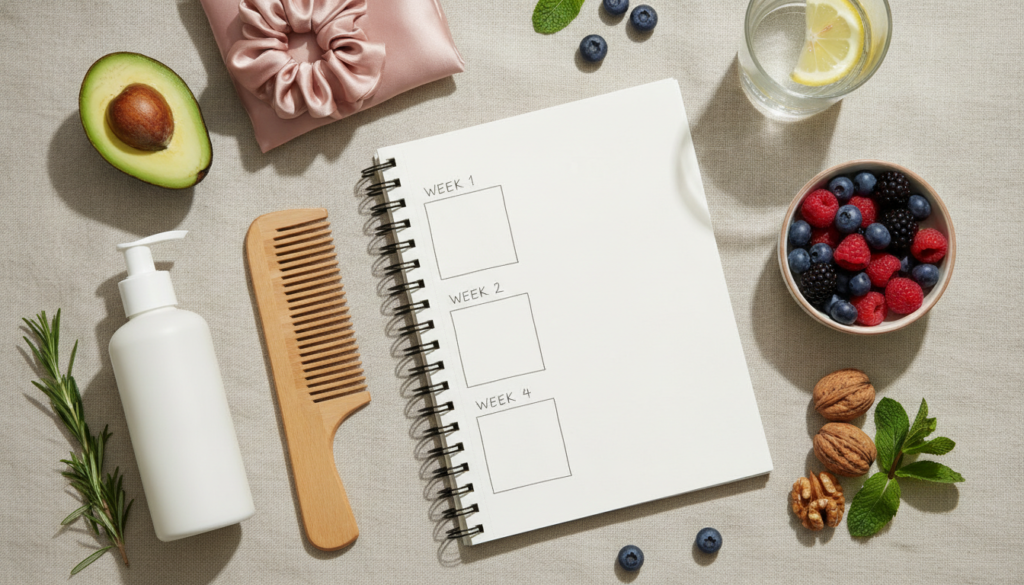
Week one: observe
Note your hair type, wash schedule, and current products.
Take a clear starting photo.
Look for tension, heat, split ends, or frequent breakage.
Week two: simplify
Use a gentle shampoo and suitable conditioner.
Reduce rough brushing and high heat.
Keep styles comfortable and loose.
Week three: support
Add protein and colorful foods to meals.
Try a light scalp massage if it feels comfortable.
Protect hair during sleep with silk or satin.
Week four: review
Compare comfort, shedding, tangles, and breakage.
Keep habits that are easy to repeat.
Remove products that irritate the scalp or weigh down strands.
Choose your next practical step
If you want a more guided routine, review the available option and decide whether it fits your goals, budget, hair type, and healthcare advice.
Trimming does not speed up the follicles. It can remove split ends and reduce further splitting, which may help you keep more length over time.
Does biotin always improve hair growth?
No. Biotin may help when a deficiency exists, but many people do not need extra biotin. Ask a healthcare professional before taking high-dose supplements.
How often should hair be washed?
There is no universal schedule. Wash when your scalp needs it, then adjust for oil, dryness, exercise, product buildup, and hair type.
Do oils make hair grow?
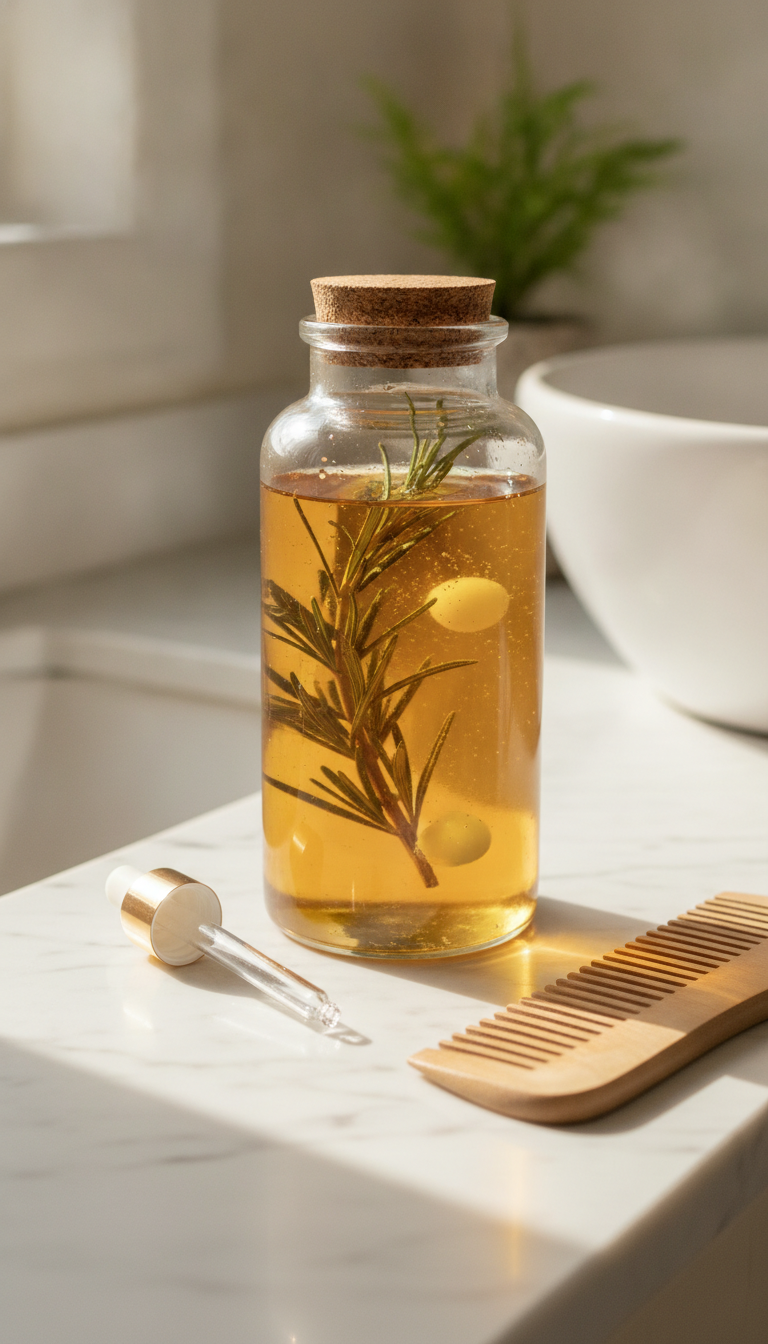
Some oils may reduce friction or improve the feel of dry ends. They do not guarantee faster follicle activity. Patch-test products and stop if irritation appears.
What is the most useful first step?
Start with gentle scalp care, balanced nutrition, less damaging styling, and a clear way to track changes. Consistency is more useful than a crowded routine.
Healthy-looking length comes from supporting the body, caring for the scalp, and protecting the strands you already have. Use these Hair Growth Tips Faster as a practical starting point, stay skeptical of guarantees, and seek qualified advice when changes are sudden or severe.
Save a routine that feels realistic
Choose one helpful habit today, then review optional products only when you understand how they fit your routine.