Can a small kitchen seed support a better hair routine? Flax seeds are rich in omega-3 fatty acids, fiber, and plant nutrients. When used well, they may help hair feel softer, smoother, and easier to manage.
This guide explains how flaxseed gel, flaxseed oil, and food-based use fit into everyday hair care. It also covers limits, safety, and simple ways to build a routine without making unrealistic hair growth promises.
What Flax Seeds Can Do for Hair
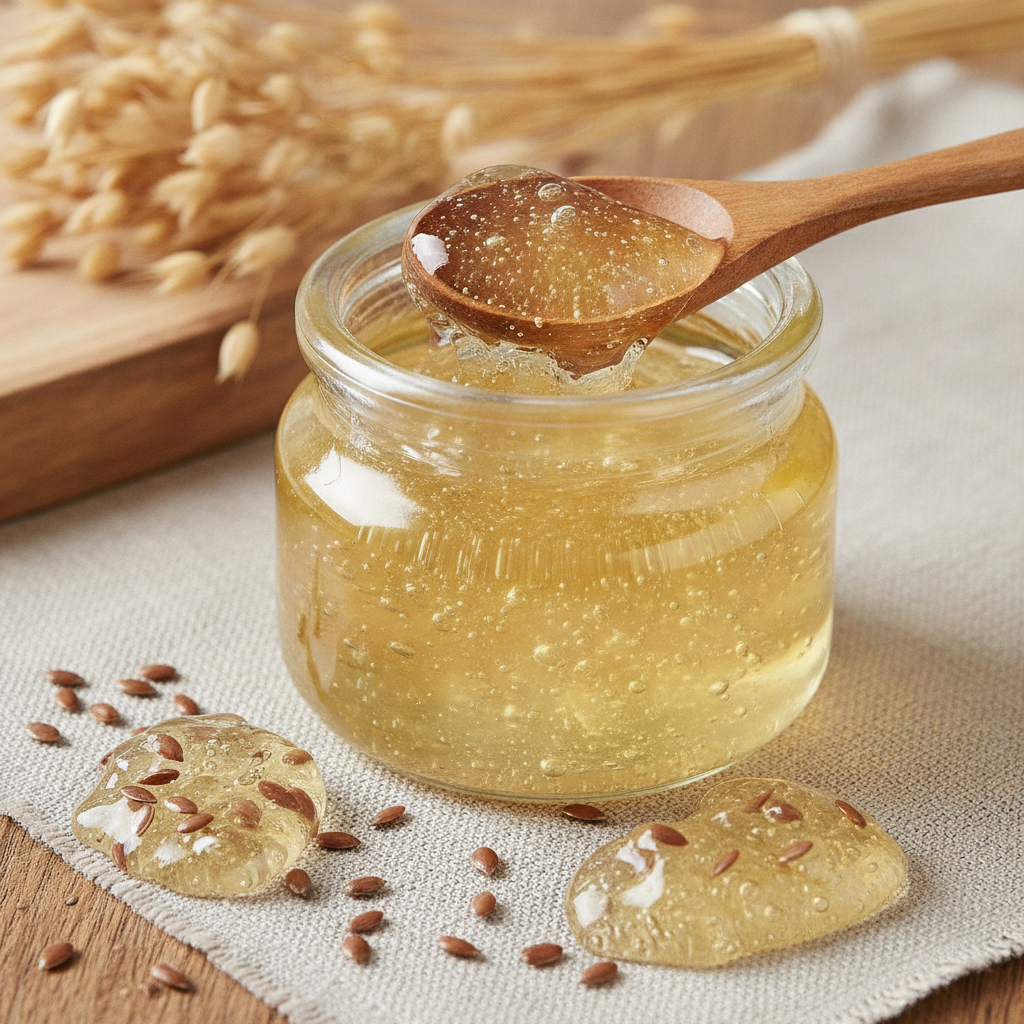
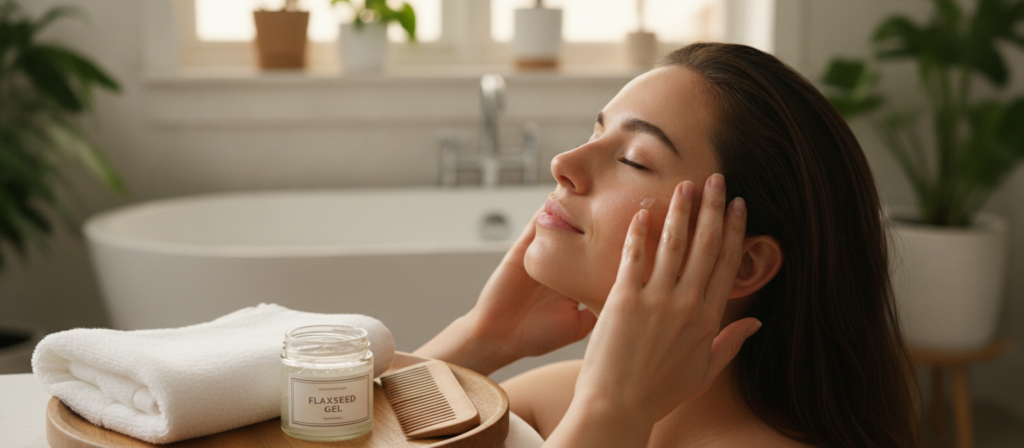
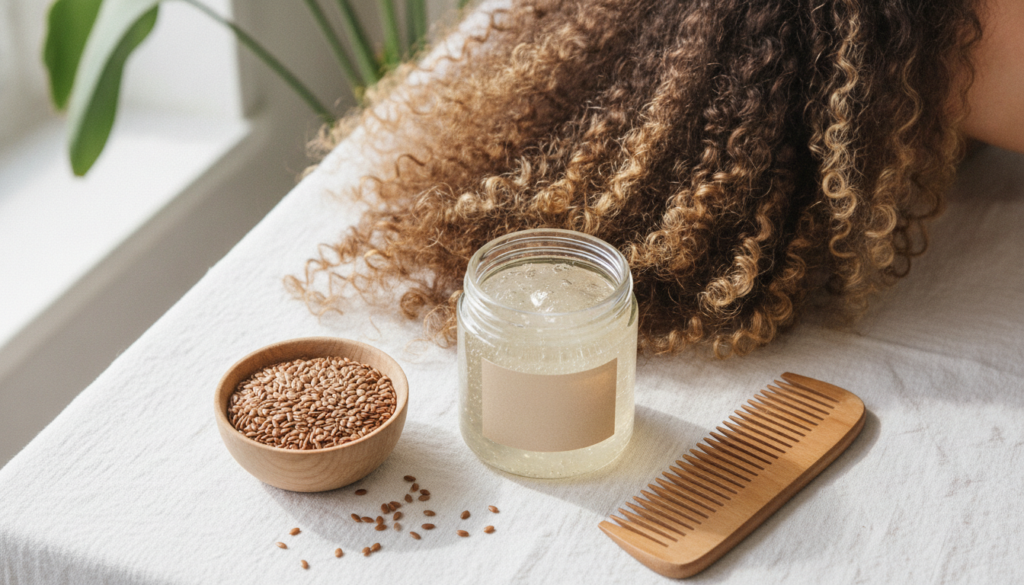
Flaxseed hair care is popular because the seed forms a light, slippery gel when it is boiled in water. That gel can coat hair strands and improve slip during styling. Better slip may reduce tugging, tangles, and visible frizz.
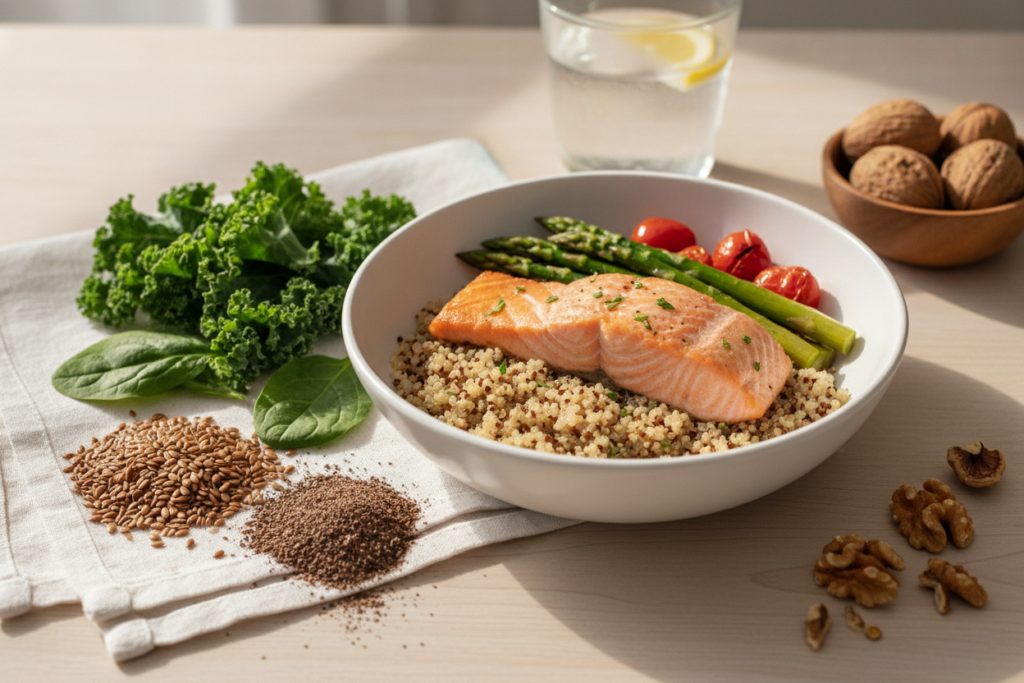
Flax seeds also contain omega-3 fatty acids. These fats support general nutrition when eaten as part of a balanced diet. Nutrition matters for hair health, but one ingredient cannot correct every cause of hair loss or slow growth.
Moisture support
Flaxseed gel can help hair feel conditioned without the heavy finish of some creams. Results vary by porosity, texture, and product amount.
May soften dry-feeling strands
Can add light hold
May help reduce surface frizz
Styling support
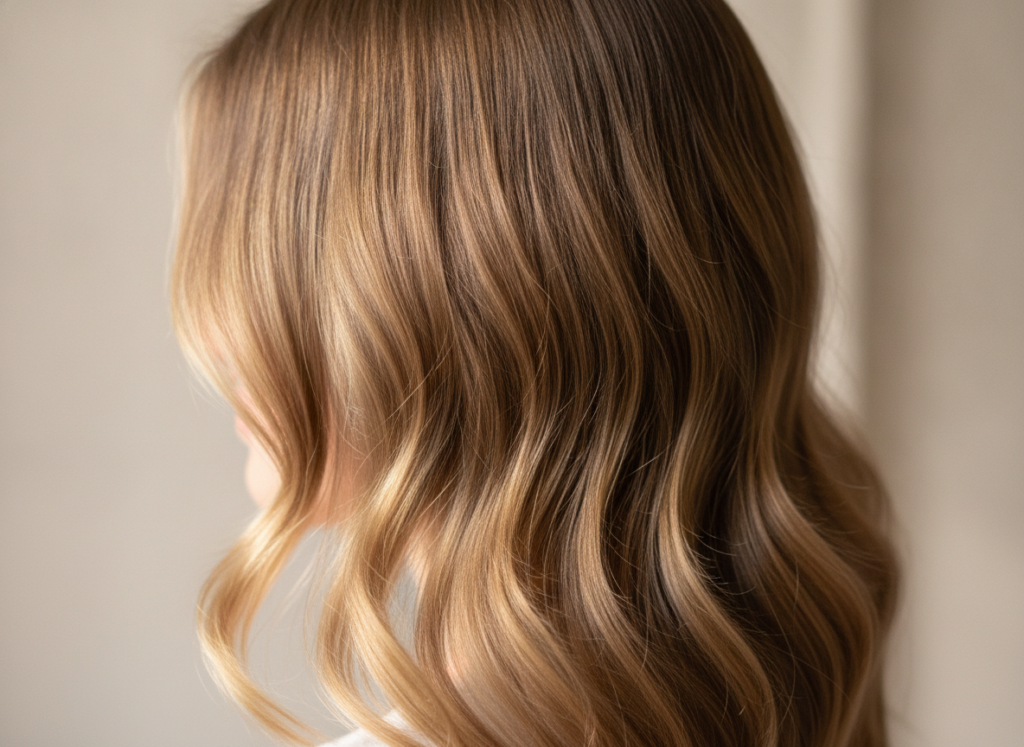
The gel gives curls and waves definition. It may also make detangling easier when applied with gentle handling.
Supports curl shape
Improves slip during styling
Works well in small amounts
Nutrition support
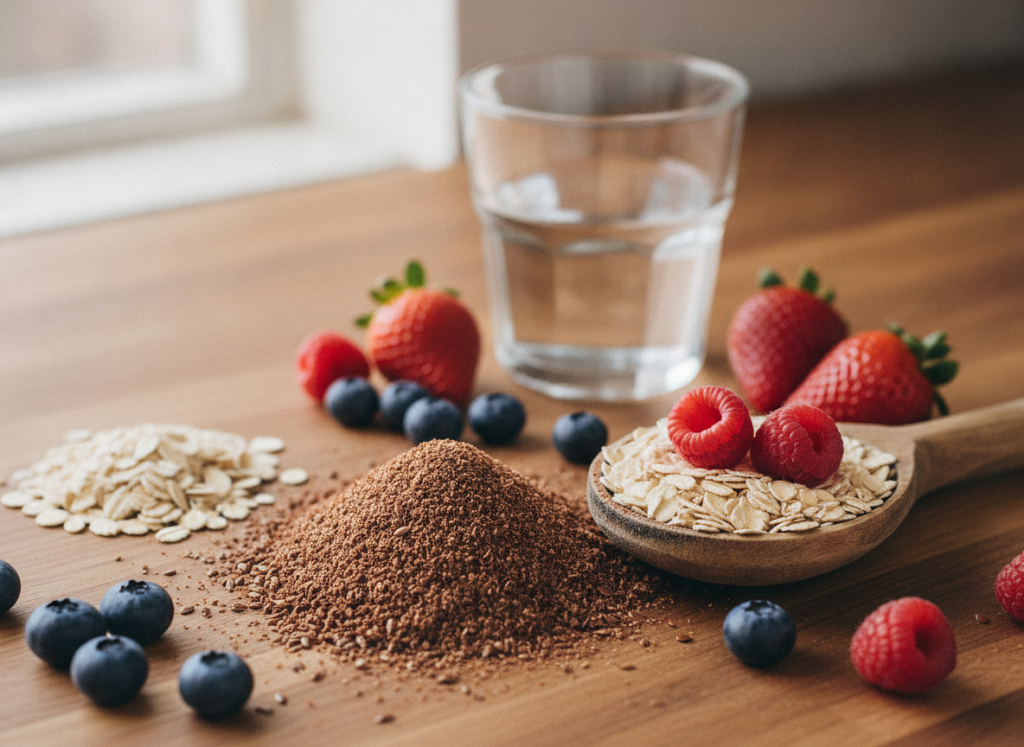
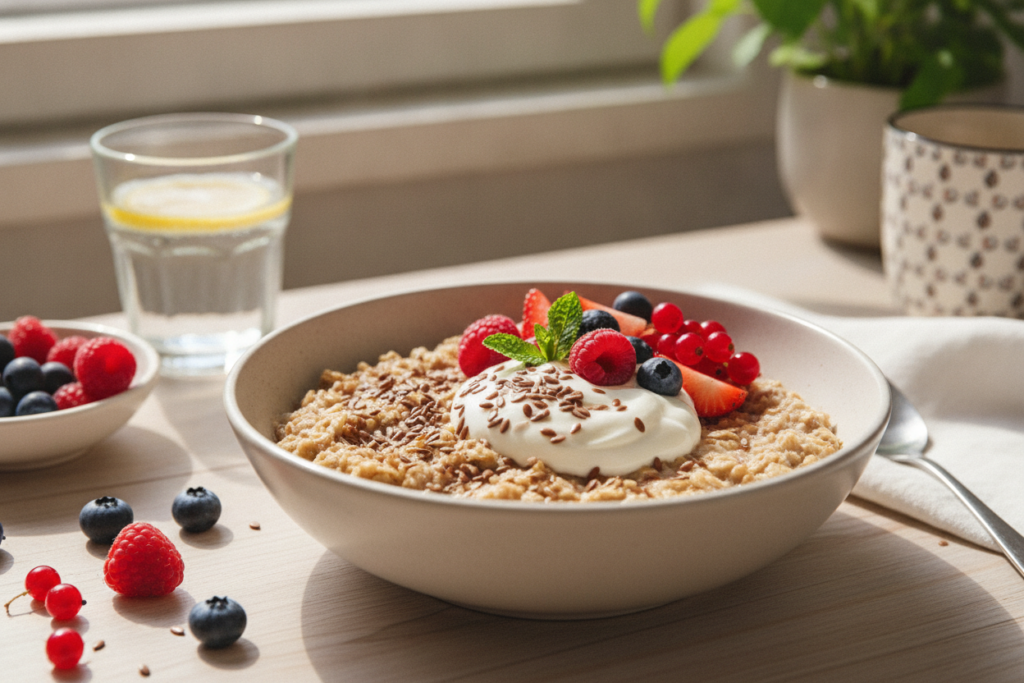
Ground flax seeds can add omega-3 fatty acids and other nutrients to meals. Food use supports overall health rather than promising a direct hair-growth effect.
Add to oats or smoothies
Choose fresh, properly stored seeds
Drink enough water with added fiber
Build a simple hair-care plan
If you want more structured ideas beyond a single ingredient, explore a related hair-care option and compare it with your current routine.
Flaxseed Nutrients and Realistic Hair Growth Expectations
Many articles say flaxseed promotes hair growth. A more careful view is useful. Flax seeds may support hair health through nutrition and gentle styling, yet there is limited evidence that a topical flaxseed hair recipe directly creates new growth.
Hair follicles follow a natural cycle. Genetics, hormones, age, medication, stress, illness, and nutrition can affect that cycle. Hair fall can also come from tight styles, harsh chemicals, heat, or scalp conditions.
What omega-3 fatty acids may contribute
Omega-3 fatty acids are part of a balanced diet. Flax seeds are a rich omega-3 fatty source in the form of alpha-linolenic acid. The body processes plant-based fatty acids differently from the omega-3 fats found in fish.
This does not make flax seeds ineffective. It means the best claim is modest: they can be one part of a healthy diet and a gentle hair care routine. They should not replace professional advice for ongoing hair loss.
Keep the claim realistic
Flaxseed gel may improve the look and feel of hair strands. It does not guarantee faster growth, thicker follicles, or a cure for hair loss.
How to Make Flaxseed Gel at Home
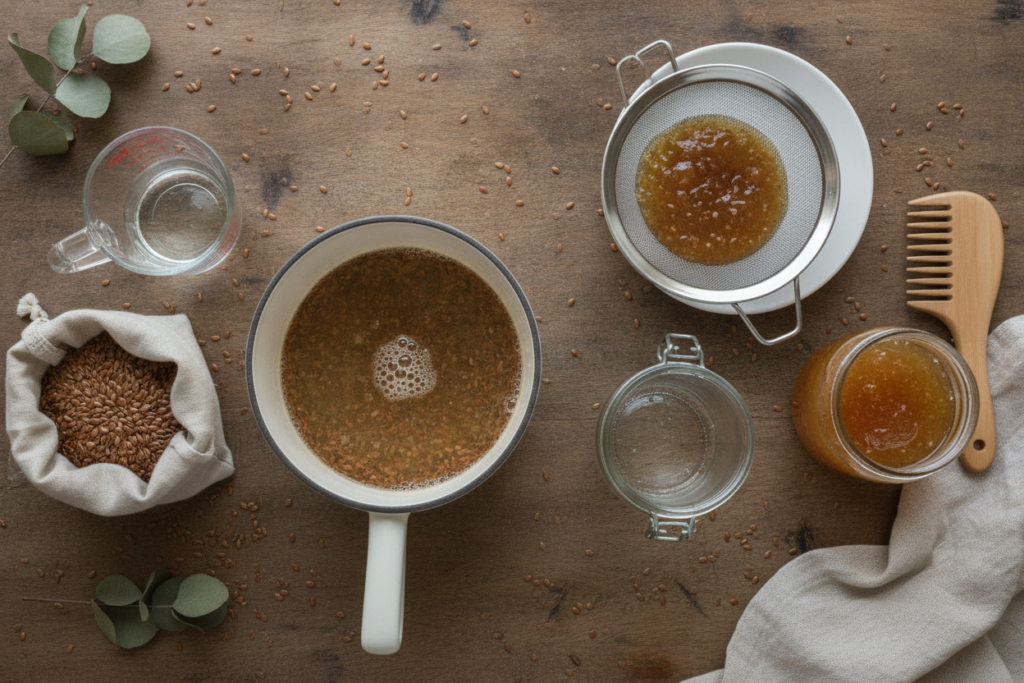
A DIY flaxseed gel recipe needs only seeds and water. Start with a small batch because homemade gel has no strong preservative system. Clean tools and cold storage matter.
Basic flaxseed hair gel recipe
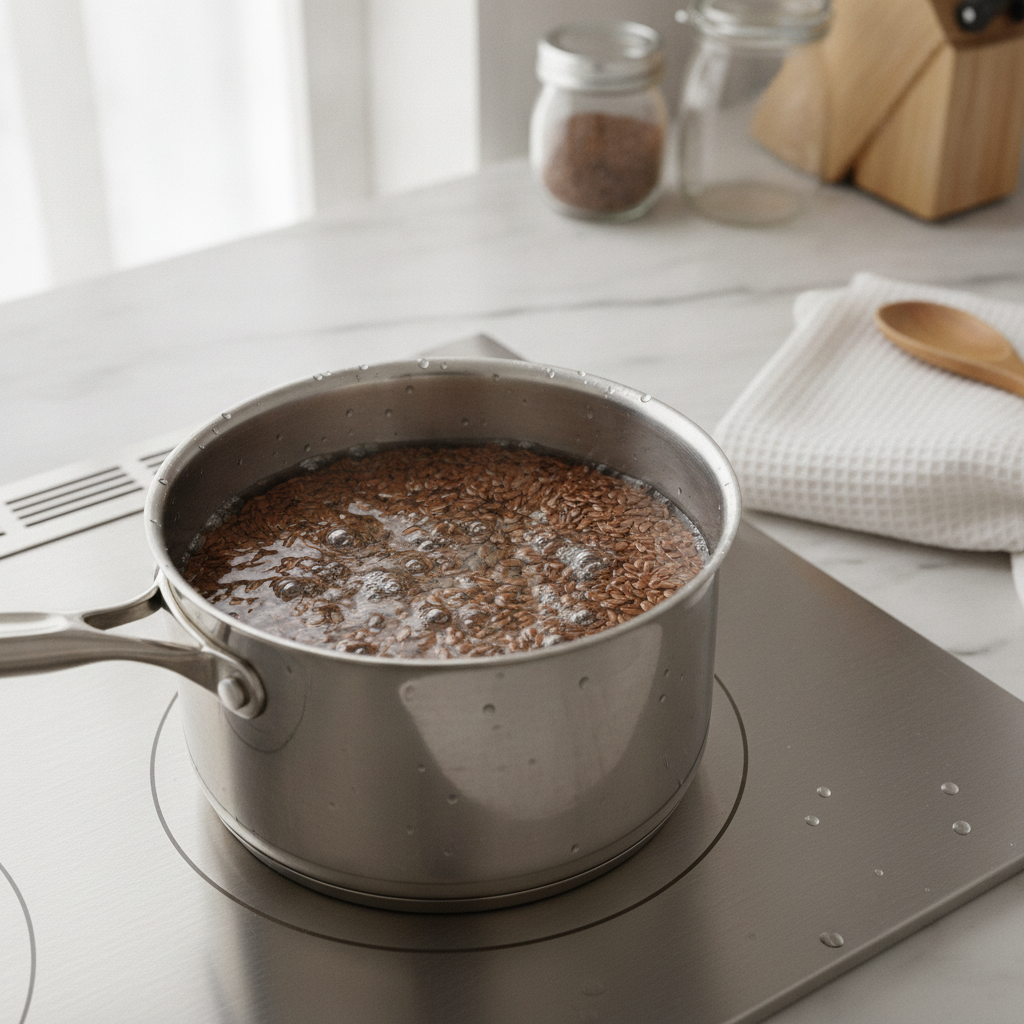
Add one-quarter cup of whole flax seeds to two cups of water.
Bring the mixture to a gentle boil, then reduce the heat.
Stir for several minutes until the liquid looks slightly thick.
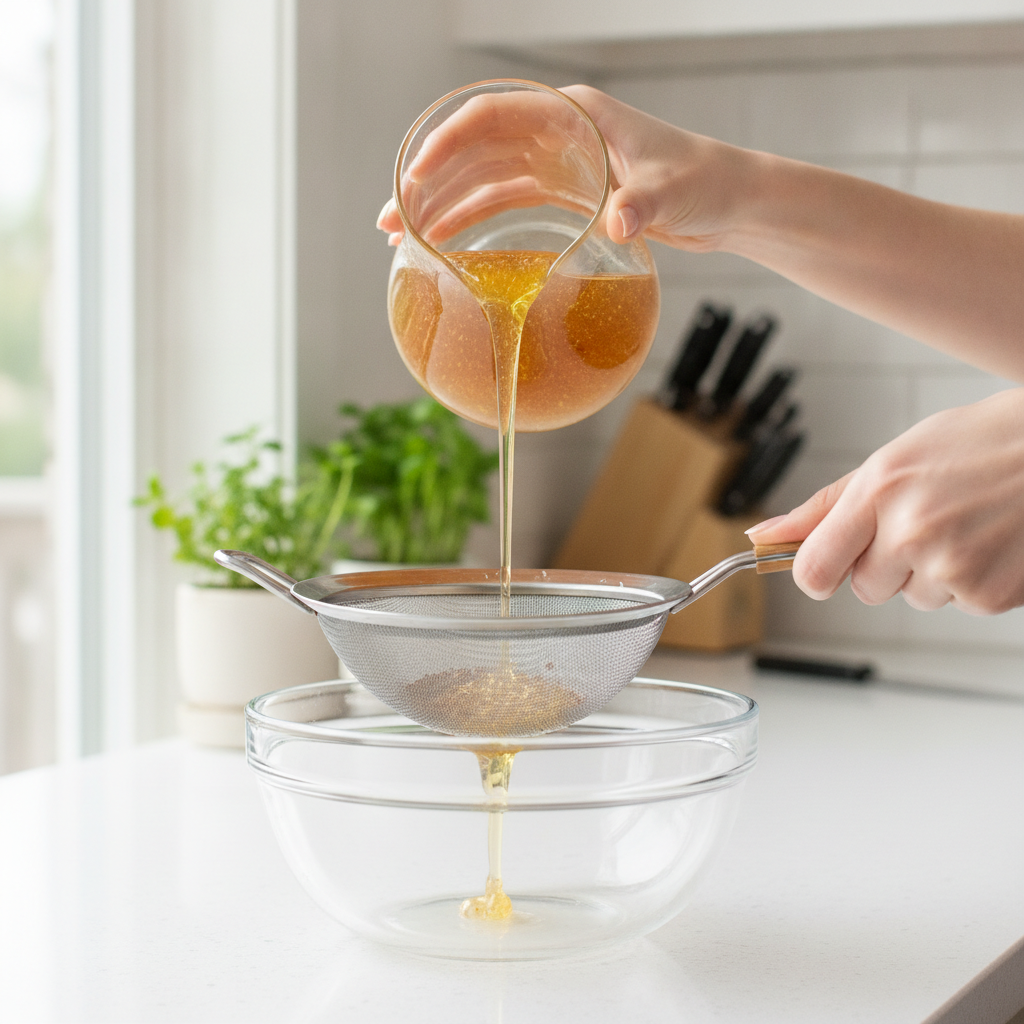
Strain the gel while it is warm but safe to handle.
Let cool before applying it to hair or placing it in a clean container.
The ideal texture depends on your hair type. A thinner gel can suit fine hair. A thicker gel may give more hold to curls or dense hair. If the mixture feels sticky, dilute a small amount with clean water before use.
Simmer
Use low to medium heat. Stir gently so the seeds do not stick to the bottom.
Strain
Strain before the gel becomes too thick. Let cool fully before touching the scalp.
Store
Keep the gel cold and use a clean spoon. Discard it if the smell, color, or texture changes.
Save the flaxseed gel steps
Keep this recipe near your hair-care supplies, then explore a complementary routine if you want more than a homemade styling gel.
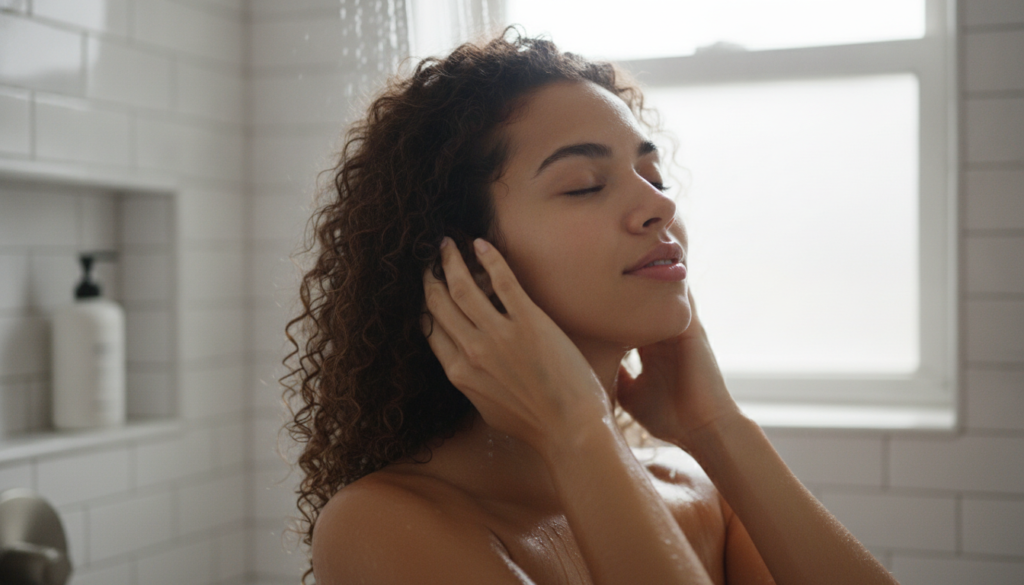
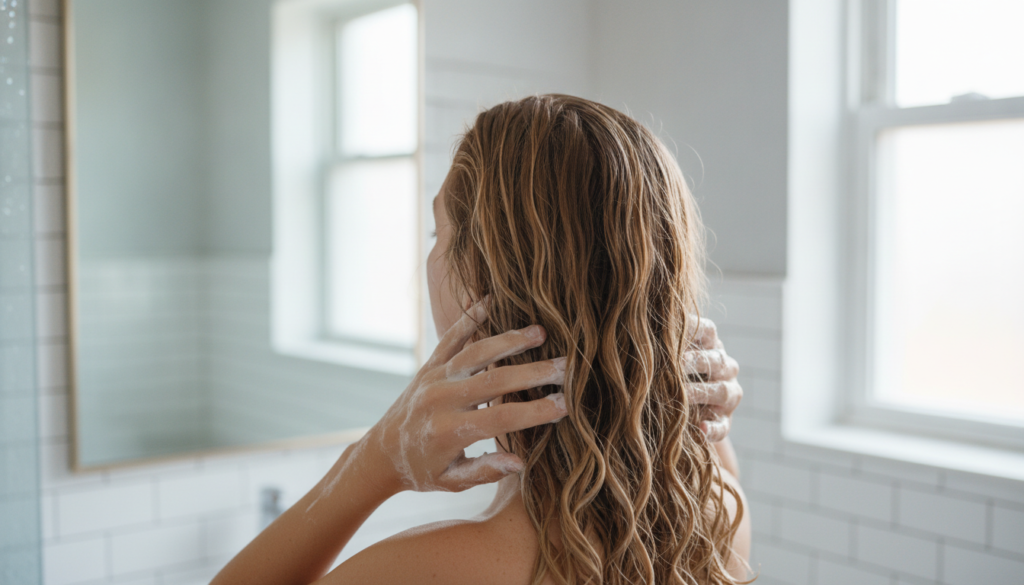
Use flaxseed gel on clean, damp hair. Begin with a small amount and spread it through the mid-lengths and ends. Add more only if your hair needs extra definition.
For curls and waves
Scrunch a small amount upward from the ends. Let the hair air-dry or use low heat with a diffuser. Once fully dry, gently squeeze the strands to soften a firm cast.
For straight or fine hair
Choose a thin layer and keep it away from the roots if the scalp becomes oily easily. Too much gel can weigh down hair or leave a residue.
For dry or coarse hair
Apply a leave-in conditioner first if needed. Flaxseed gel adds slip and hold, but it may not provide enough moisture on its own.
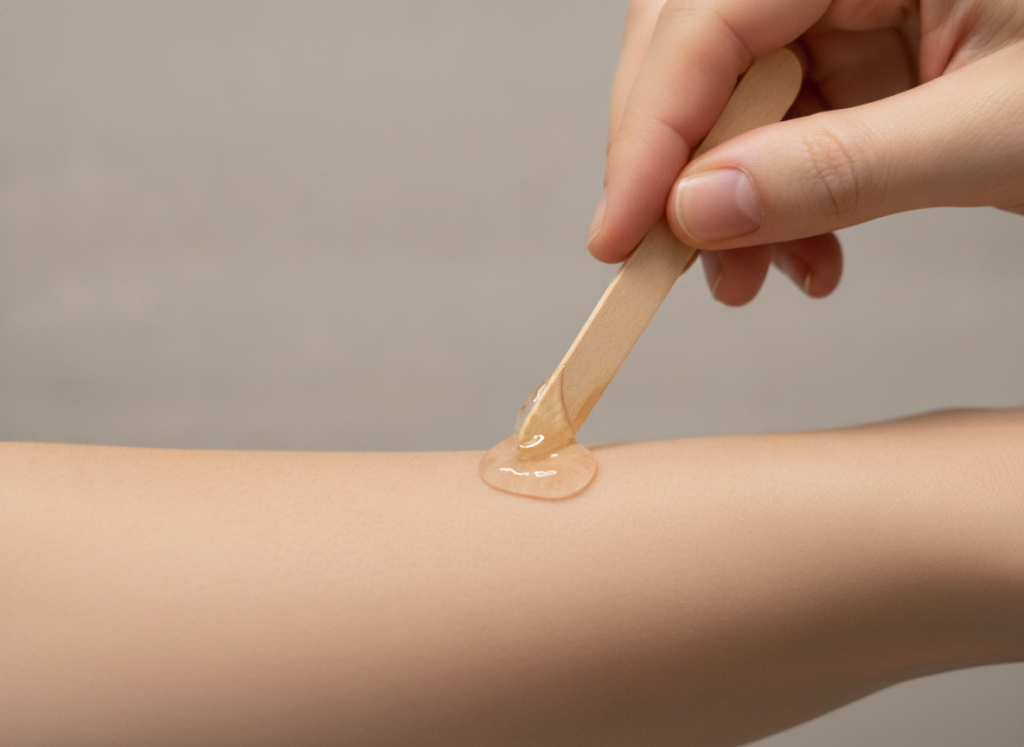
Patch test first
Apply a little product to a small area of skin. Wait and watch for redness, itching, burning, or swelling. Stop if irritation appears.
Flaxseed Oil, Food Use, and Hair Care Choices
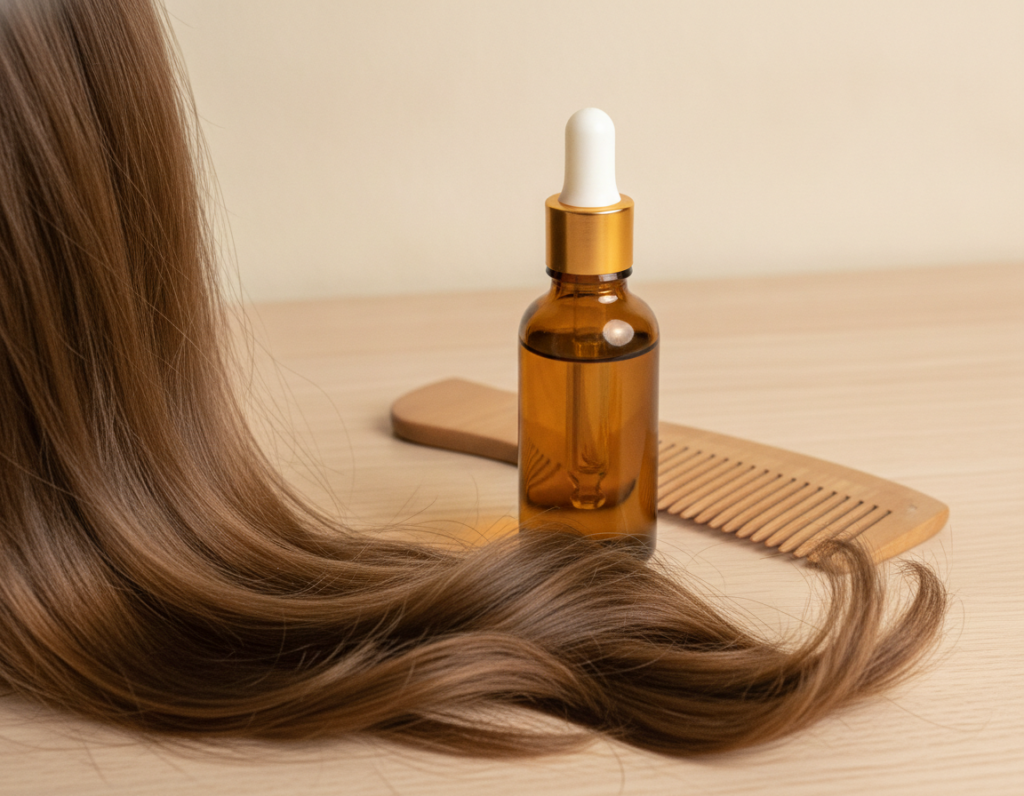
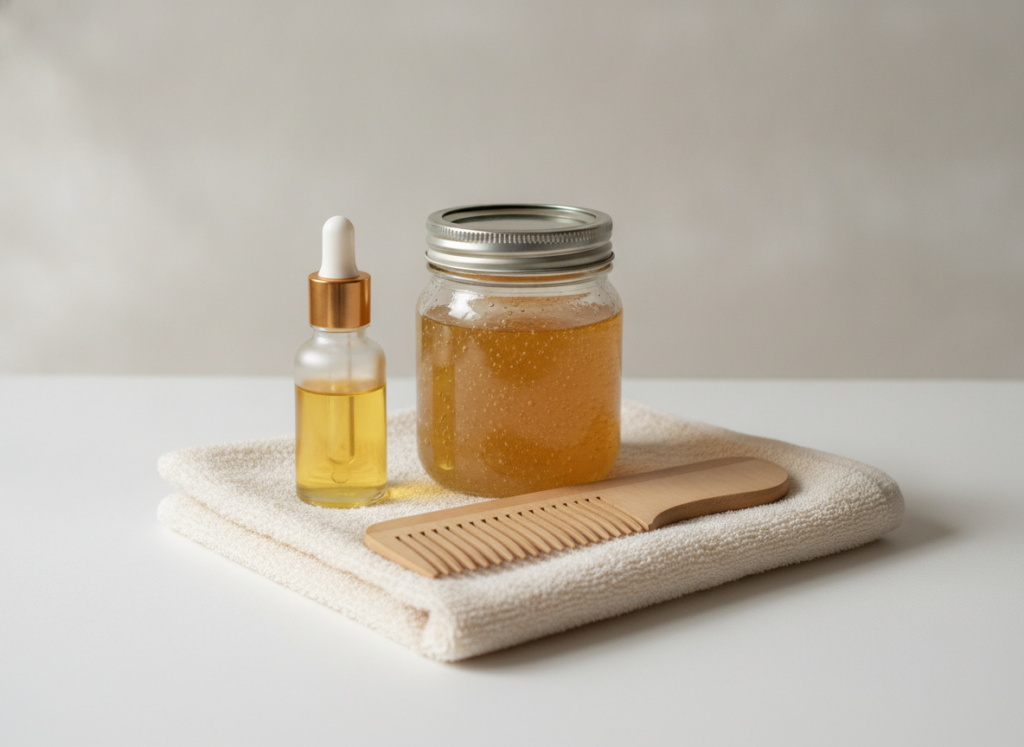
Flaxseed oil is different from flaxseed gel. Oil can smooth the surface of hair and reduce the dry feel of the ends. It does not contain the same fiber or gel-forming compounds as whole seeds.
Use flaxseed oil sparingly. Rub one or two drops between your palms and press them over the ends. Applying too much oil can make hair look greasy and may require a strong shampoo to remove.
Simple food-based use
Ground flax seeds are easier to digest than whole seeds. Add a small amount to yogurt, oatmeal, or a smoothie. Store ground seeds in the refrigerator to help protect their fatty acids.
People with digestive concerns, allergies, swallowing problems, or medication-related questions should speak with a health professional before increasing intake. Food supplements can interact with personal health needs.
Choose flaxseed gel when you want
Light styling hold
More slip for detangling
Less surface frizz
Curl or wave definition
Choose flaxseed oil when you want
A smoother finish
Help with dry-looking ends
A small finishing treatment
A richer feel than gel
Compare your next hair-care step
Explore an optional hair-care offer and look for ingredients, usage directions, and return details that match your needs.
Natural does not always mean risk-free. A scalp can react to seeds, plant oils, fragrance, or essential oil blends. Never assume that a homemade product is automatically safe for everyone.
Stop use if symptoms appear
Stop using a flaxseed hair product if you notice burning, swelling, hives, severe itching, or a worsening rash. Seek medical care for serious or persistent symptoms.
Avoid common errors
Do not apply hot gel directly to the scalp.
Do not add undiluted essential oil to a homemade mixture.
Do not store gel at room temperature for long periods.
Do not share a jar or use dirty tools.
Do not brush wet hair harshly or pull through tangles.
Do not use a recipe as a treatment for unexplained hair loss.
Hair fall that is sudden, patchy, painful, or persistent deserves professional attention. A dermatologist can assess the scalp and hair follicles and help identify possible causes.
A Practical Weekly Flaxseed Hair Routine
A simple routine is easier to maintain than a complicated schedule. Use flaxseed gel as a styling aid once or twice a week at first. Watch how your hair and scalp respond.
Wash with a cleanser that suits your scalp.
Condition the lengths and detangle with care.
Apply a small amount of flaxseed gel to damp hair.
Let the hair dry without repeated touching.
Use a drop of flaxseed oil only on dry-looking ends.
Clarify occasionally if buildup develops.
Track what changes
Take a photo in the same light every few weeks. Notice softness, frizz, breakage, shedding, and ease of styling. Do not judge hair growth from a single day or from a photo with different lighting.
Wash
Start with a clean scalp and remove old product buildup.
Condition
Support softness and slip before styling.
Dry gently
Reduce touching, heat, and friction while hair dries.
Make your routine easier to follow
A focused routine can help you stay consistent. Review an optional hair-care resource before choosing what fits your hair type and budget.
Flax seeds may support overall nutrition and flaxseed gel may improve the look and feel of hair. Direct proof that topical gel promotes new hair growth is limited, so avoid guaranteed claims.
Can flaxseed gel reduce hair fall?
The gel may reduce tangling and breakage caused by rough handling. It cannot identify or treat the medical causes of hair fall.
How long does homemade gel last?
Homemade gel spoils more quickly than preserved products. Keep it refrigerated in a clean container and discard it when its smell, color, or texture changes.
Can I use flaxseed oil on my scalp?
Some people use a small amount of oil on the scalp, but oily or sensitive scalps may not tolerate it well. Patch test first and stop if irritation occurs.
Is flaxseed suitable for all hair types?
Many hair types can try a small amount, but the best quantity differs. Fine hair may need less gel, while coarse or curly hair may prefer more hold and slip.
Should I use essential oil in flaxseed gel?
Essential oils can irritate skin and should not be added casually. A plain flaxseed gel is the simpler choice. Follow professional dilution guidance if using any essential oil.
Final Takeaway on Flax Seeds for Hair Growth
Flaxseed hair care can be a useful, low-cost way to add slip, light hold, and softness to a routine. Flaxseed gel often suits curls and waves, while flaxseed oil may help smooth dry-looking ends when used sparingly.
The most realistic approach combines gentle styling, balanced nutrition, scalp care, and patience. Use a small amount, patch test first, store homemade gel carefully, and seek professional advice for ongoing or sudden hair loss.
Save this guide so you can return to the recipe, routine, and safety checklist when planning your next wash day.