Hair growth takes time, but your daily habits still matter. A calm scalp, gentle routine, balanced meals, and lower breakage can support the hair you want to keep.
These Natural Hair Growth Tips are beginner-friendly and realistic. They do not promise instant regrowth. Instead, they help you build a routine while spotting signs that need professional care.
What Hair Growth Really Means
Hair grows from hair follicles beneath the scalp. Each strand moves through a growth phase, a resting phase, and a shedding phase. The speed and fullness of this cycle vary between people.
Many people confuse growth with length retention. New hair may grow normally while ends break from heat, friction, tight styles, or chemical processing. In that case, the best plan may be to reduce damage and protect the length.
Keep expectations realistic: Most home remedies may support scalp comfort or reduce breakage, but they cannot treat every type of hair loss.
Want to explore a hair-care option?
Review ingredients, directions, and return terms before choosing any product. A product can support a routine, but it should not replace a diagnosis.
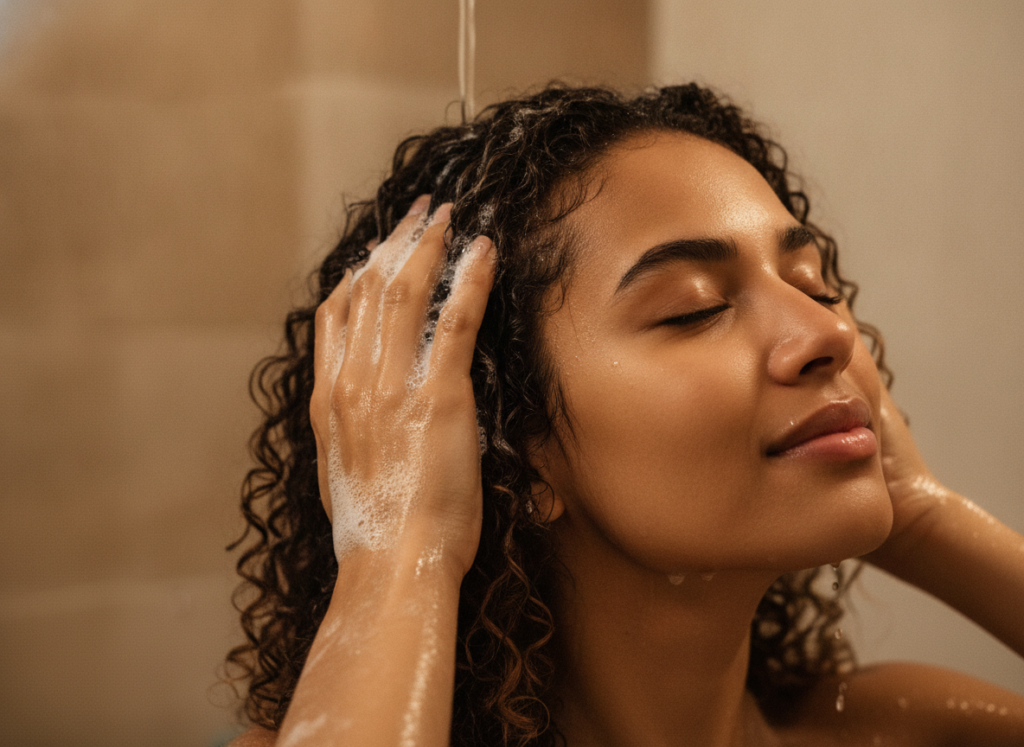
Scalp health is a useful foundation for hair growth. Wash often enough to remove sweat, styling residue, and excess oil. The right schedule depends on texture, activity, climate, and product use.
Use your fingertips rather than your nails. Scratching can irritate the skin and create small breaks. Choose a shampoo that cleans without leaving the scalp painfully dry or tight.
Rinse thoroughly after shampooing.
Clean brushes, combs, bonnets, and pillowcases often.
Stop a product that causes burning, swelling, or a rash.
Ask a clinician about ongoing flakes, pain, sores, or intense itching.
Try a Gentle Scalp Massage
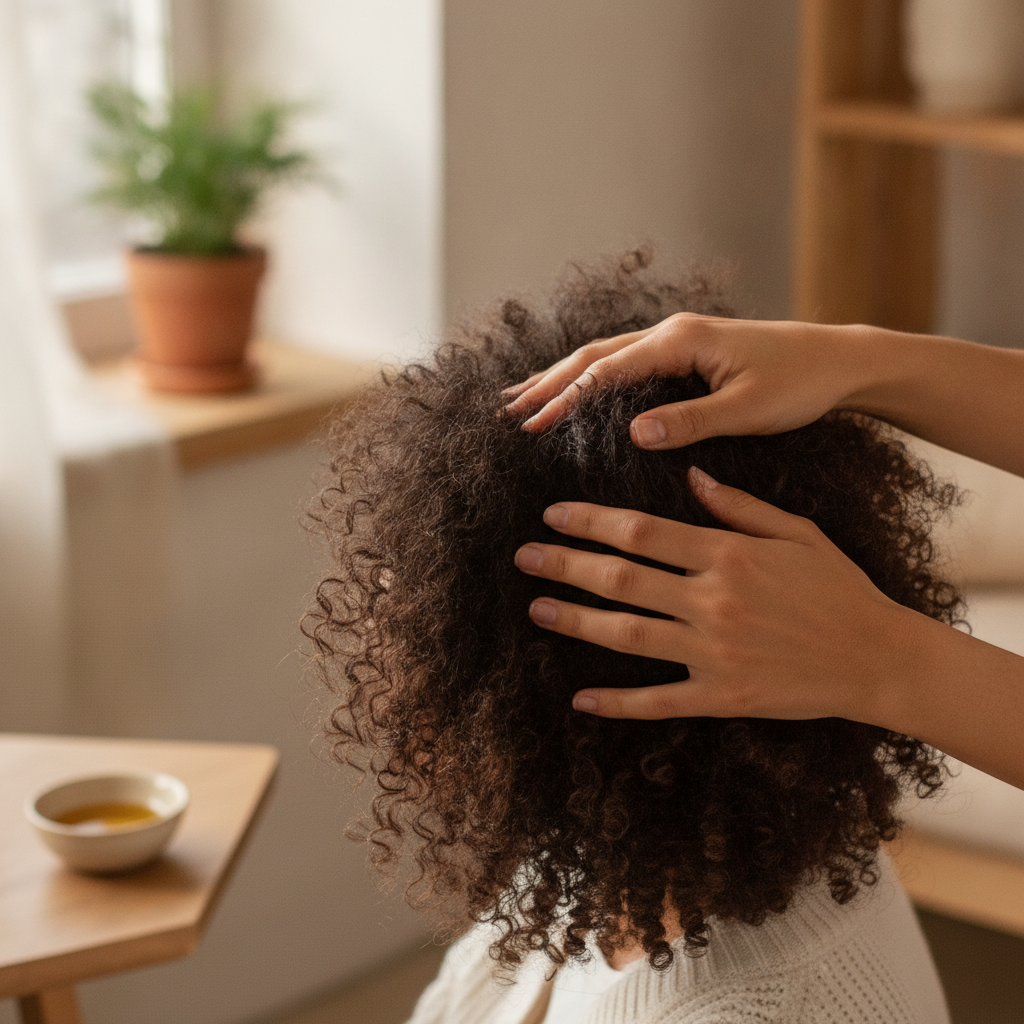
Scalp massage may help you relax and may improve the feeling of circulation around the scalp. Small studies have explored massage, but the evidence is not strong enough to call it a cure for hair loss.
Use light pressure for three to five minutes. Move your fingers in small circles across the front, sides, and back of the scalp. Avoid pulling the hair or pressing hard on tender areas.
Scalp massages work best as a simple habit. They should feel comfortable, not painful. Stop if you notice soreness, redness, or increased shedding.
Build a Gentle Hair Routine
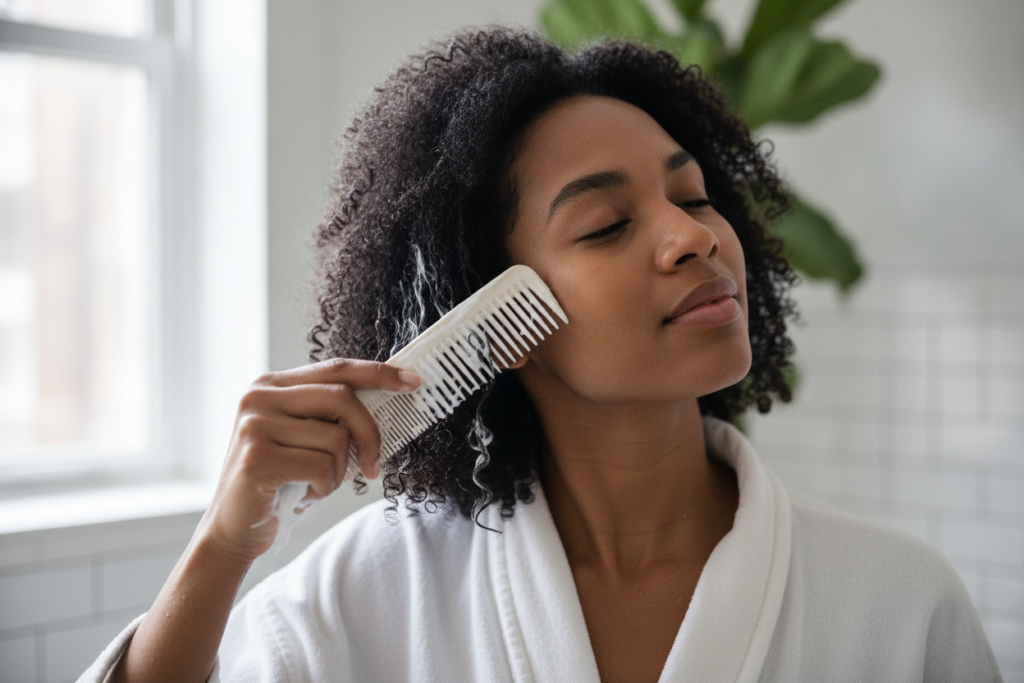
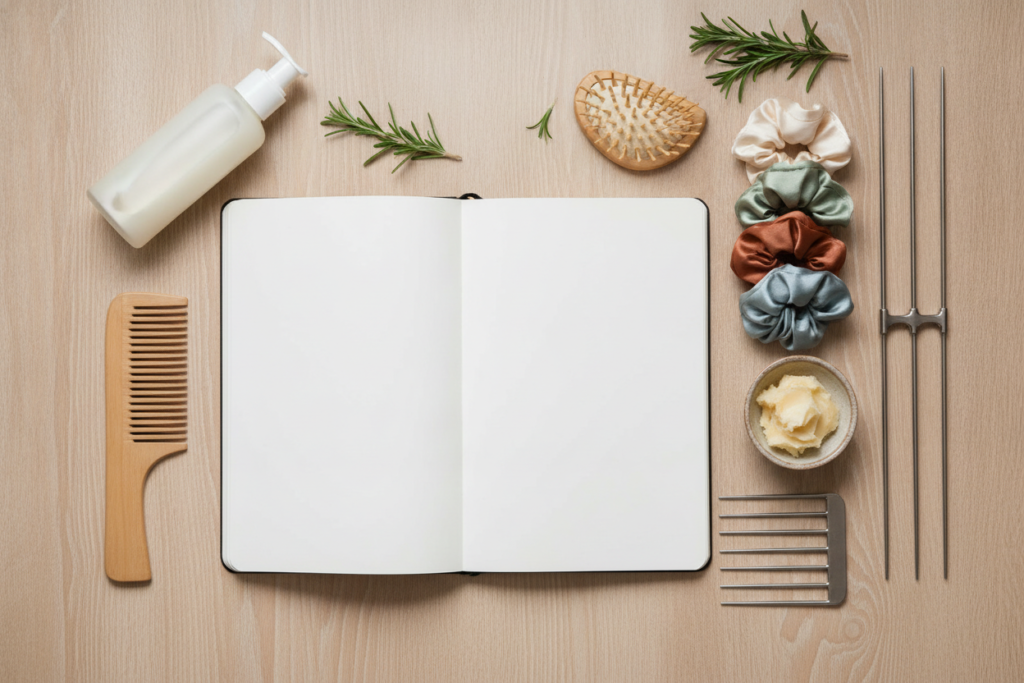
Handling can cause hair breakage even when the scalp is healthy. Detangle slowly, starting at the ends and working upward. A wide-tooth comb, fingers, and a slippery conditioner may help reduce pulling.
Dry hair with a soft towel or cotton T-shirt. Rubbing wet hair can raise friction and cause hair to snap. Let hair dry partly before styling, especially when strands feel fragile.
Use conditioner after cleansing when your hair needs more slip.
Limit repeated brushing in the same area.
Keep heat tools at the lowest effective setting.
Use heat protection when blow-drying or straightening.
Trim split ends when they continue traveling up the strand.
Use Protective Styling With Care
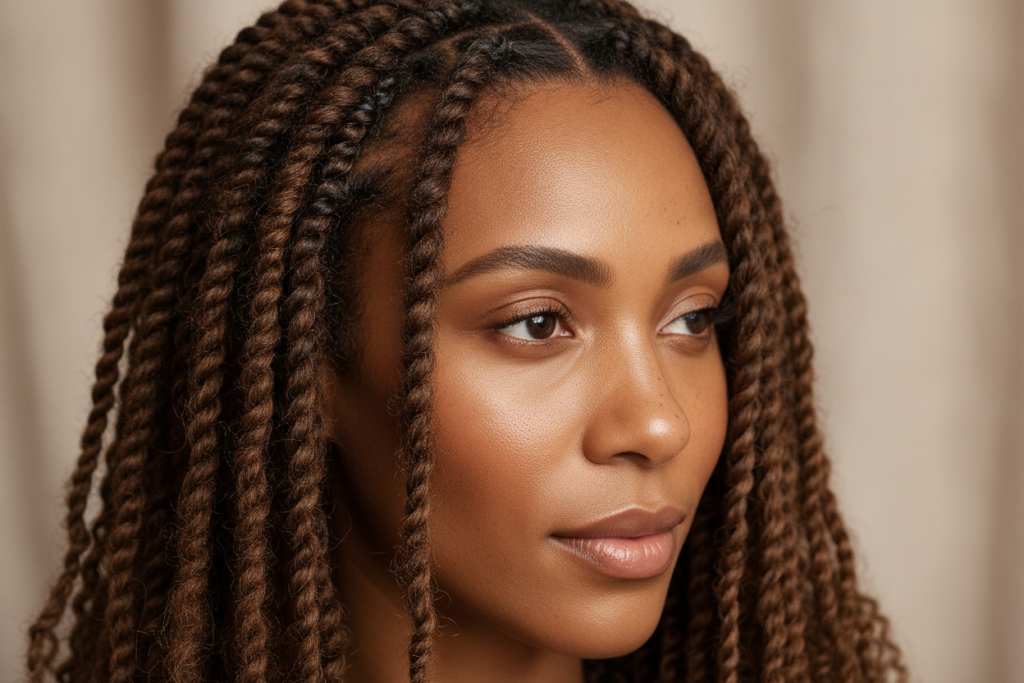
Protective styles can lower daily handling and shield ends from friction. Braids, twists, buns, and wraps may help hair retain length when they are installed and removed gently.
A style should never cause pain, bumps, headaches, or a pulling feeling. Tight extensions and repeated tension can cause traction alopecia. This type of hair loss may become difficult to reverse if tension continues.
Give your scalp breaks between styles. Keep the hairline loose, cleanse the scalp as needed, and avoid leaving a style in longer than your hair and scalp can tolerate.
Warning sign: Pain is not a normal part of a protective style. Loosen or remove the style if your scalp feels sore or tight.
Understand Coconut Oil and Rosemary Oil
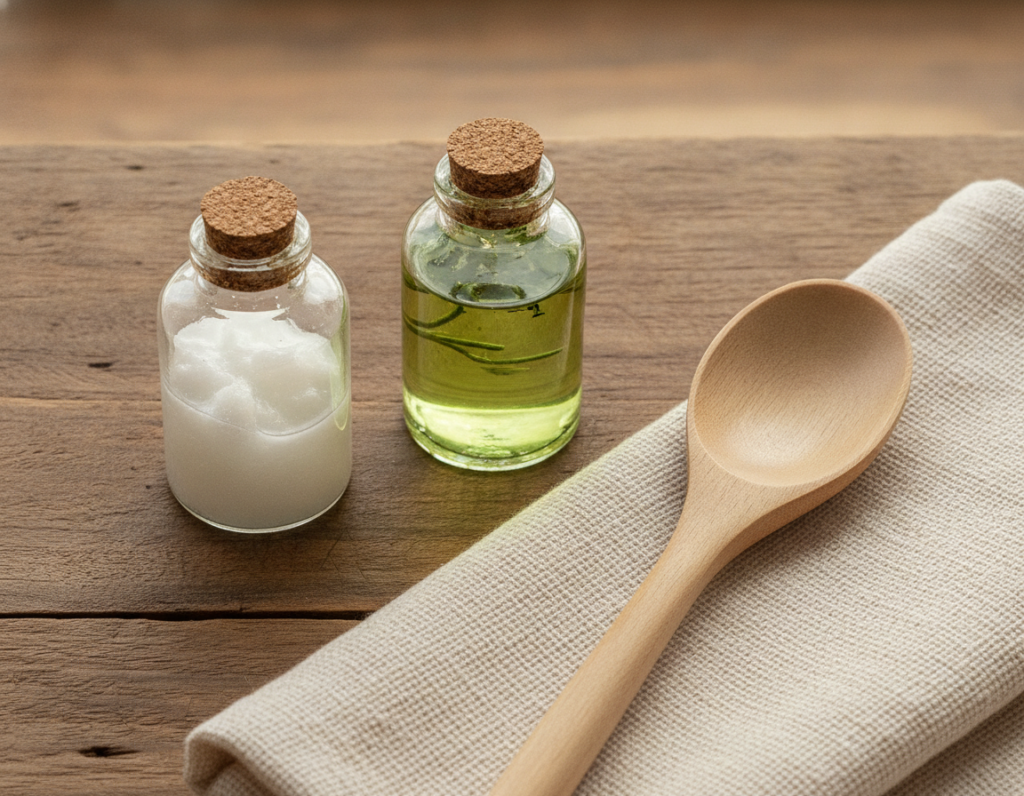
Coconut oil may reduce protein loss from some hair fibers. That can make strands feel smoother and less brittle. It does not prove that coconut oil can regrow hair from damaged or inactive follicles.
Rosemary oil has received attention because a small study compared it with a common topical treatment. The evidence is limited, and essential oils can irritate the scalp when used too strongly.
Never apply undiluted rosemary oil directly to the scalp. Dilute it in a suitable carrier oil, patch test first, and stop if burning or rash develops. Keep oils away from the eyes and out of reach of children and pets.
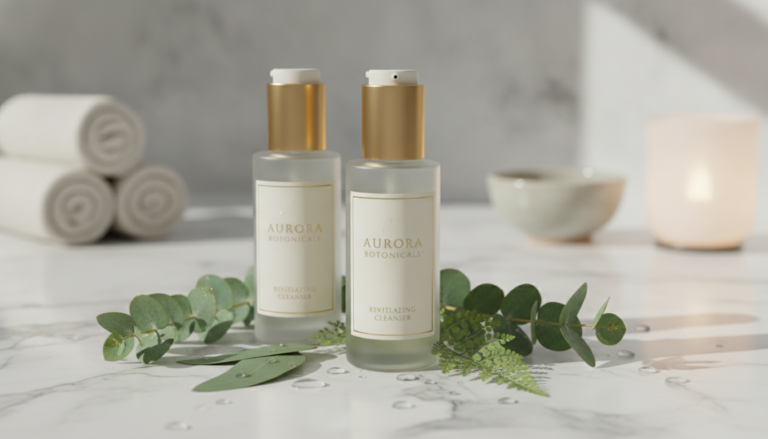
Compare a routine-friendly product
If you are considering an oil-based product, check the full ingredient list and follow the label. Choose comfort and consistency over dramatic claims.
Hair cells need energy, protein, vitamins, and minerals. A varied eating pattern may help support normal hair growth and overall health. Focus on foods rather than high-dose supplements unless a professional identifies a deficiency.
Include beans, eggs, fish, poultry, tofu, nuts, seeds, vegetables, fruit, and whole grains as appropriate for your needs. Iron, zinc, vitamin D, and protein are often discussed in hair loss research, but more is not always better.
Very restrictive diets, rapid weight loss, and poor appetite can contribute to shedding. If shedding began after illness, major stress, or a large diet change, mention the timing to a qualified professional.
Be Careful With Hair Supplements
Supplements may help when a confirmed deficiency is causing hair loss. They may not help when your nutrient levels are already adequate. Some products can interact with medicines or affect lab tests.
Biotin is commonly marketed for hair growth, yet deficiency is uncommon in many people. High doses can interfere with certain blood tests. Tell your clinician about every supplement you use.
Do not combine several hair supplements without checking labels.
Look for transparent serving sizes and ingredient amounts.
Avoid products that promise guaranteed regrowth.
Ask about testing before taking iron or high-dose vitamins.
Hydration, Sleep, and Stress
Water does not directly force hair follicles to produce new strands. Still, hydration supports normal body functions and may help hair feel less dry when paired with suitable conditioning.
Sleep and stress care also matter. Ongoing stress can affect the hair cycle for some people, while poor sleep may make healthy routines harder to maintain. Try a regular bedtime, light movement, breathing exercises, or a short evening walk.
These habits are supportive, not standalone treatments. They may also improve skin, mood, and general health while you track changes in your hair.
Learn What May Cause Hair Loss
Hair loss can have many causes. Genetics, hormonal changes, thyroid conditions, autoimmune disease, scalp infection, medicines, stress, nutritional shortages, and tight styling can all play a role.
Pattern hair loss often develops gradually at the temples, part, or crown. Alopecia areata may cause smooth round patches. Scarring alopecia can damage hair follicles permanently and needs prompt assessment.
Sudden shedding, rapidly widening parts, painful areas, pus, heavy scaling, or eyebrow loss deserves professional attention. Finding the cause is more useful than trying many remedies at once.
Common Mistakes That Can Damage Hair
Too Much Tension
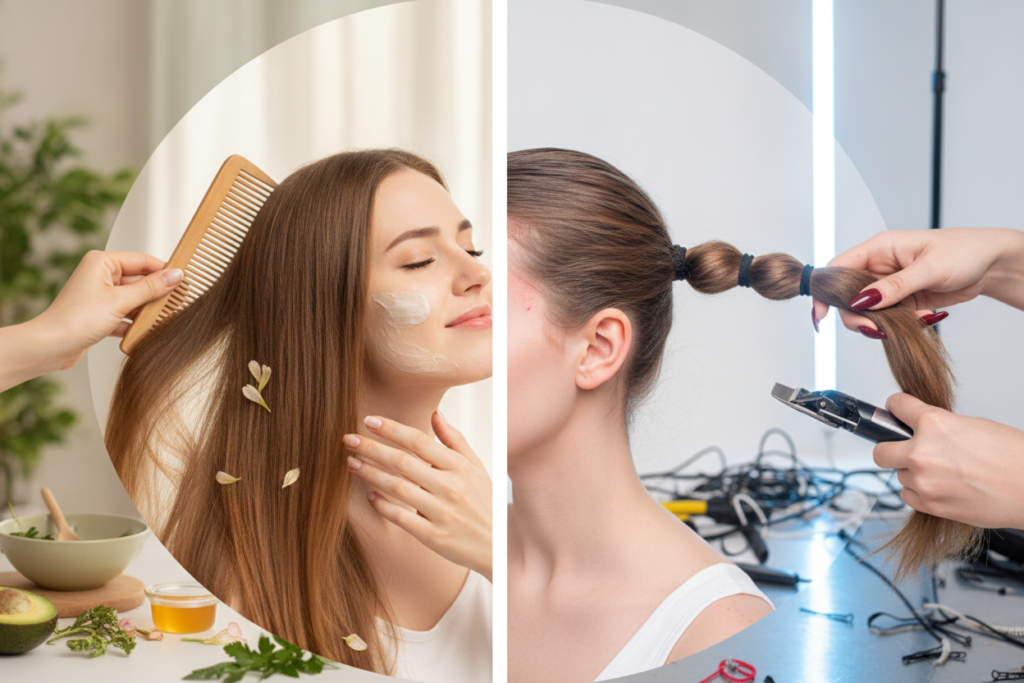
Frequent tight ponytails, braids, and extensions can stress the hairline and may cause hair loss over time.
Choose loose styles.
Rotate your part.
Take breaks.
Too Much Heat
High heat can weaken the cuticle and increase split ends. Repeated damage makes it harder to retain growth.
Lower the setting.
Use protection.
Air-dry when practical.
Too Many Products
Layering oils, gels, and treatments can create buildup or irritation. A simpler routine is easier to assess.
Add one product at a time.
Patch test first.
Track reactions.
A Simple Four-Week Routine Plan
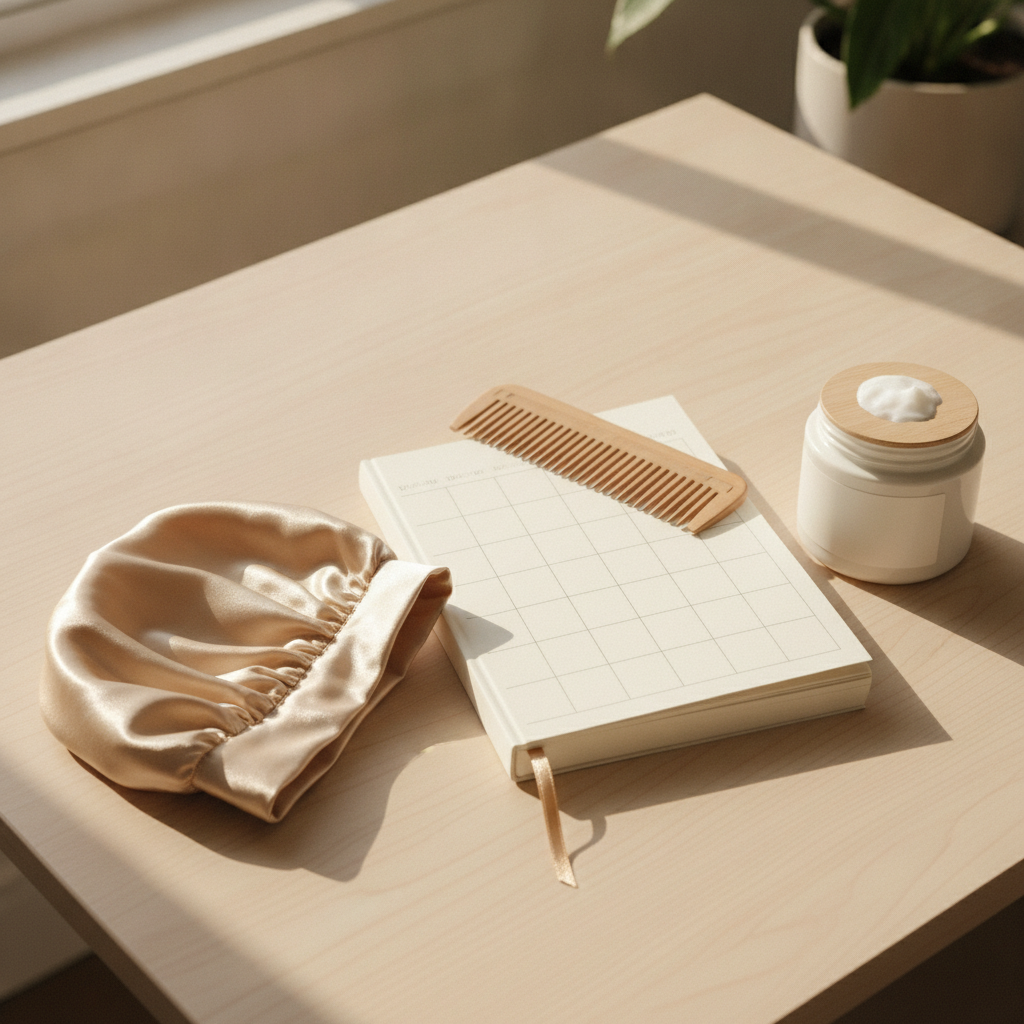
Start with a routine you can repeat. Take a baseline photo in similar lighting and note your part, hairline, scalp comfort, and shedding. Avoid judging results every day.
Week one: Choose a gentle shampoo, wash as needed, and remove tight styles.
Week two: Add careful detangling, conditioning, and a low-friction sleep routine.
Week three: Try a brief scalp massage if it feels comfortable. Do not press on irritated skin.
Week four: Review changes, product reactions, breakage, and shedding. Keep what helps and remove what does not.
Hair growth is slow, so four weeks may be too soon to see new length. The first goal is a calmer scalp and less breakage.
Use This Product-Checking Checklist
Online hair products vary widely. Before purchasing, slow down and look for information that helps you make a safe choice. A polished page is not proof that a treatment works.
Useful Signs
Clear ingredient list
Simple directions
Realistic language
Visible customer support
Transparent refund terms
Reasons to Pause
Guaranteed regrowth claims
Secret or hidden ingredients
Pressure to buy immediately
No safety guidance
Claims that replace medical care
Take the next step at your own pace
Use the checklist above before reviewing an optional hair-care offer. The best choice is one that fits your routine, budget, and scalp needs.
Home care is not enough for every type of hair loss. Make an appointment with a qualified dermatologist or healthcare professional if shedding is sudden, severe, patchy, or persistent.
Seek advice sooner if you have scalp pain, redness, sores, pus, thick scales, or signs of infection. A professional may review your history, examine the scalp, and order tests when needed.
Ask before using rosemary oil, prescription products, or supplements if you are pregnant, nursing, taking medicines, or managing a chronic condition. Safe treatment begins with the right cause.
Natural Hair Growth Tips: Common Questions
Can coconut oil promote hair growth?
Coconut oil may help reduce protein loss and breakage for some hair types. That may support length retention, but it is not proven to regrow hair from every cause of hair loss.
Does rosemary oil regrow hair?
Early research is limited. Rosemary oil may support a hair-care routine for some people, but it can irritate the scalp and should be diluted and patch tested.
How often should I massage my scalp?
A short, gentle scalp massage a few times per week may be comfortable for many people. Stop if massage causes pain, redness, or more irritation.
Can supplements prevent hair loss?
Supplements may help when a deficiency is present. They may not help when nutrition is already adequate, and high doses can create risks.
Save This Hair Growth Routine
For a Pinterest-friendly routine, save the steps that fit your needs: cleanse the scalp, handle hair gently, protect the ends, eat balanced meals, and watch for warning signs.
Return to your baseline photo after several weeks rather than checking daily. Look for less breakage, improved comfort, and better consistency. New growth can take longer to notice.
Choose Consistency Over Quick Claims
The most useful hair growth habits are often simple. Care for the scalp, reduce tension and heat, limit breakage, eat well, and be cautious with oils and supplements.
Research on natural remedies is mixed, and hair loss can have medical causes. If concerns continue, consult a qualified professional before starting a new treatment.
Use these tips as a steady starting point, not a guarantee. A gentle routine gives your hair and scalp the best chance to stay comfortable and healthy-looking.