Your skin reflects what you eat. Every morning presents a fresh opportunity to nourish your complexion from the inside out. The right breakfast choices can transform dull, tired skin into a radiant, glowing canvas.
Most people focus on expensive skincare products. They overlook the most powerful tool for beautiful skin. Your breakfast plate holds the secret to lasting skin health.
This guide reveals the exact foods that dermatologists recommend for glowing skin. You’ll discover simple breakfast ideas packed with skin-loving nutrients. These meals work with your body’s natural processes to enhance your natural beauty.
Ready to Transform Your Skin From Within?
Get your personalized skin nutrition plan designed by wellness experts. Discover exactly what to eat for your specific skin type and concerns.
Your skin regenerates while you sleep. Morning nutrition provides the building blocks for this renewal process. Without proper fuel, your skin struggles to repair and maintain its protective barrier.
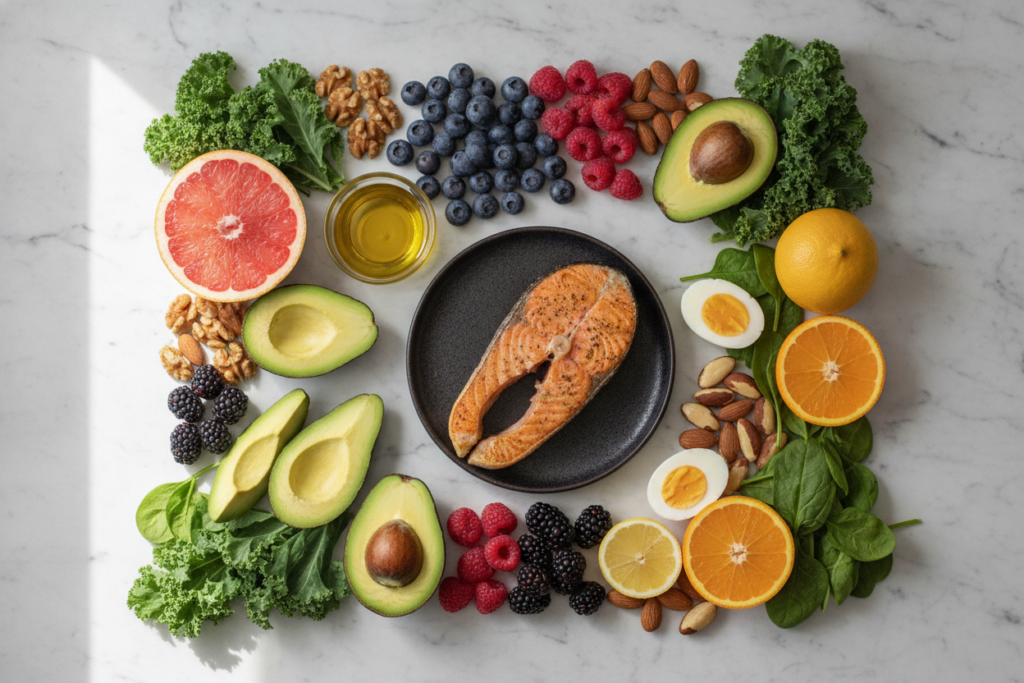
Research shows that diet directly impacts skin conditions. A Mediterranean diet rich in healthy fats and antioxidants reduces inflammation. This dietary pattern supports gut health, which connects directly to skin appearance.
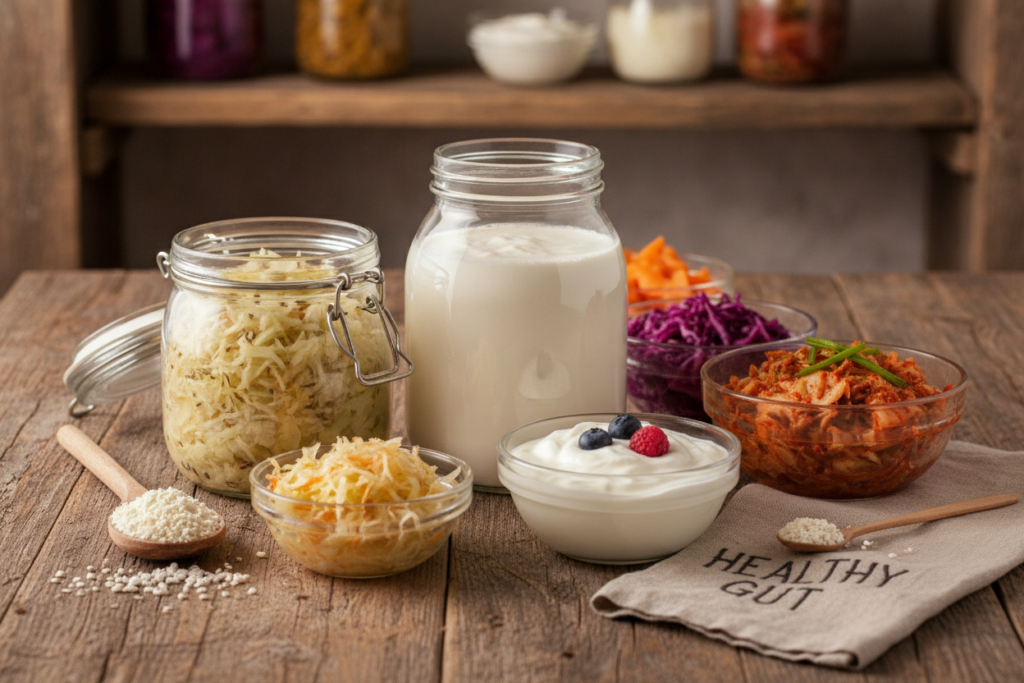
Your gut microbiome influences skin health significantly. Fermented foods at breakfast feed beneficial bacteria. These microorganisms help control inflammation and support clear skin.
Blood sugar control matters too. High-sugar breakfasts spike insulin levels. This triggers inflammation and excess oil production, leading to acne breakouts.
Essential Nutrients Your Skin Needs Every Morning
Omega-3 Fatty Acids
Omega-3 fatty acids reduce inflammation throughout your body. They strengthen skin cell membranes and help retain moisture. These healthy fats protect against sun damage and support skin barrier function.
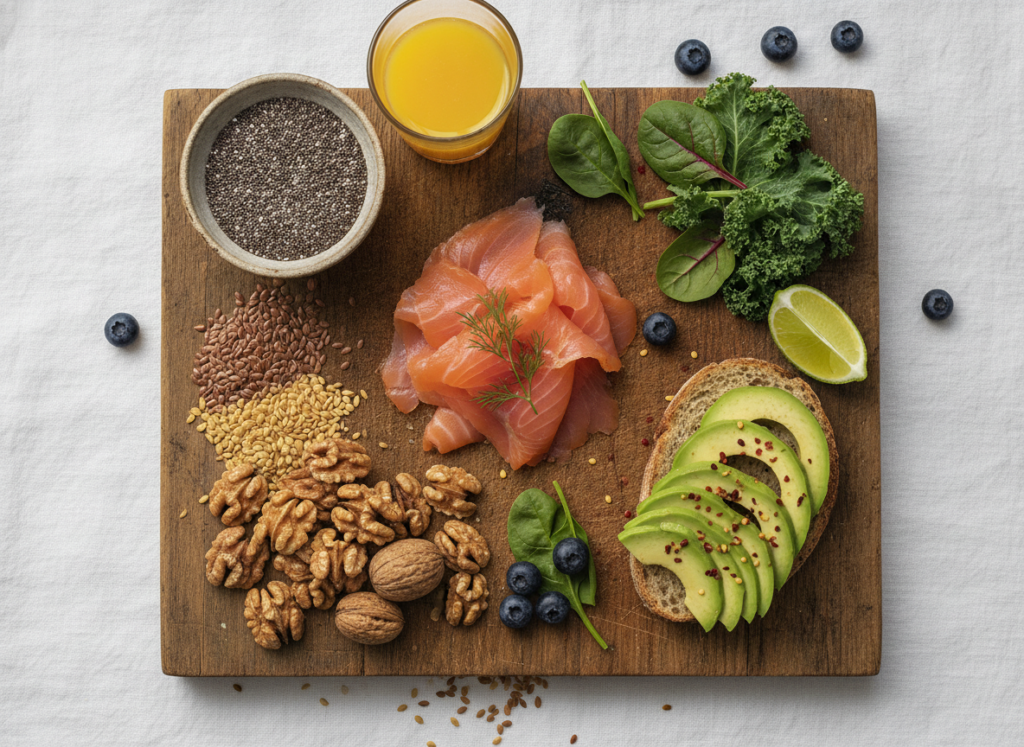
Fish like salmon provide the most bioavailable omega-3 fatty acids. Chia seeds and walnuts offer plant-based alternatives. Adding these to breakfast improves skin texture within weeks.
Vitamin C and Antioxidants
Vitamin C builds collagen, the protein that keeps skin firm. Antioxidants fight free radicals that cause premature aging. These nutrients work together to protect and repair skin cells.
Berries contain powerful antioxidants called anthocyanins. Citrus fruits deliver vitamin C in its most absorbable form. Spinach provides both vitamins and protective plant compounds.
Skin-Boosting Vitamins
Essential vitamins protect and repair your skin daily.
Vitamin A repairs tissue and reduces acne
Vitamin C builds collagen and brightens skin
Vitamin E protects from oxidative damage
B vitamins support cell renewal and energy
Mineral Support
Key minerals maintain skin structure and function.
Zinc regulates oil production and healing
Selenium provides antioxidant protection
Iron delivers oxygen to skin cells
Copper supports collagen formation
Healthy Fats
Quality fats nourish skin from within.
Omega-3 fatty acids reduce inflammation
Monounsaturated fats maintain moisture
Essential fatty acids strengthen barriers
Fat-soluble vitamins absorb better with fats
Protein Power
Amino acids rebuild skin tissue constantly.
Collagen protein improves skin elasticity
Complete proteins provide all amino acids
Plant proteins offer fiber benefits
Protein stabilizes blood sugar levels
Protein for Skin Repair
Protein provides amino acids that build new skin cells. Eggs contain all essential amino acids in perfect ratios. Greek yogurt offers protein plus probiotics for gut health.
Collagen supplements have gained popularity recently. While dietary protein supports natural collagen production, specific amino acids may enhance this process. Quality matters more than quantity with protein sources.
Supercharge Your Skin Health
Access evidence-based supplement recommendations tailored for radiant skin. Learn which nutrients work best for your specific needs.
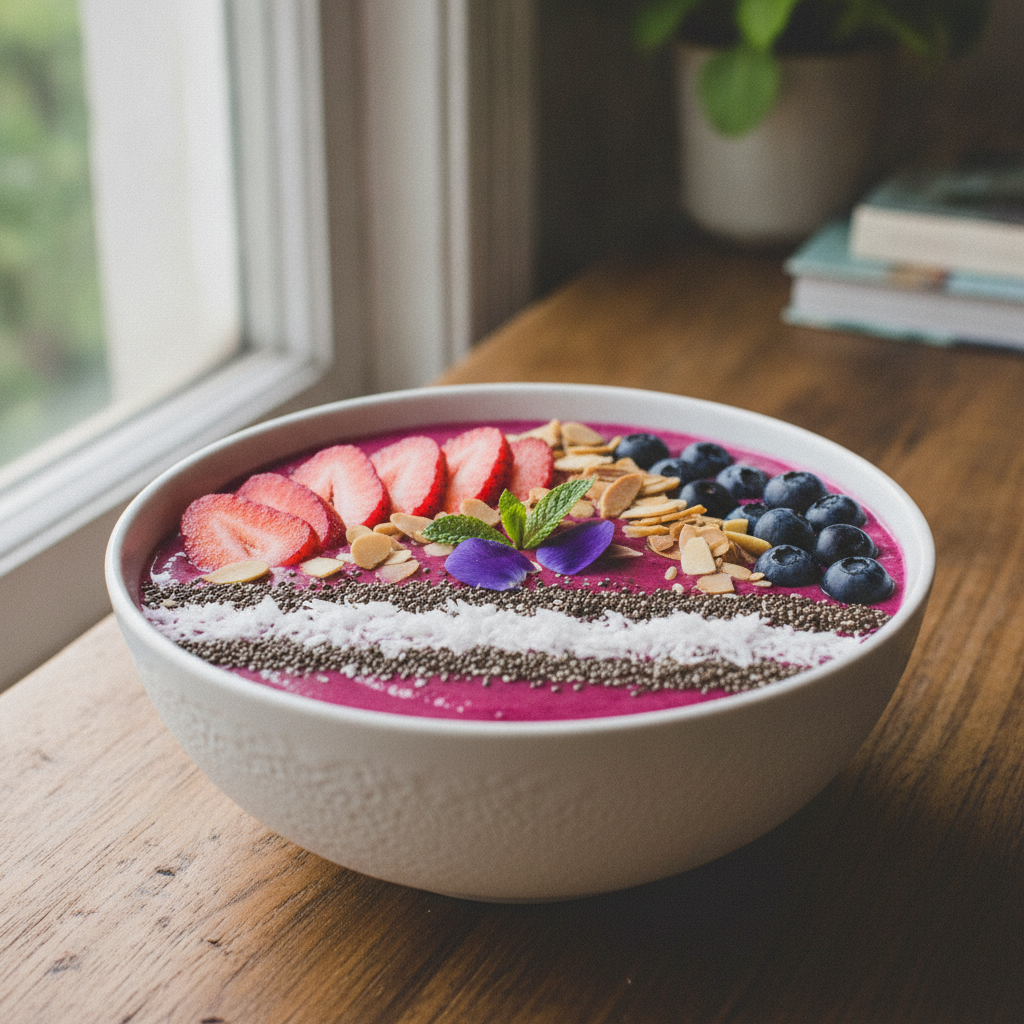
Blend frozen berries with Greek yogurt and almond milk. Top with walnuts, chia seeds, and fresh fruits. This combination delivers antioxidants, omega-3 fatty acids, and probiotics in one meal.
The vitamin C from berries enhances iron absorption from seeds. Healthy fats help absorb fat-soluble vitamins. This synergy maximizes nutrient benefits for your skin.
Avocado Toast with Smoked Salmon
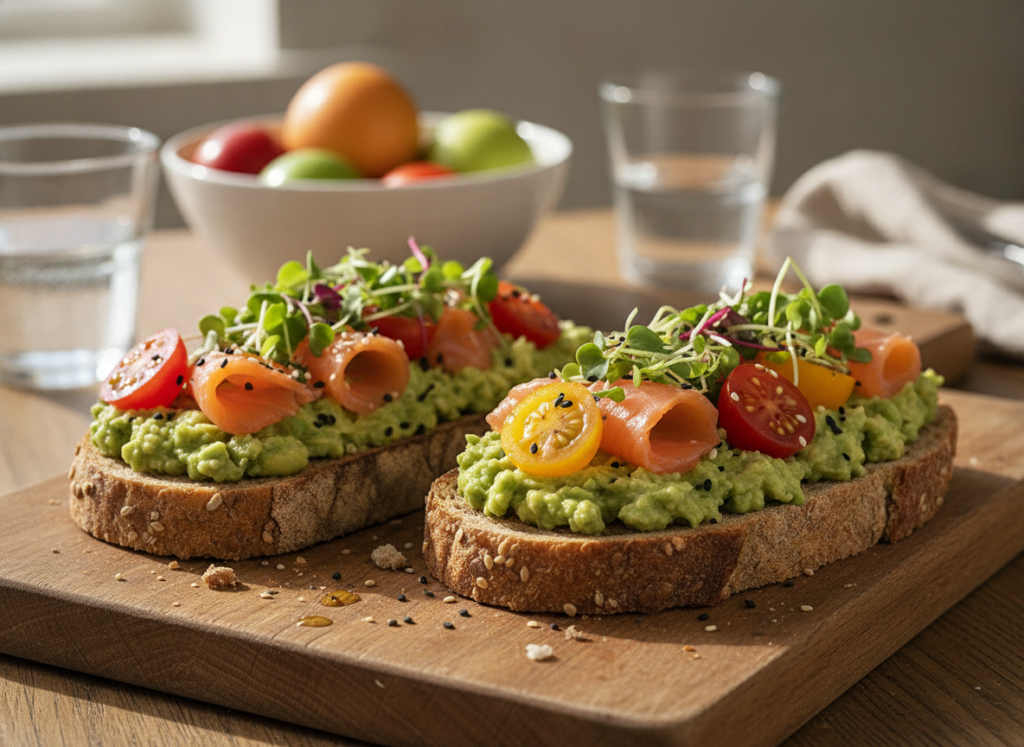
Whole grain bread provides B vitamins and fiber. Avocado adds monounsaturated fats and vitamin E. Salmon delivers omega-3 fatty acids and high-quality protein.
Add a poached egg on top for extra protein and biotin. Sprinkle with hemp seeds for additional nutrients. This breakfast supports skin barrier function and reduces inflammation.
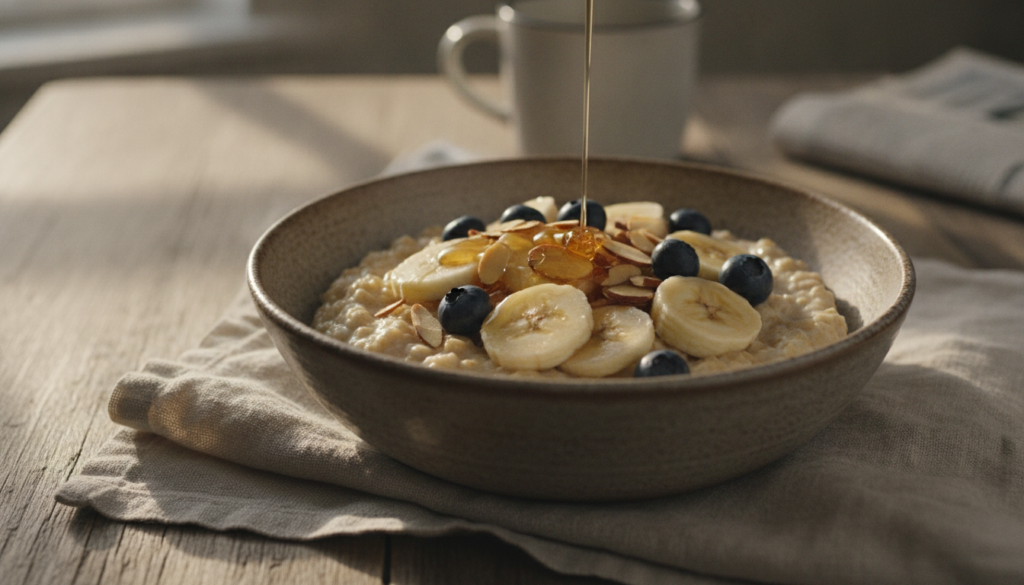
Oatmeal with Skin-Loving Toppings
Oats contain beta-glucan, which supports gut microbiome health. This fiber helps manage blood sugar levels throughout the morning. Steel-cut oats provide more nutrition than instant varieties.
Top with sliced almonds for vitamin E and magnesium. Add fresh berries for antioxidants and vitamin C. A drizzle of honey provides natural antimicrobial benefits.
Cinnamon helps regulate blood sugar and adds anti-inflammatory compounds. Ground flaxseed contributes omega-3 fatty acids and lignans. These additions transform simple oatmeal into a skin superfood.
Greek Yogurt Parfait
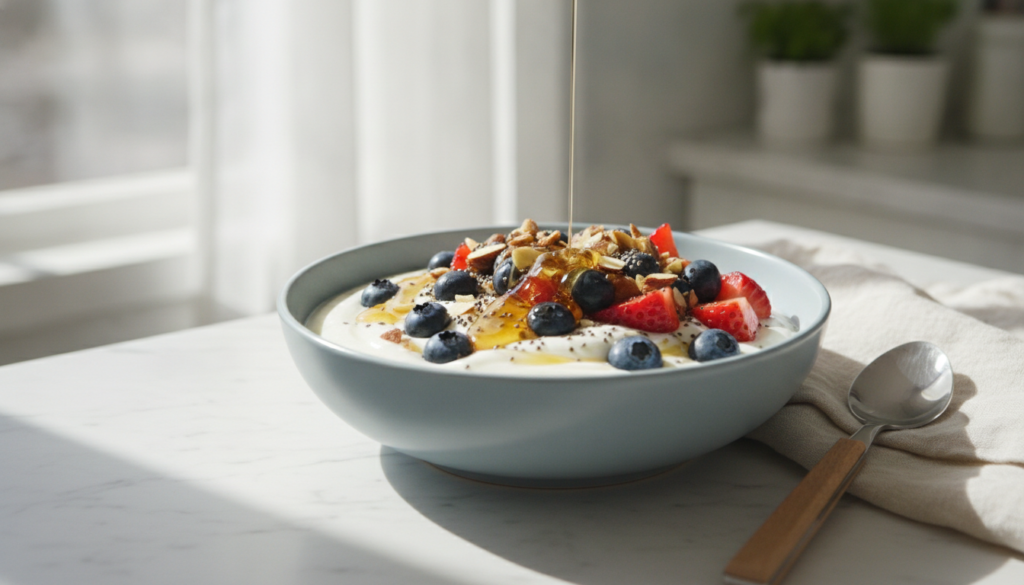
Greek yogurt contains probiotics that support gut health. A healthy gut microbiome reduces systemic inflammation. This connection between gut and skin shows in clearer complexion.
Layer yogurt with mixed berries and granola. Add a tablespoon of chia seeds for omega-3 fatty acids. Include a handful of spinach in a morning smoothie for extra nutrients.
Rich in omega-3 fatty acids that reduce inflammation and support skin moisture. Contains astaxanthin, a powerful antioxidant that protects against sun damage.
High in protein for skin repair
Provides vitamin D for cell growth
Supports collagen production naturally
Blueberries
Packed with antioxidants that fight free radical damage. These berries contain vitamins C and K for skin healing and protection.
Prevents premature aging signs
Supports collagen synthesis
Reduces inflammation markers
Walnuts
Excellent source of omega-3 fatty acids and vitamin E. These nuts balance omega-3 to omega-6 ratio, reducing skin inflammation.
Strengthens skin barriers
Provides zinc for healing
Contains skin-protective selenium
Spinach
Loaded with vitamins A, C, and E for comprehensive skin protection. Contains iron and folate for healthy cell production.
Boosts collagen production
Protects from oxidative stress
Supports skin cell renewal
Avocados
Rich in healthy fats and vitamin E that moisturize skin from within. Biotin content supports skin cell regeneration.
Maintains skin elasticity
Protects against UV damage
Provides essential fatty acids
Eggs
Complete protein source with all essential amino acids. Rich in biotin, selenium, and vitamins A and D for skin health.
Supports tissue repair
Provides lutein for hydration
Contains skin-healing zinc
More Skin Superfoods
Citrus Fruits
Oranges, grapefruits, and lemons deliver vitamin C for collagen synthesis. These fruits also provide bioflavonoids that strengthen blood vessels. Better circulation means healthier, more radiant skin.
Almonds
These nuts offer vitamin E, a fat-soluble antioxidant that protects cell membranes. Almonds also contain healthy fats that help absorb other vitamins. Their protein content supports skin structure.
Sweet Potatoes
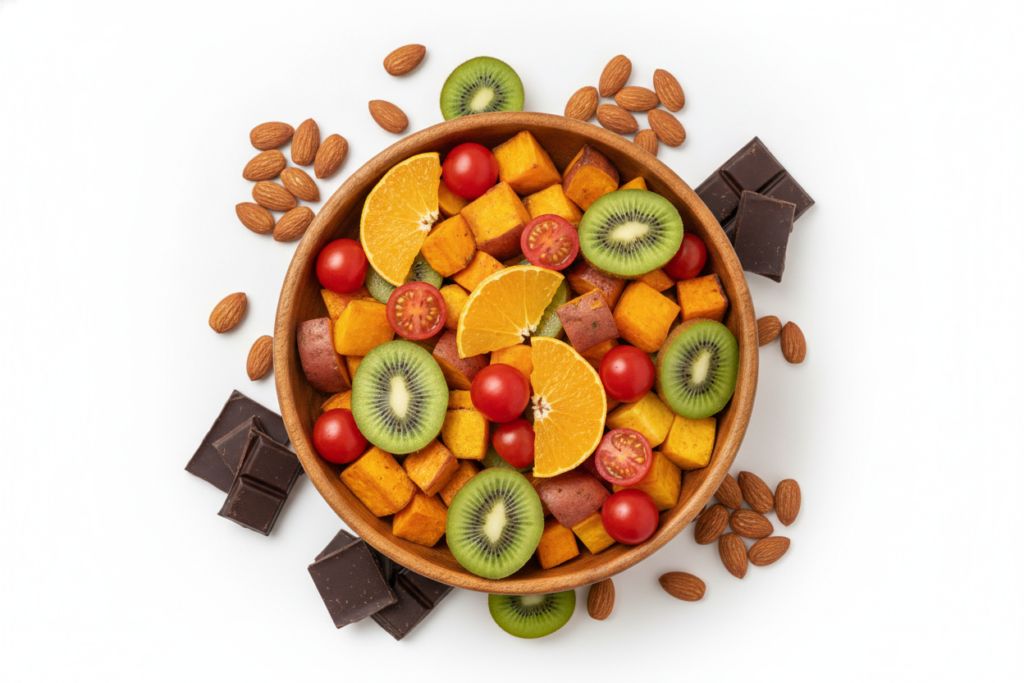
Beta-carotene converts to vitamin A in your body. This nutrient acts as a natural sunblock and promotes cell turnover. The orange pigment also gives skin a healthy glow.
Tomatoes
Lycopene protects skin from sun damage and improves texture. Cooking tomatoes increases lycopene availability. Pair with olive oil for better absorption of this powerful antioxidant.
Greek Yogurt
Probiotics in fermented foods support gut microbiome balance. A healthy gut reduces systemic inflammation and skin conditions like acne and eczema. Protein content aids skin repair.
Chia Seeds
These tiny seeds pack omega-3 fatty acids and fiber. They help stabilize blood sugar and reduce inflammation. Chia seeds also contain zinc, which regulates oil production.
Green Tea
Catechins in green tea reduce inflammation and protect against sun damage. This beverage improves skin hydration and elasticity. Drink it with breakfast for maximum benefits.
Bell Peppers
Red and yellow peppers contain more vitamin C than oranges. They also provide beta-carotene and numerous antioxidants. These nutrients work together to prevent wrinkles and support collagen.
Kiwi
This fruit delivers exceptional vitamin C levels for collagen production. It also contains vitamin E and antioxidants that work synergistically. The fiber content supports digestive health.
Dark Chocolate
High-cocoa chocolate provides flavonoids that improve skin hydration and thickness. These compounds protect against sun damage and increase blood flow. Choose varieties with at least 70% cocoa.
Need a Complete Meal Plan?
Get a comprehensive 90-day meal plan designed specifically for glowing skin. Includes recipes, shopping lists, and expert nutrition guidance.
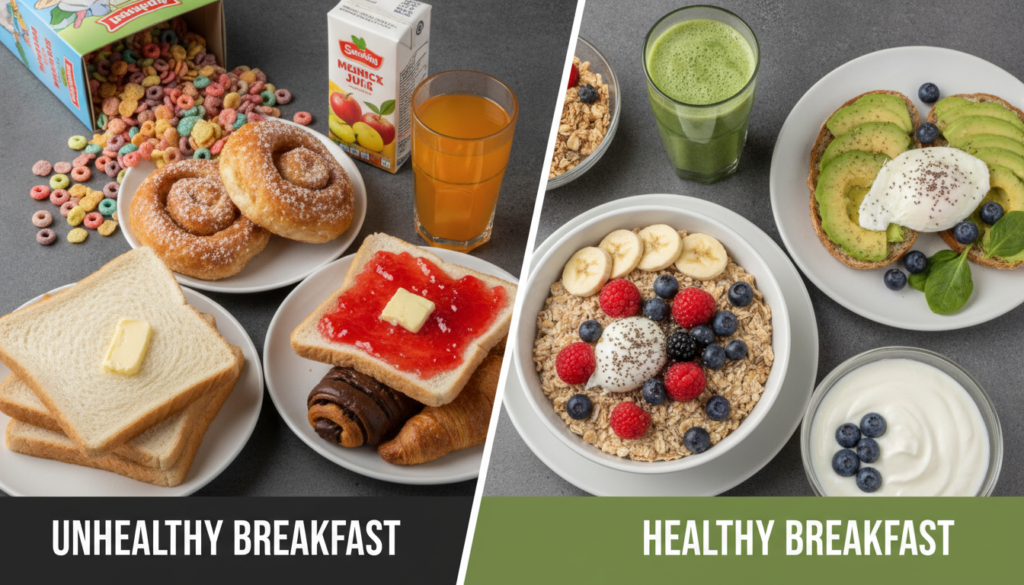
Some breakfast choices trigger inflammation and worsen skin conditions. Understanding what to avoid helps you make better decisions for your complexion.
High-Sugar Foods
Sugar spikes blood sugar levels rapidly. This triggers an insulin response that increases inflammation. High sugar intake also damages collagen through a process called glycation.
Sweetened cereals, pastries, and flavored yogurts contain hidden sugars. These foods lead to acne breakouts and accelerated aging. Choose whole foods with natural sweetness instead.
Refined Carbohydrates
White bread, bagels, and processed cereals act like sugar in your body. They cause blood sugar spikes that promote inflammation. This dietary pattern correlates with increased acne severity.
Replace refined grains with whole grain alternatives. Oats, quinoa, and whole wheat provide fiber that stabilizes blood sugar. These complex carbohydrates support skin health better.
Dairy Considerations
Some people find that dairy worsens acne. Milk contains hormones that may trigger breakouts. Individual responses vary significantly with dairy consumption.
If you suspect dairy affects your skin, try elimination for 30 days. Choose fermented options like Greek yogurt if you tolerate them better. Plant-based milk alternatives work well too.
Skin-Friendly Choices
Whole grains for steady energy
Fresh fruits for natural sweetness
Nuts and seeds for healthy fats
Fermented foods for gut health
Lean proteins for cell repair
Green tea for antioxidants
Foods to Limit
Refined sugar in all forms
White bread and pastries
Processed breakfast cereals
Fried foods and trans fats
Excessive dairy if sensitive
High-sodium processed meats
The Gut-Skin Connection
Your gut microbiome directly influences skin health. The gut-skin axis describes this bidirectional communication. Beneficial bacteria reduce inflammation that manifests as skin problems.
Fermented foods introduce healthy probiotics to your digestive system. Yogurt, kefir, and sauerkraut contain live cultures. These microorganisms support gut health and improve skin conditions like acne, eczema, and rosacea.
Prebiotics Feed Your Microbiome
Fiber-rich foods feed beneficial gut bacteria. Oats, bananas, and flaxseeds provide prebiotic fiber. This nutrition helps good bacteria thrive and produce skin-protective compounds.
A diverse diet creates a diverse microbiome. Eating various plant foods supports different bacterial species. This diversity strengthens your immune system and reduces skin inflammation.
Inflammation and Skin Conditions
Chronic inflammation triggers many skin conditions. An imbalanced gut microbiome promotes systemic inflammation. This shows up as acne, eczema, psoriasis, and premature aging.
Anti-inflammatory foods calm this response. Omega-3 fatty acids, antioxidants, and polyphenols reduce inflammatory markers. A Mediterranean diet pattern demonstrates strong anti-inflammatory effects.
Water makes up about 64% of your skin. Proper hydration maintains skin elasticity and flush toxins. Start your day with a glass of water before breakfast.
Dehydration shows quickly in your skin. Fine lines appear more prominent when cells lack moisture. Drinking adequate water throughout the day keeps skin plump and radiant.
When to Eat Matters
Eating breakfast within an hour of waking supports metabolism. This timing stabilizes blood sugar levels for the day. Stable blood sugar means less inflammation and fewer breakouts.
Intermittent fasting may benefit some people’s skin. This eating pattern reduces inflammation markers in some studies. However, individual responses vary significantly with fasting protocols.
Consistent meal timing supports your circadian rhythm. Your skin cells have their own biological clock. Regular eating patterns optimize these cellular repair cycles.
7-Day Breakfast Plan for Glowing Skin
Monday – Wednesday
Monday: Berry smoothie bowl with walnuts and chia seeds
Tuesday: Avocado toast with poached eggs and smoked salmon
Wednesday: Greek yogurt parfait with mixed berries and almonds
Thursday – Saturday
Thursday: Steel-cut oatmeal with banana and flaxseed
Friday: Spinach omelet with whole grain toast
Saturday: Chia seed pudding with fresh kiwi and coconut
Sunday & Tips
Sunday: Whole grain pancakes with berry compote
Prep ingredients the night before for easier mornings
Rotate recipes to ensure nutrient diversity
This plan provides variety while maintaining skin nutrition priorities. Each breakfast includes protein, healthy fats, and antioxidants. You can swap similar foods based on preferences.
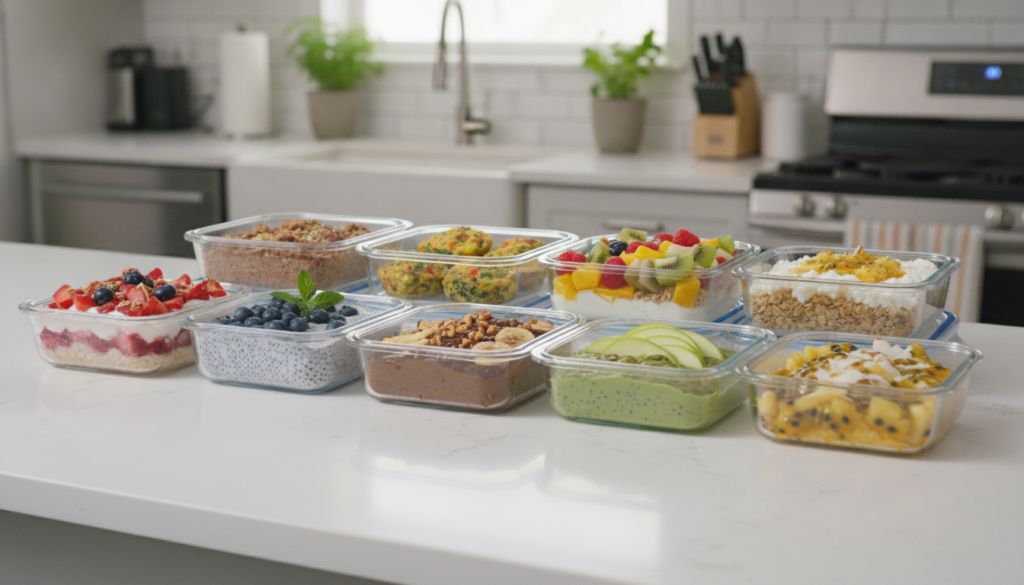
Meal prep saves time during busy mornings. Prepare overnight oats or chia pudding in advance. Cook extra eggs or prepare smoothie bags for quick blending.
Transform Your Entire Wellness Routine
Access a complete skin wellness system with meal plans, exercise routines, and skincare protocols designed by health professionals.
Nutrition works best alongside other healthy habits. Sleep, stress management, and exercise amplify the benefits of a skin-healthy diet. These factors work synergistically for optimal results.
Sleep Quality Matters
Your skin repairs itself during deep sleep. Growth hormone peaks at night, triggering cell regeneration. Poor sleep disrupts these processes and accelerates aging.
Aim for seven to nine hours of quality sleep nightly. Establish a consistent sleep schedule to optimize your circadian rhythm. Your breakfast choices can support better sleep too.
Stress and Cortisol
Chronic stress elevates cortisol levels. High cortisol increases inflammation and breaks down collagen. It also triggers oil production that leads to acne.
Stress management techniques protect your skin. Meditation, yoga, and deep breathing reduce cortisol. Regular practice shows visible improvements in skin clarity.
Exercise and Circulation
Physical activity increases blood flow to skin cells. This delivers oxygen and nutrients while removing waste products. Exercise also reduces stress hormones that damage skin.
Morning movement before or after breakfast enhances benefits. Even a brief walk improves circulation. Sweating helps clear pores, though always cleanse skin after exercise.
Important Note: While a healthy breakfast significantly improves skin health, results take time. Most people notice changes within 4-6 weeks of consistent nutrition improvements. Be patient and maintain your healthy eating pattern.
Tracking Your Skin Transformation
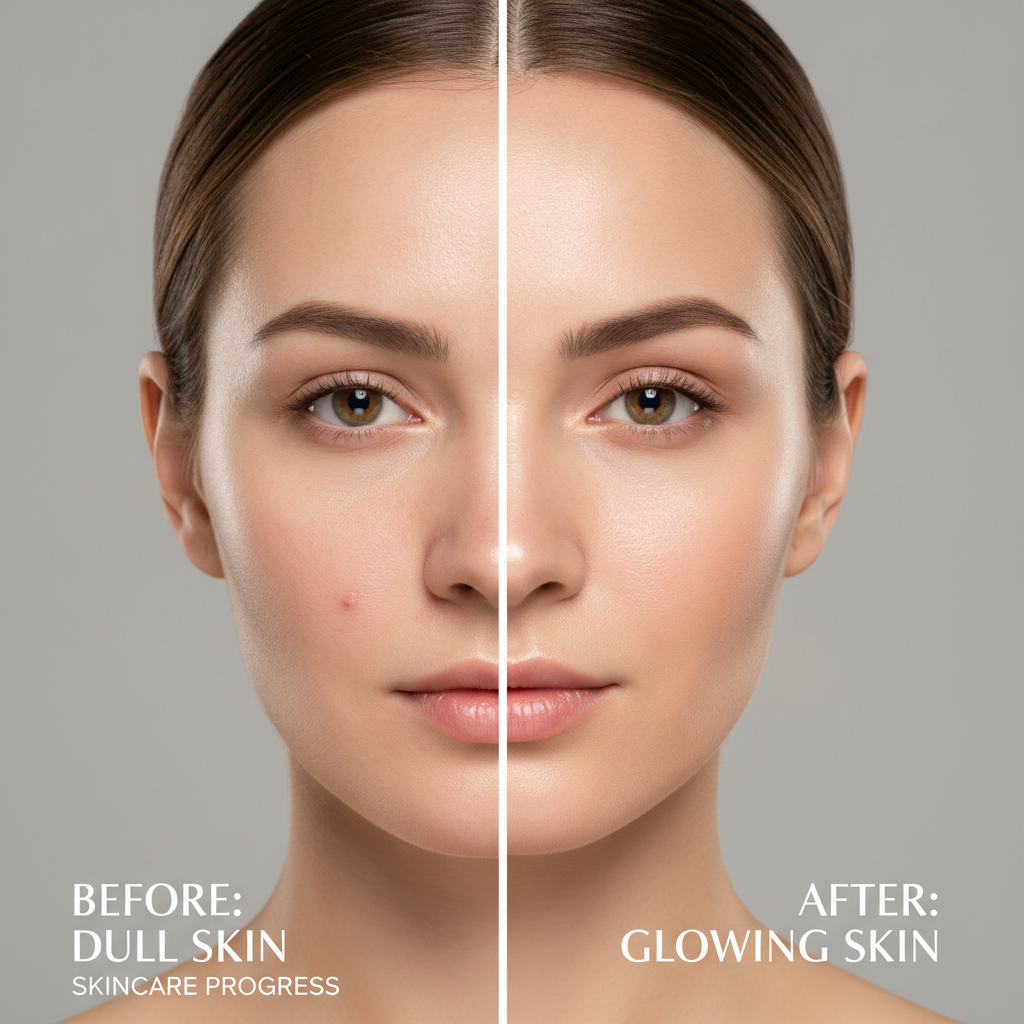
Monitor your progress to stay motivated. Take photos in consistent lighting every two weeks. Notice changes in skin texture, tone, and clarity over time.
Keep a food and skin journal. Note which foods correlate with improvements or breakouts. This helps identify personal triggers and beneficial foods for your unique biology.
Track other metrics beyond appearance. Notice energy levels, digestion, and mood. These factors interconnect with skin health and overall wellness.
How long before I see results from dietary changes?
Most people notice initial improvements within 2-3 weeks of consistent healthy eating. Significant changes typically appear after 4-6 weeks. Skin cell turnover takes about 28 days, so patience is essential. Continue your healthy breakfast routine for at least 90 days for maximum benefits.
Can diet alone clear acne?
Diet significantly impacts acne but may not eliminate it completely for everyone. Reducing sugar, dairy, and processed foods helps many people. Combining nutrition changes with proper skincare and stress management yields best results. Severe acne may require medical treatment alongside dietary improvements.
What if I don’t have time for elaborate breakfasts?
Simple options work perfectly well. Greek yogurt with berries takes two minutes. Overnight oats require no morning preparation. A banana with almond butter provides quick nutrition. Focus on whole foods rather than complicated recipes for sustainable habits.
Should I take supplements for skin health?
Whole foods provide nutrients in their most bioavailable forms. However, targeted supplements may help with specific deficiencies. Omega-3 fish oil, vitamin D, and probiotics commonly benefit skin. Consult a healthcare provider before starting any supplement regimen.
How much water should I drink daily?
Aim for eight glasses of water daily as a baseline. Individual needs vary based on activity level, climate, and body size. Your skin shows dehydration through dullness and fine lines. Drink more if you exercise or live in dry climates.
Your Path to Radiant Skin Starts Now
Your breakfast choices shape your skin’s appearance and health. Every morning offers a fresh opportunity to nourish your complexion from within. The foods you choose provide building blocks for radiant, healthy skin.
Start with small, sustainable changes. Add one skin-boosting food to your breakfast this week. Replace one processed item with a whole food alternative. These incremental improvements create lasting results.
Remember that consistency matters more than perfection. Focus on progress rather than flawless execution. Your skin reflects your overall health, and healthy eating becomes easier with practice.
The connection between nutrition and skin health is undeniable. Scientific research continues to reveal how food affects our appearance. By choosing nutrient-dense breakfasts, you invest in both current and future skin health.
Take action today to transform your skin from the inside out. Your morning meal sets the tone for your entire day and your long-term skin health journey.
Ready to Achieve Your Best Skin Ever?
Join thousands who have transformed their skin through proper nutrition. Get instant access to expert-designed programs that deliver real results.