Healthy Glowing Skin: Complete Guide to Radiant Beauty
Your skin tells a story. It reflects your lifestyle, diet, and self-care habits. Achieving healthy glowing skin isn’t about expensive treatments or complicated routines. It starts with understanding what your skin truly needs.
Many people struggle with dull, tired-looking skin. They try countless products without seeing real results. The secret lies in addressing skin health from multiple angles.
This comprehensive guide reveals science-backed strategies for transforming your complexion. You’ll discover nutrition secrets, skincare fundamentals, and lifestyle adjustments that create lasting change. These proven methods work with your body’s natural processes.
Every recommendation in this article is designed for real-world application. Whether you’re dealing with acne, uneven tone, or simple dullness, these strategies provide solutions. Your journey to radiant skin starts right here.
Understanding Your Skin Health Foundations
Your skin is your body’s largest organ. It serves as a protective barrier against environmental damage. Understanding how skin functions helps you make better care decisions.
The epidermis forms the outer protective layer. Below it, the dermis contains collagen and elastin. These proteins give skin its structure and elasticity.
Healthy skin maintains proper hydration levels. It produces natural oils that keep skin soft. When this balance is disrupted, problems like dryness or excess oil appear.
Your skin constantly renews itself. Dead cells shed while new ones form beneath. This process takes approximately 28 days in healthy skin.
Several factors affect skin health. Genetics play a role you cannot control. However, lifestyle choices make a significant difference.
Key Factors Affecting Skin Appearance
Internal Factors
Hormone levels and fluctuations
Blood circulation and oxygen delivery
Nutrient absorption from diet
Hydration status throughout body
Sleep quality and duration
Stress levels and cortisol production
External Factors
Sun exposure and UV damage
Environmental pollution and toxins
Skincare product choices
Climate and humidity levels
Water quality for cleansing
Makeup and cosmetic use
Free radicals cause oxidative stress in skin. These unstable molecules damage cells and accelerate aging. Antioxidants neutralize free radicals and protect skin.
Inflammation triggers many skin conditions. Chronic inflammation leads to redness, acne, and premature aging. Managing inflammation is crucial for healthy skin.
Transform Your Skin From Within
Discover a proven system that addresses the root causes of dull skin. This comprehensive approach combines nutrition, supplementation, and lifestyle strategies for visible results.
What you eat directly impacts your skin appearance. Certain foods promote skin health while others trigger problems. A skin-friendly diet includes specific nutrients in optimal amounts.
Your diet provides building blocks for skin repair. Collagen production depends on adequate protein intake. Vitamins and minerals support various skin functions.
Powerful Skin-Boosting Nutrients
Vitamin C is a powerful antioxidant for skin. It protects against free radicals and supports collagen synthesis. Citrus fruits, berries, and peppers are excellent sources.
Vitamin E works synergistically with vitamin C. This fat-soluble vitamin protects cell membranes. Almonds, sunflower seeds, and avocados provide abundant vitamin E.
Daily Vitamin E Goal: Aim for 15mg daily from food sources. Just one ounce of almonds provides about 7mg, nearly half your daily requirement for this powerful antioxidant.
Fatty acids are essential for healthy skin. Omega-3 fatty acids reduce inflammation and support skin barrier function. Fatty fish like salmon provide abundant omega-3s.
Your body cannot produce omega-3 fatty acids. You must obtain them through diet or supplements. These fats keep skin supple and moisturized.
Zinc for Clear Skin
Zinc plays a critical role in healing and reducing inflammation. It helps regulate oil production and fights acne-causing bacteria. Oysters, pumpkin seeds, and beef are zinc-rich foods.
Many people with acne have lower zinc levels. Supplementing zinc may help reduce breakouts and improve skin conditions. Aim for 8-11mg daily from food sources.
Vitamin A for Renewal
Vitamin A supports skin cell production and renewal. It helps normalize skin function and reduce excess oil. Sweet potatoes, carrots, and leafy greens provide beta-carotene.
Your body converts beta-carotene into vitamin A. This nutrient is crucial for maintaining healthy skin tissue. Both topical and dietary vitamin A benefit skin appearance.
Foods That Promote Radiant Skin
Berries are packed with antioxidants. Blueberries, strawberries, and blackberries fight free radicals. These fruits also provide vitamin C for collagen production.
Dark leafy greens deliver multiple skin benefits. Spinach, kale, and Swiss chard contain vitamins A, C, and E. They also provide minerals that support skin health.
Avocados provide healthy fats and vitamin E. These nutrients keep skin moisturized and protected. The fats in avocados help absorb other fat-soluble vitamins.
Nuts and seeds offer concentrated nutrition. Walnuts provide omega-3 fatty acids. Sunflower seeds deliver vitamin E. Pumpkin seeds supply zinc for healing.
Green Tea Benefits
Green tea contains powerful antioxidants called catechins. These compounds reduce inflammation and protect against sun damage. Drinking green tea may help improve skin elasticity and hydration.
Tomatoes for Protection
Tomatoes are rich in lycopene, a carotenoid that protects skin from sun damage. Cooked tomatoes provide more bioavailable lycopene. Include tomato sauce and paste in your diet regularly.
Dark Chocolate Power
High-quality dark chocolate contains flavonoids. These antioxidants improve blood flow to skin and increase hydration. Choose chocolate with at least 70% cocoa content for maximum benefits.
Optimize Your Nutrition for Glowing Skin
Access a complete nutritional program designed specifically for skin health. Learn which foods maximize collagen production and which supplements truly make a difference.
Sugar accelerates skin aging through glycation. This process damages collagen and elastin. High sugar intake also triggers inflammation and may worsen acne.
Refined carbohydrates have a similar effect as sugar. White bread, pasta, and baked goods spike blood sugar levels. These foods may increase oil production and inflammation.
Important: High-glycemic foods can trigger hormonal fluctuations that worsen acne and accelerate aging. Limiting these foods often produces noticeable skin improvements within 4-6 weeks.
Dairy products may trigger breakouts in some people. Milk contains hormones that can stimulate oil production. Consider reducing dairy if you experience persistent acne.
Processed foods often contain inflammatory ingredients. Trans fats, artificial additives, and preservatives stress your body. Choose whole, unprocessed foods whenever possible.
The Critical Role of Water and Hydration
Water is essential for healthy glowing skin. Your skin is approximately 64% water. Adequate hydration keeps skin plump and resilient.
Dehydration shows up quickly in your face. Dry, flaky patches appear first. Fine lines become more visible. Your skin loses its healthy glow.
Proper hydration supports skin barrier function. Water helps flush toxins from your body. It delivers nutrients to skin cells and removes waste products.
How Much Water Your Skin Needs
Most people need eight glasses of water per day. However, individual needs vary based on activity level and climate. Listen to your body’s thirst signals.
Your skin benefits from consistent hydration throughout the day. Drinking water sporadically is less effective. Make sure to sip water regularly rather than gulping large amounts.
Hydration Tip: Drink a glass of water first thing in the morning. This rehydrates your body after sleep and jumpstarts your skin’s natural detoxification processes.
Signs of Proper Hydration
Skin feels plump and elastic
Complexion appears even and bright
Minimal fine lines and wrinkles
Reduced appearance of dark circles
Skin recovers quickly from pinching
Natural, healthy glow present
Signs of Dehydration
Skin feels tight and uncomfortable
Flakiness and rough texture
Increased visibility of fine lines
Dull, lackluster complexion
Dark circles under eyes
Slow skin rebound after pinching
Hydrating Foods That Boost Skin Moisture
You can also hydrate through food choices. Many fruits and vegetables contain high water content. These foods provide hydration plus beneficial nutrients.
Cucumbers are 95% water. They also contain silica, which supports skin structure. Add cucumbers to salads or eat them as snacks.
Watermelon provides both hydration and lycopene. This refreshing fruit helps protect skin from sun damage. Enjoy watermelon during summer months especially.
Celery
Contains 95% water and provides minerals. The high water content helps keep skin hydrated from within. Celery also offers small amounts of vitamin K.
Strawberries
Contain 91% water plus vitamin C. They hydrate while providing antioxidants. The ellagic acid in strawberries protects against UV damage.
Zucchini
Offers 94% water content with vitamins. This versatile vegetable adds hydration to meals. It also provides potassium for healthy skin function.
Master Complete Skin Hydration
Learn advanced hydration strategies that go beyond just drinking water. Discover how to optimize cellular hydration for maximum skin benefits.
A consistent skincare routine is crucial for healthy glowing skin. You don’t need dozens of products. Focus on essential steps that address your skin’s needs.
The right routine works with your skin type. Oily skin requires different care than dry skin. Understanding your skin helps you choose effective products.
The Four Fundamental Steps
Step 1: Gentle Cleansing
Cleansing removes dirt, oil, and impurities. Choose a gentle cleanser that doesn’t strip natural oils. Harsh cleansers can damage your skin barrier.
Wash your face twice daily. Morning cleansing removes overnight oil buildup. Evening cleansing removes makeup, pollution, and daily grime.
Use lukewarm water for cleansing. Hot water can be too harsh and drying. Pat your face dry gently with a clean towel.
Step 2: Balancing Toner
Toner restores skin’s pH balance after cleansing. It also removes any remaining traces of impurities. Modern toners provide hydration and prepare skin for serums.
Look for alcohol-free formulas. Alcohol-based toners can be overly drying. Choose toners with hydrating ingredients like hyaluronic acid.
Apply toner immediately after cleansing. Pat it gently into skin with clean hands. Allow it to absorb before the next step.
Step 3: Targeted Treatment
Serums deliver concentrated active ingredients. These lightweight formulas penetrate deeply into skin. Choose serums based on your specific skin concerns.
Vitamin C serums brighten and protect. Retinol serums address aging concerns. Hyaluronic acid serums provide intense hydration.
Apply serums to clean, toned skin. Use a pea-sized amount for entire face. Allow full absorption before applying moisturizer.
Step 4: Moisturizing Protection
Moisturizer seals in hydration and protects skin. Even oily skin needs moisturizer. The key is choosing the right formula for your skin type.
Dry skin benefits from richer creams. Oily skin does better with lightweight lotions or gels. Combination skin may need different products for different areas.
Apply moisturizer while skin is slightly damp. This helps lock in hydration. Don’t forget your neck and décolletage area.
Pro Tip: Apply skincare products from thinnest to thickest consistency. This ensures each product absorbs properly and works effectively.
The Non-Negotiable: Sun Protection
Sunscreen is the most important anti-aging product. UV damage causes premature wrinkles, spots, and sagging. Daily sun protection is absolutely essential.
Use broad-spectrum SPF 30 or higher. Apply it as your last skincare step every morning. Reapply every two hours when spending time outdoors.
Many people don’t apply enough sunscreen. Use about a quarter teaspoon for your face. Don’t skip ears, neck, and hands.
Sun damage accumulates over time. Even incidental exposure adds up. Wearing sunscreen daily prevents most visible aging signs.
Choose a sunscreen you’ll actually use. If it feels uncomfortable, try different formulations. Mineral sunscreens work differently than chemical ones.
Perfect Your Skincare Routine
Get access to a comprehensive skincare system that includes product recommendations, application techniques, and routines for every skin type.
Oily skin produces excess sebum. Choose oil-free, non-comedogenic products. Avoid heavy creams that can clog pores.
Use gel or foam cleansers
Choose lightweight, oil-free moisturizers
Look for salicylic acid in treatments
Use blotting papers during the day
Dry Skin Care
Dry skin lacks sufficient moisture and oil. You need richer products that restore hydration. Focus on barrier repair.
Use cream or milk cleansers
Choose rich, emollient moisturizers
Look for ceramides and hyaluronic acid
Consider facial oils for extra nourishment
Combination Skin
Combination skin has both oily and dry areas. Your T-zone may be oily while cheeks are dry. Adjust products for different zones.
Use balanced, gentle cleansers
Apply lighter moisturizer on T-zone
Use richer cream on dry areas
Consider multi-masking treatments
Sensitive Skin
Sensitive skin reacts easily to products and conditions. Choose fragrance-free, gentle formulations. Patch test new products before full application.
Use fragrance-free, gentle cleansers
Avoid harsh exfoliants and actives
Look for calming ingredients like centella
Introduce new products slowly
Lifestyle Habits for Radiant Skin
Your daily habits profoundly impact skin health. Small lifestyle changes can produce dramatic improvements. Consistency matters more than perfection.
Sleep, stress, and exercise all affect your appearance. These factors influence hormone levels and inflammation. Optimizing lifestyle habits supports healthy glowing skin.
The Power of Quality Sleep
Your skin repairs itself during sleep. Cell regeneration peaks at night. Inadequate sleep disrupts these essential processes.
Most people need seven to nine hours of sleep. Poor sleep shows up as dark circles and dull skin. Lack of rest accelerates visible aging.
During deep sleep, blood flow to skin increases. This delivers oxygen and nutrients while removing toxins. Growth hormone production supports collagen synthesis.
Create a sleep-friendly environment. Keep your bedroom cool, dark, and quiet. Use blackout curtains and consider a white noise machine.
Establish a consistent sleep schedule. Going to bed and waking at the same times helps regulate your body clock. This improves sleep quality significantly.
Sleep Tip: Elevate your head slightly while sleeping. This reduces fluid accumulation around eyes and minimizes morning puffiness.
Managing Stress for Better Skin
Stress hormones wreak havoc on your skin. Cortisol increases oil production and inflammation. Chronic stress accelerates aging and triggers breakouts.
Many people notice more acne during stressful periods. Stress disrupts the skin barrier and impairs healing. Managing stress is crucial for clear skin.
Find stress-reduction techniques that work for you. Meditation, yoga, and deep breathing all help. Even brief daily practice produces benefits.
Stress-Reducing Activities
Regular meditation or mindfulness practice
Yoga or gentle stretching exercises
Time in nature and outdoor activities
Journaling or creative expression
Deep breathing exercises throughout day
Connecting with friends and loved ones
Exercise for Glowing Skin
Regular exercise boosts blood circulation. Increased blood flow delivers oxygen and nutrients to skin. This supports cellular health and creates natural radiance.
Exercise also helps reduce stress and improve sleep. Both factors directly benefit skin appearance. Physical activity promotes overall health that reflects in your complexion.
Sweating during exercise helps purge pores. This natural cleansing removes debris and bacteria. Just make sure to cleanse your face promptly after working out.
Aim for at least 30 minutes of moderate exercise most days. Walking, swimming, and cycling all benefit skin. Find activities you enjoy for better consistency.
Don’t forget to remove makeup before exercising. Makeup combined with sweat can clog pores. Always cleanse promptly after your workout.
Complete Lifestyle Transformation System
Access a holistic program that combines nutrition, skincare, and lifestyle modifications. Get personalized strategies for achieving your best skin ever.
Smoking severely damages skin health. It reduces blood flow and depletes oxygen. Smoking accelerates wrinkles and causes uneven skin tone.
The repetitive facial movements from smoking create lines around the mouth. Toxins in cigarette smoke generate free radicals. Quitting smoking is one of the best things you can do for your skin.
Excessive alcohol consumption dehydrates skin. It dilates blood vessels and causes redness. Alcohol also interferes with sleep quality.
Limit alcohol intake to moderate levels. When you do drink, alternate with water. This helps minimize dehydration effects on your skin.
Touching your face transfers bacteria and dirt. This habit can cause breakouts and irritation. Be mindful of keeping hands away from your face throughout the day.
Effective Natural Remedies for Healthy Glowing Skin
Natural remedies offer gentle, effective skin treatment options. Many ingredients in your kitchen have beneficial properties. These remedies work alongside your regular routine.
Natural treatments are generally safer for sensitive skin. They contain fewer irritating chemicals. However, always patch test new ingredients before full application.
Powerful Kitchen Ingredients
Honey for Healing and Hydration
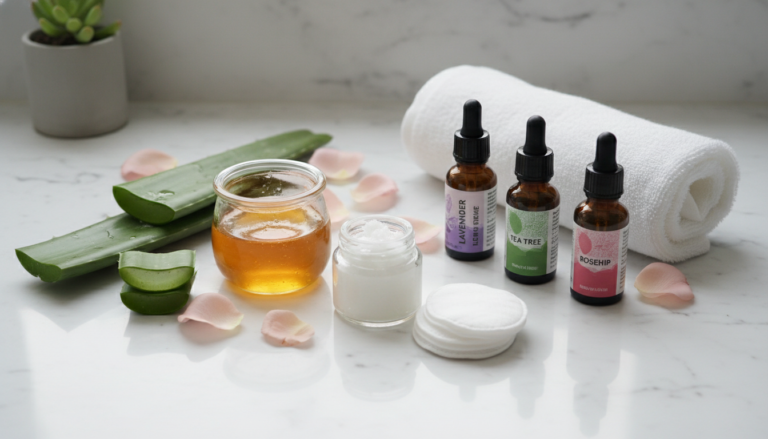
Honey has natural antibacterial properties. It helps fight acne-causing bacteria while soothing inflammation. Honey also attracts and retains moisture in skin.
Raw, unprocessed honey works best for skincare. Manuka honey offers especially potent healing benefits. Apply a thin layer as a mask and rinse after 15 minutes.
Honey can be mixed with other ingredients. Combine with yogurt for added exfoliation. Mix with cinnamon for enhanced antibacterial effects.
Aloe Vera for Soothing Relief
Aloe vera soothes irritated skin effectively. It reduces redness and inflammation quickly. The gel contains vitamins and minerals that support healing.
Fresh aloe vera from the plant works best. Simply cut a leaf and extract the clear gel. Apply directly to clean skin for instant relief.
Aloe vera also provides lightweight hydration. It works well for oily skin types. Use it as a soothing treatment after sun exposure.
Turmeric Brightening
Turmeric contains curcumin, a powerful antioxidant. This spice reduces inflammation and brightens skin tone. Mix turmeric powder with honey or yogurt.
Apply the mixture for 10-15 minutes. Be aware that turmeric can temporarily stain skin yellow. This fades quickly with gentle washing.
Oatmeal Soothing
Colloidal oatmeal calms irritated skin. It reduces itching and redness effectively. Oatmeal also provides gentle exfoliation without harsh scrubbing.
Mix finely ground oats with water to make a paste. Apply to face and let sit for 15 minutes. Rinse with lukewarm water for soft skin.
DIY Face Mask Recipes
Homemade masks provide targeted treatment. They use fresh ingredients with known benefits. Make small batches and use immediately for best results.
Brightening Vitamin C Mask
This mask combines multiple brightening ingredients. Mix one tablespoon of honey with one teaspoon of lemon juice. Add a pinch of turmeric powder.
Apply to clean skin and leave for 10 minutes. The vitamin C in lemon brightens while honey hydrates. Turmeric reduces inflammation and evens tone.
Caution: Lemon juice can increase sun sensitivity. Always apply sunscreen after using citrus-based treatments. Avoid sun exposure for 24 hours when possible.
Hydrating Avocado Mask
Mash half a ripe avocado until smooth. Add one tablespoon of honey. Mix thoroughly to create a creamy consistency.
Apply generously to face and neck. Leave on for 15-20 minutes. The healthy fats deeply moisturize while antioxidants protect skin.
Exfoliating Coffee Scrub
Mix two tablespoons of used coffee grounds with one tablespoon of coconut oil. Add a teaspoon of raw sugar if desired.
Gently massage onto damp skin in circular motions. The caffeine increases circulation while grounds exfoliate. Rinse thoroughly with warm water.
Clarifying Clay Mask
Combine two tablespoons of bentonite clay with enough water to make a paste. Add a teaspoon of apple cider vinegar for enhanced benefits.
Apply to face avoiding the eye area. Let dry for 10-15 minutes but don’t let it crack. Clay draws out impurities and excess oil.
Advanced Natural Skincare Formulas
Discover professional-grade natural formulations that combine traditional remedies with modern science. Get recipes and routines that deliver real results.
Essential oils offer concentrated plant benefits. However, they must be diluted before skin application. Never apply undiluted essential oils directly to your face.
Mix essential oils with carrier oils like jojoba or sweet almond. Use 2-3 drops of essential oil per tablespoon of carrier oil. This creates a safe, effective treatment.
Tea Tree Oil
Tea tree oil fights acne-causing bacteria. It reduces inflammation and redness. Dilute properly and apply to blemishes with a cotton swab.
Lavender Oil
Lavender calms irritated skin and reduces redness. It also has mild antibacterial properties. The scent promotes relaxation during skincare routines.
Rosehip Oil
Rosehip oil contains vitamins A and C. It helps reduce fine lines and hyperpigmentation. Apply a few drops to skin before moisturizer.
Addressing Common Skin Concerns
Most people face specific skin challenges. Understanding these issues helps you address them effectively. Targeted treatment produces better results than generic approaches.
Different conditions require different strategies. What works for acne may not help hyperpigmentation. Identifying your primary concern is the first step.
Managing Acne and Breakouts
Acne affects people of all ages. It occurs when pores become clogged with oil and dead cells. Bacteria then multiply, causing inflammation and breakouts.
Several types of acne exist. Whiteheads and blackheads are non-inflammatory. Papules, pustules, and cysts involve inflammation. Treatment varies by type and severity.
Over-the-counter products containing salicylic acid help unclog pores. Benzoyl peroxide kills acne-causing bacteria. Start with lower concentrations to minimize irritation.
Don’t pick or squeeze blemishes. This can cause scarring and spread bacteria. Use spot treatments instead of attacking pimples.
Keep your hair and hands away from your face. Change pillowcases regularly. Clean your phone screen frequently as it touches your face.
Acne Tip: If over-the-counter products don’t help after 8-12 weeks, consult a dermatologist. Prescription treatments can address stubborn acne more effectively.
Fading Hyperpigmentation and Dark Spots
Hyperpigmentation occurs when skin produces excess melanin. Sun exposure, inflammation, and hormones all trigger this. Dark spots make skin tone appear uneven.
Prevention is easier than treatment. Always wear sunscreen to prevent new spots. Sun exposure darkens existing pigmentation and creates new marks.
Vitamin C serums help fade dark spots over time. Niacinamide also reduces hyperpigmentation. Retinoids increase cell turnover to reveal fresh skin.
Chemical exfoliants like glycolic acid remove pigmented surface cells. Use these products consistently for several months. Results take time but are worth the patience.
Consider professional treatments for stubborn pigmentation. Chemical peels and laser therapy offer more dramatic results. A dermatologist can recommend appropriate options.
Reducing Fine Lines and Wrinkles
Fine lines and wrinkles develop with age. Sun damage accelerates their appearance significantly. Collagen and elasticity naturally decline over time.
Retinoids are the gold standard for anti-aging. They stimulate collagen production and increase cell turnover. Start with over-the-counter retinol products.
Peptides support collagen synthesis. Look for products containing matrixyl or argireline. These ingredients help maintain skin structure and elasticity.
Hydration plumps skin and minimizes the appearance of fine lines. Use products with hyaluronic acid. This ingredient holds up to 1000 times its weight in water.
Facial massage improves circulation and may reduce wrinkles. Use gentle upward strokes. Consider incorporating a jade roller or gua sha tool.
Target Your Specific Skin Concerns
Get personalized treatment protocols for acne, aging, pigmentation, and more. This comprehensive system addresses your unique skin challenges effectively.
Redness has many causes. Rosacea, sensitivity, and inflammation all produce red skin. Identifying the cause helps determine appropriate treatment.
Avoid triggers that worsen redness. Common culprits include hot water, spicy foods, and alcohol. Extreme temperatures and stress also cause flare-ups.
Choose gentle, fragrance-free products. Avoid harsh exfoliants and strong actives. Your skin barrier needs support, not aggression.
Look for calming ingredients like centella asiatica. Green tea extract reduces inflammation. Niacinamide strengthens the skin barrier and reduces redness.
If redness persists despite gentle care, consult a dermatologist. Conditions like rosacea require specific medical treatment. Early intervention prevents worsening symptoms.
Professional Treatments for Enhanced Results
Professional treatments complement your home routine. A dermatologist offers advanced options for stubborn concerns. These treatments produce more dramatic results than over-the-counter products.
Not everyone needs professional treatment. However, certain conditions respond better to dermatologist care. Severe acne, deep wrinkles, and significant sun damage benefit from professional intervention.
Chemical Peels
Chemical peels use acids to remove damaged surface skin. This reveals fresher, healthier skin underneath. Different peel types address various concerns.
Superficial peels target the outer skin layer. Medium peels penetrate deeper for more dramatic results. Deep peels offer the most transformation but require longer recovery.
Peels improve texture, tone, and appearance. They reduce fine lines and lighten dark spots. Multiple treatments usually provide the best results.
Microneedling
Microneedling creates tiny punctures in skin. This triggers the body’s healing response. Increased collagen production improves skin texture and firmness.
The treatment helps reduce scars and wrinkles. It also improves product absorption. Results appear gradually over several months.
Professional microneedling penetrates deeper than at-home devices. A dermatologist can customize depth and treatment areas. Most people need multiple sessions.
Laser Treatments
Laser treatments address various skin concerns. Different lasers target different issues. Fractional lasers improve texture and tone.
IPL (intense pulsed light) reduces redness and sun damage. Ablative lasers remove damaged skin layers. Non-ablative lasers stimulate collagen without removing skin.
Laser treatments require multiple sessions. Recovery time varies by treatment type. Results can be dramatic for appropriate candidates.
When to See a Dermatologist
Consult a dermatologist for persistent skin issues. Severe acne that doesn’t respond to over-the-counter treatment needs professional care. Any suspicious spots or changes warrant immediate evaluation.
Dermatologists can prescribe stronger medications. They access treatment options unavailable over the counter. Professional advice prevents trial-and-error with products.
Annual skin checks help detect skin cancer early. People with many moles or sun damage need regular monitoring. Prevention and early detection save lives.
Maximize Your Skincare Results
Combine at-home care with professional-level strategies. Learn when DIY works and when you need expert help for your specific skin goals.
Your skin’s needs change with the seasons. Environmental factors affect hydration and sensitivity. Adjusting your routine prevents seasonal skin problems.
Temperature and humidity fluctuations impact skin health. Cold winter air dries skin out. Hot, humid summer weather increases oil production.
Winter Skin Care
Winter weather depletes skin moisture. Indoor heating further dries skin out. You need richer, more protective products during cold months.
Switch to cream-based cleansers. Gel cleansers may be too stripping in winter. Use heavier moisturizers to lock in hydration.
Add a facial oil to your routine. Apply it before moisturizer for extra protection. This creates a barrier against harsh winter conditions.
Don’t forget sunscreen even in winter. Snow reflects UV rays and intensifies exposure. Protect your skin year-round from sun damage.
Use a humidifier indoors. This adds moisture to dry heated air. Your skin will stay more hydrated naturally.
Summer Skin Care
Summer heat increases oil production. Sweat and humidity can clog pores. Switch to lighter products that won’t feel heavy.
Use gel-based cleansers and moisturizers. These absorb quickly without leaving residue. Oil-free formulas work well in humid weather.
Increase sun protection during summer months. Apply sunscreen more frequently. Wear protective clothing and seek shade during peak hours.
Exfoliate regularly to prevent clogged pores. Summer sweat and sunscreen can build up. Keep pores clear with gentle exfoliation.
After-sun care is crucial. Apply aloe vera to soothe sun-exposed skin. Hydrate extra during hot weather for healthy skin function.
Spring and Fall Transitions
Transitional seasons require flexibility. Gradually adjust your routine as weather changes. Pay attention to how your skin responds.
Spring often brings increased oil production. Lighter moisturizers may become necessary. Watch for seasonal allergies that can affect skin.
Fall is time to repair summer damage. Introduce stronger actives as skin recovers. Build up protection before winter arrives.
Year-Round Skincare Mastery
Get seasonal skincare protocols that keep your skin healthy through every weather change. Never guess what your skin needs again.
Understanding skincare ingredients helps you make informed choices. Not all products are created equal. Knowing what works empowers better decisions.
Active ingredients produce the actual results. Inactive ingredients are carriers and preservatives. Focus on proven actives for your specific concerns.
Anti-Aging Powerhouses
Retinoids (Vitamin A)
Retinoids are the gold standard for anti-aging. They increase cell turnover and stimulate collagen. Prescription retinoids work faster than over-the-counter options.
Start with low concentrations to build tolerance. Apply every other night initially. Gradually increase frequency as your skin adjusts.
Retinoids can cause initial dryness and peeling. This is normal and usually subsides. Always use sunscreen when using retinoids.
Vitamin C (Ascorbic Acid)
Vitamin C is a powerful antioxidant. It brightens skin and protects against environmental damage. This vitamin also supports collagen production.
L-ascorbic acid is the most effective form. However, it’s also the most unstable. Store vitamin C products away from light and heat.
Use vitamin C in the morning under sunscreen. This provides maximum antioxidant protection. Start with 10-15% concentration for effectiveness.
Hydration Heroes
Hyaluronic Acid
Hyaluronic acid holds 1000 times its weight in water. This humectant draws moisture into skin. It plumps skin and reduces fine line appearance.
Different molecular weights penetrate to different depths. Look for products with multiple molecular weights. This provides comprehensive hydration.
Apply hyaluronic acid to damp skin. This gives it moisture to draw in. Follow with moisturizer to seal in hydration.
Ceramides
Ceramides are lipids that form your skin barrier. They prevent moisture loss and protect against irritants. Ceramides are essential for healthy skin function.
As we age, ceramide levels decline. Topical ceramides help restore barrier function. Look for products with ceramides 1, 3, and 6-II.
Ceramides work well with other moisturizing ingredients. They’re especially beneficial for dry or sensitive skin. Use them morning and night.
Exfoliating Acids
Alpha Hydroxy Acids (AHAs)
AHAs like glycolic and lactic acid exfoliate surface skin. They dissolve the bonds between dead cells. This reveals brighter, smoother skin.
Glycolic acid has the smallest molecule size. It penetrates deepest for maximum effect. Lactic acid is gentler and more hydrating.
Start with lower concentrations of 5-8%. Use AHAs at night only. Always follow with sunscreen the next day.
Beta Hydroxy Acids (BHAs)
Salicylic acid is the most common BHA. It penetrates into pores to clear oil and debris. BHAs work excellently for acne-prone skin.
Unlike AHAs, BHAs are oil-soluble. This allows them to work inside pores. They reduce blackheads and prevent breakouts.
Use BHA products 2-3 times weekly. Too frequent use can cause irritation. Let your skin guide the frequency.
Decode Your Skincare Products
Master ingredient knowledge with a comprehensive guide to what really works. Stop wasting money on ineffective products and build a science-backed routine.
Niacinamide (vitamin B3) reduces redness and inflammation. It strengthens the skin barrier and regulates oil production. This versatile ingredient suits all skin types.
Use 5-10% niacinamide for optimal results. It works well with most other ingredients. Apply morning and night for consistent benefits.
Peptides
Peptides are amino acid chains that signal skin to produce collagen. They help maintain skin firmness and structure. Different peptides serve different functions.
Look for products with multiple peptide types. Consistent use over months shows results. Peptides work well in serums and moisturizers.
Building Your Personal Skincare Routine
Creating an effective routine requires understanding your skin’s unique needs. Generic advice rarely produces optimal results. Customization is key to success.
Start simple and add products gradually. This helps you identify what works. Too many products at once makes it impossible to tell what helps.
Morning Routine Essentials
Your morning routine should cleanse, protect, and prepare skin for the day. Focus on antioxidant protection and sun defense. Keep it efficient but thorough.
Gentle Cleansing: Remove overnight oil and debris with a mild cleanser. Splash with lukewarm water if skin isn’t oily.
Toning: Balance pH and add hydration with an alcohol-free toner. This prepares skin for active ingredients.
Vitamin C Serum: Apply antioxidant protection to fight free radicals. This step brightens and protects throughout the day.
Eye Cream: Pat product around eyes to address fine lines and dark circles. Use ring finger for gentlest application.
Moisturizer: Hydrate and seal in previous layers with appropriate formula. Choose texture based on your skin type.
Sunscreen: Apply broad-spectrum SPF 30+ as final step. This is your most important anti-aging product.
Evening Routine Essentials
Evening routines focus on repair and renewal. This is when you use active treatments. Your skin regenerates most during sleep.
Oil Cleansing: Remove makeup and sunscreen with cleansing oil or balm. Massage thoroughly to dissolve everything.
Water-Based Cleansing: Follow with regular cleanser for double cleansing. This ensures completely clean skin.
Exfoliation: Use chemical exfoliant 2-3 times weekly. Skip this step on retinoid nights.
Toning: Rebalance and hydrate skin after cleansing. Prep for treatment products.
Treatment Serum: Apply targeted treatments like retinol or acids. These work overnight for maximum benefit.
Eye Cream: Address eye area concerns with specialized formula. Pat gently around orbital bone.
Night Cream: Use richer moisturizer than morning. Seal in treatments and provide overnight hydration.
Facial Oil: Optional final step for extra nourishment. Press into skin rather than rubbing.
Weekly Treatments
Add special treatments weekly for enhanced results. These intensive treatments address specific concerns. They complement your daily routine.
Masks
Use masks 1-2 times weekly. Clay masks purify oily skin. Hydrating masks boost moisture for dry skin. Sheet masks provide quick hydration.
Clay masks for deep cleansing
Hydrating masks for moisture
Brightening masks for radiance
Calming masks for sensitivity
Exfoliation
Exfoliate 2-3 times weekly. Chemical exfoliants work better than physical scrubs. They’re gentler and more effective at cell renewal.
AHA for surface exfoliation
BHA for pore cleansing
Enzyme masks for gentle renewal
Avoid over-exfoliation irritation
Create Your Perfect Routine
Get a personalized skincare protocol designed for your specific skin type and concerns. Stop guessing and start seeing real transformation.
Your diet profoundly affects skin appearance. What you eat becomes the building blocks of skin cells. Nutrition impacts inflammation, oil production, and aging.
Scientific research increasingly supports the diet-skin connection. Certain foods consistently show skin benefits. Others reliably worsen skin conditions.
Anti-Inflammatory Eating
Chronic inflammation accelerates aging and worsens skin conditions. An anti-inflammatory diet supports clear, healthy skin. Focus on whole foods rich in antioxidants.
Colorful fruits and vegetables fight inflammation. The pigments that create colors are powerful antioxidants. Aim for a rainbow of produce daily.
Omega-3 fatty acids reduce inflammatory markers. Eat fatty fish at least twice weekly. Plant sources like walnuts and flaxseeds also help.
Berries Daily
Berries contain anthocyanins that reduce inflammation. They protect against oxidative stress and free radical damage. Add berries to breakfast or snacks.
Leafy Greens
Dark leafy greens provide vitamins and minerals. They support detoxification and reduce inflammation. Eat at least one serving daily.
Fatty Fish
Salmon, mackerel, and sardines provide omega-3s. These essential fatty acids keep skin supple and reduce inflammation. Aim for 2-3 servings weekly.
Gut Health and Skin Appearance
Your gut health directly affects skin appearance. The gut-skin axis connects digestive health to skin conditions. Improving gut health often improves skin.
Probiotics support beneficial gut bacteria. These microorganisms influence inflammation throughout your body. Fermented foods provide natural probiotics.
Yogurt, kefir, and fermented vegetables contain beneficial bacteria. Include these foods regularly in your diet. Probiotic supplements may also help.
Fiber feeds beneficial gut bacteria. These bacteria produce compounds that reduce inflammation. Eat plenty of vegetables, fruits, and whole grains.
Prebiotics are foods that nourish gut bacteria. Garlic, onions, and asparagus are excellent prebiotic sources. Support your microbiome with diverse plant foods.
Foods to Emphasize
Protein Sources
Wild-caught fatty fish
Organic eggs with yolks
Grass-fed lean meats
Legumes and lentils
Greek yogurt full-fat
Nuts and seeds variety
Healthy Fats
Extra virgin olive oil
Avocados and avocado oil
Raw nuts especially almonds
Seeds like chia and flax
Coconut oil in moderation
Fatty fish for omegas
Colorful Produce
Dark leafy greens daily
Berries all varieties
Orange and red vegetables
Citrus fruits for vitamin C
Tomatoes for lycopene
Cruciferous vegetables
Optimize Your Nutrition for Radiant Skin
Access meal plans, recipes, and nutritional strategies specifically designed to transform your skin from the inside out. See visible results in weeks.
Supplements fill nutritional gaps in your diet. While food comes first, strategic supplementation helps. Certain supplements show consistent skin benefits.
Core Supplements
Omega-3 fish oil for inflammation
Vitamin D for immune function
Vitamin C for collagen synthesis
Zinc for healing and repair
Collagen peptides for structure
Probiotics for gut health
Supplement Guidelines
Choose high-quality brands
Start one supplement at a time
Give supplements 3 months to work
Take with food for absorption
Consult doctor about interactions
Don’t exceed recommended doses
Tracking Your Skin Transformation
Documenting your progress helps you stay motivated. Skin changes happen gradually. Photos reveal improvements you might not notice daily.
Take consistent photos in the same lighting. Use natural light near a window. Take photos weekly at the same time of day.
What to Track
Keep a simple skincare journal. Note products used and any reactions. Track how your skin feels and looks.
Document changes in specific concerns. Are breakouts decreasing? Is texture improving? Has tone become more even?
Track These Improvements
Overall skin tone and brightness
Texture and smoothness changes
Breakout frequency and severity
Hydration and moisture levels
Fine line appearance
Dark spot fading progress
Pore size appearance
Skin sensitivity reactions
Recording Tips
Use same lighting for photos
Photograph same angles weekly
Take close-up detail shots
Note products and doses used
Record any reactions or issues
Track menstrual cycle effects
Document seasonal changes
Review progress monthly
Setting Realistic Expectations
Skincare results take time. Most products need 4-6 weeks to show effects. Some treatments require several months for full benefits.
Your skin will have good and bad days. Hormones, stress, and weather all affect appearance. Focus on overall trends rather than daily fluctuations.
Timeline Guide: Surface improvements appear in 2-4 weeks. Deeper changes in texture and tone take 8-12 weeks. Significant anti-aging results require 3-6 months of consistent use.
Complete Skin Transformation System
Get everything you need to transform your skin completely. Comprehensive protocols, tracking tools, and expert guidance for guaranteed results.
Many people unknowingly sabotage their skin health. Understanding common mistakes helps you avoid them. Small changes in habits produce big improvements.
Even well-intentioned routines can cause problems. Learn what not to do for better results. Prevention is easier than correction.
Overcomplicating Your Routine
More products don’t equal better results. Overloading skin with ingredients causes irritation. A simple, consistent routine works better than a complex one.
Using too many actives simultaneously damages skin barrier. Your skin becomes sensitive and reactive. Stick to essential products that address your concerns.
Constantly trying new products prevents you from seeing results. Give products adequate time to work. Switching too frequently wastes money and confuses your skin.
Neglecting Sunscreen
Skipping sunscreen is the biggest skincare mistake. UV damage causes premature aging and hyperpigmentation. No amount of other products compensates for this neglect.
Many people apply sunscreen inconsistently. Daily application is non-negotiable for healthy skin. Apply it even indoors and on cloudy days.
Using insufficient sunscreen provides inadequate protection. Apply a quarter teaspoon for your face. Don’t forget ears, neck, and hands.
Over-Exfoliating
Excessive exfoliation damages your skin barrier. Many people think more exfoliation means clearer skin. Actually, it causes sensitivity and increased problems.
Signs of over-exfoliation include redness, burning, and increased breakouts. Your skin feels tight and uncomfortable. Scaling and peeling indicate barrier damage.
Limit exfoliation to 2-3 times weekly. Physical and chemical exfoliants count toward this total. Listen to your skin’s feedback.
Warning: If your skin stings when applying products or feels constantly tight, you’re likely over-exfoliating. Take a break from all actives for one week to repair your barrier.
Other Mistakes to Avoid
Product Mistakes
Mixing incompatible active ingredients
Using expired skincare products
Not reading ingredient lists carefully
Falling for marketing hype only
Using products for wrong skin type
Routine Mistakes
Sleeping in makeup regularly
Using dirty makeup brushes
Touching face throughout day
Not changing pillowcases weekly
Skipping moisturizer on oily skin
Avoid Costly Mistakes
Learn from expert guidance instead of trial and error. Get a proven system that eliminates guesswork and delivers reliable results for your skin.
Achieving healthy glowing skin is within your reach. This comprehensive guide provides everything you need to succeed. The key is taking consistent action.
Remember that transformation takes time. Your skin didn’t develop concerns overnight. It won’t completely change overnight either. Patience and persistence produce results.
Focus on the fundamentals first. Master cleansing, moisturizing, and sun protection. These basics form the foundation of great skin. Add targeted treatments as needed.
Your diet directly impacts your skin appearance. Nourish your body with whole, nutrient-dense foods. Hydrate consistently throughout each day. Support your skin from the inside out.
Lifestyle factors matter just as much as products. Prioritize quality sleep and stress management. Exercise regularly to boost circulation. Avoid habits that damage skin health.
Listen to your skin’s changing needs. What works in winter may not work in summer. Adjust your routine as necessary. Stay flexible and responsive.
Track your progress with photos and notes. Celebrate small improvements along the way. Consistency matters more than perfection. Even imperfect consistency produces results.
Don’t compare your skin journey to others. Everyone’s skin is unique. Focus on your personal progress and improvements. Your healthy glow will develop at its own pace.
The strategies in this guide work when applied consistently. Choose the approaches that resonate with you. Build habits you can maintain long-term.
Your healthy glowing skin journey starts with a single step. Take that step today. Commit to caring for your skin with knowledge and intention. The radiant complexion you desire is absolutely achievable.
Transform Your Skin Starting Today
Get immediate access to the complete skin transformation system. Everything you need to achieve healthy glowing skin is waiting for you. Start your journey to radiant beauty now.