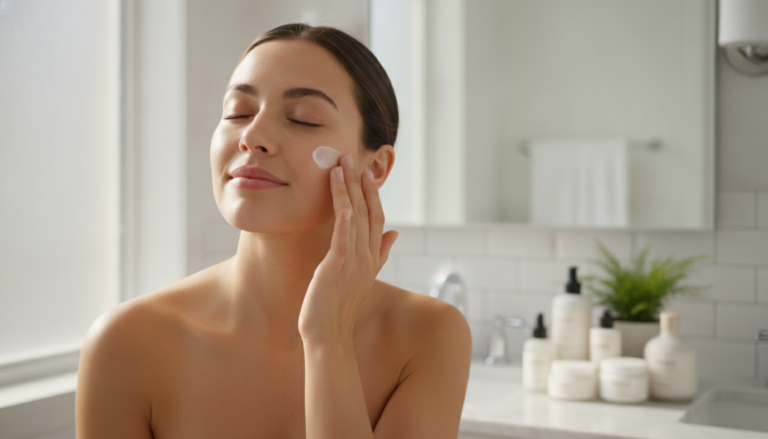
Does your face feel tight after washing? Do you notice flaky patches that makeup won’t cover? You’re not alone in this struggle. Dry skin affects millions of people every day, making them feel self-conscious and uncomfortable.
The good news is that transforming dry skin into soft, hydrated, radiant skin is completely achievable. With the right routine and ingredients, you can say goodbye to tightness and flaking forever.
This comprehensive guide will walk you through everything you need to know about skin care for dry skin. You’ll discover the best products, routines, and expert tips that actually work.
Ready to Transform Your Dry Skin?
Discover the proven solution that thousands have used to achieve hydrated, glowing skin naturally.
Dry skin happens when your skin barrier loses its ability to hold moisture. Think of your skin like a brick wall. The skin cells are the bricks, and natural oils are the mortar holding everything together.
When this barrier breaks down, water escapes from your skin. At the same time, irritants can get in more easily. This creates that uncomfortable tight feeling you know too well.
Several factors contribute to moisture loss. Cold weather strips away natural oils from your face. Hot showers feel amazing but actually damage your skin barrier. Harsh cleansers remove the protective oils your skin needs.
Indoor heating during winter months creates a double challenge. The air becomes extremely dry, pulling moisture from your face throughout the day and night. Your skin simply can’t keep up with this constant moisture loss.
Age also plays a role in skin dryness. As we get older, our skin produces fewer natural oils. This makes mature skin more prone to dryness and requires extra care and hydration.
Signs Your Skin Needs More Moisture
Tight feeling after cleansing your face
Visible flaking or rough patches on skin
Dull appearance without natural glow
Fine lines appearing more pronounced
Itching or irritation on face
Makeup sitting poorly on skin surface
Redness in certain areas of face
Your Perfect Morning Skin Care Routine for Dry Skin
Starting your day with the right routine makes all the difference. A proper morning regimen protects your skin from environmental damage while locking in essential moisture. Each step builds upon the previous one to create lasting hydration.
Step 1: Gentle Cleansing Without Stripping
Your cleanser sets the foundation for everything else. Skip harsh foaming cleansers that strip your skin natural oils. Instead, choose a creamy or oil-based cleanser that removes dirt without disrupting your moisture barrier.
Use lukewarm water rather than hot water. Hot water feels soothing but actually damages your skin barrier. Lukewarm water cleanses effectively while keeping your natural oils intact.
A cleansing balm works wonderfully for very dry skin. These products melt away makeup and impurities while simultaneously hydrating. They leave your skin feeling soft instead of tight.
Best Cleansing Practices
Pat your face dry with a soft towel. Never rub harshly, as this irritates dry skin. Leave your skin slightly damp before moving to the next step. This helps the following products absorb better.
Cleanse only once in the morning. Over-cleansing removes too many natural oils. Your skin needs those oils to stay healthy and hydrated throughout the day.
Step 2: Hydrating Toner to Prep Skin
A good toner adds an extra layer of hydration. Look for alcohol-free formulas with hyaluronic acid or glycerin. These ingredients attract water to your skin like magnets.
Apply toner while your face is still slightly damp. This helps seal in that water. Pat it gently into your skin rather than wiping with a cotton pad. Patting preserves your skin barrier better.
Step 3: Serum for Deep Hydration
Serums contain concentrated active ingredients. For dry skin, hyaluronic acid is your best friend. This powerful ingredient can hold up to 1000 times its weight in water.
Apply serum to damp skin for maximum absorption. Use gentle pressing motions to help it penetrate. A little goes a long way with most serums.
Niacinamide is another excellent serum ingredient for dry skin. It strengthens your skin barrier over time. This helps your skin hold moisture more effectively on its own.
Your moisturizer is the most crucial step for dry skin. Choose a cream rather than a lotion. Creams contain more oils and create a better barrier against moisture loss.
Look for ingredients like ceramides, which repair your skin barrier. Shea butter and squalane provide deep nourishment. These ingredients work together to keep your skin feeling comfortable all day.
Apply moisturizer while your skin is still slightly damp from serum. This traps all the hydration you just applied. Use enough product to cover your entire face and neck generously.
Step 5: Sunscreen Protection
Sunscreen is non-negotiable for healthy skin. Choose a moisturizing formula that doesn’t dry out your face. Mineral sunscreens with zinc oxide often work well for dry skin types.
Apply sunscreen as the final step every morning. Even on cloudy days, UV rays damage your skin. This protection prevents additional dryness and premature aging.
Reapply throughout the day if you’re outdoors. Your morning application wears off after a few hours. Keep a moisturizing sunscreen stick handy for easy touch-ups.
Night Skin Care Routine for Maximum Hydration
Your skin repairs itself while you sleep. A proper night routine supports this natural renewal process. Night care focuses on deeper treatment and intense hydration without worrying about makeup or sun protection.
Double Cleansing for Deep Clean
Start with an oil cleanser or cleansing balm to remove makeup and sunscreen. These products break down stubborn products without harsh scrubbing. Massage gently in circular motions for about a minute.
Follow with your regular gentle cleanser to remove any remaining residue. This two-step process ensures your skin is truly clean. Clean skin absorbs treatments better during the night.
Treatment Toner for Night
Your night toner can be richer than your morning version. Look for essences or treatment toners with extra hydrating ingredients. These prep your skin to absorb the treatments that follow.
Pat the toner in gently with your hands. Take your time with this step. The massage motion increases blood flow to your face.
Targeted Treatments and Serums
Night is the time for powerful treatments. Retinol helps with cell turnover but can be drying. If you use retinol, always pair it with extra hydration. Apply your hydrating serum first, then retinol, then more moisture.
Peptide serums work beautifully for dry skin at night. They support your skin natural repair process. These treatments help maintain plumpness and reduce fine lines.
Upgrade Your Night Routine
Get access to professional-grade treatments that work while you sleep to restore your skin moisture barrier.
Your night moisturizer should be richer than your day cream. Choose formulas with heavier oils and butters. These ingredients have all night to absorb without any concerns about makeup application.
Sleeping masks provide an extra boost of hydration. Apply a thin layer over your night cream once or twice a week. You’ll wake up with noticeably softer, more hydrated skin.
Facial Oil as Final Step
A facial oil seals in all the hydration you just applied. Choose oils like rosehip, marula, or squalane. These absorb well without feeling greasy on your skin.
Warm a few drops between your palms and press gently onto your face. This creates a protective barrier that prevents overnight moisture loss. Your skin will feel incredibly soft in the morning.
Essential Ingredients for Dry Skin Care
Understanding ingredients helps you choose the right products. Your skin needs specific components to maintain proper hydration. These ingredients work in different ways to address dryness.
Hyaluronic Acid: The Hydration Powerhouse
Hyaluronic acid holds incredible amounts of water. This ingredient draws moisture from the air into your skin. It plumps up your skin cells from within.
Use hyaluronic acid on damp skin for best results. Apply it in serums, toners, or moisturizers. Multiple products with this ingredient provide even better hydration.
Different molecular weights of hyaluronic acid penetrate different skin layers. Look for products with multiple weights. This ensures hydration at every level of your skin.
Ceramides: Barrier Repair Specialists
Ceramides are natural lipids found in your skin. They make up a large part of your skin barrier. When you’re low on ceramides, moisture escapes easily.
Topical ceramides replenish what your skin loses. They literally fill in the gaps in your skin barrier. This helps your skin hold onto moisture naturally.
Products with ceramides show results within a few weeks. Your skin feels less tight and looks healthier. This ingredient works especially well for very dry skin.
Plant oils mimic your skin natural sebum. Jojoba oil is chemically similar to skin oil. Argan oil provides vitamins and fatty acids. Rosehip oil offers additional anti-aging benefits.
These oils don’t clog pores like you might think. Dry skin actually benefits from the right oils. They create a protective layer while delivering nutrients.
Glycerin and Humectants
Glycerin is a humble but powerful ingredient. It pulls water into your skin from deeper layers and the environment. This ingredient appears in many effective moisturizers.
Other humectants include urea and lactic acid. These also attract and hold moisture. They work synergistically with hyaluronic acid for maximum hydration.
Niacinamide for Barrier Strength
Niacinamide strengthens your skin barrier over time. This form of vitamin B3 reduces water loss. It also helps your skin produce more natural ceramides.
This ingredient works well with other actives. You can use it morning and night without irritation. Results typically show within four to eight weeks of consistent use.
How to Choose the Best Products for Your Dry Skin
Walking into a store or browsing online can feel overwhelming. Thousands of products promise miracles. Learning what to look for makes shopping much easier.
Reading Product Labels Effectively
Ingredients are listed by concentration. The first five ingredients make up most of the product. Look for hydrating ingredients in these top spots.
Avoid products with alcohol denat or SD alcohol high on the list. These dry out your skin significantly. Some alcohols like cetyl alcohol are actually beneficial, so don’t fear all alcohols.
Fragrance can irritate dry skin. Choose fragrance-free options when possible. Natural fragrances from essential oils can also cause sensitivity.
Texture and Formula Types
Creams work better than lotions for dry skin. They contain more oils and less water. Balms provide even more intensive moisture for extremely dry patches.
Gel creams can work if they contain enough humectants. These feel lighter but still provide hydration. They’re good for daytime under makeup.
Cleansers
Choose cream or oil-based cleansers. Avoid foaming formulas that strip natural oils. Look for gentle surfactants like cocamidopropyl betaine.
Moisturizers
Select thick creams with ceramides and hyaluronic acid. Night creams should be richer than day formulas. Consider sleeping masks for extra boost.
Serums
Hyaluronic acid serums are essential. Niacinamide serums strengthen barriers. Apply on damp skin for better absorption and effectiveness.
Patch Testing New Products
Always test new products before full face application. Apply a small amount behind your ear or on your inner arm. Wait 24 hours to check for reactions.
Dry skin can be sensitive skin. What works for others might not work for you. Patch testing prevents wasting money on products that irritate.
Introduce one new product at a time. Wait at least a week before adding another. This helps you identify what works and what doesn’t.
Lifestyle Changes That Help Dry Skin
Products alone can’t solve dry skin completely. Your daily habits significantly impact your skin health. Small lifestyle changes create big improvements in how your skin looks and feels.
Hydration from the Inside
Drinking water supports your skin moisture levels. Aim for at least eight glasses per day. Your skin is an organ that needs hydration from within.
Herbal teas count toward your water intake. Green tea provides additional antioxidants. Limit caffeine and alcohol, which can dehydrate your body.
Eating water-rich foods helps too. Cucumbers, watermelon, and oranges provide hydration. These foods also deliver vitamins that support skin health.
Environmental Adjustments
Use a humidifier in your bedroom during winter. Dry indoor air pulls moisture from your skin overnight. A humidifier adds moisture back into the air.
Keep your home temperature moderate. Overheating dries out the air significantly. Lower your thermostat a few degrees and use blankets instead.
Avoid standing directly in front of heaters or fireplaces. The direct heat damages your skin barrier. Position yourself at a comfortable distance.
Bathing and Showering Habits
Limit showers to 10 minutes or less. Long hot showers strip your skin natural oils. Keep the water lukewarm instead of steaming hot.
Skip the daily bath if your skin is very dry. Baths remove even more natural oils than showers. When you do bathe, add moisturizing bath oils.
Pat yourself dry immediately after bathing. Apply body lotion within three minutes. This locks in the water your skin absorbed during washing.
Complete Dry Skin Transformation System
Access expert-designed programs that address dry skin from every angle with proven results.
Omega-3 fatty acids support your skin barrier. Eat fatty fish like salmon twice a week. Walnuts and flaxseeds provide plant-based omega-3s.
Antioxidant-rich foods protect your skin from damage. Berries, dark chocolate, and green vegetables all help. These foods support overall skin health.
Consider a supplement if your diet lacks certain nutrients. Omega-3 supplements and evening primrose oil can help. Always consult your doctor before starting supplements.
Sleep and Stress Management
Quality sleep allows your skin to repair itself. Aim for seven to nine hours per night. Your skin produces new cells while you sleep.
Chronic stress affects your skin barrier function. Practice stress-reduction techniques like meditation or yoga. Even short breaks during the day help.
Sleep on a silk or satin pillowcase. These materials create less friction than cotton. Your face slides smoothly instead of tugging against rough fabric.
Common Mistakes That Worsen Dry Skin
Even with good intentions, people make mistakes that sabotage their efforts. Understanding these common errors helps you avoid them. Small changes in your habits make a significant difference.
Over-Cleansing and Over-Exfoliating
Washing your face too often removes essential oils. Twice daily is enough for most people. Some extremely dry skin types benefit from water-only cleansing in the morning.
Physical scrubs can damage already compromised skin. Skip harsh exfoliants with rough particles. If you must exfoliate, use gentle chemical exfoliants sparingly.
Exfoliating more than once or twice a week is excessive. Your skin needs time to recover between sessions. Over-exfoliation leads to more dryness and sensitivity.
Using the Wrong Products
Products to Avoid
Foaming cleansers with sulfates that strip moisture
Astringent toners with high alcohol content
Mattifying products designed for oily skin types
Acne treatments without added hydration support
Heavily fragranced products that irritate skin
Products marketed for oily or acne-prone skin often contain drying ingredients. Read labels carefully before purchasing. Just because something is popular doesn’t mean it suits your skin type.
Skipping Sunscreen
Sun damage worsens dryness over time. UV exposure breaks down your skin barrier. Daily sunscreen protects against this damage.
Many people skip sunscreen because it feels drying. Modern formulas for dry skin provide hydration along with protection. Find one that works for you and use it religiously.
Not Adjusting Your Routine Seasonally
Your skin needs different care in different seasons. Winter requires heavier products than summer. Switch your routine as the weather changes.
Even dry skin can feel less dry in humid summer months. Lighten up your moisturizer if needed. Return to richer formulas when cold weather arrives.
Indoor heating in winter creates desert-like conditions for your skin. Layer multiple hydrating products during these months. Your skin will thank you for the extra attention.
Weekly Treatments to Boost Hydration
Adding special treatments to your routine provides extra hydration. These intensive therapies boost your regular care. Think of them as a spa day for your face.
Hydrating Face Masks
Use a hydrating mask once or twice a week. Sheet masks deliver concentrated serums directly to your skin. Leave them on for 15 to 20 minutes for full absorption.
Cream masks work wonderfully for overnight treatment. Apply a thick layer before bed. Wake up with plump, hydrated skin in the morning.
Look for masks with hyaluronic acid, honey, or aloe vera. These ingredients provide intense moisture. Avoid clay masks, which can be too drying for your skin type.
Facial Massage Techniques
Facial massage improves blood circulation to your skin. Better circulation means better nutrient delivery. This supports your skin natural healing and hydration processes.
Use a jade roller or gua sha tool with facial oil. The massage helps products penetrate deeper. It also feels incredibly relaxing and reduces puffiness.
Massage for five to ten minutes several times a week. Use gentle upward and outward motions. Never pull or tug on your delicate facial skin.
Steam Treatments
Gentle steaming opens your pores and softens your skin. This allows products to absorb more effectively. Steam for just five minutes to avoid over-drying.
Add chamomile or rose water to your steam bowl. These additions provide aromatherapy benefits. The gentle herbs soothe your skin while it steams.
Apply a rich serum or mask immediately after steaming. Your pores are open and ready to receive hydration. This maximizes the effectiveness of your products.
Addressing Severe Dry Skin and Eczema
Sometimes dry skin becomes a medical concern. Severe dryness or eczema requires special attention. Knowing when to seek professional help is important.
Recognizing When to See a Dermatologist
Persistent dryness despite proper care warrants medical attention. If your skin cracks and bleeds regularly, see a doctor. Open skin can become infected easily.
Severe itching that disrupts sleep needs professional treatment. Prescription medications may be necessary. A dermatologist can diagnose underlying conditions.
Sudden changes in your skin deserve investigation. New patches of extreme dryness could indicate medical issues. Don’t ignore significant changes in your skin.
Managing Eczema-Prone Dry Skin
Eczema requires fragrance-free, hypoallergenic products. Stick to minimal ingredient formulas. The simpler the product, the less likely it causes reactions.
Apply moisturizer multiple times throughout the day. Eczema-prone skin loses moisture extremely quickly. Frequent reapplication helps maintain the barrier.
Identify and avoid your triggers. Common triggers include wool, certain soaps, and stress. Keeping a journal helps you spot patterns.
Prescription Treatment Options
Dermatologists can prescribe stronger moisturizers with ceramides. Prescription-strength products work faster than over-the-counter options. These medical-grade formulas repair severe barrier damage.
Topical steroids reduce inflammation when needed. Use these exactly as prescribed. Overuse can thin your skin over time.
Newer non-steroid prescription creams offer effective alternatives. These work well for sensitive areas like around your eyes. Discuss all options with your dermatologist.
Makeup Application Tips for Dry Skin
Makeup can look beautiful on dry skin with proper preparation. The key lies in how you prep and what products you choose. Well-hydrated skin creates a smooth canvas for makeup.
Prepping Dry Skin for Makeup
Complete your entire skincare routine before makeup. Let each product absorb for a minute before applying the next. Your skin should feel hydrated but not greasy.
Use a hydrating primer designed for dry skin. This creates a smooth base for foundation. It also helps your makeup last longer without looking cakey.
Consider a facial oil under primer for extra glow. Mix one drop into your moisturizer. This creates a luminous, healthy-looking base.
Choosing the Right Foundation
Liquid or cream foundations work best for dry skin. Avoid powder formulas that emphasize dryness. Look for words like dewy, luminous, or hydrating on the label.
Foundations with hyaluronic acid or glycerin provide skincare benefits. These ingredients continue hydrating while you wear makeup. Your skin gets better throughout the day.
Apply foundation with a damp beauty sponge. This creates a natural, skin-like finish. It also uses less product than brushes.
Setting Without Drying
Skip powder entirely if possible. Powder absorbs moisture from your skin. If you must set makeup, use very little in your T-zone only.
Setting sprays work better than powder for dry skin. Choose hydrating formulas that lock in makeup. These add moisture while keeping everything in place.
Avoid heavy contouring and baking techniques. These methods use too much powder. They emphasize texture and dryness you’re trying to hide.
Refreshing Throughout the Day
Carry a hydrating face mist in your bag. Spray over makeup when your skin feels tight. This refreshes both your skin and your makeup.
Keep a small moisturizer for touch-ups. Pat gently on any dry patches that appear. Blend carefully so it doesn’t disturb your makeup.
Remove your makeup thoroughly every night. Never sleep in makeup, which prevents your skin from breathing. Proper removal allows your night routine to work effectively.
Building Long-Term Skin Health
Transforming dry skin into healthy, hydrated skin takes time. Consistency matters more than expensive products. Building good habits creates lasting results.
Consistency Is Key
Follow your routine every single day and night. Skipping even one day can set back your progress. Your skin needs consistent care to heal and strengthen.
It takes about four to six weeks to see real improvements. Don’t give up if results aren’t immediate. Your skin is repairing itself from within.
Keep a skin journal to track your progress. Note what products you use and how your skin feels. This helps you identify what works best for you.
Adjusting Your Routine as Needed
Pay attention to how your skin responds to products. What works in winter might be too heavy in summer. Be willing to adjust your routine.
Add or remove steps based on your skin needs. Some days you might need extra hydration. Other days a simpler routine suffices.
Don’t be afraid to try new products if current ones stop working. Your skin changes over time. What worked last year might not work now.
Your Journey to Hydrated Skin Starts Now
Get lifetime access to comprehensive dry skin solutions that deliver real, lasting results.
Daily sunscreen protects your investment in your skin. Sun damage undoes all your hard work. Make sun protection a non-negotiable habit.
Continue healthy lifestyle habits even when your skin improves. Drinking water and using a humidifier remain important. These practices support your skin from within.
Schedule annual dermatologist check-ups for professional assessment. Early detection of issues prevents bigger problems. Professional guidance keeps you on track.
Your Path to Beautiful, Hydrated Skin
Dry skin doesn’t have to control your life anymore. With the right knowledge and consistent routine, transformation is absolutely possible. You now have all the tools you need to succeed.
Remember that skincare is a journey, not a destination. Your skin will continue to change throughout your life. The habits you build now will serve you for years to come.
Start implementing these strategies today. Choose one or two changes to make this week. Small steps lead to significant improvements over time.
Your skin deserves the best care you can provide. Investing time in proper skin care for dry skin pays dividends in confidence and comfort. You’re worth the effort it takes to achieve healthy, radiant skin.
The journey to hydrated skin starts with a single step. Take that step today. Your future self will thank you for the care you show your skin now.