Struggling with acne can feel overwhelming. You wake up hoping for clear skin, only to find new breakouts staring back at you. The journey to achieving clear skin doesn’t have to be complicated. With the right face care routine, you can transform your acne-prone skin and finally gain the confidence you deserve.
This comprehensive guide walks you through every step of an effective skincare routine. You’ll discover which products work best, how to apply them correctly, and what ingredients actually fight acne. Whether you’re dealing with occasional pimples or persistent breakouts, these proven strategies will help you achieve the clear complexion you’ve been dreaming about.
Ready to Transform Your Skin?
Discover the proven system that thousands have used to clear their acne and achieve radiant skin. Stop guessing and start seeing real results with expert-backed solutions.
Acne-prone skin requires special attention and care. Your skin produces excess oil that combines with dead skin cells to create clogged pores. These blockages become breeding grounds for bacteria, leading to inflammation and breakouts. Understanding this process helps you choose the right products for your routine.
The key to managing acne lies in balancing your skin’s needs. You need products that control oil without stripping your skin completely. Over-cleansing can actually make acne worse by triggering your skin to produce even more oil. A gentle approach works better than aggressive treatments that cause irritation.
Different types of acne respond to different treatments. Blackheads and whiteheads need exfoliation to clear clogged pores. Inflammatory acne with red pimples requires anti-inflammatory ingredients. Cystic acne often needs stronger treatments to reduce inflammation deep within the skin.
Key Factors That Trigger Acne Breakouts
Hormonal fluctuations that increase oil production
Bacteria buildup on skin surface and in pores
Excess dead skin cells not properly removed
Inflammation from irritating products or ingredients
Diet high in sugar and processed foods
Stress that triggers inflammatory responses
Touching face frequently with dirty hands
Morning Face Care Routine for Clear Skin
Your morning routine sets the foundation for clear skin throughout the day. This regimen protects your face from environmental damage while controlling oil and preventing new breakouts. Consistency matters more than using dozens of products. A simple, effective routine performed daily delivers better results than complicated regimens you can’t maintain.
Step One: Gentle Cleansing for Acne-Prone Skin
Start your morning with a gentle cleanser that removes overnight oil buildup without stripping your skin. Look for cleansers with salicylic acid or benzoyl peroxide if you have active breakouts. These ingredients penetrate pores to clear debris and kill acne-causing bacteria.
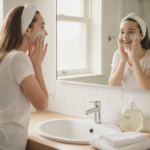
Wet your face with lukewarm water. Hot water can irritate acne-prone skin and trigger more oil production. Apply a small amount of cleanser to your fingertips and massage gently in circular motions for 30 seconds. Rinse thoroughly and pat dry with a clean towel.
Avoid harsh scrubs that can damage your skin barrier. Physical exfoliation can worsen inflammation and spread bacteria across your face. Chemical exfoliants work more effectively for acne treatment without causing micro-tears in your skin.
Unlock Your Perfect Morning Routine
Learn the exact cleansing techniques and product combinations that dermatologists recommend for acne-prone skin. Transform your mornings into a clear-skin ritual.
After cleansing, apply your acne treatment while your skin is still slightly damp. This helps active ingredients penetrate deeper into pores. Salicylic acid works as a powerful treatment for most acne types. It dissolves the bonds between dead skin cells and keeps pores clear.
Use treatments containing adapalene if you deal with stubborn acne. This retinoid ingredient speeds up cell turnover and prevents new breakouts from forming. Start with application every other day to let your skin adjust, then gradually increase to daily use.
Step Three: Moisturize Without Clogging Pores
Many people with acne-prone skin skip moisturizer, thinking it will make breakouts worse. This mistake actually triggers your skin to produce more oil to compensate for dryness. Choose a lightweight, oil-free moisturizer that hydrates without clogging pores.
Look for moisturizers labeled non-comedogenic. These formulas won’t block your pores or contribute to acne formation. Ingredients like hyaluronic acid provide excellent hydration without adding oil to your skin.
Stop Moisturizer Mistakes
Find out which moisturizing ingredients actually help acne-prone skin and which ones make breakouts worse. Get the complete hydration guide designed for your skin type.
Sun protection stands as the most important step in your morning routine. UV damage worsens acne scars and causes post-inflammatory hyperpigmentation. Choose a sunscreen with at least SPF 30 that won’t clog your pores.
Mineral sunscreens with zinc oxide work well for acne-prone skin. They sit on top of your skin rather than absorbing into pores. Apply sunscreen as the final step in your morning routine, even on cloudy days. UV rays penetrate clouds and windows.
Reapply sunscreen every two hours if you spend time outdoors. Many acne treatments make your skin more sensitive to sun damage. Protection prevents new dark spots from forming and helps existing acne scars fade faster.
Evening Face Care Routine to Clear Acne Overnight
Your evening routine focuses on deep cleaning and repair. Nighttime provides the perfect opportunity for stronger treatments that fight acne while you sleep. Your skin regenerates most actively during sleep, making this the ideal time for targeted acne treatments.
Remove All Makeup and Dirt Thoroughly
Begin your evening routine by removing all makeup, sunscreen, and accumulated dirt from the day. Use a gentle makeup remover or cleansing oil first if you wear heavy makeup. This step prevents clogged pores that lead to new breakouts.
Follow with your regular cleanser to remove any remaining residue. This double cleansing method ensures your skin is completely clean before applying treatments. Clean skin allows acne-fighting ingredients to work more effectively overnight.
Master the Perfect Evening Cleanse
Discover the double-cleansing secrets that prevent clogged pores and morning breakouts. Learn professional techniques for removing every trace of makeup and dirt.
Evening presents the best time for potent acne treatments. Your skin isn’t exposed to sun, makeup, or environmental stressors during sleep. Apply treatments with higher concentrations of active ingredients like salicylic acid or retinoids.
Retinoids work exceptionally well for acne treatment when used at night. They increase cell turnover, unclog pores, and reduce inflammation. Start with a low concentration and use it two to three times per week initially. Gradually build up to nightly use as your skin adjusts.
Spot treatments help target individual pimples. Apply products containing benzoyl peroxide or salicylic acid directly to breakouts. These concentrated treatments reduce inflammation and kill bacteria while you sleep.
Lock in Treatment with Night Moisturizer
Seal in your treatments with a slightly richer moisturizer than you use in the morning. Night moisturizers support your skin’s natural repair process. Choose formulas with ceramides and niacinamide that strengthen your skin barrier while fighting acne.
Apply moisturizer about 20 minutes after your acne treatment. This waiting period allows active ingredients to absorb fully before you add another layer. Your skin stays hydrated without diluting the effectiveness of your treatments.
Supercharge Your Overnight Repair
Access the complete nighttime protocol that works while you sleep. Wake up to clearer, healthier skin with treatments designed for maximum overnight effectiveness.
Adding weekly treatments to your routine provides extra support for acne-prone skin. These intensive treatments address specific concerns that daily products might miss. Consistency with weekly care prevents new breakouts and improves your overall skin texture.
Exfoliation for Clearer Pores
Chemical exfoliation removes dead skin cells that clog pores and create breakouts. Use an exfoliating treatment with alpha hydroxy acids or beta hydroxy acids once or twice per week. These acids dissolve the glue holding dead cells together, revealing fresh skin underneath.
Salicylic acid penetrates deep into pores, making it ideal for acne-prone skin. It not only exfoliates the surface but also clears out debris trapped inside pores. Use it consistently to prevent new clogged pores from forming.
Clay Masks That Draw Out Impurities
Clay masks absorb excess oil and pull impurities from deep within your pores. Apply a clay mask once per week to areas prone to breakouts. Leave it on for 10-15 minutes, then rinse with lukewarm water.
Bentonite and kaolin clays work particularly well for oily, acne-prone skin. These natural ingredients don’t strip your skin but effectively reduce excess oil. Follow with your regular moisturizer to keep skin balanced after masking.
Targeted Spot Treatments for Stubborn Breakouts
Some pimples need extra attention beyond your regular routine. Spot treatments deliver concentrated doses of acne-fighting ingredients directly to problem areas. Apply these treatments as soon as you feel a pimple forming for best results.
Products with sulfur reduce inflammation and dry out pimples quickly. Tea tree oil provides a natural antibacterial option for treating individual breakouts. Use spot treatments at night to avoid interference with makeup or sunscreen.
Eliminate Stubborn Breakouts Fast
Get access to professional-grade treatment strategies that target even the most persistent acne. Stop letting stubborn pimples control your confidence.
Understanding skincare ingredients helps you choose products that actually work. Not all acne products deliver on their promises. Focus on ingredients with scientific backing and proven results for clearing acne-prone skin.
Salicylic Acid: The Pore-Clearing Powerhouse
Salicylic acid stands as one of the most effective ingredients for treating acne. This beta hydroxy acid penetrates oil to reach deep into pores. It dissolves the debris that causes clogged pores and helps prevent new breakouts.
Look for products with 2% salicylic acid concentration for best results. This strength effectively treats acne without causing excessive irritation. Use it in your cleanser or as a leave-on treatment, depending on your skin’s tolerance.
Benzoyl Peroxide: Bacteria-Fighting Champion
Benzoyl peroxide kills the bacteria responsible for inflammatory acne. It works by releasing oxygen into pores, creating an environment where acne bacteria cannot survive. This ingredient also helps reduce inflammation and clear existing breakouts.
Start with a 2.5% concentration and increase if needed. Higher percentages aren’t necessarily more effective and may cause irritation. Apply benzoyl peroxide products to clean, dry skin and follow with moisturizer.
Retinoids: Long-Term Acne Prevention
Retinoids transform acne-prone skin by accelerating cell turnover. They prevent dead skin cells from accumulating and clogging pores. Regular retinoid use reduces both active breakouts and prevents new pimples from forming.
Adapalene is available over-the-counter and works effectively for most acne types. Prescription retinoids like tretinoin offer stronger results for severe acne. Always use retinoids at night and wear sunscreen during the day, as they increase sun sensitivity.
Niacinamide: The Skin Barrier Supporter
Niacinamide reduces inflammation and regulates oil production without irritating skin. This versatile ingredient strengthens your skin barrier while fighting acne. It also helps fade post-acne marks and evens skin tone.
Products with 5-10% niacinamide concentration deliver noticeable results. This ingredient plays well with other acne treatments, making it easy to incorporate into any routine. Use it morning and evening for best results.
Build Your Perfect Ingredient Stack
Learn exactly which ingredients to combine for maximum acne-fighting power. Avoid dangerous ingredient combinations that damage your skin barrier.
Your skincare routine works best when supported by healthy lifestyle habits. External care addresses surface issues, but internal factors significantly impact your skin’s appearance. Making strategic lifestyle changes enhances the effectiveness of your face care routine.
Diet and Hydration for Healthy Skin
What you eat affects your skin’s health and acne severity. Reduce consumption of high-glycemic foods that spike blood sugar and trigger inflammation. Focus on whole foods rich in antioxidants, omega-3 fatty acids, and vitamins.
Drink plenty of water throughout the day to keep skin hydrated from within. Proper hydration helps your skin maintain its protective barrier and flush out toxins. Aim for at least eight glasses of water daily.
Sleep Quality and Stress Management
Poor sleep disrupts your skin’s repair process and increases stress hormones that trigger breakouts. Aim for seven to nine hours of quality sleep each night. Use clean pillowcases and sleep on your back when possible to reduce face friction.
Chronic stress elevates cortisol levels, leading to increased oil production and inflammation. Practice stress-reduction techniques like meditation, yoga, or deep breathing exercises. Even 10 minutes of daily stress management can improve your skin.
Exercise and Skin Hygiene
Regular exercise improves circulation, delivering oxygen and nutrients to your skin. It also helps regulate hormones that influence acne. However, sweat can clog pores if left on your skin too long.
Cleanse your face immediately after exercising to remove sweat and bacteria. Keep your hands off your face during workouts. Clean your phone screen regularly, as it touches your face and can transfer dirt and oil.
Complete Your Clear Skin Lifestyle
Discover the daily habits and routines that complement your skincare regimen. Create a holistic approach to clear skin that works from the inside out.
Even with good intentions, many people sabotage their clear skin efforts through common mistakes. Recognizing these pitfalls helps you avoid setbacks in your journey to clear skin. Small changes can make a significant difference in your results.
Over-Cleansing and Harsh Products
Washing your face too frequently strips away natural oils, triggering your skin to produce even more oil. Stick to cleansing twice daily unless you’ve been sweating heavily. More frequent washing irritates your skin and damages the protective barrier.
Harsh scrubs and astringent products feel like they’re working because they create a tight, clean sensation. This feeling actually indicates irritation and moisture loss. Choose gentle products that clean effectively without stripping your skin.
Picking and Touching Your Face
Picking at acne spreads bacteria, worsens inflammation, and creates lasting scars. Your hands carry dirt and oil that transfer to your face with every touch. Keep your hands away from your face throughout the day.
If you must extract a pimple, do it properly after cleansing with clean hands or tools. Better yet, let pimples heal naturally or seek professional extraction from an esthetician. Most pimples disappear faster when left alone.
Inconsistent Routine Application
Jumping between products and routines prevents you from seeing real results. Your skin needs time to adjust to new products and show improvement. Stick with a routine for at least six to eight weeks before judging its effectiveness.
Skipping steps when you’re tired or busy undermines your progress. Consistency matters more than having the perfect products. A simple routine performed daily outperforms an elaborate routine used sporadically.
Ignoring Moisturizer and Sunscreen
Skipping moisturizer because you have oily skin creates a vicious cycle. Dehydrated skin produces more oil to compensate, leading to more breakouts. Every skin type needs appropriate hydration to function properly.
Sunscreen prevents acne scars from darkening and protects healing skin from damage. Many acne treatments increase sun sensitivity, making protection even more critical. Choose oil-free formulas that won’t clog your pores.
How to Choose the Right Products for Your Skin
The skincare market overflows with products claiming to cure acne. Navigating these options requires understanding what your specific skin needs. The right products depend on your acne type, skin sensitivity, and individual concerns.
Reading Product Labels Effectively
Ingredients are listed by concentration, with the highest amounts first. Look for active acne-fighting ingredients in the first five items. Avoid products with heavy oils, comedogenic ingredients, or excessive fragrance near the top of the list.
Non-comedogenic labels indicate products tested to avoid clogging pores. Oil-free formulas work best for acne-prone skin. Fragrance-free options reduce the risk of irritation, especially if you have sensitive skin alongside acne.
Building Your Starter Routine
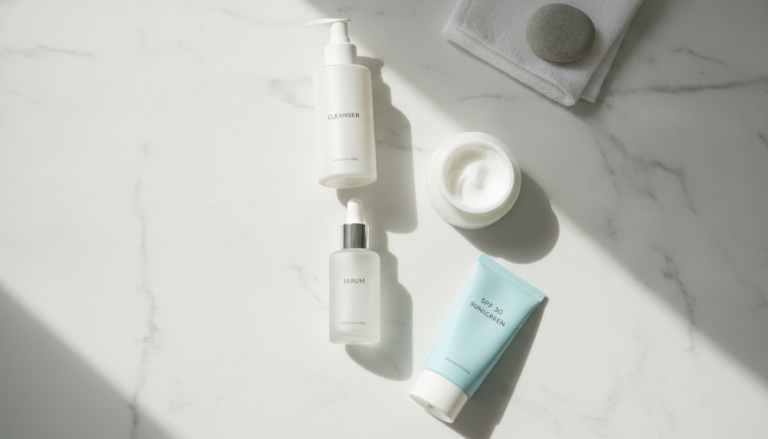
Begin with essential products: a gentle cleanser, acne treatment, moisturizer, and sunscreen. This basic routine addresses all fundamental needs without overwhelming your skin. Add additional products only after establishing this foundation.
Morning Essentials
Gentle cleanser with salicylic acid
Lightweight oil-free moisturizer
Broad-spectrum SPF 30+ sunscreen
Optional: vitamin C serum for brightness
Evening Must-Haves
Makeup remover or cleansing oil
Same gentle cleanser as morning
Retinoid or adapalene treatment
Slightly richer night moisturizer
When to Upgrade Your Routine
Add targeted treatments after your basic routine shows results. Serums with niacinamide or azelaic acid can enhance your acne-fighting regimen. Introduce one new product at a time, waiting two weeks between additions.
Watch for signs that your current products aren’t working. Increased irritation, persistent breakouts after eight weeks, or worsening skin texture indicate you need different solutions. Sometimes simpler formulas work better than complex ones.
Build Your Personalized Routine
Stop wasting money on products that don’t work. Get expert guidance on selecting the perfect products for your specific acne type and skin concerns.
Understanding realistic timelines prevents frustration during your clear skin journey. Acne doesn’t disappear overnight, and expecting instant results leads to product-hopping that undermines progress. Patience combined with consistency delivers lasting results.
Week-by-Week Progress Guide
4.2
Average Improvement Rating
Weeks 1-2: Initial Adjustment
2.5/5
Weeks 3-4: Visible Changes Begin
3.5/5
Weeks 5-8: Clear Improvement
4.25/5
Weeks 9-12: Significant Results
4.6/5
The first two weeks may bring minimal visible change or even slight purging as your skin adjusts. This reaction is normal when starting active treatments. Existing clogged pores surface faster, creating temporary breakouts before improvement.
By weeks three and four, you’ll notice reduced inflammation and fewer new breakouts. Existing pimples heal faster, and your skin texture begins improving. Oil production may normalize as your skin barrier strengthens.
Weeks five through eight show clear improvement for most people. Active breakouts decrease significantly, and post-acne marks start fading. Your skin looks healthier overall, with better texture and tone.
Long-Term Maintenance Strategy
After achieving clear skin, maintain your routine to prevent new breakouts. Many people abandon their regimen once acne clears, only to experience relapse. Acne-prone skin requires ongoing care, not just temporary treatment.
You may reduce treatment frequency once your skin stabilizes. Some people switch from daily retinoid use to three times per week for maintenance. Listen to your skin and adjust accordingly while keeping core routine steps consistent.
When to Seek Professional Help
Severe acne, cystic breakouts, or no improvement after 12 weeks warrants professional consultation. Dermatologists can prescribe stronger treatments like oral medications or in-office procedures. Don’t suffer with severe acne when professional solutions exist.
Persistent dark spots, deep scarring, or widespread inflammation may need professional intervention. Some acne types respond better to prescription treatments than over-the-counter options. Early professional treatment prevents permanent scarring.
Adjusting Your Routine Through Seasons
Your skin’s needs change with weather and environmental conditions. A routine that works perfectly in summer may cause problems in winter. Adapting your face care routine to seasonal changes keeps your skin clear year-round.
Summer Skincare Adjustments
Hot, humid weather increases oil production and sweating. Switch to lighter moisturizers and gel-based products during summer months. Increase sunscreen application frequency, especially if you spend more time outdoors.
Cleanse your face more frequently if you exercise outdoors or sweat heavily. Carry cleansing wipes for midday refreshing when you can’t wash your face. Oil-absorbing sheets help control shine without disrupting your routine.
Winter Protection Strategies
Cold, dry air strips moisture from your skin, potentially triggering compensatory oil production. Add a heavier moisturizer or facial oil to your evening routine. Continue using sunscreen despite cooler temperatures, as UV rays remain strong.
Indoor heating dries out skin significantly. Use a humidifier in your bedroom to maintain moisture levels. Avoid hot showers that strip natural oils, opting for lukewarm water instead.
Spring and Fall Transitions
Transitional seasons require gradual routine adjustments. Your skin may fluctuate between oily and dry as weather changes. Keep both lightweight and richer moisturizers available to use as needed.
Spring often brings increased pollen and allergens that can irritate skin. Cleanse thoroughly when coming indoors. Fall preparations should include introducing richer products before harsh winter weather arrives.
Advanced Tips for Stubborn Acne Cases
Some acne requires more aggressive strategies beyond standard routines. If you’ve followed proper skincare practices for months without improvement, these advanced approaches may help. Always patch test new treatments and introduce them gradually.
Layering Active Ingredients Safely
Combining acne treatments can enhance results but requires careful planning. Use vitamin C in the morning and retinoids at night to avoid conflicts. Separate salicylic acid and benzoyl peroxide applications by several hours if using both.
Wait 20-30 minutes between applying different active treatments. This waiting period allows each product to absorb fully and work at its optimal pH level. Never mix prescription treatments without dermatologist guidance.
Spot Treatment Strategies
For particularly stubborn pimples, use targeted spot treatments with higher concentrations of active ingredients. Apply these directly to individual breakouts after your regular routine. Hydrocolloid patches help extract pimples while protecting them from picking.
Ice wrapped in a clean cloth reduces inflammation in painful cystic acne. Apply for 10-minute intervals several times per day. This simple technique provides relief while waiting for treatments to work.
Professional Treatment Options
Chemical peels performed by professionals provide deeper exfoliation than at-home treatments. These procedures clear clogged pores and reduce acne scarring. Schedule treatments every four to six weeks for best results.
Light therapy treatments target acne bacteria with specific wavelengths. Blue light kills bacteria while red light reduces inflammation. These non-invasive treatments complement your home routine for enhanced results.
Access Professional-Grade Solutions
Discover advanced treatment protocols that dermatologists use for the most stubborn acne cases. Get results when nothing else has worked.
Misinformation about acne treatment circulates widely, leading people down ineffective or harmful paths. Separating myths from facts helps you make informed decisions about your skincare routine. Science-backed approaches deliver better results than popular myths.
Acne Facts
Acne-prone skin needs moisturizer to stay balanced
Sun protection prevents scarring and hyperpigmentation
Gentle cleansing works better than harsh scrubbing
Consistency matters more than expensive products
Diet can influence acne severity for some people
Most acne treatments need 6-8 weeks to show results
Acne means your skin is dirty (it’s hormonal and bacterial)
The Truth About Natural Remedies
While some natural ingredients offer benefits, many popular home remedies lack scientific support. Tea tree oil shows antibacterial properties in studies, but lemon juice and baking soda can damage your skin barrier. Research ingredients before applying them to your face.
Natural doesn’t automatically mean safe or effective. Many plant extracts cause allergic reactions or irritation. Stick with ingredients that have research backing their acne-fighting claims.
Frequently Asked Questions About Face Care for Acne
How long does it take to see results from a new face care routine?
Most people notice initial improvements within 3-4 weeks, with significant results appearing after 6-8 weeks of consistent use. Your skin needs time to adjust to new products and complete its natural renewal cycle. Patience and consistency produce better outcomes than frequently switching products.
Can I use acne treatment products if I have sensitive skin?
Yes, but start with lower concentrations and introduce products gradually. Choose gentle formulations specifically designed for sensitive skin. Apply treatments every other day initially, then increase frequency as your skin builds tolerance. Always patch test new products before full-face application.
Should I still use sunscreen if I have acne-prone skin?
Absolutely. Sun protection is essential for preventing acne scars from darkening and protecting skin from UV damage. Choose oil-free, non-comedogenic sunscreens with at least SPF 30. Mineral sunscreens with zinc oxide work particularly well for acne-prone skin without clogging pores.
How often should I exfoliate acne-prone skin?
Chemical exfoliation 2-3 times per week works best for most acne-prone skin types. Use products with salicylic acid or AHAs rather than physical scrubs. Over-exfoliation damages your skin barrier and worsens breakouts. Start with once weekly and increase gradually based on your skin’s response.
What’s the difference between morning and evening skincare routines?
Morning routines focus on protection with gentle cleansing, lightweight moisturizer, and sunscreen. Evening routines emphasize repair and treatment with thorough cleansing, stronger active ingredients like retinoids, and slightly richer moisturizers. Your skin repairs itself during sleep, making nighttime ideal for intensive treatments.
Can diet really affect my acne?
Research shows diet can influence acne severity for many people. High-glycemic foods, dairy products, and processed foods may trigger breakouts in some individuals. Eating anti-inflammatory foods rich in omega-3 fatty acids, antioxidants, and vitamins supports clearer skin. Keep a food diary to identify your personal triggers.
Your Journey to Clear Skin Starts Today
Achieving clear skin requires commitment, patience, and the right approach. You now have a comprehensive understanding of how to build an effective face care routine for acne-prone skin. The key lies in consistency, using proven ingredients, and giving your skin time to respond to treatments.
Remember that everyone’s skin is unique. What works perfectly for others may need adjustment for your specific needs. Pay attention to how your skin responds and make modifications accordingly. Track your progress through photos and notes to stay motivated during your clear skin journey.
Don’t get discouraged by setbacks or occasional breakouts. Even people with generally clear skin experience occasional pimples. Focus on the overall trend of improvement rather than day-to-day fluctuations. Your dedication to a consistent routine will pay off with healthier, clearer skin.
The skincare routine outlined in this guide provides a solid foundation for managing acne-prone skin. Combine these external care practices with healthy lifestyle habits for optimal results. Adequate sleep, stress management, proper nutrition, and regular exercise all contribute to your skin’s appearance.
Take Control of Your Clear Skin Journey
You have the knowledge. Now get the complete system that brings it all together. Join thousands who have transformed their acne-prone skin into the clear, confident complexion they’ve always wanted.
Your face care routine is an investment in yourself. Clear skin boosts confidence and improves quality of life. Take the first step today by implementing the strategies you’ve learned. With dedication and the right approach, clear skin is absolutely achievable.