Your thirties mark a turning point for your skin. The carefree days of your twenties give way to new challenges that demand attention and care.
Fine lines appear around your eyes. Your skin feels different when you wake up. The glow you once took for granted seems harder to maintain.
These changes aren’t your imagination. Your skin undergoes significant shifts during this decade. Collagen production slows down. Cell turnover decreases. Years of sun exposure begin to show their effects.
But here’s the good news. Your 30s are the perfect time to invest in your skin. The right routine can address these changes head-on. You can maintain that youthful radiance and even reverse some early signs of aging.
This guide walks you through everything you need to know about skin care in your 30s. You’ll discover which ingredients work best for aging skin. You’ll learn how to build an effective routine that fits your life. Most importantly, you’ll find solutions that deliver real results.
Understanding Your Skin Changes in Your 30s
Your skin in your 30s behaves differently than it did in your 20s. These changes happen gradually, but they’re significant enough to require adjustments to your care routine.
The Science Behind Aging Skin
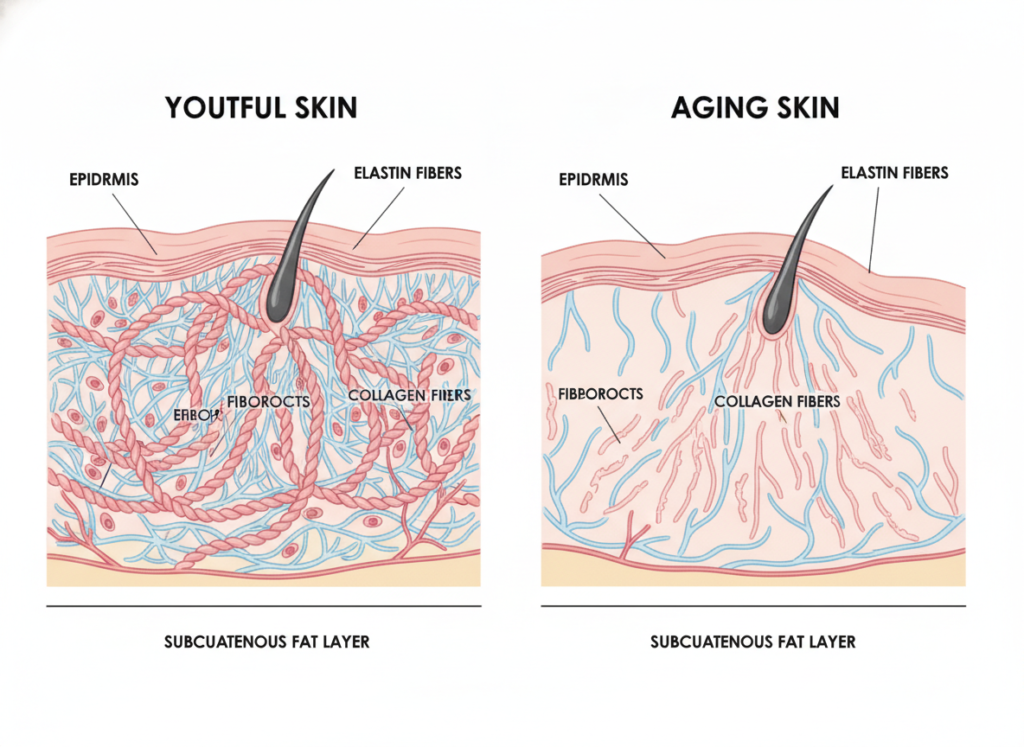
Collagen and elastin are the building blocks of youthful skin. These proteins keep your face firm, plump, and smooth. Unfortunately, your body produces less of them each year after age 25.
By your 30s, this decreased production becomes noticeable. Your skin loses some of its bounce-back quality. Fine lines start to form, especially around areas with repeated movement like your eyes and mouth.
Cell turnover also slows during this decade. Your skin takes longer to shed dead cells and reveal fresh ones underneath. This slowdown can make your complexion look dull or uneven.
Common Skin Concerns That Emerge
The first signs of aging often catch people by surprise. You might notice:
Fine lines forming around your eyes and forehead
Decreased firmness in your cheeks and jawline
Uneven skin tone with dark spots appearing
Dryness that wasn’t there before
Larger-looking pores
Less radiant complexion overall
Sun exposure from previous decades starts showing up now. Those days at the beach without proper protection may manifest as dark spots or uneven pigmentation.
Your skin’s natural moisture barrier also becomes less effective. You might find products that worked perfectly before now leave your face feeling tight or dry.
Ready to Transform Your Skin?
Discover proven solutions designed specifically for skin in your 30s. These science-backed formulas target fine lines, boost collagen production, and restore your natural glow.
The right ingredients make all the difference in your skin care routine. Your 30s require targeted formulas that address specific aging concerns.
Retinol: The Gold Standard for Anti-Aging
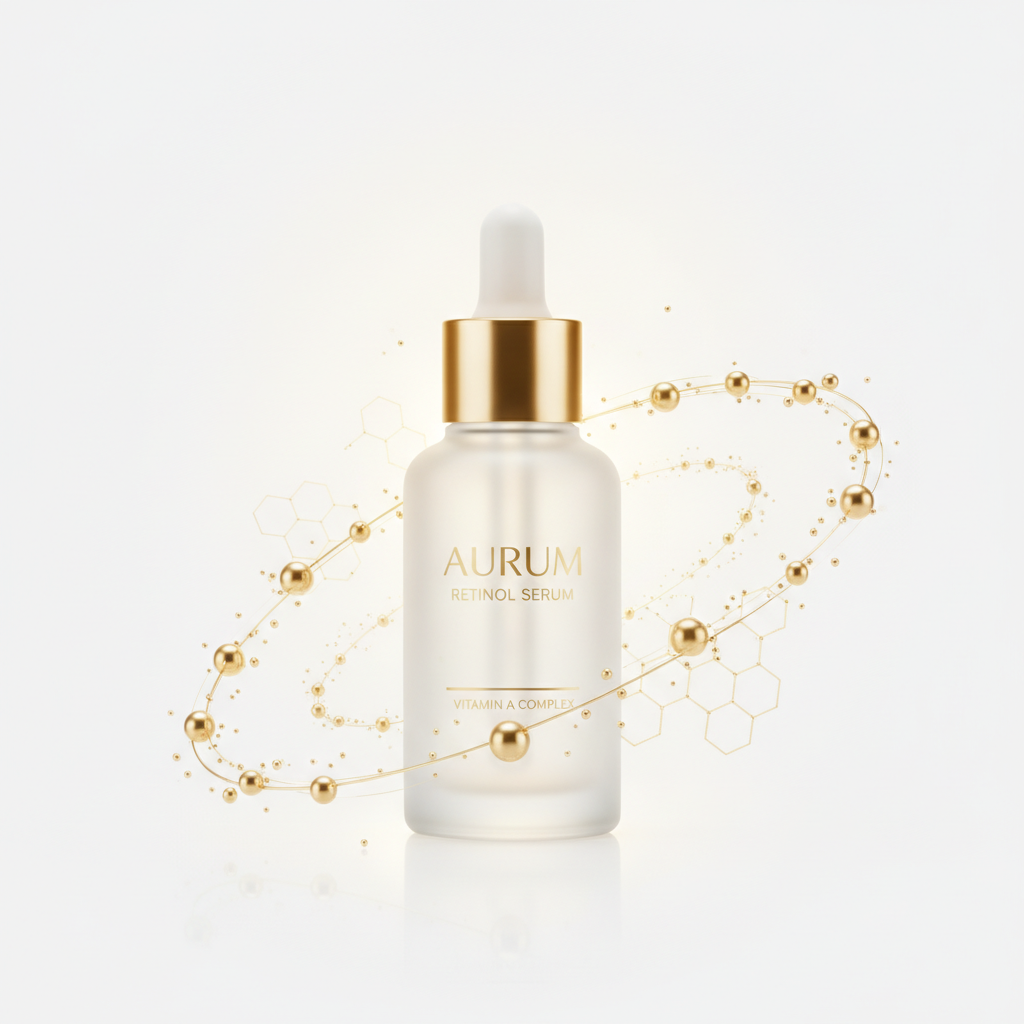
Retinol stands as the most researched and proven ingredient for fighting signs of aging. This vitamin A derivative works at the cellular level to transform your skin.
It speeds up cell turnover, bringing fresh skin cells to the surface faster. This process helps fade dark spots and smooth rough texture. Retinol also stimulates collagen production deep within your skin layers.
Start with a lower concentration if you’re new to retinol. Your skin needs time to adjust. Apply it at night, since retinol breaks down in sunlight.
You might experience some dryness or flaking initially. This is normal. Your skin adapts within a few weeks. The results are worth the adjustment period.
Vitamin C Serum for Brightness and Protection
A vitamin serum delivers powerful antioxidant protection. Vitamin C fights free radicals that damage your skin cells throughout the day. These molecules come from sun exposure, pollution, and stress.
This ingredient also brightens your complexion. It fades dark spots and evens out skin tone. Your face looks more radiant and awake after consistent use.
Vitamin C works best when applied in the morning. It provides extra defense against environmental damage during the day. Look for products with L-ascorbic acid for maximum effectiveness.
Morning Vitamin Boost
Apply vitamin serum after cleansing but before moisturizer. This layering order ensures maximum absorption into your skin.
Storage Matters
Keep your vitamin C products in a cool, dark place. Light and air break down the active ingredients over time.
Hyaluronic Acid for Deep Hydration
Hyaluronic acid acts like a moisture magnet for your skin. This molecule holds up to 1000 times its weight in water. It draws hydration from the air into your skin layers.
Your natural hyaluronic acid levels decrease as you age. Supplementing with topical products helps maintain that plump, hydrated look. Fine lines appear less visible when your skin stays properly moisturized.
This ingredient works for all skin types. Even oily skin benefits from the lightweight hydration it provides. Layer it under your moisturizer for best results.
Peptides to Stimulate Collagen
Peptides are small protein fragments that signal your skin to produce more collagen. They tell your skin cells to kick production into higher gear.
These ingredients help firm your skin over time. They work gradually but deliver noticeable improvements with consistent use. Your skin feels smoother and looks more lifted.
Peptide products work well in both morning and evening routines. They layer easily with other active ingredients. Combine them with retinol for maximum anti-aging benefits.
Alpha Hydroxy Acids (AHAs)
Glycolic acid and lactic acid gently exfoliate dead skin cells. They reveal brighter, smoother skin underneath. Use them 2-3 times per week for best results.
Niacinamide for Multiple Benefits
This form of vitamin B3 strengthens your skin barrier. It reduces inflammation, minimizes pores, and regulates oil production. Perfect for addressing multiple concerns at once.
Antioxidant Boosters
Ingredients like vitamin E, ferulic acid, and green tea extract protect against environmental damage. They work alongside other active ingredients to enhance their effectiveness.
Your Perfect Morning Skin Care Routine
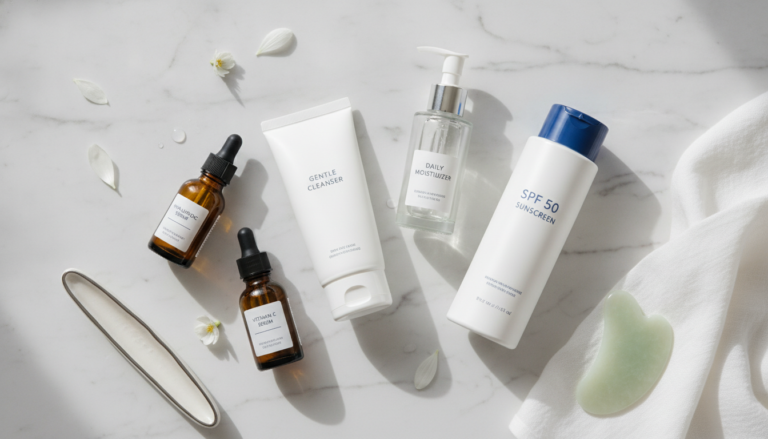
A solid morning routine sets the foundation for healthy skin throughout the day. These steps protect your face from environmental damage while keeping it looking fresh.
Step 1: Gentle Cleansing
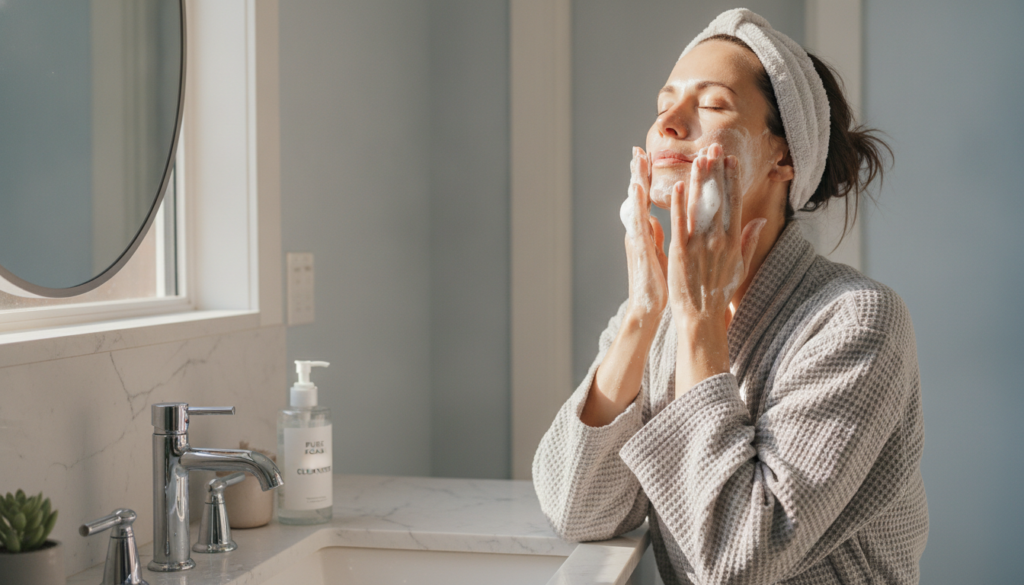
Start your day with a gentle cleanser that removes overnight oil buildup without stripping your skin. Your face produces natural oils while you sleep. A good face wash removes excess without disrupting your skin barrier.
Avoid harsh soaps that leave your face feeling tight. Look for cream or gel cleansers formulated for your skin type. Massage the product gently for 30-60 seconds before rinsing.
Pat your face dry with a clean towel. Don’t rub, as this can irritate sensitive skin. Leave your skin slightly damp for the next step.
Step 2: Vitamin C Serum Application
Apply your vitamin serum while your skin is still slightly damp. This helps the product spread easily and absorb better. Use 3-4 drops for your entire face and neck.
Press the serum gently into your skin. Don’t rub vigorously. Let it absorb for a minute before moving to the next step.
This timing allows the vitamin C to work its magic throughout the day. It neutralizes free radicals from sun and pollution before they damage your skin cells.
Step 3: Hydrating with Hyaluronic Acid
Layer hyaluronic acid over your vitamin serum. This ingredient draws moisture into your skin and keeps it there all day long.
Apply it to damp skin for maximum benefit. The moisture helps activate the hyaluronic acid molecules. Your skin feels plump and hydrated immediately.
Wait another minute for absorption. This layering technique ensures each product works effectively without diluting the others.
Step 4: Eye Cream for Delicate Skin
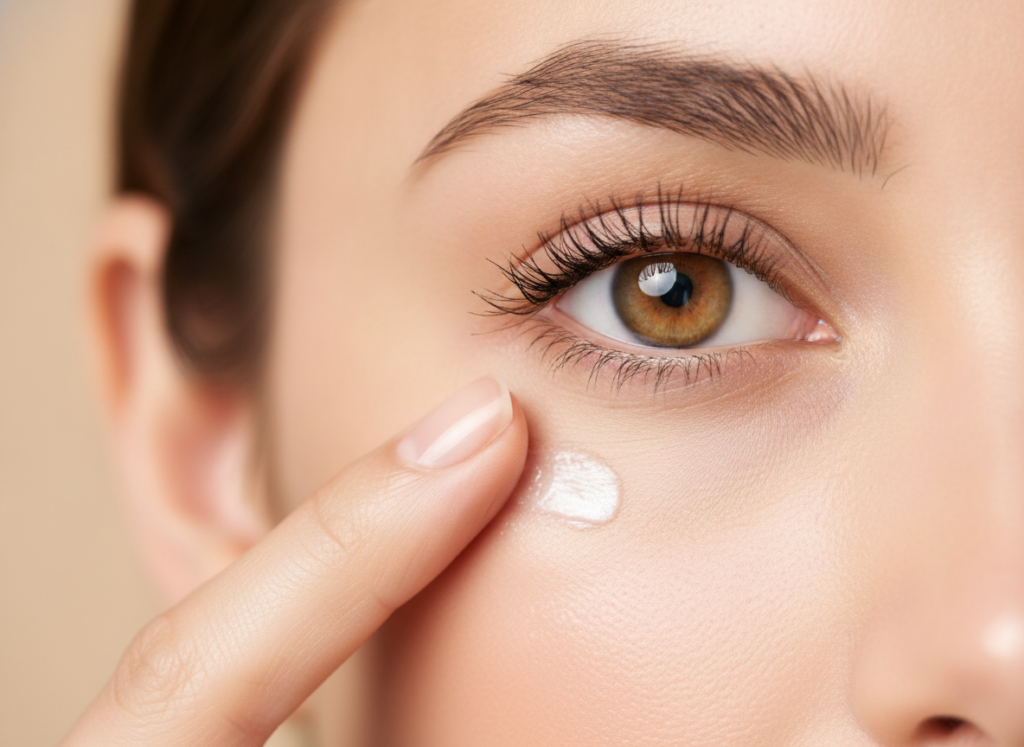
The skin around your eyes is thinner and more delicate than the rest of your face. It shows signs of aging first and needs special attention.
An eye cream addresses fine lines, dark circles, and puffiness. Apply a small amount using your ring finger, which applies the gentlest pressure. Pat it gently around the orbital bone.
Don’t pull or tug at this sensitive area. Use gentle pressing motions instead. The product absorbs within minutes.
Step 5: Moisturizer to Lock Everything In
Your moisturizer seals in all the previous products and provides an additional layer of hydration. Choose a formula appropriate for your skin type.
Dry skin benefits from richer creams. Oily skin does better with lightweight lotions or gel moisturizers. Combination skin might need different products for different face areas.
Apply moisturizer using upward strokes. Cover your entire face and neck. This step creates a protective barrier for the day ahead.
Step 6: Sunscreen – The Most Important Step
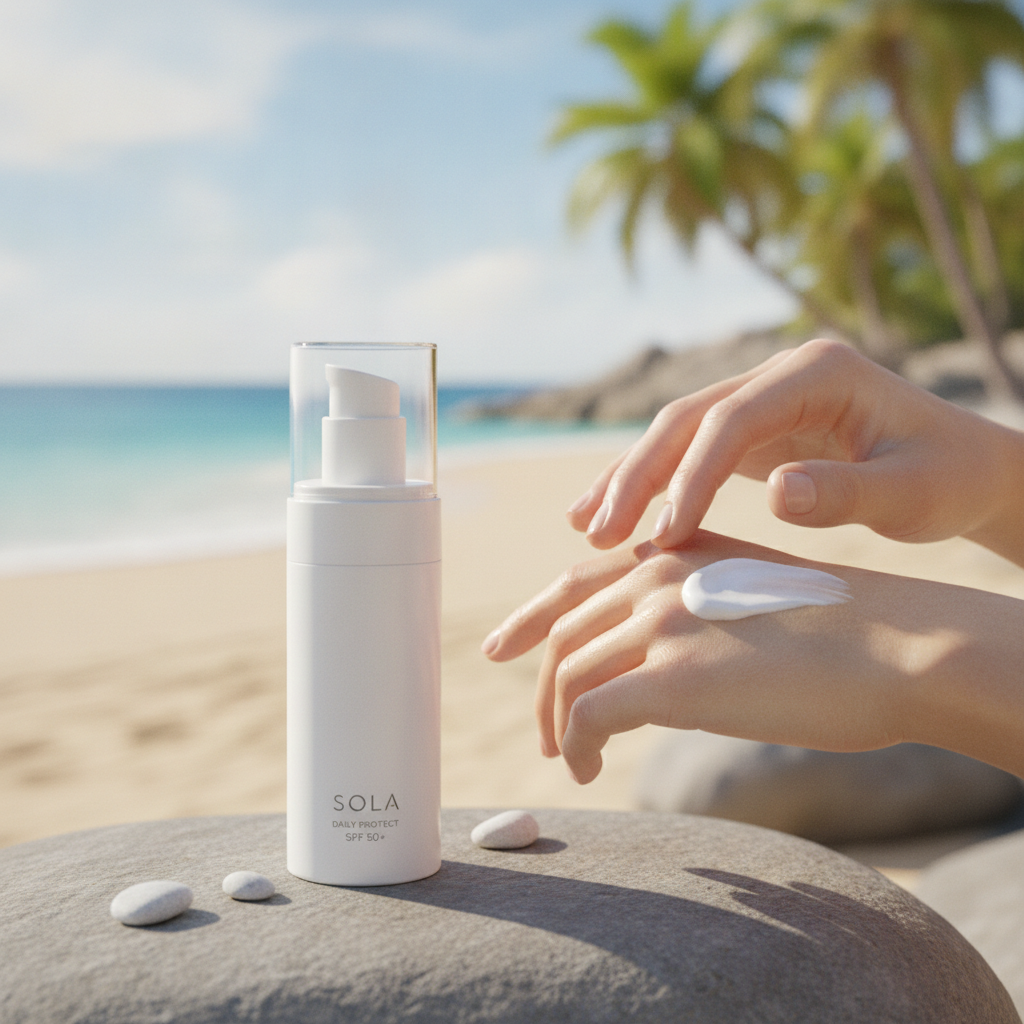
Sunscreen is the single most important product in any anti-aging routine. Sun exposure causes up to 90% of visible aging signs. Protecting your skin from UV rays prevents future damage.
Use a broad-spectrum sunscreen with at least SPF 30. Apply it generously to your face, neck, and any other exposed areas. Don’t forget your ears and the back of your neck.
Reapply every two hours if you’re outside. Sunscreen degrades throughout the day. Most people don’t apply enough initially, so be generous with the amount.
Make this step non-negotiable. Even cloudy days require sun protection. UV rays penetrate clouds and windows.
Complete Morning Routine in One System
Stop juggling multiple products. Get a comprehensive morning skincare system designed specifically for women in their 30s. Everything you need to protect and perfect your skin, simplified into one easy routine.
Your evening routine focuses on repair and renewal. Your skin cells regenerate faster at night, making this the perfect time for active treatments.
Double Cleansing Method
Evening cleansing requires extra attention, especially if you wear makeup or sunscreen. The double cleanse method ensures your skin is truly clean.
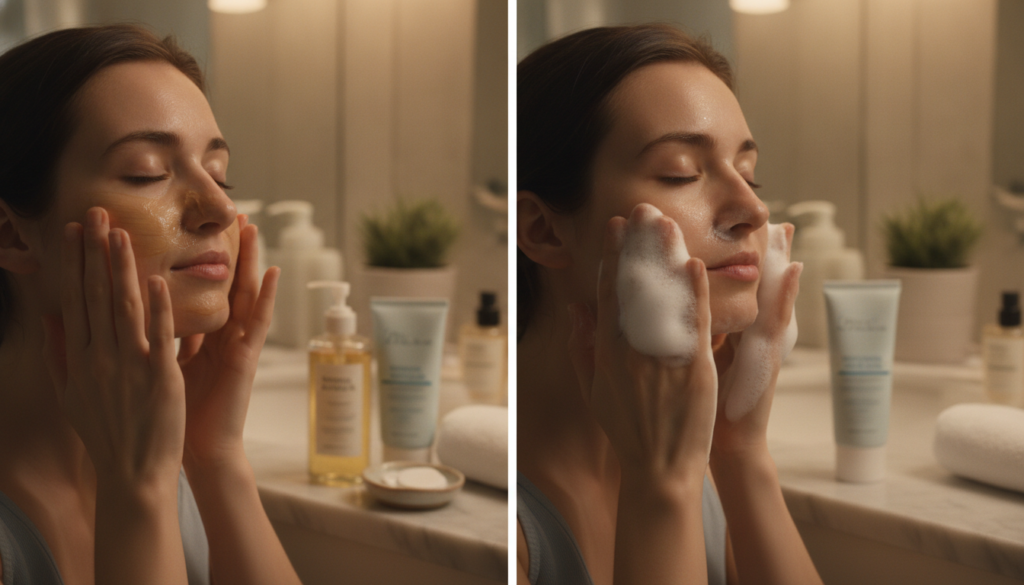
Start with an oil-based cleanser or micellar water. This removes makeup, sunscreen, and oil-based impurities. Massage it gently over dry skin, then rinse with warm water.
Follow with your regular face wash. This second cleanse removes any remaining residue and ensures your skin is perfectly clean. Clean skin absorbs treatment products much better.
Take your time with evening cleansing. This isn’t a quick splash-and-go situation. Spend at least a minute on each cleansing step.
Exfoliation for Cell Turnover
Exfoliation speeds up cell turnover by removing dead skin cells that accumulate on your surface. This reveals fresher, brighter skin underneath.
Use chemical exfoliants like glycolic acid or lactic acid 2-3 times per week. These work more effectively than physical scrubs for mature skin. They penetrate deeper and produce better results.
Apply your exfoliant after cleansing. Let it sit for a few minutes before continuing your routine. Your skin might tingle slightly, which is normal.
Don’t over-exfoliate. More isn’t better with these products. Stick to the recommended frequency to avoid irritation.
Retinol Treatment
Retinol becomes the star of your evening routine. This powerful ingredient works while you sleep to renew your skin at the cellular level.
Apply retinol to completely dry skin. Wait a few minutes after cleansing before application. Wet skin increases absorption and can cause irritation.
Use a pea-sized amount for your entire face. Start with applications 2-3 times per week if you’re new to retinol. Gradually increase frequency as your skin builds tolerance.
Avoid the eye area unless your product specifically states it’s safe for that region. The skin there is too delicate for most retinol formulations.
Targeted Treatments and Serums
After retinol, you can layer additional treatments based on your specific concerns. Peptide serums boost collagen production. Niacinamide helps with texture and tone.
Apply treatments from thinnest to thickest consistency. Watery serums go first, followed by thicker creams. This ensures proper absorption of each product.
Don’t combine retinol with vitamin C or other acids in the same routine. These combinations can cause irritation. Use vitamin C in the morning and retinol at night.
Night Cream for Deep Nourishment
Seal everything with a nourishing night cream. These formulas are typically richer than day moisturizers. They provide intense hydration while your skin repairs itself overnight.
Night creams often contain additional beneficial ingredients like ceramides, which strengthen your skin barrier. Some include antioxidants that work alongside your other treatments.
Apply your night cream using gentle upward and outward motions. Don’t forget your neck and décolletage. These areas show aging just like your face.
Beyond your daily routine, weekly treatments provide an extra boost. These intensive care sessions address specific concerns and enhance your regular regimen’s effectiveness.
Face Masks for Intensive Care
Face masks deliver concentrated ingredients in a short time. They provide a treatment boost that goes beyond your daily products.
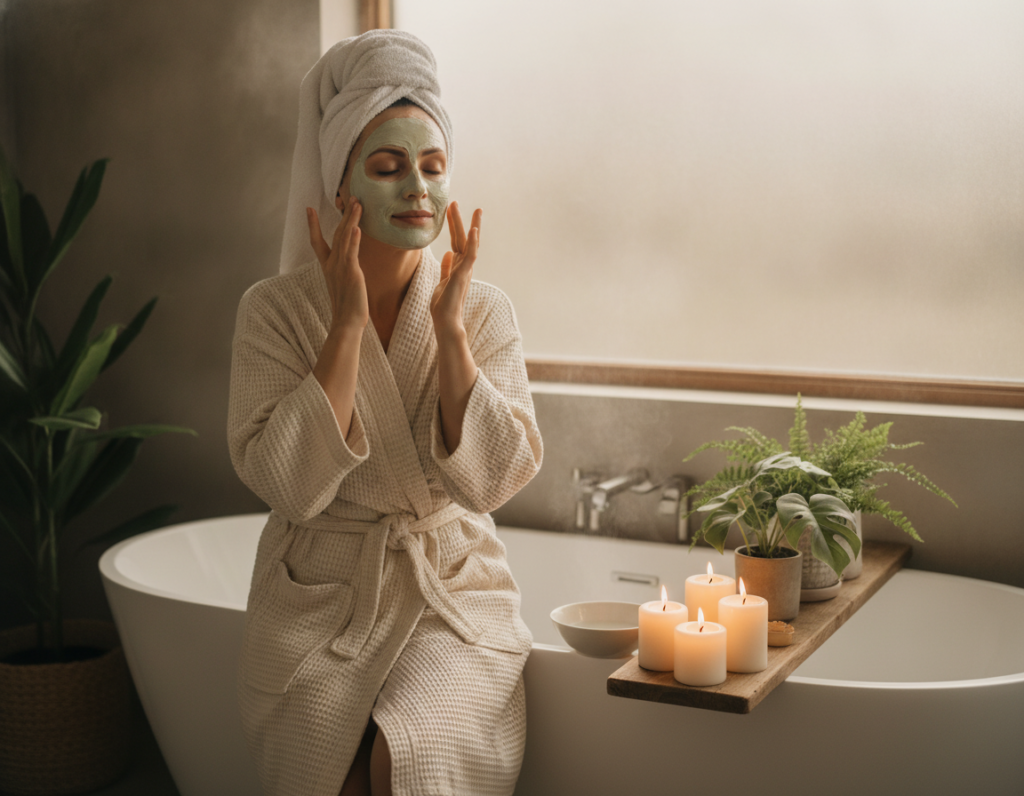
Hydrating masks with hyaluronic acid plump your skin and reduce the appearance of fine lines. Clay masks draw out impurities and refine pores. Sheet masks deliver serum directly to your skin.
Use masks 1-2 times per week based on your skin’s needs. Apply them after cleansing but before other products. Follow the timing instructions on the package for best results.
Your skin feels instantly refreshed after a good mask treatment. The effects build over time with regular use.
Professional-Grade Peels at Home
At-home peels offer stronger exfoliation than your daily products. These treatments contain higher concentrations of acids that resurface your skin.
Start with gentle formulations if you’re new to peels. Lactic acid peels are milder than glycolic acid options. Follow the instructions carefully and never leave them on longer than recommended.
Peels reveal smoother, more even-toned skin. They fade dark spots and reduce fine lines over time. Use them once a week or every other week depending on your skin’s tolerance.
Always follow a peel with extra sun protection the next day. Your skin is more sensitive after exfoliation treatments.
Facial Massage for Circulation
Facial massage stimulates blood flow and helps products absorb better. It also provides a relaxing ritual that reduces stress.
Use your fingers or a jade roller to massage your face. Start at the center and work outward. Use gentle pressure and upward strokes.
Spend 5-10 minutes on facial massage a few times per week. Do it after applying your serum or cream. The product provides slip for easier massage.
Regular massage can help reduce puffiness and improve skin tone. Some people notice subtle lifting effects from consistent practice.
Lifestyle Factors That Impact Your Skin
Your skin care routine only tells part of the story. Daily habits and lifestyle choices significantly affect how your skin ages.
The Sleep-Skin Connection
Your body repairs itself while you sleep. Skin cell regeneration peaks during nighttime hours. Getting enough quality sleep directly impacts your complexion.
Lack of sleep shows up on your face quickly. Dark circles appear under your eyes. Your skin looks dull and tired. Fine lines become more pronounced.
Aim for 7-9 hours of sleep each night. Create a consistent bedtime routine. Keep your bedroom cool and dark for better sleep quality.
Consider a silk pillowcase. Cotton can absorb moisture from your skin and create creases. Silk allows your skin to glide smoothly as you move during sleep.
Hydration from Within
Water intake affects your skin’s appearance more than many people realize. Proper hydration keeps your skin plump and helps it function optimally.
Dehydrated skin looks dull and emphasizes fine lines. It can also produce more oil to compensate for dryness. Drinking enough water supports your skin’s natural moisture balance.
Aim for eight glasses of water daily. Increase intake if you exercise or live in a dry climate. Herbal teas and water-rich foods count toward your hydration goals.
You’ll notice improvements in your skin tone and texture with consistent hydration. Your complexion appears more radiant and healthy.
Nutrition for Healthy Skin
What you eat directly impacts your skin’s health and appearance. Certain nutrients support collagen production and protect against damage.
Antioxidant-rich foods fight free radicals that age your skin. Include berries, leafy greens, and colorful vegetables in your diet. These foods provide vitamins and minerals your skin needs.
Collagen-Boosting Foods
Vitamin C-rich foods support collagen synthesis. Citrus fruits, bell peppers, and strawberries help your body produce this vital protein.
Healthy Fats
Omega-3 fatty acids from fish, nuts, and avocados strengthen your skin barrier. They keep your skin supple and reduce inflammation.
Limit sugar and processed foods. These can accelerate skin aging through a process called glycation. They damage collagen and elastin fibers over time.
Stress Management
Chronic stress takes a visible toll on your skin. It triggers inflammation and can worsen existing skin conditions. Stress hormones break down collagen and accelerate aging.
Find stress-reduction techniques that work for you. Meditation, yoga, or regular exercise help manage stress levels. Even short daily practices make a difference.
Your skin reflects your internal state. Taking care of your mental health shows up in your complexion. Many people notice clearer, calmer skin when they manage stress effectively.
Inside-Out Beauty Transformation
True beauty starts from within. Discover comprehensive programs that combine topical treatments with nutritional guidance and wellness strategies for complete skin transformation.
Even with the best intentions, certain mistakes can sabotage your skin care efforts. Avoiding these common pitfalls helps you get better results faster.
Over-Exfoliating Your Skin
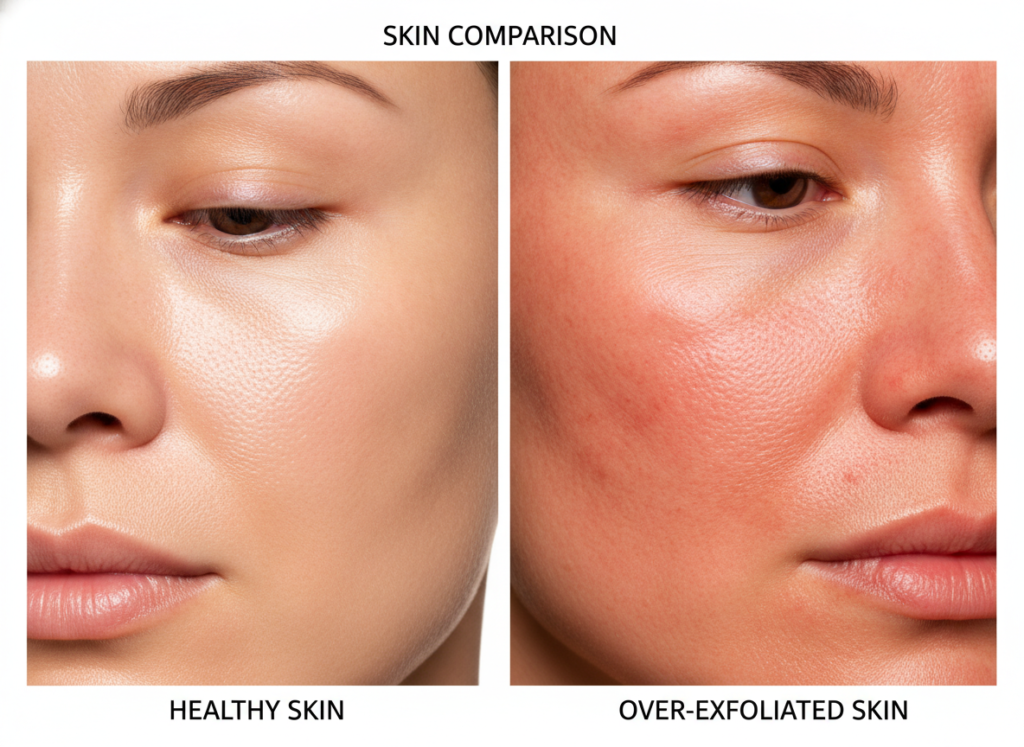
Exfoliation is beneficial, but too much damages your skin barrier. Many people think more exfoliation means better results. This isn’t true.
Over-exfoliation strips away protective oils and disrupts your moisture barrier. Your skin becomes red, sensitive, and irritated. It may produce more oil to compensate, leading to breakouts.
Stick to exfoliating 2-3 times per week maximum. Let your skin rest between treatments. If you use retinol regularly, you might need even less additional exfoliation.
Listen to your skin. Redness, tightness, or increased sensitivity signal you’re overdoing it. Scale back and let your skin recover.
Skipping Sunscreen
This mistake ranks as the most damaging for long-term skin health. Skipping sunscreen undoes all your other anti-aging efforts.
UV exposure continues year-round. Clouds don’t block harmful rays. Windows in your car and home let UV light through. You need protection every single day.
Make sunscreen as automatic as brushing your teeth. Keep it by your makeup or morning coffee as a reminder. Your future skin will thank you.
Using Too Many Products at Once
The beauty industry makes it tempting to try everything at once. More products don’t equal better skin. They often cause problems instead.
Layering too many active ingredients increases irritation risk. Your skin can’t process everything effectively. You also can’t identify which products work or cause issues.
Build your routine gradually. Introduce new products one at a time. Wait a few weeks before adding another. This approach helps you understand what your skin actually needs.
Neglecting Your Neck and Décolletage
Many people focus entirely on their face and forget about their neck. This area shows aging just as obviously as your face does.
The skin on your neck is thinner and has fewer oil glands. It needs the same care and protection as your face. Extend all your products down to your chest area.
Apply sunscreen to your neck and chest every day. Use your serums and moisturizers on these areas too. Treat them as extensions of your face.
Expecting Overnight Results
Skin care requires patience and consistency. No product delivers dramatic results overnight. Setting realistic expectations prevents disappointment and product-hopping.
Most ingredients need 8-12 weeks to show visible improvements. Your skin cells need time to turn over and respond to treatments. Retinol can take even longer to reveal its full benefits.
Stick with products long enough to see results. Take photos to track your progress. Changes happen gradually, so you might not notice daily improvements.
Consistency matters more than perfection. A simple routine you follow daily beats an elaborate one you only use occasionally.
How to Select the Right Products for Your Skin Type
Not all products work equally well for everyone. Your skin type determines which formulations deliver the best results for you.
Understanding Your Skin Type
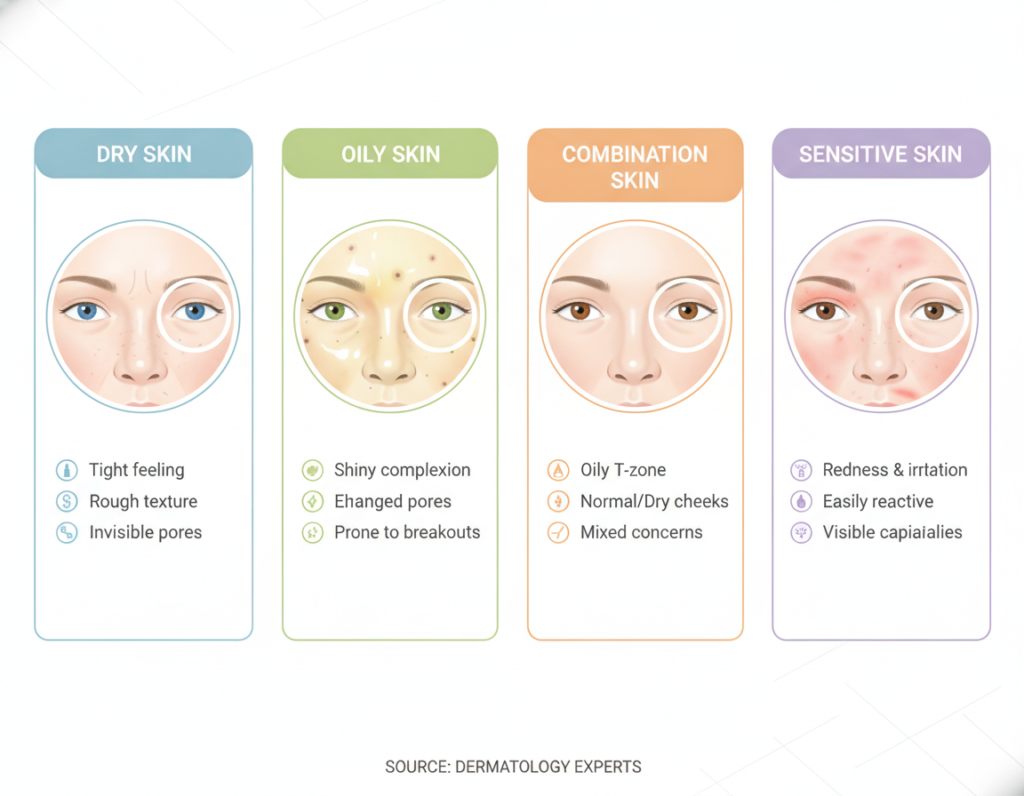
Identifying your skin type helps you choose appropriate products. Most people fall into one of several categories.
Dry skin feels tight, especially after cleansing. It may flake or look dull. You need rich, hydrating formulas that support your moisture barrier.
Oily skin produces excess sebum, particularly in your T-zone. You might deal with shine and enlarged pores. Lightweight, oil-free products work best for you.
Combination skin shows different characteristics in different areas. Your T-zone might be oily while your cheeks feel dry. You may need different products for different face zones.
Sensitive skin reacts easily to products and environmental factors. It may appear red or feel irritated frequently. You need gentle, fragrance-free formulas with minimal ingredients.
Reading Product Labels
Understanding ingredient lists helps you make informed choices. Active ingredients appear higher on the list when present in greater concentrations.
Look for the key anti-aging ingredients mentioned earlier. Retinol, vitamin C, hyaluronic acid, and peptides should be listed prominently if they’re truly effective in the formula.
Avoid products with alcohol high on the ingredient list. This can dry out your skin unnecessarily. Also skip heavily fragranced products, which can cause irritation.
Check expiration dates and PAO symbols. These indicate how long products remain effective after opening. Active ingredients degrade over time and lose potency.
Patch Testing New Products
Always patch test new products before applying them to your entire face. This prevents widespread reactions to ingredients that don’t agree with your skin.
Apply a small amount behind your ear or on your inner arm. Wait 24-48 hours. If no redness or irritation appears, test it on a small facial area.
Introduce only one new product at a time. Wait at least a week before adding another. This approach helps you identify any products that cause problems.
Your skin’s needs change throughout the year. Environmental factors affect how your skin behaves and what it requires.
Winter Skin Care Adaptations
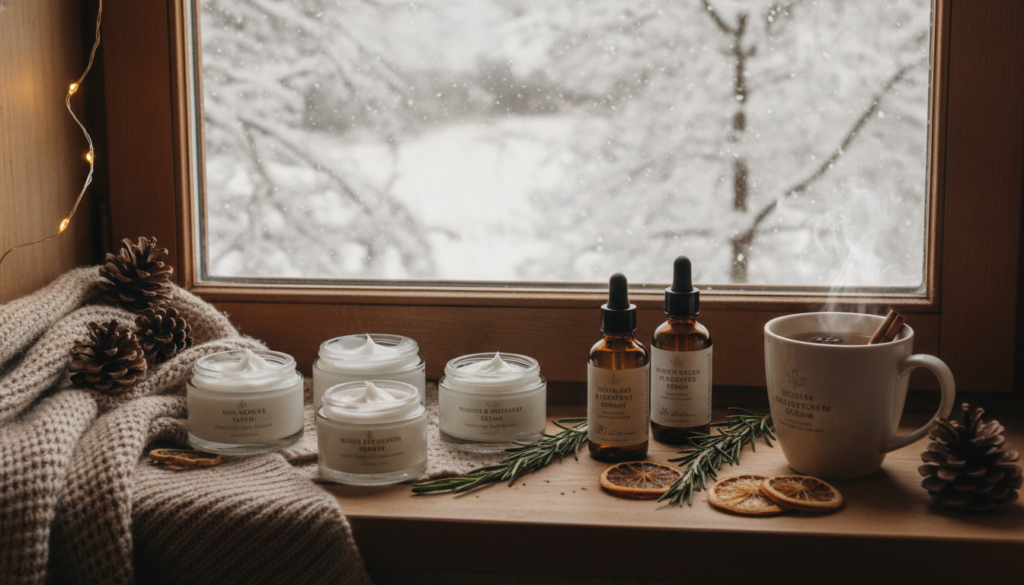
Cold weather and indoor heating strip moisture from your skin. Winter often brings dryness, flaking, and increased sensitivity.
Switch to richer moisturizers during winter months. Add a facial oil if your skin feels particularly dry. Consider using a humidifier in your bedroom to add moisture to the air.
Don’t skip sunscreen just because it’s cold. Snow reflects UV rays, increasing exposure. Continue your daily sun protection routine.
Reduce exfoliation frequency if your skin becomes sensitive. Your barrier needs extra support during harsh weather. Focus on hydration and protection.
Summer Skin Care Modifications
Hot weather and increased sun exposure require different strategies. Summer brings higher humidity but also more damaging UV rays.
You might switch to lighter moisturizers in summer. Gel formulas work well when humidity is high. Your skin often produces more oil in warm weather.
Increase sun protection vigilance. Apply sunscreen more frequently. Reapply after swimming or sweating. Wear protective clothing and seek shade during peak sun hours.
You may tolerate stronger exfoliants better in summer. The extra moisture in the air supports your skin’s recovery. Just don’t overdo it and compromise your sun protection.
Transition Seasons
Spring and fall require gradual adjustments as weather changes. Pay attention to how your skin responds and adapt accordingly.
Spring often brings increased oil production as temperatures warm. You might lighten up your moisturizer gradually. Watch for seasonal allergies that can affect your skin.
Fall preparation involves rebuilding your moisture barrier before winter hits. Start incorporating richer products as the air becomes drier. This prevents the shock of sudden environmental changes.
Professional Treatments to Consider in Your 30s
While home care forms the foundation, professional treatments can enhance your results. Certain procedures address concerns that topical products can’t fully resolve.
Chemical Peels
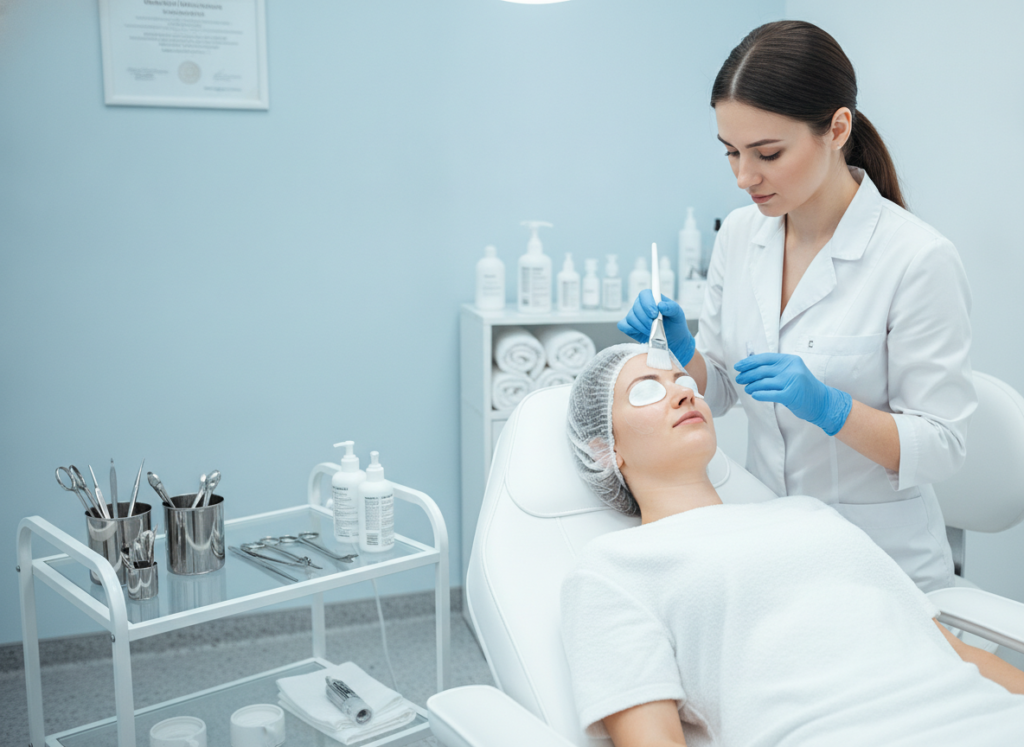
Professional chemical peels use higher acid concentrations than at-home products. They resurface your skin more dramatically, revealing fresh skin underneath.
Light peels require no downtime and provide subtle improvements. Medium peels offer more dramatic results but need a few days of recovery. Deep peels are rarely necessary in your 30s.
Peels improve skin tone, fade dark spots, and smooth texture. They stimulate collagen production at deeper levels than home treatments. Most people benefit from a series of treatments spaced several weeks apart.
Microneedling
This treatment creates tiny controlled injuries in your skin. Your body’s healing response produces new collagen and elastin. The result is firmer, smoother skin over time.
Microneedling reduces fine lines, improves texture, and can fade acne scars. It works well in combination with topical treatments. Your skin absorbs products better immediately after treatment.
Plan for minimal downtime. Your face may look red for a day or two. Results build gradually over several months as collagen production increases.
Laser Treatments
Various laser technologies target different skin concerns. Some focus on pigmentation and sun damage. Others stimulate collagen for firming and smoothing.
Fractional lasers create micro-injuries that trigger healing and renewal. IPL treatments target redness and brown spots. Your provider can recommend the best option for your concerns.
Laser treatments typically require a series of sessions. Results appear gradually. You’ll need proper sun protection afterward, as your skin is more sensitive.
When to Seek Professional Help
Consult a dermatologist if you notice sudden changes in your skin. Persistent problems that don’t respond to over-the-counter products warrant professional evaluation.
A professional can customize a treatment plan for your specific concerns. They can prescribe stronger formulations than you can buy retail. They also rule out underlying conditions that might affect your skin.
Consider scheduling an annual skin check. Early detection of skin cancer and other issues improves outcomes significantly.
Building a Consistent Routine That Lasts
The best skin care routine means nothing if you don’t stick with it. Consistency delivers results. Finding ways to maintain your routine long-term is essential.
Creating Sustainable Habits
Start simple and add complexity gradually. A basic three-step routine you follow daily beats an elaborate ten-step routine you only do occasionally.
Link your routine to existing habits. Do your morning skin care right after brushing your teeth. Complete your evening routine before bed. These anchors make it easier to remember.
Keep products visible and accessible. Out of sight truly means out of mind with skincare. An organized vanity or shelf keeps your routine top of mind.
Tracking Your Progress
Take photos every few weeks to document changes. You see your face daily, making gradual improvements hard to notice. Photos provide objective evidence of progress.
Keep a simple journal noting what products you use and how your skin responds. This helps identify patterns and problem products. You’ll know what works and what doesn’t.
Celebrate small wins. Notice when your skin feels smoother or looks brighter. These positive reinforcements encourage continued commitment.
Dealing with Setbacks
Everyone misses days occasionally. Don’t let one skipped routine derail your entire effort. Simply restart the next day without guilt.
Breakouts and reactions happen even with a perfect routine. Your skin responds to stress, hormones, and environmental factors beyond your control. Don’t abandon products that generally work well because of temporary issues.
Adjust expectations during busy or stressful periods. A simplified routine beats no routine. Do what you can and return to your full regimen when life calms down.
Your Complete 30s Skin Care System
Stop guessing what your skin needs. Get a complete, proven system designed specifically for women in their 30s. Everything you need to fight aging signs, boost collagen, and reveal radiant skin – all in one comprehensive program.
Quality skin care doesn’t require unlimited funds. Strategic spending and smart choices let you build an effective routine regardless of budget.
Investment Priorities
Some products deserve more investment than others. Allocate your budget to products that make the biggest difference.
Sunscreen and retinol are worth investing in quality formulas. These products work hard and need to be effective. Cheaper versions often irritate skin or work poorly.
Worth the Splurge
Retinol products with proven formulations
High-quality sunscreen you’ll actually wear
Vitamin C serums with stable forms
Eye creams with effective peptides
Save Money Here
Basic cleansers without fancy ingredients
Simple moisturizers with solid formulas
Hyaluronic acid serums
Cotton pads and basic tools
Cleansers don’t need to be expensive. They wash off quickly, so fancy ingredients don’t make much difference. A gentle, effective cleanser at drugstore prices works just as well as luxury versions.
Multi-Tasking Products
Some products serve multiple purposes, stretching your budget further. Look for moisturizers with SPF for daytime convenience. Some serums combine multiple beneficial ingredients.
A good vitamin C serum provides antioxidant protection and brightening benefits. One product addresses multiple concerns. This approach reduces the number of items you need.
Quality matters more than quantity. Three excellent products beat ten mediocre ones. Focus on items that truly make a difference for your skin.
When to Consider Dupes
Some affordable products genuinely rival expensive alternatives. Research drugstore options that contain similar active ingredients to luxury products.
Many budget brands now offer retinol, hyaluronic acid, and niacinamide at fraction of luxury prices. The formulations might differ slightly, but active ingredients remain effective.
Read reviews from people with similar skin types. Community feedback helps identify true gems among affordable options. Not all cheap products are poor quality.
Your Path to Timeless Beauty Starts Now
Your 30s mark the perfect time to invest in your skin. The changes happening now respond beautifully to proper care and attention.
A solid skin care routine protects your investment in yourself. The time you spend caring for your face pays dividends for decades to come. Each product you apply, each habit you build contributes to your future appearance.
Remember that consistency matters more than perfection. Small daily actions compound into remarkable results over time. Your skin responds to regular care with improved texture, tone, and overall health.
The ingredients and steps outlined in this guide provide a proven framework. Retinol stimulates collagen. Vitamin C protects and brightens. Hyaluronic acid hydrates deeply. Sunscreen prevents future damage. These basics work.
Listen to your skin as you build your routine. Adjust products based on how your face responds. What works perfectly for someone else might not suit your unique needs. Customize your approach over time.
Don’t forget the lifestyle factors that enhance your routine. Quality sleep, proper hydration, nutritious food, and stress management all reflect in your complexion. True beauty radiates from overall wellness.
Start where you are with what you have. You don’t need every product immediately. Build gradually, focusing first on cleansing, moisturizing, and sun protection. Add treatment products as your budget and understanding grow.
Your skin in your 30s deserves specialized attention. The effort you invest now determines how your skin looks in your 40s, 50s, and beyond. Make choices today that your future self will appreciate.
Take action now. Your journey to healthier, more radiant skin begins with a single step. Choose one improvement to implement this week. Build from there. Your best skin awaits.