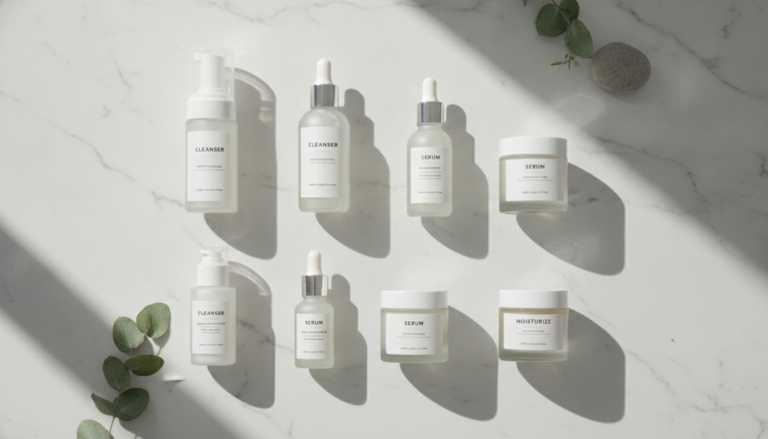
Getting your skin care routine order right can feel overwhelming. You might have a bathroom shelf packed with products but still wonder if you’re applying them correctly. The truth is simple: the order matters just as much as the products themselves.
When you layer your skin care products in the wrong sequence, you risk blocking ingredients from absorbing properly. Your expensive serum can’t work its magic if you’ve already sealed your skin with a heavy cream. Your treatments won’t penetrate dead skin cells if you skip cleansing.
This guide breaks down exactly how to structure your morning and evening routines. You’ll learn which products go first, why the sequence matters, and how to customize the order for your specific skin type. Whether you have oily skin, dry skin, or sensitive skin, following the proper application steps will maximize every product’s effectiveness and transform your complexion.
Ready to Transform Your Skin Care Routine?
Discover the complete system that takes the guesswork out of product application. Get step-by-step guidance tailored to your skin type and concerns, plus expert recommendations that actually work.
Why the Order of Your Skin Care Routine Actually Matters
The sequence in which you apply skin care products directly impacts how well ingredients absorb into your skin. Your skin acts as a barrier, and products create layers that can either help or hinder absorption of what comes next.
Think of your skin care routine like getting dressed. You wouldn’t put your coat on before your shirt. The same logic applies to layering products on your face. Light, water-based products should go on first because they can’t penetrate through heavier oils and creams.
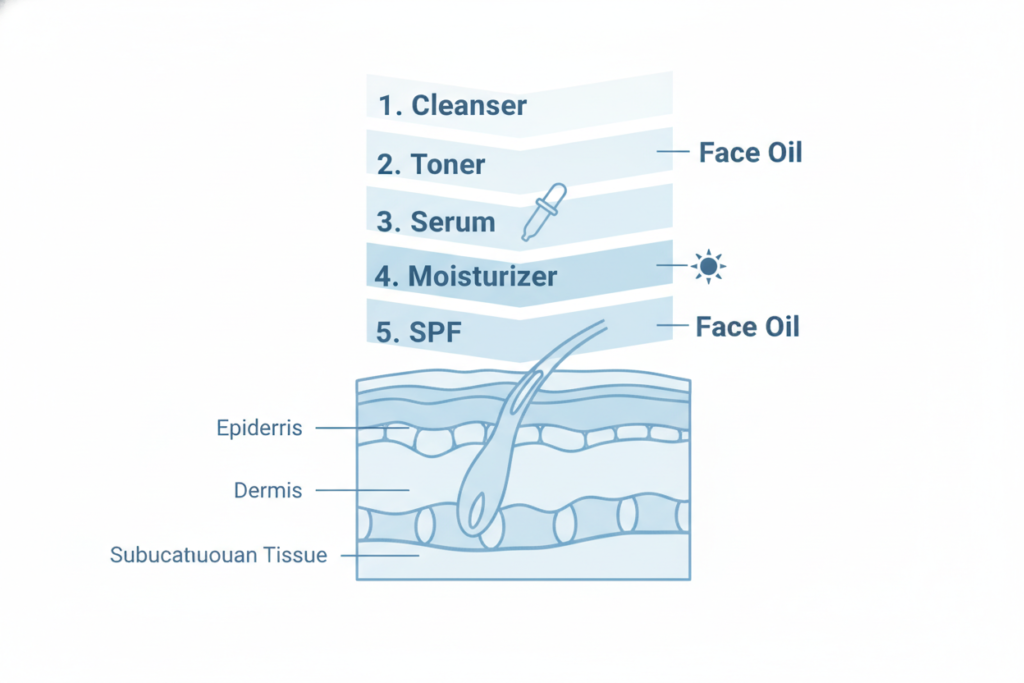
When you follow the correct order, active ingredients reach the deeper layers of your skin where they work best. Applying products from thinnest to thickest consistency ensures each formula has the best chance to deliver results.
The Science Behind Product Absorption
Your skin barrier consists of dead skin cells held together by natural oils. Products must pass through this barrier to reach living skin cells beneath. Molecular size matters here tremendously.
Smaller molecules in lightweight serums penetrate more easily than larger molecules in thick creams. If you apply moisturizer before serum, you create an occlusive barrier. This blocks the serum’s active ingredients from ever reaching your skin cells.
The pH level of products also affects how well subsequent products work. Using products in the right order maintains your skin’s natural pH balance. This keeps your skin barrier healthy and functioning properly.
Common Mistakes That Reduce Product Effectiveness
Many people apply products in random order, wondering why their expensive treatments don’t work. Some mistakes actually cause irritation instead of improvement.
Applying thick eye cream before lightweight serum wastes both products. The serum can’t penetrate the cream barrier around your eyes. Your targeted treatments sit on top of your moisturizer instead of sinking into skin.
What Happens With Wrong Order
- Products pill up and roll off your face
- Active ingredients never reach skin cells
- Treatments sit on the surface doing nothing
- You waste money on ineffective application
- Skin concerns persist despite using quality products
Benefits of Correct Application Order
- Maximum absorption of active ingredients
- Better results from every product you own
- Reduced irritation and sensitivity
- Visible improvements in skin texture
- More efficient morning and evening routines
Using spot treatment after moisturizer prevents acne medication from reaching clogged pores. Applying sunscreen before serum creates a physical barrier that blocks beneficial ingredients. These seemingly small mistakes add up to disappointing results.
The Basic Principle: Thinnest to Thickest
The golden rule for skin care routine order is surprisingly simple. Always apply your products from thinnest consistency to thickest. This ensures lighter formulas absorb before heavier ones seal everything in.
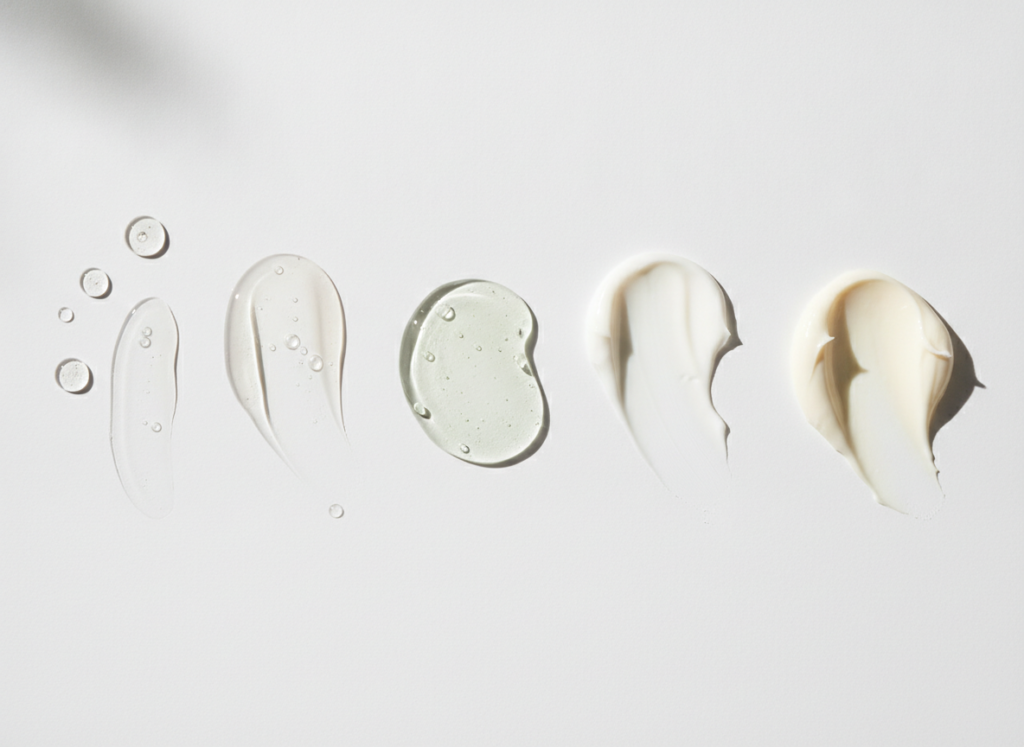
Water-based products should always come before oil-based products. Oils create a barrier that water cannot penetrate. Once you’ve applied an oil or heavy cream, anything you put on top will just sit on the surface.
Understanding Product Consistency
Learning to identify product consistency takes practice but becomes intuitive quickly. Watery liquids like toners go first. Gel-like serums come next. Creamy lotions follow. Thick balms finish your routine.
Some products blur these categories. A serum might feel slightly oily, or a cream might have a gel-cream hybrid texture. When in doubt, check the first few ingredients. Water-listed products go before oil-listed ones.
Quick Consistency Check: Pour a small amount on the back of your hand. If it spreads easily and feels watery, apply it early. If it stays put and feels thick, save it for later in your routine.
How to Layer Different Product Types
Your morning routine will differ slightly from your evening care. Both follow the thin-to-thick rule, but the specific products change based on your skin’s needs throughout the day.
Morning routines focus on protection from environmental damage. You’ll layer products that shield your skin from pollution, blue light, and UV rays. The last step must always be sunscreen, regardless of thickness.
Evening routines emphasize repair and treatment. Your skin regenerates while you sleep. This makes nighttime ideal for active ingredients that target specific concerns like fine lines, dark spots, or acne.
- Cleanser (if washing face)
- Toner or essence
- Serum with antioxidants
- Eye cream for brightness
- Lightweight moisturizer
- Sunscreen as final step
Morning Product Order
- Oil-based cleanser (remove makeup)
- Water-based cleanser
- Toner to balance pH
- Treatment serum or retinol
- Eye cream for repair
- Night cream or sleeping mask
Evening Product Order
The Exception to Every Rule
Sunscreen breaks the consistency rule because protection matters more than texture. Always apply sunscreen as your last skin care step, even if your night cream feels thicker. Sunscreen needs direct contact with skin to form a protective barrier.
Spot treatments also deserve special consideration. Apply acne treatments directly to clean skin before other products. This gives medication direct access to clogged pores without barriers blocking absorption.
Your Complete Morning Skin Care Routine Order
Your morning skin care routine prepares your skin to face the day ahead. The right order protects against environmental damage while keeping your complexion fresh and hydrated until evening.
Step 1: Gentle Morning Cleanser
Cleansing removes oils, sweat, and product buildup from your overnight routine. Your skin produces sebum while you sleep, and this excess oil can clog pores if not removed properly in the morning.
Choose a gentle cleanser that doesn’t strip your skin barrier. You don’t need aggressive cleansing in the morning like you do at night. A mild, pH-balanced formula removes impurities without causing irritation.
People with dry skin can skip morning cleansing or simply rinse with water. Those with oily skin or acne-prone skin benefit from a light foaming cleanser that removes excess oil without over-drying.
Step 2: Toner to Balance and Prep
Toner restores your skin’s pH balance after cleansing. It also adds a first layer of hydration and helps subsequent products absorb better into skin cells.
Modern toners have evolved far beyond harsh, alcohol-based astringents. Look for hydrating toners with ingredients like hyaluronic acid that plump skin and improve moisture retention throughout the day.
Apply toner with clean hands or a cotton pad. Pat gently into skin rather than rubbing. This method preserves your skin barrier while ensuring even distribution across your entire face.
Unlock Your Perfect Morning Routine
Stop guessing which products to use each morning. Get a customized routine designed for your specific skin type, complete with product recommendations and application techniques that deliver visible results.
Step 3: Vitamin C Serum for Protection
Serums contain concentrated active ingredients in lightweight formulas. Morning serums should focus on protection and brightening rather than intensive treatment.
Vitamin C serum works as a powerful antioxidant that defends against free radical damage from pollution and UV exposure. It also brightens skin tone and helps fade dark spots over time with consistent use.
Apply serum to slightly damp skin for better absorption. Use three to four drops for your entire face. Press gently into skin with your fingertips, avoiding harsh rubbing that can cause irritation.
Step 4: Eye Cream for Delicate Skin
The skin around your eyes is thinner and more delicate than the rest of your face. Eye cream provides targeted hydration and addresses concerns like dark circles, puffiness, and fine lines.
Use your ring finger to apply eye cream. This finger applies the least pressure, which protects the delicate eye area. Gently pat product around the orbital bone, never pulling or tugging at skin.
Morning eye creams should feel lightweight and absorb quickly. Look for caffeine to reduce puffiness and peptides to strengthen skin. Avoid heavy formulas that might cause makeup to slide throughout the day.
Step 5: Lightweight Moisturizer
Moisturizer locks in all the beneficial ingredients from previous steps. It creates a barrier that prevents water loss throughout the day while keeping skin soft and comfortable.
Choose a moisturizer appropriate for your skin type. Those with oily skin need gel-based or oil-free formulas. People with dry skin require richer creams with ingredients like ceramides and fatty acids.
Apply moisturizer while your skin still feels slightly damp from previous products. This helps seal in hydration. Use upward motions when applying to avoid pulling skin downward.
Step 6: Sunscreen as Your Final Step
Sunscreen is non-negotiable in any morning routine. UV damage causes premature aging, dark spots, and increases skin cancer risk. Daily sunscreen use is the single most effective anti-aging step you can take.
Use a broad-spectrum SPF 30 or higher. Apply enough to cover your entire face and neck. Most people use too little sunscreen, reducing its effectiveness significantly.
Sunscreen Amount Guide: You need about one-quarter teaspoon for your face and another quarter teaspoon for your neck. This equals roughly a nickel-sized amount for face only. Reapply every two hours if you’re outdoors.
Wait for sunscreen to dry completely before applying makeup. Chemical sunscreens need about fifteen minutes to bond with your skin. Physical sunscreens create an immediate barrier but still benefit from drying time.
Your Complete Evening Skin Care Routine Order
Your evening skin care routine order focuses on deep cleansing, repair, and treatment. Night time offers the perfect opportunity for active ingredients to work without sun exposure or environmental interference.

Step 1: Oil-Based Makeup Remover
Removing makeup thoroughly is crucial for healthy skin. Sleeping in makeup clogs pores, prevents skin cell turnover, and can cause breakouts. Oil-based cleansers dissolve makeup most effectively, including waterproof formulas.
Apply cleansing oil to dry skin. Massage gently in circular motions, focusing on areas with heavy makeup. The oil binds to makeup, sunscreen, and excess sebum. Add water to emulsify, then rinse thoroughly.
Even if you don’t wear makeup, oil cleansing removes sunscreen completely. Many sunscreens contain ingredients that regular cleansers can’t fully remove. This first cleanse ensures nothing blocks your pores overnight.
Step 2: Water-Based Cleanser
Double cleansing ensures your skin is truly clean. The second cleanse removes any remaining impurities and prepares your skin to absorb treatment products.
Choose a gentle, pH-balanced cleanser that matches your skin type. Those with oily skin can use foaming cleansers with salicylic acid. Sensitive skin types benefit from cream cleansers without harsh sulfates.
Massage cleanser onto damp skin for thirty to sixty seconds. This gives the formula time to work without over-cleansing. Rinse with lukewarm water, never hot, which can strip your skin barrier.
Master the Art of Double Cleansing
Learn professional cleansing techniques that remove every trace of makeup and impurities without stripping your skin. Discover which cleansing combinations work best for your specific skin concerns.
Step 3: Exfoliation (Two to Three Times Weekly)
Exfoliation removes dead skin cells that accumulate on your skin’s surface. This reveals fresh skin cells underneath and prevents clogged pores that lead to breakouts.
Chemical exfoliants work better than physical scrubs for most skin types. AHAs like glycolic acid dissolve the bonds between dead skin cells. BHAs like salicylic acid penetrate into pores to clear out oil and debris.
Use exfoliants on clean, dry skin before applying other products. Start with two times per week and adjust based on how your skin responds. Over-exfoliating can damage your skin barrier and cause irritation.
Step 4: Treatment Toner
Evening toners can be more treatment-focused than morning versions. Look for formulas with active ingredients like niacinamide for pore refinement or glycolic acid for gentle exfoliation.
Apply toner immediately after cleansing while skin is still slightly damp. This maximizes absorption and helps balance your skin’s pH after cleansing. Pat product into skin rather than swiping with a cotton pad.
Step 5: Treatment Serum or Retinol
Night time is ideal for treatment serums because your skin repairs itself while you sleep. Retinol, the gold standard anti-aging ingredient, should only be used at night because sunlight degrades its effectiveness.
Retinol increases cell turnover, reduces fine lines, and improves skin texture. Start with a low concentration and gradually increase as your skin builds tolerance. Apply to completely dry skin to minimize irritation.
Serum Application Tips
- Wait until skin is completely dry after cleansing
- Use three to four drops maximum
- Avoid the immediate eye area initially
- Press gently into skin with fingertips
- Allow three to five minutes before next step
Common Serum Mistakes
- Applying to damp skin causes excess irritation
- Using too much product wastes expensive serums
- Mixing retinol with certain acids causes problems
- Not giving products time to absorb properly
- Starting with too high a concentration too quickly
Step 6: Targeted Spot Treatment
Spot treatments address specific concerns like active breakouts or dark spots. Apply these after serum but before moisturizer so active ingredients reach problem areas.
Benzoyl peroxide treats bacterial acne effectively. Salicylic acid unclogs pores. Hydroquinone or vitamin C fade dark spots. Use spot treatments only on affected areas, not your entire face.
Allow spot treatments to dry completely before continuing your routine. This prevents diluting their concentration and ensures maximum effectiveness on targeted areas.
Step 7: Eye Cream for Overnight Repair
Night eye cream can be richer than morning versions. Look for ingredients like retinol (start carefully), peptides, and ceramides that support skin repair during sleep.
Apply eye cream after treatment products but before heavier moisturizers. Use your ring finger to gently pat product around the orbital bone. Never apply eye cream too close to your lash line.
Target Your Specific Eye Concerns
Learn which eye treatments actually work for dark circles, puffiness, and crow’s feet. Get expert recommendations tailored to your unique under-eye concerns and skin sensitivity level.
Step 8: Night Cream or Sleeping Mask
Your final evening step seals in all previous products and provides intensive overnight hydration. Night creams are typically richer than day moisturizers because you don’t need to worry about makeup application afterward.
Choose formulas with ingredients that support overnight repair. Peptides stimulate collagen production. Ceramides strengthen your skin barrier. Hyaluronic acid draws moisture deep into skin cells.
Apply night cream generously, using upward and outward motions. Don’t forget your neck and décolletage, which show signs of aging just as quickly as your face.
Optional Step 9: Facial Oil
Facial oils provide an extra layer of nourishment and lock in moisture. They’re particularly beneficial for dry skin types or during harsh winter months when skin needs additional protection.
Apply facial oil as your absolute last step, even after moisturizer. Oils create an occlusive barrier that prevents water loss. Warm a few drops between your palms and press gently into skin.
Customizing Skin Care Routine Order for Your Skin Type
While the basic skin care routine order remains consistent, specific products and techniques should adapt to your unique skin type. Understanding your skin’s specific needs helps you choose the right formulas and adjust application accordingly.
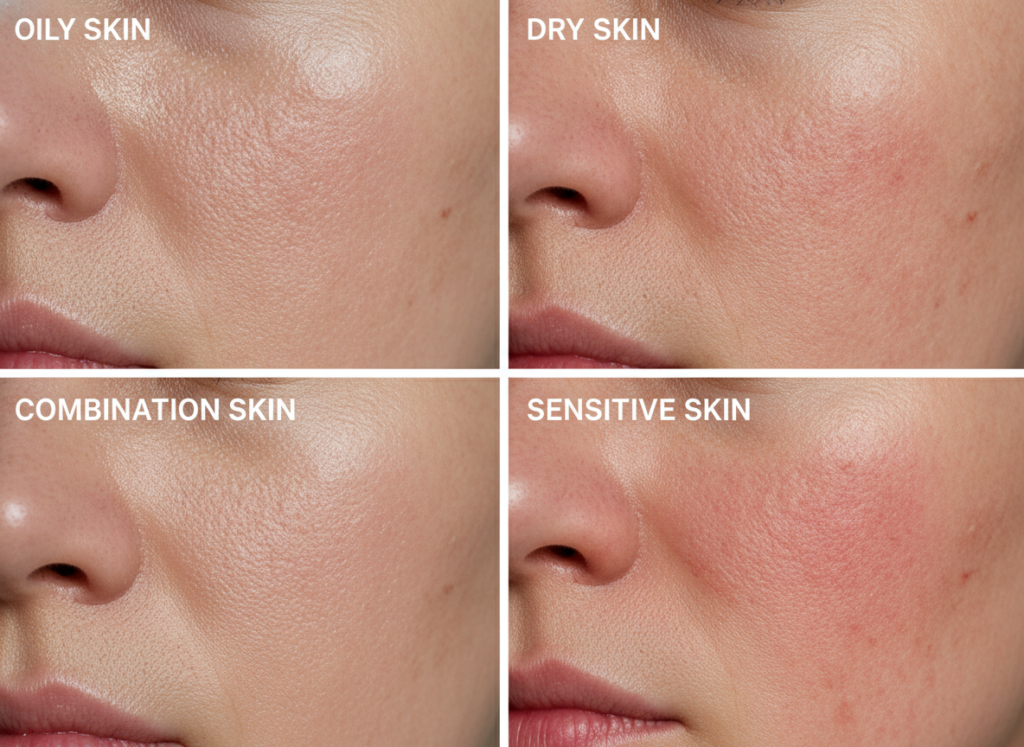
Oily Skin Routine Adjustments
Oily skin produces excess oil throughout the day. Your routine should focus on controlling sebum without stripping your skin barrier, which only triggers more oil production.
Use gel-based or water-based products instead of heavy creams. Look for ingredients like niacinamide that regulate oil production and salicylic acid that keeps pores clear. Avoid rich oils that can clog pores.
Morning for Oily Skin
- Foaming cleanser with salicylic acid
- Mattifying toner with witch hazel
- Lightweight vitamin C serum
- Oil-free gel moisturizer
- Matte-finish sunscreen SPF 30+
Evening for Oily Skin
- Oil cleanser (yes, oil dissolves oil)
- Foaming cleanser second cleanse
- BHA toner three times weekly
- Niacinamide serum for oil control
- Gel moisturizer or sleeping gel mask
Products to Avoid
- Heavy face oils and balms
- Thick, occlusive moisturizers
- Coconut oil and comedogenic oils
- Alcohol-based products that over-dry
- Rich, creamy cleansers and masks
Don’t skip moisturizer even with oily skin. Dehydrated skin actually produces more oil to compensate. Choose lightweight, non-comedogenic formulas that hydrate without adding greasiness.
Dry Skin Routine Adjustments
Dry skin lacks sufficient moisture and oil. Your skin barrier may be compromised, leading to flaking, tightness, and sensitivity. Focus on intense hydration and barrier repair.
Layer multiple hydrating products to build moisture levels. Use cream-based formulas instead of gels. Look for ingredients like hyaluronic acid, ceramides, and glycerin that attract and retain moisture.
Dry Skin Essential: Apply products to damp skin to seal in moisture. Keep a facial mist handy to re-dampen skin between steps if products start absorbing too quickly.
Morning routines for dry skin should include hydrating toners, essence layers, and rich moisturizers. Evening routines benefit from facial oils as a final step to prevent overnight moisture loss.
Combination Skin Routine Adjustments
Combination skin presents unique challenges with an oily T-zone and dry cheeks. You may need different products for different facial areas, though this isn’t always necessary.
Focus on balanced, moderate formulas that don’t over-treat either concern. Use lightweight layers that hydrate without adding excess oil. Adjust specific steps based on seasonal changes.
Apply lighter products like gel serums all over your face. Use heavier creams only on dry areas like cheeks. Your T-zone might benefit from oil-control products while your cheeks need extra hydration.
Sensitive Skin Routine Adjustments
Sensitive skin reacts easily to ingredients, environmental factors, and even stress. Building a routine requires patience and careful product selection to avoid triggering irritation.
Choose fragrance-free, hypoallergenic products with minimal ingredients. Introduce new products slowly, one at a time. Wait at least two weeks between adding new items to identify any reactions.
Patch Test Warning: Always patch test new products on your inner arm or behind your ear for 24-48 hours before applying to your face. This prevents full-face reactions to irritating ingredients.
Avoid common irritants like alcohol, synthetic fragrances, essential oils, and harsh physical exfoliants. Stick with gentle, soothing ingredients like centella asiatica, oat extract, and ceramides.
Acne-Prone Skin Routine Adjustments
Acne-prone skin requires careful balance between treating breakouts and avoiding irritation that worsens inflammation. Your routine should address both active breakouts and prevent new ones.
Use non-comedogenic products that won’t clog pores. Incorporate acne-fighting ingredients like salicylic acid, benzoyl peroxide, or retinol. Don’t use all three at once as this causes excessive dryness.
Focus on gentle cleansing twice daily to remove excess oil and bacteria. Avoid harsh scrubbing, which spreads bacteria and irritates inflamed skin. Let active ingredients do the work rather than physical force.
Effective Acne Ingredients
- Salicylic acid unclogs pores from within
- Benzoyl peroxide kills acne bacteria
- Retinol prevents clogged pores forming
- Niacinamide calms inflammation and redness
- Tea tree oil provides natural antibacterial action
Acne Care Mistakes
- Using multiple strong actives simultaneously
- Skipping moisturizer to avoid oil
- Over-exfoliating trying to scrub away acne
- Picking at breakouts and spreading bacteria
- Not giving treatments time to work (minimum six weeks)
When to Add Special Treatments to Your Skin Care Routine Order
Special treatments target specific skin concerns beyond your basic routine. Knowing when and how to incorporate masks, peels, and intensive treatments maximizes their benefits without overwhelming your skin.
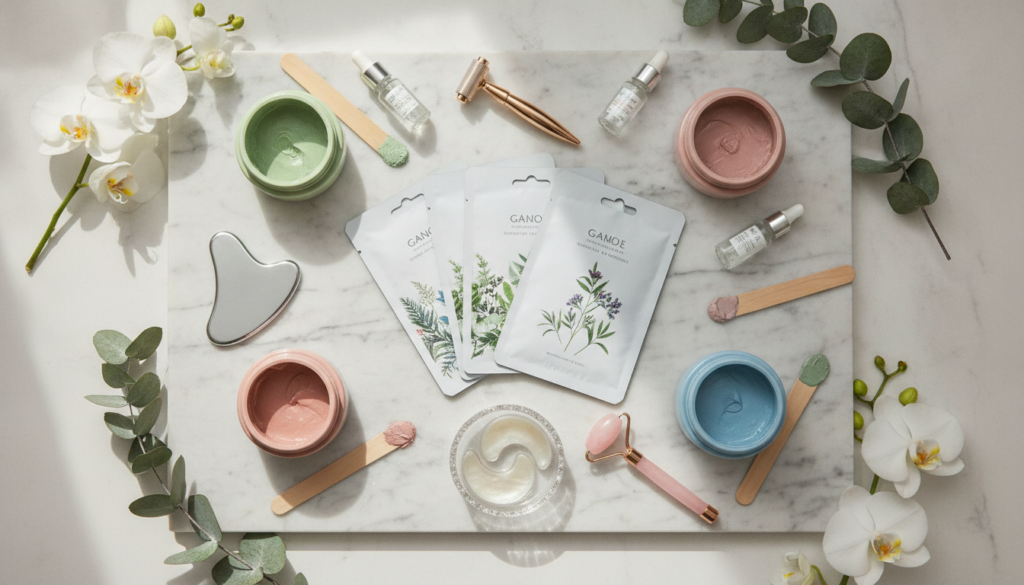
Face Masks in Your Routine
Face masks deliver concentrated ingredients for specific purposes. Clay masks absorb excess oil. Sheet masks provide intense hydration. Sleeping masks work overnight for deep repair.
Apply masks after cleansing and toning but before serums and moisturizers. The only exception is sleeping masks, which go on as your final evening step over all other products.
Use clay or purifying masks one to two times weekly for oily or acne-prone skin. Hydrating masks can be used three to four times weekly or even daily for very dry skin. Always follow with your regular routine.
Chemical Exfoliants and Peels
Chemical exfoliants like AHAs and BHAs remove dead skin cells more effectively than physical scrubs. They improve skin texture, unclog pores, and enhance absorption of other products.
Apply exfoliating toners or serums after cleansing on completely dry skin. Wait three to five minutes before continuing your routine. This gives acids time to work at the proper pH level.
Exfoliation Frequency Guide: Sensitive skin: once weekly. Normal skin: two to three times weekly. Oily or acne-prone skin: three to four times weekly. Always start conservatively and increase gradually.
Never use multiple exfoliating products in the same routine. Don’t combine retinol with strong acids on the same night. Alternating between different treatments prevents over-exfoliation and irritation.
Retinol and Prescription Treatments
Retinol is the most effective anti-aging ingredient available without prescription. It increases cell turnover, stimulates collagen, and improves overall skin texture and tone.
Apply retinol to completely dry skin after cleansing and toning. Wait at least twenty minutes after washing before application to minimize irritation. Use only at night as sunlight degrades retinol.
Start with a low concentration (0.25% to 0.5%) and use just twice weekly initially. Gradually increase frequency as your skin builds tolerance. Some irritation is normal during the adjustment period.
Spot Treatments for Active Breakouts
Spot treatments deliver concentrated acne medication directly to blemishes. They work best when applied to clean skin before other products create a barrier.
Apply spot treatment immediately after cleansing or after toner. Use a clean cotton swab to dab product directly onto blemishes. Allow treatment to dry completely before continuing your routine.
Benzoyl peroxide spot treatments can be used morning and night. Salicylic acid treatments work best at night. Avoid layering multiple spot treatments, which causes excessive dryness around breakouts.
Master Advanced Treatment Techniques
Learn how to safely incorporate powerful treatments like retinol, chemical peels, and targeted therapies into your routine. Get expert guidance on building tolerance and combining active ingredients effectively.
Eye Treatments Beyond Basic Cream
The delicate eye area benefits from specialized treatments beyond daily eye cream. Eye masks, serums, and patches address specific concerns like dark circles, puffiness, and crow’s feet.
Apply eye serums before eye cream, following the thin-to-thick rule. Use eye masks or patches on clean skin, typically two to three times weekly. Follow with your regular eye cream after removing masks.
Facial Oils and Essences
Facial oils create an occlusive barrier that locks in moisture. They’re particularly beneficial during winter or for dry skin types. Apply oils as your absolute last step, even after moisturizer.
Essences are lightweight, watery products packed with beneficial ingredients. Apply essence immediately after toner and before serum. Pat gently into skin until fully absorbed.
Some people layer multiple essences for increased hydration. This technique, popular in Korean skin care, is called the “seven-skin method.” It’s especially effective for dehydrated skin.
Common Skin Care Routine Order Mistakes to Avoid
Even with the best products, wrong application order wastes money and prevents results. Understanding common mistakes helps you avoid pitfalls that reduce your routine’s effectiveness.

Applying Products Too Quickly
Rushing through your routine prevents proper absorption. Each product needs time to penetrate your skin before you apply the next layer. Piling on products immediately causes them to pill up and roll off your face.
Wait at least thirty seconds to one minute between each step. Active ingredients like retinol or vitamin C need longer, about three to five minutes. This patience ensures each product works effectively.
Your morning routine should take approximately five to ten minutes. Evening routines with additional treatments might take ten to fifteen minutes. If you’re finishing in two minutes, you’re rushing and wasting products.
Using Too Much Product
More product doesn’t equal better results. Using too much actually prevents absorption and clogs pores. Most serums only require three to four drops for your entire face.
Follow the correct amount for each product type. Cleansers need about a nickel-sized amount. Moisturizers require roughly a dime-sized portion. Eye cream only needs a rice-grain-sized dab per eye.
| Product Type | Correct Amount | Common Mistake | Result of Overuse |
| Cleanser | Nickel-sized amount | Using excessive foam | Stripped, tight skin |
| Toner | Two to three drops | Saturating cotton pad | Product waste, no benefit |
| Serum | Three to four drops | Using full dropper | Pills up, doesn’t absorb |
| Eye Cream | Rice grain per eye | Applying too much | Milia formation, puffiness |
| Moisturizer | Dime to nickel-sized | Using too much | Greasy feel, clogged pores |
| Sunscreen | Quarter teaspoon | Using too little | None, can’t use too much |
Mixing Incompatible Ingredients
Some ingredients don’t work well together and can cause irritation when combined. Knowing which products to separate prevents unnecessary sensitivity and maximizes each ingredient’s benefits.
Never use retinol and vitamin C in the same routine. The pH levels conflict, reducing effectiveness of both. Use vitamin C in the morning and retinol at night for best results.
Avoid combining retinol with AHA or BHA acids on the same night. This combination causes excessive irritation and damages your skin barrier. Alternate nights or use acids in morning and retinol at night.
Safe Ingredient Combinations
- Vitamin C plus vitamin E (enhanced antioxidant protection)
- Niacinamide plus hyaluronic acid (hydration and barrier repair)
- Retinol plus peptides (anti-aging powerhouse)
- AHA plus BHA (complementary exfoliation)
- Ceramides plus fatty acids (barrier strengthening)
Incompatible Combinations
- Retinol plus vitamin C (pH conflict, irritation)
- Retinol plus AHA/BHA acids (excessive irritation)
- Vitamin C plus niacinamide (debated, but can reduce effectiveness)
- Benzoyl peroxide plus retinol (inactivates retinol)
- Multiple acids together (over-exfoliation, damaged barrier)
Skipping Sunscreen
The biggest skin care mistake is skipping daily sunscreen. UV damage accumulates over time, causing premature aging, dark spots, and increased cancer risk. No anti-aging routine works without sun protection.
Wear sunscreen every single day, even when it’s cloudy or you’re staying indoors. UVA rays penetrate windows and cause aging damage. Make sunscreen as automatic as brushing your teeth.
Apply sunscreen as your last skin care step, even if it feels thick. Wait for it to dry before applying makeup. Reapply every two hours if you’re spending time outdoors or near windows.
Not Adjusting for Season or Climate
Your skin’s needs change with seasons, weather, and environment. The routine that works perfectly in summer might leave your skin parched in winter. Flexibility is key to maintaining healthy skin year-round.
Winter requires richer moisturizers and additional facial oils. Summer calls for lighter, gel-based formulas. Humid climates need less heavy hydration than dry desert environments.
Pay attention to how your skin feels and looks. Adjust products as needed rather than rigidly sticking to the same routine. Your skin will tell you what it needs through texture, tightness, or excess oil.
Building a Minimal Yet Effective Skin Care Routine Order
You don’t need dozens of products for healthy skin. A streamlined routine with essential steps delivers excellent results without overwhelming your bathroom counter or your schedule.

The Essential Four-Step Morning Routine
Your minimal morning routine needs only four products to protect and prepare your skin for the day ahead. This approach works for busy mornings while still providing necessary care.
This streamlined approach takes less than five minutes but covers all essential skin care needs. You can always add targeted treatments later as time and budget allow.
The Essential Five-Step Evening Routine
Evening routines require one additional step for thorough cleansing and nighttime repair. This minimal approach still delivers significant results without excessive products.
This simplified evening routine takes about ten minutes but provides comprehensive care. You clean thoroughly, treat concerns, and hydrate deeply without product overload.
Simplify Your Routine Without Sacrificing Results
Discover which products you actually need and which are just marketing hype. Get a customized minimal routine that fits your lifestyle while delivering the healthy skin you want.
When to Add Additional Products
Start with the essentials and add products only when you identify specific needs. This prevents overwhelm and helps you understand what each product actually does for your skin.
Add toner if your skin feels tight after cleansing or if you want enhanced hydration. Incorporate exfoliants when you notice rough texture or clogged pores. Include face oils if your skin feels dry despite moisturizer.
Introduce new products one at a time, waiting at least two weeks before adding another. This helps you identify which products make a difference and which are unnecessary.
Multi-Tasking Products for Efficiency
Some products serve multiple purposes, further simplifying your routine. Tinted moisturizers with SPF combine three steps into one. Cleansing balms remove makeup and cleanse simultaneously.
Look for serums that address multiple concerns, like niacinamide which brightens, controls oil, and strengthens your skin barrier. Moisturizers with built-in anti-aging ingredients reduce the need for separate treatments.
Be cautious with products claiming to do everything. Sometimes specialized products work better than multi-taskers. Choose based on your specific needs rather than convenience alone.
Understanding Product Wait Times and Absorption
Timing between product applications significantly impacts how well ingredients absorb and work. Learning optimal wait times prevents products from pilling up and ensures maximum effectiveness from every formula.
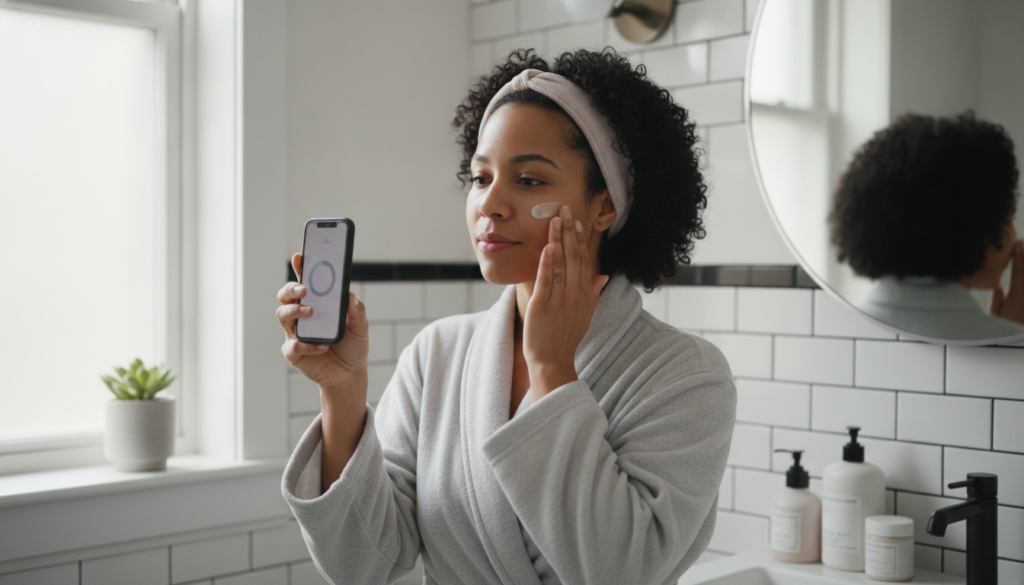
Why Wait Times Matter
Each product needs time to penetrate your skin layers before the next product creates a barrier. Applying products too quickly causes them to mix on the surface, reducing effectiveness and causing pilling.
Some ingredients need specific pH levels to work effectively. Acids require a few minutes at the correct pH before you neutralize them with other products. Rushing negates their benefits.
Your skin can only absorb so much at once. Flooding it with multiple products simultaneously overwhelms absorption capacity. Pacing your routine allows each product to penetrate properly.
Recommended Wait Times by Product Type
Different products require different wait times based on their formulation and active ingredients. Following these guidelines maximizes absorption and prevents common application problems.
| Product Type | Wait Time | Why It Matters |
| Cleanser | None (rinse immediately) | Extended contact can cause over-drying and irritation |
| Toner | 30 seconds | Allows pH balancing and initial hydration layer |
| Vitamin C Serum | 1-2 minutes | Needs time to absorb at optimal pH for effectiveness |
| Hyaluronic Acid | 30-60 seconds | Draws moisture from next product layers |
| Retinol | 5-10 minutes | Prevents irritation and ensures proper pH contact |
| AHA/BHA Acids | 3-5 minutes | Allows acids to work at correct pH before neutralization |
| Eye Cream | 30 seconds | Prevents migration into eyes from subsequent products |
| Moisturizer | 1-2 minutes | Allows absorption before sunscreen or makeup |
| Sunscreen | 15 minutes before sun exposure | Chemical sunscreens need time to bond with skin |
Signs Your Products Aren’t Absorbing Properly
Your skin tells you when products aren’t absorbing correctly. Learning these signs helps you adjust timing and prevent wasted products.
Pilling happens when products roll up into little balls on your skin surface. This indicates you’ve applied too much product or didn’t wait long enough between steps. Products are mixing on the surface instead of absorbing.
Persistent greasiness suggests your skin can’t absorb the amount or type of product you’re using. Your moisturizer might be too heavy for your skin type, or you’ve applied it over products that haven’t absorbed yet.
Quick Absorption Test: After applying a product, gently press your fingers to your face. If product transfers to your fingers or you feel heavy residue, it hasn’t absorbed. Wait another minute before continuing.
How to Speed Up Your Routine Safely
You can reduce total routine time without sacrificing effectiveness by being strategic. Not every product requires extended wait times, and some steps can overlap.
Apply products to slightly damp skin to speed absorption. The moisture helps ingredients penetrate faster. This works especially well for hydrating serums and moisturizers.
Do other morning tasks during wait times. Apply retinol, then brush your teeth. Put on moisturizer, then get dressed. This makes wait times feel less tedious while ensuring proper absorption.
Troubleshooting Common Skin Care Routine Order Problems
Even with proper technique, you might encounter issues with your routine. Understanding how to identify and fix problems ensures your routine continues delivering results.

When Products Pill or Roll Off
Pilling is one of the most frustrating skin care problems. Your expensive products roll into little balls instead of absorbing. Several factors cause this issue, all easy to fix.
You might be using too much product. Reduce the amount of each product by half and see if pilling stops. Most people use far more than necessary.
Incompatible formulas can cause pilling when layered. Silicone-based primers often pill when applied over certain serums. Try switching the order or eliminating one product to identify the culprit.
Common Pilling Causes
- Applying products too quickly without wait times
- Using excessive amounts of multiple products
- Mixing silicone-heavy and silicone-free formulas
- Dead skin cells creating texture under products
- Applying makeup before skincare fully absorbs
Pilling Prevention Strategies
- Wait one minute minimum between each step
- Use smaller amounts of each product
- Pat products in rather than rubbing vigorously
- Exfoliate regularly to remove dead skin cells
- Check ingredient lists for silicone conflicts
Dealing with Increased Sensitivity
If your skin becomes red, irritated, or reactive after starting a new routine, you’ve likely introduced too many active ingredients too quickly. Sensitivity signals you need to scale back.
Strip your routine back to basics immediately. Use only gentle cleanser and moisturizer until irritation subsides. This usually takes three to five days for minor irritation.
Reintroduce products one at a time, waiting at least one week between additions. This identifies which product caused the reaction. Start with lower concentrations of active ingredients.
When Products Don’t Seem to Work
You’ve followed the perfect skin care routine order for weeks but see no improvement. Several factors beyond product order might explain disappointing results.
Most products need at least four to six weeks to show visible results. Cell turnover takes time. Anti-aging ingredients require even longer, typically three months minimum for noticeable improvement.
You might need different products rather than a different order. A product can be correctly applied but simply wrong for your skin type or concerns. Reassess whether your products match your actual needs.
Product Testing Timeline: Give new products at least 28 days (one complete skin cell cycle) before judging effectiveness. Take photos weekly to track subtle changes you might not notice daily.
Managing Breakouts from New Products
Breaking out after starting a new product is frustrating. You need to determine whether you’re experiencing purging (temporary, beneficial) or a true negative reaction (requiring product discontinuation).
Purging happens when active ingredients increase cell turnover, bringing underlying congestion to the surface faster. It occurs only with products like retinol, AHAs, and BHAs. Breakouts appear in areas where you normally get acne.
True breakouts from product incompatibility appear in new areas where you don’t typically break out. They persist beyond six weeks and include irritation, redness, or closed comedones that don’t come to a head.
Adjusting When Life Gets Busy
Some days you simply can’t complete your full routine. Having a condensed backup plan ensures your skin still gets essential care during hectic times.
Your absolute non-negotiables are cleansing and sunscreen. On extremely busy mornings, wash your face and apply sunscreen. That’s better than nothing.
Keep micellar water for nights when you’re too exhausted for double cleansing. Follow with moisturizer. This two-step emergency routine prevents clogged pores while acknowledging real-life limitations.
Integrating Professional Treatments with Your Home Routine Order
Professional treatments like facials, chemical peels, and laser therapy complement your home routine. Understanding how to adjust your skin care routine order around professional treatments protects your investment and prevents complications.

Preparing Your Skin Before Professional Treatments
Your home routine in the weeks before professional treatments impacts how well your skin tolerates and responds to intensive procedures. Proper preparation maximizes results and minimizes complications.
Stop using retinol and strong acids three to seven days before chemical peels or laser treatments. These increase photosensitivity and can cause excessive irritation when combined with professional procedures.
Focus on hydration and barrier support in the weeks leading up to treatments. Well-hydrated skin with a strong barrier heals faster and experiences less downtime after intensive procedures.
Post-Treatment Skin Care Routine Adjustments
After professional treatments, your skin needs simplified, gentle care. Aggressive products or complicated routines interfere with healing and can cause complications.
Use only gentle cleanser and healing moisturizer for the first few days post-treatment. Skip all active ingredients, exfoliants, and retinol until your provider clears you to resume normal routine.
Critical Post-Treatment Rule: Never skip sunscreen after professional treatments. Your skin is more vulnerable to sun damage during healing. Apply SPF 50+ and avoid direct sun exposure for at least two weeks.
Maintaining Professional Results at Home
Professional treatments provide intensive results, but consistent home care maintains and extends those benefits. Your daily routine determines how long professional treatment results last.
After chemical peels, incorporate gentle AHAs into your home routine once fully healed. This maintains the smooth texture achieved professionally without the intensity of in-office treatments.
Following laser treatments, focus on sun protection and antioxidants. Vitamin C serum and daily SPF 50 preserve the even tone and reduced pigmentation achieved through laser therapy.
Seasonal Adjustments to Your Skin Care Routine Order
Your skin’s needs change throughout the year as temperature, humidity, and sun exposure vary. Adapting your routine to seasonal changes maintains healthy skin regardless of weather conditions.

Winter Skin Care Routine Order Modifications
Cold air and indoor heating strip moisture from skin during winter. Your routine needs extra hydration and protection to prevent dryness, flaking, and sensitivity.
Switch to cream-based cleansers instead of foaming formulas. Foaming cleansers remove too much natural oil during winter, compromising your skin barrier when you need it most.
Add a hydrating essence or serum with hyaluronic acid before your regular serum. Layer a facial oil over moisturizer at night to seal in hydration. These extra steps combat winter dryness effectively.
Winter Morning Routine
- Cream cleanser or water rinse only
- Hydrating toner or essence
- Vitamin C serum (continue year-round)
- Rich moisturizer with ceramides
- Sunscreen SPF 30+ (winter sun still damages)
Winter Evening Routine
- Oil cleanser (if wearing makeup)
- Cream cleanser second cleanse
- Hydrating essence or toner
- Treatment serum (retinol, peptides)
- Rich night cream
- Facial oil as final sealing step
Products to Add in Winter
- Hydrating essences with hyaluronic acid
- Facial oils (rosehip, marula, squalane)
- Richer moisturizers with shea butter
- Overnight sleeping masks twice weekly
- Humidifier for bedroom (aids skin hydration)
Summer Skin Care Routine Order Modifications
Heat and humidity change how your skin behaves. Summer routines need lighter textures and enhanced sun protection while addressing increased oil production.
Switch to gel-based or lightweight lotions instead of heavy creams. Your skin produces more natural oil in summer heat. Heavy moisturizers can lead to clogged pores and breakouts.
Upgrade to SPF 50 and reapply more frequently. Summer sun exposure is more intense. Consider switching to mineral sunscreen if chemical formulas feel too heavy in humidity.
Spring and Fall Transition Periods
Transitional seasons require flexibility as weather fluctuates. Your routine might need adjustment week by week as temperatures and humidity levels change.
Keep both lightweight and richer moisturizers on hand. Use heavier formulas on cool days and lighter versions when it’s warmer. This flexibility prevents both dryness and excess oil.
Spring is ideal for introducing new active ingredients. Skin typically behaves better during moderate weather. Use this time to add retinol or stronger acids to your routine.
Bringing Your Skin Care Routine Order Together
Mastering your skin care routine order transforms random products into an effective system. The sequence matters as much as the products themselves. Following proper order ensures ingredients absorb correctly and work at their full potential.

Remember the fundamental principle: apply products from thinnest to thickest consistency. This simple rule guides you through any routine, whether you use four products or fourteen. Water-based products always come before oil-based ones.
Your morning routine protects your skin from environmental damage. Focus on antioxidants, hydration, and always finish with sunscreen. Your evening routine repairs and treats specific concerns while your skin regenerates during sleep.
Customize your routine for your unique skin type. Oily skin needs lightweight, oil-controlling formulas. Dry skin requires rich, barrier-repairing products. Sensitive skin benefits from minimal, gentle ingredients. Acne-prone skin needs non-comedogenic treatments with patience.
Don’t feel pressured to use dozens of products. A streamlined routine with essential steps delivers excellent results. Quality and proper application matter far more than quantity.
Give products time to work before judging effectiveness. Most ingredients need at least four to six weeks to show visible results. Take progress photos to track improvements you might not notice in your daily mirror check.
Adjust your routine as seasons change, life gets busy, or your skin’s needs evolve. Flexibility ensures your routine remains effective and realistic long-term. The best skin care routine is one you’ll actually follow consistently.
Pay attention to your skin’s feedback. Irritation signals you’re using products too aggressively or in wrong combinations. Persistent issues suggest products don’t match your needs. Your skin tells you what’s working and what isn’t.
Transform Your Skin with the Perfect Routine
You now understand the science behind skin care routine order. Take the next step with expert guidance tailored specifically to your skin type, concerns, and goals. Get personalized product recommendations and professional techniques that deliver real results.
The journey to healthy, glowing skin starts with understanding and implementing proper product order. You’ve learned the foundation. Now comes the rewarding part: watching your skin transform as you apply this knowledge consistently.
Your skin care routine should feel manageable, not overwhelming. Start with the basics and build gradually. Each properly applied product brings you closer to the clear, healthy complexion you deserve.
Consistency matters more than perfection. Even the best routine only works if you follow it regularly. Commit to your morning and evening routines, adjust as needed, and trust the process. Your skin will reward your dedication with visible improvements.