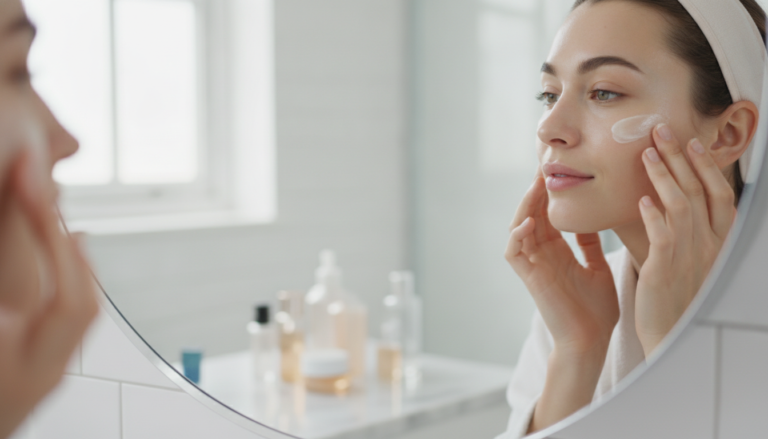
Your morning skin care routine sets the foundation for healthy, glowing skin throughout the day. Yet many people struggle with knowing which products to apply and in what order. The right morning routine protects your skin from environmental damage while creating a perfect base for makeup application.
Understanding the proper morning skin care routine steps transforms your skin health. Each step builds upon the previous one, creating layers of protection and nourishment. This comprehensive guide walks you through every essential step, explaining why each matters and how to perform it correctly.
Ready to Transform Your Skin?
Discover the exact morning routine that works for your unique skin type. Get expert guidance and proven techniques that deliver visible results.
The beauty industry can overwhelm you with countless products and conflicting advice. This guide cuts through the confusion with clear, actionable steps. You will learn which products your skin truly needs and how to use them effectively.
Why Your Morning Skin Care Routine Steps Matter
Morning skincare serves different purposes than your night routine. While nighttime focuses on repair and renewal, morning routines prioritize protection and preparation. Your skin faces numerous challenges during the day that require specific defense strategies.
Environmental Protection
Your skin encounters harmful elements every day. UV radiation damages skin cells and accelerates aging. Pollution particles penetrate the skin barrier and trigger inflammation. Free radicals attack healthy cells throughout the day.
A proper morning routine creates multiple defense layers. These protective barriers shield your skin from damage before it occurs. Prevention always works better than trying to reverse damage later.
Important Note: Skipping your morning routine leaves skin vulnerable to premature aging, hyperpigmentation, and environmental damage that accumulates over time.
Hydration and Moisture Balance
Your skin loses moisture overnight through natural water loss. The morning routine replenishes this hydration and locks in moisture for the day ahead. Proper hydration keeps skin plump, smooth, and resistant to fine lines.
Dehydrated skin shows visible signs quickly. Dullness, rough texture, and increased sensitivity all indicate moisture problems. Morning hydration products address these issues before they become noticeable.
Makeup Application Base
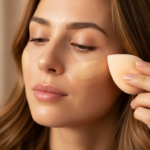
Skincare creates the canvas for makeup application. Well-moisturized skin allows makeup to glide on smoothly and blend seamlessly. Products adhere better to properly prepped skin and last longer throughout the day.
Without Proper Morning Routine
Makeup appears cakey and uneven
Foundation settles into fine lines
Products fade quickly
Skin feels tight and uncomfortable
Increased breakouts from makeup
With Proper Morning Routine
Smooth, flawless makeup application
Products blend effortlessly
Long-lasting wear time
Comfortable skin all day
Reduced breakout risk
Build Your Perfect Morning Routine
Learn which products your skin actually needs and how to layer them for maximum effectiveness. Stop wasting money on products that don’t work.
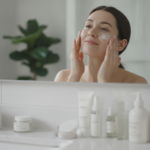
Cleansing forms the foundation of every morning skin care routine. This step removes overnight oil buildup, dead skin cells, and product residue. Clean skin absorbs subsequent products more effectively and functions optimally throughout the day.
Why Morning Cleansing Differs from Night
Your night cleanser tackles makeup, sunscreen, and environmental pollutants. Morning cleansing addresses lighter concerns. Your skin produces natural oils overnight that need removal without stripping away the skin barrier.
Many people skip morning cleansing or just rinse with water. This approach leaves an oil film that interferes with product absorption. Proper cleansing prepares your skin to receive the benefits of your entire routine.
Choosing the Right Cleanser
Select a cleanser based on your skin type and concerns. Different formulations serve different needs. Understanding your skin helps you make the right choice.
Gel cleansers work well for oily skin types
Cream cleansers suit dry skin beautifully
Foam cleansers balance combination skin
Oil cleansers benefit all skin types surprisingly well
Micellar water offers gentle cleansing for sensitive skin
Proper Cleansing Technique
Technique matters as much as product choice. Rushing through cleansing reduces its effectiveness. Take two full minutes to thoroughly clean your face each morning.
Wet your face with lukewarm water to open pores
Apply a small amount of cleanser to your fingertips
Massage gently in circular motions for 60 seconds
Focus on oily areas like the T-zone
Rinse thoroughly with cool water to close pores
Pat dry with a clean towel using gentle pressure
Pro Tip: Water temperature affects your skin significantly. Hot water strips natural oils and causes redness. Cold water doesn’t clean effectively. Lukewarm water provides the perfect balance.
Common Cleansing Mistakes
Understanding what not to do helps you avoid damaging your skin. Many popular cleansing habits actually harm the skin barrier and disrupt natural balance.
Correct Cleansing Habits
Use gentle, circular motions
Cleanse for full two minutes
Rinse thoroughly with lukewarm water
Pat skin dry gently
Follow immediately with toner
Use clean towels every time
Harmful Cleansing Mistakes
Scrubbing too aggressively
Rushing through the process
Using hot water that strips skin
Rubbing face roughly with towel
Leaving skin bare after cleansing
Reusing dirty towels
Special Considerations for Different Skin Types
Each skin type requires specific cleansing approaches. Dry skin needs extra gentleness to preserve natural oils. Oily skin benefits from thorough cleansing that removes excess oil without triggering more production.
Sensitive skin demands fragrance-free, mild formulas. Combination skin requires balanced products that address both dry and oily areas. Understanding these differences ensures your cleanser supports rather than harms your skin.
Dry Skin
Cream-based cleansers preserve moisture while gently removing impurities. Look for hydrating ingredients like hyaluronic acid and glycerin. Avoid foaming cleansers that strip natural oils.
Oily Skin
Gel or foam cleansers control excess oil production effectively. Salicylic acid helps prevent breakouts. Water-based formulas remove oil without triggering rebound sebum production.
Combination Skin
Balanced gel-cream cleansers address multiple concerns simultaneously. These formulas clean oily areas without drying patches. Gentle enough for daily use on all face areas.
Discover Your Perfect Cleansing Routine
Stop guessing which cleanser works for your skin type. Learn the exact products and techniques dermatologists recommend for visible results.
Toners and essences bridge the gap between cleansing and treatment. These lightweight liquids balance your skin pH and prepare it to absorb subsequent products. Modern formulas go far beyond simple astringents, delivering active ingredients that support skin health.
Understanding Toner Benefits
Cleansing disrupts your skin natural pH balance temporarily. Toner restores this balance quickly, allowing your skin barrier to function optimally. Balanced pH prevents excess oil production and reduces bacterial growth that causes breakouts.
Toner also removes any remaining impurities that cleansing missed. Even the best cleansers leave traces of makeup or oil. A quick swipe with toner ensures completely clean skin before applying treatment products.
Types of Toners
Hydrating toners add moisture to dry skin
Exfoliating toners contain acids that remove dead cells
Soothing toners calm irritation and redness
Brightening toners even out skin tone
Balancing toners control excess oil
Choose your toner based on your primary skin concerns. Each formula type delivers specific benefits that target different issues.
Essence: The Korean Secret
Essences originated in Korean skincare routines and have gained worldwide popularity. These watery liquids contain concentrated active ingredients that penetrate deeply into skin. Think of essence as a supercharged toner that delivers intense hydration and treatment benefits.
Essence prepares your skin to absorb serums and moisturizers more effectively. The lightweight formula sinks in immediately, creating a hydrated base layer. This moisture foundation allows heavier products to penetrate rather than sitting on the surface.
Application Techniques That Work
Two main methods exist for applying toner and essence. The cotton pad method offers thorough distribution and gentle exfoliation. The patting method uses your hands to press products into skin for maximum absorption.
Cotton Pad Method
Saturate a cotton pad with toner and sweep across face in upward motions. This removes any remaining residue while distributing product evenly. Perfect for exfoliating toners containing acids.
Patting Method
Pour essence into palms and gently pat onto face using fingertips. The warmth of your hands helps product penetrate deeper. Best for hydrating toners and essences.
Key Ingredients to Look For
Toner and essence ingredients determine their effectiveness. Understanding these components helps you choose products that address your specific concerns.
Power Ingredients: Hyaluronic acid attracts moisture. Niacinamide brightens and strengthens. Glycolic acid exfoliates gently. Centella asiatica soothes inflammation. Green tea provides antioxidant protection.
Avoid toners containing alcohol, which strips the skin and causes irritation. Fragrance-free options work best for sensitive skin. Natural ingredients offer benefits without harsh chemical side effects.
Layering Multiple Toners
The Korean “7 skin method” involves applying toner seven times in layers. While extreme, this technique demonstrates the hydration power of repeated toner application. You can adapt this by layering two or three light applications.
Each layer should absorb fully before adding the next. This builds moisture gradually without overwhelming skin. The cumulative hydration leaves skin plump and glowing throughout the day.
Serums deliver concentrated active ingredients directly to your skin. These powerful formulas address specific skin concerns with precision. The serum step transforms your routine from basic maintenance to targeted treatment.
Why Serums Are Essential
Serums contain higher concentrations of active ingredients than any other skincare products. Their lightweight molecular structure penetrates deeper into skin layers. This deep delivery system allows active ingredients to work at the cellular level where real change happens.
The thin, liquid consistency of serums means they absorb quickly without leaving residue. You can layer multiple serums to address different concerns simultaneously. This flexibility makes serums the most versatile step in your routine.
Popular Serum Types
Different serums target specific skin concerns. Understanding these categories helps you build an effective treatment routine. Professional guidance ensures you choose the right combination.
Vitamin C serums brighten and protect against free radicals
Hyaluronic acid serums deliver intense hydration
Retinol serums reduce fine lines and improve texture
Niacinamide serums strengthen skin barrier
Peptide serums stimulate collagen production
Vitamin C: The Morning Serum Champion
Vitamin C serums work especially well in morning routines. This powerful antioxidant neutralizes free radicals from UV exposure and pollution. The brightening effects even out skin tone and fade dark spots over time.
Vitamin C also boosts collagen production, which reduces fine lines and improves skin firmness. The antioxidant protection enhances your sunscreen effectiveness, creating a powerful defense against environmental aging.
Application Tip: Apply vitamin C serum to damp skin immediately after toner. The moisture helps the serum spread easily and penetrate deeply. Wait 60 seconds before applying the next product.
Hyaluronic Acid for All-Day Hydration
Hyaluronic acid holds 1000 times its weight in water. This incredible moisture-binding ability makes it perfect for morning application. The hydration it provides lasts throughout the day, keeping skin plump and comfortable.
This ingredient benefits all skin types without exception. Oily skin gains hydration without added oil. Dry skin receives intense moisture that prevents flaking. Even sensitive skin tolerates hyaluronic acid well.
Before Hyaluronic Acid
Dehydrated skin appears dull and shows fine lines prominently. Makeup sits on the surface rather than blending smoothly. Skin feels tight and uncomfortable throughout the day.
After Hyaluronic Acid
Properly hydrated skin glows with health and vitality. Fine lines diminish as moisture plumps the skin. Makeup applies flawlessly and lasts longer. Comfort continues all day.
How It Works
Hyaluronic acid molecules penetrate skin layers and bind water molecules. This creates a reservoir of moisture that releases gradually throughout the day, maintaining optimal hydration levels.
Proper Serum Application
The order of serum application matters significantly. Apply serums from thinnest to thickest consistency. Water-based serums go first, followed by oil-based formulas. This ensures each product penetrates without blocking the next.
Dispense 2-3 drops of serum onto fingertips
Warm the product between your palms briefly
Press gently into skin using upward motions
Focus on areas of concern like forehead or cheeks
Allow 60-90 seconds for complete absorption
Proceed to the next serum or moisturizer
Combining Multiple Serums
You can layer up to three serums in your morning routine without overwhelming skin. Start with the lightest texture and build to heavier formulas. Common combinations include vitamin C plus hyaluronic acid plus peptides.
Some ingredients work synergistically to boost results. Vitamin C and vitamin E together provide superior antioxidant protection. Niacinamide and hyaluronic acid strengthen the skin barrier while adding moisture.
Caution: Avoid combining certain ingredients that can cause irritation. Never use vitamin C with retinol or AHAs in the same routine. These combinations reduce effectiveness and may irritate skin.
When to Expect Results
Serums show results at different speeds depending on the concern they address. Hydration improvements appear within days. Brightening effects become visible after two to four weeks. Anti-aging benefits require eight to twelve weeks of consistent use.
Patience and consistency matter more than product price. Using your serum every single day produces far better results than using it sporadically. Make serum application a non-negotiable part of your morning routine.
Choose the Perfect Serum Combination
Stop wasting money on serums that don’t work together. Discover which ingredients to combine for maximum results and which combinations to avoid.
The eye area requires special attention in your morning skin care routine steps. This delicate region shows aging signs first due to thin skin and constant movement. Dedicated eye cream addresses these unique concerns effectively.
Why Eye Cream Matters
The skin around your eyes measures only 0.5 millimeters thick compared to 2 millimeters elsewhere on your face. This extreme thinness makes the area vulnerable to damage and dehydration. Regular facial moisturizers often prove too heavy for this sensitive zone.
Eye creams contain specific ingredients formulated for delicate tissue. The lightweight textures absorb quickly without causing puffiness. Targeted actives address dark circles, fine lines, and morning puffiness effectively.
Common Eye Area Concerns
Fine lines develop from repeated expressions
Dark circles create tired appearance
Puffiness accumulates overnight from fluid retention
Crow’s feet deepen with age and sun exposure
Dryness causes makeup to crease and settle
Morning application prepares the eye area for the day ahead. Specialized formulas protect against environmental stress while improving appearance.
Key Eye Cream Ingredients
Caffeine reduces puffiness by constricting blood vessels and promoting drainage. This ingredient works especially well in morning formulas when eyes appear swollen from sleep. Results show within minutes of application.
Peptides stimulate collagen production in the thin skin around eyes. Increased collagen reduces fine lines and improves firmness over time. These anti-aging powerhouses work gradually but deliver impressive results with consistent use.
Vitamin K targets dark circles by strengthening blood vessel walls. This reduces the visibility of underlying blood vessels that create purple or blue shadows. Consistent morning application lightens dark circles noticeably within weeks.
Proper Eye Cream Application
Use your ring finger for eye cream application. This finger applies the gentlest pressure, preventing damage to delicate tissue. Excessive pressure around eyes causes premature wrinkles and broken capillaries.
Application Steps: Dot eye cream along the orbital bone. Gently pat from inner corner outward using ring finger. Never rub or pull the skin. Allow full absorption before applying makeup.
Apply eye cream to the entire orbital bone area, not just directly under the eye. The product migrates slightly during absorption and covers the entire region. This technique prevents getting product too close to the lash line where it might irritate eyes.
Morning versus Night Eye Creams
Morning eye creams focus on depuffing, brightening, and creating a smooth base for makeup. Lightweight formulas absorb quickly without causing concealer to slip. Some contain light-reflecting particles that instantly brighten the area.
Morning Formulas
Lightweight, fast-absorbing textures that reduce puffiness and brighten immediately. Often contain caffeine and light-reflecting particles. Perfect makeup primer for concealer application.
Night Formulas
Richer textures with intensive repair ingredients like retinol and peptides. Focus on reducing fine lines and improving firmness overnight. Too heavy for daytime use.
Addressing Specific Concerns
Different eye concerns require different ingredient focuses. Puffiness responds best to caffeine and cooling ingredients. Dark circles need vitamin K and brightening agents. Fine lines require peptides and hydration.
Some eye creams target multiple concerns simultaneously. These multi-benefit formulas work well for those just starting an eye care routine. As your routine advances, you might add separate products for specific issues.
Moisturizer forms the protective seal over all previous products in your routine. This crucial step locks in the hydration and treatment ingredients you just applied. Without proper moisturization, earlier steps lose effectiveness as moisture evaporates.
The Science of Moisture Retention
Your skin loses water constantly through transepidermal water loss. Moisturizer creates a barrier that slows this process significantly. The protective layer prevents environmental factors from drawing moisture from your skin throughout the day.
Quality moisturizers do more than just hydrate. They contain humectants that attract water, emollients that smooth texture, and occlusives that seal everything in. This triple-action approach delivers comprehensive moisture support.
Moisturizer Categories
Different formulations serve different skin types and needs. Understanding these categories helps you select the right texture. Professional recommendations ensure optimal moisturizer selection.
Gel moisturizers suit oily skin perfectly
Lotion formulas work well for combination skin
Cream textures benefit dry skin significantly
Balms provide intense moisture for very dry skin
Whipped formulas offer lightweight hydration
Morning Moisturizer Features
Morning moisturizers should absorb quickly without leaving greasy residue. Fast absorption allows you to apply makeup soon after without pilling or sliding. Lightweight formulas provide hydration without heaviness that might cause midday shine.
Many morning moisturizers contain additional benefits beyond hydration. Antioxidants protect against free radical damage. Brightening ingredients even skin tone gradually. These multi-tasking formulas maximize your routine efficiency.
Pro Tip: Apply moisturizer to damp skin within 60 seconds of your last product. This timing traps maximum moisture and helps moisturizer spread more easily across your face.
Essential Moisturizer Ingredients
Ceramides strengthen the skin barrier by replenishing natural lipids. A healthy barrier retains moisture better and protects against irritants. These building blocks of skin health benefit all skin types without exception.
Glycerin acts as a powerful humectant that draws water into skin. This simple ingredient provides reliable hydration without causing breakouts or sensitivity. Glycerin works well in formulas for every skin type.
Ceramides
These natural lipids strengthen your skin barrier and prevent moisture loss. Ceramides repair damage from environmental stress and restore skin natural protective function.
Hyaluronic Acid
This powerful humectant holds 1000 times its weight in water. Hyaluronic acid in moisturizer provides all-day hydration that keeps skin plump and comfortable.
Niacinamide
This form of vitamin B3 strengthens the skin barrier while controlling oil production. Niacinamide also brightens skin tone and reduces inflammation for multiple benefits.
Application Technique for Maximum Benefit
Use upward and outward strokes when applying moisturizer. This motion fights gravity and prevents sagging over time. Gentle pressure stimulates circulation while distributing product evenly.
Warm a pea-sized amount between your palms
Press gently onto cheeks, forehead, and chin
Smooth upward from jawline to hairline
Sweep outward from nose to ears
Include neck and décolletage in application
Wait 2-3 minutes before applying makeup
Adjusting Moisturizer by Season
Your moisturizer needs change with weather conditions. Summer humidity requires lighter formulas that won’t feel heavy. Winter dryness demands richer creams that combat harsh conditions. Switching formulas seasonally optimizes skin comfort year-round.
Summer Moisturizing
Hot weather and humidity increase oil production and sweating. Switch to gel or lightweight lotion formulas that provide hydration without heaviness. Oil-free options prevent shine while maintaining moisture.
Winter Moisturizing
Cold air and indoor heating strip moisture from skin rapidly. Upgrade to richer cream formulas with occlusives that seal in hydration. Layer moisturizer over serum for extra protection against harsh conditions.
When Moisturizer Isn’t Enough
Extremely dry skin might need additional moisture support beyond regular moisturizer. Facial oils applied over moisturizer provide extra occlusion. This layering technique works especially well during winter months or in dry climates.
Hydrating mists throughout the day refresh your moisture levels without disrupting makeup. These quick sprays provide instant comfort when skin feels tight. Keep a travel-size mist in your bag for midday moisture boosts.
Find Your Perfect Moisturizer Match
Stop guessing which moisturizer works for your skin type and climate. Get personalized recommendations that deliver real hydration results.
Sunscreen represents the most important step in any morning skin care routine. This single product prevents more aging than all other skincare combined. Daily SPF application protects against sun damage that accumulates silently over decades.
Why Morning SPF Application Matters
UV radiation reaches your skin even on cloudy days and through windows. UVA rays penetrate deep into skin layers, causing premature aging and DNA damage. UVB rays burn the surface and contribute to skin cancer risk. Both types attack your skin daily regardless of weather.
Sun damage accumulates gradually without immediate visible signs. By the time you notice sunspots, wrinkles, and texture changes, significant damage has occurred. Prevention through daily sunscreen use stops this damage before it starts.
Critical Fact: Up to 80% of facial aging comes from sun exposure, not natural aging processes. Daily sunscreen use can prevent most visible aging signs.
Sun Damage Effects
Fine lines deepen from collagen breakdown
Dark spots appear from melanin overproduction
Skin texture roughens from cellular damage
Redness develops from broken capillaries
Skin cancer risk increases significantly
Every exposure without protection contributes to cumulative damage. Proper sun protection strategies preserve your skin health and appearance.
Choosing the Right Sunscreen
Two main sunscreen types exist: chemical and physical. Chemical sunscreens absorb UV radiation and convert it to heat. Physical sunscreens reflect UV rays away from skin using mineral particles. Both types work effectively when applied correctly.
Chemical Sunscreen
Lightweight formulas that absorb quickly without white cast. Contain ingredients like avobenzone and octinoxate that absorb UV radiation. Perfect for daily wear under makeup.
Physical Sunscreen
Mineral-based formulas using zinc oxide or titanium dioxide. Provide immediate protection upon application. Ideal for sensitive skin types and those prone to irritation.
SPF Numbers Explained
SPF indicates how long sunscreen protects compared to unprotected skin. SPF 30 blocks 97% of UVB rays, while SPF 50 blocks 98%. The difference between high SPF numbers is minimal, making SPF 30-50 the practical range for daily use.
Broad spectrum protection matters more than SPF number. This designation means the sunscreen protects against both UVA and UVB rays. Always choose broad spectrum formulas for complete protection.
Proper Sunscreen Application
Most people apply far too little sunscreen to achieve the labeled protection. You need approximately one-quarter teaspoon for your face alone. This amount seems excessive but provides the coverage tested in laboratories.
Application Rule: Apply sunscreen as the final step in your morning routine. Wait 15 minutes before sun exposure for chemical sunscreens. Physical sunscreens work immediately upon application.
Dispense one-quarter teaspoon of sunscreen into palm
Dot product across forehead, cheeks, nose, and chin
Spread evenly using gentle pressing motions
Extend application to neck and ears
Reapply every two hours when outdoors
Use makeup with SPF as supplemental protection only
Sunscreen and Makeup Compatibility
Modern sunscreens work beautifully under makeup when chosen correctly. Gel formulas absorb quickly without pilling. Primers with SPF combine sun protection with makeup preparation. Some tinted sunscreens replace foundation entirely for simplified routines.
Allow sunscreen to fully absorb before applying makeup. Rushing this step causes products to ball up and separate. Waiting three to five minutes ensures smooth makeup application over your sun protection.
Makeup-Friendly Formulas
Look for labels mentioning makeup compatibility. Gel-based and lightweight lotions work best under cosmetics. Matte-finish sunscreens control shine for oily skin types.
Tinted Options
Tinted sunscreens provide light coverage while protecting skin. These multi-taskers simplify morning routines significantly. Perfect for minimal makeup days or active lifestyles.
Reapplication Throughout the Day
Sunscreen effectiveness degrades after two hours of wear. Reapplication maintains protection throughout the day. For office workers, reapplying once at lunch usually suffices. Outdoor activities demand more frequent reapplication.
Powder sunscreens make midday reapplication easy over makeup. These brush-on formulas provide quick protection touchups without disturbing your look. Keep one in your desk drawer or purse for convenient reapplication.
Master Complete Sun Protection
Discover the sunscreen secrets dermatologists use themselves. Learn which formulas work best and how to apply them correctly for real protection.
Even with the best products, improper technique sabotages your routine effectiveness. Understanding common mistakes helps you avoid them and maximize your skincare investment. Small changes in application method create significant results differences.
Skipping Steps When Rushed
Busy mornings tempt you to skip steps or rush through your routine. This inconsistency prevents you from seeing real results. Skincare works through cumulative effects that require daily commitment.
Simplify your routine rather than skipping steps entirely. Use multi-tasking products like tinted moisturizer with SPF. Keep a minimal five-minute routine you can complete even on rushed mornings. Consistency beats complexity every time.
Quick Morning Routine
Gentle cleanser (1 minute)
Vitamin C serum (30 seconds)
Moisturizer (1 minute)
Sunscreen (1 minute)
Total time: Under 5 minutes
This streamlined approach covers all essential steps without overwhelming your schedule. Efficient routines deliver results without time stress.
Using Products in Wrong Order
Product order dramatically affects absorption and effectiveness. Applying heavy products before light ones blocks penetration. The correct sequence allows each product to work optimally without interference.
Correct Order Rule: Apply products from thinnest to thickest consistency. Water-based products go before oil-based. Sunscreen always goes last to form protective barrier.
Not Allowing Absorption Time
Rushing from one product to the next prevents proper absorption. Each product needs time to penetrate before adding the next layer. Patience in your routine maximizes every product benefits.
Wait 30-60 seconds between lightweight products like toners and serums. Allow 2-3 minutes before applying makeup over skincare. These brief pauses dramatically improve product performance.
Over-Exfoliating in the Morning
Morning routines should focus on protection rather than aggressive treatment. Save exfoliating products for evening when skin has time to recover. Morning exfoliation can increase sun sensitivity and irritation.
Morning-Appropriate Products
Gentle cleansers without scrubbing particles
Hydrating toners that balance pH
Antioxidant serums like vitamin C
Lightweight moisturizers that absorb quickly
Broad spectrum sunscreen SPF 30+
Save These for Night
Retinol and retinoid treatments
Strong exfoliating acids (AHA/BHA)
Physical scrubs with harsh particles
Heavy overnight masks and sleeping packs
Intensive anti-aging treatments
Neglecting the Neck and Décolletage
Your face isn’t the only area that needs morning care. The neck and chest show aging signs just as prominently as facial skin. These areas receive sun exposure but often get overlooked in skincare routines.
Extend every product from your jaw down to your chest. This includes serum, moisturizer, and especially sunscreen. Consistent care of these areas prevents the telltale signs of aging that reveal your true age.
Using Too Many Active Ingredients
More products don’t automatically mean better results. Layering too many active ingredients causes irritation and compromises the skin barrier. A streamlined routine with targeted products works better than a complex one.
Stick to one or two active ingredients in your morning routine. Vitamin C plus hyaluronic acid provides excellent benefits without overwhelming skin. Save other actives for alternating days or evening use.
Avoid These Costly Mistakes
Learn which common errors sabotage your skincare results. Get expert guidance on building an effective routine that actually works.
Creating an effective morning skin care routine requires understanding your unique needs. No single routine works for everyone. Your age, skin type, concerns, and lifestyle all influence which products serve you best.
Starting Simple and Building Up
Begin with the basic four-step routine: cleanse, moisturize, protect. Master these fundamentals before adding treatment products. This approach prevents overwhelming your skin and your schedule simultaneously.
After two weeks of consistent basic routine, add one new product at a time. Wait two more weeks before introducing another. This careful addition allows you to identify which products work and which cause problems.
Beginner Routine (Weeks 1-2)
Gentle cleanser for your skin type
Basic moisturizer with ceramides
Broad spectrum SPF 30 sunscreen
This foundation provides essential care while you learn your skin needs. Structured guidance helps you progress effectively.
Intermediate Routine (Weeks 3-6)
Gentle cleanser
Hydrating toner or essence
Vitamin C serum
Moisturizer with added benefits
SPF 30-50 sunscreen
Customizing for Your Skin Type
Different skin types require different product selections and techniques. Understanding your skin type helps you choose formulas that work with your natural characteristics rather than against them.
Dry Skin Routine
Cream cleanser to preserve oils
Hydrating essence with hyaluronic acid
Rich moisturizer with ceramides
Moisturizing sunscreen formula
Oily Skin Routine
Gel cleanser with salicylic acid
Lightweight toner to balance pH
Niacinamide serum for oil control
Oil-free gel moisturizer
Matte finish sunscreen
Combination Skin Routine
Balanced gel-cream cleanser
Hydrating toner for dry areas
Lightweight serum for all zones
Gel-cream moisturizer
Universal sunscreen formula
Addressing Specific Concerns
Beyond basic skin type, specific concerns require targeted treatment. Hyperpigmentation, acne, aging, and sensitivity each benefit from particular ingredients and approaches.
Targeted Treatment Options
Add specialized serums to address your primary concern. These concentrated treatments work alongside your basic routine for enhanced results.
Vitamin C and niacinamide brighten dark spots
Salicylic acid treats and prevents acne
Peptides and antioxidants fight aging signs
Centella and green tea calm sensitive skin
Focus on one main concern at a time for best results. Trying to address everything simultaneously dilutes effectiveness.
Seasonal Routine Adjustments
Your skin needs change with seasons and climate. Summer heat increases oil production and sun exposure. Winter cold strips moisture and compromises the skin barrier. Adapting your routine maintains optimal skin health year-round.
Summer Adjustments
Switch to gel cleansers and lightweight serums
Use oil-free moisturizers that won’t feel heavy
Increase SPF to 50 for higher sun exposure
Add antioxidant serums for sun damage protection
Keep products in cool place to prevent breakdown
Winter Adjustments
Upgrade to cream cleansers that preserve oils
Layer hydrating essence under moisturizer
Use richer moisturizers with occlusive ingredients
Add facial oil for extra barrier protection
Maintain SPF despite reduced outdoor time
Tracking Your Progress
Take photos every two weeks to document changes. Your mirror doesn’t show gradual improvements that photos reveal clearly. This visual record motivates continued commitment when results seem slow.
Keep notes about products and their effects. Record when you add new items and any reactions you notice. This information proves invaluable for identifying what works and what doesn’t over time.
Create Your Custom Routine Today
Stop wasting money on products that don’t work for your unique skin. Get a personalized routine plan based on your specific type and concerns.
Mastering your morning skin care routine steps creates the foundation for healthy, glowing skin. Each step builds upon the previous one, creating comprehensive protection and nourishment. Consistency in these steps delivers visible results that improve continuously over time.
Remember that skincare is a journey, not a destination. Your skin evolves with age, seasons, and life circumstances. The routine that works today might need adjustment tomorrow. Stay flexible and attentive to your skin needs.
Your Action Plan
Start today with the basic routine and build gradually. Consistency matters more than perfection. Even the best products fail without regular application.
Begin with cleanse, moisturize, protect
Add one new product every two weeks
Take progress photos to track changes
Adjust seasonally for optimal results
Stay patient and committed to the process
The time you invest in your morning routine pays dividends for decades. Protected, nourished skin ages more slowly and looks healthier at every stage of life. These few minutes each morning represent the best investment you can make in your appearance.
Final Reminder: Sunscreen is non-negotiable. Every other step supports your skin health, but sunscreen prevents the majority of visible aging. Never skip this crucial final step.
Your dedication to proper morning skincare shows in your complexion’s radiance and health. The steps outlined in this guide provide a proven framework for success. Adapt them to your unique needs while maintaining the essential sequence.
Immediate Benefits
Clean, hydrated skin that glows with health. Smooth makeup application and comfortable wear all day. Protection against environmental damage starts immediately.
Short-Term Results (4-6 weeks)
Improved skin texture and tone. Reduced breakouts and better oil balance. Increased hydration and diminished dullness become noticeable.
Long-Term Transformation (3+ months)
Visible reduction in fine lines and hyperpigmentation. Stronger skin barrier and improved resilience. Prevention of future aging signs.
Start Your Transformation Today
You now have the knowledge to build an effective morning routine. Take action today and commit to the process. Your future skin will thank you.
The path to beautiful skin requires dedication, but the rewards extend far beyond appearance. Healthy skin supports confidence, self-care habits, and overall wellbeing. Your morning routine becomes a daily ritual of self-respect and care.
Remember These Keys to Success
Consistency beats complexity
Quality products matter more than quantity
Sunscreen prevents most aging
Patience delivers lasting results
Your skin is worth the investment
Continue Learning and Adapting
Stay informed about new ingredients
Listen to your skin signals
Adjust routine as needs change
Consult professionals when needed
Celebrate your progress milestones
Every morning presents a fresh opportunity to care for your skin. Embrace these moments as more than just a routine—they’re an investment in yourself. The steps you take today shape how your skin looks and feels tomorrow and for years to come.
Your journey to radiant, healthy skin starts with a single morning. Make today that beginning. Follow the morning skin care routine steps outlined in this guide, stay consistent, and watch your skin transform. The beautiful complexion you desire is within reach through dedication and proper care.