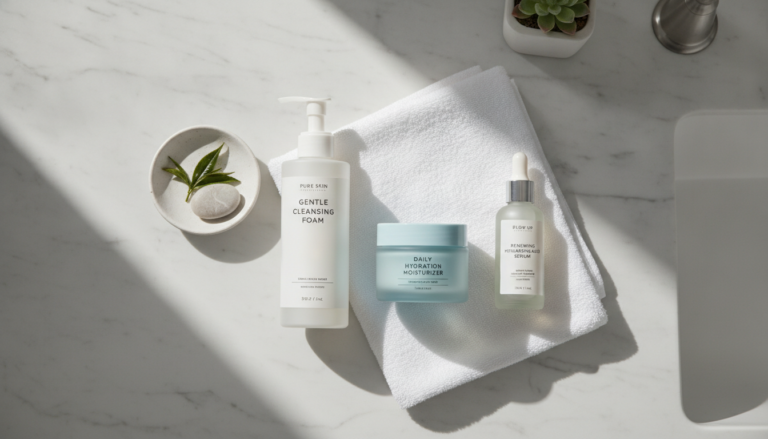
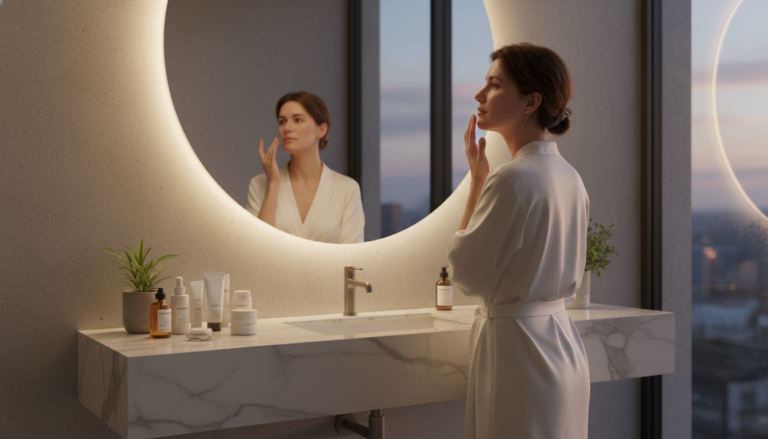
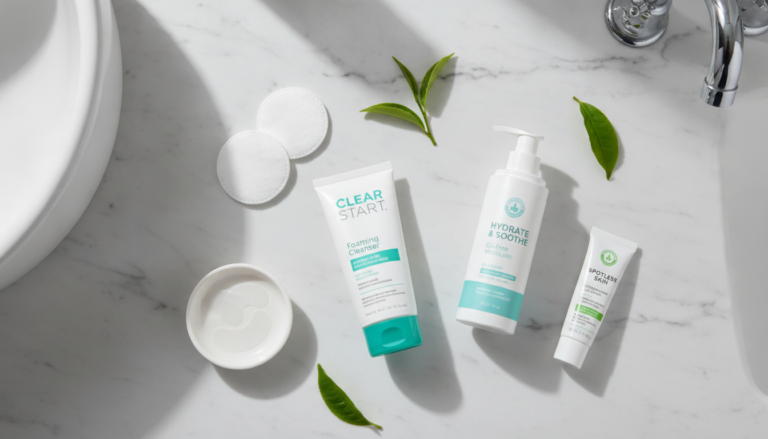
Achieving radiant, healthy skin doesn’t require a complicated process or expensive products. The best skin care routine follows a simple, consistent approach that addresses your unique skin concerns while protecting your skin barrier. Whether you struggle with breakouts, dark spots, or fine lines, establishing the right routine can transform your complexion in just a few weeks.

Understanding the correct order of product application makes a significant difference in how your skin absorbs active ingredients. Many people waste money on quality products simply because they apply them in the wrong sequence. This comprehensive guide breaks down every step of an effective skincare routine for both morning and night.
Your skin type plays a crucial role in determining which products work best for you. Oily skin requires different care than sensitive skin, while combination skin needs a balanced approach. We’ll explore customized strategies for every skin type, ensuring you get the most out of your routine.
Transform Your Skin Starting Today
Discover the complete skincare system that addresses all your concerns in one streamlined routine. Get personalized recommendations based on your unique skin type.
Understanding Your Skin and Why Routine Matters
Your skin is the body’s largest organ and serves as the first line of defense against environmental stressors. A proper skin care routine supports this protective function while addressing specific concerns like acne, aging, and hyperpigmentation. The key lies in consistency rather than complexity.

The skin barrier acts as your body’s shield against bacteria, pollution, and moisture loss. When this barrier becomes compromised, you experience irritation, dryness, and increased sensitivity. Supporting skin barrier health should be a primary goal of any routine.
Dead skin cells naturally accumulate on the surface, making your complexion look dull and clogging pores. Regular exfoliation removes these cells, revealing fresh skin underneath. However, over-exfoliation damages the skin barrier, so finding the right balance is essential.
Morning Routine Purpose
Your morning routine protects skin throughout the day. It prepares your face for makeup application and shields against environmental damage from UV rays and pollution.
- Cleanses away overnight oil production
- Applies protective antioxidants
- Provides hydration for the day ahead
- Shields skin with SPF protection
Night Routine Purpose
Evening routines focus on repair and regeneration. Skin cells regenerate faster while you sleep, making nighttime ideal for intensive treatments and active ingredients.
- Removes makeup and daily buildup
- Delivers treatment ingredients deeply
- Supports overnight repair processes
- Provides intensive hydration

Skin type determines which formulas work best for your needs. Oily skin benefits from lightweight, oil-free products that control excess sebum. Sensitive skin requires gentle, fragrance-free options that won’t trigger irritation or redness.
Morning Skin Care Routine: Protect and Prepare
Starting your day with the right skin care routine sets the foundation for healthy, protected skin. The morning routine typically takes five to ten minutes and focuses on cleansing, protecting, and preparing skin for the day ahead.

Step One: Gentle Morning Cleanse
Morning cleansing removes oil, sweat, and product residue that accumulated overnight. While some people with dry skin can skip morning cleansing, most benefit from a gentle wash to prepare skin for subsequent products.
Choose a cleanser that matches your skin type. Gel cleansers work well for oily skin, while cream cleansers suit dry or sensitive skin. The cleanser should remove impurities without stripping natural oils or disrupting your skin barrier.

Avoid harsh cleansers that leave skin feeling tight or squeaky clean. This sensation indicates over-cleansing, which compromises the skin barrier and triggers compensatory oil production. Your face should feel clean but comfortable after washing.
Step Two: Toning and pH Balance
Toners restore skin’s natural pH level after cleansing and prepare it to absorb subsequent products more effectively. Modern toners provide hydration and beneficial ingredients rather than simply removing residue like older formulations.

Hyaluronic acid toners attract moisture to skin cells, providing an instant plump appearance. This ingredient can hold up to 1000 times its weight in water, making it ideal for all skin types, especially dry or dehydrated skin.
Apply toner with clean hands or a cotton pad immediately after cleansing while skin remains slightly damp. Pat gently rather than rubbing to avoid unnecessary friction that could cause irritation.
Step Three: Treatment Serums
Morning serums deliver concentrated active ingredients to address specific skin concerns. Vitamin serums, particularly vitamin C, provide antioxidant protection against free radical damage from UV exposure and pollution throughout the day.

Why Vitamin C Serum Matters
Vitamin C brightens skin tone, fades dark spots, and stimulates collagen production. It works synergistically with sunscreen to provide enhanced UV protection. Apply it to clean, dry skin before moisturizer.
- Reduces hyperpigmentation and dark spots
- Protects against environmental damage
- Boosts collagen for firmer skin
- Enhances overall radiance
Allow serums to absorb for 30 seconds to one minute before applying the next product. Layering products too quickly prevents proper absorption and reduces effectiveness. The general rule follows thinnest to thickest consistency.
Step Four: Eye Cream Application
Eye cream addresses the delicate skin around eyes, which shows aging signs earlier than other facial areas. This skin lacks oil glands and remains thinner, making it prone to fine lines, dark circles, and puffiness.

Use your ring finger to apply eye cream, as it applies the least pressure. Gently pat product along the orbital bone, avoiding direct eyelid application unless specified by the product. Start from the inner corner and work outward.
Morning eye creams should hydrate and depuff while working well under makeup. Look for formulas with caffeine to reduce puffiness and hyaluronic acid for hydration without heaviness.
Step Five: Moisturizer for Hydration
Moisturizer seals in all previous products while providing additional hydration and skin barrier support. Even oily skin needs moisturizer, though lighter formulas work better for this skin type.

Choose moisturizers based on your skin type and climate. Gel-based moisturizers suit oily skin and humid environments. Cream-based formulas work better for dry skin or cold weather when skin needs extra protection.
The skin barrier requires certain lipids to function properly. Moisturizers containing ceramides, cholesterol, and fatty acids support barrier repair and prevent moisture loss throughout the day. Look for these ingredients in your formula.
Step Six: Sunscreen Protection
Sunscreen represents the most critical step in any morning routine. UV radiation causes up to 80% of visible facial aging, including fine lines, dark spots, and loss of elasticity. Daily SPF prevents this damage.

Apply sunscreen as the final morning step, using approximately one-fourth teaspoon for face and neck. Mineral sunscreens with zinc oxide or titanium dioxide provide physical UV protection, while chemical sunscreens absorb rays.
Reapply sunscreen every two hours when outdoors or after sweating and swimming. Many people apply insufficient amounts, reducing effectiveness significantly. Don’t rely on makeup with SPF as your only protection.
Pro Tip: Wait at least 15 minutes after applying sunscreen before sun exposure to allow proper bonding with skin. This ensures maximum protection throughout the day.
The Double Cleanse: Foundation of Night Routine
Double cleansing ensures complete removal of makeup, sunscreen, and daily buildup that accumulates on skin. This two-step process uses an oil-based cleanser followed by a water-based cleanser for thorough cleansing without stripping skin.

The first cleanse breaks down oil-based products like sunscreen, makeup, and sebum. Cleansing balms and oils work by attracting and dissolving these substances, preparing skin for the second cleanse.
First Cleanse: Oil-Based Removal
Cleansing balms transform from solid to oil upon contact with skin, then emulsify into a milky texture when water is added. This transformation allows complete removal without leaving residue.

Apply cleansing balm to dry skin using dry hands. Massage gently for 30 to 60 seconds, allowing the formula to break down makeup and sunscreen. The massage also improves circulation and provides a relaxing end-of-day ritual.
Add water gradually to emulsify the cleanser, turning it milky white. Continue massaging briefly, then rinse thoroughly with lukewarm water. Hot water damages the skin barrier, while cold water doesn’t remove products effectively.
Second Cleanse: Deep Clean
The second cleanse removes remaining impurities, sweat, and dead skin cells. Use your regular face cleanser appropriate for your skin type, applying it to damp skin and massaging gently.

This cleanse should leave skin feeling fresh and clean but not tight or dry. If your face feels stripped, switch to a gentler formula that respects your skin barrier.
Perfect Your Cleansing Routine
Get professional-grade cleansing products that remove every trace of makeup and impurities while protecting your skin barrier. Experience the difference proper cleansing makes.
Night Skin Care Routine: Repair and Regenerate
Your night routine allows for more intensive treatment because you’re not concerned about makeup application or sun exposure. Skin regenerates faster during sleep, making evening the ideal time for active ingredients like retinol and acids.

After double cleansing, your skin is prepared to absorb treatment products. The night routine focuses on addressing specific concerns while providing deep hydration and supporting overnight repair processes.
Exfoliation: Chemical vs Physical
Regular exfoliation removes dead skin cells that make skin look dull and clog pores leading to breakouts. However, exfoliation frequency and type should match your skin type and tolerance.
Chemical Exfoliants
Chemical exfoliants dissolve bonds between dead skin cells using acids. Salicylic acid penetrates pores to clear breakouts, while glycolic acid addresses surface texture and dark spots.

- Works below skin surface
- No physical scrubbing needed
- Better for sensitive skin
- More consistent results
Physical Exfoliants
Physical exfoliants use small particles to manually slough away dead skin. While effective, they require gentle application to avoid damaging the skin barrier through excessive friction.

- Immediate smooth feeling
- Visible dead skin removal
- Requires gentle technique
- Less suitable for sensitive types
Sensitive skin should exfoliate once or twice weekly, while oily skin may tolerate more frequent exfoliation. Always follow exfoliation with hydrating products to support the skin barrier.
Active Ingredients: Retinol and Alternatives
Retinol remains the gold standard for anti-aging treatment. This vitamin A derivative increases cell turnover, stimulates collagen production, and improves fine lines, dark spots, and overall texture.

Start retinol slowly to build tolerance. Begin with once or twice weekly application, gradually increasing frequency as your skin adapts. Apply to completely dry skin to minimize irritation potential.
Retinol can cause initial irritation including redness, flaking, and sensitivity. This adjustment period typically lasts two to four weeks. If irritation persists, reduce frequency or try a lower concentration.
Retinol Benefits
- Reduces fine lines and wrinkles
- Fades dark spots and hyperpigmentation
- Minimizes pore appearance
- Smooths skin texture
- Stimulates collagen production
- Treats acne and prevents breakouts
Retinol Considerations
- Causes initial irritation phase
- Increases sun sensitivity
- Not suitable during pregnancy
- Requires consistent use for results
- Can cause dryness and flaking
- Takes 12 weeks to see improvements
Alternatives to retinol include bakuchiol, a plant-based ingredient that provides similar benefits without irritation. While less extensively studied, bakuchiol suits sensitive skin better and can be used during pregnancy.
Targeted Treatment Serums
Night serums address specific skin concerns using concentrated active ingredients. Layer serums from thinnest to thickest consistency, allowing each to absorb before applying the next.

Hyaluronic acid serums provide intense hydration by binding moisture to skin cells. Apply to damp skin immediately after cleansing for maximum absorption and effectiveness.
Niacinamide serums reduce inflammation, regulate oil production, and minimize pore appearance. This versatile ingredient suits all skin types and works well with most other actives, making it easy to incorporate.
Salicylic Acid for Breakouts

Salicylic acid penetrates deep into pores to dissolve sebum and prevent breakouts. This beta hydroxy acid (BHA) works particularly well for oily skin and acne-prone complexions.
- Unclogs pores from within
- Reduces blackhead formation
- Calms active breakouts
- Prevents future acne
Night Cream and Sleeping Masks
Night creams provide richer hydration than day moisturizers since you don’t need to worry about makeup application or greasiness. These formulas support overnight repair with ingredients like peptides and ceramides.

Sleeping masks provide an extra hydration layer for dry or dehydrated skin. Apply as the final step, sealing in all previous products and preventing moisture loss overnight.
Some sleeping masks contain gentle exfoliating acids that work while you sleep. These overnight treatments reveal smoother, brighter skin by morning without requiring rinsing.
Experience Overnight Skin Transformation
Discover powerful night treatments that repair, hydrate, and renew your skin while you sleep. Wake up to visibly improved texture, tone, and radiance.
Customizing Your Routine for Your Skin Type
Understanding your skin type allows you to select appropriate products and adjust your routine for optimal results. Skin types fall into five main categories, each requiring specific care strategies.

Oily Skin: Balance Without Stripping
Oily skin produces excess sebum, leading to shine, enlarged pores, and increased breakout risk. The goal is controlling oil without stripping skin, which triggers even more oil production as compensation.

Use gel-based cleansers and lightweight, oil-free moisturizers. Despite having oily skin, moisturizer remains essential because dehydrated skin compensates by producing more oil.
- Gel or foaming cleansers
- Salicylic acid treatments
- Oil-free moisturizers
- Clay masks weekly
- Mattifying sunscreens
- Lightweight serums
Best for Oily Skin
- Heavy cream cleansers
- Rich night creams
- Oil-based products
- Coconut oil treatments
- Thick, greasy formulas
- Over-cleansing practices
Avoid with Oily Skin
Salicylic acid works particularly well for oily skin by penetrating pores to clear out excess sebum and prevent breakouts. Use products containing this ingredient two to three times weekly.
Dry Skin: Intensive Hydration Focus
Dry skin lacks sufficient oil production, resulting in tight, flaky texture and increased sensitivity. This skin type shows fine lines more prominently and often feels uncomfortable, especially after cleansing.

Choose cream-based cleansers that don’t strip natural oils. Skip morning cleansing or use only water if your skin feels overly dry. Apply multiple layers of hydration, including hyaluronic acid serums and rich moisturizers.
Facial oils benefit dry skin by supplementing natural sebum production. Apply face oil as your final evening step to lock in moisture overnight. Look for oils rich in fatty acids like rosehip or marula.
Essential Dry Skin Products

- Cream or milk cleansers
- Hyaluronic acid serums for deep hydration
- Rich moisturizers with ceramides
- Facial oils for overnight nourishment
- Gentle exfoliants to remove flakes
- Hydrating sheet masks twice weekly
Combination Skin: Zone-Specific Care
Combination skin exhibits different characteristics in different facial zones. Typically, the T-zone (forehead, nose, chin) appears oily while cheeks remain normal or dry.

Balance your routine by using different products on different areas when necessary. Apply oil-control products only to the T-zone while using richer moisturizers on dry cheeks.
Gel-cream hybrid moisturizers work well for combination skin, providing enough hydration without excessive heaviness. These formulas adapt to different zones, offering what each area needs.
Sensitive Skin: Gentle and Minimal
Sensitive skin reacts easily to products, environmental factors, and stress with redness, stinging, or irritation. This skin type requires careful product selection, avoiding common triggers like fragrance and harsh actives.

Build your routine with minimal, fragrance-free products formulated for sensitive skin. Introduce new products one at a time, waiting two weeks between additions to identify any triggers.
Centella asiatica, also called cica, soothes sensitive skin and reduces redness. Look for products containing this ingredient to calm irritation and support skin barrier repair.
Sensitive Skin Rule: Less is more. A simple three-step routine (cleanse, moisturize, protect) often works better than elaborate multi-step routines that increase irritation risk.
Normal Skin: Maintenance and Prevention
Normal skin maintains good balance without excessive oiliness or dryness. While this skin type requires less intensive intervention, maintaining a consistent routine prevents future issues.

Focus on prevention with antioxidant serums, consistent sun protection, and gentle exfoliation. Your routine can include a variety of active ingredients since normal skin typically tolerates most formulations well.
Even normal skin benefits from targeted treatments addressing specific concerns like occasional breakouts or early fine lines. Adjust your routine seasonally as your skin’s needs change with weather.
Common Skin Care Mistakes to Avoid
Even with quality products, incorrect application or unrealistic expectations can sabotage your results. Understanding common mistakes helps you maximize your routine’s effectiveness and avoid unnecessary frustration.

Over-Exfoliating Damages Skin Barrier
Many people believe more exfoliation equals better results. However, over-exfoliation compromises the skin barrier, causing irritation, increased sensitivity, and paradoxically making skin concerns worse.

Signs of over-exfoliation include persistent redness, increased sensitivity, stinging when applying products, and paradoxically more breakouts. Your skin may feel tight and uncomfortable even after moisturizing.
If you’ve over-exfoliated, stop all active ingredients and acids immediately. Focus on gentle cleansing and intensive moisturizing with barrier-repair ingredients like ceramides until skin recovers.
Wrong Product Order Reduces Effectiveness
Applying products in the wrong order prevents proper absorption and wastes money on products that can’t penetrate effectively. The basic rule follows: thinnest to thickest consistency.
Wait 30 seconds to one minute between steps to allow proper absorption. Rushing through your routine by layering products immediately reduces their effectiveness significantly.
Using Too Many Active Ingredients
The beauty industry promotes numerous “miracle” ingredients, tempting people to use multiple actives simultaneously. This approach often leads to irritation rather than improved results.

Start with one active ingredient, building tolerance before adding another. Common incompatible combinations include retinol with AHAs/BHAs, and vitamin C with retinol in the same routine.
Space out strong actives by using them on alternating nights. For example, use retinol Monday, Wednesday, Friday, and an acid treatment Tuesday and Thursday. This approach prevents overwhelming your skin.
Neglecting Sunscreen Application
Sunscreen represents the most important anti-aging product, yet many skip it or apply insufficient amounts. UV damage accumulates over time, causing premature aging, dark spots, and increased skin cancer risk.

Apply sunscreen every day, regardless of weather or time spent indoors. Windows don’t block UVA rays, which cause aging. Use the proper amount (one-fourth teaspoon for face and neck) and reapply every two hours outdoors.
Expecting Immediate Results
Skin care requires patience and consistency. Most active ingredients need 8 to 12 weeks of regular use before showing visible improvements. Switching products too frequently prevents seeing real results.
Timeline for Results: Hydrating products work immediately, but treatment ingredients like retinol, vitamin C, and acids require consistent use for 6-12 weeks before significant improvements appear.
Take before photos when starting new products to track progress objectively. Day-to-day changes remain subtle and hard to notice, but comparison photos reveal improvements over weeks and months.
Advanced Treatments and Boosters
Once you’ve established a basic routine, additional treatments can address specific concerns more intensively. These optional steps enhance your routine without complicating it unnecessarily.

Face Masks for Targeted Concerns
Face masks provide concentrated treatment for specific issues. Use them one to three times weekly, depending on skin type and mask formula. Different mask types address different concerns.
Clay Masks

Clay masks absorb excess oil and draw out impurities from pores. Best for oily or combination skin, use weekly to control sebum and prevent breakouts.
Sheet Masks

Sheet masks deliver intensive hydration and active ingredients. Use two to three times weekly for dry or dehydrated skin needing moisture boost.
Exfoliating Masks

Overnight exfoliating masks use gentle acids to reveal smoother, brighter skin by morning. Use once weekly for gradual texture improvement.
Facial Massage and Tools
Facial massage improves circulation, promotes lymphatic drainage, and enhances product absorption. Dedicate two to five minutes for massage when applying serums or moisturizers.

Gua sha tools and jade rollers provide structured massage while cooling skin and reducing puffiness. Store tools in the refrigerator for extra depuffing benefits, especially helpful for under-eye area.
Always use facial oil or serum with tools to prevent dragging on skin. Move tools upward and outward, following facial contours and lymphatic drainage pathways for maximum benefit.
Spot Treatments for Breakouts
Spot treatments deliver concentrated acne-fighting ingredients directly to breakouts. Apply after cleansing but before other products to maximize penetration into the blemish.

Ingredients like benzoyl peroxide, salicylic acid, and sulfur effectively treat acne. Benzoyl peroxide kills acne-causing bacteria, while salicylic acid unclogs pores from within.
Avoid picking or popping breakouts, which worsens inflammation and increases scarring risk. Let spot treatments work overnight while you resist the temptation to touch your face.
Vitamin Serum Layering
Layering multiple serums allows you to address several concerns simultaneously. However, proper technique prevents product interactions and ensures absorption.
How to Layer Serums Correctly
- Apply water-based serums before oil-based serums
- Use most essential actives first (vitamin C, niacinamide)
- Allow 30-60 seconds absorption time between serums
- Limit to maximum three serums to avoid overwhelming skin
- Consider alternating strong actives on different nights
- Always finish with moisturizer to seal everything in
Adjusting Your Routine for Seasonal Changes
Your skin’s needs change with seasons, requiring routine adjustments to maintain optimal health. Temperature, humidity levels, and environmental factors all impact how your skin behaves.

Summer Skin Care Adaptations
Heat and humidity increase oil production and sweat, making skin feel greasier. Switch to lighter formulations and increase cleansing frequency if necessary.

Summer routines should prioritize sun protection with higher SPF and more frequent reapplication. Consider switching to gel-based moisturizers and oil-free formulations to prevent clogged pores from excess sweat and sunscreen.
Increase antioxidant use during summer to combat additional free radical damage from extended sun exposure. Vitamin serum application becomes even more crucial during these months.
Winter Skin Care Adjustments
Cold air and indoor heating strip moisture from skin, causing dryness, flaking, and increased sensitivity. Even oily skin types may need richer formulations during winter months.

Add a facial oil as your final nighttime step to prevent moisture loss overnight. Layer hydrating products, starting with hyaluronic acid on damp skin, followed by serum, then a rich night cream.
Consider reducing exfoliation frequency during winter, as cold weather already compromises the skin barrier. Focus on gentle, nourishing treatments rather than intensive exfoliation that could increase sensitivity.
Transitional Seasons Strategy
Spring and fall require gradual routine transitions as your skin adapts to changing weather. Don’t switch your entire routine overnight; instead, replace one product at a time.

Spring marks the time to reintroduce lighter formulations and increase exfoliation as skin sheds winter dryness. Fall signals the need to add back richer moisturizers before harsh winter weather arrives.
Diet and Lifestyle Factors Affecting Your Skin
External skin care products work more effectively when supported by healthy internal practices. Your diet, hydration, sleep, and stress levels significantly impact your skin’s appearance and health.

Hydration and Skin Health
Adequate water intake supports skin hydration from within. While topical products hydrate skin’s surface, drinking water ensures cells function optimally and maintain plumpness.

Aim for eight glasses of water daily, more if you exercise or live in dry climates. Your skin cells require water to maintain their structure and perform regeneration processes effectively.
Sleep Quality and Skin Regeneration
Skin cells regenerate fastest during deep sleep, making quality rest essential for skin health. Insufficient sleep shows immediately in your complexion through dark circles, puffiness, and dull skin tone.

Establish a consistent sleep schedule, aiming for seven to nine hours nightly. Use a silk pillowcase to reduce friction on skin and hair, preventing sleep creases and irritation.
Stress Management Benefits
Chronic stress triggers inflammation and increases cortisol, which breaks down collagen and causes breakouts. Managing stress improves not just mental health but skin appearance too.

Incorporate stress-reduction practices like meditation, yoga, or regular exercise. Even your nighttime skin care routine can serve as a relaxing ritual that signals your body to wind down.
Nutrition for Healthy Skin
Certain nutrients particularly benefit skin health. Omega-3 fatty acids reduce inflammation, antioxidants fight free radical damage, and vitamin A supports cell turnover.
Skin-Supporting Foods
- Fatty fish rich in omega-3s
- Colorful vegetables with antioxidants
- Nuts and seeds for healthy fats
- Berries for vitamin C
- Green tea for anti-inflammatory benefits
- Sweet potatoes for beta-carotene
Foods That May Worsen Skin
- High-glycemic foods and excess sugar
- Dairy products for acne-prone individuals
- Excessive alcohol consumption
- Processed foods with additives
- Foods high in saturated fats
- Individual trigger foods (varies by person)
Consider taking supplements if your diet lacks certain nutrients. Vitamin D, omega-3s, and probiotics may benefit skin health, though whole food sources remain preferable when possible.
How to Choose Quality Skin Care Products
The beauty industry overwhelms consumers with countless product options and marketing claims. Learning to evaluate products based on ingredients and formulation helps you make informed decisions.

Reading Ingredient Lists Effectively
Ingredients appear in descending order by concentration, with the most abundant listed first. Active ingredients should appear in the top third of the list to ensure adequate concentration for effectiveness.

Watch for fillers that provide no benefit like excessive thickeners or fragrances. While some formulation components serve necessary functions, the product should deliver meaningful active ingredients, not just elegant texture.
Understanding Product Claims
Marketing language often makes products sound revolutionary, but understanding the difference between genuine benefits and marketing hype protects your wallet and skin.
Red Flag Claims: Be skeptical of products claiming to work “instantly,” “permanently erase wrinkles,” or “replace professional treatments.” Effective skin care requires time and consistency.
Look for products with clinical studies supporting their claims. Reputable brands often reference studies or provide before-and-after photos from actual users rather than relying solely on marketing superlatives.
Price vs. Quality Considerations
Expensive products aren’t always better. Price often reflects packaging, marketing, and brand prestige rather than ingredient quality. Some drugstore products contain identical active ingredients to luxury counterparts.

Focus on ingredient concentrations and formulations rather than price tags. A well-formulated drugstore retinol cream often performs as well as a luxury version with the same active concentration.
However, certain advanced ingredients and formulation technologies do cost more to produce. Products with innovative delivery systems or patented ingredients may justify higher prices through superior effectiveness.
Patch Testing New Products
Always patch test new products, especially those with active ingredients or if you have sensitive skin. Apply a small amount to your inner forearm or behind your ear, waiting 24 to 48 hours.

If no reaction occurs, test the product on a small facial area like your jawline for several days before applying to your entire face. This cautious approach prevents adverse reactions on your most visible skin.
Troubleshooting Common Skin Concerns
Despite following a solid routine, specific issues may still arise. Understanding how to address common concerns helps you adapt your routine for better results.

Persistent Breakouts and Acne
If breakouts persist despite a consistent routine, evaluate potential causes. Are you using too many rich products that clog pores? Are you touching your face frequently throughout the day?

Ensure you’re removing makeup completely each night with your double cleanse method. Residual makeup clogs pores overnight, undoing your treatment efforts. Change pillowcases twice weekly to prevent bacterial transfer.
Consider consulting a dermatologist if over-the-counter products don’t improve acne after 12 weeks. Prescription treatments like retinoids or antibiotics may be necessary for stubborn cases.
Addressing Hyperpigmentation and Dark Spots
Dark spots result from excess melanin production triggered by sun damage, acne, or inflammation. Fading these marks requires consistent use of brightening ingredients and diligent sun protection.

Vitamin C, niacinamide, and alpha arbutin effectively lighten dark spots with consistent use. Apply these ingredients morning and night, always followed by sunscreen during the day to prevent darkening.
Hyperpigmentation takes months to fade significantly. Continue your brightening routine for at least 12 weeks before evaluating results. Patience and sun protection remain crucial for success.
Managing Fine Lines and Early Aging Signs
Fine lines appear first around eyes and mouth where skin moves most frequently. Prevention through sun protection and consistent moisturizing proves more effective than trying to reverse deep wrinkles later.

Retinol remains the most effective ingredient for reducing fine lines by increasing cell turnover and stimulating collagen production. Use consistently for at least three months to see visible improvement.
Hyaluronic acid provides temporary plumping by attracting moisture to skin cells, immediately softening the appearance of fine lines. While not permanent, this effect makes skin look more youthful instantly.
Dealing with Sensitivity and Redness
Increased sensitivity and redness often indicate a compromised skin barrier. Strip your routine back to basics: gentle cleanser, simple moisturizer, and sunscreen until skin recovers.

Remove all active ingredients temporarily, including acids, retinol, and vitamin C. Focus exclusively on barrier repair with ceramide-rich moisturizers and gentle, fragrance-free products.
Once sensitivity resolves (typically two to four weeks), reintroduce actives slowly, one at a time, starting with the lowest concentrations. Your skin may have become sensitized through over-treatment.
When to Consider Professional Treatments
At-home skin care routines provide excellent maintenance and improvement, but some concerns benefit from professional dermatological or aesthetic treatments for more dramatic results.

Dermatologist vs. Esthetician Services
Dermatologists are medical doctors who diagnose and treat skin diseases, prescribe medications, and perform medical procedures. Estheticians focus on cosmetic treatments and skin health maintenance.
Dermatologist Services
- Diagnose skin conditions and diseases
- Prescribe medications and treatments
- Perform medical procedures and surgeries
- Treat severe acne and scarring
- Address concerning moles or growths
- Manage chronic skin conditions
Esthetician Services
- Provide professional facials
- Perform chemical peels
- Conduct extractions safely
- Recommend appropriate products
- Customize skin care routines
- Offer relaxing spa treatments
See a dermatologist for persistent acne, suspicious moles, severe redness, or conditions that don’t respond to over-the-counter treatments. Visit an esthetician for routine maintenance, deep cleansing facials, and professional advice on product selection.
Professional Treatment Options
Various in-office procedures address concerns that at-home products cannot fully correct. These treatments range from minimally invasive to more intensive options.

Chemical peels use higher concentrations of acids than home products to deeply exfoliate skin, improving texture, tone, and clarity. Professional peels range from light lunchtime peels to deep peels requiring downtime.
Laser treatments target specific concerns like dark spots, broken capillaries, or unwanted hair. Different laser types address different issues, and multiple sessions typically achieve optimal results.
Microneedling creates controlled micro-injuries that trigger collagen production and improve product absorption. This treatment effectively reduces scarring, fine lines, and improves overall skin texture.
Building an Effective Routine on a Budget
Quality skin care doesn’t require spending hundreds of dollars monthly. Strategic product selection and focusing on proven essentials creates effective routines at any price point.

Prioritizing Essential Products
If budget constrains your choices, invest in these core products first: cleanser, moisturizer, and sunscreen. These three products form the foundation of any effective routine.
Drugstore brands often provide excellent quality at fraction of prestige brand prices. Ingredients matter more than packaging, so compare ingredient lists rather than judging by price or marketing.
Multi-Purpose Products Save Money
Some products serve multiple functions, reducing the number of items you need to purchase. Look for moisturizers with SPF for morning use or serums that address multiple concerns.

Facial oils work as both treatment serums and moisturizers for dry skin. A good vitamin C serum addresses multiple concerns including dark spots, dullness, and aging prevention simultaneously.
Making Products Last Longer
Use appropriate amounts to avoid waste. Most products require less than you think, and using excessive amounts doesn’t increase effectiveness.
Product Amount Guide: Cleanser (nickel size), serum (pea size), moisturizer (nickel size), sunscreen (quarter size for face and neck). These amounts provide adequate coverage without waste.
Store products properly to extend their lifespan. Keep them away from direct sunlight and heat, which degrade active ingredients. Close caps tightly to prevent oxidation, especially for products containing vitamin C or retinol.
Essential Skin Care Ingredients Glossary
Understanding key ingredients helps you make informed product choices and build an effective routine. Here are the most important ingredients to recognize and understand.

Hydrating and Moisturizing Ingredients
Hyaluronic Acid: This humectant attracts and holds moisture in skin cells, providing plumping and hydration. It works for all skin types and layers well with other products.

Ceramides: These lipids form a crucial part of the skin barrier, preventing moisture loss and protecting against irritants. Ceramide-rich moisturizers repair compromised barriers.
Glycerin: An effective, affordable humectant that draws moisture from the air into skin. Found in many products as a hydrating base ingredient.
Squalane: A lightweight oil that mimics skin’s natural sebum, providing moisture without greasiness. Suitable for all skin types including acne-prone skin.
Active Treatment Ingredients
Retinol (Vitamin A): The gold standard anti-aging ingredient that increases cell turnover, stimulates collagen, and treats multiple concerns from acne to wrinkles.

Vitamin C (Ascorbic Acid): A powerful antioxidant that brightens skin, fades dark spots, and provides environmental protection. Most effective in concentrations of 10-20%.
Niacinamide (Vitamin B3): Versatile ingredient that reduces inflammation, regulates oil production, minimizes pores, and improves skin barrier function.
Alpha Hydroxy Acids (AHAs): Water-soluble acids including glycolic and lactic acid that exfoliate skin surface, improving texture and tone.
Beta Hydroxy Acids (BHAs): Oil-soluble acids, primarily salicylic acid, that penetrate pores to clear acne and reduce blackheads.
Protective and Soothing Ingredients
Centella Asiatica: Also called cica, this plant extract soothes irritation, reduces redness, and supports skin barrier repair. Ideal for sensitive skin.

Green Tea Extract: Provides anti-inflammatory and antioxidant benefits, calming irritation while protecting against environmental damage.
Peptides: Short chains of amino acids that signal skin to produce more collagen, improving firmness and reducing fine lines over time.
Skin Care Myths Debunked
The beauty industry perpetuates numerous myths that lead to confusion and ineffective practices. Let’s clarify common misconceptions with scientific facts.

Myth: Expensive Products Work Better
Fact: Product effectiveness depends on formulation and active ingredient concentration, not price. Many affordable products contain identical active ingredients to luxury counterparts at similar concentrations.
Price often reflects packaging, marketing, and brand positioning rather than ingredient quality. Focus on ingredient lists and concentrations rather than assuming higher price equals better results.
Myth: Natural Always Means Better
Fact: “Natural” doesn’t guarantee safety or effectiveness. Some natural ingredients cause severe reactions, while many synthetic ingredients prove gentle and effective through rigorous testing.

Poison ivy is natural but certainly not beneficial for skin. Conversely, hyaluronic acid produced through biotechnology provides excellent hydration safely. Evaluate ingredients individually rather than judging by origin.
Myth: You Need Many Products for Results
Fact: Simple three-to-five step routines often outperform complicated ten-step routines. Using too many products simultaneously increases irritation risk and makes it difficult to identify what actually works.
Focus on consistency with a few effective products rather than constantly adding new items. A simple routine you’ll actually maintain daily beats an elaborate routine you abandon after a week.
Myth: Oily Skin Doesn’t Need Moisturizer
Fact: All skin types need moisturizer, including oily skin. Skipping moisturizer signals skin to produce more oil as compensation, worsening the problem.

Choose oil-free, lightweight gel moisturizers formulated for oily skin. These provide necessary hydration and skin barrier support without adding excess oil or clogging pores.
Myth: You Can Shrink Pores
Fact: Pore size is genetically determined and cannot be permanently changed. However, keeping pores clear of oil and debris makes them appear smaller.
Regular cleansing, exfoliation with salicylic acid, and niacinamide help minimize pore appearance by keeping them clear and improving surrounding skin texture. The pores themselves don’t physically shrink.
Myth: Skin Adapts to Products
Fact: Skin doesn’t develop tolerance to properly formulated products. If a product stops working, other factors like stress, hormones, or environmental changes likely explain the change.
Continue using products that work rather than switching constantly. Consistency over months and years provides the best long-term results. However, adjusting routines for seasonal changes makes sense.
Your Complete Skin Care Routine Checklist
This comprehensive checklist summarizes everything covered to help you establish and maintain an effective skin care routine. Reference this section when building your personalized regimen.

Morning Routine Complete Steps
- Cleanse: Use gentle cleanser appropriate for your skin type (skip if very dry)
- Tone: Apply hydrating toner to balance pH and prep skin
- Treat: Apply vitamin serum (vitamin C recommended for morning)
- Eye Care: Gently pat eye cream around orbital bone
- Moisturize: Apply moisturizer suitable for your skin type
- Protect: Apply broad-spectrum SPF 30 or higher as final step
Time Required: 5-10 minutes. Best results come from consistency, not spending excessive time.
Night Routine Complete Steps
- First Cleanse: Remove makeup and sunscreen with cleansing balm or oil
- Second Cleanse: Deep clean with regular face cleanser
- Exfoliate: Use chemical or physical exfoliant (2-3 times weekly, not daily)
- Tone: Apply hydrating or treatment toner to prep skin
- Treat: Apply targeted serums (retinol, hyaluronic acid, etc.)
- Eye Care: Apply richer night eye cream
- Moisturize: Apply night cream or richer moisturizer
- Seal: Optional facial oil as final step for extra hydration
Time Required: 10-15 minutes. This extended routine focuses on treatment and repair.
Weekly Enhancement Treatments
Once Weekly
- Deep cleansing clay mask
- Intensive exfoliation treatment
- Professional-grade sheet mask
Twice Weekly
- Regular exfoliation (sensitive skin)
- Hydrating sheet masks
- Gentle enzyme treatments
As Needed
- Spot treatments for breakouts
- Soothing masks after irritation
- Extra hydration during travel

Skin Type-Specific Modifications
Ready to Transform Your Skin?
Get access to personalized skincare routines, expert product recommendations, and step-by-step guidance tailored to your unique skin type and concerns. Start seeing real results in just weeks.
Frequently Asked Questions About Skin Care Routines
These commonly asked questions address concerns and uncertainties many people have when establishing or refining their skin care routine.

How long before I see results from my skin care routine?
Timeline varies by product type and concern being addressed. Hydrating products work immediately, providing instant plumping and moisture. However, treatment ingredients require consistency over weeks to months.
Expect to wait 4-6 weeks for improvements in breakouts and oiliness. Dark spots and hyperpigmentation take 8-12 weeks to fade noticeably. Anti-aging ingredients like retinol require 12-16 weeks for visible reduction in fine lines.
Skin cell turnover happens approximately every 28 days, so most changes require at least one complete cycle. Patience and consistency matter more than constantly switching products.
Can I use retinol and vitamin C together?
Yes, you can use both ingredients, but timing matters. The safest approach uses vitamin C in the morning and retinol at night, avoiding potential interactions.
If you want to use both at night, apply vitamin C first, wait for complete absorption (about 30 minutes), then apply retinol. This spacing prevents interactions that could reduce effectiveness.
However, using them at different times of day remains simpler and equally effective. Both ingredients provide different benefits, making them complementary rather than competitive in your routine.
Do I really need a separate eye cream?
Eye cream isn’t absolutely necessary if you’re using gentle products, but the eye area has specific needs. Skin around eyes is thinner and more delicate, lacking oil glands present on the rest of your face.
Eye creams are formulated specifically for this delicate area with ingredients targeting dark circles, puffiness, and fine lines. They’re typically more gentle than face products and won’t migrate into eyes.
If budget is limited, you can carefully use your regular serum and moisturizer around eyes, avoiding pulling or dragging. However, targeted eye cream addresses this area more effectively.
Should I exfoliate every day?
No, daily exfoliation typically damages the skin barrier rather than improving it. Most skin types benefit from exfoliating 2-3 times weekly, not daily.
Oily or acne-prone skin may tolerate more frequent exfoliation (3-4 times weekly), while sensitive or dry skin should limit exfoliation to once or twice weekly.
Over-exfoliation causes redness, increased sensitivity, more breakouts, and tight, uncomfortable feeling. If you experience these symptoms, reduce exfoliation frequency and focus on barrier repair.
What’s the correct way to apply products?
Apply products in order from thinnest to thickest consistency. This rule ensures lighter products aren’t blocked by heavier ones.
Use gentle patting or pressing motions rather than rubbing, which causes unnecessary friction. Apply products to clean hands first, then to face using upward and outward strokes.
Wait 30-60 seconds between products to allow proper absorption. This patience improves effectiveness significantly compared to rushing through your routine.
Why does my skin look worse after starting a new routine?
Initial worsening, called purging, is normal when starting active ingredients like retinol or acids. These products increase cell turnover, bringing existing clogs to the surface faster.
Purging typically lasts 4-6 weeks and manifests as increased breakouts in areas where you normally break out. This differs from a reaction, which causes new types of breakouts in new areas.
If skin worsens beyond purging into severe irritation, redness, or rash, you’re likely experiencing a reaction. Discontinue the new product and return to your previous routine.
Do I need different routines for different seasons?
Yes, seasonal adjustments help your skin adapt to changing environmental conditions. Cold winter weather requires richer moisturizers, while humid summers benefit from lighter formulations.
Winter routines should focus on barrier protection and intensive moisture. Add facial oils, richer creams, and reduce exfoliation frequency as cold air already stresses skin.
Summer routines prioritize oil control and sun protection. Switch to gel-based moisturizers, increase antioxidant use, and apply sunscreen more frequently with outdoor activity.
Can I skip steps if I’m in a hurry?
While consistency is ideal, doing a minimal routine beats skipping care entirely. If pressed for time, prioritize the three essentials: cleanser, moisturizer, and sunscreen in the morning.
At night, always remove makeup and cleanse even if you skip other steps. Sleeping in makeup clogs pores and prevents skin from repairing itself overnight.
However, establishing routine as a non-negotiable habit, like brushing teeth, ensures better long-term results than frequent shortcuts that compromise effectiveness.

Beginning Your Skin Care Journey
Creating an effective skin care routine doesn’t require complexity or significant expense. The best skin care routine is one you’ll actually maintain consistently, focusing on proven ingredients that address your specific concerns.

Start with the basics: cleanser, moisturizer, and sunscreen. These three products form the foundation of skin health, preventing problems before they develop. Once you’ve established this routine consistently for several weeks, consider adding targeted treatments.
Remember that skin care is personal. What works beautifully for others may not suit your skin type or lifestyle. Pay attention to how your skin responds, adjust accordingly, and give products adequate time to work before judging their effectiveness.
Your skin represents a long-term investment in your health and confidence. Consistent daily care prevents future damage and addresses current concerns gradually but effectively. The routine you establish today determines how your skin looks years from now.

Approach skin care with realistic expectations and patience. Overnight transformations don’t exist, but visible improvements develop steadily with consistent effort. Track your progress with monthly photos to see changes you might miss day-to-day.
Most importantly, your routine should feel enjoyable rather than burdensome. These daily moments of self-care reduce stress while improving your skin, creating both physical and mental health benefits that extend beyond appearance.
Start Your Transformation Today
Take the first step toward your healthiest, most radiant skin. Get personalized guidance, proven product recommendations, and expert support tailored to your unique needs. Your journey to confident, glowing skin begins now.
Building the best skin care routine represents an investment in yourself that pays dividends daily. Whether you’re addressing active concerns or maintaining healthy skin, consistent care makes a visible difference. Your skin deserves this attention, and you deserve to feel confident in your appearance.

Take what you’ve learned here and create a routine that fits your life, addresses your concerns, and most importantly, that you’ll maintain consistently. Your future self will thank you for the care you provide today.