The pursuit of clear glass skin has revolutionized skincare routines worldwide. This Korean beauty trend transforms ordinary complexions into luminous, translucent masterpieces that seem to glow from within.
Achieving glass skin means creating a complexion so smooth and radiant that light reflects off your skin like polished glass. The appearance suggests deep hydration, perfect texture, and an almost poreless finish.
This comprehensive guide reveals the exact steps, ingredients, and techniques that deliver this coveted complexion. You’ll discover how to build your personalized routine that addresses your unique skin needs while following the proven path to glass skin perfection.
What Is Clear Glass Skin and Why Everyone Wants It
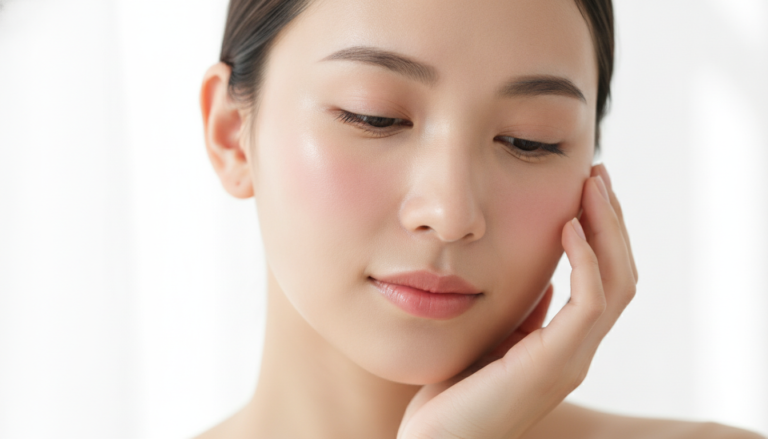
Glass skin represents the pinnacle of skincare achievement. The term describes skin that appears so flawlessly smooth and luminous that it resembles a pane of clear glass.
This aesthetic emerged from Korean beauty culture, where skincare rituals prioritize hydration and barrier health above all else. The glass complexion reflects light uniformly across your skin surface, creating an ethereal glow.
The key characteristics include translucent clarity, plump texture, minimal visible pores, and natural radiance. Your complexion should look dewy without appearing oily, smooth without looking artificially matte.
The Science Behind the Glass Skin Appearance
Understanding skin biology helps you achieve this transformation. Glass skin results from optimal skin health at the cellular level, not surface-level tricks.
Your skin cells need adequate moisture to appear plump and reflective. When skin cells maintain proper hydration levels, they lie flat and smooth, creating that signature glass-like appearance.
The skin barrier plays a crucial role in maintaining this effect. A healthy barrier retains moisture while protecting against environmental damage that causes dullness.
Benefits Beyond Beautiful Appearance
Pursuing glass skin delivers advantages that extend beyond aesthetics. The routines that create this complexion also improve overall skin health and resilience.
Deep hydration reduces the appearance of fine lines and prevents premature aging. Well-moisturized skin maintains elasticity better than dehydrated complexions.
Strengthening your skin barrier protects against irritation, sensitivity, and environmental stressors. This foundation supports long-term skin health and prevents common skin concerns.
Transform Your Complexion with the Complete Glass Skin System
Discover the proven routine that thousands have used to achieve luminous, translucent glass skin. This comprehensive system includes everything you need to start your transformation journey today.
Building Your Glass Skin Foundation: The Essential First Steps
Creating clear glass skin begins with proper cleansing. This foundation step removes barriers that prevent your skin from absorbing beneficial ingredients.
The double cleansing method originated in Korean beauty rituals. This technique uses an oil-based cleanser first, followed by a water-based formula.
Oil cleansing dissolves makeup, sunscreen, and sebum without stripping your skin barrier. This gentle approach maintains the moisture balance essential for glass skin.
Mastering the Double Cleansing Technique
Start with dry hands and a dry face. Apply your oil cleanser and massage for sixty seconds, focusing on areas with heavy makeup or sunscreen.
Add a small amount of water to emulsify the oil. This step transforms the oil into a milky texture that rinses away easily.
Follow with your water-based cleanser. Choose a gentle formula that removes remaining impurities without creating tightness or irritation.
Choosing Cleansers That Support Glass Skin
Your oil cleanser should contain nourishing fatty acids that dissolve impurities while protecting your barrier. Look for formulas with jojoba oil, rice bran oil, or camellia seed oil.
Water-based cleansers for glass skin should have a pH close to your skin’s natural level. Avoid harsh sulfates that strip away protective oils.
Ingredients like glycerin and hyaluronic acid in your cleanser provide immediate hydration. This sets the stage for the layering process that follows.
The Hydration Secret: Layering for Maximum Moisture
Deep hydration creates the plump, reflective quality that defines glass skin. Multiple thin layers of hydrating products work better than single thick applications.
This layering technique allows each product to penetrate effectively. Your skin absorbs moisture gradually, maximizing hydration at every level.
Start with the thinnest consistency and progress to thicker formulas. This order ensures proper absorption and prevents pilling.
Essential Hydration Layers Explained
Toners or essences form your first hydration layer. These watery formulas prep your skin to receive subsequent products while delivering initial moisture.
Apply your toner immediately after cleansing. Pat gently into skin rather than wiping with cotton, which can cause irritation and waste product.
Korean beauty routines often include multiple toner layers. This “7-skin method” applies seven thin layers of toner for intense hydration boost.
The Power of Essence in Glass Skin Routines
Essences bridge the gap between toner and serum. These concentrated formulas deliver active ingredients in a lightweight, highly absorbable base.
Hydrating essences typically contain humectants that draw moisture into your skin cells. This plumping effect creates the smooth, reflective surface characteristic of glass skin.
Apply essence by pressing it gently into your skin. This technique promotes absorption while stimulating circulation for natural radiance.
Serum Selection for Deep Hydration
Serums contain the highest concentration of active ingredients. Choose formulas that target hydration while addressing your specific skin concerns.
Hyaluronic acid serums attract and hold up to 1000 times their weight in water. This powerful humectant delivers the intense moisture glass skin requires.
Apply serum while your skin remains slightly damp. This maximizes absorption and helps seal in the moisture from previous layers.
Unlock Your Personalized Hydration Routine
This advanced hydration blueprint shows you exactly how to layer products for maximum moisture retention. Learn the professional techniques that create lasting glass skin results.
Power Ingredients That Create Glass Skin Transformation
Specific ingredients deliver the dramatic results glass skin demands. Understanding these components helps you choose products that actually work.
Hyaluronic acid stands as the cornerstone ingredient for glass complexions. This powerful humectant occurs naturally in your skin but decreases with age.
Different molecular weights of hyaluronic acid penetrate various skin layers. Low molecular weight HA reaches deeper levels, while high molecular weight remains on the surface.
Hyaluronic Acid: The Hydration Hero
Multiple forms of hyaluronic acid in one product provide comprehensive hydration. This combination addresses moisture needs at every skin level.
Your skin can hold more water when hyaluronic acid is present. This creates the plump, smooth texture essential for glass skin appearance.
Apply hyaluronic acid to damp skin for best results. The moisture on your skin surface gives HA something to bind with and hold.
Ingredients like niacinamide work synergistically with hyaluronic acid. This combination brightens complexion while maintaining deep hydration.
Look for products containing multiple humectants alongside hyaluronic acid. Glycerin, beta-glucan, and tremella mushroom extract enhance moisture retention.
Some formulas include sodium hyaluronate, the salt form of hyaluronic acid. This version penetrates more easily and provides longer-lasting hydration.
Ceramides for Barrier Protection
Ceramides form the mortar between your skin cells. These lipids create a protective barrier that prevents water loss and maintains glass skin results.
A compromised skin barrier cannot maintain the moisture levels glass skin requires. Ceramide-rich products repair and strengthen this crucial protective layer.
Your skin naturally produces ceramides, but environmental damage and aging reduce their levels. Topical application replenishes these essential lipids.
Niacinamide for Radiance and Texture
Niacinamide, also called vitamin B3, improves skin texture while supporting barrier function. This versatile ingredient enhances the glass skin appearance in multiple ways.
This ingredient reduces the appearance of pores, creating smoother skin texture. Refined pores contribute significantly to the glass-like surface.
Niacinamide also regulates oil production without causing dryness. Balanced sebum levels prevent the shine that differs from healthy glass skin glow.
Peptides for Firmness and Smoothness
Peptides signal your skin to produce more collagen. Increased collagen production improves skin firmness and reduces fine lines that interfere with glass skin smoothness.
These amino acid chains work at a cellular level to support skin health. The results develop over time with consistent use.
Peptide serums layer well with other glass skin products. Apply them after hyaluronic acid but before heavier moisturizers.
The right ingredient combinations accelerate your glass skin transformation. Products formulated with complementary actives deliver superior results compared to single-ingredient formulas.
Experience Ingredient-Powered Glass Skin Results
This scientifically-formulated system combines hyaluronic acid, ceramides, niacinamide, and peptides in optimal concentrations. See visible transformation in weeks, not months.
Strengthening Your Skin Barrier for Lasting Glass Skin
Your skin barrier determines whether glass skin results last or fade quickly. This protective layer sits at the outermost part of your skin.
A compromised barrier allows moisture to escape rapidly. No amount of hydrating products can compensate for a damaged protective layer.
Signs of barrier damage include tightness, sensitivity, redness, and rapid moisture loss. Addressing these issues must precede glass skin pursuit.
Identifying Barrier Damage Signs
Dehydrated skin feels tight even after applying moisturizer. This sensation indicates your barrier cannot retain the moisture you provide.
Increased sensitivity to products you previously tolerated suggests barrier compromise. A healthy barrier protects against irritation from environmental factors and skincare ingredients.
Persistent dullness despite hydration efforts points to barrier dysfunction. The smooth, reflective glass skin appearance requires an intact protective layer.
Repairing Your Barrier Foundation
Barrier repair requires patience and gentle care. Stop using harsh actives temporarily and focus on soothing, protective ingredients.
Ceramides, cholesterol, and fatty acids form the three essential lipid components your barrier needs. Products containing all three repair damage most effectively.
Occlusives seal moisture into your skin while barrier-repairing ingredients work. Consider adding a thin layer of facial oil or petroleum-based product as your final step.
Maintaining Barrier Health Long-Term
Consistency in your routine protects your newly repaired barrier. Avoid the temptation to constantly try new products that might cause irritation.
Sun protection preserves barrier integrity. UV damage compromises your skin’s protective function and prevents glass skin achievement.
Proper cleansing removes impurities without stripping protective lipids. Balance is key—your skin should never feel tight or squeaky after washing.
The Role of pH Balance
Your skin’s natural pH hovers around 4.7 to 5.5, slightly acidic. Products with similar pH support barrier function rather than disrupting it.
Alkaline cleansers raise skin pH temporarily, making it vulnerable to irritation. This disruption allows moisture to escape and bacteria to penetrate more easily.
Choose pH-balanced cleansers and toners that support your skin’s acid mantle. This protective film contributes to barrier health and glass skin sustainability.
Rebuild Your Barrier with Professional-Grade Treatment
This barrier-strengthening system combines ceramides, fatty acids, and cholesterol in the precise ratio your skin needs. Repair damage and create the foundation for permanent glass skin results.
Advanced Treatments That Accelerate Glass Skin Results
Targeted treatments take your glass skin routine beyond basic maintenance. These concentrated formulas address specific concerns while enhancing overall luminosity.
Exfoliation reveals fresh skin cells that reflect light more effectively. Gentle chemical exfoliants work better than physical scrubs for glass skin goals.
Chemical exfoliants dissolve the bonds between dead skin cells. This process smooths texture without the micro-tears physical scrubs can cause.
Chemical Exfoliation for Smooth Texture
Alpha hydroxy acids (AHAs) like glycolic and lactic acid work on the skin surface. These water-soluble acids improve texture and tone.
Lactic acid provides gentler exfoliation than glycolic acid. This makes it suitable for sensitive skin types pursuing glass skin appearance.
Beta hydroxy acid (BHA), specifically salicylic acid, penetrates pores to clear congestion. This oil-soluble acid refines texture from within.
Start with low concentrations and infrequent use. Your skin needs time to adjust to chemical exfoliation without experiencing irritation.
Apply chemical exfoliants to clean, dry skin. Wait a few minutes before continuing with your hydrating products.
Always use sun protection when incorporating chemical exfoliants. These ingredients increase sun sensitivity temporarily.
Face Masks for Intensive Hydration
Sheet masks deliver concentrated essence directly to your skin. These single-use treatments provide an intensive hydration boost.
The occlusive nature of sheet masks prevents evaporation. Your skin absorbs more of the beneficial ingredients compared to simply applying serum.
Use sheet masks two to three times weekly for best results. Leave them on for fifteen to twenty minutes, then pat remaining essence into your skin.
Serums with Concentrated Actives
Vitamin C serums brighten complexion while protecting against environmental damage. This antioxidant supports the radiant appearance glass skin requires.
Choose stable vitamin C formulations that resist oxidation. L-ascorbic acid provides the most research-backed results when properly formulated.
Apply vitamin C serum in the morning before sunscreen. This timing maximizes its protective benefits throughout the day.
Facial Oils for Glow Enhancement
Facial oils add a final layer of protection and luminosity. Choose lightweight oils that absorb quickly without leaving greasy residue.
Squalane oil mimics your skin’s natural sebum. This non-comedogenic oil provides moisture and glow without clogging pores.
Rosehip oil contains fatty acids and vitamins that support skin health. Its lightweight texture makes it ideal for glass skin routines.
Access Professional-Grade Serum Technology
This collection of advanced serums combines vitamin C, peptides, and botanical extracts in clinical-strength formulations. Experience the accelerated results that professional treatments provide.
Your Complete Morning and Evening Glass Skin Routine
Consistency transforms sporadic results into permanent glass skin. Your daily routine should follow a specific order that maximizes product effectiveness.
Morning routines focus on protection and hydration. Evening routines emphasize repair and treatment.
The order matters because it affects how well your skin absorbs each product. Light to heavy remains the guiding principle.
Morning Routine for All-Day Radiance
Start your morning with a gentle water-based cleanser. Your skin doesn’t need heavy cleansing in the morning since you’re only removing overnight product and natural oils.
Apply your hydrating toner or essence while skin remains damp. This locks in water before it evaporates.
Layer your treatment serums next. Hyaluronic acid serum followed by vitamin C creates a protective, plumping combination.
Your moisturizer seals in all previous layers. Choose a formula that provides hydration without heavy weight.
Sunscreen forms the final and most crucial step. Apply generously to protect your glass skin progress from UV damage.
Allow each product to absorb before applying the next. This prevents pilling and ensures optimal penetration.
Evening Routine for Overnight Repair
Begin your evening routine with the double cleanse method. Remove the day’s sunscreen, pollution, and makeup thoroughly.
Apply your chemical exfoliant if using one. Allow it to work for a few minutes before proceeding.
Layer your hydrating products—toner, essence, and treatment serums. Evening is ideal for heavier serums with reparative ingredients.
Your evening moisturizer can be richer than your morning formula. Nighttime is when your skin repairs itself most actively.
Consider adding a facial oil as your final step. This seals in moisture and prevents transepidermal water loss while you sleep.
Sleeping masks provide an extra hydration boost once or twice weekly. These occlusive treatments maximize overnight moisture retention.
Adjusting Your Routine by Season
Seasonal changes affect your skin’s hydration needs. Summer routines might use lighter textures, while winter demands richer formulas.
Increase humectant use during humid weather when they can draw moisture from the air. Add more occlusives during dry winter months.
Your skin tells you what it needs. Pay attention to how it feels and looks, adjusting products accordingly.
Weekly Treatment Boosters
Incorporate sheet masks two to three times weekly for intensive hydration. These provide concentrated treatment without disrupting your routine.
Exfoliation frequency depends on your skin tolerance. Most people benefit from one to three exfoliation sessions weekly.
Clay or mud masks can balance oil production once weekly. Choose formulas that don’t strip or tighten excessively.
Sun Protection: The Non-Negotiable Glass Skin Essential
Sun protection determines whether your glass skin results last or deteriorate. UV damage destroys the smooth texture and even tone glass skin requires.
UVA rays penetrate deeply, causing premature aging and hyperpigmentation. UVB rays burn the surface, creating texture issues and inflammation.
Broad-spectrum protection guards against both types of damage. Your sunscreen should provide at least SPF 30, though SPF 50 offers better protection.
Choosing Sunscreen for Glass Skin Goals
Physical sunscreens containing zinc oxide or titanium dioxide sit on skin’s surface. These mineral filters reflect UV rays away from your complexion.
Chemical sunscreens absorb UV radiation and convert it to heat. These formulas often feel lighter and blend more seamlessly.
Hybrid sunscreens combine both approaches for comprehensive protection. Many modern formulas include hydrating ingredients that support glass skin.
Look for sunscreens that don’t leave a white cast. Tinted formulas can enhance your glass skin glow while providing protection.
Water-resistant formulas maintain effectiveness during sweating or water exposure. Reapply every two hours when outdoors.
Apply sunscreen as the final step of your morning routine. Use approximately one-quarter teaspoon for your face and neck.
The Link Between Sun Damage and Texture
UV exposure breaks down collagen and elastin fibers. This degradation creates fine lines, wrinkles, and rough texture that oppose glass skin smoothness.
Sun damage causes hyperpigmentation and uneven tone. Dark spots and discoloration prevent the clear, translucent appearance glass skin requires.
Chronic sun exposure impairs skin barrier function. A compromised barrier cannot maintain the deep hydration glass skin demands.
Beyond Sunscreen: Complete UV Protection
Wear wide-brimmed hats when spending extended time outdoors. Physical barriers complement topical sun protection.
Seek shade during peak UV hours between ten in the morning and four in the afternoon. This reduces your overall UV exposure significantly.
Consider UV-protective clothing for prolonged outdoor activities. Fabrics with UPF ratings provide additional defense.
Antioxidant serums enhance your sun protection. Vitamin C and vitamin E work synergistically to neutralize free radicals from UV exposure.
Protect Your Glass Skin Investment
This complete UV defense system combines advanced sunscreen technology with antioxidant protection. Shield your glass skin from damage while maintaining that coveted luminous glow.
Your skincare routine works in tandem with lifestyle choices. Internal health manifests externally as skin quality.
Hydration from within supports topical hydration efforts. Your skin cells need adequate water to maintain plumpness and function.
Aim for eight glasses of water daily, more if you exercise or live in dry climates. Proper hydration improves skin texture and appearance noticeably.
Nutrition for Radiant Complexion
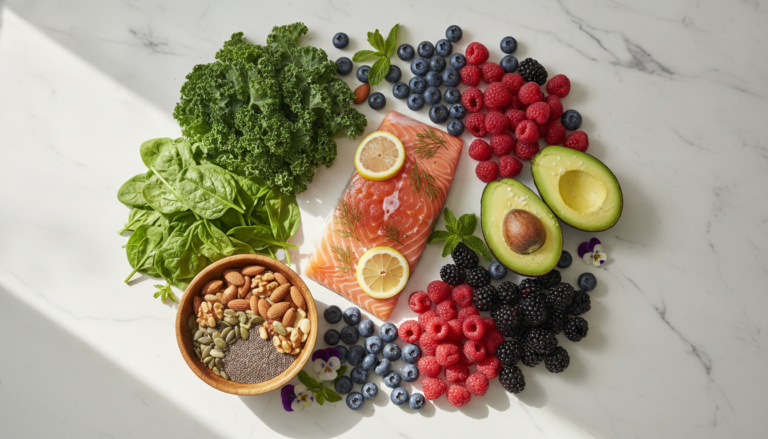
Foods rich in omega-3 fatty acids support skin barrier function. Salmon, walnuts, and flaxseed provide these essential fats.
Antioxidant-rich fruits and vegetables protect against oxidative stress. Berries, leafy greens, and colorful produce support skin health from inside.
Limit sugar intake to prevent glycation. This process damages collagen and elastin, interfering with smooth glass skin texture.
Sleep Quality and Skin Repair
Your skin regenerates most actively during deep sleep. Insufficient sleep disrupts this repair process and shows on your complexion.
Aim for seven to nine hours of quality sleep nightly. Establish a consistent sleep schedule to optimize skin repair.
Sleep on silk or satin pillowcases to reduce friction. This prevents sleep lines and preserves your glass skin smoothness.
Stress Management for Skin Health
Chronic stress triggers inflammation and hormonal changes. These internal disruptions manifest as breakouts, dullness, and texture issues.
Practice stress-reduction techniques like meditation, yoga, or deep breathing. These activities lower cortisol levels that affect skin health.
Regular exercise improves circulation, delivering oxygen and nutrients to skin cells. This promotes the natural radiance glass skin embodies.
Environmental Protection Beyond Sunscreen
Pollution particles penetrate skin and cause oxidative damage. Urban environments expose skin to significant environmental stress.
Cleanse thoroughly each evening to remove pollution buildup. Double cleansing becomes especially important in polluted areas.
Antioxidant-rich products neutralize free radicals from environmental exposure. Layer these protective formulas under your sunscreen.
Exercise and Circulation Benefits
Physical activity increases blood flow to your skin. This improved circulation delivers nutrients and oxygen while removing waste products.
Sweating during exercise helps purge toxins through your pores. Always cleanse promptly after working out to prevent congestion.
Regular exercise promotes better sleep quality. This creates a positive cycle supporting skin repair and glass skin maintenance.
Common Glass Skin Mistakes and How to Avoid Them
Well-intentioned skincare choices sometimes sabotage glass skin progress. Understanding these pitfalls helps you avoid them.
Over-exfoliation ranks as the most common mistake. Excessive exfoliation damages your skin barrier, causing sensitivity and moisture loss.
Your skin should never feel raw or overly sensitive. These symptoms indicate barrier damage that requires immediate correction.
The Over-Exfoliation Trap
Chemical exfoliants provide significant benefits when used appropriately. However, daily use often causes more harm than good.
Signs of over-exfoliation include increased sensitivity, persistent redness, and breakouts. Your skin might feel tight or look shiny in an unhealthy way.
Reduce exfoliation frequency immediately if you notice these symptoms. Focus on barrier repair with gentle, soothing products.
Product Overload Problems
More products don’t automatically create better results. Too many active ingredients can overwhelm your skin and cause irritation.
Start with a basic routine and add products gradually. This approach helps you identify which products actually benefit your skin.
Allow at least two weeks before adding new products. This timeline helps you assess effectiveness and potential reactions.
Skipping Sunscreen Consequences
No glass skin routine succeeds without consistent sun protection. UV damage undoes all your hydration and treatment efforts.
Even cloudy days require sunscreen application. UVA rays penetrate clouds and windows, causing cumulative damage.
Indoor workers still need sun protection. Glass doesn’t block UVA rays that age skin and prevent glass skin achievement.
Inconsistency Issues
Sporadic skincare habits prevent glass skin transformation. Your skin needs consistent care to show lasting results.
Establish a realistic routine you can maintain long-term. An elaborate routine you abandon after two weeks provides no benefits.
Morning and evening care should become as automatic as brushing your teeth. This consistency builds the foundation for permanent glass skin.
Wrong Product Choices for Your Skin Type
Products that work beautifully for others might not suit your specific skin needs. Understanding your skin type guides appropriate product selection.
Oily skin still needs hydration despite producing excess sebum. Choose lightweight, water-based formulas rather than skipping moisturizer entirely.
Dry skin requires richer formulas and additional occlusive layers. Layer products strategically to prevent moisture loss.
Realistic Timeline: When to Expect Glass Skin Results
Glass skin transformation doesn’t happen overnight. Understanding realistic timelines prevents discouragement during your journey.
Initial improvements appear within one to two weeks. You’ll notice increased hydration and subtle glow as your skin adjusts to consistent care.
Significant texture improvements typically require four to six weeks. Cell turnover cycles dictate how quickly your skin reveals fresher, smoother layers.
Week-by-Week Progress Expectations
Week one brings improved hydration and less tightness. Your skin begins responding to consistent moisture and protection.
Week two shows enhanced radiance and slightly smoother texture. Your barrier starts repairing, allowing better moisture retention.
Week four reveals noticeably refined texture and more even tone. The cumulative effects of your routine become clearly visible.
Factors Affecting Your Timeline
Starting skin condition significantly impacts your timeline. Severely dehydrated or damaged skin requires longer to transform.
Age affects skin cell turnover rate. Younger skin typically responds faster than mature skin with slower cellular regeneration.
Consistency dramatically influences results speed. Daily adherence to your routine accelerates progress compared to sporadic care.
Patience and Persistence
True glass skin takes three to six months to fully achieve. This realistic timeframe accounts for complete skin renewal and barrier optimization.
Don’t abandon your routine prematurely. Most people quit just before results become dramatic.
Take progress photos weekly to track subtle changes. These visual records reveal improvements you might miss in daily mirror checks.
Maintaining Your Results
Once achieved, glass skin requires ongoing maintenance. Your routine becomes your skin’s new normal, not a temporary fix.
Established glass skin proves more resilient than untreated skin. Your strengthened barrier and hydration systems resist environmental damage better.
Continue your routine with the same dedication that created results. Consistency maintains the luminous complexion you worked to achieve.
Troubleshooting Your Glass Skin Journey
Even well-planned routines encounter obstacles. Knowing how to troubleshoot common issues keeps your glass skin progress on track.
Breakouts during your glass skin journey can result from several causes. Introducing too many products simultaneously often triggers reactions.
Assess whether new products coincide with breakout timing. Eliminate suspects one at a time to identify the culprit.
Addressing Unexpected Breakouts
Purging differs from true breakouts. Chemical exfoliants can cause temporary purging as they bring congestion to the surface.
Purging occurs only in areas where you typically break out. It should resolve within four to six weeks.
True breakouts appear in new areas and result from product irritation. Discontinue suspected products immediately.
Persistent Dryness Despite Hydration
If your skin remains dry despite hydrating products, your barrier likely needs repair. Humectants alone cannot overcome barrier dysfunction.
Add occlusive ingredients to seal moisture into your skin. Facial oils, petroleum-based products, or rich creams prevent water loss.
Reduce exfoliation frequency temporarily. Over-exfoliation damages your barrier and prevents moisture retention.
Sensitivity and Redness Issues
Increased sensitivity signals barrier compromise or product irritation. Strip your routine down to basics immediately.
Use only gentle cleanser and basic moisturizer until sensitivity resolves. Avoid all actives and potential irritants.
Reintroduce products slowly once your skin calms. Add one product at a time with at least one week between additions.
Uneven Results Across Face
Different facial areas have varying skin characteristics. Your T-zone might remain oilier while cheeks stay dry.
Consider targeted application strategies. Apply richer products to dry areas and lighter formulas to oilier zones.
This customization ensures each area receives appropriate care. Glass skin doesn’t require identical treatment across your entire face.
When to Seek Professional Help
Persistent problems despite troubleshooting warrant professional consultation. Dermatologists can identify underlying issues your routine cannot address.
Sudden changes in skin behavior might indicate medical conditions. Professional diagnosis ensures appropriate treatment.
Estheticians provide valuable insights about product selection and routine optimization. Professional guidance can accelerate your glass skin achievement.
Your Path to Clear Glass Skin Success
Achieving clear glass skin requires commitment, patience, and informed choices. The journey transforms not just your complexion but your entire relationship with skincare.
Your consistent efforts compound over time, creating results that last. Each day of proper care strengthens your skin’s foundation and enhances its natural beauty.
The glass skin aesthetic celebrates healthy, well-maintained skin. This goal aligns with genuine skin health rather than just superficial beauty.
Key Takeaways for Your Journey
Hydration forms the absolute foundation of glass skin. Multiple layers of hydrating products create the plump, reflective surface you desire.
Barrier health determines whether results last or fade quickly. Protect and strengthen your barrier consistently for sustainable glass skin.
Sun protection preserves every improvement your routine creates. Never skip this crucial step regardless of weather or indoor plans.
Moving Forward with Confidence
Start your glass skin journey today rather than waiting for perfect conditions. The best time to begin was yesterday; the second best time is now.
Trust the process even when immediate results aren’t visible. Cellular changes happen before they become apparent in the mirror.
Your dedication to consistent care will reward you with the luminous complexion you envision. Glass skin reflects your commitment to self-care and skin health.
Remember that glass skin looks different on everyone. Your unique features and skin characteristics create your personal version of this aesthetic.
Celebrate small improvements along the way. Each positive change represents progress toward your ultimate glass skin goal.
The habits you build during this journey benefit you far beyond achieving clear glass skin. You’re investing in long-term skin health and confidence.
Complete Your Glass Skin Transformation Today
This comprehensive transformation program combines all the elements you need for lasting glass skin success. Access expert guidance, proven routines, and professional-grade formulations in one complete system. Join thousands who have already achieved their dream complexion.