Looking for a simple way to care for dry strands and a tired scalp? Home Made Hair Oil for Hair Growth can be an affordable place to start. The right oil mixture may help reduce friction, support scalp comfort, and make hair feel softer.
This guide explains how to choose oils, mix them safely, and apply a small amount without leaving your hair heavy. It also sets realistic expectations. A homemade routine may support healthy hair care, but it cannot promise new growth overnight.
Start with a simple hair-care plan
Explore practical hair-care resources before choosing oils or adding essential oils to your routine.
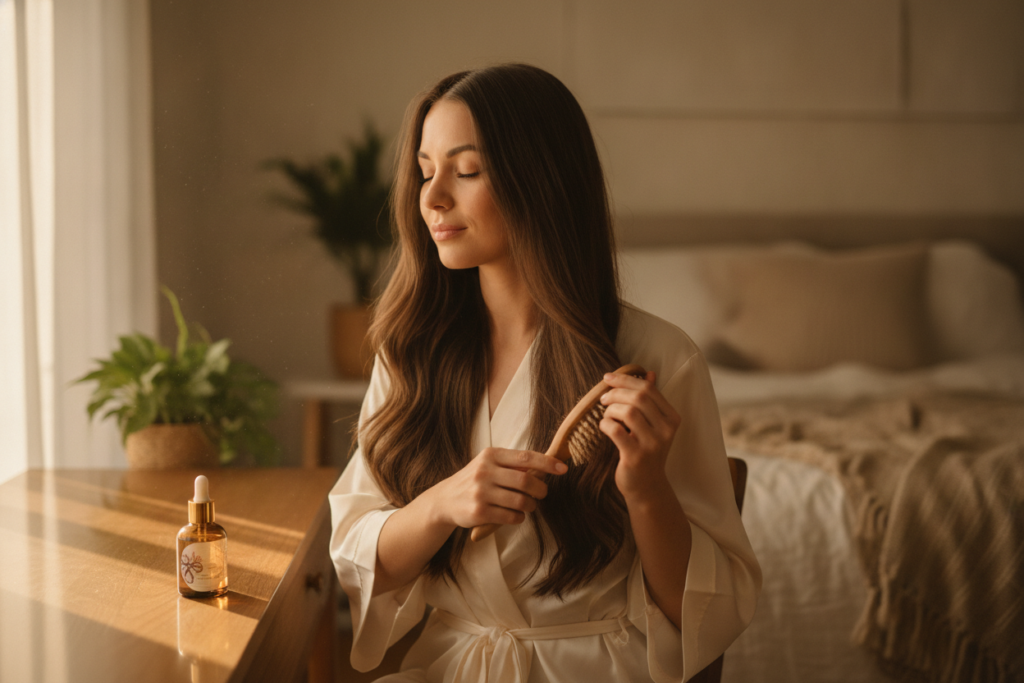
Hair oil does not work like a prescription treatment. It cannot repair a split end or change the natural speed of your hair growth. Still, oil can reduce the rough feel of dry hair and help limit moisture loss from the strand.
Scalp massage may also feel relaxing. Gentle massage can spread the oil and encourage a mindful routine. Use light pressure rather than scratching, rubbing hard, or pulling at the hair.
Oil may improve softness and shine.
Oil may help reduce friction during styling.
Massage may make a routine feel relaxing.
Results vary with hair type, scalp health, diet, stress, and genetics.
Persistent shedding needs professional attention.
Best Ingredients for Homemade Hair Oil
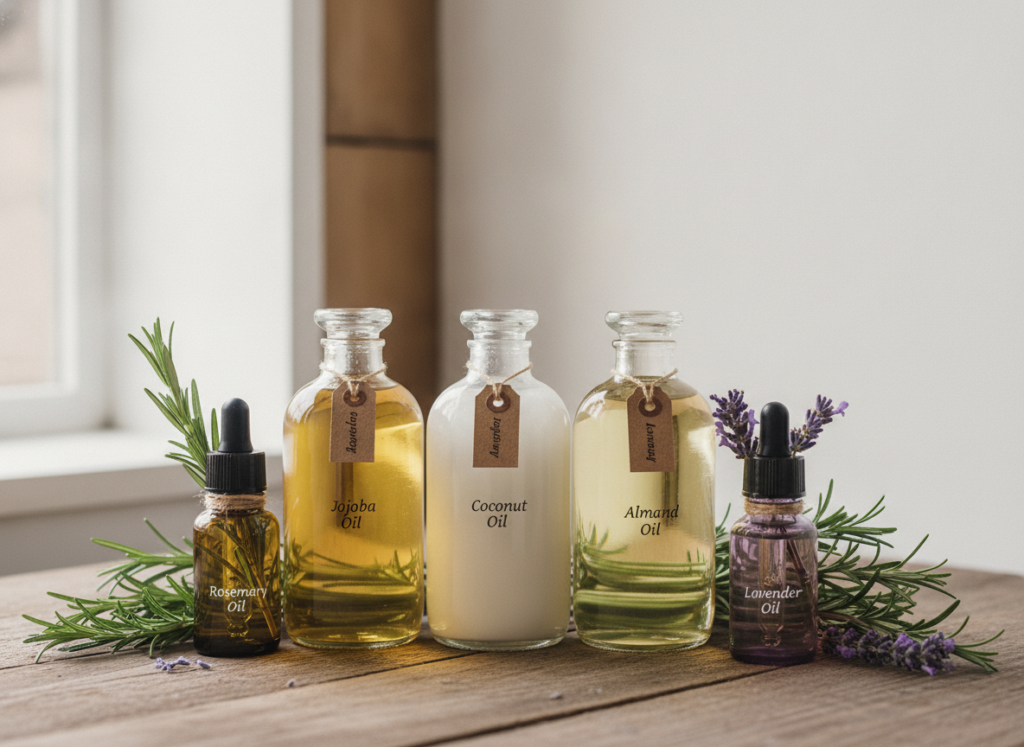
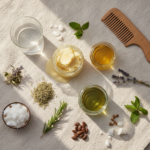
A good homemade hair oil starts with a carrier oil. Carrier oils dilute essential oils and make the mixture easier to spread. They also give you control over texture, scent, and the amount used on the scalp.
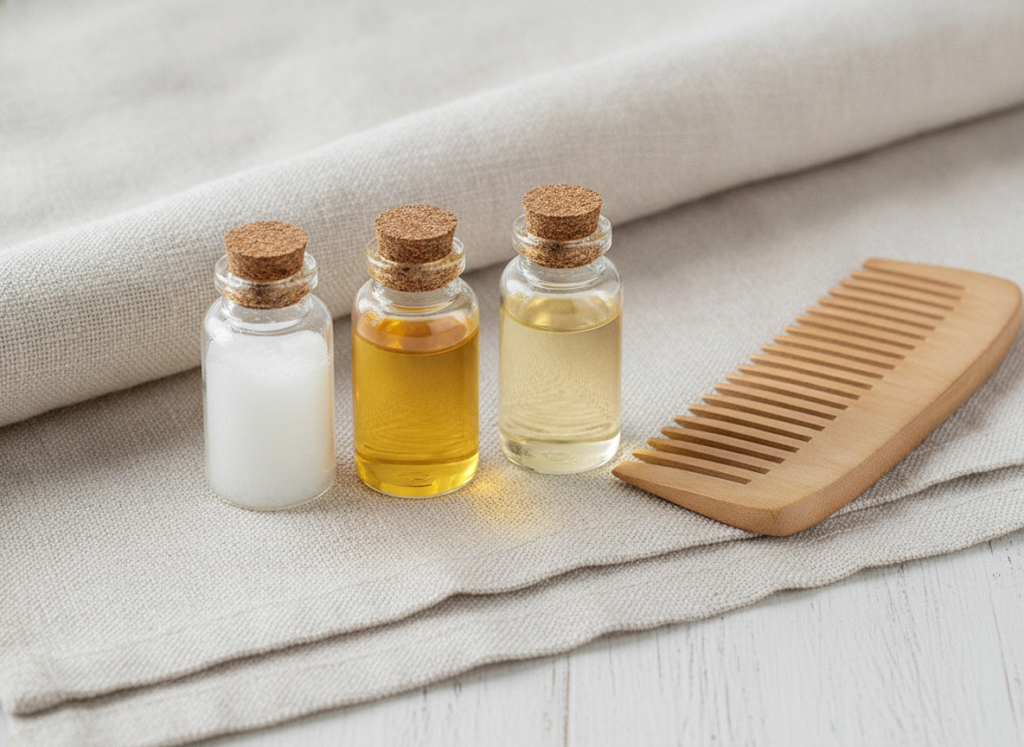
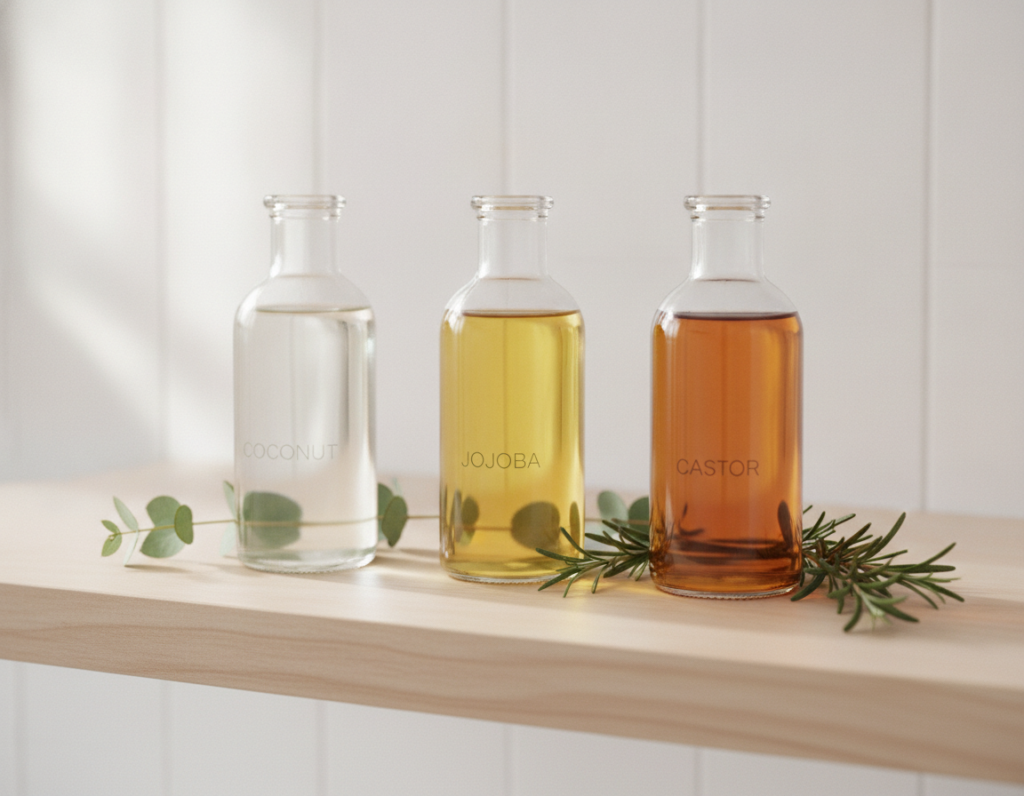
Coconut oil is rich and useful for dry or coarse hair. It can feel heavy on fine hair, so begin with a small amount. Castor oil is thick and sticky. Blend it with a lighter carrier oil rather than using it alone.
Jojoba oil has a light feel and suits many scalp types. Almond oil can add slip to dry hair, but people with nut allergies should avoid it. Rosemary essential oil and lavender essential oil are concentrated ingredients. They must be diluted.
Coconut oil
A rich choice for dry lengths and protective pre-shampoo care.
Softens coarse strands
Use a small amount
Castor oil
A dense oil that works best in a balanced oil mixture.
Thick texture
Blend before use
Jojoba oil
A lighter carrier oil for readers who dislike a greasy finish.
Easy to spread
Good for light routines
Rosemary Hair Oil Recipe for a Simple Routine
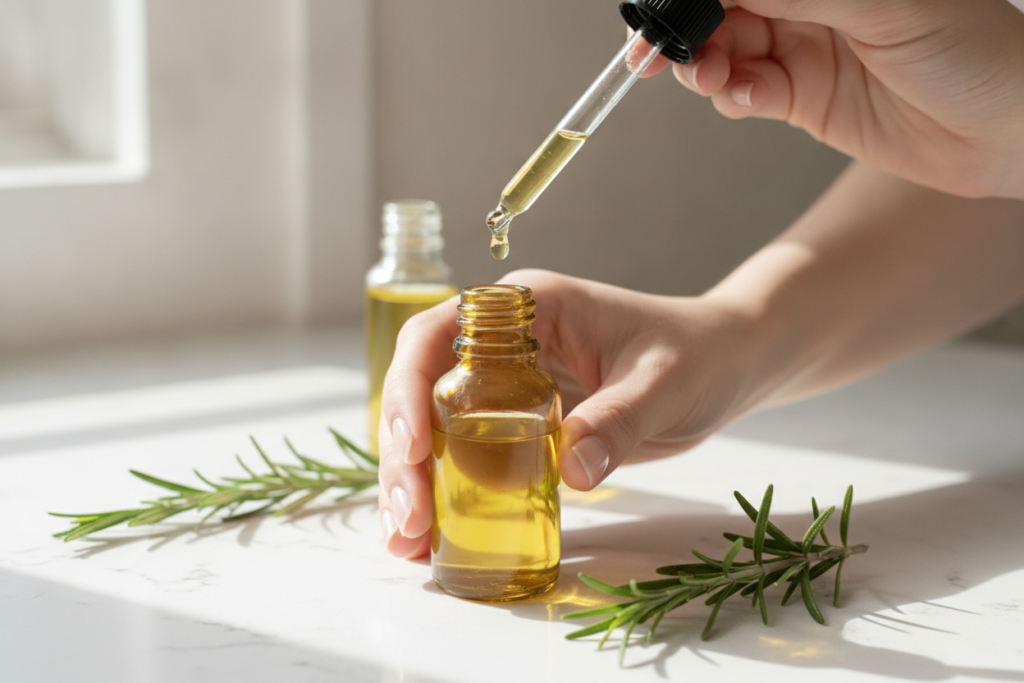
This recipe uses rosemary essential oil with a carrier oil. Rosemary essential oil has a strong scent and should never be applied directly to the scalp. Dilution helps lower the chance of irritation.
Ingredients
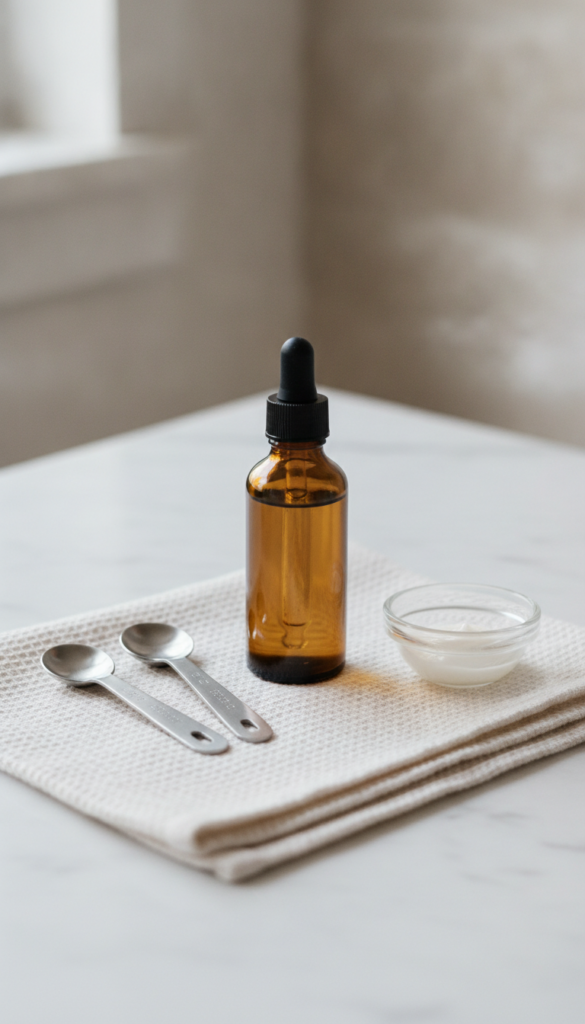
2 tablespoons jojoba oil or coconut oil
2 drops rosemary essential oil
1 drop lavender essential oil, if desired
One clean glass bottle with a secure cap
How to mix it
Wash and dry the glass bottle.
Add the carrier oil first.
Add the drops of rosemary essential oil.
Add lavender essential oil only if your skin tolerates fragrance.
Close the bottle and roll it between your hands.
Keep the oil mixture away from the eyes. Store it in a cool, dark place. Make a small batch so the oil stays fresh and easy to monitor.
Compare ingredients before you mix
A focused hair-care resource can help you select a carrier oil and create a routine that matches your hair type.
This rich blend is better suited to thick, curly, or very dry hair than to fine hair. Coconut oil gives the mixture a smoother feel. Castor oil adds thickness, so use only a small amount.
Ingredients
1 tablespoon coconut oil
1 teaspoon castor oil
1 teaspoon jojoba oil
Preparation
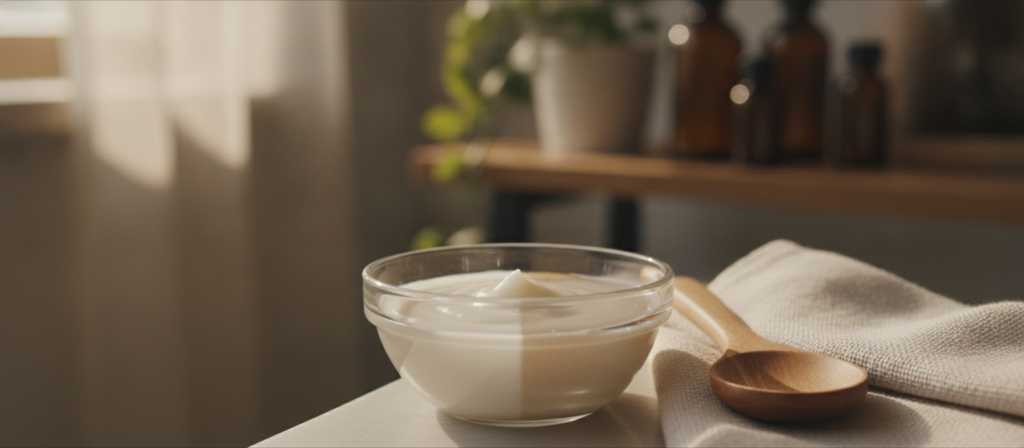
Place the ingredients in a small glass bowl. If the coconut oil is solid, warm the bowl in your hands or set it in warm water for a few minutes. Do not heat the oil until it is hot.
Stir until the oil mixture looks even. Let it cool before applying it to the scalp or lengths. A little goes a long way with castor oil.
Use one teaspoon or less for shoulder-length hair.
Focus on the ends if your scalp becomes oily.
Cover the hair with a soft towel.
Wash with shampoo after the treatment.
Lightweight Jojoba and Almond Oil Recipe
Fine hair often becomes flat when a rich hair oil is used. This lighter blend uses jojoba oil as the main carrier oil. Almond oil adds softness, but skip it if you have a nut allergy.
Ingredients
2 tablespoons jojoba oil
1 tablespoon almond oil
2 drops lavender essential oil
Mix the ingredients in a clean glass bottle. Shake gently before each use. Apply one or two drops to damp ends, then add more only if needed.
This blend is not designed to soak the scalp. It is a finishing oil for dry hair and damaged hair that needs a smoother appearance.
Find a lighter option for fine hair
Use this next step to review hair-care options that may suit fine, dry, or easily weighed-down hair.
Clean tools matter. Wash your hands and use a dry spoon, bowl, or dropper. Water inside the bottle can shorten the useful life of the blend. A dark glass bottle helps protect oils from light.
Write the date on a small label. Do not add water, fresh aloe, or wet herbs to an oil-only recipe. These ingredients can change storage needs and may encourage contamination.
Clean and fully dry the tools.
Measure the carrier oil carefully.
Add essential oils by drops.
Mix gently without splashing.
Close the bottle after each use.
Discard the blend if the smell or color changes.
How to Use Hair Oil on the Scalp and Lengths
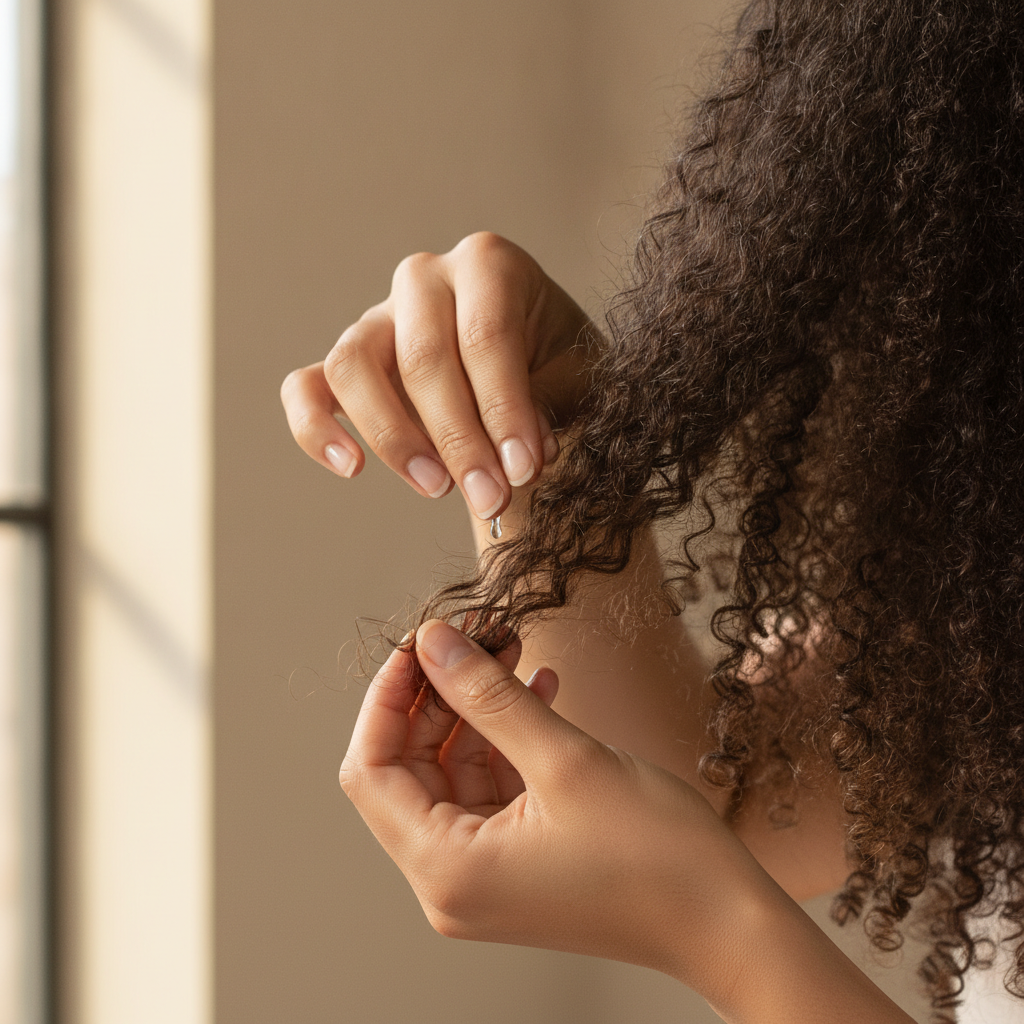
Start with dry or slightly damp hair. Divide the hair into four to six sections. Place a few drops onto your fingertips, not directly onto the scalp. This makes it easier to control the amount.
Use your fingertips to massage the scalp for three to five minutes. Keep your touch gentle. Pulling, scratching, or using long nails can make the scalp feel sore.
For dry lengths, smooth a small amount from the middle of the hair toward the ends. Avoid coating the roots if your hair becomes oily quickly.
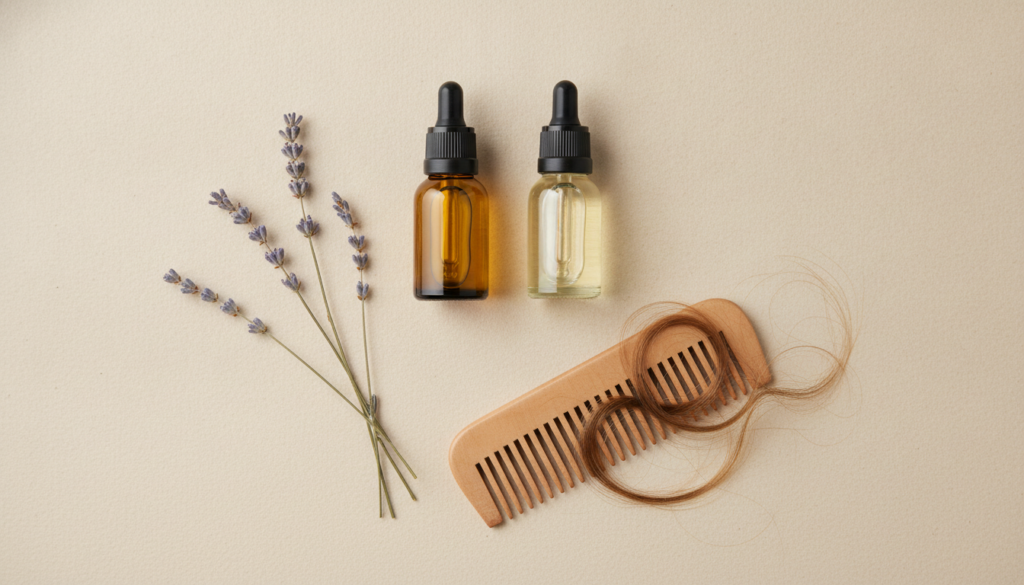
Comb gently to remove large tangles.
Section the hair with your fingers.
Apply a small amount of hair oil.
Massage the scalp with light pressure.
Leave it on for 20 to 30 minutes.
Wash thoroughly with shampoo.
Overnight use is not required. Leaving oil on longer does not guarantee better hair growth. It may increase buildup or make washing harder.
How Often Should You Use Homemade Hair Oil?
Begin once a week for the first month. This gives your scalp time to show how it reacts. If your scalp feels comfortable and your hair looks clean after shampooing, you may try the routine twice a week.
People with fine hair may prefer every seven to ten days. Thick or dry hair may tolerate more frequent use, but more oil is not always better. Adjust the amount before increasing the frequency.
Hair or scalp need
Starting schedule
Application focus
Fine hair
Every 7 to 10 days
Ends and damaged areas
Dry, thick hair
Once weekly
Lengths and ends
Oily scalp
Every 10 to 14 days
Dry ends only
How to Choose the Right Carrier Oil
The best carrier oil depends on your hair texture, scalp feel, and styling habits. A rich oil may suit dry, coarse hair but feel uncomfortable on a fine scalp. A light oil may suit straight or thin hair but provide less coating for very dry curls.
For dry hair
Try coconut oil in a small amount.
Use castor oil only as part of a blend.
Apply mainly to the lengths.
For fine hair
Choose jojoba oil as a lighter carrier.
Use one or two drops at first.
Skip heavy roots and scalp buildup.
For sensitive skin
Start without essential oils.
Choose a short ingredient list.
Stop if redness or burning appears.
Change only one ingredient at a time. If you use several new oils at once, it becomes difficult to identify what caused irritation or heaviness.
Essential Oil Safety and Patch Testing
Essential oils are concentrated. Rosemary essential oil and lavender essential oil should be diluted in a carrier oil. Do not place undiluted essential oil on the scalp, face, or damaged skin.
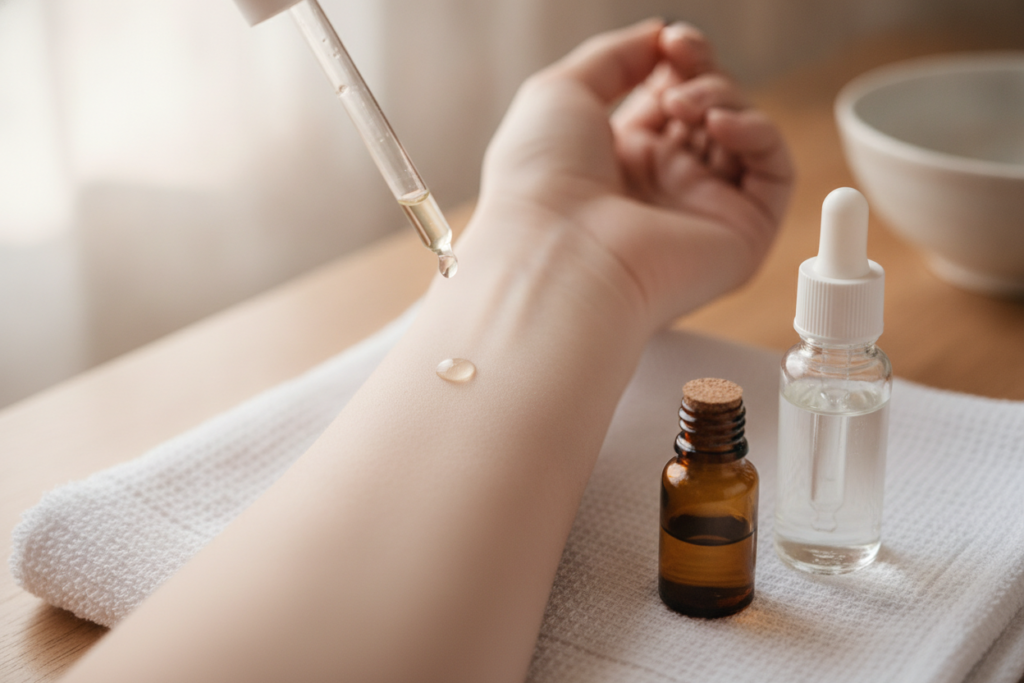
Patch test before using a new oil mixture. Apply a tiny amount of diluted oil to a small area of skin, such as the inner arm. Wait 24 hours and watch for itching, swelling, rash, or burning.
Stop when your skin objects
Wash the area with mild soap and water if irritation develops. Do not continue testing on the scalp. Seek medical advice if symptoms are intense, widespread, or do not improve.
Keep essential oils away from eyes and lips.
Use fewer drops for a first batch.
Do not use on broken or inflamed skin.
Ask a health professional about use during pregnancy.
Keep bottles away from children and pets.
Make safety part of your routine
Review practical product guidance before buying concentrated essential oils or applying a new oil mixture.
Hair oil works best as one small part of hair care. Handle wet hair gently because it stretches more easily. Use a wide-tooth comb and begin at the ends. Move upward as tangles loosen.
Limit frequent high heat and use a lower setting when possible. Tight hairstyles may cause tension around the hairline. A soft pillowcase or loose nighttime braid can reduce friction.
Eat a varied diet with enough protein and fluids.
Avoid brushing aggressively through tangles.
Trim split ends when needed.
Clean combs and pillowcases regularly.
Track breakage and shedding separately.
If you notice sudden hair loss, bald patches, scalp pain, heavy flaking, or a major change in hair density, contact a healthcare professional. Hair growth concerns can have many causes.
Common Hair Oil Mistakes to Avoid
Many homemade hair recipes fail because they use too much product. A saturated scalp can feel greasy and may require repeated shampooing. Begin with a few drops and increase slowly.
Another common mistake is using heat that is too high. Warm oil should feel comfortable, never hot. High heat can irritate skin and damage a container or fragrance ingredients.
Do not apply essential oil directly.
Do not assume natural means risk-free.
Do not share a bottle that touches the scalp.
Do not add water to an oil-only formula.
Do not leave a mixture on irritated skin.
Do not expect instant hair growth results.
Home Made Hair Oil for Hair Growth FAQs
Can homemade hair oil make hair grow faster?
No homemade hair oil can guarantee faster growth. Oils may support scalp comfort, shine, and reduced friction. Hair growth depends on many personal and medical factors.
Is rosemary essential oil suitable for everyone?
No. Some people react to rosemary essential oil. Dilute it in a carrier oil, patch test first, and stop if the skin becomes itchy, red, or painful.
Can I mix coconut oil and castor oil?
Yes, a small amount of castor oil can be blended with coconut oil. The mixture is rich, so it may work better on dry lengths than on fine hair or an oily scalp.
How long should I leave hair oil on?
Start with 20 to 30 minutes before shampooing. Longer use is not automatically more effective and may increase buildup or irritation.
What should I do if my scalp reacts?
Stop using the oil mixture and wash the scalp gently. Seek professional advice if symptoms are severe, persistent, or linked with unusual shedding.
Final Takeaway for Home Made Hair Oil for Hair Growth
The best Home Made Hair Oil for Hair Growth routine is simple, measured, and consistent. Choose one carrier oil, add essential oils only when your skin tolerates them, and begin with a small amount.
Use the blend once a week at first. Massage gently, leave it on for 20 to 30 minutes, and shampoo well. Keep observing your scalp and hair. Softness, reduced friction, and better manageability are realistic goals.
Remember that hair growth concerns may need more than a cosmetic routine. If shedding is sudden or persistent, speak with a qualified healthcare professional.
Choose your next hair-care step
Use a practical guide to compare options, build a repeatable routine, and select products that match your scalp and hair needs.