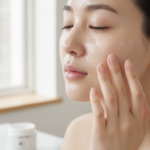
Glass skin has become one of the most sought-after beauty trends. This Korean skincare phenomenon promises a complexion so luminous and translucent that it resembles glass.
The appeal is universal. People across all skin types want that enviable glow.
Achieving glass skin requires dedication to a consistent skincare routine. The right products and ingredients make all the difference. This comprehensive guide walks you through every step needed to transform your complexion into a radiant, smooth surface that reflects light beautifully.
Ready to Transform Your Skin?
Start your journey to glass skin today with proven solutions that deliver real results. Discover the complete system trusted by thousands.
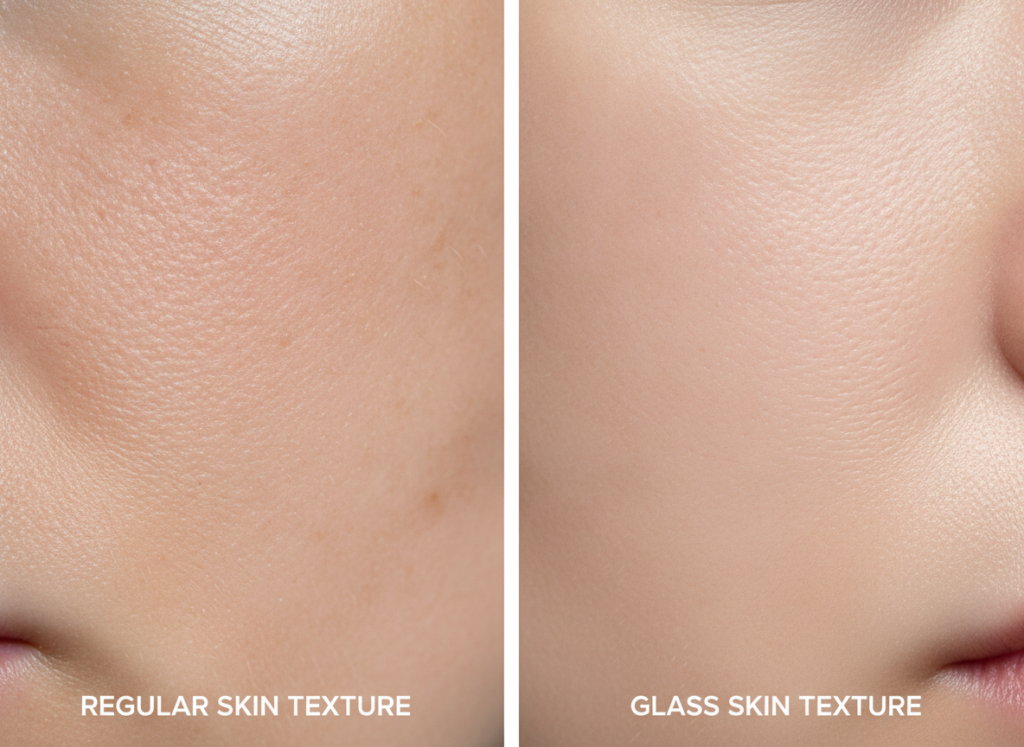
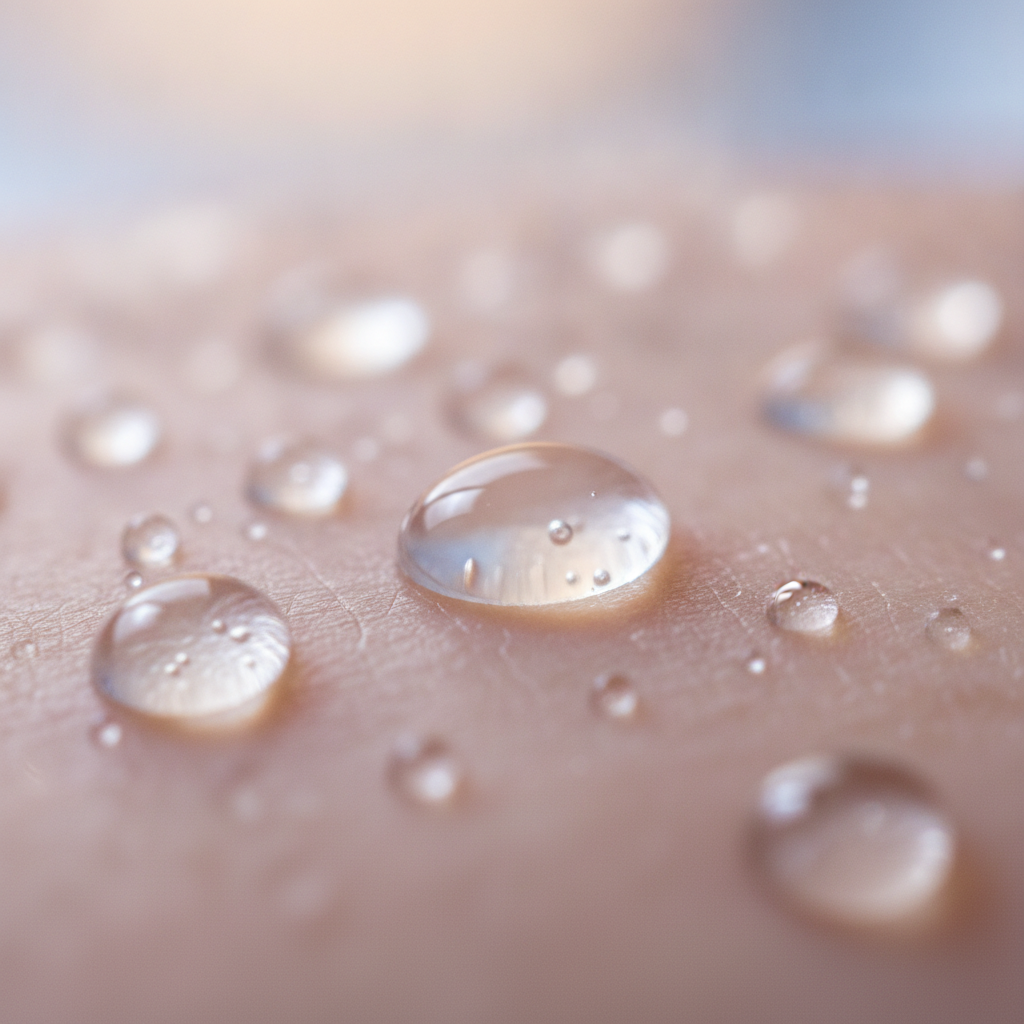
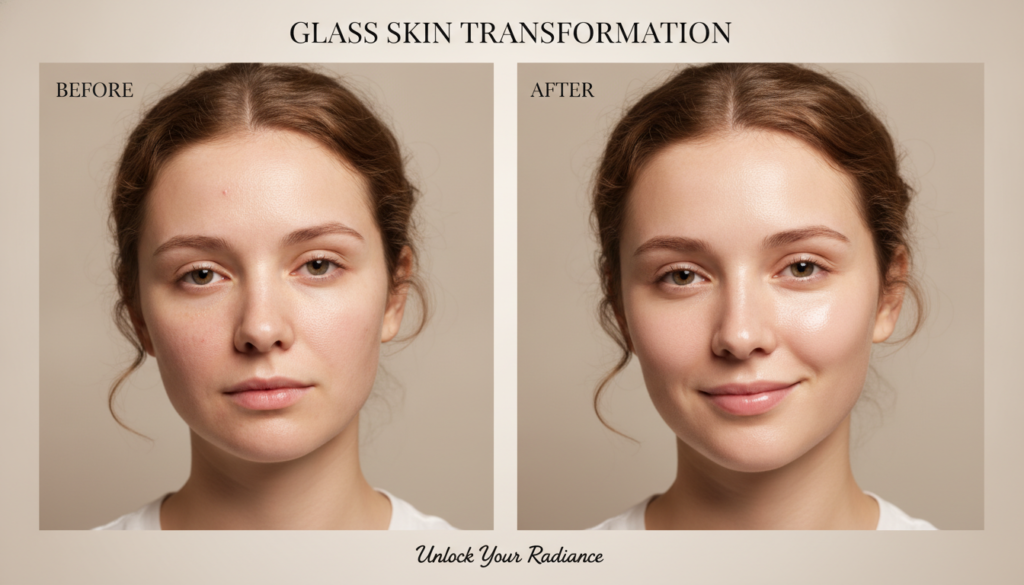
Glass skin describes a complexion that appears incredibly smooth and reflective. The skin looks almost transparent with a dewy finish that catches light at every angle.
This beauty trend originated in South Korea. Korean beauty enthusiasts pioneered the techniques that create this luminous effect.
The glass skin look features several distinct characteristics. The complexion appears poreless and completely even in texture. There are no visible blemishes or dark spots. The skin maintains a consistent hydrated glow throughout the day.
Traditional matte skin finishes have given way to this radiant aesthetic. People now prioritize healthy-looking, moisturized skin over powder-heavy makeup looks.
The Science Behind the Glow
Glass skin results from optimal skin health at the cellular level. When skin cells are properly hydrated, they plump up and reflect light evenly.
Dead skin cells scatter light irregularly. This creates a dull appearance. Removing these cells reveals the fresh skin underneath.
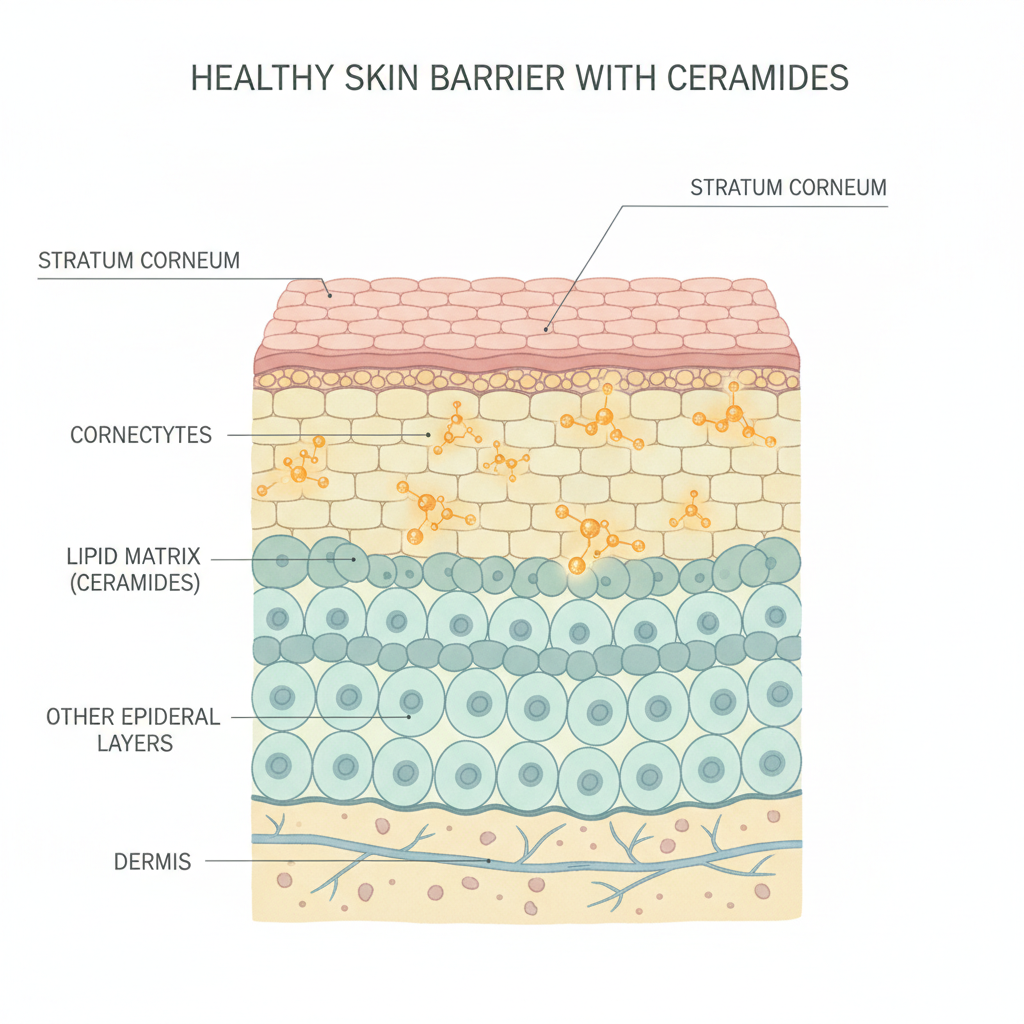
The skin barrier plays a crucial role in achieving this look. A strong barrier retains moisture and protects against environmental damage. Products containing ceramides and fatty acids strengthen this protective layer.
Who Can Achieve Glass Skin
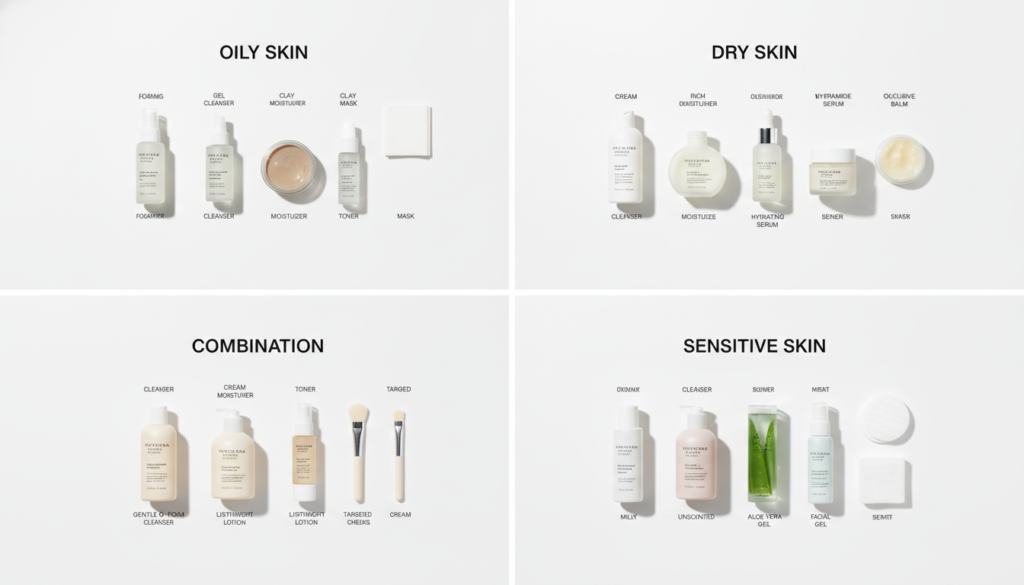
Glass skin is achievable for all skin types. Dry skin benefits from the intense hydration this routine provides. Oily skin finds balance through proper moisture levels.
People with combination skin can adapt the routine to different face zones. Sensitive skin types should introduce products gradually to avoid irritation.
The key lies in customizing product choices to your specific needs. Understanding your skin type helps you select ingredients that work best for your complexion.
The Essential Steps in a Glass Skin Care Routine
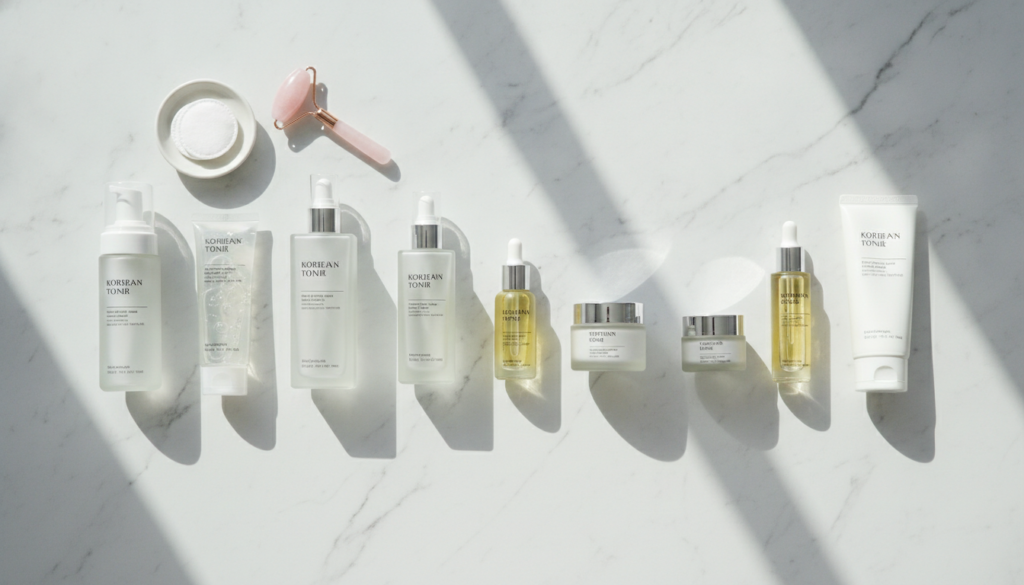
Creating glass skin requires a methodical approach. Each step builds upon the previous one to create that signature luminous effect.
The routine focuses on thorough cleansing, consistent exfoliation, and multiple hydration layers. This multi-step process may seem extensive, but each element serves a specific purpose.
Consistency matters more than perfection. Following this routine daily produces visible results within weeks.
Double Cleansing: The Foundation
Double cleansing removes all traces of makeup, sunscreen, and daily buildup. This two-step process ensures your skin is completely clean before applying treatment products.
The first cleanser should be oil-based. Oil dissolves oil-based impurities like sebum and makeup. Massage the oil cleanser onto dry skin for one minute.
The second cleanser should be water-based. This removes any remaining residue and water-based impurities. Choose a gentle gel or foam cleanser that doesn’t strip your skin.
Morning cleansing can be simplified to just the water-based cleanser. Your skin produces less oil overnight and doesn’t need the intensive double cleanse.
Exfoliation removes dead skin cells that create a dull appearance. This step is essential for achieving that glass-like smoothness.
Chemical exfoliants work better than physical scrubs for glass skin. AHAs like glycolic acid dissolve the bonds between dead skin cells. BHAs like salicylic acid penetrate pores to clear congestion.
Start with exfoliation two to three times per week. Your skin needs time to adjust to these active ingredients.
Over-exfoliation damages the skin barrier. Signs include redness, sensitivity, and increased breakouts. If you notice these symptoms, reduce frequency immediately.
Gentle enzymatic exfoliants offer an alternative for sensitive skin. These use fruit enzymes to dissolve dead skin without irritation.
Gentle Exfoliation Made Easy
Get access to professional-grade exfoliation tools that reveal smoother, brighter skin without irritation or damage.
Hydration creates the foundation for glass skin. Multiple thin layers of hydrating products penetrate deeper than one thick application.
This layering technique comes from Korean beauty traditions. Each layer adds moisture while preparing skin to absorb the next product.
Toner: The First Hydration Layer
Toner balances skin pH after cleansing. It also provides the first layer of hydration to freshly cleansed skin.
Look for hydrating toners rather than astringent formulas. Ingredients like hyaluronic acid, glycerin, and botanical extracts provide moisture without heaviness.
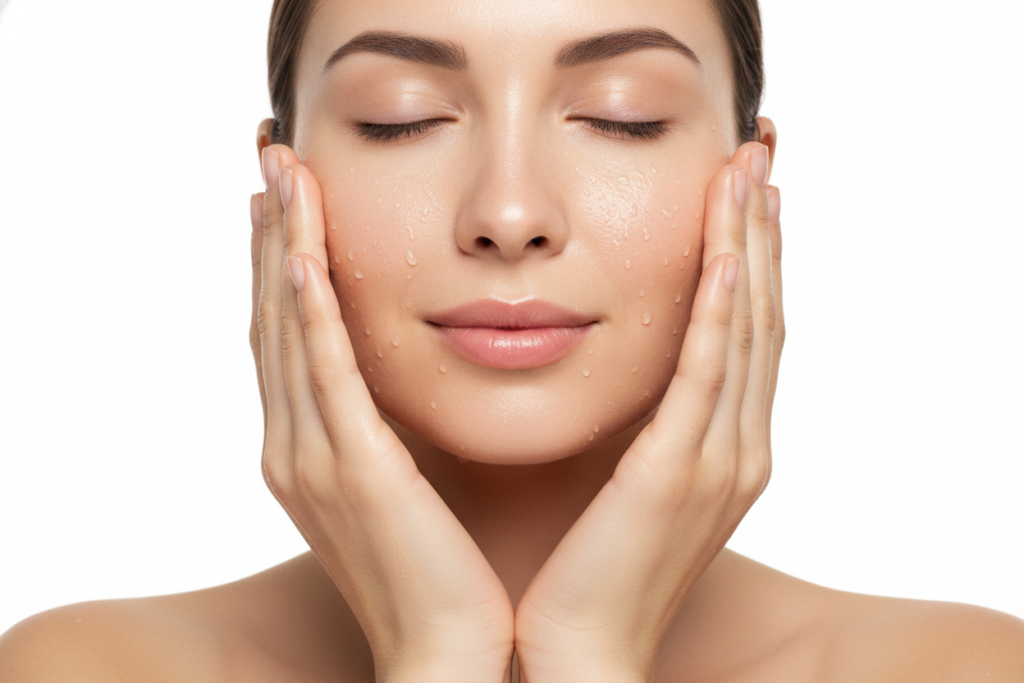
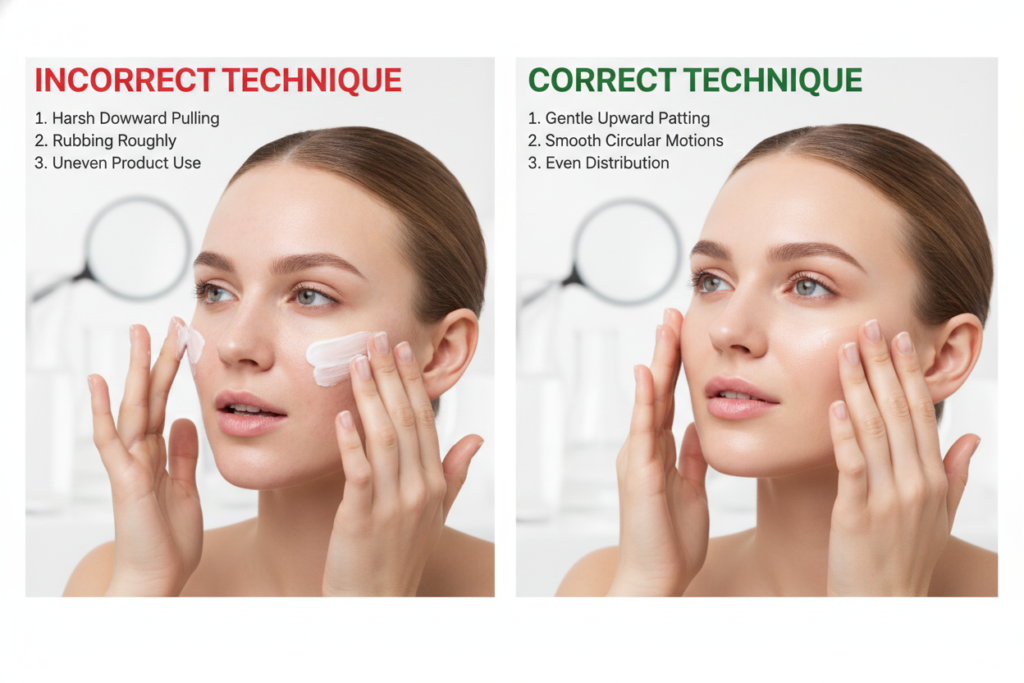
Apply toner with clean hands or a cotton pad. Pat it gently into skin rather than wiping. The patting motion enhances absorption and stimulates circulation.
Some people apply toner in multiple layers. This technique, called the “7 skin method,” involves applying seven thin layers of toner. Each layer increases hydration levels progressively.
Essence: Concentrated Hydration
Essence is a lightweight treatment product between toner and serum. It delivers concentrated active ingredients in a watery texture.
Essences typically contain fermented ingredients that boost skin cell turnover. They improve skin texture and enhance radiance over time.
Apply essence immediately after toner while skin is still damp. This helps lock in moisture from the previous step.
Press the essence into skin with gentle patting motions. This technique increases absorption and gives skin an immediate plumping effect.
Serum: Targeted Treatment
Serums contain the highest concentration of active ingredients. They target specific skin concerns while contributing to overall hydration.
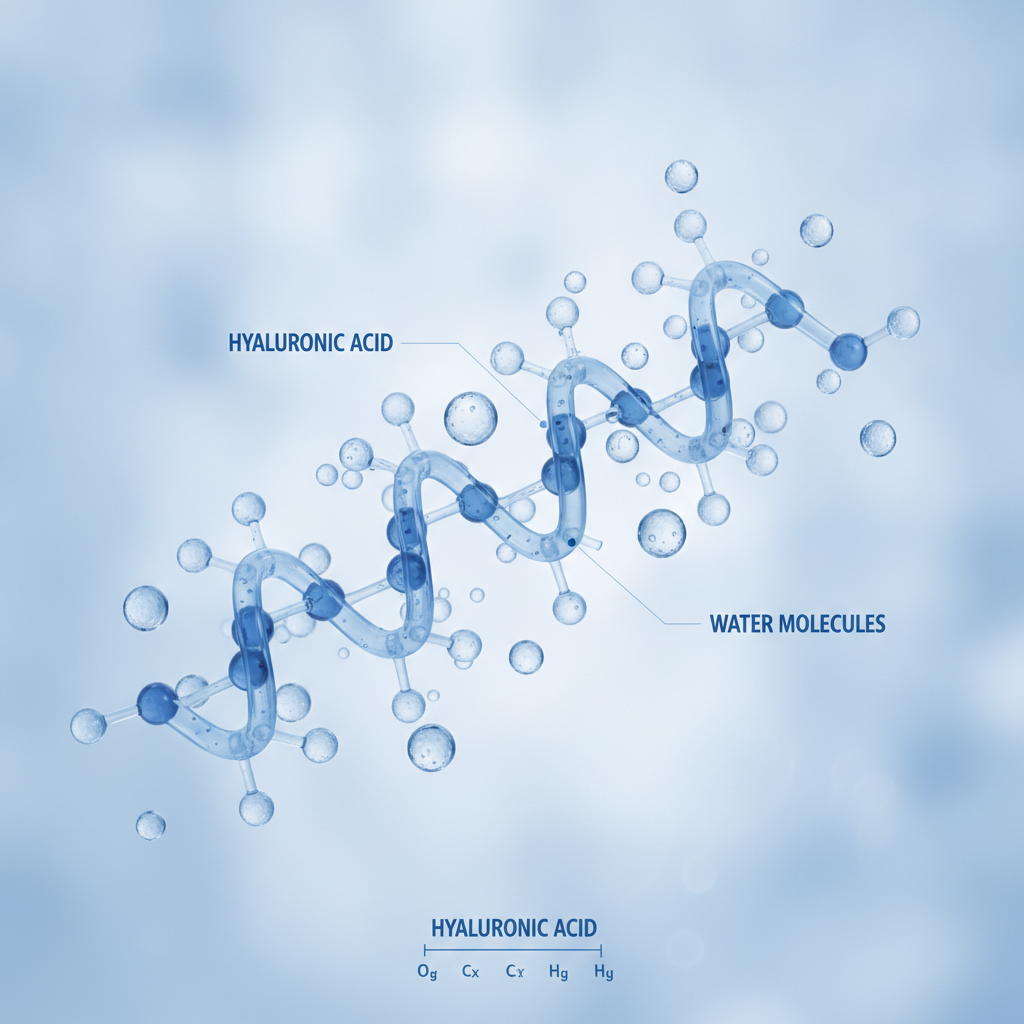
For glass skin, choose serums with hydrating and brightening ingredients. Hyaluronic acid holds up to 1000 times its weight in water. This ingredient is essential for achieving that plump, dewy look.
Niacinamide brightens skin tone and improves texture. It also strengthens the skin barrier and regulates oil production.
Vitamin C serums boost radiance and fade dark spots. They protect against environmental damage and support collagen production.
Apply serum after essence while skin remains damp. Use gentle pressing motions to help the product penetrate.
Complete Glass Skin System
Access the complete system that includes all essential products for building perfect hydration layers. Everything you need in one comprehensive solution.
Sheet masks provide an intensive hydration treatment. These single-use masks are soaked in concentrated serum that delivers active ingredients directly to skin.
Use sheet masks two to three times per week for best results. They work particularly well before special events when you want extra radiance.
Leave the mask on for 15 to 20 minutes. Pat remaining serum into skin rather than rinsing it off.
Sheet masks with hyaluronic acid, glycerin, and botanical extracts enhance the glass skin effect. Some masks contain brightening ingredients that boost luminosity.
Sealing in Moisture for All-Day Radiance
Moisturizer locks in all the hydration layers you’ve applied. This crucial step prevents water loss throughout the day.
The right moisturizer creates a protective barrier without feeling heavy. It should absorb quickly while leaving skin plump and dewy.
Choosing the Right Moisturizer
Gel moisturizers work well for oily skin types. They provide hydration without adding excess oil to the surface.
Cream moisturizers suit dry skin better. They contain more occlusives that prevent moisture from evaporating.
Look for ingredients that support the skin barrier. Ceramides repair and strengthen the protective layer. Peptides stimulate collagen production for improved texture.
Lightweight formulas absorb better and create a more natural glow. Heavy creams can look greasy rather than dewy.
The eye area requires special attention. This delicate skin is thinner and loses moisture faster than other facial areas.
Eye creams hydrate and protect this sensitive zone. They prevent fine lines and maintain a youthful appearance.
Apply eye cream with your ring finger using gentle tapping motions. This finger applies the least pressure and prevents tugging on delicate skin.
Facial Oil: The Final Touch
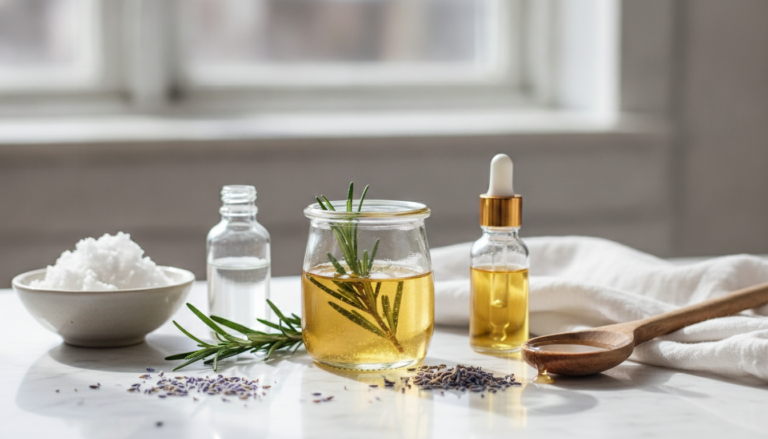
Facial oil provides the ultimate seal over your skincare routine. It locks in moisture while adding extra luminosity.
Choose lightweight oils that absorb quickly. Squalane, jojoba, and rosehip oil work well for glass skin. These oils are non-comedogenic and won’t clog pores.
Mix one to two drops of facial oil with your moisturizer. This technique distributes the oil evenly and prevents greasy patches.
You can also apply oil as the final step over moisturizer. This creates an extra dewy finish perfect for glass skin.
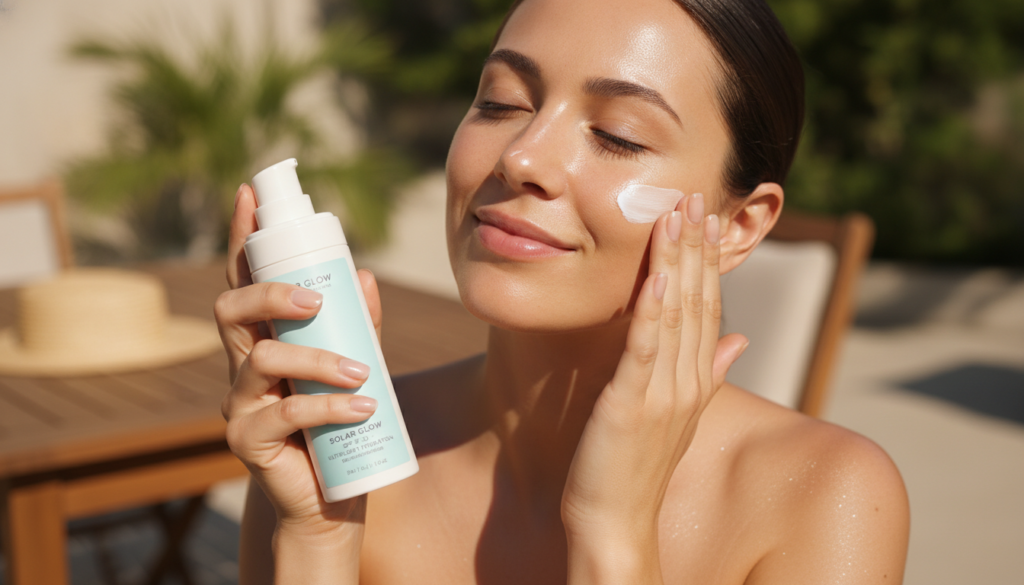
Sunscreen is the most important step in any skincare routine. UV damage destroys collagen, creates dark spots, and causes premature aging.
Glass skin requires protection from these harmful effects. No amount of hydration can undo sun damage.
Choosing the Right Sunscreen
Look for broad-spectrum protection with at least SPF 30. This level blocks 97 percent of UVB rays.
Chemical sunscreens absorb UV rays and convert them to heat. These formulas feel lightweight and don’t leave a white cast.
Physical sunscreens create a barrier that reflects UV rays. Modern formulas no longer leave that chalky appearance.
Korean and Japanese sunscreens excel at creating a dewy finish. They’re specifically formulated to enhance glass skin rather than mattify it.
Application Technique
Apply sunscreen as the final step in your morning routine. Use about half a teaspoon for your entire face.
Wait a few minutes for sunscreen to absorb before applying makeup. This prevents pilling and ensures proper protection.
Reapply sunscreen every two hours when exposed to direct sunlight. This maintains consistent protection throughout the day.
Don’t forget often-missed areas like ears, neck, and the back of hands. These areas show signs of aging quickly without protection.
Key Ingredients That Create Glass Skin
Hyaluronic Acid
Hyaluronic acid is the star ingredient for glass skin. This molecule attracts and binds water to skin cells.
It exists naturally in our bodies but decreases with age. Topical application replenishes these levels and restores plumpness.
Look for products with different molecular weights of hyaluronic acid. Smaller molecules penetrate deeper while larger ones hydrate the surface.
This ingredient suits all skin types. It provides hydration without adding oil or clogging pores.
Niacinamide
Niacinamide, also known as vitamin B3, addresses multiple skin concerns. It brightens skin tone and evens out texture.
This ingredient strengthens the skin barrier by boosting ceramide production. A strong barrier retains moisture more effectively.
Niacinamide also regulates sebum production. This makes it valuable for people with oily or combination skin.
It works well with other ingredients and rarely causes irritation. Most people can use products with 5 to 10 percent niacinamide daily.
Ceramides
Ceramides are lipids that occur naturally in the skin barrier. They fill the spaces between skin cells like mortar between bricks.
These lipids prevent moisture loss and protect against environmental irritants. A strong ceramide barrier is essential for maintaining glass skin.
Products with ceramides repair damaged barriers. They’re particularly beneficial for dry or sensitive skin types.
Look for formulas that combine ceramides with fatty acids and cholesterol. This combination mimics the skin’s natural lipid composition.
Glycerin
Glycerin is a humectant that draws moisture from the environment into your skin. It creates an immediate plumping effect.
This ingredient appears in countless skincare products. It’s gentle, effective, and works for all skin types.
Glycerin also supports the skin barrier function. It helps maintain optimal hydration levels throughout the day.
Products combining glycerin with occlusives provide both hydration and moisture retention. This combination maximizes the glass skin effect.
Customizing Your Glass Skin Routine by Skin Type
Each skin type requires specific adjustments to achieve glass skin. Understanding your skin’s unique needs helps you choose the right products.
Your skin type may change with seasons, age, or environmental factors. Regular assessment ensures your routine remains effective.
Glass Skin for Dry Skin
Dry skin craves intensive moisture. Focus on rich, nourishing products that repair the barrier.
Use a creamy oil cleanser for your first cleanse. Follow with a hydrating gel cleanser that doesn’t strip natural oils.
Apply multiple layers of hydrating toner. This technique, sometimes called “toner flooding,” provides extra moisture.
Choose cream-based moisturizers with occlusives. Ingredients like shea butter and squalane seal in hydration effectively.
Consider adding a sleeping mask as your final evening step. These intensive treatments work overnight to restore moisture.
Glass Skin for Oily Skin
Oily skin still needs hydration. Dehydrated oily skin actually produces more oil to compensate.
Use lightweight gel or foam cleansers. These remove excess oil without triggering increased sebum production.
Choose water-based serums and essences. These provide hydration without adding surface oil.
Gel moisturizers work best for oily complexions. They hydrate while maintaining a lightweight feel.
Don’t skip facial oil entirely. One drop of lightweight oil like squalane can balance oil production over time.
Glass Skin for Combination Skin
Combination skin requires a targeted approach. Different areas of your face may need different products.
Use a balanced cleanser that doesn’t over-dry or leave residue. A gentle gel formula typically works well.
Apply lighter products to oily zones and richer formulas to dry areas. This multi-masking technique addresses varied needs.
Focus hydrating products on dry patches. Use mattifying products sparingly only where needed.
Combination skin often benefits from seasonal routine adjustments. Summer may require lighter products while winter needs more intensive moisture.
Glass Skin for Sensitive Skin
Sensitive skin requires gentle products and gradual introduction of new ingredients. Patience prevents irritation while building glass skin.
Choose fragrance-free formulas with minimal ingredients. Simple formulations reduce the risk of reactions.
Introduce active ingredients slowly. Start with once or twice weekly application and increase gradually.
Look for soothing ingredients like centella asiatica and panthenol. These calm inflammation while providing hydration.
Patch test new products before full face application. This precaution helps identify potential irritants early.
Your Complete Morning and Evening Glass Skin Routine
Morning Routine
Morning skincare prepares your face for the day. This routine protects skin while creating a radiant base for makeup.
Gentle water-based cleanser to remove overnight buildup
Hydrating toner applied in layers for moisture
Essence to boost radiance and prepare for treatments
Vitamin C serum for brightening and antioxidant protection
Eye cream to hydrate the delicate eye area
Lightweight moisturizer to lock in hydration
Broad-spectrum sunscreen as your final protective layer
This morning routine takes about 10 minutes. The time investment protects your skin throughout the day.
Wait a few minutes between steps for better absorption. This patience allows each product to penetrate properly.
Evening Routine
Evening skincare focuses on deep cleansing and intensive treatment. Skin repairs itself overnight, making this routine crucial.
Oil-based cleanser to dissolve makeup and sunscreen
Water-based cleanser for complete cleansing
Exfoliant two to three times per week
Hydrating toner in multiple layers
Essence for concentrated treatment
Treatment serum with hyaluronic acid and niacinamide
Eye cream for overnight repair
Rich moisturizer to seal in all layers
Facial oil for extra dewiness
Sleeping mask once or twice weekly
The evening routine may take 15 to 20 minutes. This investment allows products to work while you sleep.
Consistency matters more than product quantity. Following this routine nightly produces visible results.
Essential Tips for Maintaining Glass Skin Long-Term
Glass skin requires ongoing commitment. These habits support your skincare routine and maximize results.
Hydration from Within
Drinking adequate water supports skin hydration. Aim for eight glasses daily or more in hot weather.
Water helps flush toxins and delivers nutrients to skin cells. This internal hydration complements your topical routine.
Herbal teas and water-rich foods contribute to daily intake. Cucumber, watermelon, and citrus fruits provide hydration plus beneficial vitamins.
Consistent Sleep Schedule
Quality sleep allows skin to complete repair processes. Aim for seven to nine hours nightly.
Sleep deprivation shows immediately on your face. Dark circles, dullness, and fine lines become more visible.
Using a silk pillowcase reduces friction and prevents sleep wrinkles. This small change protects your glass skin efforts.
Balanced Nutrition
Diet directly impacts skin appearance. Foods rich in antioxidants protect against damage and support repair.
Omega-3 fatty acids from fish and nuts strengthen the skin barrier. This helps maintain optimal moisture levels.
Limit sugar and processed foods. These cause inflammation that damages collagen and dulls complexion.
Stress Management
Stress triggers inflammation and hormonal changes that affect skin. Finding healthy coping mechanisms protects your complexion.
Regular exercise improves circulation and delivers oxygen to skin cells. This natural boost enhances radiance.
Meditation and mindfulness practices reduce stress hormones. Lower stress levels translate to clearer, healthier skin.
Regular Product Assessment
Evaluate your routine every few months. Skin needs change with seasons, age, and environmental factors.
Products that worked in summer may be too light for winter. Adjust formulations to match current conditions.
Pay attention to how your skin responds. Tightness, excess oil, or breakouts signal the need for changes.
Common Glass Skin Mistakes to Avoid
Even with the right products, poor technique can prevent glass skin. Avoiding these common errors ensures better results.
Over-Exfoliating
Excessive exfoliation damages the skin barrier. This leads to sensitivity, redness, and increased oil production.
Start with twice-weekly exfoliation. Increase only if your skin tolerates it well without irritation.
Signs of over-exfoliation include stinging when applying products and persistent redness. If these occur, stop exfoliating until skin recovers.
Skipping Sunscreen
Sunscreen is non-negotiable for glass skin. UV damage undoes all your skincare efforts.
Apply sunscreen every day, regardless of weather. UV rays penetrate clouds and windows.
Reapplication matters as much as initial application. Set reminders if necessary to maintain protection.
Using Heavy Products
Thick, heavy formulas can look greasy rather than dewy. Glass skin requires lightweight layers that absorb completely.
Choose products appropriate for your skin type. Gel textures work better than thick creams for most people.
Multiple thin layers provide more hydration than one heavy application. This technique also looks more natural.
Neglecting Neck and Chest
The neck and chest show aging as quickly as the face. Extend your routine to these areas for consistent results.
Apply the same products you use on your face. These areas need equal hydration and protection.
Always include sunscreen on neck and chest. This prevents premature aging and dark spots.
Expecting Overnight Results
Glass skin develops over weeks and months of consistent care. Patience is essential for achieving lasting results.
Most people notice improvements within four to six weeks. Significant transformation takes three months or more.
Take progress photos to track subtle changes. Day-to-day differences are hard to notice, but monthly comparisons show real improvement.
Transform Your Skin Today
Stop making these common mistakes and start seeing real results. Get access to the proven glass skin system that thousands have used to achieve luminous, radiant skin.
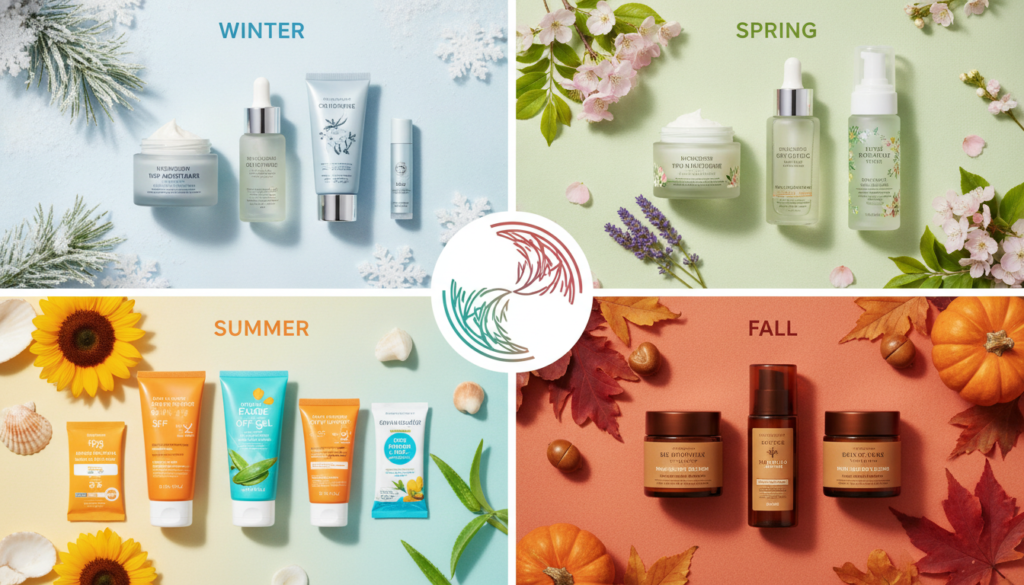
Your skin’s needs change throughout the year. Adjusting your glass skin routine maintains optimal results in every season.
Winter Adjustments
Cold weather and indoor heating strip moisture from skin. Winter requires the most intensive hydration.
Switch to cream cleansers that don’t strip natural oils. Avoid foaming cleansers that can be too drying.
Add extra hydrating layers. Use toner, essence, and multiple serums for maximum moisture.
Choose richer moisturizers with occlusives. These create a stronger barrier against harsh conditions.
Use a humidifier indoors. This adds moisture to dry air and supports your skincare efforts.
Spring Adjustments
Spring brings increasing humidity and temperature. Gradually lighten your routine as weather warms.
You may reduce the number of hydrating layers. Two to three layers often suffice in spring.
Focus on brightening products. Spring is ideal for addressing winter dullness with vitamin C and gentle exfoliation.
Increase sunscreen vigilance as days lengthen. Stronger UV exposure requires consistent protection.
Summer Adjustments
Heat and humidity change skin behavior. Summer often requires the lightest product formulations.
Switch to gel cleansers and lightweight moisturizers. These provide hydration without heaviness.
Increase sunscreen diligence with outdoor activities. Reapply more frequently during extended sun exposure.
Keep products in cool places. Heat can destabilize certain ingredients and reduce effectiveness.
Blotting papers remove excess oil without disrupting your glass skin look. Use these instead of powder for touch-ups.
Fall Adjustments
Autumn requires transition back to richer formulations. Gradually increase hydration as air becomes drier.
Reintroduce cream cleansers and heavier moisturizers. This prevents the tightness that comes with dropping humidity.
Focus on barrier repair after summer sun exposure. Products with ceramides and fatty acids rebuild protection.
Fall is ideal for introducing stronger active ingredients. Cooler weather reduces sensitivity to potent treatments.
Makeup Techniques That Enhance Glass Skin
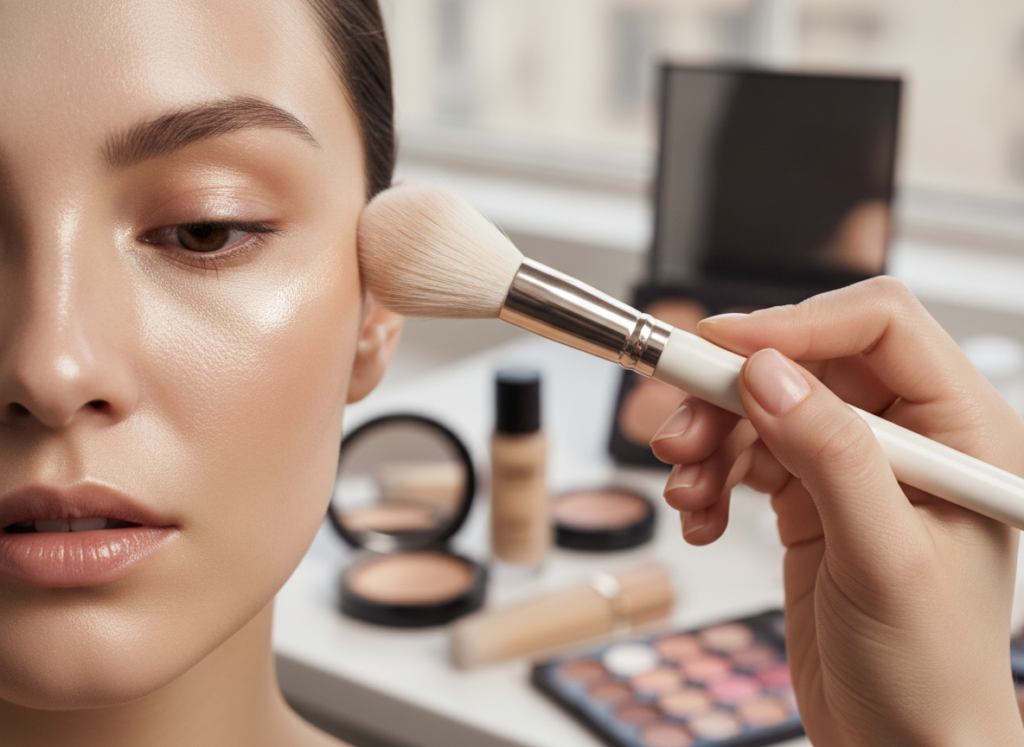
The right makeup enhances glass skin rather than covering it. These techniques maintain your luminous base.
Minimal Base Products
Glass skin looks best with minimal foundation. Your skincare creates the canvas, not heavy makeup.
Use a luminous primer that enhances radiance. Skip mattifying formulas that counteract your dewy base.
Choose lightweight tinted moisturizers or BB creams. These even skin tone without masking your glow.
Apply foundation only where needed. Spot concealing looks more natural than full coverage.
Strategic Highlighting
Highlighter amplifies the glass skin effect. Apply it to high points where light naturally hits your face.
Cream highlighters blend seamlessly with glass skin. Powder formulas can look separate and artificial.
Place highlighter on cheekbones, bridge of nose, and cupid’s bow. These areas catch light beautifully.
Mix liquid highlighter with foundation for all-over glow. This technique creates luminosity without obvious shimmer.
Dewy Setting Products
Traditional setting powder mattifies skin. For glass skin, use setting sprays instead.
Choose hydrating setting sprays with glycerin. These lock makeup while maintaining dewiness.
Spray in an X and T pattern across your face. This ensures even coverage without over-wetting.
Reapply setting spray throughout the day. This refreshes your glow and revives any areas that dry out.
Your Journey to Glass Skin Starts Now
Achieving glass skin requires dedication to a consistent skincare routine. The multi-step process may seem intensive initially, but it becomes second nature with practice.
Remember that glass skin develops gradually. Visible improvements appear within weeks, while full transformation takes months of consistent care.
Focus on the fundamentals: thorough cleansing, regular exfoliation, multiple hydration layers, and daily sun protection. These core steps create the foundation for luminous skin.
Customize your routine based on your skin type and seasonal needs. What works in winter may need adjustment for summer. Listen to your skin and adapt accordingly.
The journey to glass skin is also a journey toward overall skin health. The habits you develop now protect your complexion for years to come.
Start with the basics and build your routine gradually. Introduce new products one at a time to identify what works best for your unique skin.
Your glass skin transformation begins with the first step. Commit to the process, stay patient, and watch your complexion become increasingly radiant with each passing week.