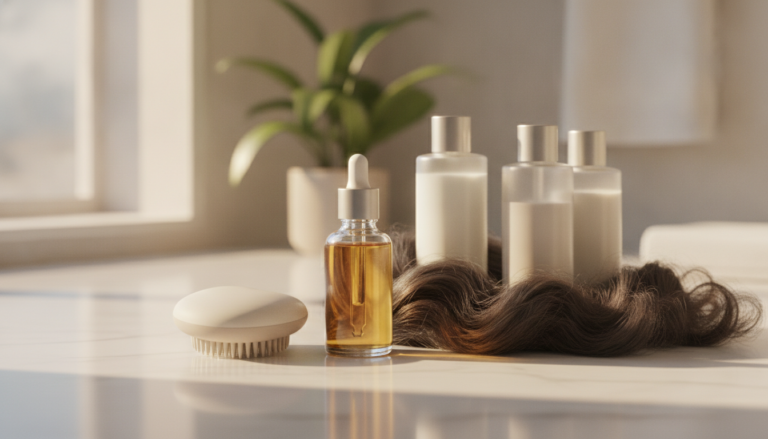
Longer hair starts with a healthy scalp, strong strands, and patience. Learn practical ways to support hair growth, limit breakage, and know when professional help matters.
What Hair Growth Can and Cannot Do
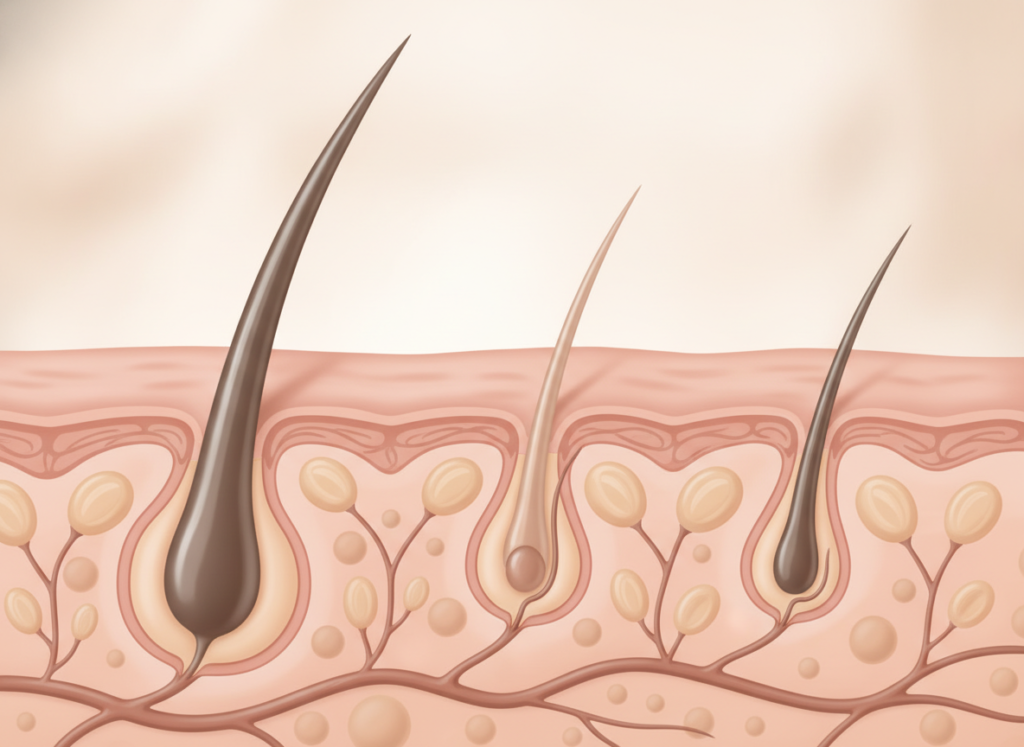
Hair grows from follicles beneath the scalp. Each follicle follows a cycle of growing, resting, and shedding. The visible length of hair depends on how quickly new strands form and how well the ends remain intact.
There is no safe trick that changes the growth cycle overnight. Many people notice about half an inch of growth per month, but the pace varies by age, genetics, health, hormones, and hair type. A routine may improve hair health without changing the natural speed of the follicles.
Set a useful goal: focus on a calm scalp, adequate nutrients, less damage, and fewer split ends. Measure progress over several months, not several days.
Growth
New strands form inside active follicles.
Length
Length stays when the ends do not break.
Density
Density describes how many follicles produce visible strands.
Eat for Hair Health and Steady Growth
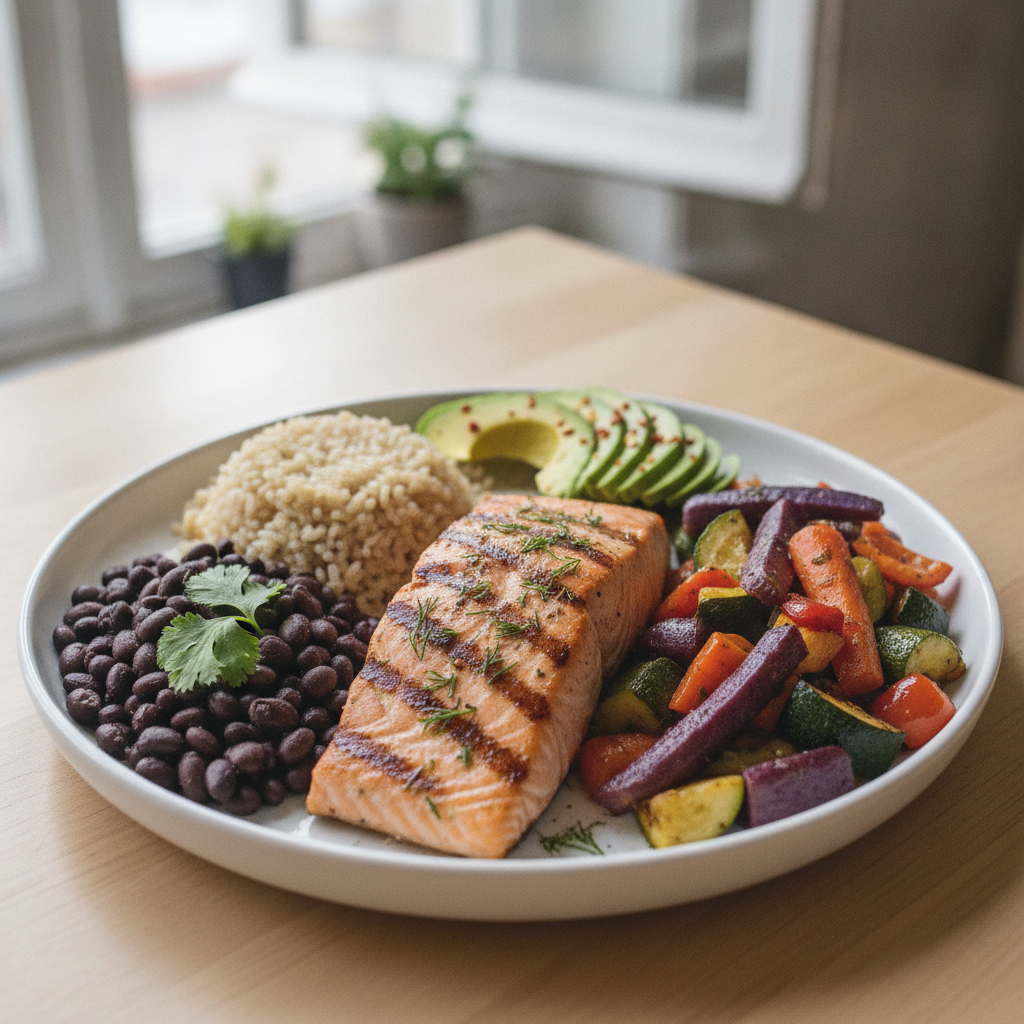
Hair is not a priority tissue when the body lacks energy or nutrients. Restrictive diets, sudden weight loss, and low protein intake may affect shedding. A varied diet gives the body building blocks for skin, hair, and overall health.
Build meals around protein
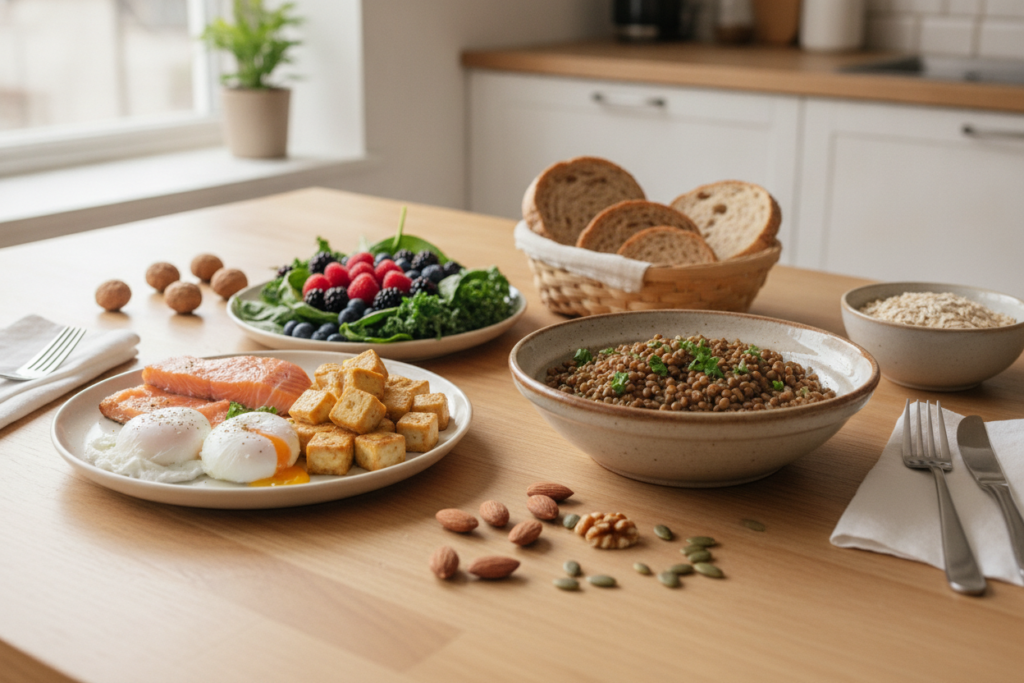
Protein supports keratin, the main structural material in hair. Include eggs, fish, poultry, beans, lentils, tofu, yogurt, nuts, or seeds. Spread protein across meals instead of relying on one large serving.
Choose iron, zinc, and vitamin-rich foods
Leafy greens, beans, meat, seafood, dairy, fruit, vegetables, and whole grains provide important nutrients. Vitamin C foods can help the body absorb iron from plant foods. Healthy fats from avocado, olive oil, nuts, and fish can support a balanced diet.
Supplements are not automatically better. High doses of some vitamins and minerals can cause harm or interfere with testing. A healthcare professional can discuss blood work when shedding is new, heavy, or persistent.
Protein
Supports the structure of each strand.
Iron
Low levels may be relevant for some people.
Whole foods
Provide a broad mix of nutrients.
Ready to review a hair-care option?
Start with the ingredient list, intended use, and safety information. Choose a product that complements—not replaces—a balanced diet.
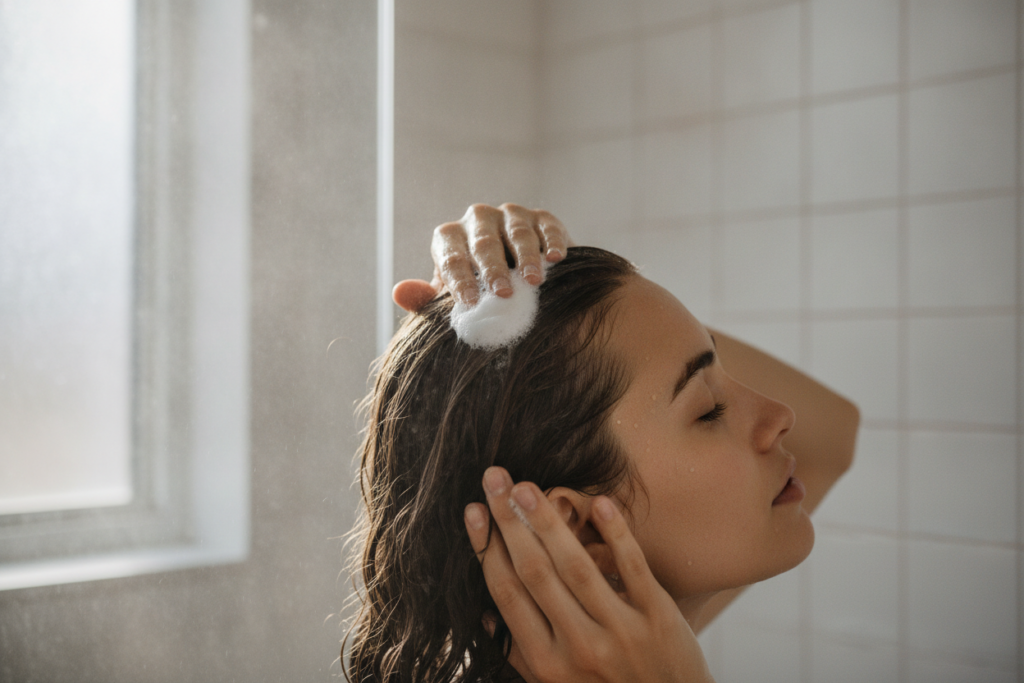
A clean, comfortable scalp creates a better setting for everyday hair care. Wash often enough to remove sweat, oil, styling residue, and flakes. The best schedule depends on scalp oil, hair type, exercise, and styling habits.
Use a gentle washing routine
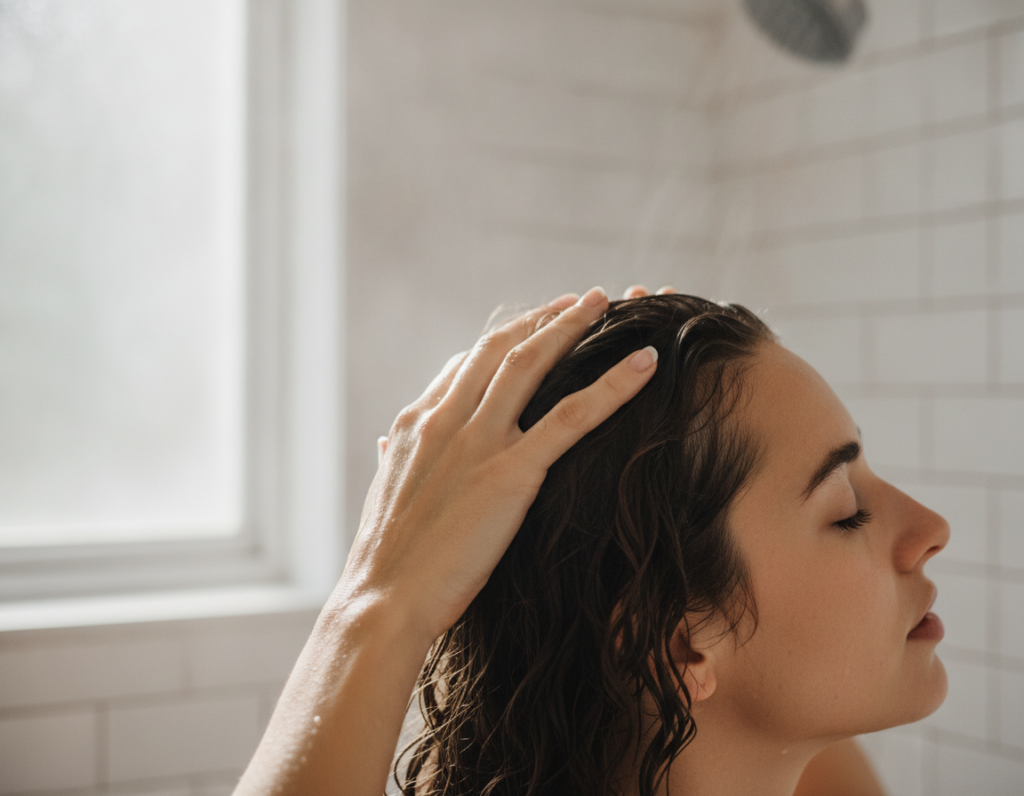
Apply shampoo mainly to the scalp. Let the lather move through the lengths as you rinse. Use fingertips rather than fingernails. Very hot water may worsen dryness, so choose comfortably warm water.
Try a short scalp massage
A gentle massage may feel relaxing and can temporarily increase blood flow at the surface. It should never hurt, scratch, or pull the hair. Massage for a few minutes while washing if it feels comfortable.
Be careful with oil
Oil can reduce friction for some people, but it does not guarantee faster growth. Heavy oil may worsen buildup or irritation. Patch-test new oils, keep them away from the eyes, and stop if the scalp burns, itches, or becomes red.
Protect Length by Reducing Breakage
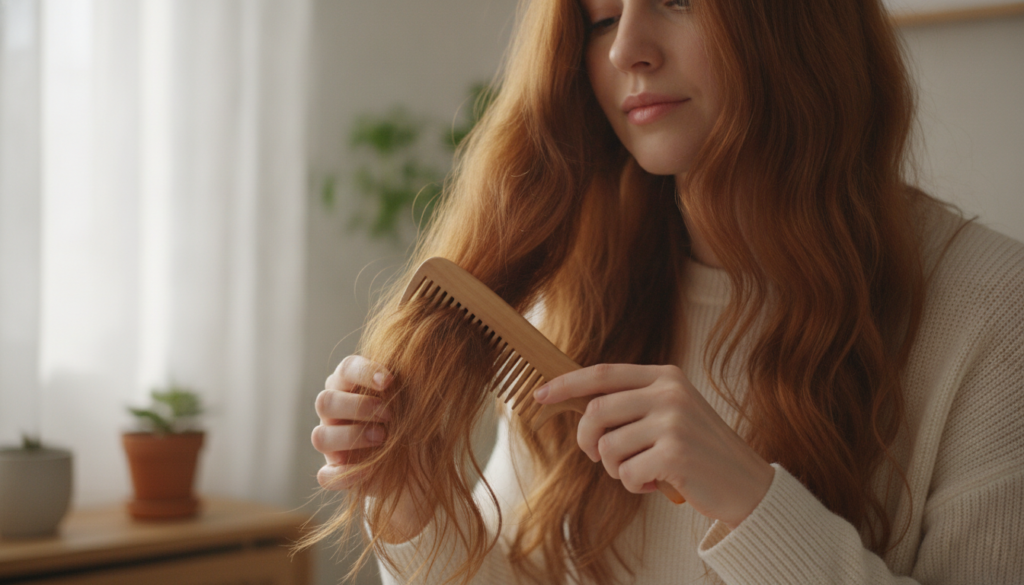
Breakage can make hair seem as if it has stopped growing. New hair may form at the scalp while older ends split, snap, or shed from friction. Gentle handling helps preserve length.
Detangle from the ends upward with a wide-tooth comb.
Use conditioner on the lengths and ends.
Blot wet hair with a soft towel instead of rubbing it.
Choose loose hairstyles that do not pull at the roots.
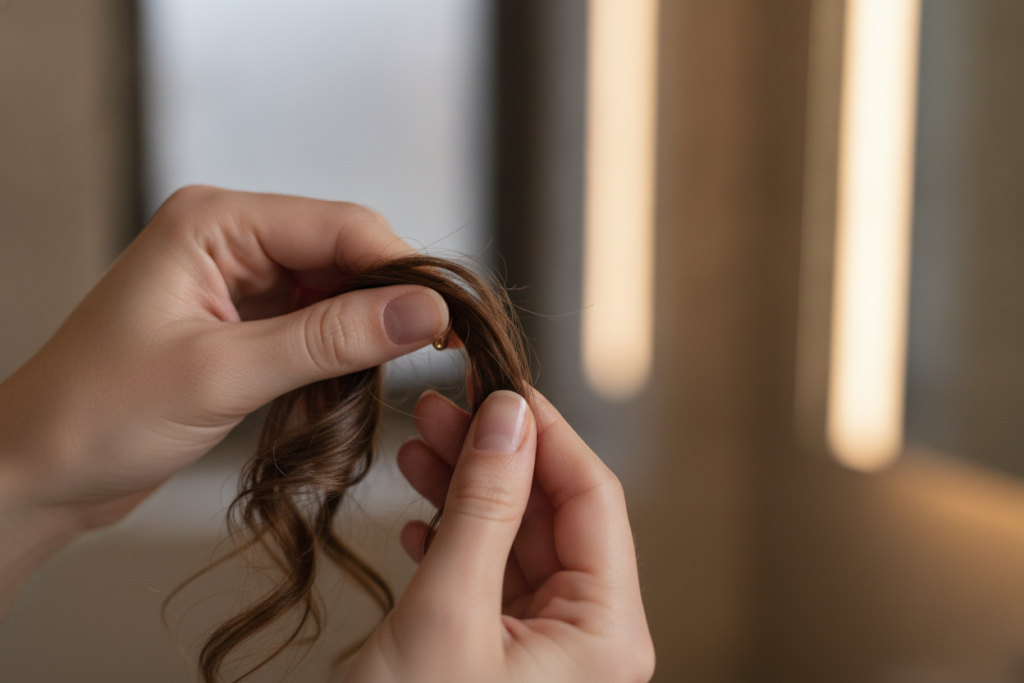
Trim damaged ends when they catch, split, or tangle.
Limit heat and chemical damage
Frequent high heat, bleaching, relaxing, and tight extensions can weaken the hair shaft. Lower the temperature, use heat protection, and give the hair recovery days. A protective style should feel comfortable and should not cause scalp pain.
Helpful habits
Condition the ends
Detangle slowly
Sleep on a smooth surface
Change tight styles
Habits to limit
Rough towel drying
Daily high heat
Repeated bleaching
Constant tight tension
Choose Shampoo, Conditioner, and Oils Wisely
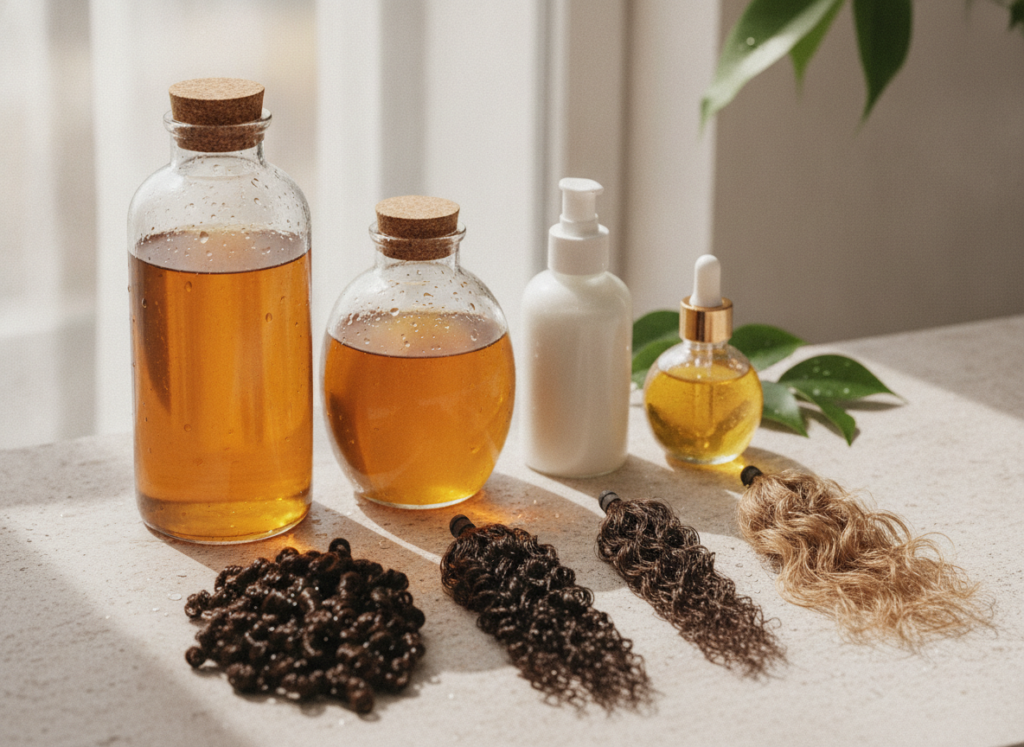
Products should match your scalp and hair type. A dry scalp may prefer a gentle cleanser and richer conditioner. An oily scalp may need more frequent washing. Curly, coily, fine, thick, colored, and straight hair can all need different care.
Read the purpose before the promise
Look for clear directions and realistic claims. A shampoo can cleanse the scalp. A conditioner can improve slip and reduce friction. A leave-in product can help with moisture and detangling. None of these automatically changes the follicle growth cycle.
Use oils as a comfort or styling step
Oils may help seal moisture or reduce friction on some hair types. Start with a small amount on the ends. Avoid applying essential oils directly to the skin. Dilution and a patch test matter because irritation can cause more problems than the product solves.
Fine hair
Use light products and avoid heavy buildup.
Curly hair
Prioritize slip, moisture, and gentle detangling.
Dry scalp
Choose comfort over strong fragrance or harsh cleansing.
Build a simpler routine
Compare options by hair type, ingredients, directions, and return terms. A simple routine is easier to follow than a crowded shelf.
Sleep, stress, illness, and major changes in eating can affect the body and may coincide with shedding. Lifestyle care cannot solve every cause, but it supports general health and makes a hair routine easier to maintain.
Make sleep and stress care practical
Keep a regular sleep schedule when possible. Use short walks, breathing exercises, stretching, journaling, or time outdoors to manage stress. The goal is not perfection. It is a repeatable way to care for the body.
Watch for sudden changes
Temporary shedding can follow illness, surgery, major stress, or rapid weight loss. Because causes vary, do not assume that a vitamin, oil, or supplement is the answer. Track when the change began and any new symptoms.
Understand Biotin, Vitamins, and Supplements
Biotin is often marketed for hair growth, yet deficiency is uncommon in people who eat a varied diet. Taking more does not mean taking better care of the follicles. Some supplements can cause side effects or interfere with laboratory tests.
Ask a healthcare professional before using a supplement for persistent shedding, pregnancy, medication use, or a known health condition. Bring the bottle or ingredient list to the appointment.
Questions to ask before buying
What problem is the product intended to address?
Are the ingredients and amounts clearly listed?
Does it make a guarantee that sounds too strong?
Could it interact with medication or testing?
Is there a clear refund and customer support policy?
Do not use a supplement as a substitute for evaluation of sudden, severe, patchy, or unexplained hair loss.
Know When to See a Healthcare Professional
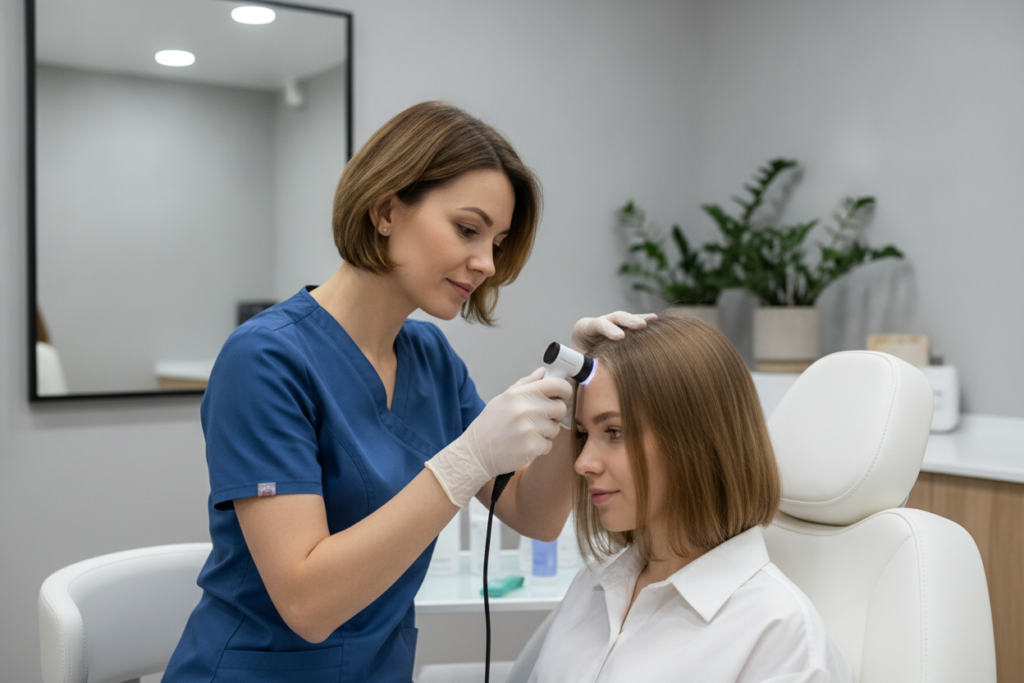
Seek professional guidance if hair loss is sudden, severe, patchy, painful, itchy, or accompanied by scaling, sores, fatigue, weight change, or other symptoms. A widening part, receding hairline, or continued shedding also deserves attention.
A clinician can review health history, medicines, nutrition, hormones, family patterns, and scalp changes. A dermatologist may examine the scalp and discuss evidence-based treatments when appropriate. Early evaluation can be more useful than trying many products at once.
Prepare for the appointment
Note when shedding or thinning started.
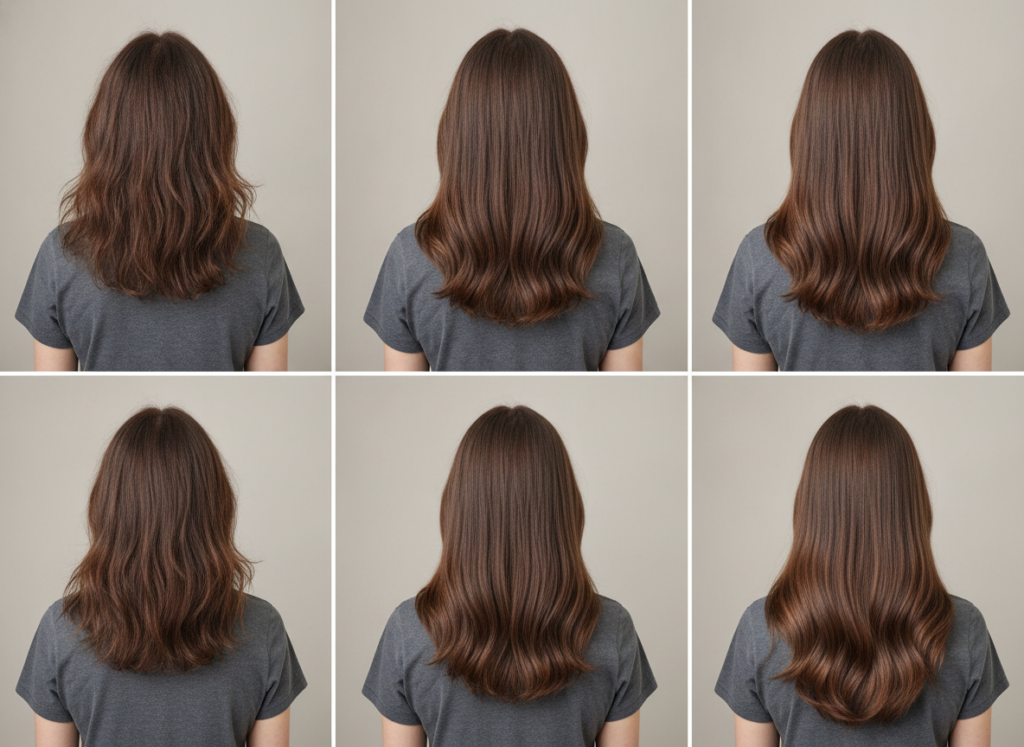
Take photos in similar lighting each month.
List medicines, supplements, and recent illnesses.
Describe diet changes, stress, and styling habits.
Bring questions about tests and treatment choices.
A Simple 90-Day Hair Growth Routine
Consistency matters more than a crowded routine. Use the first month to reduce irritation and breakage. Use the next two months to observe comfort, shedding, and retained length.
Take a baseline photo of the front, sides, and part.
Choose a washing schedule that keeps the scalp comfortable.
Condition the lengths after each wash.
Limit heat, bleaching, and tight tension.
Eat regular meals with protein and colorful produce.
Track shedding, itch, pain, flakes, and new symptoms.
Review progress after several months, not after one shower.
Weekly checklist
Scalp
Clean, comfortable, and free from persistent irritation.
Strands
Moisturized, gently detangled, and protected from heat.
Body
Fed, rested, and supported with practical stress care.
Take the next routine step
Use a clear checklist to compare products and create a plan you can follow. Stop any product that causes irritation and seek advice for unusual shedding.
How to Make Your Hair Grow Faster: Common Questions
Can oil make hair grow faster?
Oil may reduce friction or help hair feel softer, but it does not guarantee faster follicle growth. Use a small amount and stop if irritation appears.
Does trimming make hair grow faster?
Trimming does not speed growth at the scalp. It can remove split ends and help hair look neater, which may help you retain length.
Should everyone take biotin?
No. Biotin deficiency is uncommon with a varied diet, and high doses may interfere with some tests. Ask a professional before taking it.
How long does hair growth take?
Visible change usually takes months. Genetics, age, health, hair type, and breakage all affect how quickly length becomes noticeable.
What is the best shampoo for growth?
The best shampoo is one that cleans the scalp without causing dryness or irritation. Shampoo alone cannot guarantee faster growth.
Hair Growth Checklist and Final Takeaway
Eat regular meals with enough protein and varied nutrients.
Wash the scalp based on oil, sweat, hair type, and comfort.
Use conditioner and detangle gently to protect length.
Reduce high heat, harsh chemical processing, and tight styles.
Use oil carefully and patch-test products first.
Be cautious with biotin and other supplements.
Track progress over months instead of days.
Seek professional care for sudden, severe, patchy, painful, or unexplained loss.
The most reliable answer to how to make your hair grow faster is to support the conditions that help hair stay healthy. Care for the scalp, nourish the body, protect the strands, and give the process time. When the pattern seems unusual, professional guidance is more valuable than another untested product.
Make your next step a careful one
Review any product claims, ingredients, safety details, and terms before purchasing. For unexplained hair loss, contact a qualified healthcare professional first.