Searching for Hair Growth Tips Faster that actually deliver results? You’ve found the right resource. This guide focuses on evidence-based strategies that support your hair follicles, minimize damage, and help you retain length naturally.
Growing hair isn’t about overnight miracles. It’s about understanding how hair follicles function, what they need to thrive, and how to protect the strands you already have.
Understanding Hair Follicles and Growth Cycles
Every strand emerges from a hair follicle beneath your scalp. These follicles cycle through three distinct phases: anagen (active growth), catagen (transition), and telogen (rest). The anagen phase determines how long your hair can grow before it naturally sheds.
Most people have hair that grows about half an inch per month. Genetics, age, hormones, and overall health influence this rate. You cannot force follicles to grow faster than their biological programming allows, but you can optimize conditions for healthy growth.
When follicles receive adequate blood flow, nutrients, and protection from inflammation, they tend to remain in the growth phase longer. Conversely, stress, poor nutrition, harsh chemicals, and physical damage can push follicles into premature resting phases.
Growth reality check: Hair grows from the root, not the ends. Trimming split ends won’t accelerate growth, but it prevents breakage from traveling up the strand, helping you retain length.
Prioritize Scalp Health for Optimal Growth
Your scalp is the foundation for healthy hair. A clean, balanced scalp environment supports active follicles and reduces inflammation that can interfere with the hair growth cycle.
Cleanse without stripping natural oils
Choose a gentle shampoo that removes buildup without over-drying. How often you wash depends on your scalp type, activity level, and product use. Oily scalps may need daily cleansing, while dry scalps benefit from less frequent washing.
Apply shampoo directly to the scalp and massage with your fingertips using circular motions. This stimulates blood flow and loosens debris. Rinse thoroughly to prevent residue buildup.
Address dandruff and irritation promptly
Flaking, itching, and redness signal scalp imbalance. Seborrheic dermatitis, fungal overgrowth, or product sensitivity can disrupt follicle health. Medicated shampoos containing zinc pyrithione, ketoconazole, or salicylic acid may help, but persistent issues warrant professional evaluation.
Boost circulation naturally
Regular scalp massage increases blood flow to hair follicles, potentially extending the anagen phase. Spend five minutes daily using gentle pressure with your fingertips. Some research suggests this practice may improve hair thickness over time.
Explore scalp wellness solutions
Discover products designed to support a balanced scalp environment. Review ingredients, usage instructions, and customer feedback before making a decision. This link may generate affiliate commission.
Build a Nutrition Foundation That Supports Hair Growth
Hair follicles require specific nutrients to manufacture keratin, the structural protein forming each strand. Deficiencies in key vitamins and minerals can slow growth and increase shedding.
Protein forms the building blocks
Hair is primarily keratin, which your body synthesizes from amino acids. Include high-quality protein sources at each meal: eggs, fish, poultry, legumes, Greek yogurt, or plant-based alternatives like tempeh.
Most adults need roughly 0.8 grams of protein per kilogram of body weight daily. Active individuals or those recovering from illness may require more.
Iron supports oxygen delivery
Iron deficiency is a common cause of diffuse hair shedding, particularly in menstruating women. This mineral helps red blood cells transport oxygen to tissues, including hair follicles.
Food sources include red meat, spinach, lentils, fortified cereals, and pumpkin seeds. Pair plant-based iron with vitamin C-rich foods to enhance absorption.
Never supplement iron without testing. Excess iron can be harmful. Ask your healthcare provider to check ferritin levels if you suspect deficiency.
Biotin, zinc, and essential fatty acids
Biotin (vitamin B7) supports keratin production. Deficiency is rare but can occur with certain medications or conditions. Whole grains, nuts, and eggs provide biotin naturally.
Zinc plays a role in hair tissue growth and repair. Oysters, beef, pumpkin seeds, and lentils offer good amounts. Omega-3 fatty acids from fatty fish, walnuts, and flaxseeds support scalp health and may reduce inflammation.
Protein powerhouses
Salmon and tuna
Chicken breast
Eggs and Greek yogurt
Lentils and chickpeas
Tofu and edamame
Iron-rich choices
Lean red meat
Spinach and kale
Fortified cereals
White beans
Dark chocolate
Growth-supporting nutrients
Biotin from eggs
Zinc from pumpkin seeds
Omega-3 from walnuts
Vitamin E from almonds
Vitamin C from berries
Consider nutritional support options
Some people benefit from targeted nutritional products designed to fill dietary gaps. Always consult a healthcare professional before starting supplements. This is an affiliate link.
Breakage sabotages length retention. Even if your follicles produce healthy strands, rough handling, heat styling, and chemical treatments can cause mid-shaft fractures and split ends.
Detangle strategically
Always start at the ends and work upward in small sections. Use a wide-tooth comb or a brush designed for wet hair. Forcing through tangles causes breakage and follicle stress at the root.
Apply a leave-in conditioner or detangling spray to improve slip. Never yank or pull. If you encounter a stubborn knot, hold the hair above it to prevent root tension.
Minimize heat exposure
Hot tools alter the hydrogen bonds in hair’s keratin structure. Repeated high-heat styling leads to dryness, brittleness, and breakage.
Air-dry when possible. If you must use heat, apply a thermal protectant first and choose the lowest effective temperature. Limit flat iron and curling iron use to special occasions.
Rethink tight hairstyles
Constant tension from tight ponytails, braids, buns, or extensions can cause traction alopecia—permanent hair loss around the hairline and temples. Vary your styles, avoid pulling hair back when wet, and give your scalp regular breaks.
Use fabric-covered elastics instead of rubber bands. Sleep with hair in a loose braid or bun to reduce friction against your pillow.
Chemical caution: Bleaching, perming, relaxing, and frequent coloring weaken hair structure. If you choose chemical treatments, space them out and use deep conditioning treatments regularly.
Maintain Proper Hydration and Moisture Balance
Dry, brittle strands break easily and resist growth retention. Moisture balance keeps the hair cuticle smooth and flexible, reducing friction and damage.
Condition every time you shampoo
Conditioner smooths the cuticle layer, making hair easier to detangle and less prone to breakage. Apply from mid-length to ends, avoiding the scalp if you have oily roots.
Leave it on for at least two minutes. For extra hydration, try a deep conditioning mask once weekly.
Use leave-in treatments wisely
Leave-in conditioners, oils, and serums can add moisture and reduce friction. Choose products suited to your hair type. Fine hair needs lightweight formulas; thick, curly, or coily hair benefits from richer treatments.
Natural oils like argan, jojoba, or coconut can seal moisture into the hair shaft. Apply sparingly to avoid greasy buildup.
Drink water and humidify your environment
Internal hydration supports overall health, including skin and hair. Aim for adequate daily water intake based on your activity level and climate.
Dry indoor air can dehydrate hair, especially in winter. Use a humidifier to maintain moisture in your living space.
Address Lifestyle Factors That Influence Hair Growth
Hair health reflects your overall well-being. Stress, sleep quality, physical activity, and hormonal balance all impact the hair growth cycle.
Manage chronic stress effectively
Prolonged stress can trigger telogen effluvium, a condition where many follicles enter the resting phase simultaneously, leading to noticeable shedding months later.
Incorporate stress-reduction techniques: regular exercise, mindfulness meditation, adequate sleep, social connection, or therapy. Prioritize activities that help you relax and recharge.
Prioritize quality sleep
During sleep, your body repairs tissues and regulates hormones. Poor sleep disrupts these processes, potentially affecting hair follicles.
Aim for seven to nine hours nightly. Establish a consistent bedtime routine, limit screen time before bed, and create a comfortable sleep environment.
Exercise regularly for circulation
Physical activity improves blood flow throughout your body, including to your scalp. It also helps manage stress and supports hormonal balance.
You don’t need intense workouts. Walking, yoga, swimming, or cycling for 30 minutes most days can make a difference.
Hormonal considerations: Thyroid disorders, polycystic ovary syndrome (PCOS), menopause, and pregnancy can all affect hair growth. If you notice sudden changes in shedding or texture, consult a healthcare provider.
Make Smart Product Selection Decisions
The haircare market overflows with products promising rapid growth. Learning to evaluate claims and ingredients helps you avoid wasting money on ineffective formulas.
Read ingredient lists carefully
Look for products with beneficial ingredients like panthenol (provitamin B5), amino acids, peptides, and botanical extracts. Avoid harsh sulfates if you have dry or damaged hair.
Be skeptical of products claiming to grow hair inches in weeks. No topical product can dramatically accelerate your genetic growth rate.
Understand what oils can and cannot do
Oils can improve shine, reduce friction, and temporarily seal split ends. They do not repair damage or penetrate the follicle to stimulate growth.
Castor oil, rosemary oil, and peppermint oil are popular in hair growth routines. Limited research suggests rosemary oil may support scalp health, but results vary widely.
Beware of miracle growth claims
Products advertising instant length, guaranteed regrowth, or dramatic before-and-after photos should raise red flags. Authentic hair growth takes time and consistency.
Check for third-party testing, transparent ingredient disclosure, and realistic usage instructions. Read reviews from verified purchasers.
Quality product indicators
Clear, complete ingredient list
Realistic claims and timelines
Positive verified reviews
Responsive customer service
Money-back guarantee
Warning signs to avoid
Vague or proprietary formulas
Guaranteed overnight results
Only celebrity endorsements
High-pressure sales tactics
No contact information
Compare trusted hair wellness products
Explore curated options with transparent ingredient lists and customer support. Always read full product details before purchasing. This link may earn affiliate commission.
Protect Hair From Seasonal and Environmental Stressors
Weather, pollution, and UV exposure can damage hair structure and fade color. Seasonal adjustments to your routine help maintain strand integrity year-round.
Summer sun and chlorine defense
UV rays break down hair proteins and oxidize melanin, causing dryness and color fading. Wear a hat or use UV-protectant hair products when outdoors for extended periods.
Chlorine and salt water strip moisture and deposit minerals. Wet your hair with fresh water before swimming and apply a protective oil or leave-in conditioner. Rinse thoroughly afterward and use a clarifying shampoo weekly if you swim often.
Winter dryness and static
Cold air and indoor heating reduce humidity, leading to brittle strands and static electricity. Switch to richer conditioners and add a weekly deep treatment.
Use anti-static products or a small amount of oil to tame flyaways. Cover your hair with a silk or satin-lined hat to reduce friction.
Pollution and hard water
Airborne pollutants can coat hair and irritate the scalp. If you live in a polluted area, cleanse your scalp regularly and consider a chelating shampoo occasionally to remove buildup.
Hard water deposits minerals that make hair feel rough and look dull. Install a shower filter to reduce mineral content, or use a clarifying rinse with diluted apple cider vinegar monthly.
Set Realistic Growth Timeline Expectations
Understanding normal hair growth rates prevents frustration and helps you appreciate incremental progress.
Average growth rate
Hair typically grows about half an inch (1.25 cm) per month, or roughly six inches (15 cm) per year. This rate varies by individual and can slow with age.
Scalp hair grows faster than body hair. Genetics largely determine your maximum growth rate and terminal length—the longest your hair can grow before shedding naturally.
Track progress monthly, not daily
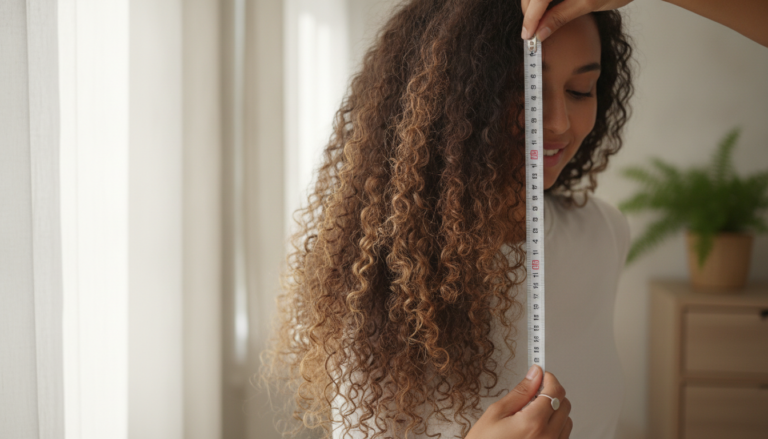
Daily scrutiny makes growth seem slower. Take monthly photos in consistent lighting and measure from a fixed point, like your shoulder or collarbone.
Keep a simple journal noting your routine, products used, trims, and any changes in shedding or texture. This helps identify what works for you.
Patience pays off
Growing shoulder-length hair to mid-back can take two years or more, depending on your starting length and growth rate. Focus on healthy habits rather than obsessing over length.
Celebrate small victories: reduced breakage, improved shine, better scalp comfort, or decreased shedding.
Retention matters: If your hair grows six inches annually but breaks off four inches, you only retain two inches. The goal is to grow AND keep length.
Recognize When Professional Help Is Needed
Some hair concerns require medical evaluation beyond DIY haircare routines.
Sudden or severe shedding
Losing more than 100 hairs daily or noticing clumps in the shower may indicate telogen effluvium, alopecia areata, or other conditions. See a dermatologist promptly.
Patchy bald spots, especially with scalp inflammation, require immediate professional assessment.
Persistent scalp problems
Chronic itching, burning, scaling, sores, or bleeding should be evaluated by a healthcare provider. These symptoms can signal infections, autoimmune conditions, or allergic reactions.
Nutritional deficiencies
If you suspect deficiency, request blood tests for ferritin, vitamin D, vitamin B12, and thyroid function. Self-diagnosing and supplementing without testing can be ineffective or harmful.
A registered dietitian can help you optimize nutrition for hair health based on your individual needs and health status.
Medical disclaimer: This article provides general information only and does not replace professional medical advice. Consult qualified healthcare providers for diagnosis, treatment, or concerns about hair loss, scalp conditions, or nutritional deficiencies.
Build Your Complete Weekly Hair Growth Routine
Consistency transforms individual tips into visible results. This framework helps you structure your weekly haircare for optimal growth support.
Sunday reset routine
Deep conditioning treatment
Scalp massage (5-10 minutes)
Trim any visible split ends
Plan meals with protein and iron
Prep protective hairstyles for week
Weekday maintenance
Gentle shampoo and conditioning
Air-dry when possible
Loose protective styles
Balanced nutrition daily
Brief evening scalp massage
Monthly check-ins
Progress photos in same lighting
Measure length from fixed point
Assess breakage and shedding
Evaluate product effectiveness
Schedule professional trim if needed
Morning: Drink water, eat protein-rich breakfast, take any recommended supplements with food.
Midday: Stay hydrated, protect hair from sun if outdoors, avoid touching or manipulating excessively.
Evening: Gentle scalp massage, secure hair loosely for sleep, use silk or satin pillowcase.
Weekly: Deep condition, clarify if needed, assess scalp health, adjust products as seasons change.
Monthly: Document progress, trim split ends, review nutrition, schedule professional help if concerns arise.
Start your growth-focused routine today
Explore products and resources designed to support your complete hair wellness journey. Review options carefully to find what fits your needs. Affiliate disclosure applies.
No single food accelerates growth beyond your genetic rate. However, nutrient-rich foods support healthy follicle function. Protein, iron, biotin, zinc, and omega-3s create conditions for optimal growth and reduce shedding caused by deficiencies.
Do scalp massages really help with hair growth?
Some research suggests regular scalp massage may increase hair thickness by improving blood circulation to follicles. While it won’t dramatically speed growth, it’s a low-risk practice that many find relaxing and potentially beneficial.
How long until I see results from a new hair routine?
Hair growth happens slowly. Expect at least three months before noticing measurable length or reduced shedding. The hair you see today started growing months ago, so changes in routine take time to manifest visibly.
Is it better to air-dry or blow-dry hair?
Air-drying eliminates heat damage risk, making it gentler. If you blow-dry, use the lowest heat setting, keep the dryer moving, apply thermal protectant first, and allow hair to dry partially before using any hot tools.
What should I do about excessive hair shedding?
Losing 50-100 hairs daily is normal. Sudden increases may result from stress, illness, medication changes, or nutritional deficiencies. If shedding persists beyond three months or occurs in patches, consult a dermatologist for proper evaluation.
Are expensive hair products worth the cost?
Price doesn’t guarantee effectiveness. Focus on ingredient quality and formulation rather than brand prestige. Many affordable products contain beneficial ingredients. Read labels, check reviews, and choose products suited to your specific hair type and concerns.
Your Path to Healthier, Longer Hair
Growing hair faster means creating optimal conditions for your follicles to thrive and protecting the length you produce. There are no shortcuts, but these Hair Growth Tips Faster give you a science-backed framework for success.
Focus on scalp health, balanced nutrition, gentle handling, moisture balance, and consistent routines. Protect your strands from heat, chemicals, and mechanical stress. Address lifestyle factors like stress and sleep. Be patient with the process and track progress monthly rather than daily.
Remember that sudden or severe hair changes may signal underlying health issues requiring professional evaluation. Use this guide as a starting point for education, not as a replacement for qualified medical advice.
With realistic expectations, informed product choices, and dedication to healthy habits, you can support your hair’s natural growth potential and enjoy the journey to longer, stronger strands.
Take the next step in your hair growth journey
Ready to enhance your routine? Explore comprehensive solutions designed for hair wellness. Read full descriptions and reviews before making any purchase. This link includes affiliate disclosure.