Want longer hair without a complicated salon plan? These Hair Growth Tips Faster at Home focus on the habits that protect your ends, care for your scalp, and support healthy hair from the inside out.
Hair grows from follicles beneath the scalp. Most home habits cannot change the speed of that cycle overnight. They can, however, help reduce breakage so you keep more of the length you already grow.
Start With a Simple Plan
Choose one scalp habit and one length-protection habit this week. Small changes are easier to follow than a long list of promises.
Disclosure: Some links in this article are affiliate links. We may earn a commission if you buy through them, at no added cost to you.
What Actually Supports Hair Growth at Home?
The best way to support hair growth is to protect the full growth process. That means caring for the hair scalp, limiting damage, eating enough nutrients, and watching for signs that need medical attention.
Hair grows at different rates. Genetics, age, hormones, health, medication, and hair type all matter. A person with tight curls may need a different routine from someone with fine, straight strands.
Protect the scalp
A clean, calm scalp gives follicles a better environment. Avoid harsh scratching and heavy buildup.
Wash based on oil and buildup.
Massage with light pressure.
Rinse shampoo fully.
Protect the length
Breakage can make it seem like hair does not grow. Gentle handling helps preserve every inch.
Detangle from ends upward.
Use a soft towel.
Limit hot tools.
Support the body
Hair needs energy and nutrients. A balanced diet is more useful than random megadoses.
Eat enough protein.
Include colorful foods.
Drink fluids regularly.
Be patient with oils, masks, and supplements. They may improve softness or reduce breakage, but they do not replace diagnosis when shedding is sudden or severe.
Build a Daily Routine for Healthy Hair
Hair Growth Tips Faster at Home for Washing and Detangling
Wash often enough to remove sweat, oil, and product residue. A clean scalp does not need to feel painfully dry. If your scalp becomes oily quickly, more frequent washing may be reasonable.
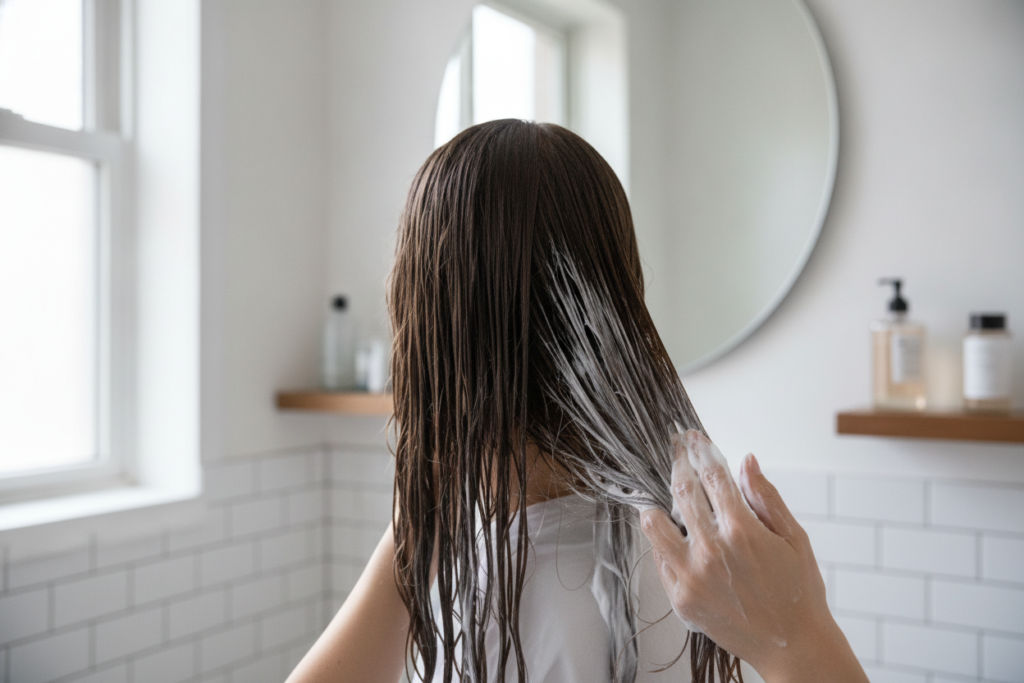
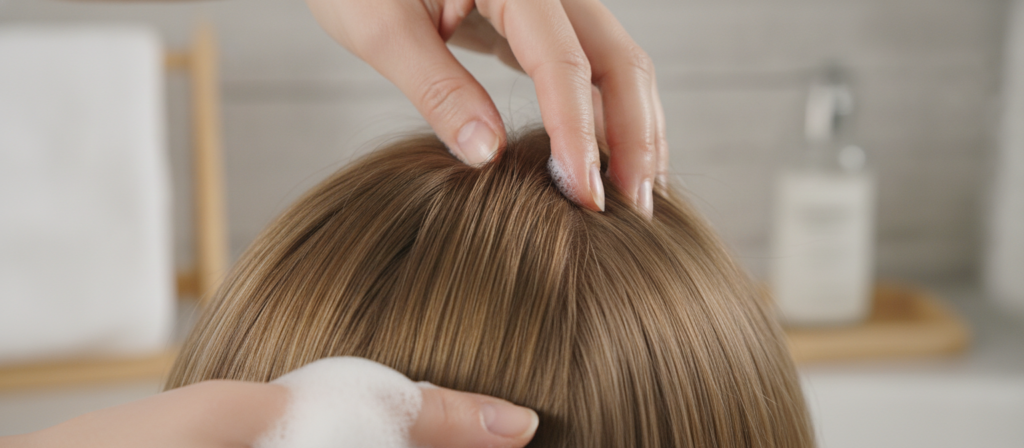
Apply shampoo mainly to the scalp. Let the foam move through the ends as you rinse. Conditioner belongs from the middle of the hair to the ends, especially when those areas feel rough.
Wet the hair with comfortably warm water.
Use a small amount of shampoo on the scalp.
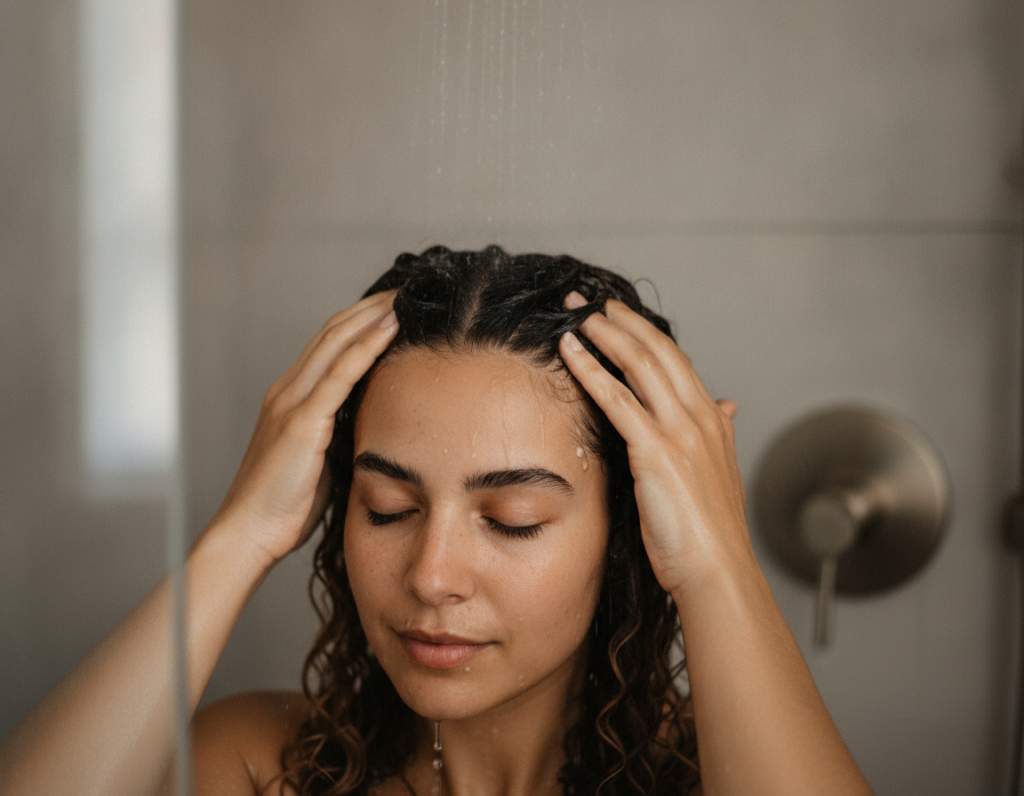
Massage with fingertips for about two minutes.
Rinse until the water feels clean.
Apply conditioner and leave it for a few minutes.
Blot with a soft towel instead of rubbing.
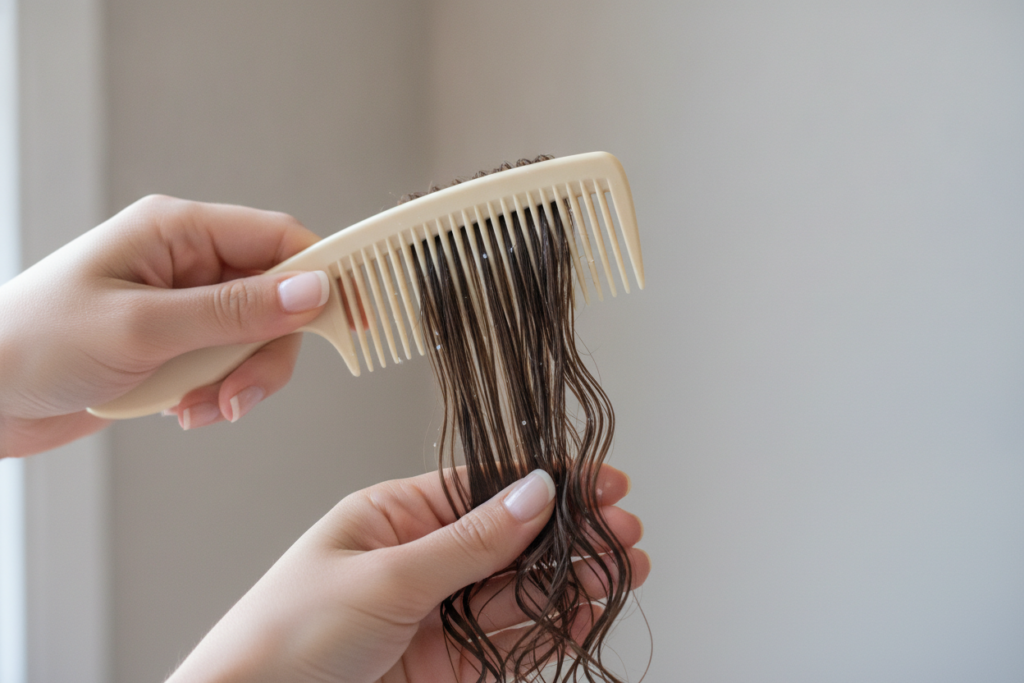
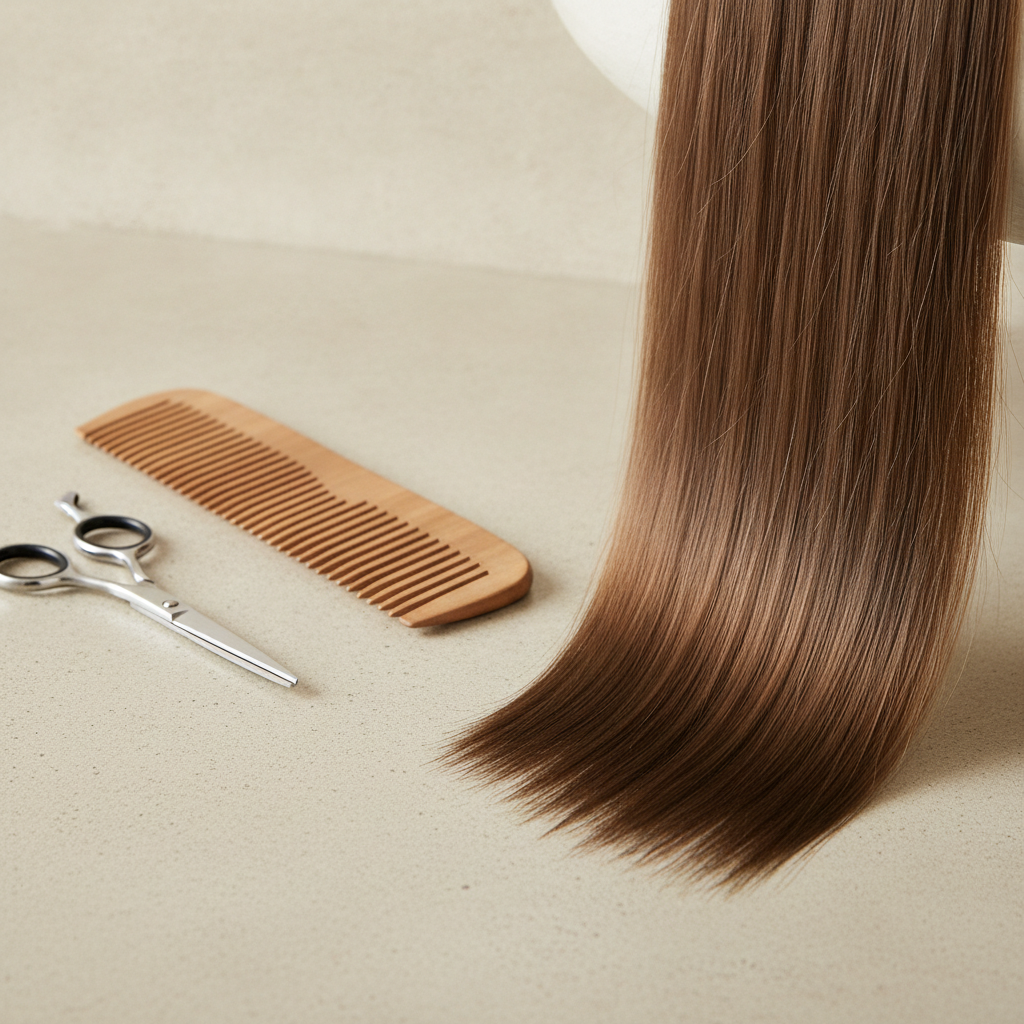
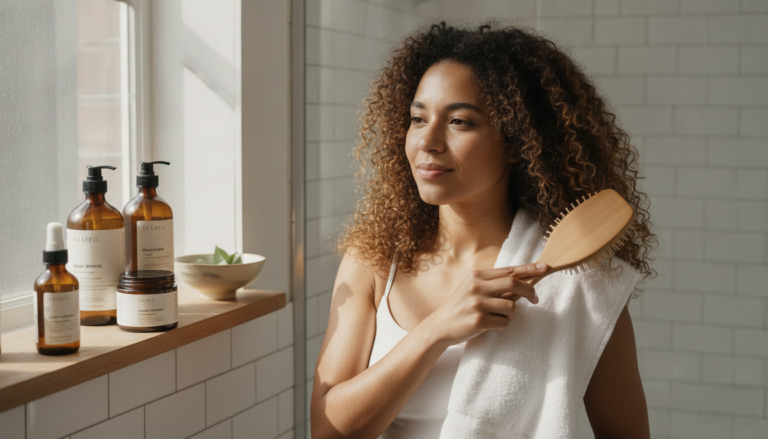
Detangle wet hair with care. Use a wide-tooth comb or flexible brush. Begin at the ends, remove small knots, and move upward. Pulling from the roots can stress follicles and snap fragile strands.
Use a Weekly Hair Mask
A hair mask can add moisture and improve the feel of dry hair. It cannot force new growth, but it may help reduce friction and split ends. Choose a formula that suits your hair type.
Fine hair may need a light mask. Thick, curly, or natural hair may prefer a richer product. Keep masks away from the face if the formula causes irritation, and rinse well.
Make Your Routine Easier
A simple product routine can help you stay consistent. Compare an option designed for regular at-home care before adding several new products.
Scalp massage is one of the easiest habits to try. Use clean fingertips and gentle circular movements. Work across the front, sides, and back for a few minutes. Avoid pressing hard or scratching with nails.
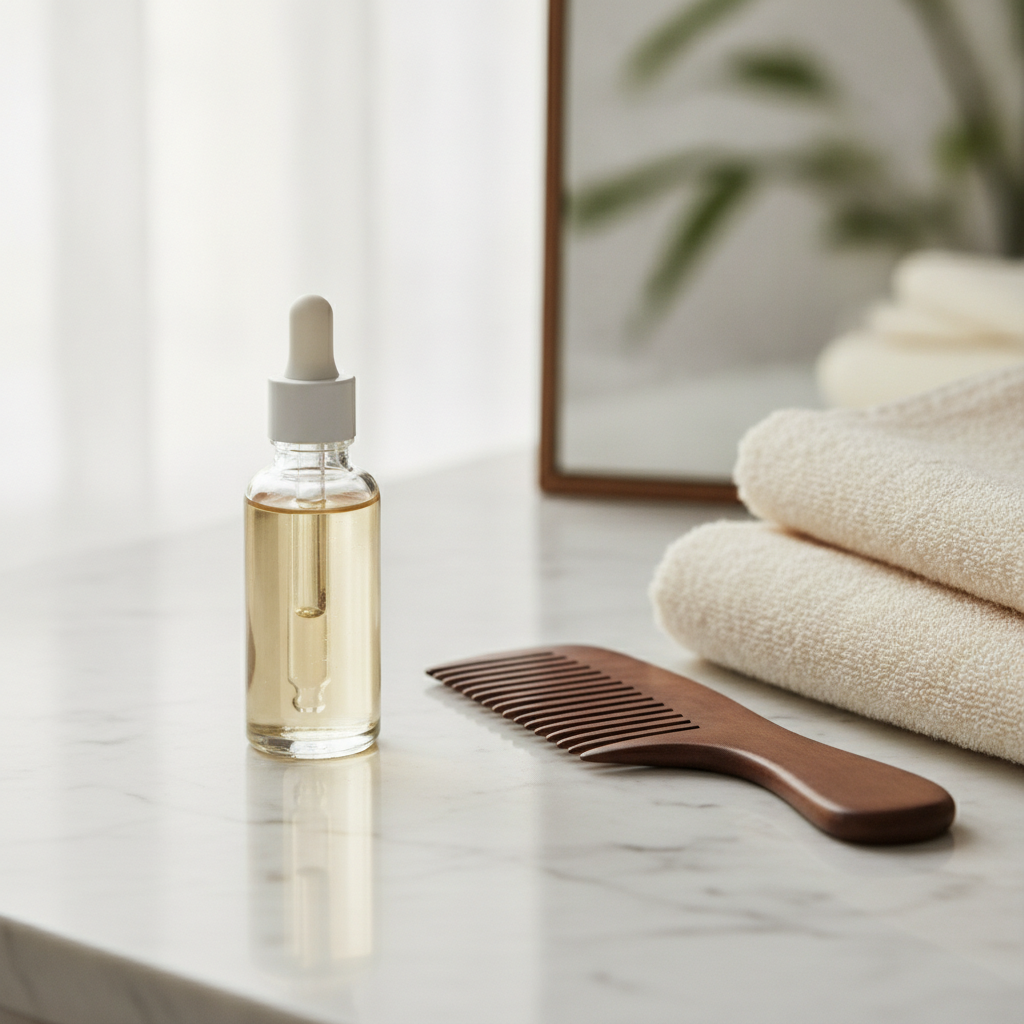
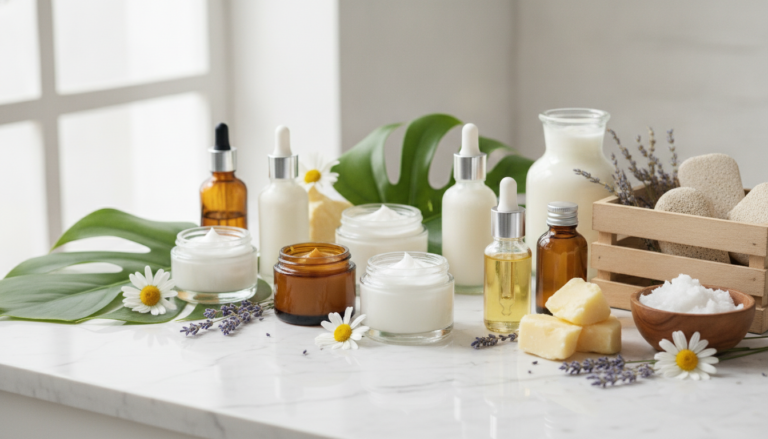
An oil may reduce dryness and add shine, but more oil is not always better. Heavy oil can increase buildup for some people. Test a small area first and stop if you notice itching, redness, or bumps.
Use a few drops rather than soaking the scalp.
Choose a light oil for fine hair.
Focus richer oils on dry ends.
Wash the oil out with a gentle shampoo.
Do not use essential oils undiluted.
A scalp hair serum can fit into a focused routine. Read the label and follow its directions. Avoid combining several active products at once, since irritation can make scalp problems worse.
Do not apply every household ingredient you see online. Lemon juice, undiluted essential oils, and strong spices may irritate the scalp. A burning feeling is not proof that a product is working.
Explore a Scalp-Focused Option
If scalp care is your main concern, review product details, ingredients, and directions before deciding whether a scalp hair serum belongs in your routine.
Nutrition and Lifestyle Habits That Support Growth
Food does not work like a magic hair treatment. Still, the body needs adequate energy, protein, vitamins, and minerals to support normal hair growth. Severe dieting can affect the hair cycle.
Choose Balanced Foods
Include protein at meals. Eggs, fish, poultry, tofu, beans, lentils, yogurt, and nuts can help. Eggs are useful because they provide protein and other nutrients, but eating eggs alone will not make hair grow faster.
Iron-rich foods include beans, lentils, leafy greens, meat, and fortified foods. Pair plant sources with vitamin C foods to support iron absorption. If you suspect a deficiency, ask a healthcare professional about testing before taking supplements.
Biotin supplements are often marketed for hair growth. They are not helpful for everyone, and high doses can interfere with some lab tests. Tell your clinician about every supplement you use.
Improve Sleep and Stress Care
Stress can affect shedding for some people. A regular sleep schedule, gentle movement, and short breathing breaks may support general health. These habits are not a cure, but they can help the body recover.
Protect hair during sleep. A loose braid, satin pillowcase, or smooth bonnet may reduce friction. Do not tie hair tightly, because constant tension can weaken the hairline.
Build Better Daily Habits
Use a practical guide to organize food, sleep, scalp care, and hair protection without creating an overwhelming routine.
Many people search for ways to grow hair long while overlooking daily damage. Breakage can happen at the ends even when the follicles are working normally.
Habits to Limit
Brushing hard through knots
Wearing tight styles every day
Using hot tools on wet hair
Skipping heat protection
Coloring too often
Gentler Choices
Detangle in small sections
Change the position of ponytails
Dry hair before styling
Use the lowest useful heat
Schedule rest between treatments
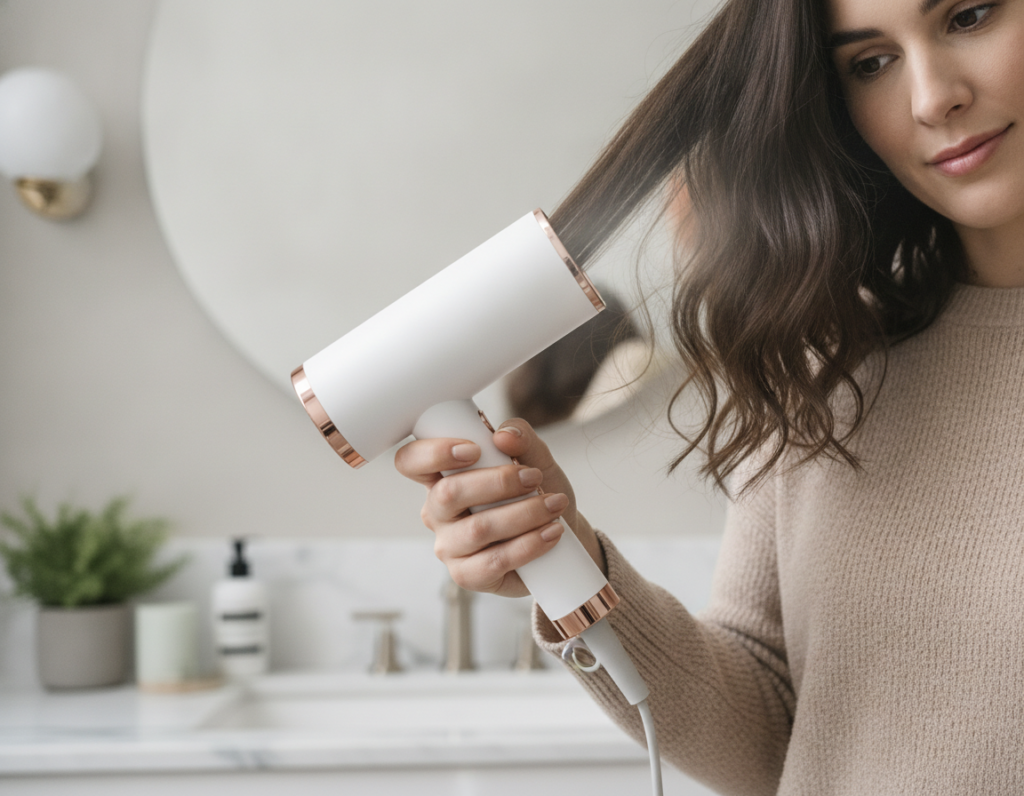
Hot tools can remove moisture and weaken the outer layer. Let hair air-dry when possible. When you use a dryer, keep it moving and avoid the hottest setting.
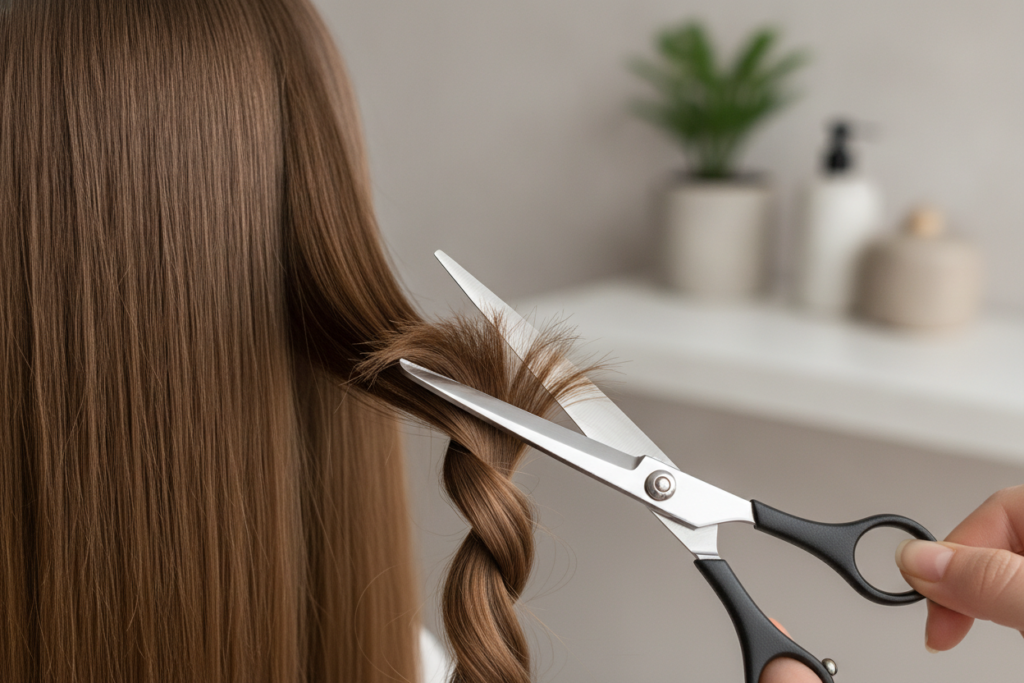
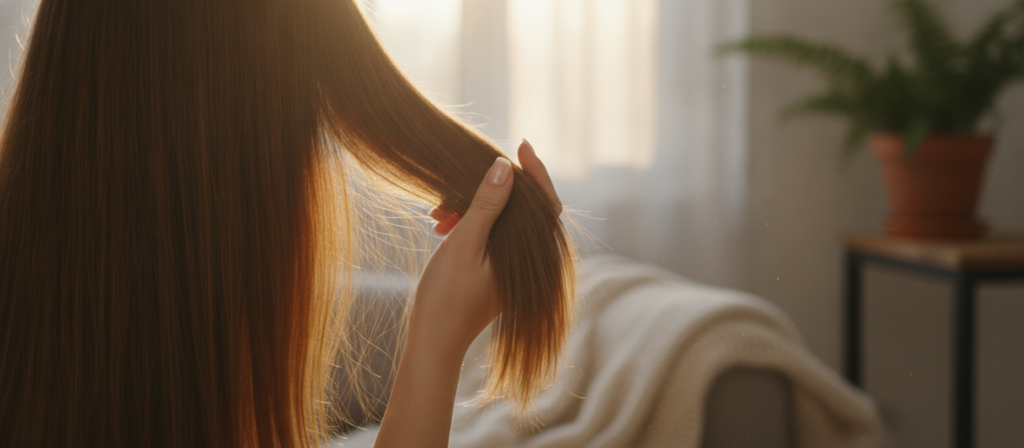
Split ends cannot be repaired permanently. Conditioners and masks can make them look smoother for a while, but a trim is the reliable way to remove the damaged section.
Do not delay a trim because you want maximum length. Removing a small damaged section may help stop splits from traveling farther up the hair shaft.
Be careful with tight extensions, braids, and slick styles. Pain, tenderness, bumps, or thinning near the hairline are warning signs. Loosen the style and seek professional advice if the problem continues.
Choose Damage-Smart Hair Care
If breakage is your biggest concern, explore a routine that focuses on moisture, gentle handling, and protecting the ends.
Home care is useful for dryness, mild breakage, and routine support. It is not enough for every type of hair loss. See a healthcare professional if shedding is sudden, severe, or linked with other symptoms.
Notice round or sharply defined bald patches.
See scalp redness, pain, sores, or heavy scaling.
Lose eyebrows or body hair at the same time.
Have fatigue, unusual weight change, or cycle changes.
See thinning after a new medication or illness.
Feel worried even after changing your routine.
A clinician may review your history, examine the hair scalp, and decide whether tests are appropriate. Do not stop prescribed medication without medical advice.
Take photos in the same lighting each month if you want to track changes. Record new products, diet changes, stress, illness, and medication changes. This information can make a consultation more useful.
Use Products With Realistic Expectations
Before buying, check the ingredients, directions, possible sensitivities, and refund terms. A product should support your routine, not replace professional care.
Look for less breakage, easier detangling, calmer scalp skin, and stronger-feeling ends. Length changes are slow, so compare photos over several months rather than checking every day.
Keep one routine long enough to understand it. Changing shampoo, oil, mask, and serum every few days makes it hard to know what helps or causes irritation.
4.6
★★★★★
Practical routine value
Ease at home
4.8/5
Breakage support
4.6/5
Medical replacement
1.0/5
Frequently Asked Questions
Can hair grow faster in one week?
No home method can reliably create dramatic growth in one week. Focus on scalp care, protein-rich foods, gentle handling, and reducing breakage.
Is oil good for every hair type?
No. Oil may help dry lengths, but it can feel heavy or irritating on some scalps. Start with a small amount and stop if discomfort appears.
Should I trim hair to make it grow?
A trim does not change follicle growth. It can remove split ends and help preserve the length that grows.
When should I use a hair serum?
Use a hair serum only as directed on its label. Choose one that matches your concern and avoid layering many active products.
Take the Next Practical Step
Start with a gentle routine, protect your ends, and choose products carefully. If you have persistent shedding, make a healthcare appointment.
The most effective Hair Growth Tips Faster at Home are steady, gentle, and realistic. Care for the scalp, protect the ends, eat balanced foods, and give growth time. Healthy hair growth is a process, not a quick trick.