How to Get Healthy Skin: 7 Proven Tips That Work
Your skin tells your story. It reflects your health, habits, and how well you care for yourself. Getting healthy skin is not about expensive treatments or complicated routines. It is about understanding what your skin needs and giving it consistent care.
Many people struggle with skin problems like acne, dry skin, or early signs of aging. The good news is that achieving beautiful, healthy skin is possible for everyone. With the right approach, you can transform your skin and boost your confidence.
This guide reveals proven strategies that dermatology experts recommend. You will discover practical tips that fit easily into your daily life. From skin care basics to advanced protection methods, everything you need is here.
Ready to Transform Your Skin?
Discover the proven system that thousands have used to achieve clear, radiant, healthy skin. Start your journey to beautiful skin today.
Understanding Your Skin and Its Needs
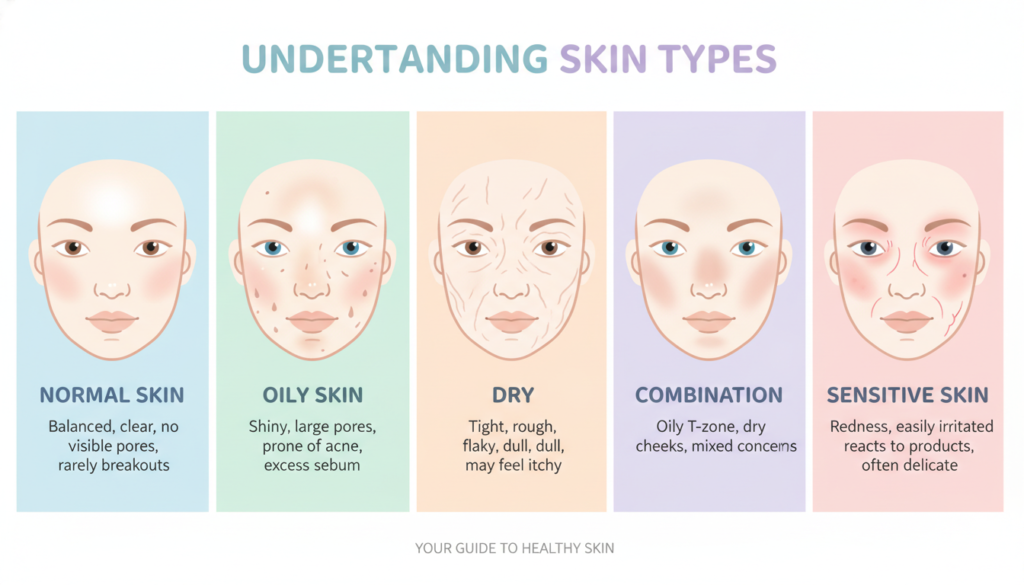
Your skin is your body’s largest organ. It protects you from environmental damage every day. Understanding your skin type is the first step to getting healthy skin that glows.
Different skin types need different care approaches. Oily skin produces excess sebum and may be prone to acne. Dry skin feels tight and may show flaking. Combination skin has both oily and dry areas. Normal skin maintains good balance naturally.
The American Academy of Dermatology emphasizes that knowing your skin type helps you choose the right products. Using wrong products can worsen skin conditions and create new problems.
Signs of Healthy Skin
- Even tone without excessive redness
- Smooth texture that feels soft
- Good hydration without oiliness
- No persistent acne or irritation
- Minimal visible pores
Common Skin Concerns
- Acne and breakouts
- Premature wrinkles and aging
- Dark spots and discoloration
- Excessive dryness or oiliness
- Sensitivity and redness
Research shows that skin health connects directly to overall health. Your skin reflects what happens inside your body. Stress, poor nutrition, and lack of sleep all show up on your skin.
Build a Simple Daily Skin Care Routine
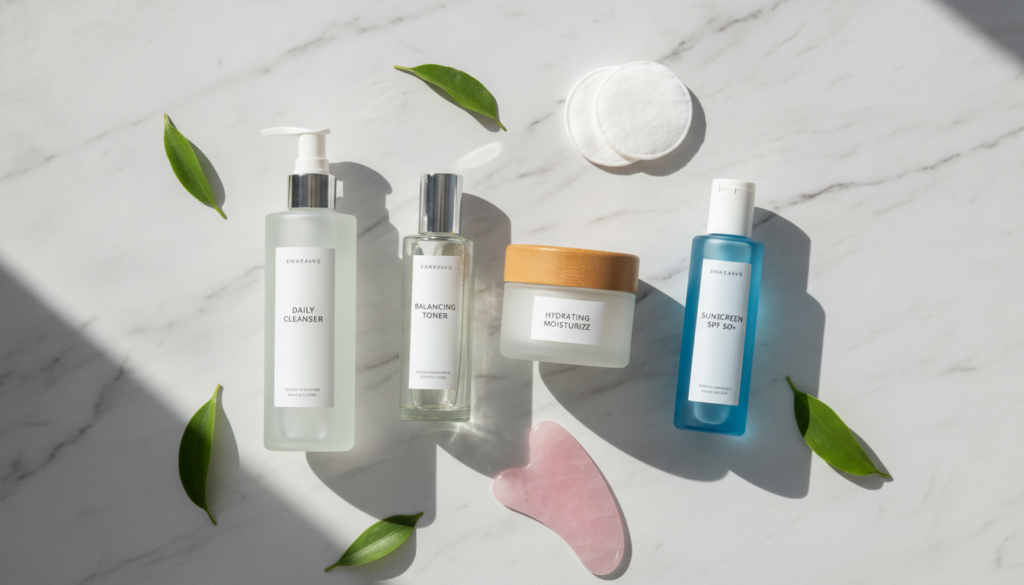
A consistent skin care routine is essential for maintaining healthy skin. You do not need dozens of products. A simple, effective routine works better than complicated systems that you cannot maintain.
Morning and evening care form the foundation of good skin health. Your morning routine protects skin throughout the day. Your evening routine repairs damage and supports overnight renewal.
Morning Skin Care Steps
- Cleanse gently: Wash face with warm water and a mild cleanser. This removes oil and impurities that accumulated overnight.
- Apply toner: Use alcohol-free toner to balance skin pH and prepare for moisturizer.
- Moisturize: Apply moisturizer while skin is still slightly damp to lock in hydration.
- Protect with sunscreen: Use broad-spectrum SPF 30 or higher every day, even when cloudy.
Evening Skin Care Steps
- Remove makeup completely: Use gentle makeup remover or cleansing oil first.
- Deep cleanse: Wash face thoroughly to remove dirt, pollution, and remaining makeup.
- Treat specific concerns: Apply targeted treatments for acne, dark spots, or wrinkles.
- Moisturize richly: Use a nourishing night cream to support skin repair while you sleep.
Experts recommend keeping things simple when you start. Add products gradually so you can see what works for your skin. Consistency matters more than having many products.
Want a Complete Skin Care System?
Get access to a professionally designed skincare routine that adapts to your unique skin type and concerns.
Master the Art of Proper Cleansing

How you wash your face impacts your skin health significantly. Many people damage their skin by cleansing incorrectly. Learning proper cleansing techniques helps keep skin healthy and prevents common problems.
Warm water works best for cleansing. Hot water strips away natural oils and can cause dry skin. Cold water does not clean effectively. Warm water opens pores gently and allows thorough cleaning without damage.
Common Cleansing Mistakes to Avoid
- Scrubbing too hard damages the skin barrier
- Using harsh soaps disrupts natural pH balance
- Washing face too often strips protective oils
- Skipping evening cleansing allows dirt buildup
- Not rinsing thoroughly leaves residue
- Rubbing with rough towels causes irritation
Pat your skin dry gently with a clean towel after washing. Rubbing creates friction that damages skin and causes premature wrinkles. A soft patting motion removes water while protecting your skin.
Pro Tip: The American Academy of Dermatology recommends washing your face twice daily and after sweating. This keeps skin clean without over-washing.
Choose cleansers based on your skin type. Oily skin benefits from gel cleansers. Dry skin needs creamy, hydrating formulas. Sensitive skin requires fragrance-free, gentle options. The right cleanser makes a significant difference in achieving healthy skin.
Protect Your Skin from Sun Damage
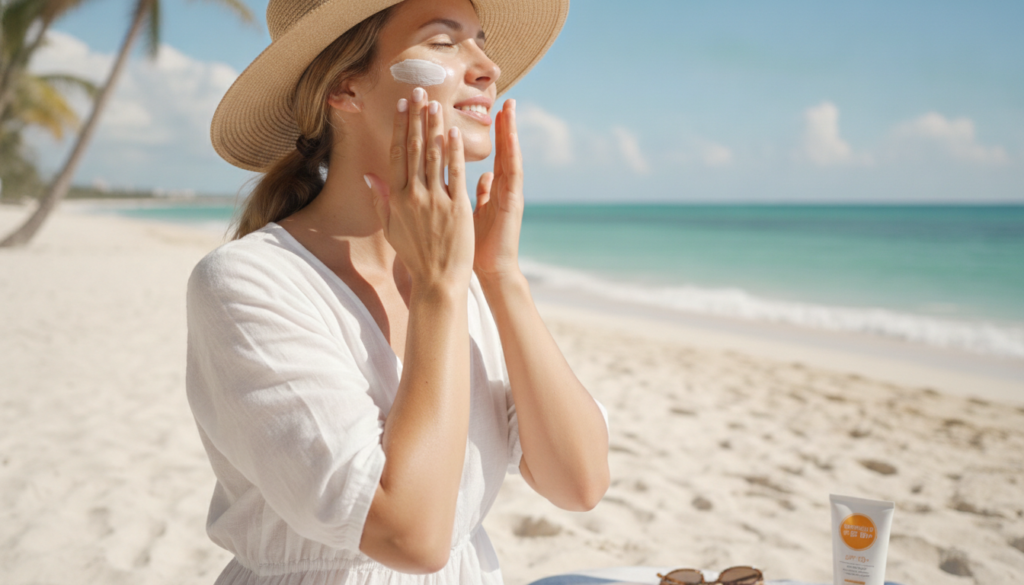
Sun protection is the most important thing you can do to keep skin healthy. UV rays cause premature aging, wrinkles, and increase skin cancer risk. Protecting your skin from the sun prevents most visible signs of aging.
Use sunscreen every single day, regardless of weather. Clouds do not block UV rays effectively. You need protection even on overcast days. This simple habit prevents massive skin damage over time.
Essential Sun Protection Rules
Choose the Right Sunscreen
Select broad-spectrum sunscreen with SPF 30 or higher. Broad-spectrum protection shields against both UVA and UVB rays. Apply generously to all exposed skin areas.
- Apply sunscreen 15 minutes before going outside
- Reapply every two hours when outdoors
- Use extra after swimming or sweating heavily
- Do not forget ears, neck, and hands
- Wear protective clothing when possible
- Seek shade during peak sun hours (10 AM to 4 PM)
Research shows that consistent sunscreen use reduces skin cancer risk dramatically. It also prevents age spots, uneven skin tone, and premature wrinkles. Sun protection keeps your skin looking young longer.
People often apply too little sunscreen. You need about one ounce (a shot glass full) to cover your entire body adequately. For your face alone, use about half a teaspoon. Most people use only 25-50% of the recommended amount.
Important: Skin cancer, including melanoma, basal cell, and squamous cell carcinomas, can be prevented through proper sun protection. Make sunscreen part of your daily routine to protect your health.
Nourish Your Skin from Within

What you eat shows up on your skin. Nutrition plays a vital role in skin health. Your body needs specific nutrients to maintain healthy skin and repair damage effectively.
Drink plenty of water throughout the day. Proper hydration keeps skin plump and helps flush toxins from your body. Dehydration causes dry skin, emphasizes wrinkles, and makes skin look dull.
Best Nutrients for Healthy Skin
Vitamins and Minerals
- Vitamin C boosts collagen production
- Vitamin E protects against sun damage
- Vitamin A supports cell renewal
- Zinc helps heal acne and wounds
- Omega-3 fatty acids reduce inflammation
Skin-Healthy Foods
- Fatty fish like salmon and mackerel
- Colorful fruits and vegetables
- Nuts and seeds
- Green tea with antioxidants
- Avocados with healthy fats
Limit sugar and processed foods. High sugar intake contributes to acne breakouts and accelerates skin aging through a process called glycation. This damages collagen and elastin, the proteins that keep skin firm.
Hydration Guidelines
Aim for at least eight glasses of water per day. You may need more if you exercise, live in hot climates, or drink caffeine regularly. Your skin cells need water to function properly.
“Skin hydration starts from within. No topical product can replace the benefits of drinking enough water daily.”
Boost Your Skin Health from Inside
Discover scientifically formulated supplements designed specifically to support radiant, healthy skin from within.
Lifestyle Habits That Support Healthy Skin

Your daily habits affect your skin health significantly. Sleep, stress management, and exercise all influence how your skin looks and feels. Making positive lifestyle changes creates visible improvements.
Get Quality Sleep
Sleep is when your body repairs skin damage. During deep sleep, growth hormones peak and help rebuild tissues. Lack of sleep leads to increased cortisol, which breaks down collagen and causes premature aging.
Aim for seven to nine hours of quality sleep each night. Establish a regular sleep schedule. Use a silk pillowcase to reduce friction on your skin. Elevate your head slightly to prevent fluid retention that causes puffiness.
Manage Stress Effectively
Stress triggers hormonal changes that worsen acne and other skin conditions. Chronic stress accelerates skin aging and impairs the skin barrier function. Learning to manage stress helps keep skin healthy.
- Practice meditation or deep breathing daily
- Exercise regularly to reduce stress hormones
- Make time for activities you enjoy
- Connect with supportive friends and family
- Consider professional help if stress feels overwhelming

Exercise for Glowing Skin
Regular exercise increases blood flow, which nourishes skin cells and helps carry away waste products. Physical activity also helps regulate hormones that affect skin health. You get a natural glow after working out.
Remember to wash your face after exercising. Sweat and bacteria can clog pores if left on skin too long. Always remove makeup before workouts to prevent breakouts.
Avoid Smoking and Limit Alcohol
Smoking damages collagen and elastin, causing premature wrinkles and sagging. It also reduces blood flow to skin, making it look dull and gray. Quitting smoking is one of the best things you can do for your skin.
Excessive alcohol dehydrates your body and depletes essential nutrients. This shows up as dull, dry skin with enlarged pores. Limit alcohol consumption to protect your skin health.
Address Common Skin Problems Effectively
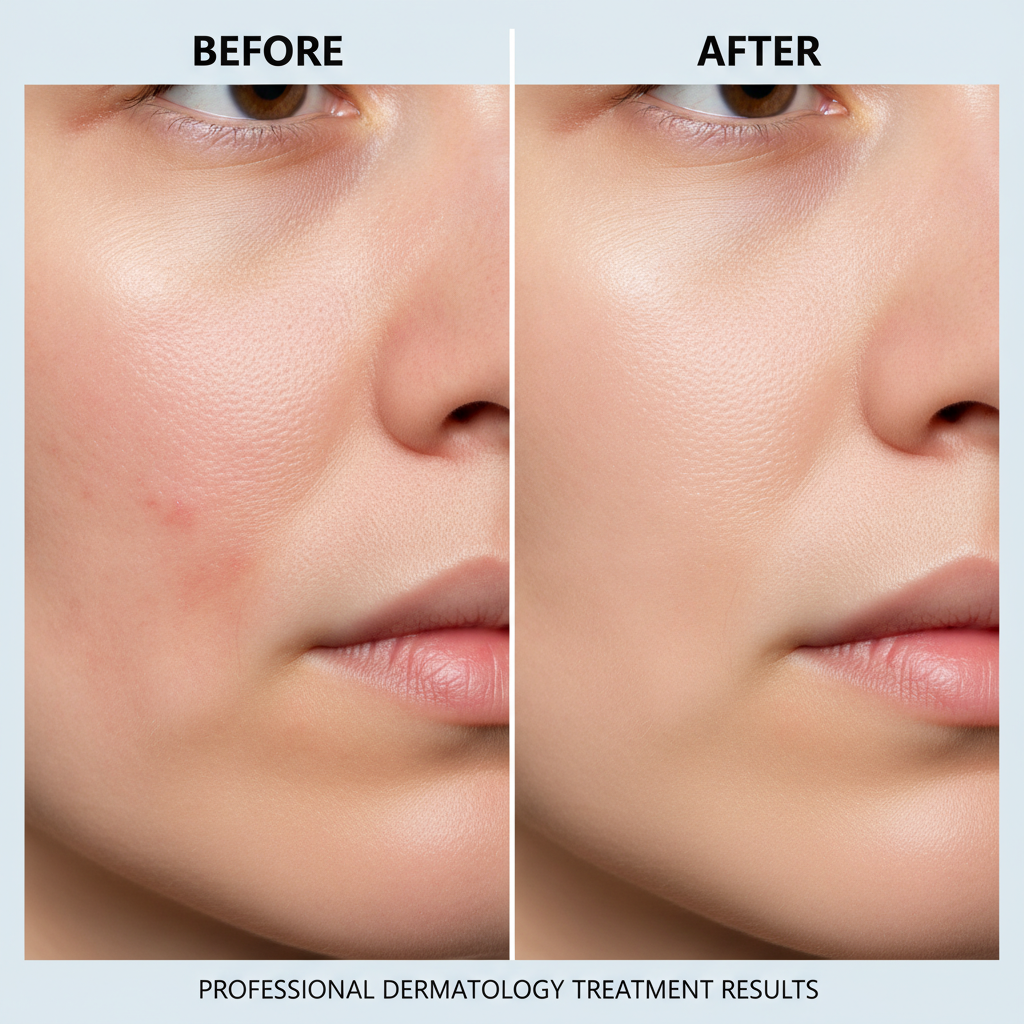
Skin problems affect most people at some point. Understanding how to treat common issues helps you maintain healthy skin. Early intervention prevents problems from becoming worse.
Acne Treatment and Prevention
Acne happens when pores become clogged with oil and dead skin cells. Bacteria can grow in these clogged pores, causing inflammation. Effective acne care requires consistent treatment.
For Mild Acne
- Use gentle cleansers twice daily
- Apply products with salicylic acid or benzoyl peroxide
- Avoid touching or picking at blemishes
- Use non-comedogenic moisturizers
For Persistent Acne
- Consult a dermatologist for prescription treatments
- Consider retinoid medications
- Ask about oral antibiotics if needed
- Explore professional treatments like chemical peels
Fighting Premature Aging and Wrinkles
Wrinkles form naturally as skin loses collagen and elasticity over time. However, you can slow this process significantly with proper care. Sun protection remains the most effective anti-aging strategy.
Retinoids, derivatives of vitamin A, are proven to reduce wrinkles and improve skin texture. Start with lower concentrations and gradually increase to avoid irritation. Use at night and always wear sunscreen during the day.

Managing Dry Skin
Dry skin feels tight and may appear flaky or rough. It occurs when skin loses moisture faster than it can be replaced. Environmental factors, harsh products, and aging contribute to dry skin.
- Use gentle, fragrance-free cleansers
- Apply moisturizer immediately after bathing
- Choose products with hyaluronic acid or ceramides
- Use a humidifier in dry environments
- Avoid hot showers that strip natural oils
- Protect skin from cold, dry weather
Dealing with Sensitive Skin
Sensitive skin reacts easily to products, weather, or stress. It may become red, itchy, or irritated without much provocation. Identifying triggers helps you avoid reactions.
Patch test new products before applying to your entire face. Introduce one new product at a time so you can identify what causes problems. Choose fragrance-free, hypoallergenic options specifically designed for sensitive skin.
Get Professional-Grade Skin Solutions
Access dermatologist-recommended treatments that target your specific skin concerns and deliver real results.
When to Seek Professional Skin Care Help

Sometimes home care is not enough to keep skin healthy. Knowing when to consult dermatology experts helps you address serious concerns early. Professional care can prevent long-term damage and treat stubborn conditions effectively.
Signs You Should See a Dermatologist
- Persistent acne that does not improve with over-the-counter treatments
- Sudden changes in existing moles or new growths
- Severe dry skin that cracks or bleeds
- Rashes that do not heal or keep coming back
- Signs of skin infection like pus or severe inflammation
- Suspected skin cancer symptoms
- Severe reactions to skin care products
The American Academy of Dermatology recommends annual skin cancer screenings, especially if you have risk factors. Early detection of skin cancer significantly improves treatment outcomes. Do not delay seeking medical advice for concerning symptoms.
Professional Treatments Worth Considering
Dermatologists offer many advanced treatments that deliver results beyond what home care can achieve. These include chemical peels, laser therapy, and prescription medications tailored to your specific needs.
What are chemical peels?
Chemical peels use controlled acid solutions to remove damaged outer layers of skin. This reveals fresher, healthier skin underneath and stimulates collagen production. Peels can improve acne scars, sun damage, and uneven tone.
How does laser therapy help skin?
Laser treatments target specific skin concerns using focused light energy. They can reduce wrinkles, remove age spots, treat acne scars, and tighten skin. Different laser types address different problems, and professionals choose the best option for your skin.
Are prescription retinoids better than over-the-counter options?
Prescription retinoids contain higher concentrations of active ingredients and often work more effectively than drugstore versions. Dermatologists can prescribe stronger formulations and provide guidance on proper use to minimize side effects.
Research shows that professional guidance helps people achieve their skin goals faster and more safely. Experts can identify issues you might miss and recommend targeted treatments that work for your unique skin.
Ready for Professional Results at Home?
Get access to clinically proven skincare systems designed by dermatology experts. Achieve professional-quality results without expensive office visits.
Your Journey to Healthy Skin Starts Now

Getting healthy skin requires commitment and consistency. The strategies shared here work when you apply them regularly. Small daily actions create significant changes over time.
Remember that everyone’s skin is different. What works perfectly for someone else might not suit you. Pay attention to how your skin responds and adjust your routine accordingly. Patience is essential because real improvements take time.
Start with the basics: gentle cleansing, consistent moisturizing, and daily sunscreen protection. Build from there as you learn what your skin needs. Protect your skin from sun damage, nourish it from within, and manage stress to help keep skin healthy.
Your skin reflects your overall health and self-care habits. By following these skin care secrets and making them part of your daily routine, you give yourself the best chance to look and feel your best. Healthy skin contributes to confidence and wellbeing.
Take action today. Choose one or two strategies from this guide to implement this week. Your future self will thank you for the care you provide now. Beautiful, healthy skin is within your reach.